 Intellect Plus
Arthropods
223 cards. Each one is a 40-second story with a five-minute read behind it. Page 2 of 4.
 These spiders hunt by walking on water, using surface tension like a living web.Fishing spiders of the genus Dolomedes do not build webs to catch their prey. Instead, they use the surface of ponds and streams as a sensory net. By detecting vibrations through …
 These crabs carry their own living homes by sculpting sponges to fit their bodies.Known as sponge crabs, the Dromiidae family possesses a remarkable architectural talent. Rather than hiding in static crevices, these crustaceans actively harvest living sponges, …
 The Dytiscus beetle is a formidable aquatic predator that breathes through a hidden air supply.Known as the little diver, the Dytiscus is a robust predator found across the Northern Hemisphere. These beetles have evolved specialized mechanisms for life in ponds, including m…
 These insects spin silk from their legs to build protective, maze-like tunnel galleries.Webspinners are small, gregarious insects that produce silk from glands located in their front legs. They use this silk to construct elaborate, protective galleries on bark, rocks…
 The emperor dragonfly is a territorial giant currently conquering the cooling northern latitudesAs one of the largest dragonflies in Europe, the emperor dragonfly is a master of the skies. With a wingspan exceeding 100 millimetres and a reputation for aggressive hunting, thi…
 Why this giant, glowing African arachnid is actually a gentle giant of the rainforestThe emperor scorpion is among the world's most massive arachnids, yet it is surprisingly docile. Despite its intimidating appearance and ability to fluoresce under ultraviolet lig…
 The bizarre, ancient mantises that have captivated humans for tens of thousands of yearsEmpusidae are a family of plant-mimicking mantises known for their striking, elongated appearance and specialized defensive behaviors. These ambush predators, found across Africa,…
 From blood-sucking vampires to giants, the Erebidae family defies every moth stereotype.The Erebidae family is one of the largest and most diverse groups of moths on Earth. Spanning every continent except Antarctica, these insects range from tiny six-millimeter speck…
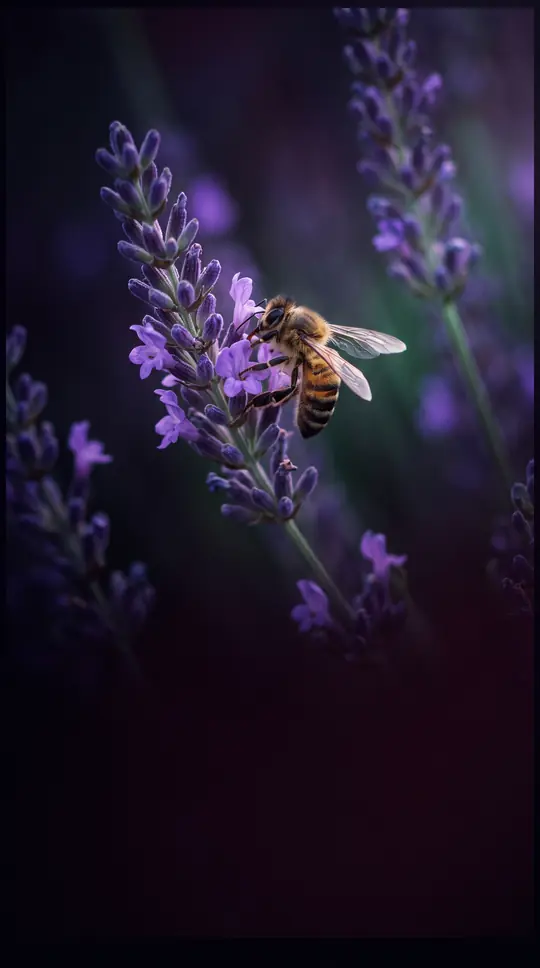 The European dark bee is a polarizing icon of native purity and modern controversyThe European dark bee, Apis mellifera mellifera, is a subspecies steeped in myth and intense conservation efforts. Often championed as a native treasure, it faces scrutiny for its…
 How did insects conquer the skies millions of years before birds or bats?Insects were the first animals to master flight, yet their early evolution remains a mystery hidden in the fossil record. While we know they radiated into diverse forms during the…
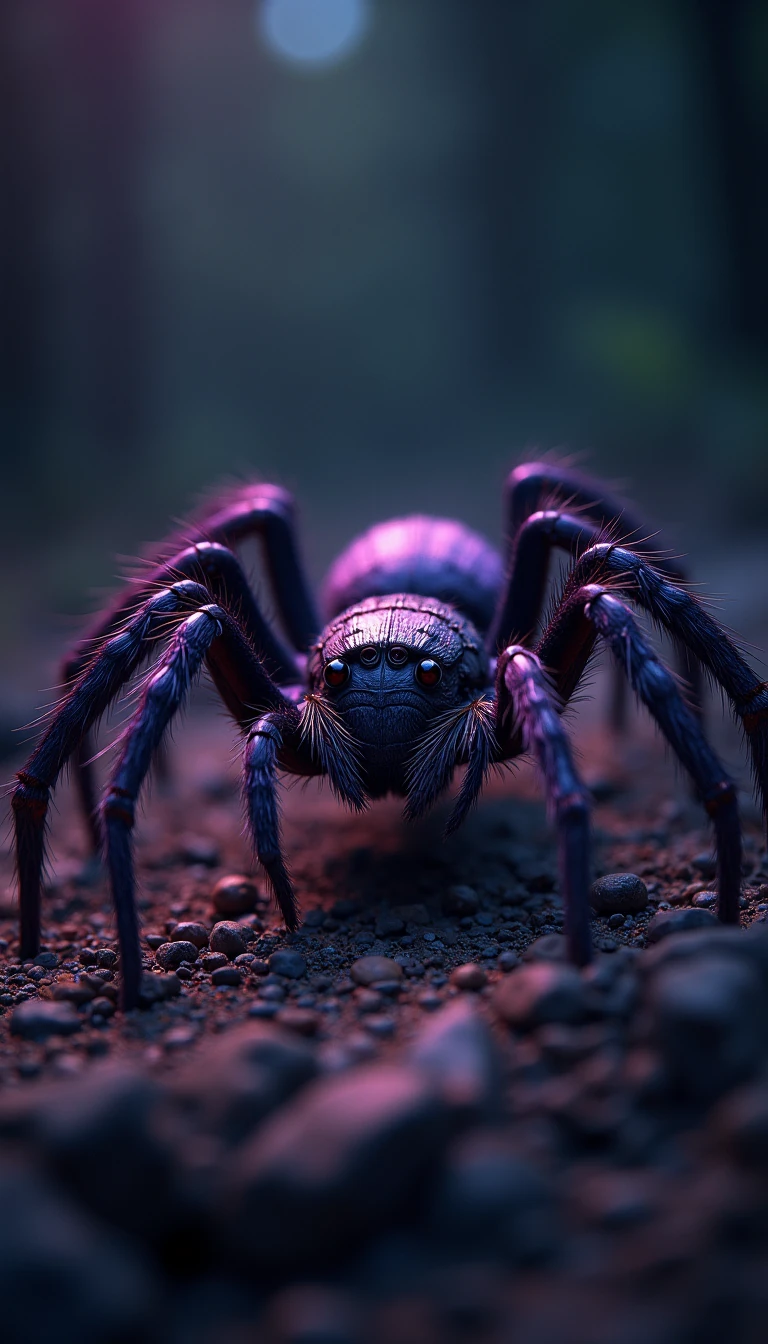 Spiders have been perfecting the art of the web for over 130 million yearsSpiders are ancient masters of survival, with a lineage stretching back 380 million years. While they share the world with 45,000 known species today, their evolutionary journey i…
 This ravenous caterpillar is a global agricultural menace and a secret medical hero.The fall armyworm is a destructive moth larva that can devastate entire fields overnight. While it causes billions in crop losses across the globe, its unique cellular structure h…
 Why the Androctonus scorpion earned a name that translates to man killerThe fattail scorpion is among the most dangerous arachnids on Earth. Named for its distinctly thick metasoma, this nocturnal predator hides in desert crevices to survive. Its veno…
- The secret life of the fig wasp: a tiny architect of tropical forest survivalEvery fig you eat is the result of a desperate, one-way journey. A female fig wasp enters a hidden flower, loses her wings, and dies inside to ensure the fruit ripens. This obliga…
 Why the firebrat thrives in the scorching heat of your home's furnace pipesWhile most household pests seek out damp, cool corners, the firebrat is a heat-loving specialist. Thriving in temperatures that would deter other insects, these wingless, greyish …
 The microscopic pest that ruins your pantry and defines the flavor of fine cheeseThe flour mite, Acarus siro, is a tiny, pale creature that thrives in stored grains and animal feed. While often viewed as a destructive pest that spoils food with a sickly sweet …
 The orchid mantis is a master of deception, luring prey with light and chemistry.Flower mantises use aggressive mimicry to survive, blending into their surroundings to hunt while avoiding predators. These insects go beyond simple visual camouflage, employing s…
 The red wood ant uses a sophisticated chemical pharmacy to keep its colony alive.Formica rufa, the red wood ant, does not just build mounds; it engineers a fortress. By mixing coniferous tree resin with its own formic acid, these ants create a potent antimicro…
- Why these aggressive termites are known as the super-termite of the southern United StatesFormosan subterranean termites are not just pests; they are structural threats capable of forming colonies with millions of members. Known for their aggressive defense and massive…
 Why freshwater crabs are evolutionary homebodies facing a global extinction crisisUnlike their ocean-dwelling cousins that release thousands of drifting larvae, freshwater crabs are devoted parents. They produce a small number of large eggs that hatch as fully …
- The lanternfly's glowing reputation is a centuries-old myth started by a mistakeLanternflies are famous for their brilliant colors and bizarre, snout-like head structures. Yet, despite their name and a long-standing scientific legend, these insects do not act…
- Why these fuzzy crustaceans are actually imposters within the spiny lobster family treeFurry lobsters, also known as coral lobsters, are small, hair-covered crustaceans that once held their own distinct family status. While their unique appearance suggests a separat…
 Gall wasps turn oak trees into architects of their own protective, custom-built nurseries.These tiny insects do not just feed on plants; they hijack a tree's growth processes to build complex, species-specific homes. By secreting precise chemicals, gall wasp larvae for…
 Why the German cockroach is the ultimate survivor of the urban landscapeDespite their name, these resilient insects likely originated in South Asia. They have evolved to thrive in human buildings worldwide, outsmarting our best pest-control efforts th…
 Ghost crabs are masters of the beach, but they can actually drown in the ocean.These swift, pale scavengers thrive above the high-tide mark, blending seamlessly into the sand. While they rely on the surf to keep their gills moist, they are essentially land-d…
 Are these 14-legged deep-sea giants just overgrown versions of your garden woodlouse?Deep beneath the ocean surface, where sunlight never reaches, lives a creature that looks like a monstrous, oversized woodlouse. These 14-legged goliaths are distant cousins to th…
 The giant wētā is a heavy, flightless insect that can freeze solid and survive.Endemic to New Zealand, these cricket-like insects are among the world's heaviest. While most species are threatened by introduced predators, some alpine varieties have evolved th…
 Why the Madagascar giraffe weevil uses its neck like a medieval clubThe giraffe weevil is a master of architectural engineering and dramatic combat. With a neck that can reach three times the length of its female counterpart, this Madagascar nativ…
- The Goliath birdeater is the world's heaviest spider, but it rarely eats birds.Despite a name that suggests an avian diet, this massive Amazonian tarantula primarily hunts earthworms, insects, and frogs. Weighing as much as a pool ball, it relies on sensitiv…
- The Goliath beetle is a heavyweight insect that grows on a diet of pet food.Among the largest insects on Earth, Goliath beetles are giants of the African tropical forests. While adults feed on fruit and tree sap, their larvae require a surprisingly protei…
 The common brimstone butterfly may be the origin of the word butterfly itselfWith a lifespan stretching up to a year, the common brimstone is among the longest-lived butterflies. This resilient insect, which spends seven months in hibernation, is believed …
- The Sally Lightfoot crab is a master of evasion that seems to read minds.Known for its brilliant, cloisonné-like shell and agile, tiptoe gait, the Sally Lightfoot crab is a fixture of the rocky American Pacific coastline. These crustaceans are notoriou…
- Ground beetles are the armored, chemical-wielding predators patrolling the soil beneath your feet.With over 40,000 species, ground beetles are among the most diverse insect families on Earth. While often overlooked, these robust predators serve as vital garden allies, hunting …
 These wingless insects are so sensitive to heat they die in your living roomGrylloblattidae, or ice crawlers, are extreme cold-weather specialists that thrive on glaciers and mountain peaks. These nocturnal insects are so physiologically tuned to freezing…
 The only insects to conquer the open ocean live entirely on the surfaceWhile insects dominate the land, only one genus has successfully colonized the high seas. Halobates, or sea skaters, spend their entire lives on the ocean surface, navigating wave…
 Harvester ants are desert engineers that turn dry landscapes into thriving agricultural hubsThese industrious insects do more than just collect seeds; they act as vital ecosystem architects. By aerating soil, redistributing nutrients, and managing complex foraging feedba…
- Head lice are not a sign of poor hygiene, but a global human realityThese tiny, blood-feeding insects have evolved alongside humans for millennia, yet they remain widely misunderstood. Contrary to popular belief, they do not spread disease, nor do…
 The Hercules beetle is a master of biological engineering and extreme physical transformation.As the world's longest beetle, the Hercules beetle is a marvel of nature, boasting horns that can dwarf its own body. Beyond their impressive size, these insects possess unique, c…
 The true bugs are a massive, diverse group defined by an X-shaped wing designWith over 40,000 species, the suborder Heteroptera includes everything from ocean-dwelling water striders to garden-variety stinkbugs. These insects are distinguished by unique su…
- The Malayan jungle nymph is a heavy, thorny insect with a surprising defense mechanism.The Heteropteryx dilatata, or jungle nymph, is one of the heaviest insects on Earth. Native to the Malay Archipelago, these nocturnal giants are famous for their size and spiny ar…
- Why these strange, clawless crustaceans are the masters of the world's sandy beachesKnown as mole crabs or sand crabs, the superfamily Hippoidea has evolved a unique lifestyle. Unlike their decapod relatives, these creatures cannot walk. Instead, they have master…
 Why the European lobster turns bright red only after it hits the potThe European lobster is naturally blue, but its iconic red hue is a culinary transformation. This crustacean hides its true color behind a protein complex that breaks down under h…
- The elusive kegani: why this hairy crab is a prized Japanese culinary treasureKnown as kegani, the horsehair crab is a staple of Japanese cuisine, yet it remains a biological enigma. Thriving in the frigid, sandy depths of the Northwest Pacific, this crusta…
- The insect that survives a brutal mating ritual by sacrificing its own wingsIn the world of the hump-winged grig, romance is a literal bloodbath. To secure a mate, the male must endure a process where the female consumes his hind wings and drinks his hemo…
 The Indian prawn is a global seafood staple with a complex, high-tech production cycle.From traditional paddy fields to intensive, high-density hatcheries, the Indian prawn is a major commercial species. While it thrives in the Indo-West Pacific, its farming require…
- Why these ancient, equal-footed crustaceans are the masters of almost every environmentFrom the deepest oceanic trenches to your own backyard, isopods are everywhere. With over 10,000 species, these crustaceans have conquered land, sea, and freshwater. Their name, m…
- The largest arthropod in Earth's history was a terrifying, two-metre-long aquatic predator.Long before humans walked the earth, Jaekelopterus rhenaniae dominated ancient waters. This massive eurypterid, often called a sea scorpion, reached lengths of up to 2.5 metres. W…
 The Japanese rhinoceros beetle uses a pitchfork-shaped horn to fight for territory and mates.Known as kabutomushi in Japan, this beetle is a marvel of sexual selection. Males wield prominent cephalic horns to flip rivals, while smaller males adopt sneaky tactics to bypass…
- The Japanese spider crab is the largest arthropod on Earth with a massive reach.With a leg span stretching nearly four meters, the Japanese spider crab is a true giant of the ocean floor. Despite its intimidating, spiky appearance and powerful claws, this dee…
- The cylindrical millipedes of the order Julida are masters of temperate forest floorsSpanning from North America to the mountains of Asia, the order Julida comprises roughly 750 species of millipedes. These small, cylindrical creatures possess unique anatomical fe…
- The Kimura spider is a living relic of a primitive arachnid lineageFound primarily in Japan, the Kimura spider is a member of the ancient sub-order Mesothelae. Named after Arika Kimura, who first collected the species in 1920, this burrowing spid…
- The Yeti Crab: A Deep-Sea Crustacean That Farms Its Own DinnerDiscovered in 2005 near hydrothermal vents, the yeti crab is a blind, hairy-limbed marvel of the South Pacific. It does not just scavenge; it actively cultivates bacteria on its o…
- Why these hairy, tent-building moths are named after woolly caterpillars and egg-shaped cocoons.Lasiocampidae moths, known as eggars or lappet moths, are a diverse family of over 2,000 species. From their unique snout-like mouthparts to the silk nests of tent caterpillars, t…
- Leaf beetles are a massive, metallic, and surprisingly diverse family of plant-eating insects.With over 37,000 known species, leaf beetles are among the most common insects on Earth. These herbivores range from tiny, one-millimeter specks to robust, eighteen-millimeter gia…
- Meet the Cambrian arthropod with whip-like appendages and a mysterious, multi-eyed gazeLeanchoilia was a marine arthropod that thrived during the Cambrian period, leaving fossils in Canada and China. Measuring only five centimetres long, this creature featured disti…
- The strange creature once believed to spontaneously transform into a migrating gooseIn medieval England, observers were baffled by the barnacle goose, a bird whose breeding grounds remained hidden. Because gooseneck barnacles often washed ashore attached to rotti…
- Why these tiny marine crustaceans are considered the most primitive of their kindLeptostraca are ancient, small marine crustaceans found in oceans globally. Often overlooked, these filter-feeders are the only living order within the subclass Phyllocarida. They…
 Why these common dragonflies are named after a carpenter’s leveling toolThe Libellulidae family represents the largest group of dragonflies on Earth, with over 1,000 distinct species. Known as skimmers, darters, and perchers, these insects are found n…
 Are these rock-dwelling creatures actually land-lubbers or masters of the deep sea?Known as rock lice or sea slaters, the genus Ligia occupies a strange evolutionary middle ground. While they cling to tidal cliffs, they possess gills and can breathe underwater. …
- Why these tiny spiders are the masters of aerial travel and extreme survivalLinyphiidae, or money spiders, are the second-largest spider family on Earth. Despite their diminutive size, they are global travelers, utilizing a technique called ballooning to …