 Intellect Plus
Arthropods
223 cards. Each one is a 40-second story with a five-minute read behind it. Page 3 of 4.
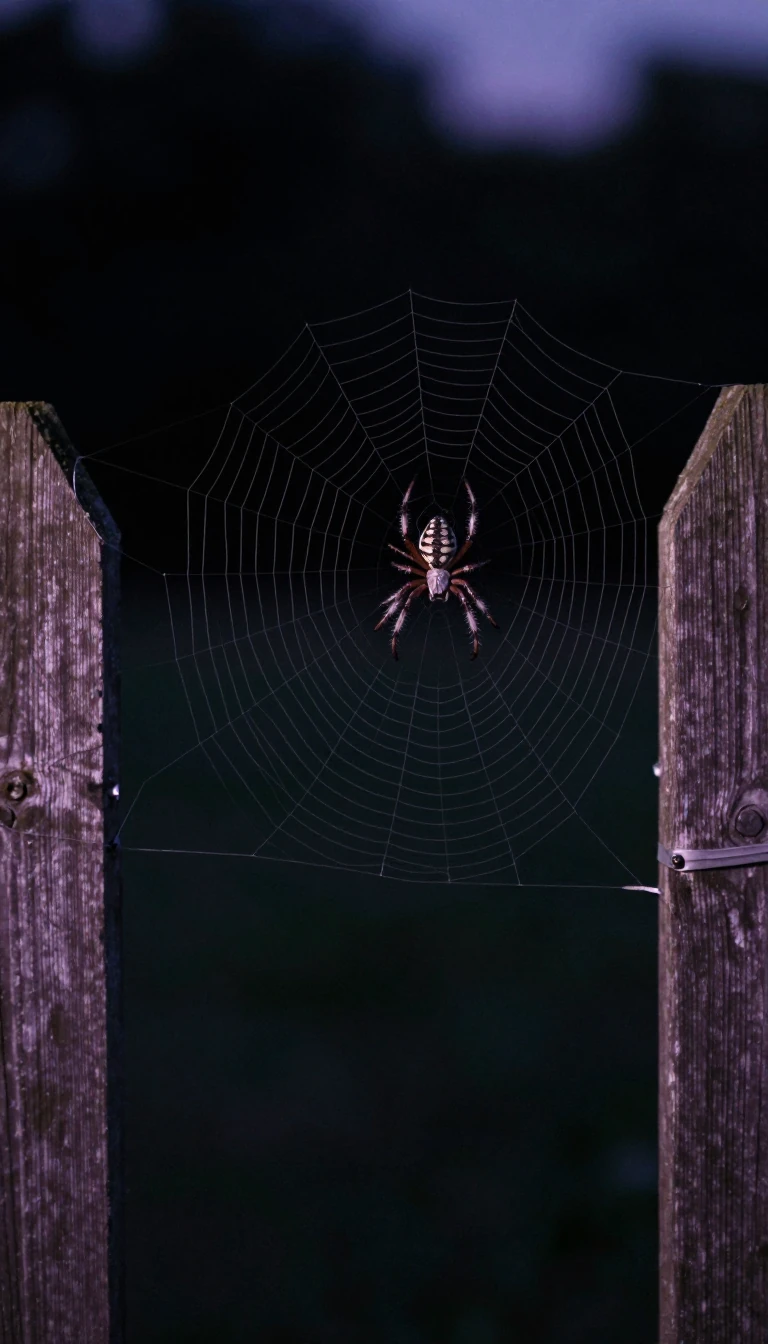 Why these beetles evolved to have antennae longer than their own bodiesLong-horned beetles, a family of roughly 36,000 species, are defined by their namesake appendages. While these antennae often double or triple the insect's total length, they serv…
 The Luna moth lives for only one week and never eats a single meal.This North American giant silk moth is a master of survival despite having no mouth or digestive system. After spending weeks as a hungry caterpillar, the adult emerges with one g…
 Why the seed bug family is far smaller than it used to beKnown as seed bugs, the Lygaeidae family is a diverse group of true bugs found globally. While once considered a massive taxonomic umbrella, modern classification has stripped awa…
- Why the world’s most destructive moth was recently renamed to the spongy mothLymantria dispar is a global ecological menace, defoliating millions of hectares of forest. Once known as the gypsy moth, the species underwent a formal name change in 2022. This …
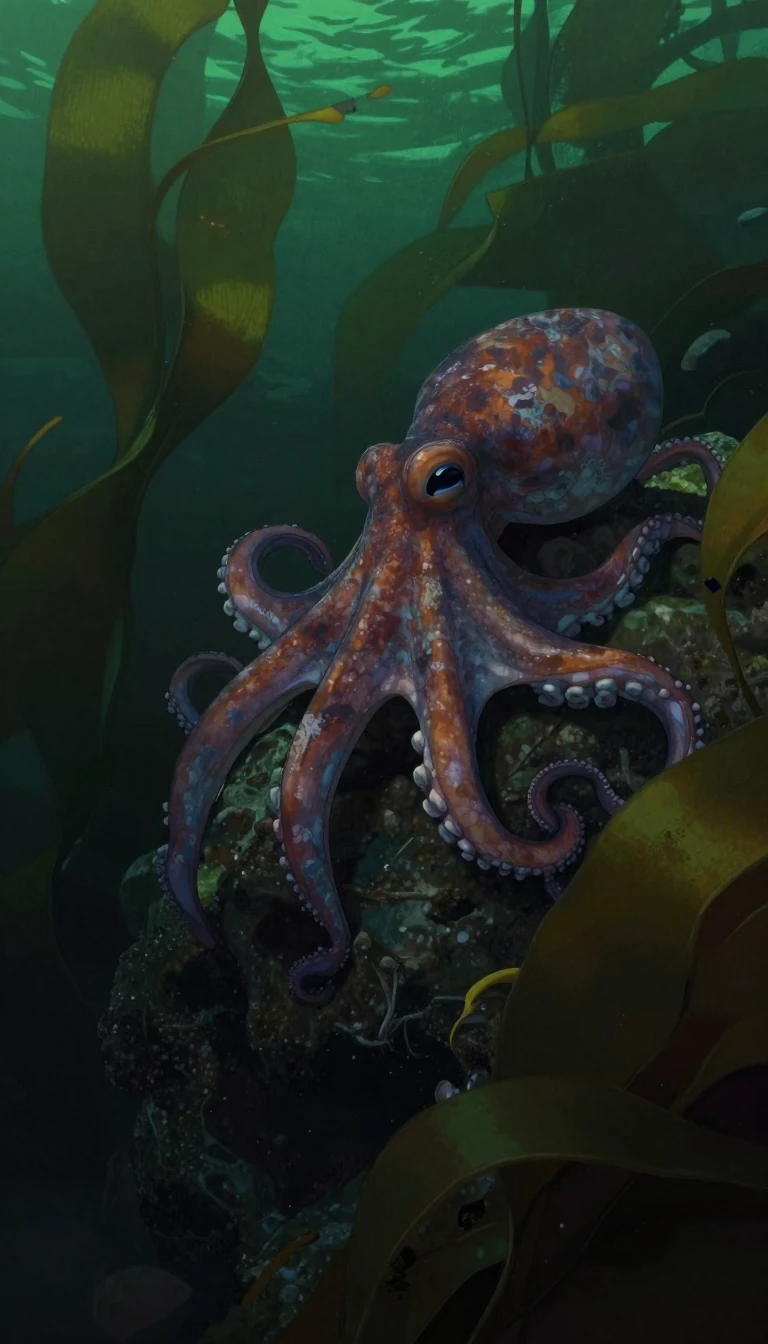 The giant freshwater prawn uses a complex social hierarchy to dictate its own growthThe giant freshwater prawn, or Macrobrachium rosenbergii, is a biological marvel that transitions through distinct male morphotypes based on social dominance. From small, transluc…
 The combative termite queen that builds complex cities to survive the African heatMacrotermes bellicosus is a master of architectural adaptation. These termites construct vastly different mound structures depending on their environment, using saliva-moistened c…
 The European spider crab undergoes a dramatic transformation from microscopic larva to seafloor giant.The spiny spider crab, Maja squinado, begins life as a tiny, planktonic creature weighing just 0.12 milligrams. Over years of molting and migration, it evolves into a formidable i…
 Why the Majoidea superfamily includes the world's largest and most peculiar crab speciesThe Majoidea superfamily, encompassing both spider and decorator crabs, represents a diverse group of crustaceans found across global oceans. From the massive Japanese spider crab…
- Mangrove crabs are the master engineers keeping tropical coastlines alive and nutrient-richThese small crustaceans do more than scuttle across mudflats; they act as vital ecosystem engineers. By shredding leaf litter and constructing complex, deep burrows, mangrove crab…
 Meet the gladiators: ancient, wingless insects hidden in plain sight until 2001.Discovered only in 2001, the Mantophasmatidae family—often called gladiators—are wingless, carnivorous insects that look like a hybrid of mantises and phasmids. Though they were o…
- Why the world's largest aquatic insect spends years underwater before its fleeting adult lifeMegaloptera, an order containing alderflies and dobsonflies, are masters of the long game. While their aquatic larvae spend up to five years developing in freshwater, the adults o…
 Was the giant prehistoric insect Meganeura actually a victim of its own massive size?With a wingspan reaching up to 75 centimetres, Meganeura is the iconic giant of the Carboniferous skies. Yet, these ancient predators were likely clumsy fliers compared to modern …
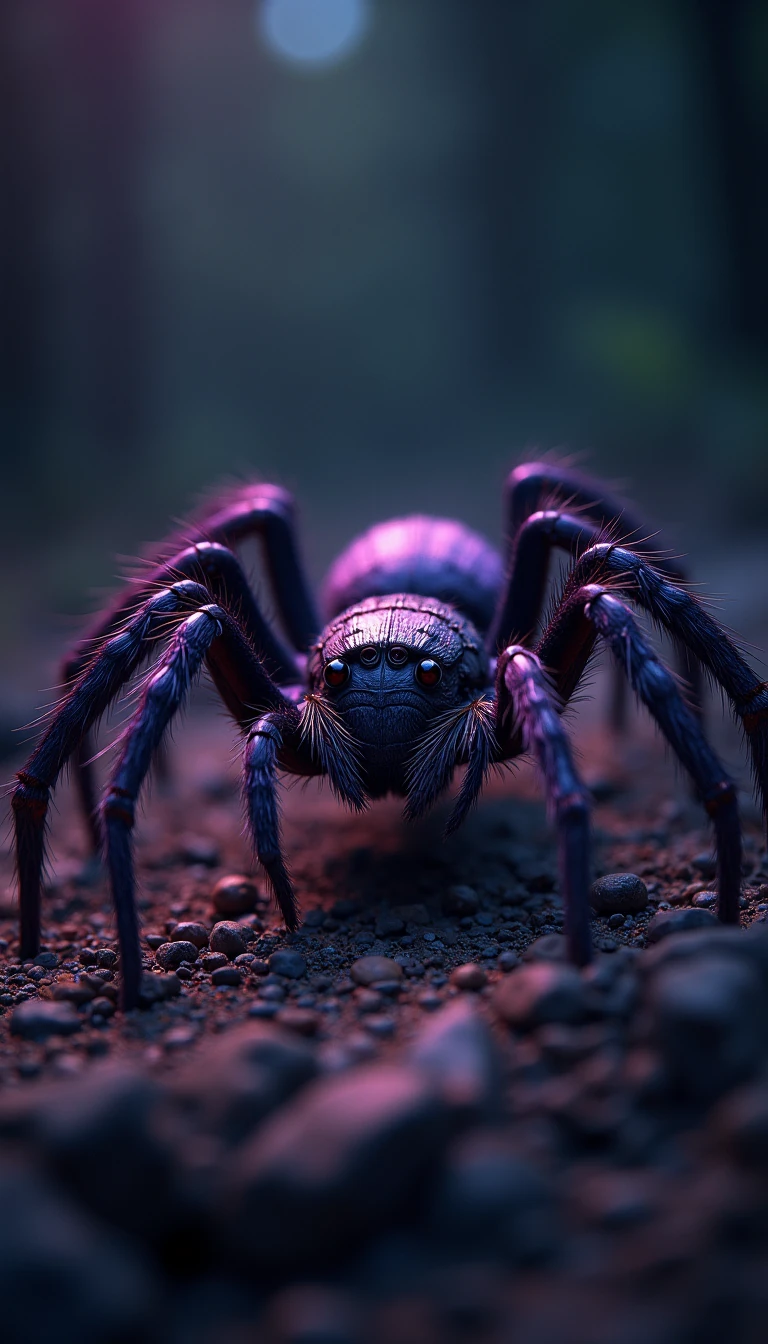 The terrifying giant spider that never existed: meet the sea scorpion of Argentina.In 1980, paleontologists announced the discovery of the largest spider to ever live, Megarachne. It became a global sensation, appearing in museum exhibits and documentaries. Deca…
- Why these ancient spiders carry their spinnerets in the middle of their bodiesSegmented spiders are living fossils that diverged from all other spider lineages 300 million years ago. Unlike their modern relatives, they possess a primitive, plate-covered abd…
- The New Zealand scampi is a primitive survivor of the deep ocean floorOften marketed as scampi or lobsterette, this slim, pink crustacean is a significant fishery species found only around the coast of New Zealand. Despite its commercial importance …
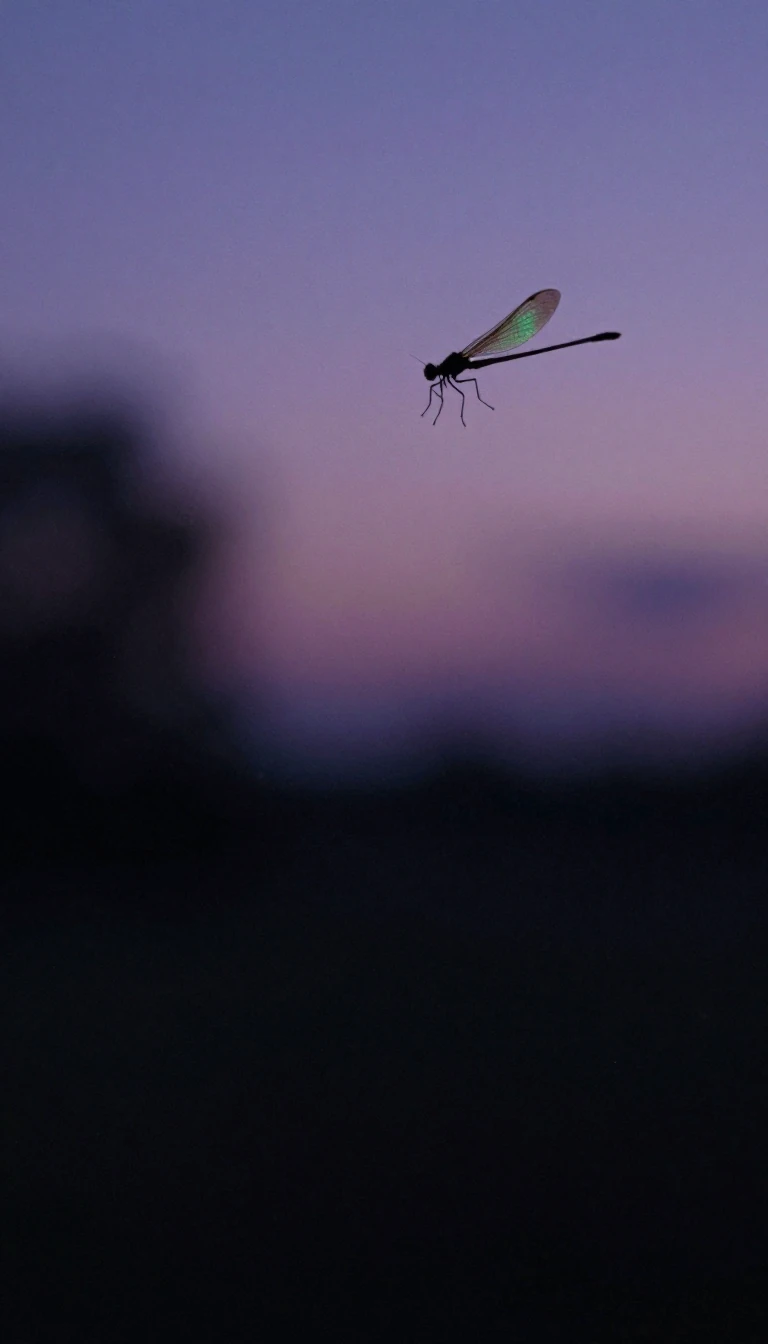 Why these tiny insects are the most sensitive environmental monitors in our waterMidges are far more than a summer nuisance. These ancient flies act as vital ecological barometers, with their presence or absence revealing the health of our waterways. While onl…
 The bulldog ant is a primitive, aggressive, and visually gifted master of the Australian bush.With eyes containing 3,000 facets and a sting among the most toxic in the insect world, Myrmecia ants are formidable predators. These primitive, solitary hunters navigate by sight…
 The Nairobi fly does not bite or sting, yet it can cause severe chemical burns.Known as the Nairobi fly or dragon bug, this East African rove beetle is harmless until crushed. It carries a potent toxin called pederin in its haemolymph, which triggers blister…
 The langoustine you eat today was once considered trash by British fishermen.Known as scampi or Norway lobster, this slim, coral-colored crustacean has transformed from a discarded byproduct into one of Europe's most economically vital fisheries. Despite i…
 True water bugs have thrived in aquatic environments for over 250 million yearsKnown as Nepomorpha, these insects have mastered life in freshwater across the globe. From tiny boatmen to giant predators capable of hunting fish, they have evolved specialized m…
- Why these ancient net-winged insects are the ultimate masters of predatory camouflageKnown as net-winged insects, the order Neuroptera includes lacewings, antlions, and mantidflies. These soft-bodied predators have thrived since the Permian period, evolving ingeni…
- Why these ancient crustaceans have barely changed in over 300 million yearsTadpole shrimp, or Notostraca, are living fossils that have maintained their distinct, shield-like appearance since the late Devonian period. These resilient omnivores thrive in t…
 The black house ant is a global traveler that bites but never stingsNative to Australia, the black house ant has quietly colonized the globe, from Hawaii to China. While it lacks a stinger, this persistent scavenger invades homes, trails across ce…
 With five eyes and a vacuum-hose face, Opabinia defied all known animal classification.When paleontologists first presented a detailed reconstruction of the 505-million-year-old Opabinia regalis in 1975, the audience laughed. This bizarre, soft-bodied creature from …
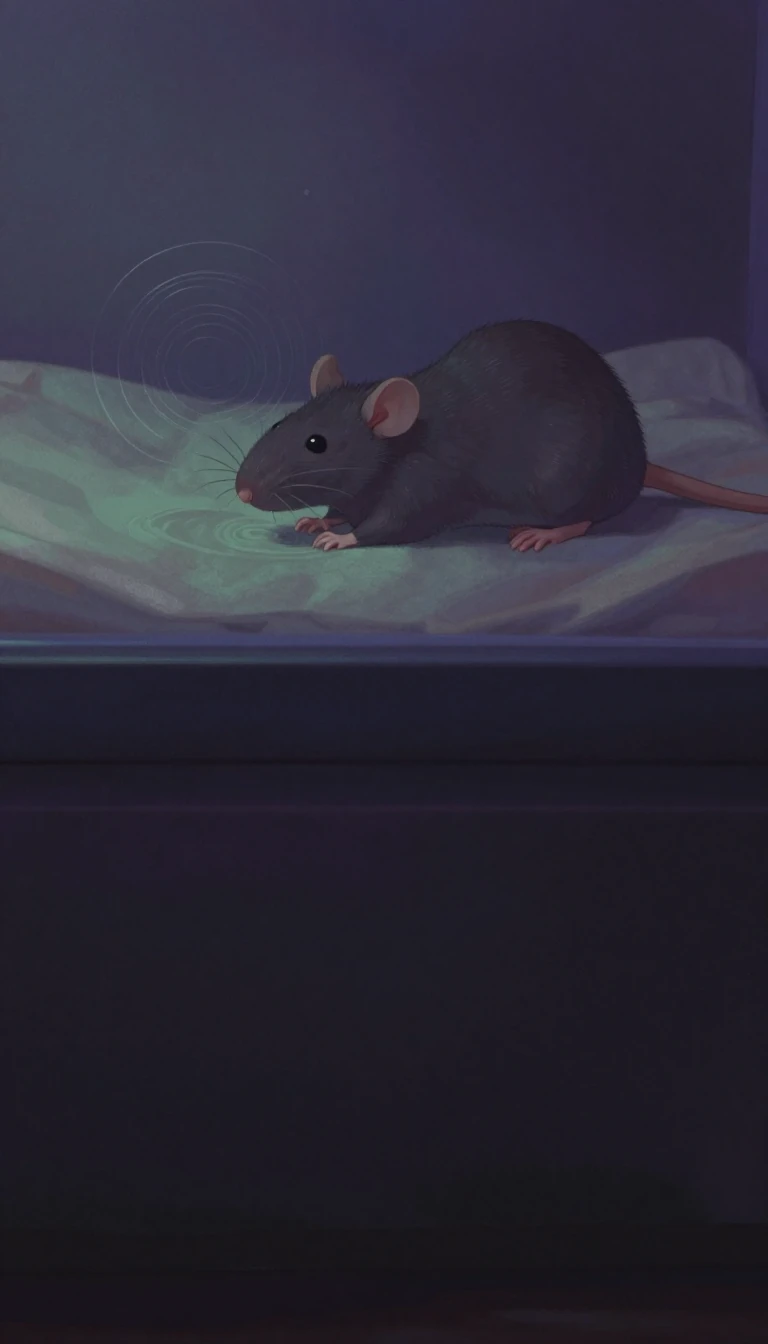 The tiny, wingless parasite that changed human history by hitching a ride on rodentsThe Oriental rat flea is a master of survival, capable of leaping 200 times its own body length to find a host. While it prefers rodents, this wingless insect is a primary vector …
 The common prawn is a surprisingly sophisticated listener in the underwater worldWhile most invertebrates are thought to be deaf to the world, the common prawn, Palaemon serratus, possesses a hearing range that rivals many fish. This pinkish-brown crustacean, …
 Meet the elusive microwhip scorpions that thrive in the shadows of the earthPalpigrades are tiny, pale arachnids that rarely exceed three millimeters in length. Lacking eyes and sporting a long, brush-like tail, these mysterious creatures dwell in damp, h…
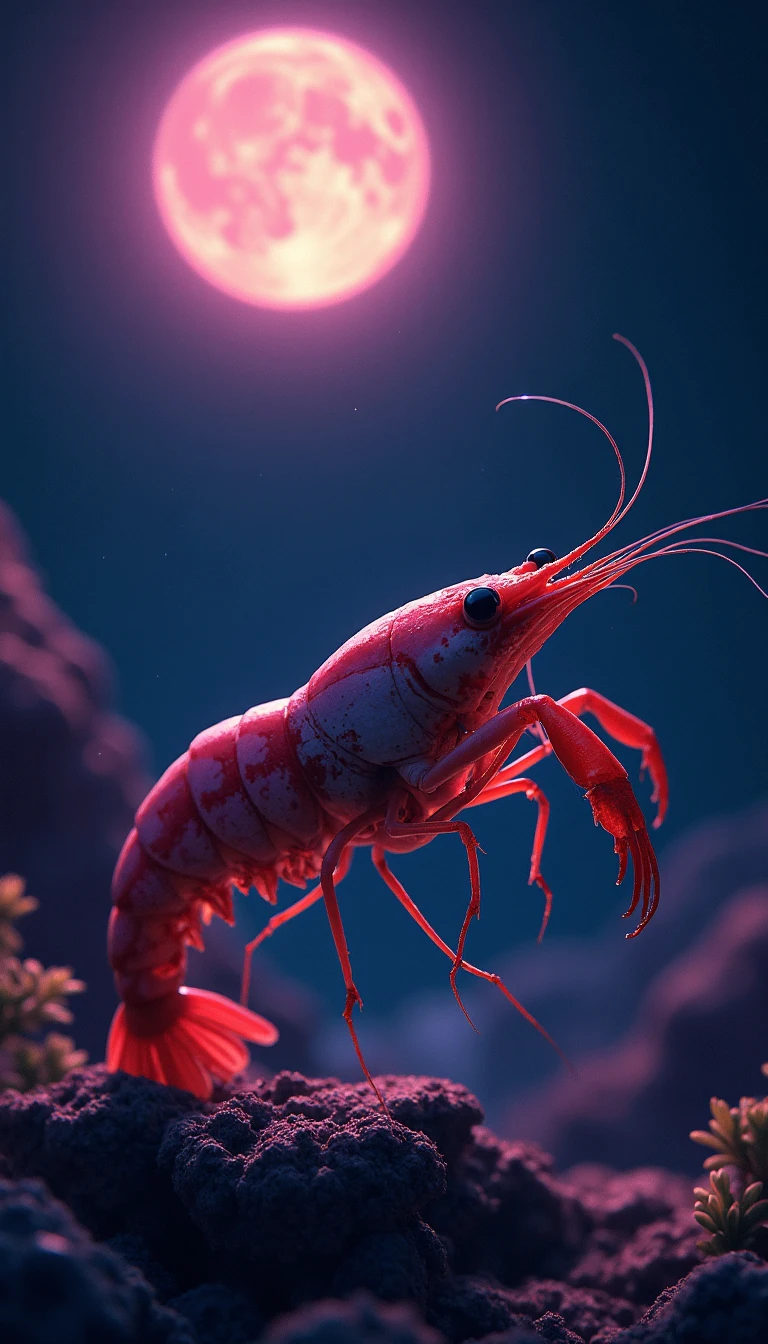 Why the northern shrimp, a marine food chain staple, has vanished from Maine waters.The northern shrimp is a master of transformation, beginning life as a male before switching sex to female. Despite this biological flexibility, the species has faced a total coll…
 The tick bite that makes you allergic to your favorite steak dinnerThe lone star tick is more than a woodland pest. Its bite can trigger alpha-gal syndrome, a condition that forces the human immune system to attack a sugar molecule found in most …
- These tiny, eyeless soil dwellers are the most foot-sparse creatures in their entire subphylum.Pauropods are elusive, millipede-like arthropods that thrive in soil and leaf mold worldwide. Measuring only a few millimeters, these soft-bodied creatures lack eyes and hearts, y…
- The giant tiger prawn is a global aquaculture titan with a complex, fragile legacy.The giant tiger prawn, Penaeus monodon, is a marine powerhouse that dominates global aquaculture. While prized for its rapid growth and adaptability, this crustacean faces signifi…
 Why these insects are masters of chemical warfare and plant-piercing survivalThe Pentatomoidea superfamily, encompassing stink bugs and shield bugs, is a diverse group of 7,000 species. While often viewed as garden pests, these insects are sophisticated su…
- How a soot-covered industrial revolution turned a common moth into an evolutionary iconThe peppered moth is more than a classroom example of natural selection. Its rapid shift from light to dark during the Industrial Revolution reveals how pollution can rewrite the …
- The mysterious extinct arachnids that once thrived in ancient coal-forming forestsPhalangiotarbida were a successful order of arachnids that vanished millions of years ago. Though they left behind a rich fossil record in coal measures across Europe and North Am…
 Why the tiny, golden pharaoh ant is a master of global indoor dominationBarely two millimeters long, the pharaoh ant has conquered the world by turning buildings into fortresses. Unlike most insects, these ants thrive in central heating, form cooperat…
- The cellar spider is a master of defense, mimicry, and potential medical innovation.Commonly known as the daddy long-legs, Pholcus phalangioides is a misunderstood predator. While often dismissed as a mere house guest, this spider employs sophisticated vibration-…
- The Brazilian wandering spider is a master of camouflage, stealth, and lethal defensive displays.Known as the murderess of the jungle, the Phoneutria genus is famous for its wandering habits and potent venom. While often misidentified in banana shipments, these spiders are ge…
 Leaf insects are not just masters of disguise; they are an evolutionary puzzle.Leaf insects, or Phylliidae, are the ultimate masters of camouflage, masquerading as foliage with such precision that predators often fail to detect them. While stick insects mimi…
 Why these tiny armored creatures are masters of evolutionary mimicryAt a glance, the pill millipede looks like a common roly-poly, but this resemblance is a masterclass in convergent evolution. Despite sharing a defensive strategy and a name, thes…
- The tiny insect that evolved a functioning mechanical gear to master the jumpPlanthoppers are masters of camouflage, often resembling leaves to hide in plain sight. But beneath their unassuming exterior lies a feat of biological engineering: juvenile plant…
 Stoneflies are ancient, delicate insects that serve as nature's own water quality sensors.Stoneflies, known scientifically as Plecoptera, are among the most primitive winged insects on Earth. These fascinating creatures spend most of their lives underwater as nymphs, a…
- The Gooty sapphire tarantula is a rare, blue-haired wonder from the forests of India.Deep in the deciduous forests of Andhra Pradesh, a striking, cobalt-colored spider hides in tree hollows. Known as the Gooty sapphire tarantula, this critically endangered arachni…
 The porcelain crab is not a true crab, despite its convincing disguiseIf you lift a rock on a shoreline and see a crab scurrying away, you might be fooled. Porcelain crabs are masters of convergent evolution, having evolved to mimic the shape of tru…
- The eight-legged cat that hunts with the tactical genius of a lionPortia labiata is a medium-sized jumping spider that defies typical arachnid behavior. Rather than relying on simple instinct, these spiders use trial and error to solve complex p…
- This tiny spider solves complex tactical puzzles with a brain smaller than a pinhead.The Portia spider is an arachnophagic genius, capable of learning, planning, and problem-solving. Despite possessing fewer than 100,000 neurons, it executes elaborate hunting stra…
- Why the difference between a shrimp and a prawn is mostly in your headIf you think prawns are just big shrimp, you are technically right—but only by convention. These terms lack any formal scientific definition, serving as colloquial labels that shi…
 The electric blue crayfish is a Florida native with a surprising color secretKnown as the Everglades crayfish, Procambarus alleni is a freshwater crustacean endemic to Florida. While often recognized for its brilliant cobalt blue appearance in home aquariu…
 Meet the coneheads: the tiny, sightless soil-dwellers you have never noticed beforeHidden beneath your feet in moist forest soil, thousands of microscopic, legless-looking creatures called proturans are hard at work. These ancient, sightless hexapods lack antenn…
- The tiny insects in your old books are actually the ancestors of parasitic lice.Psocodea is a diverse group of 11,000 insect species, ranging from harmless bark lice to the book lice found in your library. While they seem distinct, modern science reveals that…
- The tiny insects hiding in your library are actually ancient, silk-spinning scavengersCommonly known as booklice, these small insects are often misunderstood pests. While they do feed on the starch in old book bindings, most species live harmlessly in forests. They…
- The common firebug that was accidentally defeated by a simple American paper towelThe firebug is a striking red and black insect found across the Palaearctic. While it is known for its social aggregations and long mating sessions, it became the center of a biza…
 These ancient predators were so bizarre that scientists once mistook them for five different phyla.Before they were recognized as a single, successful order of stem-arthropods, radiodonts baffled paleontologists. Isolated fossils of their heads, mouths, and claws were misidenti…
- The water stick insect is a master of aquatic ambush and chemical warfareResembling a twig, the Ranatra genus hides in plain sight among pond weeds. These predatory true bugs wait patiently for unsuspecting prey, using powerful front legs to snatch vic…
 The red frog crab is a master of ambush in tropical sandy seafloorsKnown as the spanner crab or the emperor crab, this nocturnal crustacean hides beneath the sand to ambush bottom-dwelling fish. Despite its status as a prized culinary delicacy ac…
- The Australian redback spider performs a fatal somersault to ensure successful matingThe male redback spider is a master of high-stakes courtship. To capture the female's attention and avoid being eaten, he performs a unique somersault, offering his abdomen to her…
- These vibrant, shy crustaceans are the hidden jewels of the world's coral reefsReef lobsters are small, nocturnal creatures known for their striking patterns of red, orange, and purple. While they are highly sought after by aquarium enthusiasts for their bea…
- Why do these reclusive red-and-white shrimp carry a foldable, movable beak?The hinge-beak shrimp, or Rhynchocinetidae, possesses a unique, upward-hinged rostrum that functions like a movable beak. While their exact biological purpose remains a mystery, t…
 Why these tiny, wing-folding predators are the secret architects of your garden's healthRove beetles are among the most diverse and ancient insects on Earth, yet they often go unnoticed. With their distinctive short wing-cases and flexible, scorpion-like abdomens, th…
- Meet the shore bugs: tiny predators that thrive where the ocean meets the landSaldidae, commonly known as shore bugs, are resilient insects that dominate the margins of our waterways. Ranging from two to eight millimeters in length, these oval-shaped predat…
- How a tiny insect architect can bring down a multi-million dollar jet engineMud daubers are solitary wasps known for their precise, mud-molded nests. While generally non-aggressive toward humans, their habit of building cylindrical homes in sheltered crev…