 Intellect Plus
Arthropods
223 cards. Each one is a 40-second story with a five-minute read behind it. Page 4 of 4.
 Meet the spricket: a tiny, whip-tailed predator hiding in your garden soilSmaller than a fingernail, these arachnids are masters of the shadows. Known as schizomids, they navigate the dark using sensory legs instead of eyes. Despite their delicate, soft…
 The Amazonian giant centipede is a predator capable of hunting bats and small miceGrowing over 30 centimetres long, the Scolopendra gigantea is the world's largest centipede. This formidable carnivore thrives in tropical forests, where it uses potent venom and …
 The house centipede is a misunderstood predator that keeps your home pest-freeWith its 15 pairs of long legs and rapid, darting movements, the house centipede often triggers alarm. Yet, this Mediterranean native is a highly efficient hunter of household pes…
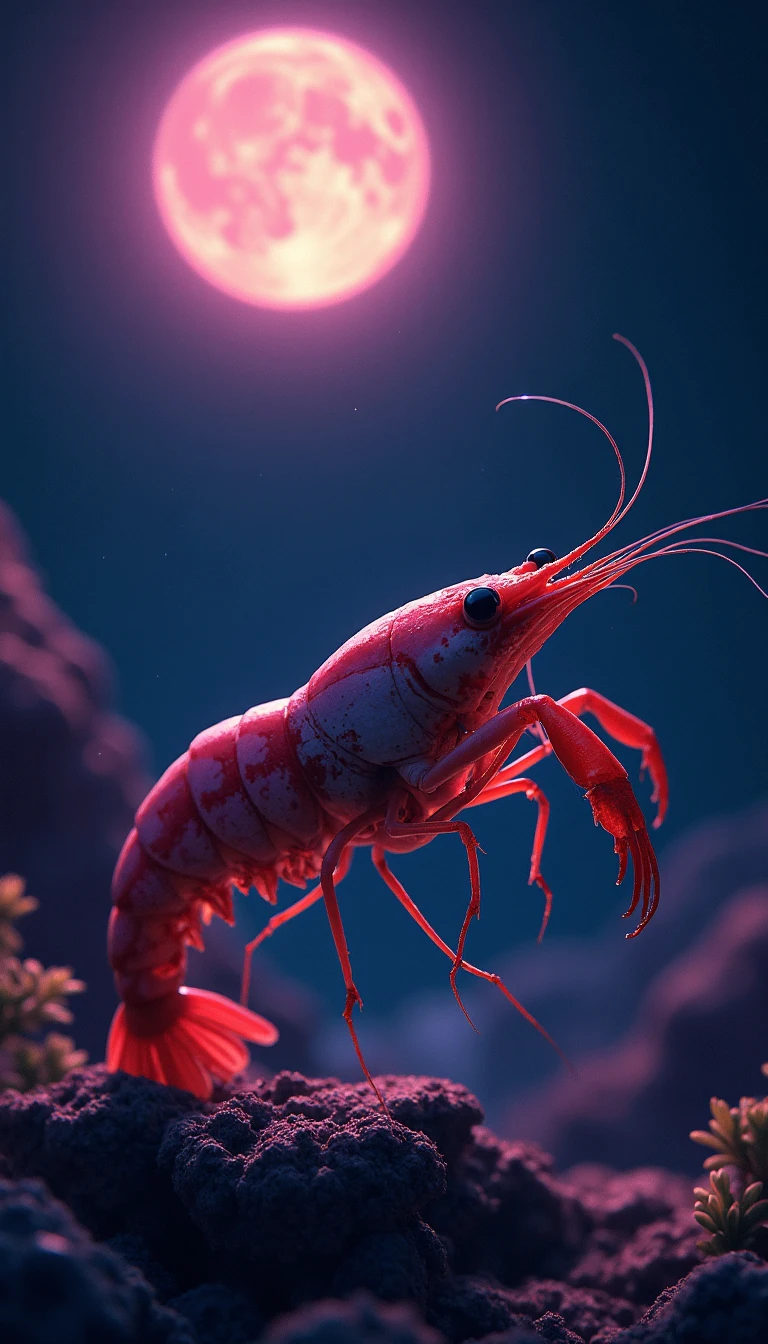 The comic book creatures that are actually resilient, space-faring, dormant-state crustaceansMarketed as humanoid pets in 1960s comic books, Sea-Monkeys are actually brine shrimp. While the illustrations promised cartoonish figures, the reality is a fascinating biological…
 Sidneyia: The Cambrian predator that crushed its prey with specialized leg basesDiscovered on the very first day of a famous fossil hunt, Sidneyia was a formidable seafloor predator. This ancient arthropod used spine-covered leg bases to shred hard-shelled pr…
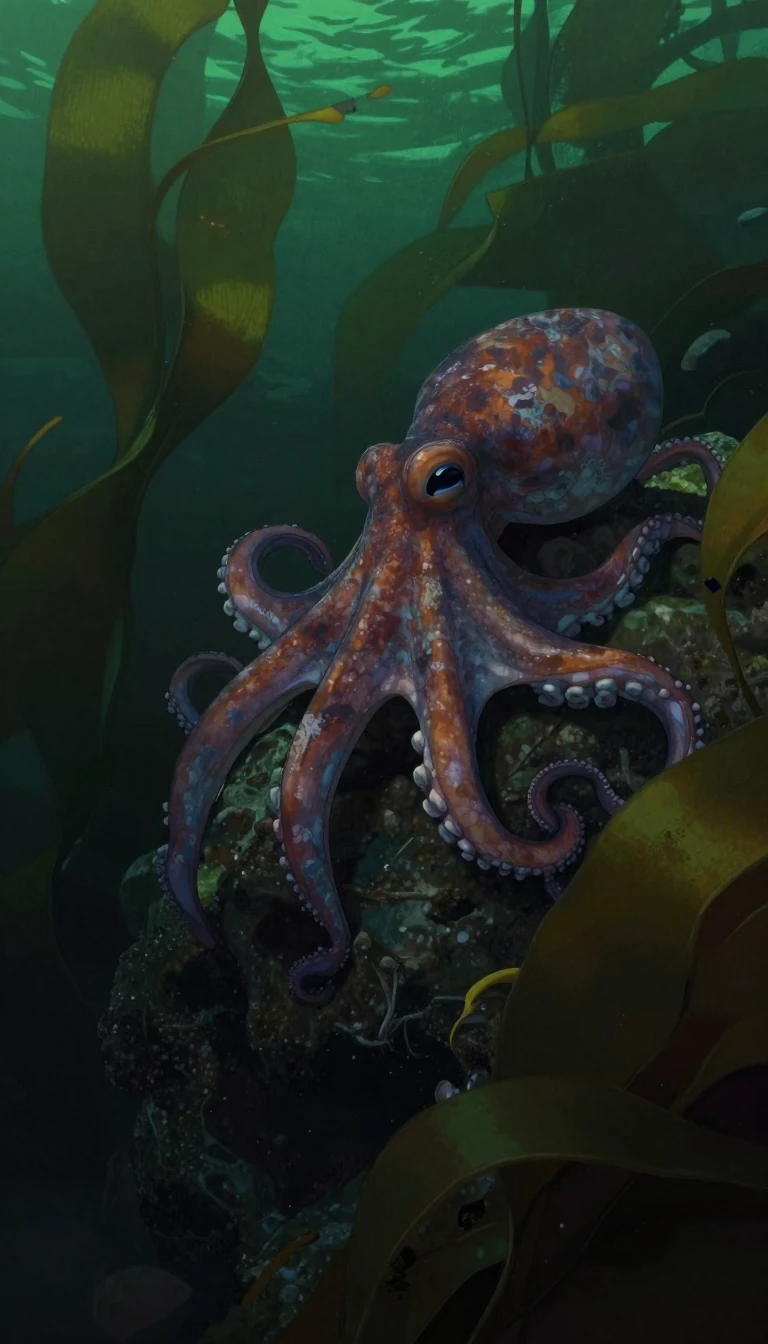 These flattened crustaceans are not true lobsters, but they are masters of disguise.Slipper lobsters are easily identified by their wide, plate-like antennae, but they lack the giant neurons required for a quick escape. Instead of darting away, these bottom-dwell…
- The snakefly is a living fossil with a neck that mimics a serpentNamed for their elongated prothorax, snakeflies are ancient predators that have survived since the Jurassic period. While they resemble delicate lacewings, these insects are disti…
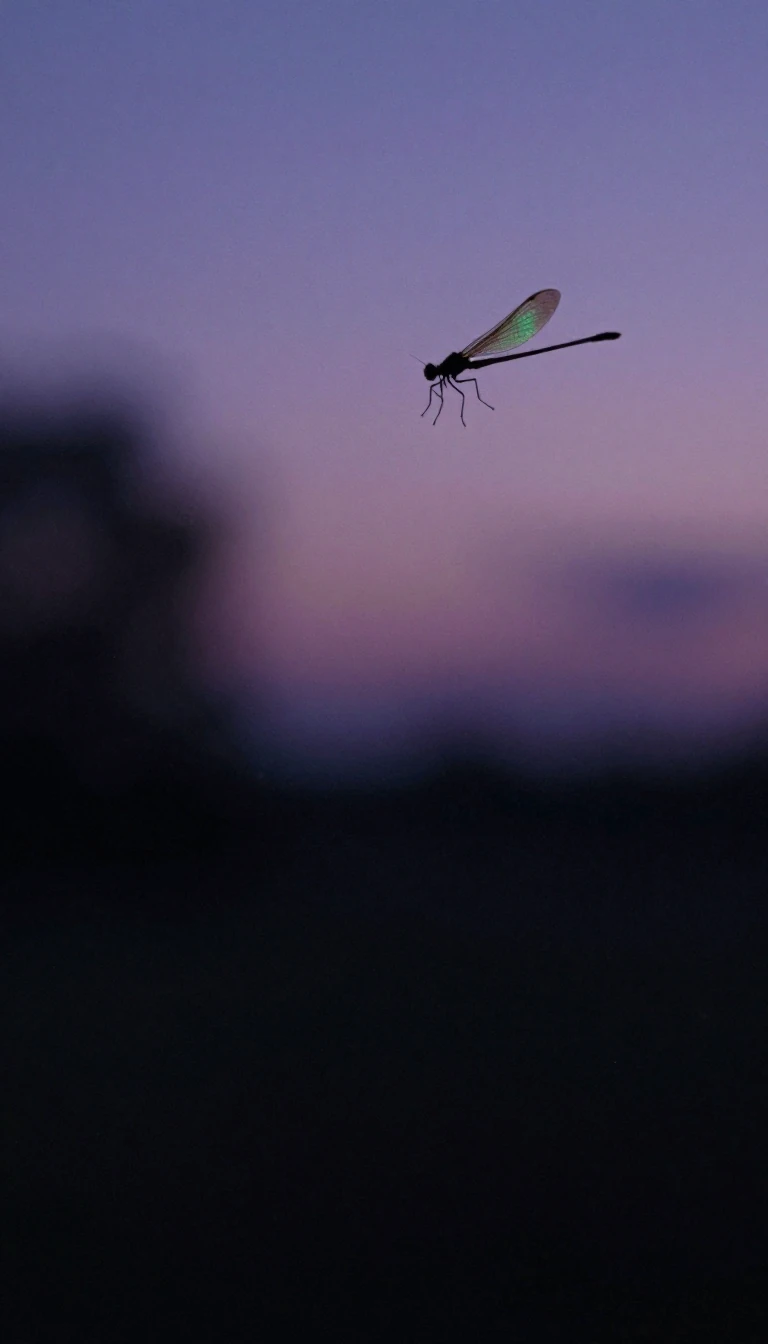
 The Southern Hawker is a harmless, inquisitive giant patrolling your local garden pondWith a wingspan reaching 110 millimetres, the Southern Hawker is an imposing presence in European skies. Despite their predatory reputation and territorial mid-air brawls, these d…
 Why these agile insects are often mistaken for hummingbirds in the gardenSphingidae, or hawkmoths, are masters of aerial precision. With streamlined bodies and rapid wing beats, they hover mid-air to sip nectar, a feat of convergent evolution shared by…
 Squat lobsters are not true lobsters, but they are masters of the deep seaDespite their name, squat lobsters are more closely related to hermit crabs than their namesake. These flattened, long-tailed crustaceans thrive from shallow caves to deep-sea hyd…
- Why the boxer shrimp is not actually a shrimp in the traditional senseOften mistaken for common prawns or shrimp, the boxer shrimp belongs to a distinct group known as Stenopodidea. While they share the order Decapoda with their lookalikes, these cr…
 Why the stick mantis is a master of disguise, not a stick insectThe stick mantis is a marvel of evolutionary mimicry, perfectly adapted to resemble the twigs and branches of its environment. While their appearance suggests a close relationship…
 Stingless bees are tropical powerhouses that produce medicinal honey and boost crop yieldsWhile they lack a functional stinger, stingless bees are far from defenseless. These social insects protect their hives with painful bites and chemical secretions. Beyond their re…
 The twisted-wing insects that hijack their hosts from the inside outStrepsiptera are mysterious, endoparasitic insects that spend almost their entire lives hidden within the bodies of other creatures. With eyes that mimic ancient trilobites and a …
 These tiny soil-dwellers are the only arthropods that breathe through their headsKnown as garden centipedes, symphylans are elusive, eyeless creatures that thrive beneath your feet. While they resemble centipedes, these soft-bodied arthropods are biologically …
 Tachinid flies are nature's most versatile, and sometimes most dangerous, insect-hunting biological machines.With over 8,200 known species, tachinid flies are master parasitoids that target everything from caterpillars to centipedes. While some act as essential pollinators in high-altitu…
 How a piece of speculative paleoart accidentally predicted a real prehistoric filter-feeding predatorBefore scientists confirmed their existence, a fictional creature in a paleoart book inspired a scientific family name. These ancient marine arthropods, the Tamisiocarididae, evol…
 The ghost ant is a tiny, translucent invader that thrives in human-built structures.Measuring less than 1/16 of an inch, the ghost ant is nearly invisible to the naked eye. This tropical species has hitched a ride on human commerce to colonize the globe, forming …
 Why the odorous house ant smells like rotting coconut and thrives in your home.The odorous house ant is a master of domestic infiltration. Named for the pungent, cheese-like scent it releases when crushed, this resilient insect uses a strategy called dispers…
 The tarantula hawk wasp turns spiders into living, paralyzed nurseries for its offspringWith a sting ranked among the most painful in the world, the tarantula hawk is a formidable predator. These solitary wasps hunt spiders much larger than themselves, injecting a po…
 Why the spider in your bathtub is actually a Mediterranean travelerThe common house spider is a master of adaptation, having hitched a ride on imported cargo from the Mediterranean to colonize homes across the globe. While they are often spotted …
 Why these colorful peacock flies are the most notorious agricultural pests on EarthOften confused with common laboratory fruit flies, the Tephritidae family is a diverse group of nearly 5,000 species. While some are beautiful mimics that evade predators by masqu…
- Why some crabs have abandoned the ocean to conquer the land for goodCrabs are not just creatures of the sea. Across multiple lineages, they have evolved to thrive on land, creating a fascinating spectrum of terrestriality. While many must still re…
 Why these tiny, ancient grasshoppers are masters of aquatic survival and clever disguisePygmy grasshoppers, or Tetrigidae, are ancient insects that defy typical grasshopper norms. Often smaller than 20 millimeters, these masters of camouflage possess an elongated pro…
- Why these spiders mimic flowers and scuttle like crustaceans to hunt their preyThe Thomisidae family, commonly known as crab spiders, are masters of ambush. Lacking webs, they rely on specialized anatomy and camouflage to snatch unsuspecting insects. From co…
 Meet the Thylacocephala: The ancient, taco-shaped arthropod with eyes of a nightmareImagine a creature resembling an inverted taco, equipped with comically oversized claws and massive, binocular-like eyes. These were the Thylacocephala, bizarre arthropods that pr…
 The ancient stick insects that have thrived without sex for one million yearsTimema are the most primitive stick insects on Earth, representing the earliest branch of their evolutionary tree. While most species reproduce sexually, some have abandoned males…
 The Brazilian yellow scorpion is thriving in cities, causing a massive surge in stings.Tityus serrulatus, the most dangerous scorpion in South America, has adapted perfectly to urban life. By feeding on cockroaches and hiding in sewers, these resilient creatures are…
 Why these tiny, unassuming moths are the world's most expensive agricultural headacheWith over 11,000 species, the Tortricidae family includes some of the most studied insects on Earth. While they often appear as small, mottled brown moths, their larvae are notori…
- The tiny coral crabs that live in a lifelong partnership with their hostsTrapeziidae, often called coral crabs, are a family of crustaceans defined by their intimate, lifelong symbiosis with cnidarians. Found throughout the Indo-Pacific, these crabs ar…
- The bizarre treehopper uses a grotesque, oversized helmet to vanish in plain sight.With roughly 3,200 known species, treehoppers are masters of deception. These insects possess an extraordinarily enlarged thorax that often mimics thorns, twigs, or even fungi. By…
 The painted lady butterfly is the most widespread and adventurous traveler in the world.Found on every continent except Antarctica, the painted lady butterfly is a master of long-distance migration. These insects traverse thousands of kilometers, crossing oceans and …
 The devil crab: a misunderstood, velvety crustacean that transformed from pest to prized catch.Known for its aggressive nature and striking red eyes, the velvet crab was once dismissed as a nuisance by British fishermen. Today, it is a culinary delicacy and a vital commerci…
- These giant flightless crickets are among the heaviest insects on the entire planet.Endemic to New Zealand, wētā are a diverse group of over 100 species of flightless insects. Some grow so large they outweigh a sparrow, while others possess specialized defenses l…
 Water beetles are masters of aquatic survival, breathing through bubbles and physical gills.These diverse insects have conquered freshwater ecosystems by evolving ingenious ways to breathe underwater. Whether they carry a portable air supply beneath their wings or utiliz…
 Weaver ants use their own larvae as living shuttles to sew waterproof tree nests.These arboreal architects do not just build homes; they manufacture them using a sophisticated biological assembly line. By holding larvae like sewing needles, weaver ants extrude…
 How whirligig beetles use divided eyes to master the boundary between air and waterWhirligig beetles are nature's surface-skimming acrobats, famous for their rapid, circular swimming patterns. Beyond their dizzying movements, these insects possess a remarkable b…
- The Pacific white shrimp is a global aquaculture titan with a complex identity.Once a regional staple for Mexican fishermen, the whiteleg shrimp has become the world's most farmed crustacean. This euryhaline species thrives in diverse salinities, fueling a m…
 The yellow crazy ant is a global invader that uses formic acid to blind crabs.Named for their erratic movements, yellow crazy ants are among the world's most destructive invasive species. By forming massive supercolonies, they have devastated ecosystems fro…
 Zoraptera are tiny, mysterious insects that switch between blind workers and winged explorers.Often called angel insects, these small, soft-bodied creatures live in secret colonies under rotting wood. They exhibit a strange polymorphism: most are blind and wingless, but wh…
- Why these ancient, wingless insects are now being studied for sustainable biofuel productionSilverfish are more than just bathroom pests. As one of the most primitive insect lineages, these wingless creatures possess specialized guts that act as natural bioreactors. Rese…
- Four Legs, Six Thousand Species: The Mystery of Brush-Footed ButterfliesThese butterflies, the largest family globally, are known for their reduced forelegs, leading to names like 'brush-footed.' While their wings can mimic dead foliage, the true func…
- Why the house centipede is actually a master of multi-purpose limb evolutionWith their starburst shape and lightning speed, house centipedes are often misunderstood. Despite their name, they never reach 100 legs, topping out at 30 in adulthood. Evolution …