 Intellect Plus
Vertebrates
970 cards. Each one is a 40-second story with a five-minute read behind it. Page 7 of 17.
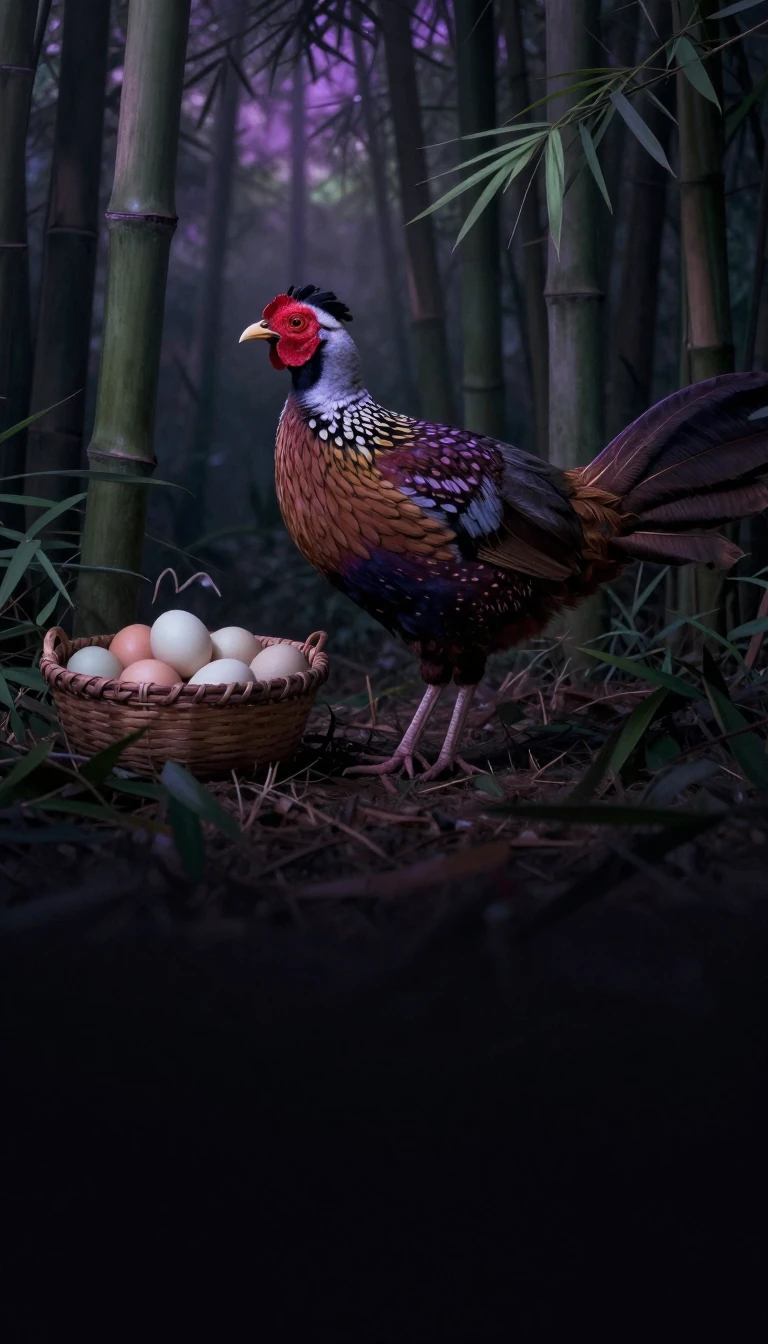 Why these vibrant forest birds are rewriting the rules of avian classificationFruit doves are a diverse genus of nearly 50 species found across Southeast Asia and Oceania. While their brilliant plumage and frugivorous diets are well-known, recent molecular …
 Why these marine mammals were hunted to the brink for their luxurious double coatsFur seals are not true seals, but members of the eared seal family. Named for the dense underfur that once made them a prime target for commercial hunters, these animals possess u…
 From deep-sea giants to the humble dinner plate, meet the versatile Gadiformes order.The Gadiformes order includes some of the world's most commercially significant fish, from the iconic Atlantic cod to the haddock. While these ray-finned creatures primarily domin…
 Ancient jawless fish reveal the hidden origins of our paired limbsFor decades, scientists believed galeaspids were finless bottom-dwellers. However, the discovery of the extinct vertebrate Tujiaaspis vividus has rewritten this history. These jaw…
- The striking bleeding-heart doves of the Philippines hide a complex evolutionary historyKnown for a vivid red breast patch that mimics a dagger wound, the Gallicolumba genus of ground-dwelling doves is a fascinating study in avian evolution. While they appear to be s…
 The gang-gang cockatoo: A grey parrot with a fiery crest and a creaky callFound in the cool, wet forests of south-eastern Australia, the gang-gang cockatoo is a unique parrot known for its distinctive, gate-like call. While males sport a brilliant red h…
 These prehistoric survivors have been breathing air for over 150 million yearsGars are living fossils, ancient fish that have barely changed since the Jurassic period. While most fish rely entirely on gills, these predators gulp air to survive in oxygen-poo…
 The tiny, armored fish that build nests with their own biological glueGasterosteoidei are a group of small, northern-hemisphere fish known for their distinctive skeletal armor and unique reproductive habits. While they are often associated with stic…
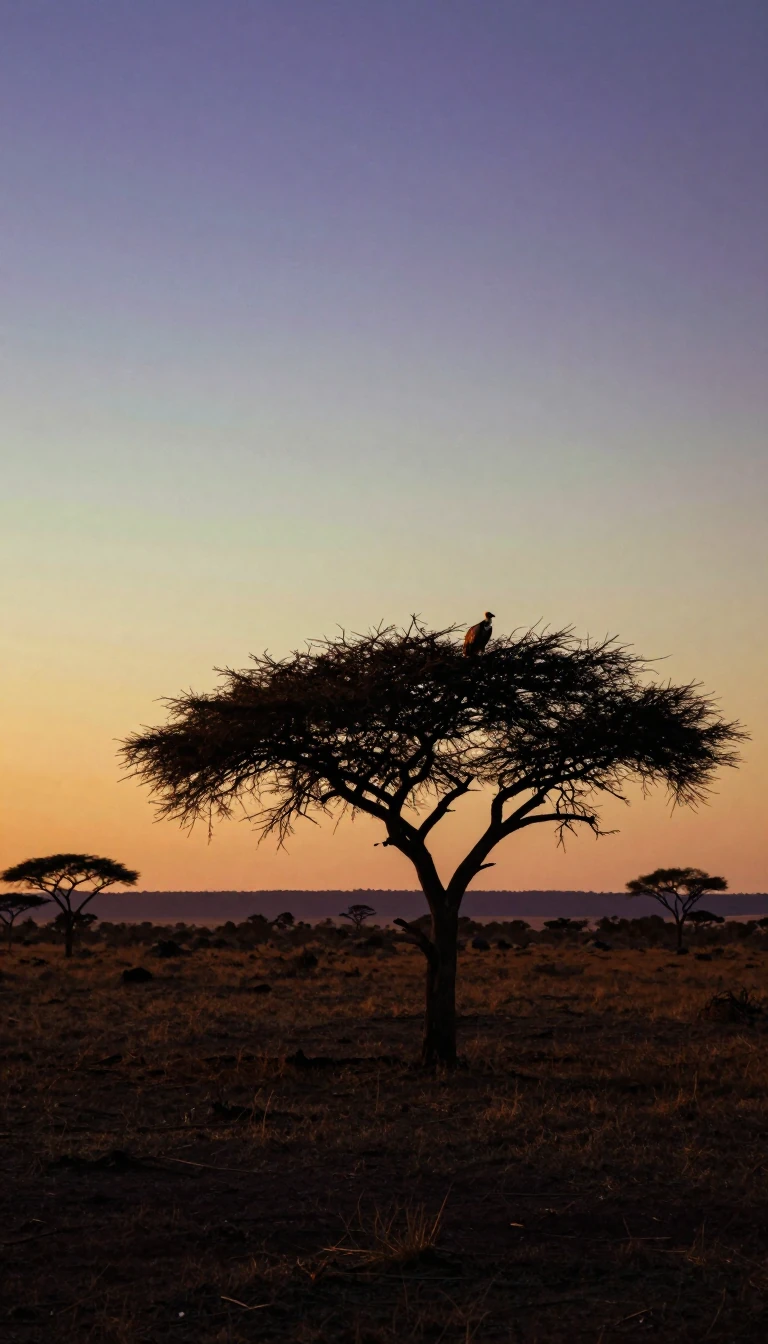 Was the giant, terrifying Gastornis actually a gentle giant of the prehistoric forest?For decades, the massive Gastornis was depicted as a fearsome predator, a flightless terror stalking early mammals with a bone-crushing beak. Yet, modern evidence suggests this to…
 How geckos defy gravity using the invisible power of molecular attractionGeckos are masters of vertical traversal, clinging to surfaces with ease. This feat is not magic, but physics: their tiny foot hairs interact with surfaces through Van der Waals f…
 The gelada is the world's last surviving species of ancient, grass-eating primate.Living exclusively in the high mountain meadows of Ethiopia, the gelada is a unique primate that spends its days sitting down to graze. Unlike its baboon relatives, it has evolved…
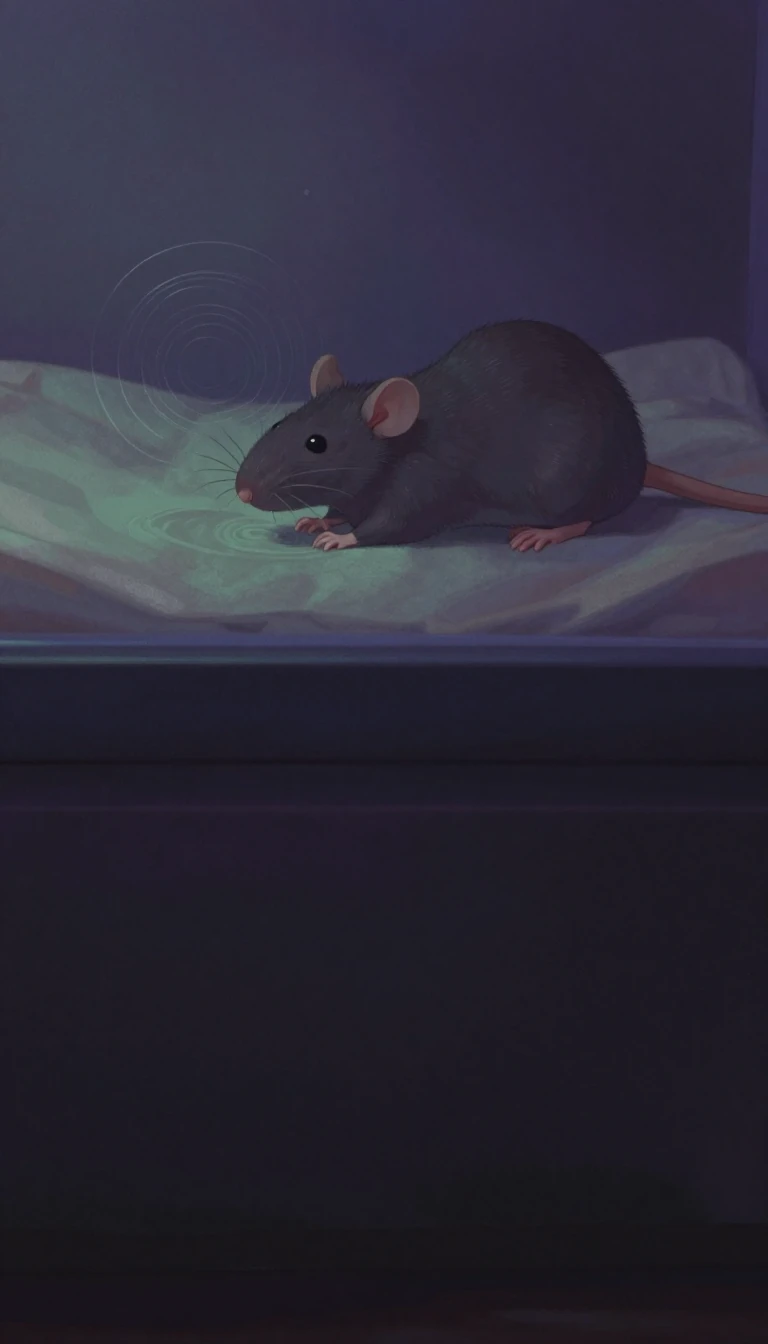 Beyond the pet store cage: the resilient desert life of the Gerbillinae subfamilyOften known as gentle household pets, gerbils are actually a diverse group of over 110 rodent species perfectly engineered for arid survival. From the sand rats of Africa to the h…
 The giraffe gazelle: an East African antelope that stands on two legs to eat.The gerenuk is a master of vertical foraging, capable of reaching foliage over two meters above the ground by standing on its hind legs. This long-necked antelope, native to East …
 The giant armadillo is a master architect whose burrows sustain entire forest ecosystems.Beyond its impressive size and sickle-shaped claws, the giant armadillo acts as a vital habitat engineer. By excavating massive underground burrows, it provides essential shelter …
 The giant otter shrew is a master of the river, but no true shrew.Despite its name, this nocturnal African predator is neither an otter nor a shrew. It navigates mountain streams using a fish-like, side-to-side swimming motion and possesses a un…
 The giant petrel is the only seabird of its family that walks on landKnown to sailors as the stinker or the glutton bird, the giant petrel is a formidable predator of the Southern Hemisphere. These aggressive birds are the only members of their fam…
- Why these giant rodents are the world's most effective land mine detectorsA three-foot rodent sounds like a nightmare, but the Gambian pouched rat is a life-saving hero. These intelligent creatures are trained to sniff out buried explosives across Afric…
- Was the largest ape to ever walk the Earth a real-life dragon?For decades, the only evidence of Gigantopithecus blacki existed in Chinese drugstores, sold as dragon bones for traditional medicine. This massive primate, which stood nearly ten…
 Why these tiny rainforest frogs have evolved to show off their beating heartsGlass frogs are small, nocturnal amphibians found in the New World tropics that possess a startling biological trait: translucent skin on their undersides. This transparency allow…
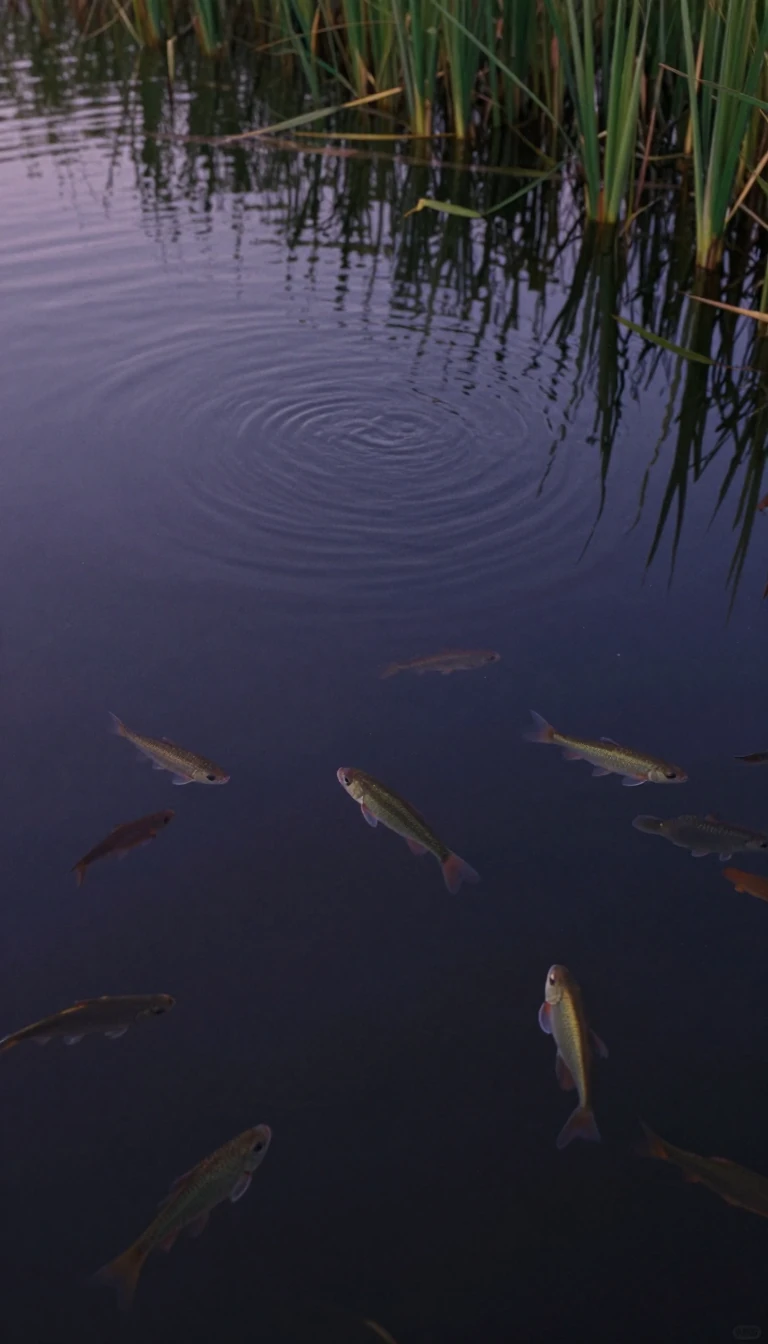 The glass knifefish is a translucent, electric predator lurking in deep river channels.In the rushing, dark depths of the Amazon, a group of fish navigates by generating its own electric field. These glass knifefishes, often nearly transparent, thrive in environment…
- The Blue-gray Gnatcatcher is a tiny, restless acrobat that builds nests from spiderwebsThis sparrow-sized bird is a master of constant motion, flitting through foliage to snatch insects with a thin, straight bill. Its most striking habit involves flicking its white-…
 The tiny, suction-cupped fish that thrives in almost every corner of the oceanTrue gobies, or Gobiinae, are a remarkably diverse group of ray-finned fish found across the globe. Ranging from tiny, one-centimeter vertebrates to larger species, these fish hav…
 The goblin shark uses a terrifying, elastic catapult to snatch prey in the dark.This rare deep-sea dweller, often called a living fossil, hides a bizarre secret behind its long, flat snout. When prey drifts near, the goblin shark does not chase it. Instead, i…
 The godwit is a champion of endurance, flying thousands of miles without a single stop.These long-legged waders are masters of the sky, holding records for the longest non-stop avian migrations ever tracked. From the Alaskan tundra to the shores of Tasmania, these b…
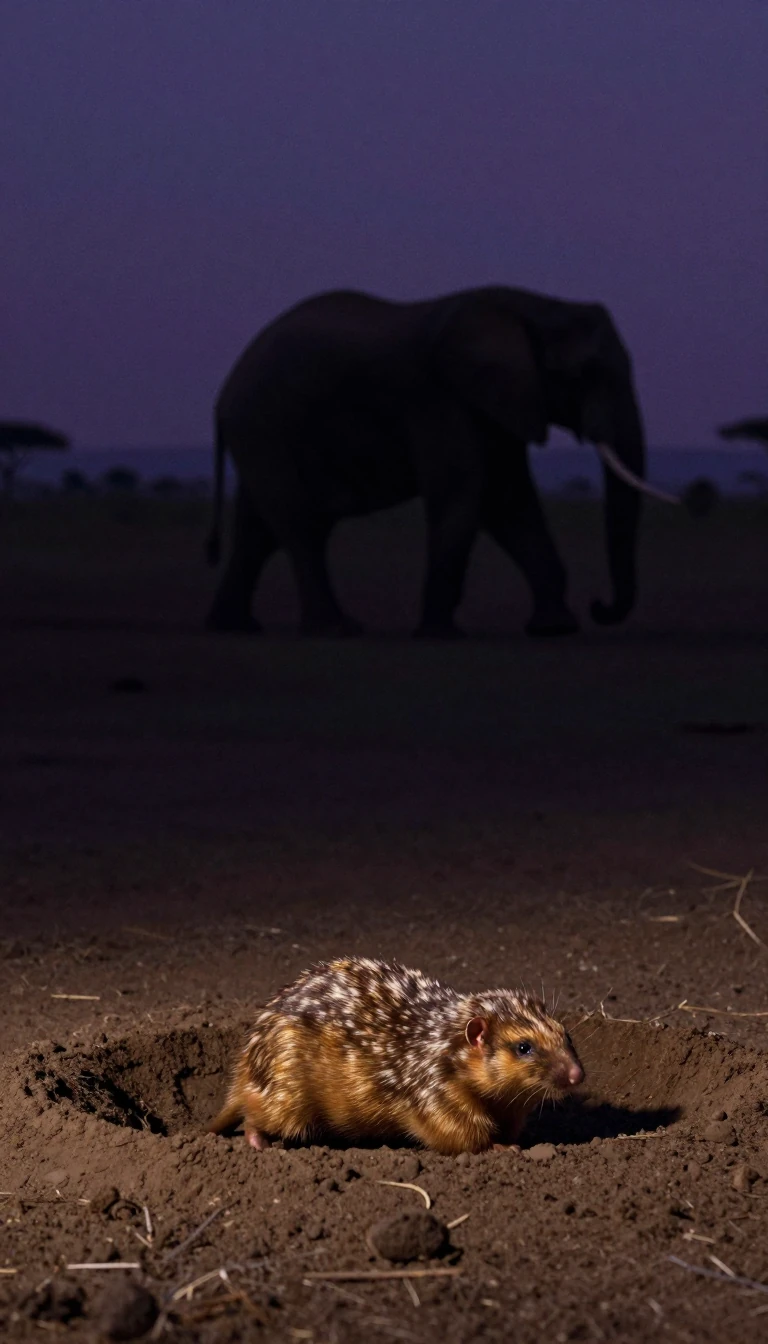 The golden mole is not a mole, but a master of subterranean sand swimmingDespite their name and striking resemblance to true moles, golden moles are an entirely distinct order of mammals. These blind, iridescent creatures inhabit sub-Saharan Africa, wh…
- The golden pheasant is a master of disguise that prefers running to flyingKnown as the rainbow pheasant for its brilliant plumage, this ground-dwelling bird is native to the mountains of western China. Despite its striking appearance, it is a shy creatu…
- The world's largest frog builds its own stone nests to secure its massive offspring.The goliath frog is a biological titan, reaching weights of over three kilograms. Beyond its sheer size, this West African amphibian exhibits remarkable engineering skills, moving…
- The shovel-tusked giants that once roamed almost every continent on EarthBefore modern elephants dominated the landscape, a diverse group of proboscideans known as gomphotheres thrived for millions of years. These fascinating creatures, which evolved u…
 The toothless fish that warns its neighbors of danger using chemical alarm signalsThe Gonorynchiformes are a diverse order of ray-finned fish, ranging from the commercially vital milkfish to the sand-burrowing beaked sandfish. Despite their lack of teeth, these…
 The most abundant vertebrate on Earth is a tiny, glowing, deep-sea predator.Meet the bristlemouth, a mesopelagic fish family numbering in the quadrillions. Despite their small size and unassuming appearance, these creatures dominate the world's oceans. Th…
- The goosefish uses a fleshy lure to hunt prey with its cavernous, toothy mouthKnown by names ranging from monkfish to devil-fish, the goosefish is a master of ambush. These flattened, bottom-dwelling predators use a specialized dorsal spine as a fishing pol…
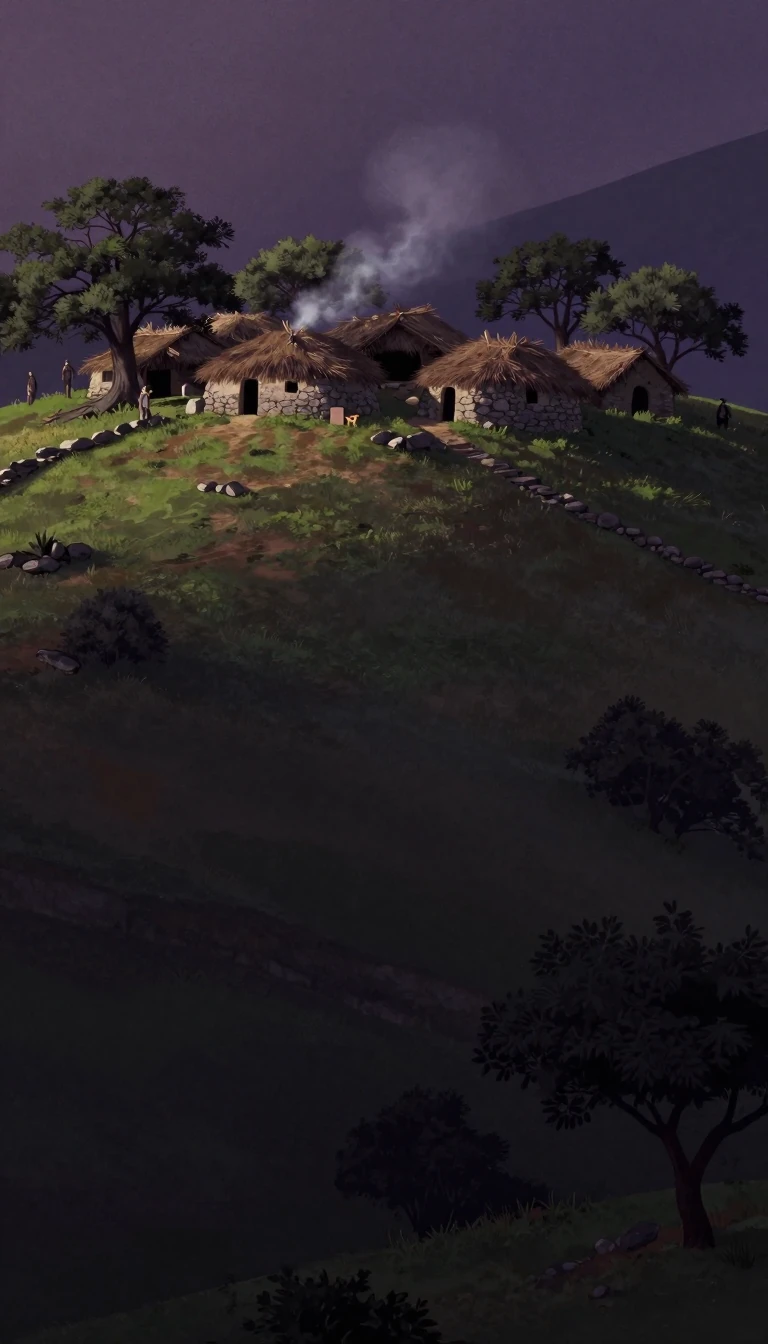 Before the saber-toothed cats, these Permian predators ruled with massive, specialized canine teethLong before mammals or dinosaurs dominated, Gorgonops prowled the Late Permian landscape. As one of the first therapsids to evolve saber-like canines, this medium-sized predator d…
- Before dinosaurs ruled, these sabre-toothed predators dominated the Permian landscape with terrifying efficiency.Long before the rise of dinosaurs, gorgonopsians reigned as the apex predators of the Permian period. These sabre-toothed therapsids evolved specialized anatomy for ambush hunting…
- Why these freshwater fish gulp air to survive in oxygen-poor tropical watersGouramis are not just colorful aquarium staples; they are evolutionary masters of low-oxygen environments. Equipped with a unique lung-like labyrinth organ, these fish can bypass …
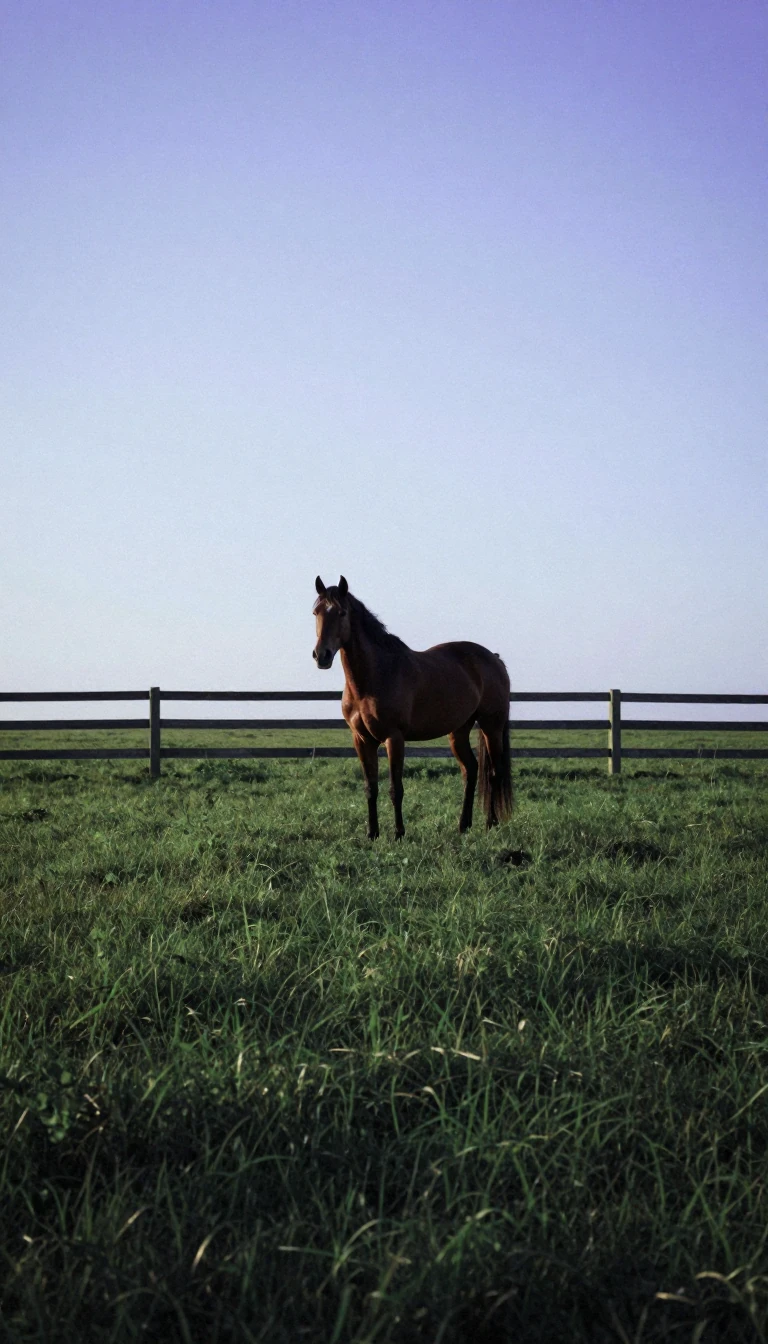 The imperial zebra is a desert-hardy survivor with a surprisingly mule-like social life.Grévy's zebra is the largest and most threatened of all wild equids. Unlike other zebras, it rejects harem life for a territorial system where stallions guard water sources. These…
 Did the human lineage begin in the Mediterranean rather than in Africa?A controversial study of 7.2-million-year-old fossils from Greece and Bulgaria suggests our ancestors split from apes in Southern Europe. By analyzing fused dental roots, research…
 The world's most farmed fish is a voracious herbivore with a global identity crisis.Grass carp are the most produced farmed fish on Earth, yet they are simultaneously treated as a vital tool for aquatic weed control and a problematic invasive species. While they …
- Why the harmless grass snake mimics the deadly cobra to survive in the wildThe grass snake is a non-venomous swimmer that relies on a surprising bluff to deter predators. When threatened, it flattens its neck to resemble a cobra, a defensive performance …
 The original penguin was a flightless giant hunted to extinction by human greedStanding nearly three feet tall, the Great Auk was a master of the North Atlantic waters but defenseless on land. Once numbering in the millions, this flightless bird was systemat…
 In the world of the greater painted-snipe, the female rules the courtship game.Forget traditional avian roles. Among these elusive shorebirds, females are larger, more vibrant, and aggressively polyandrous. They initiate courtship, often mating with multiple…
 Why Japan’s national bird is a symbol of harmony and a master of survivalThe green pheasant is more than just Japan’s national bird; it is a resilient survivor that outcompetes its common cousins. From its role in folklore as an earthquake predictor to…
- The deep-sea rattail is a master of the abyss with a musical secretAbundant across the world's oceans, grenadiers are deep-sea survivors that thrive in extreme darkness. These fish, often called rattails, possess specialized adaptations including…
 The only crane that sleeps in trees, this bird is a master of dance.Standing one meter tall with a striking golden crown, the grey crowned crane is a unique inhabitant of Sub-Saharan Africa. Unlike its relatives, it possesses a specialized hind to…
- The wild ancestor of your breakfast egg has a secret, fly-tying superpowerThe grey junglefowl is more than just a wild cousin to the domestic chicken. Its unique, hard-tipped neck feathers are prized by anglers for creating high-grade fishing lures, whi…
- Grey parrots possess the cognitive complexity of a four- to six-year-old human child.Renowned for their mimicry, grey parrots are far more than simple sound recorders. These African natives demonstrate advanced problem-solving, altruistic reciprocity, and even the…
- The Greylag goose is the original farmyard bird and a master of wild survival.Known as the classic goose of nursery rhymes, the Greylag is far more than a park fixture. As the ancestor of most domestic geese, this orange-billed bird is a resilient wild spec…
 Unlike their tree-dwelling cousins, these African giants rule the savanna floor as predators.Ground hornbills are an evolutionary outlier in the hornbill family. While most of their relatives nest in trees, these birds have traded the canopy for a terrestrial life. Standi…
- The elusive ground roller is a master of disguise hidden within Madagascar's dense forests.Restricted entirely to Madagascar, the ground roller is a shy, terrestrial bird that defies the flashy reputation of its relatives. While true rollers are known for their vibrant …
- Were these elephant-sized sloths actually easy prey for early human hunters?Ground sloths were once a diverse, continent-spanning group of mammals, with some giants reaching the size of modern elephants. While they vanished around 12,000 years ago, scient…
- Are ground squirrels just tree squirrels that decided to trade branches for deep tunnels?While they share a family tree with their arboreal cousins, ground squirrels have evolved into a diverse group of 62 species that master life on the surface. From deep-hibernating…
 The groundhog is a master of hibernation, not a reliable weather forecaster.Every February 2, the world looks to a rodent to predict the arrival of spring. In reality, the groundhog is a solitary, burrowing expert of survival that spends its winter in a d…
- The ancient origins of the guan reveal a complex history of South American evolution.Guans are the largest group within the Cracidae bird family, primarily inhabiting northern South America and southern Central America. While they appear as a cohesive group, their…
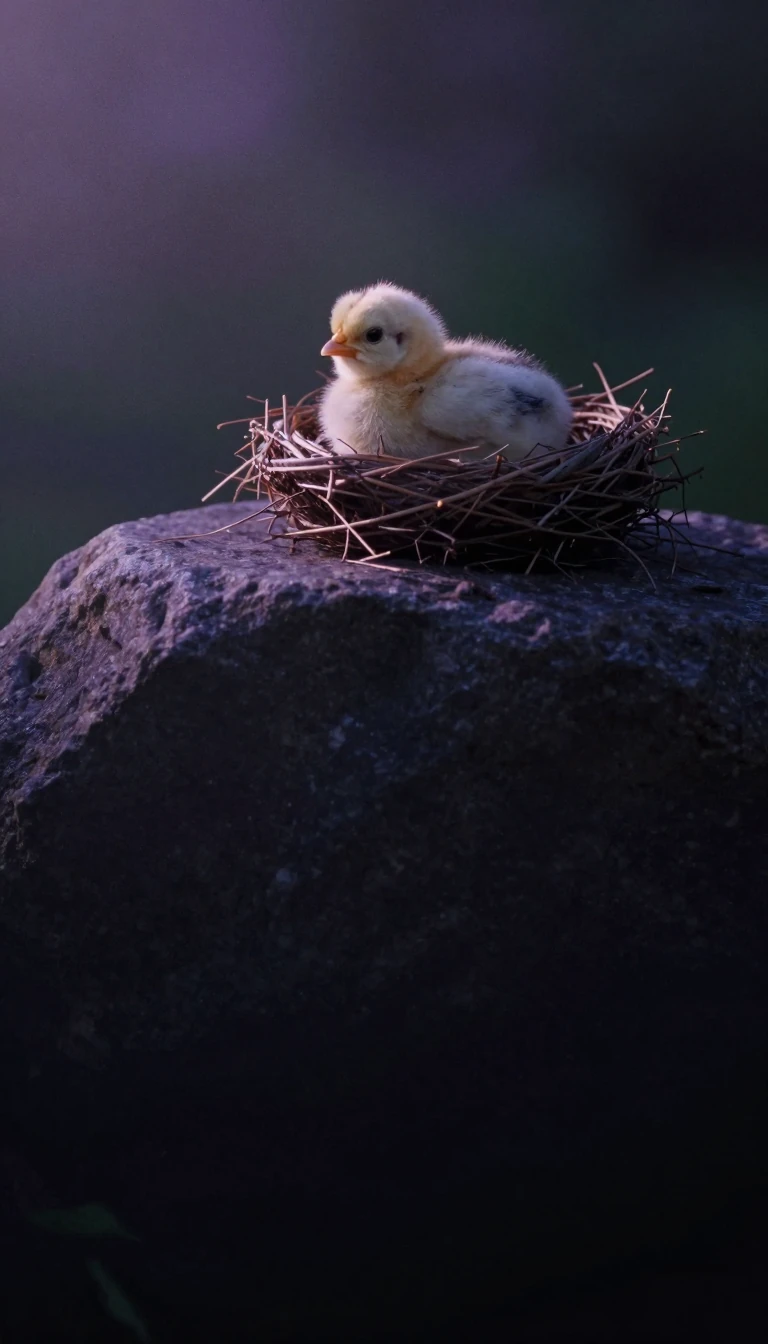 Why the pear-shaped egg of the guillemot is a masterpiece of cliffside survivalGuillemots nest on precarious cliff edges without building a single nest. Their eggs are uniquely pear-shaped, a design long thought to prevent them from rolling off into the sea.…
 The guitarfish is an evolutionary bridge between the shark and the common ray.With a shark-like tail and a flattened, triangular head, the guitarfish defies simple classification. These bottom-dwelling creatures inhabit shallow coastal waters worldwide, bur…
 The Knifefish navigates the dark using a self-generated electric field for constant sensing.Gymnotiformes are freshwater fish that master the murky depths of Central and South America. By rippling an elongated anal fin, they move with precision in any direction while emi…
- A tiny Cambrian fish with four eyes may have triggered the vertebrate revolutionHaikouichthys ercaicunensis, a primitive fish from the Lower Cambrian, challenges our understanding of early vertebrate evolution. While it shares basic features with modern lampr…
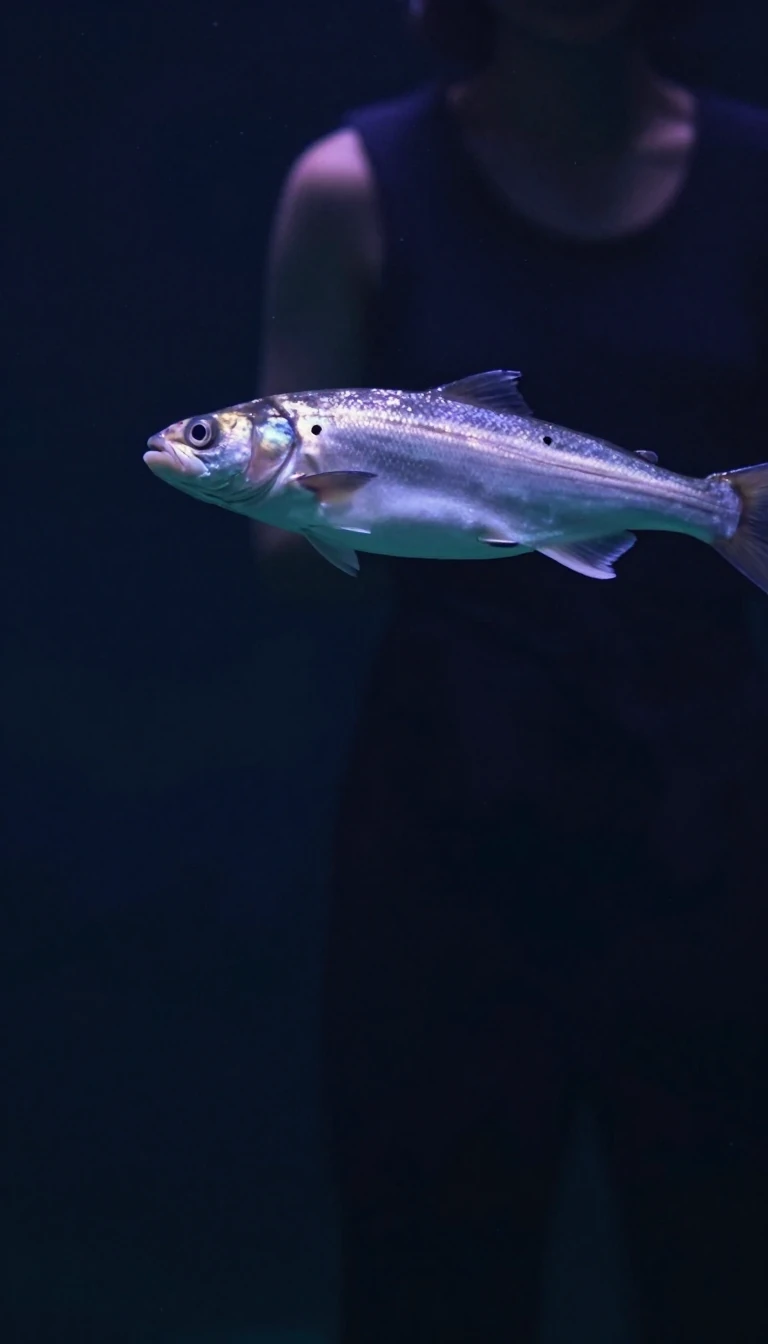 Hake are deep-sea predators that perform a daily vertical migration across the ocean depths.These medium-to-large fish spend their days in the dark, deep waters of the Atlantic and Pacific, only to ascend toward the surface under the cover of night. While they are a stap…
 Was this bizarre Mongolian dinosaur a swimmer, or just a misunderstood land-dweller?Halszkaraptor escuilliei, a small dinosaur from Mongolia, was initially hailed as the first known semiaquatic, fish-eating non-avian dinosaur. Its strange, duck-like anatomy spark…
- The Hamadryas baboon lives in a strictly controlled, multi-level society unlike any other primate.Unlike most baboons that roam in large, cohesive troops, the Hamadryas baboon operates through a rigid, patriarchal hierarchy. Males command small harems of females, using aggress…
- The Hamerkop: An African Waterbird That Builds Massive, Fortress-Like NestsThe hamerkop is a medium-sized bird with a unique, hammer-shaped head profile. Beyond its appearance, it is famous for constructing enormous, domed nests that are strong enough to…