 Intellect Plus
Asia
699 cards. Each one is a 40-second story with a five-minute read behind it. Page 12 of 12.
 From Sultanate Splendour to Military Hub: The Evolving Identity of AhmednagarFounded in 1494, Ahmednagar transformed from a strategic battlefield into a city that once rivalled Baghdad in splendour. Today, it serves as a critical military centre housing th…
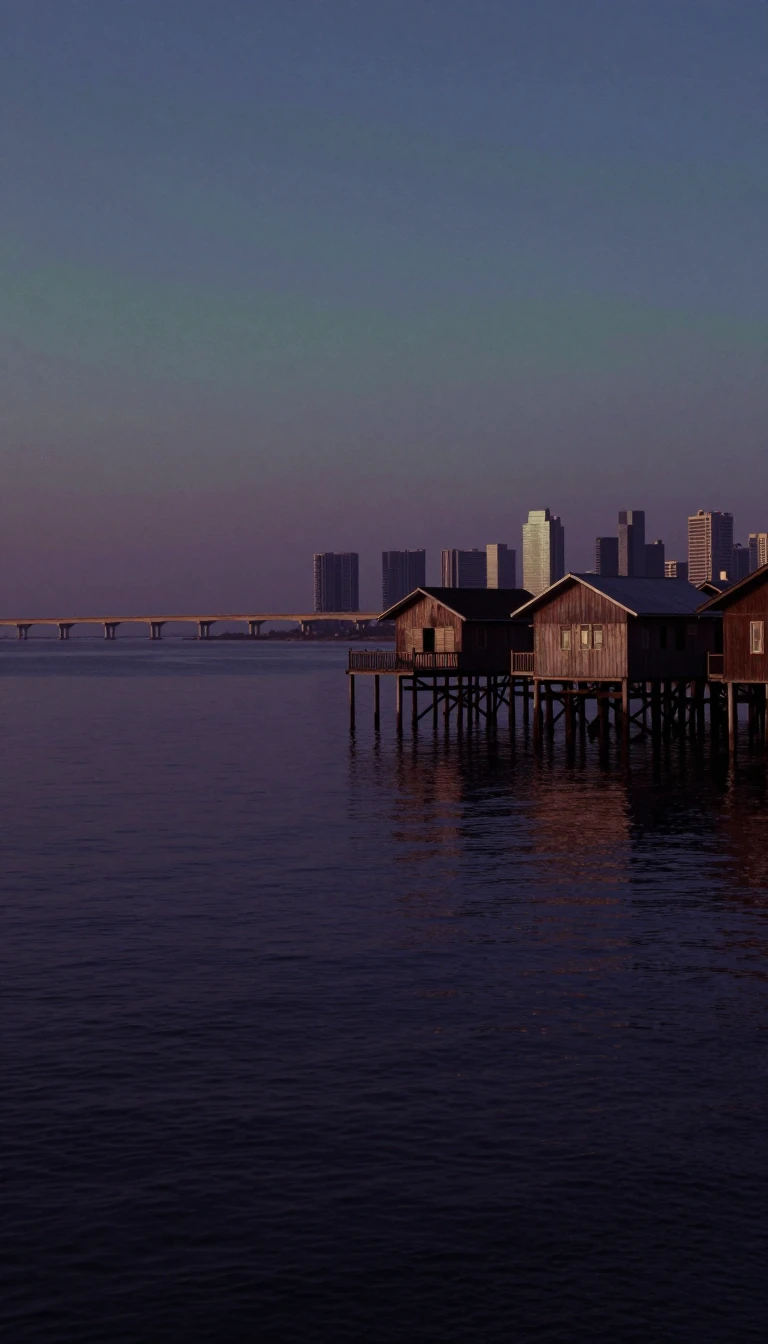 The Malaysian state capital named after a tree that is related to the mangoAlor Setar, the capital of Kedah, derives its name from a small stream and the Setar tree, a relative of the mango. Beyond its botanical namesake, this strategic northern hub has …
 From a Tsarist mill town to a hub of Kazakh cultureNestled on the Tobol River, Kostanay serves as a living timeline of Central Asian history. It evolved from a 19th-century Russian settlement into a vital industrial and cultural c…
 A river confluence shaped the destiny of northern Japan's Kitakami BasinNestled where the Kitakami, Shizukuishi, and Nakatsu rivers meet, Morioka has been a center of human life since the Paleolithic era. From ancient Emishi tribes to the powerful Nam…
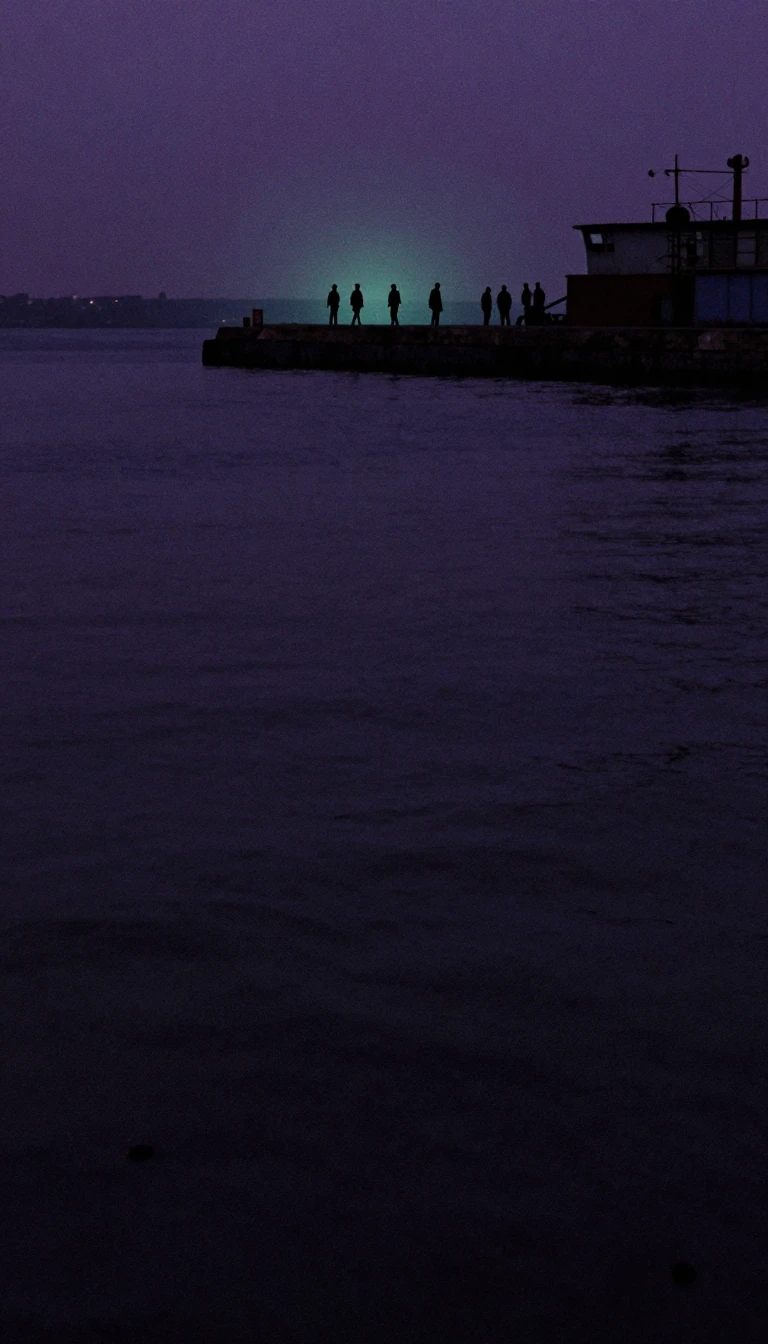 Why this Japanese lakeside city was once the center of the imperial worldLong before it became a modern prefectural capital, Ōtsu served as the seat of the Japanese emperor and a vital transit hub. Nestled on the shores of Lake Biwa, this historic city…
 Qarshi: The ancient Silk Road oasis that became a modern energy powerhouseDeep in southern Uzbekistan lies Qarshi, a city whose name literally means fort. Once a vital stop for caravans traveling between Balkh and Bukhara, this historic hub has evolved …
 From Salt Outpost to Industrial Powerhouse: The Transformation of PavlodarLocated along the Irtysh River in northeastern Kazakhstan, Pavlodar evolved from a 9th-century capital of the Kimek–Kipchak confederation into a critical Soviet industrial hub. To…
 Founded as a military outpost, Petropavl evolved into a vital northern gateway for Kazakhstan.Established in 1752 as a wooden fortress on the Ishim River, Petropavl began as a strategic defense point against nomadic incursions. Over centuries, it transformed from a frontie…
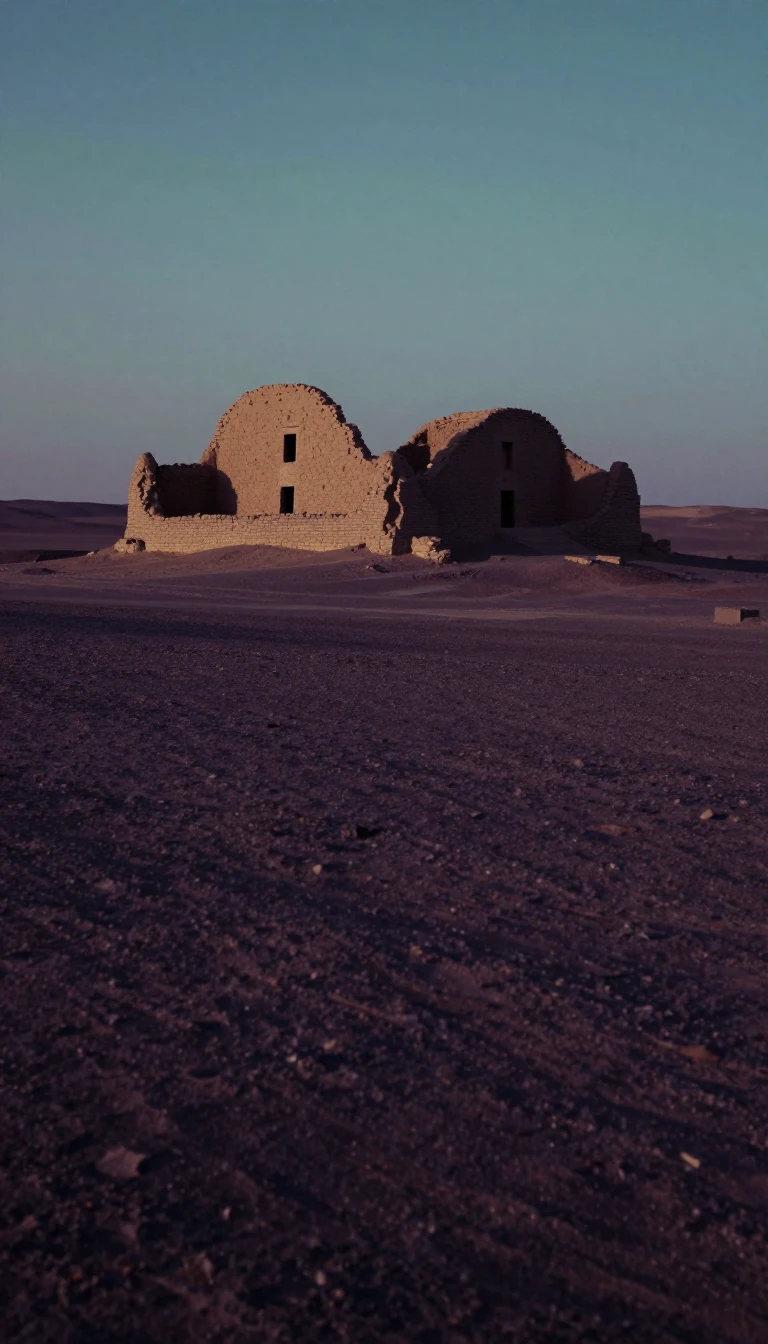 How a Central Asian railway hub became a melting pot of two distinct culturesTürkmenabat sits on the banks of the Amu Darya River, a city with 2,000 years of history. Once a vital Silk Road intersection known as Āmul, it evolved into a modern industrial ce…
 Taraz is a 2,000-year-old Silk Road hub that has survived countless reinventions.Located in southern Kazakhstan, Taraz is one of the oldest cities in Transoxania. From its origins as a Xiongnu fortress to its role as a vital Silk Road trade center, the city ha…
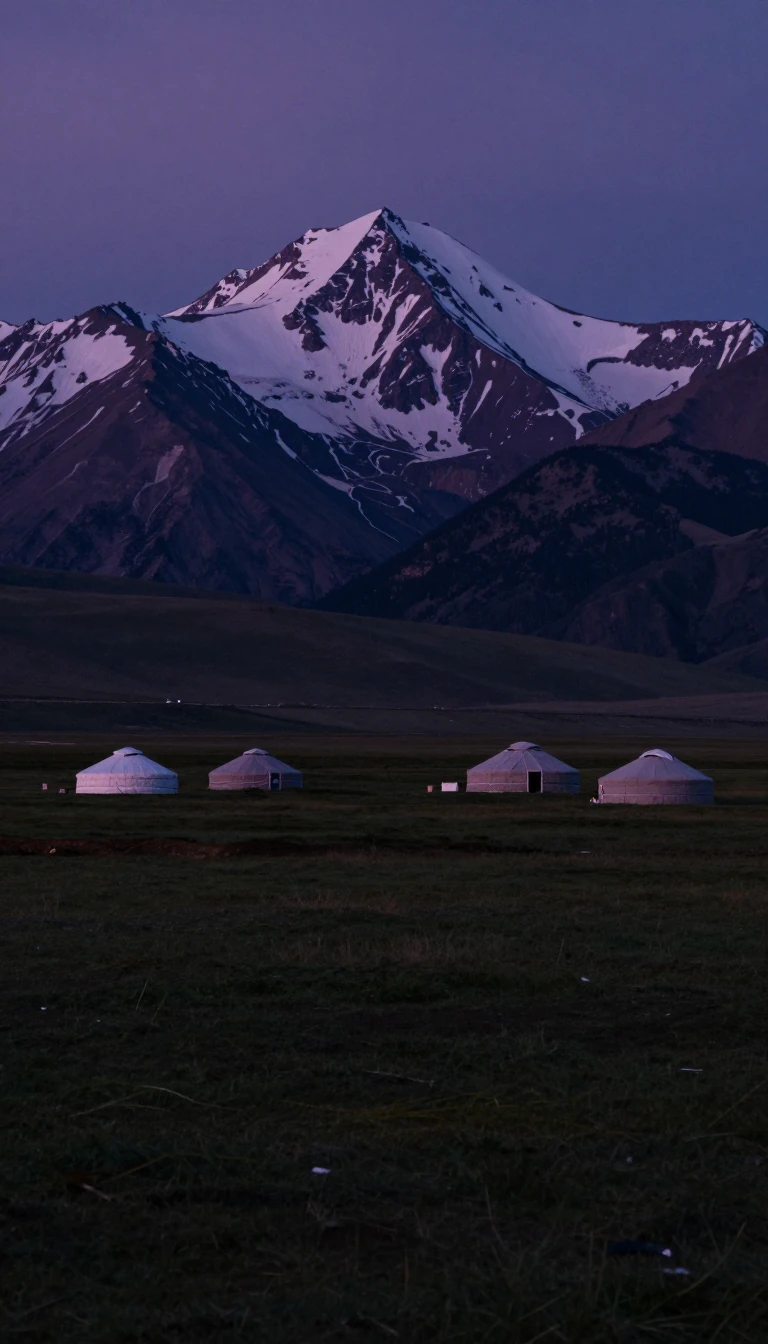 Osh is a 3,000-year-old Silk Road hub that remains Kyrgyzstan's southern capital today.Known as the capital of the south, Osh is one of Central Asia's oldest cities. Once a vital Silk Road market, it sits in the Fergana Valley. Today, this ethnically diverse city ba…
 Why a city of seven chambers shed its name to escape a nuclear shadowFounded as a Russian fort near a mysterious monastery, Semey spent decades as the epicenter of Soviet atomic testing. Known formerly as Semipalatinsk, the city endured 456 nuclear…
 Oral, the Kazakh city that changed its name to erase a bloody rebellionFounded by Cossacks in the early 17th century, this northwestern Kazakh hub has spent centuries at the center of regional conflict. Once known as Yaitsky Gorodok, the city was for…
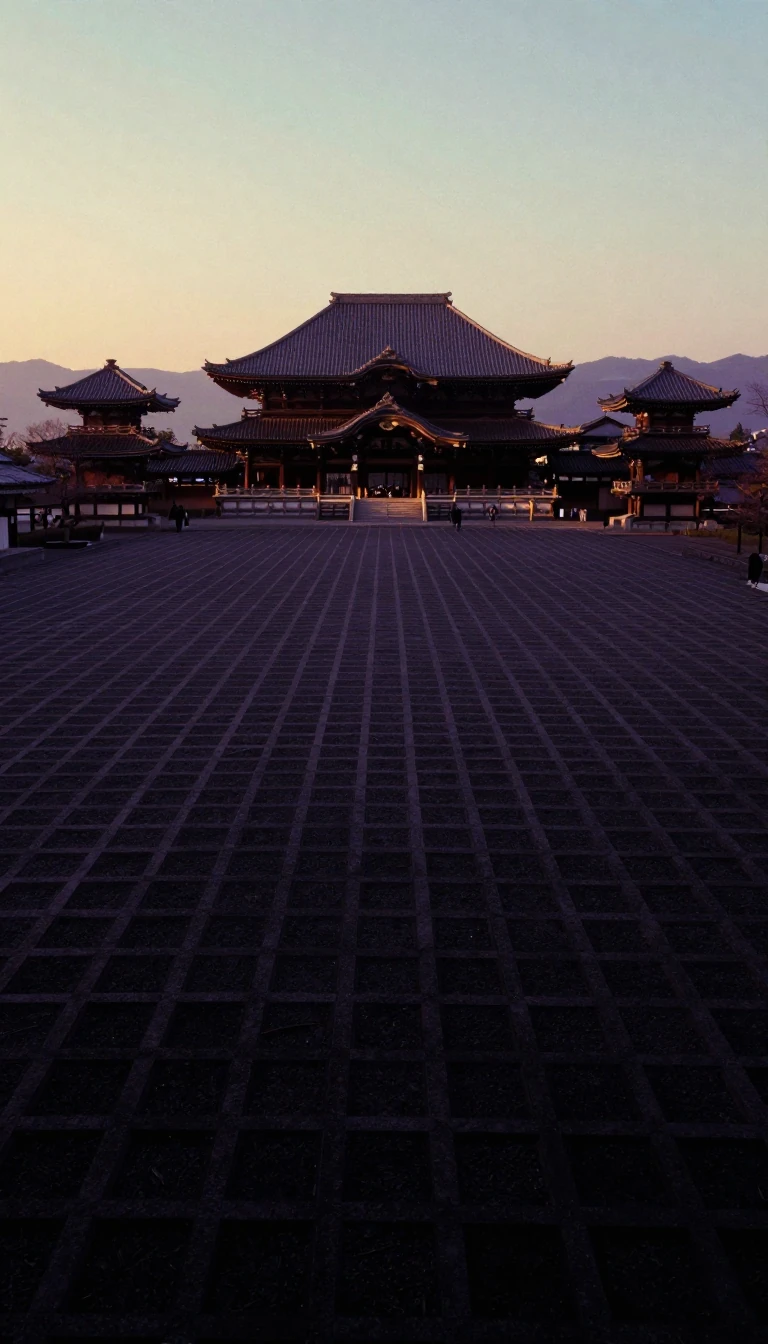 Miyazaki: A Japanese City Where Ancient Mythology Meets Modern Subtropical Coastal LifeNestled on the island of Kyushu, Miyazaki is a city defined by its humid subtropical climate, sprawling alluvial plains, and deep historical roots. From the legendary birthplace o…
 A desert port city hosts Central Asia’s largest electronic music festival among rusting ships.Once a thriving fishing hub on the Aral Sea, Moynaq now sits 150 kilometers from the water. Following a catastrophic Soviet-era river diversion, the town became a graveyard for ab…
- How a Japanese port city escaped the atomic bomb and reinvented its landscapeNiigata was once a target for atomic destruction, yet it remained untouched by the firebombing that leveled other Japanese cities. Today, this resilient hub on the Sea of Japan is…
 Nukus: A Soviet-era city built on the edge of a vanishing seaOnce a small settlement, Nukus transformed into a modern capital of Karakalpakstan. Beyond its broad avenues and Soviet architecture, the city hides a complex history as a former …
- Why this Japanese city holds a monopoly on the nation's fireworks and dark misoOkazaki is a city defined by its history as a Tokugawa stronghold. Beyond its feudal past, it remains the quiet industrial heart of Japan's most explosive and savory traditions. F…
- From a Kokand fortress to a Soviet capital, the story of KyzylordaDeep in the heart of south-central Kazakhstan lies Kyzylorda, a city defined by its shifting identities. Once a strategic fortress guarding the Syr Darya river, it transformed int…
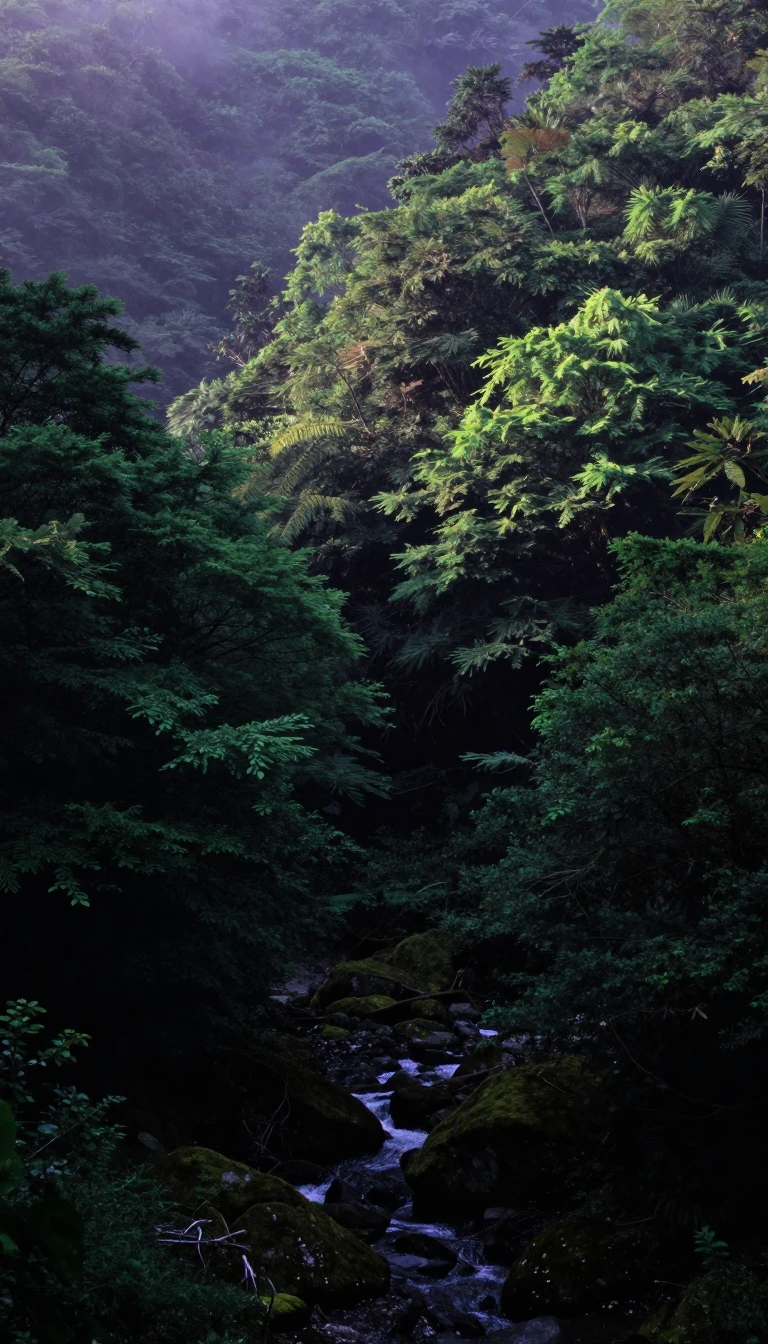 Why Japan's Land of Sunshine is a masterclass in urban resilience and reinventionKnown as the Land of Sunshine for its record-breaking lack of rain, Okayama is more than a climate anomaly. From its origins as a 16th-century feudal stronghold to its modern stat…
 Kōchi is a resilient Japanese city forged by castle history and Pacific stormsNestled between rugged mountains and the open Pacific, Kōchi serves as the primary commercial hub of Shikoku. This city, defined by its historic castle and a climate that invites …
- Why this remote Kazakh city became the Soviet Union's most famous punchlineKaraganda is a major industrial hub in the Kazakh steppe, but it is best known for a linguistic quirk. Because its name rhymes with the Russian word for where, it became the stand…
 Khujand: The ancient Silk Road bastion that once stood at the edge of empire.Perched on the banks of the Syr Darya, Khujand is one of Central Asia’s oldest urban centers. Once a vital Silk Road waypoint, this resilient city has survived centuries of conque…
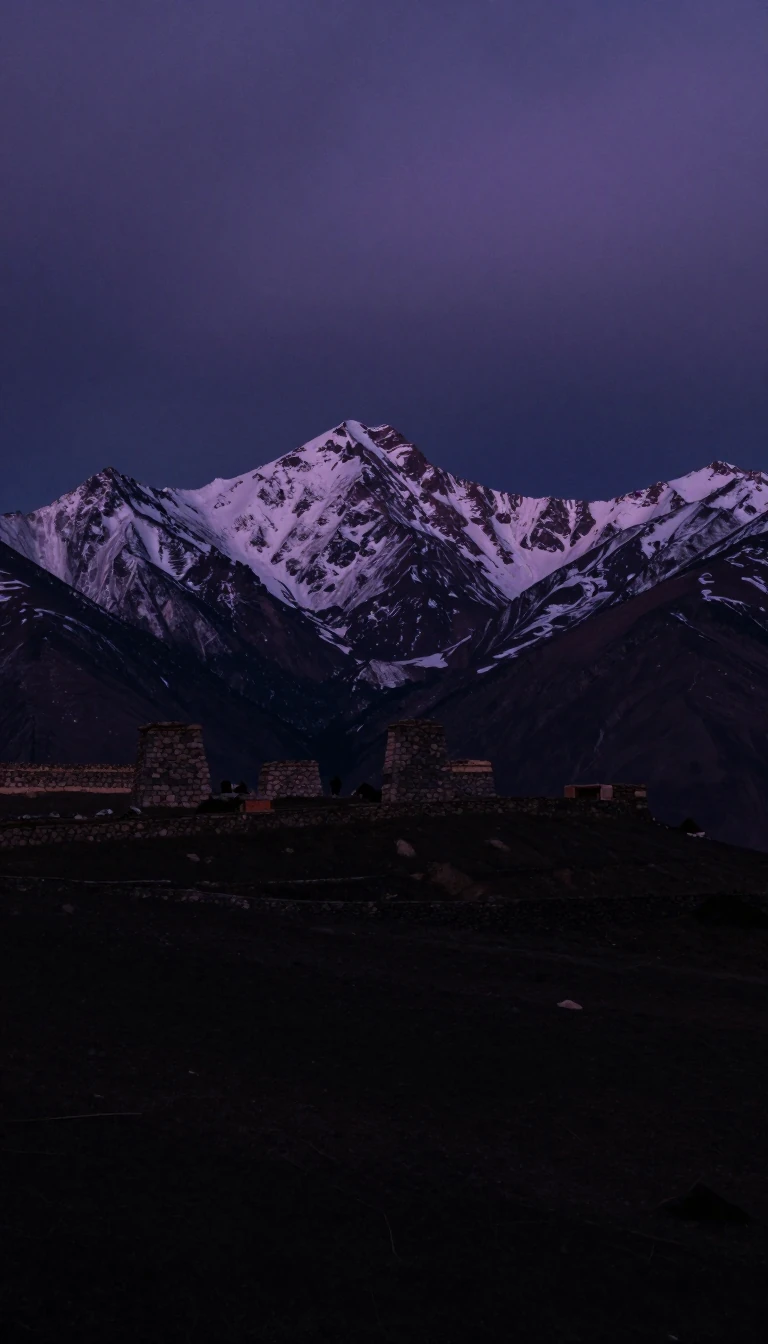 How a Peasant's Potato Patch Became One of Japan's Most Powerful Feudal CitiesKanazawa began as a humble marsh where a potato farmer reportedly discovered gold. It evolved into a massive, sophisticated castle town that rivaled European capitals in size. By …
- How a Silk Road trading hub became a short-lived center of Central Asian powerNestled in the Fergana Valley, Kokand has been a vital crossroads for centuries. From its ancient roots as a caravan stop between India and China to its rise as the capital of a p…
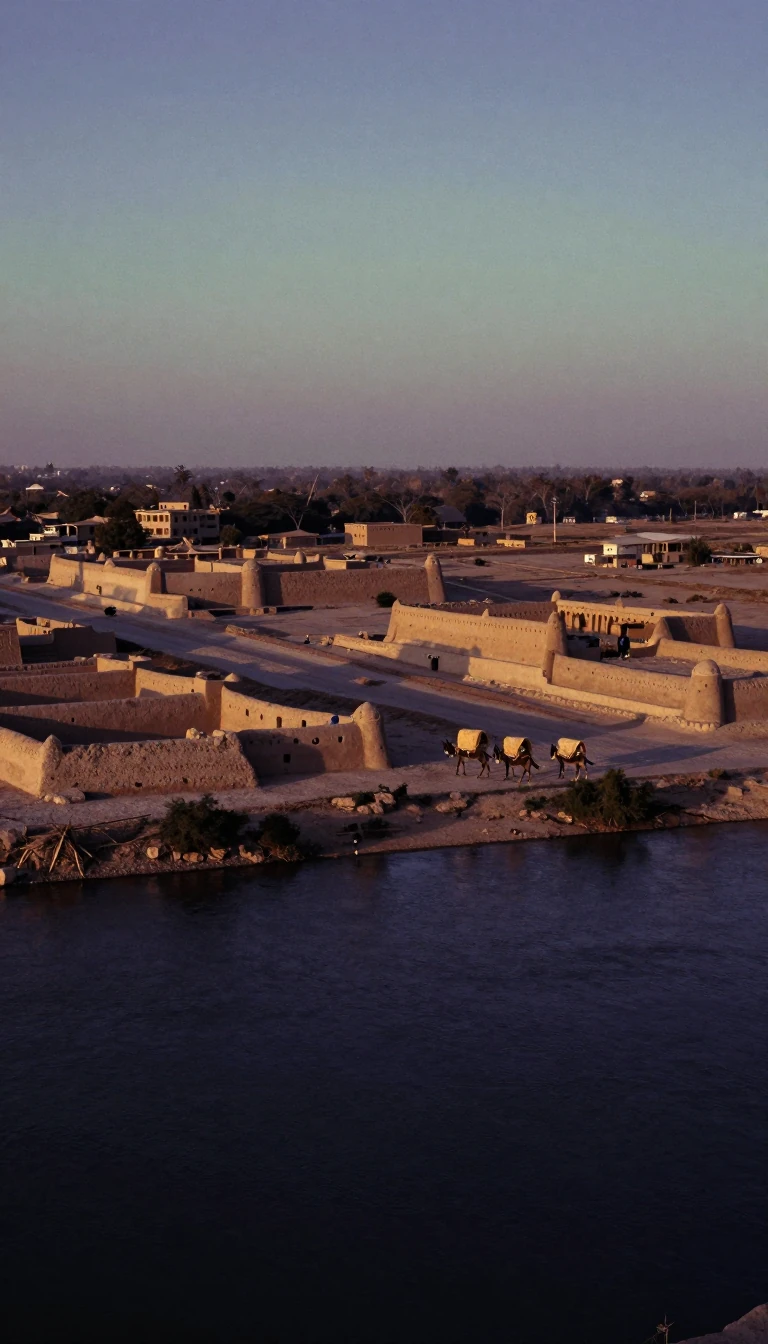 How a 16th-century fortress city became the cradle of Japan's modern peace movementKumamoto is defined by its impenetrable castle, built by a legendary strategist in 1588. Yet, this city of warriors also birthed a global movement for peace. From the final home o…
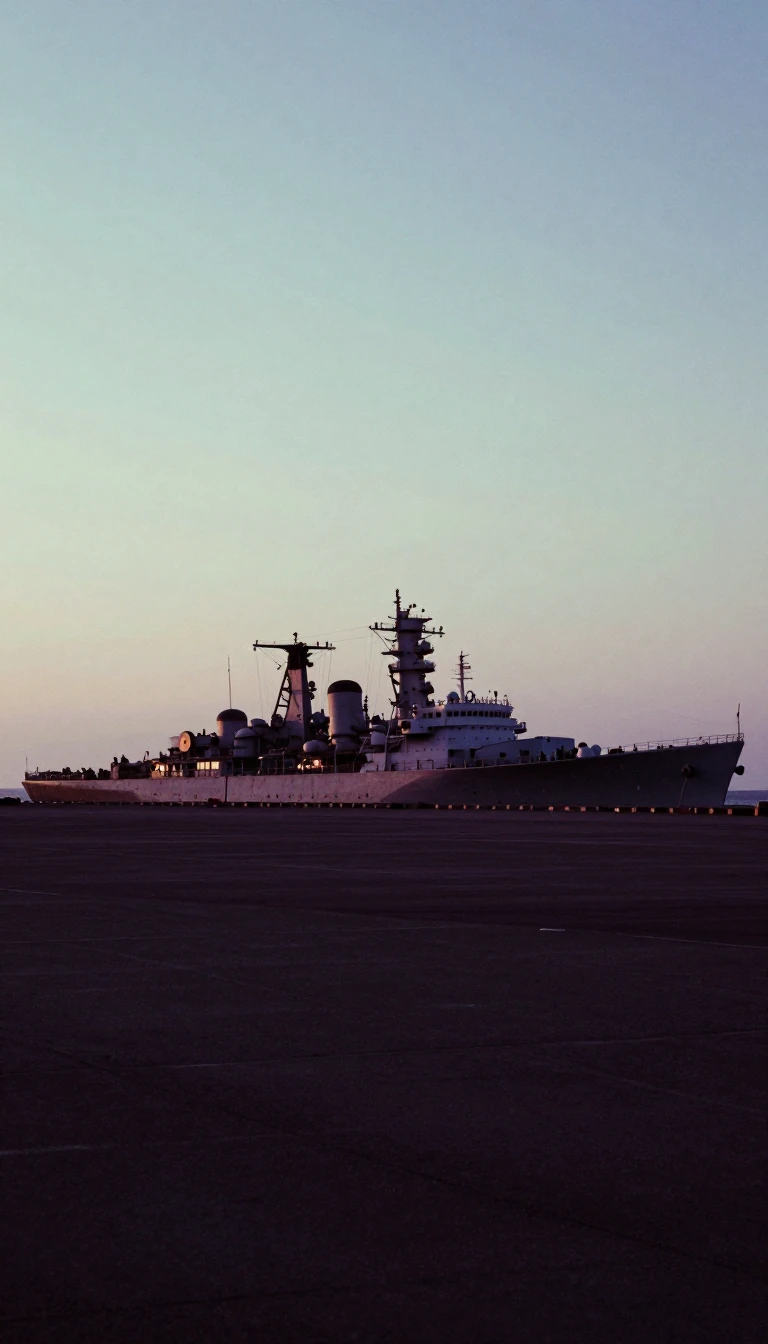 How a quiet Japanese port became the cradle of the world's largest battleship.Nestled in the Hiroshima Prefecture, Kure transformed from a regional seaport into the industrial heart of the Imperial Japanese Navy. Once the site where the massive Yamato was l…
- Why is this Japanese city consistently ranked as the happiest in the country?Hamamatsu, the largest city in Shizuoka Prefecture, holds a unique distinction: it has been named Japan's happiest government-designated city twice in recent years. Beyond its mod…
- From ancient station to modern capital: the layered history of Fukushima CityLong before it became a modern prefectural capital, Fukushima was a strategic frontier post. From its origins as a Jōmon-era settlement and a Ritsuryō-era transit hub to its evolu…
- Why a 16th-century warlord’s base became a bustling hub at the heart of JapanStrategically located in the center of Japan, Gifu has been a pivot point for power for centuries. From the unification efforts of Oda Nobunaga to its modern identity as a manufac…
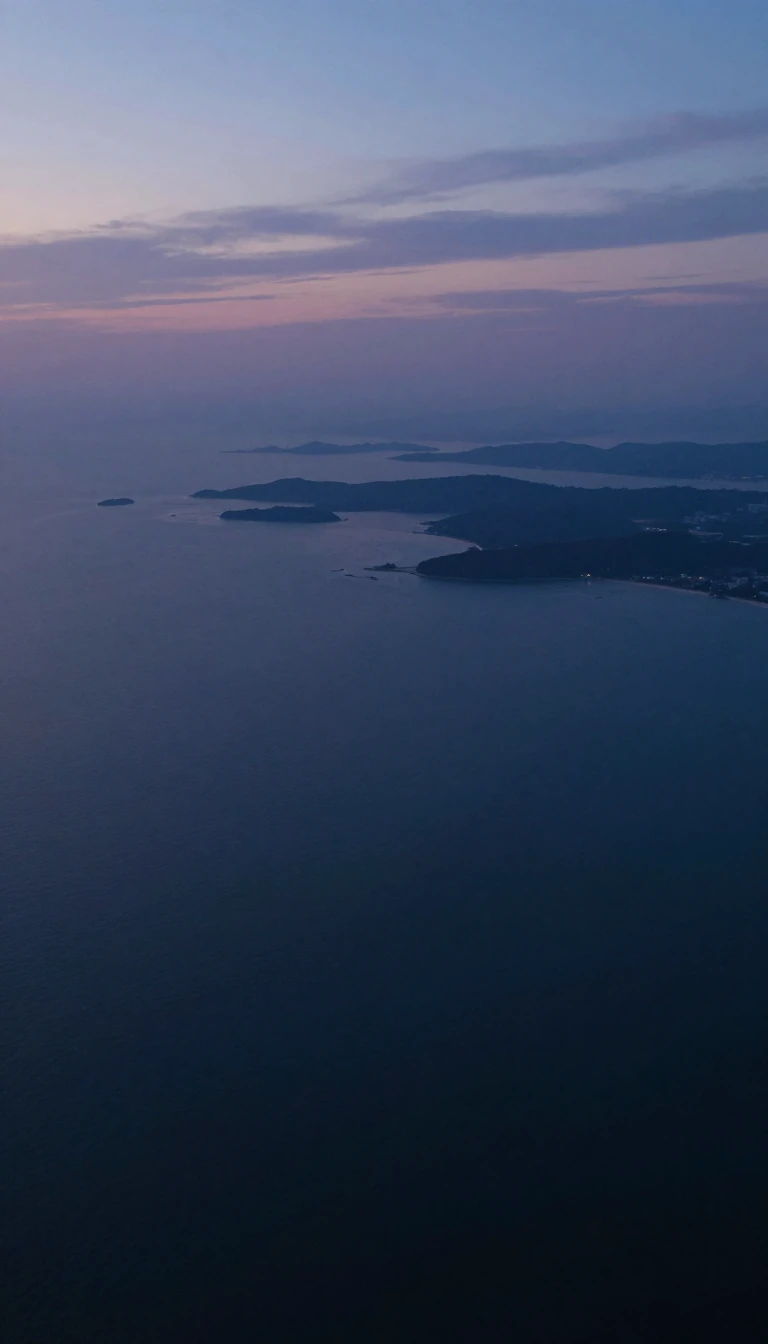 Hakodate: The Japanese port city built on a sandbar and a resting cowPerched on a tombolo—a sandbar connecting a former island to Hokkaido—Hakodate is a city defined by its unique geography and turbulent history. From its origins as a fifteenth-cen…
- How a historic Japanese port city evolved into a modern industrial powerhouseŌita, the capital of its namesake prefecture on Kyushu island, balances a deep history as a hub for western technology and religion with its modern identity as a major production …
- How a former Edo-era castle town became a modern industrial hub on Japan's coast.Hachinohe, a city on the Pacific coast of northern Honshu, has evolved from a feudal castle town into a vital industrial and fishing center. Despite facing the devastating 2011 ts…
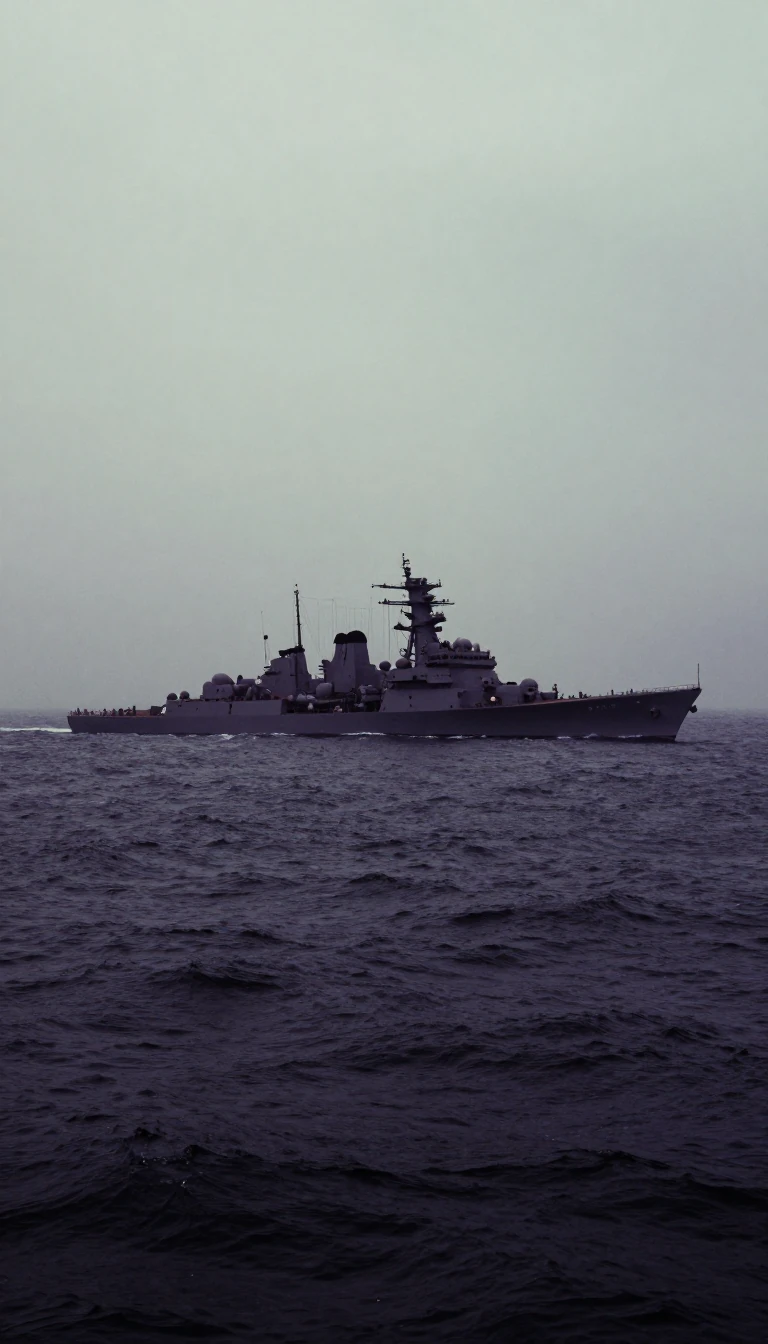 Why did the Japanese government once consider moving the nation's capital to Himeji?Himeji is best known for its remarkably preserved feudal castle, which miraculously survived the firebombing of World War II. Yet, this city in Hyogo Prefecture holds a deeper his…
- How a Japanese coal mining hub transformed into a thriving tropical resort destinationIwaki, a sprawling city in Fukushima Prefecture, was once defined by the Jōban coalfield. When the mines closed after World War II, the city turned a geological nuisance—troubleso…
- Daşoguz is a vital desert oasis city shaped by the ancient Amu Darya river.Located in northern Turkmenistan, Daşoguz serves as a key regional hub within the western Khorezm oasis. Divided by the Shavat Canal, which draws life-sustaining water from the Am…
 Aktobe: The White Hill city transforming from a military fort into an industrial powerhouseRising from a 19th-century Russian military outpost, Aktobe has evolved into Kazakhstan's fourth-largest city. Once a strategic prize in the Russian Civil War, this western hub no…
 Why is Aomori, Japan, considered the snowiest city in the entire world?Aomori City is a place of extremes. It is home to ancient Jōmon civilization sites, a unique history of feudal rivalries, and the most intense snowfall on the planet. This norther…
- Is Zomia a real country or a geographical concept hidden in the mountains?This video explores the concept of Zomia, a region often discussed as a hidden or stateless territory in Asia. It examines the geographical and political context behind this term …