 Intellect Plus
Bodies of water
2,375 cards. Each one is a 40-second story with a five-minute read behind it. Page 21 of 40.
 How a chance encounter at a telegraph office named an entire Canadian cityLeduc, Alberta, owes its name to a random act of fate. In 1886, a telegraph operator decided to name his new station after the very first person to walk through his door. That vis…
 How a railroad tycoon’s cost-cutting decision created a Texas town from thin airIn 1880, a simple choice to lay tracks in a straight line transformed private farmland into a bustling municipality. From its origins as a railroad stop to its unique status as th…
 New Zealand has three official languages, but only one was codified by recent statute.While English has been the dominant language of New Zealand since the 1860s, its status as an official language was only formally codified in 2026. Alongside Māori and New Zealand…
 In Latvian mythology, water serves as a critical boundary between the living and dead.Latvian folklore views water as more than a resource; it is a cosmic threshold. Rivers and the sea mark the divide between worlds, often acting as the final path for souls. From t…
- The 40-year saga of Austin's struggle to build a rail systemAustin's CapMetro Rail didn't just appear; it is the result of decades of political friction, failed referendums, and a massive shift in urban planning. From a $9.3 million railro…
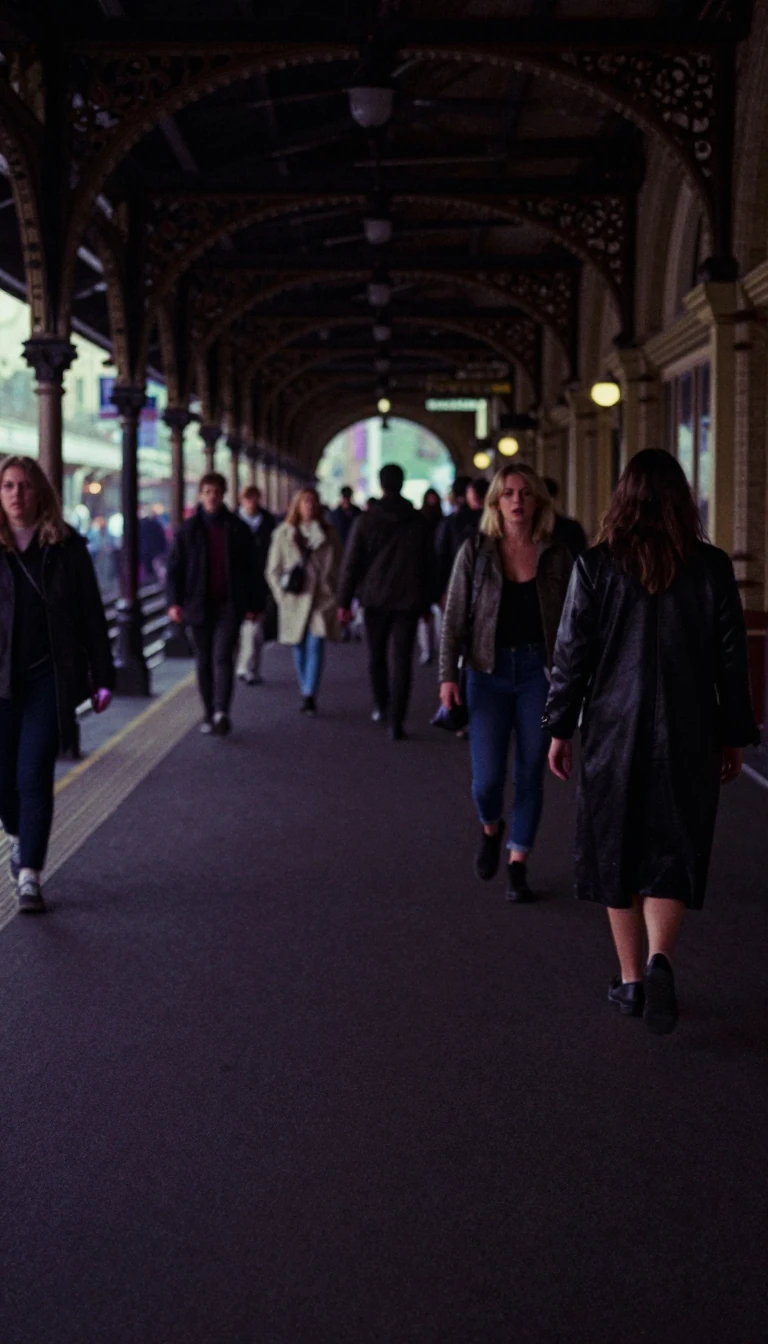 The high-tech signaling test that nearly crashed a Welsh trainDeep in the rugged terrain of central Wales, a rural railway became a laboratory for revolutionary European rail technology. But when the system failed to 'talk' to old infrastruc…
 Kirtland, Ohio, is a quiet residential city with a complex, centuries-old religious legacy.Nestled in the snowbelt of northern Ohio, Kirtland is more than a typical suburban community. Once the bustling headquarters of the Latter Day Saint movement in the 1830s, this hi…
 How a failed airport proposal birthed a massive, master-planned Florida communityLakewood Ranch, a sprawling 35,000-acre community in Florida, exists today largely because of a cancelled airport project. Originally assembled for timber and cattle operations in…
 The world's second-largest salt mine was discovered by a herd of thirsty horsesLegend says Alexander the Great’s army stumbled upon the Khewra Salt Mine when their ailing horses began licking the mineral-rich stones. Today, this massive subterranean labyrint…
- How a Sydney suburb transformed from a prestigious colonial estate to a notorious nightlife hubKings Cross began as an exclusive enclave for Sydney's elite, featuring sprawling mansions and grand gardens. Over the 20th century, it evolved into a bohemian heartland and event…
- The Khokhar tribe: A medieval power that shaped the fate of the Delhi SultanateOriginating from the rugged Salt Range of northern Punjab, the Khokhar tribe emerged as a formidable political and military force in the 12th century. From challenging the might o…
 A Pennsylvania borough shaped by colonial land disputes, coal mining, and devastating river floods.Kingston, Pennsylvania, sits on the Susquehanna River with a history defined by competing colonial claims, the tragic Wyoming Massacre, and a total industrial shift after the 1959…
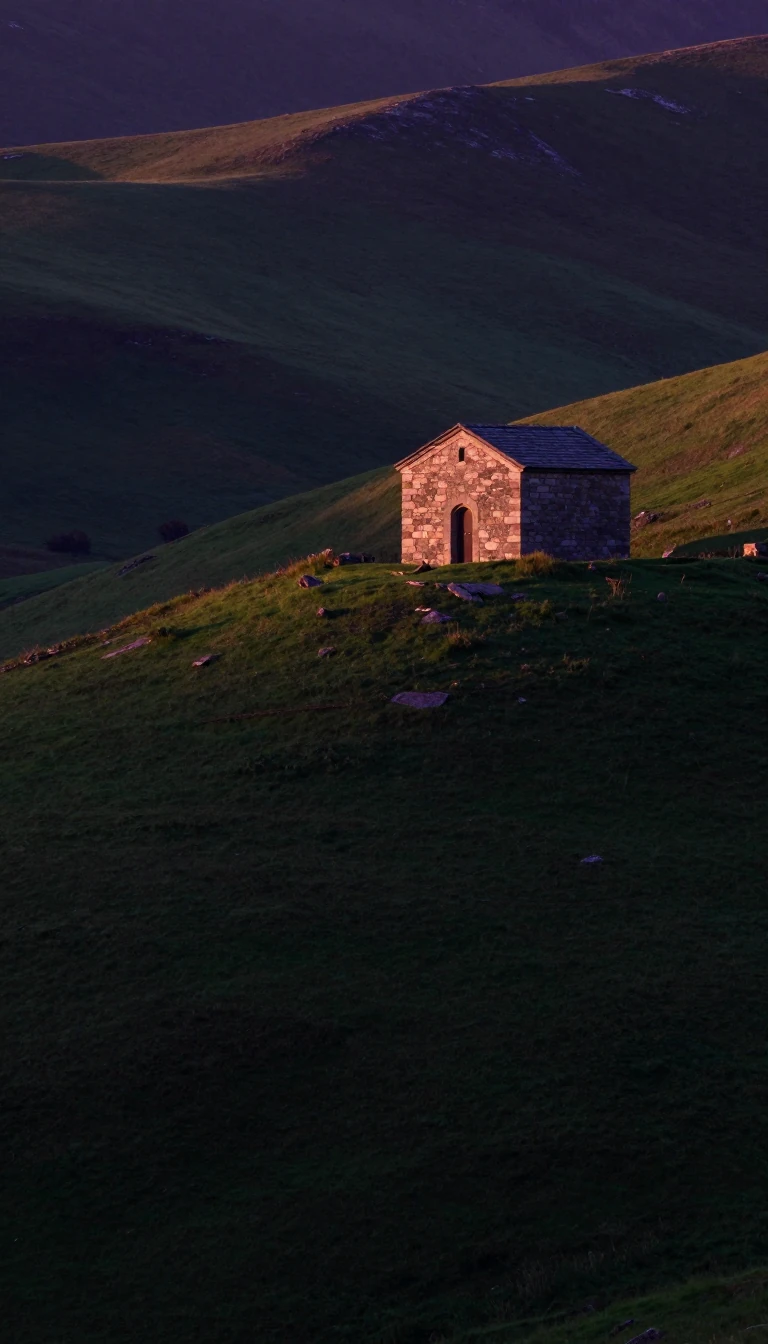 The Kirtland Temple was built by impoverished pioneers using ground-up pottery for glistening walls.Dedicated in 1836, the Kirtland Temple stands as the first house of worship built by the Latter Day Saint movement. Constructed by members living in poverty, the building features…
 How a planned garden community in Queens became a global crossroads for airline crewsDeveloped in the early 20th century as an English-style residential retreat, Kew Gardens transformed from a quiet suburb into a dense urban hub. Today, this Queens neighborhood se…
 Why New Jersey drivers turn right to go left at busy road intersectionsThe jughandle is a unique traffic engineering solution that forces motorists to exit from the right lane to complete a left turn. While it effectively removes turning vehicles fro…
- How Sri Lankan Muslims maintain a unique egalitarian identity within a hierarchical social landscapeSri Lankan Islam is defined by a constant tension between universal religious ideals and the specific cultural realities of the island. By blending ancient maritime trade origins …
 How a Guamanian Representative is shaping maritime defense policy in the South China SeaJames Moylan, the congressional representative for Guam, is actively influencing American maritime strategy. Beyond his local legislative roots, he has championed resolutions to s…
- The physician who became a major general and then the Church's most notorious apostateJohn C. Bennett arrived in Nauvoo as a celebrated convert and influential leader, securing the city charter and rising to the rank of major general. Yet, within two years, his sec…
 How a former software consultant became a central figure in digital Mormon discourseJohn Dehlin transitioned from a career in corporate technology to founding the Mormon Stories podcast. His work, which explores faith transitions and LGBTQ advocacy, eventually le…
 How a massive hydroelectric project in Quebec reshaped the landscape and local politicsThe James Bay Project is one of the world's largest hydroelectric systems, spanning 350,000 square kilometers of rugged Canadian wilderness. Built to power an economy, it transfor…
- Jamaica Station is the vital heartbeat of Long Island's massive commuter rail networkAs the fourth-busiest rail station in North America, Jamaica Station in Queens is a critical transit hub where over 200,000 passengers pass through daily. It serves as the primary…
- The Scottish fur trader whose summer estate became a global academic powerhouseJames McGill was a titan of the 18th-century North American fur trade who built a massive fortune in Montreal. Though he was a prominent slaveholder and politician, his most endur…
- How Singapore balances secular governance with the specific religious needs of its Muslim communityIn Singapore, Islam is the third-largest religion, practiced by roughly 15.6% of the population. To maintain social harmony, the state integrates Islamic institutions into its adm…
- Once a majority in Belgrade, Islam now represents a minority faith across modern SerbiaIn 1660, Muslims comprised over half of Belgrade's population, with grand mosques rivaling the Hagia Sophia. Today, Islam is a minority religion in Serbia, shaped by centuries of …
 Saudi Arabia is redefining its religious identity by moving away from strict Wahhabi traditionsAs the birthplace of Islam and home to its two holiest cities, Saudi Arabia has long been defined by a puritanical interpretation of the faith. However, under Crown Prince Mohamme…
- Why Connecticut's I-95 features an unusually high density of highway exitsSpanning over 111 miles, Connecticut's stretch of I-95 is defined by its frequent exits, which are often less than a mile apart. This design choice was not accidental; it was a de…
- Are Muslims in Denmark becoming more religious despite the country's secular social norms?While many expected Muslim immigrants to gradually adopt the secular habits of Danish society, data suggests a different trend. Over the last two decades, indicators of religious …
 From 9th-century traders to modern mosques, Islam has a long history in Korea.While often viewed as a recent arrival, Islam has been present on the Korean peninsula for over a millennium. From medieval Arab navigators and Central Asian settlers to modern di…
- Interstate 85 is a diagonal anomaly that defies the standard American highway grid systemWhile most major interstates ending in five are cross-country routes, Interstate 85 is a regional powerhouse serving the Southeast. Its path is uniquely diagonal, stretching from …
- How a North Carolina county was carved from the wilderness for early settlersBefore it became a hub in the Charlotte metropolitan area, Iredell County was a frontier destination for immigrants seeking fertile soil and fresh water. Formed in 1788 from Rowan…
- The Black Hats: Why the Union's most lethal brigade earned its iron reputationKnown for their signature black Hardee hats and unmatched ferocity, the Iron Brigade suffered higher casualty rates than any other unit in the Union Army. Composed of Western regi…
 Ironwood, Michigan: A former mining powerhouse turned snowy recreation hub on the borderSettled in 1885, this westernmost Michigan city evolved from a rugged iron mining camp into a destination for downhill skiing and cultural festivals. Once defined by deep-shaft or…
 The Iowa State Capitol is the only five-domed capitol building in the United StatesRising above Des Moines, the Iowa State Capitol is a masterpiece of 19th-century architecture. Beyond its legislative duties, the building serves as a living museum, housing every…
 How a controversial two-lane shortcut became Florida's longest and most vital interstate arterySpanning over 470 miles, Interstate 75 is Florida's longest highway. Its path across the state was not a straight line but a decades-long evolution, including a controversial toll…
- Interstate 30: How a Former Toll Road Became a Vital Southern ArterySpanning over 366 miles across Texas and Arkansas, Interstate 30 is more than just a highway. It evolved from a pioneering toll road into a critical corridor, connecting major met…
- Interstate 35 in Texas is a massive, evolving artery that shapes urban life dailySpanning over 500 miles, Interstate 35 is the backbone of Texas transit. From its origins as a post-war inter-regional highway to its current multi-billion dollar expansion projec…
- The only American interstate highway that measures its distances in kilometers, not milesInterstate 19 in Arizona is a structural anomaly. While most US highways rely on customary units, this 102-kilometer stretch uses the metric system for its signage. Originally int…
 Hurricane David: The 1979 storm that changed how we name and study hurricanesIn 1979, Hurricane David carved a path of destruction from the Caribbean to the United States. Beyond its tragic toll, the storm became a milestone in meteorology, serving as the …
- Is Igor Sechin the second most powerful man in the Russian Federation today?Often called the leader of the Kremlin's influential Siloviki faction, Igor Sechin has served as a central figure in Russian energy and security for decades. As the long-time CEO …
- Ancient trade routes connected the Indus Valley and Mesopotamia thousands of years agoLong before modern globalization, the Indus Valley and Mesopotamia maintained a vibrant exchange of goods, ideas, and even people. Archaeological evidence, from carnelian beads to…
- Were the Insular Celts invaders who conquered Britain, or did their culture simply emerge?For decades, scholars debated whether Celtic culture in Britain and Ireland arrived through waves of iron-wielding invaders or evolved gradually from indigenous populations. Moder…
- How a 1974 Hurricane Reshaped Sugar Markets and Coastal Ecology in the American SouthHurricane Carmen was the most powerful storm of the 1974 Atlantic season. While it spared major cities like New Orleans from a direct hit, its path through the Gulf of Mexico caus…
- The Amazonian Iara: From Indigenous Monster to European-Influenced Seductress of the RiverIara, the legendary mother of the waters, haunts Brazilian folklore as a beautiful siren who lures men to their deaths. While modern retellings often depict her as a blonde mermai…
 These iconic striped blankets were once a form of currency in the North American fur trade.For centuries, the Hudson's Bay point blanket has been a symbol of Canadian identity. Originally manufactured in England as a trade good for beaver pelts, the blankets evolved fro…
- Why Hurricane Sally’s slow crawl across the Gulf Coast caused historic, record-breaking river floodingHurricane Sally was not just another storm; it was a masterclass in how speed, or the lack thereof, dictates destruction. By stalling over the Gulf Coast in September 2020, the Ca…
- Hoonah, Alaska: A Tlingit community shaped by glacial retreat and modern tourismPerched on Chichagof Island, Hoonah is a resilient Tlingit settlement that has evolved from a traditional homeland into a hub for cruise ship tourism. Once defined by the seasonal…
- The Huasteca region is a rugged, biodiverse landscape defined by ancient Mayan rootsSpanning over 32,000 square kilometers, the Huasteca is a culturally distinct Mexican territory where tropical rainforests meet limestone mountains. While named after the Huastec …
- Why human muscle power is an inefficient but vital backup for our modern worldWhile human muscles can generate electricity for radios and survival gear, our bodies are surprisingly inefficient machines. Converting biological energy into mechanical work prod…
- The Rise and Final Liquidation of North America's Oldest Retail InstitutionHudson's Bay, the flagship brand of North America's oldest company, defined Canadian retail for over a century. From its origins in the fur trade to its transformation into a high…
- Australia's vast road network evolved from Indigenous tracks to a modern alphanumeric navigation systemBefore modern freeways, Australia relied on narrow bush paths used by Indigenous tribes. Today, a complex hierarchy of highways connects the continent, shifting from historic shie…
- Highlands County: A Florida Heartland landscape defined by its inland waters and historyCreated in 1921 from the former DeSoto County, Highlands County serves as a distinct inland hub within the Florida Heartland. While often overlooked for coastal destinations, this…
- How an artificial lake transformed a rural Texas county into a magnet for changeHenderson County, Texas, was once a quiet rural landscape. The 1965 opening of Cedar Creek Lake fundamentally altered its trajectory, drawing new residents from metropolitan hubs.…
- Why a massive floating bridge must yield to even the smallest of boatsThe Hood Canal Bridge is a marvel of engineering, yet it frequently halts traffic for individual vessels. While it seems counterintuitive to prioritize a single boat over hundreds…
- The mysterious fortified village of Hochelaga remains one of Canada’s most enduring archaeological puzzles.When Jacques Cartier arrived in 1535, he found a thriving, palisaded village of three thousand people near a mountain he named Mount Royal. By 1600, the St. Lawrence Iroquoians ha…
- New York City's oldest major bridge was built to save a thirsty, growing metropolis.Before it became a pedestrian landmark, the High Bridge was a vital piece of 19th-century infrastructure. Designed to carry the Old Croton Aqueduct across the Harlem River, this s…
- Why high-occupancy vehicle lanes are designed to move people rather than just moving carsHigh-occupancy vehicle lanes, or HOV lanes, prioritize efficiency by restricting access to vehicles carrying multiple passengers. By incentivizing carpooling and transit, these la…
 Why this snowy Michigan city is considered the cultural capital for Finnish AmericansPerched on a rugged hillside in the Upper Peninsula, Hancock is a town defined by its copper mining history and extreme weather. As the northernmost city in Michigan, it endures m…
 How a struggling dairyman turned a failed candy business into a global chocolate empireBefore becoming a household name, H. B. Reese worked as a butcher, paper mill employee, and dairy farmer to support his sixteen children. His path to success was marked by multipl…
- How a frontier boomtown transformed into a regional hub for education and German cultureBorn from the violent, transient chaos of the American Old West, Hays, Kansas, evolved from a short-lived railroad terminus into a stable economic center. Today, this city of 21,1…
- The legendary archer Hayk is the foundational patriarch and hero of the Armenian nation.In Armenian mythology, Hayk is the mighty chieftain who led his people from Babylonian captivity to the Armenian Highlands. By slaying the tyrant Bel with a single, impossible arr…