 Intellect Plus
Cards starting with W
29,907 cards. Page 235 of 499.
 Why do underwater explosions create complex, baffling patterns in fluid dynamics?This video explores the intricate physics of underwater explosions and shock-induced cavitation. By examining how fluids oscillate within a pipe, it highlights a phenomenon so com…
 Why do unemployment and job vacancies coexist? A Nobel laureate explains the friction.Christopher A. Pissarides transformed how we understand labour markets by proving that finding a job is not instantaneous. His work on search frictions reveals that unemployment i…
 Why do unemployment rates stay high long after a recession ends?Unemployment rises and falls with the business cycle, but recovery is often sluggish. This video explains why labor markets struggle to bounce back, focusing on the role of sticky…
 Why do universities choose such bizarre mascots for their campuses?In this episode, John Green explores the unusual world of collegiate identity. Discover why institutions select unconventional figures, ranging from a simple pickle to a banana sl…
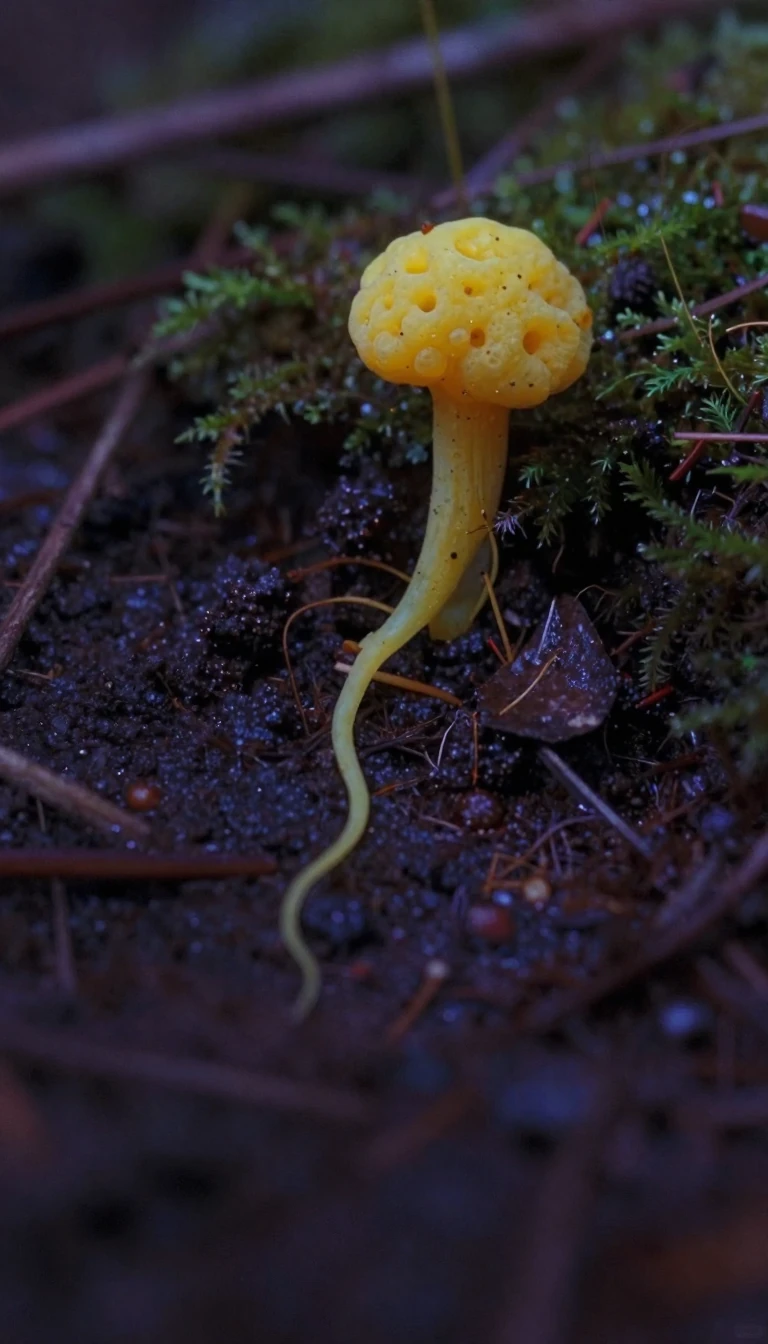 Why do unrelated species across the globe often evolve into nearly identical forms?When separated by vast oceans, nature often repeats itself. From marsupials in Australia to placentals in North America, distinct lineages frequently develop the same specialized …
 Why do vampires fear garlic? Explore a recipe from 1580.Step back into the 16th century with Max Miller to examine a Transylvanian recipe from 1580 and investigate the historical connection between garlic and vampire folklore.
 Why do victims of domestic violence stay in abusive relationships?It is often assumed that victims leave because they lack the strength to walk away. However, Leslie Morgan Steiner's experience reveals a much more complex reality. Her story chal…
 Why do video game bosses exist and where did the term come from?From the Gold Dragon in 1975 to the complex raid mechanics of modern online games, the boss battle is a staple of interactive entertainment. Inspired by martial arts cinema and ta…
 Why do video game heroes often act like villains while the story ignores it?When a game's story claims you are a hero, but your actions involve slaughtering hundreds, you experience ludonarrative dissonance. Coined in 2007, this term describes the jarring…
 Why do wagtails constantly pump their tails? The answer remains a scientific mystery.Wagtails are slender, ground-feeding birds named for their signature tail-wagging behavior. While this movement is ubiquitous, its purpose is debated. Some suggest it flushes out …
 Why do water and oil refuse to mix at the molecular level?Water molecules are constantly swapping partners in a dynamic dance. John Pollard explains how the principles of energetics and entropy dictate which substances join the party and…
 Why do water serpents and dragons dominate global mythology and belief systems?Across diverse cultures, serpents and dragons are consistently linked to water. Professor Veronica Strang explores the prevalence of these creatures in world mythology, examining …
 Why do water towers sit so high above our cities and towns?Water towers are the most visible part of public water infrastructure. This video explains their essential role in reliably distributing water to customers while maintaining syste…
 Why do waves bounce back when they hit a change in their path?When a wave encounters an impedance discontinuity, it does not simply pass through. Instead, a portion of its energy reflects back toward the source. The reflection coefficient ac…
 Why do we accept government? The philosophical answer lies in our natural state.Before laws and borders, what defined human existence? Philosophers like Hobbes and Locke used the state of nature as a thought experiment to justify political authority. By imagi…
 Why do we accept poverty as a prerequisite for artistic creation?This talk challenges the cultural narrative that artists must struggle financially to produce meaningful work. Hadi Eldebek explores how shifting our societal valuation of art can…
 Why do we accept the status quo as natural, inevitable, and beneficial to everyone?Hegemony is more than just raw power; it is the art of making a ruling group's interests seem like common sense. By shaping our intellectual and moral landscape, dominant powers s…
 Why do we act? Maurice Blondel argues that human life is defined by desire.We take for granted that we act, but why? French philosopher Maurice Blondel suggests that our smallest thoughts and actions are driven by a deeper, mysterious hunger. By examinin…
 Why do we address judges and monarchs with such elaborate, archaic titles?A style of office is more than just polite etiquette; it is a legally recognized form of reference tied to power. From the halls of ancient monarchies to modern university faculti…
 Why do we age? It is not just wear and tear, but a biological trade-off.Aging is the gradual decline of physiological function, yet it is not a universal fate. While most organisms succumb to the accumulation of cellular damage, some species exhibit n…
 Why do we always find room for dessert?Ever felt too full for dinner but ready for pie? This video explores the scientific reasons behind these strange human experiences and the psychological mechanisms that drive our …
 Why do we associate shell shock so strongly with the First World War?Dr. Fiona Reid examines the origins and cultural legacy of shell shock. This video explores how the term was defined, treated, and perceived during the early 20th century, specifi…
 Why do we belch, and is it a sign of something more serious?Belching is a natural process that releases swallowed air from your stomach. While usually harmless, excessive burping can sometimes signal underlying digestive issues or behavior…
 Why do we believe in palmistry even when the readings are completely wrong?Palmistry claims to reveal character and destiny through the lines of your hand. While scientific consensus dismisses it as pseudoscience, the practice has persisted for millennia…
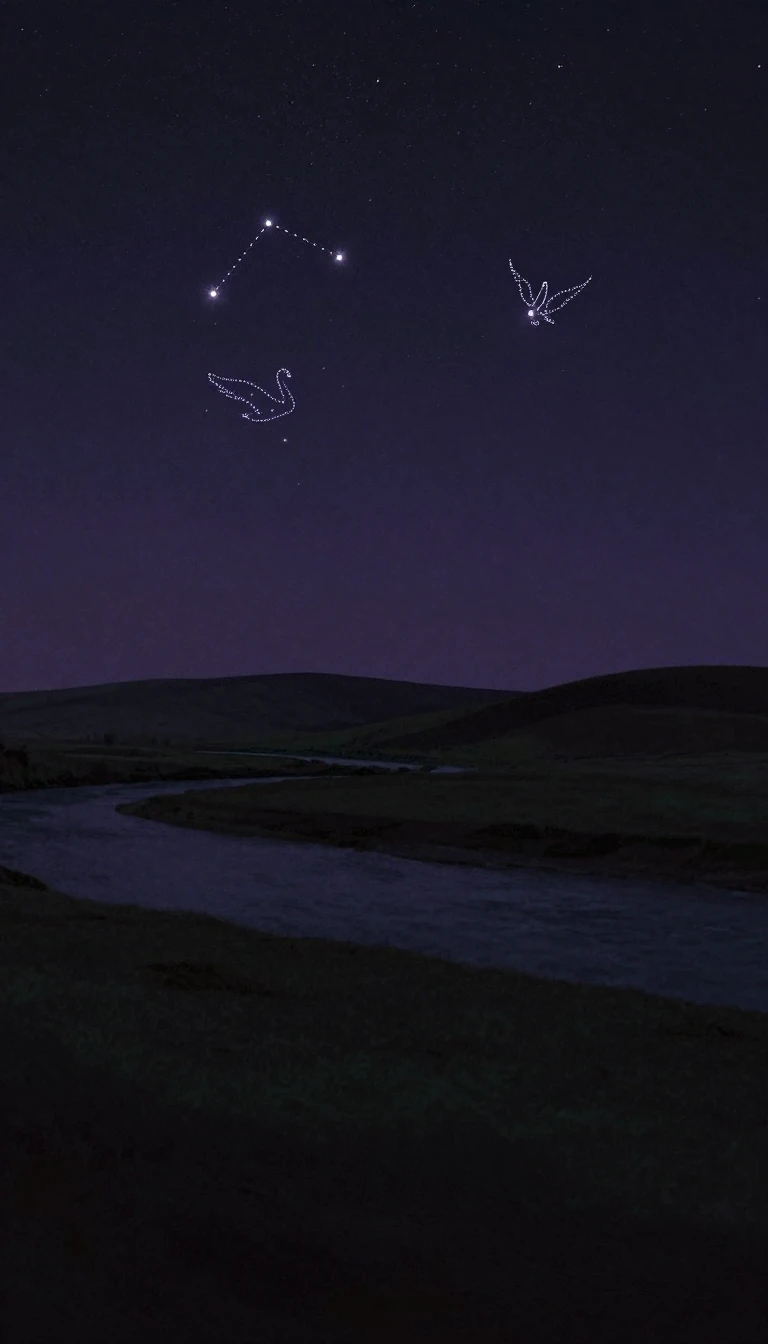 Why do we believe swans sing a beautiful, final melody before they die?The swan song is a poetic metaphor for a final, grand performance before death or retirement. While the idea has captivated Western culture for millennia, from ancient Greek philo…
 Why do we believe the stars dictate our destiny?From 'mercurial' temperaments to 'saturnine' moods, astrological language is deeply embedded in our psyche. Despite a lack of scientific evidence, a significant portion of the pop…
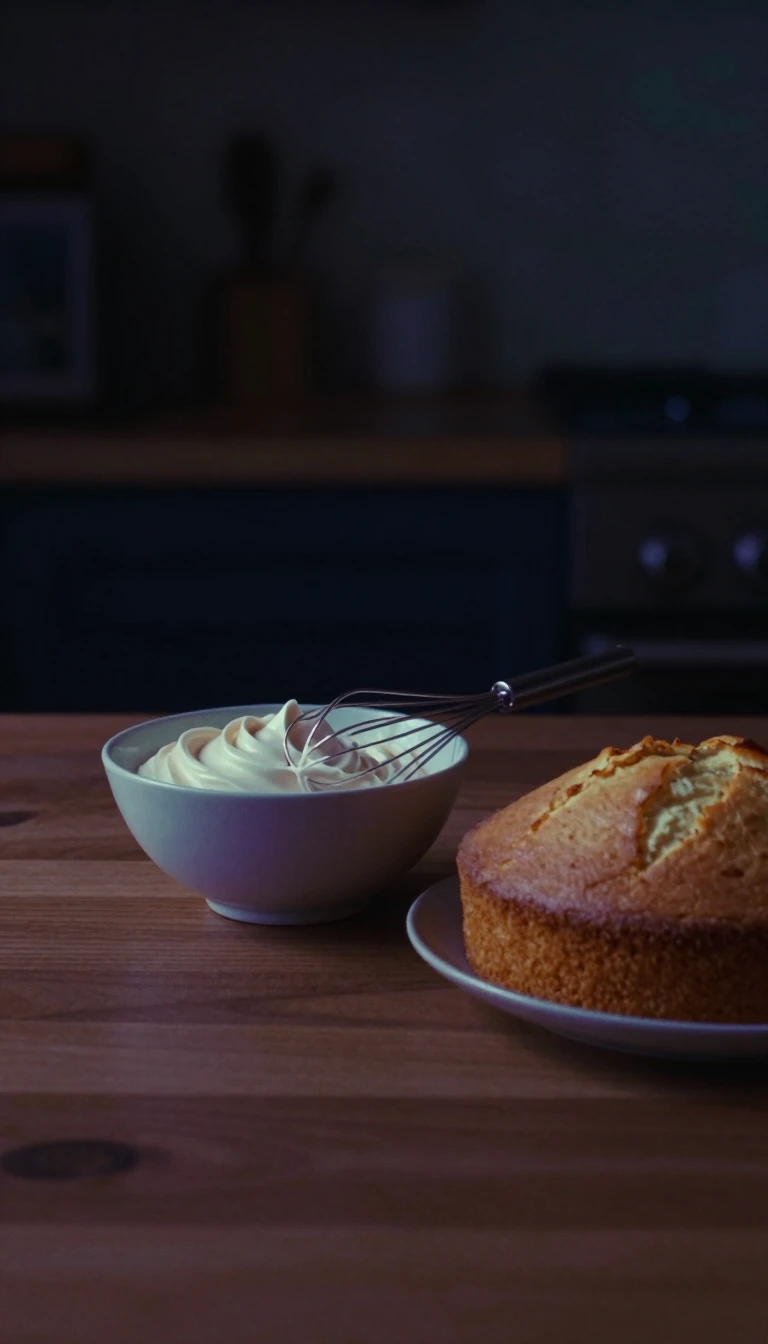 Why do we blow out candles on birthday cakes to make a wish?The tradition of topping a cake with candles and making a wish is a ritual steeped in centuries of history. From 18th-century German celebrations to modern superstitions about bre…
 Why do we boo, and does this primal expression of disapproval actually change anything?Booing is a universal, visceral act of public displeasure, yet its impact remains deeply contested. While some athletes claim the noise genuinely disrupts their performance, other…
 Why do we build observation decks that push the limits of human vertigo?This video explores the world's most extreme skyscrapers and observation decks designed to test human nerves. Narrated by Fred Mills, it showcases iconic structures like the Eurek…
 Why do we build towns where nobody works? The rise of the bedroom community.Commuter towns are residential enclaves designed for sleep, not industry. Whether born from housing crises, intentional zoning, or the expansion of rail networks, these settlement…
 Why do we buy less when prices drop? The math of choice.The Law of Demand suggests that lower prices lead to higher quantity demanded, but the underlying mechanics are more complex than simple math. This video breaks down the two prima…
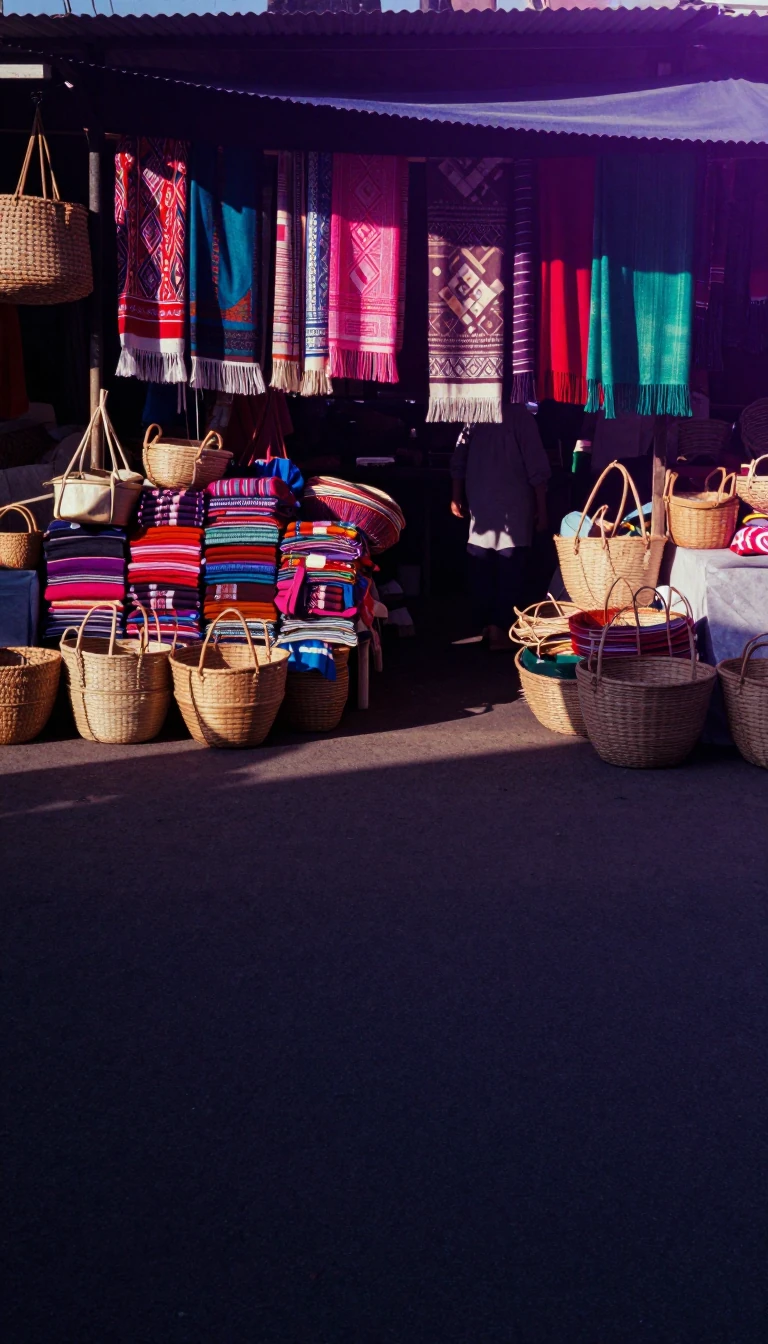 Why do we buy what we buy? The science of the consumer black box.Consumer behaviour is more than just shopping. It is a complex social science blending psychology, economics, and data analytics to decode why we choose, use, and dispose of goods…
 Why do we call a square boxing area a ring?Boxing is defined by a square perimeter, yet the terminology suggests a circle. This video explores the linguistic oddity of the boxing ring and the evolution of combat sports.
 Why do we call deceptive online impostors catfish? The answer involves cod and shipping.The term catfishing describes creating a fake online persona to deceive others for romance, money, or trolling. While it feels like a modern digital phenomenon, the name actually …
- Why do we call excessive bureaucratic hurdles red tape?The term red tape describes burdensome administrative processes. This video explores its origins in the 16th-century court of Charles V, the Holy Roman Emperor, whose vast empire …
 Why do we call it white beer when it is actually made of wheat?The name white beer is not a description of color, but a linguistic quirk. In many Germanic languages, the words for wheat and white share the same root. This connection defines a…
 Why do we call some foreigners expats and others migrant workers?The term expatriate carries heavy baggage. While dictionary definitions focus on living abroad, popular usage often distinguishes between wealthy professionals and manual laborers…
 Why do we call the collective judiciary the bench and lawyers the bar?The language of the courtroom is steeped in physical history. We distinguish between the bench and the bar to separate those who preside from those who practice. This terminology …
- Why do we call the person in charge a Big Cheese?English is saturated with food-based idioms, from being 'cheesed off' to something feeling 'cheesy.' This video explores the linguistic history of one of our most common metaphors…
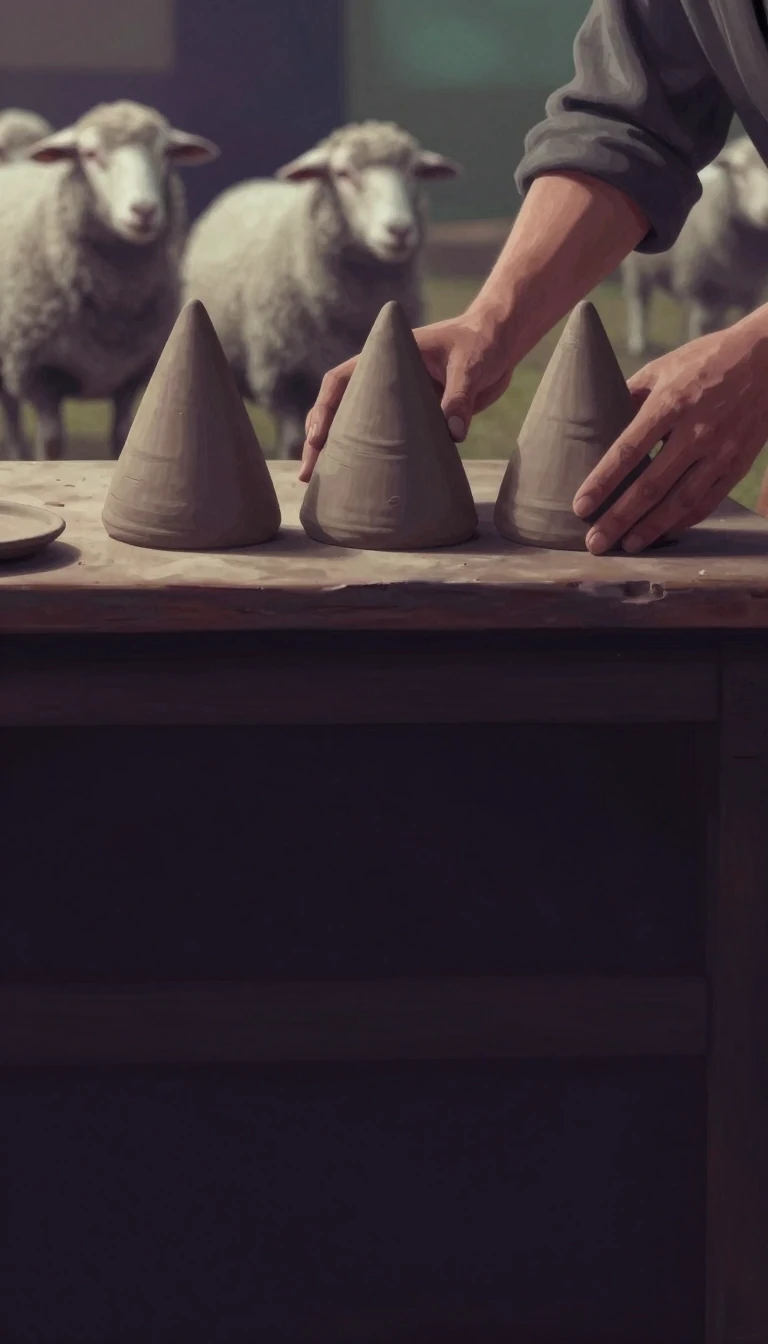 Why do we call them clay pigeons when they are actually made of limestone?Clay pigeon shooting evolved from the 19th-century practice of shooting live birds. While the sport transitioned to synthetic targets around 1875, the terminology remains rooted i…
 Why do we call these beneficial insects ladybugs instead of just beetles?Ladybugs are among the few insects humans generally tolerate, largely because they consume pests that damage agricultural crops. This video explores the etymology behind their com…
 Why do we call these cities by these names?Most people use city nicknames daily without considering their origins. This video explores the surprising historical evolution behind the monikers of three major American hubs.
 Why do we call unseasonably warm autumn days an Indian summer?The term Indian summer describes a period of dry, hazy, and mild weather occurring after the first frost. While the exact origin remains debated, the phrase has evolved from a spe…
 Why do we call viral internet jokes memes?The term 'meme' is often mispronounced, but its journey from academic jargon to a cornerstone of internet culture reveals how ideas spread through society.
 Why do we care so much about games and global competition?This video explores the deep-seated origins of sports, tracing their evolution from the ancient Olympics to the massive cultural influence of the FIFA World Cup and the rise of mo…
- Why do we carve our most enduring legacies into stone that is destined to break?Ancient stone monuments were crafted to defy time and decay, yet they are inherently prone to fragmentation. This episode explores how the inevitable cracks and chips in these sta…
 Why do we celebrate Halloween with spooky stories and glowing jack-o'-lanterns every year?This video offers a collection of over 50 unsettling facts about Halloween, presented alongside a relaxing jack-o'-lantern ambiance. It is designed for those who enjoy trivia and …
 Why do we celebrate holidays that have no historical basis?From May the Fourth to Talk Like a Pirate Day, many modern celebrations are not rooted in ancient tradition. This video explores the origins and context of these unconventional ho…
 Why do we celebrate the way we do during the holidays?This episode of Mental Floss explores the surprising and innovative histories behind many popular holiday traditions. Discover the untold stories and historical contexts that shap…
 Why do we celebrate with a substance that causes more deaths than war?Alcohol is a leading cause of death, surpassing the combined toll of homicides, car accidents, terrorism, and wars. Despite this, it remains deeply embedded in our social rituals.…
 Why do we choose representatives instead of voting on every single policy ourselves?Representative democracy emerged as a practical solution for large nation-states where direct participation proved impossible. By electing delegates to make decisions, societies s…
- Why do we choose the exhaustion of being watched?Chieh Huang explores the psychological toll of micromanagement and why leaders often default to it despite its known ineffectiveness. This talk offers a candid look at how to brea…
 Why do we choose to ignore the atrocities happening right in front of us?Sociologist Stanley Cohen argued that denial is not an anomaly, but a normal human state. Whether regarding racial oppression or systemic injustice, we often exist in a space of k…
 Why do we cling to scientific myths that are simply too fun to ignore?Explore the gap between popular belief and scientific reality. This video examines 50 common misconceptions, investigating whether they persist because of evolving data or because…
- Why do we collect mementos of our travels?This video explores the deep-seated human instinct to preserve memories through objects. It traces the long-standing development of the souvenir economy, examining how the practic…
- Why do we consistently fear that new technology will destroy all human employment?For centuries, automation anxiety has fueled fears of mass unemployment, from Luddites smashing factory equipment to modern protests against driverless cars. Yet, these prediction…
 Why do we continue to use such strange technology for holiday lighting displays?This video examines the peculiar traditions surrounding holiday lighting and highlights the products offered by Tru-Tone. It serves as a follow-up exploration into the ongoing eff…
 Why do we crave specific foods when we feel stressed, lonely, or nostalgic?Comfort food is more than just a meal; it is a psychological tool used to modify mood and evoke security. While often associated with childhood, these energy-dense, high-fat, or s…
 Why do we crave the burn of hot sauce on our favorite foods?Hot sauce is a global culinary staple, but its origins and the science behind its signature heat are often overlooked. This exploration dives into the history of spicy condiments …
 Why do we cry? The biological and evolutionary mystery of human emotional tearsCrying is a uniquely human response to emotion, yet its true purpose remains a scientific puzzle. While we know emotional tears contain different hormones than those shed for eye …