 Intellect Plus
Literature
698 cards. Each one is a 40-second story with a five-minute read behind it. Page 8 of 12.
 L. Frank Baum’s 1900 classic was not originally intended to be a global phenomenon.When L. Frank Baum published The Wonderful Wizard of Oz in 1900, his publisher was skeptical of its potential. It took a planned musical adaptation to secure the book's release. T…
 Is your rational mind merely a biological tool serving an irrational, aimless cosmic drive?Arthur Schopenhauer argued that the world we perceive is a mere representation, a theatrical performance staged by our own minds. Beneath this surface lies the Will: a blind, insa…
 Why Frantz Fanon’s 1961 classic remains a radical blueprint for decolonization and revolutionary changePublished in 1961, Frantz Fanon’s The Wretched of the Earth is a foundational text on the psychological trauma of colonialism. Fanon argues that decolonization is inherently viole…
 Can the right rituals prevent the inevitable? Joan Didion explores the logic of grief.When her husband died suddenly in 2003, Joan Didion found herself trapped in a state of magical thinking—the irrational belief that she could reverse the irreversible through spec…
 How a 19th-century medical treatment inspired a masterpiece of feminist horror fictionCharlotte Perkins Gilman’s 1892 story, The Yellow Wallpaper, chronicles a woman’s descent into madness while confined by her physician husband. Based on Gilman’s own traumatic exp…
 Can we ever truly define knowledge, or are we just chasing wind-eggs?In Plato's Theaetetus, Socrates attempts to pin down the nature of knowledge through a series of rigorous dialogues. Despite his efforts, the conversation ends in total failure, l…
- Why a literary masterpiece was once dismissed as a failure by its own peersPublished in 1937, Zora Neale Hurston’s novel was initially rejected by Harlem Renaissance critics for failing to address racial politics. Decades later, it was reclaimed as a fou…
 Why Hans Christian Andersen’s tiny heroine remains a titan of global animationBorn from a barleycorn, Thumbelina is more than a miniature fairy tale. Since her 1835 debut, she has escaped toads, outsmarted moles, and befriended swallows across nearly two ce…
 A 17th-century Chinese manual that documented the industrial secrets of a vanishing world.Published in 1637, this landmark encyclopedia by Song Yingxing bypassed traditional scholarly citations to prioritize firsthand technical observation. From the chemistry of gunpow…
 Is this 15th-century Valencian knight’s tale the world’s first modern novel?Tirant lo Blanch, a chivalric romance published in 1490, defied medieval conventions by depicting its hero as a flesh-and-blood human rather than a platonic ideal. Praised by Migu…
 Why does Shakespeare’s most cynical war play refuse to fit into a single genre?Troilus and Cressida defies easy categorization, blending bawdy comedy with the grim tragedy of the Trojan War. By subverting heroic myths and focusing on the messy, unglamorous r…
- How a banned, notorious novel became the catalyst for modern literary free speechHenry Miller’s Tropic of Cancer was once a pariah, smuggled across borders and condemned as a cesspool. Yet, this autobiographical account of bohemian life in 1930s Paris eventual…
- How a nineteen-year-old poet redefined love and melancholy for the Spanish-speaking worldPublished in 1924, Pablo Neruda’s collection launched him to fame at age nineteen. It remains the best-selling poetry book in the Spanish language, blending simple, romantic langu…
 The 20,000 leagues in Jules Verne's masterpiece do not measure depth, but total distance.Jules Verne’s classic tale of the Nautilus is often misunderstood. The title does not refer to how deep Captain Nemo dives, but to the staggering distance the submarine travels ac…
 Why John Locke’s most famous political work was actually a revolutionary act of defiance.Published in 1689, John Locke’s Two Treatises of Government dismantled the divine right of kings and redefined political authority. While often viewed as a justification for the G…
 How John Dos Passos used experimental fiction to map a divided American centuryJohn Dos Passos captured the fractured soul of the United States in his monumental U.S.A. trilogy. By blending fictional lives with real-world headlines, biographies, and stream-o…
 Can a masterpiece of literature be defined by the clinical reality of its addiction?Malcolm Lowry’s 1947 novel Under the Volcano tracks the final day of a former British consul struggling with alcoholism. While the book is a celebrated work of art, its central th…
 Was Booker T. Washington a calculating realist or an accommodationist in the Jim Crow era?Booker T. Washington’s 1901 autobiography, Up from Slavery, remains a landmark of American literature. Yet, the man behind the Tuskegee Institute remains a lightning rod for debat…
 Can we prove that happiness is the ultimate goal of human existence?John Stuart Mill’s 1861 essay Utilitarianism remains the most influential defense of a liberal humanistic morality. By arguing that actions are right when they promote happiness a…
 The hidden evolution of a global icon: how Wally became progressively harder to findCreated by illustrator Martin Handford in 1987, the Where's Wally? series transformed children's puzzle books into a global phenomenon. Beyond the iconic red-and-white stripes, th…
- Maurice Sendak’s iconic monsters were originally intended to be a herd of wild horses.Before they became the beloved, toothy creatures of Where the Wild Things Are, the monsters were meant to be horses. Maurice Sendak only pivoted to the now-famous Wild Things beca…
 Don DeLillo’s White Noise explores the terror of mortality in a media-saturated American landscape.In this National Book Award-winning novel, a professor of Hitler studies navigates a life defined by consumerism, academic satire, and an overwhelming fear of death. When an airbo…
- Was Sophocles’ tragic heroine Deianeira a victim of circumstance or a calculated killer?In Sophocles' Women of Trachis, the wife of Heracles attempts to win back her husband with a love charm, only to inadvertently poison him. This ancient tragedy explores the inters…
- The 11th-century Chinese military manual that first revealed the chemical secrets of gunpowder.Compiled between 1040 and 1044, the Wujing Zongyao served as a comprehensive guide for Song dynasty officials. Beyond its strategic advice, it provides the earliest known written …
- The world's largest encyclopedia was a handwritten Ming dynasty masterpiece of 22,937 manuscript rolls.Completed in 1408, the Yongle Encyclopedia was a monumental effort to preserve all Chinese literature, history, and science. Directed by the Yongle emperor, thousands of scholars …
- Why a fictional patient's diary concludes that human progress is a terminal illnessItalo Svevo's 1923 novel Zeno's Conscience follows a man obsessed with his own perceived infirmities. Through a series of non-chronological memoirs, Zeno Cosini recounts his faile…
 Can a single novel capture the frantic, neon-lit collapse of 1930s Shanghai?Mao Dun’s 1933 masterpiece, Ziye, offers an unflinching look at a city caught between colonial influence and industrial decay. Through the eyes of an industrialist struggling agai…
- How a massive 11th-century chronicle became the ultimate guide for Chinese imperial governanceCommissioned in 1065, the Zizhi Tongjian is a monumental 3-million-character history of China spanning 1,400 years. By abandoning traditional biographical styles for a rigorous ch…
- Can a bookish intellectual truly learn how to live from a wild, unrefined stranger?Nikos Kazantzakis’s 1946 novel introduces a young intellectual who abandons his library to manage a Cretan mine with Alexis Zorba. This boisterous, mysterious foreman becomes an u…
- The ancient Chinese masterpiece that shaped two millennia of history and literatureFor centuries, the Zuo Zhuan served as the definitive guide to China's past. More than a mere historical record, this narrative treasure trove defined the standards of Classical C…
 Roberto Bolaño’s final masterpiece, 2666, is a haunting, unfinished labyrinth of modern violence.Released posthumously, this massive, five-part novel explores the brutal femicides of a fictional Mexican border city. Written while the author faced a terminal illness, it blurs …
 Can technology be humanized to help us resist the tyranny of our own devices?Nam June Paik, a pioneer of electronic art, transformed television sets into anthropomorphic sculptures to challenge our relationship with media. By building a family of robots fr…
 Why George R. R. Martin’s Epic Fantasy Shares Its Name With Modernist MasterpiecesThe title A Song of Ice and Fire evokes a grand, fictional struggle, yet it echoes a tradition of artistic naming. From Arshile Gorky’s 1946 painting The Plow and the Song to Jule…
- Tennessee Williams’ masterpiece captured the brutal collision between fading Southern gentility and industrial reality.When Blanche DuBois arrives in New Orleans, she carries the weight of a lost plantation and a shattered past. Her desperate attempt to find refuge with her sister, Stella, forces …
 Why a 1929 novel about World War I remains the ultimate antiwar masterpieceErich Maria Remarque’s All Quiet on the Western Front stripped away the romantic veneer of combat to reveal the hollow reality of the trenches. By focusing on the psychological er…
 The American comic book evolved from soap coupons and newspaper strips into a cultural force.Born from 1930s promotional giveaways, the American comic book transformed from a disposable tabloid insert into a sophisticated medium. While early publishers used reprints to ke…
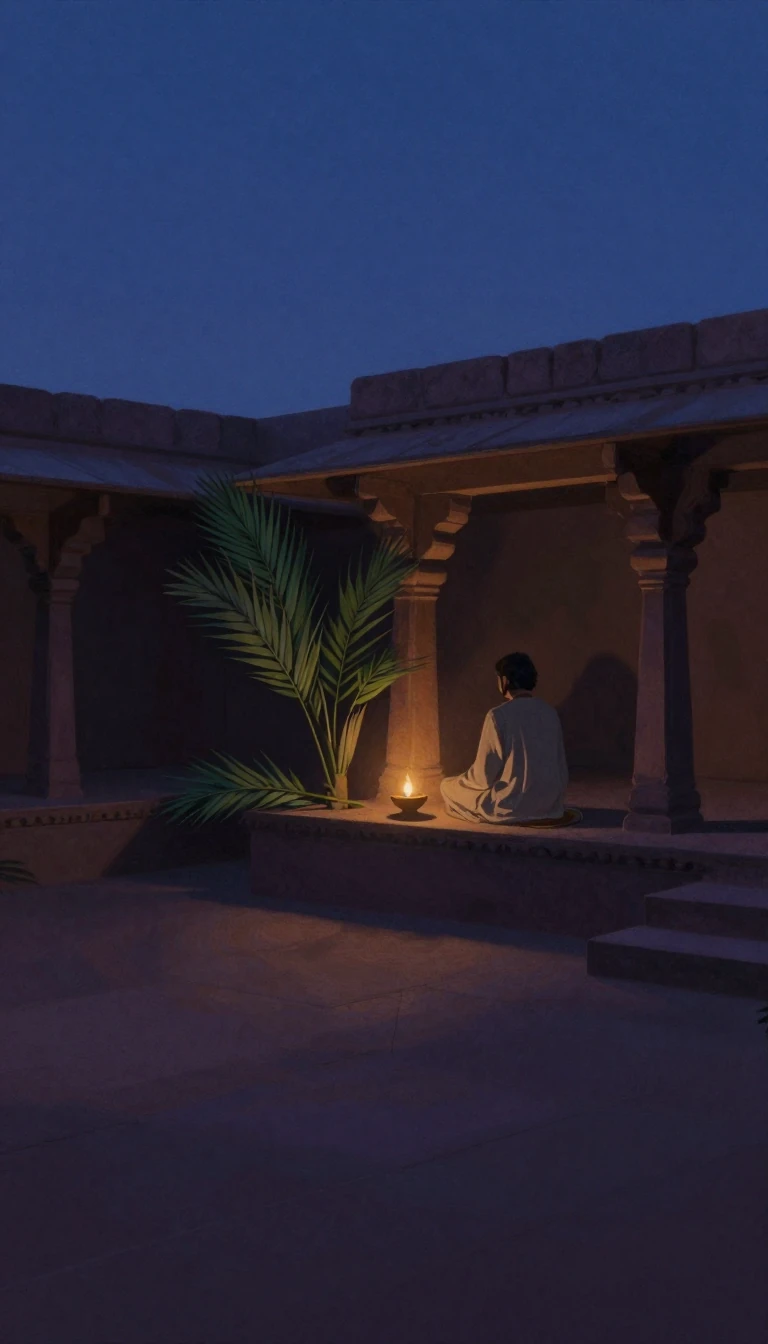 How did a young nation transform colonial outposts into a global literary powerhouse?American literature is more than a collection of stories; it is a mirror reflecting the rapid expansion, industrial rise, and shifting identity of the United States. From early co…
 Is the depravity of American Psycho a reflection of capitalism or a personal void?Bret Easton Ellis’s 1991 novel, American Psycho, remains a polarizing cultural artifact. By juxtaposing graphic, sadistic violence with the mundane consumerism of 1980s Wall Stree…
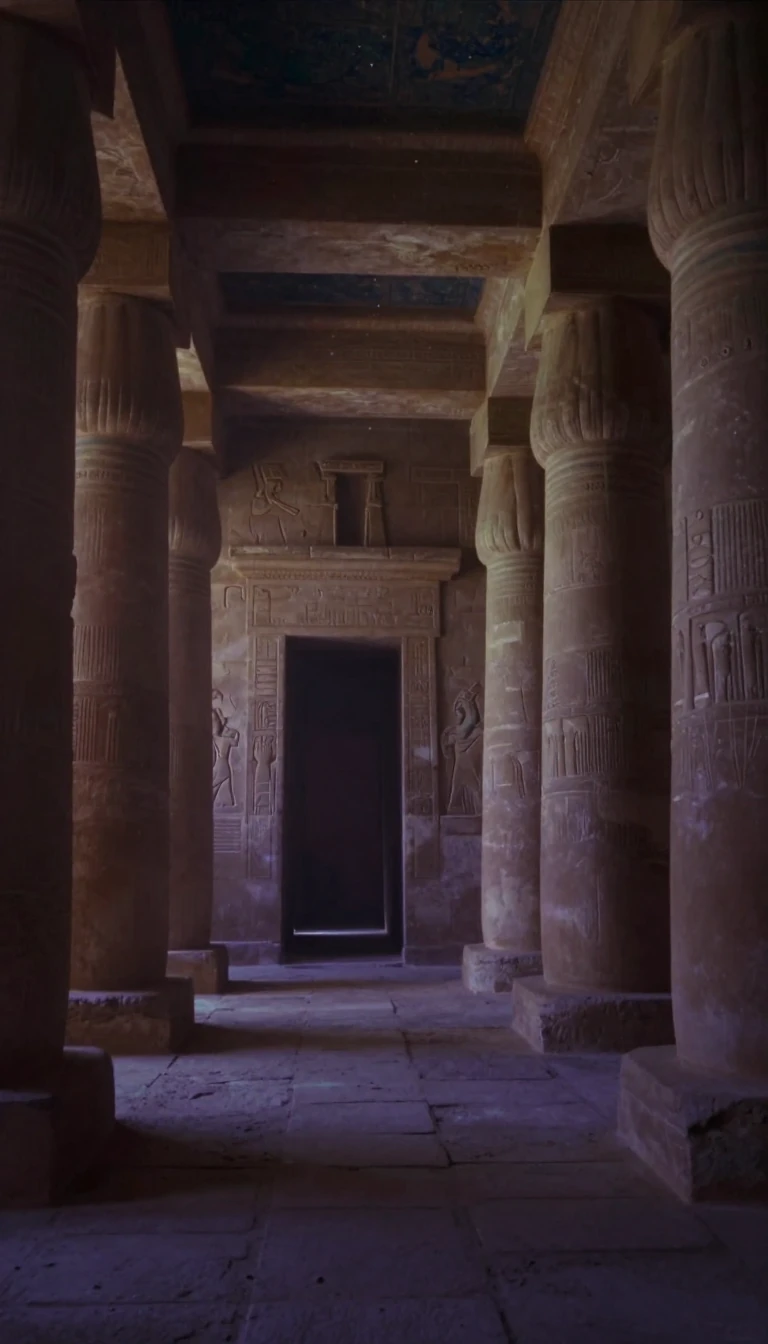 What remains of the ancient world when the physical record finally fades away?Ancient literature encompasses a vast array of human expression, from religious texts and scientific treatises to royal decrees and poetic verses. While these works were once etch…
- Why the most powerful truths are often the ones that require the most interpretation.An aphorism is more than a pithy saying; it is a concise, memorable distillation of principle. While often mistaken for self-evident axioms, true aphorisms demand active engagemen…
 Astro Boy: How a Nuclear-Powered Android Became the Face of Postwar Japanese OptimismCreated by Osamu Tezuka in 1952, Astro Boy is more than a cartoon hero. As a nuclear-powered android, he embodies the complex tension between atomic anxiety and futuristic hope in…
- Why Ayn Rand’s 1957 Magnum Opus Argues That Selfishness Is Actually A Moral VirtueIn a dystopian United States crumbling under collectivist regulation, productive leaders vanish in a mysterious strike. Ayn Rand’s Atlas Shrugged serves as the definitive fictiona…
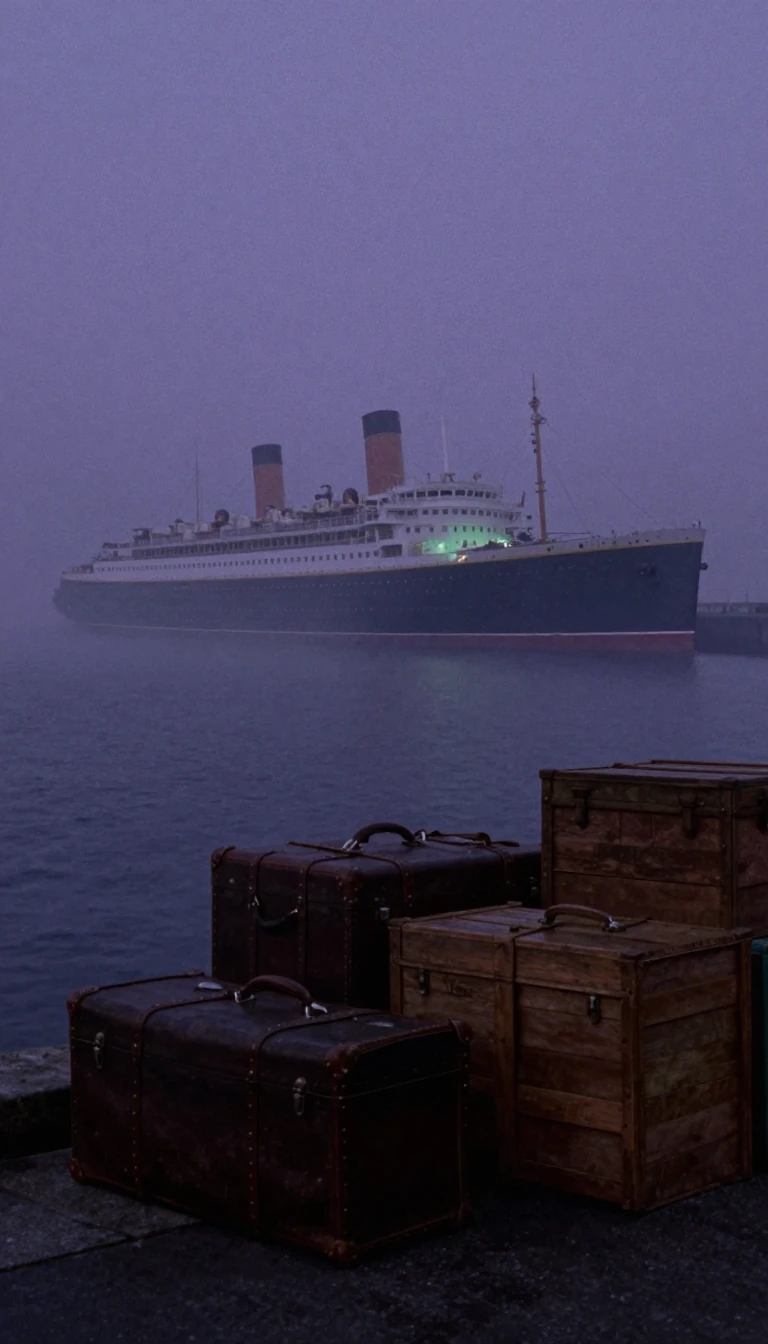 How W. G. Sebald’s final novel blurs the line between historical fact and fictionIn his 2001 masterpiece Austerlitz, W. G. Sebald weaves a haunting narrative about an architectural historian discovering his origins as a Kindertransport refugee. By blending rea…
 Australian literature is less about the individual hero and more about the collective experience.While many Western traditions celebrate the lone protagonist, Australian literature often prioritizes integration and the typical. Whether through the lens of settler pioneer valu…
 Why did Austria, a land of music and palaces, produce literature so late?While Vienna became Europe's musical capital, its literary scene remained stunted for centuries. Strict imperial censorship, a culture obsessed with baroque spectacle, and a deepl…
 Why the Franco-Belgian comic book became the world's ninth art formKnown as the ninth art, the bande dessinée is a unique European tradition that flourished in the shadow of war. By blending French and Belgian creative forces, these comics evolve…
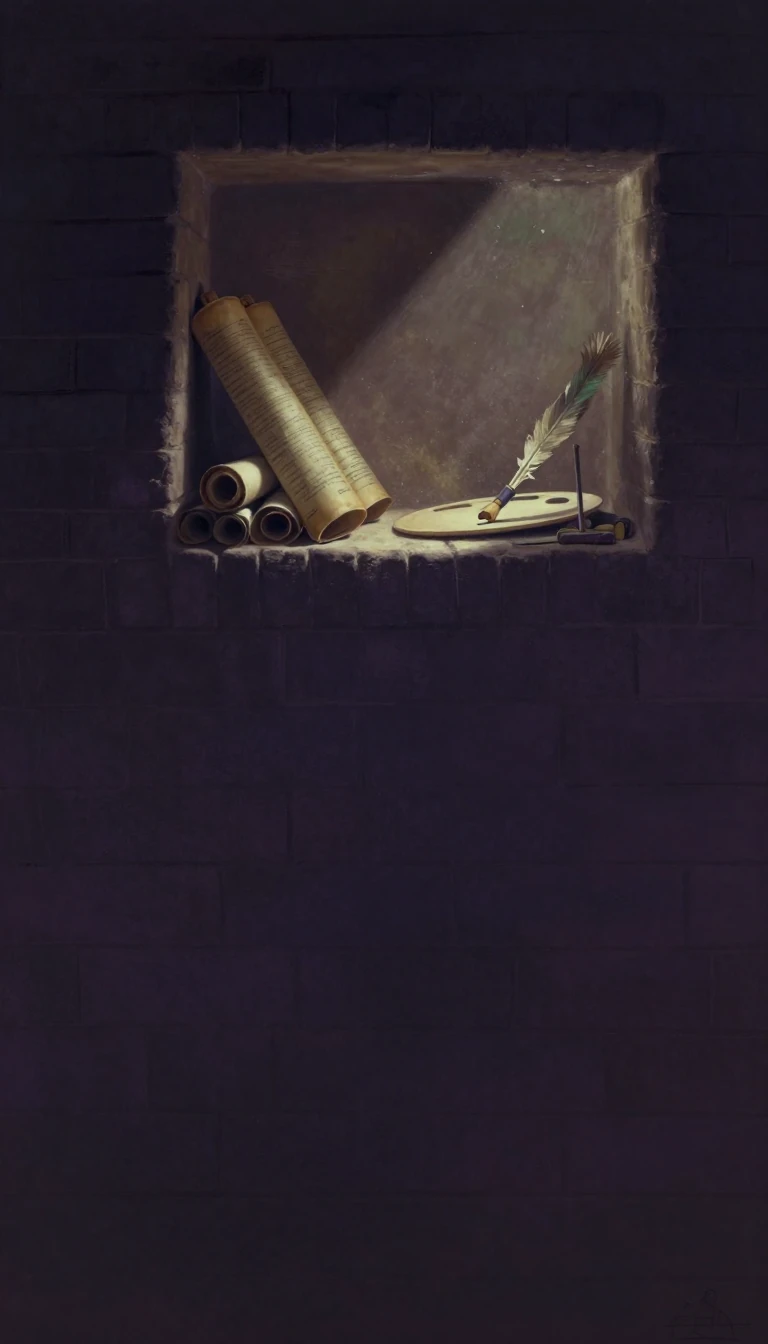 From Mystic Buddhist Songs to Modern Anthems: The Evolution of Bengali LiteratureSpanning over a millennium, Bengali literature has evolved from cryptic, pre-12th-century Buddhist lyrics into a vibrant, modern tradition. Shaped by centuries of religious synthe…
- Did medieval people really believe that dragons and unicorns walked the earth alongside lions?Medieval bestiaries treated real animals and mythical beasts with equal seriousness, blending natural history with moral allegory. While modern readers often assume these texts we…
 Bibliography is more than just a list of books at the end of papers.While most know bibliography as a simple list of sources, the field is actually a rigorous scholarly discipline. It encompasses both the systematic organization of texts and the f…
- How a rejected manga concept about death gods became a global cultural phenomenonTite Kubo’s Bleach began as a discarded idea about Soul Reapers wielding guns. After a pivot to swords and a title inspired by the color white, it evolved into a 15-year epic. Wit…
- Is the Book of Dede Korkut a historical record or a mythic masterpiece?This ancient epic of the Oghuz Turks survived for centuries as an oral tradition before being transcribed. Blending pre-Islamic magic with later Islamic values, the twelve tales o…
- The Book of Han: How a Family Project Defined Two Millennia of Chinese HistoryBan Gu’s Book of Han transformed how China recorded its past. By shifting from a cross-dynastic scope to a single-dynasty focus, this monumental work established the standard for …
 A medieval Welsh manuscript holds secrets of a poet who may have lived centuries earlierThe Book of Taliesin is a foundational collection of Middle Welsh poetry. While the manuscript itself dates to the fourteenth century, it preserves verses attributed to a sixth-ce…
 How a 19th-century masterpiece became the blueprint for a modern London diaryHelen Fielding’s 1996 novel Bridget Jones’s Diary transformed the publishing landscape, selling over two million copies by 2006. While it captures the anxieties of a thirty-someth…
- Is English literature truly insular, or is it a global mosaic of creative tension?English literature is often labeled insular, yet its history reveals a constant, vital reliance on foreign influences. From medieval Latin and Anglo-Norman roots to the structural…
- How a young Thomas Mann turned his family's decline into a Nobel-winning masterpiecePublished in 1901 when Thomas Mann was only twenty-six, Buddenbrooks chronicles the four-generation collapse of a wealthy merchant family. Drawing from his own history in Lübeck, …
- Can a family survive its own dark secrets when the land itself stops producing?Sam Shepard’s 1978 play Buried Child explores the corrosive decay of the American nuclear family. Set on a barren Illinois farm, the story reveals a household haunted by a hidden,…
 Byzantine writers navigated a thousand-year linguistic divide between high-status archaism and the common tongue.For a millennium, Byzantine literature existed in two worlds. While the elite clung to a rigid, classicizing language to mirror the prestige of antiquity, a vibrant vernacular eve…
- Is the oldest surviving English poem a miraculous gift or a clever literary fabrication?Cædmon's Hymn, a short Old English poem, is widely considered the earliest securely dateable example of English verse. Attributed to an illiterate cow-herder who supposedly receiv…
- Is Canadian literature defined by its geography, its dual languages, or a haunting question?Canadian literature is a vast, dual-language body of work shaped by the country's official English and French heritage. From early travel journals documenting the vast, unknown no…