 Intellect Plus
Literature
698 cards. Each one is a 40-second story with a five-minute read behind it. Page 3 of 12.
 William Faulkner wrote his 1930 masterpiece while claiming he would remain permanently unpublished.In the remote quiet of Oxford, Mississippi, William Faulkner poured his soul into a technically daring novel. He believed the literary marketplace would never accept his work, so …
 The Mughal founder who wrote his own life story with startling, unadorned honestyBabur, the founder of the Mughal Empire, left behind a memoir that defies the ornate conventions of his era. Written in Chagatai Turkic, the Baburnama offers a rare, intimate look…
 Why Emily Dickinson reimagined the grim reaper as a polite gentleman callerIn her most celebrated poem, Emily Dickinson transforms the terrifying prospect of dying into a leisurely carriage ride. By personifying Death as a courteous gentleman, she strips…
- How Toni Morrison transformed a tragic 1856 newspaper report into a haunting literary masterpiece.Toni Morrison’s 1987 novel Beloved explores the crushing legacy of slavery through the life of Sethe, a woman haunted by the ghost of the daughter she killed to save from bondage.…
 The Berenstain Bears were almost penguins, and their creator was a ruthless editor.Stan and Jan Berenstain intended to write about penguins after their first bear book, but Dr. Seuss insisted they stick with the bears. He spent two years pushing them to deepen t…
 Can a novel capture the chaotic, fractured soul of a city in collapse?Alfred Döblin’s 1929 masterpiece, Berlin Alexanderplatz, is more than a story about a man released from prison. It is a radical experiment in literary form, using a cinematic mont…
 Why Friedrich Nietzsche believed that traditional morality is a dangerous, life-denying illusion.In his 1886 work Beyond Good and Evil, Friedrich Nietzsche dismantled the binary of good versus evil. He argued that these categories are not universal truths but psychological in…
 How a bedridden Victorian woman’s horse memoir changed animal welfare laws foreverAnna Sewell wrote her only book while confined to her bed, aiming to improve the treatment of working horses. By narrating the story from the animal's perspective, she sparked a g…
 Why Richard Wright’s seminal memoir was once split in two for political convenienceRichard Wright’s 1945 autobiography, Black Boy, remains a lightning rod for controversy. While celebrated for its raw, unflinching look at racial inequality, the book was original…
 How a fictional legal nightmare helped dismantle the British Court of ChanceryCharles Dickens turned the interminable Jarndyce and Jarndyce lawsuit into a literary weapon. By depicting a legal system that consumed entire estates in litigation costs, he fuel…
 Cormac McCarthy’s Blood Meridian: A Gothic Anti-Western That Challenges the Nature of Human ViolencePublished in 1985, Cormac McCarthy’s Blood Meridian is widely considered a masterpiece of American literature. This brutal, historical epic follows a teenager known as the kid thr…
 Is the tale of Bluebeard a warning against curiosity or a call for rebellion?The story of a wealthy nobleman who forbids his wife from entering a secret room is a staple of folklore. While traditionally read as a cautionary tale about female disobedience, …
 The Book of Documents: A foundational Chinese classic built on centuries of literary forgeryFor over two millennia, the Book of Documents served as the bedrock of Chinese political philosophy. Yet, this revered collection of ancient rhetoric is defined by a turbulent his…
 Can a collection of ancient ceremonial rules define the moral fabric of a civilization?The Book of Rites, or Liji, is more than a manual of etiquette. As a pillar of the Confucian tradition, this diverse compilation of texts sought to stabilize a crumbling society b…
 Is the enduring bond in Brideshead Revisited a romance or a spiritual precursor?Evelyn Waugh’s 1945 novel follows Charles Ryder’s entanglement with the aristocratic, Catholic Flyte family. While critics have long debated the nature of Charles’s intense friend…
- A tragic childhood loss inspired one of literature's most beloved and challenged children's novels.Katherine Paterson’s Bridge to Terabithia is a staple of classrooms worldwide, yet it remains a frequent target for censors. Behind the story of two children creating a secret mag…
- Why Joseph Schumpeter believed capitalism would inevitably collapse from within to become socialismIn his seminal 1942 work, economist Joseph Schumpeter argued that capitalism’s own success would foster a hostile intellectual climate and a shift toward corporatism. Rather than …
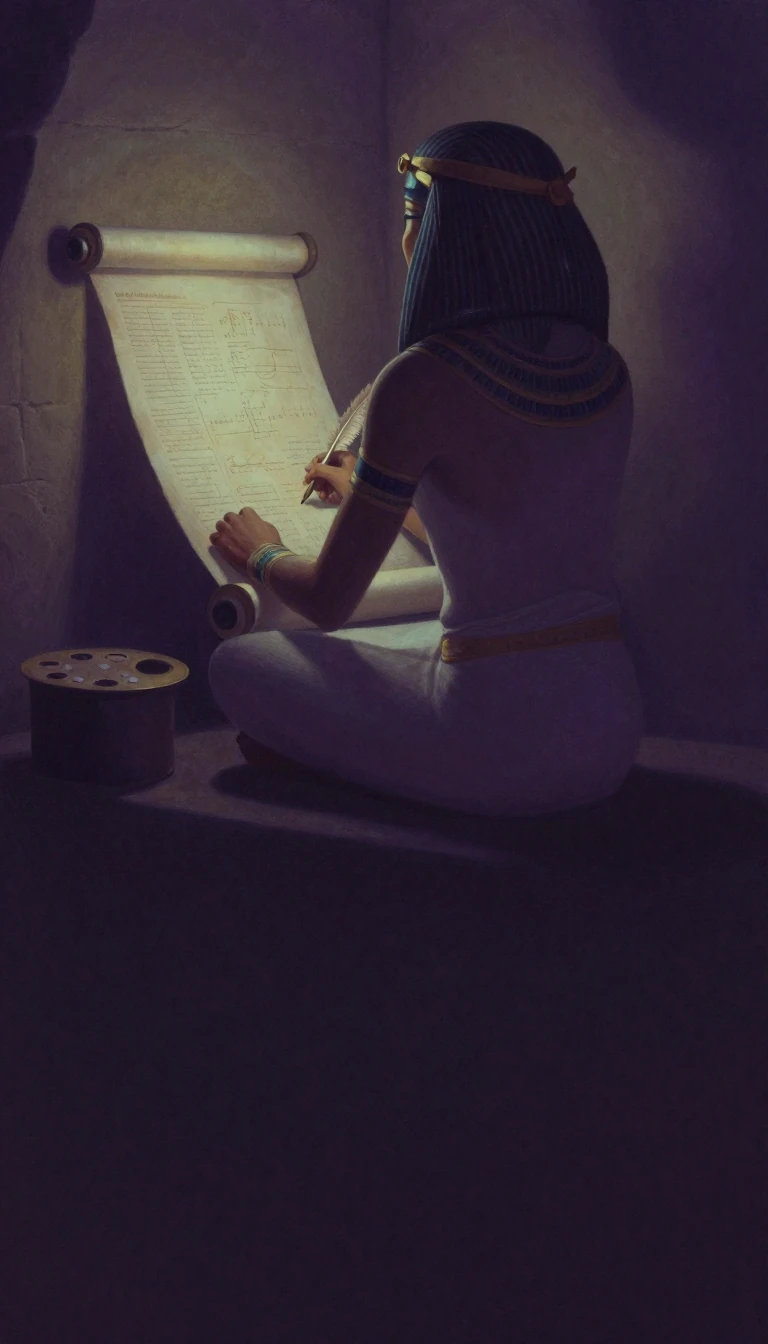 A Nobel laureate’s masterpiece was banned for decades for allegorizing the Abrahamic faithsNaguib Mahfouz’s Children of Gebelawi is a landmark of Middle Eastern literature that reimagines the history of Judaism, Christianity, and Islam within a Cairene alley. Despite it…
 The Codex Regius is the primary gateway into the ancient world of Norse mythology.This medieval Icelandic vellum manuscript preserves the Poetic Edda, a collection of anonymous poems composed between 800 and 1100. It serves as our most significant window into G…
 Is the turbulence of teenage years a biological certainty or a cultural construct?In 1925, Margaret Mead traveled to American Samoa to test a radical theory: that the angst of adolescence is not universal, but a product of Western society. Her findings, publish…
 Why a fourth-century autobiography remains the most serious book ever written for modern thinkers.Augustine of Hippo’s Confessions is more than a spiritual memoir; it is a foundational text of Western literature. Written between 397 and 400 AD, this work pioneered the introspe…
- How a desperate, debt-ridden genius wrote a masterpiece in just two monthsHonoré de Balzac was a man defined by mounting debts and an obsession with fame. To challenge his literary rivals, he wrote Cousin Bette in a frantic two-month sprint. This final …
- Why did Socrates refuse to escape his own execution when he had the chance?In the final days before his death, Socrates was offered a clear path to freedom by his wealthy companion, Crito. Yet, the philosopher famously rejected the rescue, choosing inste…
 Why a 19th-century play about a giant nose gave the English language its panacheEdmond Rostand’s 1897 verse drama, Cyrano de Bergerac, is a timeless exploration of unrequited love and self-doubt. Featuring a brilliant duelist and poet burdened by a massive no…
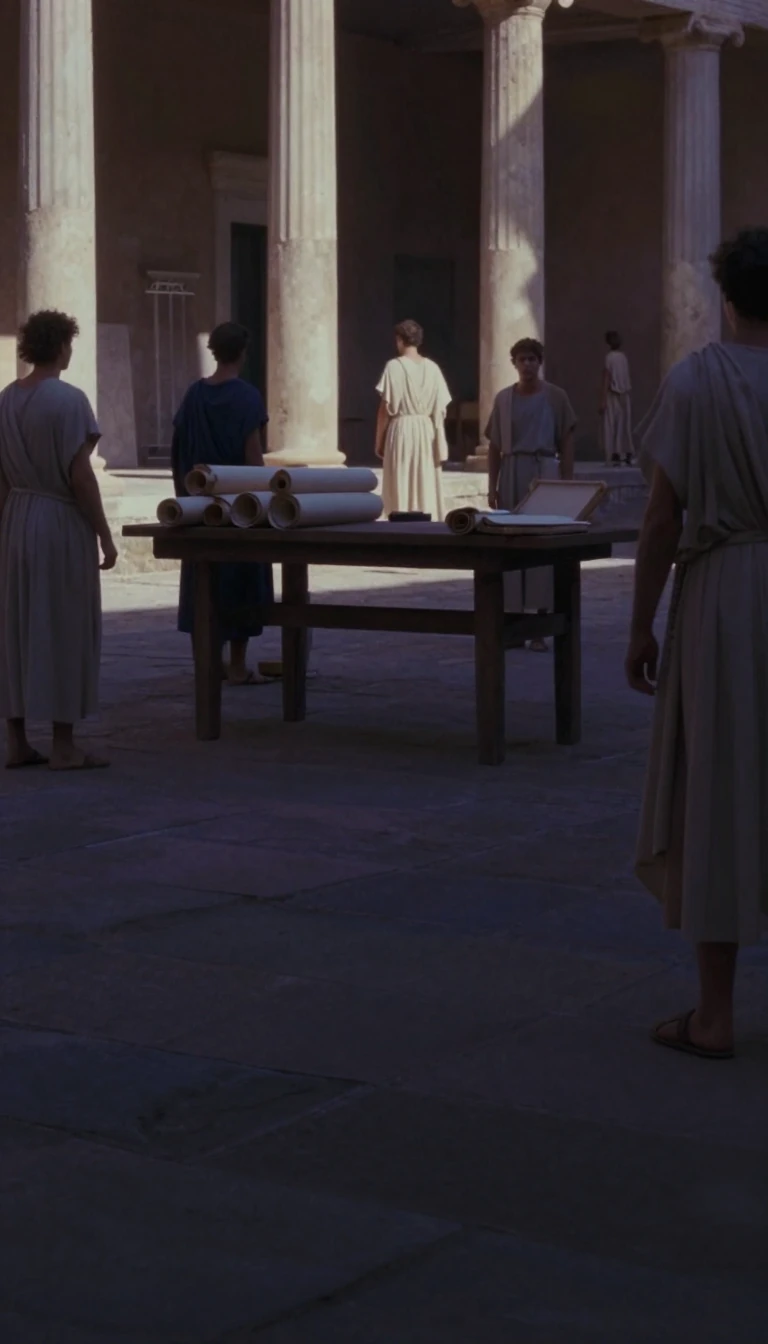 Why the ancient world’s greatest leadership manual was actually a work of fictionXenophon’s Cyropaedia is not a historical biography of Cyrus the Great, but a sophisticated blueprint for the ideal ruler. By blending fact with narrative invention, the Athenian …
- Is the Cyrus Cylinder truly the world's first charter of human rights?Often hailed as a pioneering document of human liberty, the Cyrus Cylinder is actually a classic piece of Mesopotamian political propaganda. While modern narratives frame it as a …
 Sylvia Plath’s Daddy: A visceral exorcism of patriarchal trauma and personal betrayalWritten in October 1962, Sylvia Plath’s Daddy is a landmark of confessional poetry. Through nursery-rhyme cadences and harrowing Holocaust imagery, Plath confronts the ghosts of h…
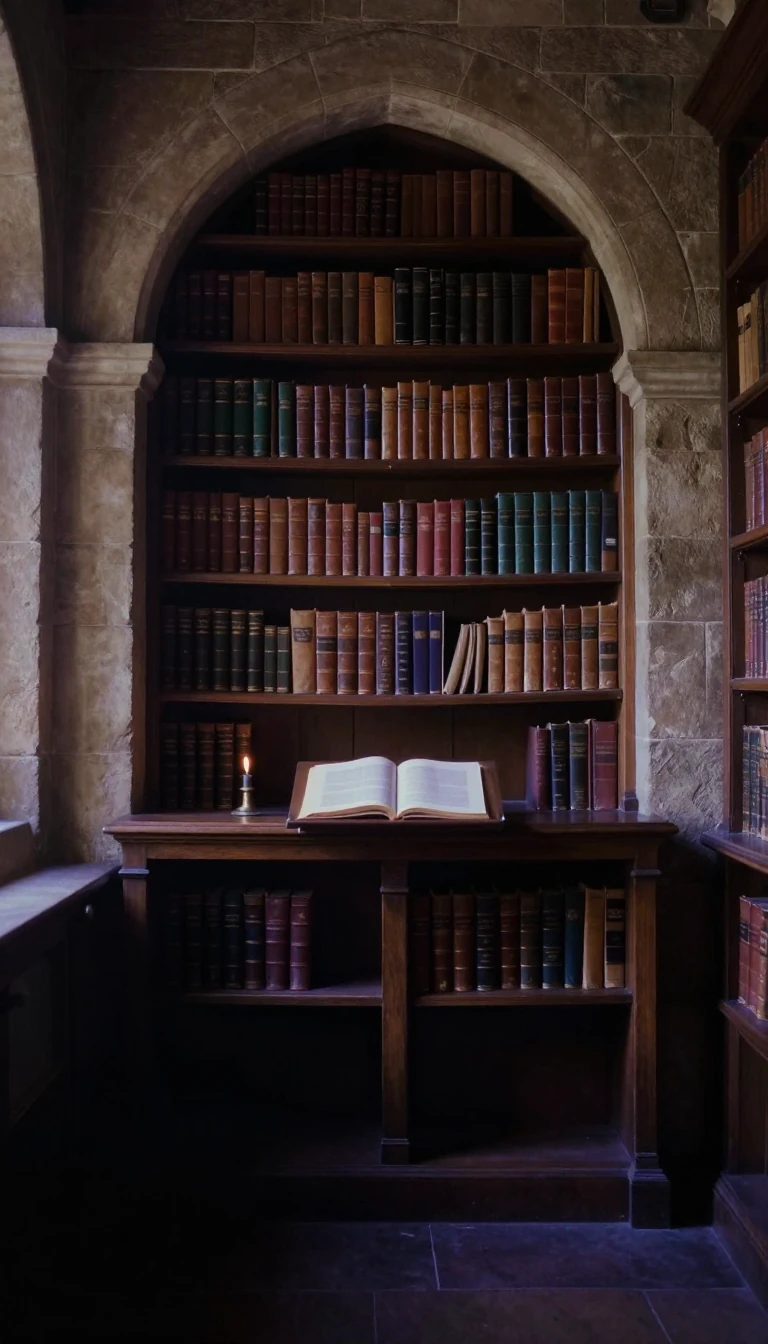 Why a lost manuscript about a Soviet show trial became a 20th-century literary classic.Arthur Koestler’s Darkness at Noon explores the moral decay of the Old Bolsheviks through the eyes of Rubashov, a prisoner facing his own government. Written in German while the a…
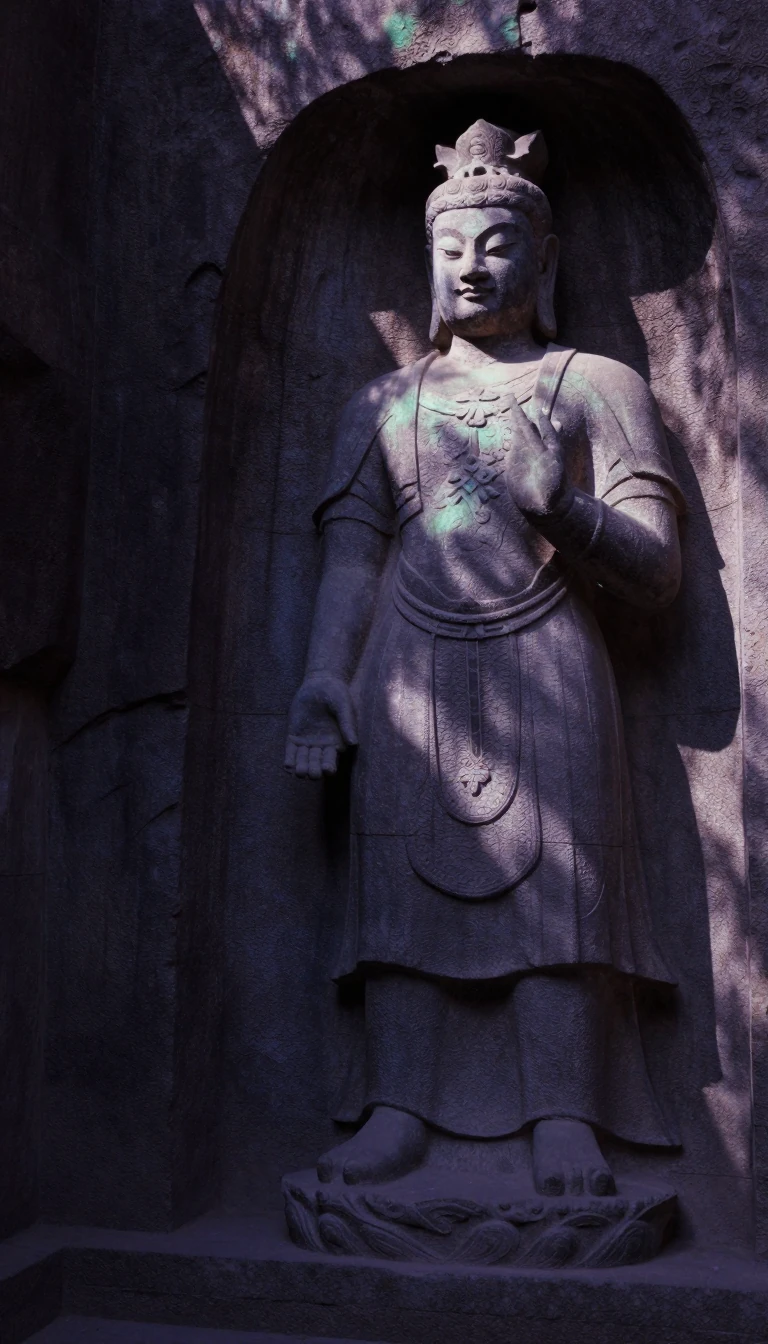 A Sanskrit masterpiece features a hero who cannot use his lips to speakThe Dashakumaracharita is a sprawling seventh-century prose romance about ten princes on a quest. Its most curious feature is a chapter where a character, suffering from swollen l…
 The only surviving architectural manual from antiquity shaped the Renaissance and modern building design.Written by the Roman engineer Vitruvius between 30 and 20 BC, De architectura is the foundation of classical architectural theory. Though it missed the later Roman revolution in c…
 Cicero's Final Masterpiece: The Ancient Roman Guide That Shaped Two Millennia of Western ThoughtWritten in under four weeks during his final year, Cicero's De Officiis served as a moral compass for centuries. From medieval Church Fathers to Enlightenment thinkers like Voltai…
- Why did Rome’s greatest orator believe that true eloquence required a mastery of everything?Cicero, the Roman statesman who defined the art of persuasion, argued that a perfect orator cannot merely be a skilled speaker. To influence the state, he believed one must posses…
- Why a 19th-century con artist bought hundreds of deceased Russian serfs for profitNikolai Gogol’s 1842 masterpiece follows Pavel Chichikov, a disgraced civil servant with a bizarre get-rich-quick scheme. By purchasing the rights to serfs who had died since the …
- Why a French aristocrat’s study of American prisons became the definitive guide to democracy.Alexis de Tocqueville traveled to the United States in 1831 to study prisons, but he returned with a profound, four-volume analysis of the democratic spirit. His work remains a cl…
- Can a Faustian bargain for creative genius explain the moral collapse of a nation?Thomas Mann’s 1947 novel, Doctor Faustus, reimagines the classic legend through the life of Adrian Leverkühn, a composer who trades his soul for twenty-four years of artistic bril…
 Is the narrator of Brazil's greatest novel a victim of betrayal or his own mind?Published in 1899, Machado de Assis’s masterpiece centers on Bento Santiago, a man convinced his wife, Capitu, cheated with his best friend. Yet, the story is told entirely throug…
 Why did James Joyce struggle for nine years to publish his masterpiece, Dubliners?James Joyce viewed his collection of fifteen stories as a mirror held up to Irish society, intended to spark spiritual liberation. Yet, the path to publication was fraught with co…
 How a reclusive monk defined the way we measure time and English historyBede, an Anglo-Saxon monk who rarely left his monastery, authored the definitive account of early England. His Ecclesiastical History of the English People not only chronicled the…
 The oldest scientific medical treatise in human history was written in ancient EgyptLong before the Greeks, an Egyptian surgeon documented 48 trauma cases with startling clinical precision. This papyrus, dating to roughly 1600 BCE, marks the first known use of th…
- Sophocles' Electra is a masterclass in dramatic tension and the psychology of revengeIn this ancient Greek tragedy, a daughter mourns her father while plotting the murder of her own mother. Sophocles uses a simple, brilliant device—delaying the recognition between…
- Can a child be raised to remain pure while living in a corrupt society?Jean-Jacques Rousseau’s 1762 masterpiece, Emile, explores the tension between human nature and social pressure. By following a fictional boy raised in isolation by an all-powerful…
 Seneca's Moral Letters were a final, desperate handbook for surviving the Roman Empire's decline.Written during his forced retirement from Nero's court, Seneca's 124 surviving letters to Lucilius serve as a profound meditation on death, virtue, and the inner life. More than m…
 Why the most influential French philosopher claimed he was a frivolous, vain subject.Michel de Montaigne did not set out to build a philosophical system or educate the masses. Instead, he spent decades writing 'attempts'—essays—to examine his own character. By emb…
- Edith Wharton’s bleak masterpiece explores the crushing weight of duty and rural isolation.In a desolate Massachusetts town, a man trapped in a loveless marriage finds himself drawn to his wife’s cousin. Their desperate attempt to escape together ends in a tragic sleddi…
- Why Honoré de Balzac’s masterpiece about a miserly father was actually a clever marketing ployBalzac’s 1834 novel Eugénie Grandet is a searing study of greed and provincial life in post-revolutionary France. Yet, beneath its literary brilliance lies a surprising origin: th…
- Ivan Turgenev’s 1862 masterpiece captured the explosive generational divide of 19th-century Russia.Published in 1862, Ivan Turgenev’s novel Fathers and Sons introduced the world to nihilism through the eyes of Yevgeny Bazarov. This portrait of a medical student rejecting tradit…
- Why Hunter S. Thompson’s Gonzo Masterpiece Was Actually a Failed ExperimentHunter S. Thompson’s 1971 novel Fear and Loathing in Las Vegas is a defining work of gonzo journalism, yet the author considered it a failure. He originally intended to publish ra…
 Can a single act of faith transcend the universal laws of human morality?In 1843, Søren Kierkegaard published a radical meditation on the biblical story of Abraham. Writing as Johannes de silentio, he argued that faith is an incommunicable paradox that…
 Why Jorge Luis Borges believed that making stories feel natural is a literary failureFicciones is not just a collection of short stories; it is a deliberate subversion of reality. By rejecting the attempt to make fiction appear natural, Borges transformed the page…
- Why do those outside a fortress want in, while those inside want out?Qian Zhongshu’s 1947 masterpiece, Fortress Besieged, captures the irony of human desire through a satirical lens. Drawing on a French proverb about the nature of marriage, the nov…
- How a simple swinging weight proved the Earth rotates beneath our feetIn 1851, a French physicist invited skeptics to witness the Earth turn. By suspending a heavy brass bob from a long cable, he created a pendulum that traced a shifting path, provi…
- A 1997 Russian book outlines a grand strategy to dismantle Western geopolitical influence globally.Aleksandr Dugin’s Foundations of Geopolitics has influenced Russian military and political elites for decades. The text advocates for a neo-Eurasian empire, proposing the systemat…
- The Five Classics: How Ancient Chinese Wisdom Shaped a Millennia-Long Imperial Education SystemFor centuries, the Five Classics served as the intellectual bedrock of Chinese civilization. Far more than mere historical relics, these texts provided a comprehensive framework f…
- Why a sixteenth-century giant’s tale remains the ultimate test of intellectual independenceFrançois Rabelais’ pentalogy about two giants, Gargantua and Pantagruel, is a masterpiece of satire, wordplay, and vulgarity. Though often dismissed as obscene by his contemporari…
- The Geneva Bible was the radical, annotated bestseller that King James desperately tried banning.Before the King James Version dominated, the Geneva Bible was the primary text of English Protestantism. Known as the Breeches Bible, it was the first to use Roman type and schola…
 How a banned satirical poem turned an exiled poet into a German literary icon.Heinrich Heine’s 1844 epic, Germany, a Winter’s Tale, was a stinging critique of his homeland that triggered arrest warrants and widespread censorship. By transforming the melanch…
 How a 12th-century Danish history book laid the groundwork for Shakespeare's HamletSaxo Grammaticus, a 12th-century historian, compiled the Gesta Danorum to chronicle Denmark's legendary past. This sixteen-volume work, written in eloquent Latin, transformed anci…
 How a collection of devotional songs made Rabindranath Tagore a global literary iconIn 1913, Rabindranath Tagore became the first non-European to win the Nobel Prize for Literature. The catalyst was Gitanjali, a collection of poems that bridged the gap between me…
 Before the printing press, this collection of saints' lives defined the medieval imagination.The Golden Legend was the most influential book of the Middle Ages, shaping how artists depicted saints and how believers understood the miraculous. Compiled by Jacobus de Voragin…
- How R. L. Stine turned childhood fears into a global publishing phenomenonWith over 400 million copies sold in 35 languages, the Goosebumps series transformed children's literature. R. L. Stine’s formula of funny, scary, and fast-paced horror captivated…