 Intellect Plus
Literature
698 cards. Each one is a 40-second story with a five-minute read behind it. Page 7 of 12.
 Sigmund Freud’s seminal work on dreams took eight years to sell its first edition.When Sigmund Freud published The Interpretation of Dreams in 1900, the world was largely indifferent. The initial print run of 600 copies languished for nearly a decade. Yet, this…
 How a trip to China transformed Amy Tan's debut novel into a literary phenomenon.Amy Tan’s 1989 debut, The Joy Luck Club, captured the complex, often strained relationships between four Chinese immigrant mothers and their American-born daughters. Inspired by a…
 Upton Sinclair aimed for the public's heart but accidentally hit them in the stomach.When Upton Sinclair published his 1906 novel The Jungle, he intended to ignite a socialist revolution by exposing the brutal exploitation of immigrant workers in Chicago. Instead,…
 Can a novel capture the cyclical nature of history through the lens of magic?Alejo Carpentier’s 1949 novel, The Kingdom of This World, explores the Haitian Revolution through the eyes of Ti Noel, a slave who witnesses the rise and fall of empires. By blend…
 How a single Irish poem conquered the world's concert halls and schoolroomsIn 1805, Thomas Moore penned a melancholic poem inspired by a garden rose. Little did he know it would become a global phenomenon, inspiring dozens of classical variations, appear…
 Did a clever prankster create the most famous ghost in American literature?Washington Irving’s The Legend of Sleepy Hollow remains a cornerstone of American storytelling. While the tale of Ichabod Crane and the Headless Horseman is steeped in supernatura…
 Why Italy's most famous historical novel was rejected by every major publisherGiuseppe Tomasi di Lampedusa’s The Leopard is a pillar of Italian literature, yet it was rejected by the country’s top publishers before his death. Written by a reclusive aristocr…
 Hans Christian Andersen's original Little Mermaid was a tragic tale of identity and longingFar from the cheerful animated musical, the original 1837 fairy tale is a haunting meditation on sacrifice, alienation, and the pursuit of an immortal soul. Andersen’s mermaid end…
 Dashiell Hammett’s The Maltese Falcon defined a new, gritty era of American detective fiction.Before Sam Spade, detective stories were polite affairs set in English country houses. Hammett, a former Pinkerton agent, shattered that mold. By injecting his own professional ex…
 Why is Robert Musil’s unfinished masterpiece considered a mirror of the modern world?Robert Musil spent over twenty years writing The Man Without Qualities, an epic satire of a decaying empire. Through his protagonist, a mathematician who lacks a fixed identity, M…
 Can an ancient vizier’s advice from 4,000 years ago still guide a modern life?Written by an elderly Egyptian official to his son, the Maxims of Ptahhotep offer timeless counsel on leadership, silence, and humility. This foundational work of wisdom literatur…
 Can a person truly escape the crushing weight of their own family history?George Eliot’s 1860 novel, The Mill on the Floss, explores the tragic collision between individual desire and rigid social expectation. Through the lives of siblings Maggie and To…
 Is the most famous detective novel ever written actually a masterclass in literary deception?Agatha Christie’s 1926 mystery, The Murder of Roger Ackroyd, shattered genre conventions by weaponizing the role of the narrator. By casting the killer as the person telling the s…
- Is truth a fixed destination or a labyrinthine puzzle for the curious mind?Umberto Eco’s 1980 masterpiece, The Name of the Rose, is far more than a medieval murder mystery. By blending semiotics, theology, and historical inquiry, Eco crafted a narrative …
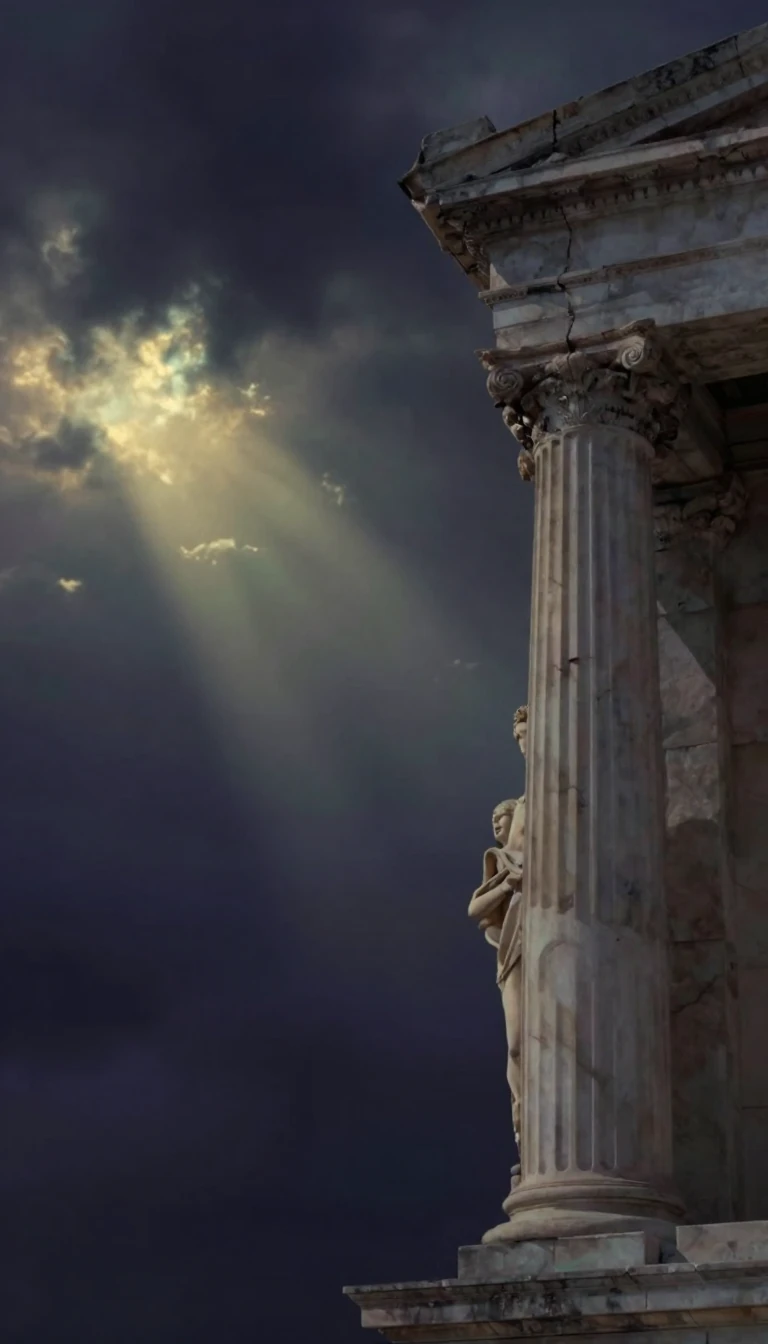 How a poem about a pedestal redefined the Statue of Liberty foreverEmma Lazarus wrote The New Colossus in 1883 to fund a pedestal, not to define a national icon. Yet, her sonnet transformed a monument of republicanism into the Mother of Exiles. T…
 Would you accept a perfect world if it required the suffering of one child?Ursula K. Le Guin’s 1973 story Omelas presents a haunting utilitarian dilemma: a utopian city of endless joy that persists only through the perpetual misery of a single child. Whi…
- Why Karl Popper believed that predicting the future of humanity is a dangerous illusionIn his seminal work written during the Second World War, philosopher Karl Popper attacked the idea that history follows inevitable laws. He argued that thinkers like Plato, Hegel,…
 How a teenager’s failing grade in creative writing birthed a literary classicWhen S.E. Hinton was a junior in high school, a poor grade in creative writing sparked a fire that would change young adult literature forever. She penned The Outsiders at 16, cap…
- Can a dream be so powerful that it brings a person back to life?In the 1598 masterpiece The Peony Pavilion, a young woman dies of lovesickness after meeting her soulmate in a dream. Her spirit returns to the mortal world to find him, turning a…
 Aeschylus' The Persians is the oldest surviving play in the history of Western drama.Written in 472 BC, this ancient Greek tragedy offers a rare perspective: it depicts the Persian defeat at the Battle of Salamis from the viewpoint of the enemy. It remains a power…
 A tenth-century court lady accidentally invented the world's first blog with her private musings.Sei Shōnagon, a court lady in Heian-period Japan, wrote The Pillow Book for her own eyes only. When a guest discovered her private notes on a cushion, they were snatched away, eve…
 Is a teacher's prime defined by her influence or by her own desperate self-delusion?In Muriel Spark's 1961 classic, an eccentric Edinburgh teacher shapes a select group of girls known as the Brodie set. By blending art, fascism, and personal drama, she demands to…
 Why Mark Twain sent a king to the streets to learn about justiceMark Twain’s first historical novel, The Prince and the Pauper, follows two look-alike boys who swap lives on a whim. While the prince experiences the brutal reality of poverty an…
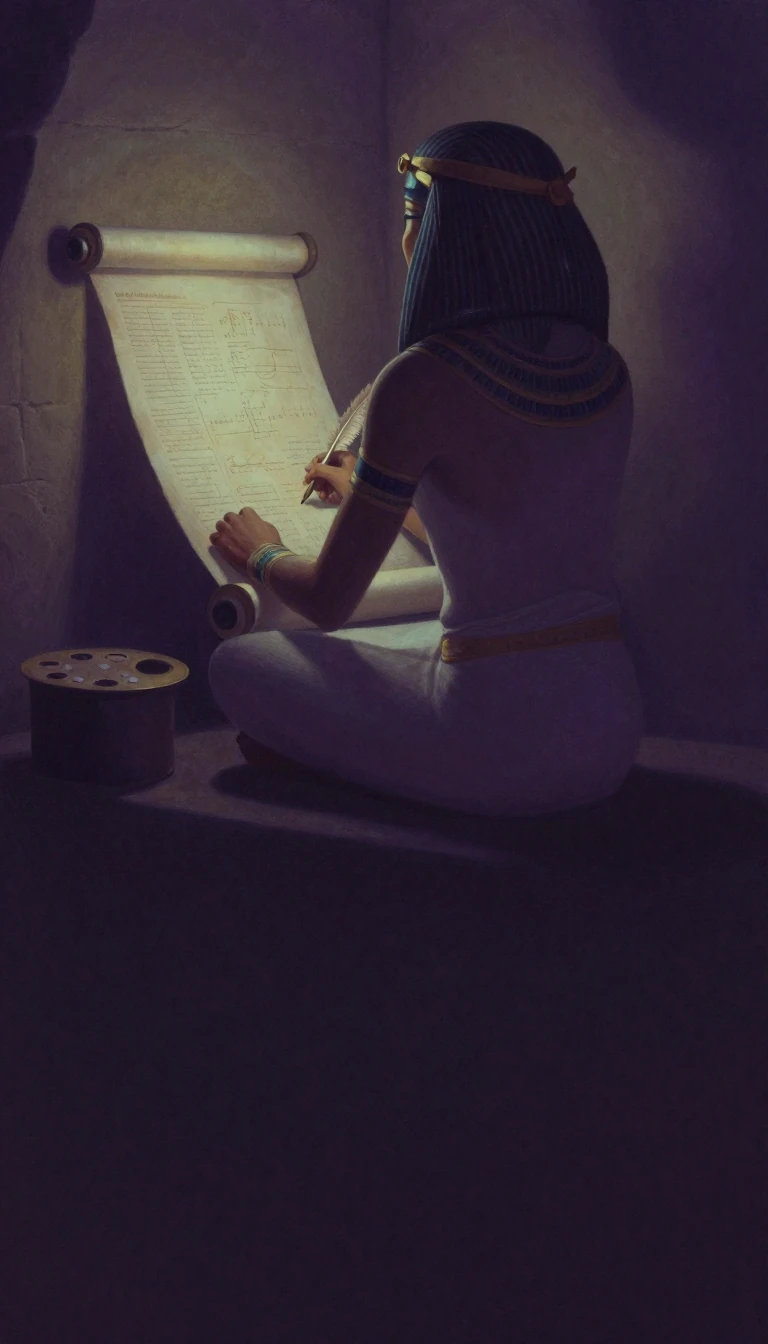 How a small book of prose poetry became a perennial global publishing phenomenonKahlil Gibran’s The Prophet has never been out of print since its 1923 debut. Comprising 26 fables delivered by a departing seer, this slim volume has sold millions of copies worl…
- Did a fear of hellfire and predestination accidentally invent the modern capitalist spirit?Max Weber’s 1904 thesis suggests that modern capitalism was not born from greed, but from the psychological anxiety of Calvinist doctrines. By viewing hard work as a divine callin…
- Why did a 19th-century novel about a social climber become a modern psychological masterpiece?Stendhal’s 1830 novel, The Red and the Black, follows Julien Sorel, a carpenter’s son navigating the rigid hierarchies of Restoration France. By blending sharp sociological satire…
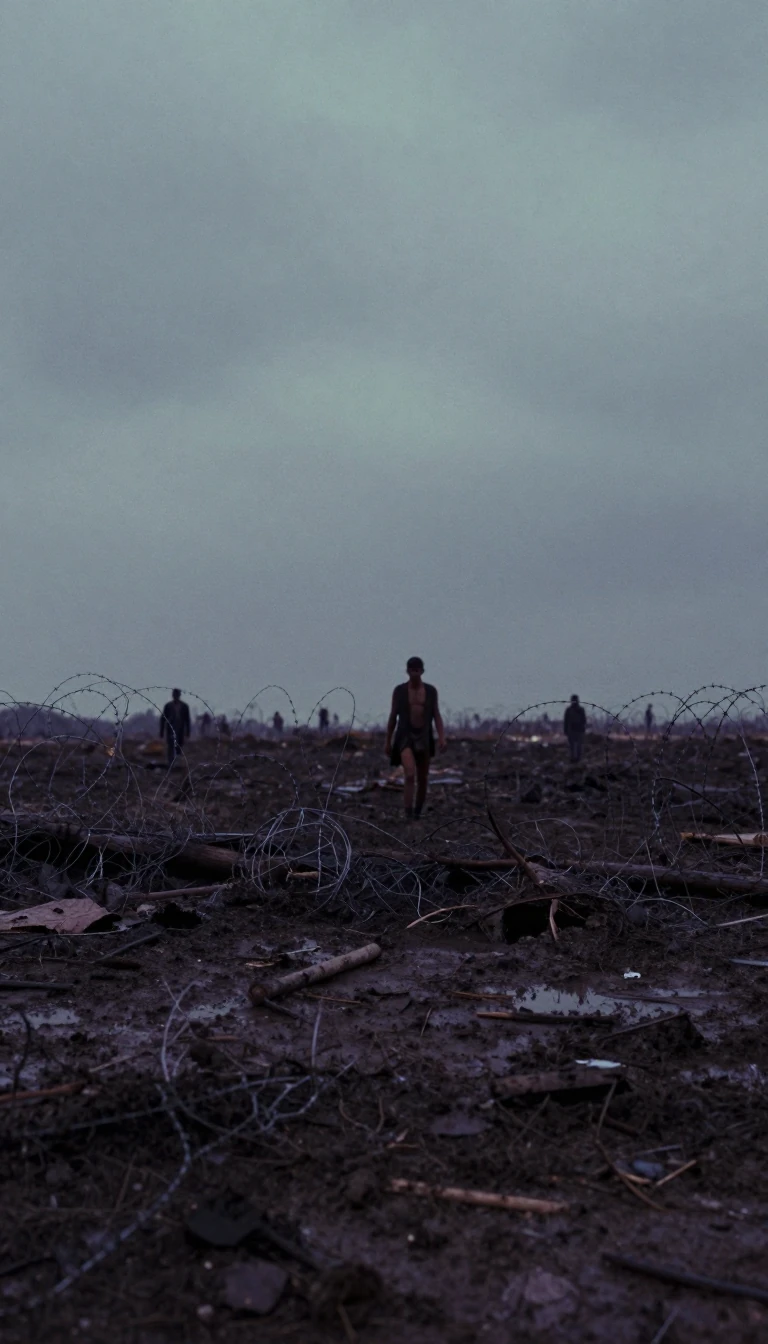 Did Stephen Crane write a masterpiece of war without ever seeing a battle?Stephen Crane was born six years after the American Civil War ended, yet his 1895 novel, The Red Badge of Courage, is celebrated for its harrowing realism. By focusing on the inte…
 Why the most famous poem about choosing your own path is actually a jokeRobert Frost’s iconic poem is widely celebrated as a manifesto for individualism and non-conformity. Yet, the poet himself called it a very tricky piece of work. Far from a sincer…
 Does government economic planning inevitably lead to the loss of individual freedom and tyranny?Friedrich Hayek’s 1944 classic argues that central economic planning is a slippery slope toward totalitarianism. While celebrated by libertarians and conservatives as a prophetic …
 Can we study human society with the same cold precision as a laboratory experiment?In 1895, Émile Durkheim published a manifesto that transformed sociology from a philosophical pursuit into a rigorous, positivist science. He argued that social life is governed b…
- Why a 1988 novel about migration became one of history's most dangerous literary controversiesSalman Rushdie’s magic realist epic, The Satanic Verses, was intended as a meditation on identity, metamorphosis, and the immigrant experience. Instead, its dream-like subplots re…
- Why Nathaniel Hawthorne’s classic novel of sin and shame became an instant American sensation.Published in 1850, The Scarlet Letter transformed from a controversial tale of Puritan morality into a cornerstone of American literature. While religious leaders initially condem…
- Why this 1750 Chinese masterpiece is considered the most difficult novel to categorizeWu Jingzi’s The Scholars is a sprawling, satirical classic that defies traditional storytelling. By rejecting a central protagonist and utilizing a mosaic-like structure, it expos…
- Yukio Mishima’s final masterpiece is a haunting, four-part exploration of reincarnation and self-destruction.Spanning from 1912 to 1975, The Sea of Fertility is Yukio Mishima’s ambitious tetralogy. Through the eyes of Shigekuni Honda, the novels track the successive reincarnations of a c…
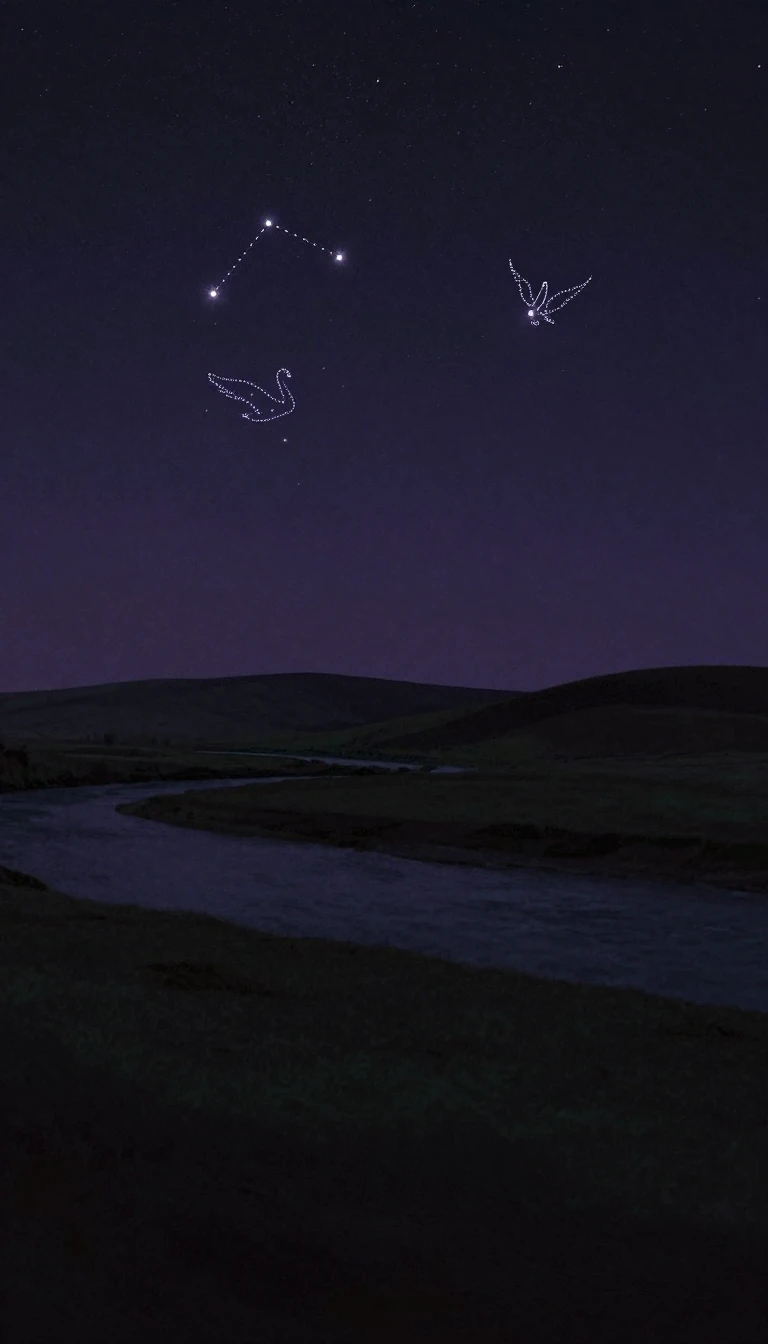 Why Anton Chekhov insisted his tragic play The Seagull was actually a comedyAnton Chekhov’s 1896 drama The Seagull is famous for its themes of lost opportunity and generational conflict. Yet, despite its reputation for tragedy, Chekhov maintained it was a…
- How Simone de Beauvoir dismantled the myth of the eternal feminine in 1949In her landmark treatise, Simone de Beauvoir challenged the status of women as the perpetual Other. By applying existentialist philosophy to history, biology, and social life, she…
 Hans Christian Andersen's The Snow Queen is a complex tale of innocence and redemptionPublished in 1844, this iconic fairy tale follows young Gerda on a perilous journey to rescue her friend Kai from the icy grip of the Snow Queen. Beyond the winter landscape lies …
- Henry Wadsworth Longfellow’s epic poem Hiawatha was a massive success built on a mistake.Published in 1855, The Song of Hiawatha became an instant American sensation. Yet, the poem’s central figure was a case of mistaken identity. Longfellow conflated an Ojibwe folk h…
- Why W.E.B. Du Bois described the black experience as living behind a veilIn his 1903 masterpiece, W.E.B. Du Bois introduced the concept of double consciousness: the psychological burden of viewing oneself through the eyes of a society that holds one in…
- Why Montesquieu believed the climate of a nation dictates its political soulIn 1748, Montesquieu published a masterpiece that redefined political theory. By rejecting simple labels for government, he argued that laws must harmonize with a nation's geograp…
- Aeschylus' Suppliants was once thought to be his earliest work, but it is actually late.Long considered the oldest surviving play by Aeschylus due to its heavy reliance on choral lyrics, modern evidence reveals The Suppliants was written near the end of the playwrigh…
- Why Beatrix Potter’s rebellious rabbit became a global icon of literature and commerceBorn from an illustrated letter to a sick child, The Tale of Peter Rabbit defied six publisher rejections to become a global phenomenon. Beyond its status as a nursery classic, th…
 Is Shakespeare’s most controversial comedy a story of love or a brutal power play?William Shakespeare’s The Taming of the Shrew remains a polarizing classic. Written between 1590 and 1594, the play follows the volatile courtship of the headstrong Katharina and …
- Why does a murderer insist on his sanity while hearing a dead man's heart?Edgar Allan Poe’s 1843 masterpiece, The Tell-Tale Heart, plunges readers into the mind of a nameless narrator obsessed with an old man’s pale, vulture-like eye. By meticulously de…
 Why did a young monk burn down Japan’s most beautiful national treasure in 1950?Yukio Mishima’s 1956 masterpiece explores the obsession of a troubled acolyte who destroys the legendary Kinkaku-ji. While the novel is a work of fiction, it mirrors the real-life…
- Why the story of three pigs and a wolf remains a cultural cornerstoneThe tale of three pigs and their varying building materials is more than a nursery rhyme. From its origins in Dartmoor to its evolution into a symbol of the reality principle, thi…
- H. G. Wells’s Time Machine was a grim warning about class-driven human evolution.In 1895, H. G. Wells introduced the world to the time machine, a device that propelled a Victorian scientist 800,000 years into a future where humanity had split into two brutal s…
 Beyond the race: how a simple fable became a global cultural obsessionAesop’s tale of the tortoise and the hare is far more than a children’s story about perseverance. From ancient philosophical paradoxes to modern satire and complex musical composi…
 Was Marco Polo’s famous travelogue a masterpiece of observation or a collection of tall tales?Marco Polo’s legendary account of Asia, dictated while imprisoned in Genoa, has sparked centuries of debate. While some critics dismissed it as a work of fiction, modern scholars …
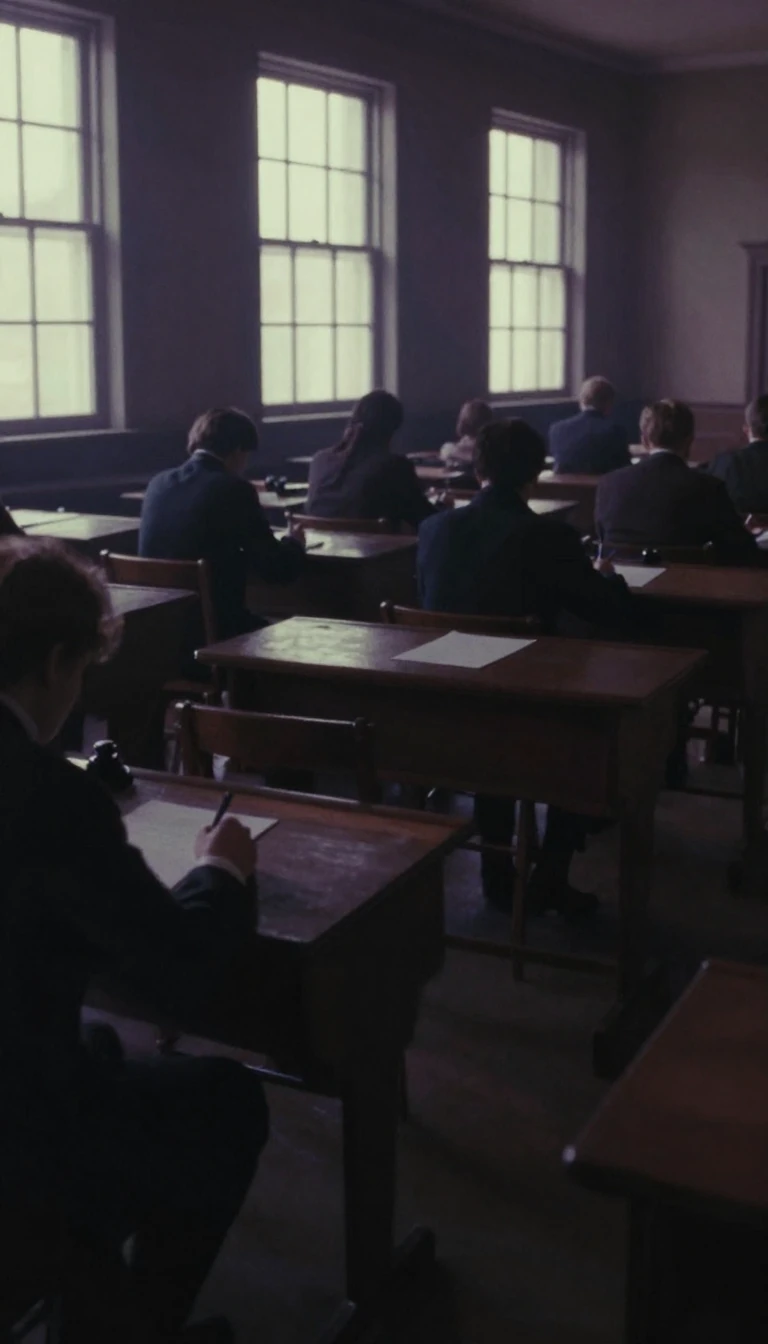 Why does a bank clerk die like a dog in Kafka's unfinished masterpiece?Josef K. is arrested on his thirtieth birthday for a crime that is never named. He spends his final year navigating an absurd, labyrinthine legal system that defies logic. Kafka n…
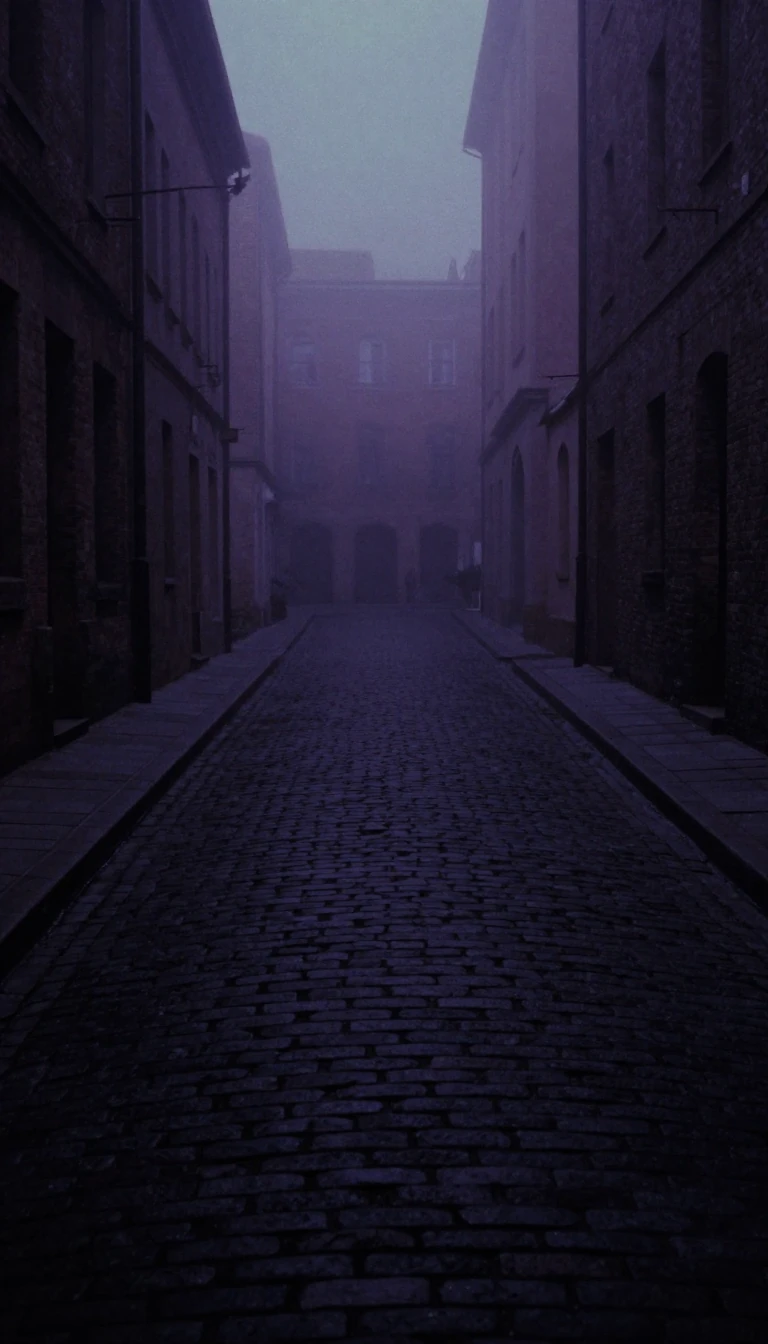 Why a fictional peasant’s self-deception became a defining symbol of 20th-century Chinese identityLu Xun’s 1921 novella, The True Story of Ah Q, introduced a character who transforms every humiliating defeat into a psychological triumph. This practice of spiritual victory beca…
- Why Suetonius’s The Twelve Caesars is both a vital historical record and scandalous gossipWritten in 121 AD, The Twelve Caesars remains a primary source for Roman history, yet it is famously riddled with hearsay and sensationalism. Suetonius, a secretary to Emperor Had…
 Did William Blake write his most famous poem about a real-life tiger attack?William Blake’s The Tyger is a cornerstone of English literature, famous for its haunting questions about creation and duality. While scholars debate its philosophical roots, some…
- Was the ugly duckling a metaphor for secret royal blood or just personal trauma?Hans Christian Andersen’s 1843 fairy tale is more than a story about a bird finding its flock. While it celebrates inner beauty, scholars suggest it may reflect the author’s own p…
 Why does the absence of life's burdens make our existence feel less real?Milan Kundera’s 1984 novel explores a haunting philosophical question: if we only live once, is our existence significant or merely weightless? By contrasting the heavy burden of …
- Can a scientific study of private religious experience prove the value of faith?William James’s 1902 classic, The Varieties of Religious Experience, shifted the study of faith from institutions to the individual. By examining mystical states as psychological …
 Why did a caterpillar eating junk food become a global icon of hope?Eric Carle’s 1969 picture book is a publishing phenomenon, selling over 55 million copies worldwide. While often analyzed as a critique of capitalism or a religious allegory, the …
 Virginia Woolf's The Waves is not a novel, but a complex playpoem of consciousness.Published in 1931, Virginia Woolf’s The Waves defies traditional storytelling. Instead of a standard narrative, it presents six distinct voices weaving together into a single, sil…
- A children's classic born from bedtime stories for a boy nicknamed MouseKenneth Grahame’s 1908 masterpiece, The Wind in the Willows, began as improvised bedtime tales for his young son, Alastair. While the book is celebrated for its evocative English …
- Why the English version of Haruki Murakami’s masterpiece is missing thousands of wordsHaruki Murakami’s The Wind-Up Bird Chronicle is a surreal journey through suburban Japan, but English readers are missing a significant piece of the puzzle. To fit publisher requi…