 Intellect Plus
Visual artists
833 cards. Each one is a 40-second story with a five-minute read behind it. Page 5 of 14.
 How a pile of candy can represent the weight of a human lifeFélix González-Torres transformed everyday objects into profound meditations on loss and identity. By inviting gallery visitors to take a piece of candy or a printed sheet from hi…
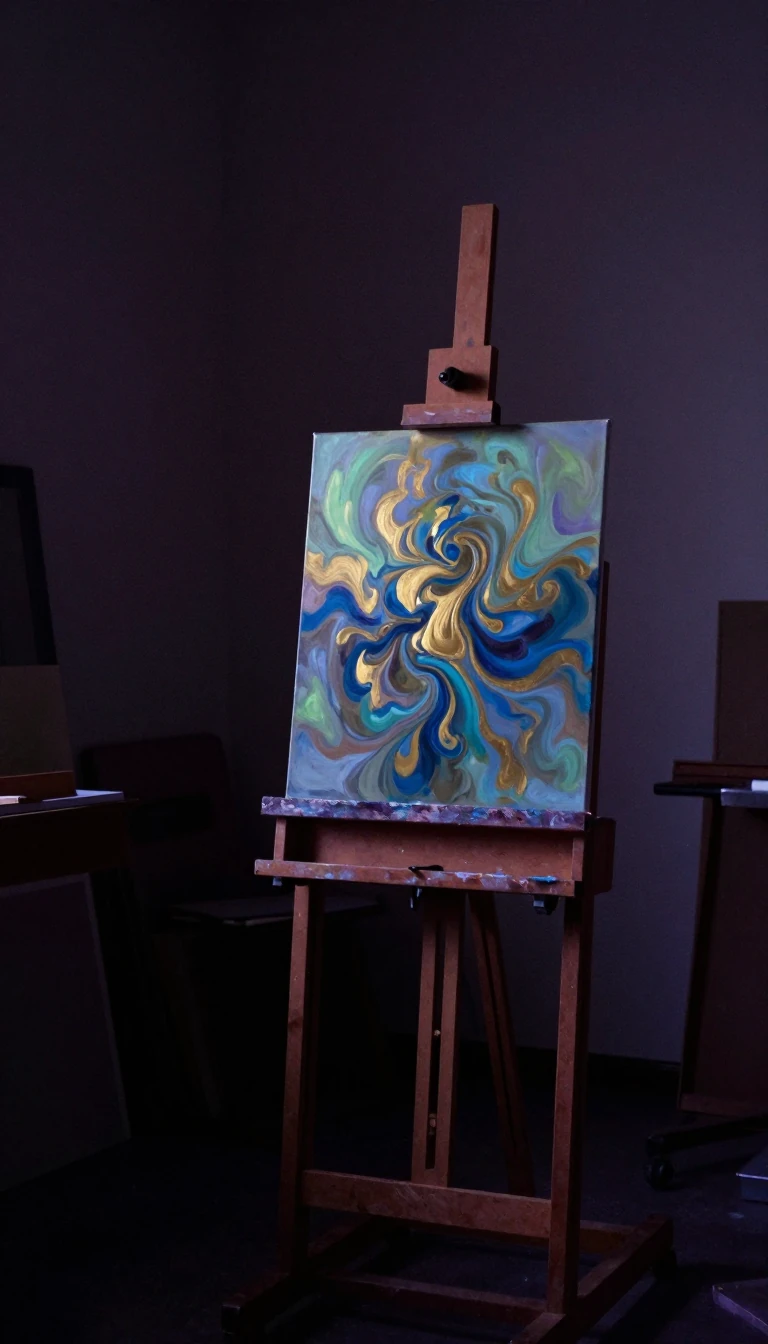 Faith Ringgold turned the canvas into a battlefield for civil rights and textile tradition.Faith Ringgold was a powerhouse of the 1960s, blending political activism with formal innovation. While famous for her later story quilts, her early paintings challenged the art w…
 How a World War I artillery piece transformed Fernand Léger into a machine-age artist.Fernand Léger began his career painting in traditional styles, but the brutal reality of the trenches changed everything. After witnessing the metallic beauty of a 75mm artillery …
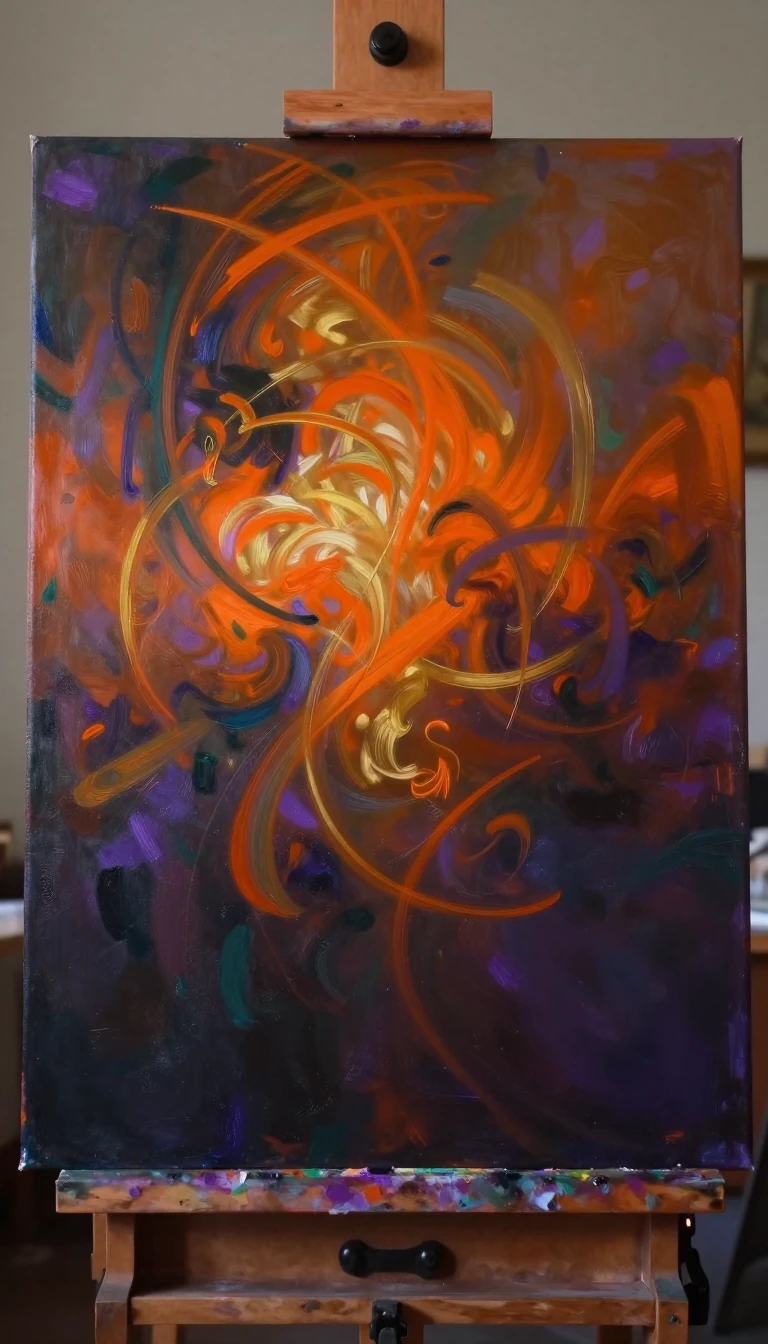 Fernando Amorsolo: The Painter Who Defined the Filipino Soul Through Radiant SunlightKnown as the Grand Old Man of Philippine Art, Fernando Amorsolo captured the essence of his nation through a signature backlighting technique. While his pastoral scenes became ico…
 Why did Fernando Botero paint the world in such exaggerated, inflated, and rotund proportions?Fernando Botero became one of the most recognized artists of his era by subverting traditional form. His signature style, known as Boterismo, transformed figures into corpulent, o…
 A Renaissance monk whose life of scandal and romance redefined Florentine artFra Filippo Lippi was a brilliant painter who struggled to reconcile his religious vows with a life of impulsive desire. From his early days as an orphaned novice to his notorious…
 The Statue of Liberty was almost a lighthouse for the Suez Canal in Egypt.Before she became the iconic beacon of New York Harbor, Frédéric-Auguste Bartholdi envisioned a colossal, torch-bearing woman for the entrance of the Suez Canal. When that proposa…
 Why this 17th-century architect cost his patrons more than the Great TurkFrançois Mansart was the architect who defined French classicism, yet he was notorious for his uncompromising perfectionism. He frequently tore down his own work to start over, le…
 Francesco Borromini transformed architecture by treating space as a physical, molded materialWhile his contemporaries focused on human proportions, Francesco Borromini pioneered a radical Baroque style defined by complex geometry. By replacing static walls with penetrated…
 Francesco Hayez: The Italian Romantic who turned history painting into a political weaponFrancesco Hayez was the leading light of 19th-century Italian Romanticism, transforming grand historical scenes into coded messages for national independence. From his humble begi…
- Why did this Spanish master paint religious visions that look like solid, carved sculptures?Francisco de Zurbarán defined the Spanish Baroque with a style so tactile that early viewers mistook his paintings for three-dimensional statues. By mastering the dramatic interpl…
 Why this 17th-century Dutch master painted with the speed of an impressionistFrans Hals revolutionized portraiture by abandoning the slow, meticulous methods of his peers. Instead of layering paint over weeks, he applied quick, loose strokes directly to th…
 Why Franz Marc painted animals to escape the corruption of modern human societyFranz Marc believed civilization eroded our connection to the spiritual essence of nature. To counter this, he abandoned academic realism for vivid, symbolic color and abstract an…
 Frederic Remington: The Man Who Painted the Myth of the American WestFrederic Remington was the premier chronicler of the American frontier, yet he created his most iconic scenes of cowboys and cavalry in a New York studio. By blending authentic fi…
 Why Friedensreich Hundertwasser Called the Straight Line Godless, Immoral, and CowardlyThe Austrian artist and architect Friedensreich Hundertwasser believed that modern, rationalist architecture was a form of enslavement. He rejected the sterile grid, advocating in…
 How a basement wargamer accidentally invented the blueprint for the modern digital worldIn 1974, Gary Gygax co-created Dungeons & Dragons, a tabletop game that transformed fantasy into a structured system of rules and character attributes. This unlikely invention did…
 How an Italian Renaissance master painted the first realistic night scene in art history.Gentile da Fabriano was a pivotal figure in the International Gothic style, bridging medieval tradition and Renaissance innovation. Beyond his mastery of light and perspective, he…
 Why a comic strip about a brick-throwing mouse became high art's first obsession.George Herriman’s Krazy Kat was a commercial failure that enchanted the elite. While readers ignored it, artists like Picasso and E. E. Cummings championed its surreal, shifting d…
 George Lilanga transformed traditional Makonde carvings into a vibrant, globally recognized contemporary art style.Tanzanian artist George Lilanga took the traditional wooden Shetani figures of his Makonde heritage and reimagined them as colorful, ironic, two-dimensional paintings. His work be…
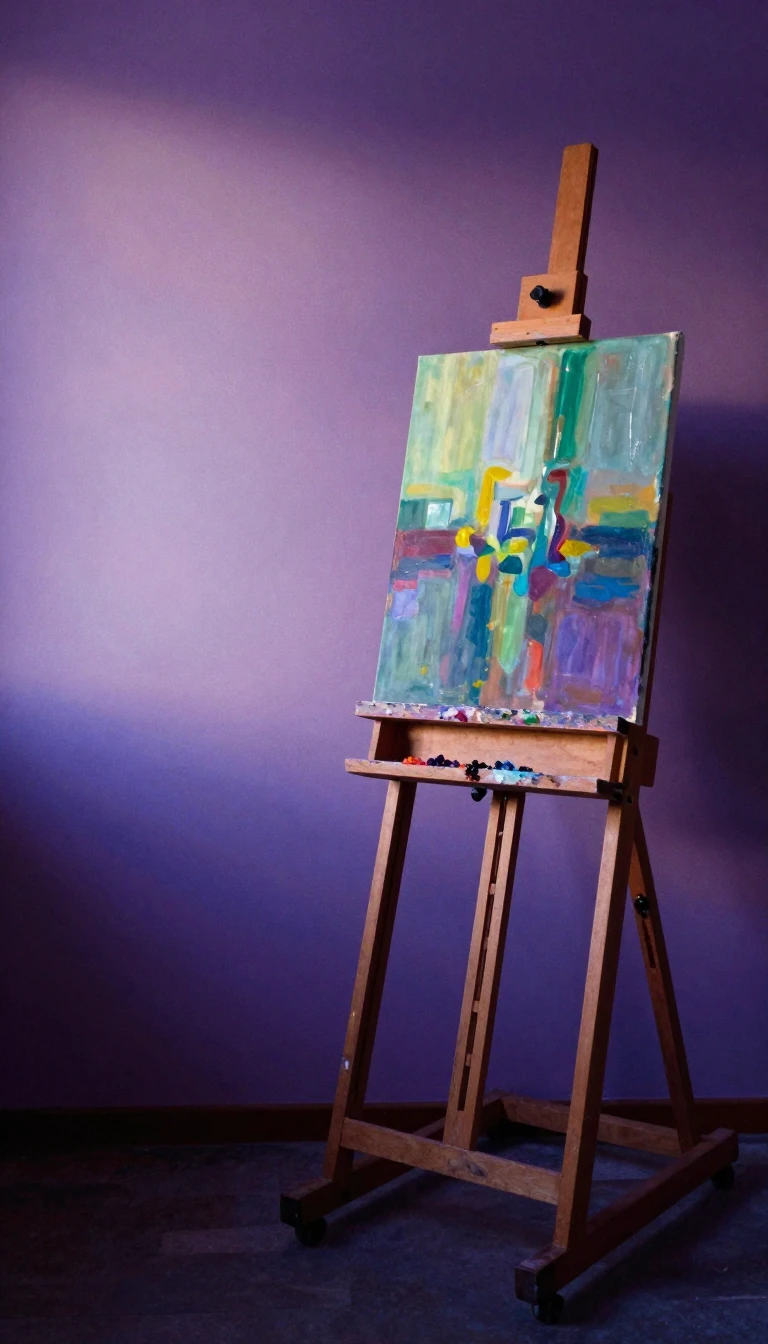 How a house painter’s trade secrets helped invent the most radical art of 1900sBefore he revolutionized modern art, Georges Braque was a trained house painter who mastered the art of imitating wood grain. This artisan background provided the technical founda…
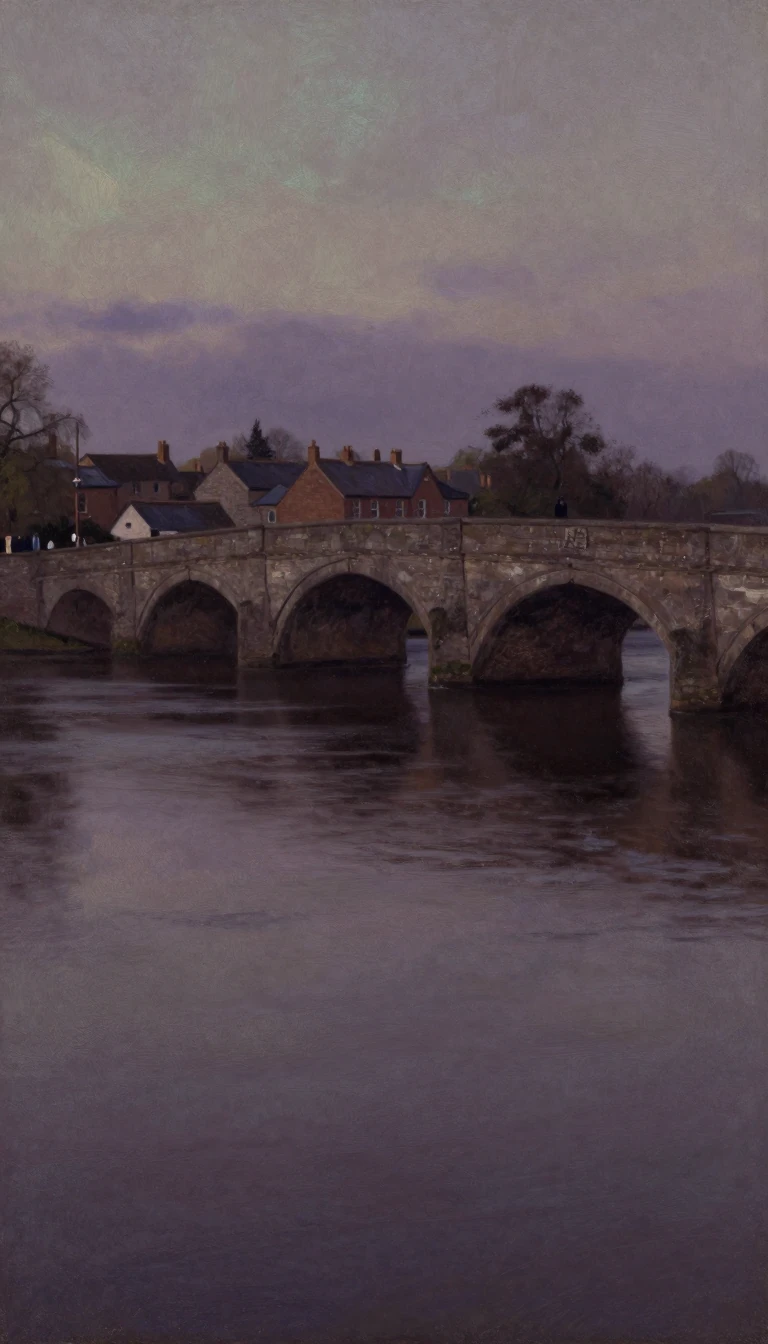 The Baroque master who vanished for centuries before being rediscovered by a Nazi curatorGeorges de La Tour was a celebrated French painter whose candlelit religious scenes defined the Baroque era. Yet, after his death in 1652, his name slipped into total obscurity. I…
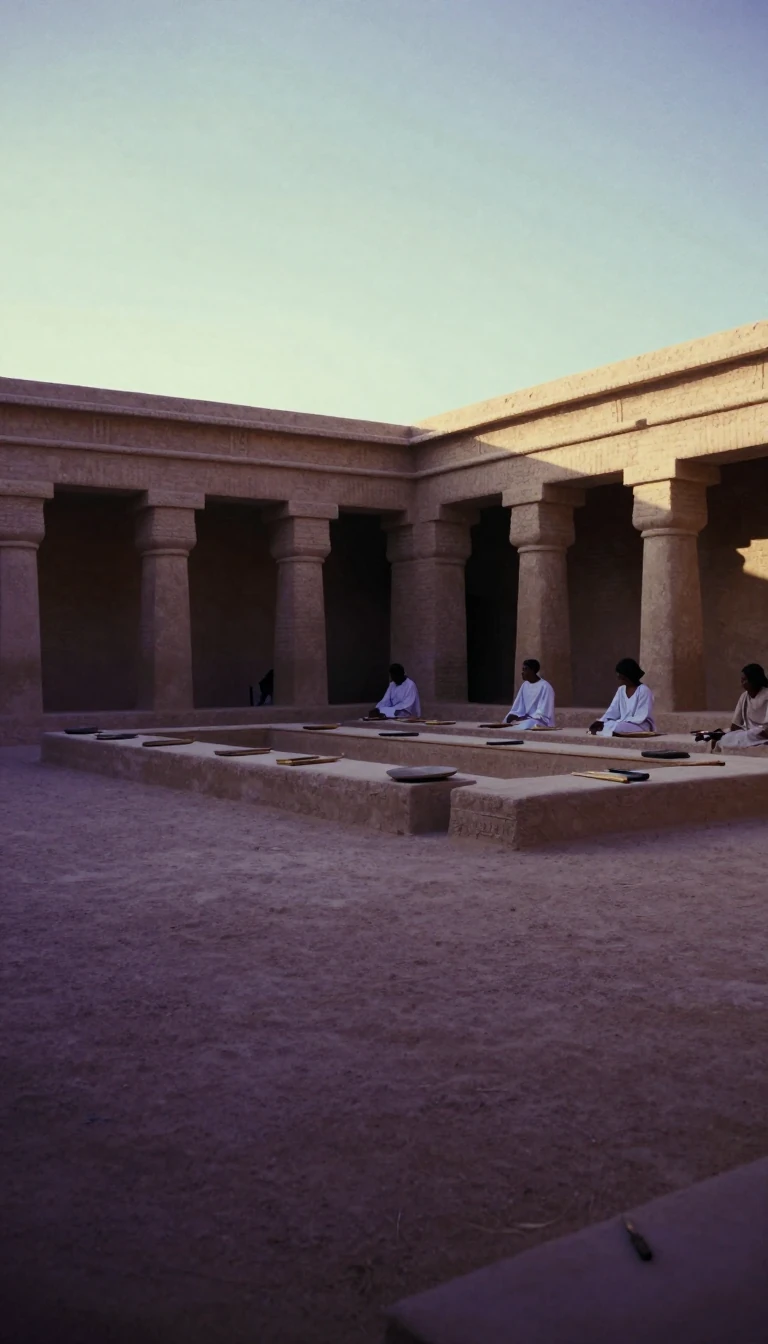 How a South African teacher became a pioneer of urban black art in Paris.Gerard Sekoto was a reluctant artist who hid his paintings from everyone but his closest friends. He eventually left South Africa for a self-imposed exile in Paris, where he reinv…
- Why a Dutch Master became known as Gerard of the Nights centuries after deathGerrit van Honthorst was a Dutch painter whose mastery of artificial light defined his career. While modern audiences know him as Gherardo delle Notti, this famous nickname was no…
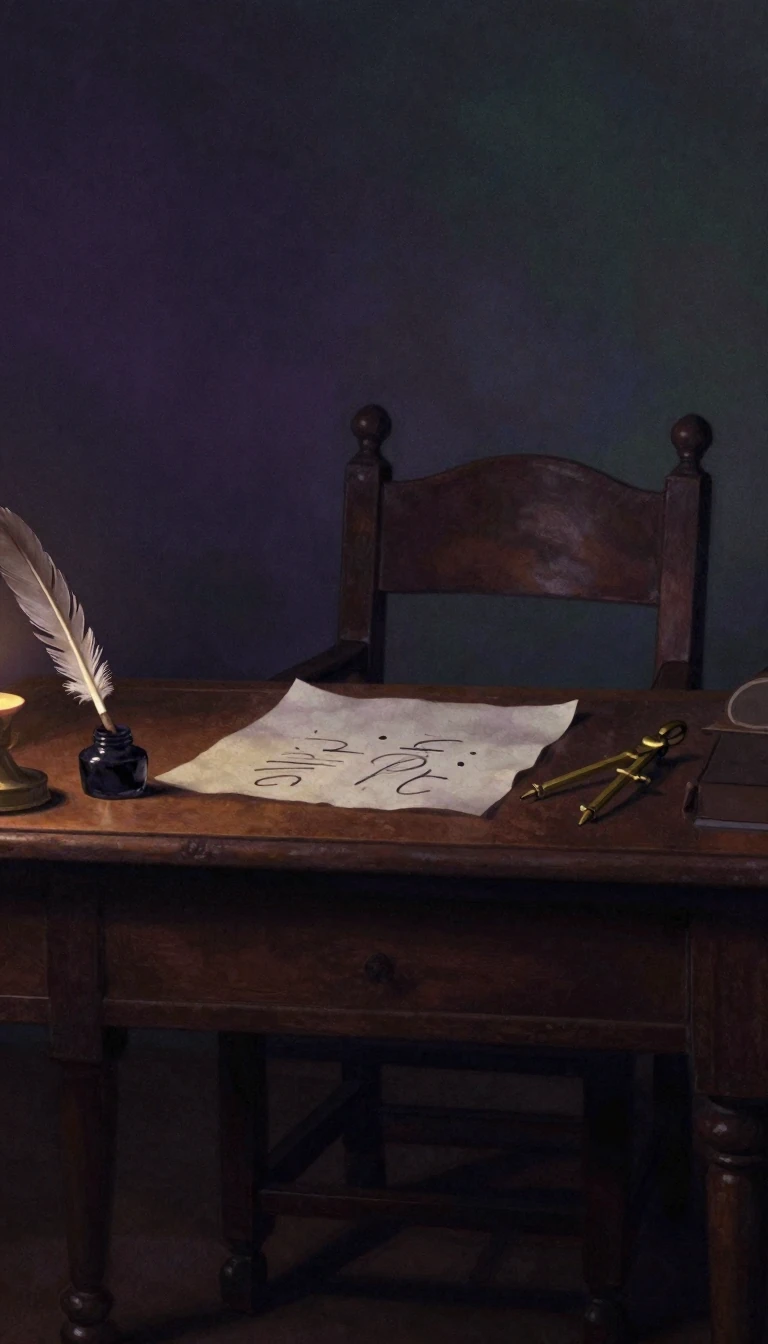 How a self-taught Dutch joiner redefined modern architecture and furniture designGerrit Rietveld began his career as a humble apprentice to his father, yet he became a titan of modern design. From his iconic Red and Blue Chair to the radical, wall-less Schröde…
- How one architect defined the look of the Roman Baroque and beyondGiacomo Barozzi da Vignola was a titan of 16th-century Mannerism whose influence stretched across Europe. From the iconic Church of the Gesù to the innovative oval domes that beca…
- The architect who finished Rome's greatest masterpieces by stepping into the shadows of giants.Giacomo della Porta was the ultimate architectural finisher of the sixteenth century. While he rarely started projects from scratch, he became the chief architect of Rome by compl…
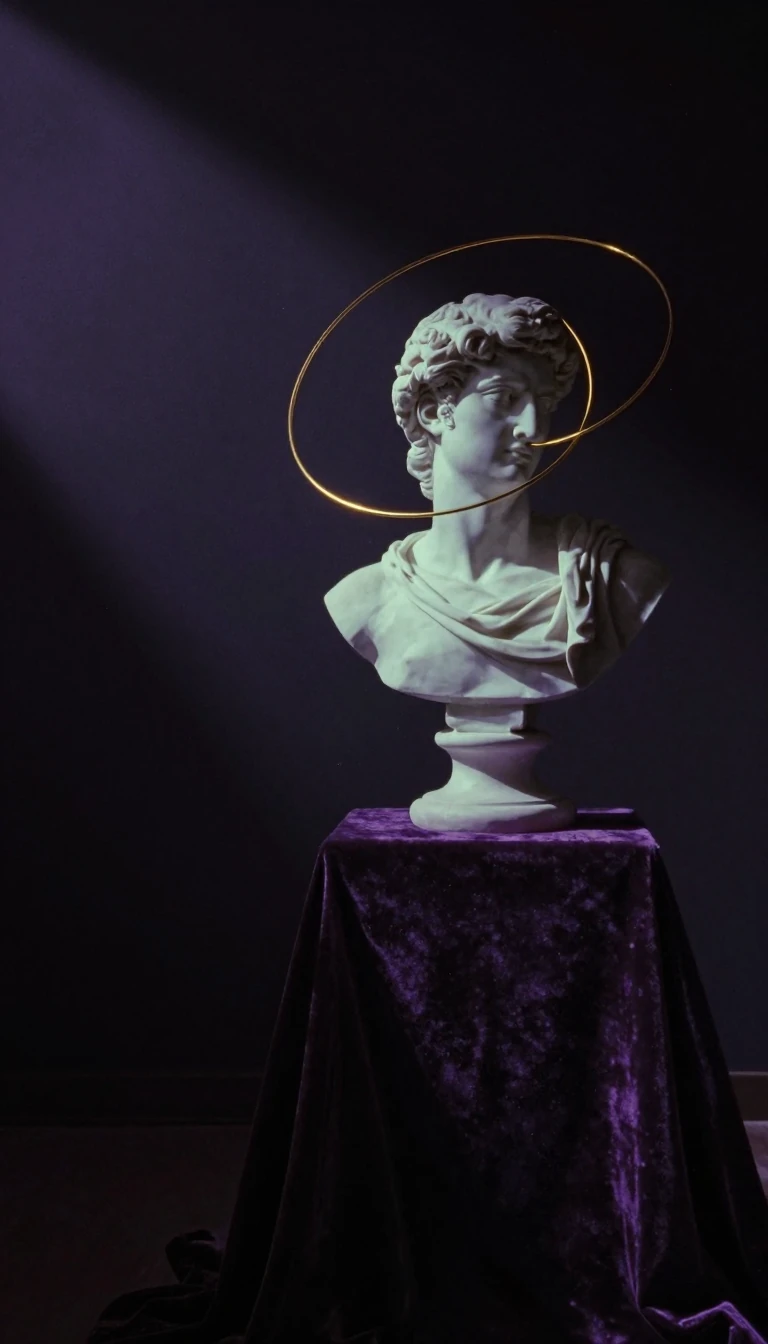 Giambologna: The Flemish master who defined the aesthetic of the Italian RenaissanceBorn in Flanders, Giambologna became the final titan of Italian Renaissance sculpture. By mastering the representation of movement and refined surface elegance, he transformed vio…
 The man who painted the face on every American dollar bill died penniless.Gilbert Stuart captured the likenesses of America's first six presidents, yet his most famous work—the unfinished portrait of George Washington—was a financial strategy that outli…
 Beyond the DeLorean: How Giorgetto Giugiaro Shaped the Modern World's Everyday ObjectsNamed Car Designer of the Century in 1999, Giorgetto Giugiaro is best known for the DMC DeLorean and the Volkswagen Golf. Yet, his influence extends far beyond the garage, encompa…
- Why did a pioneer of avant-garde mystery eventually disown his own revolutionary art?Giorgio de Chirico defined the metaphysical movement with haunting, deserted piazzas and illogical shadows. Yet, after 1919, he abruptly pivoted toward traditional classical techn…
- Why Is One of the Renaissance's Most Influential Painters So Enigmatic?Giorgione, a master of Venetian High Renaissance style, remains a figure of profound mystery. Despite his immense influence on contemporaries like Titian, only a handful of painti…
 Why the last of the great historical violin makers constantly reinvented his craftGiovanni Battista Guadagnini is regarded as one of history's finest luthiers, yet his career was defined by perpetual migration. Moving between four Italian cities, he adapted his…
- How Giovanni Bellini transformed Venetian art from rigid tradition to luminous, atmospheric mastery.Giovanni Bellini began his career painting in the stiff, linear style of the Paduan school. Yet, he eventually pioneered a revolutionary approach to light and color. By shifting f…
- How a woodworker's apprentice became the architect who defined the Italian RenaissanceGiuliano da Sangallo rose from a humble joiner's apprentice to become the favored architect of Lorenzo de' Medici. Though many of his grandest projects were never finished or were…
 Can a face made of vegetables and books be a serious political statement?Giuseppe Arcimboldo is famous for his bizarre portraits composed entirely of fruits, animals, and inanimate objects. While these paintings often look like whimsical curiosities, s…
 Why the world's most coveted violins were made by a struggling, overworked innkeeperGiuseppe Guarneri del Gesù is a titan of lutherie, his instruments often valued above those of Antonio Stradivari. Yet, far from the romantic myth of a imprisoned genius, historic…
- How a Mozambican artist transforms the instruments of civil war into symbols of peaceBorn in 1975, Gonçalo Mabunda turns deactivated Kalashnikovs, pistols, and rocket launchers into haunting anthropomorphic figures and thrones. By repurposing the tools of a brutal…
 Why a revolutionary architect’s most enduring legacy is found in his written wordsGottfried Semper was the most admired German architect of his generation, celebrated for grand opera houses and museums. Yet, his true influence lies in his complex theoretical wr…
 How a farmwife’s arthritis turned into one of the most remarkable careers in artWhen Anna Mary Robertson Moses could no longer hold a needle for embroidery due to arthritis, she picked up a paintbrush. Starting in her 70s, this self-taught artist transformed …
 Why did a legendary Chinese master believe the eyes were the soul of painting?Gu Kaizhi, a celebrated painter and politician of the Eastern Jin dynasty, revolutionized figure painting by prioritizing spirit over physical form. He famously argued that the ey…
- How a Yuan Dynasty woman defied gender norms through the art of bamboo paintingGuan Daosheng was the most celebrated female painter and calligrapher in Chinese history, yet she navigated a world that viewed her chosen subject—bamboo—as a strictly masculine d…
 From Savoy bellboy to global icon: the turbulent, violent history of the Gucci empireGuccio Gucci began his career carrying suitcases for aristocrats at London’s Savoy Hotel. Inspired, he returned to Italy to build a leather goods empire. Yet, the brand’s rise fro…
- Guido Reni: The Baroque Master Who Tempered Divine Exuberance With Classical RestraintGuido Reni was the most famous painter of his era, a man whose religious and mythological works defined the Italian Baroque. Yet, he famously rejected the era's chaotic intensity,…
 Why Nintendo’s greatest innovator believed that cutting-edge technology was actually a design trapGunpei Yokoi, the mastermind behind the Game Boy and the Ultra Hand, rejected the industry obsession with high-end specs. Instead, he pioneered the philosophy of Lateral Thinking …
 How Guo Xi transformed the static canvas into a living, breathing seasonal landscapeGuo Xi, a master of the Northern Song dynasty, pioneered a revolutionary approach to spatial representation. By developing the angle of totality, he moved beyond the fixed viewpoi…
- How a Norwegian sculptor’s life work became a lightning rod for political controversyGustav Vigeland created the world's largest sculpture park by a single artist, featuring 212 bronze and granite works. Yet, his legacy is shadowed by accusations of Nazi sympathy.…
- Was Gustave Caillebotte the Impressionists' greatest patron or their most misunderstood painter?Long remembered primarily as a wealthy benefactor who bankrolled his peers, Gustave Caillebotte was a radical artist whose plunging perspectives and intimate portrayals of men cha…
 How a bankrupt fugitive revolutionized photography by stitching together the sea and the skyGustave Le Gray was the nineteenth century's most influential French photographer, yet he died in obscurity after fleeing his creditors. He pioneered techniques that allowed camer…
- Gustave Moreau: The Reclusive Symbolist Who Mentored the Future of Modern ArtA master of myth and mystery, Gustave Moreau was a pivotal figure in the Symbolist movement. Though he lived as a reclusive bachelor in a Paris townhouse, his influence was profou…
- How a 17th-century calligrapher defined the visual language of Ottoman devotionHâfiz Osman was more than a scribe; he was a master architect of the page. By reviving forgotten scripts and inventing the classical hilye layout, he transformed how the Prophet M…
 How a Swiss artist turned human anatomy into cold, haunting biomechanical nightmaresHans Ruedi Giger pioneered a surreal aesthetic that fused flesh with machinery. While his father dismissed art as a breadless profession, Giger’s singular vision eventually define…
 How Hannah Höch used scissors and magazines to dismantle the Weimar Republic's gender normsAs the only woman in the Berlin Dada circle, Hannah Höch pioneered photomontage to challenge the era's rigid social structures. By repurposing mass-produced imagery from women's m…
- How a wealthy Bruges painter became the namesake for a specific style of carpetHans Memling was once considered the most skillful painter in Christendom, yet his legacy is as much about his business acumen as his art. From his rise to the ranks of Bruges' we…
 How Harvey Kurtzman transformed American satire from a side hustle into an art formHarvey Kurtzman was the visionary editor who turned the comic book into a sophisticated medium for social critique. By demanding cinematic precision from his illustrators and refu…
 How a provincial dyer’s son became the master of Japanese ink paintingHasegawa Tōhaku rose from humble origins to define the aesthetic of the Azuchi–Momoyama period. By blending the bold, gold-leaf grandeur of the Kanō school with the minimalist, sp…
 Was this royal prince the true mastermind behind the Great Pyramid of Giza?Hemiunu, a high-ranking prince and vizier in ancient Egypt, is widely credited as the architect of the Great Pyramid. Operating under the authority of Pharaoh Khufu, he held a pos…
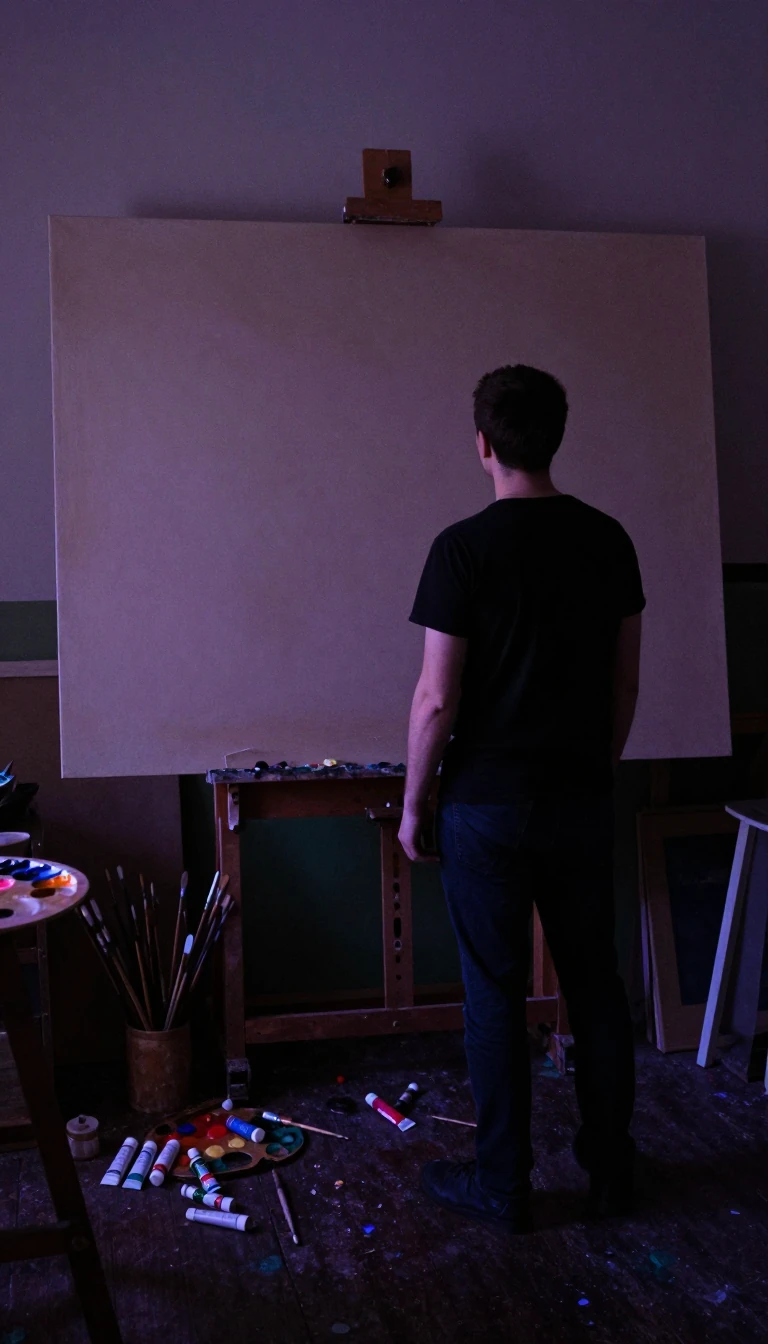 A reclusive janitor created a secret 15,000-page epic fantasy world in his Chicago apartment.Henry Darger spent decades working menial jobs while secretly crafting a massive, illustrated novel about child slaves fighting for freedom. His sprawling, often disturbing work r…
- How a Louisiana native redefined the American skyline with Romanesque power and graniteHenry Hobson Richardson transformed American architecture by rejecting the fragmented Gothic style of his peers. Instead, he championed horizontal lines and massive, simple silhou…
- How Henry Tayali became the most influential voice in modern Zambian visual artHenry Tayali was a polymathic Zambian artist whose work bridged traditional African aesthetics with modern techniques. From his early schoolboy paintings to his later, complex met…
- The Belgian polymath who bridged the gap between Art Nouveau and the BauhausHenry van de Velde was a painter, architect, and theorist who defined early 20th-century design. After abandoning painting for the decorative arts, he pioneered a rational, abstra…