 Intellect Plus
Visual artists
833 cards. Each one is a 40-second story with a five-minute read behind it. Page 6 of 14.
 Why the grid of modern cities traces back to an eccentric Greek philosopherHippodamus of Miletus is often called the father of urban planning, yet he did not invent the grid. Instead, he transformed it. By blending geometry with a vision for democratic s…
 How a near-expulsion and a tragic house fire shaped the creator of Final FantasyHironobu Sakaguchi entered the gaming industry as a reluctant programmer who dreamed of being a musician. Yet, he would go on to define the medium. His journey from selling homema…
 Hon'ami Kōetsu: The Renaissance polymath who redefined Japanese aesthetics from a sword-polisher's workshop.Born into a family of sword connoisseurs, Hon'ami Kōetsu became a legendary figure in 17th-century Japan. A master of calligraphy, pottery, and lacquer, he bridged the gap between…
 The caricaturist who lived in a mental hospital for mocking the French KingHonoré Daumier was a prolific 19th-century artist who spent his life lampooning the French elite. His biting political satire was so effective that King Louis-Philippe once impris…
 How one man saved Persian miniature painting from the brink of total oblivionHossein Behzad transformed a fading classical tradition into a global art form. By blending sixteenth-century Persian techniques with modern Western sensibilities, he rescued a dy…
 How a young French designer revolutionized fashion by prioritizing comfort and geometric innovation.Hubert de Givenchy redefined mid-century style by moving away from restrictive silhouettes. By blending avant-garde construction with wearable, versatile separates, he became the …
 The complex legacy of the man behind a global fashion house nameHugo Ferdinand Boss founded a clothing company in 1923 that eventually became a global brand. Yet, his history is deeply entangled with the Nazi Party and the exploitation of forc…
 How a cosmopolitan wanderer transformed the comic book into a medium for historical literature.Hugo Pratt did not just draw comics; he built a sprawling, interconnected universe rooted in exhaustive research. From his childhood in Venice to his years in Argentina and beyond…
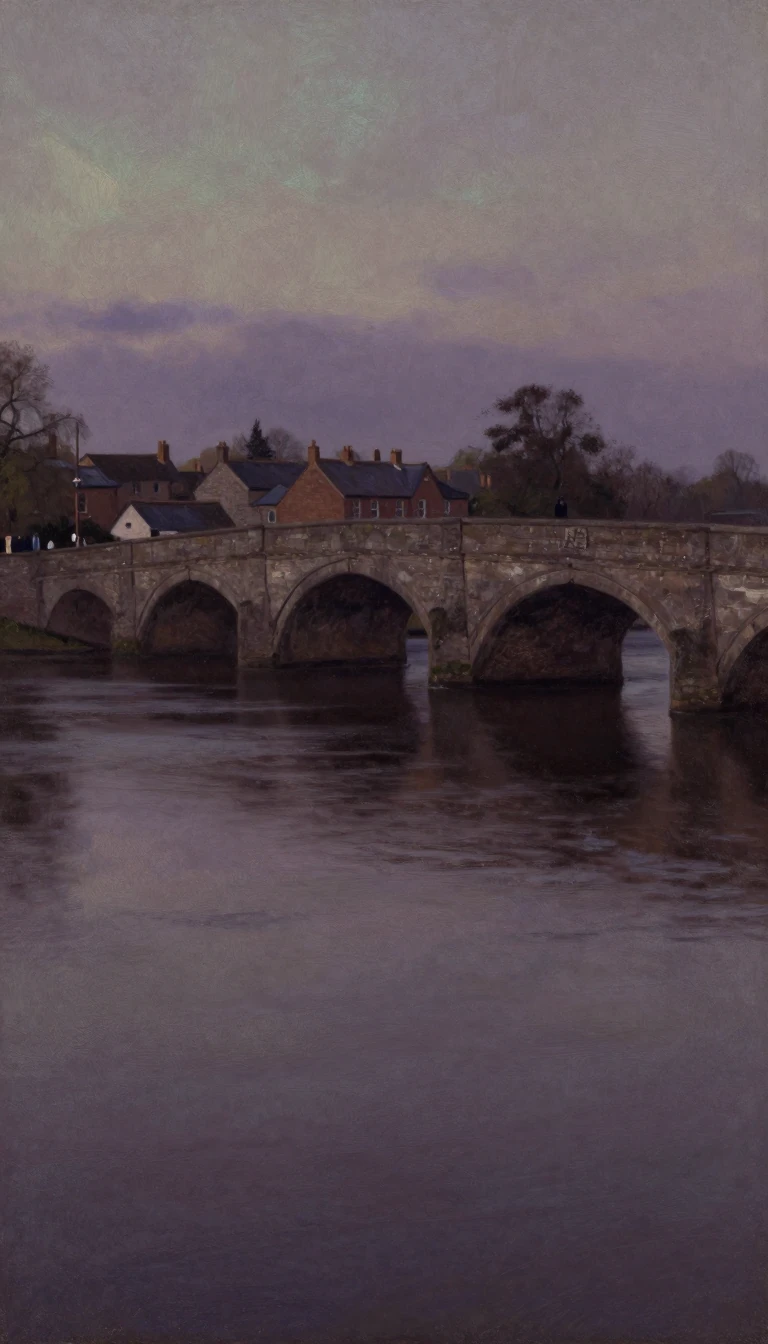 Was the genius of Hugo van der Goes driven by his descent into madness?Hugo van der Goes was a titan of 15th-century Flemish art, yet much of his career remains a mystery. After reaching the peak of his success, he abruptly abandoned his workshop for…
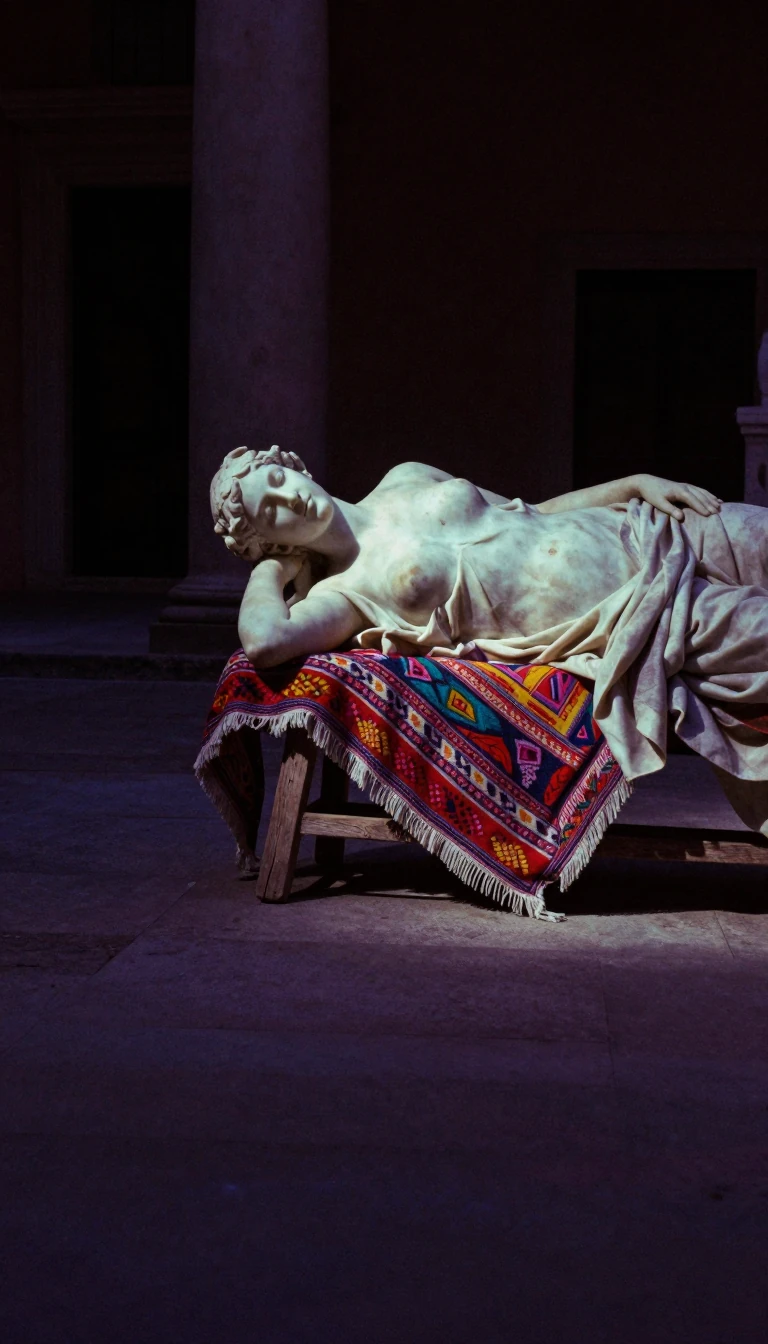 The Ancient Roman Painter Who Outpaced Her Male Rivals in Speed and SkillIn the late Roman Republic, a female artist named Iaia of Cyzicus gained fame for her unmatched speed and superior technique. While history often obscures the contributions of wom…
 The vizier who revolutionized Arabic script with geometry before dying in a prison cell.Ibn Muqla was a powerful Abbasid vizier who served three terms in Baghdad. Beyond his turbulent political career, he fundamentally transformed Arabic calligraphy by applying mathe…
 How a stage designer for royal masques founded the English classical tradition of architecture.Before he became England's premier architect, Inigo Jones was a painter and theatrical visionary. By crafting elaborate sets and costumes for royal masques, he mastered the art of…
 How a self-described accidental icon redefined the boundaries of fashion and personal styleIris Apfel was a textile expert and interior designer who became a global fashion icon in her eighties. Known for her flamboyant aesthetic and oversized glasses, she spent decades…
 How a mathematician with no formal training built the world's most ambitious cathedralIsidore of Miletus was not an architect by trade, but a scientist and teacher of physics. Yet, Emperor Justinian I tasked him with designing the Hagia Sophia. By applying advanced…
- How a peasant boy from the Dinaric Alps became a titan of modern sculpture.Ivan Meštrović rose from humble beginnings as a shepherd’s son to become a globally celebrated sculptor. His journey took him from a stonecutter’s apprenticeship in Split to the p…
 Jacob Lawrence transformed the history of the African-American experience into vibrant, dynamic visual narratives.Jacob Lawrence did not just paint scenes; he built rhythmic, multi-panel stories that captured the essence of Black life in America. From the Great Migration to the struggles of h…
 Was the greatest painter of the Dutch Golden Age actually a secret surgeon?Jacob van Ruisdael transformed landscape art by turning trees into recognizable botanical subjects and skies into dramatic, expansive canvases. While he dominated the Dutch art ma…
- Why the Belgian painter James Ensor turned his back on the art worldJames Ensor was a radical force in 19th-century art, famous for his grotesque masks and biting political satire. Yet, as he gained fame, he retreated into a quiet life of music an…
 The face of Uncle Sam was actually the artist himself, James Montgomery Flagg.James Montgomery Flagg was the most prolific illustrator of his era, yet his most iconic creation—the stern Uncle Sam pointing at the viewer—was a pragmatic shortcut. To avoid the…
- How Jan Brueghel the Elder turned the natural world into a scientific visual catalogueKnown as Velvet, Flower, and Paradise Brueghel, this Flemish master was more than a painter. He was a pictor doctus—an erudite artist whose meticulous, cabinet-sized works bridged…
 How Jan Matejko used oil painting to keep a partitioned nation's history aliveJan Matejko was a 19th-century Polish master who turned oil on canvas into a tool for national survival. While his contemporaries focused on aesthetic refinement, Matejko used the…
 How Jean-Antoine Houdon captured the Enlightenment in clay, marble, and bronzeJean-Antoine Houdon was the preeminent portrait sculptor of the 18th century. By mastering the delicate balance between Rococo intimacy and Neoclassical dignity, he immortalized t…
- How Jean Arp Used Chance and Nature to Redefine Modern SculptureJean Arp was a central figure of the 20th-century avant-garde, moving seamlessly between Dadaism, Surrealism, and abstraction. By embracing chance and organic, biomorphic forms, h…
- Why Camille Corot abandoned a stable business career to chase the light of natureCamille Corot was a reluctant draper who traded commercial life for a life of painting. By prioritizing the subtle balance of light and dark over rigid color, he bridged the gap b…
 How Jean Fouquet bridged the gap between Gothic tradition and the Italian RenaissanceJean Fouquet was a pivotal figure in 15th-century French art, masterfully blending the meticulous detail of Northern European painting with the structural influence of the Italian…
- Why a painter's poverty inspired a global revolution in artist copyright lawsJean-François Millet died a celebrated artist, yet his family remained in dire poverty while his paintings sold for fortunes. This glaring financial disparity triggered the invent…
 Why one of the world's most influential artists lived under two different namesJean Giraud was a titan of French comics who split his identity to master two worlds. As Gir, he drew the gritty, realistic Westerns that paid the bills. As Mœbius, he unleashed s…
 Why one of history's greatest painters insisted that he did not paint with colors.Jean Siméon Chardin, the 18th-century master of still life and domestic scenes, famously dismissed a colleague’s obsession with color theory. He argued that while one uses colors,…
 Why does Jenny Holzer project anonymous, urgent phrases onto the sides of city buildings?Jenny Holzer transforms public spaces into stages for thought. By flashing provocative, often contradictory slogans across LED signs and massive architectural projections, she for…
 How a failed bug comic and a marketing strategy created a global cat icon.Jim Davis originally wanted to draw a comic about a bug named Gnorm Gnat, but syndicates rejected it for being unrelatable. By analyzing successful strips, Davis realized cats wer…
 Jože Plečnik: The Architect Who Married His Work to Transform a Nation's IdentitySlovenian architect Jože Plečnik famously declared he was already married to his architecture when asked to wed. This singular devotion allowed him to reshape the urban fabric of …
 Joan Mitchell: The Abstract Expressionist Who Carried Her Landscapes Everywhere She WentThough a central figure of the New York School, Joan Mitchell spent most of her career in France, painting from memory rather than direct observation. She famously declared that s…
 How Joanne Gair turned the human body into a canvas for high-stakes optical illusionsJoanne Gair is the world's leading trompe-l'œil body painter, famous for transforming celebrities into living art. From Demi Moore's iconic 1992 Vanity Fair cover to decades of Sp…
 How one architect defined the visual identity of the powerful Habsburg EmpireJohann Bernhard Fischer von Erlach transformed the Austrian landscape by synthesizing Roman Baroque energy with classical restraint. As the favored designer for three successive e…
- How a military engineer transformed the face of 18th-century European Baroque architectureJohann Lukas von Hildebrandt began his career building fortresses for the Austrian Imperial Army. He eventually pivoted to civil architecture, becoming a master of decorative, und…
 How a Nisei horticulturist transformed the ancient art of bonsai into a global language.John Naka did not just teach bonsai; he redefined it for the West. By moving away from traditional Japanese species and embracing native American trees, he turned a rigid, centuri…
 The man behind the most iconic first-person shooters in gaming historyJohn Romero helped define the first-person shooter genre, co-founding id Software and creating legendary titles like Doom and Quake. His career spans decades of rapid innovation, …
- How a self-taught colonial painter became a master of modern history and portraitureJohn Singleton Copley rose from a humble Boston tobacco shop to become a celebrated portraitist of the American elite. Despite claiming he had never seen a decent painting until a…
 How a Victorian cartoonist became the definitive architect of our most famous dreamscapeSir John Tenniel was a quiet, introverted illustrator who spent half a century as the conscience of Victorian Britain. While his political cartoons for Punch magazine shaped natio…
 Why Mexico’s most important muralist painted a world careening toward ArmageddonJosé Clemente Orozco was a titan of 20th-century fresco, yet he rejected the optimistic propaganda of his peers. While others celebrated the Mexican Revolution, Orozco captured it…
- Josef Albers taught his students that art is not for looking at, but for seeing.An influential 20th-century educator and abstract painter, Josef Albers believed that color is a persistent illusion. By prioritizing vision over facts, he transformed how we perc…
- Why was a pioneer of modern architecture nicknamed Square Hoffmann by his contemporaries?Josef Hoffmann, a founder of the Vienna Secession, transformed design by stripping away useless ornament in favor of strict, geometric rigor. His obsession with squares and cubes …
 Can a chair be a concept? Joseph Kosuth redefined art as pure information.In 1965, a young artist named Joseph Kosuth presented a chair, its photograph, and a dictionary definition side-by-side. This work, One and Three Chairs, became a milestone in Wes…
- How a trained engineer systematized Cubism to create a new visual languageJuan Gris arrived in Paris as a draftsman but transformed into a master of Synthetic Cubism. By applying a rigorous, mathematical logic to the fragmented forms pioneered by Picass…
 Juan Luna: The Filipino Master Who Conquered European Salons and Faced a Murder TrialJuan Luna was a titan of 19th-century art, winning gold in Madrid and defining Philippine national identity. Yet, his life was marked by extreme volatility, shifting from the rigi…
- Why was a master of the Dutch Golden Age forgotten for two centuries?Judith Leyster was a celebrated 17th-century painter whose virtuosic works were later misattributed to her male contemporaries. Despite being one of the few women admitted to the …
 How Judy Chicago Reclaimed Her Identity by Shedding Names Imposed by Male DominanceBorn Judith Sylvia Cohen, the artist Judy Chicago famously rejected the surnames of her father and husbands to escape patriarchal labels. By rebranding herself through a gallery o…
- How one architect turned the Sun King’s vision into the stone of FranceJules Hardouin-Mansart was the mastermind behind the most iconic structures of Louis XIV’s reign. From the Hall of Mirrors to the dome of Les Invalides, he defined French classici…
 A Victorian housewife turned her chicken coop into a studio to capture human genius.Julia Margaret Cameron did not pick up a camera until age 48, yet she became one of the 19th century's most influential portraitists. By transforming a humble fowl house into a da…
 How a former dental technician became the world's most iconic master of horror manga.Junji Ito transforms mundane fears—like slugs, spirals, or the death of a classmate—into visceral, nightmarish art. Before achieving global acclaim, he spent years as a dental tec…
- How a royal court painter became the architect of modern Iranian artistic educationBorn into a dynasty of painters, Mohammad Ghaffari rose to become Kamal-ol-Molk, the Perfection of the Realm. After mastering the royal courts of Qajar Iran, he defied convention …
- How Kanō Eitoku painted the power of Japan’s most ruthless warlordsKanō Eitoku transformed Japanese art by creating a monumental style that mirrored the ambition of his patrons, Oda Nobunaga and Toyotomi Hideyoshi. By scaling up nature and using …
- How a provincial samurai founded Japan’s most enduring artistic dynastyKanō Masanobu transformed the landscape of Japanese art by blending Chinese ink techniques with a distinctly native precision. As the founder of the Kanō school, he rose from prov…
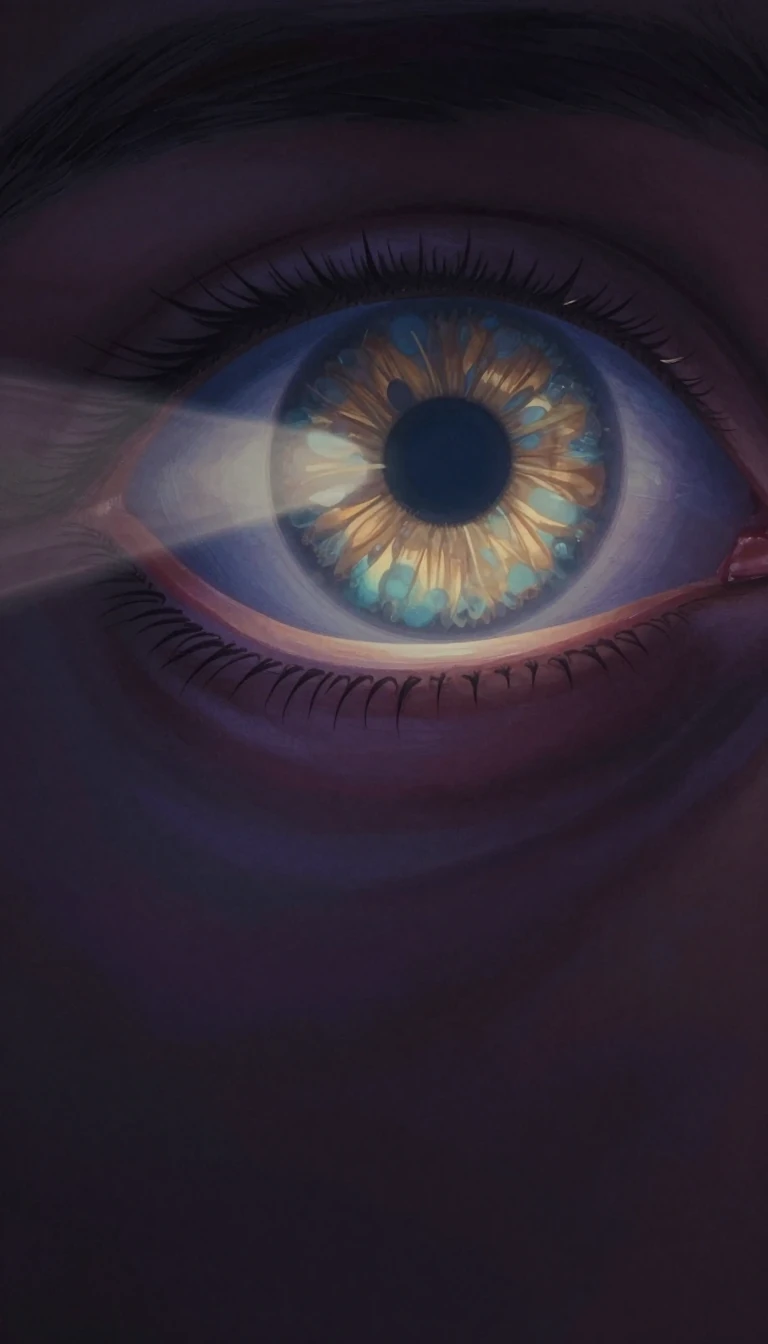 Karl Bryullov: The Russian Romantic who captured the tragic fate of human massesKarl Bryullov was a titan of 19th-century Russian art, bridging the gap between classical tradition and a new, psychologically complex Romanticism. His masterpiece, The Last Day o…
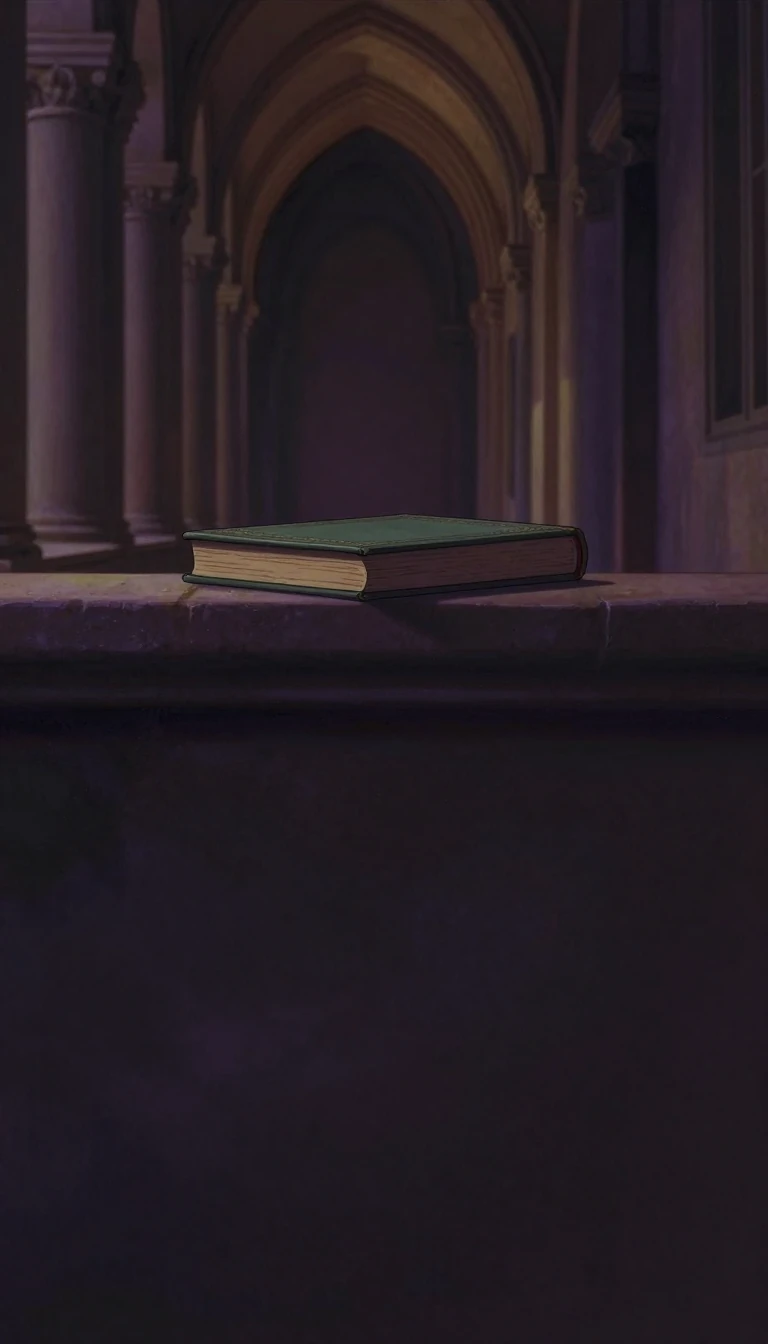 How one man’s vision transformed Berlin from a provincial town into a neoclassical capitalKarl Friedrich Schinkel was a polymath who defined the Prussian aesthetic. From designing the iconic Iron Cross to pioneering modern architectural schools, he navigated the transi…
- Why a 19th-century Japanese painter was known as the Painting DemonKawanabe Kyōsai witnessed Japan’s transformation from a feudal society to a modern state, documenting the chaos through biting satire and wild, energetic art. Arrested multiple ti…
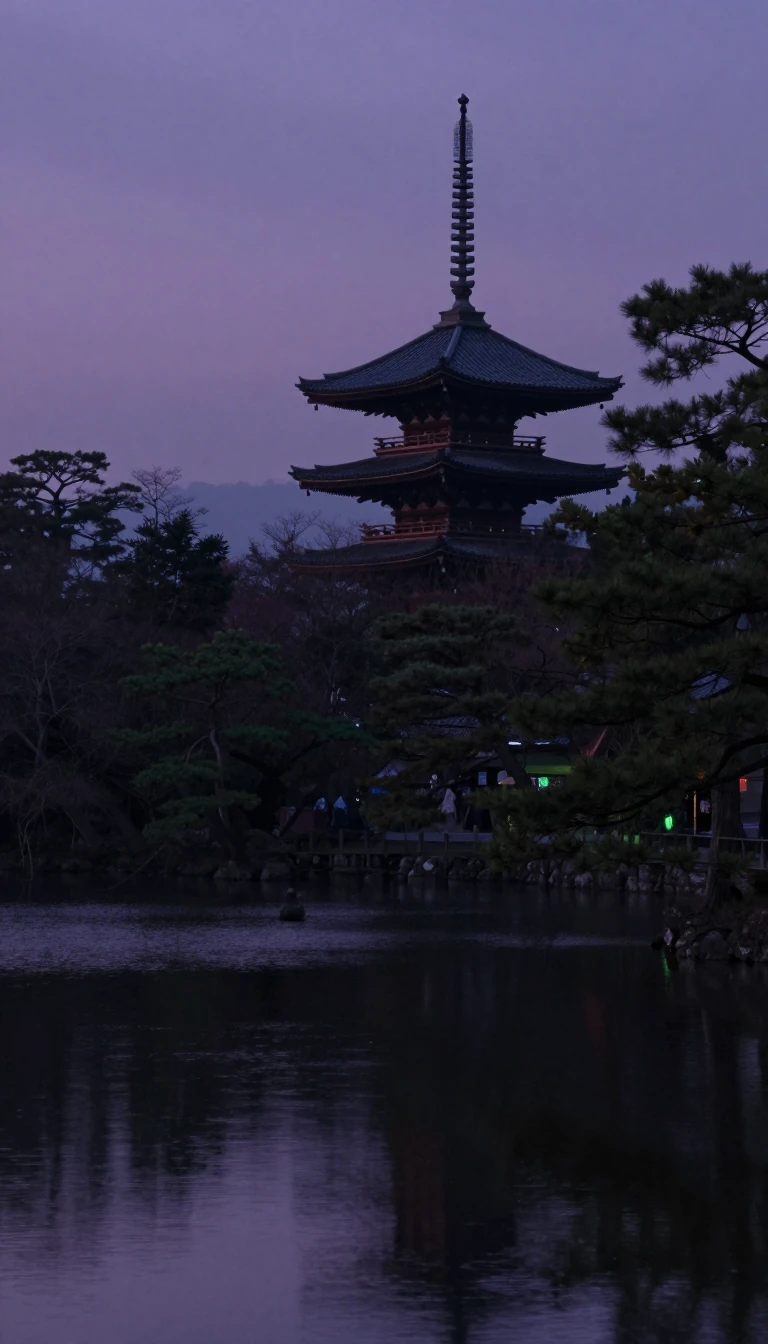 How Kenzō Tange bridged the divide between Japanese tradition and global modernismKenzō Tange was the architect who defined Japan’s postwar identity. By synthesizing ancient structural aesthetics with bold, modern engineering, he transformed the ruins of Hirosh…
 How a disgraced scholar transformed Korean calligraphy through exile and the bitter coldKim Chŏnghŭi was a titan of late Joseon period scholarship, yet his most iconic work emerged from the isolation of political exile. By studying ancient inscriptions and embracing …
 How a Joseon Dynasty master brought Western perspective to traditional Korean artKim Hongdo, known as Tanwŏn, transformed Korean painting by blending local traditions with innovative Western techniques. While he rose to fame capturing the lives of ordinary peo…
 Lúcio Costa designed a capital city that was born with an adult skeleton.Lúcio Costa was a visionary architect who transformed Brazil by planning Brasília, a city built in just four years to serve as a modern, unified capital. His radical urban design,…