 Intellect Plus
Visual artists
833 cards. Each one is a 40-second story with a five-minute read behind it. Page 3 of 14.
 The United States Merchant Marine is the backbone of global commerce and national security.Beyond the romantic image of seafaring adventure, the U.S. Merchant Marine functions as a vital, complex network of private vessels and civilian crews. These mariners keep the nat…
 Is Valencian a distinct language or a dialect of Catalan? The debate is political.Valencian is a Romance language spoken by roughly 9 million people in eastern Spain. While linguists and the Valencian Academy of Language classify it as a dialect group of Catala…
 How Microsoft’s Visual Studio acts as a modular engine for building complex softwareVisual Studio is not a monolithic program but a highly extensible environment built on a modular service architecture. By leveraging VSPackages, it allows developers to integrate …
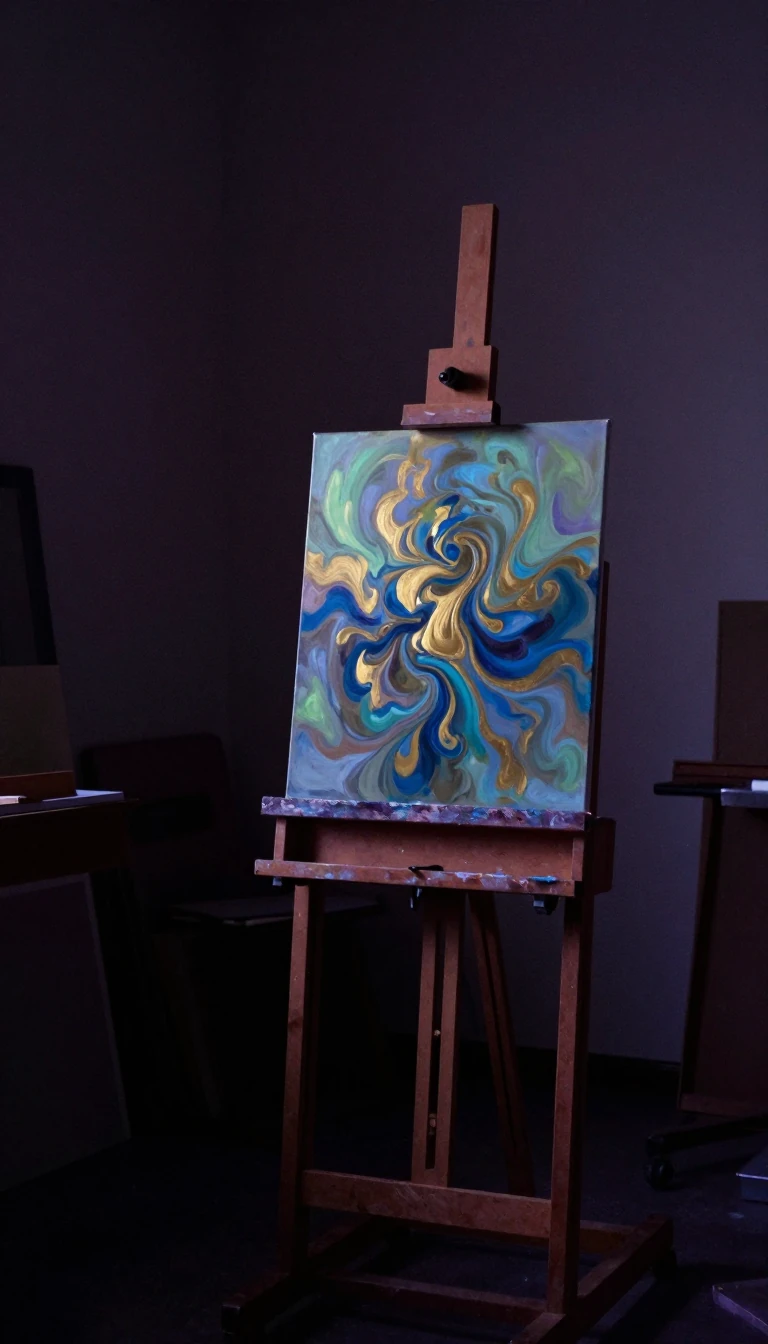 Zelda Fitzgerald was more than a Jazz Age icon; she was a prolific, struggling artist.Known as the first American flapper and the wife of F. Scott Fitzgerald, Zelda Fitzgerald lived a life defined by public excess and private turmoil. Beyond the headlines of the 19…
 How Abanindranath Tagore used art to redefine India's national identity against colonial influence.Abanindranath Tagore, a pivotal figure in modern Indian art, rejected Western materialism to forge a nationalistic style. By blending Mughal, Rajput, and East Asian traditions, he…
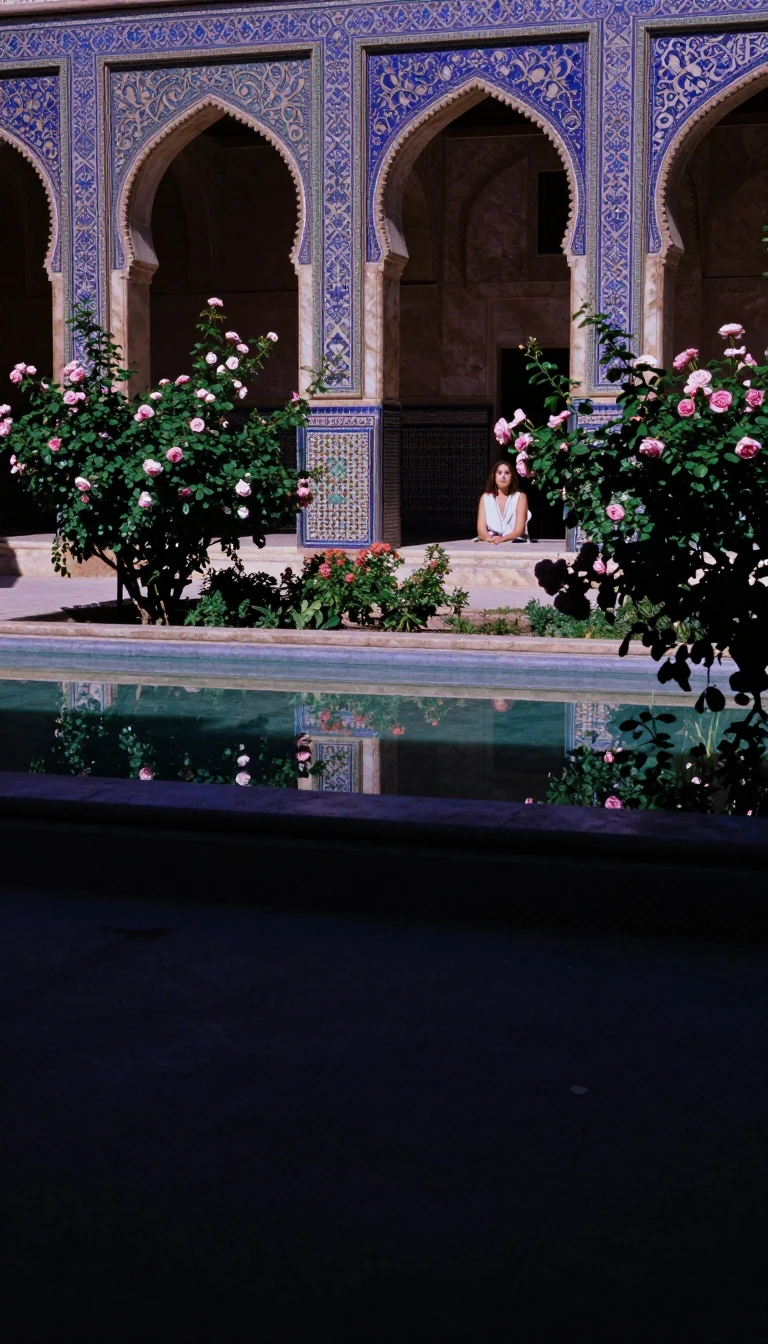 Did a Persian master reinvent himself to become the architect of Mughal painting?Abd al-Samad, a 16th-century Persian miniaturist, transformed the Mughal imperial workshop into a powerhouse of artistic synthesis. Some scholars argue he was actually the elusive…
 Adolf Loos: The Architect Who Declared Ornament a Crime Against Modern CultureAdolf Loos was a polarizing pioneer of modern architecture who famously equated ornamentation with criminality. While his contemporaries embraced lavish decoration, Loos champione…
 Adolph von Menzel: The Four-Foot-Six Giant Who Redefined Nineteenth-Century German RealismStanding only four feet six inches tall, Adolph von Menzel became the most successful German artist of his era. A master of historical detail and unsparing observation, he navigat…
 Adrian Frutiger shaped the modern world through the silent architecture of our daily reading.From airport signage to the fonts on your computer, Adrian Frutiger’s work is everywhere. A master of the sans-serif, he spent decades bridging the gap between hot metal, phototyp…
 How a Chinese Artist Turned Porcelain Seeds Into a Metaphor for a NationAi Weiwei is a multifaceted creator whose work spans sculpture, architecture, and digital activism. From transforming ancient artifacts to mobilizing online investigations into go…
- How Akira Toriyama’s quest for efficiency created the world’s most iconic martial arts manga.Akira Toriyama, the legendary creator of Dragon Ball, often prioritized convenience over complexity. By intentionally simplifying his art style—using bold colors and destroying sc…
 How a factory draftsman transformed a simple childhood craft into a global living artAkira Yoshizawa spent decades in poverty, selling condiments door-to-door, while perfecting a revolutionary approach to paper folding. By introducing a universal system of notatio…
 How one artist defined a nation’s soul through the lens of ancient folkloreAkseli Gallen-Kallela transformed Finnish identity by weaving national myths into a distinct visual language. From a wilderness studio in the Finnish woods to the vibrant landscap…
 The accidental cartoonist who drew the world's most famous Gaulish villageBorn with twelve fingers and colorblind, Albert Uderzo never intended to become a professional artist. He originally dreamed of being a clown or an aircraft engineer. Yet, his col…
 Alessandro Algardi: The Baroque Sculptor Who Challenged Bernini’s Theatrical Dominance in RomeWhile Gian Lorenzo Bernini defined the theatrical intensity of the Roman Baroque, his rival Alessandro Algardi offered a quieter, more restrained alternative. A master of surface …
 How Alexander Rodchenko used a ruler and compass to redefine Soviet visual cultureAlexander Rodchenko was a central figure of the Russian Constructivist movement, shifting from geometric painting to revolutionary photography and graphic design. By rejecting tra…
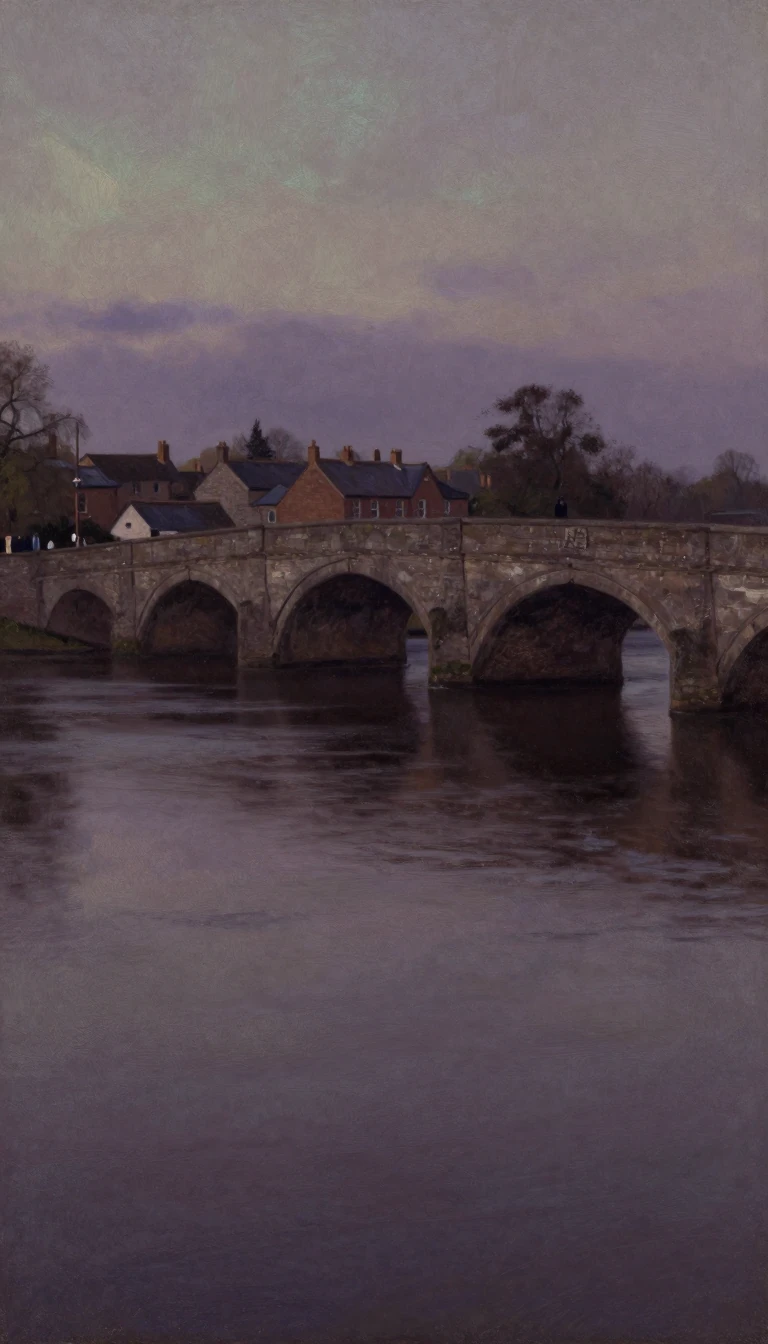 The Academic Titan who defined the aesthetic of the French Second EmpireAlexandre Cabanel was the quintessential painter of the French Second Empire, favored by Napoleon III and celebrated for his polished, classical style. While modern critics and im…
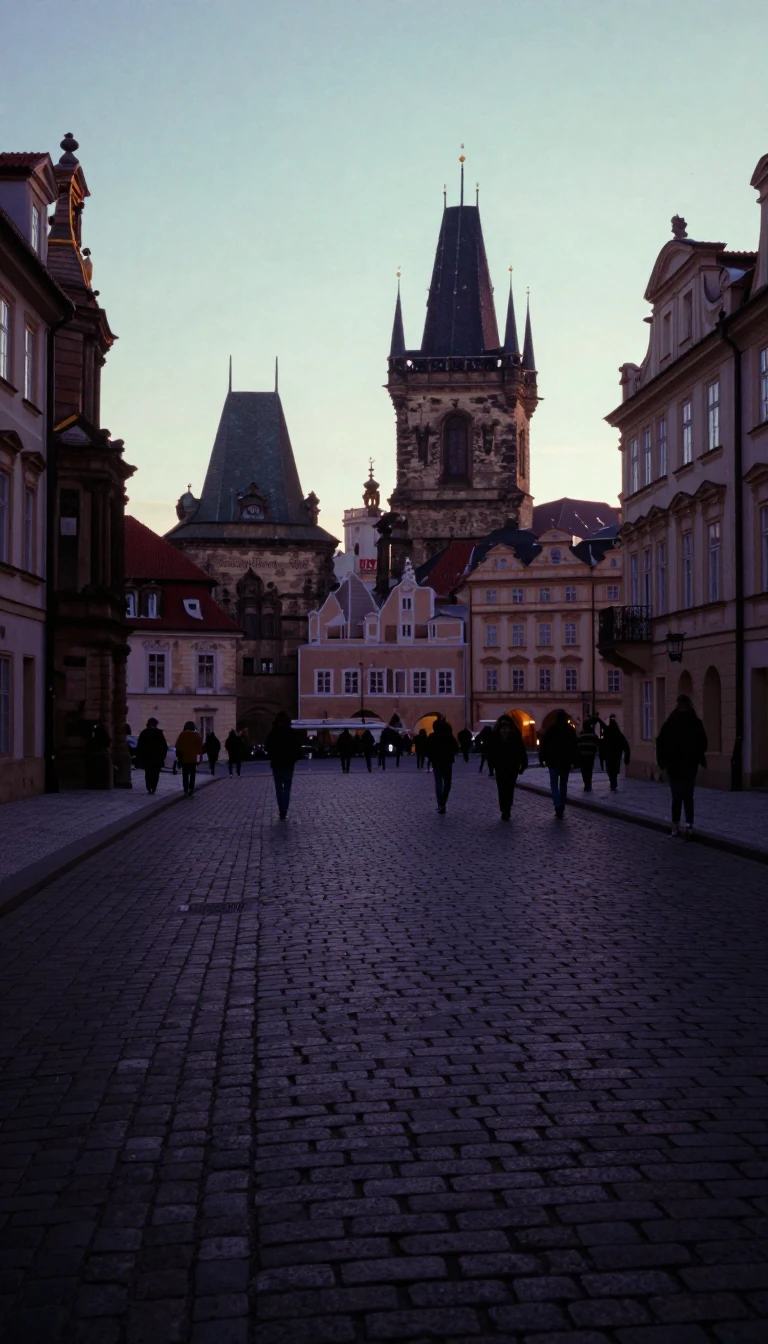 Alexei Shchusev: The Architect Who Served Both the Romanovs and the Soviet StateAlexei Shchusev was a rare architectural chameleon, successfully navigating the Romanov era, the rise of Constructivism, and the rigid demands of Stalinist monumentalism. From des…
 How a Soviet computer engineer turned a childhood puzzle into a global phenomenonIn 1985, Alexey Pajitnov was testing new equipment at a Soviet research center when he decided to build a game. Inspired by pentominoes, he created Tetris, a digital puzzle that b…
- A seventeenth-century Persian masterpiece captures the chaotic, lived reality of the royal stables.In the late 1600s, artist Aliquli Jabbadar moved away from idealized courtly figures, choosing instead to document the raw, anecdotal energy of daily life in Isfahan. His painting…
 Why Allan Kaprow Abandoned Traditional Painting to Build Art Out of Jelly and IceAllan Kaprow transformed the art world by rejecting the passive gallery experience. He invented the Happening, a genre where scripted performance and audience participation blurre…
 How Alvin Langdon Coburn used a kaleidoscope to fracture reality into abstract artLong before digital filters, Alvin Langdon Coburn shattered the photographic lens to create the world's first nonobjective images. By aligning his camera with the avant-garde Vort…
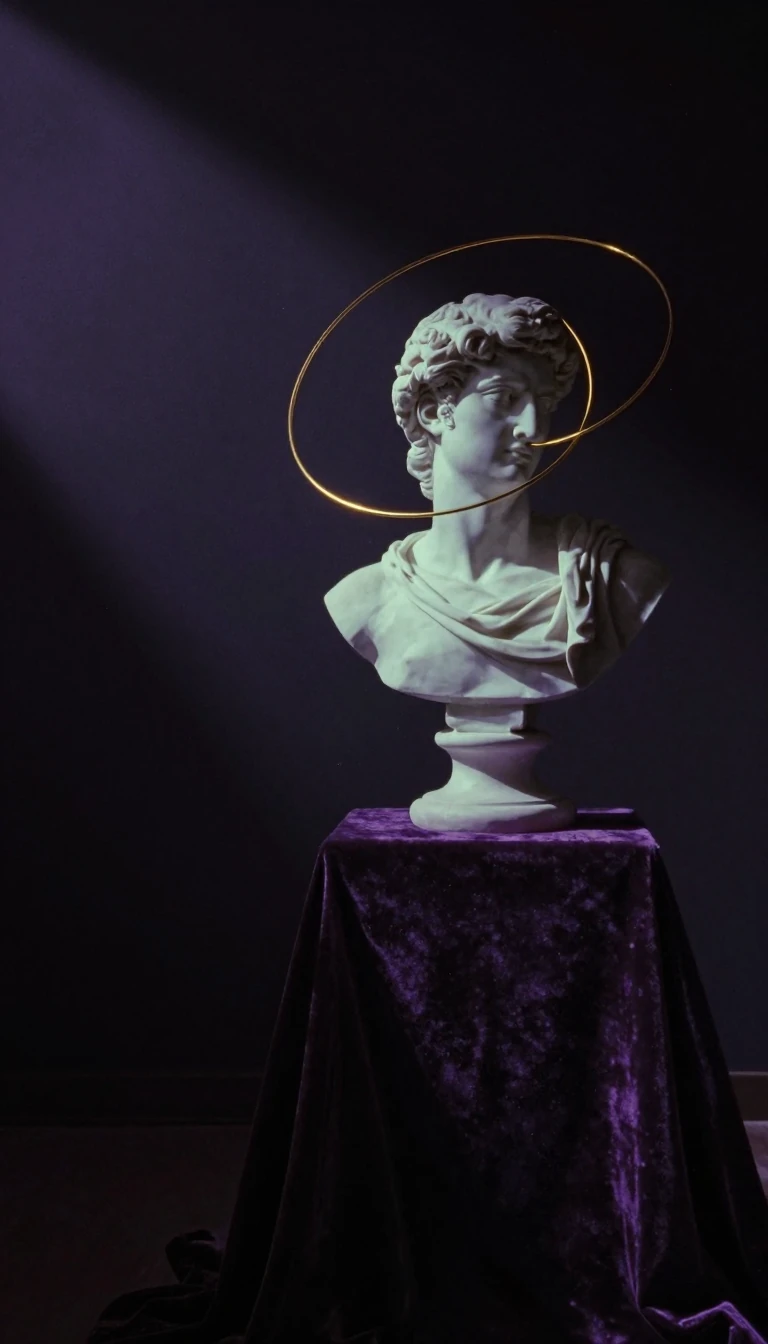 Did this medieval painter anticipate the Renaissance with his revolutionary approach to space?Ambrogio Lorenzetti was a towering figure of the Sienese School whose work pushed the boundaries of medieval art. By experimenting with perspective and naturalism long before the …
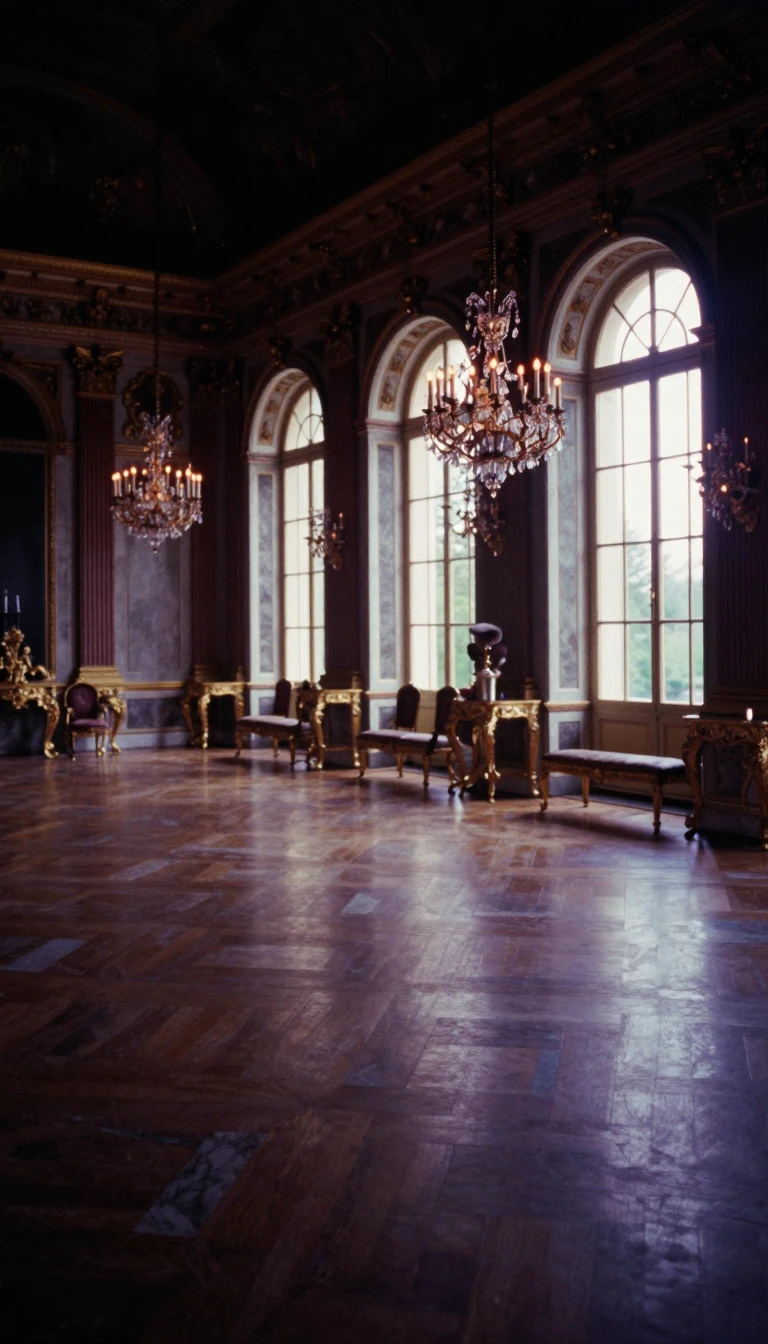 How a royal cabinetmaker turned furniture into a canvas for brass and tortoiseshell.André-Charles Boulle was the preeminent French cabinetmaker whose signature inlay technique defined an era of luxury. By mastering the intricate art of marquetry using exotic mate…
 Why did critics call André Derain a wild beast of the art world?In 1905, André Derain and his peers shocked Paris with paintings of pure, aggressive color. Critics dubbed them fauves, or wild beasts, for their rejection of traditional space. Y…
 André Kertész transformed the camera into an instrument of lyrical, geometric precision.Before street photography became a defined genre, André Kertész was already mastering the art of the candid moment. By blending spontaneous human activity with a rigorous, abstrac…
 André Le Nôtre transformed nature into a grand theater of French royal powerAs the principal gardener to Louis XIV, André Le Nôtre redefined the landscape. By mastering symmetry and forced perspective, he turned gardens into extensions of the palace itsel…
 Was the Renaissance master Andrea del Sarto truly the faultless painter history forgot?Known in his lifetime as Andrea senza errori, or the painter without errors, Andrea del Sarto was a giant of the Florentine High Renaissance. Yet, his legacy was quickly eclipsed …
- Why is the master who taught Leonardo da Vinci so difficult to identify today?Andrea del Verrocchio was the preeminent Florentine sculptor of his era and the mentor to legends like Leonardo da Vinci. Yet, his own artistic output remains a puzzle. Because he…
 Andrea Mantegna was the first northern Italian artist to fully embrace the Renaissance spirit.Born in 1431, Andrea Mantegna transformed painting through rigorous archaeological study and radical perspective. By treating the canvas as an extension of the viewer's own realit…
- How a goldsmith-turned-sculptor defined the aesthetic of 14th-century FlorenceAndrea Pisano was a pivotal figure in Italian art, bridging the gap between traditional Byzantine styles and the emerging Renaissance. Best known for his monumental bronze doors a…
- Was Andrew Wyeth a realist painter or a secret abstractionist hiding in plain sight?Though celebrated as a quintessential American realist, Andrew Wyeth insisted he was an abstractionist at heart. By stripping away figures and focusing on the interplay of light a…
 Angel De Cora: The Ho-Chunk artist who bridged two worlds through her brushAngel De Cora was a pioneering Native American painter and illustrator who navigated the tension between traditional Indigenous identity and Western art education. Once celebrated…
 The first book ever illustrated with photographs was a collection of British seaweed.In 1843, Anna Atkins self-published a botanical masterpiece using a revolutionary, low-cost printing technique. By placing dried algae directly onto light-sensitive paper, she cre…
- How Annibale Carracci revived the High Renaissance to birth the dramatic Baroque eraAnnibale Carracci was the most gifted of a legendary family of painters. By blending the linear precision of Raphael with the vibrant, atmospheric colors of the Venetian school, h…
- Anselm Kiefer uses lead, ash, and straw to confront the darkest chapters of history.Anselm Kiefer is a German artist who transforms raw, alchemical materials into monumental art. By integrating lead, straw, and ash, he explores the trauma of the Holocaust and the…
 How Anthony van Dyck Transformed the Aristocratic Portrait into a Masterclass of RefinementBefore he became the definitive court painter of 17th-century England, Anthony van Dyck was a precocious prodigy in Antwerp. By mastering the art of the gaze and the elegance of t…
- How Antoine Bourdelle bridged the gap between Rodin’s realism and modern sculptural abstractionAntoine Bourdelle transformed early 20th-century sculpture by rejecting the conservative traditions of his era. Once a devoted student of Auguste Rodin, he evolved from rugged rea…
- The painter who immortalized Napoleon but died haunted by his own artistic failuresAntoine-Jean Gros defined the visual legacy of Napoleon, capturing the drama of his military campaigns with unmatched intensity. Yet, this master of Romantic vitality spent his fi…
 How Antonio Canova Turned Cold Marble Into Warm, Supple Human FleshAntonio Canova, the preeminent sculptor of the Neoclassical era, possessed a legendary ability to make hard stone appear like living skin. By obsessively refining surfaces with hi…
- Why the greatest painter of ancient Greece left no surviving works behindApelles was the legendary court painter to Alexander the Great, yet not a single one of his original works survives today. Known for his grace and daily discipline, he became a my…
 Did the architect who defined Roman grandeur die for insulting an emperor?Apollodorus of Damascus was the mastermind behind Trajan’s most iconic Roman monuments. A brilliant engineer from Syria, he introduced Eastern innovations like the dome to the hea…
 Arata Isozaki: The Architect Who Built Upon the Void of Destroyed CitiesArata Isozaki designed over 100 buildings across six decades, yet he famously refused to be defined by any single style. Shaped by the devastation of postwar Japan, he viewed arch…
- Why this French sculptor rejected the emotional intensity of his famous contemporary, Auguste Rodin.Aristide Maillol turned away from the exaggerated dynamism of late 19th-century art to embrace a serene, classical stability. By focusing on the essential form of the female body,…
 Why did one of the world's most famous designers hate being called a designer?Arne Jacobsen, the Danish visionary behind iconic chairs like the Egg and the Ant, famously rejected the title of designer. To him, architecture was the primary discipline, and ev…
- How did the official sculptor of the Third Reich thrive in postwar West Germany?Arno Breker was Hitler’s chosen artist, creating the muscular, neoclassical statues that defined Nazi aesthetics. Yet, after the war, he avoided disgrace and continued a successfu…
- Why did the most influential painter of the 19th century become a forgotten ghost?Arnold Böcklin was once a titan of European art, inspiring composers like Rachmaninoff and Surrealists like Dalí with his haunting, mythological dreamscapes. Yet, by the mid-20th …
- How August Macke synthesized the avant-garde movements of early twentieth-century EuropeAugust Macke was a central figure in German Expressionism, yet he resisted the movement's often violent tendencies. By blending French color theory with his own distinct sensibili…
- How a shoemaker's son became the sculptor who defined the American Gilded AgeAugustus Saint-Gaudens transformed American public art by replacing stiff, bombastic statues with naturalistic, emotive figures. From iconic Civil War monuments to the most beauti…
 How Balkrishna Doshi brought modernist architecture to life for India’s growing urban populationBalkrishna Doshi was the first Indian architect to win the Pritzker Prize, yet his legacy lies in how he adapted Western modernism to the needs of his homeland. Over seven decades…
- How a military engineer transformed stone into light, airy Baroque masterpiecesBalthasar Neumann began his career as a bell-founder and military engineer, yet he became the foremost master of late Baroque architecture. By manipulating space, light, and struc…
 How Barbara Kruger turned the visual language of advertising against itself to expose powerBarbara Kruger is a master of subversion, using the slick, authoritative aesthetic of mid-century advertising to dismantle cultural assumptions. By pairing found photographs with …
- How a Sevillian painter became the first Spanish artist to achieve widespread European fame.Bartolomé Esteban Murillo was the most popular religious painter of 17th-century Spain, yet his legacy extends far beyond the altar. By blending intense spiritual realism with the…
 How a Nigerian master redefined modern art by bridging indigenous roots and European trainingBen Enwonwu was a transformative figure in 20th-century art, pioneering a path for modern African expression. By blending his Igbo heritage with formal Western education, he chall…
 How a British immigrant defined the visual identity of the young United StatesBenjamin Henry Latrobe did more than design buildings; he established architecture as a formal profession in America. By blending bold geometric forms with classical Greek influen…
- Benvenuto Cellini: The Renaissance goldsmith who lived by the sword and the chiselBenvenuto Cellini was a master goldsmith and sculptor whose life was as dramatic as his art. From casting iconic bronze masterpieces to engaging in street brawls and claiming to c…
- The Danish sculptor who became a Roman hero and a global religious icon.Bertel Thorvaldsen rose from a humble Copenhagen shipyard to become the preeminent neoclassical sculptor of the 19th century. Though he spent decades in Rome, his influence spans …
- Why was a foundational Impressionist painter overlooked for nearly a century?Berthe Morisot was a core member of the Impressionist movement, yet her legacy remained obscured until the 1970s. While contemporaries like Monet and Degas achieved early fame, Mo…
 Was the creator of Batman actually a master of the art of delegation?Bob Kane is traditionally credited as the creator of Batman, yet his career reveals a complex web of ghost artists and collaborators. While he held the official contract and credi…
- How Bridget Riley turned the science of sight into a global art movementBridget Riley transformed the art world by calculating intricate geometric patterns to trigger illusions of movement and topography. Central to the 1960s Op art movement, her work…