 Intellect Plus
Visual arts
680 cards. Each one is a 40-second story with a five-minute read behind it. Page 5 of 12.
 Indigenous Australian art is the world's oldest continuing culture, spanning over 65,000 years of creation.For tens of thousands of years, Indigenous Australians have transformed rock faces, bark, and even the human body into profound expressions of identity and law. Far from mere deco…
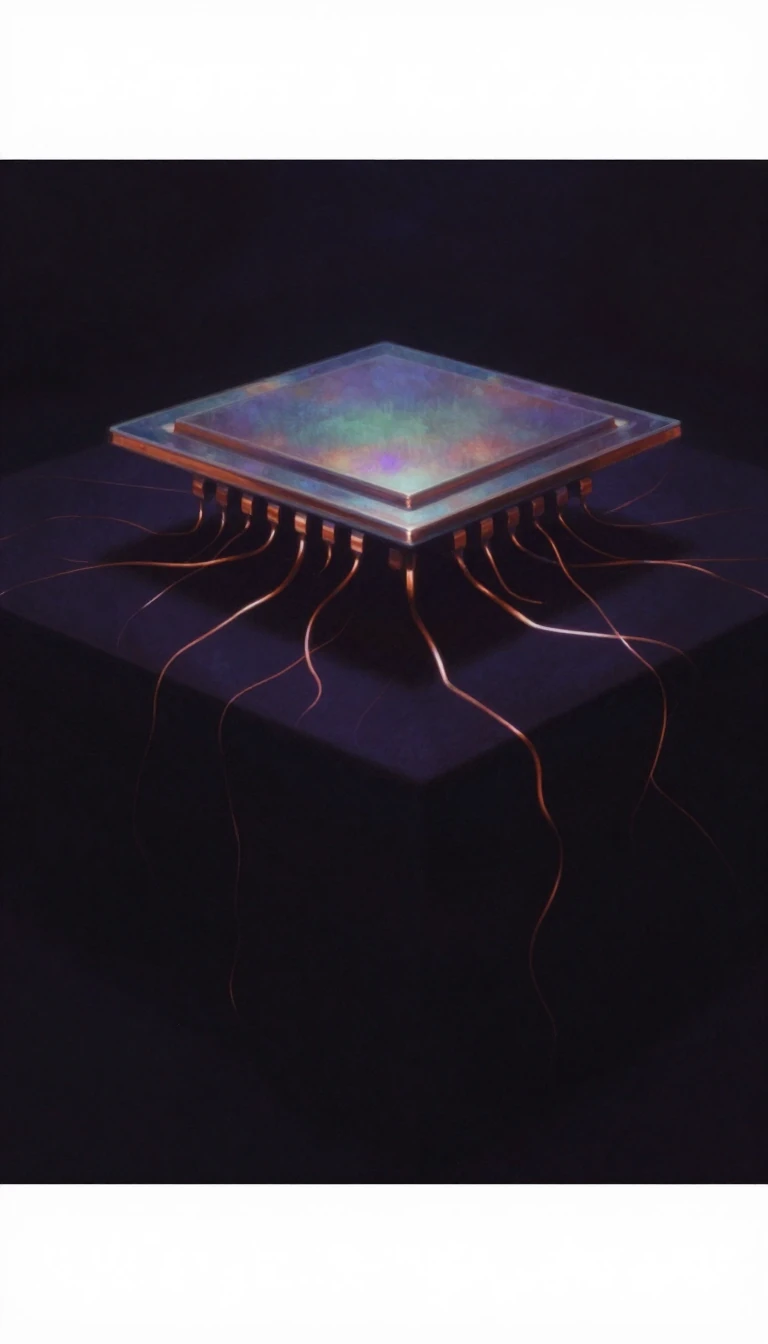 Information design is not just pretty pictures; it is the architecture of human understanding.Information design transforms raw data into a narrative that audiences can actually grasp. By mastering principles of hierarchy, typography, and visual grammar, designers turn com…
 Why Chinese ink wash painting prioritizes the spirit of a subject over visual imitationInk wash painting is a demanding art form where a single brushstroke, once applied, cannot be erased. Emerging during the Tang dynasty, this monochrome tradition values the intern…
 Why installation art turns the viewer from a passive observer into a participantInstallation art abandons the pedestal, transforming entire rooms into immersive, sensory experiences. By placing you inside the work, these pieces dissolve the boundary between a…
 How a single photograph captured the harrowing reality of the D-Day Normandy landingsTaken at 7:40 a.m. on June 6, 1944, this iconic image shows soldiers of the 1st Infantry Division wading through waist-deep water toward Omaha Beach. It remains one of the most ev…
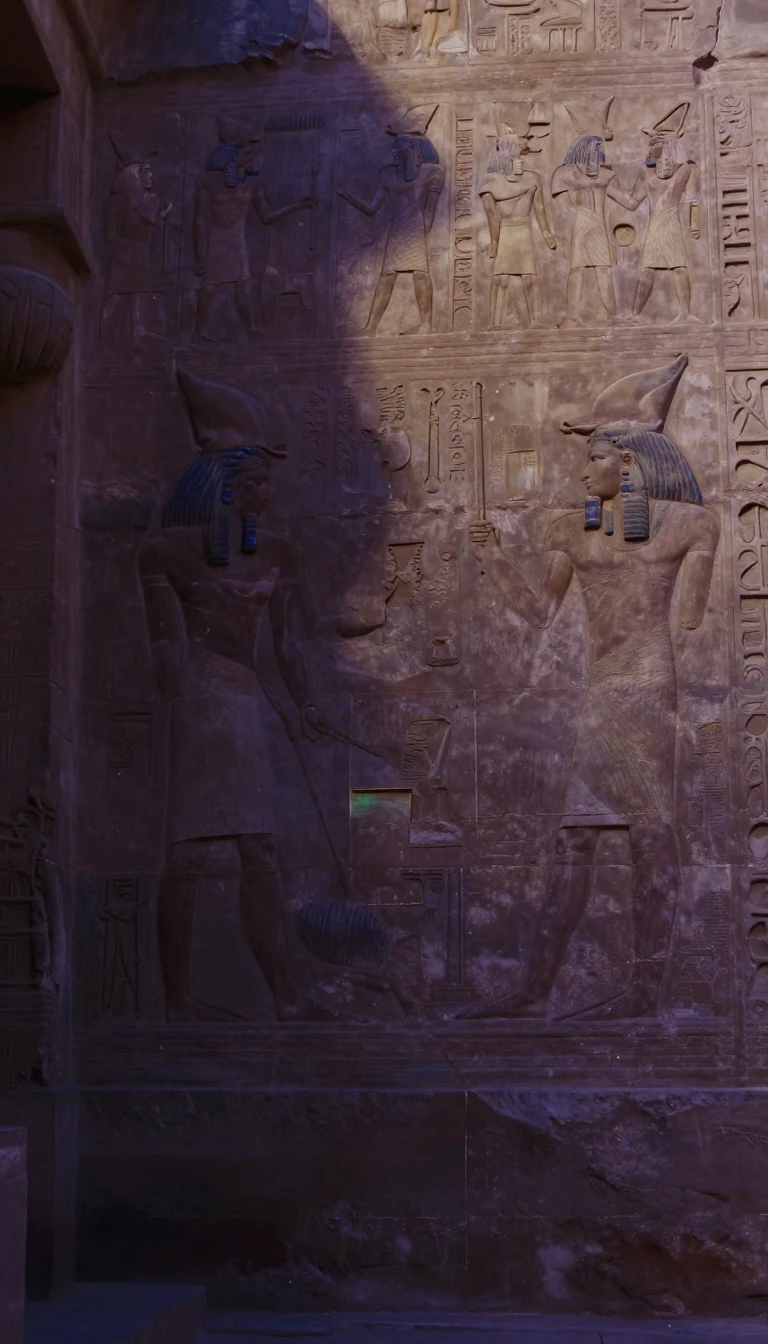 More than just writing, Islamic calligraphy is a sacred architecture of the soul.Far beyond simple penmanship, Islamic calligraphy is a highly structured art form where the written word serves as the primary iconographic pillar of a civilization. From the rigi…
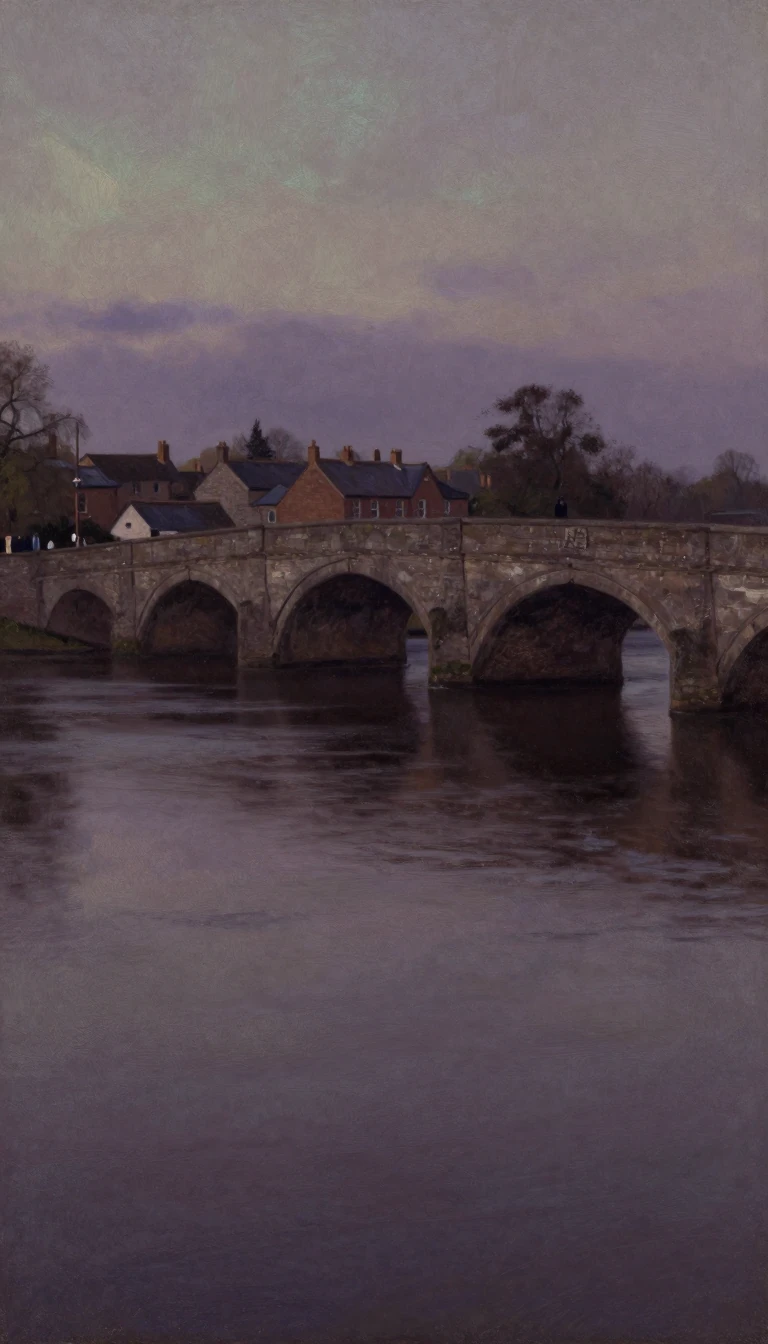 Why did a haunting, silent painting captivate everyone from Freud to Hitler?Arnold Böcklin’s Isle of the Dead is a masterpiece of stillness, depicting a mysterious boat approaching a desolate, cypress-filled islet. Though the artist left its meaning ambig…
 How a stolen photograph became an enduring symbol of the Holocaust's industrial-scale brutalityIn 1942, a German serviceman captured a chilling image of a mass execution in Ukraine. Intercepted by the Polish resistance and hidden for years, the photograph survived attempts …
 Why Japanese potters intentionally seek out imperfections and misshapen forms in their workIn Western art, a crack or a misshapen edge is often a flaw. In Japan, these accidental effects are celebrated. By prioritizing the impress of the human hand and the beauty of nat…
- Why ancient Japanese sculptors abandoned bronze for hollow-core lacquer and woodIn the eighth century, Japanese artisans pioneered sophisticated sculptural techniques to bypass material shortages and refine artistic expression. By mastering hollow-core lacque…
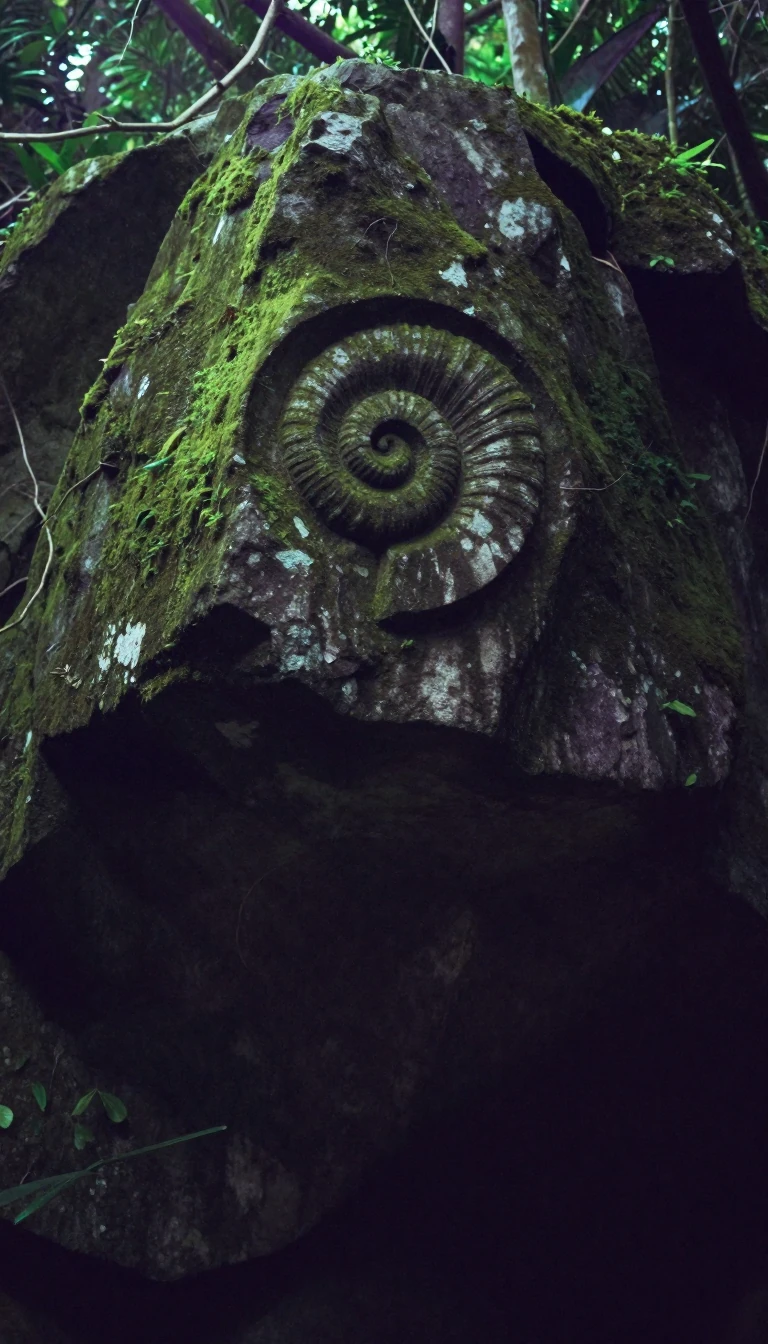 Beyond the Pattern: The Deep Cultural Significance of Ghana's Iconic Kente ClothKente is more than a vibrant textile; it is a complex language of symbols, proverbs, and history woven into silk and cotton. From its origins in Asante royal regalia to its global…
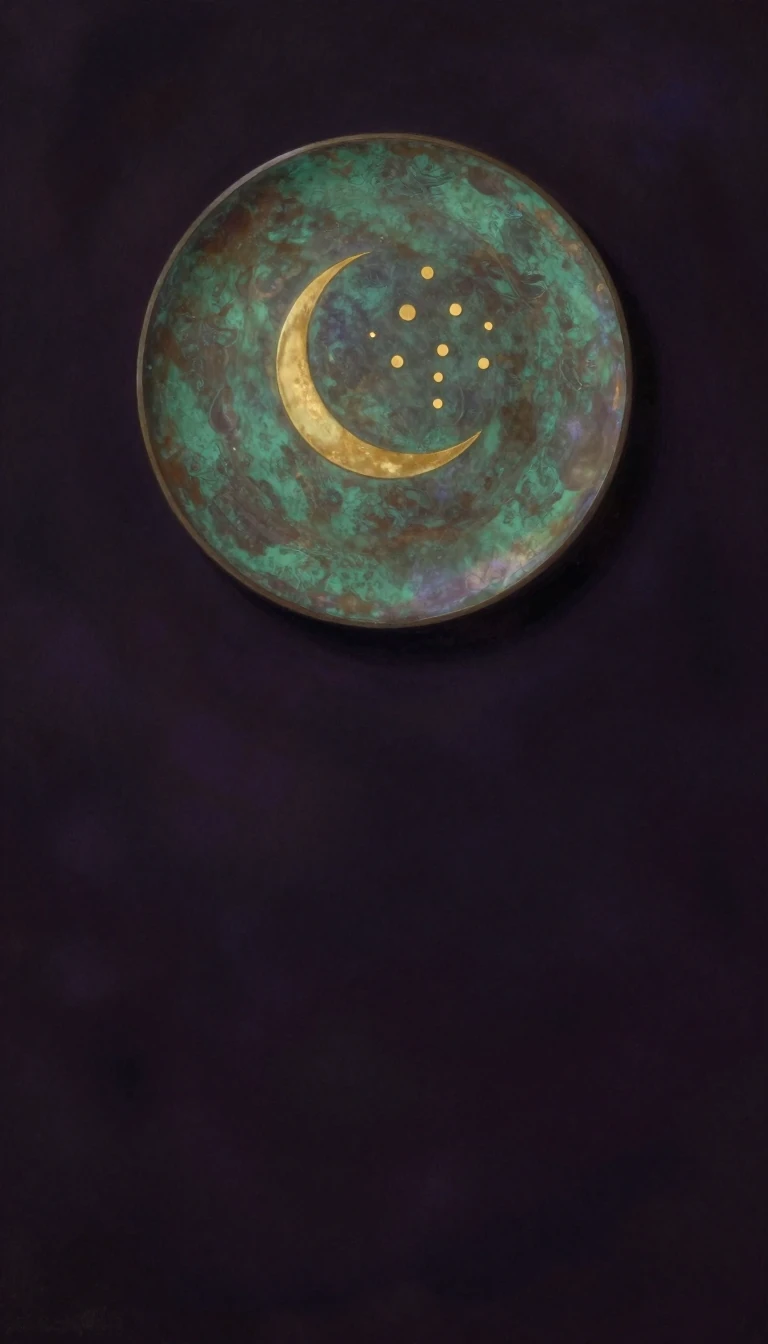 Kinetic art turns static objects into living, breathing, and self-destructing mechanical performersKinetic art is not just sculpture; it is a dynamic experience where movement is the medium. From motorized machines to wind-swept constructions, these works challenge the boundari…
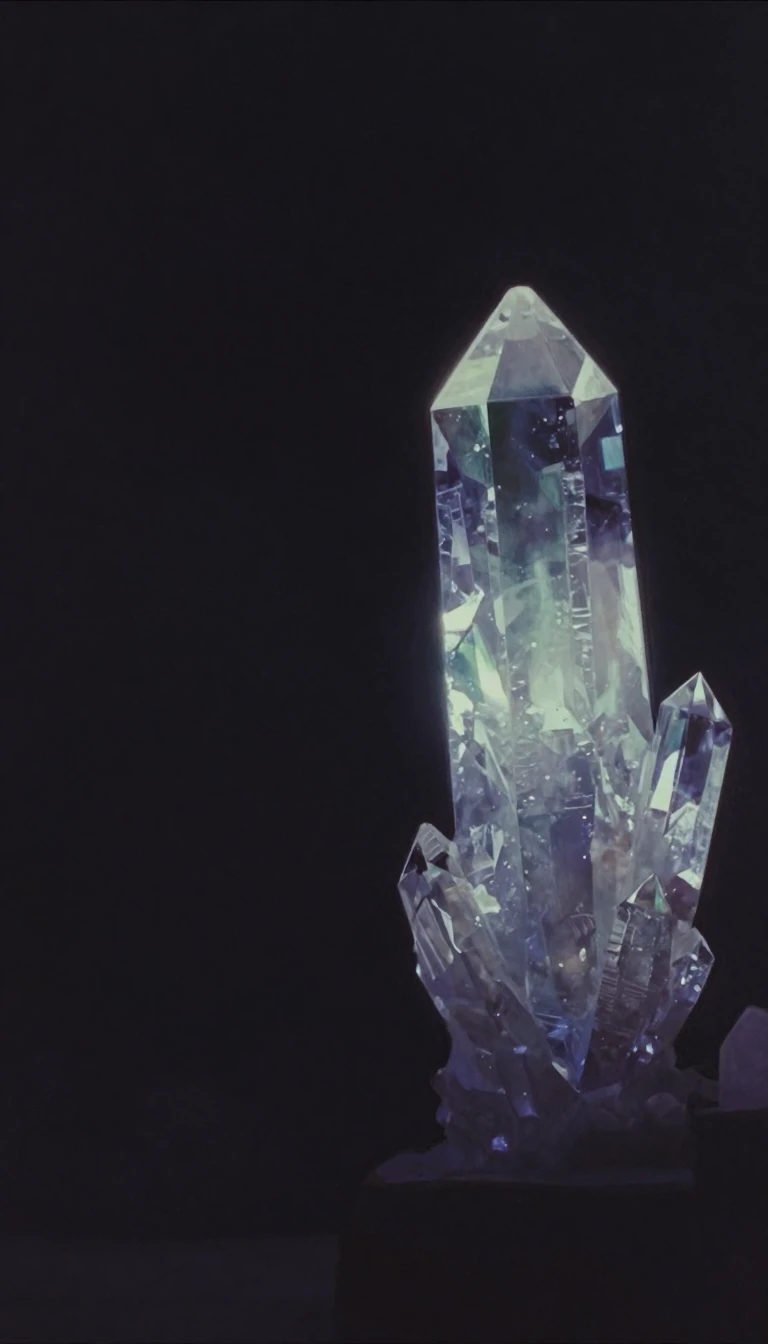 Is Albrecht Dürer’s iconic knight a symbol of Christian virtue or a doomed robber?Albrecht Dürer’s 1513 engraving, Knight, Death and the Devil, remains one of history’s most debated images. While many see a courageous Christian soldier steadfastly ignoring the …
 A single Soviet photograph became a global symbol of war, despite its uncertain origins.Kombat is one of the most iconic images of World War II, capturing a Soviet officer leading a desperate charge. Yet, the photographer Max Alpert never knew the man's name, and the…
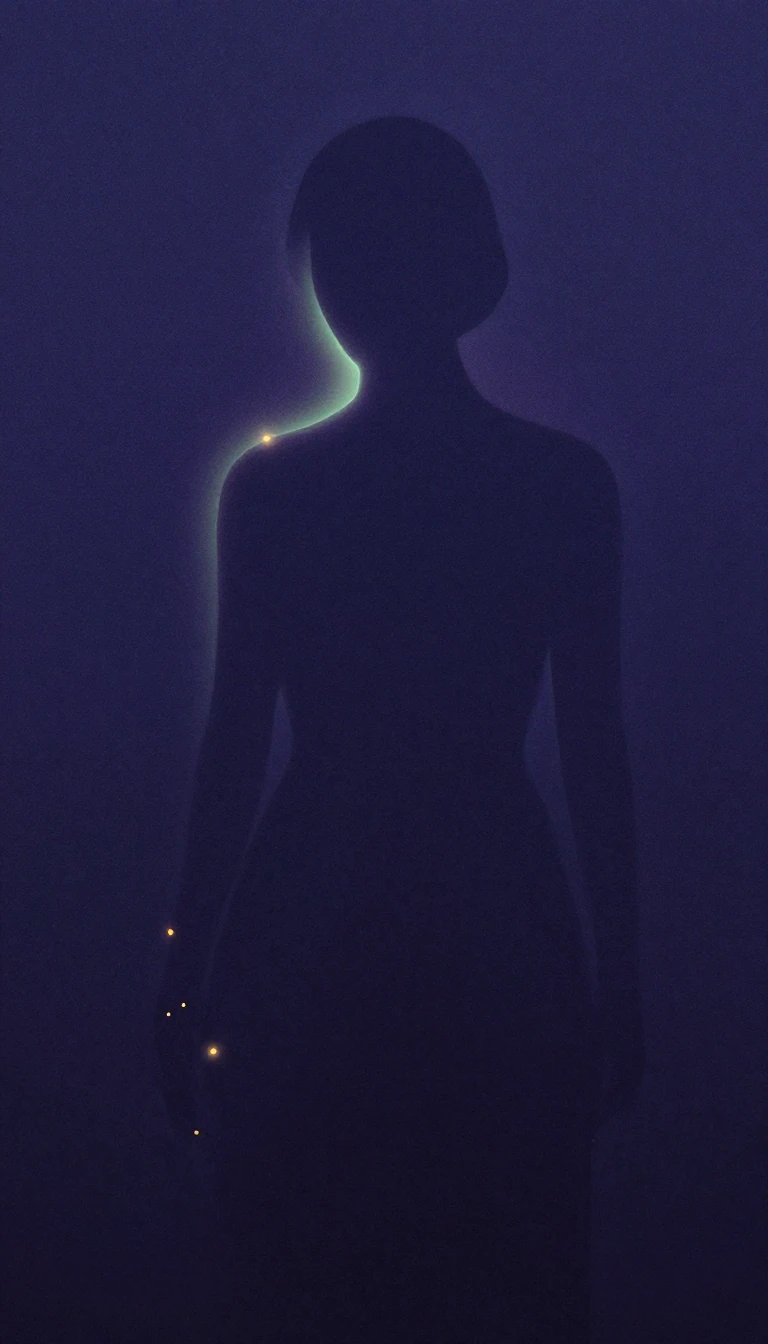 The smiling face of a Yugoslav revolutionary was actually a staged wartime art pieceKozarčanka, the iconic photograph of a smiling female Partisan, became a symbol of Yugoslav resistance. Yet, the woman behind the image, Milja Toroman, never carried a weapon and …
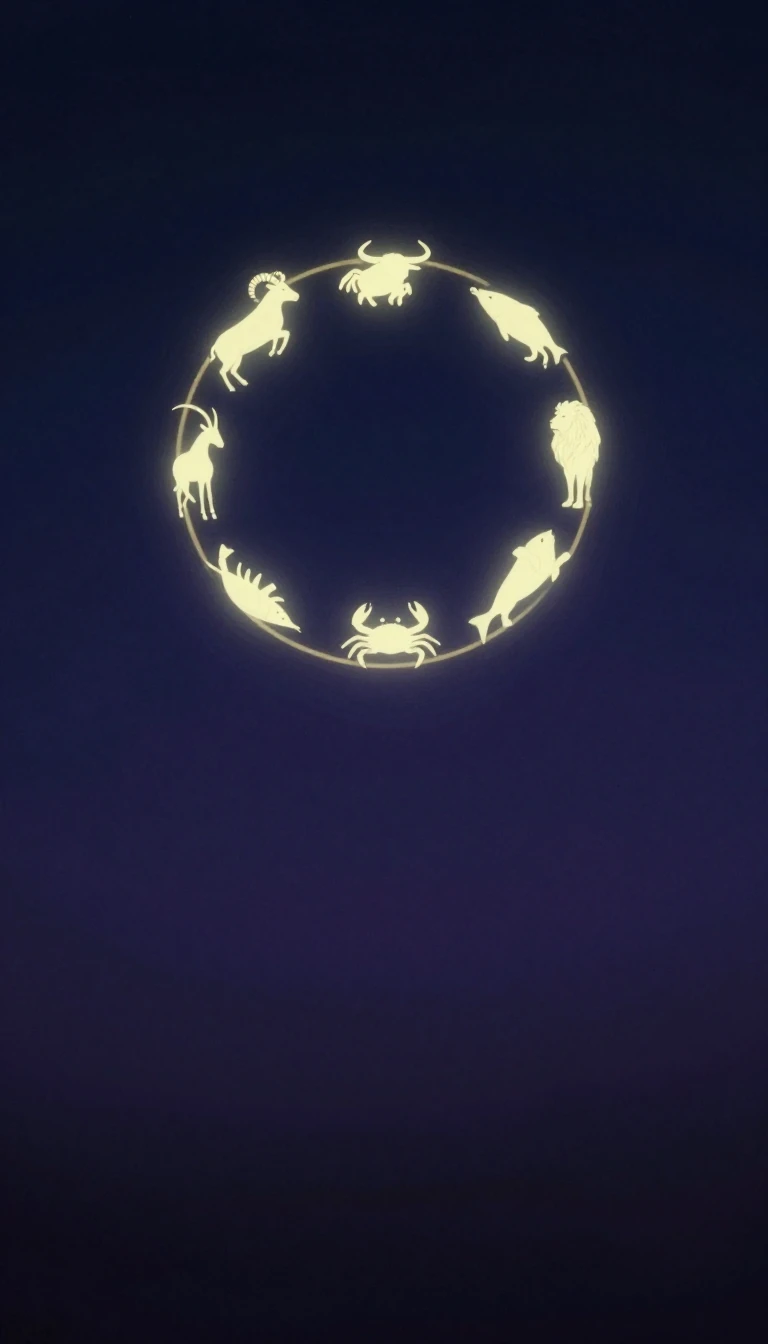 Can a biologist's obsession with symmetry redefine the boundaries between science and art?Ernst Haeckel’s Kunstformen der Natur transformed biological classification into a visual masterpiece. By capturing the intricate geometry of microorganisms and marine life, Haeck…
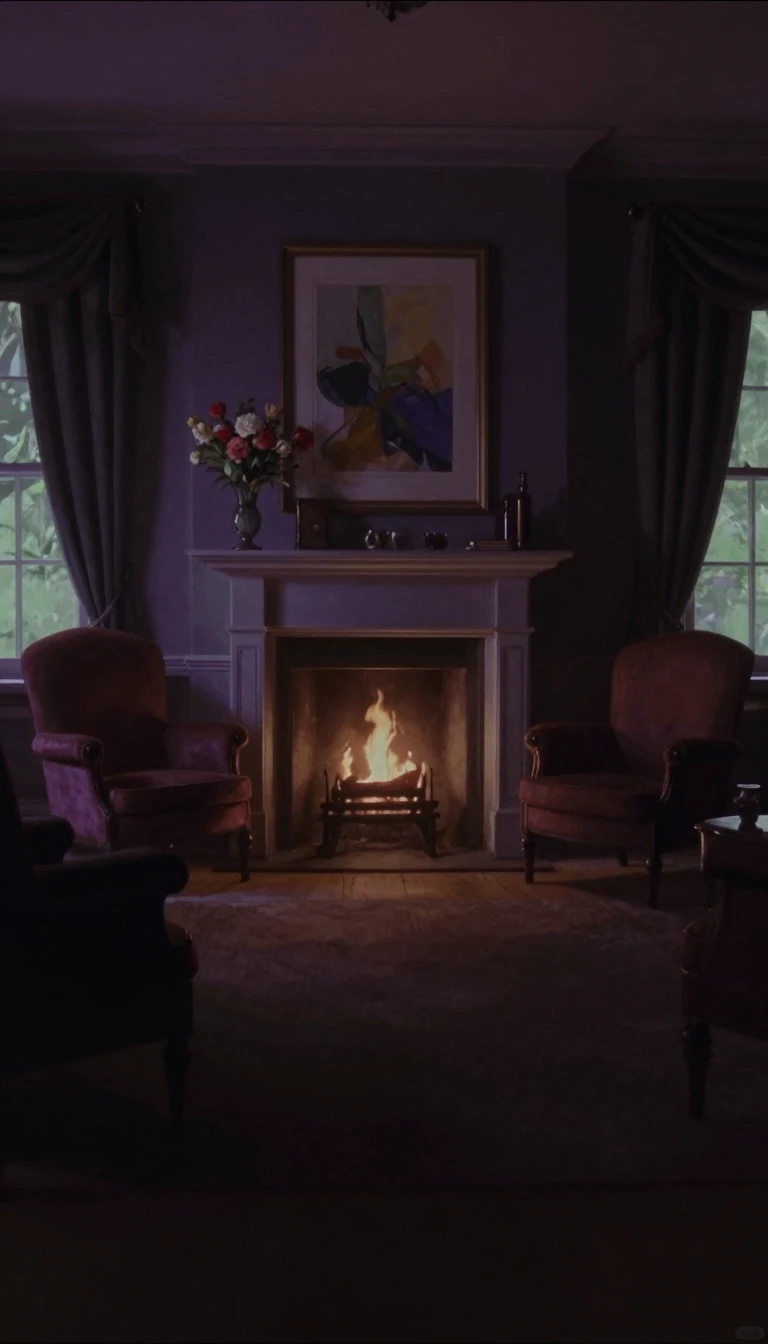 Why Victorian critics branded this masterpiece a disgusting blow to public moralityEdgar Degas painted a quiet, lonely scene in a Parisian café, but when it crossed the English Channel in 1893, it ignited a firestorm. Critics saw not art, but a moral catastrophe…
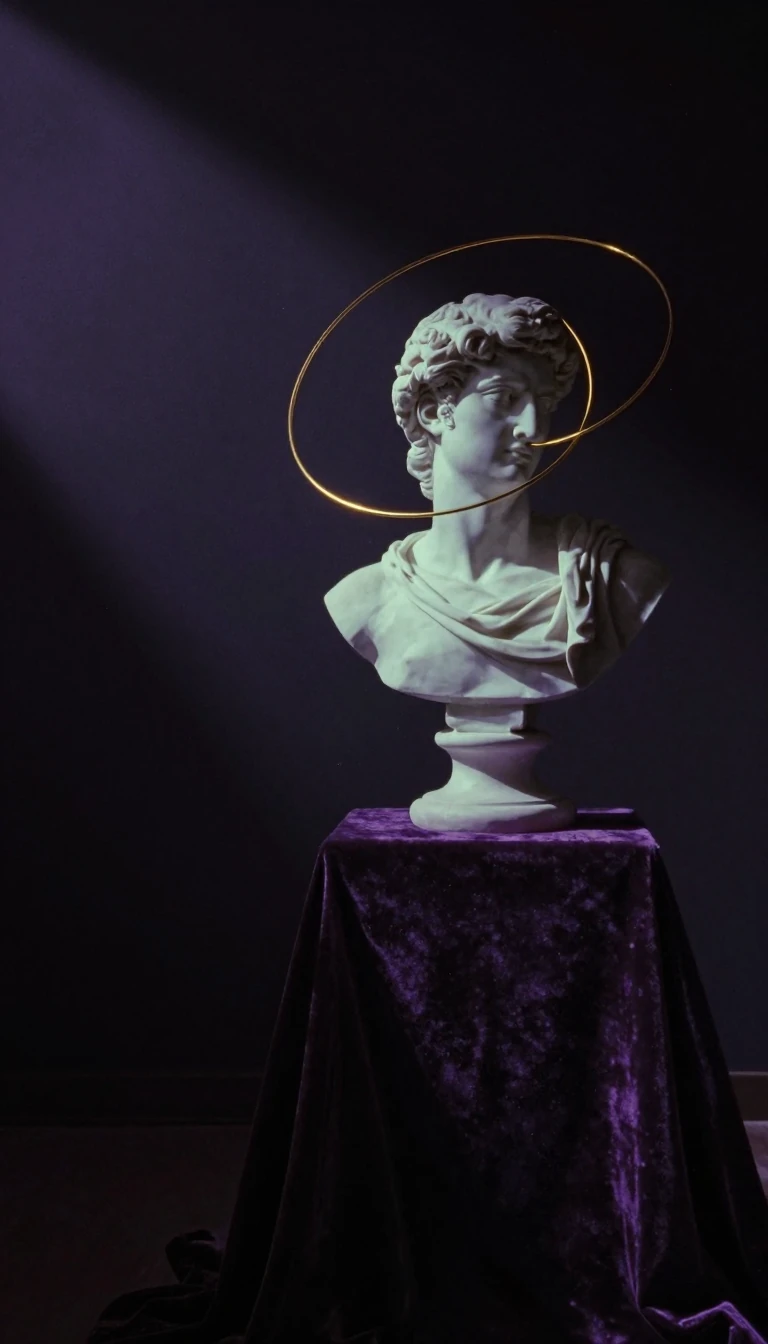 Why Alberto Giacometti’s lone bronze walker became a record-breaking icon of modern artIn 1961, Alberto Giacometti cast a life-size bronze figure of a man in mid-stride. Decades later, this humble, elongated sculpture transformed into a financial titan, shattering a…
 Leonardo da Vinci’s Lady with an Ermine is a masterclass in symbolic, living geometry.Painted on walnut wood around 1490, this portrait of Cecilia Gallerani captures the mistress of the Duke of Milan in a dynamic, spiraling pose. Far from a simple likeness, the pai…
 Why this Japanese National Treasure was once hidden in a humble curio shopSesshū’s Landscape is a masterpiece of the Muromachi period, yet its history is as winding as the path painted within it. After vanishing from public view for centuries, this ink …
 Landscape design is the art of balancing nature and culture within a single space.Landscape design is more than planting flowers; it is a sophisticated profession that bridges architecture and horticulture. By blending artistic composition with technical site a…
 Is the most celebrated work of Chinese calligraphy a masterpiece or a clever forgery?The Lantingji Xu is revered as the pinnacle of running-style calligraphy, yet not a single original stroke by its author, Wang Xizhi, survives. For centuries, scholars have debate…
 A 71-meter stone Buddha was carved into a cliff to calm turbulent river waters.Carved between 712 and 804 AD, the Leshan Giant Buddha is the world's tallest pre-modern statue. Beyond its sheer scale, this Tang dynasty masterpiece features a sophisticated, hi…
 A dying stone lion in Switzerland commemorates a bloody massacre of French royal guards.Carved directly into a sandstone cliff in Lucerne, the Lion Monument is a colossal, mournful tribute to the Swiss Guards killed during the 1792 French Revolution. Once described b…
- A 19th-century porcelain marvel that only reveals its hidden image when backlitA lithophane is a thin, translucent plaque that appears as a nondescript slab until light shines through it from behind. By varying the thickness of the material, artists create i…
 Why did critics call Edgar Degas’ most famous sculpture the flower of precocious depravity?When Edgar Degas debuted his wax sculpture of a young ballerina in 1881, the public was scandalized. Clad in real fabric and human hair, the figure defied classical norms. Critics…
 Was the world's most famous recruitment poster actually a failure during the Great War?The iconic image of Lord Kitchener pointing at the viewer is a defining symbol of World War I. Yet, modern research suggests this poster was far less influential than its postwar …
 The nonsensical Latin text used by designers actually hides a 2,000-year-old philosophical secret.You have seen it in every layout: Lorem ipsum. While it looks like standard Latin, it is actually a scrambled, corrupted version of a 1st-century BC philosophical treatise by Cice…
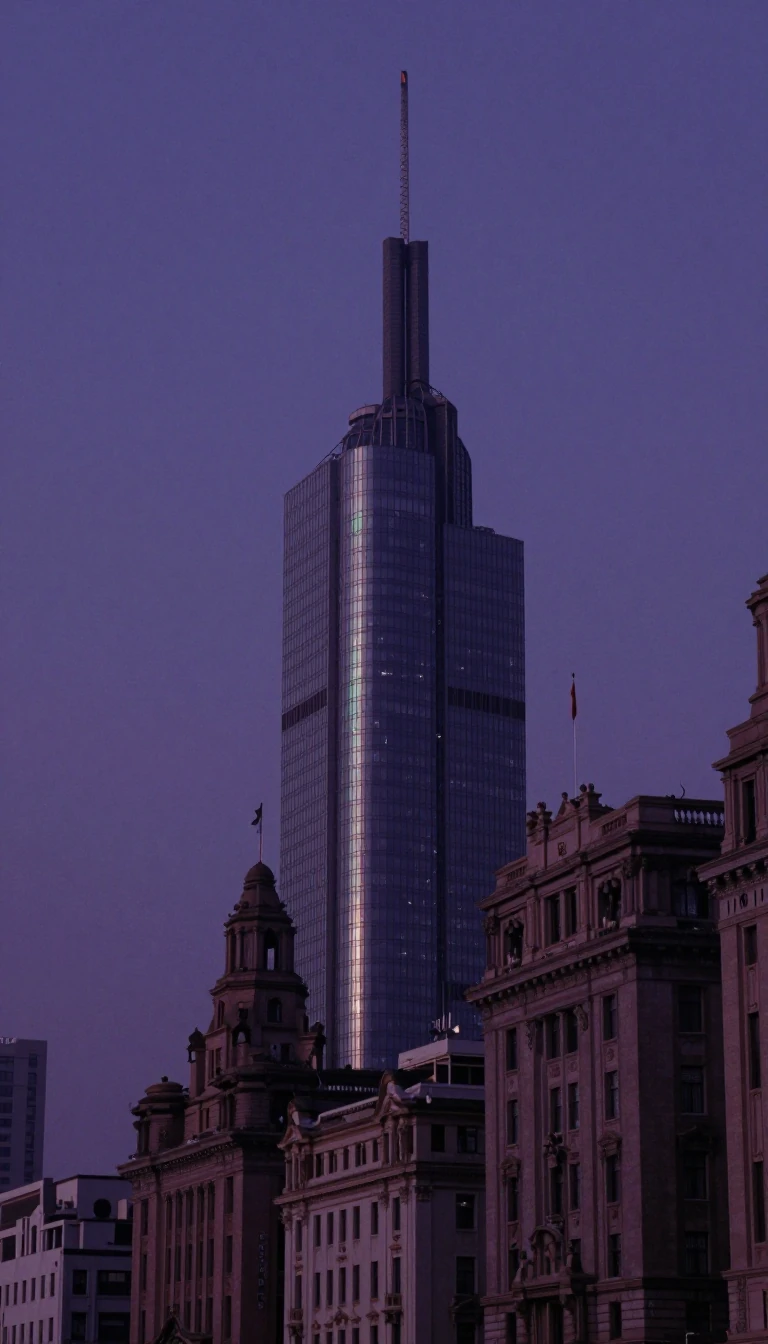 The daring lunch break 850 feet above Manhattan was a carefully staged publicity stunt.Eleven ironworkers dangling above the city streets in a 1932 photograph created one of the most enduring images of the 20th century. While long considered a candid moment of labor…
 Renoir’s masterpiece of leisure was actually a carefully staged studio constructionLuncheon of the Boating Party is celebrated as a spontaneous Impressionist snapshot of friends relaxing by the Seine. Yet, the reality is far more calculated. Renoir did not paint…
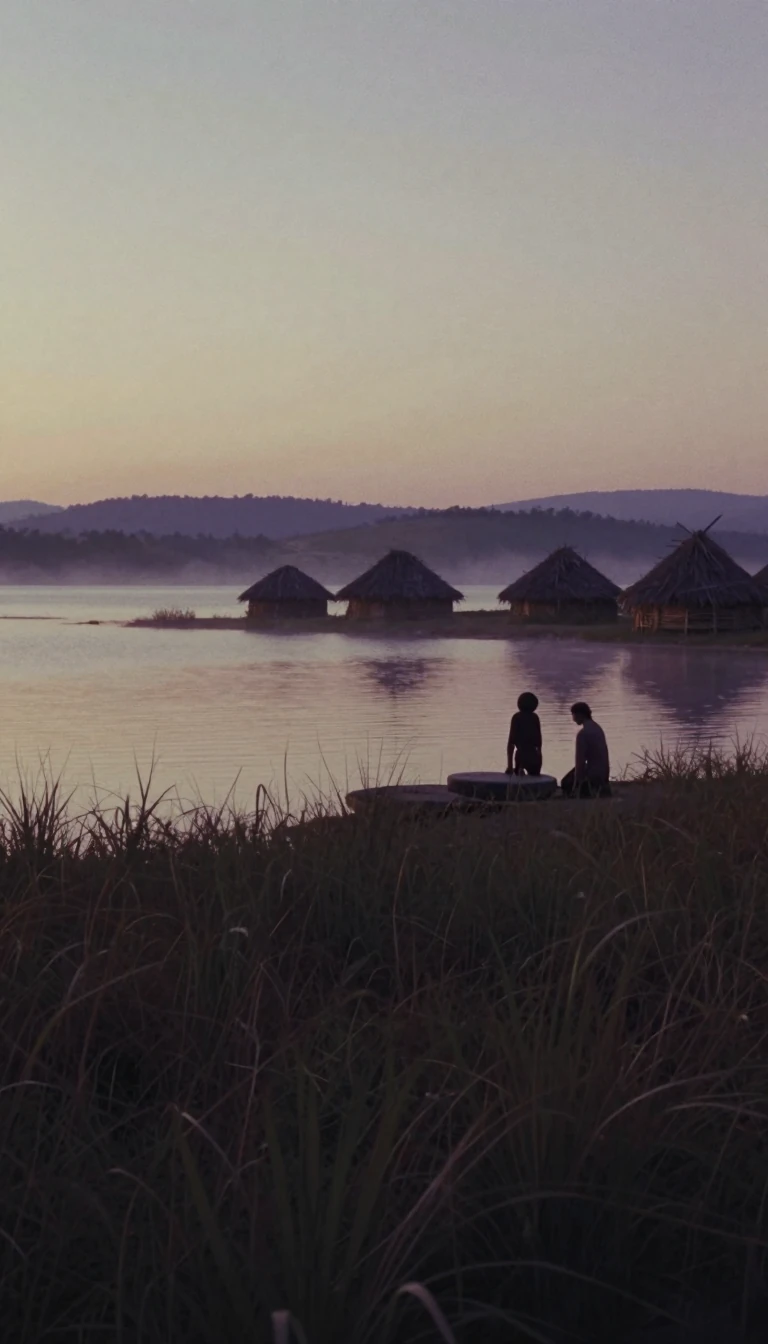 Why the Madonna in art is more than just a mother and childThe Madonna is a cornerstone of Christian art, yet she is rarely a historical figure. Instead, these devotional images serve as theological symbols, evolving from rigid Byzantine …
- Why Michelangelo’s Madonna of Bruges broke tradition by letting the infant Jesus walk awayMichelangelo’s marble Madonna of Bruges defied the pious conventions of his era. Instead of a mother cradling a smiling infant, he sculpted a child poised to step into the world, …
 Why a tiny, urinating bronze boy became the most famous citizen of BrusselsStanding just 55.5 centimetres tall, Manneken Pis is a global icon of Belgian identity. While legends claim he saved the city from fire or war, the reality is a history of theft, …
 Why Andy Warhol’s Marilyn Diptych is a haunting meditation on fame and mortalityCreated in the immediate aftermath of Marilyn Monroe’s 1962 death, Andy Warhol’s Marilyn Diptych uses fifty repeated images to capture the tension between a star’s vibrant public …
 Was the world's most famous funerary mask originally crafted for a female pharaoh?The golden mask of Tutankhamun is an icon of ancient Egypt, yet its origins remain a subject of intense debate. While it bears the likeness of the young king, some experts argue t…
- Why Albrecht Dürer’s most famous engraving remains an unsolvable, haunting masterpiece of art historyAlbrecht Dürer’s 1514 engraving Melencolia I is a masterwork that has defied definitive interpretation for centuries. Featuring a winged figure surrounded by tools of geometry and…
 Is Singapore’s iconic Merlion a national treasure or a global disappointment?Part lion, part fish, the Merlion is Singapore’s official mascot and a cultural enigma. While it serves as a proud national personification, it is also famously ranked in Japan as…
 Did the most famous photograph of the Great Depression rely on a fabricated story?Dorothea Lange’s 1936 portrait of Florence Owens Thompson became the definitive image of American hardship. Yet, decades later, the subject herself disputed the photographer's dra…
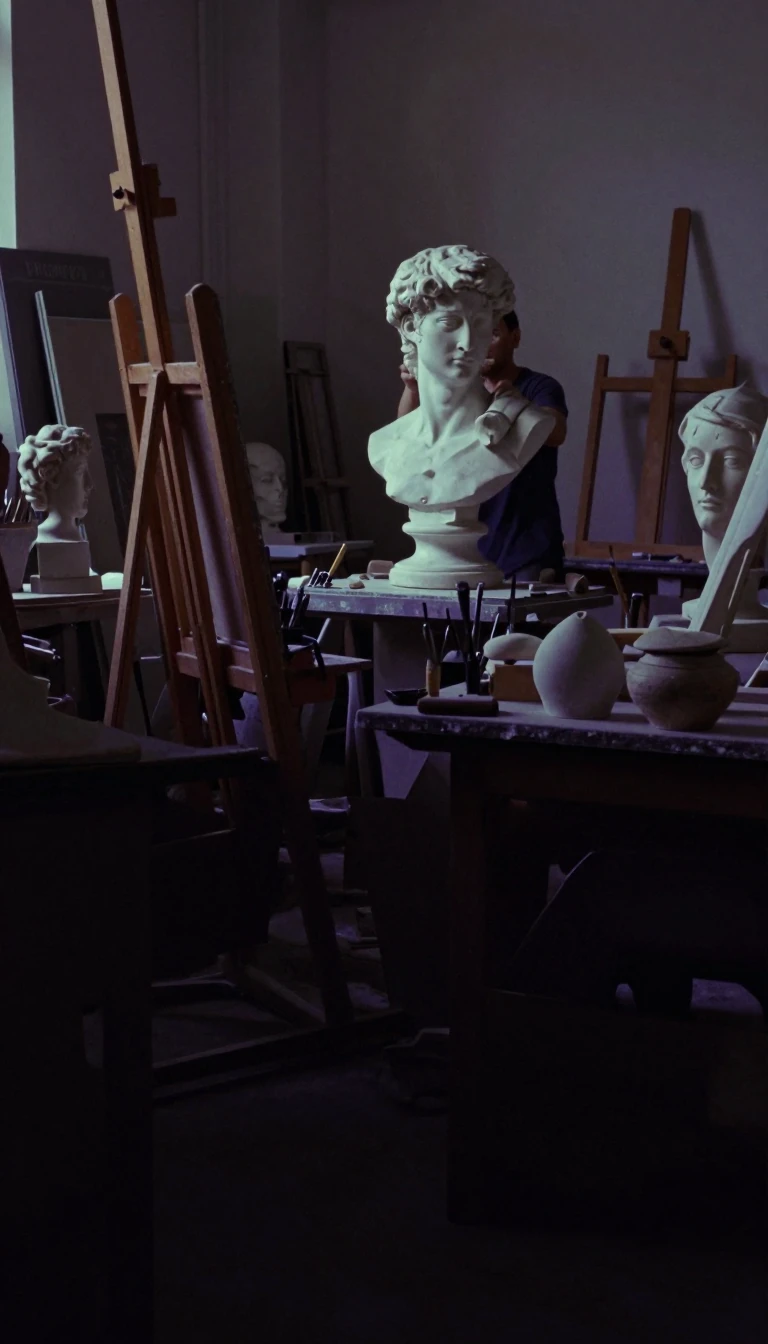 Why medieval miniatures were named for a toxic red lead pigment, not their size.The term miniature has nothing to do with being small. It derives from the Latin miniare, meaning to color with minium, a vibrant red lead pigment used in early manuscripts. While…
- Why did Paul Cézanne paint the same mountain over eighty times in his life?For Paul Cézanne, the craggy limestone ridge of Mont Sainte-Victoire was more than a landscape; it was an obsession. Over decades, he returned to the mountain to capture its essen…
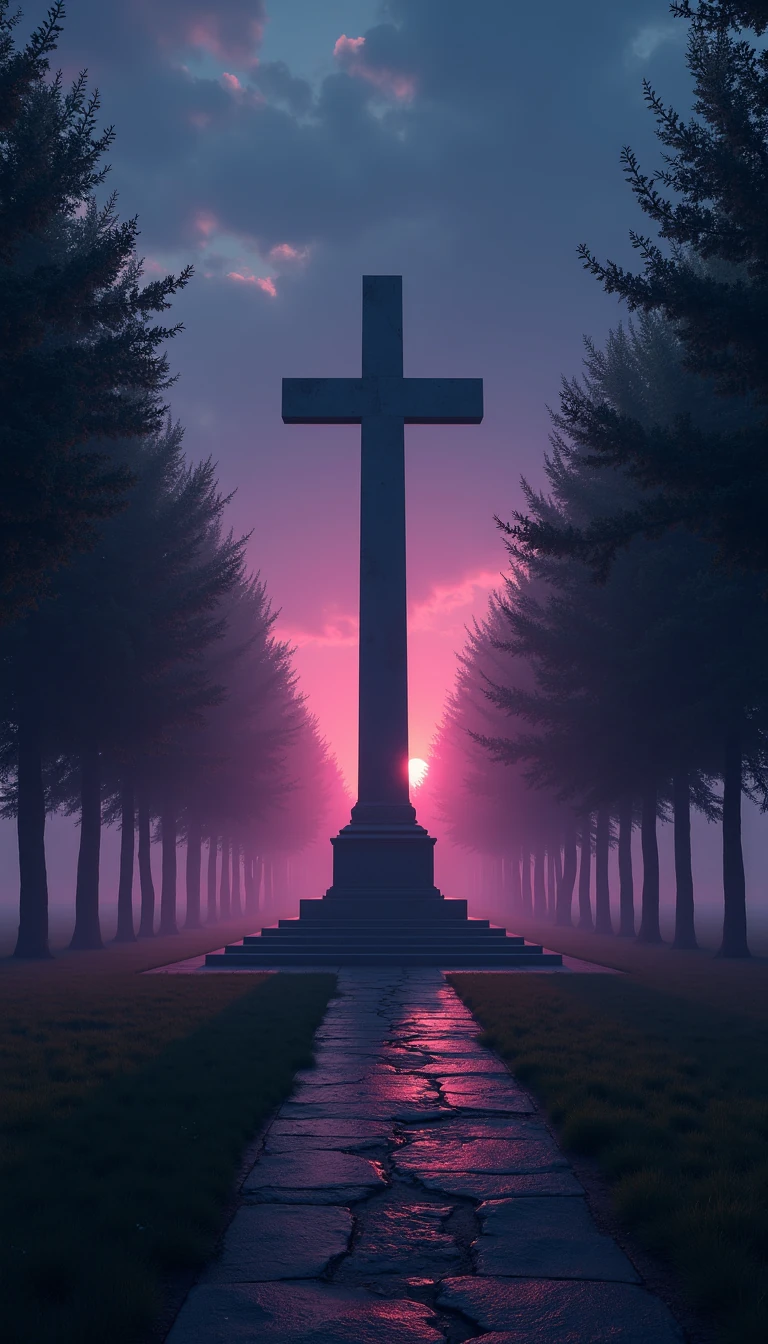 A monument is more than stone; it is a tool to shape our future.Derived from the Latin word for reminding or warning, monuments do more than preserve the past. They are active, often contested instruments of power and memory. Whether built to …
- Why does Michelangelo’s famous marble prophet sport a pair of mysterious, demonic-looking horns?Michelangelo’s towering sculpture of Moses, carved between 1513 and 1515, remains one of history’s most debated masterpieces. While its technical brilliance is undisputed, the fig…
- Why a young Gainsborough painted a haughty couple on their private estatePainted around 1750, Thomas Gainsborough’s Mr. and Mrs. Andrews is a masterpiece that blends portraiture with landscape. Yet, the stiff poses and disdainful expressions of the new…
 How needlework evolved from a domestic necessity to a Victorian status symbolNeedlework is far more than simple sewing. From the intricate tapestries of the Italian Renaissance to the parlor-bound embroidery of the Victorian era, these textile arts have lo…
- Is the world's most famous portrait of ancient beauty an act of smuggling?The Nefertiti Bust is an icon of feminine beauty, yet its history is marred by controversy. Discovered in 1912, this limestone masterpiece has spent over a century in Germany, spa…
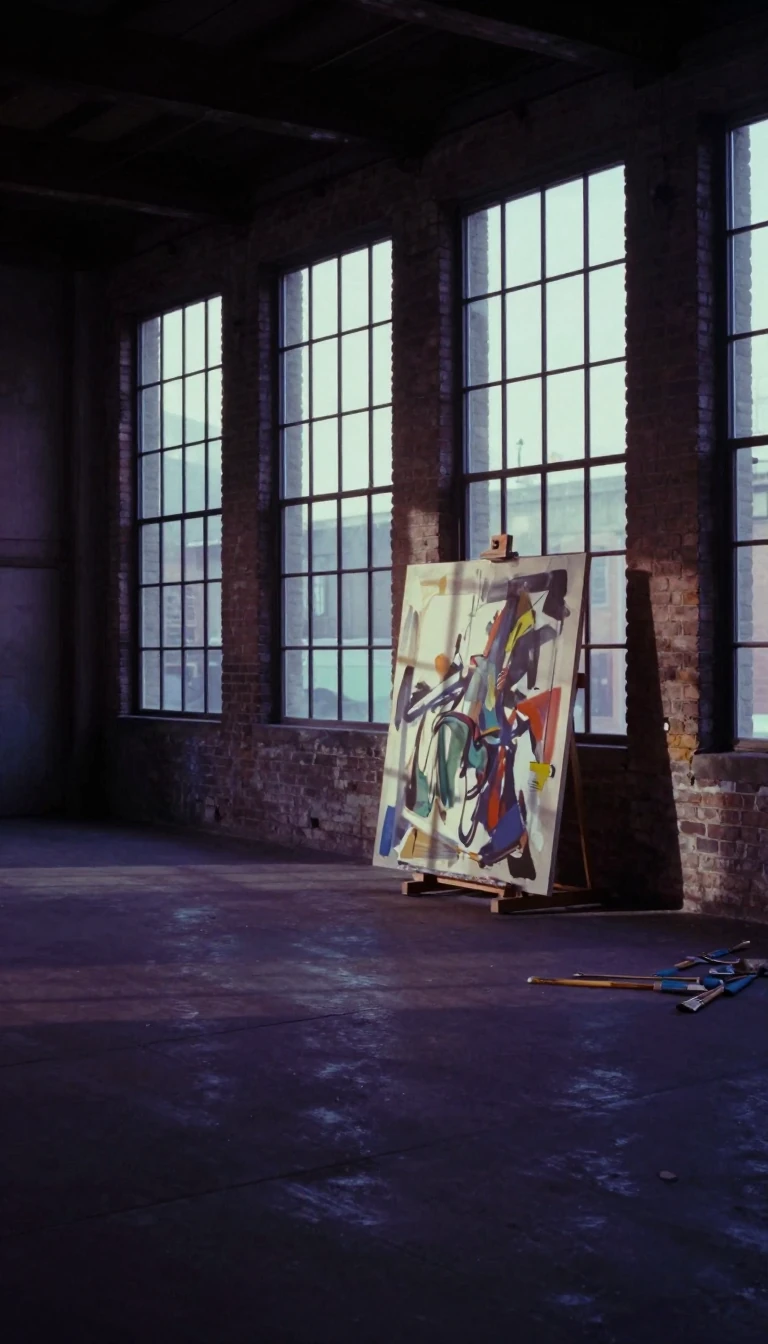 Edward Hopper’s Nighthawks captures the quiet, haunting isolation of mid-century American urban life.Completed in 1942, Nighthawks remains one of the most recognizable works in American art. While it depicts a brightly lit diner late at night, the painting is not a literal transc…
- Oceanian art: A vast, diverse tradition built on stone, shell, and the human bodyFor millennia, the indigenous peoples of Oceania crafted sophisticated visual arts using only the materials provided by their environment. From intricate wood carvings to monument…
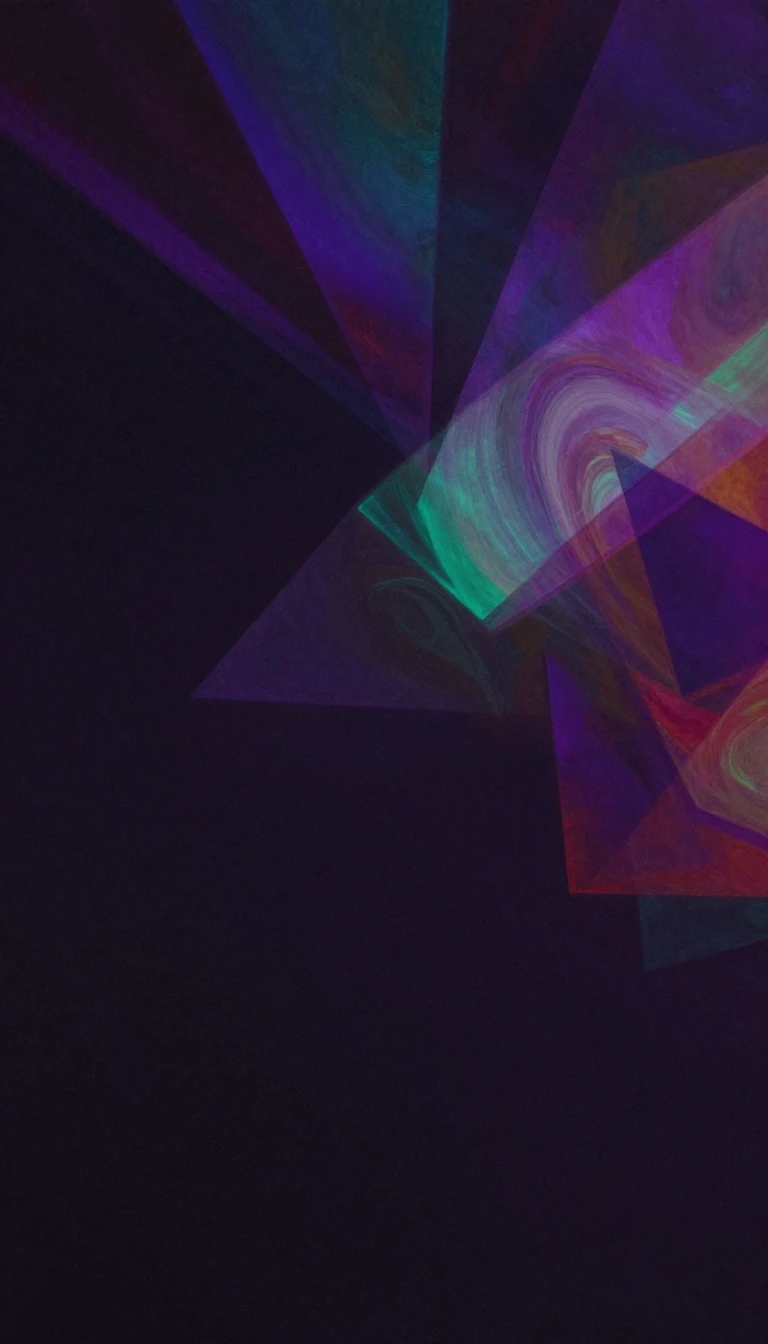 Why Op Art uses geometric precision to trick your brain into seeing movementOp art is a mid-20th-century movement that manipulates shapes and colors to create perceptual illusions. By carefully arranging patterns, artists force the viewer to experience co…
- Ottonian art: A grand, visionary style that defined the Holy Roman Empire's cultural rebirth.Emerging from the shadow of the Carolingian Empire, Ottonian art fused Late Antique, Byzantine, and local traditions into a powerful, expressive visual language. From monumental b…
 From ancient maps to modern 3D models, paper is the ultimate artistic mediumPaper craft is far more than simple folding. It is a versatile, accessible medium that spans centuries and cultures, from intricate Japanese origami to Mexican papel picado. Wheth…
 Why Gustave Caillebotte’s Rainy Parisian Masterpiece Is Not Quite What It SeemsGustave Caillebotte’s 1877 masterpiece captures a rain-slicked Parisian intersection with startling, almost photographic precision. While often grouped with the Impressionists, Ca…
 Why your handwriting is a feat of motor memory, not visual guidanceHandwriting is far more than a simple manual task. It is a complex, automated motor program stored in your brain, relying on sensory feedback from your joints and muscles rather t…
 A single X-ray image of DNA changed the course of modern biological science forever.On May 6, 1952, Rosalind Franklin captured a diffraction pattern that revealed the hidden architecture of life. Known as Photo 51, this image provided the essential evidence for t…
- Photorealism is not about nature, but about the mechanical reproduction of a photograph.Emerging in the late 1960s, Photorealism turned the traditional goal of art on its head. Instead of observing the world directly, artists used cameras to capture images, then meti…
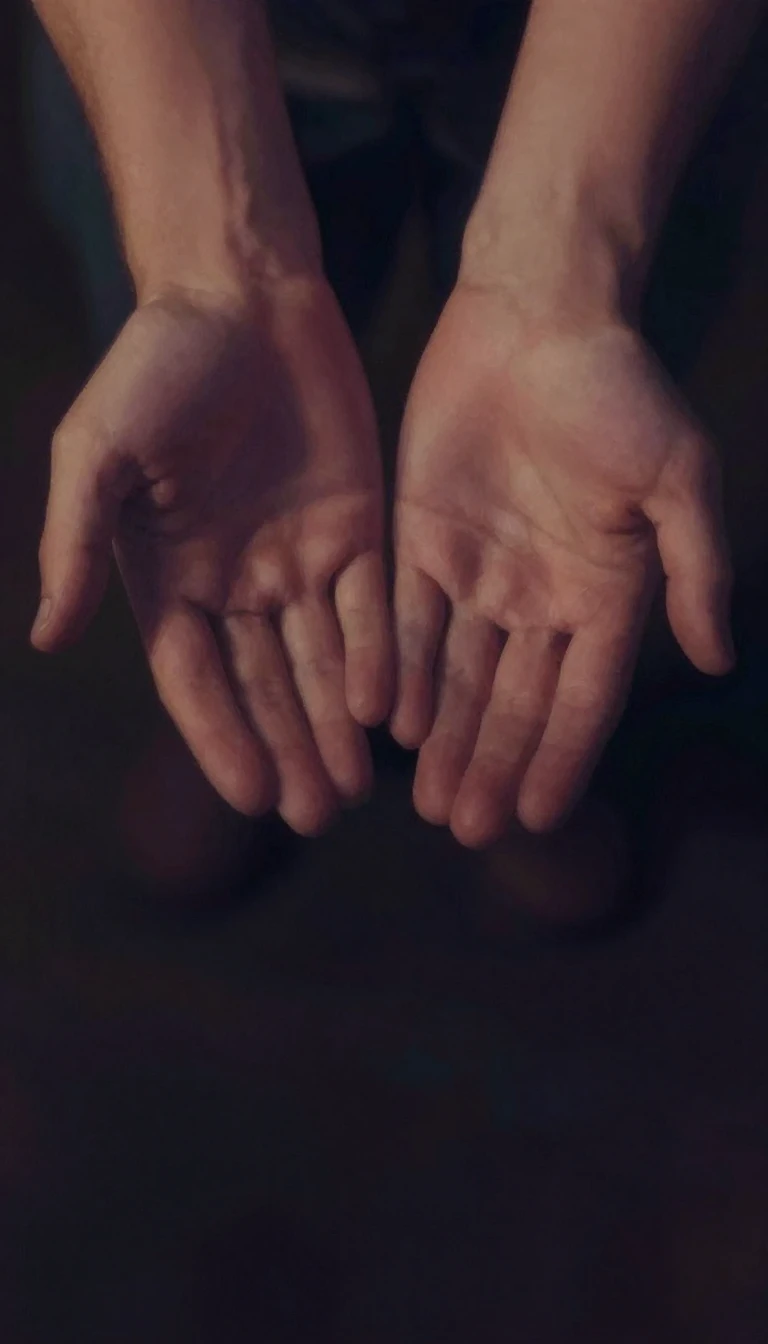 Why early photographers fought to make their cameras act like paintbrushesIn the late 19th century, photography was dismissed as a mere scientific record. To prove it was fine art, a movement called Pictorialism emerged. These photographers manipulated …
 Are the iconic Pillars of Creation actually being destroyed by a distant supernova?The Pillars of Creation are a breathtaking stellar nursery, but their existence may be more fragile than their majestic appearance suggests. While these towering columns of gas an…
- Why a photograph of a crucifix in urine became a lightning rod for controversyAndres Serrano’s 1987 photograph Immersion (Piss Christ) depicts a plastic crucifix submerged in the artist’s own urine. While critics decried it as blasphemous, Serrano, a lifelo…
 Why Pointillism was originally a cruel joke that became a revolutionary art movementBorn from a desire to move beyond Impressionism, Pointillism replaced fluid brushstrokes with thousands of tiny, distinct dots. Though critics initially coined the term to mock th…
 How a Nazi-looted masterpiece became the most expensive painting ever sold in 2006Gustav Klimt’s Portrait of Adele Bloch-Bauer I is a shimmering icon of the Viennese Belle Époque. Yet, its history is defined by theft, a landmark Supreme Court battle, and a reco…
 Vincent van Gogh captured the soul of his physician in a haunting, modern portrait.In the final months of his life, Vincent van Gogh painted Dr. Paul Gachet, a physician who cared for him in Auvers-sur-Oise. Beyond the famous canvases, Van Gogh also produced an …