 Intellect Plus
Visual arts
680 cards. Each one is a 40-second story with a five-minute read behind it. Page 3 of 12.
 How a digital pioneer turned contrarian arguments into a lasting media brandFounded by Microsoft in 1996, Slate helped define the early internet era of journalism. Beyond its reputation for counterintuitive analysis and pioneering podcasts, the magazine n…
 How Sam Raimi turned a superhero sequel into a study of personal sacrificeReleased in 2004, Spider-Man 2 is widely celebrated for its emotional depth and technical innovation. By focusing on Peter Parker’s struggle to balance his civilian life with his …
 Studio 54: How a New York Television Studio Became the World's Most Notorious DiscothequeIn April 1977, a former CBS television studio in Manhattan transformed into the epicenter of global nightlife. Studio 54 became a legendary mecca for the glitterati, defined by it…
 Sweden's currency evolution reflects a centuries-old shift from gold standards to digital minimalism.The Swedish krona is more than just money; it is a historical record of shifting national identity. From its origins in a gold-backed Scandinavian union to its current status as a…
 From Broadway stages to Disney bears, Tex Ritter defined the American cowboy archetype.Before he became a country music icon and the voice of a beloved animatronic bear, Tex Ritter was a classically trained student who brought the Old West to Broadway. His career sp…
 How a flawed, self-doubting teenager changed the landscape of American superhero comic books forever.Created in 1963, The Amazing Spider-Man broke the mold by featuring a protagonist who struggled with everyday problems rather than just fighting villains. By grounding a superhuma…
 A Modern Dracula Retelling That Found Box Office Success Despite Critical DisdainThe 2022 horror thriller The Invitation reimagines Bram Stoker’s classic vampire lore through a contemporary lens. While critics panned its predictable screenplay and repetitive s…
 Can a locked castle truly shield humanity from the inevitable reach of mortality?Edgar Allan Poe’s 1842 tale follows Prince Prospero, who seals his court inside a fortified abbey to escape a gruesome, fast-acting plague. As the revelers dance through seven col…
 Why a notoriously bad 2003 film became a cult classic of unintentional comedyTommy Wiseau’s The Room is often called the Citizen Kane of bad movies. Featuring bizarre storytelling, nonsensical dialogue, and technical blunders, this independent drama became…
- How a 2024 body horror film used 5,500 gallons of blood to critique agingCoralie Fargeat’s The Substance is a visceral exploration of the societal pressures placed on women’s bodies. By utilizing practical effects and grotesque imagery, the film transf…
 Beyond Ginger Grant: The Diverse Career of Actress and Literacy Advocate Tina LouiseWhile millions recognize Tina Louise as the glamorous Ginger Grant from Gilligan's Island, her life spans far more than a single sitcom role. From Broadway stages and Italian cine…
 Is the most famous line in English literature actually a sincere meditation on death?The opening of Hamlet’s monologue in Act III, scene 1, remains an iconic cultural touchstone. While often interpreted as a profound contemplation of suicide and the human conditio…
 Why do some of our most celebrated novels thrive on breaking every social taboo?Transgressive fiction features protagonists who feel suffocated by societal norms, choosing to rebel through illicit, extreme, or anti-social behavior. By exploring the darkest ed…
 The Type XXI U-boat was a revolutionary design that arrived too late to matter.Designed to operate primarily submerged, the Type XXI was a radical departure from traditional U-boats. By utilizing a streamlined hull, massive battery capacity, and prefabricate…
 From Brittany farmers to global gaming giant: the turbulent history of UbisoftFounded by five brothers in 1986, Ubisoft grew from a mail-order computer business into a titan of interactive entertainment. Despite creating iconic franchises like Assassin's Cr…
 Ulay and Marina Abramović turned their volatile relationship into a decade of extreme performance art.For twelve years, Ulay and Marina Abramović operated as a single, two-headed entity. They pushed their bodies to the brink of unconsciousness and exhaustion, exploring the limits …
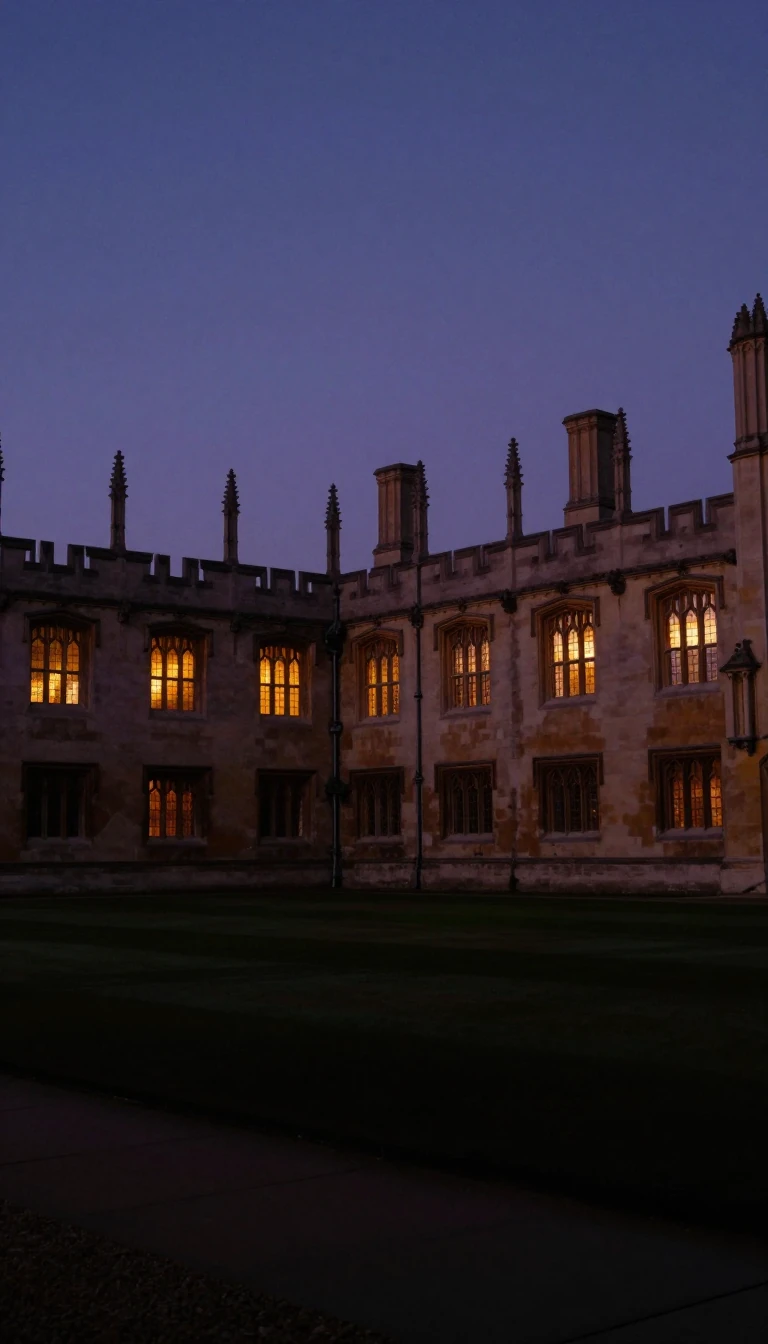 Beyond the campus, how the city of Southampton inspired a radical shift in artWhile the University of Southampton grew from a local institute into a global research powerhouse, the city itself served as a muse for artistic innovation. In the 1870s, James Mc…
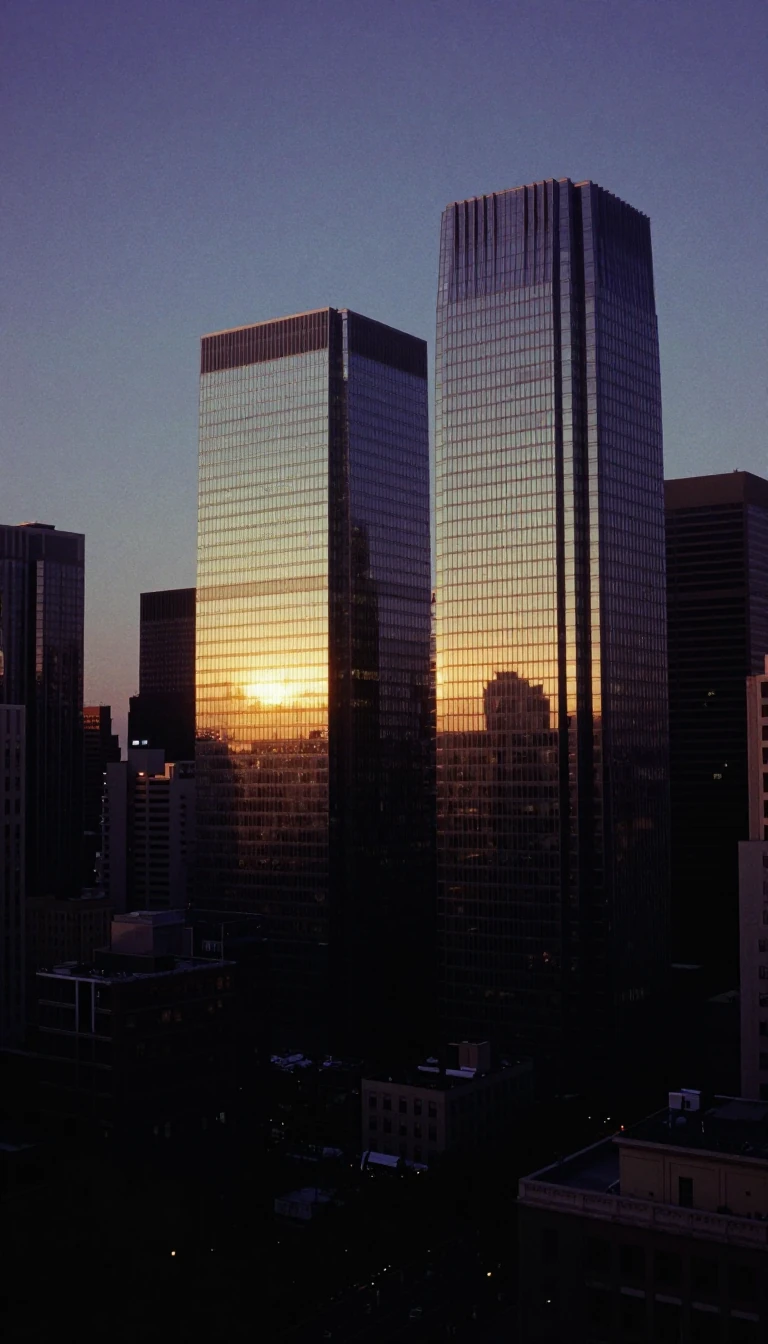 How the Upper West Side evolved from colonial farms to a cultural powerhouseBounded by Central Park and the Hudson River, the Upper West Side transformed from a collection of rural Dutch farms and squatter shacks into one of Manhattan's most affluent inte…
 How a single white bikini turned a Swiss actress into a global cultural iconUrsula Andress arrived in Hollywood with little English and no film roles, yet she became the quintessential Bond girl. Her emergence from the Caribbean in Dr. No transformed her …
 Jordan Peele’s Us explores how American privilege relies on the suffering of others.In this psychological horror film, a family vacation turns into a nightmare when they are hunted by their own doppelgängers. These intruders, known as the Tethered, are not just m…
 The Völkisch movement: How romantic nationalism fueled a dark vision of German identityEmerging in the late 19th century, the Völkisch movement sought to escape the perceived malaise of modernity through a return to primordial, ethnic roots. This variegated sub-cult…
 Why Vietnam’s currency, the đồng, carries a name meaning copper in its historyThe Vietnamese đồng, whose name translates to copper, has navigated a turbulent economic history marked by hyperinflation, multiple revaluations, and a failed attempt to reintrodu…
 How a Davy Jones lookalike became a sci-fi icon and a Hollywood survivorWalter Koenig was cast as Star Trek's Ensign Pavel Chekov primarily for his resemblance to a Monkee. Despite being told the role was merely recurring, he became a permanent fixtur…
 Why the world's most persistent hunter never catches his feathered, fast-moving preyWile E. Coyote is a master of complex engineering, yet his pursuit of the Road Runner always ends in spectacular failure. Born from a desire to parody classic cat-and-mouse dynami…
- From Munitions Heir to Ionic Avenger: The Complex Evolution of Simon WilliamsSimon Williams, known as Wonder Man, began as a desperate embezzler transformed by Baron Zemo into an ion-powered supervillain. After betraying his creator to save the Avengers, h…
 YouTube Play Buttons: How Digital Milestones Are Transformed Into Physical TrophiesYouTube Creator Awards are more than just digital milestones. These physical trophies, crafted by the New York firm Society Awards, serve as tangible recognition for popular chann…
 How YouTube's Official Channel Used Algorithmic Defaults to Briefly Become the Platform's Most-Subscribed AccountBefore it became a repository for annual recaps and corporate events, the official YouTube channel—formerly known as YouTube Spotlight—briefly claimed the top spot on its own plat…
 How Zeenat Aman revolutionized the Bollywood heroine through nonconformist roles and Westernized fashionZeenat Aman transformed Hindi cinema in the 1970s and 1980s by shattering traditional archetypes. A former model and beauty queen, she brought a modern, Westernized sensibility to…
 Why 2D graphics remain the superior choice for typography, cartography, and technical designWhile 3D graphics mimic photography, 2D computer graphics function like traditional printing and drawing. By treating images as independent artifacts with specific semantic value,…
 Why a massive painting of a boring funeral shocked the 19th-century art worldWhen Gustave Courbet debuted his monumental canvas in 1850, it broke every rule of high art. By depicting a provincial funeral at a scale reserved for kings and gods, he forced th…
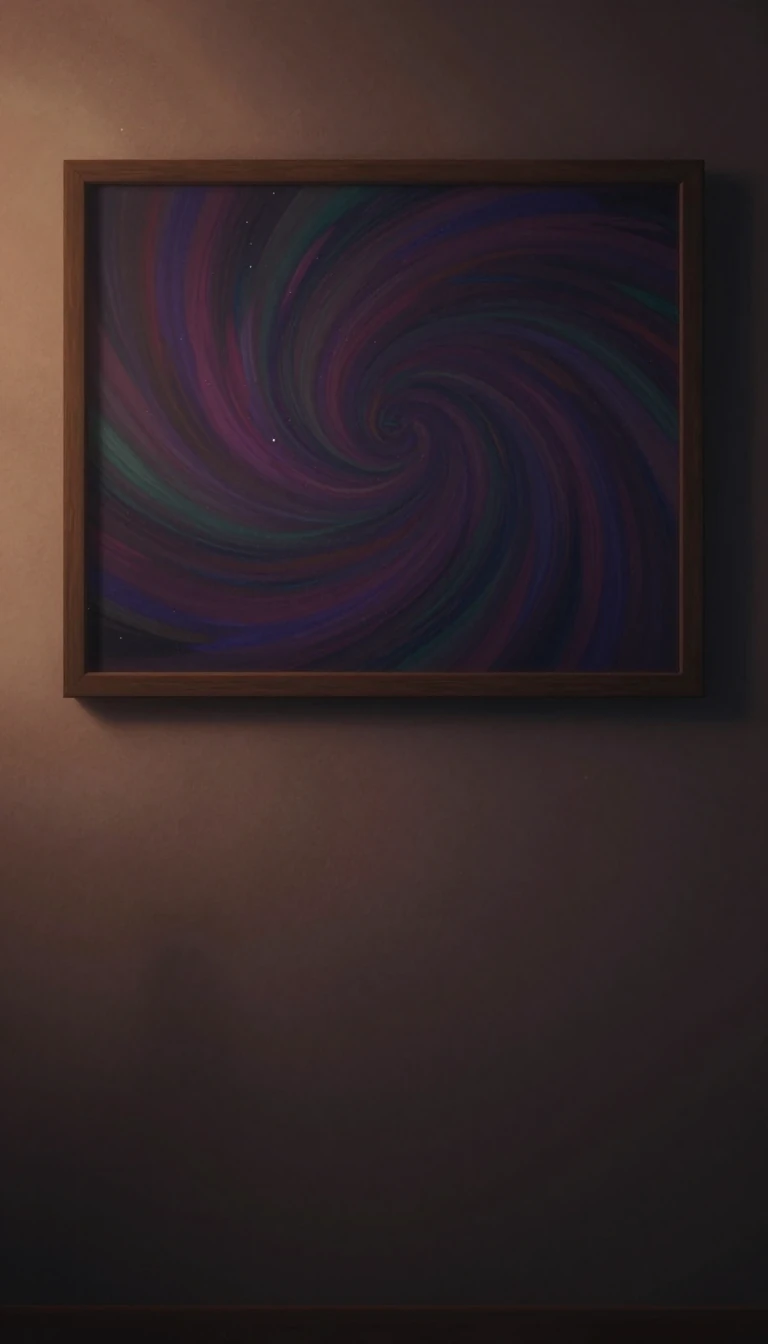 Why a monstrous, big-footed painting became the symbol of Brazil’s cultural identityPainted in 1928 as a birthday gift, Tarsila do Amaral’s Abaporu features a distorted, solitary figure with an enormous foot and a tiny head. This surreal image sparked a radical m…
 How a 12-year-old refugee became the world's most famous, unwitting portrait subjectIn 1984, a photographer captured a piercing gaze in a Pakistani refugee camp. The resulting image became an icon of the Soviet-Afghan War, yet the subject remained anonymous for n…
 Why your brain struggles to decide what it is actually seeing in ambiguous imagesAmbiguous images exploit gaps in visual processing to create multistable perceptions, where one form holds multiple stable meanings. By forcing the brain to reconcile conflicting …
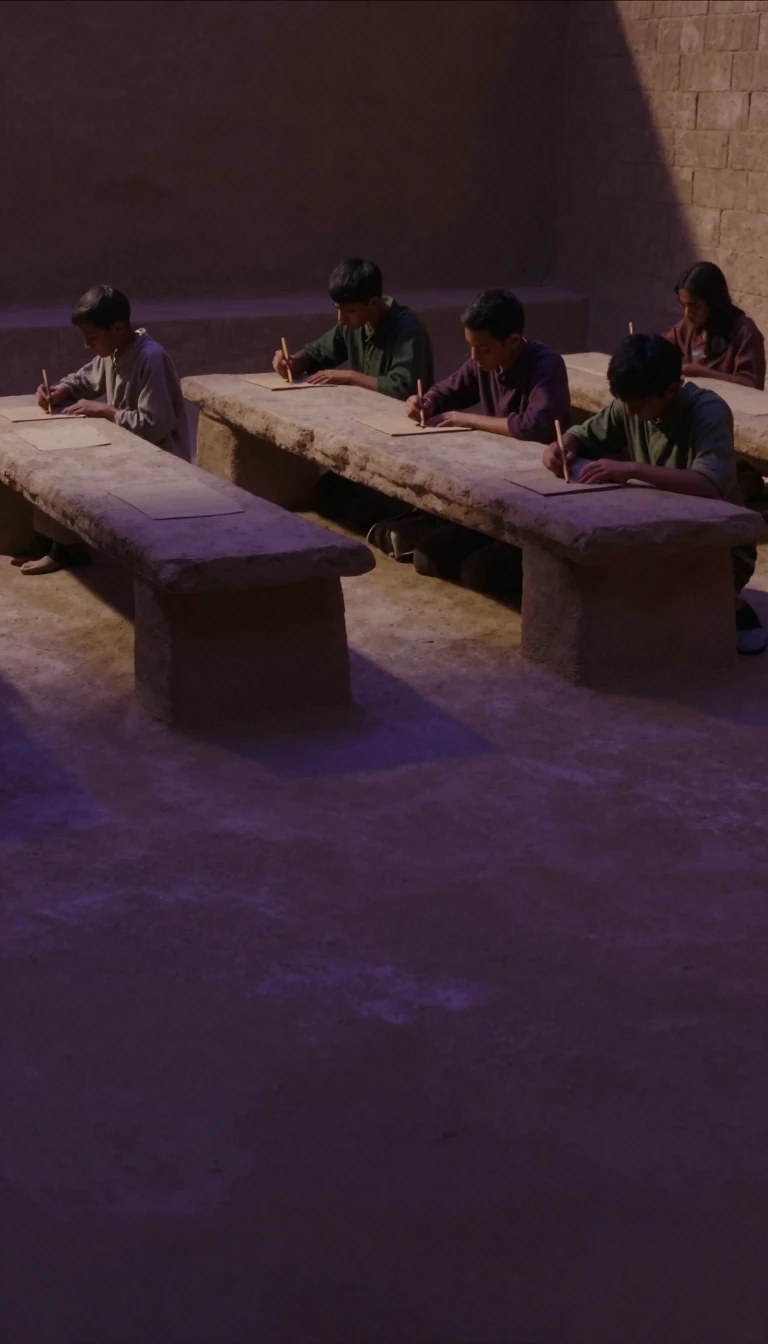 Is Grant Wood’s American Gothic a sincere tribute or a biting rural satire?Since its 1930 debut, Grant Wood’s iconic painting has sparked fierce debate. While some view the stiff, grim-faced figures as a mockery of Midwestern puritanism, others see a res…
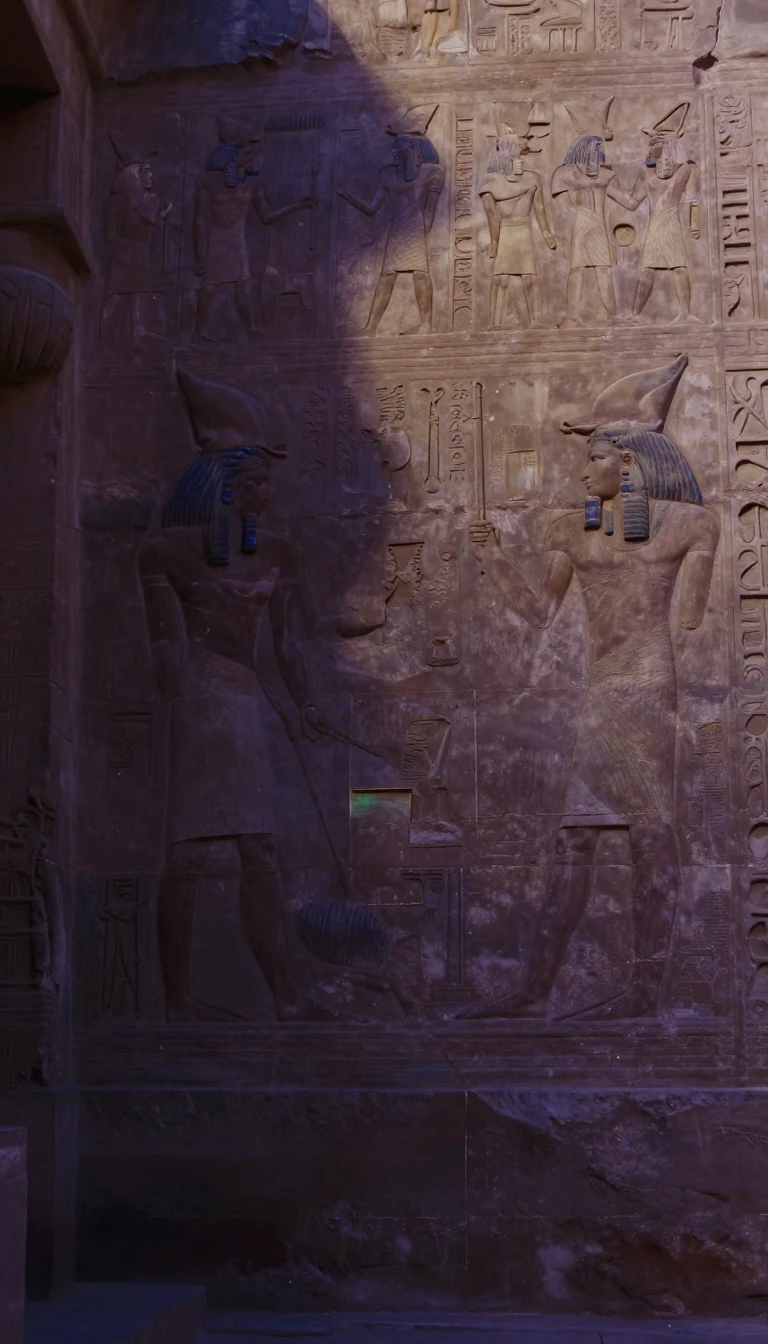 Ancient art was rarely just for aesthetics; it was a tool for order and survival.From the rigid hierarchies of Egyptian pharaohs to the trade-driven innovations of the Arabian Peninsula, ancient art served as a vital language. Whether preserving the status of …
 How Anglo-Saxon artists fused Celtic spirals with Roman figures to create a unique aestheticBefore the Norman Conquest of 1066, Anglo-Saxon art evolved through two distinct eras defined by Viking invasions. From the intricate, zoomorphic interlace of the 7th century to t…
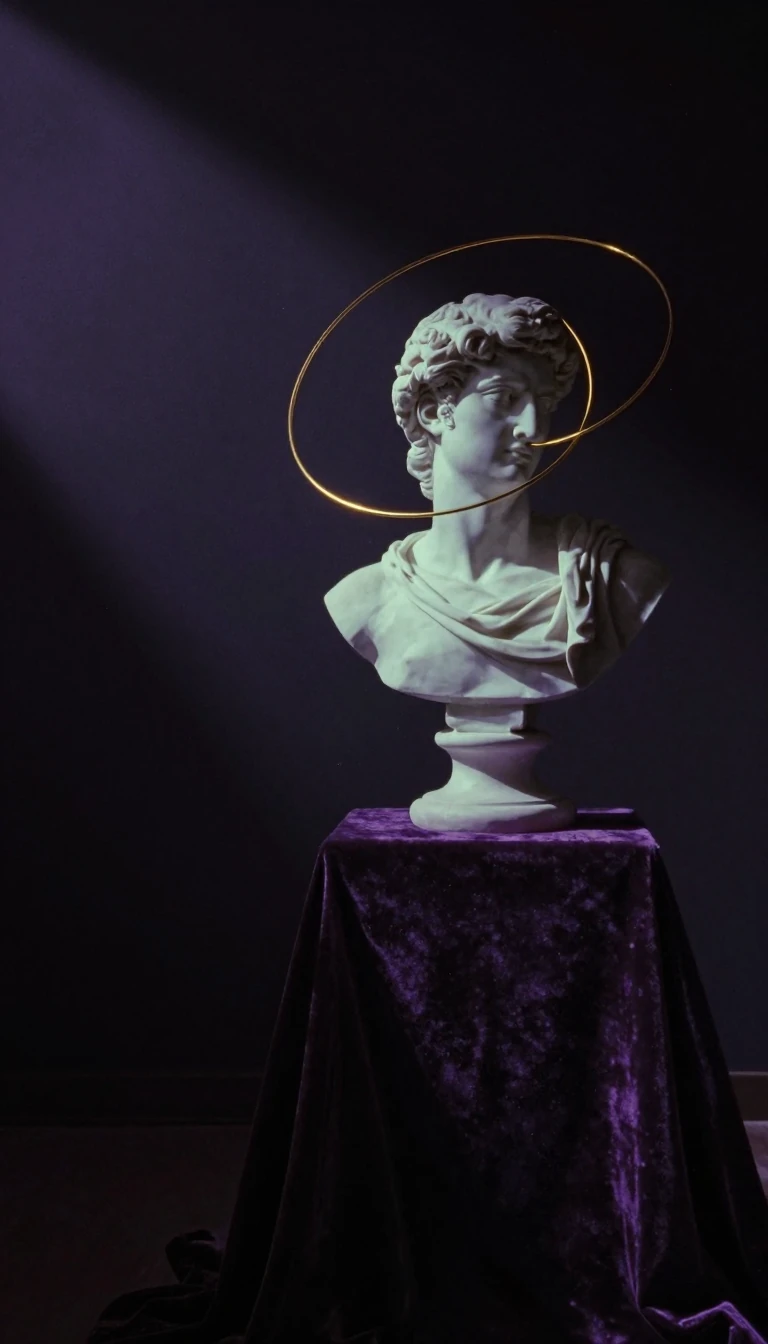 How Bernini turned cold, hard marble into a living, breathing metamorphosisGian Lorenzo Bernini’s Apollo and Daphne captures the exact second a nymph transforms into a laurel tree to escape a god’s pursuit. This Baroque masterpiece, finished in 1625, def…
 Why the distinction between fine art and applied art is often a total illusion.We often separate art into two camps: fine art, meant only to be beautiful, and applied art, which serves a practical purpose. Yet, this boundary is remarkably porous. From archit…
 Why European art evolved from prehistoric cave paintings to the Renaissance and beyondEuropean art is a vast, evolving narrative that spans from the Upper Paleolithic era to the modern age. By tracing the shift from religious iconography to secular realism, we unco…
 Is a book still a book if it is made of sausage or concrete?An artist's book is not merely a container for text; it is a work of art where the book form itself is the medium. From sausage-skin volumes to concrete blocks, these objects chal…
 Asian art is not a monolith but a vast, interconnected dialogue across millenniaFrom the ancient stone carvings of the Kushan dynasty to the delicate woodblock prints of Japan, Asian art defies simple categorization. It is a living, breathing record of cultur…
 How a Parisian Nightclub Became the Ultimate Canvas for Post-Impressionist GeniusHenri de Toulouse-Lautrec captured the electric, neon-soaked soul of the Belle Epoque in his iconic painting of the Moulin Rouge. By blending his own social circle with the club's…
 Athens built a massive gold-and-ivory goddess to serve as its ultimate financial reserve.The Athena Parthenos was not just a religious icon; it was a strategic treasury. Standing 13 meters tall, this chryselephantine masterpiece by Phidias functioned as a colossal ban…
 A rare photographic record of the Holocaust, discovered by a survivor in a cupboard.The Auschwitz Album is one of the few visual documents detailing the operations of the Auschwitz II-Birkenau extermination camp. Originally intended as internal Nazi propaganda to…
 Why the most important tool in modern car design is a lump of clay.Despite the rise of photorealistic 3D software and virtual power walls, the humble clay model remains the industry standard for final design evaluation. Automotive design is a com…
 Did Renoir paint two versions of his masterpiece, and which one is real?Renoir’s 1876 Impressionist icon, Bal du moulin de la Galette, captures a vibrant Sunday in Montmartre. Yet, a smaller, nearly identical version exists, leaving experts to debate …
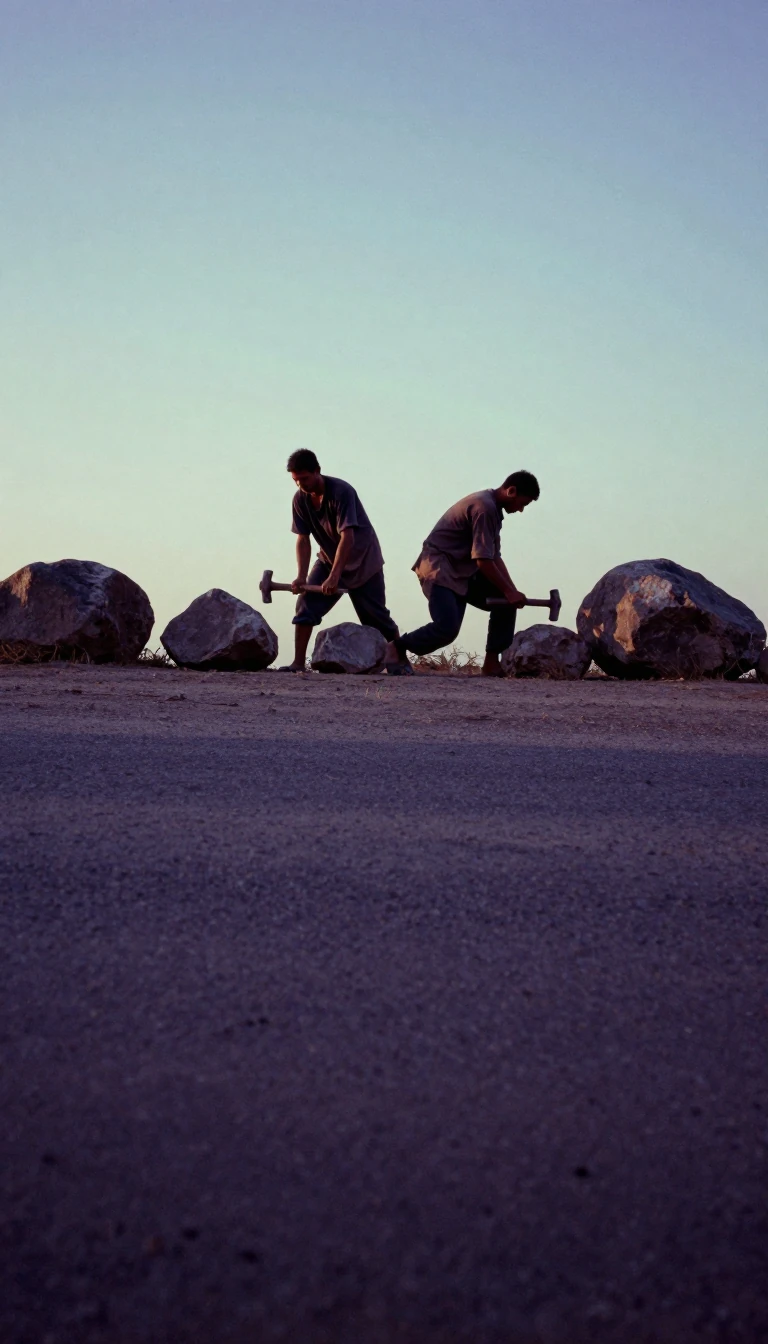 How an artist turned the backbreaking labor of Russian barge haulers into a masterpiece.Ilya Repin’s 1873 painting, Barge Haulers on the Volga, captured the raw, physical exhaustion of men dragging vessels upstream. By rejecting the era's romanticized art, Repin crea…
 Baroque sculpture shattered the boundaries between stone, light, and the viewer's own physical space.Baroque sculptors abandoned the static poses of the past to capture fleeting moments of intense emotion. By fusing architecture, painting, and sculpture into unified, theatrical s…
- Why did a 24-year-old artist give factory workers the grandeur of classical heroes?Georges Seurat’s Bathers at Asnières transformed the humble, industrial riverside of 1884 Paris into a monumental masterpiece. By elevating working-class figures to a scale usuall…
 Beyond decoration, beadwork is a sophisticated language of status, spirituality, and cultural survival.From 12,000-year-old ostrich shells to modern glass masterpieces, beadwork is far more than simple adornment. Across continents, these tiny objects have served as currency, talism…
 How a 1919 Bolshevik propaganda poster became a global icon of political resistanceEl Lissitzky’s 1919 lithograph Beat the Whites with the Red Wedge transformed abstract geometry into a potent political weapon. By pitting a sharp red triangle against a white cir…
 Why Vincent van Gogh painted his bedroom to look like a place of restVincent van Gogh created three versions of his Arles bedroom, using bold, flat colors to evoke tranquility rather than the nervous energy often associated with his style. Though t…
- Why the world's most famous 'bronzes' are neither from Benin nor made of bronze.The Benin Bronzes are a collection of thousands of artifacts looted from the Kingdom of Benin in 1897. Despite their name, they are primarily brass, wood, and ivory, and they orig…
 When a U.S. court had to decide if a bronze sculpture was actually art.In 1926, Constantin Brâncuși’s Bird in Space arrived in New York, only to be classified by customs officials as a manufactured metal object. The resulting legal battle forced the …
 Why the bird's-eye view is more than just a simple look from aboveThe bird's-eye view is a perspective that mimics a creature in flight, yet it has evolved from classical drawings to modern satellite imagery. Whether used to diminish a subject's…
 Why a simple black square became the most radical painting of the twentieth centuryIn 1915, Kazimir Malevich unveiled a black square on a white background, declaring it the zero point of painting. This stark image was not merely a design but a manifesto intended…
 The most viewed photograph in history was a lucky, unedited shot of a hillside.Captured by a former National Geographic photographer in 1996, this lush landscape became the iconic default wallpaper for Windows XP. Despite persistent rumors that it was digita…
- A single photograph of a crying baby shifted American sentiment toward the Second Sino-Japanese War.Taken minutes after a 1937 Japanese air raid on Shanghai, this image of a lone child in the ruins became a global icon. It reached over 136 million viewers in a month, turning pub…
- When the artist becomes the canvas: how body art challenges our physical limitsBody art transforms the human form from a passive subject into an active medium. From extreme endurance performances to medical education, artists use the body to interrogate iden…
- Ancient terracotta figures reveal the ritual power of body paint two millennia agoLong before modern festivals, body painting served as a profound symbolic language. In the ancient Chupícuaro tradition of Mexico, intricate designs on the skin were not merely de…