 Intellect Plus
Visual arts
680 cards. Each one is a 40-second story with a five-minute read behind it. Page 4 of 12.
 Why ancient artists turned to animal bones to create their most enduring masterpiecesLong before ivory became a luxury status symbol, bone carving served as a vital medium for human expression. From prehistoric figurines to medieval caskets, this accessible materi…
 From wax tablets to the codex: how we engineered the physical bookBefore the modern book, knowledge was a sequential struggle of unrolling scrolls. The invention of the codex—pages bound at the spine—transformed how we store and access informati…
 Did Greek conquests and nomadic empires shape the face of the Buddha?Buddhist art began as a symbolic, aniconic tradition in India, avoiding human depictions of the Buddha for centuries. Yet, the iconic, human-like statues we recognize today may ha…
 Why the title of architect is legally protected while building designers build your homeBuilding design is a complex field where engineering meets art, yet the title of architect is strictly regulated to protect public safety. While complex projects require licensed …
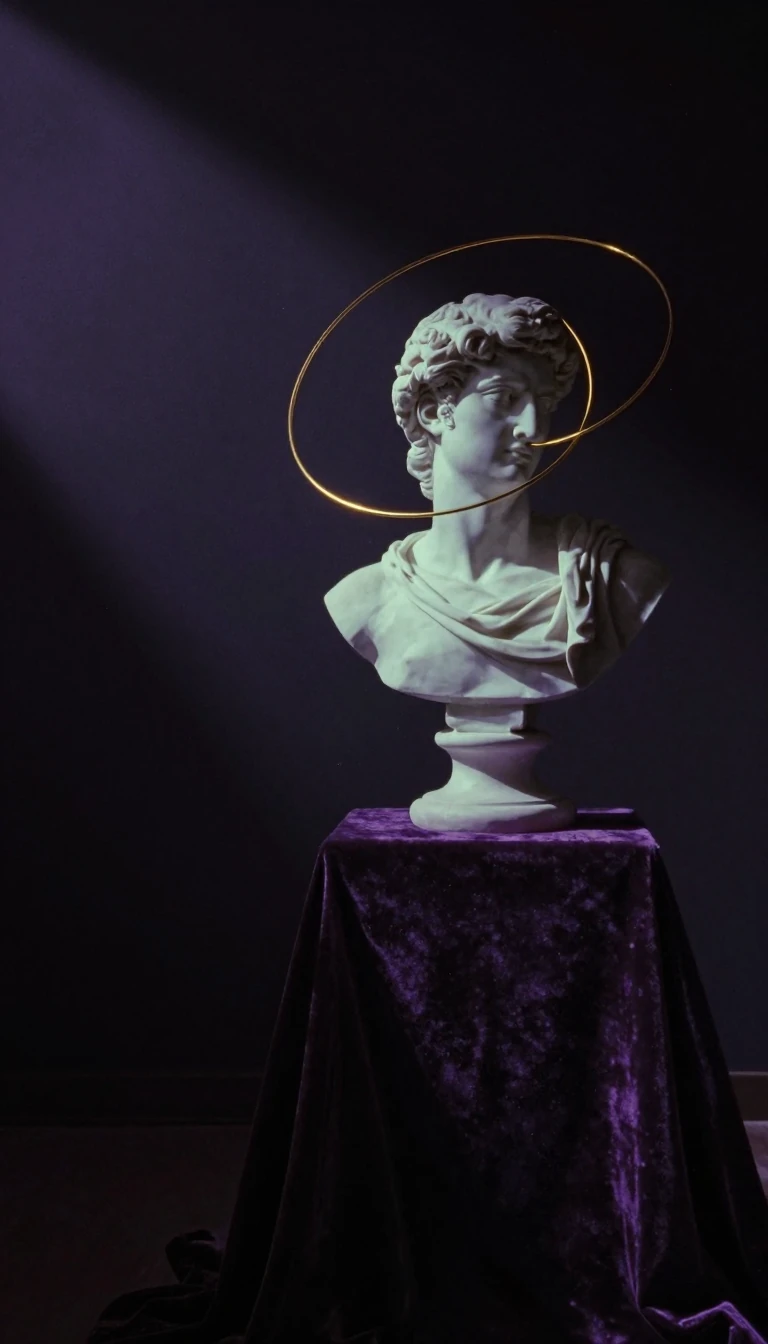 Why the portrait bust became the ultimate status symbol of the ancient worldA bust is more than just a head on a stand. By capturing the upper torso and face, this sculptural format offered a cost-effective, space-saving alternative to full-length statues…
 Vincent van Gogh painted a night scene without using the color black.In September 1888, Vincent van Gogh set up his easel in Arles to capture a café terrace under the stars. By rejecting traditional dark tones, he filled the canvas with vibrant blu…
 Is Rome’s most iconic symbol a medieval forgery or an ancient masterpiece?For centuries, the Capitoline Wolf was hailed as a fifth-century BC Etruscan treasure. Yet, modern science suggests a far more recent origin. From radiocarbon dating to lead isoto…
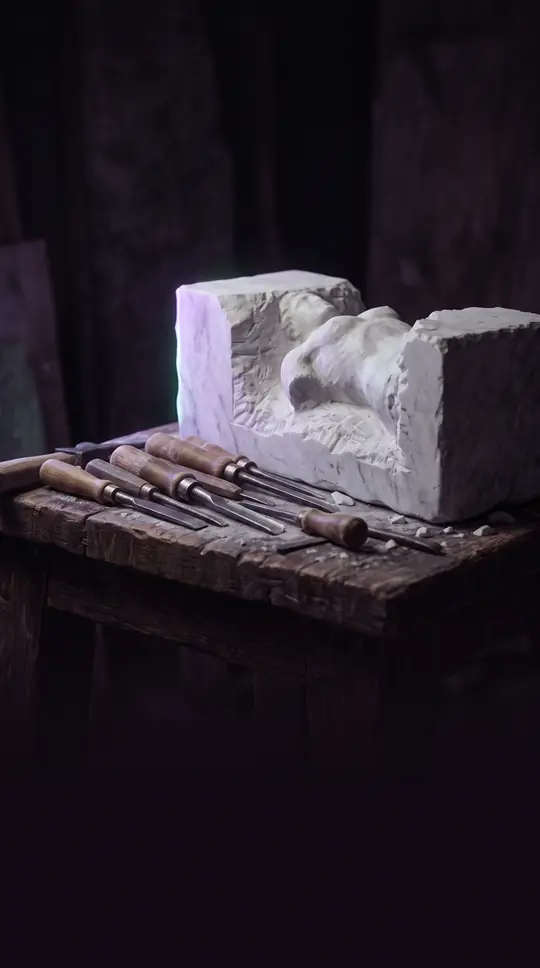 Can you carve a human body like a sculptor chips away at cold marble?In 1972, artist Eleanor Antin challenged the rigid boundaries of sculpture by documenting her own weight loss as a form of carving. Decades later, Charles Ray explored the life cy…
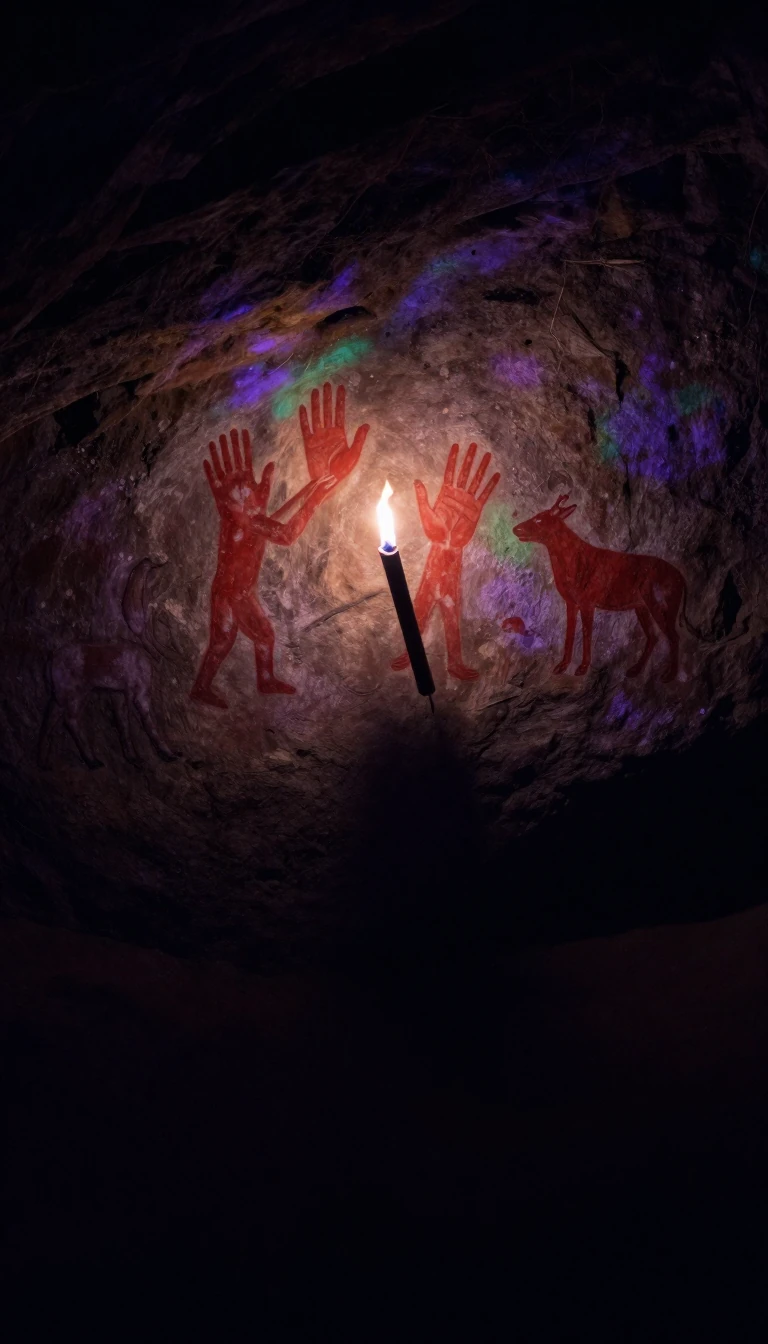 Did ancient women create the world's oldest known cave art in Spain?Deep inside the Cueva del Castillo in Cantabria, Spain, lie thousands of ancient motifs dating back over 40,000 years. While long assumed to be the work of men, recent analysis of…
 Why Celtic art is a complex, shifting label rather than a single styleCeltic art is notoriously difficult to define, spanning thousands of years and vast geographies. While often associated with the intricate knotwork of the Early Middle Ages, the t…
 Ceramic glaze is a sophisticated glass coating that transforms fragile clay into durable vessels.Beyond mere decoration, glaze is a functional chemical skin. By fusing silica and metal oxides at high temperatures, it seals porous earthenware, creates smooth surfaces, and enab…
 Chinese calligraphy is not just writing; it is a supreme art form of energy.Far beyond simple communication, Chinese calligraphy is a sophisticated visual art that has defined Chinese culture for millennia. From ancient oracle bones to the elegant brushwo…
 Why Chinese porcelain is the world's most enduring and influential industrial invention.Chinese ceramics evolved from ancient bonfire-fired earthenware into a global industrial powerhouse. By mastering high-temperature kilns and unique mineral blends like kaolin, Chi…
- Why ancient Chinese artisans spent lifetimes carving a stone harder than steelFor millennia, Chinese culture elevated jade above gold, imbuing the stone with moral virtues like wisdom and bravery. Because jade is too tough to cut with metal tools, artisans …
 Why Chinese painting values the amateur gentleman over the professional craftsmanFor centuries, Chinese art was defined by a rigid class divide. While professional artisans painted for profit, the elite scholar-official class cultivated a rarefied style of ama…
 From Catacombs to Canvas: How Christian Art Shaped the Western Visual ImaginationChristian art evolved from a suspicious, underground practice into the primary engine of Western aesthetic development. By blending Roman imperial grandeur with hieratic, otherwor…
 Why Chicago’s iconic Bean was once considered an impossible engineering nightmareAnish Kapoor’s Cloud Gate is a seamless, 110-ton stainless steel marvel that defines Millennium Park. Yet, its creation was so fraught with technical hurdles that experts initiall…
 Color field painting stripped away artistic ego to let pure color speak for itself.Emerging in the 1940s, color field painting rejected the frantic brushwork of action painters in favor of vast, unbroken surfaces. By treating color as the subject rather than a t…
 How Piet Mondrian used primary colors and straight lines to seek universal harmonyPiet Mondrian spent his career stripping art down to its most fundamental elements. By rejecting representational imagery in favor of pure abstraction, he sought to express a spir…
 Computer-generated imagery began in flight simulators, long before it reached the silver screen.We often associate computer-generated imagery with blockbuster films and digital avatars, but its origins lie in the cold, practical world of aviation. Decades before it transform…
- Is it possible to fix a masterpiece without destroying its soul or original intent?Conservation is no longer just about mending broken objects. It is a rigorous, scientific, and ethical discipline that balances the physical needs of an artifact with the artist's…
 Why the cover of your favorite book or album is a masterclass in marketingCover art is far more than a decorative wrapper. From the iconic, haunting eyes on The Great Gatsby to the strategic use of color to signal gender or ethnicity, these images are c…
 Why the world's first dinosaur sculptures are scientifically wrong but historically essentialUnveiled in 1854, the Crystal Palace dinosaurs were the first life-sized models of extinct animals. While modern palaeontology has proven these Victorian creations largely inaccur…
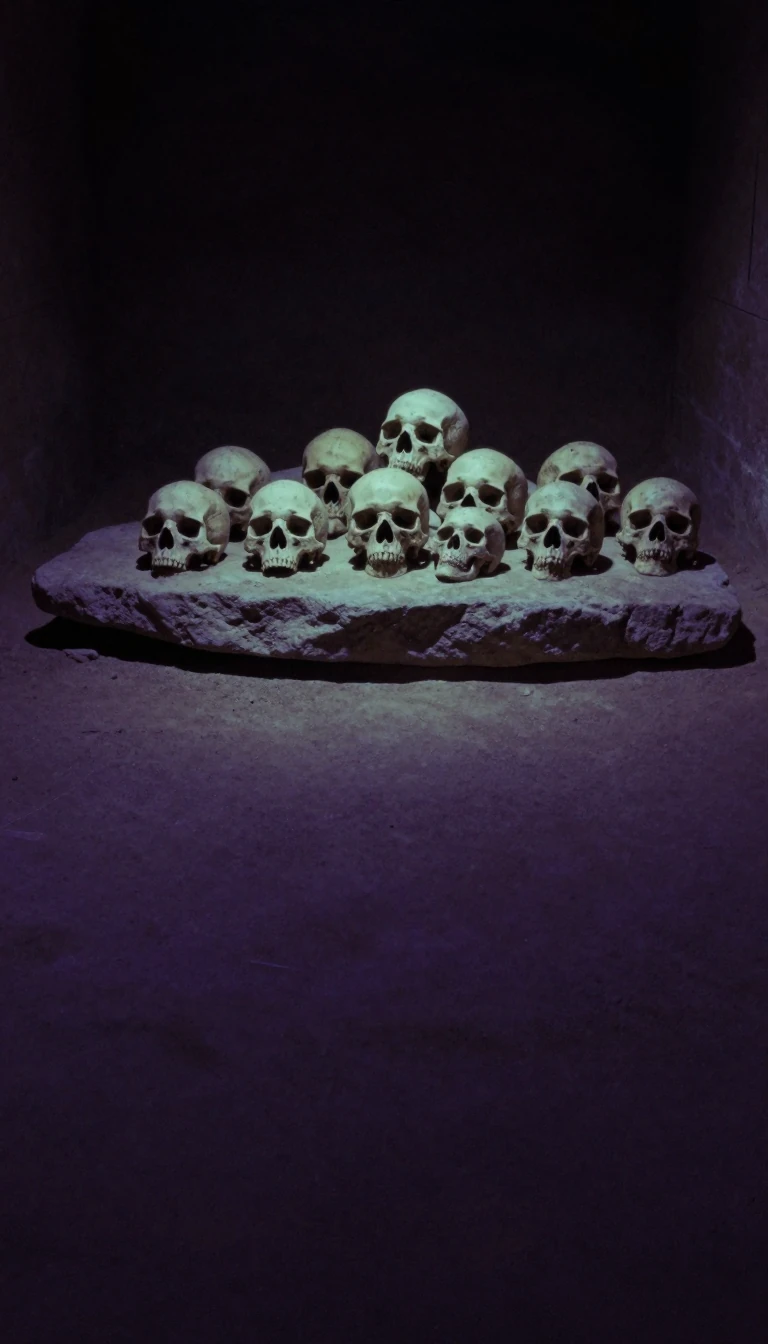 Are the famous crystal skulls ancient relics or merely 19th-century German craft projects?Crystal skulls are often marketed as ancient Mesoamerican artifacts with supernatural healing properties. However, modern scientific analysis suggests these macabre objects are li…
 Why Matisse abandoned detail to capture the raw, rhythmic pulse of human emotionIn 1909, Henri Matisse shocked critics by stripping the human form to its barest essentials. By rejecting traditional perspective and photographic precision, he sought to convey p…
- Is this 4,000-year-old bronze figure a dancer or a woman carrying an offering?Excavated in 1926, the Dancing Girl is a tiny, 10.5-centimetre bronze masterpiece from the Indus Valley Civilisation. While generations have admired her confident, naturalistic po…
 The Demoscene: Where Coders Turn Tiny Files Into Massive Digital Art MasterpiecesBorn from the rebellious spirit of 1980s software crackers, the demoscene is a global subculture dedicated to pushing hardware to its absolute limits. Artists and programmers comp…
- Why a rejected painting sparked a revolution in modern artWhen Wassily Kandinsky saw his work rejected by his own Munich art association in 1911, he did not just walk away. He launched a rival movement, Der Blaue Reiter. This short-lived…
 From cathode rays to digital canvas: how computers redefined the art of paintingDigital painting is more than just pixels on a screen; it is a sophisticated evolution of traditional illustration. Born from early graphical programs and specialized hardware, th…
 Why the world's most famous discus thrower is actually an athletic impossibilityMyron’s ancient Greek masterpiece, the Discobolus, captures a discus thrower at the peak of his tension. Yet, modern experts argue the pose is physically inefficient and perhaps i…
- Why these kitsch poker-playing dogs became an indelible part of the American subconsciousCassius Marcellus Coolidge’s series of anthropomorphized dogs playing poker is more than a punchline. Created between 1894 and 1910, these eighteen oil paintings have permeated po…
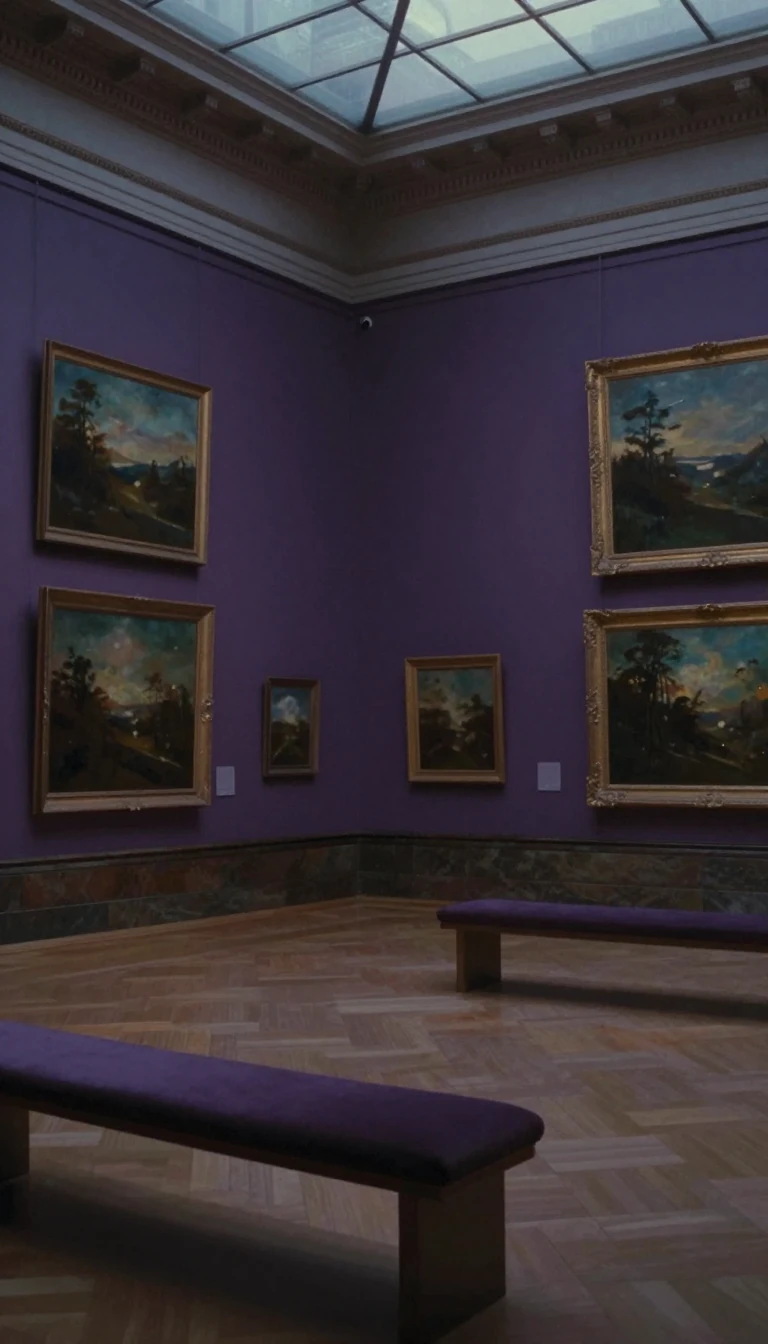 Did Lord Elgin save ancient Greek treasures or commit an act of cultural vandalism?In the early 19th century, Thomas Bruce, the 7th Lord Elgin, shipped a vast collection of Parthenon sculptures to London. While he claimed he was rescuing these masterpieces from …
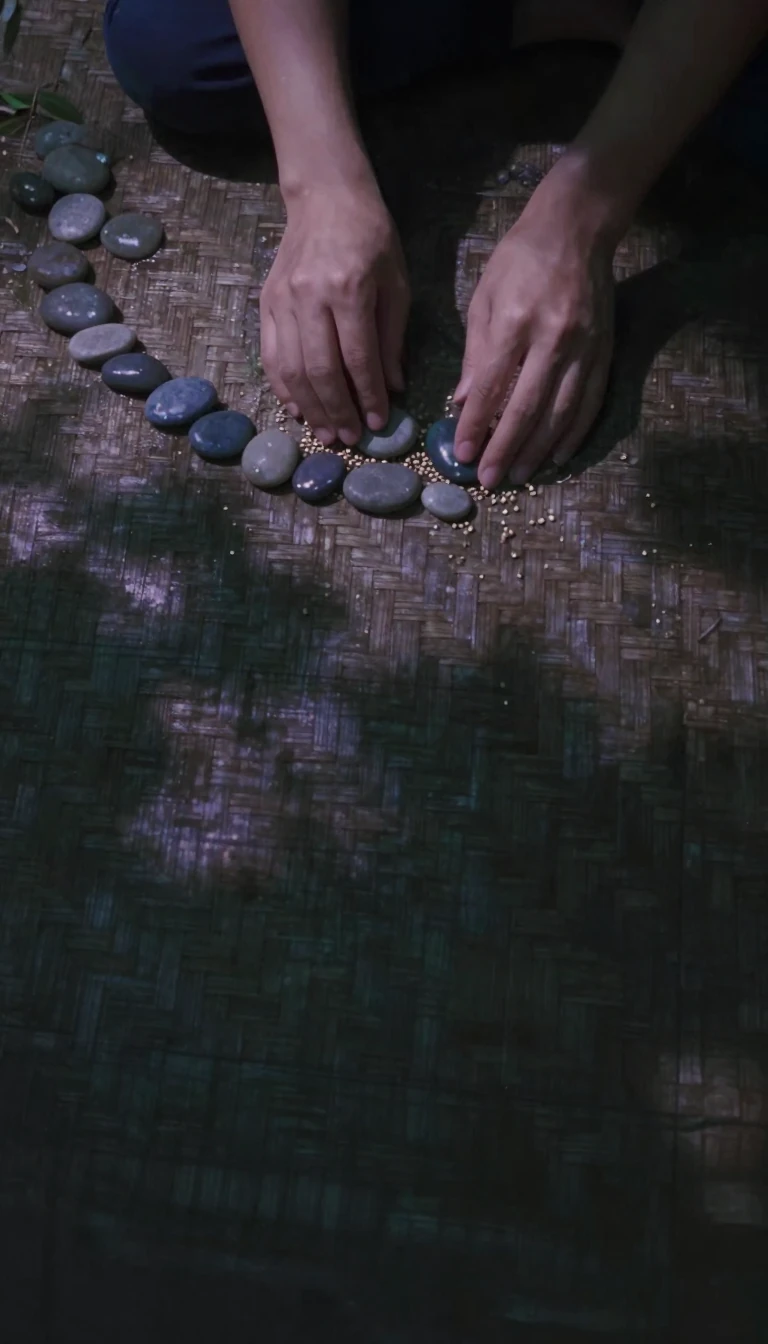 From desert earthworks to urban forests, environmental art redefines our relationship with the planet.Environmental art has evolved from monumental sculptures in remote deserts to socially engaged projects that remediate urban soil and address climate change. By blending science, …
- Why the most vibrant art of the ancient Etruscans was hidden in their tombs.The Etruscan civilization left behind a legacy of terracotta, bronze, and frescoes that defined central Italy for centuries. While their cities have largely vanished, their funera…
 Fan art is more than just sketches; it is a complex cultural dialogue.Fan art is often dismissed as amateur imitation, but it is a sophisticated engine for cultural critique and technical skill development. By reimagining characters in new contexts,…
 Why this weary, muscle-bound giant became the definitive image of a mythic heroThe Farnese Hercules captures the hero not in mid-battle, but in a rare moment of exhaustion. Leaning heavily on his club, he hides the golden apples of the Hesperides behind his …
 Fashion photography is evolving from simple product display into a complex, immersive digital art form.Modern fashion photography has moved far beyond the studio. Today, it blends traditional craft with artificial intelligence, immersive film, and cross-disciplinary collaboration. …
 From Racetracks to Runways: How Fashion Week Transformed Global Retail and Environmental StandardsFashion week is more than a spectacle of couture; it is a high-stakes engine of global commerce. Born from 19th-century marketing stunts at racetracks, these events now dictate se…
 Why figurative art is more than just painting the human formFigurative art is often mistaken for simple portraiture, but it encompasses any work derived from real-world objects. From ancient cave paintings to modern masterpieces, this styl…
 Floral design is an ancient art form governed by precise principles and elementsFloral design is more than just putting flowers in a vase. It is a disciplined art form that balances structural elements like line and color with principles such as rhythm and pr…
 Can a mass-produced urinal or a discarded bed truly be considered high art?Found art transforms everyday items into gallery centerpieces, challenging our definitions of creativity. By selecting and designating ordinary objects as art, artists like Marcel…
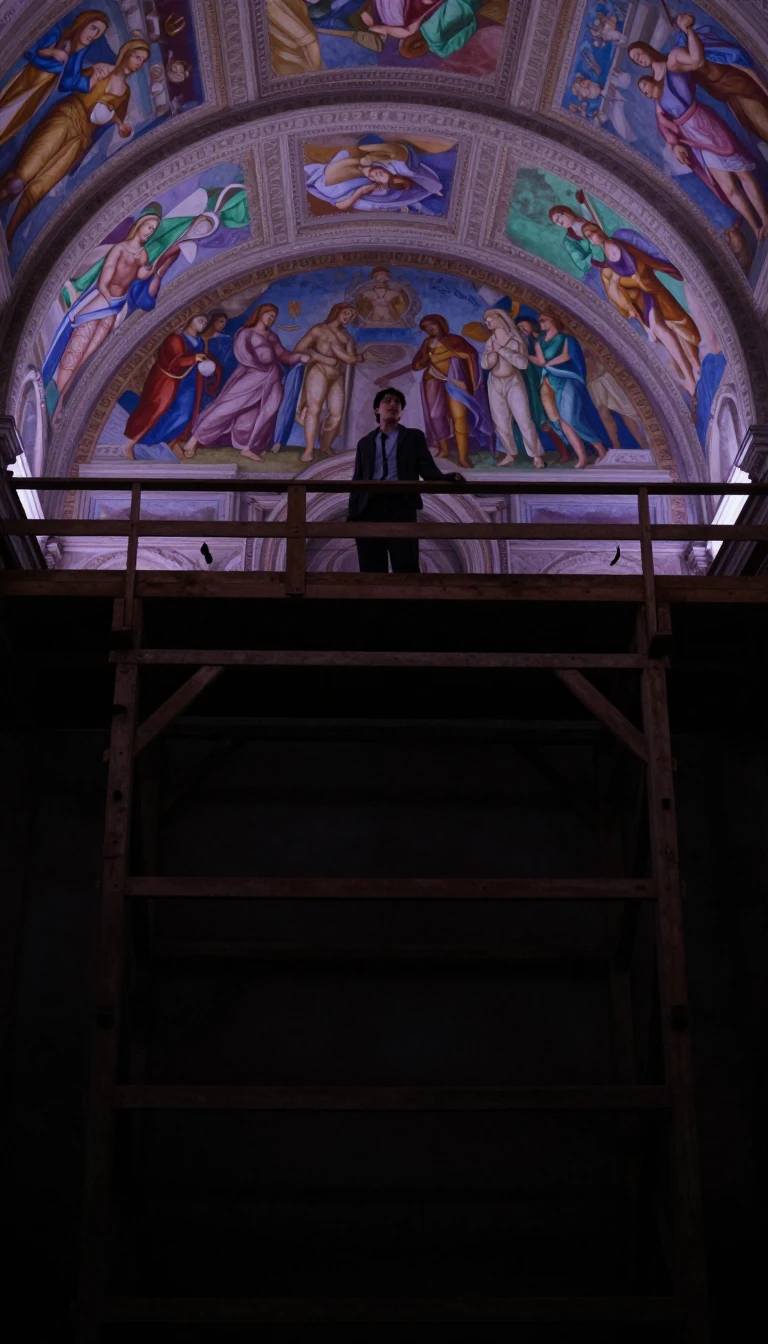 Why the most iconic architectural detail in history is hiding in plain sightLook up at the wall just below the ceiling. You might see a decorative band—a frieze. From the elaborate stone carvings of the ancient Parthenon to the intricate plasterwork of 19…
 Game design is the deliberate craft of shaping rules, mechanics, and player experience.Game design is more than just creating rules; it is the art of balancing systems to influence how a player feels. From ancient board games that evolved through folk processes to m…
- Geoglyphs are massive earth designs, but are they art or something else entirely?Spanning from ancient Peruvian deserts to modern digital GPS tracks, geoglyphs are motifs etched or arranged directly into the landscape. While we often label these massive ground…
 How a shredded painting became the most expensive work ever created during an auctionBanksy’s Girl with Balloon is more than a stencil mural; it is a cultural phenomenon that evolved from street art into a record-breaking performance piece. After a framed copy sel…
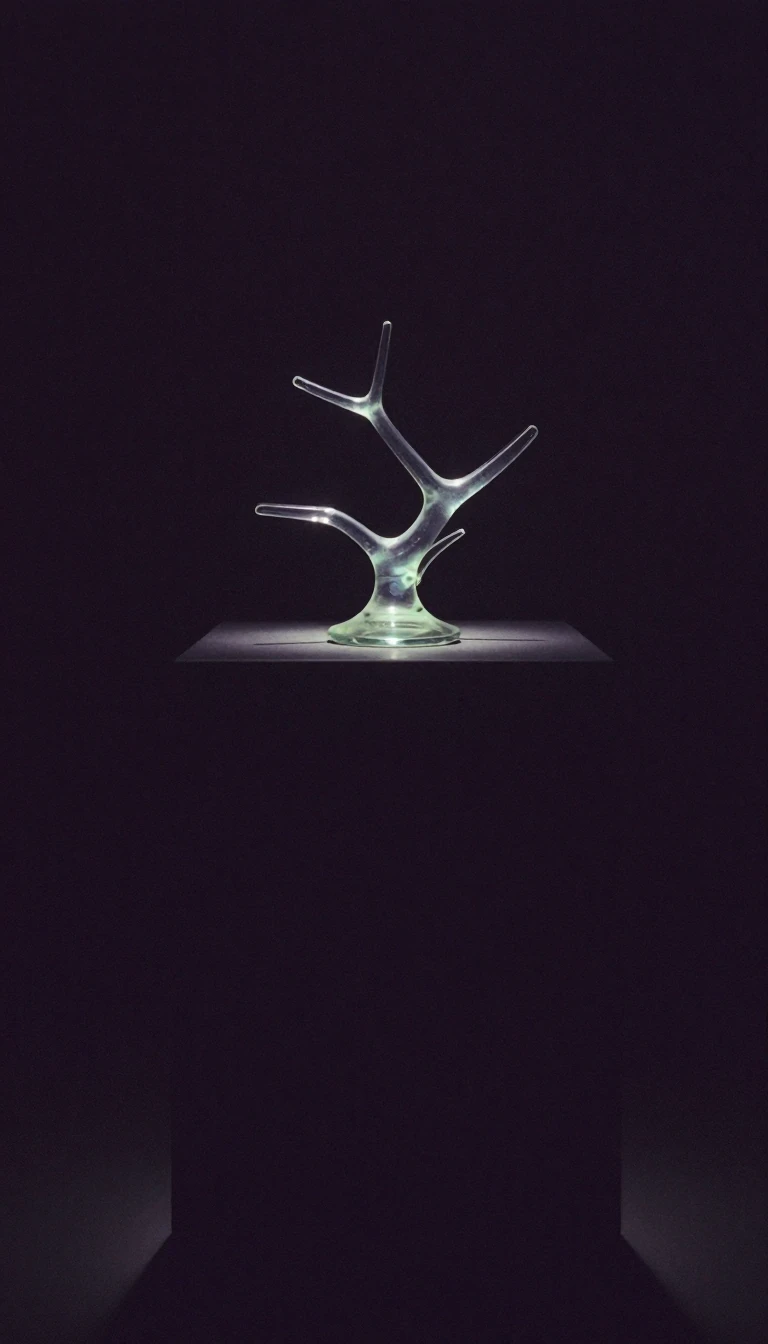 Is the secret to perfect glass art hidden in your family tree?For decades, rumors persisted that Bohemian lampworkers Leopold and Rudolf Blaschka possessed a secret, unreplicable method for creating their anatomically flawless glass botanica…
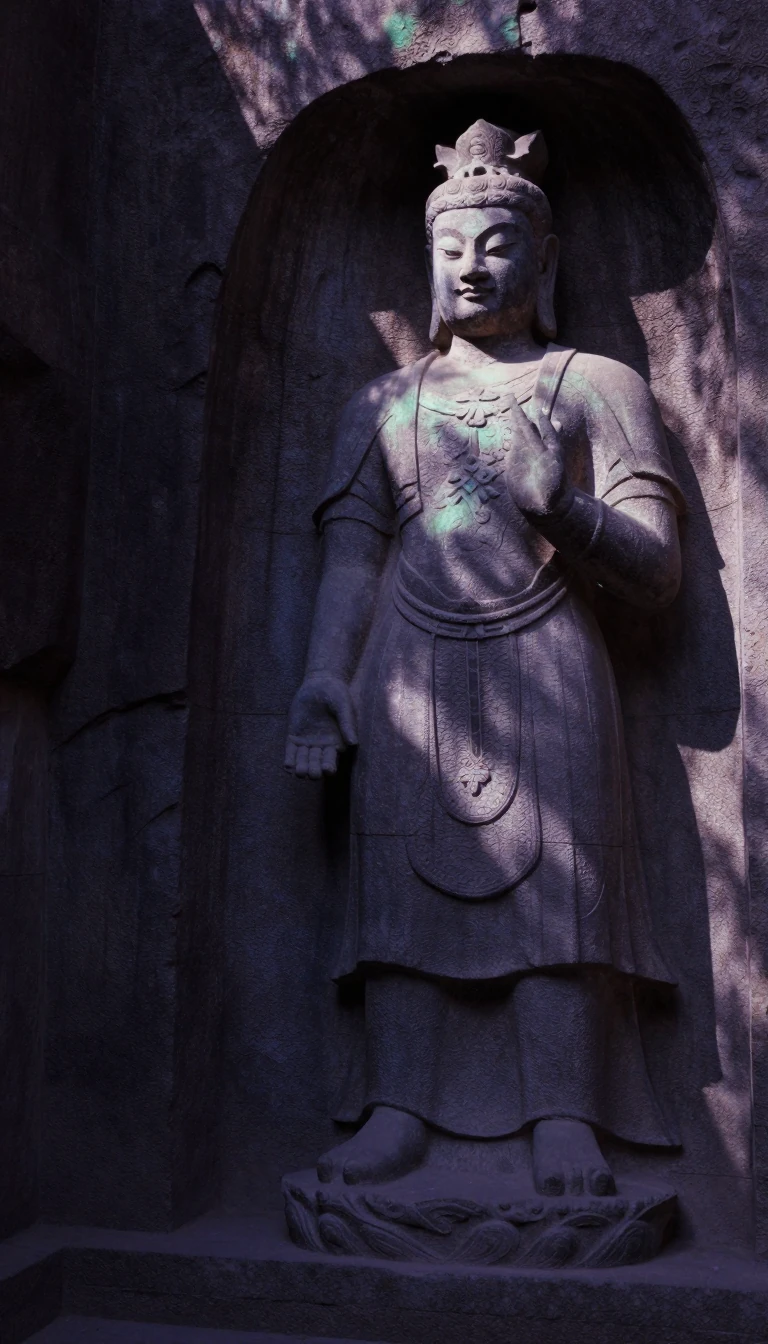 This 57-foot granite giant has been ritually bathed in milk for over a millennium.Carved from a single block of granite in 983 CE, the Gommateshwara statue stands as a towering testament to Jain devotion. Every twelve years, this monolithic figure of Bahubali u…
 Why Jean-Auguste-Dominique Ingres painted a woman with five extra vertebrae in her backWhen Jean-Auguste-Dominique Ingres unveiled his 1814 masterpiece, critics were horrified by its anatomical impossibilities. They claimed the figure lacked bones, muscle, and life.…
 From Cave Walls to Computer Screens: The Enduring Power of Visual CommunicationGraphics are far more than mere decoration. From prehistoric cave paintings to the complex vector algorithms powering modern interfaces, these visual tools have shaped how we reco…
 A dismantled masterpiece reveals how Mongol rulers claimed the Persian throne through epic art.The Great Mongol Shahnama is a monumental, unfinished manuscript from the 1330s that transformed Persian history into a tool for Ilkhanid legitimacy. Once a cohesive record of kin…
- Why the grotesque is more than just a monster—it is a mirror of humanity.The grotesque is not merely a synonym for the ugly or the monstrous. It is a complex aesthetic category that forces us to reconcile disgust with empathy. From ancient Roman wall a…
- A Five-Thousand-Year-Old Lioness Statue That Shattered Auction RecordsStanding just over eight centimeters tall, the Guennol Lioness is a masterpiece from the dawn of civilization. This Mesopotamian figure, blending human and leonine traits, once co…
 How a rejected newspaper photo became the world's most reproduced portraitCaptured by chance during a 1960 funeral, Alberto Korda’s portrait of Che Guevara was initially ignored by editors. Yet, this accidental frame evolved into a global icon of rebell…
 Are these ancient Kimberley rock paintings the work of a lost, non-Indigenous civilization?The Gwion Gwion figures of Western Australia are among the most debated images in archaeology. While some early researchers proposed they were created by an exotic, vanished race,…
 Why Claude Monet painted the same pile of grain twenty-five different timesMonet’s Haystacks series transformed a mundane agricultural chore into a profound exploration of light. By capturing the same grain stacks across shifting seasons and weather, he …
- Is this ancient masterpiece a genuine Greek original or a clever Roman imitation?The Hermes and the Infant Dionysus is one of the most celebrated statues in history, yet its true origins remain a mystery. Discovered in the ruins of Olympia, this marble figure …
- From Clay Idols to Cosmic Dances: The Evolution of Hindu Artistic ExpressionHindu art is not merely decoration; it is a profound, inseparable extension of religious life. Spanning thousands of years, it has evolved from fragile clay figures to intricate b…
- Why history painting was once considered the highest form of Western artFor centuries, history painting reigned as the pinnacle of artistic achievement. Defined not by style but by narrative, these complex, multi-figure works were seen as the visual e…
 How Marc Chagall used Cubism to paint his childhood memories of a Belarusian villagePainted in 1911, Marc Chagall’s I and the Village is a dreamlike synthesis of Eastern European folklore and Parisian modernism. By blending the fractured geometry of Cubism with n…
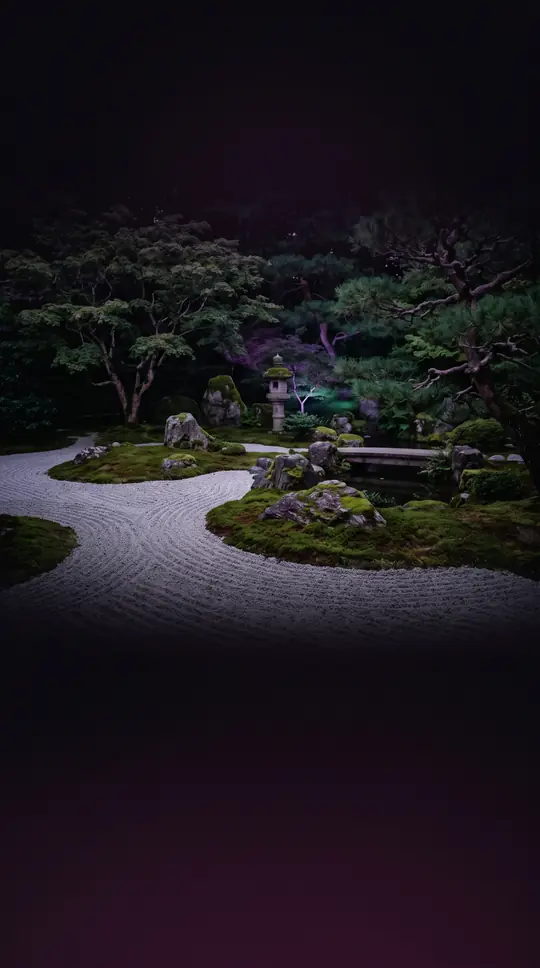 Ikebana is the Japanese art of finding harmony in a single, carefully placed stemFar from the crowded bouquets of Western tradition, ikebana is a meditative practice that celebrates the unique character of individual plants. By focusing on asymmetry, negative …