 Intellect Plus
Art
5,849 cards. Each one is a 40-second story with a five-minute read behind it. Page 72 of 98.
Subtopics: Art crime · Art history · Art museums · Arts: General · Baroque · Calligraphy · Ceramics · Children's literature · Classic literature · Colour · Concepts of fiction and narrative · Conceptual art · Conservation · Craft · Cultural venues · Dada · Detective fiction · Directors, producers and screenwriters · Dye · Entertainers · Expressionism · Fantasy literature · Fictional and legendary characters · Film and television · Filmmakers and theatre directors · Forgery · Fresco · History painting · Illustration · Impressionism · Literature · Medieval art · Michelangelo · Modern art · Mosaics & stained glass · Oil painting · Optics · Painting · Paris salon · Performing arts · Photography · Pigments · Poetry · Poets · Portraiture · Post impressionism · Printmaking · Renaissance · Romanticism · Science fiction literature · Sculpture · Shakespeare · Spanish golden age · Street art · Symbolism · Textiles · Theatre · UK & Ireland: arts · Van gogh · Vermeer · Victorian · Visual artists · Visual arts
 How a century-old comic strip sparked a legal war and defined modern syndicationCreated in 1897, The Katzenjammer Kids is the longest-running comic strip in history. Its legacy is defined by a bitter legal battle that split the strip into two competing versio…
 How Charlie Chaplin’s The Kid survived a divorce, a heist, and studio interferenceCharlie Chaplin’s 1921 masterpiece, The Kid, was nearly destroyed by legal battles and studio greed. To protect his first feature-length film, Chaplin smuggled the raw negative to…
 A romantic masterpiece that hides a secret call for Italian revolution and national unity.Francesco Hayez painted The Kiss in 1859, creating what appears to be a tender, passionate embrace. Yet, beneath the surface of this iconic image lies a coded political manifesto.…
 Why Gustav Klimt’s The Kiss remains the definitive masterpiece of the Vienna SezessionCompleted in 1909, Gustav Klimt’s The Kiss is an iconic oil and gold leaf painting that defines the Vienna Sezession. While often viewed as a romantic embrace, the work’s intricat…
 What happens to human society when gender is removed from the biological equation?In her seminal 1969 novel, Ursula K. Le Guin conducted a radical thought experiment: she placed a human envoy on a planet where inhabitants have no fixed sex. By removing the bina…
 Lillian Hellman's The Little Foxes exposes the corrosive power of unchecked familial greedSet in 1900 Alabama, this 1939 drama follows Regina Hubbard Giddens, a woman trapped by a society that denies women inheritance. Her ruthless pursuit of wealth through the manipul…
 How a 1941 detective film defined the hard-boiled archetype and launched a legendJohn Huston’s directorial debut, The Maltese Falcon, transformed Humphrey Bogart from a supporting gangster actor into a Hollywood icon. By playing the world-weary private detecti…
 How Ray Bradbury turned a collection of short stories into a Martian masterpieceRay Bradbury did not set out to write a novel. Instead, he wove disparate tales of human colonization and Martian tragedy into a cohesive chronicle. Inspired by Sherwood Anderson,…
 How Caravaggio transformed a cardinal's private music room into a window on human emotion.Painted around 1595, Caravaggio’s The Musicians captures four youths preparing for a performance. Far from the idealized figures common in Renaissance art, these subjects were pai…
 Why Henry Fuseli’s 1781 painting of a sleeping woman became a cultural sensationWhen Henry Fuseli unveiled The Nightmare in 1782, the London public was shocked by its overt sexuality and haunting imagery. This breakthrough work, featuring a demonic incubus an…
 Why Ivan Aivazovsky’s masterpiece captures the terrifying beauty of the ocean’s final, largest wavePainted in 1850, The Ninth Wave remains the most celebrated work by Russian marine artist Ivan Aivazovsky. It captures a harrowing scene of survivors clinging to wreckage after a …
 How a failed pot roast and a critic's note created a theatrical legendNeil Simon's The Odd Couple is a masterclass in comedic friction, born from real-life domestic disasters. Whether inspired by his brother's messy divorce or Mel Brooks's chaotic l…
 Beneath Picasso's masterpiece of misery lie the ghostly figures of a forgotten painting.Pablo Picasso's The Old Guitarist is an icon of his Blue Period, defined by its haunting, monochromatic blue palette and themes of human suffering. Yet, modern technology has reve…
 The Phantom: How a Masked Crime-Fighter Became the Blueprint for Modern SuperheroesCreated in 1936, the Phantom is a unique bridge between pulp magazine adventurers and the costumed icons that followed. Lacking supernatural powers, this legacy hero relies on gri…
 Can a dead shark in a tank truly be considered a masterpiece of art?Damien Hirst’s 1991 installation, featuring a tiger shark suspended in formaldehyde, became a defining symbol of the Young British Artists movement. While it sparked intense debat…
 Why a play about a fake patricide sparked riots across Dublin in 1907When John Millington Synge premiered his play in Dublin, it triggered violent protests and riots. Audiences were outraged by the depiction of a man who bragged about killing his f…
 Why Vincent van Gogh considered this maligned, dark peasant portrait his greatest masterpieceVincent van Gogh poured months of meticulous labor into The Potato Eaters, a gritty, earth-toned depiction of peasant life. While contemporary critics and friends dismissed the wo…
 Why Norman Rockwell’s painting of a six-year-old girl remains a national mirror todayIn 1960, Ruby Bridges became the first Black child to integrate a New Orleans elementary school. Norman Rockwell captured her harrowing walk to class in a 1964 painting that chall…
- Is this Rembrandt's final masterpiece the greatest painting ever created by a human hand?Completed near the end of his life, Rembrandt’s depiction of the prodigal son’s return is a profound meditation on mercy. By capturing the tender, silent reunion between a father …
 How a Japanese Manga About the French Revolution Transformed Global Pop CultureRiyoko Ikeda’s The Rose of Versailles did more than just retell history. By blending political idealism with complex gender dynamics, this 1970s manga shifted shōjo from children’…
 How a dark fantasy comic series became a landmark of modern intellectual literatureNeil Gaiman transformed the comic book medium by blending mythology, horror, and history into a sophisticated narrative. Centered on the anthropomorphic Lord of Dreams, the series…
 How a Box-Office Flop Became One of the World's Most Beloved FilmsDespite a disappointing initial theatrical run, The Shawshank Redemption evolved from a $16 million failure into a cultural touchstone. Through word of mouth, VHS rentals, and con…
 How Thornton Wilder used dinosaurs and drum majorettes to depict all of human historyIn his Pulitzer Prize-winning 1942 play, Thornton Wilder shattered theatrical conventions to explore the resilience of humanity. By placing the Antrobus family in prehistoric ice …
- Why did a self-taught tax collector paint a lion sniffing a sleeping woman?Henri Rousseau, a French amateur, created one of the most iconic images of the modern era in 1897. His masterpiece, The Sleeping Gypsy, features a desert scene that defies logic, …
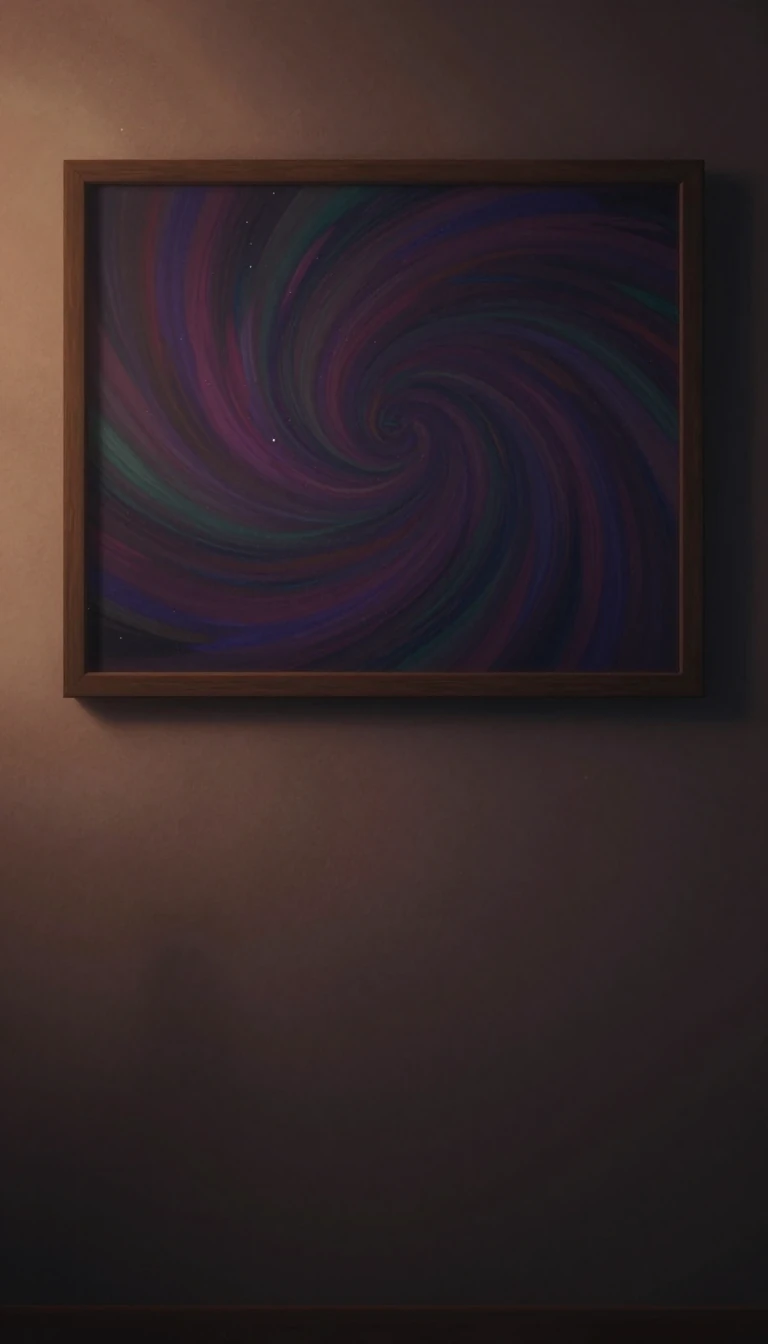 Why does a hovering green apple define the most famous self-portrait in surrealist art?René Magritte’s 1964 masterpiece, The Son of Man, features a man in a bowler hat whose face is obscured by a floating green apple. This iconic image explores the tension between w…
 How a massive bronze sculpture transformed from a fountain centerpiece into a 9/11 memorialOriginally commissioned as a symbol of world peace for the World Trade Center, Fritz Koenig's massive bronze sculpture survived the 9/11 attacks largely intact. Once a rotating fo…
 How a weaponized flu and a dark fantasy epic defined Stephen King's careerStephen King’s The Stand began as an attempt to write an American version of The Lord of the Rings. After a deadly, man-made influenza wipes out 99.4% of humanity, survivors are d…
- Rembrandt’s only seascape remains the most famous missing masterpiece in American art history.In 1633, a young Rembrandt painted a dramatic biblical miracle that would eventually become the centerpiece of the largest art heist in U.S. history. Stolen from a Boston museum i…
 A failed 1185 military raid inspired a masterpiece of Old Russian literatureThe Song of Igor’s Campaign recounts a disastrous expedition by Prince Igor against the Polovtsy. More than a war story, this epic blends Christian motifs with ancient Slavic paga…
 Why Goya’s masterpiece of war is actually a calculated piece of political propagandaCompleted in 1814, Francisco Goya’s The Third of May 1808 is celebrated as a revolutionary depiction of the horrors of war. Yet, beneath its emotional intensity lies a deliberate …
 Why did a 1906 painting of a man training tortoises become a national icon?Osman Hamdi Bey’s masterpiece depicts an elderly man in traditional Ottoman robes attempting to command five tortoises. The animals, however, ignore his flute and drum, choosing i…
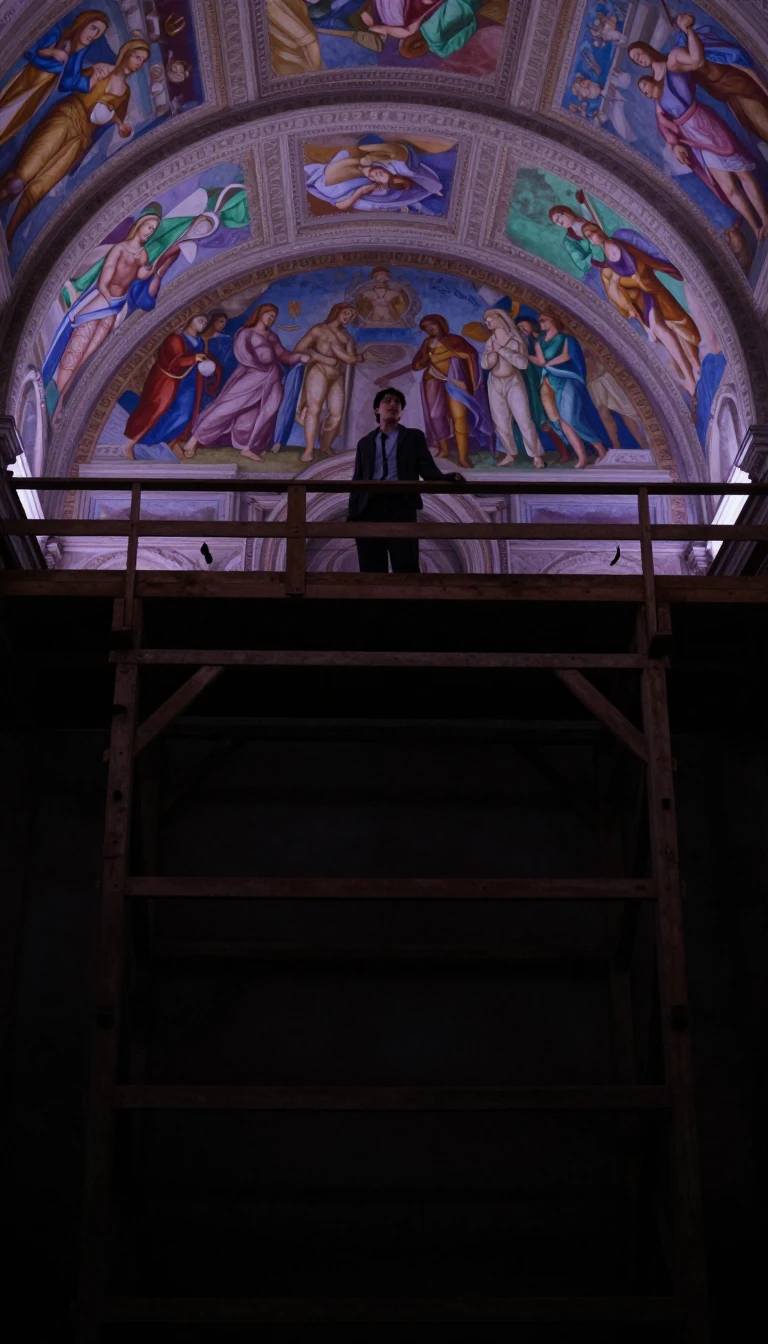 Why Pieter Bruegel the Elder painted a tower that could never actually standPieter Bruegel the Elder’s famous depictions of the Tower of Babel are masterpieces of engineering detail, yet they hide a structural impossibility. While the paintings appear to …
 Why René Magritte’s most famous painting insists that it is not a pipeRené Magritte’s 1929 masterpiece, The Treachery of Images, features a realistic tobacco pipe accompanied by the cursive text, This is not a pipe. By challenging the viewer to dist…
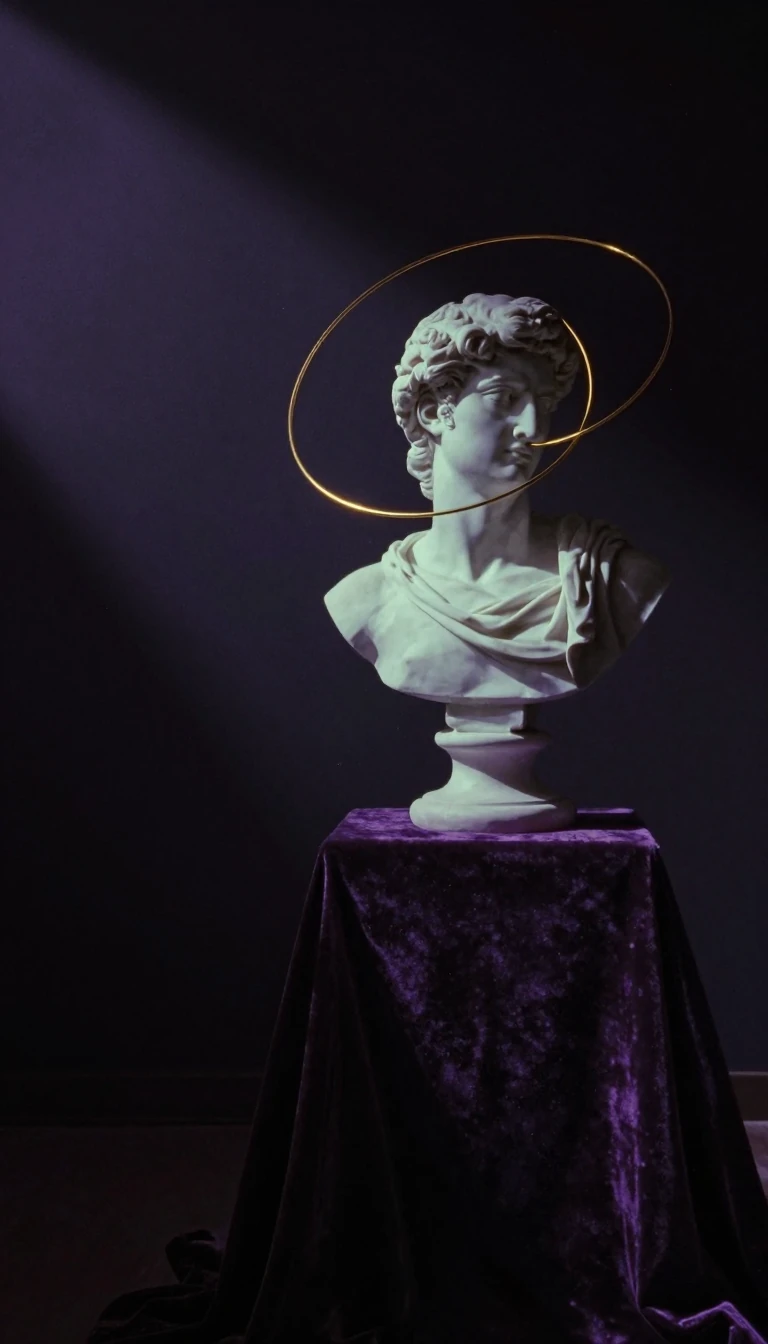 How Masaccio’s Tribute Money Transformed Western Art Through Revolutionary Perspective and Human RealismPainted between 1423 and 1427, Masaccio’s Tribute Money in Florence’s Brancacci Chapel fundamentally altered the trajectory of Western painting. By abandoning flat, decorative sty…
 Is your life a scripted performance, or are you the star of your own reality?Released in 1998, The Truman Show follows an ordinary man who discovers his entire life is a globally broadcast reality television program. While the film serves as a satirical dr…
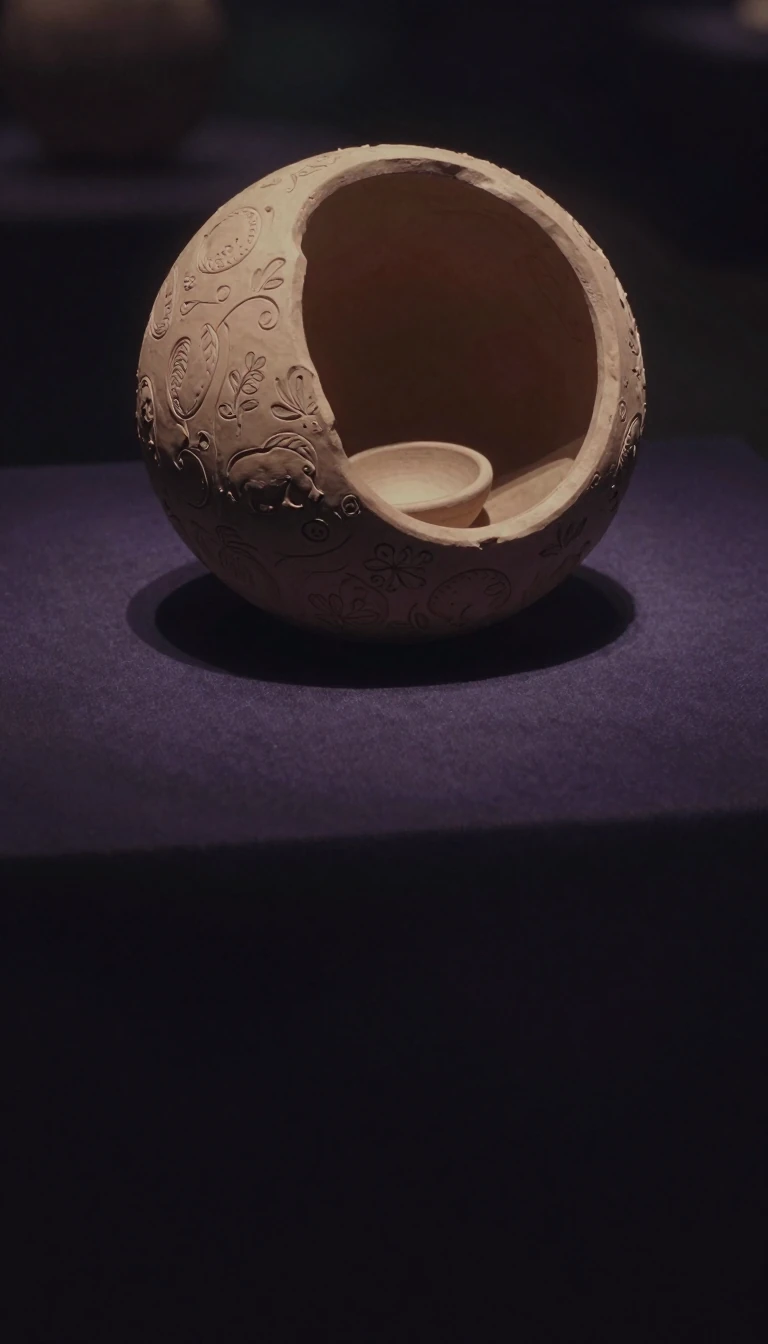 Why Frida Kahlo painted two versions of herself after her divorce from Diego RiveraIn 1939, Frida Kahlo captured her fractured identity on a massive canvas. The Two Fridas depicts two versions of the artist—one in a traditional Tehuana ensemble and one in a Euro…
- Anne Rice’s vampires are not monsters of folklore but metaphors for the human soul.Forget the garlic and crucifixes. In Anne Rice’s gothic saga, vampires are sensual, artistic, and deeply existential beings. Created as a search for God and a lament for lost fait…
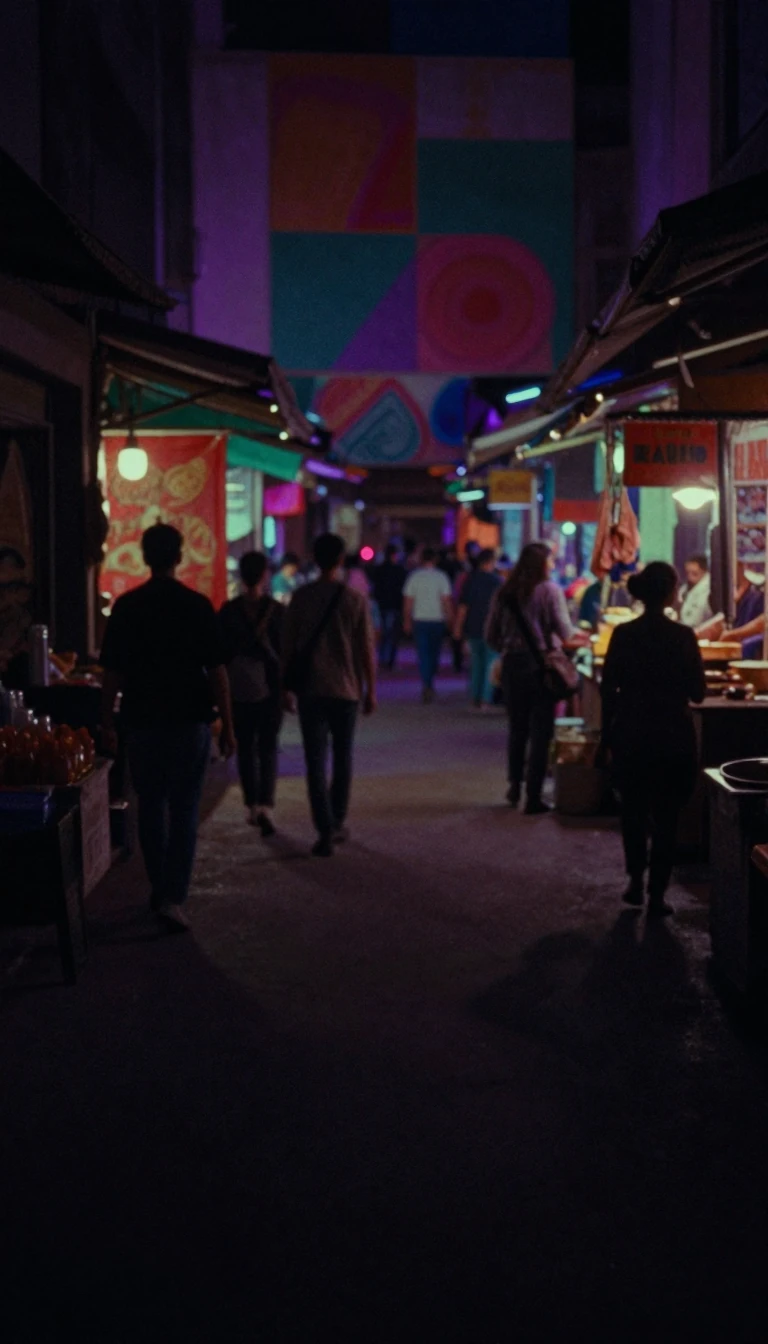 A Pulitzer-winning photograph of a starving child sparked global outrage and deep moral questions.Kevin Carter’s 1993 image of a collapsed child and a lurking vulture became an iconic symbol of the Sudanese famine. While it moved the world to donate, it also ignited a fierce d…
 How a bald, snaggle-toothed boy in a yellow nightshirt birthed the term yellow journalismBefore it meant sensationalist clickbait, yellow journalism was a literal description of a comic strip. Created by Richard F. Outcault, the Yellow Kid became the centerpiece of a …
 Why Roman theatre traded artistic depth for the roar of the crowdRoman theatre was less about high art and more about state-sponsored distraction. While Greek drama focused on serious inquiry, Roman authorities used festivals and spectacles to …
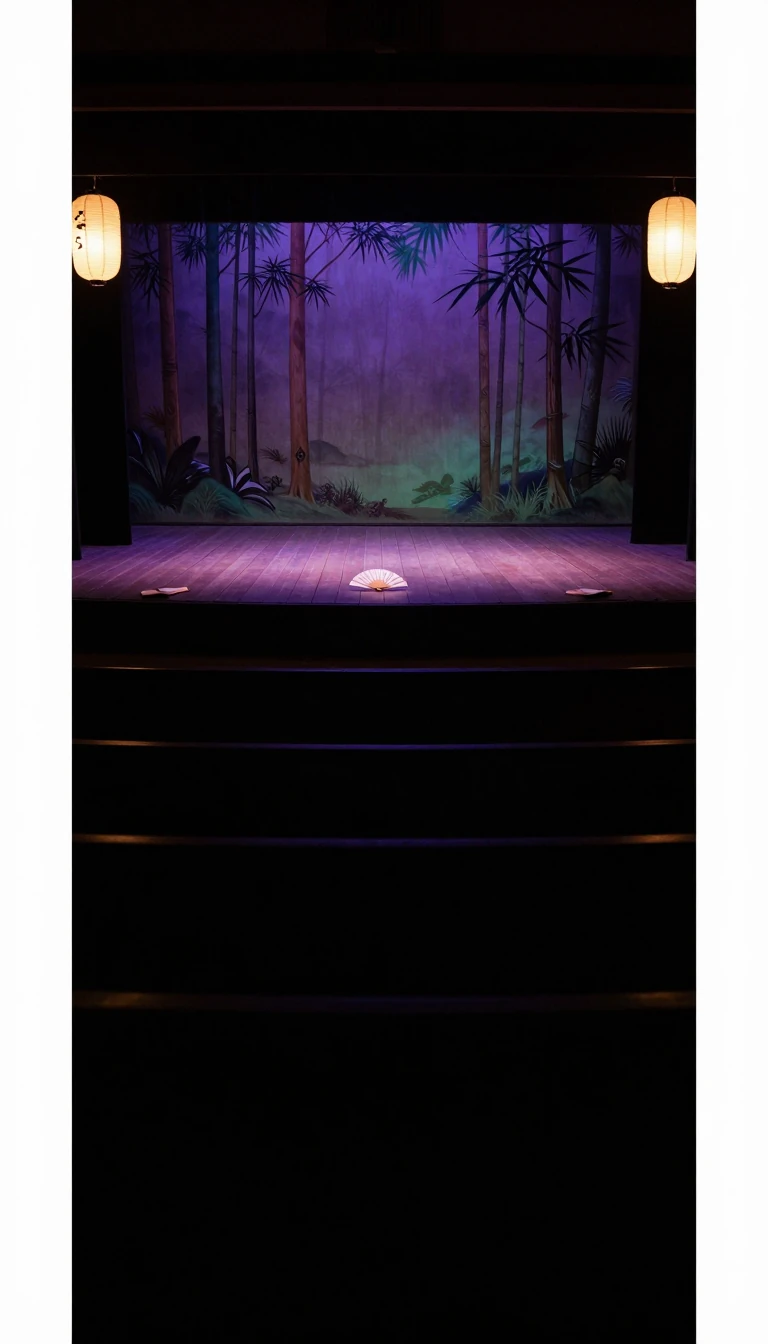 From ancient spiritual rituals to 2.5D anime musicals, Japan’s theatre is a living evolution.Japanese theatre spans centuries, balancing the rigid, mask-heavy traditions of Noh with the explosive, modern energy of 2.5D musicals. While Tokyo now stands as a global theatric…
 A theme is the soul of a story, but how do authors weave it?Themes are the central ideas anchoring a narrative, often expressed through character actions or recurring motifs. While a thematic concept identifies what a work is about, the th…
 Marvel's Thor was designed to be a superhero more powerful than the Incredible Hulk.Stan Lee wanted a hero who could surpass the strength of the Fantastic Four and the Hulk. His solution was not to create another human, but to adapt a god. By looking to Norse myt…
 Why the thriller film is a genre defined by its own lack of definitionThe thriller is less a rigid category and more a hazy, adrenaline-inducing quality. While audiences recognize the heart-pounding tension, scholars struggle to pin down its boundar…
- How a self-taught tax collector painted a jungle he never actually visitedHenri Rousseau never left France, yet his 1891 masterpiece, Tiger in a Tropical Storm, defined the exotic jungle aesthetic for a generation. By blending meticulous layering with a…
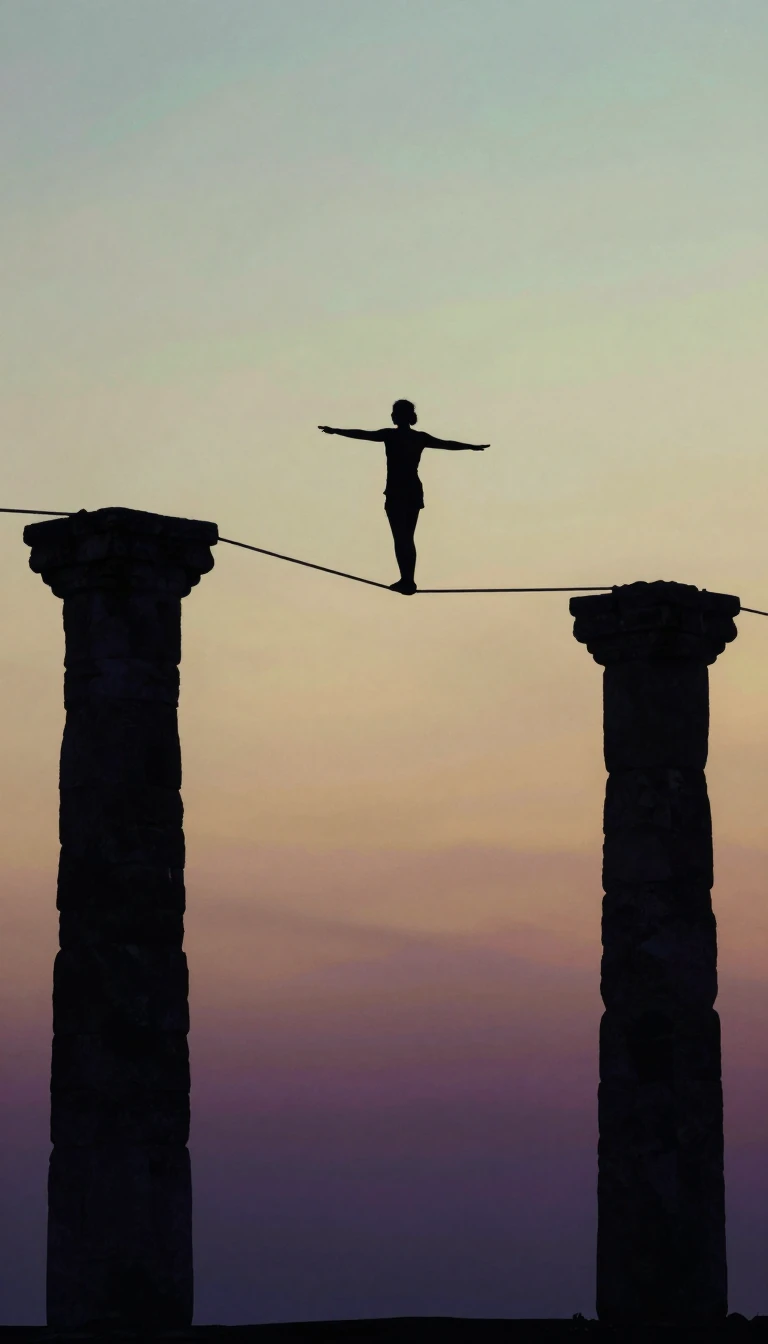 Why the secret to walking a high-wire is actually about lowering your center of gravityWalking a tightrope is less about raw courage and more about mastering the physics of the human body. By manipulating your center of gravity and rotational inertia, you can turn a…
 Why the tooth fairy is a modern invention rooted in ancient dental anxietiesWhile we associate the tooth fairy with childhood innocence, the tradition is a surprisingly recent invention. Before the 20th century, children were often instructed to burn or b…
 Can a woman succeed in business without becoming the very thing she hates?Caryl Churchill’s 1982 masterpiece Top Girls explores the brutal cost of female ambition in Thatcherite Britain. Through a surreal dinner party featuring historical icons and a no…
 How a Saab commercial and a magazine article created a 1986 cinematic phenomenonTop Gun was never a guaranteed hit. Critics initially dismissed its thin plot and focus on style, while several major actors rejected the role of Maverick. Yet, through a mix of h…
 Totem poles are not religious idols, but complex historical records carved from cedar trees.Contrary to popular belief, these monumental carvings are not objects of worship. Instead, they function as sophisticated visual archives, documenting clan lineages, family histor…
 Why the tracking shot is the ultimate tool for cinematic immersion and movementA tracking shot does more than just follow a subject; it pulls the viewer directly into the action. By moving the camera parallel to a character or object, filmmakers create a sen…
 Why the world’s most enduring myths rely on a rule-breaking, shape-shifting cosmic agent.Across cultures, the trickster is a universal archetype who defies social norms, mocks authority, and disrupts order. Whether a god, animal, or human, this boundary-crosser is ess…
- Is Hieronymus Bosch’s masterpiece a surreal nightmare or a medical warning about ergotism?Hieronymus Bosch’s 1501 triptych, The Temptation of St. Anthony, is a dense forest of demons, flying fish, and burning cities. While it depicts the spiritual struggles of a desert…
 Why Geoffrey Chaucer’s epic poem is considered the finest work of his careerCompleted in the mid-1380s, this Middle English masterpiece reimagines a tragic Trojan romance. While often categorized as a courtly romance, the poem’s complex tone and psycholog…
 For centuries, Turkish literature was a tale of two worlds that rarely ever met.Until the 1923 founding of the Republic of Turkey, the nation’s literary life was split between an elite, Persian-influenced written tradition and a vibrant, oral folk culture. Th…
 The accidental origin of Japan's most iconic red-and-silver giant superheroUltraman was never meant to be a hero. Originally envisioned as a reptilian creature named Bemular, the character evolved into a red-and-silver giant after creators worried viewer…
 How a fictional character became a symbol of both abolitionist heroism and racial betrayalHarriet Beecher Stowe’s 1852 novel Uncle Tom’s Cabin was a sensation that humanized the suffering of enslaved people for white audiences. Yet, the title character’s legacy shifted…
 Why the most compelling storytellers are often the ones you should not trust.An unreliable narrator does not offer objective facts, but rather a window into their own biases, anxieties, and delusions. By forcing the reader to act as an armchair therapist, …
 The ancient Japanese legend of a fisherman who lost centuries in a single dayUrashima Tarō is Japan's most enduring folktale, featuring a fisherman who rescues a turtle and visits an undersea palace. He believes he stays for only three days, but returns to…
 Why user experience design is about human behavior, not just pretty digital interfacesUser experience design is a multidisciplinary field rooted in ergonomics and human factors. It moves beyond mere aesthetics, using research and data analysis to shape how people i…