 Intellect Plus
Cooking, food and drink
719 cards. Each one is a 40-second story with a five-minute read behind it. Page 9 of 12.
 Why your brown bread might be a wolf in sheep's clothingWhole grains are nutritional powerhouses, but their health benefits are often obscured by clever marketing. While true whole grains contain the bran, germ, and endosperm, many pro…
 Why wine bars are replacing the traditional pub as our favorite social sanctuaryWine bars have evolved from niche establishments into neighborhood staples, successfully shedding the elitist reputation once attached to wine consumption. By prioritizing a relax…
 Winemaking is a delicate dance of chemistry, biology, and the influence of terroir.From ancient fermentation in Georgia to modern precision engineering, winemaking transforms simple fruit into a complex beverage. Whether through the gentle extraction of color in…
 Why the humble wonton is named after clouds and ancient chaosThe wonton is a culinary chameleon, evolving from a simple bread-like dumpling into a global icon. Known as cloud swallows in Cantonese for their ethereal appearance in broth, the…
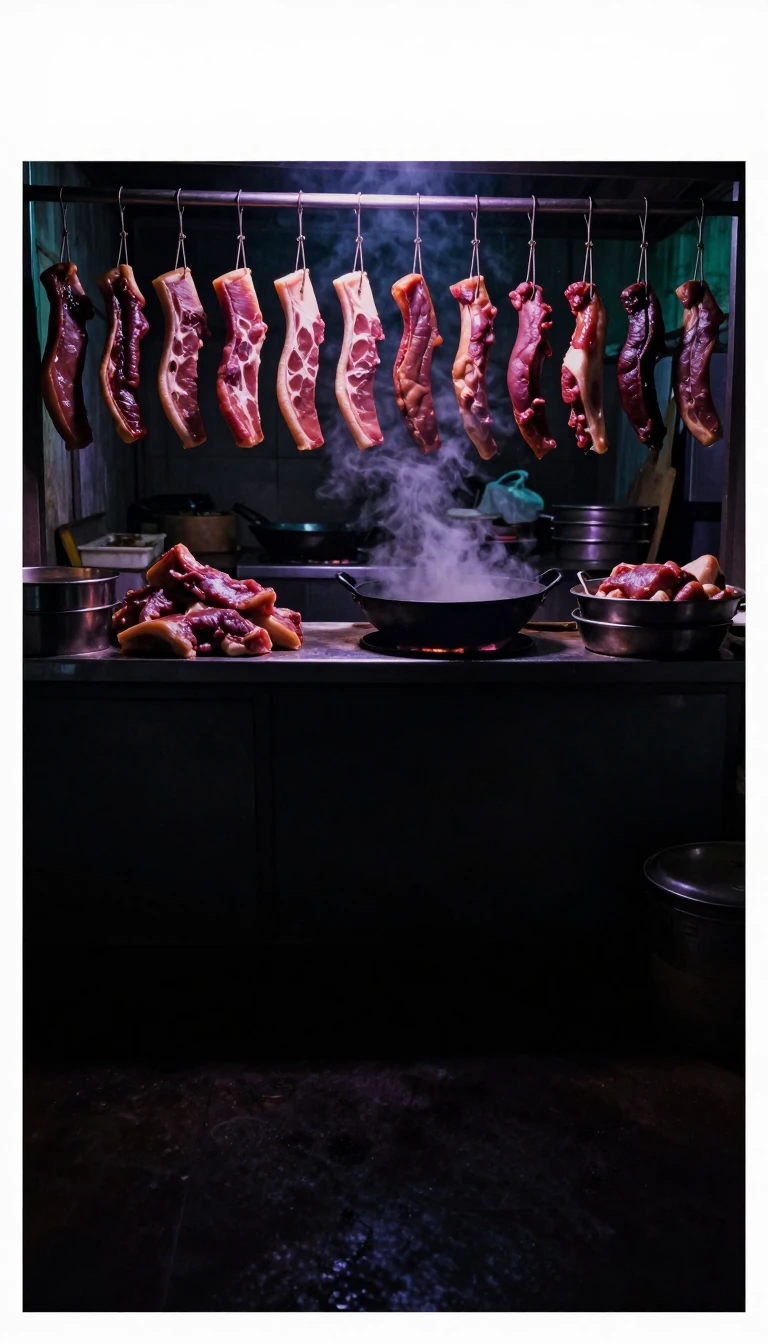 Why the perfect bowl of wonton noodles requires a very specific stacking orderWonton noodles are a Cantonese staple with a history dating back to the Tang Dynasty. While variations span from Malaysia to Thailand, the authentic Hong Kong style relies on prec…
 Why Japan's favorite fried noodle dish was born from a 1918 economic crisisYakisoba is a staple of Japanese street food, yet its origins are surprisingly pragmatic. Born from the necessity of a food shortage, this stir-fried dish replaced expensive ingre…
 Why yellow tea is the rarest, most misunderstood brew in the worldYellow tea is a culinary enigma, often confused with green tea yet distinct in its delicate, mellow profile. While Chinese huángchá undergoes a unique sweltering process to elimin…
 The ancient, versatile staple that evolved from Roman kitchens to modern cansFrom 5th-century Roman precursors to the frozen aisles of modern supermarkets, vegetable soup has been a culinary constant. Whether it is a smooth, pureed cream or a chunky, heart…
 The bitter medicinal origins of your favorite cocktailBefore it was a refreshing mixer, tonic water was a vital tool for survival. Once used to prevent malaria in the British Empire, this carbonated drink hides a complex history of c…
 More than just an accompaniment: the role of the side dishOften relegated to the periphery of the plate, side dishes are essential components of a meal. Whether they are part of a fixed combination meal or ordered a la carte, these small…
 The nutritional powerhouse hiding in a small, oily tinOften dismissed as a cheap staple, sardines are a nutritional marvel. From ancient Japanese shell mounds to modern Mediterranean feasts, these small fish offer a concentrated dose…
 How Russia's harsh climate shaped a culinary history of preservation and fusionFrom the ancient staples of bread and kasha to the sophisticated fusion of the Imperial era, Russian cuisine is a story of survival. Driven by freezing winters and shifting border…
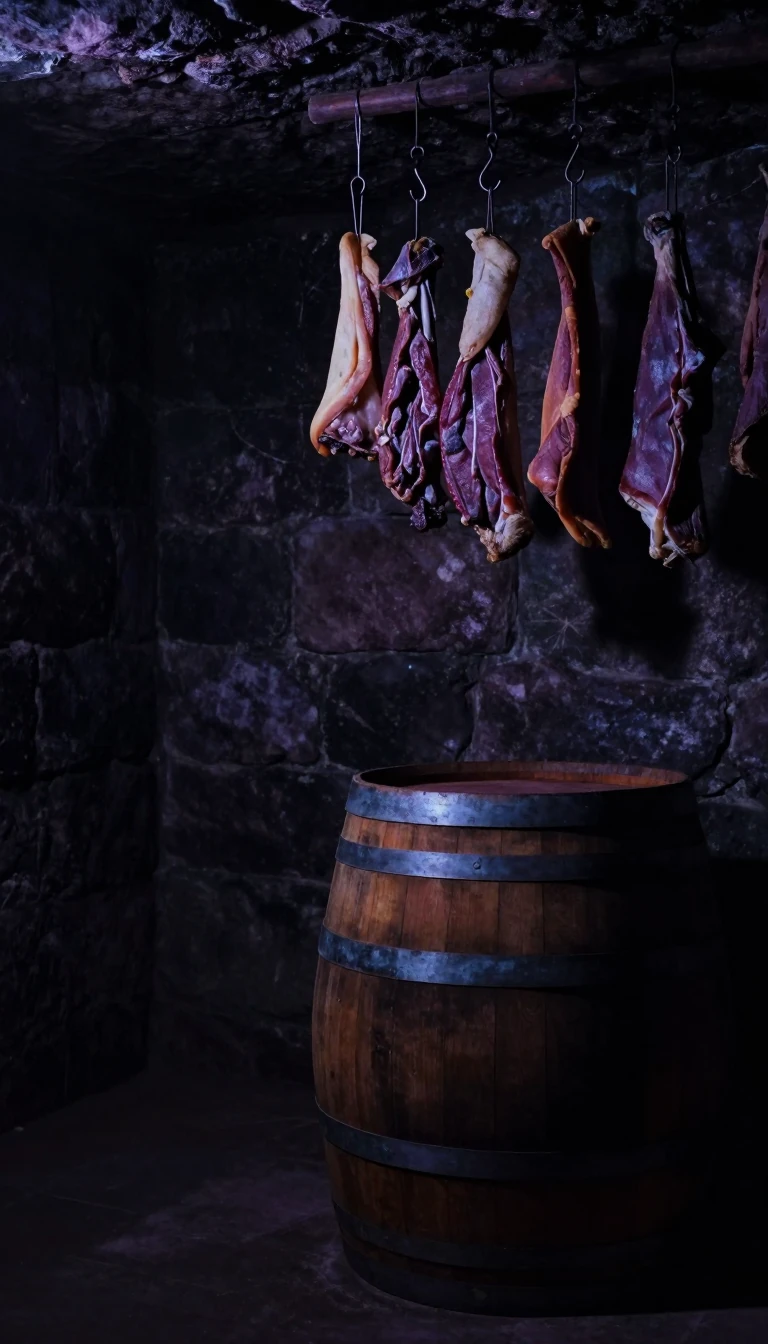 Why the ribeye is the world's most sought-after steakBeyond its reputation for tenderness, the ribeye is a complex assembly of distinct muscles. From the prized 'ribeye cap' to the central 'eye,' this cut offers a unique combination…
- Why leftover rice became a Southeast Asian culinary iconNasi goreng is more than just a meal; it is a masterclass in food efficiency. Born from the need to avoid waste, this smoky, aromatic dish transformed day-old rice into a regional…
- The ancient, sun-dried disc that defines South Asian snackingMore than just a crunchy side dish, the papadam is a masterclass in preservation. From ancient Sanskrit texts to modern Indian restaurants, this thin, crisp flatbread relies on a …
 The hidden chemistry of flavor in our future protein sourceWhile insects are often dismissed as a novelty, they possess a complex chemical profile that can mimic fish, clams, or sour notes. From pheromones to organic acids, the science of…
 Is it a cocktail or just a spirit and a mixer?The line between a simple drink and a complex cocktail is thinner than you might think. Understanding the precise composition of your glass reveals the structural difference betwe…
- How dietary laws and global displacement shaped a culinary identityFrom the ancient barley loaves of Israel to the modern fusion of Tel Aviv, Jewish cuisine is a map of human movement. It is a tradition defined by strict religious boundaries, yet…
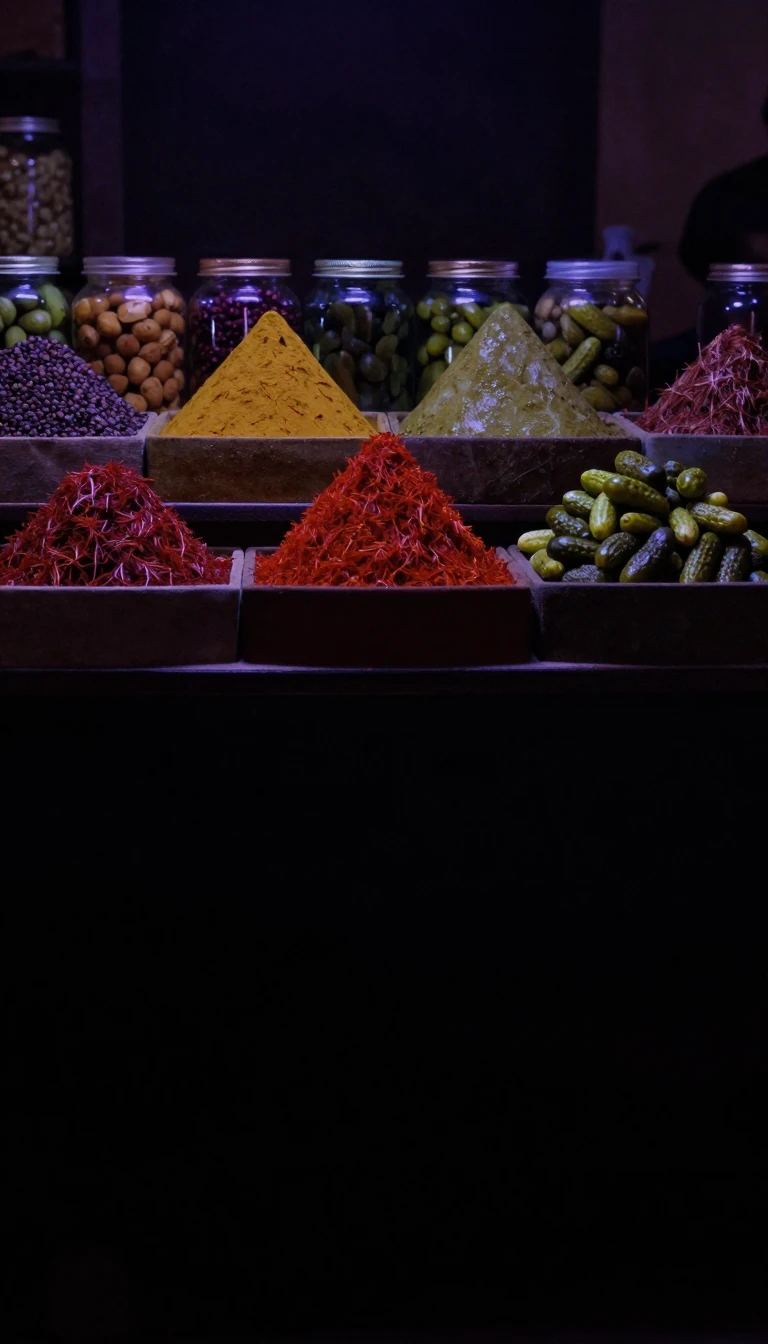 The chemical illusion that makes your mouth feel like it is on fireWhen you taste hot sauce, you aren't actually feeling heat. Instead, capsaicin triggers specific ion channels in your peripheral neurons, tricking your neurological system into pe…
 The filet mignon is a linguistic ghost of the Atlantic OceanDepending on where you are standing, a filet mignon might be beef, pork, or veal. This culinary icon is less a universal standard and more a geographical misunderstanding, where t…
- How a beef hot pot became Japan's most iconic quick mealFor centuries, eating meat was rare in Japan due to religious traditions. Yet, the humble gyūdon—a bowl of beef and onions over rice—rose from a meat-heavy hot pot to a national s…
 How removing milk solids transforms butter into a high-heat culinary stapleStandard butter burns quickly because of its water and milk solid content. By separating these components, you create clarified butter—a golden fat with a significantly higher smo…
- From ancient salt to modern omics: the science behind what we eatFood science, or bromatology, is the interdisciplinary study of the chemical and physical properties of what we consume. It spans from the ancient art of preserving meat with salt…
 The invisible cost of unsafe food is measured in millions of livesEvery year, nearly one in nine people worldwide fall ill after eating contaminated food. Beyond the immediate physical suffering, this global crisis drains hundreds of billions of…
 The crescent-shaped pastry born from Austrian roots and French techniqueThe croissant is a masterpiece of lamination, sitting perfectly between bread and puff pastry. While many associate it with French breakfast, its journey involves Austrian origins…
- Why the purest water is not necessarily the healthiest to drinkDistilled water is stripped of almost every mineral, leaving a liquid so pure it can even corrode car engines. While this purity prevents limescale in your iron, it lacks the esse…
- The ancient processed food that transformed wheat into a nutritional stapleLong before modern convenience foods, humans were already mastering food processing. By parboiling and drying wheat groats, ancient civilizations created bulgur—a versatile, nutty…
 The squeaky cheese with a thousand-year linguistic journeyKnown for its unique ability to be fried without melting, halloumi is a staple of Cypriot cuisine. While many associate it with a simple vegetarian snack, its history spans from m…
 How a White House budget analyst became the queen of butterfatBefore she was a culinary icon, Ina Garten was writing nuclear energy budgets for presidents. Her transition from the Office of Management and Budget to the Food Network wasn't ju…
 Kumis: The Ancient Fermented Mare's Milk That Once Powered the Mongol EmpireKumis is a traditional fermented dairy drink made from mare's milk, central to the cultures of the Central and East Asian steppes. Often described as the region's equivalent to be…
 Is white chocolate actually chocolate, or just a sweet, ivory-colored confection?White chocolate is a polarizing treat, often dismissed as mere sugar and fat. While purists argue it lacks the essential non-fat cocoa solids that define real chocolate, it remain…
- Shōchū is Japan's versatile, centuries-old answer to the world of distilled spirits.Often misunderstood as a simple rice wine, shōchū is a diverse distilled spirit with a history dating back to the 16th century. From humble beginnings as a worker's drink to a mod…
- How a 16th-century swamp became the world's most refined stage for luxury and sushi.Ginza began as a marshland before transforming into a silver mint and later a government-mandated model of modernization. Today, this Tokyo district serves as a global epicenter f…
- Beyond the bowl: How Japan transformed simple wheat noodles into a regional obsessionUdon is far more than a basic wheat noodle. From the heavy snow-inspired potato starch variants of Hokkaido to the salt-free doughs of Yamanashi, this staple adapts to local clima…
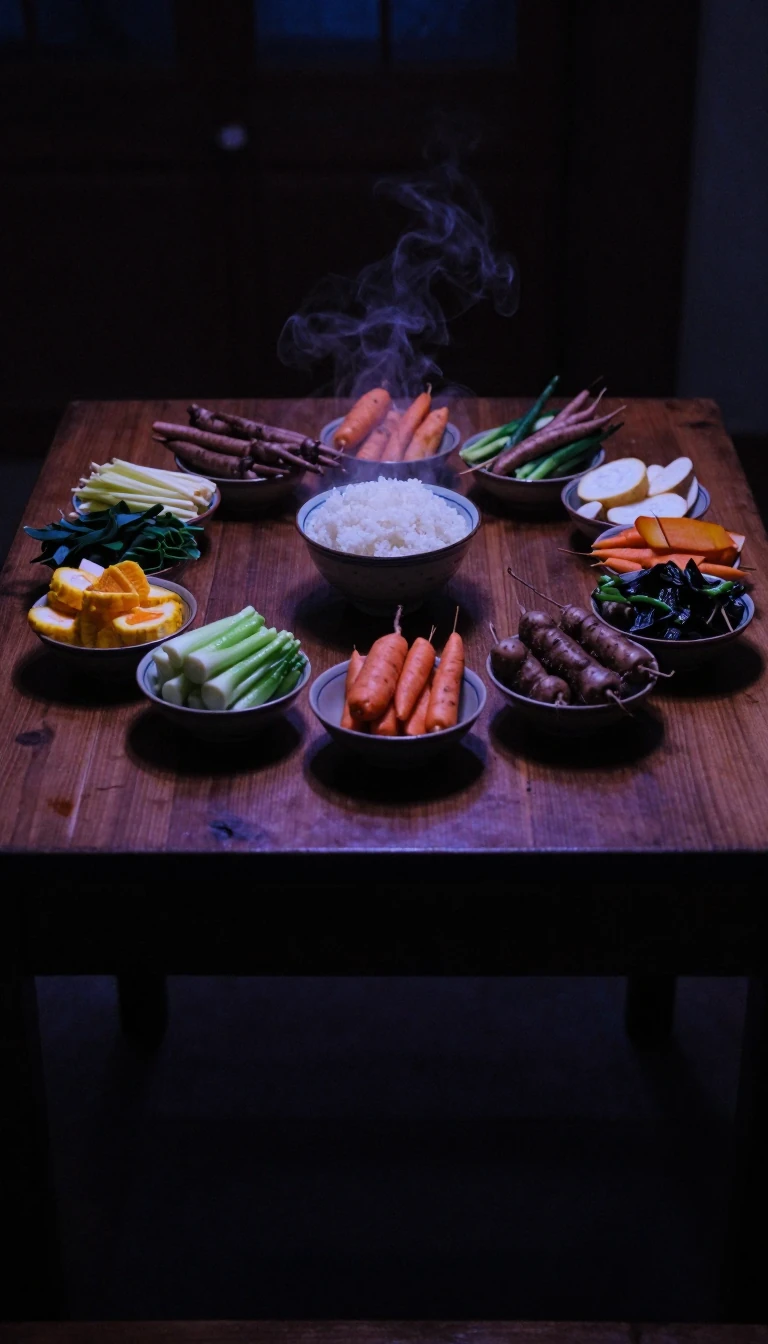 Is Korea's iconic seaweed rice roll a colonial import or an ancient local tradition?Gimbap is a staple of Korean cuisine, yet its origins remain a subject of intense debate. While often linked to the Japanese norimaki introduced during the colonial era, others po…
- The Manhattan cocktail: a storied classic with a murky, disputed originThe Manhattan is a staple of mixology, yet its true history remains shrouded in myth. While popular lore links its creation to a high-society banquet in the 1870s, evidence sugges…
- Is the Bloody Mary a hangover cure or just a very elaborate salad?The Bloody Mary is a morning staple, but its origins are as murky as its tomato-heavy base. Whether invented in a Paris bar or a New York hotel, this cocktail has evolved from a s…
 Why the Chicago White Sox once played baseball games while wearing shorts on the fieldThe Chicago White Sox are known for more than just their 2005 World Series title. From the infamous Black Sox Scandal to a bizarre 1976 experiment with uniform shorts, the South S…
 How a brewer and a contractor built the most successful franchise in baseball historyThe New York Yankees were not always the titans of the diamond. Before their legendary status, they were the Highlanders, a struggling team playing in a borrowed ballpark. Their t…
 The bagel is a centuries-old ring of dough with a surprisingly contentious culinary history.Beyond the cream cheese, the bagel is a global traveler. From 17th-century Polish community ordinances to the automated freezers of 1960s America, this boiled-and-baked bread has …
 Greek yogurt's boom shows how straining a food can create a $4-billion marketGreek yogurt's boom in the 2010s shows how a single processing step can create explosive market growth. Strained yogurt—which is simply regular yogurt with whey removed—became the…
 Mexico domesticated a cactus 9,000 years ago that conquered the MediterraneanOpuntia, the prickly pear cactus, became a global staple after Mexican domestication thousands of years ago. Today its fruit and edible pads nourish populations from North Africa …
- Eastern Europe's versatile fresh cheese remains less known than it deservesQuark, a fresh dairy product from Eastern Europe, remains less known than it deserves despite regional popularity. Made by fermenting milk and straining curds, it occupies a uniqu…
 Honda's first motorcycles ran partly on turpentineJapan was so short of petrol after the Second World War that Honda's earliest motorcycles, built from 1946, burned a blend of gasoline and turpentine. The same pine-derived solven…
 A Texas university looks like Bhutan because of one National Geographic issueAfter a fire destroyed a young Texas mining school in 1916, the dean's wife remembered photographs of Bhutanese monastery fortresses she had seen in National Geographic. The rugge…
 De Gaulle refused to restore the French Republic, insisting it had never endedAt the Paris city hall on 25 August 1944, a Resistance leader invited Charles de Gaulle to proclaim the republic's return. He declined: in his view the republic had never stopped …
 Britain began licensing animal experiments in 1876, and neither side liked itWhen Parliament passed the Cruelty to Animals Act in 1876, scientists complained it would leave them trailing France and Germany, while campaigners called it a surrender that let …
 Vulture stomach acid can neutralise anthrax that would kill other scavengersWith stomach acid around pH 1.0, vultures can safely eat rotting carcasses carrying anthrax, botulinum toxin and hog cholera. They are the only land vertebrates known to depend en…
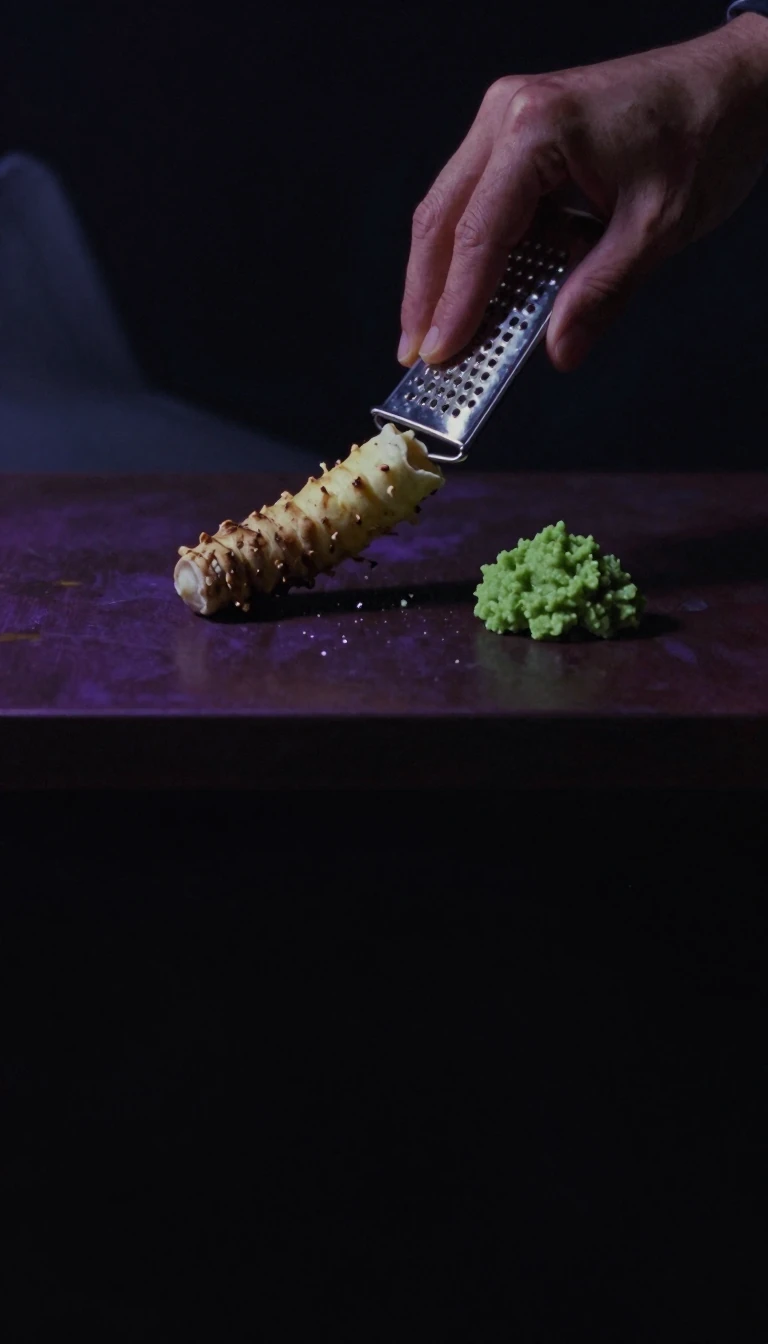 Most wasabi outside Japan is horseradish, mustard and green dyeThe green paste beside your sushi probably never touched a wasabi plant. Real wasabi is fussy, shunning direct sun and demanding cool, flowing water, so supply never meets demand.…
 Protein powder began as cheese waste that was choking American riversWhey, the watery leftover from cheesemaking, was once simply dumped into US rivers and streams. Its protein fed thick blooms of algae that blocked light and oxygen, so the practic…
 The word yuppie took off thanks to a former yippie radicalJerry Rubin had once been a radical leader among the yippies, as members of the Youth International Party were known. By 1982 he was running a business networking club that met at…
 Everything warmer than absolute zero is quietly shining, including youEvery object above absolute zero gives off electromagnetic radiation simply because its particles jiggle. At room temperature that glow is infrared and invisible, which is why the…
 Stone axes were once believed to be thunderbolts fallen from the skySixteenth-century Europeans called the chipped flints scattered across their fields thunderstones, convinced lightning made them. Working out that people had made them, and that s…
 Turkey doesn't make you sleepy; the potatoes and stuffing probably doBlaming the Thanksgiving turkey for the post-dinner slump is a myth: turkey holds about as much tryptophan as any other poultry. The drowsiness more likely comes from a carbohydra…
 Soul food was born from scraps and turned into a badge of prideThe cuisine of Black Americans grew from what enslaved people were allowed to eat: cornmeal, a few pounds of pork, and the parts of the animal plantation owners discarded. Only in…
- Three grasses, rice, maize and wheat, supply two-thirds of what humanity eatsFor all the world's cuisines, most people live on a surprisingly short menu. Just 15 crops provide about 90 percent of the food energy people get from plants, and rice, maize and …
 The first true supermarket opened in a converted garage in Queens in 1930Before supermarkets, you stood at a counter, pointed, and haggled with a clerk who fetched and weighed each item. Then in August 1930 Michael J. Cullen, a former Kroger man, opene…
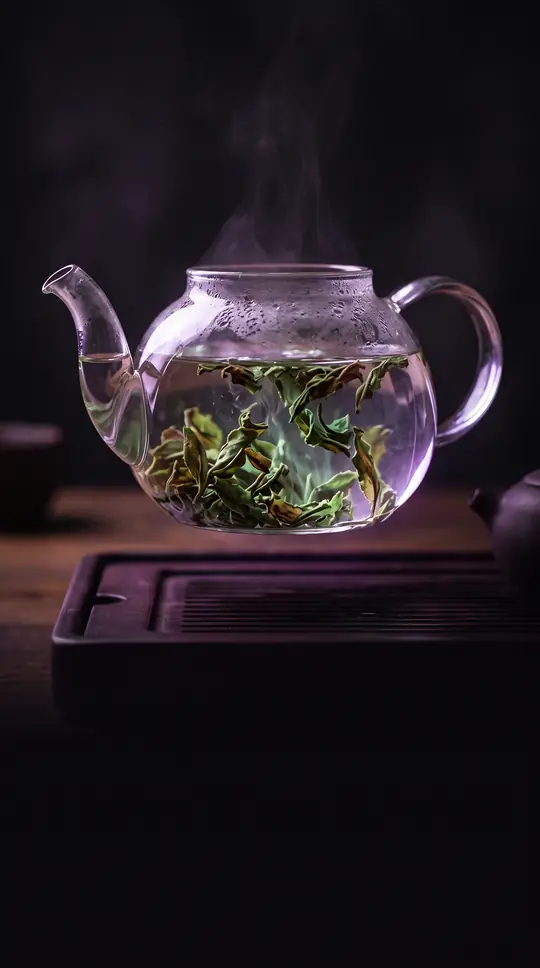 The Titanic actress whose one-meal-a-day vegan pitch won over Oprah WinfreySuzy Amis Cameron played Rose's granddaughter Lizzy in Titanic, then largely swapped acting for food activism. She and her husband James Cameron went vegan after a 2011 documentar…
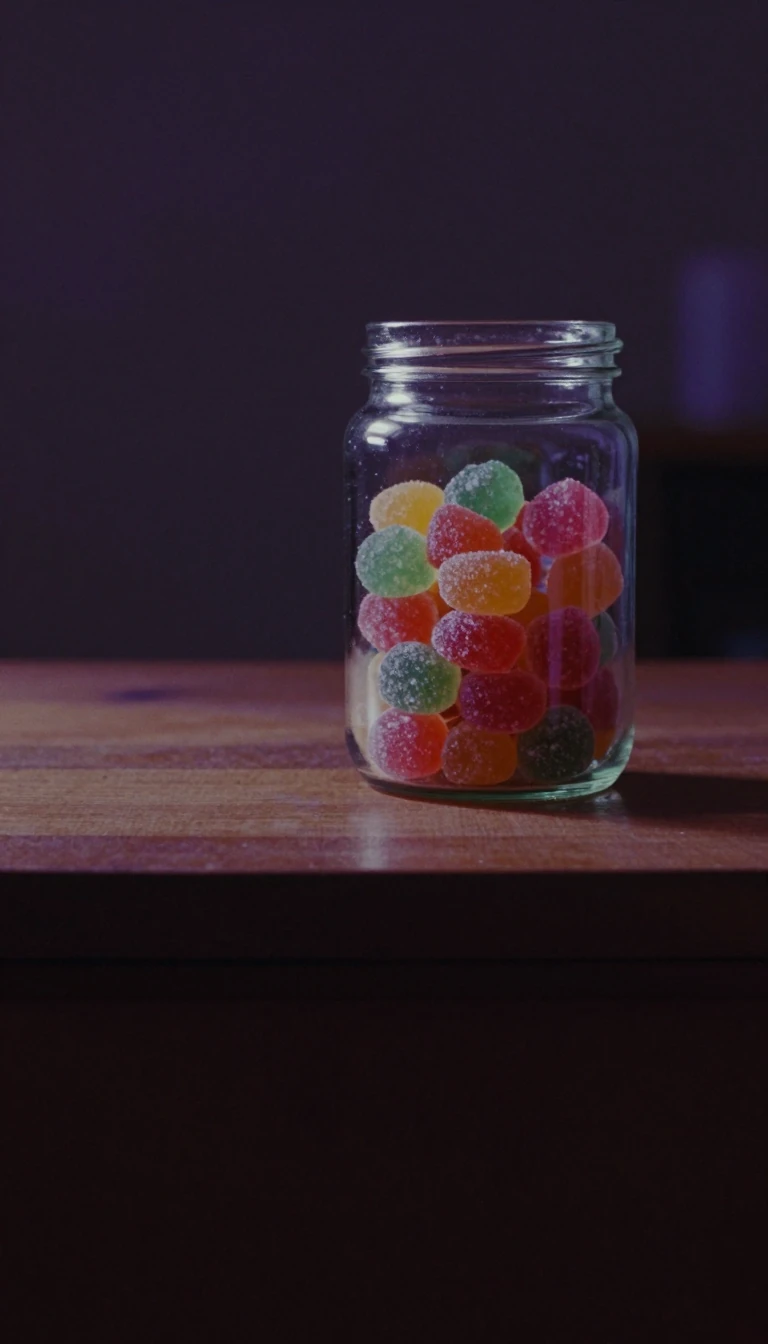 Reese's cups were invented by a man Hershey had laid offWhen Milton Hershey closed the Round Barn dairy in 1919, its manager, H. B. Reese, lost his job. He started making sweets in his own kitchen business, coating peanut butter in his…
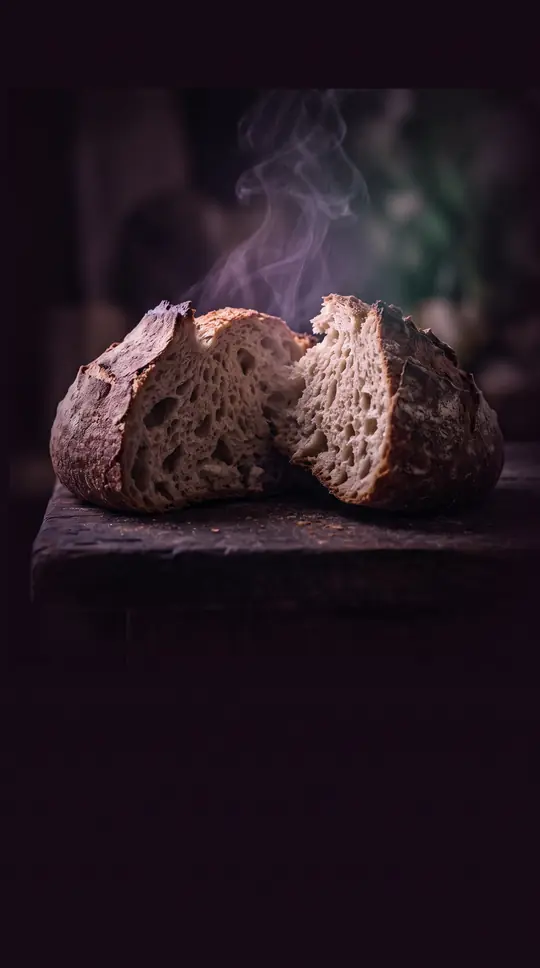 The deli classic that breaks kosher law, and three cities that claim itThe Reuben is a fixture of Jewish-style delis, yet its corned beef and Swiss cheese together make it impossible to call kosher. Nobody agrees who invented it either: an Omaha poke…