 Intellect Plus
Cooking, food and drink
719 cards. Each one is a 40-second story with a five-minute read behind it. Page 7 of 12.
 Why pan frying requires lower heat than you might expect for perfect resultsPan frying is often confused with sautéing, but the two techniques demand different approaches to heat. By using lower temperatures, you ensure that larger cuts of meat or fish co…
 How a humble tea sandwich became the ultimate symbol of American comfort foodOnce a delicacy for the wealthy, the peanut butter and jelly sandwich evolved into a cultural icon. From its 1901 debut as a tea-time treat to its role as a wartime staple and pol…
 Why this humble kitchen staple is a frying powerhouse and a fuel sourcePeanut oil is far more than a simple cooking fat. With a high smoke point and a versatile flavor profile, it has powered everything from French fry production to early diesel engi…
 The imperial art of Peking duck: from forced feeding to state-level diplomacyPeking duck is more than a culinary icon; it is a meticulously engineered dish with roots in the Ming dynasty. Once a symbol of imperial luxury, the bird undergoes a rigorous prep…
 Pelmeni are the Siberian 'ear bread' that revolutionized the art of the dumpling.These Russian dumplings, with their thin, unleavened dough and raw meat fillings, are more than just comfort food. Born from the harsh Siberian climate, they were designed for sur…
 Why your pizza pepperoni curls into a cup instead of lying flatThe iconic pepperoni slice is an American invention, not an Italian one. While often assumed to be a traditional import, this spicy, cured sausage has a unique history of industri…
 Pesto is not just a sauce but a technique defined by the mortar and pestle.While modern supermarkets sell jars of green paste, true pesto is an ancient craft. The name itself stems from a Genoese verb meaning to crush or pound. By grinding ingredients in…
 Is Vietnam's national dish a French colonial invention or a local street food evolution?Pho is a global icon, yet its origins remain a subject of intense debate. Was it inspired by the French beef stew pot-au-feu, or did it emerge from Chinese noodle traditions and l…
 The piña colada is a tropical icon with a surprisingly contested origin storyWhile the piña colada is synonymous with island relaxation, its true history is a tug-of-war between bartenders and restaurants in Puerto Rico. From 19th-century pirate legends to…
 The picnic began as a satirical jab at drunken, bickering, and gluttonous French aristocrats.Far from the idyllic image of a peaceful outdoor meal, the word picnic emerged in 17th-century France to mock a group of bacchic revelers. It evolved from a term for shared, paid-…
 How a 1930s industrial loophole turned pineapple juice into a global breakfast stapleOnce a byproduct of the canned fruit trade, pineapple juice became a commercial powerhouse when producers bypassed strict production limits by canning the liquid instead. Today, t…
 The mysterious origins of the pocketed pita bread you know todayPita is a global staple, yet the iconic pocketed version is a relatively recent invention. While flatbreads have been baked in the Near East for 14,500 years, the steam-puffed, tw…
- Plant milk is not a modern invention but a centuries-old culinary tradition worldwide.While often viewed as a contemporary substitute for dairy, plant-based beverages have been consumed for centuries across diverse cultures. From medieval almond milk recipes to tra…
 Why your poached egg is actually a coddled egg in disguiseThe delicate, runny-yolked poached egg is a culinary staple, yet the term is often a misnomer. While professional kitchens master the art of direct water immersion, home cooks fre…
 Why the gentlest cooking method is the secret to perfect eggs and fishPoaching is the art of cooking food submerged in liquid at temperatures just below a simmer. By avoiding the turbulence of boiling water, this technique preserves the delicate str…
- Polish cuisine is a resilient, eclectic tapestry shaped by ten centuries of cultural exchange.From medieval honey-braised bear paws to the modern resurgence of traditional recipes, Polish food is far more than just pierogi. It is a complex culinary history defined by trade…
 The Global Evolution of Potato Salad: From Austrian Abbeys to Modern Japanese KitchensPotato salad is more than a simple picnic side dish. Its history spans centuries and continents, evolving from a 17th-century Austrian recipe into diverse regional variations. Whe…
- Why a 17th-century physics experiment is the secret to perfect high-altitude cookingPressure cookers do more than save time; they manipulate the laws of thermodynamics to cook food at temperatures impossible in an open pot. By trapping steam to raise the boiling …
 The twisted history of the pretzel: from monastic prayer to industrial snack foodThe pretzel is more than a salty snack. Once a Lenten staple for monks, its iconic knot may represent hands in prayer. Today, this ancient pastry has evolved into a global industr…
 Why processed cheese melts perfectly while your favorite cheddar turns into a greasy messProcessed cheese is a marvel of food engineering, designed to defy the natural tendency of fat to separate from protein when heated. By using calcium-sequestering agents, manufact…
- Why the humble prune is more than just a remedy for sluggish digestionOften unfairly maligned for its digestive reputation, the prune is a nutritional powerhouse hiding in plain sight. Far from being a simple dried fruit, it is a specialized product…
 Why these ancient seeds are masquerading as grains in your kitchen pantryWhile true cereals belong to the grass family, pseudocereals are botanical imposters that mimic the culinary utility of wheat and rice. These nutrient-dense seeds, including quino…
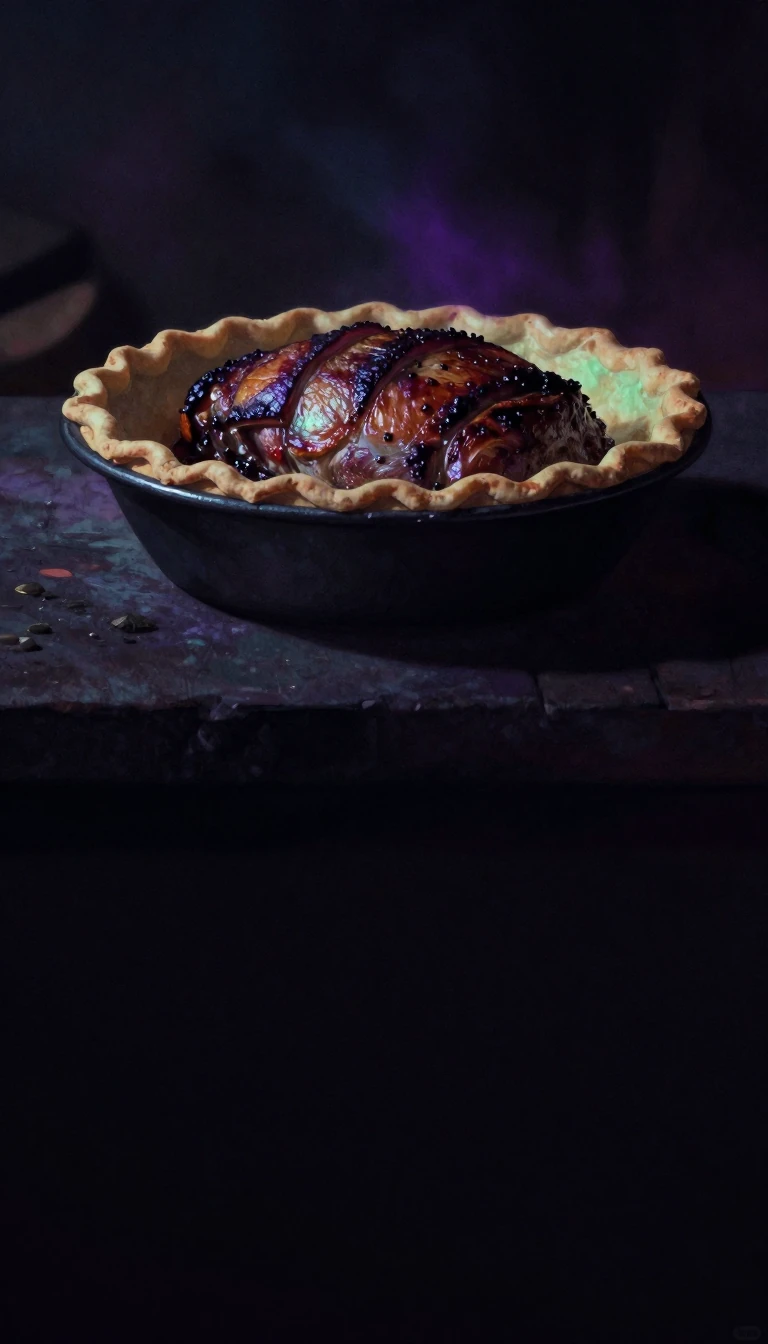 From blood sausages to creamy desserts, the history of pudding is surprisingly complexPudding was once a savory, meat-filled dish encased in animal guts, a far cry from the sweet, milk-based dessert known by that name in America today. This culinary evolution spans…
 The surprising history of the pumpkin pie, from savory soup to holiday iconPumpkin pie is a staple of North American holiday tables, yet its evolution is anything but straightforward. Once a savory colonial soup served inside a hollowed-out gourd, this s…
 Is the world's most famous communal drink actually named after the number five?Punch is a global chameleon, evolving from 17th-century East India Company trade routes to modern party staples. While often linked to the Hindi word for five, its true origins re…
- The quesadilla is a global icon with a surprisingly complex regional identityWhile often viewed as a simple grilled cheese of the tortilla world, the quesadilla is a diverse culinary tradition. From the cheese-optional streets of Mexico City to the deep-fr…
- Why the humble raisin is a masterpiece of industrial food engineeringA raisin is far more than a shriveled grape. To transform fresh fruit into this shelf-stable snack, producers must overcome the grape's natural defenses against water loss. Throug…
- How a plumbing contractor accidentally created America's favorite salad dressingBefore it was a ubiquitous dip for wings and chips, ranch was a humble homemade recipe served to work crews in Alaska. Its journey from a remote California guest ranch to the top …
- Beyond the can: The ancient, global evolution of the humble ravioliRavioli is far more than a canned convenience food. From 14th-century Italian manuscripts to the spiced meat manti of Turkey and the sweet gujhia of India, this stuffed pasta has …
 How a Thai Trucker's Tonic Became a Global Billion-Dollar Brand MythRed Bull was not born in a boardroom, but in a Thai pharmacy. After discovering a local energy drink cured his jet lag, an Austrian entrepreneur partnered with its creator to rebr…
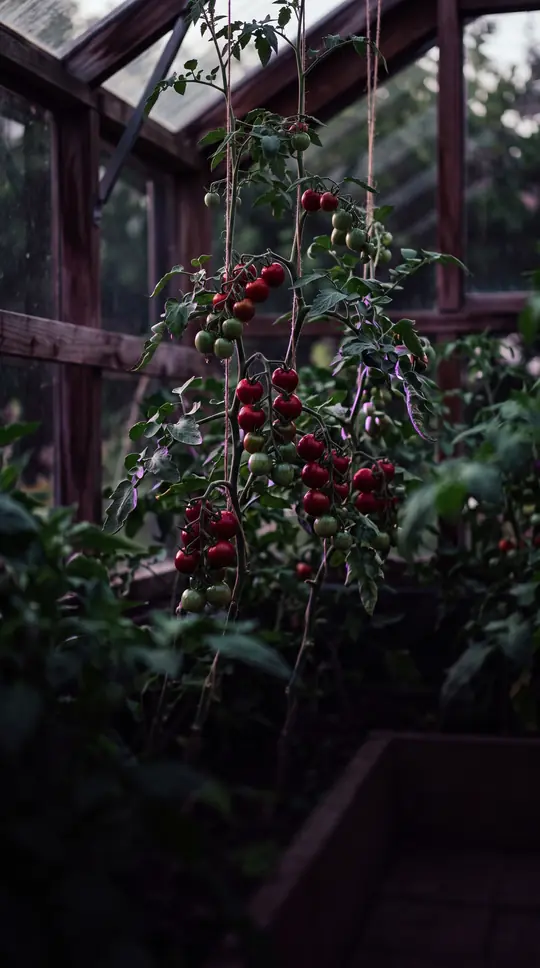 Why the color of your red wine is hiding in the grape skinRed wine is not simply crushed purple grapes. While the juice inside is greenish-white, the deep hues we love come from anthocyan pigments locked in the skins. Mastering the extra…
- Is rendang a curry or a technique? The truth behind Southeast Asia's iconic dish.Often mislabeled as a simple curry, rendang is actually a sophisticated, time-intensive cooking method. Rooted in the Minangkabau and Malay traditions, this slow-cooked masterpiec…
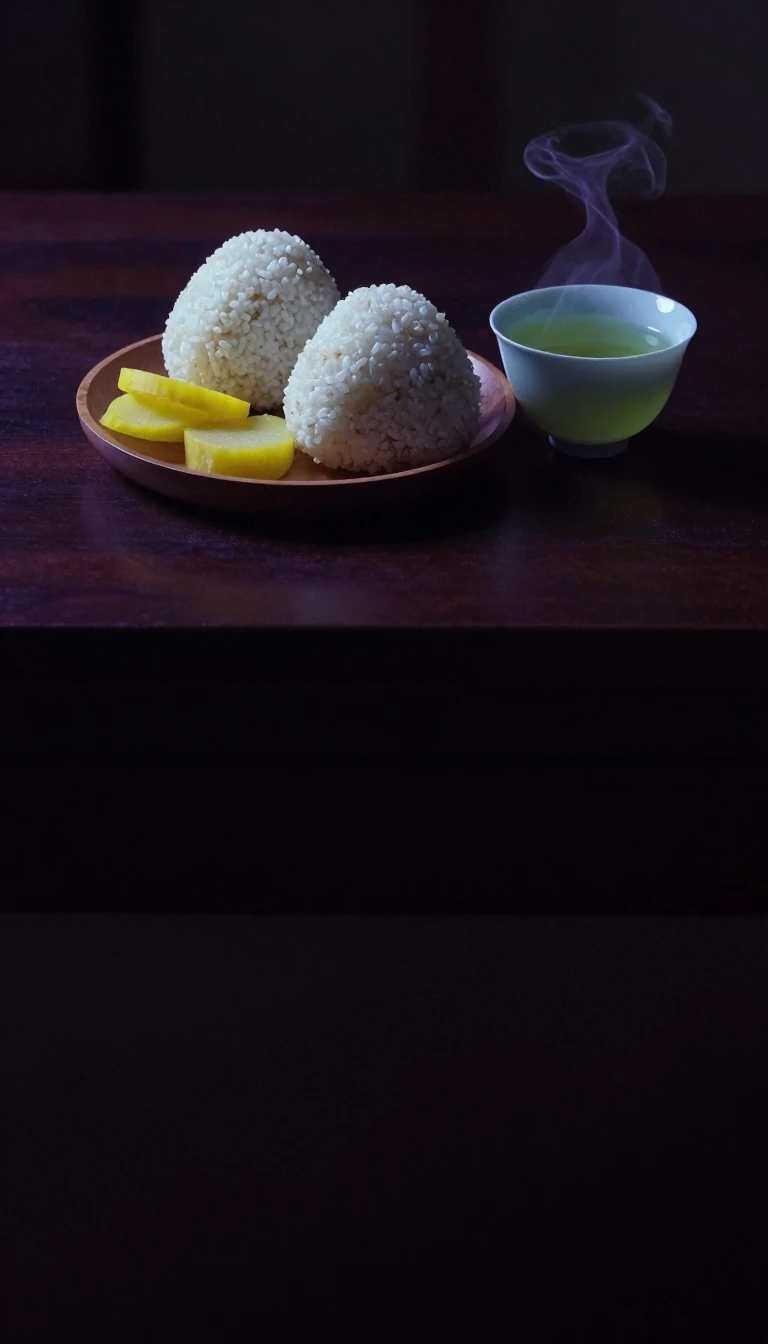 From snacks to sacred offerings, the humble rice ball spans the entire globeRice balls are far more than a simple snack. Across diverse cultures, rice is condensed, shaped, and seasoned to create portable meals or ritualistic offerings. Whether fried, ste…
- Beyond the puffed disc: The global mastery of rice-based culinary architectureRice cakes are far more than the bland, airy snacks found in Western supermarkets. Across Asia and the Philippines, they represent a sophisticated tradition of transforming simple…
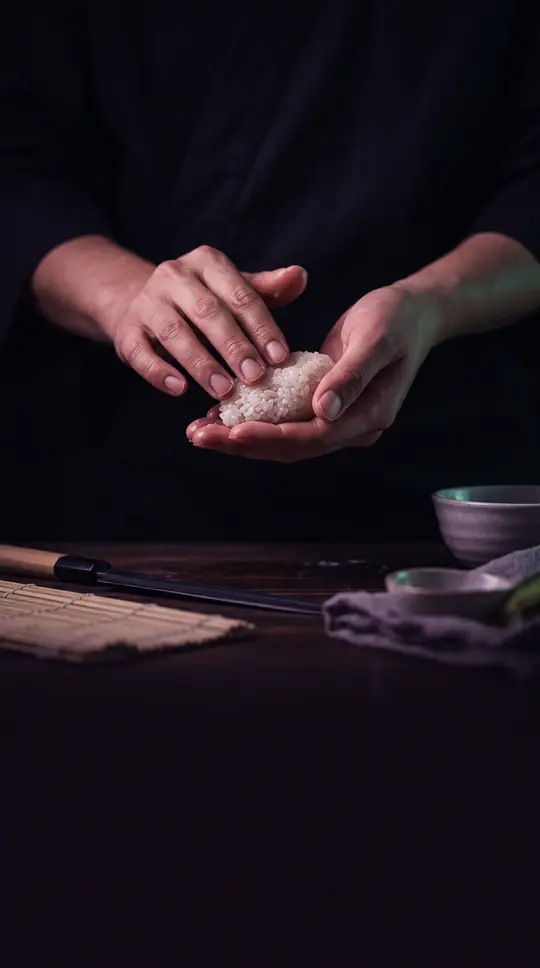 Beyond the grain: Why rice flour is the world's most versatile culinary chameleonRice flour is far more than a simple wheat alternative. From the fermented doughs of the Philippines to the mushroom substrates of home growers, this finely milled staple transfor…
- Is rice milk the most sustainable dairy alternative or a hidden environmental burden?Rice milk offers a plant-based alternative for those with lactose intolerance or soy allergies, but its environmental footprint is complex. While it consumes less water than dairy…
- How Northern Chinese migrants invented rice noodles to survive in the humid southRice noodles were born from necessity. When northern Chinese settlers moved south during the Qin dynasty, they found their traditional wheat and millet crops struggled in the heat…
- Rice vermicelli is a global staple, but not all thin noodles are created equal.Often confused with cellophane noodles made from mung bean starch, true rice vermicelli is crafted from rice grains. From the breakfast tables of Guilin to the festive kitchens of…
 Why rice wine is technically a beer that has been brewed for millenniaThough it shares a name with fruit-based vintages, rice wine is closer to beer in its creation. By using fungal cultures to transform grain starch into sugar and then alcohol, anc…
- The secret to perfect risotto is not cream, but constant, rhythmic frictionRisotto is a masterclass in culinary chemistry. By avoiding pre-rinsing and employing a precise, labor-intensive technique, you coax starch directly from the rice grains into the …
- Why the humble roast chicken became a global culinary obsession across every cultureFrom Bavarian beer gardens to Peruvian charcoal ovens, roast chicken is a universal language of comfort. Whether spun on a rotisserie, baked in a tandoor, or pressed under a brick…
- Why the definition of roasting changed from open flames to modern oven baking.Roasting was once a high-status culinary art requiring open fires, constant attention, and specialized turning gear. By the late 19th century, the rise of affordable coal stoves m…
 The red tea that was once impossible to grow until ants saved the industry.Rooibos is a caffeine-free herbal infusion from South Africa's Cederberg mountains. While it is now a global commodity, its commercial success was stalled for years because farmer…
- Why the ancient art of spit-roasting relies on physics, balance, and mechanical innovationRotisserie is more than just a spinning skewer; it is a precise culinary technique designed to maximize flavor through controlled heat and constant self-basting. From medieval spi…
- Is the world's second-most popular cocktail a symbol of modern global capitalism?The Cuba libre, or rum and Coke, is a simple highball that defined a century of drinking. Born from the intersection of Caribbean rum and American cola, it evolved from a local Cu…
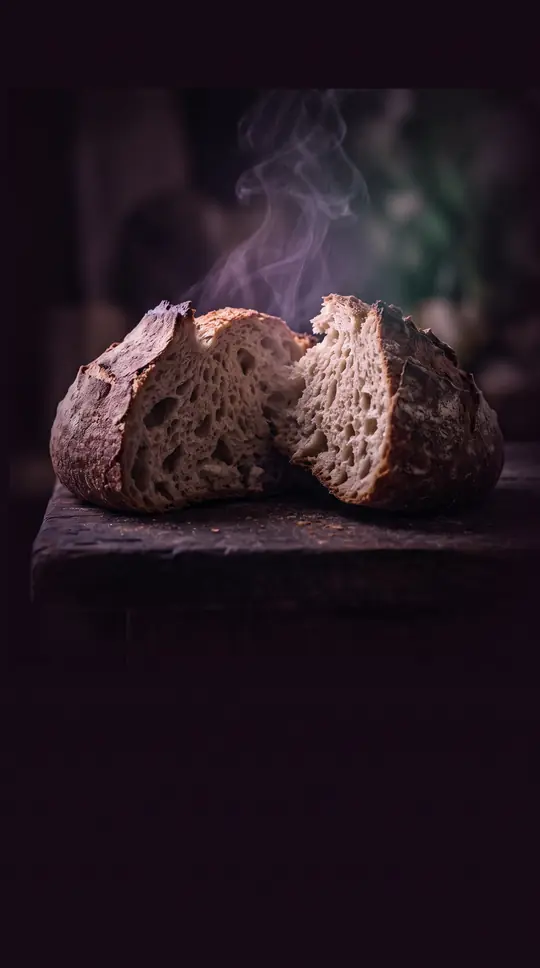 Why rye bread is a scientific marvel of fermentation and complex grain chemistryRye bread is denser, darker, and more flavorful than wheat-based loaves, but its unique composition makes it notoriously difficult to bake. Because rye lacks strong gluten, bakers…
 Why your salmon is likely dyed to reach a specific shade of pinkSalmon is prized for its vibrant hue, but that signature color is often a carefully managed industrial target. While wild fish derive their pigment from a diet of shellfish, farme…
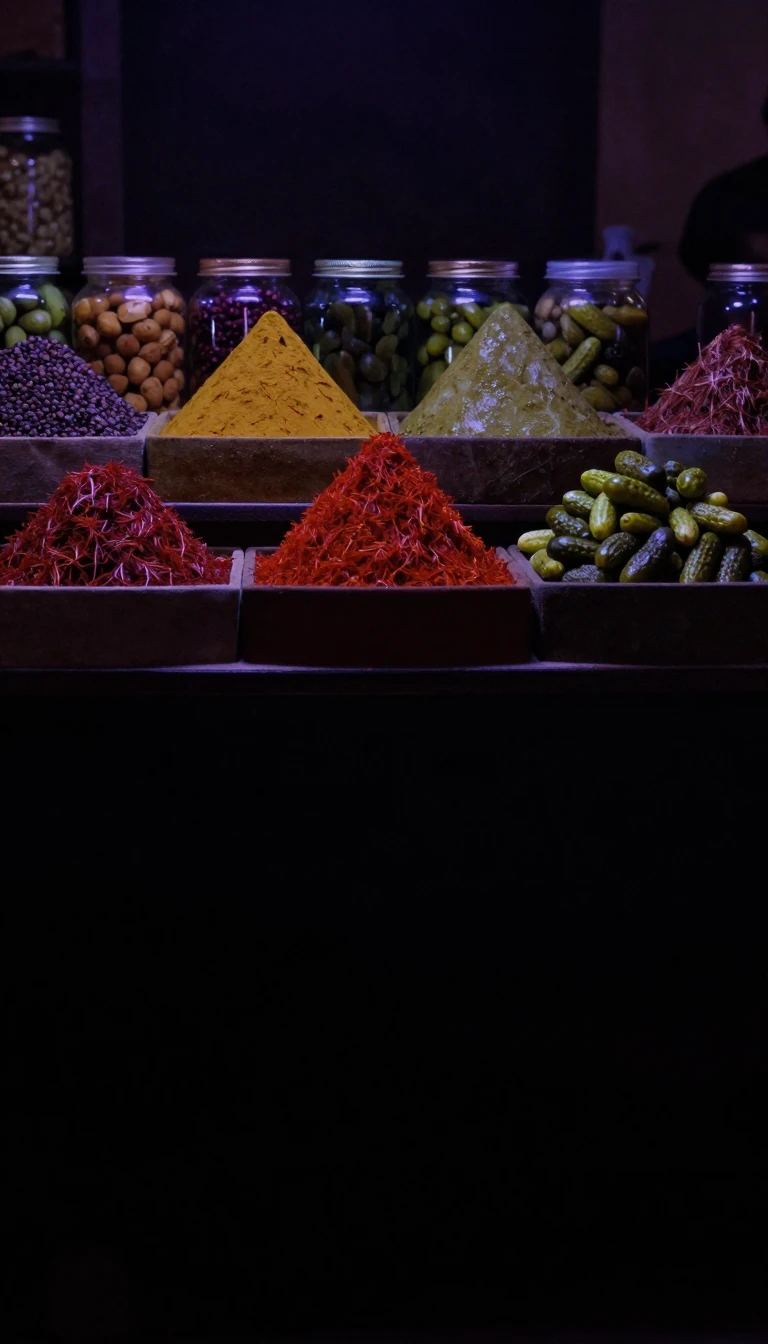 Salsa is more than a dip; it is a global culinary chameleon with hidden risks.While often dismissed as a simple chip accompaniment, salsa is a versatile foundation for everything from stews to desserts. Yet, this beloved condiment carries a serious side: it…
- How ancient salt preservation techniques turned fish into a global culinary stapleBefore refrigeration, salt was the primary barrier between sustenance and spoilage. By drawing moisture from cells through osmosis, this simple mineral created a durable protein s…
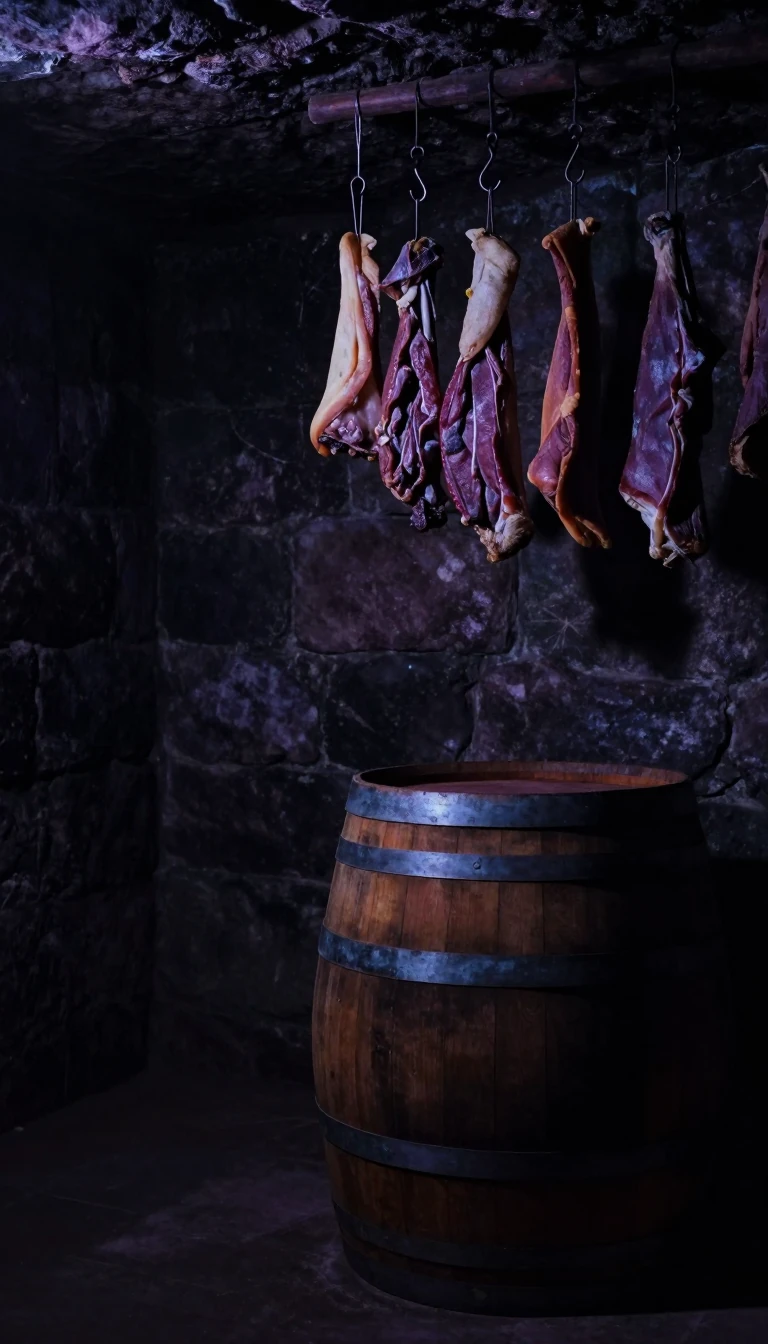 Why salt was once the most powerful technology for human survival at seaBefore refrigeration, salt was the difference between life and starvation. By creating a hypertonic environment, salt dehydrates microbial cells through osmosis, effectively killi…
 Why the name of your favorite summer punch actually means bloodlettingSangria is synonymous with Spanish festivities, yet the drink’s name carries a dark, literal translation. While tourists flock to it in Mediterranean chiringuitos, the beverage ha…
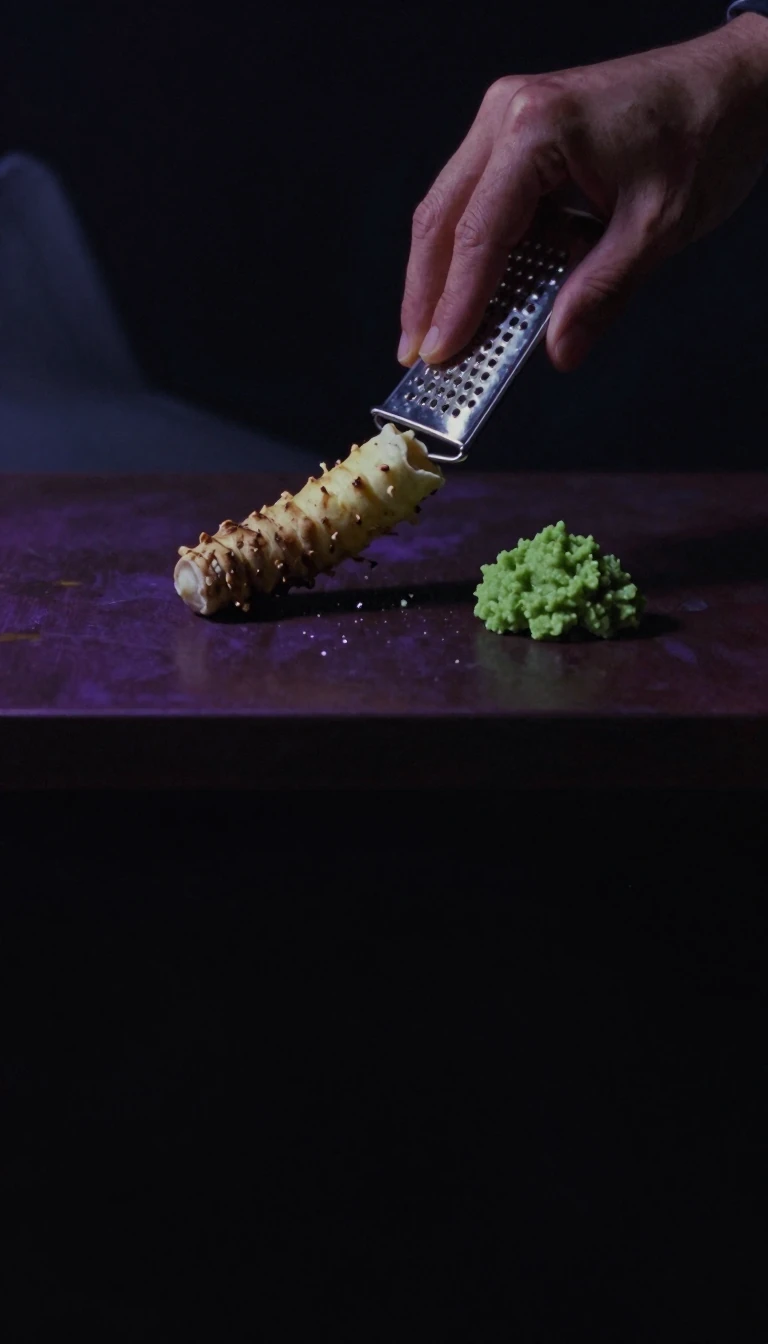 How a global trade hybrid became the ultimate Southeast Asian street food stapleSatay is more than just grilled meat on a stick. Born from a collision of Middle Eastern, South Asian, and Chinese culinary traditions, this dish evolved in the bustling port citi…
- Master the art of the jump: why sautéing is more than just fryingDerived from the French word for jumped or bounced, sautéing is a high-heat technique designed to brown ingredients while locking in moisture and texture. By using minimal fat and…
 The Sazerac: A New Orleans Icon Born from French Blight and Creole ApothecaryIs the Sazerac truly the oldest American cocktail? While popular myths link its name to an egg cup, the truth is a complex blend of 19th-century trade, botanical medicine, and the…
 The culinary debate behind the perfect scrambled egg: whisked or broken directly?Scrambled eggs are a global staple, yet the method of preparation remains fiercely contested. Whether you prefer the creamy, custard-like texture favored by French masters or the …
- Why the popular culinary advice to sear meat to seal in juices is wrongFor over 170 years, home cooks and chefs alike have been told that searing meat creates a protective barrier that locks in moisture. Science tells a different story: searing actua…
- Seasoning is not about adding flavor, but about making the original ingredients shine brighter.We often mistake seasoning for masking or overpowering food with herbs and spices. In reality, the true purpose of seasoning is to heighten the natural profile of your ingredients…
- Semolina is more than just pasta: it is the world's most versatile wheat product.Often mistaken for a simple pasta ingredient, semolina is a global culinary powerhouse. From the airy breakfast porridges of Northern Europe to the savory, crispy dosas of South I…
- Why your favorite stir-fry noodles might actually be two different culinary traditionsWhile often used interchangeably in casual restaurants, shahe fen and kway teow are distinct rice-based noodles with different origins and textures. One is a porous Cantonese crea…
- Why the crumbly texture of your favorite dessert is actually called shortcakeThe term shortcake has nothing to do with size. It refers to the short, crumbly texture achieved by cutting fat into flour. While we often associate it with strawberries and cream…