 Intellect Plus
Cooking, food and drink
719 cards. Each one is a 40-second story with a five-minute read behind it. Page 4 of 12.
 Why the humble chuck steak is the secret weapon of the professional kitchenOften overlooked as a budget cut, the chuck steak is a powerhouse of flavor. Sourced from the shoulder and neck of the cow, this beef cut is rich in collagen and fat. Whether you …
 The surprising, ancient, and contested history of the world's favorite fried doughA simple mixture of flour, water, and salt, the churro is a global icon of street food. Whether dipped in morning coffee or filled with dulce de leche, its origins remain a myster…
 Is clotted cream a culinary relic or a sophisticated method of dairy preservation?This thick, golden staple of the cream tea is more than a tourist treat. Born from a need to reduce milk waste, clotted cream has been a fixture of southwest England for centuries…
 The mysterious origins and evolving anatomy of the classic three-layer club sandwichIs the club sandwich a product of New York City elite or a Saratoga Springs gambling den? While its exact birthplace remains debated, this iconic triple-decker has evolved from a …
 Why the world's most famous seafood sauce is actually a tale of two continentsWhether you call it cocktail sauce or Marie Rose, this zesty condiment is a global staple with a split personality. In North America, it is a sharp, ketchup-based punch, while in …
 Coconut milk is not just a drink; it is a complex culinary emulsion.Often confused with coconut water, coconut milk is actually a rich, opaque emulsion derived from the grated flesh of mature coconuts. While Western markets often treat it as a sim…
 Beyond the Hype: The Surprising Reality of Coconut Water and Its Complex HistoryCoconut water is more than just a refreshing tropical drink. While marketed as a super-hydrating health elixir, its reality involves regulatory battles, historical misuse, and a b…
 Coffeehouses were once radical hubs for renegotiating social hierarchies and challenging the status quo.Far from just a morning caffeine fix, the coffeehouse has served as a crucible for intellectual, political, and social change for centuries. From 16th-century Ottoman debates to t…
 Mastering the perfect cup of coffee requires balancing chemistry, physics, and precise timing.Coffee preparation is a delicate science where variables like grind consistency, water heat, and brewing duration dictate the final flavor. Whether using a simple press or automat…
 Why the world's most prestigious brandy is slowly vanishing into thin airEvery year, millions of liters of cognac evaporate from oak barrels, a phenomenon locals poetically call the angels' share. This constant loss is just one step in a strictly regul…
 The global history of coleslaw is hidden in its name and humble cabbage baseColeslaw is more than a picnic staple; it is a linguistic and culinary traveler. Originating from the Dutch term for cabbage salad, this dish has evolved from 18th-century butter-…
 The global staple that powers half the world is surprisingly simple to masterRice is the most consumed foodstuff on the planet, serving as the foundational base for everything from sushi to congee. Whether you prefer long-grain, short-grain, or wild variet…
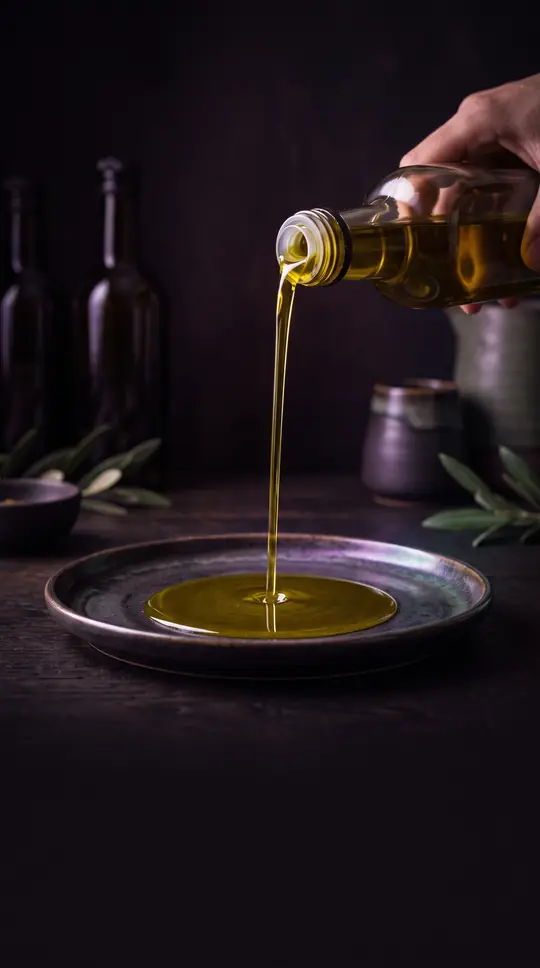 Beyond the kitchen: The surprising industrial versatility of humble corn oilExtracted from the germ of maize, corn oil is a staple in frying pans due to its impressive heat tolerance. Yet, this affordable fat serves roles far beyond cooking, from acting a…
 Why the Great American Cornbread Debate Is Actually About Industrial Steel Roller MillsCornbread was once a simple, humble staple born of necessity in the American South. Today, it is a subject of intense regional debate. The shift from traditional stone-ground whit…
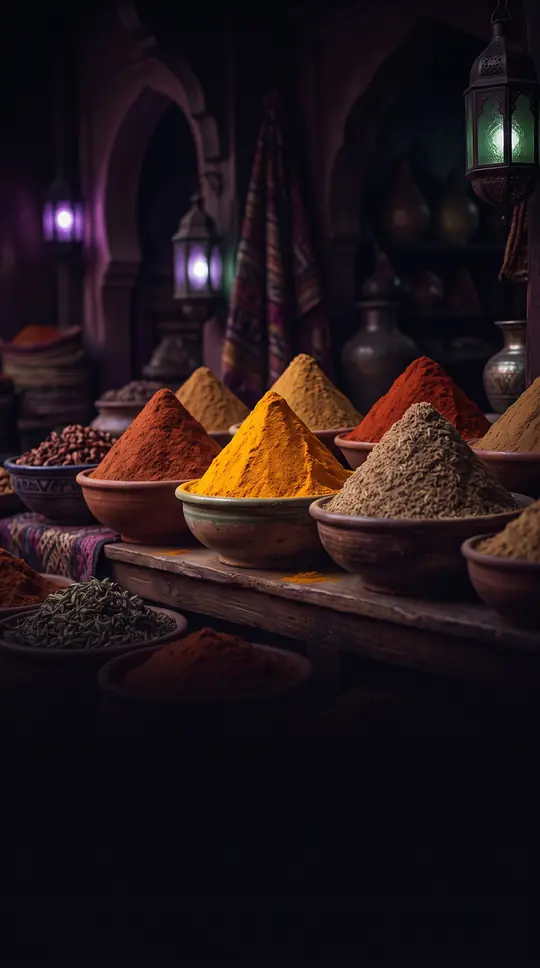 From Polenta to Tortillas: The Global Versatility of Ground Dried MaizeCornmeal is far more than a simple pantry staple. Ground from dried maize into varying textures, this ingredient powers diverse culinary traditions across the globe. Whether nixta…
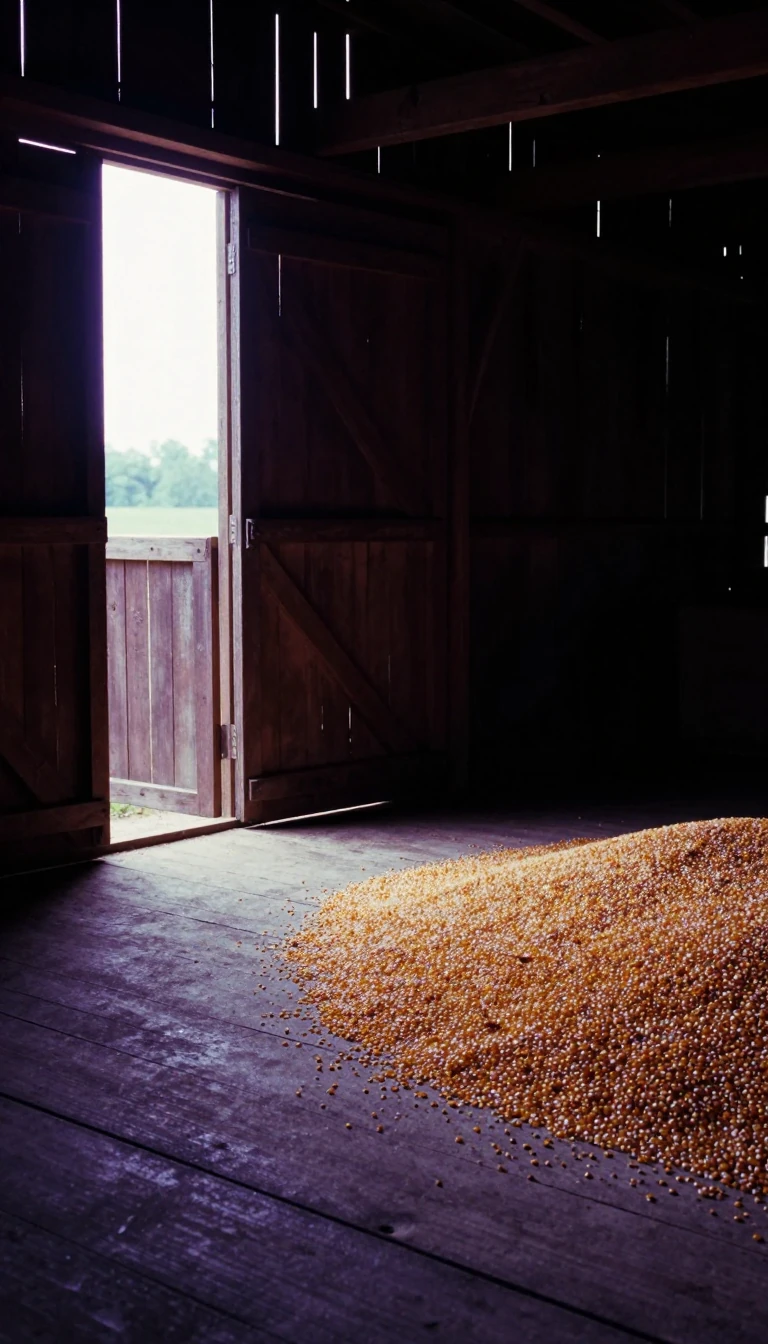 Once considered worthless waste, cottonseed oil became a cornerstone of the modern American pantry.Before the 20th century, cottonseed was routinely dumped into rivers or left to rot. Today, this byproduct of the cotton industry is a staple frying medium. Its journey from agric…
 Why Crème Fraîche Is the Secret Weapon for Perfect Sauces and DessertsCrème fraîche is more than just fancy sour cream. With its high fat content and unique bacterial culture, it creates a stable, velvety texture that refuses to curdle under heat. W…
- Beyond the Shell: Understanding the Complex World of Crab Meat and Its AlternativesCrab meat is prized for its delicate, sweet flavor, but the industry is a complex web of manual labor, controversial harvesting, and clever engineering. From the distinction betwe…
 Does cranberry juice actually prevent urinary tract infections, or is it just marketing?Cranberry juice is a staple of home health remedies, yet its reputation for preventing urinary tract infections remains scientifically contentious. While once widely touted as a c…
 The accidental history of the world's most famous spreadable cheeseCream cheese is a staple of modern breakfast, yet its origins are rooted in a 19th-century marketing pivot. Despite its name, the iconic Philadelphia brand has no historical conne…
- Cream soda is a global chameleon, shifting from vanilla syrup to green floral nectarWhat defines cream soda? It is not a single flavor, but a diverse category of effervescent drinks. From 19th-century temperance recipes using egg and Epsom salts to modern neon-gr…
- Master the art of cream soup by building a versatile, velvety foundation from scratchCream soup is more than just a canned convenience; it is a culinary technique defined by its rich, dairy-infused base. Whether you are using fresh vegetables or repurposing leftov…
 Cuban cuisine is a complex culinary map of colonial history and island geographyCuban food is a vibrant fusion born from Spanish, African, and indigenous Taíno roots, shaped by the island's tropical climate and its history as a colonial trade hub. From the ic…
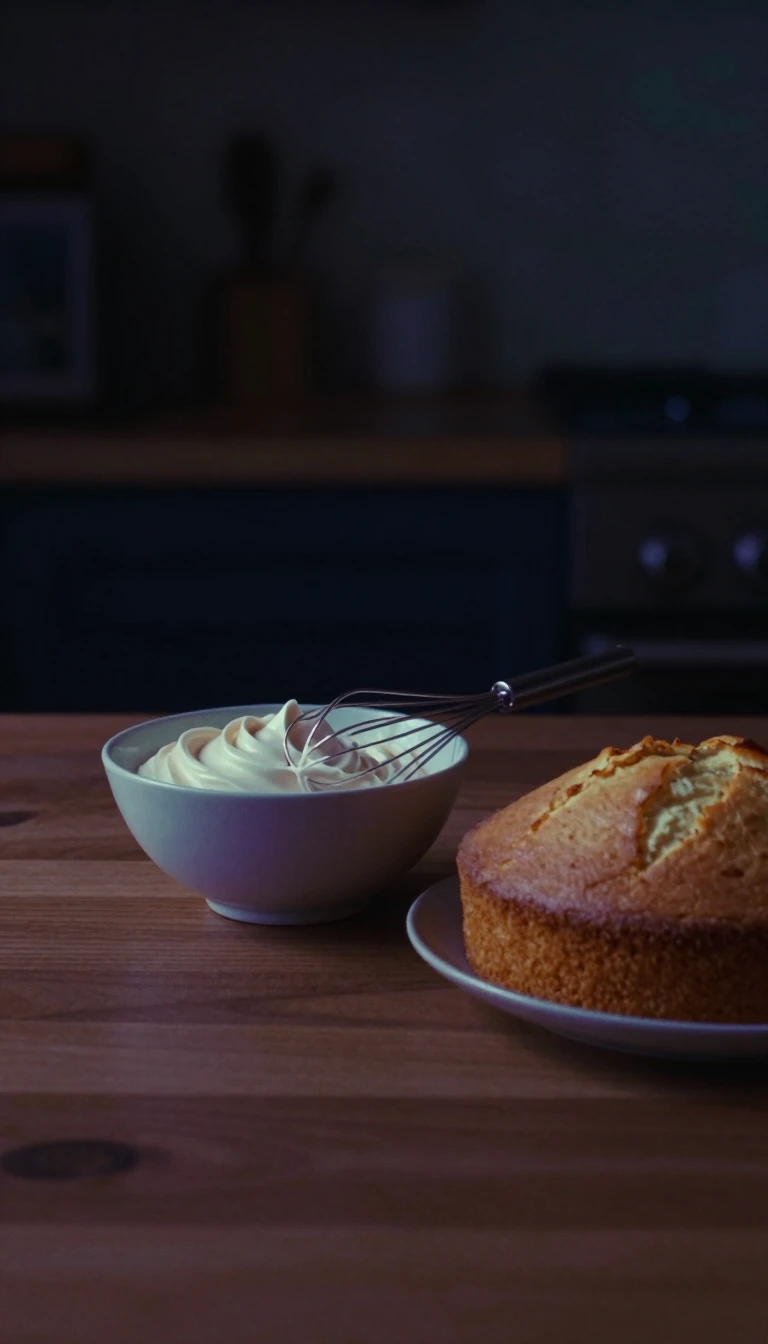 The term cupcake once described a method of measurement, not just a small cake.Before muffin tins became the standard, the term cupcake referred to two distinct things: cakes baked in individual cups and cakes whose ingredients were measured by volume using …
 From ancient deserts to modern kitchens, how we preserve fish through the agesCuring fish is an ancient art of preservation that transforms raw catch into culinary staples. By using salt, smoke, fermentation, or pickling, humans have mastered the ability to…
- Why the perfect custard is a delicate dance between protein and heatCustard is a culinary paradox. It is a simple mixture of milk, sugar, and eggs, yet it is notoriously temperamental. A temperature shift of just a few degrees can turn a silky, lu…
 Why the most tender beef comes from the parts of the cow that move leastThe anatomy of a cow dictates the culinary fate of every cut. Muscles that work hardest, like the legs and neck, are inherently tough, while those furthest from the hoof and horn …
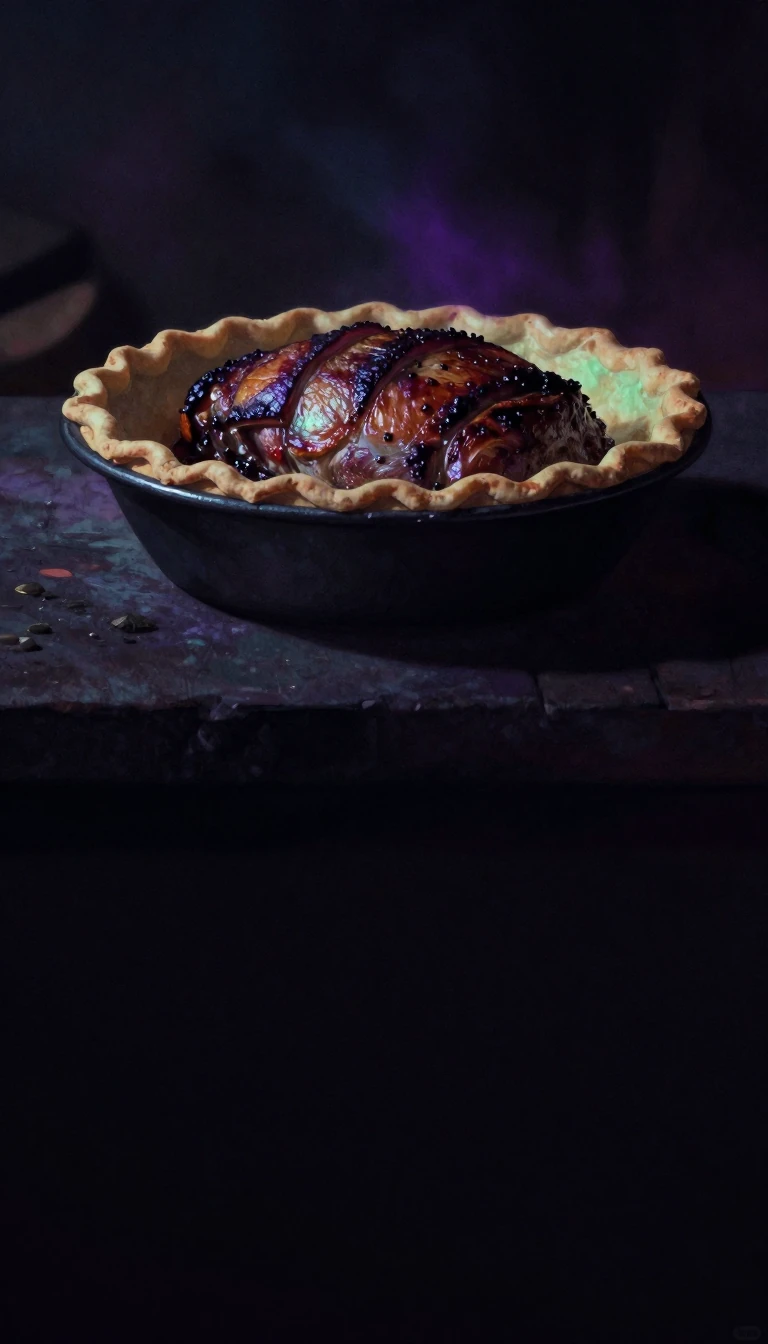 From French Ribs to Soviet Patties: The Global Evolution of the CutletThe term cutlet spans a dizzying array of culinary traditions, from bone-in veal chops in Milan to minced meat patties in Russia. While the word shares a French root meaning rib, …
 Milk is more than a drink: it is a complex biological food with deep history.Humans have consumed milk since the dawn of recorded time, yet we often overlook its biological complexity. Beyond being a simple beverage, milk is a nutrient-dense food containin…
 Why the iconic Sichuan dandan noodles are named after a humble street vendor's poleDandan noodles are a staple of Sichuan cuisine, but their name hides a history of street-level commerce. Originally sold by vendors carrying baskets on shoulder poles, these affor…
- Why properly deep-fried food is surprisingly not greasy at allDeep frying is often unfairly maligned as a greasy indulgence. In reality, when executed at the correct temperature, the process creates a powerful steam barrier that repels oil. …
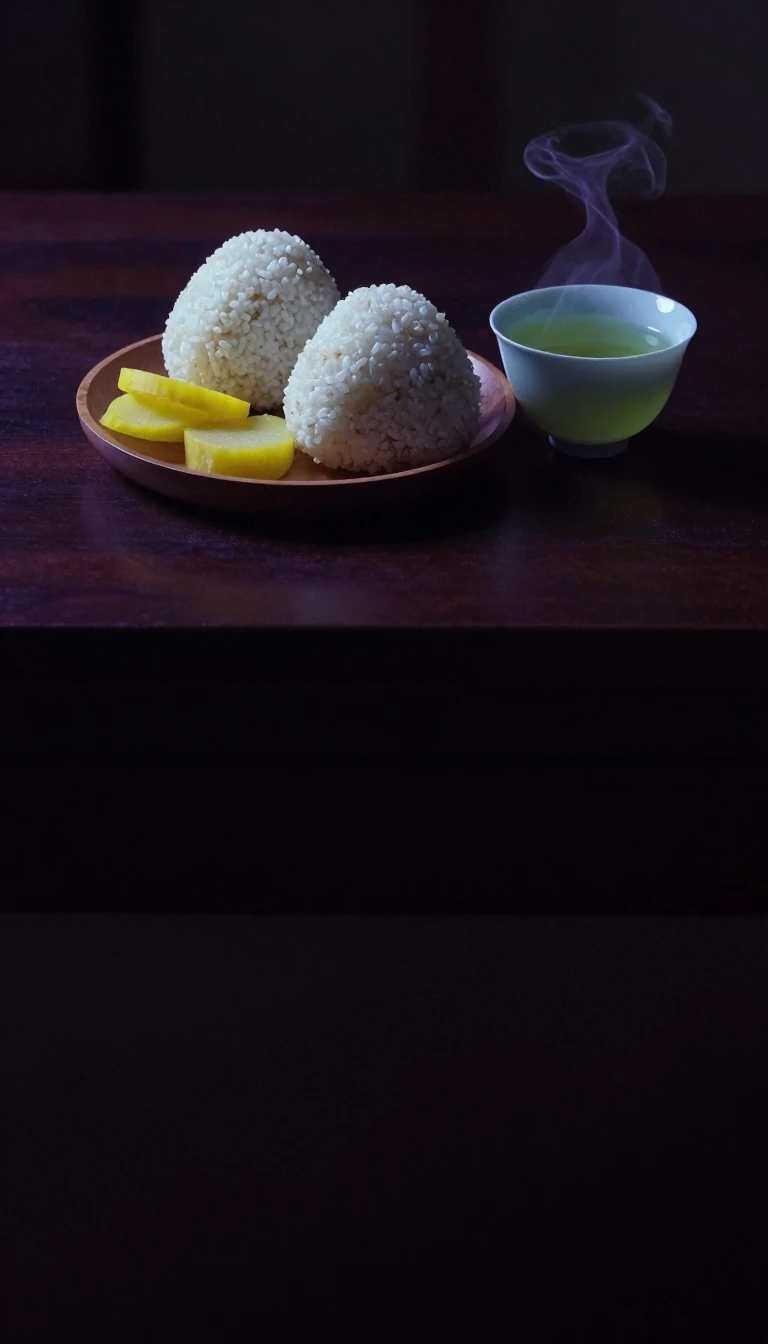 Donburi is the ultimate Japanese comfort food, transforming simple leftovers into a complete meal.Donburi, meaning bowl, is a versatile Japanese staple where meat, fish, or vegetables are simmered in a savory sauce and served over steaming rice. From humble beginnings as a qui…
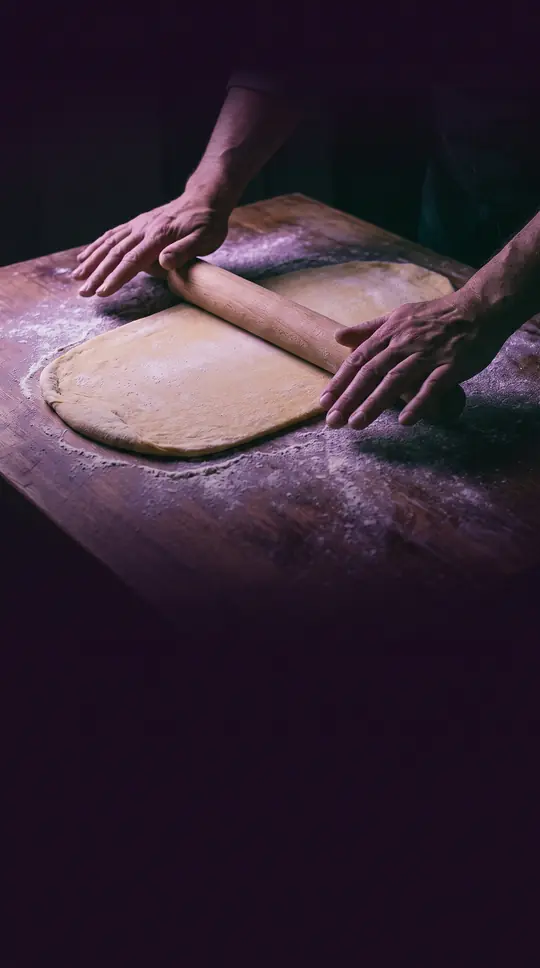 Dough is more than just flour and water; it is a complex physical structure.While we think of dough as a simple kitchen staple, it is actually a versatile, viscoelastic paste. From the delicate layers of laminated pastry to the dense, gluten-rich structur…
- From ancient survival to culinary icon, drying fish is the world's oldest preservation method.Before refrigeration, drying was the only way to keep fish from spoiling. By removing water, this simple technique starves bacteria and mold, allowing fish to remain edible for ye…
- Dried fruit is an ancient technology that still powers modern global food manufacturingLong before refrigeration, humans mastered the art of dehydration to preserve harvests. From Mesopotamian sun-drying to modern vacuum-microwave technology, removing water does mor…
- Why the secret to a perfect cup of coffee lies in the bloomDrip coffee is more than just hot water meeting grounds. From the invention of the paper filter in 1908 to the precise art of blooming, this method balances chemistry and control.…
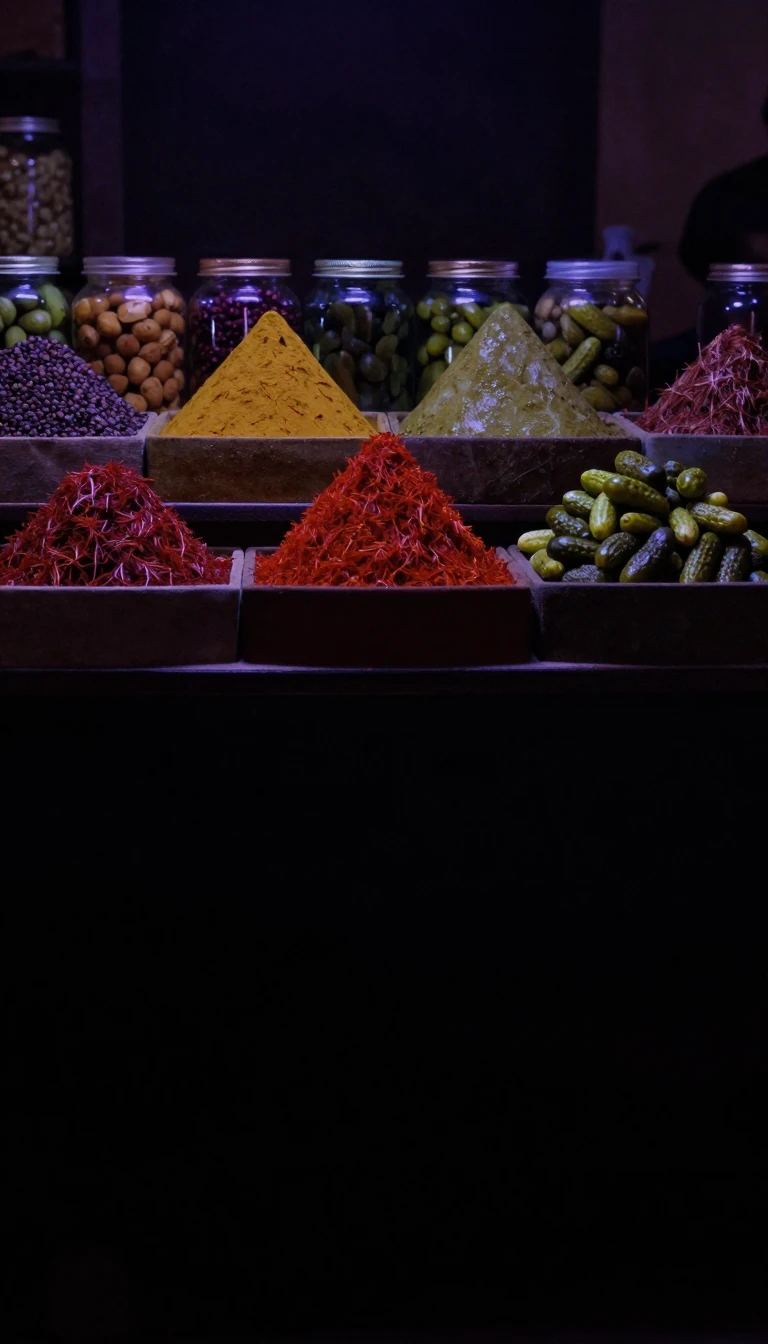 Why dry roasting transforms the flavor of your favorite nuts, spices, and beansDry roasting is a culinary technique that applies heat to food without oil or water. By stirring ingredients in a pan or specialized roaster, you trigger chemical changes in prote…
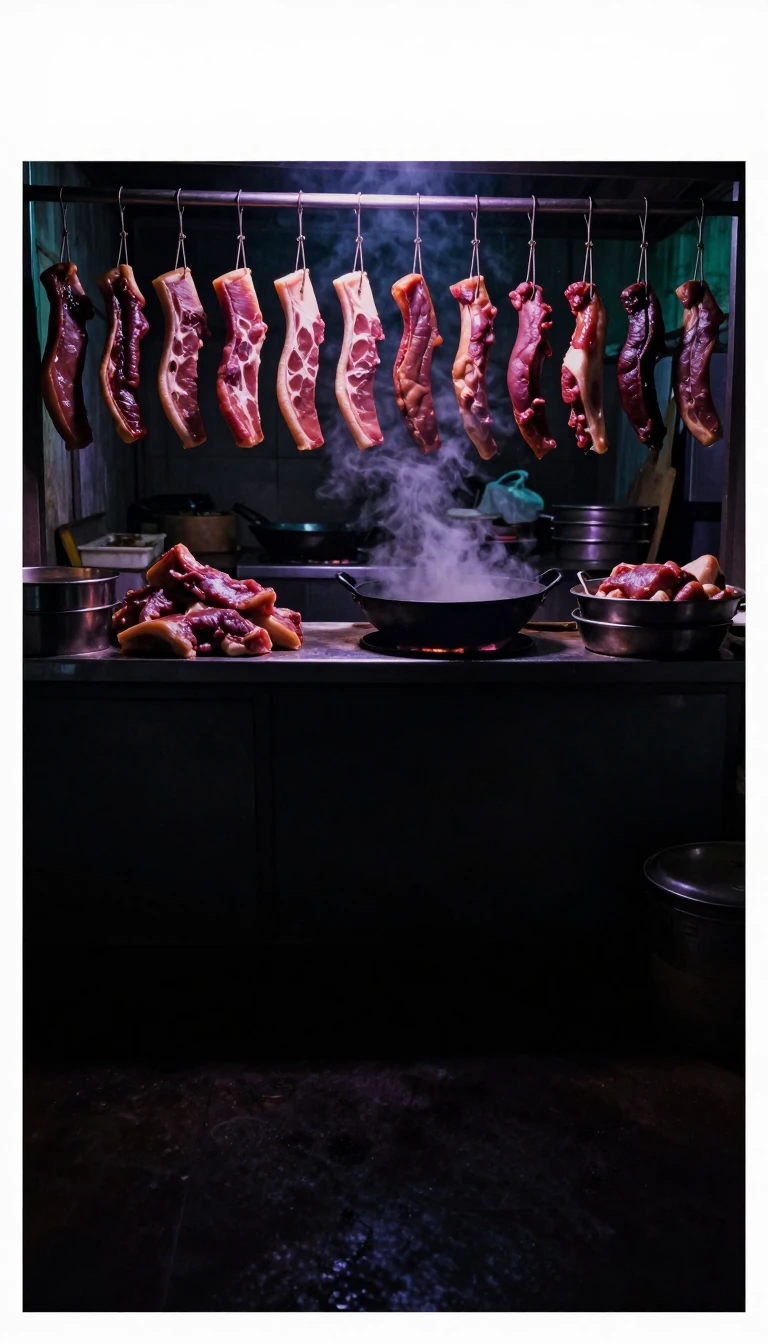 From Peking to Persia, why duck remains a global culinary powerhouseDuck is a calorie-dense marvel, prized for centuries across diverse cultures. Whether it is the meticulous preparation of Peking duck or the aristocratic stews of Iran, this versa…
- Is this rich, caramelized milk spread a global invention or a regional secret?Dulce de leche is more than just a sweet topping. Created through the Maillard reaction and caramelization, this simple mixture of milk and sugar has sparked centuries of debate o…
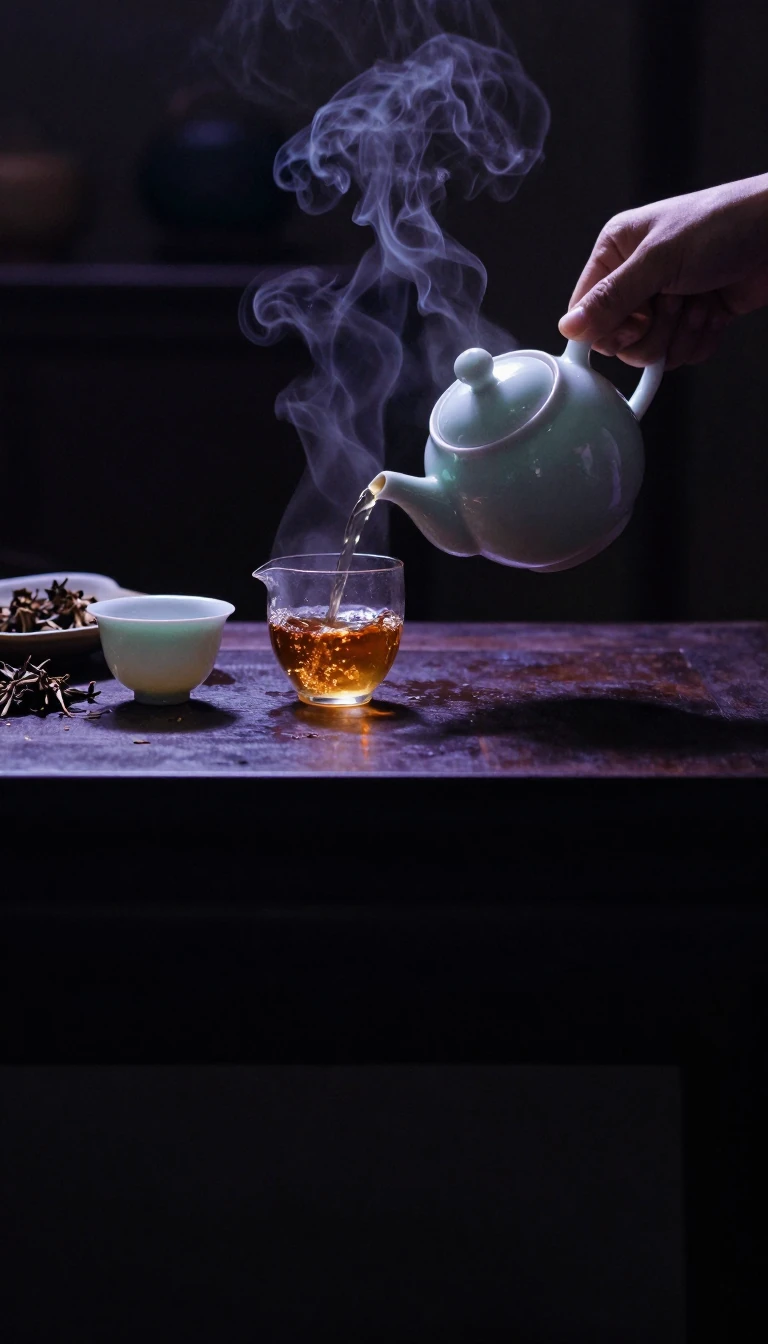 Beyond the brew: How East Asian tea rituals transform simple leaves into spiritual practice.Tea ceremonies across East Asia are far more than a way to prepare a drink. Rooted in centuries of tradition, these rituals blend art, philosophy, and social connection. From the …
- The global language of economy rice: how pointing at food became a cultural stapleAcross Southeast Asia and beyond, the humble economy rice stall offers a quick, affordable meal by letting diners curate their plates from a vast array of pre-cooked dishes. Wheth…
 Beyond the Sushi Roll: Why Seaweed Is the Future of Functional NutritionSeaweed is more than a sushi wrapper. These marine algae are nutritional powerhouses, packed with essential fatty acids, minerals, and prebiotic fibers. While traditional in coast…
 Why this slippery, toxic fish became a global delicacy and a conservation crisisEels are elongated, versatile, and surprisingly dangerous. While their blood contains toxic proteins that can harm humans, proper cooking neutralizes the threat. Today, these fish…
- Beyond the basic sandwich: the surprisingly diverse world of traditional egg saladEgg salad is far more than a simple picnic staple. While most recognize it as a creamy blend of chopped hard-boiled eggs and mayonnaise, this versatile dish spans global culinary …
- Beyond the shell: how to master the art of egg-free cooking and bakingWhether you are managing an allergy, following a vegan diet, or simply out of staples, replacing eggs is a science of substitution. From the starchy power of arrowroot to the surp…
 The global journey of the egg tart from Guangzhou to your local bakeryThe egg tart is a cross-cultural masterpiece, born from the fusion of English custard traditions and Cantonese culinary innovation. Once a high-end novelty in early 20th-century d…
 Why a holiday drink once sparked a violent military academy uprisingEggnog is a classic seasonal staple, but its history is far more volatile than its creamy reputation suggests. From its disputed origins as a colonial concoction to a notorious 18…
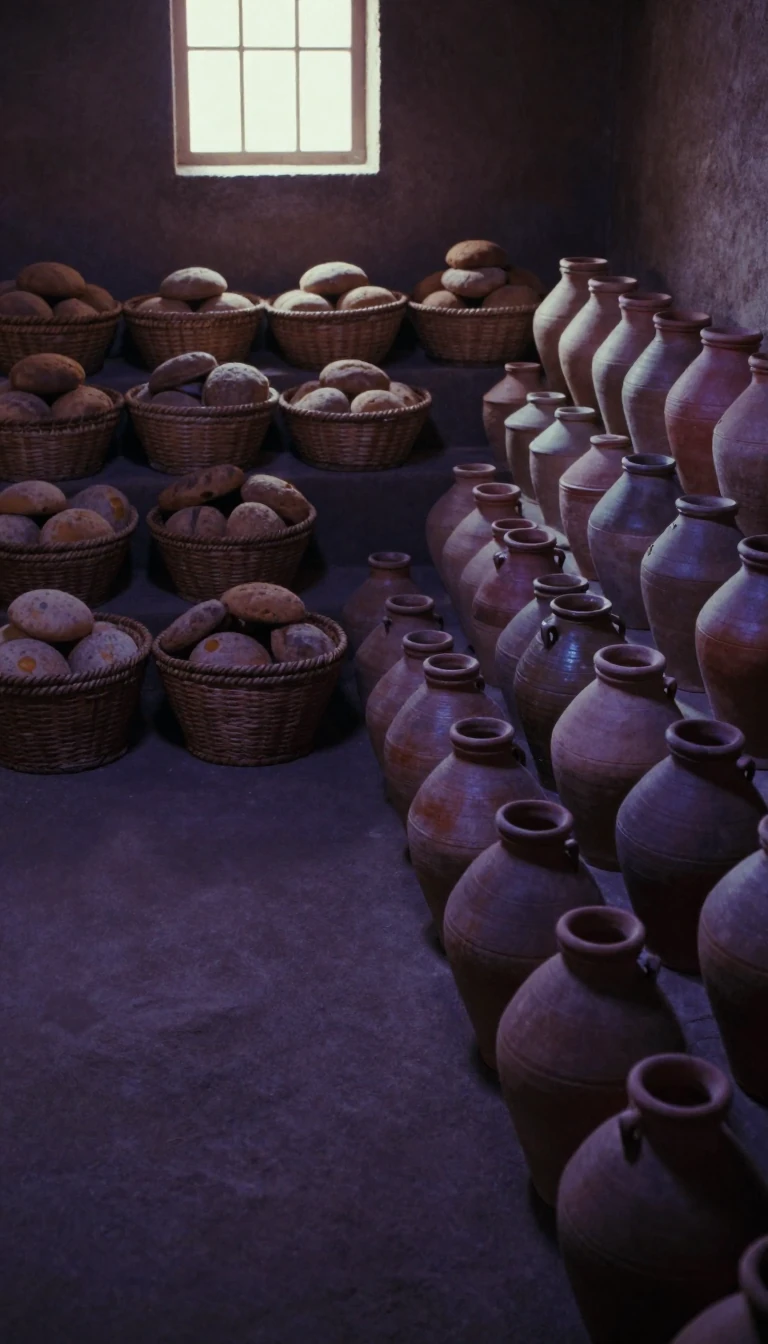 Why Egyptian cuisine is naturally built on a foundation of plants and legumesEgyptian food is defined by the fertile Nile Valley, where limited land prioritizes crop cultivation over livestock. This agricultural reality, combined with long-standing religio…
 The ancient history of the enchilada, from simple street food to global iconThe enchilada is more than a rolled tortilla; it is a culinary tradition spanning thousands of years. While modern versions feature complex fillings and diverse sauces, the dish b…
- Are energy drinks actually energizing, or is it just the caffeine talking?Marketed as performance-enhancing elixirs, energy drinks promise a cognitive and physical edge. Yet, scientific consensus suggests their advertised benefits rely almost entirely o…
- Why the American entrée is the exact opposite of the French originalIn most of the world, an entrée is a light starter served before the main event. Yet, in the United States and Canada, it signifies the main course itself. This linguistic reversa…
- Is eating meat a moral failure or a natural part of being human?The debate over meat consumption spans millennia, pitting ancient philosophical concerns against modern industrial realities. While some argue that sentience demands we treat anim…
- Why Ethiopian cuisine relies on a sourdough flatbread as both plate and utensilEthiopian dining is a communal experience centered on injera, a tangy, fermented sourdough flatbread made from ancient teff grain. Serving as both the base for spicy stews and the…
 The assembly line didn't just build cars; it revolutionized how the world eats.Fast food is not merely quick service; it is a marvel of industrial engineering. By applying production-line logic to the kitchen, chains transformed local burger stands into glob…
- Beyond the Cup: Why Some of the World's Most Prized Teas Are Actually EatenWhile most of the world drinks tea, some cultures treat it as a vegetable or a stimulant to be chewed. Fermented tea, or dark tea, undergoes a complex microbial transformation tha…
 The paper-thin pastry that conquered empires and transformed into a global culinary stapleFilo is a marvel of culinary engineering, consisting of delicate, translucent sheets of unleavened dough. While often associated with Greek baklava, its origins lie in the palace …
- Why the perfect fish fillet is defined by the absence of a backboneA fish fillet is more than just a slice of seafood; it is a precise anatomical separation of flesh from bone. By cutting parallel to the spine, you bypass the vertebrae entirely, …
- Why the unique structure of fish muscle makes it so delicate and flakyFish flesh is fundamentally different from that of mammals and birds. Composed of short bundles of muscle fibers called myomeres, separated by thin layers of connective tissue, th…
- Beyond the dinner plate: the surprising industrial and luxury utility of fish productsFish are more than just a primary protein source for over one billion people. From the hilt of a traditional Japanese sword to the luxury leather of modern high-fashion handbags, …
- Is the dramatic blue flame of a flambé dish actually doing anything at all?Flambéing is a culinary spectacle, turning a simple meal into a pyrotechnic display. While the blue-tinged flames look intense, the actual impact on your food is surprisingly mode…