 Intellect Plus
Post-classical
612 cards. Each one is a 40-second story with a five-minute read behind it. Page 3 of 11.
 Was Chenla a unified kingdom or a historical misunderstanding by Chinese chroniclers?Chenla is the name assigned by Chinese sources to a region in Indochina between the 7th and 9th centuries. While often cited as the successor to the kingdom of Funan, modern histo…
 How a powerful Tai kingdom became the twelve districts of Sipsong PannaChiang Hung once dominated the northern Tai landscape, acting as a regional powerhouse before being pulled into the orbit of competing empires. Over centuries, this kingdom—later …
 How a Ninth-Century Bulgarian Ruler Outmaneuvered Two Empires to Create a National ChurchIn 864, Knyaz Boris I of Bulgaria converted to Christianity to secure his nation's standing. By playing Rome against Constantinople, he achieved the impossible: an independent nat…
 Was the Baptism of Rus' a calculated political maneuver or a spiritual awakening?The Christianization of Kievan Rus' is often simplified as a single moment in 988, but it was a centuries-long, messy transition. From diplomatic power plays to forced conversions…
 Was the Baptism of Poland a Spiritual Awakening or a Calculated Political Maneuver?In 966, Mieszko I accepted Christianity, fundamentally altering the trajectory of the Polish state. While often framed as a religious conversion, the move was a strategic masterst…
- The Chutia Kingdom: A Sophisticated Medieval Power Hidden in the Eastern HimalayasLong before the Ahom dominance, the Chutia kingdom controlled the strategic trade routes between Assam, Tibet, and southern China. As the most advanced state in the region by the …
 Was the union between medieval Croatia and Hungary a conquest or a contract?In 1102, the crowns of Croatia and Hungary were joined under King Coloman. While some historians once argued this was a forced annexation, modern scholars increasingly view it as …
 Cumania was not a single empire but a vast, shifting landscape of nomadic power.Often mistaken for a unified state, Cumania was a loose confederation of Turkic tribes dominating the Eurasian Steppe. From the 10th to the 13th centuries, these nomads acted as i…
 The Dali Kingdom was a marble-rich Buddhist state that survived for three centuriesNestled in modern-day Yunnan, the Dali Kingdom thrived from 937 to 1253. Known for its prized marble and elite horsemen, this independent state balanced Sinitic administrative sty…
 How the Ottoman Empire transitioned from a global superpower to the sick man of Europe.Following its 16th-century zenith, the Ottoman Empire entered a centuries-long decline marked by internal corruption, military stagnation, and the loss of central authority. While…
 Why did Buddhism vanish from its birthplace only to return centuries later?Buddhism once dominated India, yet by the 19th century, it was virtually extinct. Its decline was not a single event but a slow erosion caused by shifting royal patronage, monasti…
 How a Viking-era refuge evolved into a fiercely independent medieval European powerEmerging from the ashes of Viking occupations in the 10th century, the Duchy of Brittany spent centuries balancing between French and English influence. It was a state defined by …
 The Duchy of Spoleto was a strategic Lombard powerhouse that defied both kings and popes.Emerging in the 6th century, the Duchy of Spoleto controlled the vital Via Flaminia, effectively severing Byzantine communication between Rome and Ravenna. Though nominally part o…
 How a small Italian duchy became a powerhouse of Renaissance art and military mightThe Duchy of Urbino was a tiny Italian state that punched far above its weight. Under the House of Montefeltro and later the della Rovere family, it transformed from a modest coun…
 Was Dvaravati a unified kingdom or a shifting network of independent religious cities?Dvaravati remains one of history's most elusive puzzles. Known primarily through scattered silver coins and Chinese diplomatic records from the 7th century, this cultural sphere i…
 How a migrant dynasty from Karnataka built the architectural masterpieces of medieval OdishaThe Eastern Ganga dynasty transformed the landscape of eastern India, leaving behind monumental stone temples that define the region today. While their origins trace back to a mig…
 The Eastern Turkic Khaganate rose from a blacksmith slave's rebellion to dominate the steppe.Born from a splintering empire and a rejected marriage proposal, the Eastern Turkic Khaganate once held the Tang dynasty at its gates. Their history is a volatile mix of silk-fuel…
 Why did the world's greatest navigators suddenly stop sailing for 1,700 years?Polynesian mariners once traversed vast oceans in double-hulled canoes, guided only by stars and birds. Then, they mysteriously halted their epic voyages for nearly two millennia.…
 How Napoleon Bonaparte dismantled 1,100 years of Venetian independence in a single yearThe Republic of Venice, a maritime power for over a millennium, collapsed in 1797 after Napoleon Bonaparte exploited its neutrality during his Italian campaign. By fueling interna…
 How a series of minor border skirmishes toppled a 250-year-old Southeast Asian empireThe Mongol invasion of Burma was never a priority for Kublai Khan, yet it dismantled the Pagan Empire. While the Mongols sought only to secure trade routes and block Song dynasty …
 How a single family ruled Japan for centuries without ever holding the throneBetween the 9th and 12th centuries, the Fujiwara clan dominated Japanese imperial government. They achieved this not through military might, but by masterfully manipulating the im…
 How a tiny fishing village built a sprawling commercial empire across the medieval worldStarting as a humble settlement of 4,000 people, Genoa transformed into a Mediterranean powerhouse. By leveraging strategic trade privileges, private banking institutions, and a v…
 From Turkic slave-soldiers to empire builders: the rise of the Ghaznavid dynastyThe Ghaznavid Empire began with a former slave and transformed into a powerhouse that bridged Central Asia, Iran, and India. By shifting from pagan roots to a champion of Sunni Is…
 The Hijrah was more than a migration; it was the birth of a nation.In 622 CE, Muhammad fled persecution in Mecca for the oasis of Medina. This journey, known as the Hijrah, did more than save a prophet; it established the first Muslim sociopoliti…
 The Hindu Shahis: A Lost Dynasty That Defied the Ghaznavids for Two CenturiesRuling from 822 to 1026 CE, the Hindu Shahis governed a vast territory spanning Kabulistan, Gandhara, and Punjab. Though they left no court literature, their silver coinage circul…
 How the Venetian Republic navigated centuries of geopolitical pressure and shifting global trade routesOnce the dominant maritime power of the Mediterranean, Venice faced a slow erosion of its influence starting in the 16th century. Between territorial losses to the Ottomans and th…
- How a legendary tiger-slayer helped a mountain dynasty dominate the medieval Deccan plateauRising from the hills of the Western Ghats, the Hoysala dynasty transformed from local hill-dwelling chieftains into the masters of southern India. Their ascent was marked by intr…
 For a century, Magyar warriors reshaped the map of Europe through relentless, mobile warfare.Between the 9th and 10th centuries, the Magyars launched dozens of campaigns across the continent, from the Atlantic coast to the Byzantine Empire. Their tactical mobility and str…
- How a fugitive descendant of the Prophet Muhammad founded the first Moroccan stateIn 788, Idris ibn Abdallah fled the Abbasid Caliphate to the Maghreb. By uniting local Berber tribes under his religious authority, he established the Idrisid dynasty. This state …
 How a copper-smith’s apprentice sparked an Iranian resurgence against the mighty Abbasid CaliphateBetween the 9th and 11th centuries, a series of independent dynasties emerged across Iran, challenging the central authority of Baghdad. From former coppersmiths to mountain princ…
 The Jagiellonians: How a Lithuanian Dynasty Shaped the Renaissance and Modern Central EuropeRuling over 14 present-day states, the Jagiellonians were one of Renaissance Europe's most powerful yet overlooked royal families. From 1386 to 1596, they navigated the divide bet…
- The Jolof Empire: How a Mysterious Stranger Forged a West African PowerhouseRising from the collapse of the Mali Empire, the Jolof Empire dominated modern-day Senegal for two centuries. Governed by a divine monarch and a complex hierarchy of nobles, this …
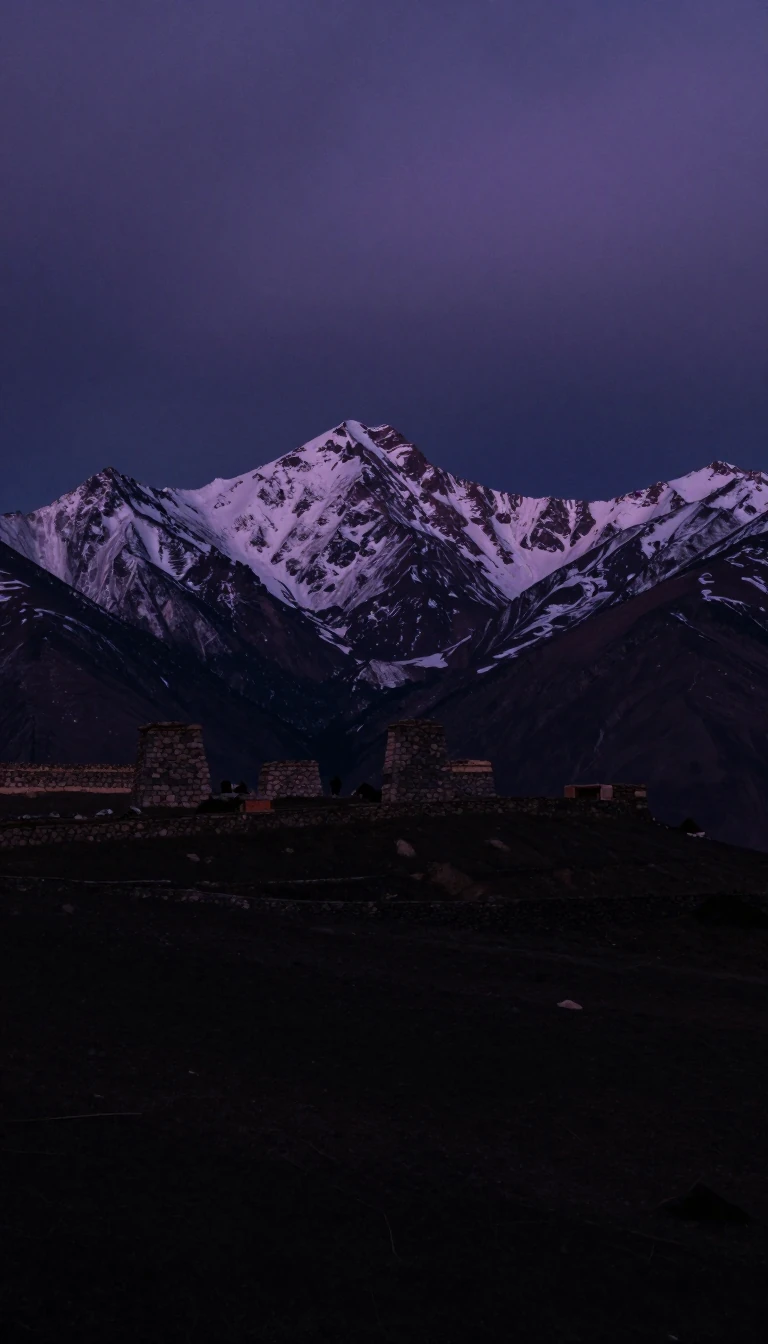 Two massive typhoons twice thwarted the Mongol Empire's attempt to conquer medieval JapanIn 1274 and 1281, Kublai Khan launched colossal naval invasions against Japan. Both campaigns were shattered by sudden, violent tropical cyclones that decimated his fleets. The Ja…
 The Kediri Kingdom: A Golden Age of Javanese Literature and Spice Trade DominanceEmerging from the division of Airlangga’s realm in 1042, the Kediri Kingdom became a sophisticated power in East Java. Known for its literary brilliance and control over lucrative…
 The short-lived Kemmu Restoration attempted to return Japan to direct imperial rule in 1333.After 148 years of military dictatorship under the Kamakura shogunate, Emperor Go-Daigo seized power in 1333. His attempt to restore civilian government lasted only three years. B…
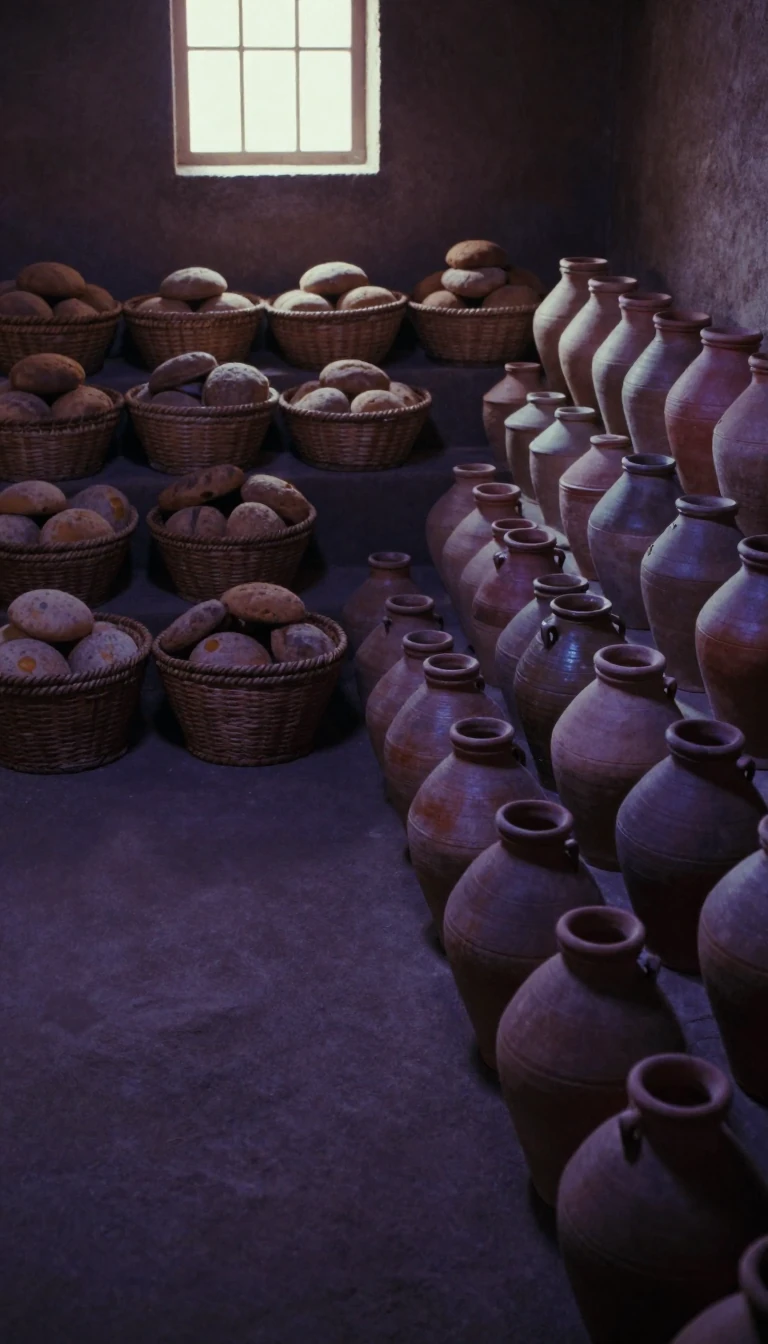 How a Persian Prince Built a Swahili Empire on Coconut Wood and GoldThe Kilwa Sultanate was not a centralized state but a sprawling maritime confederation that dominated the Swahili Coast for centuries. Built on the back of Indian Ocean trade and …
- How a Medieval Kingdom Navigated Power Between the Pope, Byzantium, and HungaryThe Kingdom of Croatia emerged in the 10th century as a formidable Balkan power, balancing alliances with the Byzantine Empire and the Papacy. Yet, after two centuries of sovereig…
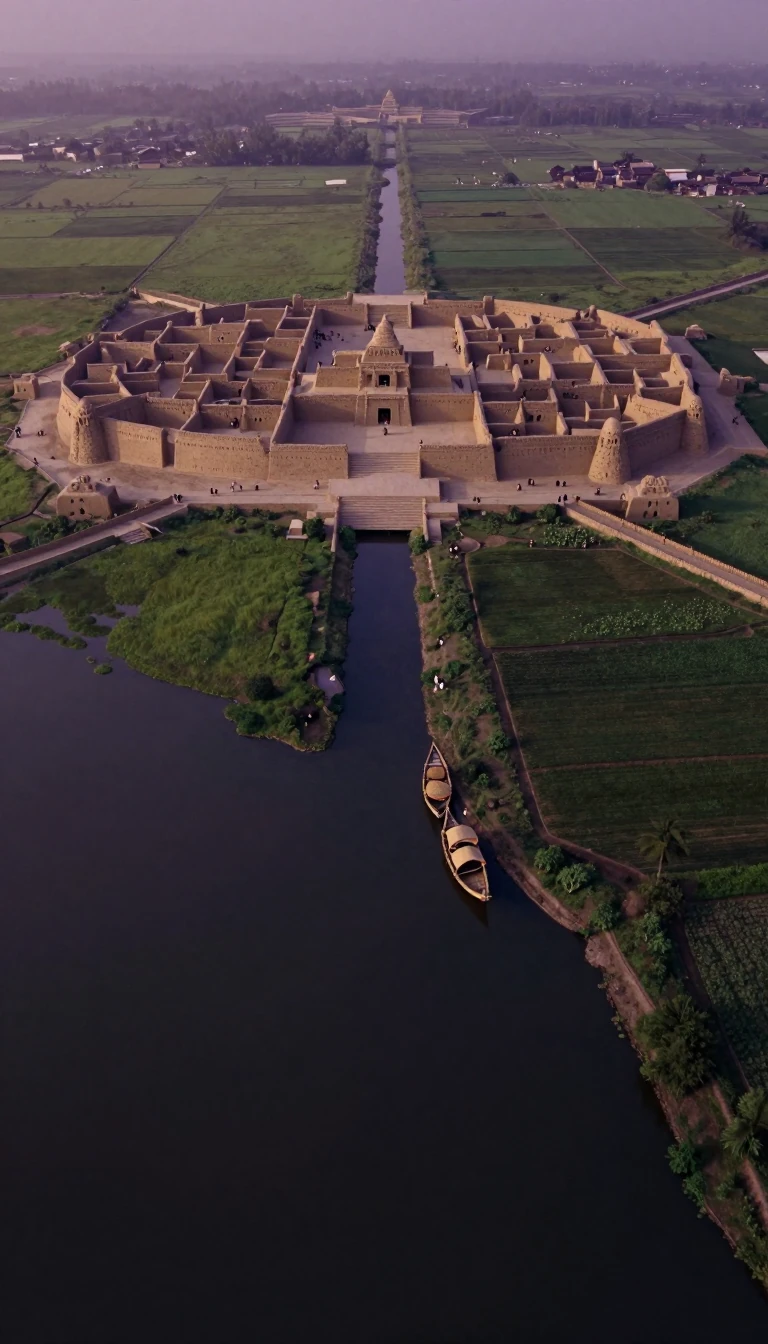 How a medieval African kingdom built a stone empire without using any mortarGreat Zimbabwe was the largest precolonial stone structure in Southern Africa, housing 10,000 people at its peak. Built by Shona ancestors, this massive capital dominated regional…
- The Silk Road oasis that balanced Chinese, Indian, and Iranian cultures for a millennium.Nestled against the Kunlun Mountains, the Kingdom of Khotan thrived as a vital Silk Road hub. For over a thousand years, this Buddhist oasis city blended diverse influences, from …
 The Kingdom of Nri was a sacred ritual network, not a territorial stateFor centuries, the Kingdom of Nri exerted profound influence across southeastern Nigeria without a standing army or centralized administration. Instead of governing through force,…
 Was there a Jewish kingdom in the mountains of Ethiopia for centuries?The Kingdom of Simien remains one of history's most debated puzzles. While oral traditions describe a powerful Jewish dynasty ruling the Ethiopian highlands, scholars struggle to …
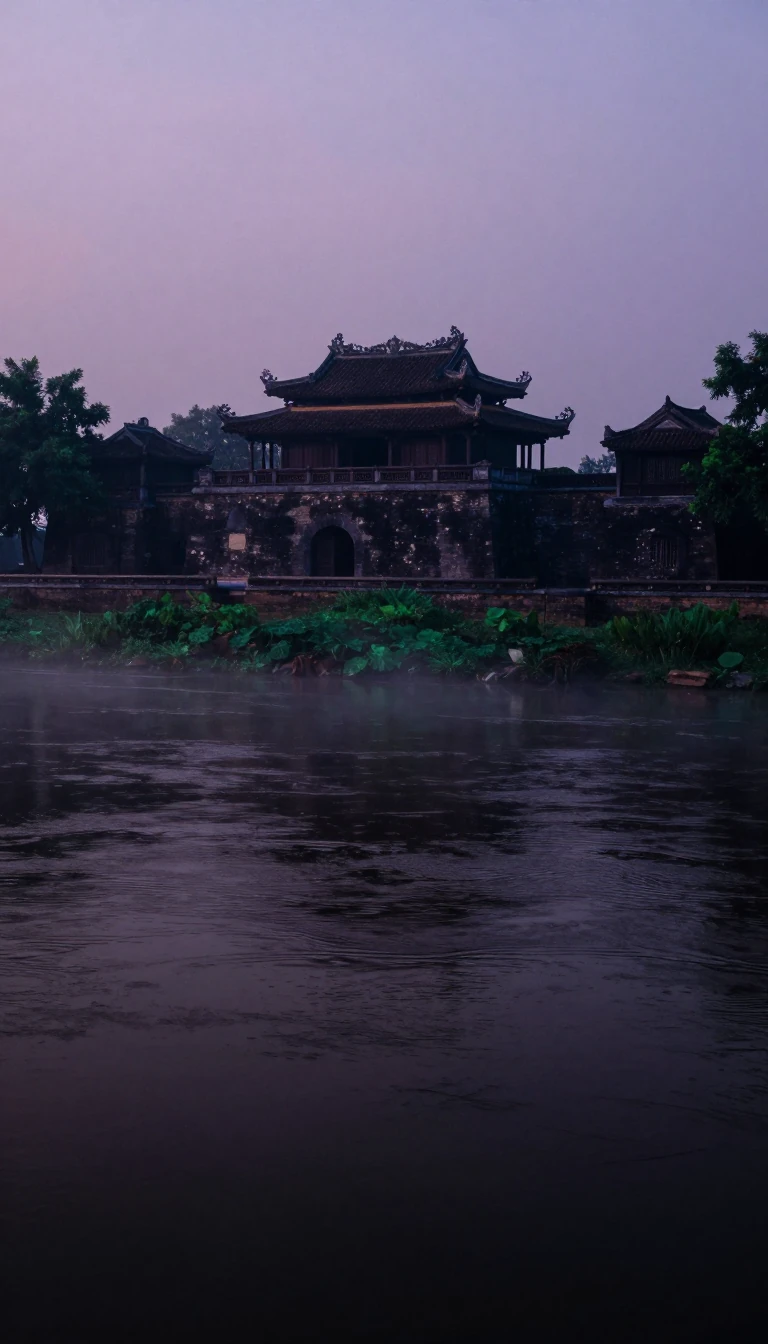 How the Ly Dynasty transformed Vietnam into a stable, centralized, and enduring stateFor centuries, Vietnamese dynasties were fleeting, often collapsing shortly after their founders died. The Ly dynasty, ruling from 1009 to 1225, broke this cycle. By adopting Chin…
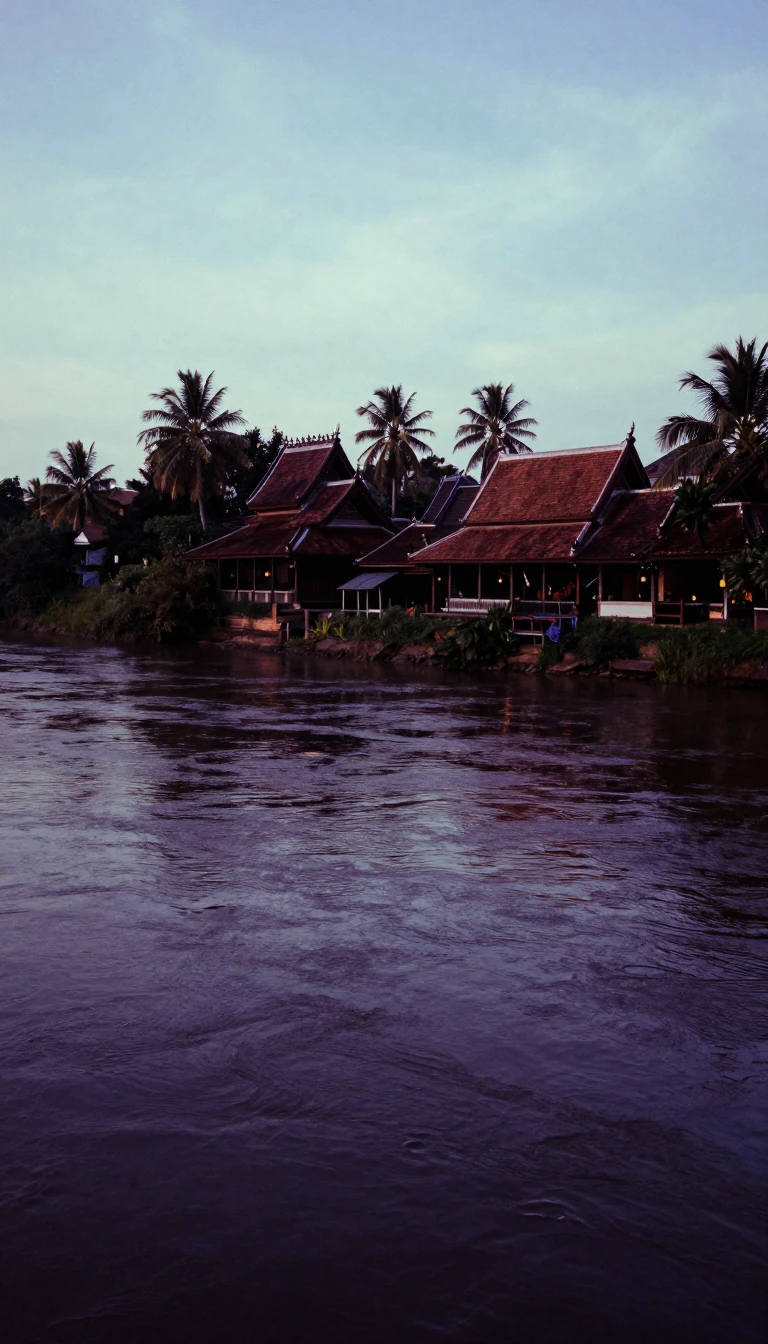 Langkasuka: The Ancient Malay Kingdom That Vanished Beneath the Silting Rivers of PattaniFor over a millennium, the Hindu-Buddhist kingdom of Langkasuka thrived on the Malay Peninsula, leaving behind a legacy of walled cities and golden trade. Though its exact origins…
 How the collapse of Unified Silla birthed a brief, chaotic Korean power struggleBetween the late 9th and early 10th centuries, Korea fractured as central authority crumbled. Provincial leaders seized control, reviving the memory of ancient kingdoms in a volat…
 How a Defeated Crusading Order Built a Medieval Powerhouse in the Baltic RegionBorn from the ashes of a crushing military defeat, the Livonian Order emerged as an autonomous branch of the Teutonic Knights. For over three centuries, this crusading entity resh…
 How a coalition of Italian cities humbled the Holy Roman Empire for decadesIn the 12th century, northern Italian communes faced a existential threat from Holy Roman emperors seeking to strip away their local autonomy. In response, they formed the Lombard…
- Loulan: The Silk Road Oasis That Vanished Into the Desert SandsOnce a thriving kingdom at the heart of the Silk Road, Loulan served as a vital crossroads for trade between India, China, and the West. Today, its ruins lie buried in the desicca…
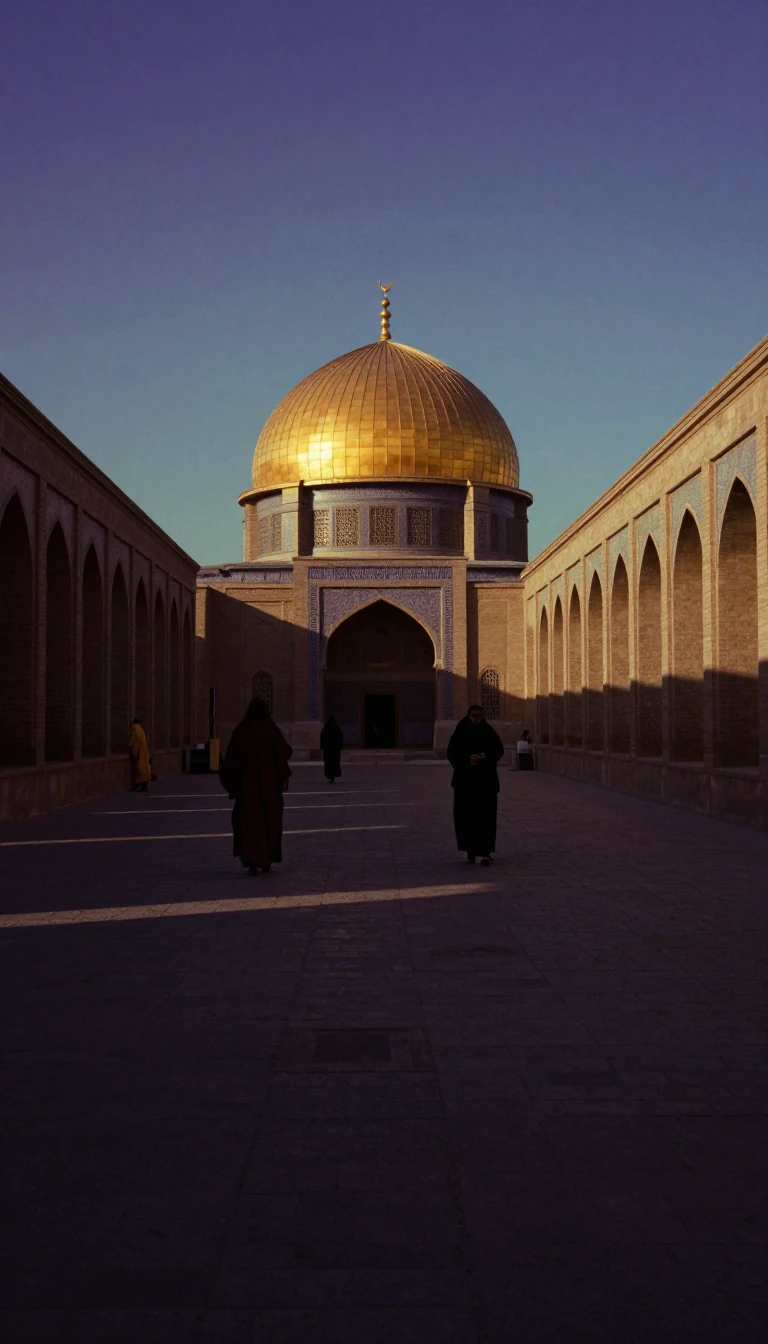 The Maitraka Dynasty: How a General’s Ambition Built a Beacon of Ancient Indian LearningEmerging from the shadow of the declining Gupta Empire, the Maitraka dynasty transformed a military governorship into a sophisticated kingdom. Centered in Vallabhi, they fostered …
 How a medieval African kingdom held off the Arab expansion for six centuriesMakuria, a Christian power in the Nile Valley, famously repelled an Arab invasion in 652. By negotiating the Baqt treaty, it secured an independent status that lasted for over six…
 Did a sophisticated, mound-building civilization once thrive in the heart of the Amazon?For centuries, the Marajoara culture flourished on an island at the mouth of the Amazon River. Far from simple, this society constructed massive earthen mounds, supported thousand…
 How a strategic medieval march shaped the rise and fall of Italian powerThe March of Tuscany was more than a border territory; it was a kingmaker. From the Carolingian era to the rise of independent city-states, this collection of counties served as a…
 How a nomadic Berber tribe built a golden age in medieval MoroccoOriginating as Zenata Berber nomads in the Algerian Zab, the Marinids rose from the desert to overthrow the Almohads and rule the Maghreb. By establishing Fez as their capital and…
 The maritime republics were not a formal group, but a 19th-century historical invention.For centuries, Italian city-states like Venice and Genoa dominated Mediterranean trade, yet they never called themselves maritime republics. This label was a 19th-century historio…
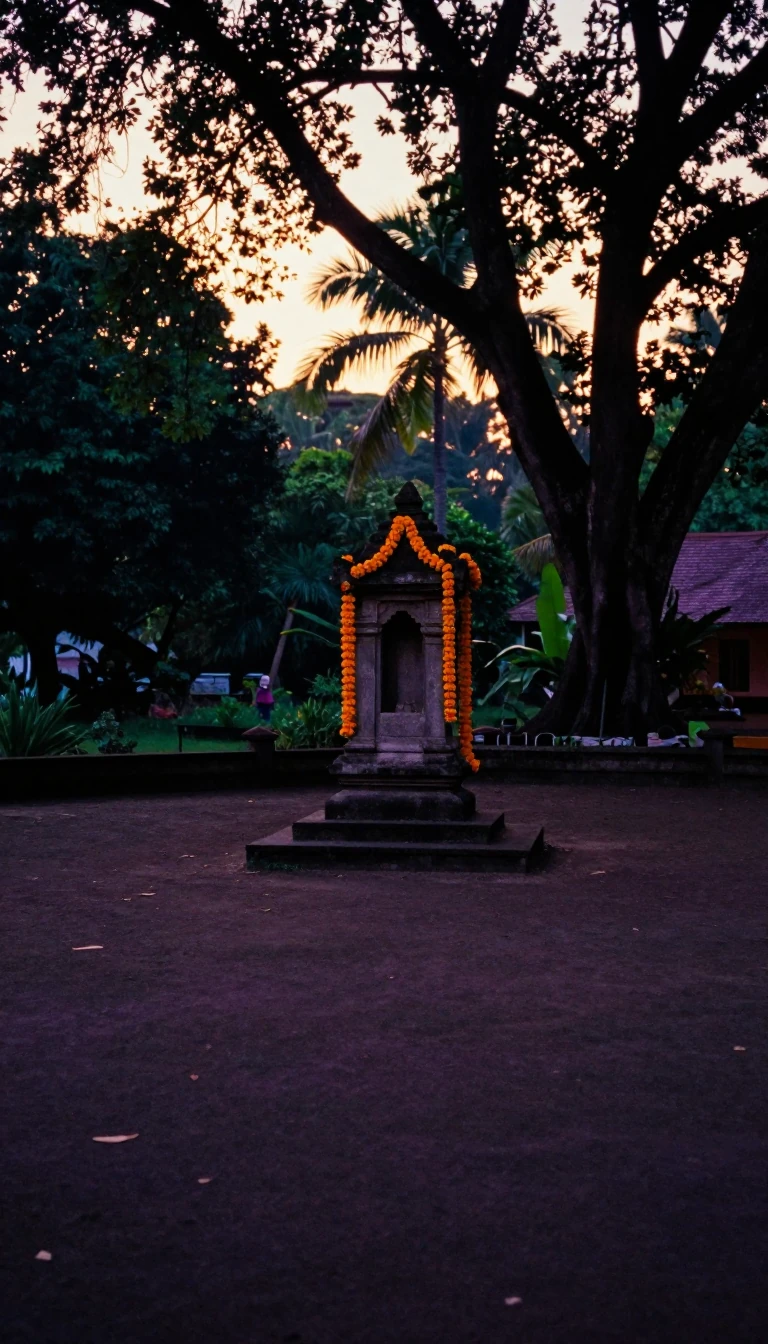 The two Matarams: How a name defined two distinct eras of Javanese powerJava’s history is anchored by two separate entities sharing the name Mataram. One was a classical Hindu-Buddhist kingdom of temple-builders reaching its zenith in the 9th century;…
 The Bahr Negash: How a Medieval Ethiopian Viceroy Controlled the Red Sea TradeGoverning the rugged Eritrean Highlands, the Bahr Negash served as the vital link between the Ethiopian Empire and the Red Sea. From their capital at Debarwa, these powerful vicer…
 The Mogollon people built a sophisticated civilization in the mountains, then simply vanished.For over a millennium, the Mogollon thrived in the rugged terrain of the American Southwest. From early pit houses to complex, multi-story masonry apartments, their architectural …
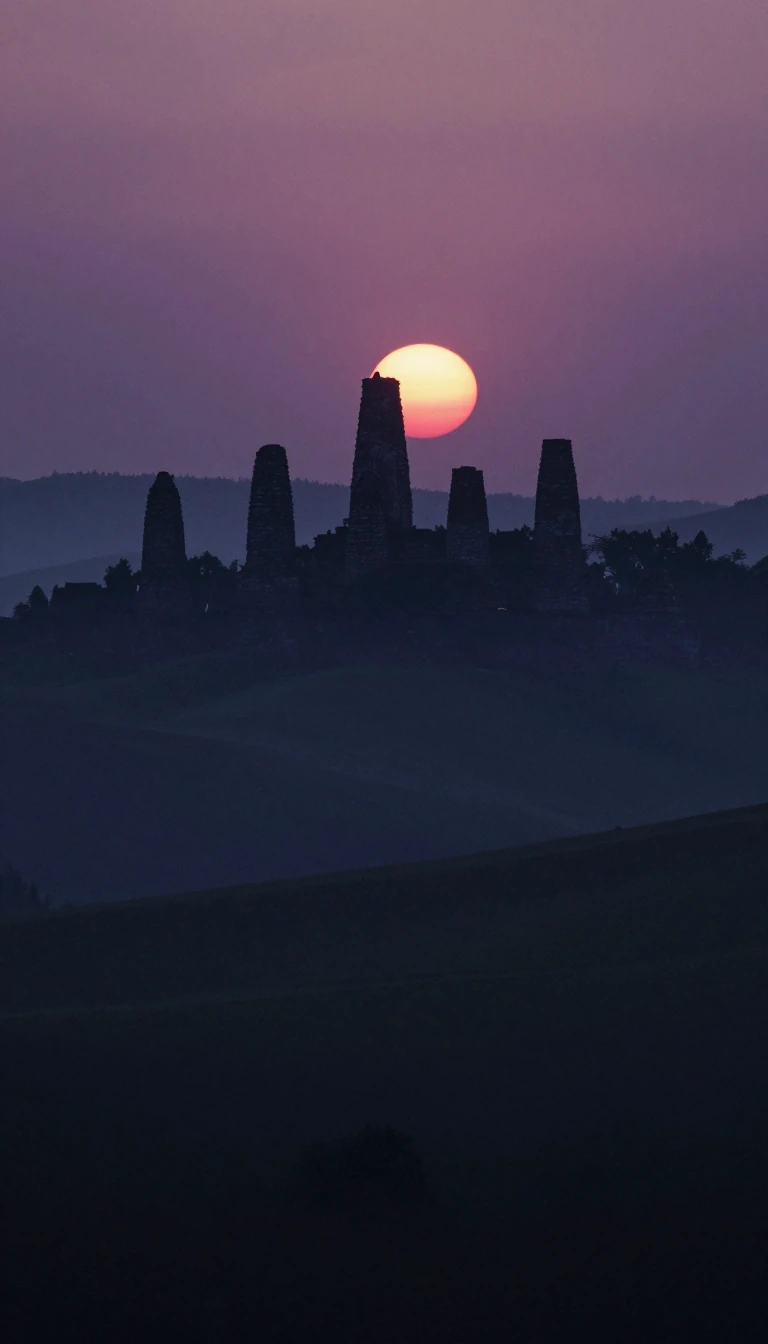 The Delhi Sultanate survived a century of Mongol warfare through military reform and resilience.Between 1221 and 1327, the Mongol Empire launched repeated invasions into India. While chroniclers exaggerated these threats, the Delhi Sultanate faced genuine existential danger.…
- How the Goryeo Kingdom survived decades of brutal Mongol invasions through strategic retreatBetween 1231 and 1270, the Mongol Empire launched a series of relentless campaigns against the Goryeo kingdom. While many Eurasian powers fell quickly, Goryeo resisted for decades…
 Why the Mongol Empire failed to conquer Syria despite repeated, massive military invasionsThe Mongols believed the eternal sky destined them to rule the world, yet their repeated attempts to seize Syria were consistently thwarted. While they occasionally captured Damas…
 Why the Mongol Empire failed to conquer the resilient kingdom of Đại ViệtBetween 1258 and 1288, the Mongol Empire launched four major military campaigns against Đại Việt, modern-day northern Vietnam. Despite capturing the capital and forcing the royal …