 Intellect Plus
Post-classical
612 cards. Each one is a 40-second story with a five-minute read behind it. Page 2 of 11.
 The French château that survived centuries of royal intrigue and two world warsSpanning the River Cher, the Château de Chenonceau is a masterpiece of Renaissance architecture and a survivor of history. From the lavish parties of Catherine de' Medici to its r…
 Why did a failed lawyer and utopian commune member assassinate a U.S. president?Charles J. Guiteau, a man marked by delusions of grandeur and chronic instability, believed he was responsible for President James A. Garfield’s 1880 election victory. When his pe…
 Why Chinese idioms are more than just four characters of ancient wisdomChengyu are traditional Chinese idioms that pack centuries of history and moral philosophy into just four characters. These fossilized expressions act as linguistic shortcuts, all…
 How a small French team created the most awarded debut game in historyBorn from a Reddit post and a modest budget, Clair Obscur: Expedition 33 defied industry norms to become a global phenomenon. This turn-based RPG captured hearts with its Belle Ép…
 Why does Russia’s modern coat of arms feature symbols of a defunct monarchy?Russia’s state emblem features a double-headed eagle clutching an orb and scepter, symbols of imperial authority that persist despite the nation being a republic. Designed by Yevg…
- Spain's parliament evolved from medieval royal councils to a modern bicameral legislative powerhouseThe Cortes Generales is the heartbeat of Spanish democracy, but its roots stretch back to the 12th century. From the first representative assembly in León to the turbulent shifts …
 Who actually runs the world? The hidden mechanics of the global power elite.Sociologists define the elite as a small, interconnected group holding disproportionate influence over society. From exclusive university networks to the revolving doors between c…
 How a 2015 post-apocalyptic epic redefined the boundaries of open-world role-playing gamesSet in a retro-futuristic Boston two centuries after a nuclear holocaust, Fallout 4 introduced unprecedented settlement building and a fully voiced protagonist to the series. By b…
 The Fallout timeline is a retrofuturistic puzzle that defies simple chronological release orderThe Fallout series presents a fractured, post-apocalyptic history where nuclear war in 2077 reset civilization. While the games share a distinct 1950s-inspired atomic aesthetic, t…
 Russia is a land of superlatives, spanning eleven time zones and two continents.As the world's largest country, Russia covers nearly twice the territory of Canada. It stretches across northern Asia and eastern Europe, containing environments ranging from Arct…
 How one man’s obsession with Roman ruins shaped the modern vision of antiquityGiovanni Battista Piranesi was more than an etcher; he was an architect of the imagination. By blending rigorous archaeological study with visionary, dramatic flair, he transforme…
 How a Spartan warrior traded Greek tragedy for the frozen realms of Norse mythAfter decimating the Greek pantheon, Kratos resurfaces in ancient Scandinavia. This 2018 reimagining strips away the series' fixed camera and chained blades, replacing them with a…
 Can a government exist without a country, and does it hold any real power?A government-in-exile is a political group forced from its homeland by invasion, civil war, or insurrection. While they reside in foreign territory, these groups maintain they are…
 Is homelessness a personal failure or a systemic policy choice in the United States?Contrary to popular myth, homelessness is not primarily caused by mental illness or a lack of employment. Instead, it is a structural crisis driven by a severe shortage of afforda…
- How a French soldier became the king of Sweden and Norway in 1818The Swedish royal house was not founded by a blue-blooded aristocrat, but by a French marshal who rose from a modest family of artisans. Jean Bernadotte, a soldier who served unde…
 How a family bought a country just to secure a seat in parliamentThe House of Liechtenstein spent centuries as wealthy advisors to the Habsburgs, yet they lacked the one thing that mattered: a sovereign territory with a seat in the Imperial Die…
 How a secret deal ended centuries of hereditary power in the British ParliamentFor centuries, inheriting a title meant inheriting a seat in the House of Lords. The House of Lords Act 1999 fundamentally altered this, stripping hereditary peers of their automa…
 How an illegitimate royal line forged the foundations of modern SpainBorn from a bloody civil war between half-brothers, the House of Trastámara rose from illegitimacy to dominate the Iberian Peninsula. By masterfully blending strategic marriages, …
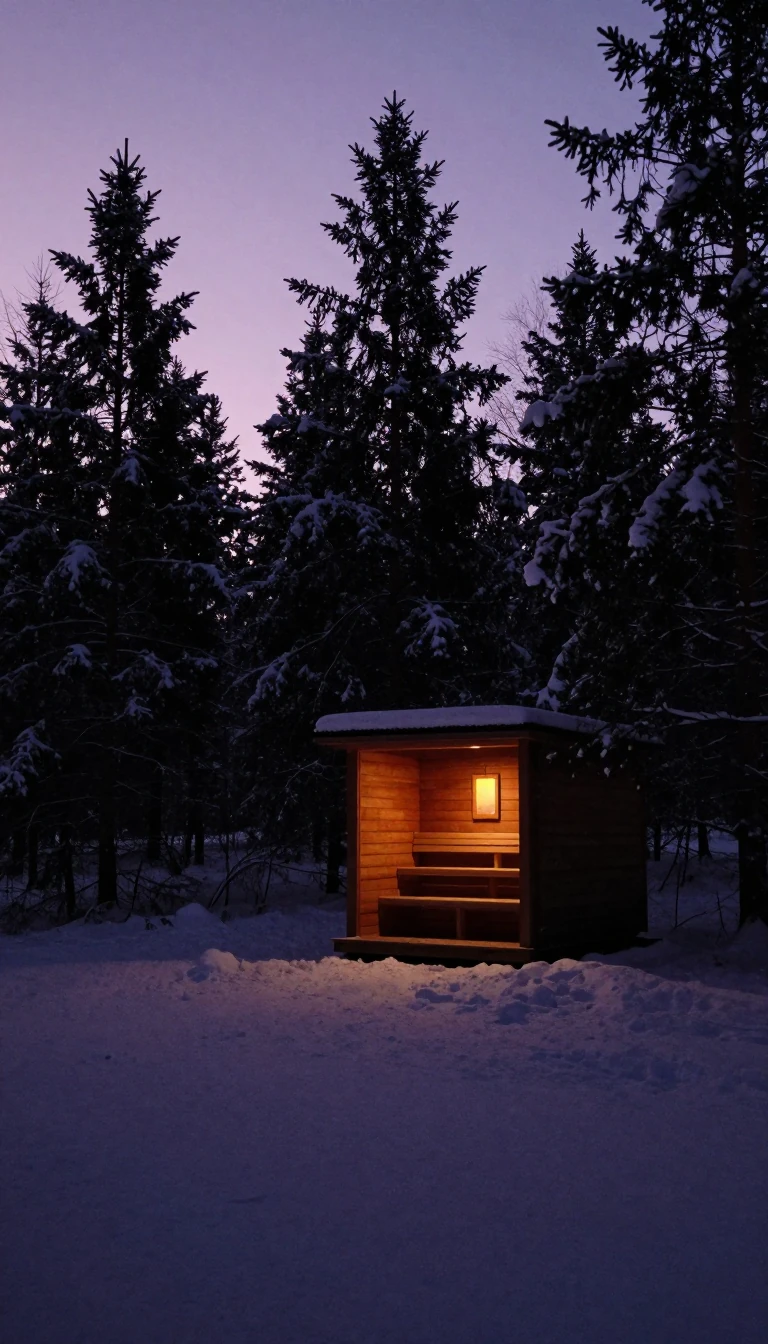 What language did the Huns speak? Scholars have been arguing for centuries.The Hunnic language remains one of history's most persistent mysteries. Because no inscriptions or full sentences survive, we are left with only a handful of names and three isola…
 Was Isabella of Angoulême a misunderstood queen or the Helen of the Middle Ages?Renowned for her beauty and volatile temper, Isabella of Angoulême was a queen of England who defied royal councils and French monarchs alike. Often dismissed by contemporaries as…
 Why did a Swedish immigrant become the most famous martyr of American labor history?Joe Hill was a wandering songwriter and union agitator whose life ended before a firing squad. His final message to his fellow workers turned him into an enduring icon of the Indu…
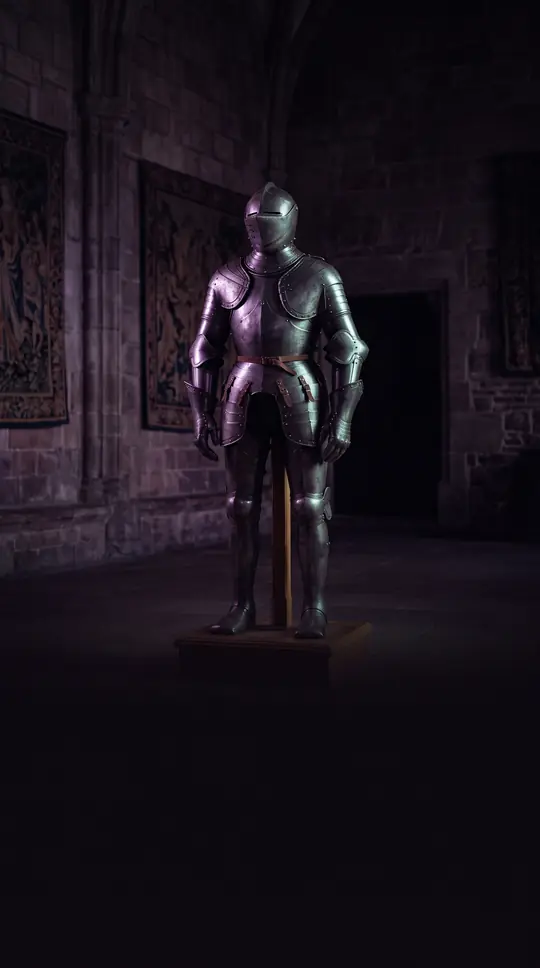 Are Masonic Knights Templar the true successors to the medieval crusading order?The Masonic Knights Templar are a fraternal order steeped in medieval imagery, yet they make no claim to direct lineage from the original crusading knights. While their rituals dr…
 How a punk rock icon turned a lifetime of dysphoria into a public revolutionLaura Jane Grace, the founder of Against Me!, spent years navigating the rigid, often hyper-masculine punk scene while secretly battling gender dysphoria. Her eventual transition …
 The Grand Dauphin: A Royal Heir Who Never Ruled and Was Rarely UnderstoodLouis, the eldest son of the Sun King, was groomed for a throne he would never occupy. Often dismissed by contemporaries as dull and indolent, he lived in the shadow of his formid…
 The death of a prince in Zululand that shook the foundations of European royalty.Louis-Napoléon, the last dynastic hope for the House of Bonaparte, died in a skirmish during the Anglo-Zulu War in 1879. His demise at the hands of Zulu warriors sparked internati…
- How Japanese magical girls transformed from domestic witches into global superheroinesThe magical girl genre began in the 1960s with simple domestic witches, but evolved into a powerhouse of action-oriented heroines. By blending traditional femininity with the high…
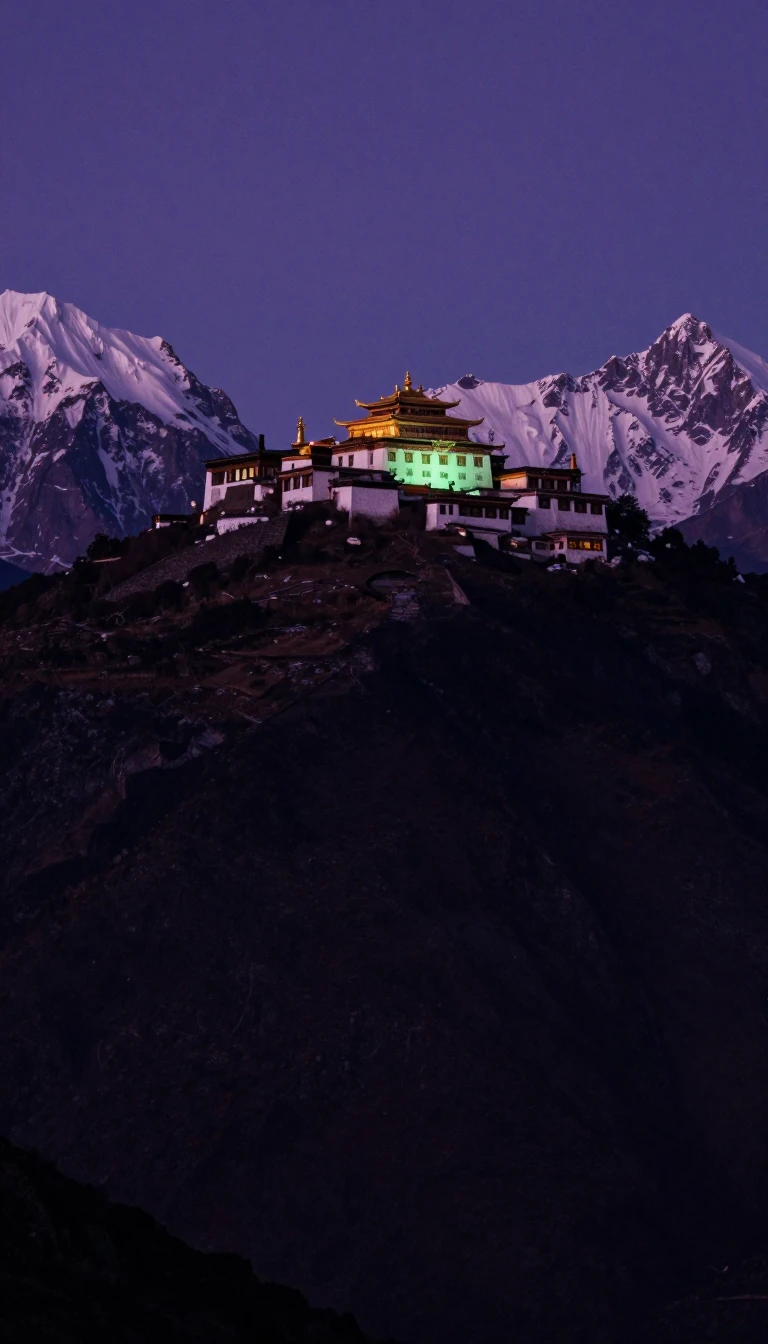 How a quiet Himalayan hill station became the heart of Tibetan culture in exilePerched 2,082 meters high in the shadow of the Dhauladhar mountains, McLeod Ganj is far more than a scenic retreat. Once a British colonial cantonment, this suburb of Dharamshala …
 Mumblecore: The accidental film movement that defined a generation of aimless, naturalistic cinemaBorn in a bar at the 2005 South by Southwest Film Festival, mumblecore is a subgenre defined by low budgets, improvised dialogue, and the messy, unscripted lives of young adults. …
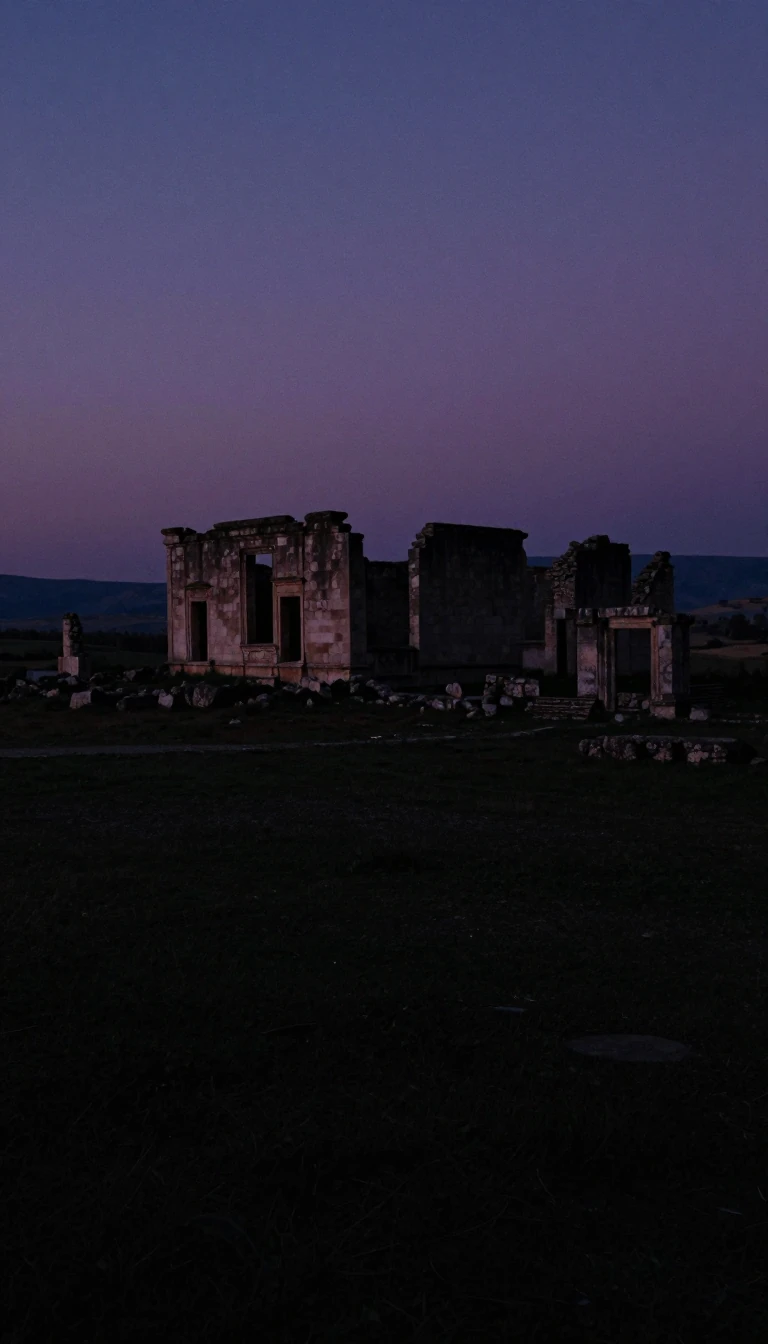 How a strategic river crossing evolved into a resilient cultural hub in eastern Croatia.Osijek has survived Roman legions, Ottoman occupation, and modern warfare to remain the heart of Slavonia. Its name, derived from the Croatian word for ebb tide, reflects its anci…
 Perun was the supreme Slavic thunder god, whose weapons were believed to be prehistoric stones.Long before the Christianization of Kievan Rus, Perun reigned as the highest deity of the Slavic pantheon. A god of sky, war, and law, he was thought to wield lightning bolts that…
- Why the title of priest is actually a linguistic evolution of elderThe word priest sounds ancient, but it is a linguistic descendant of the Greek presbyteros, meaning elder. In the earliest Christian communities, this title described a council of…
 Spain’s head of government is officially a president, even though the country is a monarchy.In Spain, the leader is titled President of the Government, a term that often confuses English speakers. While the role functions like a prime minister, the title reflects a compl…
 Why Spain’s provincial borders have remained largely unchanged since the nineteenth centurySpain’s current provincial map is a direct descendant of a territorial reorganization enacted in 1833. While the country transitioned to a system of autonomous communities in the …
 Pulcinella is the original social chameleon, a rebellious delinquent who saves everyone he meets.Originating in 17th-century Italian theater, Pulcinella is a contradictory stock character who embodies the Neapolitan everyman. Whether a cunning thief or a crass bumpkin, this b…
 The cheap, ragged magazines that defined American popular fiction for over half a century.Named for the coarse wood pulp paper they were printed on, these inexpensive magazines democratized entertainment for the working class. From 1896 to the 1950s, they served as a m…
 The ancient indoor game that birthed modern tennis remains a hidden, complex physical challenge.Long before lawn tennis became a global spectacle, a sophisticated indoor ancestor dominated the scene. Known as real tennis, this medieval game evolved from French handball into …
 Roman citizenship was a sophisticated political tool that transformed conquered enemies into loyal stakeholders.Far from a simple birthright, Roman citizenship was a tiered, evolving legal status used to stabilize an expanding empire. By granting conquered peoples a stake in the system rath…
 From wrought silver to modern digital symbols, the rupee has shaped South Asian history.The rupee is more than just a currency; it is a linguistic and economic legacy spanning centuries. Derived from the Sanskrit word for wrought silver, this monetary unit evolved fr…
 Is Russia a resurgent great power or a wounded empire in slow decline?Modern Russian imperialism is driven less by strength than by a desperate, nostalgic desire to reclaim lost Soviet grandeur. Rather than a rising superpower, Moscow acts as a woun…
 Not French, not Breton, but Malouin: The defiant history of a legendary port city.Saint-Malo began as a rocky island fortress, eventually declaring itself an independent republic. Known for its fierce corsairs and a motto that rejects both French and Breton ide…
 The medieval palace that became a hospital, a prison, and eventually a luxury landmark.Once the most magnificent private residence in England, the Savoy Palace was systematically dismantled by rioters in 1381. Its site later transformed into a pioneering hospital fo…
 Why did a US Air Force member choose self-immolation as a political protest?In February 2024, active-duty airman Aaron Bushnell ended his life outside the Israeli Embassy in Washington, D.C. His final act, live-streamed to the public, ignited a fierce glo…
- How a multi-ethnic Yugoslav republic became the epicenter of a brutal collapseThe Socialist Republic of Bosnia and Herzegovina was designed as a unique federal unit, balancing three distinct ethnic groups under communist rule. Yet, this fragile stability ev…
 Why the spiritual heart of 300 million Christians is a modest, hidden church.Tucked away in Istanbul, the Patriarchal Cathedral of St. George serves as the symbolic seat of the Ecumenical Patriarchate. Despite its global significance, the building remains …
- Stephen King's Dark Tower is a sprawling, genre-bending epic spanning multiple interconnected universesSpanning 4,250 pages, Stephen King's magnum opus follows a lone gunslinger on a quest toward a mysterious, nexus-like tower. This series acts as a linchpin for King's entire body …
 How France’s historic centre-right party became a shadow of its former selfOnce the dominant force of the French Fifth Republic, the party known as Les Républicains has suffered a decade of electoral collapse and internal fracturing. From its origins as …
 How the Byzantine Empire traded its ancient bureaucracy for a resilient military machineFacing existential threats in the 7th century, Byzantium abandoned its rigid Roman provincial system. It replaced civil governors with military commanders, creating the theme syst…
- Can two sovereign nations merge into one state while keeping their own independence?The Union State of Russia and Belarus was designed to bridge two nations through economic and military integration. Yet, despite decades of treaties and ambitious goals for a unif…
 Is untouchability an ancient relic or a later development in South Asian social history?Untouchability is often viewed as an ancient, static feature of South Asian life, but scholars debate its origins and evolution. While legally abolished in countries like India an…
 How a clever propaganda campaign in Khorasan toppled the mighty Umayyad CaliphateIn 750 CE, a sweeping revolution replaced the Umayyad dynasty with the Abbasids. By masterfully uniting diverse grievances—from Persian converts to disillusioned Arab settlers—the…
- How a vassal dynasty built a Mediterranean empire while balancing religious and political tensionThe Aghlabids ruled Ifriqiya for over a century, serving as Abbasid vassals while forging a distinct legacy. They balanced internal revolts, religious friction with local scholars…
 How a small band of Tai migrants built a multi-ethnic empire in medieval Assam.Starting as a modest clan-based polity in the 13th century, the Ahom kingdom transformed into a sophisticated, multi-ethnic state. By mastering wet-rice cultivation and resisting …
- The Lost Christian Kingdom of Alodia: A Medieval Powerhouse Hidden in Sudan's HeartlandFor centuries, the medieval kingdom of Alodia thrived in central Sudan, boasting a capital city filled with gold and gardens. Despite its size and influence, this Christian state …
 How the Bagratid Dynasty turned a buffer state into a medieval golden ageFor centuries, Armenia was a fractured battleground between the Byzantine Empire and the Abbasid Caliphate. By mastering the art of diplomacy, the Bagratuni family rose from local…
 How a former field laborer founded a powerful Persianate empire in medieval IndiaIn 1347, a former field laborer turned commander seized power in the Deccan, establishing the Bahmani Sultanate. This Persianate kingdom would dominate the region for 180 years, p…
- Was this forgotten Philippine kingdom richer in gold than the legendary Srivijaya empire?Long before Spanish arrival, the Rajahnate of Butuan served as a sophisticated Hindu-influenced maritime hub in Mindanao. Known for its vast gold wealth and extensive trade networ…
 The Byzantine Empire was a divine bureaucracy where titles meant everything and nothing at all.In Byzantium, the emperor was the living incarnation of law, ruling a theocracy where state officials acted as his personal deputies. Over a millennium, the empire’s administrativ…
 How a ninth-century religious reform accidentally saved the foundations of Western classical literature.Charlemagne did not set out to launch a secular intellectual movement. His Carolingian Renaissance was a top-down religious project aimed at standardizing Christian practice. Yet,…
 The Chaulukya and Chalukya dynasties share a name but not necessarily a common bloodline.History often conflates the Chaulukya rulers of Gujarat with the earlier, powerful Chalukya emperors of the Deccan. While both dynasties shared similar names and even mythical ori…
 The Chavda dynasty: From forest-dwelling outlaws to the architects of medieval GujaratRuling Gujarat from the late 7th to the 10th century, the Chavda dynasty began as obscure, forest-dwelling clans. Their rise to power, centered on the city of Anahilavada, is shro…