 Intellect Plus
Vertebrates
970 cards. Each one is a 40-second story with a five-minute read behind it. Page 9 of 17.
 The koel uses a clever raven disguise to trick birds into raising its youngThe koel is a master of deception. By mimicking the appearance of a raven, the male koel draws the ire of host birds, distracting them with a mobbing response. This chaos creates …
 The iconic laughing call of the kookaburra is actually a territorial warning systemThe kookaburra’s famous cackle is not an expression of joy, but a strategic alarm meant to deter rivals from encroaching on its domain. Despite being the largest member of the kin…
 The Last Giant Amphibian That Survived in the Frozen Early Cretaceous SouthLong after its relatives vanished, Koolasuchus persisted in the cool, rift-valley streams of southern Australia. This massive, crocodile-like predator thrived in a region too frig…
 The ancient marine predator named after a Titan who devoured his own childrenKronosaurus was a massive, short-necked pliosaur that dominated the Early Cretaceous seas. Named for the Greek Titan Kronos, this apex predator grew up to 11 meters long and posse…
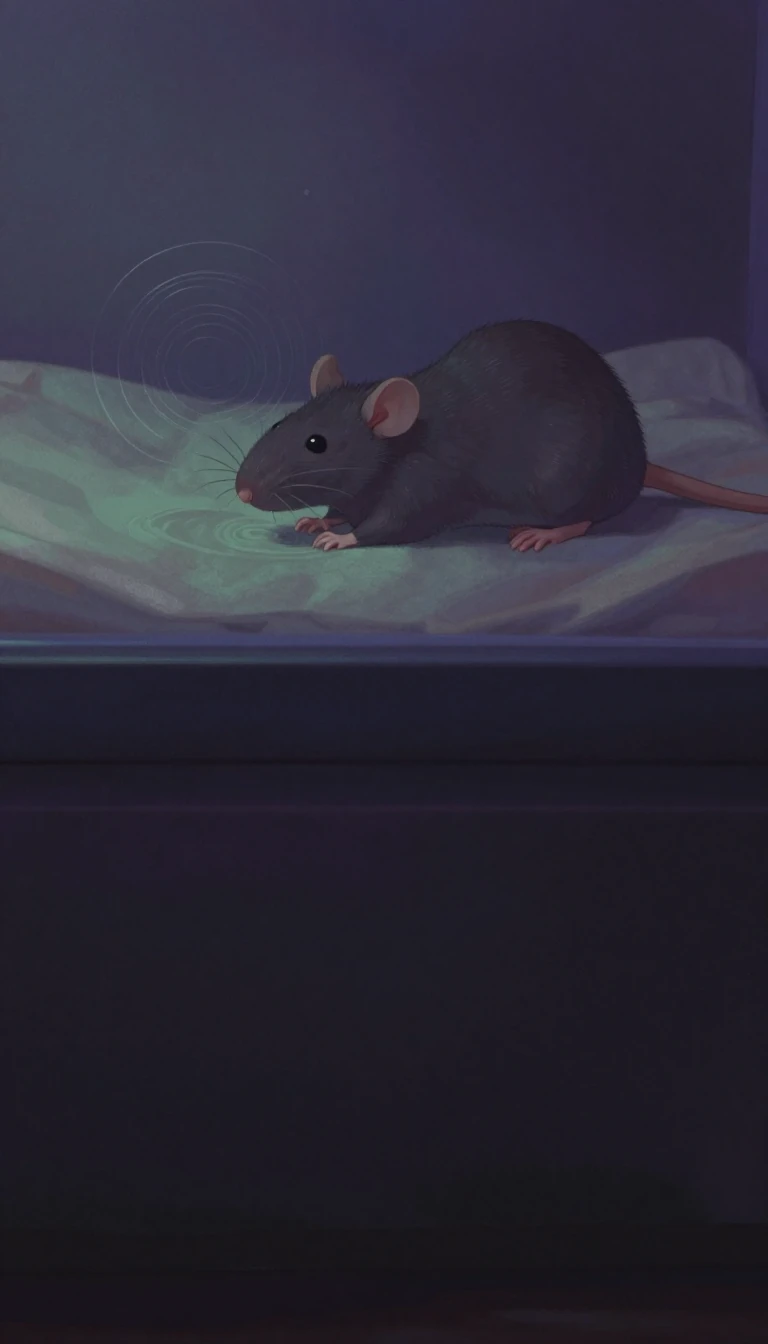 Why the humble lab mouse is the most important mammal in modern scienceAs our closest non-primate relatives, mice are the backbone of biomedical discovery. From mapping the human genome to testing life-saving treatments, these small rodents provide a…
- The laboratory rat is the first animal domesticated specifically for the purpose of science.Long before they were tools for modern medicine, rats were bred for blood sport in 18th-century pits. Today, these rodents are precision-engineered biological models. From their r…
 The shrinking genus: how modern science redefined the classic Lacerta lizard familyFor centuries, the name Lacerta served as a broad umbrella for diverse lizard species. However, a major taxonomic revision in 2007 dismantled this grouping, splitting it into nine…
- The diverse family of wall lizards dominates the reptile landscape across Afro-Eurasia today.With approximately 360 species spanning 39 genera, the Lacertidae family represents the most dominant group of reptiles in Europe. While these small to medium-sized lizards share …
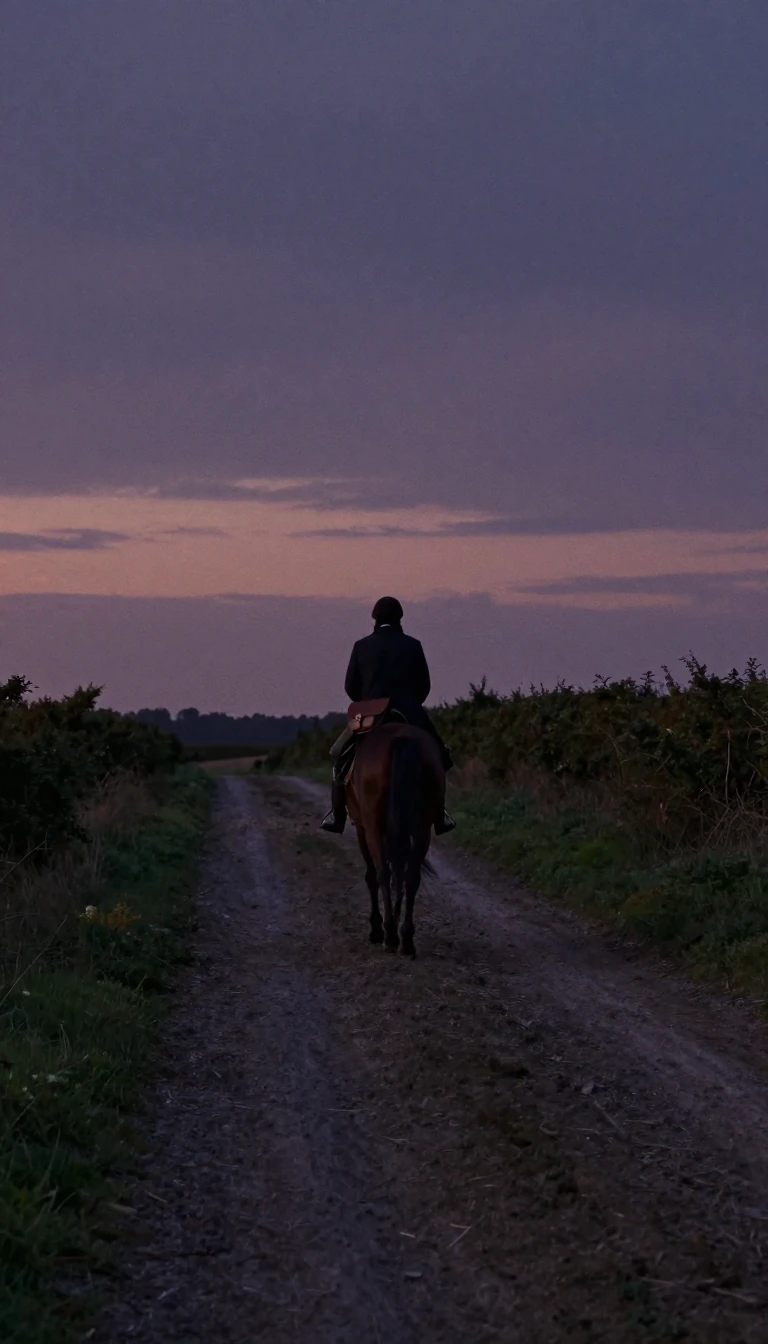 The exotic pheasant that once roamed England's woods is now a ghost of historyLady Amherst's pheasant, a bird of striking plumage and golden crests, was introduced to England as an ornamental curiosity in the 19th century. Though these birds once thrived in…
 Are these small Triassic reptiles the missing link to the ancestors of pterosaurs?Lagerpetids were once considered the earliest dinosaurs, but recent fossil discoveries have completely rewritten their family tree. These lightly-built, Triassic-era creatures are…
 The hatchet-headed dinosaur whose identity was hidden in plain sight for decadesLambeosaurus was a massive, semi-quadrupedal herbivore defined by a hollow, hatchet-shaped crest. For years, palaeontologists struggled to classify it, often misidentifying its ju…
 Lantian Man: The Ancient Human Ancestor Who Challenged Our Understanding of Early MigrationDiscovered in the 1960s on China's Loess Plateau, Lantian Man represents a critical piece of the human evolutionary puzzle. Once thought to be a simple regional variant, these fos…
 Why the lapwing’s erratic, zigzagging flight earned it a name for waveringKnown as the peewit for its distinct call, the lapwing is a master of aerial acrobatics. Its name describes its signature zigzagging flight, a display that becomes particularly dr…
 The white-handed gibbon is a master of the trees with a surprising social life.Lar gibbons are iconic Southeast Asian primates known for their white hands and feet, and their remarkable ability to swing through forest canopies. While once thought to be stric…
 Are gulls the ultimate urban survivors, or just misunderstood masters of the coastal ecosystem?Gulls are far more than mere beach scavengers. These adaptable birds have mastered everything from cracking mollusk shells mid-air to hunting rabbits. Once nearly wiped out by the…
 Why the classic ring species example of the Larus gull is likely a mythThe Larus genus of gulls, once thought to be a simple, circumpolar ring species, is far more complex than textbooks suggest. While these birds are iconic, their taxonomy is a movi…
 Why the laughing dove is the most musical bird in the pigeon familyUnlike the standard cooing of its relatives, the laughing dove produces a unique, effervescent chuckling call. This slim, long-tailed bird, common across Africa and parts of Asia,…
 The leafy seadragon is a master of disguise that cannot actually use its leaves.With long, leaf-like protrusions covering its body, the leafy seadragon looks exactly like drifting seaweed. Yet, these appendages are purely for camouflage, not movement. This el…
 The largest fish to ever swim the seas was likely smaller than we thought.For decades, scientists believed the prehistoric Leedsichthys reached lengths of 90 feet, rivaling the blue whale. New analysis of fossilized remains suggests a more modest realit…
 Why the garden visitor you mistake for a snake is actually a lizardIf you spot a slithering reptile in a British garden, it is likely a slow worm. Despite their serpentine appearance and name, these creatures are legless lizards. They possess uni…
- Were these ancient, diverse tetrapods the true ancestors of modern amphibians and reptiles?Lepospondyls were a collection of small, Paleozoic creatures that thrived in Europe and North America. Ranging from snake-like to lizard-like forms, their evolutionary identity re…
 Why this rare bird performs acrobatic leaps to attract a mate in the monsoonThe lesser florican is a master of the monsoon, known for the dramatic, leaping courtship displays of its males. Once widespread across the Indian Subcontinent, this small bustard…
 The Limpkin is a specialized wetland bird with a bill evolved for snail huntingNamed for its peculiar, hobbling gait, the Limpkin is a gangly, brown-and-white bird that haunts freshwater wetlands. It is a master of a single, highly specific task: extracting …
 Why these tiny Brazilian monkeys wear the manes of Africa's great catsNamed for the striking rings of hair that frame their faces, lion tamarins are small, arboreal primates native to Brazil. Despite their regal appearance and feline namesake, these…
 The aquarium favorite that became a top predator in Atlantic reef ecosystemsOnce a prized ornamental fish in home tanks, the lionfish has transformed into a formidable invasive force across U.S. and Caribbean waters. With no natural predators to keep them…
 The extinct South American mammals that evolved to look exactly like horses and camelsFor millions of years, South America was an evolutionary laboratory. Among its most successful residents were the Litopterna, a group of hoofed mammals that independently mirrored…
 Once hunted to near extinction for hat fashion, the little egret is now thriving.The little egret was once a common sight in Britain, but centuries of over-hunting and climate shifts nearly wiped it out. Today, this resilient heron has staged a remarkable come…
 Why the little owl became the ancient symbol of wisdom and human knowledgeSmall, stern, and surprisingly bold, the little owl has been a human companion for millennia. From serving as the sacred emblem of Athena to being traded as a hunting tool in Ital…
 The world's smallest penguin is actually two distinct species hiding in plain sight.Standing just over a foot tall, the little penguin is a master of the shoreline. While long considered a single species, recent genetic research reveals a split between New Zealan…
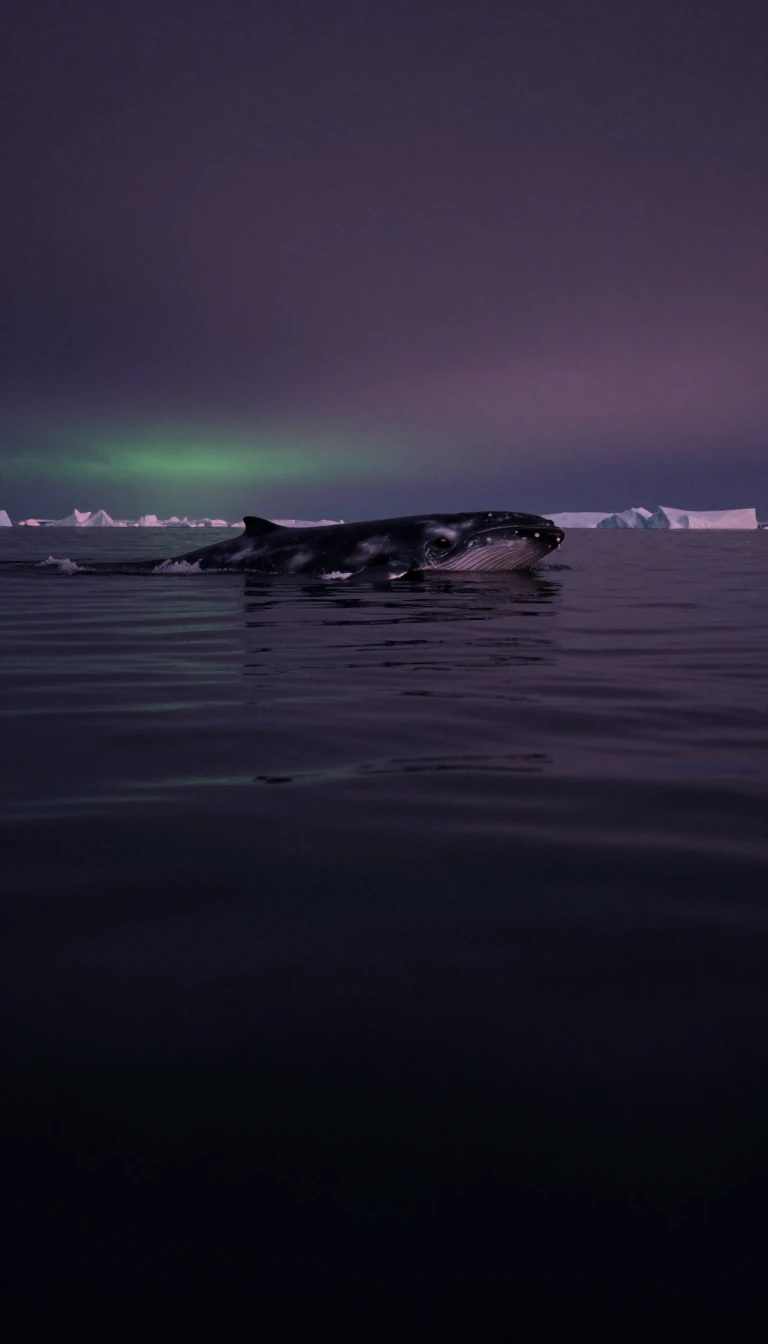 Livyatan: The Ancient Sperm Whale That Hunted Other Whales With Massive TeethTwelve million years ago, the oceans were ruled by a predator far more formidable than today's suction-feeding sperm whales. Livyatan melvillei, a giant sperm whale with teeth up …
 Loaches are remarkably diverse freshwater fish that thrive from mountain streams to dark caves.These bottom-dwelling creatures belong to a vast group of over 1,200 species. While often kept in home aquariums, they possess hidden evolutionary traits, including specialized sp…
- Why these drab songbirds are evolving toward a life on the groundThe Locustellidae family of songbirds, once hidden within a taxonomic wastebin, are masters of the scrubland. Known for their insect-like songs and drab plumage, these birds are s…
 Why this tiny, aggressive predator is essentially a bolt of brown lightning in the wild.The long-tailed weasel is a master of the hunt, possessing a slender, elongated body perfectly adapted for navigating underground tunnels. These solitary carnivores are relentless…
 The elusive longfin mako shark is a deep-sea predator hiding in plain sightOften overshadowed by its faster, more famous cousin, the longfin mako shark is a mysterious inhabitant of the open ocean. With broad pectoral fins and a preference for deep, temp…
 A tiny Triassic reptile with mysterious back plumes sparked a fierce debate on bird origins.Longisquama, a small reptile from Kyrgyzstan, features bizarre, hockey-stick-shaped structures along its spine. For years, these appendages fueled a controversial theory that bird…
- The Eocene giant that scientists spent two centuries misidentifying as a tapirLophiodon was once the largest animal in the forests of Eocene Europe, yet its identity remained a puzzle for generations. Initially mistaken for a tapir by Georges Cuvier in 1804…
 The specialized brush-tipped tongues of lories and lorikeets unlock thousands of floral food sources.Lories and lorikeets are vibrant parrots defined by their unique anatomy. Equipped with brush-tipped tongues covered in fine papillae, these birds efficiently harvest nectar and p…
 The Snapper Family Is Far More Diverse and Ancient Than Your Dinner Plate SuggestsLutjanidae, commonly known as snappers and fusiliers, comprise about 113 species of percomorph fish. While often prized as food, these active carnivores inhabit diverse environmen…
 The African barbet is a plump, bristled bird that acts as a forest gardener.Across sub-Saharan Africa, 44 species of Lybiidae birds play a vital role in tropical ecosystems. These solitary, large-headed birds are essential seed dispersers, consuming a vas…
- The dog-sized, tusked survivor that outlasted the greatest mass extinction in Earth's historyWhen 95 percent of all species vanished 252 million years ago, one humble, pig-like creature thrived. Lystrosaurus, a splay-legged burrower, dominated the early Triassic landscape…
- The world's most traded primate is a master of survival and human adaptationThe crab-eating macaque, or Macaca fascicularis, is a highly adaptive primate that thrives near human settlements across Southeast Asia. Despite being the most popular species for…
 Why the iconic saber-toothed cat was never actually a tiger at allSaber-toothed cats are often imagined as ancient, striped tigers, but this is a biological misconception. These formidable predators belonged to the subfamily Machairodontinae, a …
 The long-necked Macrauchenia was a mysterious South American giant that baffled Charles Darwin.Discovered by Charles Darwin in 1834, this camel-like creature was a true evolutionary outlier. With a retracted nasal opening atop its skull and three-toed feet, Macrauchenia bel…
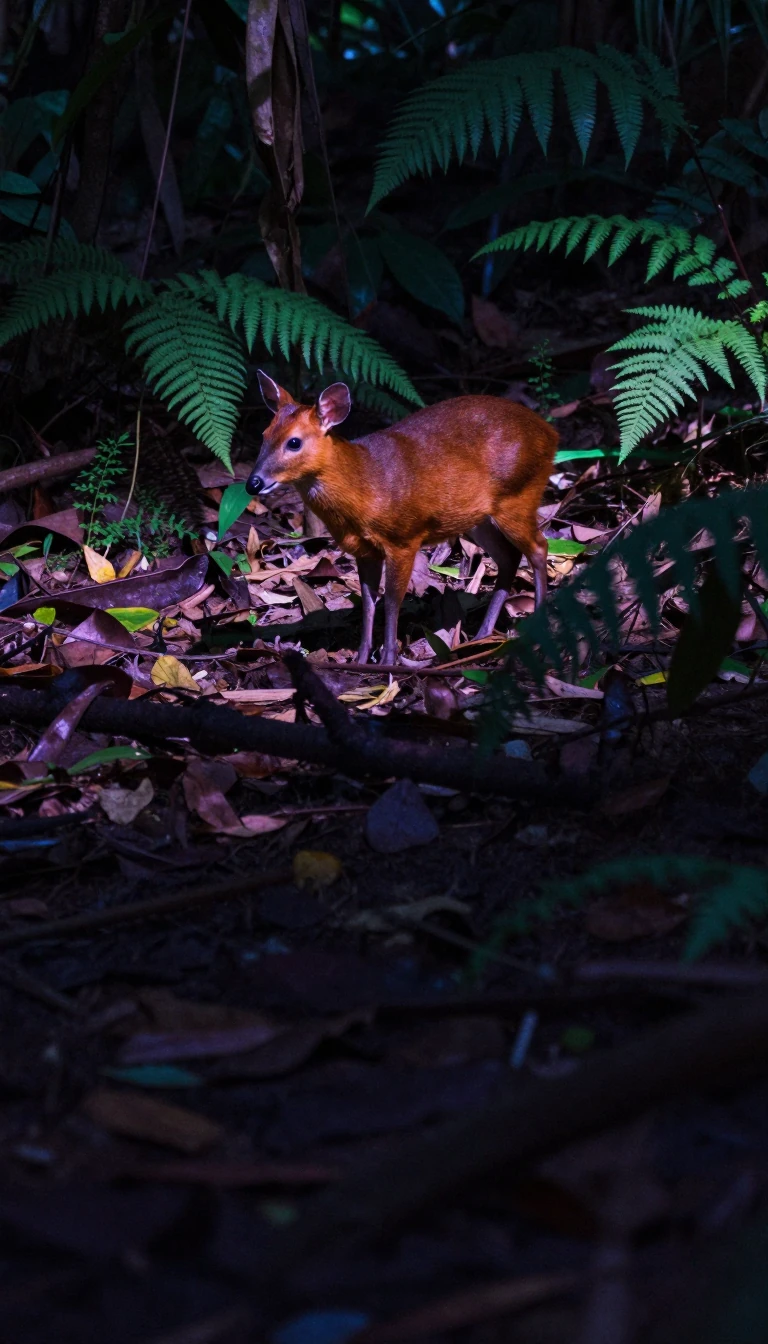 Beyond the Kangaroo: Meet the Diverse and Ancient World of the MacropodiformesWhen you think of Australia's iconic marsupials, you likely picture the bounding kangaroo. Yet, the suborder Macropodiformes encompasses a far wider array of creatures, from the t…
- Why the desert-dwelling bilby is Australia's answer to the Easter rabbitThe bilby is a unique marsupial that thrives in arid Australian landscapes without ever needing to drink water. With its oversized ears and backwards-facing pouch, this nocturnal …
 A colossal ancient snake from India reveals how giant reptiles once conquered the globeThe discovery of Vasuki indicus, a massive snake from India’s Eocene period, suggests these giants were not just local curiosities. By tracking their evolutionary links to North A…
 The magpie goose is a living fossil that defies standard waterfowl classification rulesAs the sole survivor of its evolutionary family, the magpie goose is a biological outlier. While it shares the bill structure of ducks and geese, it diverged long before them. Thi…
- The long-necked giants of Asia were not confined to China as once believedMamenchisauridae, a group of long-necked sauropod dinosaurs, were long thought to be exclusive to East Asia. Recent discoveries in Thailand and Tanzania are rewriting this narrati…
- The mastodon was a massive browser that roamed North America for millions of years.Long before modern elephants dominated the landscape, the Mammutidae family thrived across Africa, Eurasia, and North America. Known for their distinct nipple-shaped teeth and rob…
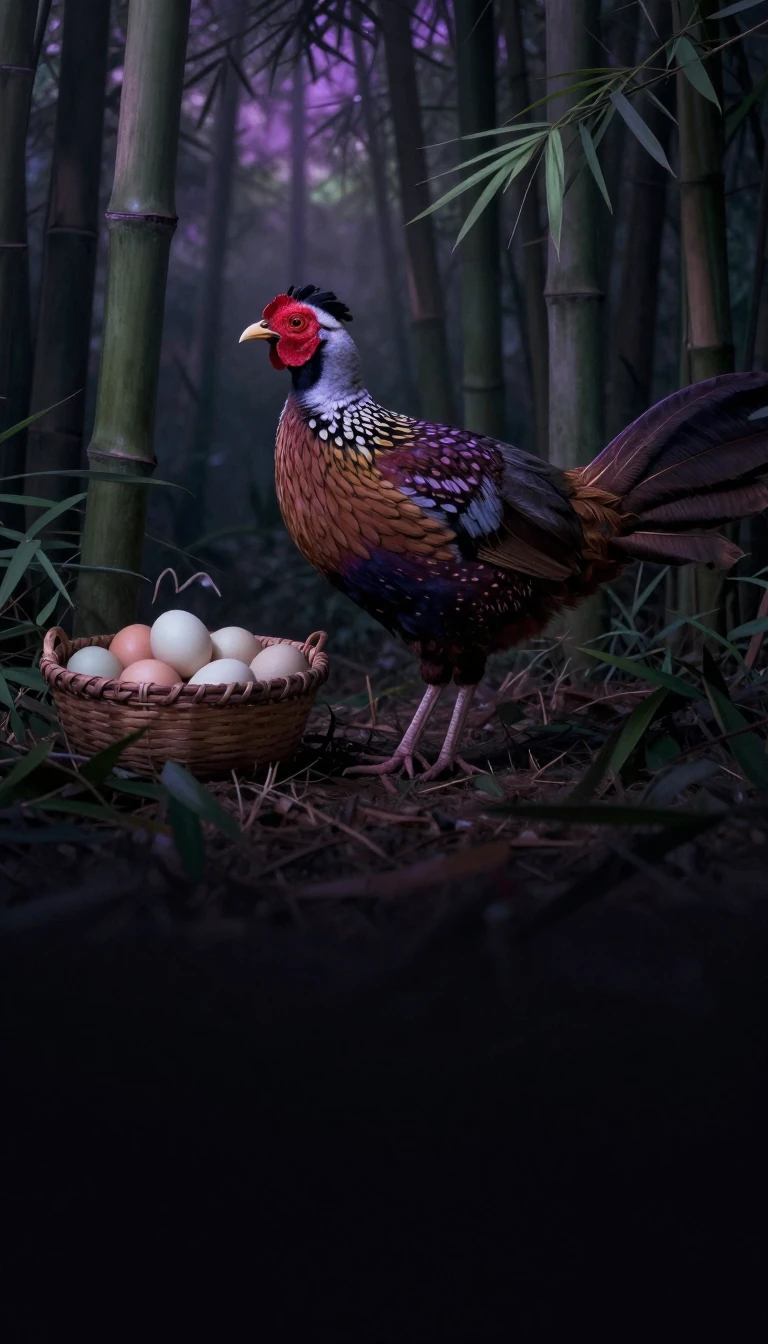 Why these tiny tropical birds evolved into the world's most acrobatic forest dancersManakins are small, stubby birds of the American tropics, but their courtship rituals are anything but modest. Males gather in elaborate leks to perform high-speed, acrobatic disp…
- The mandrill is the largest monkey on Earth, and arguably the most colorful mammal.With vibrant blue and violet cheeks, a scarlet nose, and crimson hindquarters, the male mandrill is a visual spectacle. Beyond its striking appearance, this stout-bodied primate h…
 A bulldozer accident in 2008 revealed a 55,000-year-old link to our human ancestors.When construction work accidentally cracked open a cave roof in Western Galilee, it uncovered Manot 1. This fossilized skullcap, dating back roughly 54,700 years, provides a criti…
 Why Madagascar's tiny poison frogs look exactly like their distant South American cousinsMadagascar's Mantella frogs are a masterclass in convergent evolution. Despite being separated by oceans and distinct lineages, these small, toxic amphibians evolved the same bril…
 The Patagonian mara is a rodent that defies every expectation of its kindResembling a long-legged rabbit or a miniature ungulate, the mara is a rodent that challenges conventional biology. These social creatures mate for life, utilize a communal crèche…
 The bony headgear of Marginocephalia served far more than just a defensive purposeMarginocephalia, a group of dinosaurs defined by their distinctive skull shelves, includes both the thick-skulled pachycephalosaurs and the horned ceratopsians. While their elabor…
 Saltwater fish are under siege from both the dinner plate and the aquarium tradeMarine fish inhabit every corner of the ocean, from sunlit surfaces to the crushing dark of the deep sea. Yet, these diverse populations face mounting pressure from industrial ove…
- The deep-sea hatchetfish uses light to vanish in plain sight from hungry predators.These small, silver-scaled creatures of the deep ocean possess a remarkable survival strategy. By using bioluminescent organs to match the intensity of light filtering down from t…
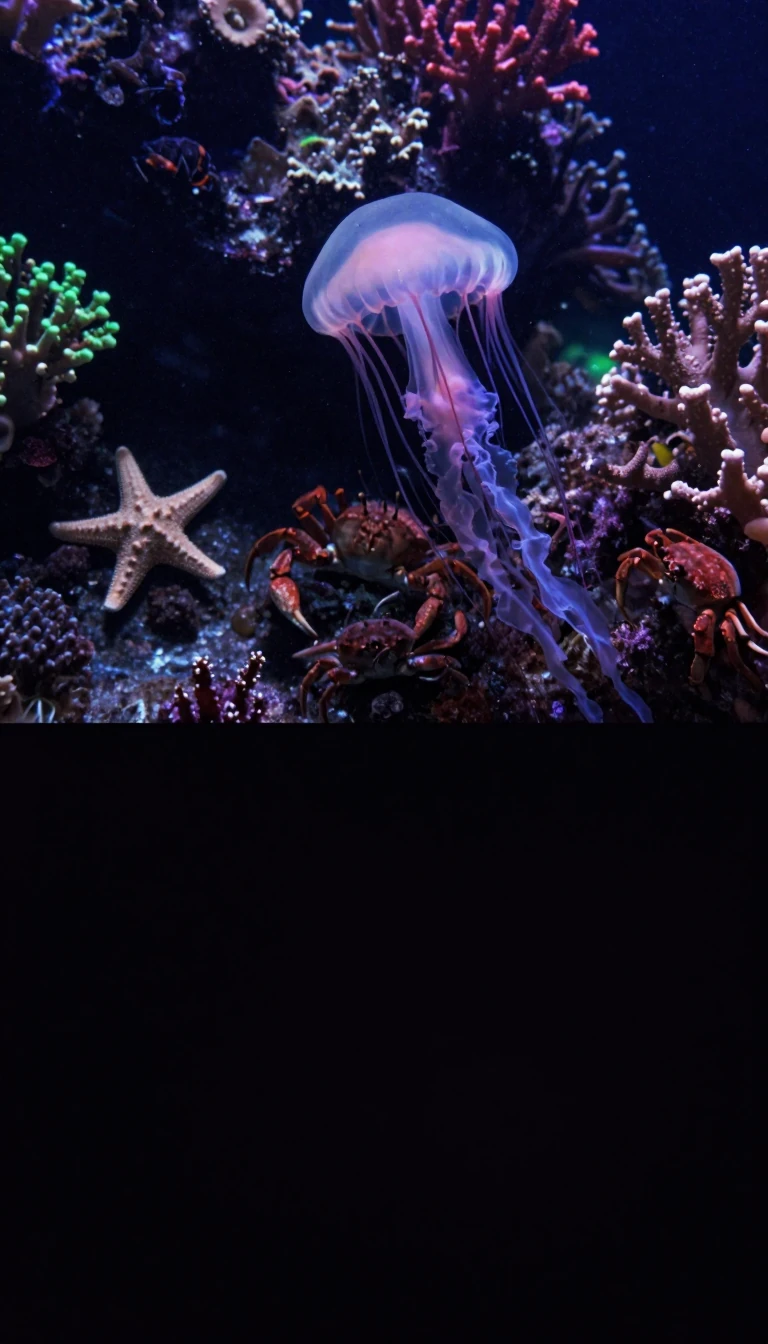 The only lizard on Earth that hunts for food beneath the ocean wavesCharles Darwin famously called them hideous and clumsy, yet these Galápagos reptiles possess a remarkable evolutionary secret. They are the world's only modern lizards that forage…
- The Masai giraffe is the tallest land animal, but its status is shiftingStanding up to 5.8 meters tall, the Masai giraffe is the largest of its kind. Once considered a mere subspecies, this East African giant is now recognized as a distinct species. Y…
- This bizarre dinosaur from Madagascar evolved forward-pointing teeth to snatch up small preyMasiakasaurus knopfleri was a small, bipedal predator with a dental secret. Unlike its peers, its front teeth projected horizontally, creating a specialized tool for grasping rath…