 Intellect Plus
World Heritage Sites
1,540 cards. Each one is a 40-second story with a five-minute read behind it. Page 26 of 26.
 Aleppo: The Ancient Trade Hub That Survived Millennia of Conquest and CatastropheAleppo is one of the world's oldest continuously inhabited cities, a strategic crossroads where silk from Iran met spices from India. Its historic center, a UNESCO World Heritage …
 The Forbidden City of Madagascar: A Royal Hilltop Fortress Built With Millions of EggsPerched 450 feet above the Malagasy landscape, Ambohimanga served as the spiritual heart of the Merina Kingdom. This fortified royal city, protected by massive stone discs and dee…
 The first site ever removed from the UNESCO World Heritage list remains a cautionary tale.In 2007, the Al Wusta Wildlife Reserve in Oman made history for the wrong reasons. Once a protected sanctuary for the rare Arabian oryx, it became the first location stripped of i…
 Why this rugged Italian coastline became a global icon of art and cinemaThe Amalfi Coast is more than a scenic Mediterranean escape. From its origins as a powerful maritime duchy to its modern status as a UNESCO World Heritage Site, this steep, terrac…
 The unfinished Roman masterpiece in Tunisia that survived centuries of war and reuseRising from the flat plains of modern-day El Djem, the Amphitheatre of El Jem remains one of the most remarkably preserved Roman structures on earth. Once intended as a grand monu…
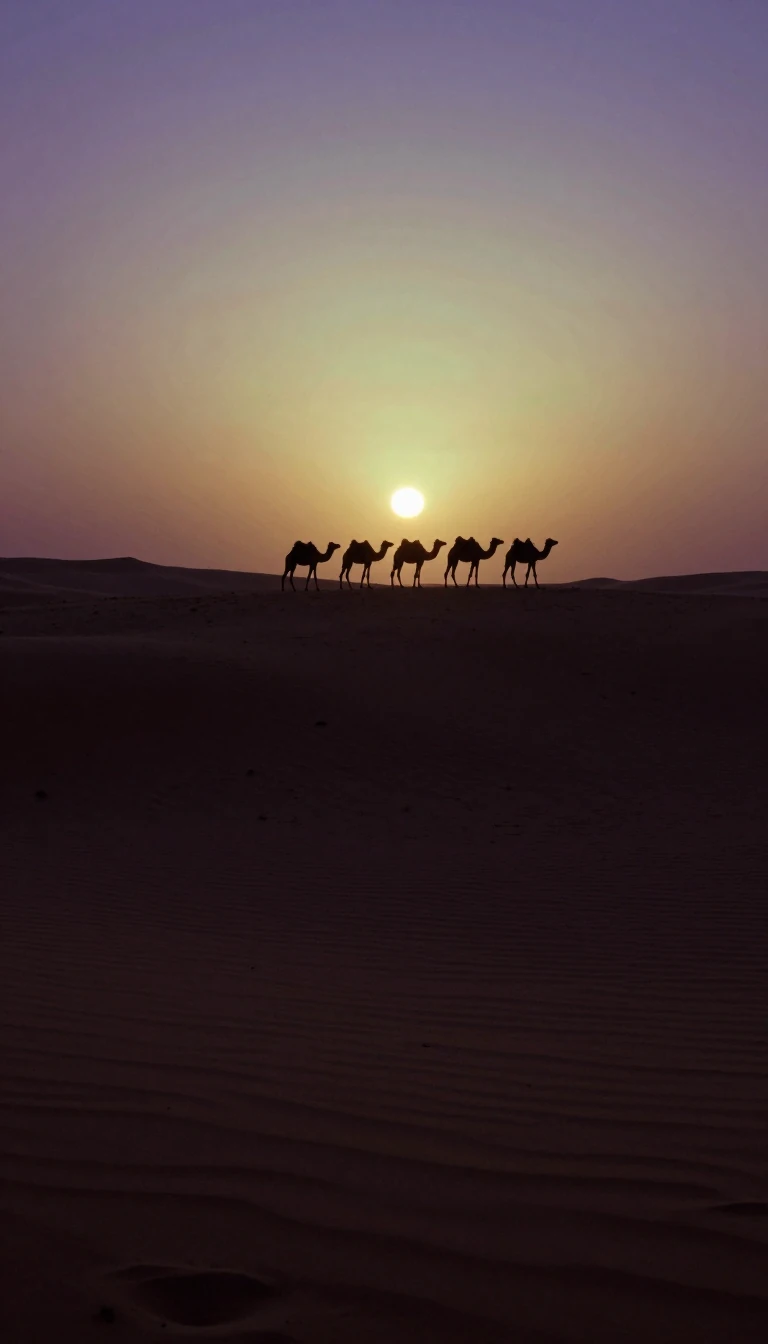 The desert town that rose from a camel's refusal to moveIn Late Antique Egypt, a wandering camel stopped dead in the sand, signaling a divine destiny. This moment birthed Abu Mena, a massive pilgrimage empire that once dominated the Ch…
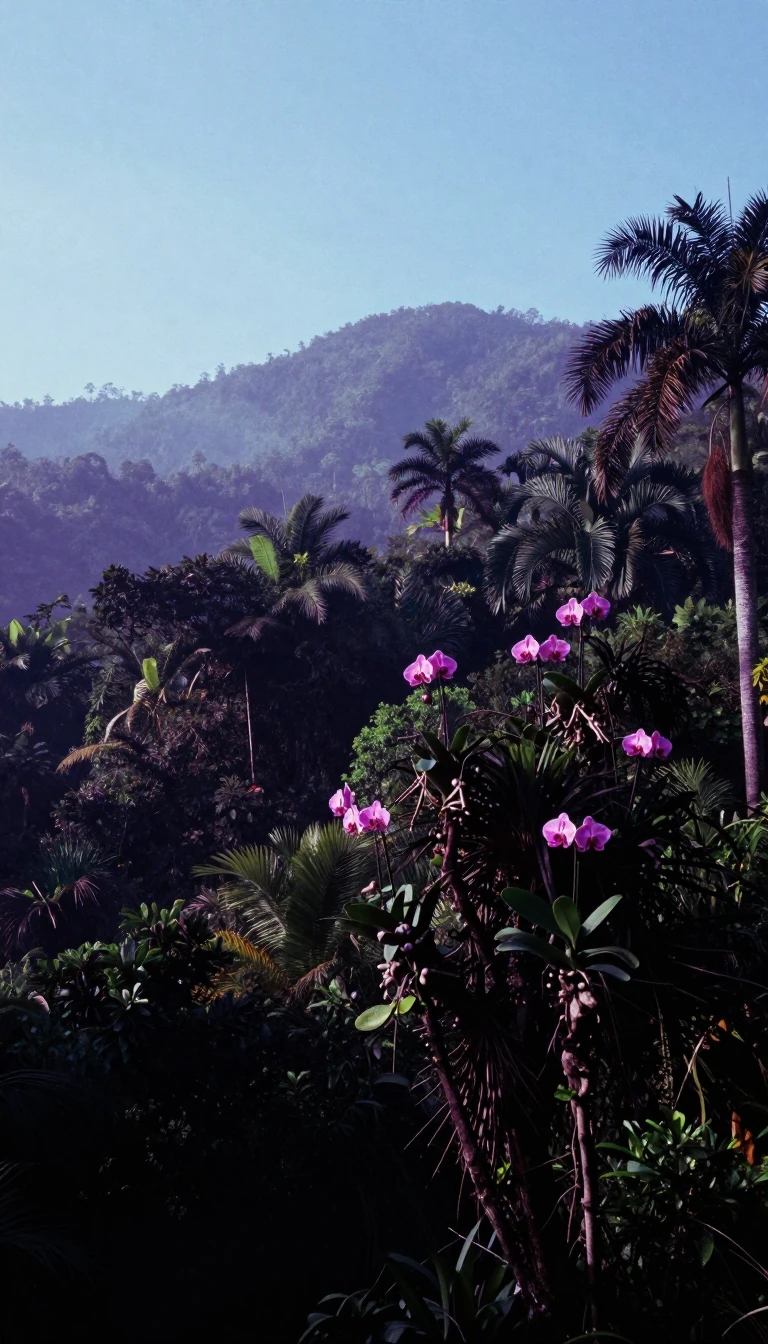 Why this Cuban wilderness is a living laboratory for evolution and ancient geologySpanning over 700 square kilometers, Alejandro de Humboldt National Park is a biological treasure chest. Its unique serpentine soils and stable climate, preserved since the Pleist…
 How a nineteenth-century museum became a sanctuary for art, science, and the publicCommissioned by King Frederick William III, Berlin's Altes Museum was built to grant citizens access to cultural education. Designed by Karl Friedrich Schinkel, this Neoclassical …
 A volcanic desert meets the sea in this unique Mexican biosphere reserveSpanning over 1.6 million hectares in northwestern Mexico, this UNESCO site blends dramatic volcanic craters with coastal wetlands. It serves as a vital refuge for rare species, f…
 This Neolithic underground labyrinth in Malta was carved using only stone and bone tools.Discovered by accident in 1902, the Ħal Saflieni Hypogeum is a subterranean marvel carved into limestone. Spanning three levels, this ancient site served as a necropolis for an es…
 The Alcázar of Segovia: A Medieval Fortress That Shaped the Destiny of SpainPerched on a rocky crag, the Alcázar of Segovia has served as a royal palace, state prison, and military academy. From financing Columbus to witnessing the coronation of Queen Isa…
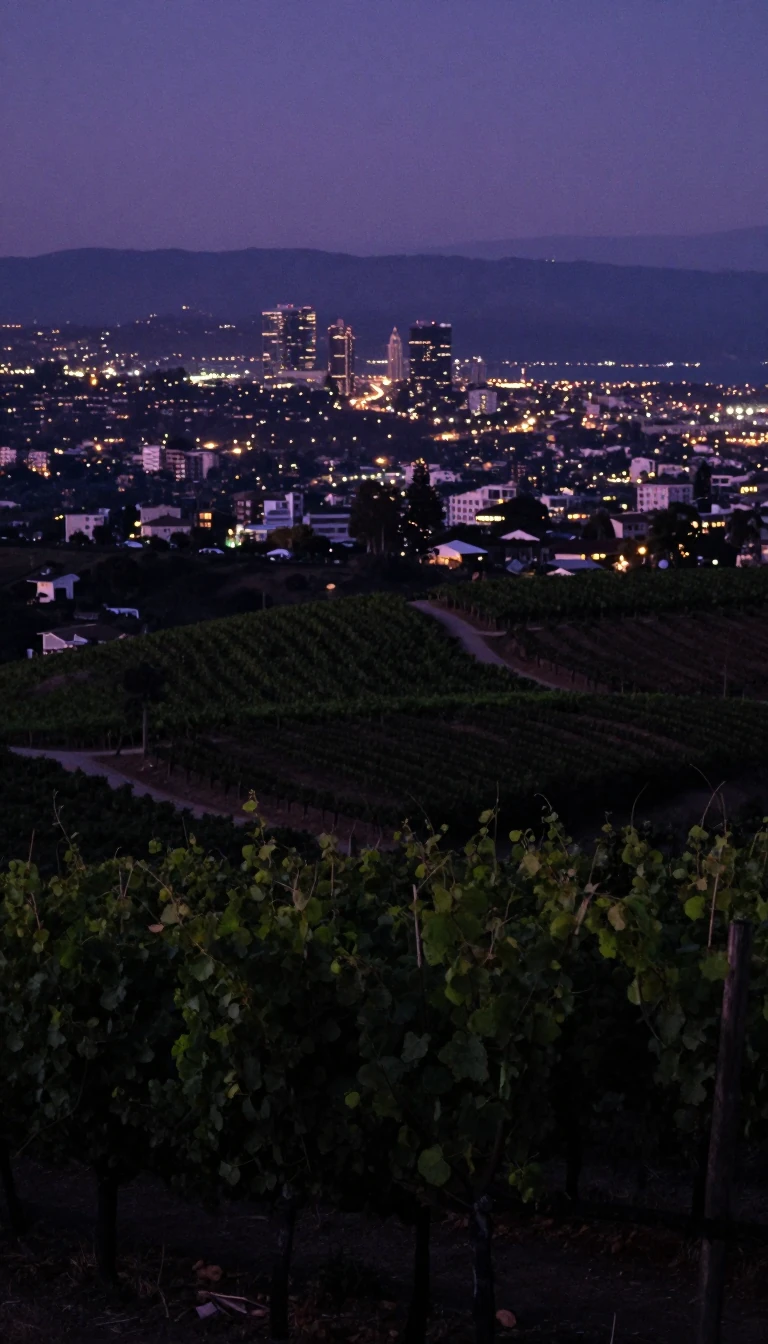 The Douro Valley: From Ancient Roman Roots to the World's First Demarcated Wine RegionTucked behind mountain ranges, the Douro region is famous for Port, yet it produces as much table wine today. This UNESCO World Heritage Site, once defined by royal decree in 1756…
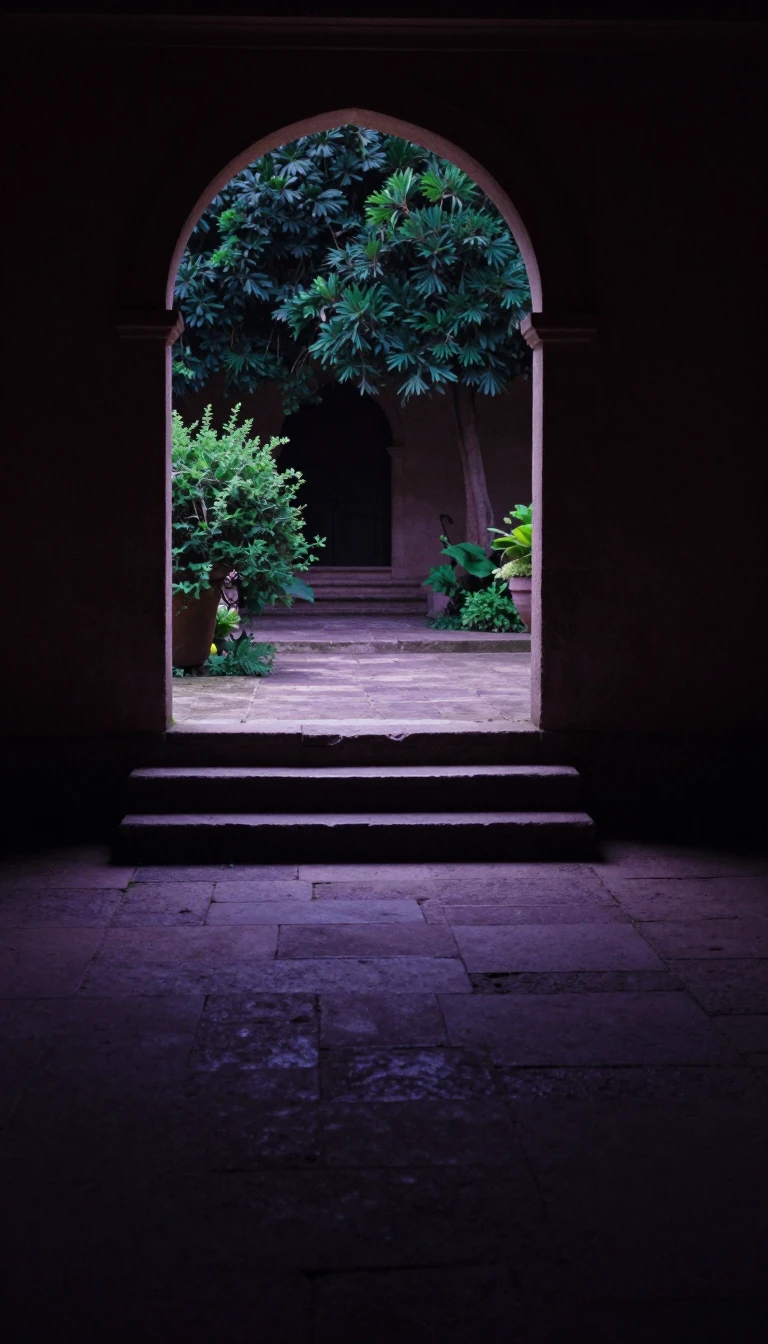 Is the true site of Jesus' baptism hidden in a former minefield?Al-Maghtas, a World Heritage site on the Jordan River, is venerated as the location of Jesus' baptism. Abandoned after the 1967 Six-Day War and heavily mined, the area remained in…
 How a group of giant tortoises saved an entire atoll from military destructionIn the 1960s, the British government planned to transform the remote Aldabra atoll into an RAF base. The project was thwarted by an international scientific outcry known as the Al…
 Can a 7th-century district transform from a forgotten relic into a global luxury destination?Al-Balad, the historic heart of Jeddah, was once abandoned by locals chasing the modern oil boom. Today, massive state-led restoration projects are breathing new life into its anc…
 Portugal's grandest medieval church was a gift from a king to a saintFounded in 1153 by King Afonso Henriques, the Alcobaça Monastery stands as a testament to Cistercian austerity and royal ambition. This massive Gothic complex, which remains the l…
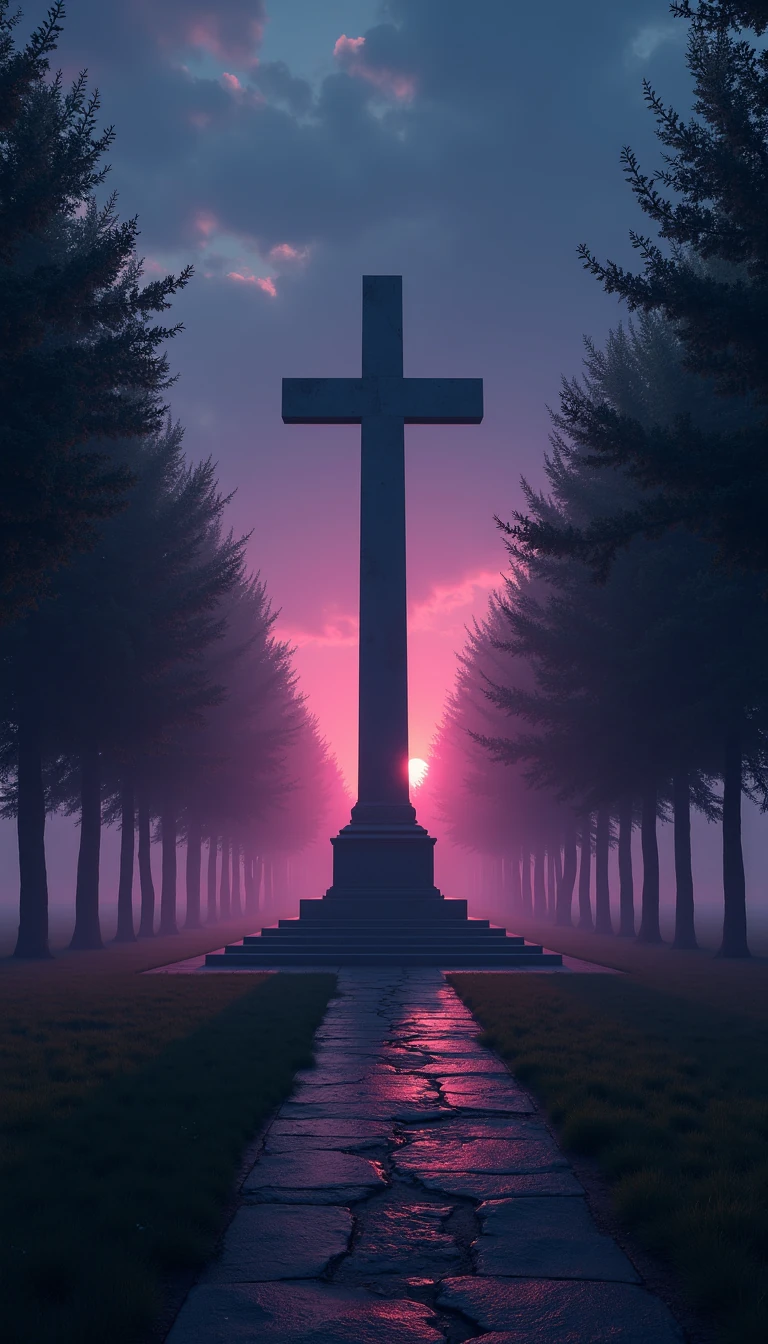 A silent T-shaped monument stands where American soldiers once fought in Northern FranceSpanning 42 acres in Belleau, the Aisne-Marne American Cemetery serves as a final resting place for soldiers who died during the Great War. This site, maintained by the American B…
- The Garden of Eden is vanishing, leaving only four percent of its original marshland.Once a vast wetland cradle of civilization, the Ahwar of Southern Iraq is now a fragile World Heritage Site. While these marshes once sustained the rise of Uruk, Ur, and Eridu, th…
 Hidden in a jungle gorge, these ancient Buddhist caves reveal a lost golden age.Carved into a 75-metre cliff, the thirty Ajanta Caves served as monsoon retreats for monks and pilgrims. Rediscovered by a tiger-hunting British officer in 1819, these rock-cut mo…
 How a barren limestone plateau became a living monument to human survivalSouthern Öland is a Swedish island landscape defined by thin soil and harsh limestone. For five millennia, inhabitants have adapted to these constraints, creating a unique agricul…
- How a geological quirk created the world's largest oasis in a vast desertSpanning over 85 square kilometers, Al-Ahsa Oasis is a miracle of geography. Fed by hundreds of artesian springs beneath the sand, this lush expanse supports millions of date palm…
 Al-Aqsa is not just a single mosque, but a vast, ancient religious compound.Often confused with the silver-domed prayer hall, Al-Aqsa is actually a sprawling plateau in Jerusalem. This site, home to the Dome of the Rock and centuries of architectural hist…
 Deep in the Sahara, ancient rock art reveals a shifting climate and human resilience.The Acacus Mountains of western Libya hold thousands of years of human history etched into stone. From early hunter-gatherers to pastoralists, these inhabitants adapted to dramati…
- Why did the ancient Macedonian capital vanish beneath a landslide for nearly two millennia?Aegae was the original capital of the Argead dynasty, serving as the sacred heart of the Macedonian kingdom. Long before Alexander the Great was proclaimed king there, the city fl…
 Are these volcanic islands truly the mythical home of the keeper of the winds?North of Sicily, the Aeolian Islands rise from the Tyrrhenian Sea as a dramatic volcanic arc. Named after the mythical ruler of the winds, Aeolus, this archipelago has survived in…
 How ancient Omani engineering mastered desert survival through gravity-fed water distribution systemsFor 5,000 years, the Aflaj irrigation systems have sustained Omani communities by channeling water across arid landscapes. These sophisticated networks, which divide water among i…
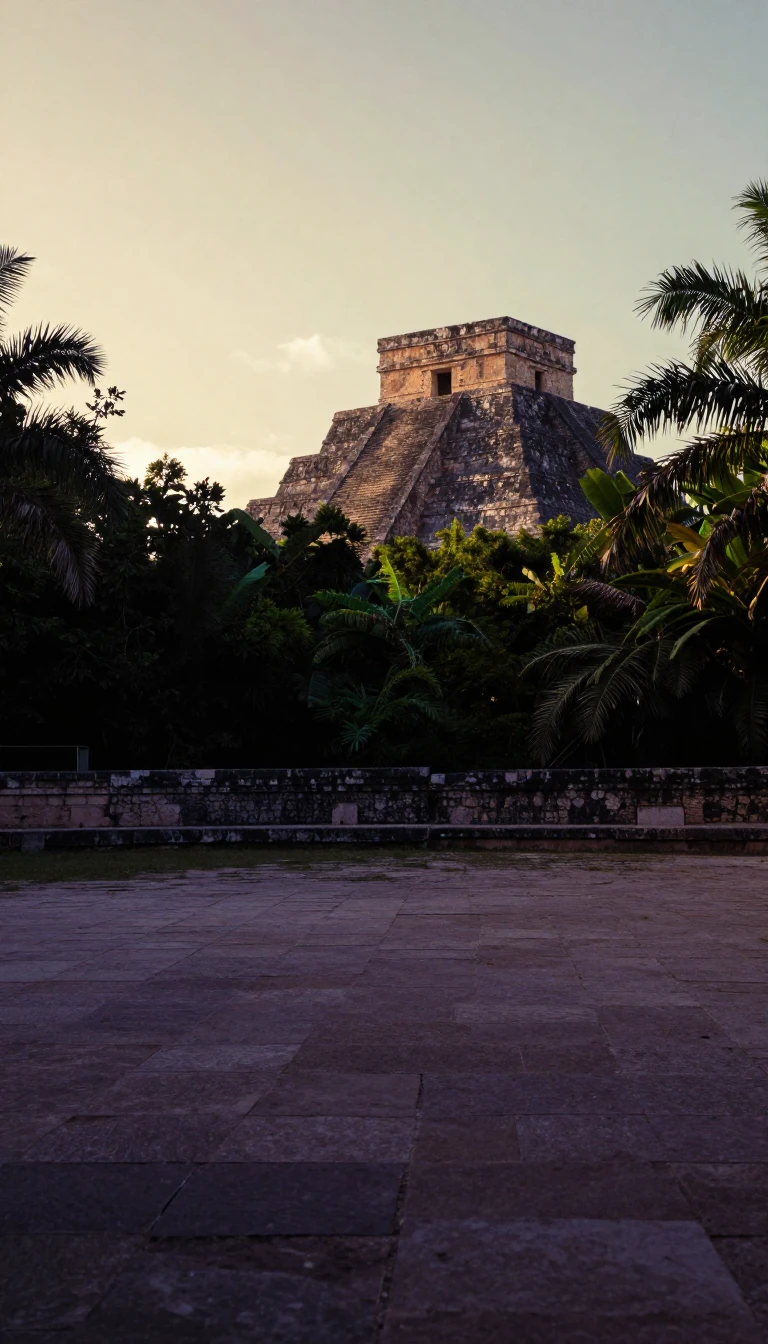 How a single plant species defined the cultural identity and landscape of modern MexicoSpanning over 35,000 hectares, the Agave Landscape of Tequila is more than just a source for a famous spirit. It is a living testament to two millennia of human ingenuity, where a…
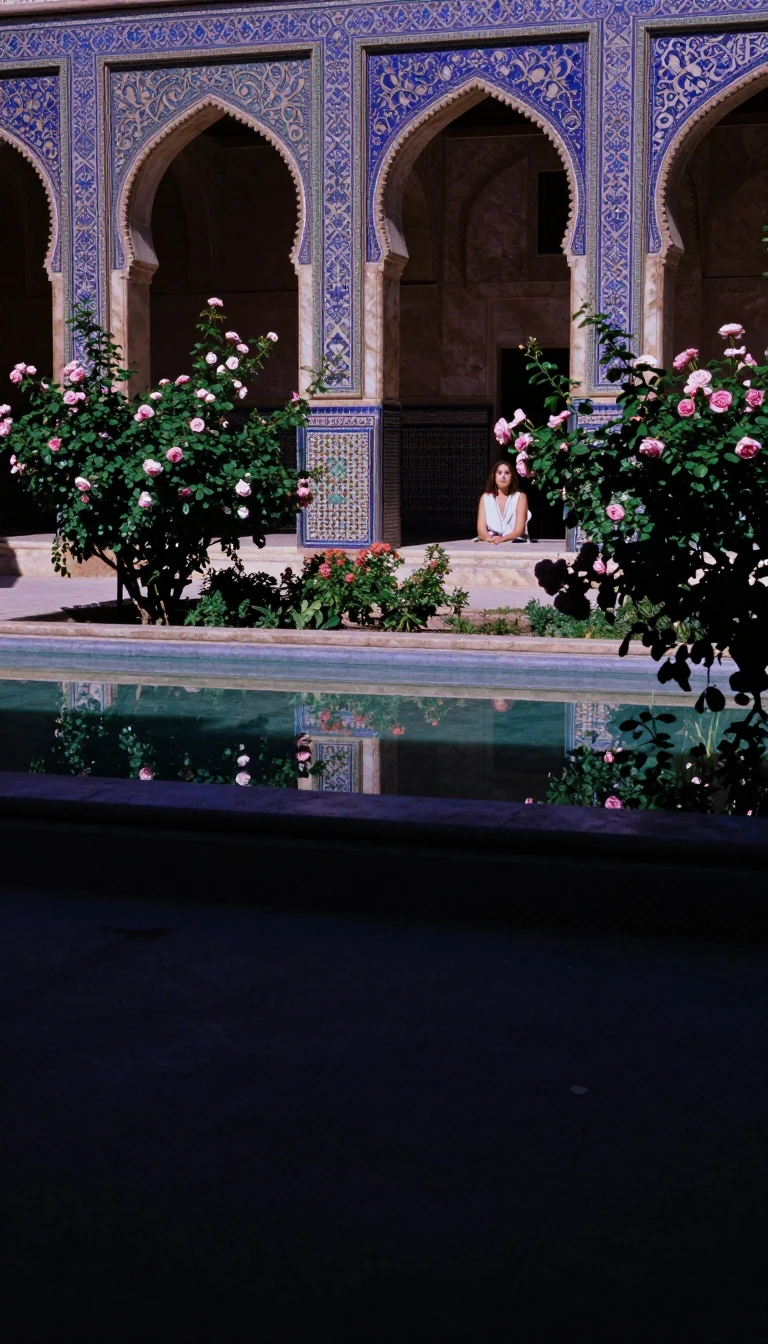 Agra Fort: The Red Sandstone Citadel That Defined the Mughal Empire's Golden AgeMore than just a neighbor to the Taj Mahal, Agra Fort served as the primary seat of power for the Mughal dynasty. Rebuilt by Akbar in the 16th century, this massive fortress evolv…
 Acre has been a strategic Mediterranean gateway for over five millennia of human history.Continuously inhabited since the Middle Bronze Age, Acre has served as a vital maritime port for empires ranging from the Egyptians to the Crusaders. Its location on the Levantine…
 The lost fire of the Sasanian kings: a sacred flame of ancient IranAdur Gushnasp was one of the three most sacred Zoroastrian fires of pre-Islamic Iran. Linked to the warrior class, this high-grade flame drew pilgrims to the city of Shiz for cent…
 How a medieval treasure trove survived wars, revolutions, and the threat of total destructionAachen Cathedral Treasury holds Europe's most significant collection of medieval church art. From Charlemagne's burial sarcophagus to imperial coronation regalia, these artifacts …
- Why is this remote French abbey called the Romanesque Sistine Chapel?Hidden in the Poitou region of France, the Abbey Church of Saint-Savin-sur-Gartempe houses an extraordinary collection of 11th and 12th-century murals. Often compared to the Sisti…
 Why UNESCO recently designated thirteen Finnish buildings as a singular World Heritage siteIn July 2026, UNESCO granted World Heritage status to Aalto Works, a collection of thirteen architectural sites across Finland. Designed by Alvar, Aino, and Elissa Aalto, these st…
 Aachen Cathedral: The Carolingian Royal Chapel That Became a Coronation Site for Thirty-One KingsConstructed as the royal chapel for Emperor Charlemagne, this architectural marvel served as the coronation site for thirty-one German kings between 936 and 1531. Today, it stands…
- Why did medieval Hungarian pilgrims travel over 1,200 kilometres to reach Aachen?For centuries, thousands of Hungarian pilgrims trekked across Europe to visit the Aachen Cathedral, drawn by holy relics donated by Charlemagne. This deep connection eventually le…
 The site where half a million people began a new life as indentured labourers.Aapravasi Ghat in Mauritius served as the primary gateway for the British Empire's Great Experiment. Between 1849 and 1923, nearly half a million Indian labourers passed through t…
- Why a 12th-century French abbey rejected decoration to focus on the divineFounded in 1118 by Saint Bernard of Clairvaux, the Abbey of Fontenay stands as a masterpiece of Cistercian austerity. By stripping away ornamentation and focusing on light and pro…
- The Abbey of Saint Gall: A Carolingian Powerhouse That Shaped Medieval European CultureFounded on a hermit's cell in the eighth century, the Abbey of Saint Gall evolved into a formidable principality and a beacon of intellectual life. Its library, one of the world's…
 Why UNESCO finally recognized eight of Frank Lloyd Wright's most iconic architectural masterpiecesFrank Lloyd Wright redefined modern design through his philosophy of organic architecture, creating structures that harmonized with their environments. While his influence was glo…
 The ancient gravity-powered engineering that turned deserts into civilizationsLong before modern pumps, ancient engineers mastered the art of moving water across vast, arid landscapes. By tapping into mountain aquifers and using nothing but a precise, gentl…