 Intellect Plus
World Heritage Sites
1,540 cards. Each one is a 40-second story with a five-minute read behind it. Page 21 of 26.
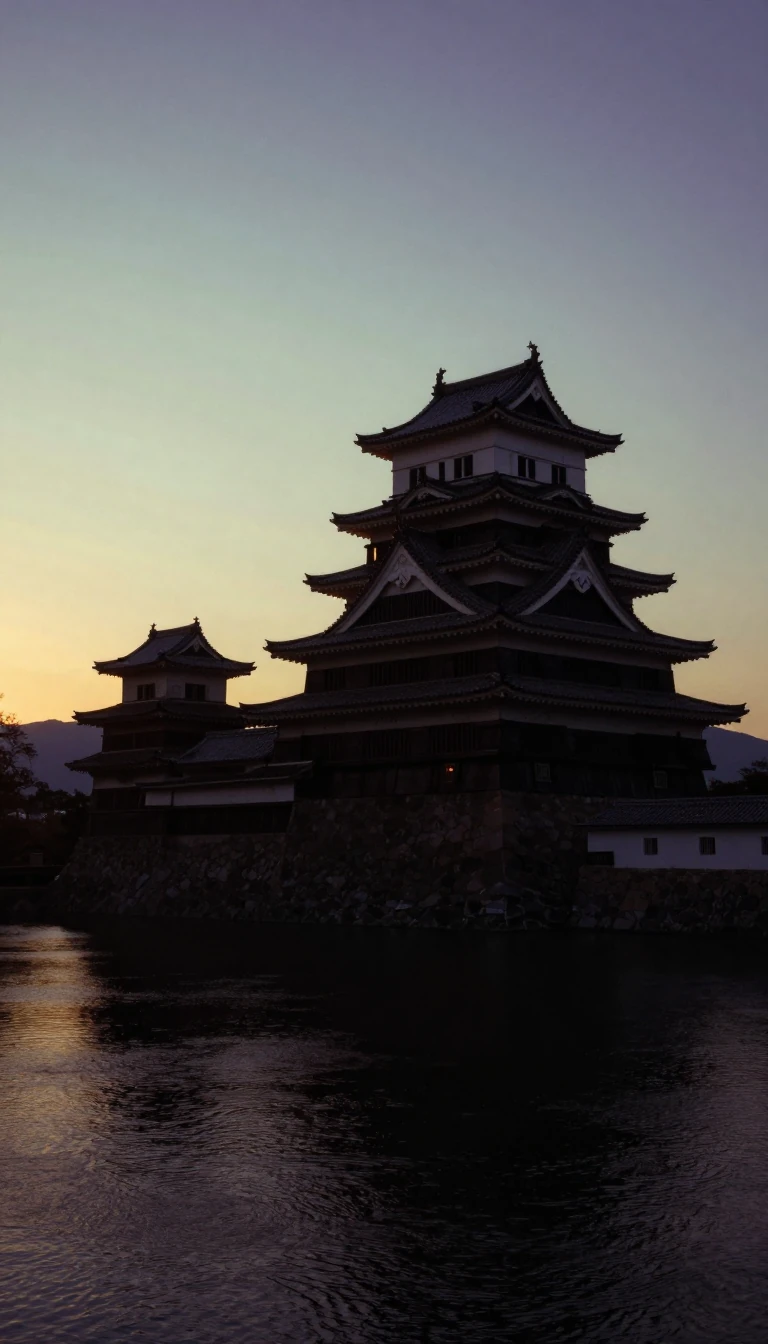 How ancient Okinawan stone fortresses became a bridge between two great Asian empiresThe Ryukyu Kingdom once thrived as a vital economic junction, blending Japanese and Chinese influences through its unique gusuku architecture. These stone fortifications, built by…
 Why South Korea’s ancient capital is considered a vast, open-air museum of historyGyeongju, the former heart of the Silla kingdom, holds a collection of ruins so dense that UNESCO designated its historic areas a World Heritage Site in 2000. From mountain-side B…
 Are these ancient Indian stone monuments actually the legendary Seven Pagodas of the sea?For centuries, European sailors spoke of the Seven Pagodas visible from the Coromandel Coast. Today, the UNESCO-listed monuments at Mahabalipuram reveal a complex history of 7th-c…
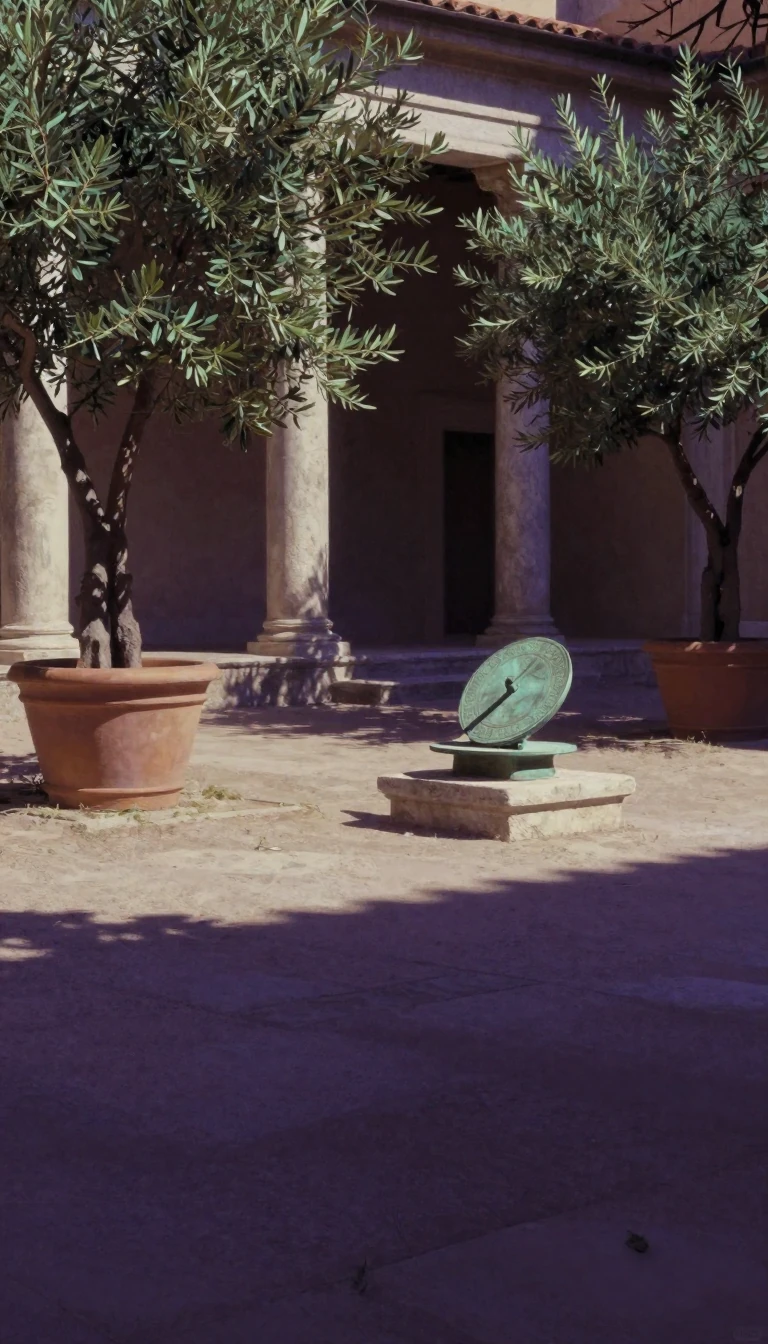 How Emperor Hadrian Recreated His Global Travels Within a Single Roman Palace ComplexSpanning over a square kilometre near Tivoli, Hadrian's Villa was more than an imperial residence. Built starting around 118 AD, this architectural masterpiece featured structures…
 Can a 17th-century fortress survive the rapid urban expansion of modern Macau?Perched atop Guia Hill, the Guia Lighthouse has served as a beacon since 1865. While it remains a protected UNESCO World Heritage site, its historic silhouette is now caught in a …
 Why this tiny Chinese island bans all cars and celebrates the piano above allGulangyu is a pedestrian-only sanctuary where the sound of ocean waves hitting reefs inspired its name. Beyond its winding lanes and Victorian architecture, this UNESCO World Heri…
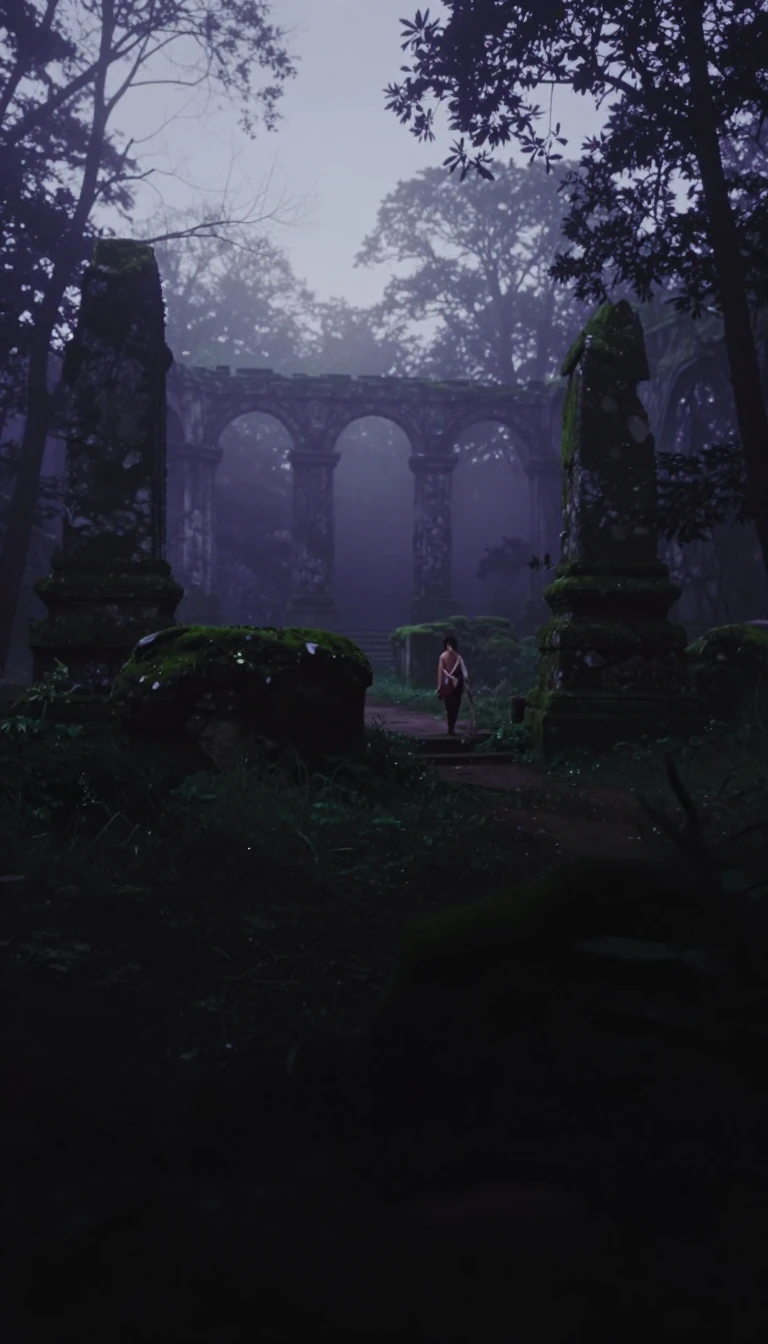 Beneath the rainforest of Borneo lies the world's most studied tropical karst system.Gunung Mulu National Park is a massive, protected wilderness in Sarawak, Malaysia, defined by its jagged limestone pinnacles and an extraordinary network of subterranean passages.…
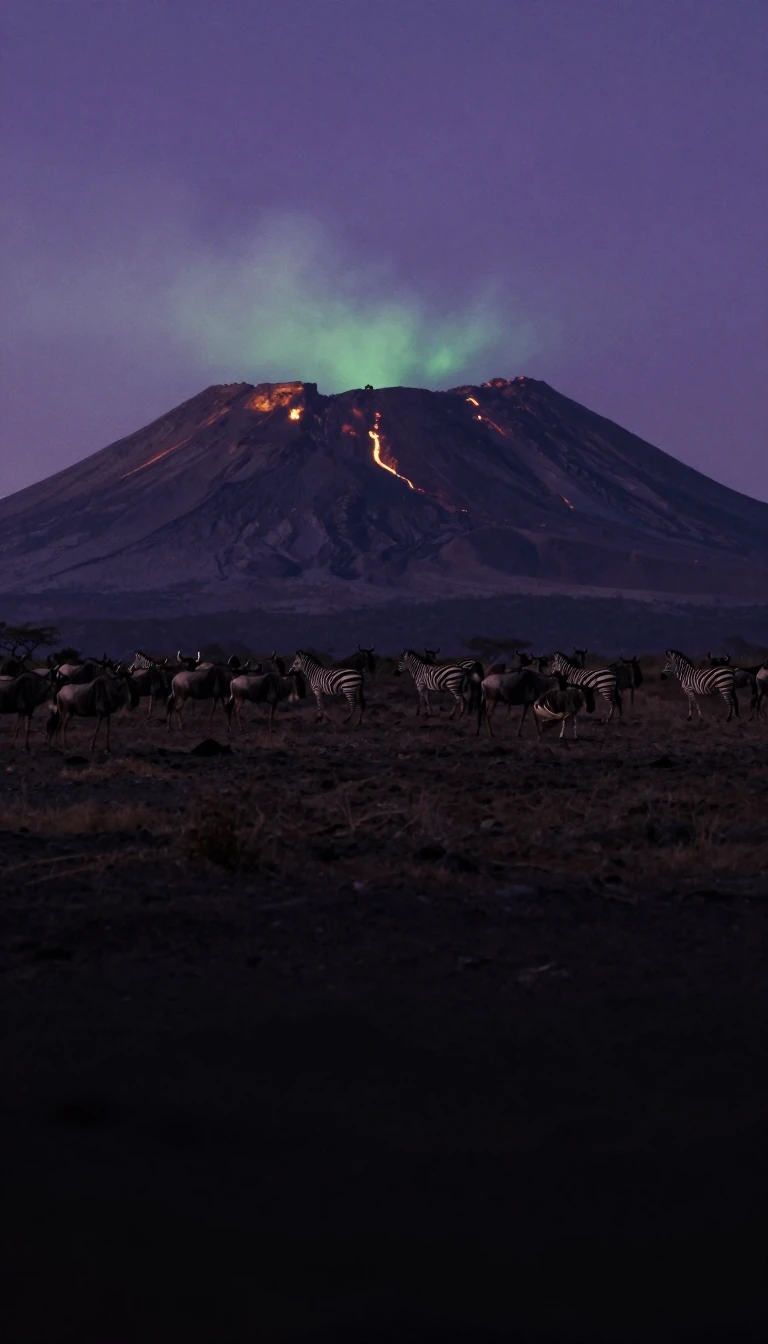 The Great Rift Valley is a tectonic masterpiece shaping Kenya's landscape and historyCarved by the collision of three massive tectonic plates, Kenya's Great Rift Valley is a dramatic scar across the continent. This geological depression hosts active volcanoes, alk…
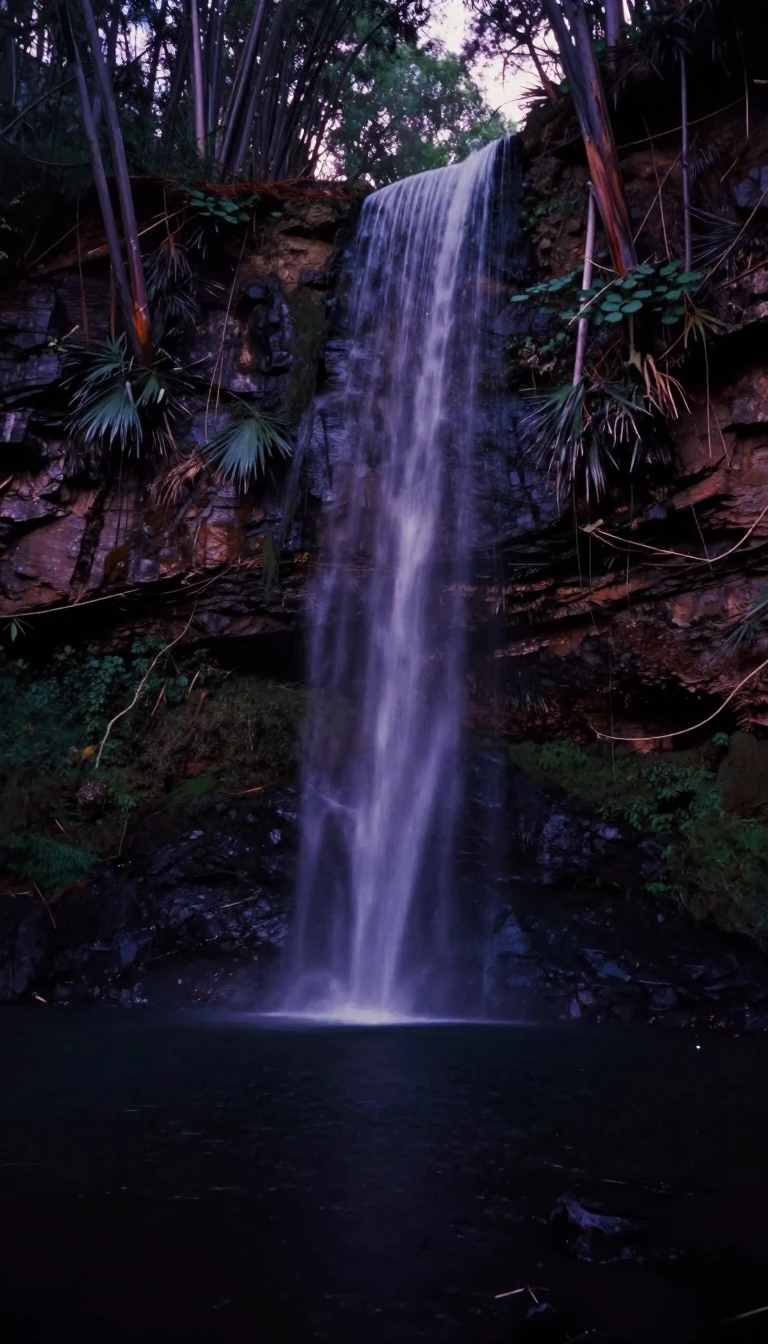 Why Australia's famous Blue Mountains are not actually mountains at allThe Greater Blue Mountains Area is a vast, rugged sandstone plateau that earns its name from a trick of the light. When eucalyptus oil vaporizes into the atmosphere, it scatters s…
- How a seventeenth-century drainage tunnel became a vital piece of world heritageDeep beneath the Harz mountains, the Grünhirscher Stollen once served as a critical lifeline for silver mining. This massive water drainage adit, begun in 1691, eventually became …
 Why India's Great Himalayan National Park is a collision of two ancient worldsSpanning 1,171 square kilometers, the Great Himalayan National Park is more than a sanctuary; it is a biological crossroads. Located where the Indomalayan and Palearctic realms me…
 A century-old Swedish radio station still broadcasts using a massive, spinning electromechanical machine.Built in the 1920s to bridge the Atlantic, the Grimeton Radio Station remains the world's only operational Alexanderson alternator. This pre-electronic marvel uses a massive rotat…
- Why these three ancient Indian temples remain a pinnacle of architectural and spiritual achievementDesignated as a UNESCO World Heritage Site, the Great Living Chola Temples represent the zenith of Dravidian architecture. Built between the 11th and 12th centuries, these granite…
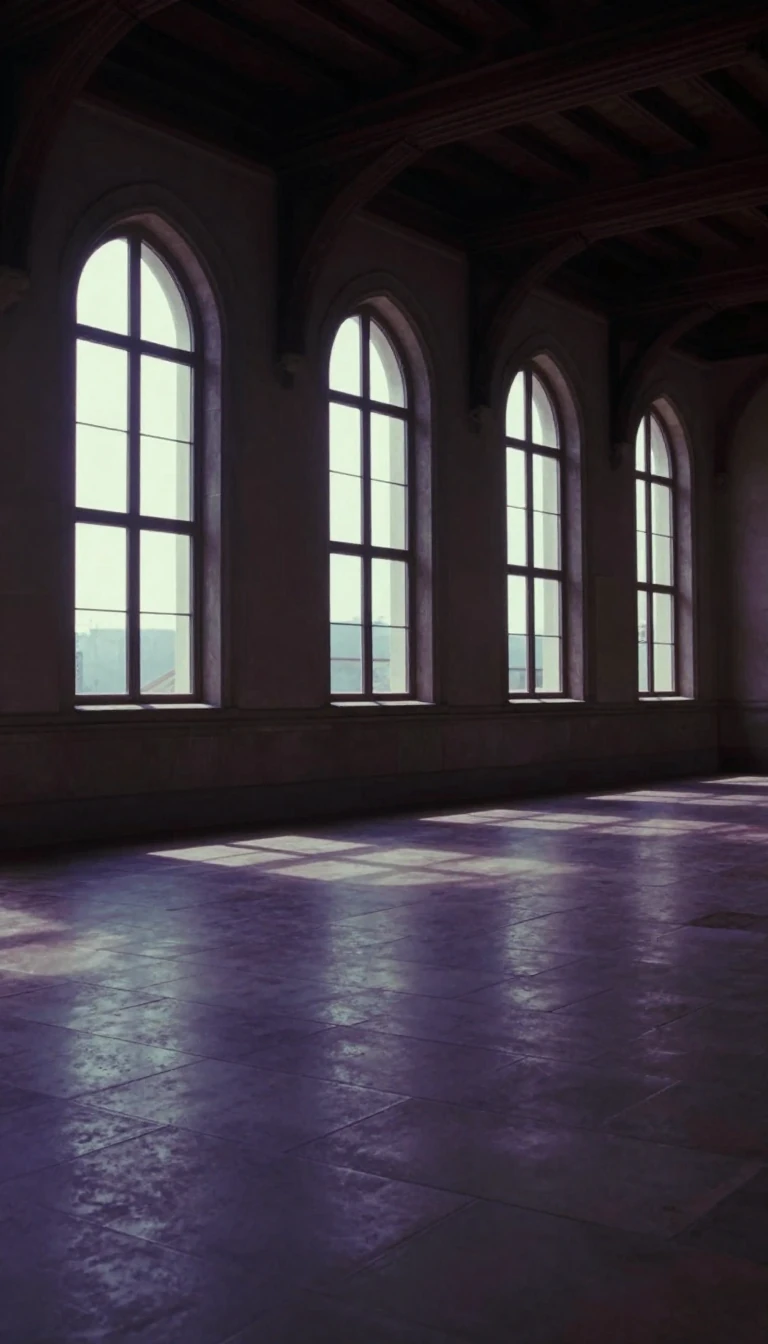 Why eleven European towns were collectively named a single World Heritage SiteAcross seven European nations, eleven towns share a unique architectural legacy born from mineral springs. These locations, which flourished between the early 1700s and the 1930s,…
- These ancient Australian rainforests are living relics of a long-lost supercontinentSpanning 370,000 hectares, the Gondwana Rainforests preserve lineages of plants and animals that predate the breakup of the ancient Gondwana landmass. These subtropical reserves s…
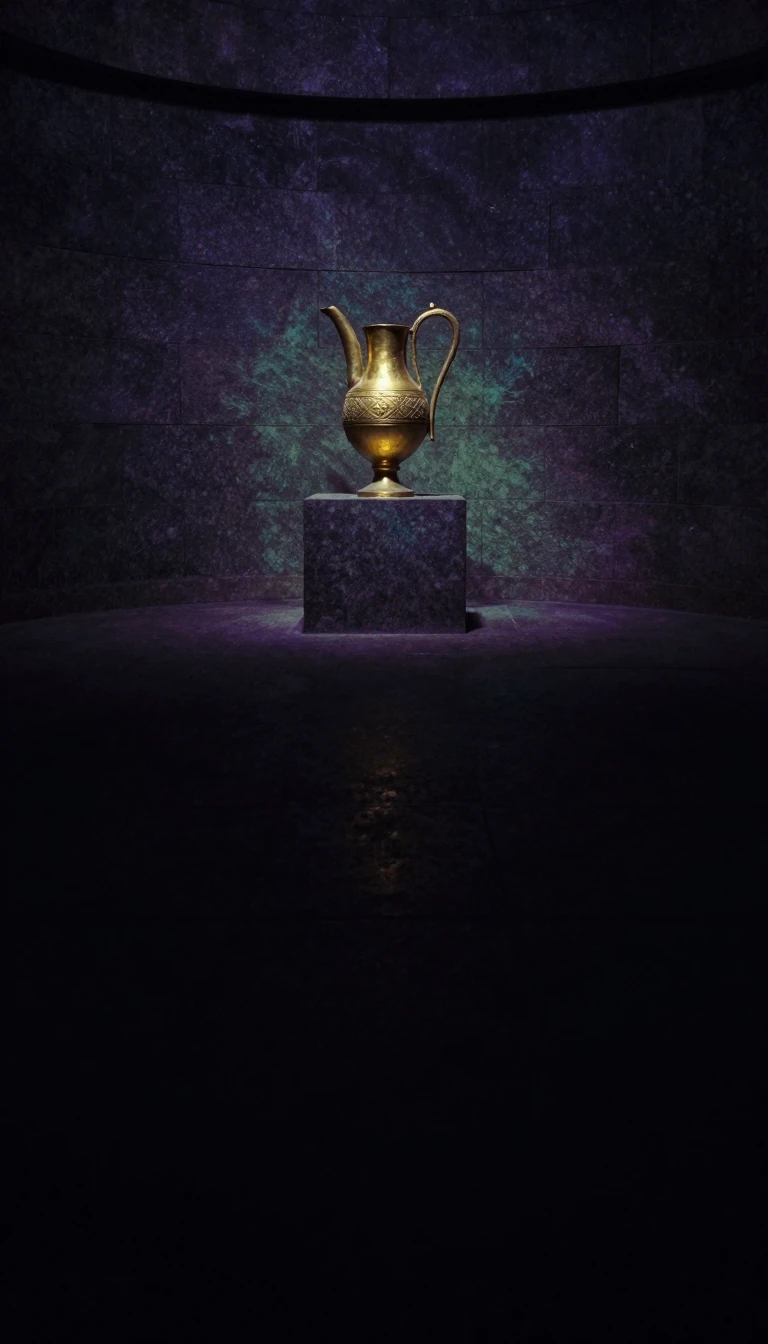 Gordion: The Ancient Phrygian Capital That Rewrote Its Own History Through FireLong famous as the site of the legendary Gordian Knot, this ancient Phrygian capital holds secrets far deeper than myth. Recent archaeological breakthroughs have overturned centur…
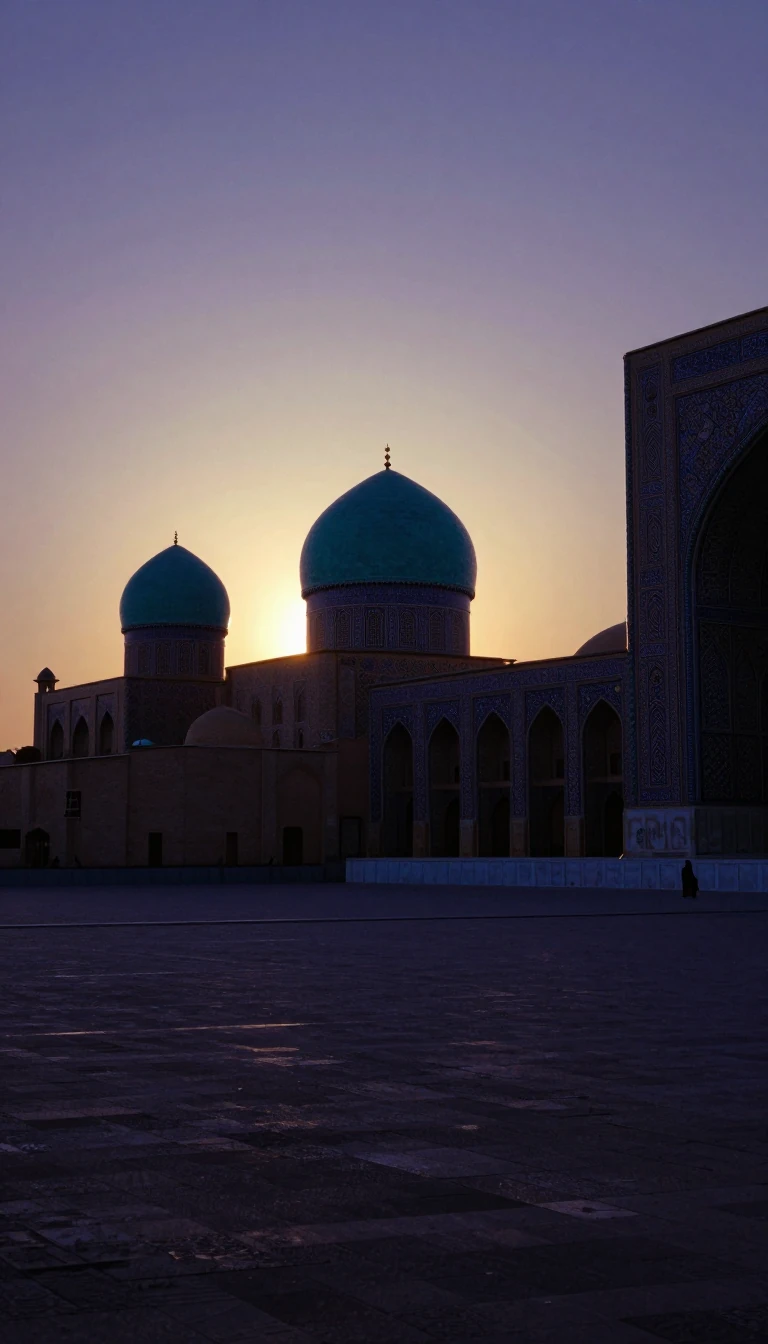 A soaring brick masterpiece in Iran that holds no body, only a legendRising 61 meters above the Iranian landscape, the Gonbad-e Qabus tower is a marvel of medieval engineering. Built in 1006/7 as a tomb for a Ziyarid ruler, the structure remains an…
 Gorée Island: A tiny Senegalese outpost that shaped the Atlantic slave tradeJust 18 hectares off the coast of Dakar, Gorée Island served as a critical warehousing and transshipment hub for the Atlantic slave trade. Once a contested prize between European …
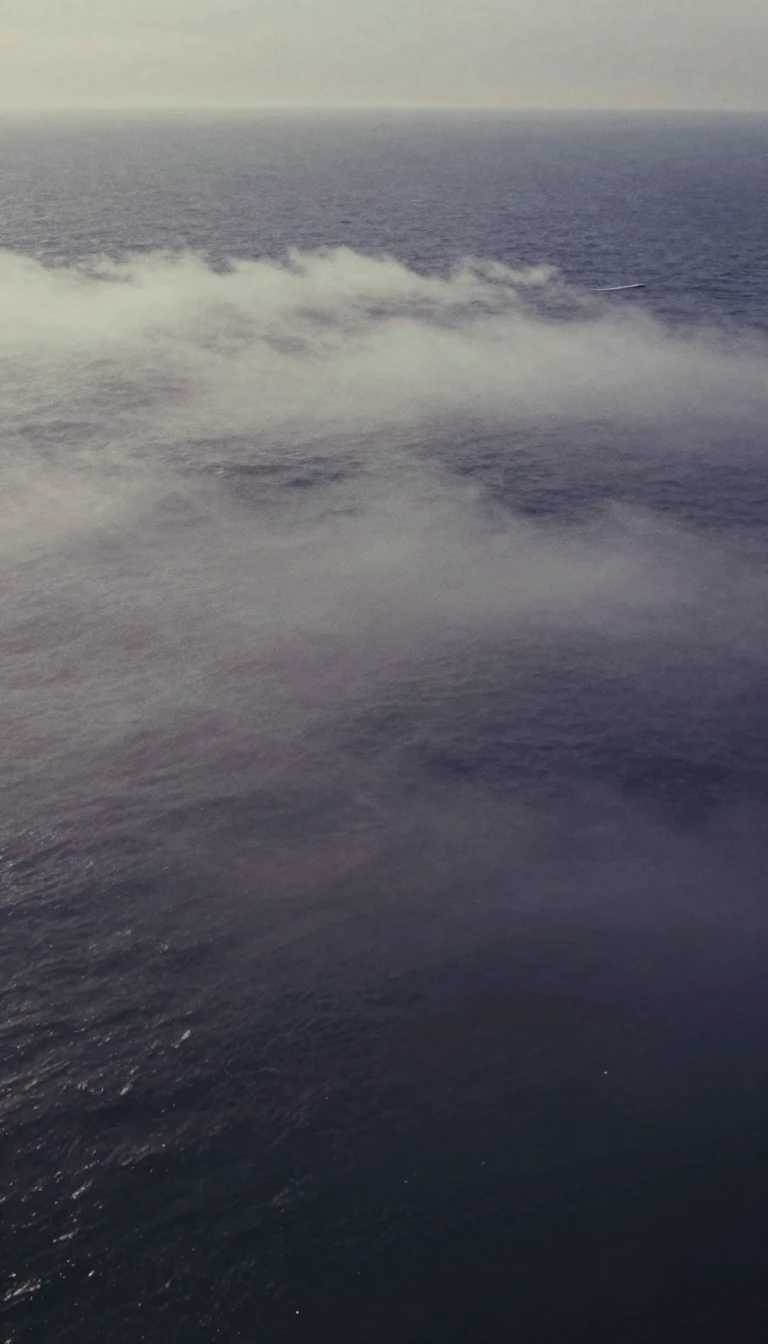 Gough Island is a remote volcanic sanctuary fighting to save its unique seabird population.Deep in the South Atlantic lies Gough Island, a rugged, uninhabited volcanic outpost that serves as one of the world's most vital seabird colonies. Despite its status as a UNESCO …
 How Amsterdam transformed from a cramped medieval town into a masterpiece of urban planning.The Grachtengordel, or Canal District, is more than just a scenic tourist destination. It represents a monumental feat of seventeenth-century engineering that redefined Amsterdam.…
- Why did it take nearly forty years to protect the Grand Canyon as a park?The Grand Canyon is an American icon, yet its path to national park status was surprisingly rocky. Despite early advocacy from figures like Benjamin Harrison and Theodore Roosevel…
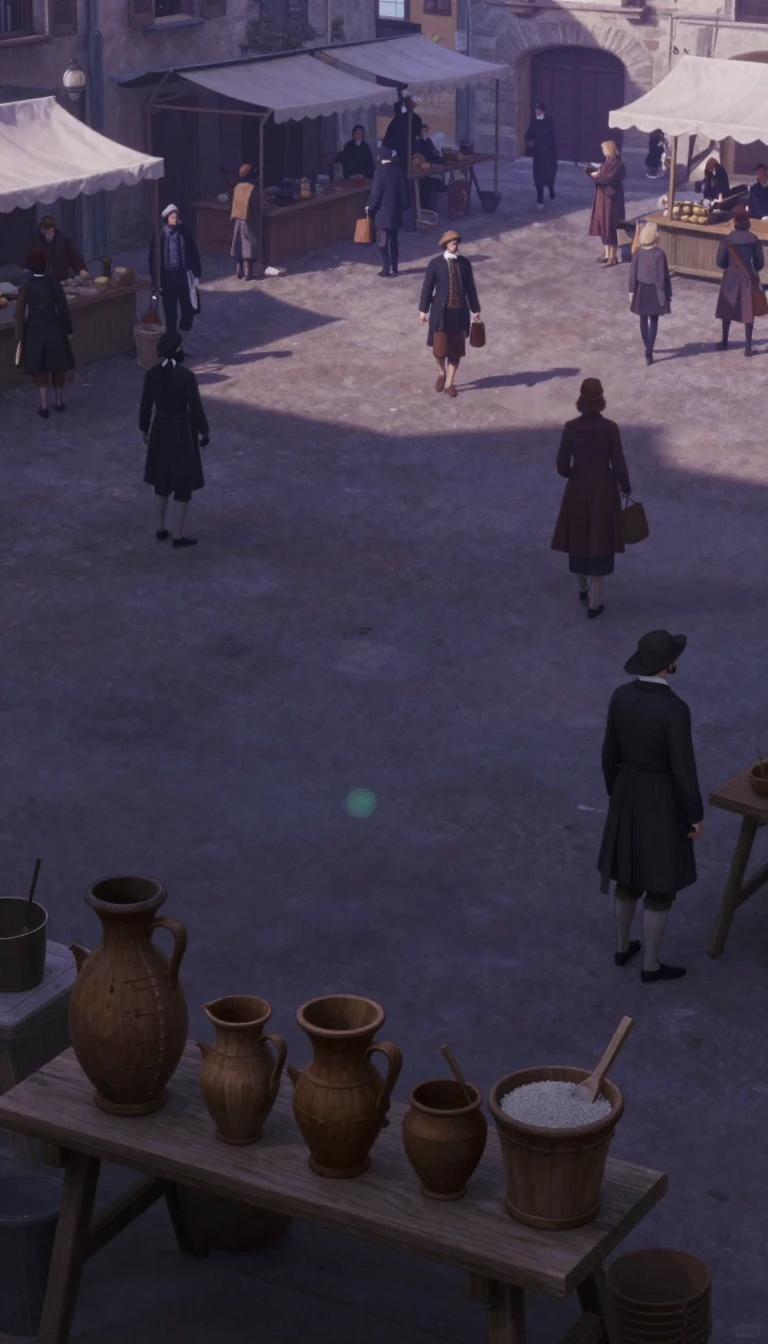 Brussels' Grand-Place was once a marshy marketplace that survived a massive French bombardmentThe Grand-Place is the heart of Brussels, a UNESCO World Heritage site defined by opulent guildhalls and a storied Town Hall. Though it began as a simple 11th-century market on a …
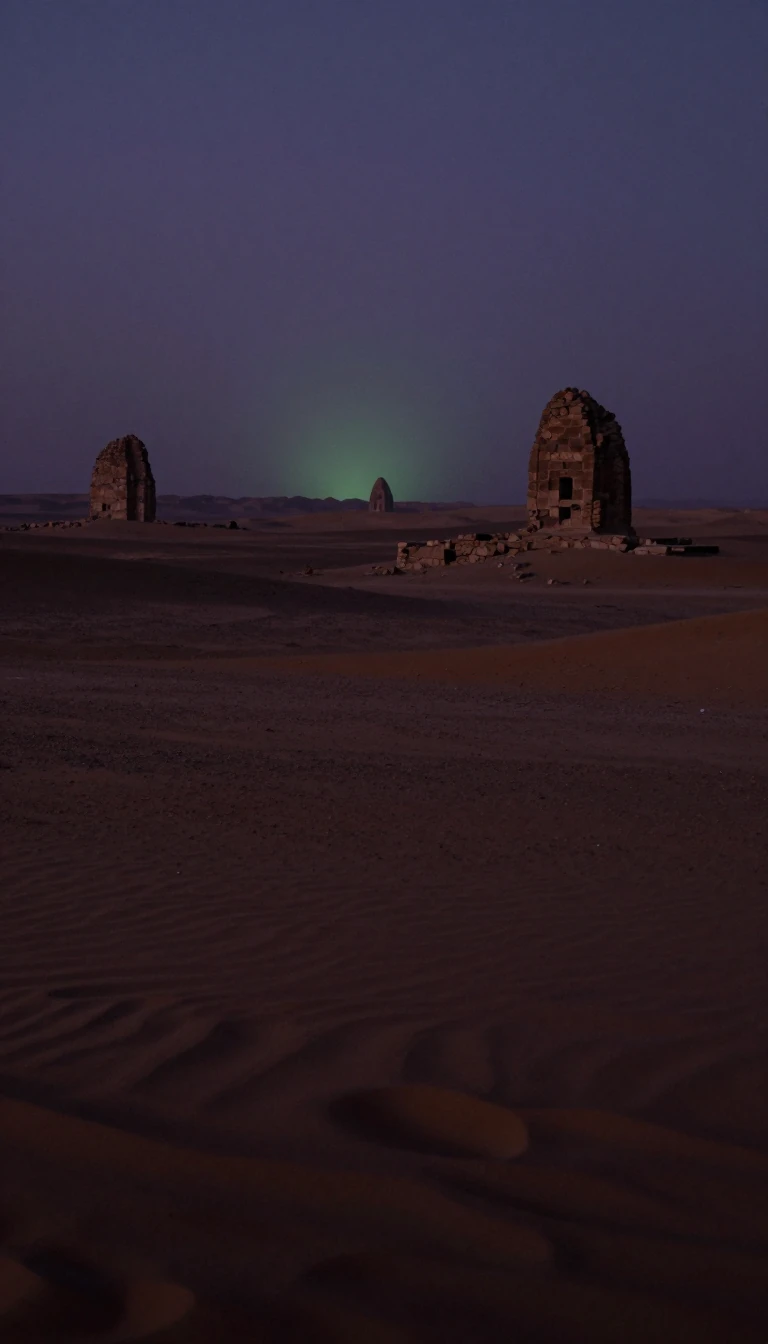 The 90-year-old mystery of the missing soldiers of FromellesFor nearly a century, mass graves lay undisturbed near the Belgian border. It took the keen eye of a retired teacher and modern DNA analysis to uncover the remains of 250 soldiers…
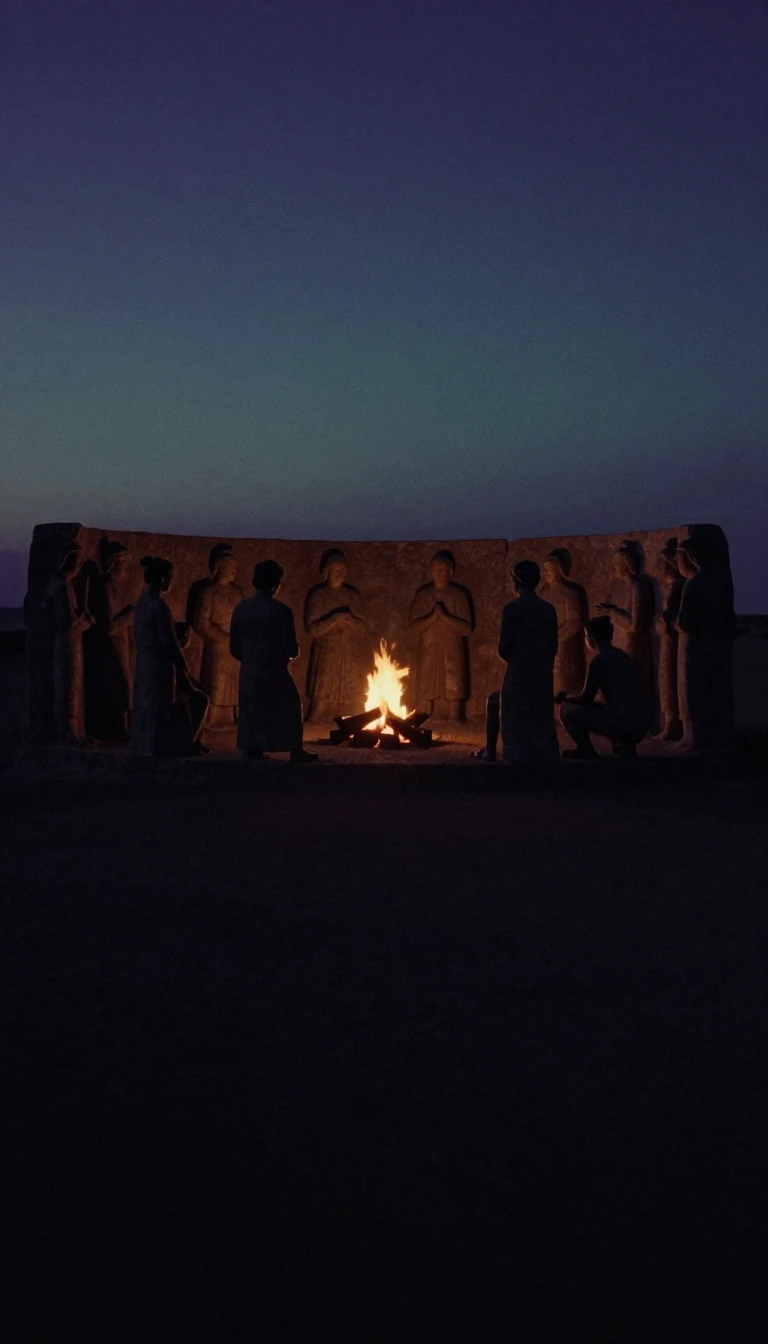 Why did ancient Koreans move 280-ton stones to mark the graves of their elite?The Korean Peninsula holds roughly 40% of the world's dolmens, with over 35,000 of these megalithic structures scattered across the landscape. Designated as a UNESCO World Heritag…
- Ancient carvings and singing stones: the secrets of Azerbaijan's prehistoric Gobustan landscapeSeventy kilometers from Baku lies a prehistoric treasure trove where over 6,000 rock carvings reveal scenes of ancient life. From reed boats to ritual dances, this UNESCO World He…
 Hidden beneath North Korean soil lie the vibrant, painted masterpieces of a lost kingdom.The Complex of Koguryo Tombs offers a rare, vivid window into the daily life and mythology of an ancient Korean powerhouse. While thousands of these burial sites exist, only a fra…
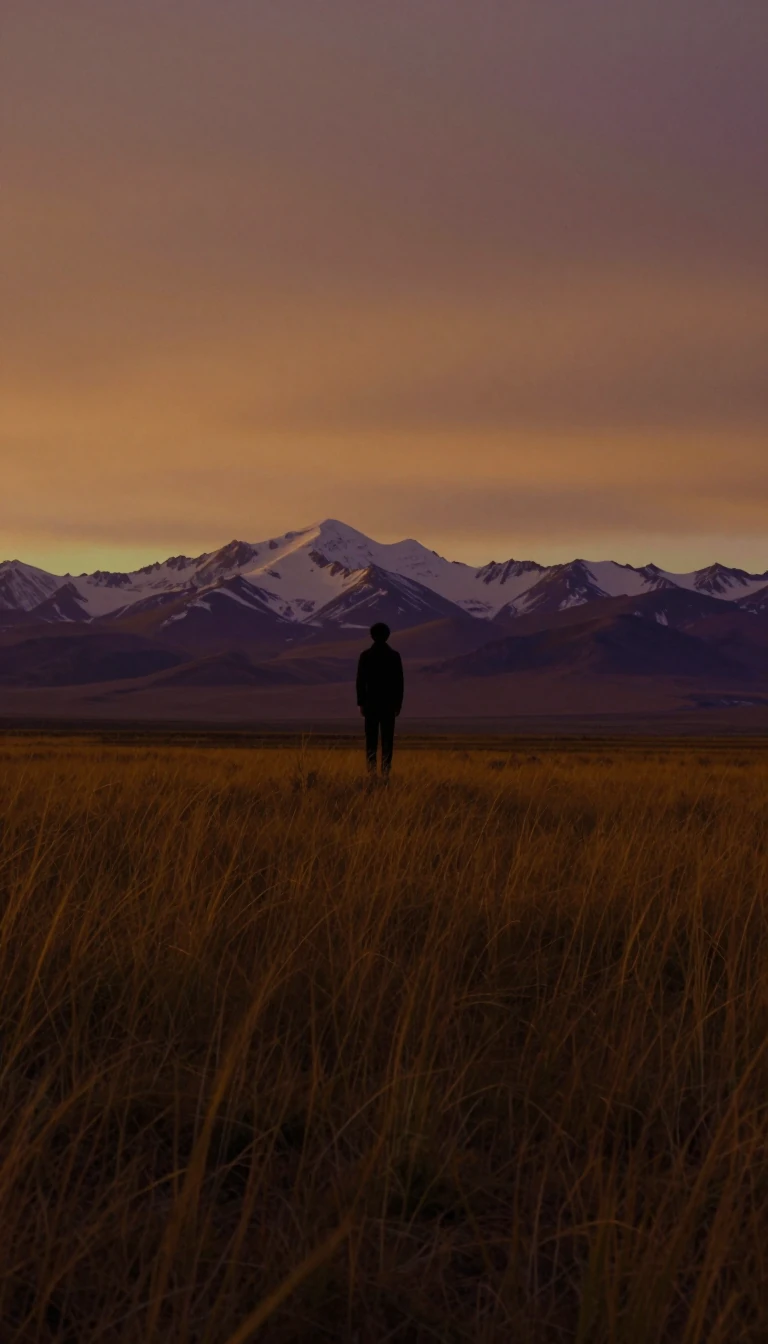 The Golden Mountains of Altai are a frozen vault of ancient nomadic historySpanning over 16,000 square kilometers in Russia, the Golden Mountains of Altai are more than a stunning UNESCO World Heritage site. They are a fragile, high-altitude sanctuary fo…
- How a royal citadel survived centuries of upheaval to become a UNESCO treasureThe Golestan Palace in Tehran is a sprawling complex of seventeen royal structures that served as the seat of the Qajar dynasty. Once a center of absolute power and lavish coronat…
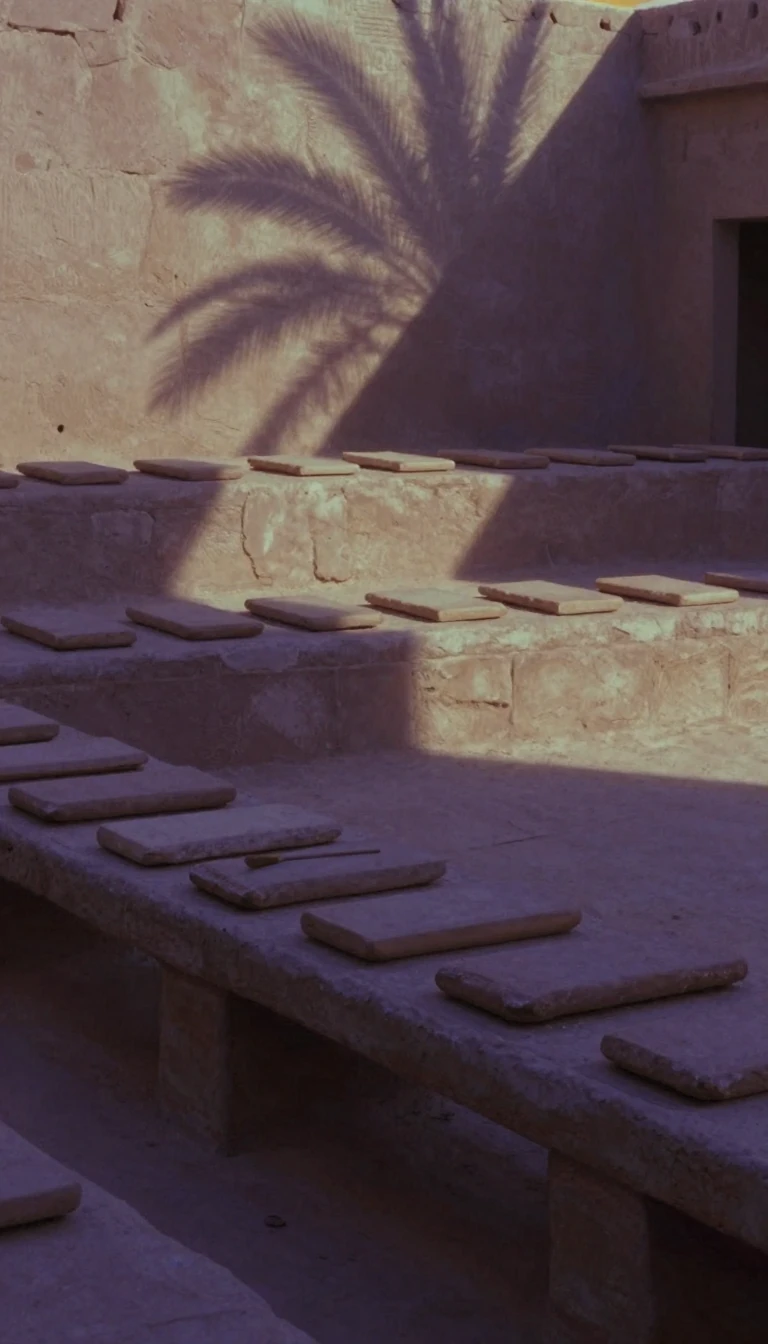 What 40,000 years of human history looks like carved into Azerbaijani stoneIn the semi-arid highlands of Azerbaijan, over 6,000 petroglyphs reveal the evolution of human life from the Upper Paleolithic to the Middle Ages. From ancient ritual dances and h…
 How a 16th-century merchant exchange became the world's greatest treasure trove of imperial history.In Seville, a Renaissance building once used by traders to escape the heat now guards the secrets of an empire. Created in 1785, the General Archive of the Indies holds millions o…
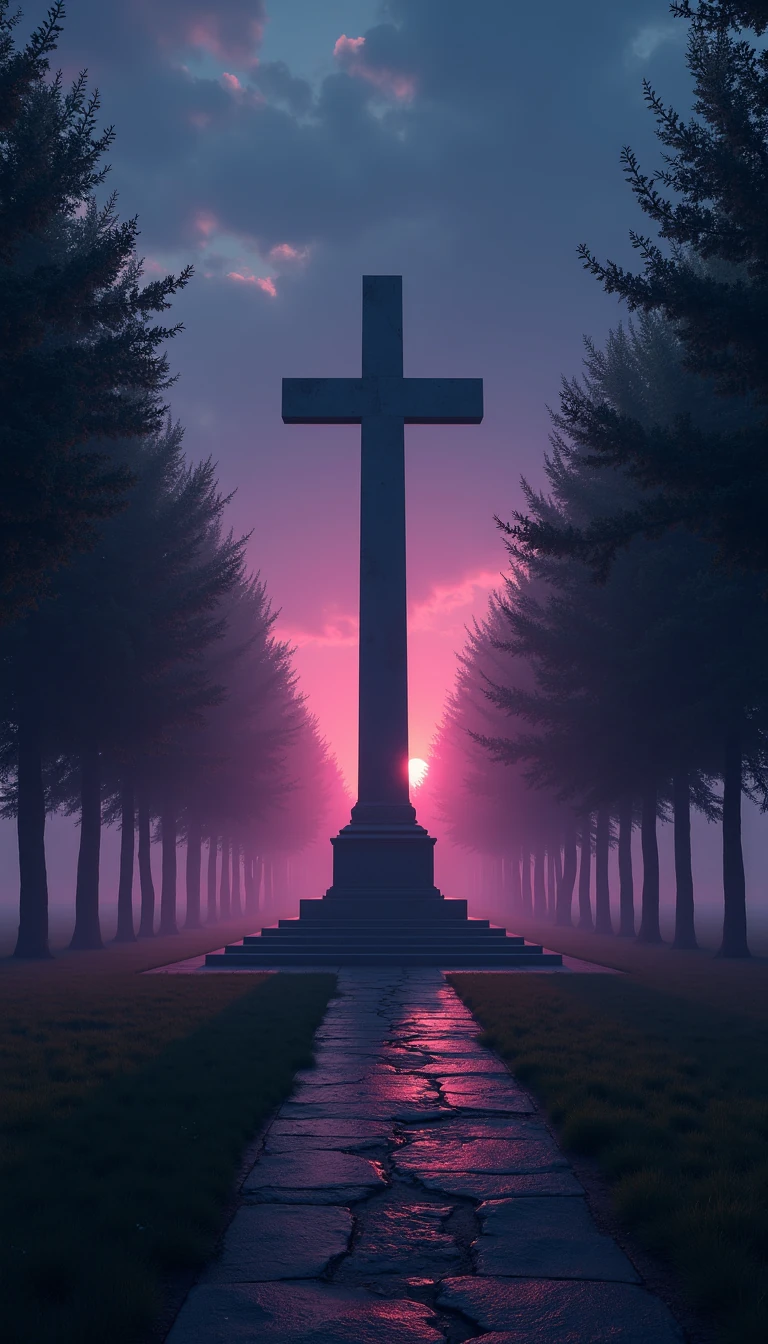 A silent witness to the brutal four-day struggle for Vimy Ridge in 1917Tucked away within the expansive Canadian National Vimy Memorial Park in France, this modest burial site holds the remains of over one hundred soldiers. Unlike many other battlefi…
- Why are ancient mountain rocks sitting on top of younger, softer valley layers?In the Swiss Alps, a geological anomaly defies the standard rules of nature. Older Permo-Triassic rock rests directly atop younger Jurassic and Cretaceous limestone, a puzzle that…
 Seven ancient burial complexes reveal the hidden history of the Gaya confederacySpanning from the 1st to the late 6th century CE, the Gaya Tumuli represent a sophisticated funerary tradition in South Korea. These seven distinct burial complexes offer a rare w…
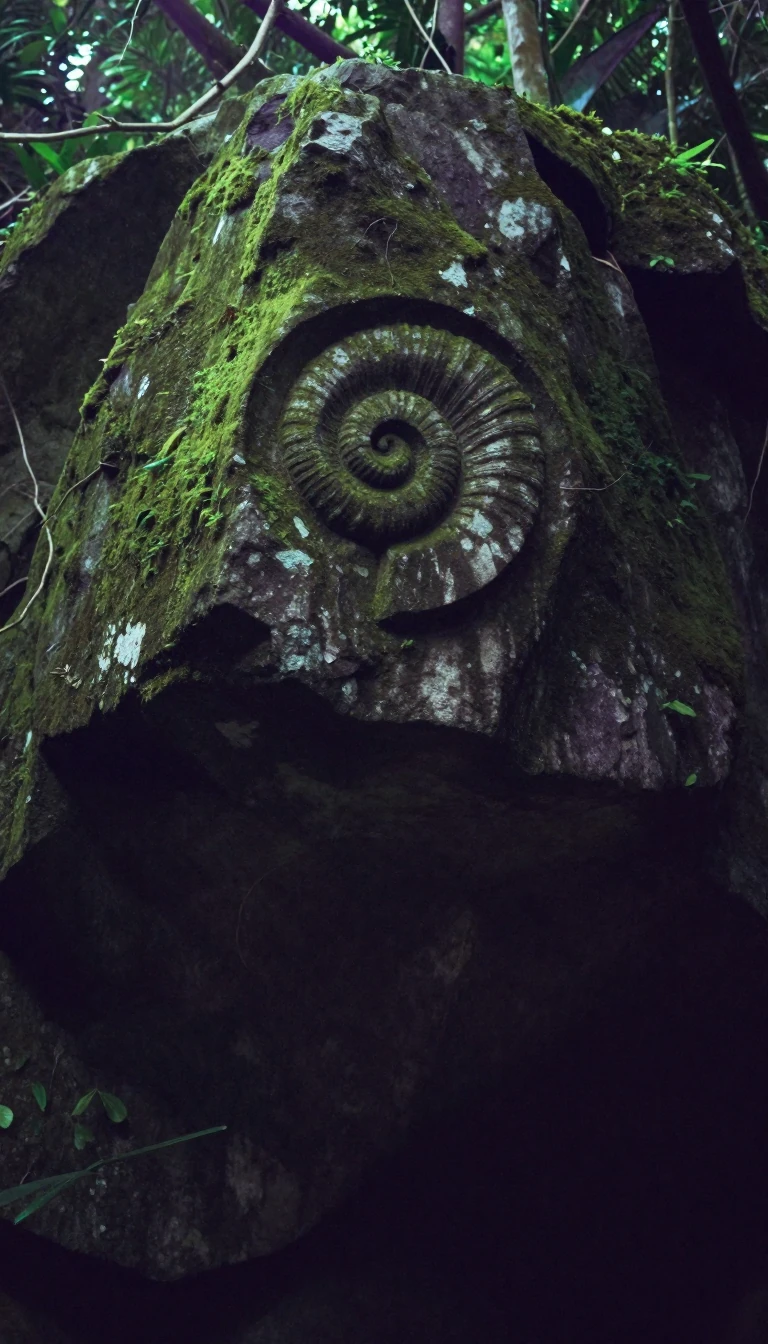 How ancient agroforestry techniques created a UNESCO World Heritage site in EthiopiaThe Gedeo Cultural Landscape, inscribed as a UNESCO World Heritage site in 2023, is a testament to thousands of years of human-environmental harmony. Nestled in south-central Ethi…
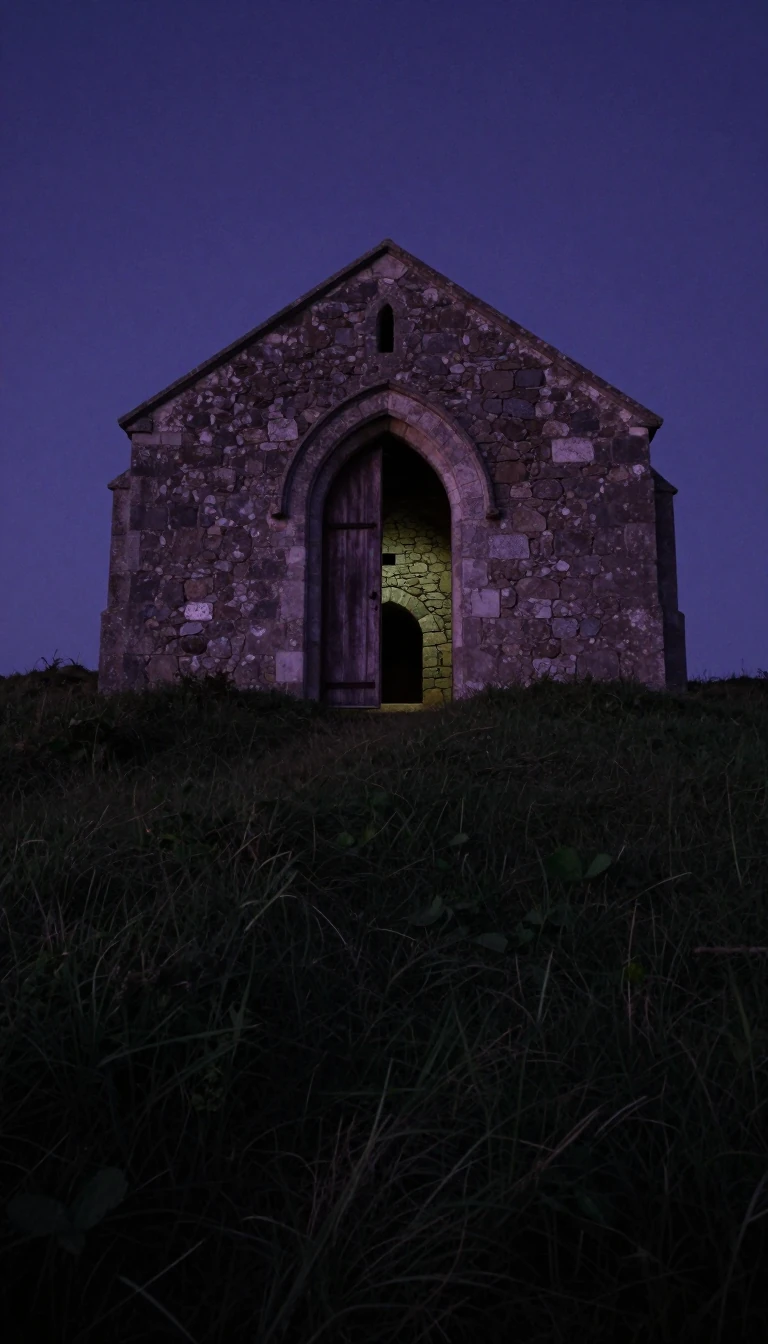 Why medieval Georgia built a monastery designed to shine across the entire countryFounded in 1106, Gelati Monastery was more than a religious site; it was a beacon of the Georgian Golden Age. Built to reflect sunlight from its stone walls, this UNESCO-listed co…
 Why South Korea's vast mudflats are a global sanctuary for endangered migratory birdsGetbol are not just mud; they are complex coastal ecosystems that serve as vital stopovers for birds traveling the East Asian-Australasian Flyway. Recognized as a UNESCO World Her…
 Are the Giant's Causeway's 40,000 basalt columns a volcanic masterpiece or a giant's path?Northern Ireland's iconic Giant's Causeway features 40,000 interlocking basalt columns that defy simple explanation. While folklore attributes these geometric pillars to a legenda…
- Why did a Roman Emperor build a massive palace in the middle of nowhere?For centuries, explorers mistook the sprawling ruins of Gamzigrad for a military fortress. In reality, it was Felix Romuliana, a lavish imperial residence commissioned by Emperor …
 Can a war-torn African park survive the relentless pressure of poaching and conflict?Garamba National Park, one of Africa's oldest protected areas, faces a brutal reality. Despite its status as a UNESCO World Heritage site, the park has become a sanctuary for guer…
 Can a massive, fortified earthen building actually be a comfortable family home?In the mountains of southeastern China, thousands of families once lived inside giant, circular, rammed-earth fortresses. These Fujian tulou were designed as self-contained, defen…
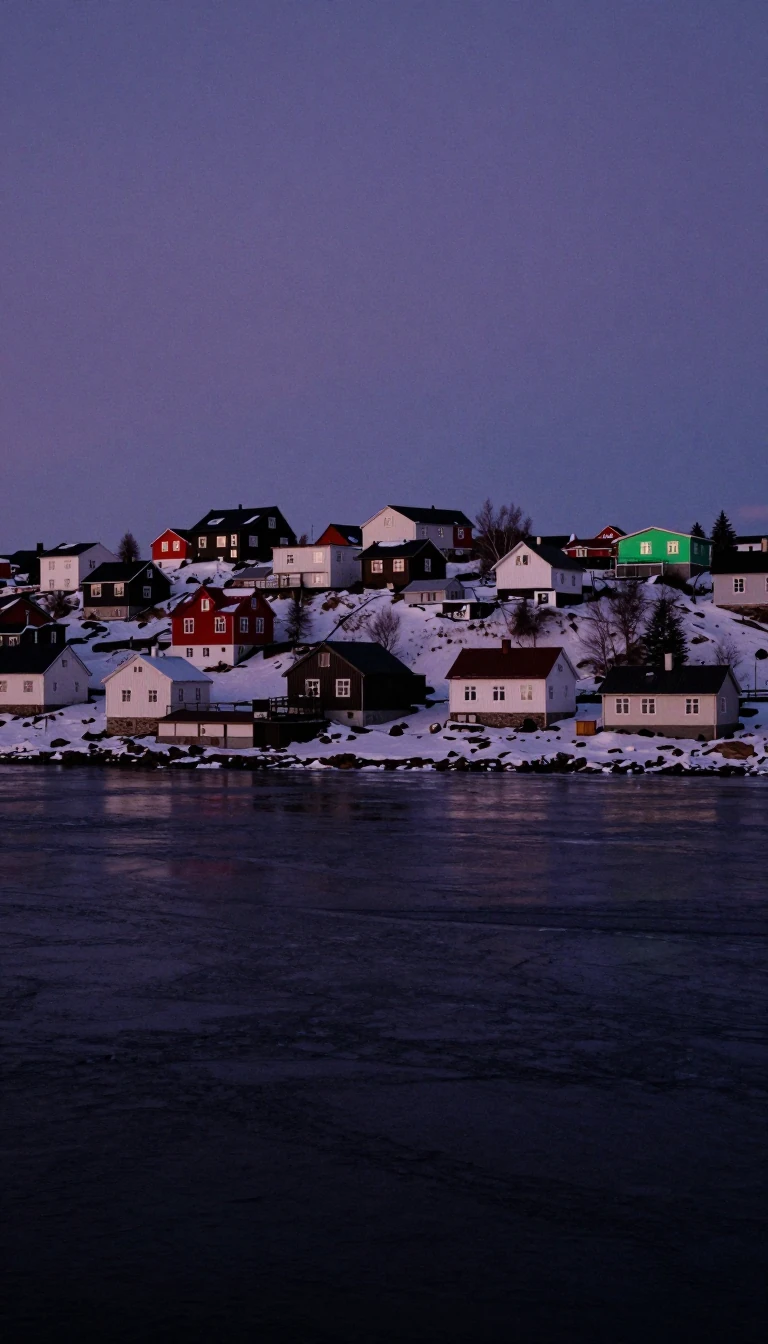 Why a Swedish town stopped growing in the 17th century to save its soulGammelstad Church Town is a rare, perfectly preserved relic of northern Scandinavia. While most settlements evolved into bustling mercantile hubs, Gammelstad was frozen in time by…
- Is this ancient Canary Island forest named after a tragic, star-crossed romance?Garajonay National Park is a lush, subtropical rainforest that once blanketed Southern Europe. While legend links its name to the tragic lovers Gara and Jonay, the truth is far mo…
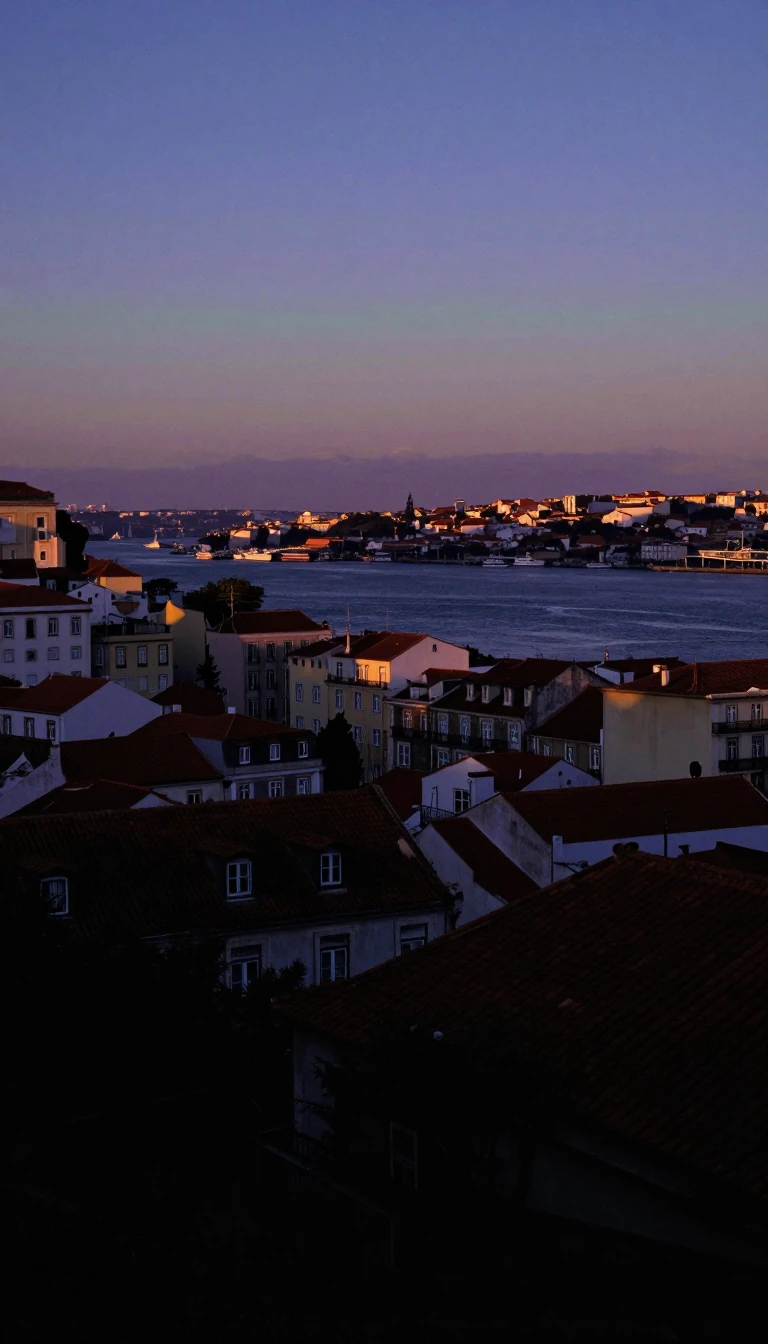 Why this Portuguese border town features the world's largest bulwarked dry ditch systemElvas, a frontier fortress in eastern Portugal, stands as a masterclass in military engineering. Recognized as a UNESCO World Heritage site, the city boasts the largest bulwarked …
- How the First World War changed the way humanity buries its fallen soldiersAcross 700 kilometers of the Western Front, 139 cemeteries and memorials stand as a UNESCO World Heritage site. These locations represent a historic shift in how nations treat the…
 The Caribbean military hub that hosted a future American president and birthed a nationLocated in Barbados, the Garrison Historic Area served as a vital British military headquarters for centuries. Beyond its strategic barracks and historic cannons, this site hosted…
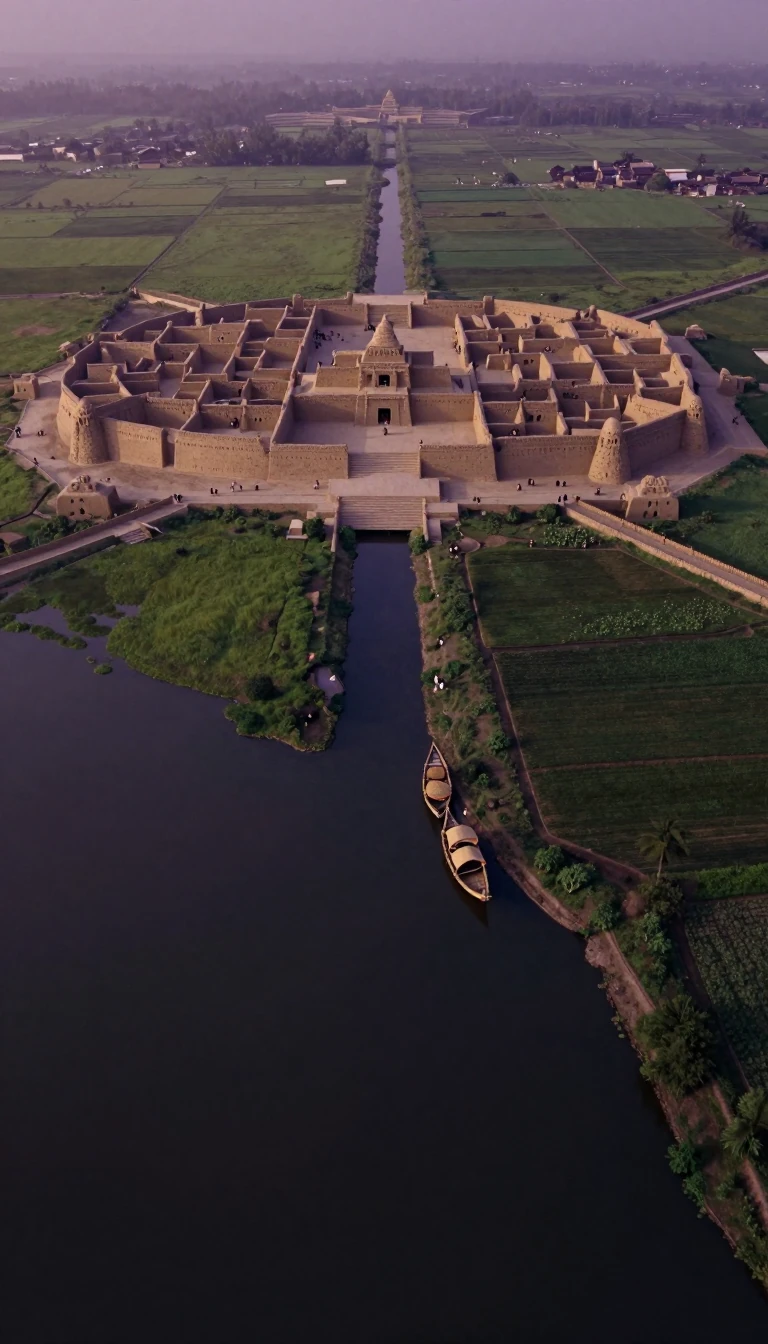 The Renaissance fortress in Kenya designed to look like a human bodyConstructed in the late 16th century to secure trade routes, Fort Jesus is a masterpiece of military engineering. Shaped like a person lying on their back, the structure has survi…
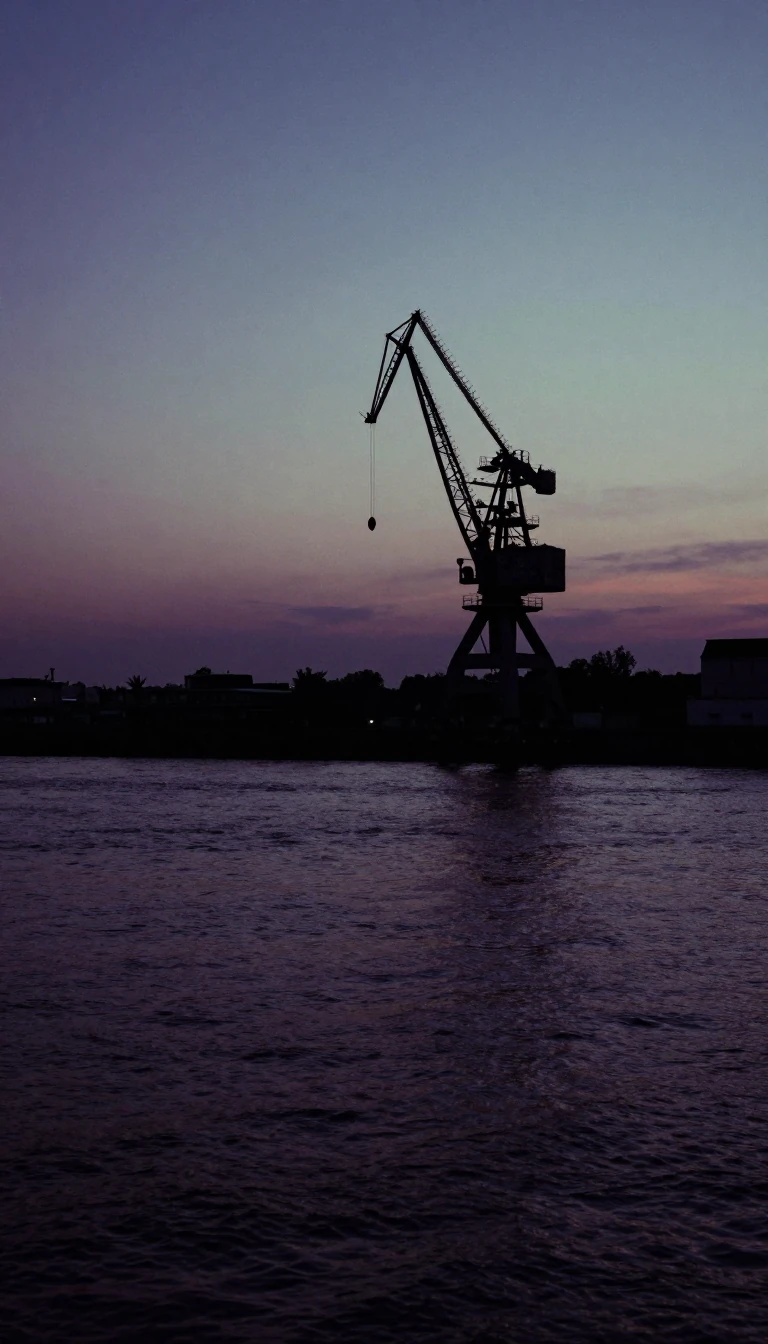 A Scottish engineering marvel that redefined the limits of steel and human enduranceSpanning the Firth of Forth, this iconic cantilever railway bridge remains a testament to Victorian ambition. Completed in 1890, it was the first major British structure built fro…
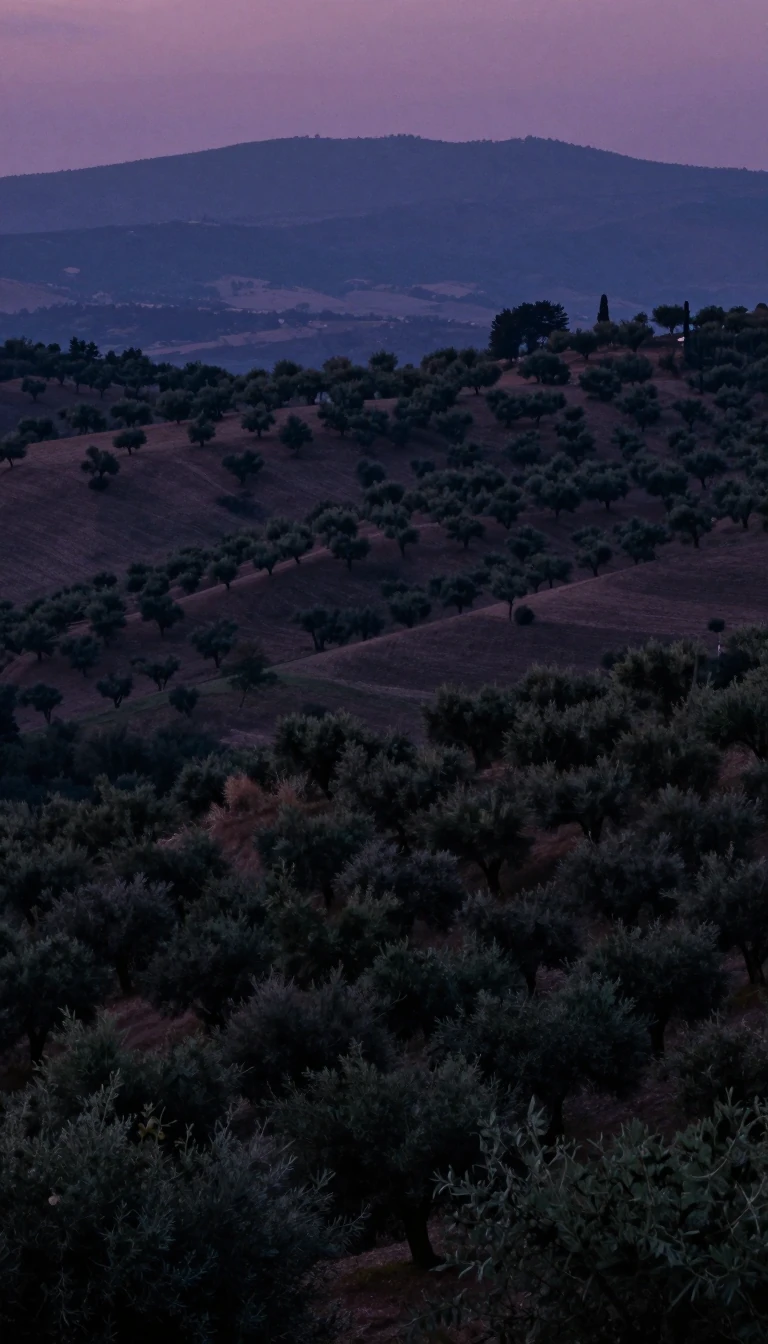 How a private hunting estate became Europe's largest nature reserveOnce a noble retreat for Spanish dukes and even King Philip IV, Doñana is now a vital ecological stronghold. This vast landscape of marshes and dunes serves as a critical bridge f…
 How a single German sergeant captured a massive French fortress without firing a shotFort Douaumont was the keystone of Verdun's defenses, a sprawling concrete behemoth designed to be impregnable. Yet, in February 1916, it fell to a small German raiding party that…
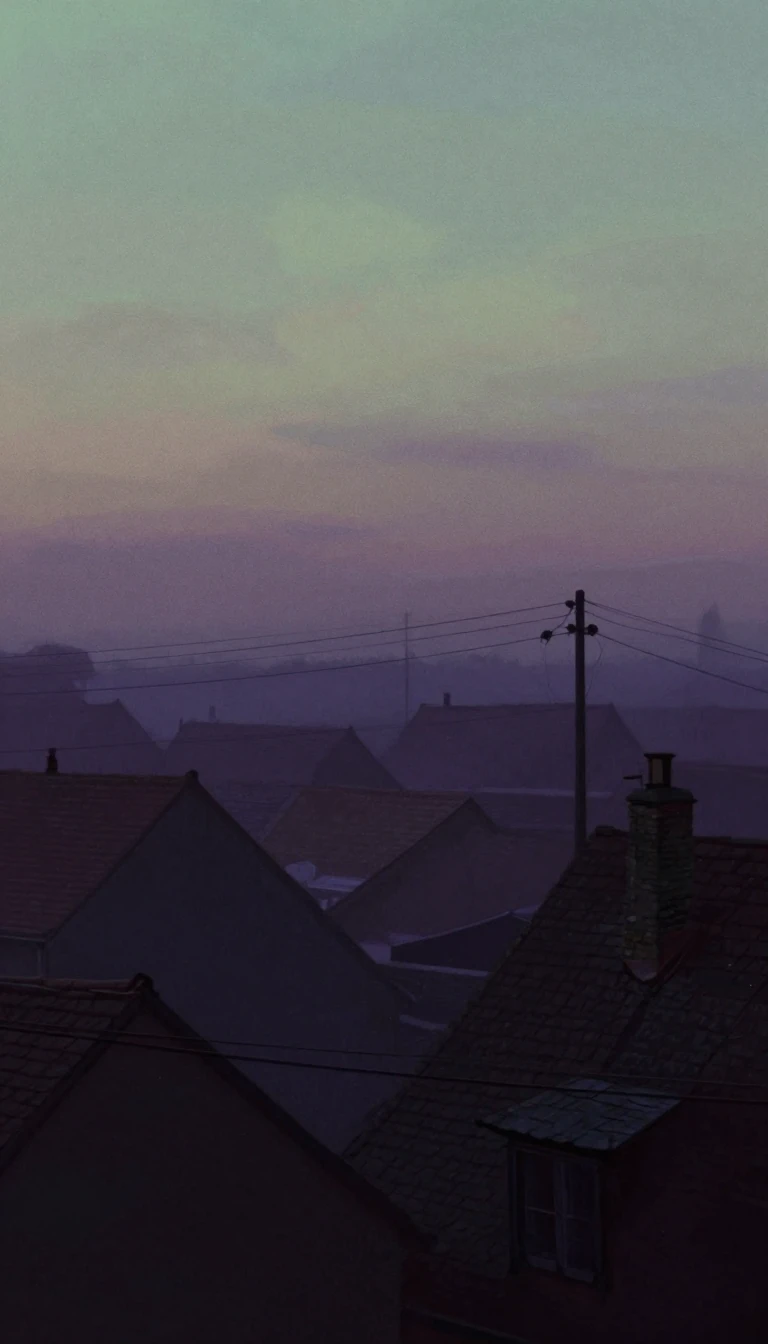 Why France’s most famous military architect built a city nicknamed the beautiful useless oneSébastien Le Prestre de Vauban designed 150 fortifications for King Louis XIV, yet his legacy is defined by a curated network of twelve UNESCO-listed sites. From hexagonal new tow…
 Can a colonial mission be a utopia? The surprising Baroque syncretism of Mexico's Sierra Gorda.Built between 1750 and 1760, the five Franciscan missions of the Sierra Gorda represent a unique architectural fusion. While Junípero Serra envisioned a Franciscan utopia, the str…
 Why a Belgian fortress became the ultimate test of early twentieth-century heavy artilleryBuilt as a marvel of unreinforced concrete, the Fort de Loncin was designed to withstand the heaviest shells of its era. Yet, its experimental construction and vulnerable magazine…
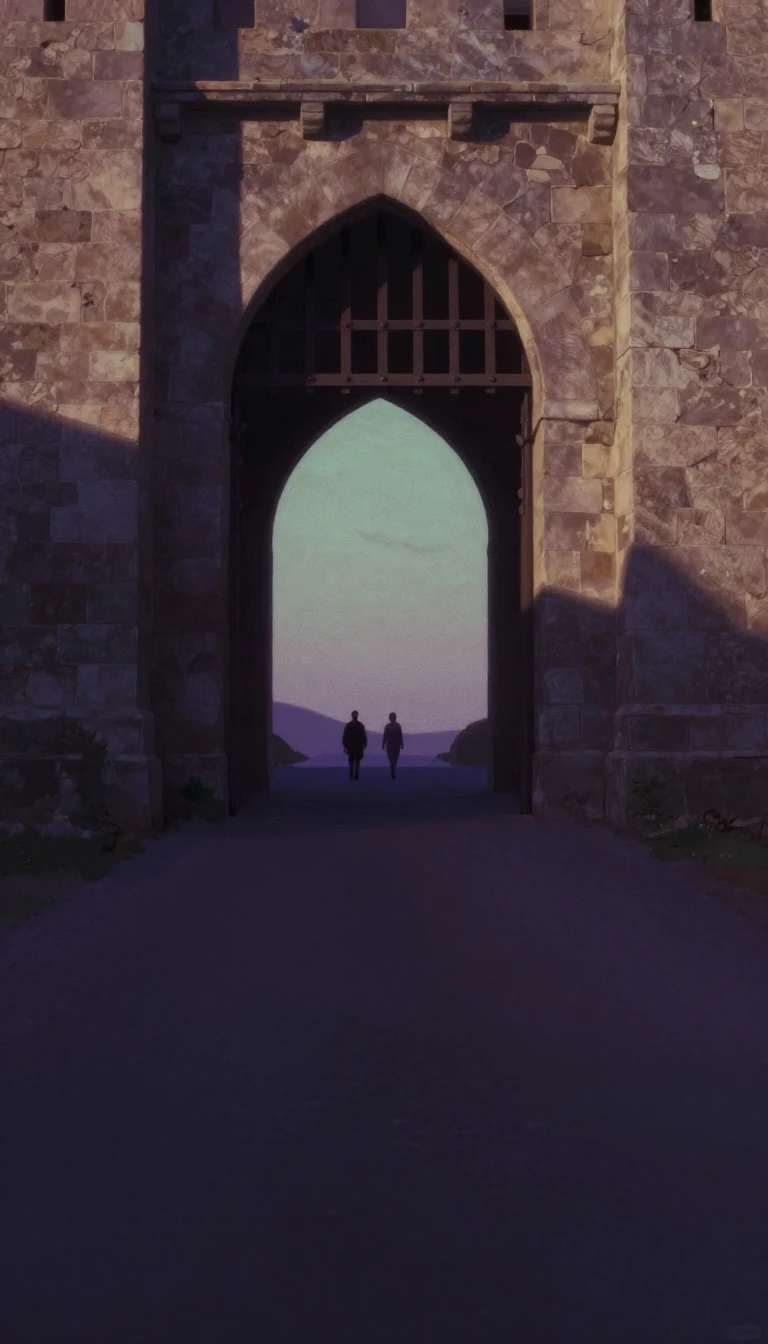 How a massive Sasanian wall used Byzantine gold to seal the Caucasus Mountains shutThe Derbent fortifications were a feat of ancient engineering designed to block nomadic incursions from the north. Built by the Sasanian Empire, this complex of walls and citadels…
 How a riotous expulsion of monks created England's wealthiest and finest monastic ruinFounded in 1132 after a violent dispute at York, Fountains Abbey grew from a harsh winter survival story into the richest Cistercian house in England. Today, these sprawling Roman…
 A man-made ridge near Ypres became one of the Great War's most contested sites.The Bluff, a prominent ridge south of Ypres, was not a natural feature but a byproduct of failed canal construction. This artificial high ground became a brutal military objective…
 The medieval urban sanctuaries that offered women a life of independence and faithBeguinages were unique architectural complexes in the Low Countries where lay women lived in community without taking traditional religious vows. These walled sanctuaries provided…
- The 18th-century fort built by two governments who refused to agree on designFort Berkeley stands at the entrance to Antigua's English Harbour, a silent witness to colonial friction. Originally a simple government outpost, its expansion in 1745 became a di…
 How a strategic Caribbean battery evolved into a vital UNESCO World Heritage siteGuarding the entrance to English Harbour in Antigua, Fort Charlotte began as a modest battery in 1745. Over decades, it transformed from a simple gun platform into a critical defe…
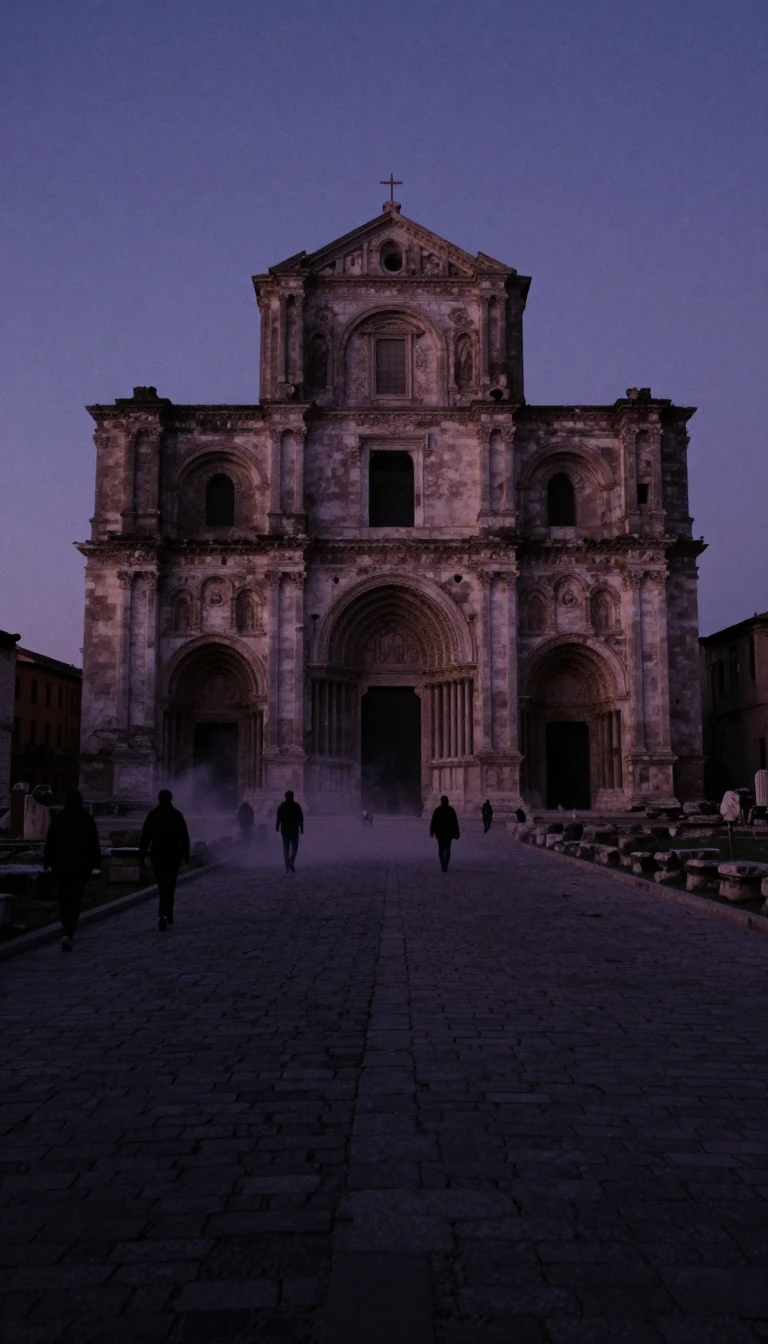 The 18th-century fortress church that survived a British cannonball and a religious mergerTucked within the walls of Willemstad's Fort Amsterdam, the Fort Church is more than a place of worship. Since 1769, this UNESCO World Heritage site has served as a silent witness…
- Why Scotland's vast, ancient peat bog is a global climate heroSpanning 4,000 square kilometers in northern Scotland, the Flow Country is Europe's largest blanket bog. This waterlogged landscape is more than a wild habitat; it is a massive ca…