 Intellect Plus
World Heritage Sites
1,540 cards. Each one is a 40-second story with a five-minute read behind it. Page 25 of 26.
 A Belgian estate turned war cemetery holds the complex history of the Western FrontNear Ypres, Belgium, lies Bedford House Cemetery, a site born from the ruins of a grand château. Once a strategic hub for Allied forces, the grounds evolved into a final resting p…
 How a 17th-century Dutch lake became a masterpiece of Renaissance urban planningThe Beemster polder is not just a triumph of engineering over water; it is a meticulously ordered landscape designed with the ideals of antiquity. Reclaimed from an inland sea bet…
 The 7.8-kilometer spine of Beijing that anchors centuries of Chinese imperial history and designStretching from the northern Drum and Bell Towers to the southern Yongdingmen Gate, Beijing’s Central Axis is more than just a road. It is a monumental collection of ceremonial ar…
 Six sites in Germany define the revolutionary legacy of the short-lived Bauhaus schoolOperating for only fourteen years, the Bauhaus movement fundamentally altered twentieth-century design. Today, six UNESCO-listed sites across Weimar, Dessau, and Bernau preserve t…
 How Three Distinct Cultures Shaped a Unique Landscape in Southeastern SenegalIn the remote southeast of Senegal lies Bassari Country, a remarkable region where the Bassari, Fula, and Bedik peoples have lived in harmony with their environment for generation…
 Why did Portuguese kings use condemned prisoners to build this architectural masterpiece?Batalha Monastery was built to fulfill a royal vow following a decisive 1385 battle. Its construction spanned over a century, involving fifteen architects and daring engineering f…
 The sandstone cliffs of Mali that hid a civilization from colonial invadersThe Bandiagara Escarpment is a 200-kilometer sandstone chain in Mali, home to the Dogon people and the ancient legacy of the Tellem. Once a sanctuary protected by secret tunnels, …
 How Philippine Baroque churches fused European grandeur with the realities of island lifeSpanish missionaries arrived in the Philippines with grand visions of European cathedrals, but the archipelago's seismic activity and tropical climate forced a radical redesign. T…
 The Lima church where a viceroy once swept the streets with a broomIn the heart of Lima stands the Basilica and Convent of San Pedro, a Jesuit site completed in 1638. Beyond its religious significance and royal wedding history, the church serves …
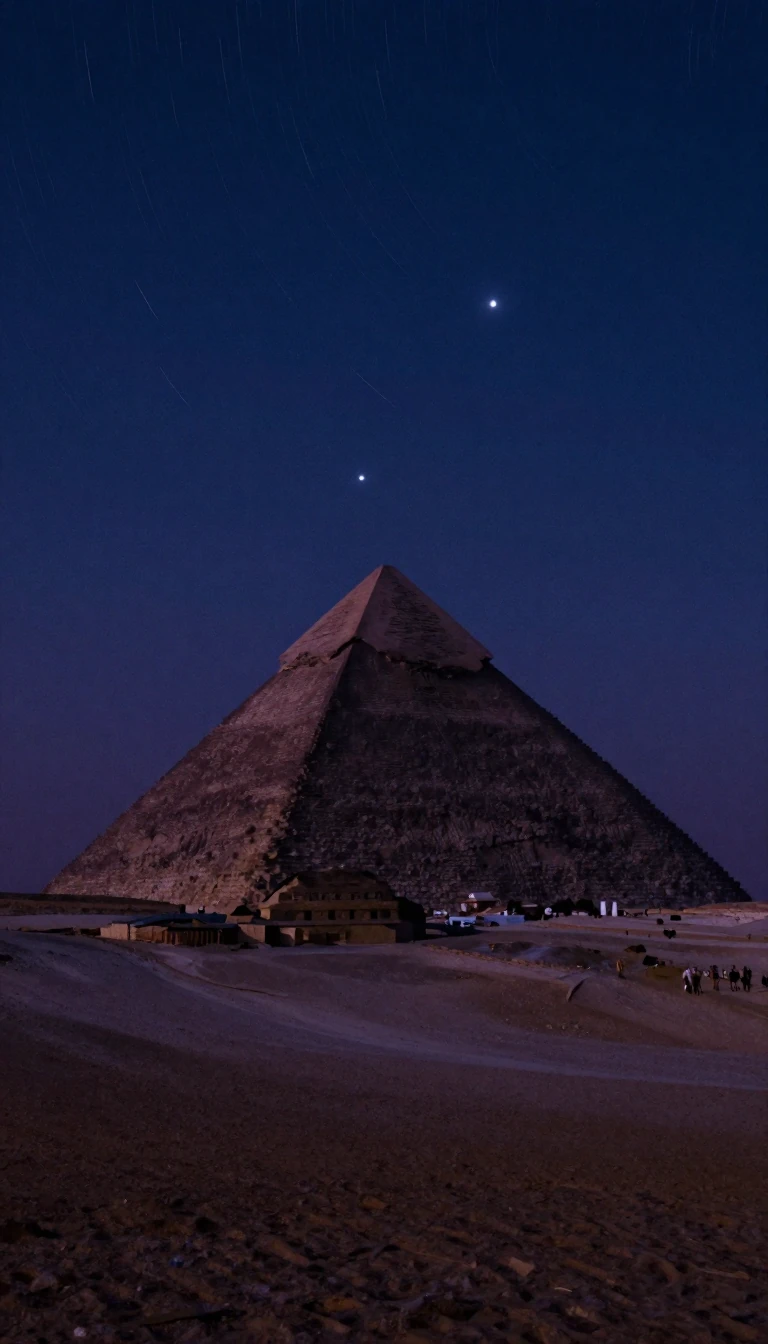 How a medieval city of 10,000 temples became a masterclass in architectural innovationBetween the 11th and 13th centuries, the Bagan Empire transformed a dry plain into a dense, cosmopolitan religious hub. While its rulers built thousands of monuments, the city’s t…
 How a tiny island's obsession with pearls shaped a global luxury economy for centuriesBefore oil transformed the Gulf, Bahrain was the world's pearling capital. A unique UNESCO site now preserves the remnants of this vanished industry, from ancient oyster beds to t…
 How an ancient Korean kingdom shaped East Asian culture through trade and religionThe Baekje Historic Areas reveal a sophisticated civilization that flourished for nearly 700 years. By mastering unique construction methods and fostering deep cultural exchanges …
 Why Oman’s oldest UNESCO fort is a masterclass in the struggle for authentic preservationBahla Fort, a massive mud-brick fortress at the foot of the Jebel Akhdar highlands, is a testament to Omani history. Yet, its journey from a medieval stronghold to a UNESCO World …
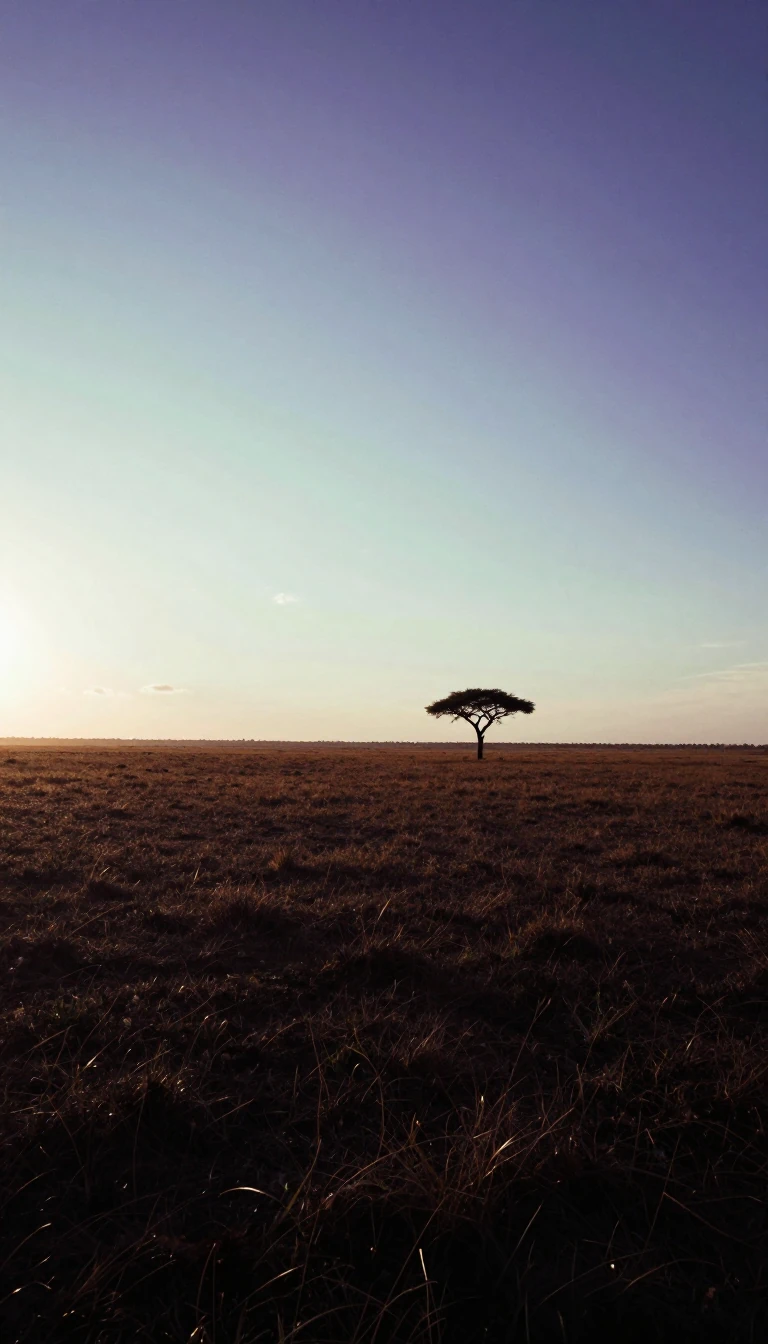 Why Ethiopia's Bale Mountains are a global hotspot for rare and endemic wildlifeSpanning over 215,000 hectares, Bale Mountains National Park protects Africa's largest Afromontane habitat. This high-altitude sanctuary in the Ethiopian Highlands is a treasure t…
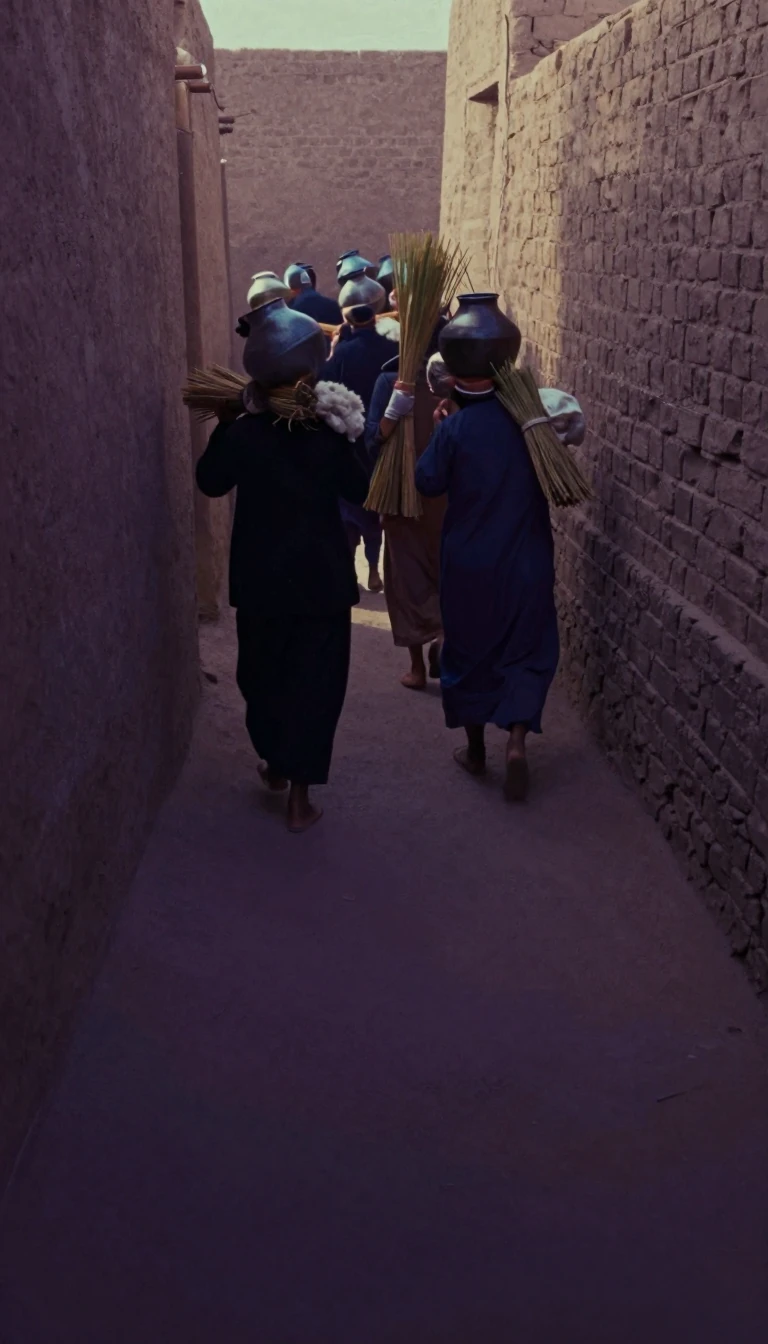 The resilient history of Bam, from ancient silk trade hub to modern agricultural centerBam, Iran, is home to an ancient citadel dating back to the Parthian Empire. Once a global hub for textiles and trade, the city has endured invasions, a catastrophic earthquake, a…
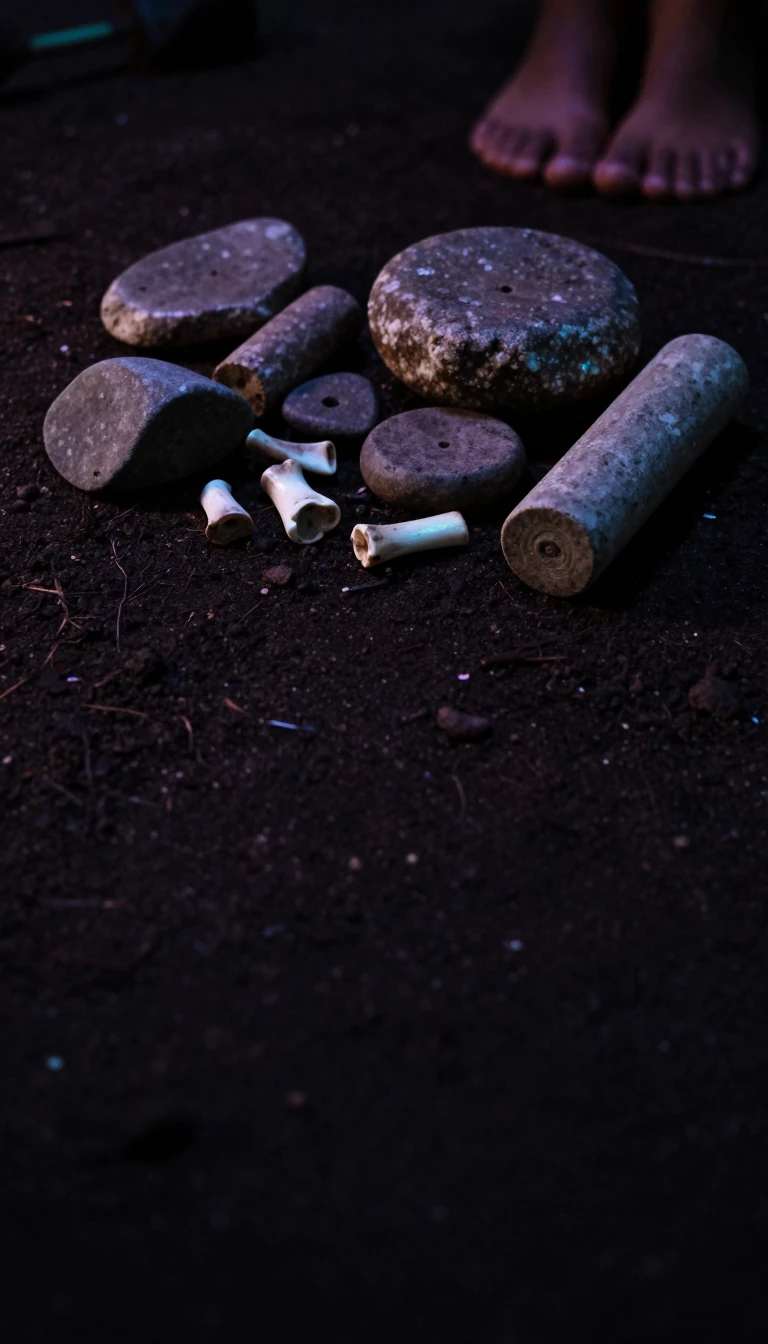 A stumble over a tree root revealed a lost Bronze Age civilization in Thailand.In 1966, a student tripped over a tree root in a Thai village, exposing ancient pottery that would rewrite history. Ban Chiang, a UNESCO World Heritage site, challenged long-held …
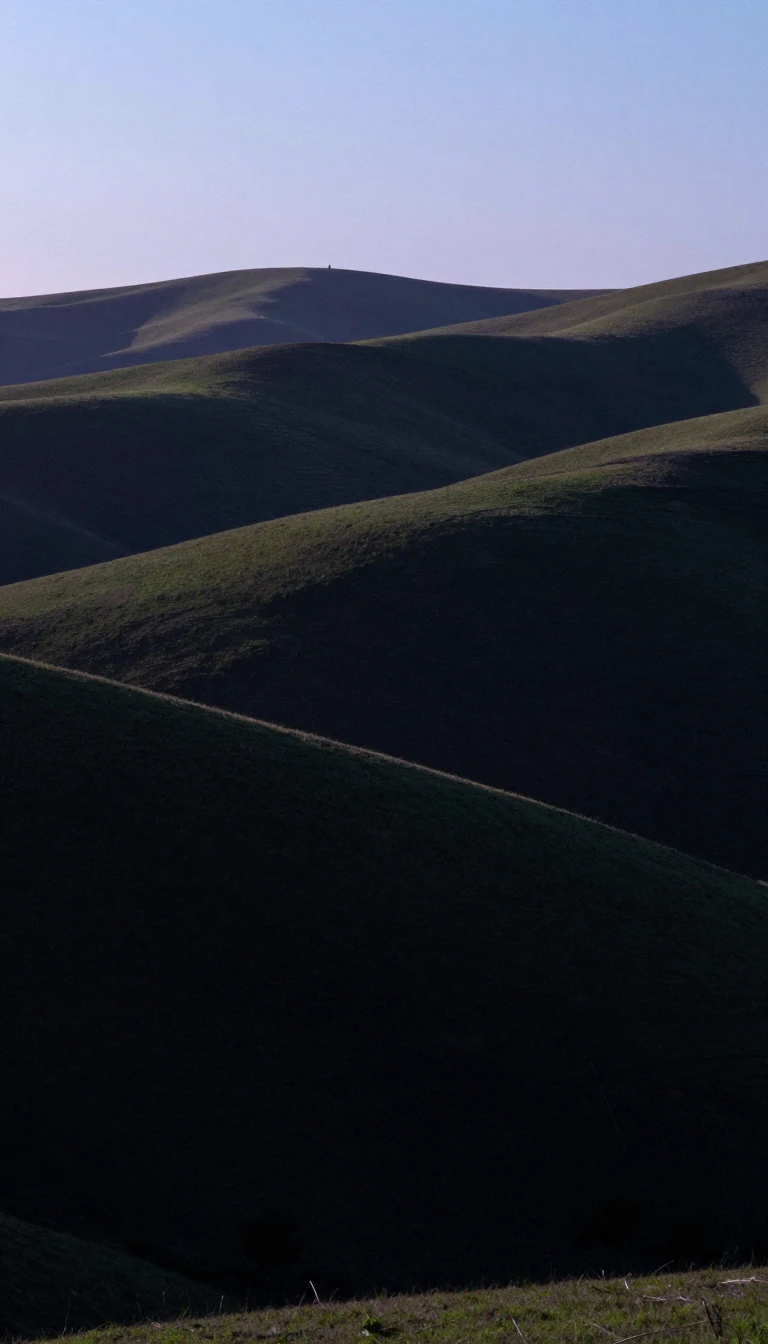 The English Gothic retreat that shaped the fate of the Prussian monarchyNestled in Potsdam, Babelsberg Palace served as the summer residence for German Emperor William I for over half a century. Beyond its architectural beauty, this site hosted the pi…
 How eleven penal outposts became the foundation of a modern colonial expansion projectBetween the eighteenth and nineteenth centuries, approximately 166,000 individuals were forcibly transported to Australia. Today, eleven specific locations serve as a World Herita…
- Axum: The Ancient Ethiopian Metropolis That Once Rivaled Global EmpiresPerched 2,131 metres high in the Tigray mountains, Axum was once the heart of a dominant trading empire. Today, this UNESCO World Heritage site remains a spiritual epicenter, rumo…
 Baalbek: An Ancient Sun City Transformed by Empires, Earthquakes, and Modern ConflictDeep in Lebanon's Beqaa Valley lies Baalbek, a site with 11,000 years of history. Once the Roman Heliopolis, it evolved from a pagan sanctuary to a medieval fortress and modern po…
 Two Australian locations hold the key to twenty million years of mammalian evolutionary history.Riversleigh and Naracoorte are not just fossil sites; they are windows into a deep past. Recognized as two of the ten most significant fossil locations globally, these Australian …
 Was the ancient capital of Ayutthaya founded in 1351 or centuries earlier?While King Ramathibodi I is credited with founding the Thai capital of Ayutthaya in 1351, evidence suggests the site holds much deeper roots. From Khmer strongholds dating to 850 …
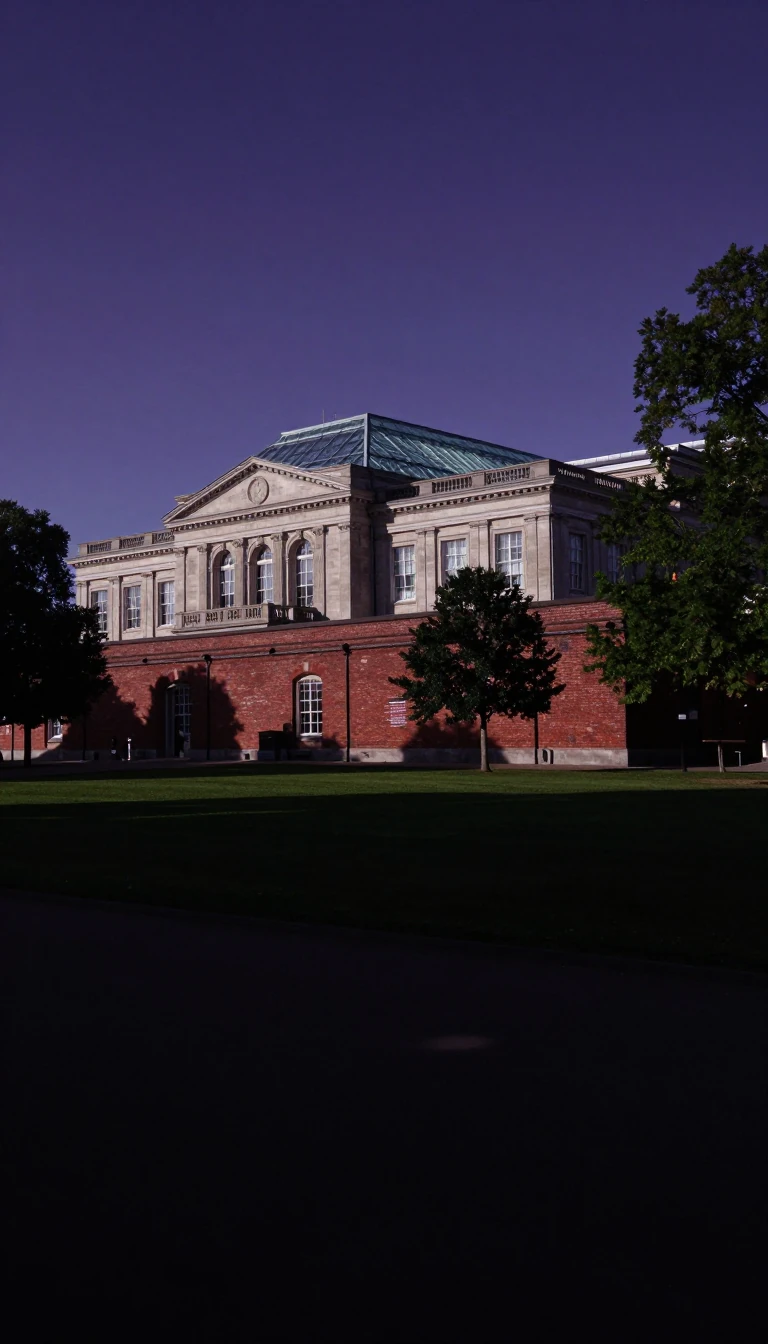 How a royal garden in Potsdam survived the Berlin Wall to become a landmark.Babelsberg Park is a 114-hectare masterpiece of landscape design, born from the ambitions of Prince William I and his wife, Augusta. Though it faced royal budget cuts, a divided G…
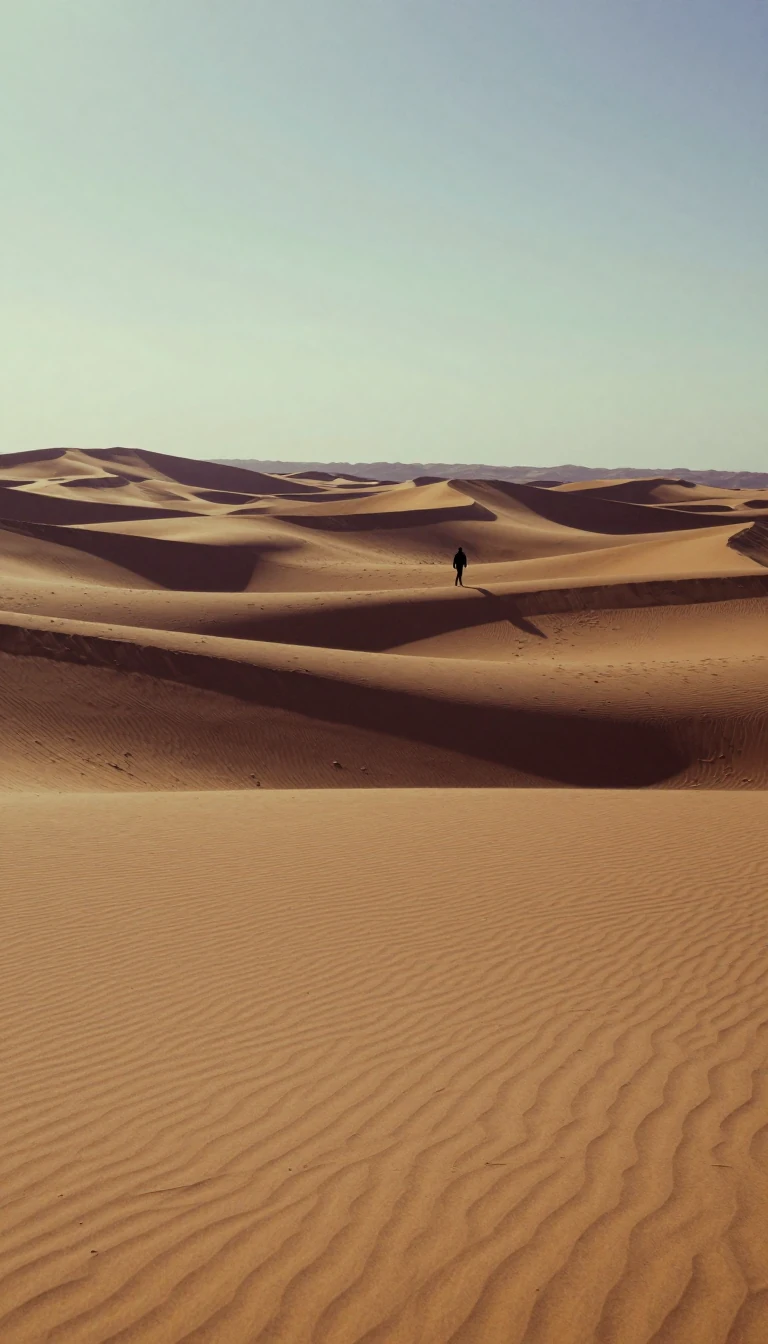 Hidden among the shifting sands of China are the world's tallest stationary dunes.The Badain Jaran Desert is a landscape of extremes, home to megadunes reaching 500 meters in height and over 140 mysterious, spring-fed lakes. Despite the arid climate, these mass…
 A royal hunting retreat and a seat of power define this German rococo masterpiece.In the town of Brühl, two distinct structures connected by sprawling gardens represent the pinnacle of early eighteenth-century rococo design. Commissioned by a powerful archbisho…
 Eight ancient sites in Sri Lanka mark the Buddha's legendary visits to the islandAnuradhapura, the capital of an ancient kingdom, houses the Atamasthana, a collection of eight sacred locations. These monuments, ranging from the world's oldest historically auth…
- The Saudi capital that vanished for two centuries before becoming a global heritage siteLocated north-west of Riyadh, the At-Turaif district served as the original seat of the House of Saud. Founded in the 15th century, this historic settlement acted as the nation's …
 How a Russian university observatory became a globally recognized site of scientific heritagePerched 75 meters above sea level in Kazan, this historic observatory traces its roots to 1810. Once the easternmost outpost for European stargazing, it recently achieved UNESCO W…
 The Earthen Fortress That Once Controlled Trade Between the Sahara and MarrakeshPerched on a hill in Morocco, Aït Benhaddou is a masterpiece of ancient earthen architecture. Once a vital stop for caravans crossing the Atlas Mountains, this fortified village h…
 How a remote Jordanian trading hub became a UNESCO-recognized architectural masterpiecePerched on three hills in the Balqa highlands, As-Salt was once the most powerful commercial center in Transjordan. Long before it gained UNESCO status, this city thrived as an au…
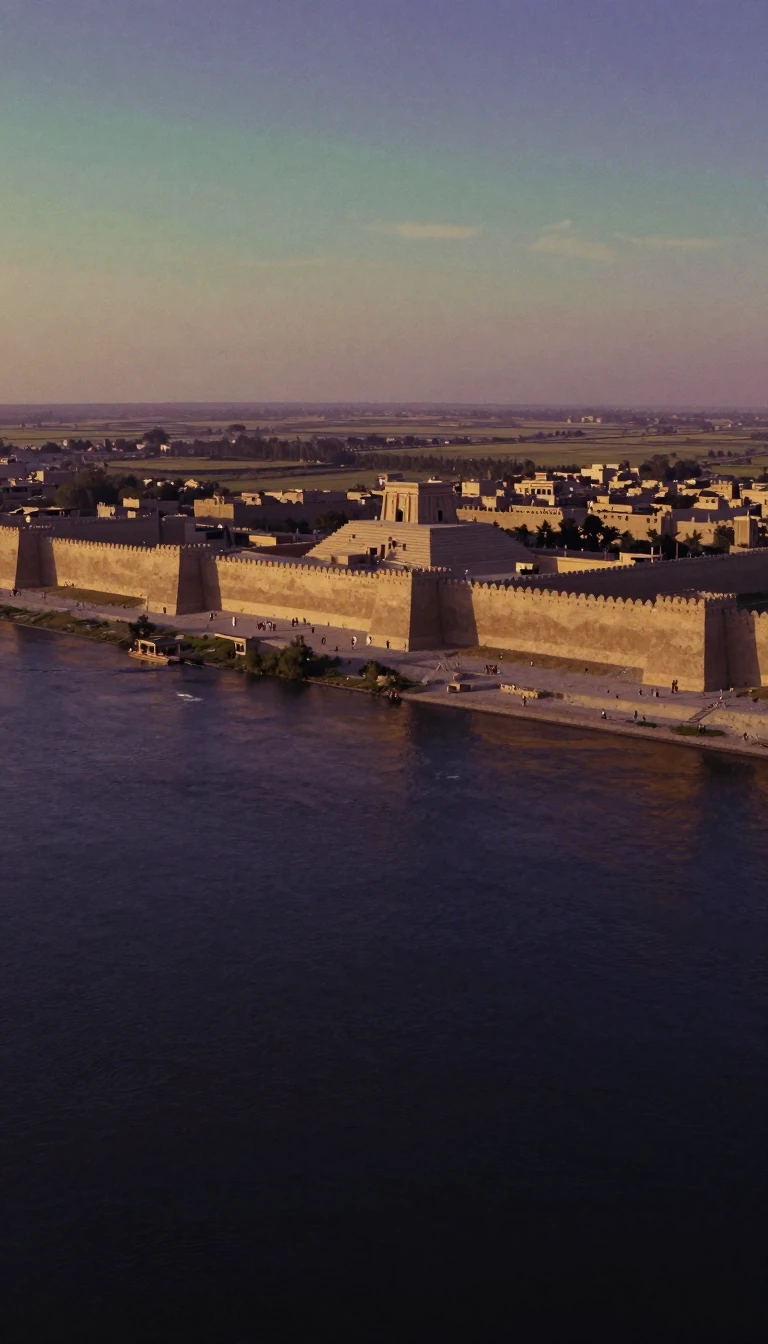 Assur: The ancient city that served as the spiritual heart of the Assyrian EmpirePerched on a mountain spur above the Tigris, Assur was the enduring religious capital of Assyria for millennia. While royal power shifted to grander cities like Nineveh, Assur rem…
- How a German city turned its water supply into a UNESCO World Heritage siteAugsburg is defined by its water. Since the Middle Ages, the city has engineered a complex network of canals, towers, and power plants to harness the Lech and Wertach rivers. Decl…
 Why thousands of soldiers remain nameless in a quiet French cemeteryThe Arras Memorial stands as a silent testament to 35,942 soldiers who vanished during the Great War. Located in France, this site honors those from the United Kingdom, South Afri…
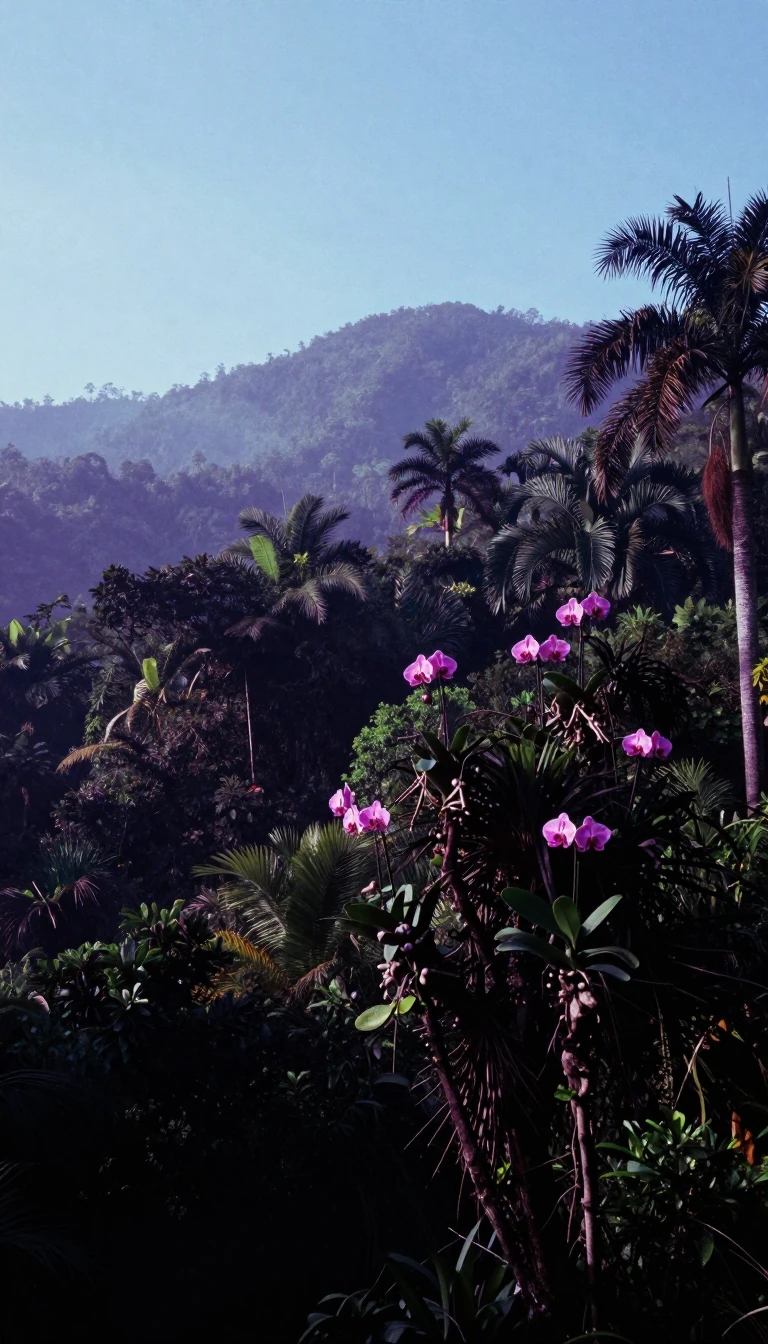 How a Costa Rican conservation project restored an entire landscape of diverse tropical ecosystemsLocated in northwestern Costa Rica, the Area de Conservación Guanacaste is a sprawling network of protected lands that shelters two-thirds of the nation's endangered species. From…
 Why did the ancient, unrestored ruins of Bam survive an earthquake better than modern repairs?When a 6.6 magnitude earthquake struck the Iranian city of Bam in 2003, it leveled the historic Arg-e Bam citadel. Yet, researchers discovered a strange paradox: older, unmaintain…
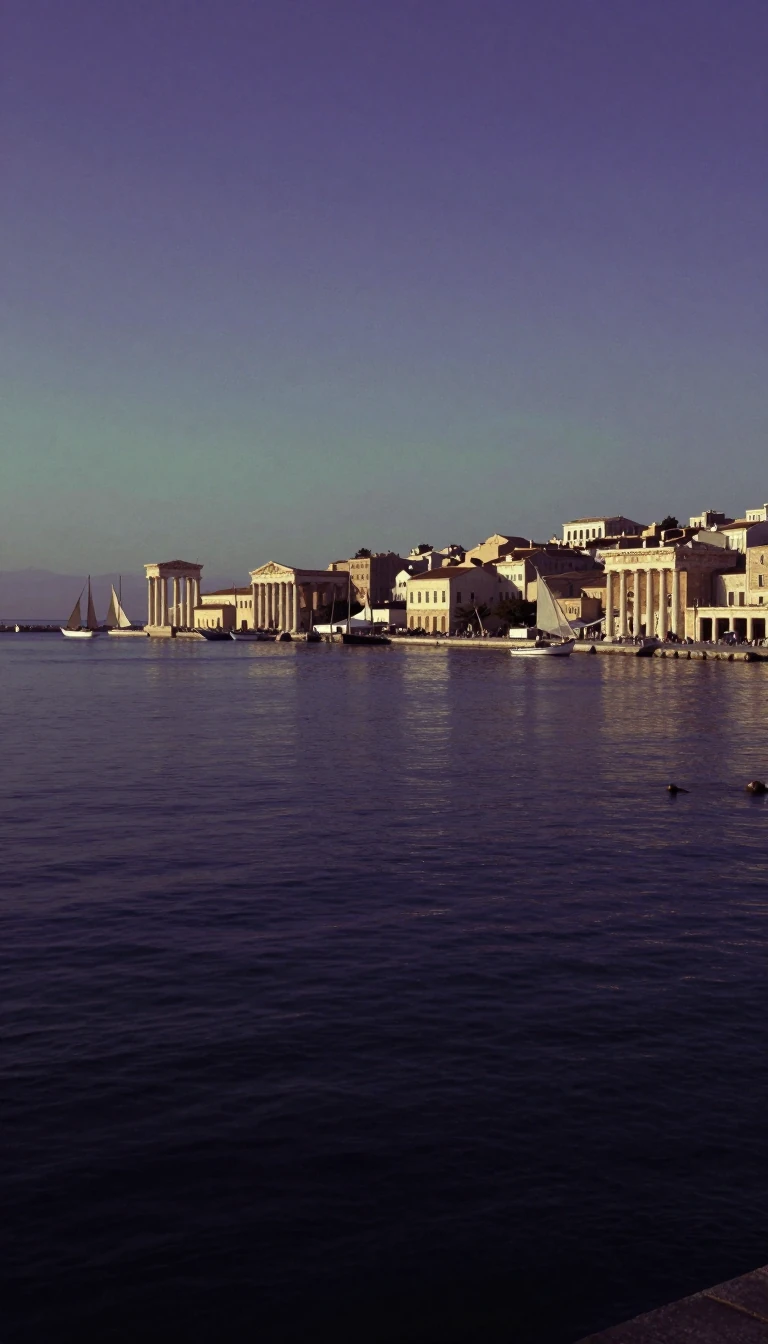 How Arles transformed from a Roman powerhouse into a medieval Mediterranean jewelThe city of Arles serves as a living bridge between two distinct eras of European history. Recognized as a UNESCO World Heritage Site since 1981, this French city preserves a rema…
- Arslantepe: The Ancient Anatolian Mound That Rewrites Early Urban HistoryRising thirty meters above the Turkish plains, Arslantepe—or Melid—is a treasure trove of human history. From its origins in the Chalcolithic period to its role as a Neo-Hittite c…
 A lost Neolithic civilization built the world's earliest large-scale water management systemDeep in China's Yangtze River basin, the Liangzhu culture flourished 5,000 years ago. This sophisticated society constructed a massive walled city and an intricate network of dams…
- What mysterious stone structures in Oman reveal about ancient trade and desert lifeDeep within an Omani palm grove lie enigmatic circular stone structures dating to the third millennium BC. These ancient sites, part of a UNESCO-protected necropolis, once served …
- A 75,000-Year-Old Workshop and the Mystery of the Perak Man's Elaborate BurialTucked between Malaysia's Bintang and Titiwangsa mountain ranges, the Lenggong Valley serves as a rare time capsule of human history. From a massive prehistoric stone tool worksho…
 The French refugees who transformed the Cuban landscape into a coffee empireIn the foothills of the Sierra Maestra lie the remnants of 171 coffee plantations that once defined the Caribbean economy. Established by French settlers fleeing the Haitian Revol…
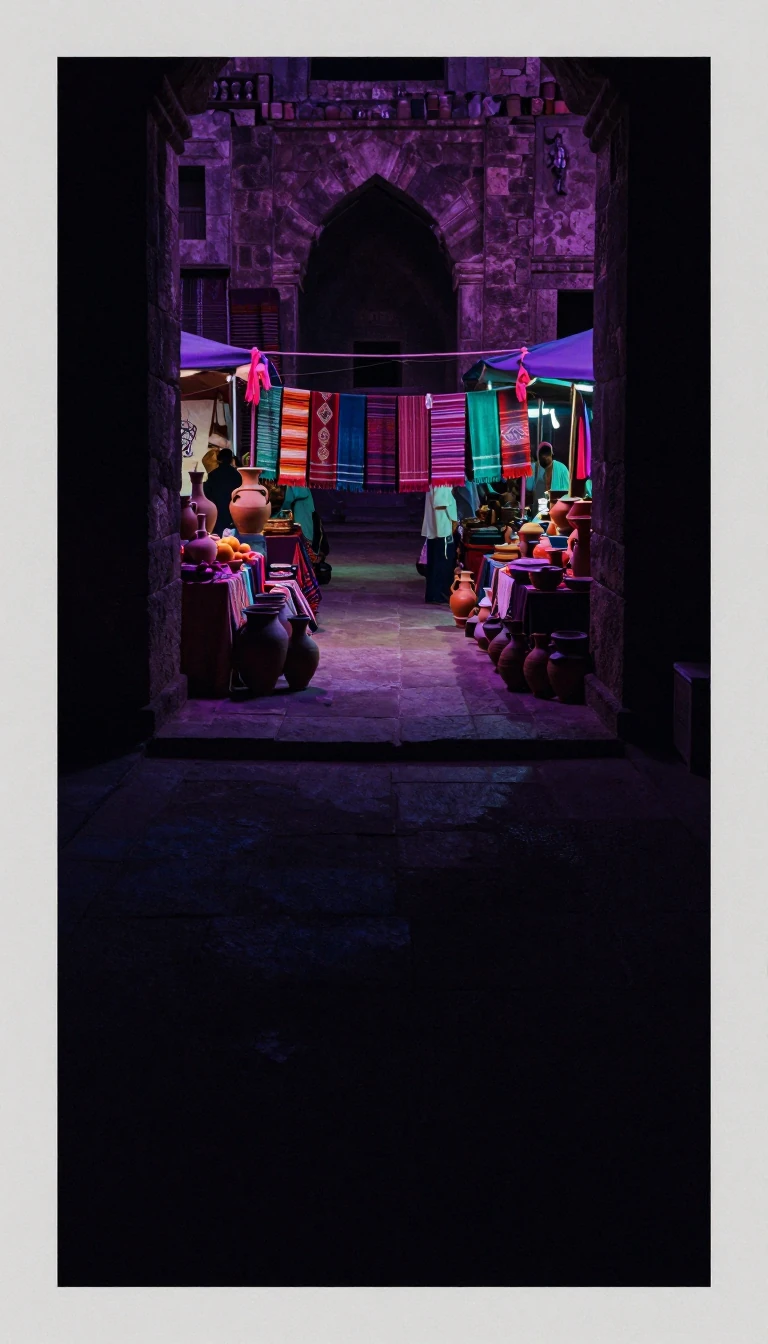 How a Phoenician trading post became a jewel of the Roman world in LibyaPerched on the Libyan coast, Sabratha evolved from a modest Phoenician trading outpost into a thriving Roman metropolis. Though it eventually faded following the arrival of the Ar…
- Carthage: How a Cursed City Became a Global Treasure TroveOnce a Mediterranean superpower, Carthage was systematically erased by Rome in 146 BC. Yet, the site survived centuries of pillaging to become a UNESCO World Heritage treasure. To…
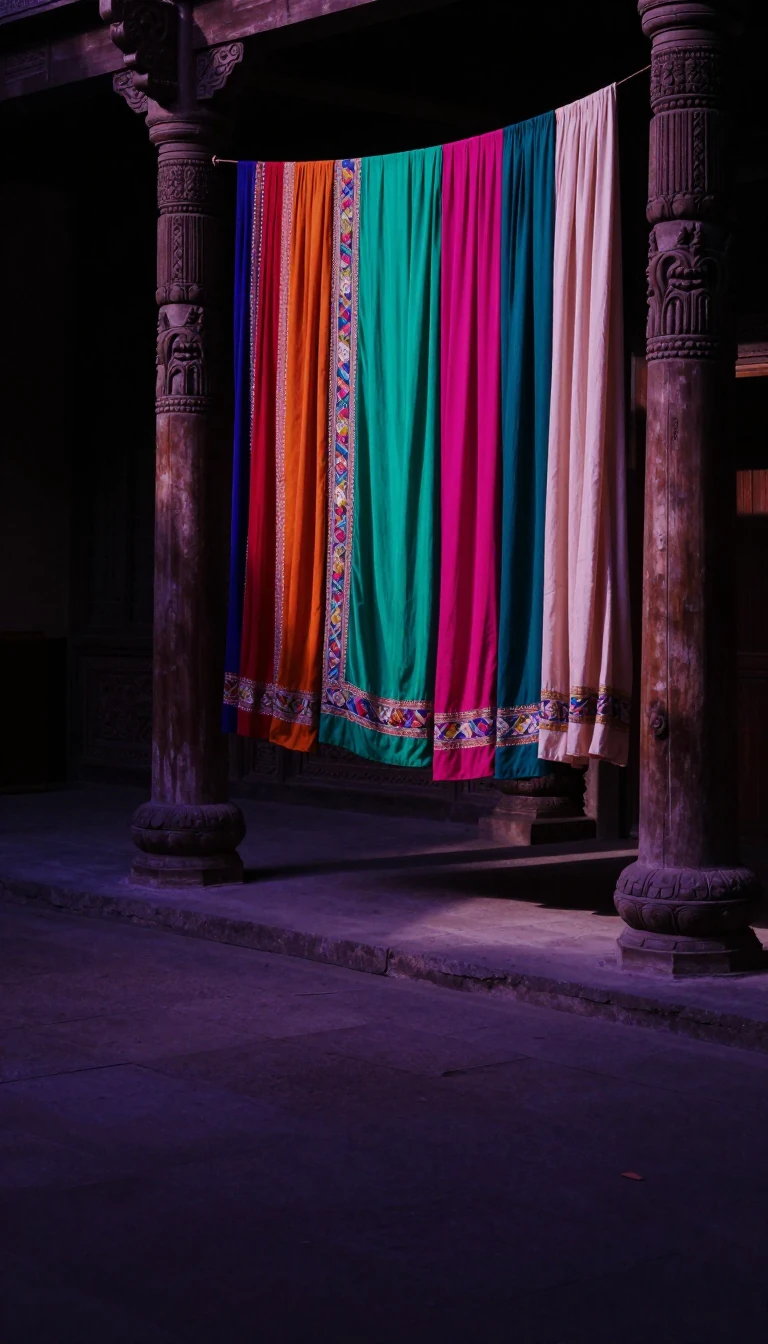 Anuradhapura: How an Ancient Sinhalese Capital Transformed into a Modern Sacred World Heritage SiteFounded in the 5th century BCE, Anuradhapura served as the longest-running capital of the Sinhalese kingdom for 1,500 years. Once a sprawling urban center of iron-age innovation a…
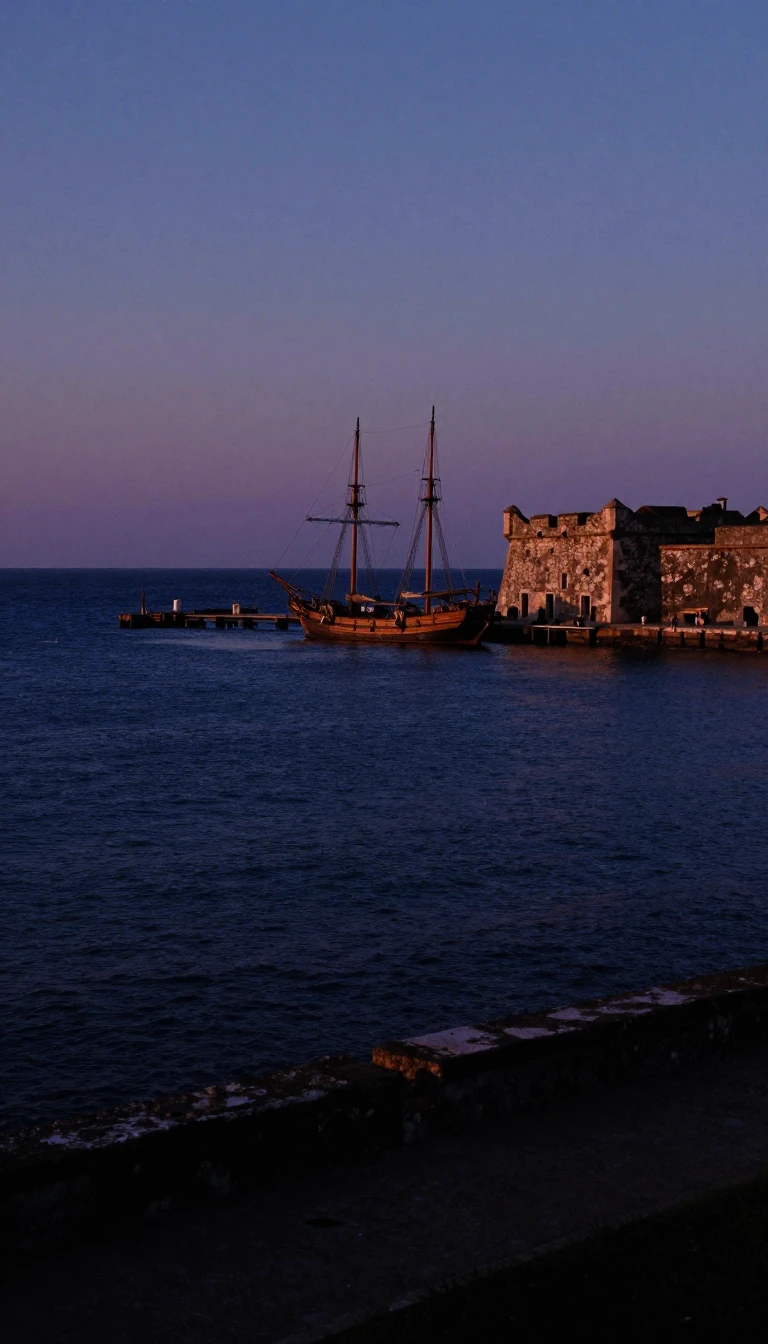 How a Caribbean hurricane shelter became the crown jewel of British naval powerTucked away in the hills of Antigua, a hidden harbor once served as the ultimate strategic asset for the British Navy. By mastering the local geography, the empire turned a natura…
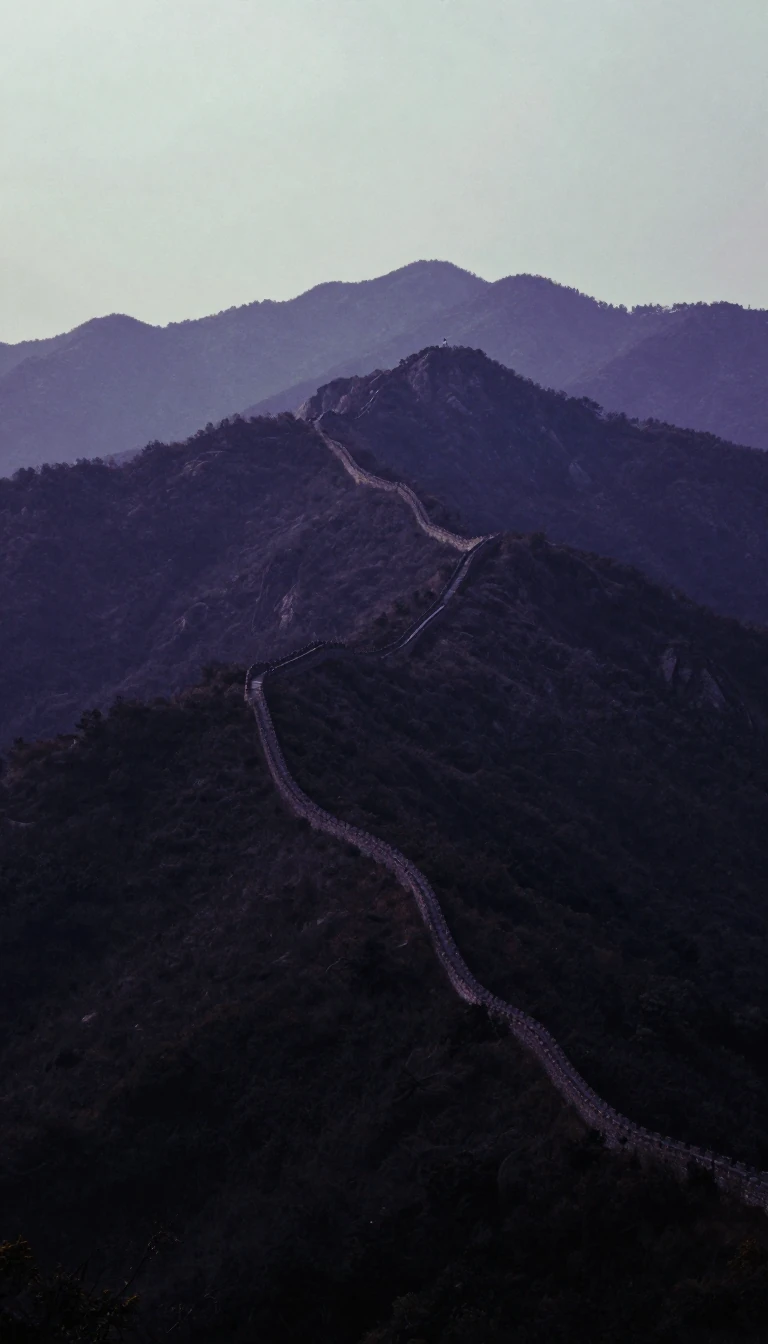 The Roman Empire's forgotten northern frontier was a turf wall, not stoneWhile Hadrian's Wall remains a famous stone monument, the Romans built a second, shorter barrier across Scotland using turf and wood. Abandoned just eight years after completion, …
 This 16th-century Mexican marvel remains one of the most ambitious hydraulic feats in history.Spanning 45 kilometres, the Aqueduct of Padre Tembleque stands as a testament to colonial-era engineering. Built by a Spanish friar, this massive structure navigated volcanic terr…
- The Appian Way: How a Roman Censor Built the Queen of Long RoadsIn 312 BC, a blind Roman censor bypassed the Senate to build a military highway that transformed Rome into a formidable power. Known as the queen of roads, this engineering marvel…
- Jordan’s hidden underwater sanctuary: how a tiny coastline protects a vast marine ecosystemEstablished in 1997, the Aqaba Marine Reserve represents Jordan’s commitment to preserving its only maritime outlet to the Red Sea. Despite occupying just a fraction of the countr…
 How a unique fusion of Arab and Norman architecture defined medieval Sicilian powerIn the twelfth century, the Norman Kingdom of Sicily created a distinct architectural legacy that blended Arab and Byzantine influences with Western traditions. Today, nine of the…
 Four desert citadels in Mauritania reveal the lost pulse of ancient Saharan trade routesDeep in the Mauritanian desert lie four historic settlements that once served as vital hubs for trans-Saharan caravans. Established nearly a millennium ago, these fortified towns …
- Ancient Burkina Faso furnaces reveal a sophisticated pre-industrial mastery of iron productionAcross Burkina Faso, ruins of ancient furnaces tell the story of a complex metallurgical society. Dating back to 800 BC, these sites demonstrate an advanced ability to mass-produc…
 How a Budapest Boulevard Became a Mirror of Hungary's Turbulent Political HistoryAndrássy út is more than a grand Neo-renaissance thoroughfare. Since its 1876 inauguration, this World Heritage site has served as a canvas for the nation’s shifting ideologies. F…
 How a Syrian desert crossroads became a living museum of three great empiresBosra once served as the capital of the Roman province of Arabia and a vital sanctuary for travelers on the caravan route to Mecca. Today, this archaeological site stands as a rar…
- The medieval Armenian capital that predated European Gothic architecture by two centuriesKnown as the City of 1,001 Churches, the ruined city of Ani once served as a thriving medieval capital. Today, it stands as a silent, volcanic-stone testament to a lost golden age…
 Anjar: A Lebanese town built on Roman ruins and Armenian resilienceNestled in the Bekaa Valley, Anjar is a unique enclave where an 8th-century Umayyad palace-city meets a modern Armenian community. Founded by caliphs and later resettled by refuge…
- Why these ancient Spanish stone monuments were built to face the mountains, not stars.Most ancient megaliths align with the sun or stars, but the Antequera Dolmens in Spain defy tradition. By anchoring their architecture to specific natural peaks rather than celest…
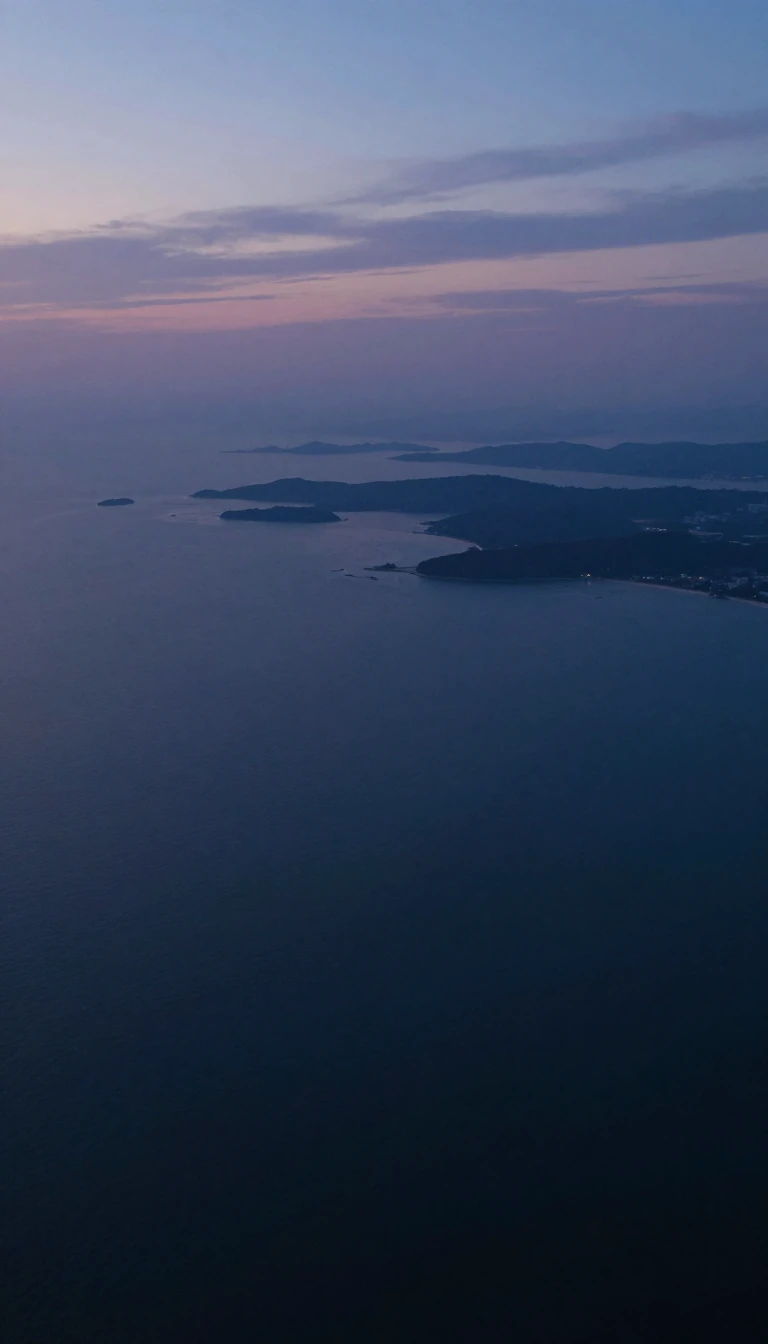 Four Japanese islands host a unique, biodiversity-rich UNESCO World Heritage siteSpanning four distinct islands in the Ryukyu Arc, this serial World Heritage site is a global hotspot for rare, endemic species. From the elusive Amami rabbit to the Iriomote cat,…
 Did a misheard conversation with local sailors give Macau its modern name?The A-Ma Temple, a sacred site dedicated to the sea goddess Mazu, stands as a cornerstone of Macau history. Built in 1488, this landmark is not just a place of worship; it is wide…
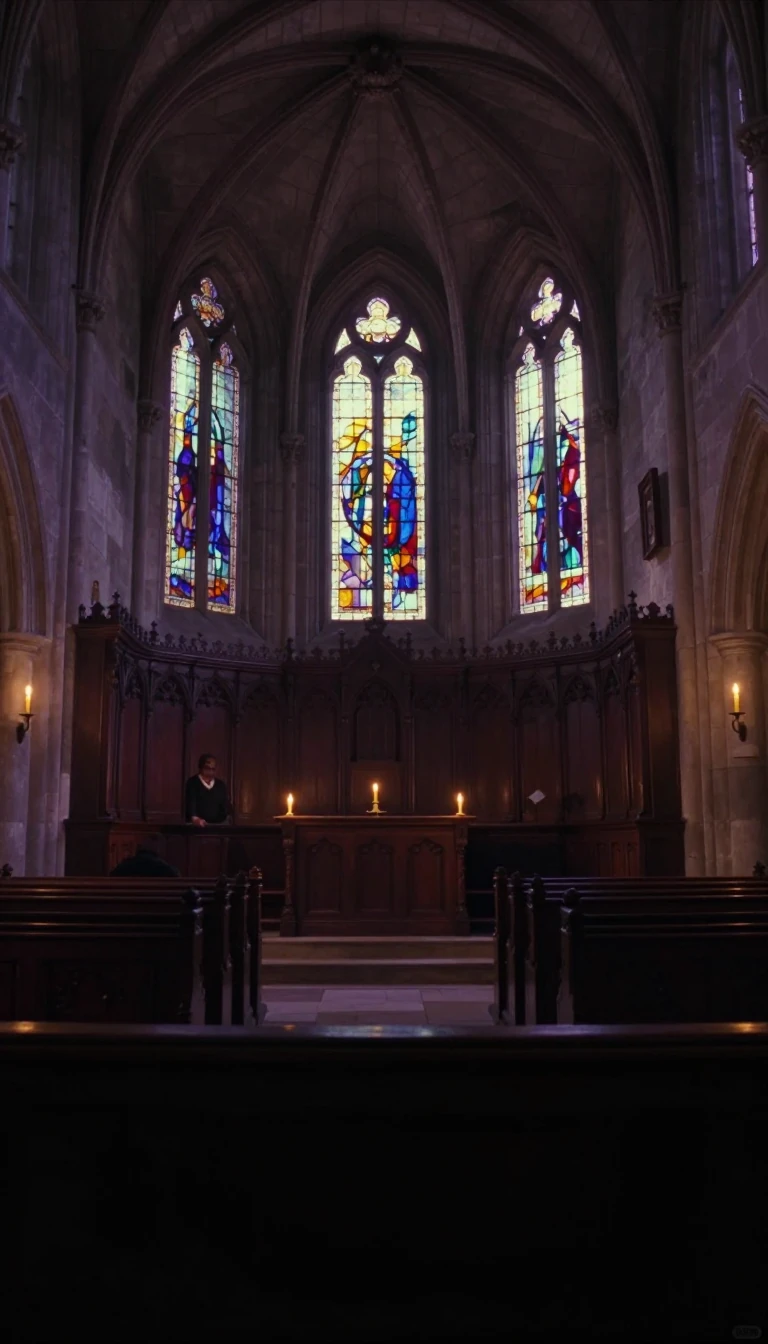 How a red-hot iron chain saved France's largest cathedral from structural collapseAmiens Cathedral is a masterpiece of Gothic ambition, boasting the largest volume of any church in France. Yet, its soaring height nearly became its downfall. When massive stone p…