 Intellect Plus
Society
7,726 cards. Each one is a 40-second story with a five-minute read behind it. Page 95 of 129.
Subtopics: Ancient · Basics · Charity & volunteering · Childhood · Communication · Contemporary · DIY & home improvement · Early modern · Education · Education & schools · Everyday inventions · Everyday life: General · Family and kinship · Family life · Family, kinship and interpersonal relationships · Generations · Hobbies & collecting · Home & housekeeping · Home living · Household items · Housing · International organizations · Journalists · Law · Law & justice · Law enforcement, intelligence, and security officials · Leisure & holidays · Mass media · Modern · Pets · Post-classical · Postal services · Public transport · Railways · Roads & driving · Social media & the internet · Socialites and favorites · Society · Society and social sciences: General · Sociology · Stages of life · UK & Ireland: life
 Why do we label others as enemies and how can we move beyond it?The concept of an enemy is a powerful social tool used to focus collective fear and anxiety. While designating a foe can increase group cohesion, it often relies on demonization a…
 Is your daily routine a conscious choice or an automatic, environmental reflex?We often view our daily habits as personal expressions, yet much of our routine is driven by automatic cognitive processing of our environment. From the morning rush to evening le…
 Why you recognize the person on your daily commute but never say helloYou likely share a morning routine with people you have never spoken to, yet feel you know. Stanley Milgram coined the term familiar stranger to describe these individuals who occ…
 Why we call friends family: the hidden logic of fictive kinshipAnthropologists once dismissed non-biological bonds as mere fiction. Today, we recognize these chosen relationships—from godparents to military brotherhoods—as vital social mechan…
 The humble filing cabinet is a surprisingly sophisticated solution to the chaos of paper.Before the vertical filing cabinet, businesses struggled with inefficient pigeonholes and folded envelopes. Today, these steel structures are engineered for stability, security, a…
 Does your birth order dictate your personality, or is it just a persistent myth?For over a century, theorists have argued that being the firstborn child leaves an indelible mark on your character. From the weight of primogeniture to the psychological impact o…
 Why foster care alumni often face higher rates of PTSD than combat veteransThe foster care system is designed to protect vulnerable children, yet research reveals a troubling paradox. Alumni of the system frequently struggle with psychiatric conditions, …
 From ancient copper to modern non-stick, the frying pan has evolved for millennia.The humble frying pan is a culinary veteran, tracing its roots to ancient Mesopotamia. While we now rely on sleek aluminum and Teflon, the evolution of this kitchen staple reflect…
 The Japanese futon is a masterclass in space-saving, flexible, and breathable home design.A traditional Japanese futon is more than a mattress; it is a versatile system designed to transform a bedroom into a living space by day. Unlike bulky Western frames, these pliab…
 Are modern labels for sexual orientation accurately capturing the complexity of human history?While contemporary data shows a clear rise in people identifying as gay, lesbian, or bisexual, applying these modern categories to ancient cultures remains a subject of intense ac…
- Is the gender binary an inherent human truth or a constructed social framework?The gender binary classifies all people into two opposing categories: man or woman. While often treated as an invisible, fundamental foundation of daily life, critics argue this s…
 Is gender an innate biological reality or a performance we repeat every single day?Gender identity is more than just a label; it is a complex interplay of biology, social conditioning, and personal experience. While some theories argue that our sense of self is …
 Are group homes the best way to integrate people with disabilities into society?Group homes were once hailed as a revolutionary alternative to cold, isolating institutions. By placing individuals in ordinary suburban houses, they promised a path to independen…
 The humble hallway is the evolutionary descendant of the medieval great hallOnce the beating heart of the home, the hall was where lords and servants alike ate, worked, and slept around a single hearth. As domestic life demanded more privacy and specializ…
 Beyond the backyard, the hammock is a sophisticated tool for survival and space travel.Often dismissed as a symbol of lazy summer afternoons, the hammock is actually a marvel of engineering. From protecting sailors on rolling gun decks to providing essential rest fo…
 Why the subtle art of hand-kissing remains a powerful gesture of respect todayOnce a staple of European courtly etiquette, the hand-kiss has evolved from a romantic greeting into a complex symbol of hierarchy, faith, and cultural tradition. While largely re…
- Why the humble hatstand was the most important piece of Victorian furnitureBefore modern closets, the hatstand was the centerpiece of the home. More than a simple storage device for coats and umbrellas, these structures served as a vital social signifier…
 Once a tool for domestic training, home economics evolved into a complex modern science.Originally designed to professionalize housework and reinforce traditional gender roles, home economics has undergone a radical transformation. From sewing circles in 1850s Scotla…
 Why we have been renovating our homes since the days of Ancient RomeHome improvement is more than just a weekend project; it is a massive global industry rooted in ancient history. From Roman entrepreneurs flipping villas with underfloor heating t…
 Is the modern home a factory? Understanding the hidden economics of domestic life.Homemaking is far more than tidying up; it is a complex system of household production. From managing energy sources to strategic labor allocation, the domestic sphere functions a…
 Born from a thunderstorm, the hostel movement now commands a multibillion-dollar global market.What began as a teacher's makeshift shelter for students in 1909 has evolved into a massive industry. Hostels offer more than just budget beds; they provide a unique social infras…
 Why some societies organize around a corporate house rather than a simple family treeIn anthropology, a house society is a unique social structure where political and kinship ties revolve around a corporate dwelling rather than bloodlines. Unlike traditional linea…
 Housekeeping is more than just cleaning: it is a complex system of institutional management.Beyond the domestic chore of tidying, housekeeping is a critical operational discipline. From the industrial safety protocols of a factory floor to the complex logistics of a luxu…
 From Ancient Egyptian Temples to Instagram Trends: A History of the Indoor HouseplantHouseplants are more than just decor. They have evolved from symbols of wealth in ancient civilizations to essential companions for modern urbanites. While we often credit them wi…
- Is your home a human right or just a volatile financial investment vehicle?Housing was once a fundamental social reform priority, recognized as a human right in 1948. Today, it is increasingly framed as an investment asset. This shift, driven by global m…
 Beyond Renting and Owning: The Cooperative Model That Redefines Modern Residential LivingHousing cooperatives offer a radical alternative to traditional real estate. By pooling resources and operating as non-profit entities, these communities prioritize member governa…
 How do we actually track who owns or rents homes across England's local districts?Tracking housing tenure is more complex than simply counting doors. To build a reliable picture of ownership and renting, statisticians use sophisticated small-area estimation tec…
- Why interfaith marriage remains a complex battleground between tradition, law, and personal freedomInterfaith marriage is a global flashpoint where ancient religious doctrines collide with modern civil rights. While some faiths embrace these unions as a path to pluralism, other…
 Why your cousin might be your sibling in another culture's kinship systemKinship terminology is more than just names for relatives; it is a complex linguistic map of social structure. While English speakers use descriptive terms like brother, other soc…
 Beyond the edge: why your kitchen knife is a feat of material scienceA kitchen knife is more than a sharp piece of metal. From the ancient art of forge-welding layers of steel to the modern engineering of non-stick fluting, these tools are precisio…
 Why your kitchen gadgets are actually making your life harder, not easierThe 19th-century explosion of labor-saving kitchen tools promised to liberate the home cook. Instead, these gadgets raised culinary expectations so high that the time saved by tec…
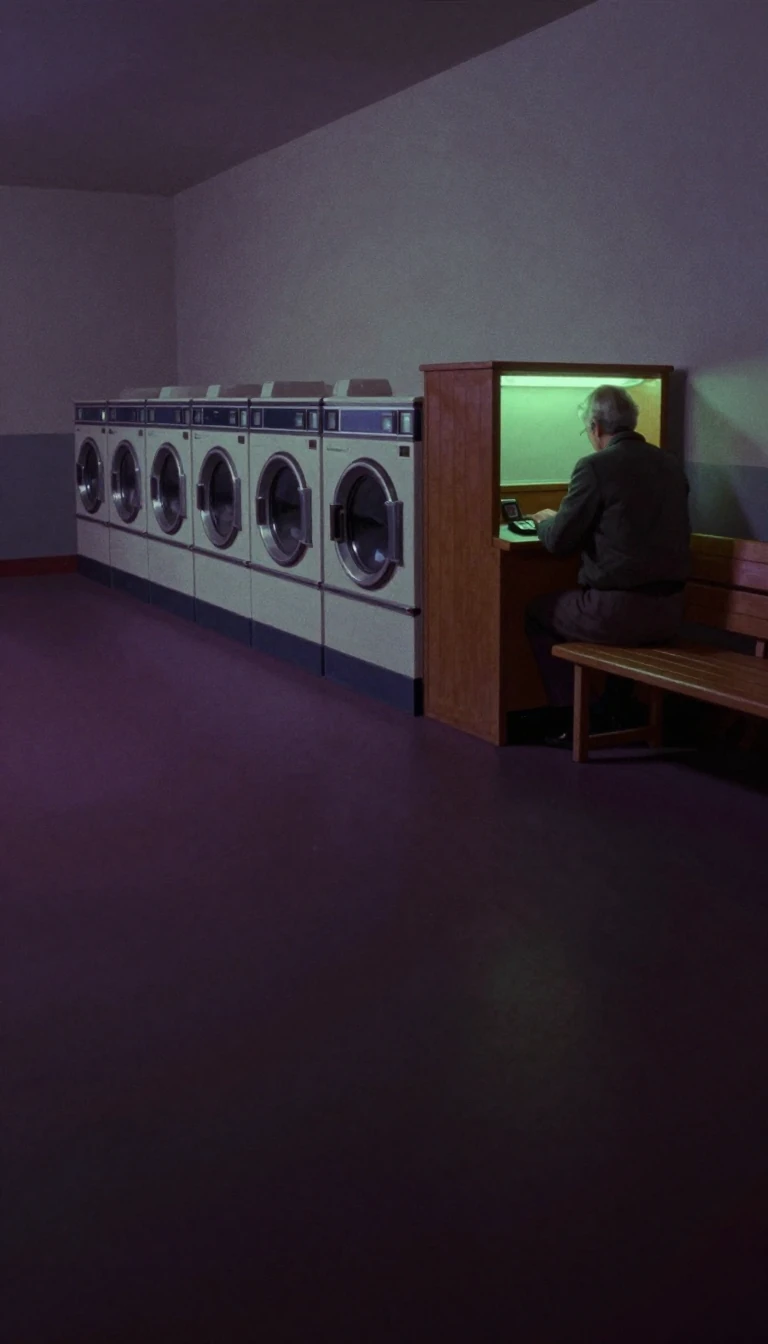 From the scullery to the smart home: the evolution of the laundry roomThe laundry room is a masterclass in functional design, evolving from a 14th-century kitchen annex into a modern hub for household management. Whether tucked in a basement or serv…
 Your lawn is a living ecosystem waiting to be liberated from the mowerThe traditional, perfectly manicured green lawn is undergoing a radical transformation. Once a symbol of status, the modern lawn is being reimagined as a sustainable, biodiverse s…
- Why some cultures mandate that a man must marry his brother's widowLevirate marriage is a global practice where a man weds his deceased brother’s wife. While often misunderstood as mere tradition, it historically serves as a vital social safety n…
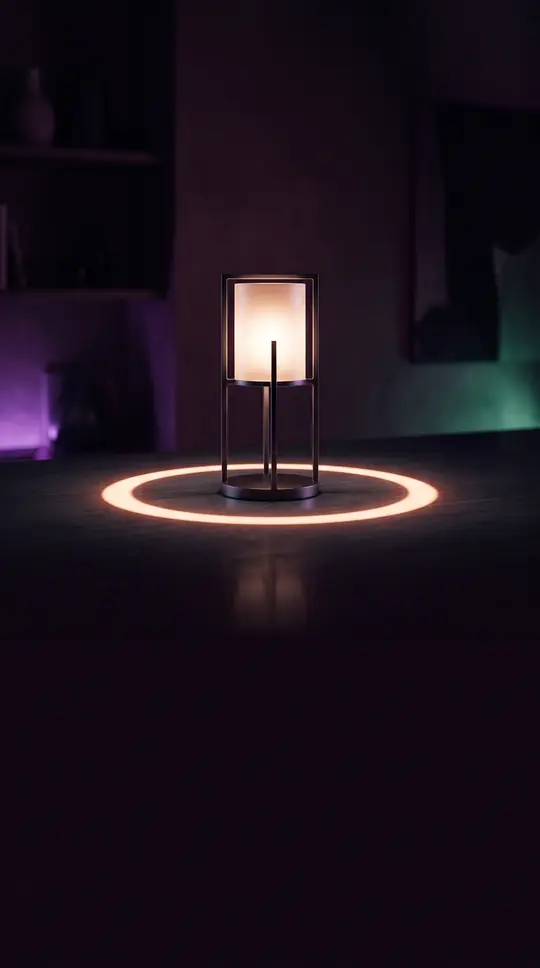 From industrial troffers to domestic domes, how we illuminate our world is highly engineered.A light fixture is far more than a bulb in a socket. Whether it is a recessed can, a balanced-arm lamp, or a specialized industrial bay, these devices are precision-engineered to …
- Why your living room was once a place for the deadBefore the living room became a hub for Sunday football and relaxation, it was the front parlour—a formal, restricted space used primarily for hosting guests or displaying the rec…
- From medieval fortresses to modern status symbols, how the mansion evolved over centuries.The mansion began as a grim, fortified dwelling designed for survival in a post-Roman world. Over centuries, it transformed into a symbol of comfort, privacy, and social power. To…
 Why do people marry for reasons other than love or romantic commitment?Marriage of convenience is a strategic union entered for personal gain, political alliance, or legal maneuvering rather than affection. From ancient property preservation to moder…
 Beyond the algorithm: Why professional matchmaking is making a surprising modern comebackFor centuries, matchmakers acted as vital social architects, from Jewish shadchans to village priests. While dating apps once promised to replace these human intermediaries, a gro…
 From 77,000-year-old insect-repelling beds to modern memory foam, the evolution of sleep.The mattress is an ancient invention, with the oldest known example dating back 77,000 years. While early humans used layers of leaves and twigs to repel insects, today's sleep su…
- Why the mobile home is a paradox of permanent housing and temporary transportBorn from the travel trailer, the mobile home was originally designed for movement. Today, these factory-built structures are rarely moved, yet they remain legally distinct from s…
 Why your morning coffee mug is topologically identical to a glazed doughnutBeyond its role as a vessel for your morning caffeine, the humble mug is a masterclass in thermal engineering and topological theory. From its ancient roots in pottery to its surp…
 Beyond the Birth Certificate: How Cultures Mark the Moment of NamingNaming a child is rarely just about paperwork. Across global traditions, the act of bestowing a name is a profound ritual—often involving ancient prayers, protective charms, or ev…
- Why the legal definition of a nanny is narrower than you might thinkIn the United Kingdom, the term nanny is not just a job title but a specific legal category. While you might assume any private childcare provider qualifies, the law strictly limi…
 Why the word for your sibling's child is tied to the concept of nepotismThe words niece and nephew are more than just family labels; they are linguistic relics with deep roots in Latin and French. While we use these terms to describe second-degree rel…
 The humble nightstand was once a discreet home for your midnight chamber potToday, your nightstand likely holds a smartphone, a lamp, or a glass of water. Yet, this bedside staple originated as a functional necessity for a time before indoor plumbing. Kno…
- How a Central Piece of Imperial Seating Became a Modern Living Room StapleThe ottoman is a staple of contemporary living rooms, yet its origins are far grander than a simple footstool. Once a sprawling, wall-to-wall platform for lounging in the Ottoman …
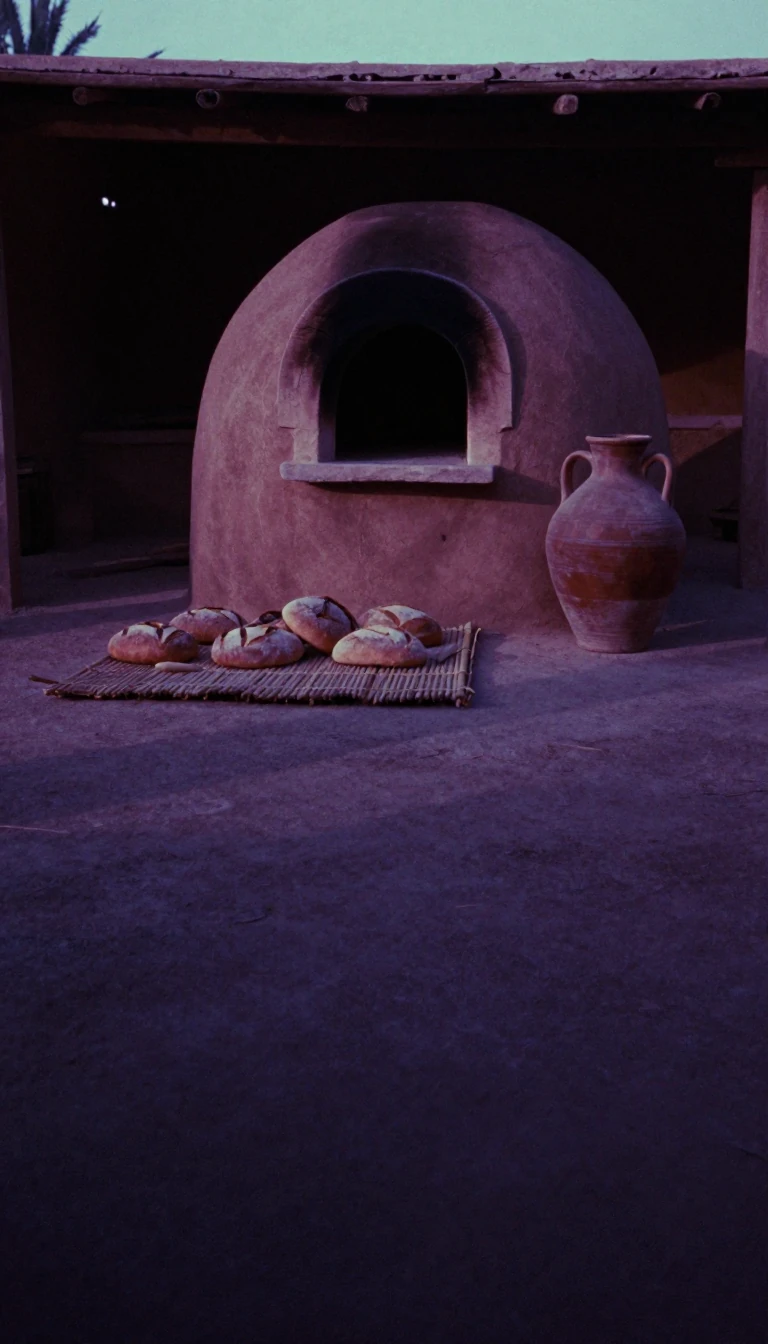 The pantry was once a room for bread, but it evolved into a domestic fortress.The word pantry traces back to the French term for bread, but its history is far more complex. From medieval halls to Victorian sculleries and clever cold-air cooling systems, the…
 The sanitary age: how a fear of germs birthed the modern paper cupBefore the 20th century, public water sources relied on shared glasses, a practice that sparked health crises. The invention of the disposable paper cup, driven by biology researc…
- Why the mother-in-law stereotype persists despite evidence of marital resilienceThe mother-in-law is a fixture of comedy, often portrayed as an overbearing, hostile, and intrusive figure. Yet, while these relationships are frequently cited as sources of tensi…
- Why authoritative parenting is considered the gold standard for raising successful, well-adjusted childrenPsychologists identify four primary parenting styles, each defined by how parents balance rule enforcement with emotional warmth. While your approach is often shaped by your own u…
 Why your dessert fork is secretly a knife designed for Victorian social anxietyThe pastry fork is a masterclass in Victorian-era etiquette engineering. Designed to replace the knife for delicate desserts, its widened, beveled tine allows you to cut through l…
- Why human societies often define their history and inheritance through the male linePatrilineality is a kinship system where ancestry, property, and status flow exclusively through fathers. While common in Western models, this structure is a global phenomenon wit…
- Is personal development a modern invention or an ancient pursuit of human flourishing?Personal development is often dismissed as a contemporary self-help trend, yet its roots stretch back to ancient philosophical traditions. From Aristotle’s pursuit of human flouri…
 Your personal life is a modern invention, not a universal human experienceFor most of history, survival and social roles defined existence, leaving little room for individual choice or privacy. Today, we treat the separation of work and leisure as a fun…
 Why your kitchen cling film is a marvel of chemistry and preservation sciencePlastic wrap is more than a kitchen nuisance. This thin film, often just 8 to 10 micrometers thick, acts as a sophisticated barrier against chemical, biological, and physical thre…
 Platonic love was never meant to be a sexless friendship between two peopleModern usage defines platonic love as a sexless bond, but the original concept was a ladder for spiritual transcendence. Plato envisioned a rigorous ascent from physical attractio…
 From ancient palaces to modern homes, the porch is architecture’s most versatile transition zone.The porch is far more than a simple entryway. Whether serving as a liturgical stage in medieval churches, a cooling veranda in the tropics, or a community-building tool in modern …
 Preadolescence is a distinct developmental bridge between childhood and the onset of puberty.Often called the tween years, preadolescence is a period of profound neurological and social transformation. While once dismissed as a dormant stage, research reveals it as a time…
- How a radical protest movement transformed into the global phenomenon known as PridePride began not as a celebration, but as a defiant response to systemic shame and police violence. Emerging from the 1969 Stonewall Uprising, the movement replaced assimilationist…