 Intellect Plus
Cards starting with W
29,907 cards. Page 175 of 499.
 Why Ancient Egypt offers a masterclass in the most basic form of economy.Ancient Egypt stands as one of the earliest major human civilizations. By examining its economic structure, we can strip away the complexities of modern finance to understand the …
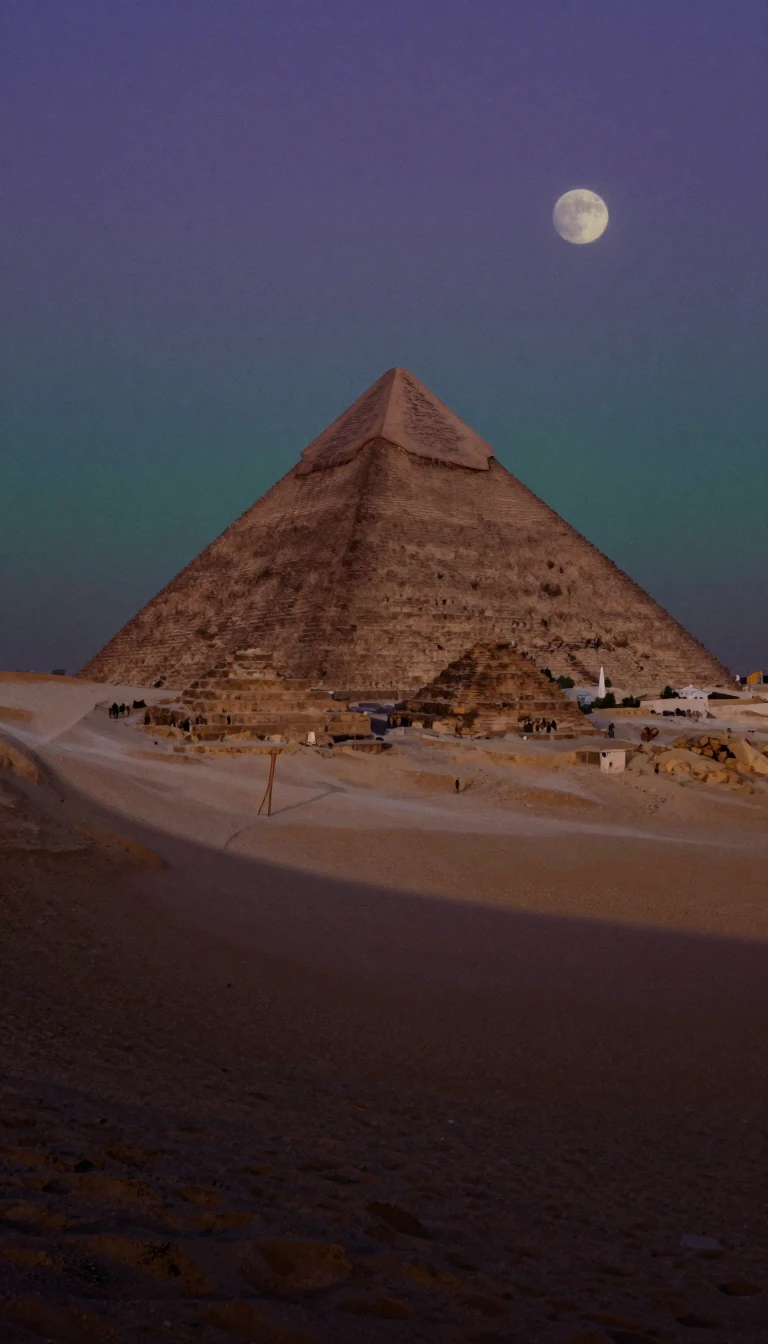 Why Ancient Egyptian Art Had No Word for Art and Remained Unchanged for MillenniaIn ancient Egypt, art was not a form of individual expression but a functional tool for maintaining cosmic order. Spanning from the 6th millennium BC to the 4th century AD, this c…
 Why ancient Egyptian art was more than just decorationTo the ancient Egyptians, a statue was not merely a representation of a deity. It was a vessel. Through specific visual symbols and ritualistic depictions, these artworks allowed …
 Why Ancient Egyptian art was never meant to be realisticWe often mistake Pharaonic art for true portraiture. This lecture explores why these iconic faces were not intended as lifelike likenesses, and how modern facial reconstruction at…
 Why Ancient Egyptian Artifacts Require Constant Vigilance Long After They Leave The Excavation SiteAncient Egyptian artifacts are remarkably well-preserved, offering a unique window into the past. Yet, once removed from their original context, these objects face immediate threa…
 Why Ancient Egyptian women enjoyed more autonomy than most of their ancient counterparts.Ancient Egyptian women held significant legal and social power, challenging the traditional view of women in the ancient world. This video explores how they navigated domestic rol…
 Why Ancient Egyptians believed music and dance were essential to maintaining cosmic orderMusic and dance were not merely pastimes in Ancient Egypt; they were sacred tools for communication with the divine. This video explores how these arts functioned as both a source…
 Why Ancient Egyptians Believed Preserving the Physical Body Was Essential for Eternal LifeMummification was far more than a burial ritual. It was a vital spiritual necessity, as Egyptians believed the soul required an intact physical form to complete its journey into t…
 Why Ancient Egyptians Believed the Earth God Geb Caused Every EarthquakeIn the complex pantheon of Heliopolis, Geb stood as the foundational deity of the Earth. While modern science attributes seismic activity to shifting tectonic plates, the ancient …
 Why Ancient Egyptians Believed the Heart, Not the Brain, Held the Key to EternityFor the ancient Egyptians, death was not an end but a complex transition requiring physical preservation. They viewed the human person as a collection of subtle components, includ…
 Why Ancient Egyptians Brought Miniature Servants Into Their Eternal AfterlifeDiscover the purpose of shabti dolls, the small funerary figures designed to act as proxies for the deceased. These artifacts were intended to perform mandatory labor in the after…
- Why ancient Egyptians represented every fraction as a sum of distinct unit fractionsAncient Egyptian mathematics relied on a unique system where fractions were expressed as sums of distinct unit fractions, such as 1/2 plus 1/4. While modern notation has supersede…
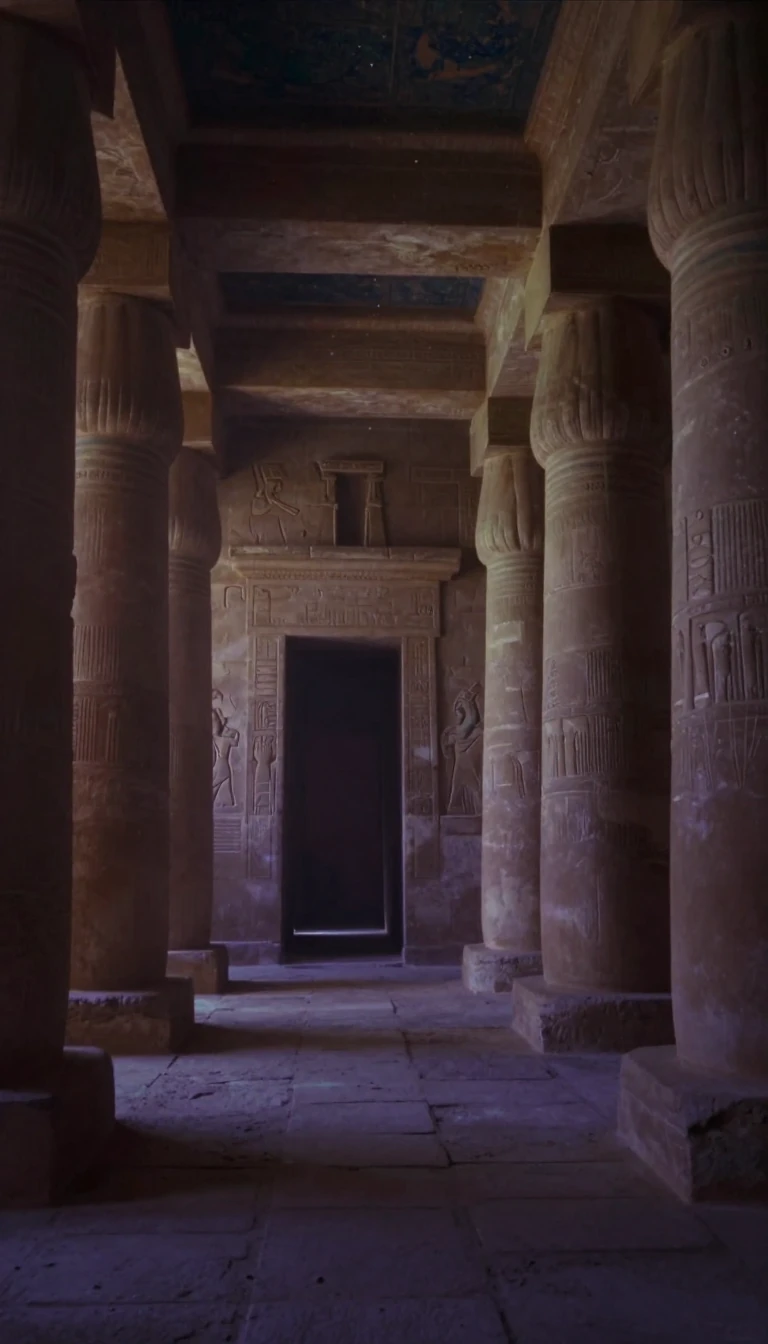 Why ancient Egyptians stored organs in jars—and why they eventually stoppedFor millennia, the mummification process required removing internal organs to prevent decay. These viscera were carefully preserved in specialized vessels known as canopic jars. Y…
 Why ancient Egyptians viewed the dead as essential members of their living societyIn ancient Egypt, the boundary between life and death was remarkably porous. Rather than a final departure, the afterlife was a continuation of existence, deeply integrated into t…
 Why Ancient Egyptians Viewed Their Entire Waking Life as a Mere Dress RehearsalFor the ancient Egyptians, death was not an end but a complex transition requiring immense preparation. They believed that existence continued beyond the grave, provided the physi…
 Why ancient epithets were more than just nicknames for gods and kingsAn epithet is a descriptive byname that does more than label; it defines essence, status, or location. From Homeric epics to modern comic books, these linguistic tools serve as gl…
 Why ancient extinction patterns reveal a terrifying future for our rapidly acidifying oceansSixty-five million years ago, ammonites vanished while nautilids survived an asteroid strike. New research suggests the culprit was ocean acidification. Today, our coastal waters …
 Why ancient farmers paired beans with maize: the missing amino acid lysineMaize is short on lysine, one of the amino acids the human body cannot make for itself. Beans are rich in it. So it may be no accident that the archaeological record so often find…
- Why ancient farmers set their wheat fields on fire before the harvestFreekeh is not just a grain; it is a survival strategy turned into a culinary staple. By harvesting green durum wheat and setting it ablaze, ancient farmers created a unique, smok…
 Why ancient geometry’s strictest rules created a bridge to modern algebraic field theoryFor two millennia, mathematicians struggled to solve geometric puzzles using only an unmarked straightedge and a collapsing compass. While these tools seem like a simple parlour g…
 Why ancient Greek 'idiocy' might be the key to modern democracyIn ancient Greece, the term 'idiot' had a much more political meaning than we use today. Peter Bradley explores how the connection between face-to, face exchange of ideas and acti…
 Why Ancient Greek citizen-soldiers abandoned individual heroics for a wall of bronze shieldsHoplites were not professional soldiers, but farmers and artisans who transformed Ancient Greek warfare. By locking shields in a disciplined phalanx, they replaced the chaotic her…
 Why ancient Greek pottery is the ultimate window into a lost civilizationAncient Greek pottery was far more than art; it was a functional tool for daily life, rituals, and drinking parties. This video explores how these surviving vessels reveal the cul…
 Why ancient Greek statues were likely far more colorful than they appear todayWe often imagine the ancient world in pristine, white marble. However, modern scientific research is revealing a different reality. By applying advanced physics and chemistry to c…
 Why ancient Greek theatre remains the blueprint for our modern dramatic imaginationProfessor Edith Hall examines the origins of theatre in the sanctuary of Dionysus. Discover how the Athenians transformed the south slope of the Acropolis into a space for tragedy…
 Why ancient Greeks and Romans saw their own gods in every foreign deityThe ancient world was a polytheistic melting pot where gods were international. By mapping foreign deities onto their own familiar pantheons, Greeks and Romans created a common la…
 Why ancient Greeks attributed thirty-three distinct hymns to the legendary poet HomerLong misattributed to the author of the Iliad, the Homeric Hymns are a collection of ancient Greek poems praising deities. Far from simple prayers, these works functioned as sophi…
 Why Ancient Greeks Believed Music Could Literally Shape Your Moral CharacterIn ancient Greece, music was not merely entertainment; it was a powerful tool for ethical development. Philosophers like Plato and Aristotle argued that specific musical modes, or…
- Why Ancient Greeks Believed Music Was Essential for Building a Virtuous CitizenryIn ancient Greece, music was not merely entertainment; it was the bedrock of education and civic life. Philosophers viewed musical training as a vital tool for shaping the soul an…
 Why Ancient Greeks Believed Music Was Essential for Building a Virtuous CitizenryIn ancient Greece, music was not merely entertainment; it was the bedrock of education and civic life. Philosophers argued that musical training was essential for cultivating virt…
 Why ancient Greeks called the founders of Chalcedon the blindFounded in 685 BC, the maritime town of Chalcedon was mocked by contemporaries for its location. While the nearby settlement of Byzantium claimed the superior position on the Bosp…
 Why ancient Greeks feared a river that promised to wash away their entire pastIn the depths of the underworld, a silent stream offered the dead a final, total erasure of their existence. Known as the Lethe, its waters were said to strip away every memory of…
 Why Ancient Greeks Feared That Every Stranger Was Actually a God in DisguiseIn ancient Greece, hospitality was not just a social grace; it was a sacred, inviolable law enforced by Zeus himself. Known as xenia, this ritual of welcoming strangers allowed a …
 Why ancient Greeks fed strangers before asking their namesIn ancient Greece, a host who quizzed a traveller before the meal was over was being rude. Xenia, the code of guest-friendship, demanded a bath, food, drink, gifts and a safe esco…
 Why ancient Greeks fed this spiny, hardy shrub to their horses for shiny coatsSea buckthorn is a resilient, nitrogen-fixing shrub that thrives in harsh, salty, and nutrient-poor soils. Beyond its ecological utility in land reclamation and erosion control, t…
 Why Ancient Greeks Invoked a Titan to Ensure Their Stories Remained AliveMnemosyne was the Titan of memory, a foundational figure in Greek culture. Before written literature dominated, poets relied on her to accurately recite epic poems. Far from a mer…
- Why ancient Greeks left gifts for gods, and what those offerings reveal todayVotive offerings were more than simple gifts; they were solemn, irrevocable contracts between humans and the divine. From battlefield victories to personal healing, these objects—…
 Why ancient Greeks pinned corpses to the earth to prevent them from rising again.The vrykolakas is a terrifying figure of Greek folklore, a flesh-eating undead creature that haunts the living. Unlike the blood-drinking vampires of Slavic legend, this entity is…
 Why Ancient Greeks Used One Name for People Across Africa, India, and BeyondTo the ancient Greeks, Aethiopia was not a single nation, but a fluid, expansive term for dark-skinned populations across the known world. From the Nubians of the Nile to mysterio…
- Why ancient historians completely missed the Great Pyramid's most complex internal featuresFour prominent ancient writers documented the Great Pyramid, yet all failed to mention its upper chamber system. This video investigates a long-standing pattern of deception and e…
 Why ancient humans painted on cave walls tens of thousands of years agoEarly humans have been decorating cave walls for tens of thousands of years. This video explores iconic sites from France to Indonesia, revealing how these ancient artistic expres…
 Why ancient hunters in Norway carved thousands of images into the rising shorelineDiscovered in 1973, the rock art of Alta reveals a sophisticated hunter-gatherer culture that thrived for five millennia. These thousands of carvings, etched into stone with quart…
 Why ancient Indian astronomers tracked the moon using a clock of 27 or 28 starsLong before modern calendars, ancient Indian astronomers mapped the moon's path against the stars to create the nakshatra system. These lunar mansions functioned like numbers on a…
- Why Ancient Ionia Is Considered the Cradle of Western Thought and Scientific InquiryThis video examines the historical significance of Ionia, a region in western Anatolia. It explores how this area became the foundational site for Western philosophy, science, and…
 Why ancient Iranian religion remains a ghost in the machine of historyUnlike its neighbors, ancient Iranian religion left no written records of its own for centuries. Everything we know is reconstructed from oral traditions, foreign accounts, and th…
 Why ancient Japanese households feared the transformation of aging petsIn Japanese folklore, a domestic cat does not merely grow old; it undergoes a sinister metamorphosis. As tails split and spirits swell, the familiar pet becomes a nekomata—a malev…
 Why ancient Japanese samurai helmets were designed to be both lethal and symbolicThe kabuto was far more than a protective shell for the samurai. Evolving from simple iron plates into elaborate, status-defining art, these helmets served as both battlefield arm…
 Why ancient Japanese sculptors abandoned bronze for hollow-core lacquer and woodIn the eighth century, Japanese artisans pioneered sophisticated sculptural techniques to bypass material shortages and refine artistic expression. By mastering hollow-core lacque…
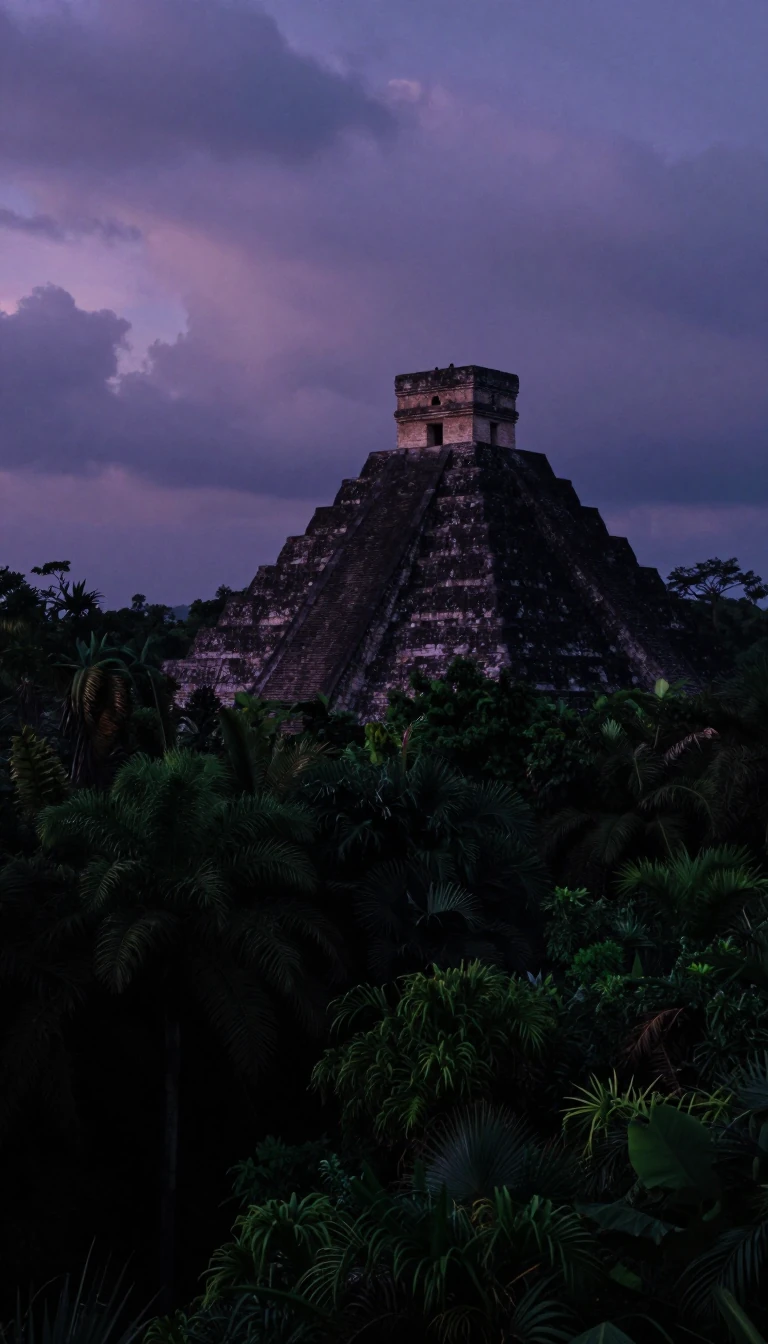 Why ancient Javanese kings built a massive religious center above the cloudsPerched over 2,100 meters above sea level, the Dieng Plateau was once a thriving Hindu religious hub. Known as the land of the ancestors, this volcanic caldera features the oldest…
 Why ancient language learners were better at practical conversation than modern studentsModern language education often struggles with high failure rates, yet ancient students mastered foreign tongues through simple, bilingual dialogues. By comparing historical metho…
 Why ancient legends mistakenly believed salamanders could survive inside of a fireThe European Fire salamander carries a name born from a terrifying misunderstanding. Ancient observers once watched these creatures scurry from burning logs and assumed they posse…
 Why ancient mammal teeth are the ultimate keys to unlocking prehistoric evolutionary historyPaleontologists Mike Novacek and Paúl Velazco reveal how dental analysis serves as a primary tool for identifying new genera of ancient mammal ancestors within the American Museum…
- Why ancient mariners and hunters relied on the versatile, curly-coated water dogWater dogs are an ancient lineage of gundogs, prized for their waterproof coats and an innate, powerful urge to swim. Long before they became show-ring icons, these dogs served as…
 Why ancient Mesopotamians wore the face of a terrifying demon to protect their homesPazuzu was the king of wind demons in Mesopotamia, a figure both feared and revered. While he embodied the destructive power of the wind, his grotesque image was mass-produced as …
 Why ancient monarchs built their empires on the back of salt minesBefore modern machinery, salt was a precious necessity that turned miners into prisoners and kings into absolute rulers. By controlling the supply of this essential mineral, monar…
 Why ancient mummification was a global phenomenon, not just an Egyptian traditionMummification is often associated with ancient Egypt, but it was a widespread practice across many cultures and eras. This video explores how diverse techniques—some intentional a…
 Why ancient mystery cults were the ultimate secret societies of the Greco-Roman worldMystery cults were exclusive religious schools that demanded absolute secrecy from their initiates. Flourishing alongside state religion, these groups offered private rituals, fro…
 Why ancient myths used shapeshifting to explain the unpredictable nature of human desire and fateFrom Greek gods seducing mortals to Celtic selkies shedding their skins, shapeshifting is one of humanity’s oldest narrative tools. It is rarely just a magical parlor trick; it is…
- Why ancient Near Eastern history remains a floating puzzle of contested datesEstablishing a precise timeline for the ancient Near East is notoriously difficult. While thousands of cuneiform tablets exist, they are often damaged, biased, or looted. Scholars…
- Why ancient philosophers feared the common people more than they feared any tyrantOchlocracy, or mob rule, is the pathological cousin of democracy. While democracy seeks to serve the entire community, ochlocracy arises when the fickle crowd bypasses the rule of…