 Intellect Plus
Cards starting with W
29,907 cards. Page 176 of 499.
 Why ancient philosophers used imaginary houses to store their vast mental librariesBefore digital storage, the greatest minds relied on the art of memory. By mentally placing information into the rooms of an imaginary house, they could recall complex sequences w…
 Why ancient physicians believed healing required both a scalpel and a confessionIn the ancient world, medicine was rarely a purely clinical affair. From Mesopotamia to Greece, the line between physical ailment and spiritual transgression was blurred. Physicia…
 Why ancient plagues were often misidentified as divine punishment rather than bacterial infectionFor centuries, humanity viewed catastrophic epidemics as supernatural scourges. It was not until 1894 that science identified the true culprit: the bacterium Yersinia pestis. Unde…
 Why Ancient Poets Believed This Boeotian Spring Could Grant Divine Creative InspirationIn the shadow of Mount Helicon, the nymph Aganippe presided over a sacred spring that promised more than just hydration. To the ancient Greeks, her waters were a conduit for poeti…
 Why ancient poets called the sea a whale-road and a warrior a sword-feederA kenning is a poetic puzzle, a figurative compound noun used in place of a simple name. By replacing literal words with layered metaphors—like calling the ocean a whale-road or a…
 Why ancient Pueblo architecture relied on ladders for security and social structureThe term pueblo describes both a people and their unique, multi-storied apartment structures. Built from adobe and stone, these dwellings were designed for defense, often requirin…
 Why ancient Roman amulets used palindromes to protect pregnant women during childbirthToday, we treat palindromes as clever word games or linguistic curiosities. Yet, for the ancients, these reversible sequences held deep, protective power. From Roman walls in Pomp…
 Why ancient Roman chariot racing was more than just a dangerous spectator sportChariot racing was the ultimate Roman spectacle, blending high-stakes gambling, political factionalism, and extreme physical peril. While drivers risked gruesome deaths in high-sp…
 Why ancient Roman laundromats relied on human and animal urine to clean clothesDiscover the surprising reality of Roman laundry services. While the profession was socially stigmatized due to their reliance on urine as a cleaning agent, fullers were actually …
 Why Ancient Romans Abandoned Their First Names in Favor of Hereditary SurnamesThe Roman praenomen was a personal given name, yet it gradually vanished from public life. As Roman society evolved, these forenames became so repetitive that they lost their util…
 Why ancient Romans kept red mullet as pampered, bell-trained pets in private pondsThe red mullet is a culinary legend, but in ancient Rome, it was more than a meal. These fish were kept as status symbols in private ponds, trained to respond to bells, and occasi…
 Why ancient Romans often possessed surprisingly healthy teeth despite their lack of modern dental care.Ancient Romans faced significant dental challenges, including chronic bad breath and primitive medical treatments. Yet, historical evidence suggests their oral health was better t…
 Why Ancient Romans Relied on a Pungent Fermented Fish Sauce Called GarumAncient Romans achieved a savory, salty depth in their cooking through a polarizing ingredient known as garum. This video explores the history and culinary role of this fermented …
 Why Ancient Romans Sacrificed Their Most Valued Companions to the GodsDogs were essential to Roman life as hunters, guardians, and companions. This video explores the complex role of dogs in Roman society, where they were simultaneously cherished as…
 Why ancient Romans struggled to read their own language's earliest surviving textsLong before the polished prose of Cicero, Latin was a shifting, rugged tongue. While imperial Romans could navigate most pre-classical writing, the oldest fragments—songs from the…
 Why ancient Romans used mosaics to warn intruders of their formidable guard dogsFor millennia, humans have relied on dogs to secure property and protect livestock. From the ancient Roman practice of warning visitors with floor mosaics to the specialized breed…
 Why Ancient Rome Built Its Cultural Identity Through the Lens of Its Defeated EnemiesRome conquered the Greek world, yet it was Greek culture that ultimately conquered Rome. From literature and philosophy to the very language of its elite, Roman identity was forge…
 Why Ancient Rome Transformed Criminal Execution Into A Public Spectacle Of TerrorAncient Roman justice prioritized public brutality over simple punishment. This video examines the dark methods used to both entertain and terrify the Roman populace, ranging from…
 Why ancient rulers tried to ban silk, purple dye, and fancy funeral pyresSumptuary laws were once the world’s primary tool for policing social hierarchy. By restricting who could wear specific colors, fabrics, or host lavish banquets, authorities attem…
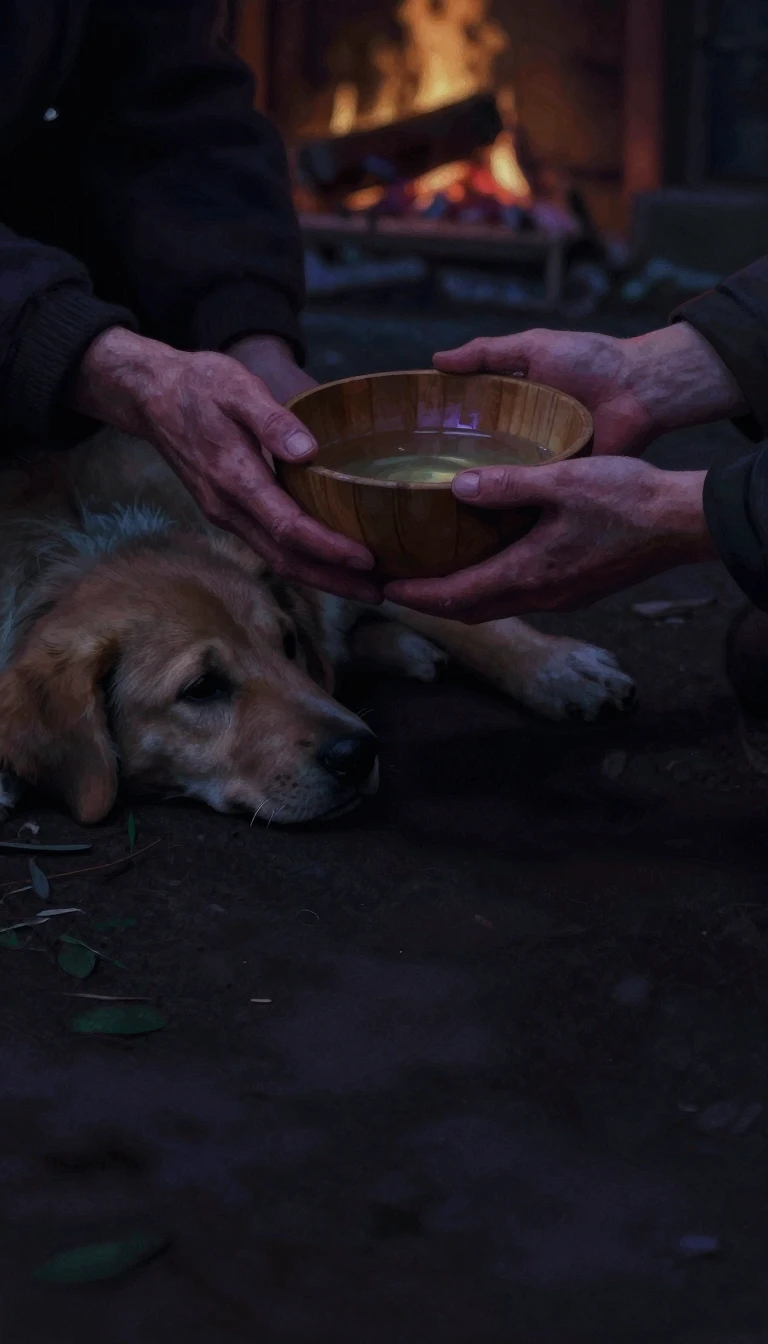 Why ancient societies believed the gods required the blood of their finest livestockFor millennia, animal sacrifice was a universal language of the divine. From the elaborate feasts of Greece to the solemn burnt offerings of the Near East, humans killed their mos…
 Why ancient societies moved from oral justice to permanent, engraved stone legal codesAncient law did not require writing; early societies relied on oral decisions and even sung laws. When writing finally emerged as a legal tool, it functioned like a blueprint for …
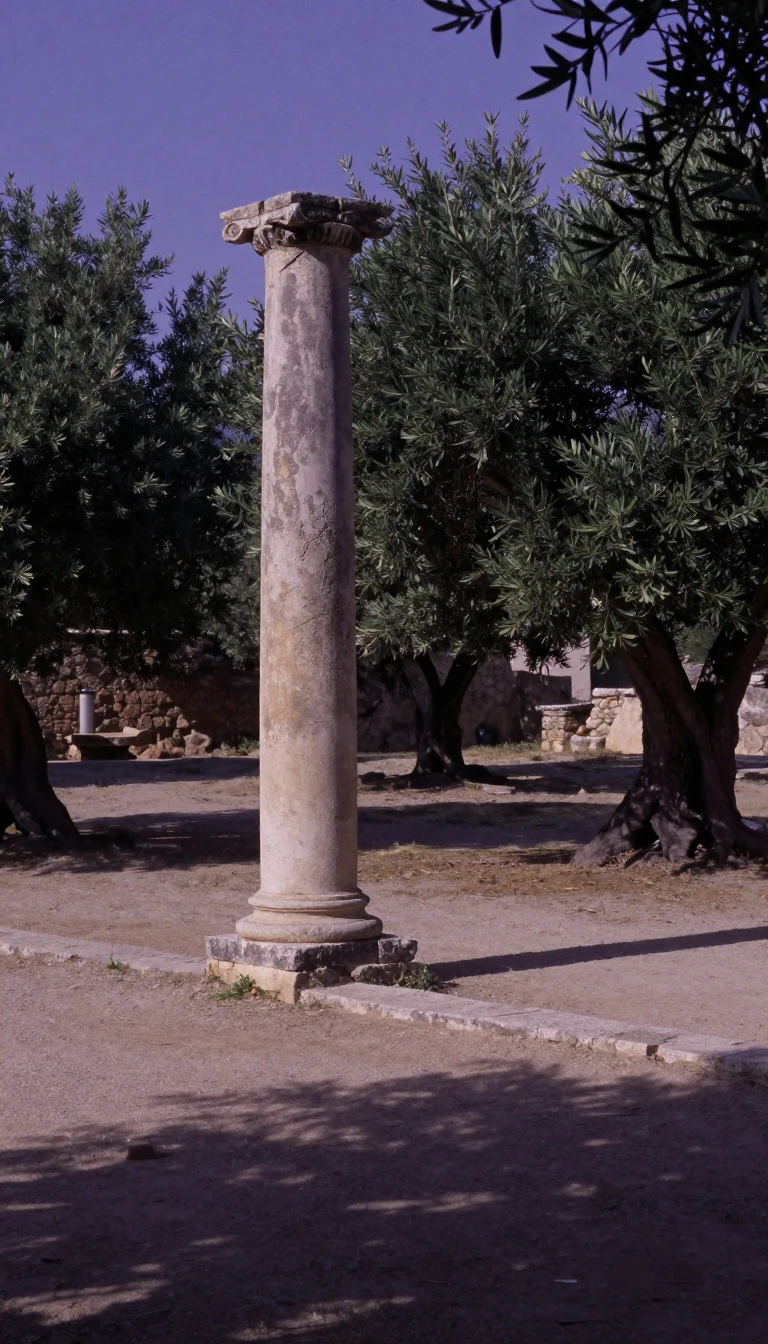 Why ancient Spartans worshipped the god of panic as a pillar of state stabilityPhobos, the Greek personification of fear, was more than a battlefield terror. While he embodied the chaos of war, the Spartans uniquely honored him as a vital force for social co…
 Why ancient stone temples required so many pillars to hold up their roofsIn physics, a rigid body is an idealization where the distance between any two points remains constant. While no object is perfectly rigid in reality, this concept allows engineer…
 Why ancient Swedish rock carvings are now 25 meters above the seaIn Tanum, Sweden, thousands of Bronze Age petroglyphs reveal a society of master mariners and ritualists. Though these carvings were etched along the coastline millennia ago, they…
 Why ancient theories about the human body were often dangerousEarly humans developed fascinating but flawed theories about how the body functions. This video explores five specific myths that shaped medical history, some of which led to inef…
 Why ancient thinkers were right to believe the Earth was the center of everything.For over a millennium, the geocentric model was the standard description of the cosmos. It was not mere superstition; it was a sophisticated, mathematically rigorous system built …
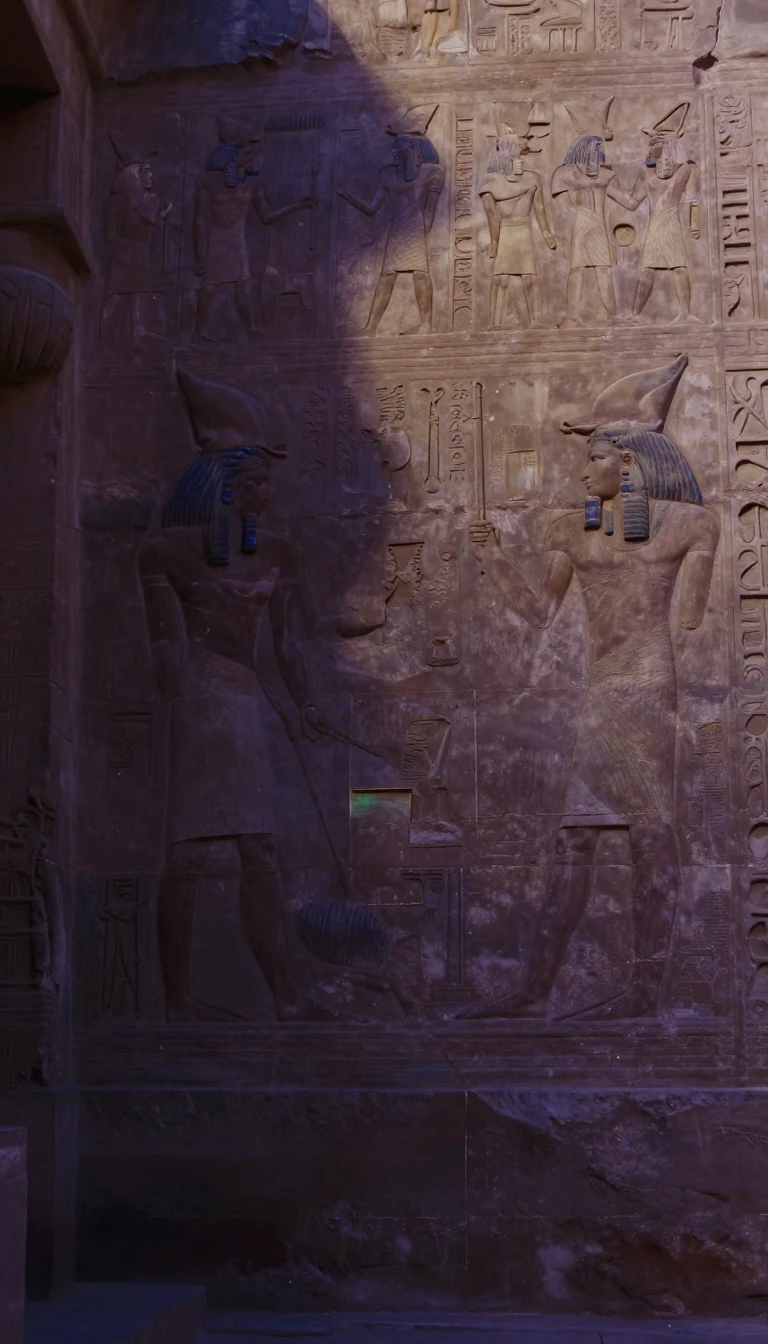 Why ancient tombs were built as houses for the dead to inhabitFor much of human history, a tomb was not merely a grave but a literal home. Early civilizations designed these structures to replicate domestic spaces, complete with furniture, t…
 Why ancient traditions across Asia catalog the divine through a thousand distinct namesSahasranama, meaning a thousand names, is a genre of devotional literature found across Dharmic traditions. These rhythmic lists of attributes and epithets serve as meditative too…
 Why ancient traditions imagined celestial beings descending to earth to corrupt humanityThe concept of fallen angels is a complex tapestry woven from ancient myths, not a single biblical narrative. While often associated with Satan's rebellion, these figures original…
 Why ancient West Mexican artisans built hidden rooms inside ceramic house modelsCurator Laura Filloy Nadal explores ceramic house models from ancient Nayarit, Mexico. These intricate artifacts provide a rare glimpse into daily life, community rituals, and fea…
 Why ancient writers chose between words and symbols for the same numberStephen Chrisomalis explores how ancient authors navigated the choice between writing numbers as words or symbols. By treating numerical notation as a feature of text rather than …
 Why André Gorz believed the future of work meant working much lessAndré Gorz, a seminal New Left philosopher, argued that automation should liberate humanity from wage slavery. He proposed a radical vision: a guaranteed income decoupled from lab…
 Why Andrei Tarkovsky’s Solaris is a masterpiece of inner space, not outer spaceAndrei Tarkovsky’s 1972 science fiction film Solaris was a deliberate rejection of the technological focus seen in Western genre hits like 2001: A Space Odyssey. Instead of space …
 Why Android 16 is codenamed Baklava and what it means for mobile software developmentAndroid 16 marks a significant shift in Google's development strategy, moving to a streamlined build process under the Trunk Stable Project. Codenamed Baklava, this release introd…
 Why Andy Reid stands alone as the NFL's longest-tenured head coach in 2026The Kansas City Chiefs enter their 2026 campaign under a familiar face, but the league landscape has shifted dramatically. With the departures of long-time rivals in Pittsburgh an…
 Why Andy Warhol’s Marilyn Diptych is a haunting meditation on fame and mortalityCreated in the immediate aftermath of Marilyn Monroe’s 1962 death, Andy Warhol’s Marilyn Diptych uses fifty repeated images to capture the tension between a star’s vibrant public …
 Why anesthesia is not actually the same as being asleepWhen you undergo surgery, you might feel like you are just sleeping. This video explores the complex science behind anesthesia and explains why the state of being anesthetized is …
 Why Ang Lee’s 2003 Hulk was a Greek tragedy disguised as a superhero filmBefore the Marvel Cinematic Universe standardized the genre, director Ang Lee reimagined the Hulk as a somber, psychological exploration of trauma and father-son conflict. While a…
 Why Ang Lee’s Civil War Western is a Masterpiece of Unremarkable, Ghostly Historical RealismAng Lee’s 1999 revisionist Western, Ride with the Devil, eschews typical blockbuster spectacle for a meditative, immersive look at the American Civil War. By focusing on the guerr…
 Why angling wings backward allows modern jets to break the sound barrier safelyA swept wing is more than a sleek aesthetic choice. By angling wings away from the perpendicular, engineers delay the onset of shock waves and aerodynamic drag. This clever geomet…
 Why angular displacement is the most deceptive measurement in classical mechanicsAngular displacement measures how much a body spins around an axis, but it defies the standard rules of geometry. While it possesses both magnitude and direction, it is not a vect…
 Why angular velocity is the secret language of everything that spins and orbitsAngular velocity measures how fast an object rotates or revolves around a center point. While we often track speed in revolutions per minute, scientists prefer radians per second …
 Why animal communication is a matter of life and death for the next generationIn his 1973 Christmas Lectures, David Attenborough explored the vital language shared between parents and their young. From prenatal signals to the urgent cries of a distressed in…
 Why animal flatulence can be a weapon of murderFor humans, gas is often just an embarrassment, but in the animal kingdom, it serves much darker purposes. This video explores how flatulence functions as a tool for intimidation,…
 Why animal societies are built on competition rather than simple cooperationWe often mistake social behavior for altruism, but nature is rarely so kind. Dominance hierarchies are not about group harmony; they are competitive systems designed to secure res…
 Why animals and humans alike are obsessed with the ritual of personal groomingGrooming is far more than a simple hygiene routine. From birds waterproofing their feathers to flies following a strict, hard-coded sequence of cleaning, it is a fundamental biolo…
 Why animals and humans groom each other to build social powerIt is far more than simple hygiene. From macaques reducing their heart rate to humans building social capital on WeChat, grooming serves as a sophisticated tool for managing stres…
 Why animals choose to act as a collective rather than aloneThis video explores how evolution shapes group behaviors to maximize survival. By examining how species coordinate, we can understand the vital link between individual actions and…
 Why animals engage in high-stakes battles for survivalWitness the intense confrontations that define the natural world. This video captures rare, dramatic moments where animals fight for food, territory, and the protection of their f…
 Why Animals Engage in Intense Battles for Survival and TerritoryThe animal kingdom is defined by dramatic face-offs driven by the fundamental needs for food, family, and territory. This collection of footage highlights the intense, determined …
 Why animals fight for space even when food is plentifulWe often assume animals defend territories to secure food. However, recent research on the Grasshopper Sparrow suggests that even when prey abundance fluctuates, birds may still m…
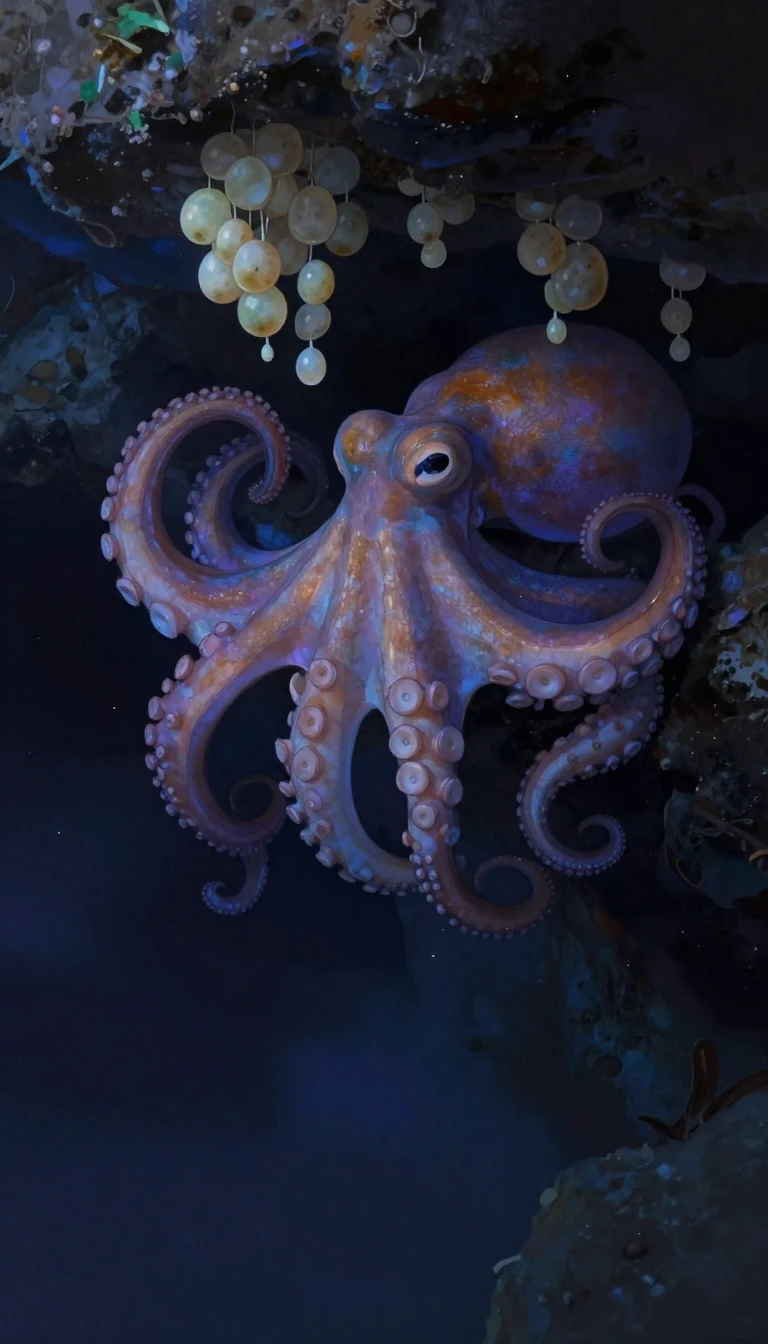 Why animals play dead: a sophisticated survival strategy far beyond simple fearTonic immobility, or thanatosis, is a complex state where animals appear paralyzed and unresponsive to threats. While often mistaken for freezing, this secondary defense mechanism…
 Why animals prefer bluffing over fighting to survive in the wildIn his 1973 Christmas Lectures, Sir David Attenborough revealed that the animal kingdom relies on sophisticated communication to avoid lethal conflict. Rather than risking injury …
 Why animals sometimes prefer artificial objects over their own natural counterpartsNikolaas Tinbergen, a Nobel-winning biologist, discovered that animals often respond more intensely to exaggerated, artificial stimuli than to natural ones. This concept of the su…
 Why animals use secret signals and deceptive lies to navigate their complex social livesCommunication is the bedrock of survival, yet the animal kingdom operates on a frequency largely invisible to humans. From electrical pulses in deep water to chemical messages and…
 Why Anne Tyler’s novels feel less like reading and more like livingAnne Tyler creates fiction so immersive that critics describe it as visiting a world rather than reading a book. By focusing on the intricate, often messy dynamics of family life,…
 Why Annie Girardot became the most bankable and beloved face of French cinemaAnnie Girardot was not a glamorous star, but a mirror for the everyday woman. By shunning typecasting and embracing roles from judges to kitchen workers, she became the highest-pa…
 Why annual winter pruning is the secret to a thriving blackcurrant harvestBlackcurrant bushes are robust, but they require consistent care to remain productive. By pruning annually in winter, you create essential space for new, fruit-bearing shoots to e…
 Why anonymous companies are a playground for global crime and corruptionThis video explores how certain companies exist solely to hide identities, allowing people to conduct illicit activities away from public scrutiny. Learn how these artificial enti…
 Why another recipe for the world's most common side dish?In a sea of 'ultimate' and 'perfect' potato tutorials, Glen And Friends Cooking offers a practical look at a recipe born from a simple dinner of beef stew.