 Intellect Plus
Cards starting with W
29,907 cards. Page 413 of 499.
 Why the sky sometimes ripples with invisible waves of altostratus undulatus cloudsHigh above the ground, the sky occasionally displays subtle, rhythmic patterns known as altostratus undulatus. Often hidden from casual observation, these cloud formations act as …
 Why the sky sparkles with ice crystals even on perfectly clear, sunny daysDiamond dust is a ground-level cloud of tiny ice crystals that glitters in the sunlight. Unlike fog, which is made of liquid water, this phenomenon forms directly as ice in freezi…
 Why the sky turns deep blue long after the sun has vanished from sightThe blue hour is a fleeting twilight phenomenon that photographers and artists prize for its tranquil, soft illumination. While many believe it is caused by simple light scatterin…
 Why the slash pine is a powerhouse of the American SoutheastNamed for the swampy slashes it calls home, the slash pine is a fast-growing conifer with wood strength that rivals dense hardwoods. Beyond its economic history in naval stores an…
 Why the sledgehammer remains the ultimate tool for applying raw, unrefined kinetic energyThe sledgehammer is a masterclass in physics, trading the precision of a carpenter's tool for pure, crushing momentum. By leveraging a heavy head and a long handle, it transforms …
 Why the slope of a sine wave is its own neighborUnderstanding why trigonometric derivatives behave so predictably requires looking past the formulas to the underlying geometry. This video explains the intuition behind these fun…
 Why the slope of an exponential function equals its heightIn calculus, one function reigns supreme. While most growth patterns are predictable, the exponential function possesses a unique, almost magical property: its rate of change is p…
 Why the sloped front of a tank is called a glacisThe term glacis originated in medieval military engineering, describing an artificial slope designed to deflect projectiles and thwart attackers. Today, the concept lives on in mo…
 Why the sloth bear is arguably the most dangerous bear on the planetWith their shaggy manes and long, sickle-shaped claws, sloth bears look like clumsy, oversized sloths. Yet, they are among the most aggressive bears in existence. Unlike other spe…
 Why the sloth is actually a walking, breathing ecosystem for tiny organismsSloths are more than just slow-moving mammals; they host complex, miniature ecosystems within their fur. This video explores the surprising science of these unique habitats and ho…
 Why the slowest chemical reaction step dictates the speed of the entire processIn complex chemical reactions, speed is rarely a uniform affair. Instead, the overall rate is often governed by a single, sluggish bottleneck known as the rate-determining step. B…
 Why the slowest competitive swimming style is also the most technically demanding to masterBreaststroke is often the first style taught to beginners, yet it remains the slowest of the four competitive swimming strokes. While it mimics the movement of a frog, elite perfo…
 Why the slowest thermodynamic processes are the most useful for precise physical calculationsIn thermodynamics, a quasi-static process occurs with such extreme slowness that a system remains in constant internal equilibrium. By ensuring pressure and temperature are unifor…
 Why the small strokes at the end of letters define our reading experienceSerifs are the small, decorative strokes attached to the ends of letters, a feature born from ancient stone-carving techniques. While they have defined Western typography for cent…
 Why the smallest corner of Turkey holds the nation's largest concentration of peopleThe Marmara region is a geographical paradox. Despite being the second-smallest of Turkey's seven regions, it commands the highest population density in the country. Centered arou…
 Why the smallest crane in the world inspired the first human-composed verseThe demoiselle crane is a bird of extremes: it is the smallest of all crane species, yet it undertakes some of the most arduous migrations on Earth. Beyond its physical grace, thi…
 Why the smallest dairy cow produces the world's richest milkThe Jersey cow is a masterclass in efficiency. Despite being the smallest of the major dairy breeds, these fawn-colored animals produce milk with the highest butterfat and protein…
 Why the smallest dams often pose the greatest dangerWhile we often focus on massive hydroelectric structures, the most significant risks frequently come from much smaller, low-head dams that remain long after their original purpose…
 Why the smallest fighter in the sky often holds the most powerIn aerial warfare, size isn't always the ultimate advantage. While heavy fighters boast massive payloads and long-range sensors, lightweight fighters leverage a non-linear mathema…
 Why the smallest Pacific salmon is a master of the two-year life cyclePink salmon are the most abundant Pacific salmon, yet they live fast and die young. With a rigid two-year lifespan, these fish complete their entire journey from freshwater hatchl…
 Why the smallest plants at the nursery are often the best investmentWhen shopping for native plants, bigger is rarely better. While tall specimens might catch your eye, they often hide root congestion that stunts long-term growth. By choosing smal…
 Why the smallest plants in the nursery are often your best investmentIt is tempting to buy the largest, most flowering specimen in the aisle. However, impulse buying often leads to wasted money and dead plants. To maximize your garden budget, you m…
 Why the smallest possible software core can create the most robust operating systemsA microkernel strips an operating system down to its bare essentials, moving complex tasks like file systems and device drivers into user space. By minimizing the code running at …
 Why the smallest resident of the Hundred Acre Wood is a giant of literaturePiglet began as a timid, squeaky-voiced toy in A. A. Milne's stories, yet he evolved into a symbol of Taoist virtue and a cultural icon. From his near-exclusion by Disney to his s…
 Why the smallest seeds are the true heroes of your kitchenBeyond their tiny size, seeds are the overlooked engines of a productive garden. They do more than just sprout plants; they are the foundation of nutrition, flavor, and variety in…
 Why the smallest space rocks hold the biggest solar system secretsWhile scientists once focused on massive planets, new technology is zooming in on asteroids and comets. This episode explores how the Lucy spacecraft's journey to Jupiter's orbit …
 Why the smallest stars are the marathon runners of the cosmosWhile massive stars burn out in a cosmic flash, low-mass stars play the long game. This video explores their multi-trillion-year life cycles and the eventual fate of our own solar…
 Why the smallest U.S. state spent centuries fighting over its own nameRhode Island is a paradox of scale and history. As the smallest U.S. state, it was the first to renounce British rule and the last to join the Union. Its identity has been defined…
 Why the smallmouth bass is considered the toughest fighting fish in North AmericaRenowned for its tenacity, the smallmouth bass is often called the gamest fish that swims. This muscular, ambush predator thrives in cool, clear waters and has been transported ac…
 Why the smartest buildings survive while the sturdiest ones failWhen the ground shakes, raw strength isn't always enough to keep a structure standing. This video explores the physics of seismic engineering and why architectural intelligence is…
 Why the smartest businesses treat their warehouses like a complex, high-stakes balancing act.Inventory is more than just stockpiling goods; it is a strategic discipline of managing uncertainty, time, and cash flow. From the hidden logic of proportionality to the risks of …
- Why the smartest gardeners grow crops just to bury them back into the earthGreen manure is the practice of growing specific plants not for harvest, but to enrich your soil. By cultivating these crops during intervals between plantings, you suppress weeds…
 Why the smiling face of a clown triggers such deep primal dreadIt is a subversion of joy: taking the playful trope of the clown and infusing it with horror. While many love the circus, the archetype of the malevolent clown taps into a specifi…
 Why the Smithsonian preserves the starship Enterprise alongside real spacecraft and historical artifactsAs Star Trek reaches its 60th anniversary, the Smithsonian National Air and Space Museum highlights how fictional props like Mr. Spock’s ear tips and the starship Enterprise model…
 Why the smooth inline-six engine is making a major comeback in modern carsAfter years of decline, the inline-six engine is returning to favor as manufacturers pair smaller, turbocharged designs with advanced technology. This video explores the three sta…
 Why the smoothest functions are actually the rarest in the mathematical universeIn calculus, we learn that a differentiable function is one that lacks sharp corners or breaks, allowing for a precise slope at every point. Yet, mathematically, these smooth func…
 Why the Smurfs' greatest enemy is a bungling sorcerer obsessed with tiny blue creaturesGargamel is the quintessential villain of the Smurfs franchise, a perpetually failing sorcerer who lives in a shack with his cat, Azrael. Though he constantly schemes to capture, …
 Why the SN1 reaction is a masterclass in chemical patience and molecular geometryIn organic chemistry, the SN1 reaction is a two-step dance where the rate-determining move is a slow, solitary ionization. Unlike its crowded SN2 counterpart, this mechanism relie…
 Why the snake's forked tongue is actually a high-precision chemical navigation systemWhile often associated with deceit, the snake's forked tongue is a sophisticated sensory tool. By flicking its tongue, a snake collects odor molecules from the environment, allowi…
 Why the Snares penguin treats a simple bath like a luxury spa sessionThe Snares penguin has a surprising habit of seeking out spa-like conditions. This video from BBC Earth explores the quirky behavior of these birds and why their bathing rituals a…
 Why the snow leopard is known as the 'ghost of the mountains'High in the rugged peaks of Central Asia, a nearly invisible predator stalks its prey. With spotted beige fur that mimics rocky terrain and silent, furry footpads, the snow leopar…
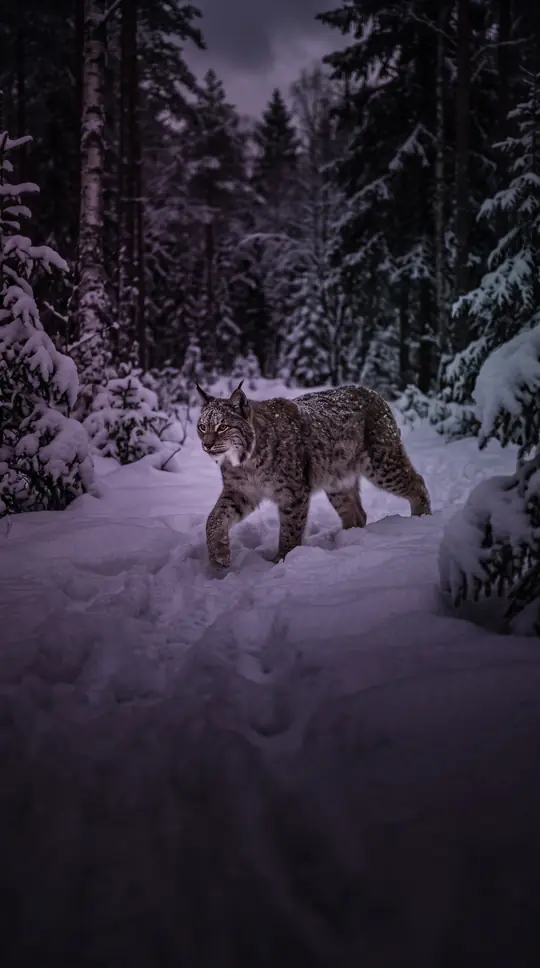 Why the snow leopard is the quiet outlier among the world's great catsThe Pantherinae subfamily includes the most iconic big cats, defined by their unique anatomy. While most members possess the specialized vocal equipment required to produce a powe…
 Why the social network that turned down Google's $30 million offer eventually vanishedBefore Facebook and MySpace, Friendster defined the early social web. Founded in 2002, it pioneered the small-world network model and once held a valuation of $53 million. Yet, af…
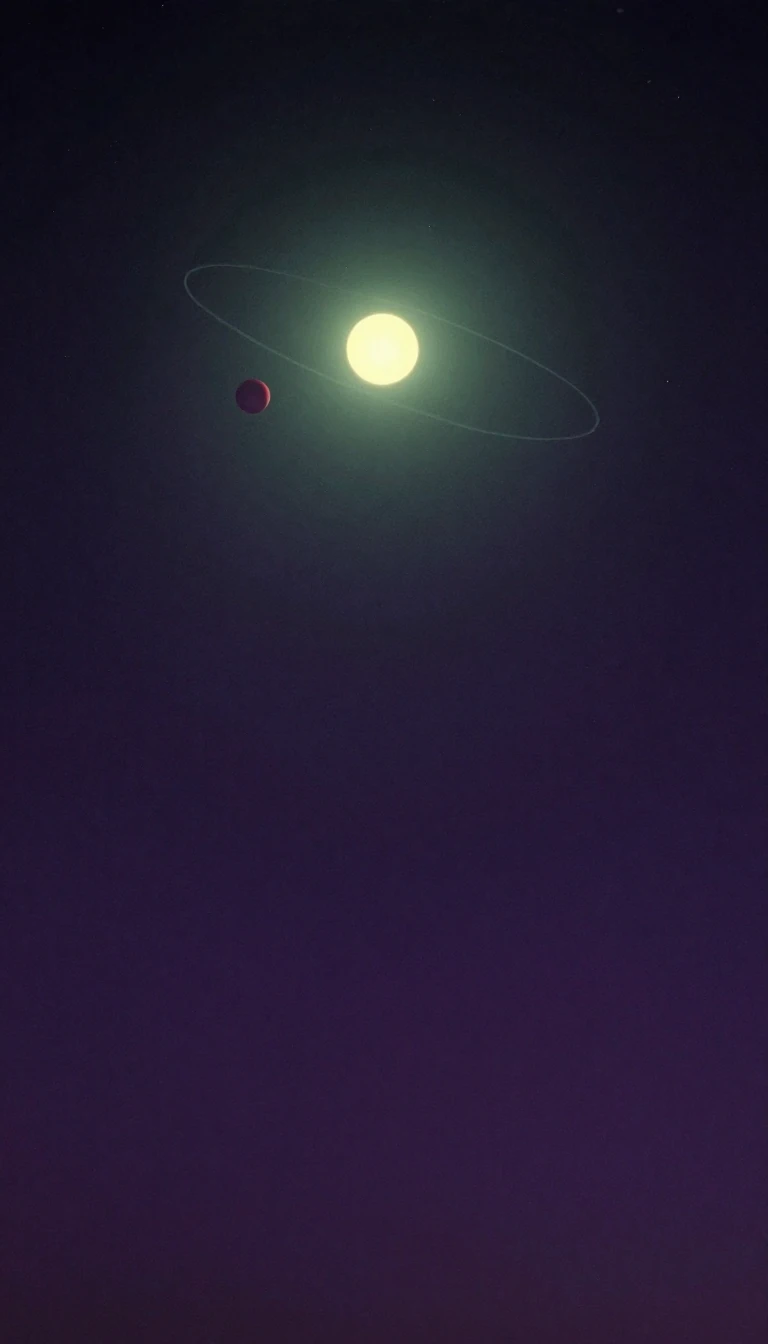 Why the social sciences emerged centuries after the physical sciencesWhile physics and astronomy flourished through the Renaissance, the study of human behavior remained tethered to theology. The church closely monitored inquiries into the soul and…
 Why the softest leather in your closet is also the most fragileSuede is prized for its velvety texture and pliability, but this luxury comes with a trade-off. By utilizing the underside of animal skin rather than the tough exterior, suede gai…
 Why the solar system's most beautiful planet is actually a hellscapeVenus appears as a brilliant diamond in our twilight skies, but its surface hides a violent reality. This video explores the extreme conditions that make this naked-eye planet so …
 Why the Solemn Doctor believed human knowledge could never grasp the contingent worldHenry of Ghent, a towering scholastic figure, set standards for truth so rigorous they excluded almost everything we consider science today. By demanding absolute certainty and sy…
 Why the solid Earth actually behaves more like a giant, shifting bowl of jellyWe often view the Earth as a static, solid rock, but James Jackson’s 1995 lectures reveal a planet in constant, vigorous motion. Beneath our feet, the Earth is effectively a fluid…
 Why the solid ground beneath your feet is actually mostly empty spaceWhat appears to be a solid rock is often a complex lattice of hidden voids. Porosity, the ratio of empty space to total volume, dictates everything from how oil migrates through t…
 Why the Solnhofen formation might be misleading our understanding of ancient lifeThe Solnhofen formation in Germany has yielded over 500 fossils across 15 different pterosaur species. This video explores a potential mystery hidden within this site, suggesting …
- Why the solutions to global crises are often found in developing nationsFrom verifying medicine authenticity to driving the global energy transition, emerging economies are pioneering critical innovations. While the world focuses on high-tech fixes, e…
 Why the Sonoran Desert is the world's most biologically diverse arid landscapeUnlike the cold, dry expanses typical of most deserts, the Sonoran Desert thrives on subtropical warmth and a unique bi-seasonal rainfall pattern. This climatic anomaly supports a…
 Why the sound at the end of sing is a global linguistic outlierYou use the voiced velar nasal every time you say sing or ink, yet this specific sound is surprisingly rare across the world's languages. While nearly every tongue features the st…
- Why the sound in 'bit' is more complex than your alphabet suggestsThe vowel sound in words like 'bit' is a linguistic chameleon. Officially known as the near-close near-front unrounded vowel, it occupies a precise, mid-centralized space in the m…
 Why the sound of the letter u is more complex than you thinkThe close back rounded vowel, represented by the symbol ⟨u⟩ in the International Phonetic Alphabet, is a staple of human speech. While it sounds simple, the mechanics behind it va…
 Why the sousaphone was designed to project music over the heads of marching bandsCommissioned by John Philip Sousa in 1893, the sousaphone was a radical redesign of the helicon tuba. By adding an oversized, upward-facing bell, Sousa aimed to project bass notes…
 Why the South African Grand Prix vanished from the Formula One calendar after 1993Once a staple of the global racing circuit, the South African Grand Prix has not hosted a Formula One race since 1993. Despite its rich history—from the coastal Prince George Circ…
 Why the South Asian monsoon is two distinct, competing climate engines, not oneWe often think of the South Asian monsoon as a single, massive rain event. In reality, it is a complex system of two opposing wind patterns. By analyzing ancient sediment from the…
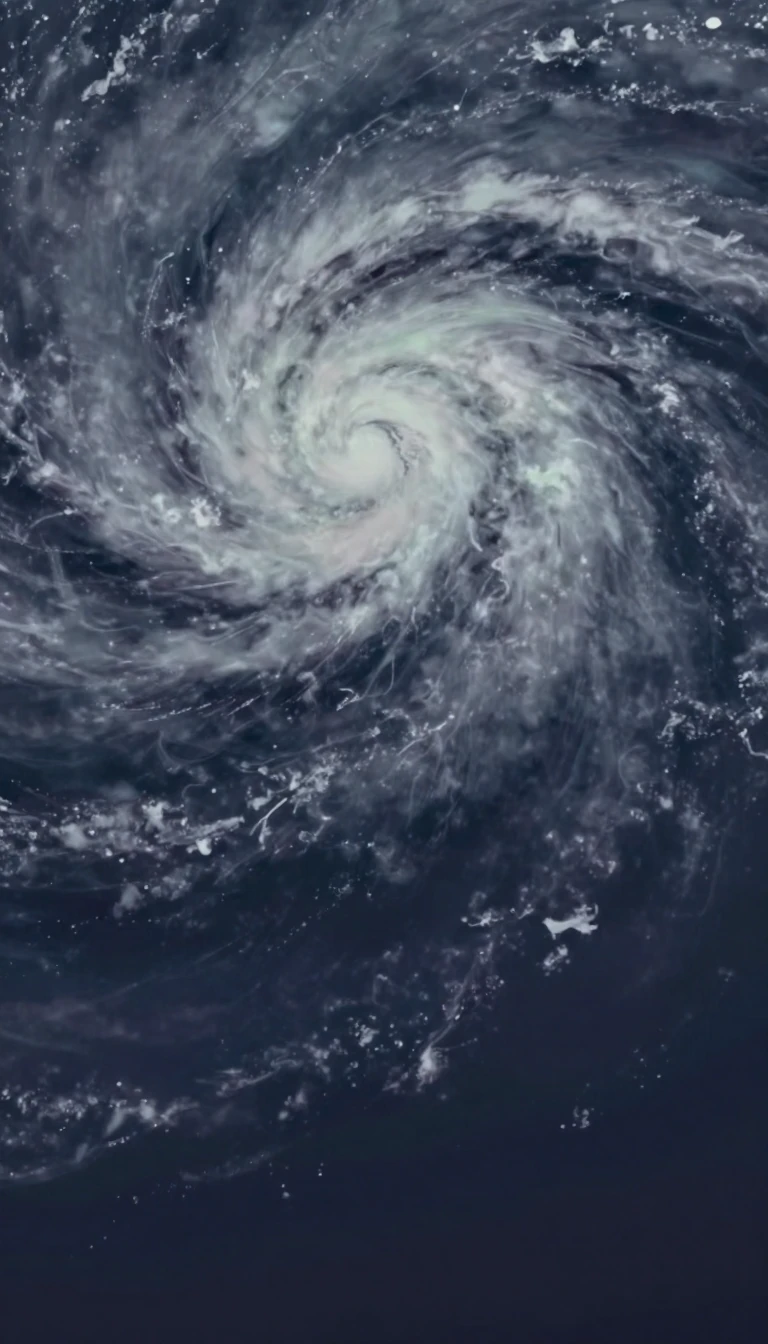 Why the South Atlantic is almost entirely devoid of tropical hurricanesTropical cyclones are common in the North Atlantic, but they are exceptionally rare in the South Atlantic. Strong vertical wind shear, cooler water temperatures, and a weak Coriol…
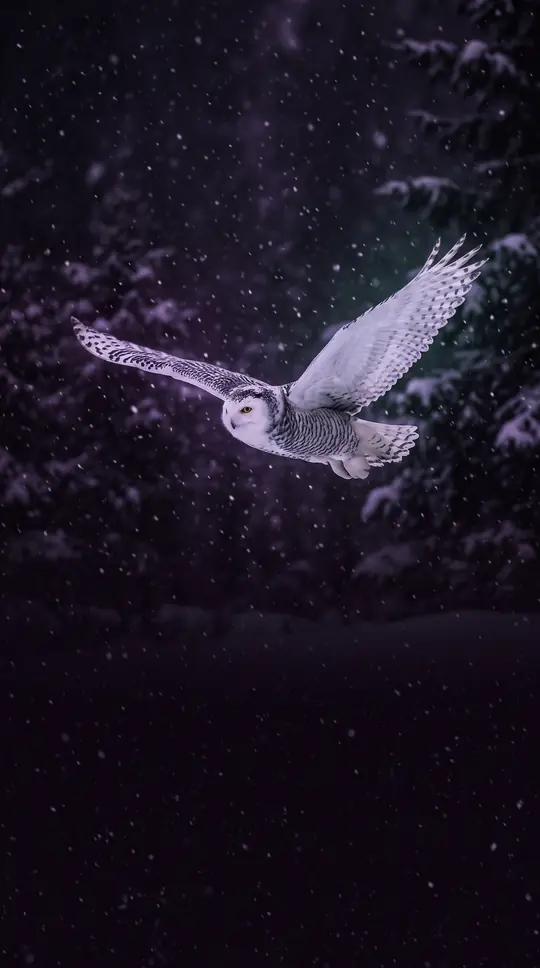 Why the South Caucasus is a geopolitical crossroads between Europe and AsiaStraddling the border of two continents, the South Caucasus is a complex tapestry of empires, religions, and shifting borders. Once defined by a Russian vantage point as the land …