 Intellect Plus
Religion and spirituality
628 cards. Each one is a 40-second story with a five-minute read behind it. Page 4 of 11.
 Why France’s Orléanists fought for a constitutional monarchy against both kings and dictatorsIn the 19th century, French Orléanists sought a middle path between absolute monarchy and military rule. By championing a constitutional system under the House of Orléans, they de…
 How a 19th-century academic movement sought to reclaim the soul of the Anglican ChurchIn the 1830s, a group of Oxford scholars launched a radical campaign to redefine Anglican identity. Fearing the Church of England was becoming a mere tool of the state, they argue…
 Why the Russian Empire confined millions of Jews to a specific western territoryFollowing the partitions of Poland in the late 18th century, Russia suddenly governed Europe's largest Jewish population. To balance economic protectionism with colonial ambitions…
 Why millions of pilgrims travel to a small town to visit a standing godOn the banks of the Chandrabhaga River, the town of Pandharpur serves as the spiritual heart of Maharashtra. Here, the deity Vithoba is said to have stood on a brick for 28 yugas,…
 Was Penelope a faithful wife or a cunning strategist with hidden desires?The legendary queen of Ithaca is celebrated as a paragon of marital fidelity, yet ancient myths offer a far more complex portrait. From her mysterious connection to seabirds to cl…
 The Pentarchy: How Five Ancient Cities Once Claimed to Govern the Entire Christian WorldIn the sixth century, Emperor Justinian I established a grand vision for the Church: a five-headed leadership structure known as the Pentarchy. By elevating Rome, Constantinople, …
 How a self-proclaimed atheist used religion to build a socialist empire in AmericaJim Jones founded the Peoples Temple to mask his Marxist ideology behind a veneer of Christian charity. By faking miracles and exploiting the social gospel, he built a devoted fol…
 How one actor became the secret voice behind your favorite childhood animated heroesPhil LaMarr is a prolific performer whose voice has defined iconic characters across decades of animation and gaming. From the stoic Green Lantern to the title role in Samurai Jac…
 How Rome imported a Greek goddess to save its crumbling social orderFacing famine and class unrest during the Second Punic War, Rome turned to religious innovation. By importing the Greek cult of Persephone and rebranding her as Proserpina, the Ro…
 R. C. Sproul: The Theologian Who Called Sin Cosmic Treason and Challenged ModernityRobert Charles Sproul was a towering figure in Reformed theology, known for his uncompromising defense of biblical inerrancy and the holiness of God. From his radio broadcasts to …
 A grand temple rises in Ayodhya, marking the birthplace of the deity RamInaugurated in January 2024, the Ram Mandir stands on a site long defined by religious conflict. This architectural marvel, built in the traditional Nagara style, commemorates the…
 Canada is a post-Christian state where faith remains a private, often cultural, matter.Once defined by its Christian roots, Canada has shifted toward secularism and religious pluralism. While most citizens still believe in God, regular church attendance has plummete…
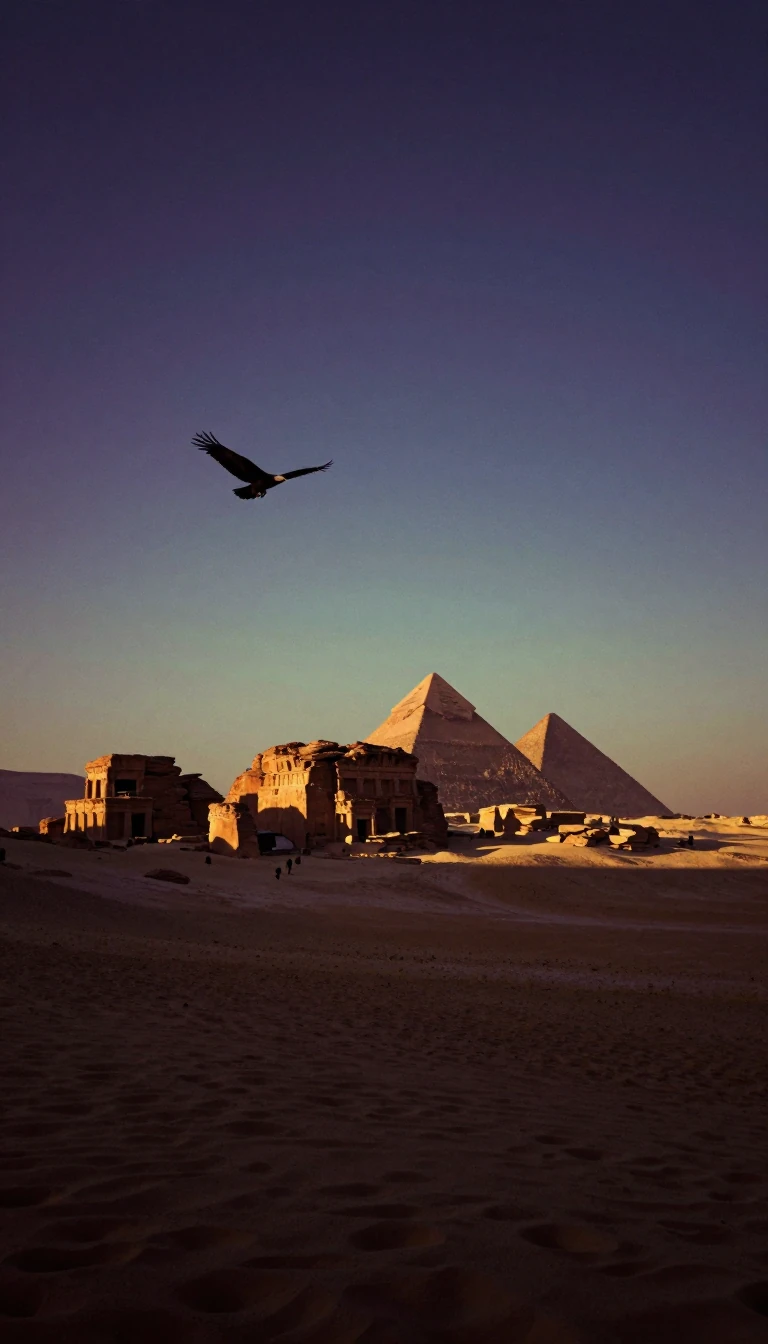 Is Egypt a secular state or a religious one, and how do we know?Egypt’s religious identity is a complex tapestry of ancient continuity and modern legal frameworks. While Islam is the state religion, the true demographic breakdown remains a sub…
 How Ethiopia Became a Spiritual Crossroads for Christianity, Islam, and Ancient TraditionsEthiopia holds a unique place in religious history, serving as an early bastion for Christianity and a sanctuary for the first followers of Islam. From its ancient roots in the Ki…
 How a 16th-century religious divide still shapes the map of modern GermanyThe Reformation split Germany into Catholic and Protestant territories, a legacy that persists in culture and social development today. While the country has since seen shifts fro…
 Why Iran’s religious leadership relies on popular consensus rather than a formal hierarchyIn Iran, religious authority is not granted by institutional appointment but earned through scholarly reputation and public following. This unique structure, centered on the Twelv…
 Is Northern Ireland’s religious divide shifting toward a new demographic reality?Northern Ireland is often defined by its binary of Protestants and Catholics, but the demographic landscape is quietly transforming. While Protestants have historically held a maj…
 Is Turkey a secular state or a nation defined by its Islamic roots?While Turkey is constitutionally secular, its religious landscape is a complex tapestry of state-managed Sunni Islam, historical Christian and Jewish legacies, and shifting modern…
 Why Vietnam’s official religious statistics often fail to capture the country’s true spiritual life.Vietnam is officially an atheist state, yet its culture is deeply saturated with folk traditions, ancestor worship, and syncretic faiths. Because government data only counts membe…
 Yemen is nearly entirely Muslim, yet its religious history is remarkably diverse and ancient.While over 99% of Yemenis are Muslim, the nation holds a complex religious tapestry. From one of the world's oldest Jewish communities to a hidden population of Christians and a l…
 Samadhi is the ultimate state of mental concentration, where the meditator and object unify.In Indian philosophy, samadhi represents the pinnacle of mental focus. It is the final stage of the eight-membered yoga, where the practitioner transcends the ego to achieve a bli…
 The Samaritan Pentateuch: An ancient, alternative version of the Torah preserved for millenniaFor the Samaritans, the Pentateuch is the sole divine scripture, a text they believe has remained uncorrupted since Moses. While it shares deep roots with the Jewish Masoretic Tex…
- Why Buddhism is not a single religion but a vast, branching family treeBuddhism is not a monolith, but a complex web of thousands of sects shaped by geography, history, and evolving interpretations. While core concepts like karma and rebirth remain c…
- The Primordial Serpent Who Holds the Entire Universe Upon His Thousand HoodsIn Hindu cosmology, Shesha is the infinite serpent who supports the Earth and serves as the eternal bed for Vishnu. Known as the remainder who endures even when the universe disso…
 The sign of the horns is a global chameleon with a thousand different meaningsFrom warding off the evil eye in Mediterranean villages to signaling a heavy metal anthem or a university mascot, this simple hand gesture has traveled through centuries and subcu…
 Is Rodnovery a lost ancient religion or a modern invention of urban intellectuals?Rodnovery, or Slavic Native Faith, is a polytheistic movement claiming to revive the pre-Christian traditions of Slavic peoples. While practitioners often view their path as an un…
 Can a single book hold the ultimate authority for an entire religious tradition?Sola scriptura, the Protestant doctrine of scripture alone, posits the Bible as the only infallible source for faith and practice. While it rejects the absolute authority of churc…
 Who were the mysterious Sons of God who walked the earth before the flood?The Bible mentions the Sons of God taking human wives and fathering a race of giants. For millennia, scholars have debated whether these figures were fallen angels, deified kings,…
 How a coastal English town became the unlikely home of Britain's first Muslim communitySouth Shields, a port town in Tyne and Wear, holds a unique place in British history. While known for its industrial past, it became the site of the nation's first settled Muslim …
 Can meaningful coincidences be more than just chance, or are they merely psychological illusions?Carl Jung proposed that synchronicity—the occurrence of events that seem meaningfully related despite lacking a causal link—is a fundamental principle of reality. While critics di…
 In a post-apocalyptic wasteland, a blind man carries the last surviving Bible to safety.Thirty years after a nuclear holocaust, a lone nomad named Eli treks across the American wasteland. He guards a mysterious book that a ruthless warlord is desperate to possess. Th…
 Carl Jung’s secret manuscript, Liber Novus, was a voluntary confrontation with his own unconscious.For decades, Carl Jung’s most personal work remained locked in a Zurich bank vault. Known as The Red Book, this illuminated manuscript records a period of intense visionary explor…
- The thurible is a centuries-old vessel designed to carry prayers toward the heavens.Suspended from chains and filled with glowing charcoal, the thurible is a staple of liturgical tradition. Beyond its role in Christian worship, this metal incense burner serves as…
 Tirumala: The sacred mountain where ancient geology meets a modern spiritual powerhousePerched atop the Eastern Ghats, Tirumala is more than a pilgrimage site. It is a geological marvel home to a 1.5-billion-year-old natural arch and a massive, wealthy temple comple…
 Why Edmund Burke believed society is a partnership between the dead, living, and unbornTraditionalist conservatism rejects the idea that society is a machine to be reconfigured by abstract theory. Instead, it views human civilization as an organic inheritance. By pr…
 Trappist monks do not take a vow of silence, despite the popular belief.The Order of Cistercians of the Strict Observance is famous for its contemplative life, but their reputation for total silence is a myth. While they minimize conversation to avoid…
 From city walls to the home hearth, tutelary deities have long guarded human life.A tutelary is a spirit or deity tasked with protecting a specific person, place, or occupation. From the Roman Genius to the Thai spirit house, these guardians reflect a universal…
 Why a non-Zionist religious alliance dominates a key slice of Israeli parliamentary politics.United Torah Judaism is a unique political force in Israel, uniting two distinct Haredi factions to maximize their influence in the Knesset. While they reject Zionism, they are su…
 Vajrapani: The Thunderbolt-Wielding Protector Who Guards the Buddha and Challenges DogmaVajrapani, the holder of the thunderbolt, is one of Mahayana Buddhism's earliest and most formidable figures. Often depicted with a wrathful expression, he serves as a powerful pr…
 How a garrison commander founded a dynasty that ruled Mysore for over five centuriesThe Wadiyar dynasty began as local feudal protectors in 1399 and evolved into a major Indian power. By navigating the collapse of empires and shifting colonial alliances, they mai…
 Weird Tales: The Legendary Pulp Magazine That Defined Horror and Fantasy FictionFounded in 1922, Weird Tales became the most influential fantasy magazine in history. It launched the careers of icons like H.P. Lovecraft and Robert E. Howard, surviving decades …
 Yarsanism: The Esoteric Kurdish Faith That Views History as a Series of Divine EpochsFounded in the 14th century, Yarsanism is a syncretic, esoteric religion centered on the belief that the Divine Essence manifests in human form across successive epochs. Often mis…
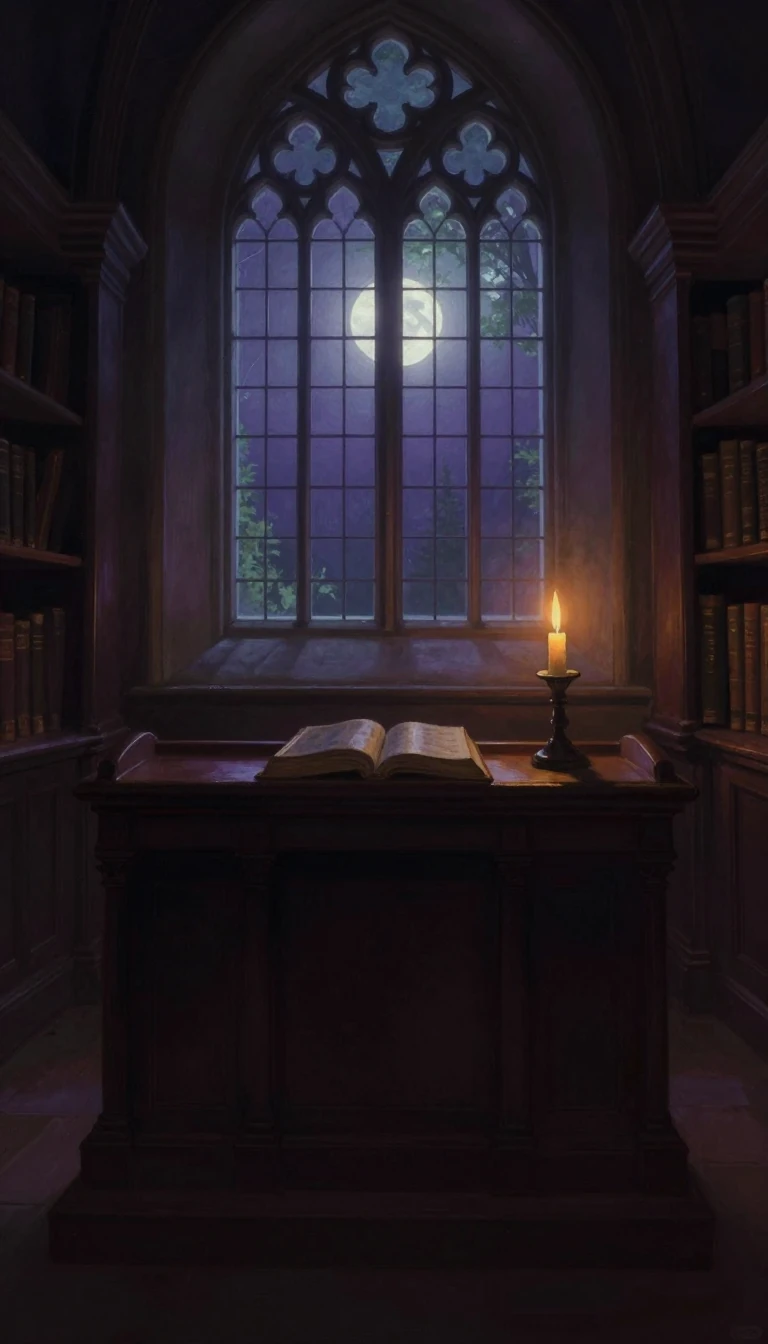 More than just a sanctuary, the medieval abbey was a self-sufficient industrial powerhouse.Far from mere places of quiet contemplation, abbeys functioned as sophisticated, walled-in towns. These religious complexes integrated complex agricultural systems, specialized wo…
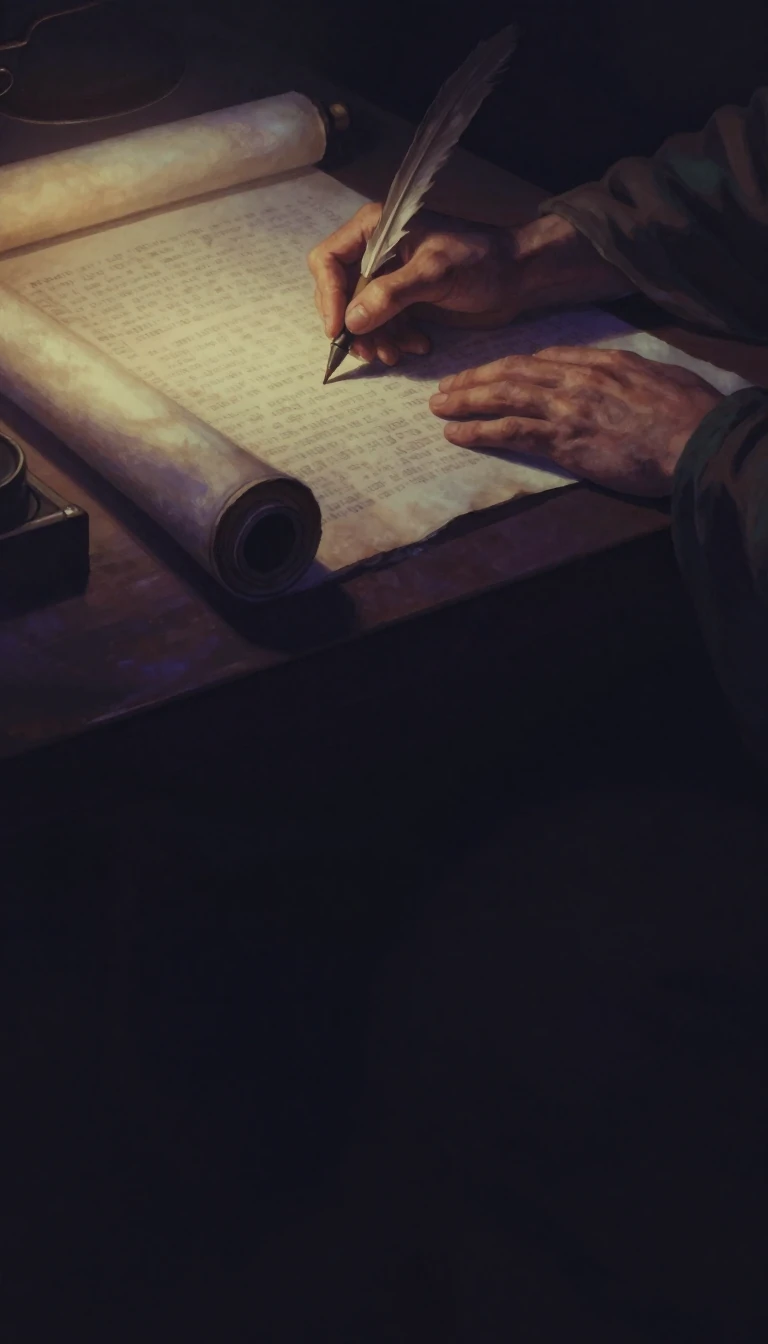 From Roman Rites to Royal Courts: The Evolving Physicality of Human AdorationAdoration is more than a feeling; it is a historical language of the body. From the ancient Roman practice of kissing one's own hand to the Persian custom of striking the earth wi…
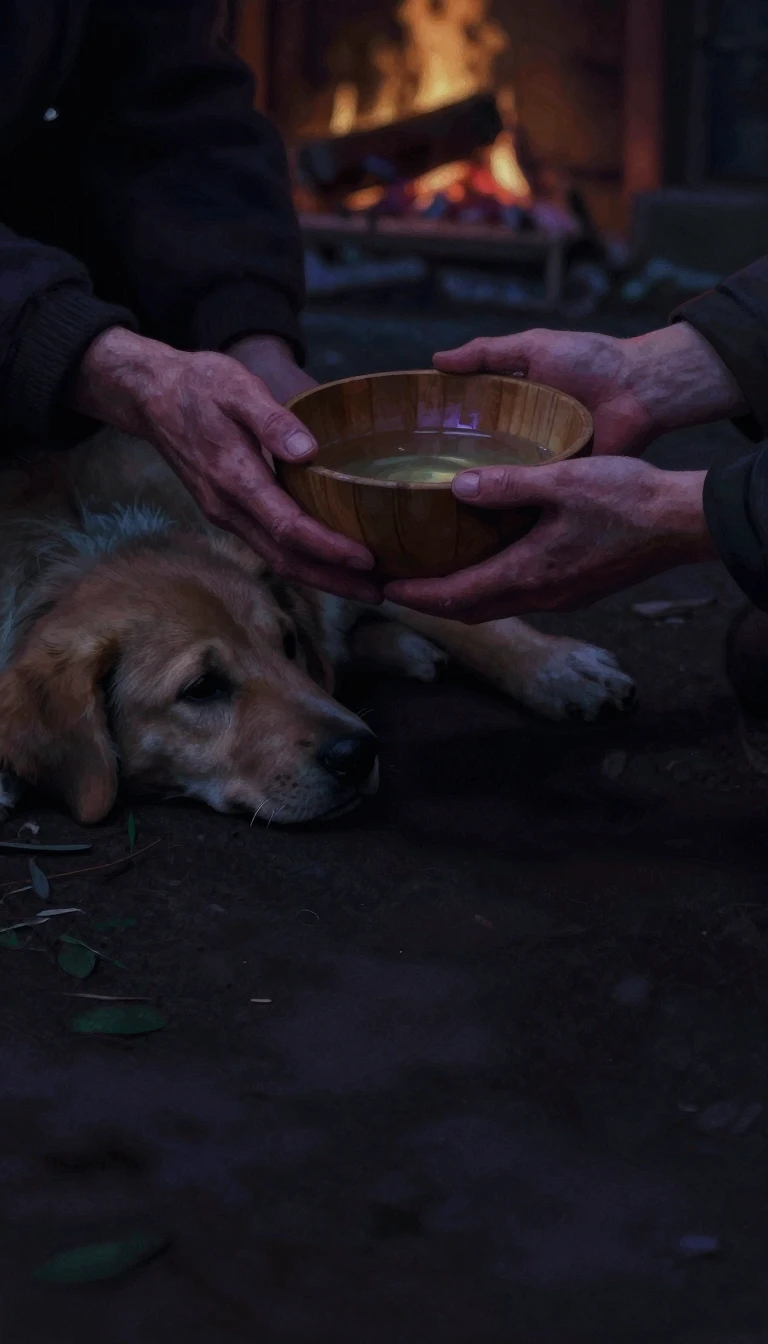 Why ancient societies believed the gods required the blood of their finest livestockFor millennia, animal sacrifice was a universal language of the divine. From the elaborate feasts of Greece to the solemn burnt offerings of the Near East, humans killed their mos…
- Is antitheism simply the rejection of God, or a battle against the divine itself?Antitheism is more than just a lack of belief. While atheism is the absence of theism, antitheism is a deliberate philosophical stance that actively opposes the influence of relig…
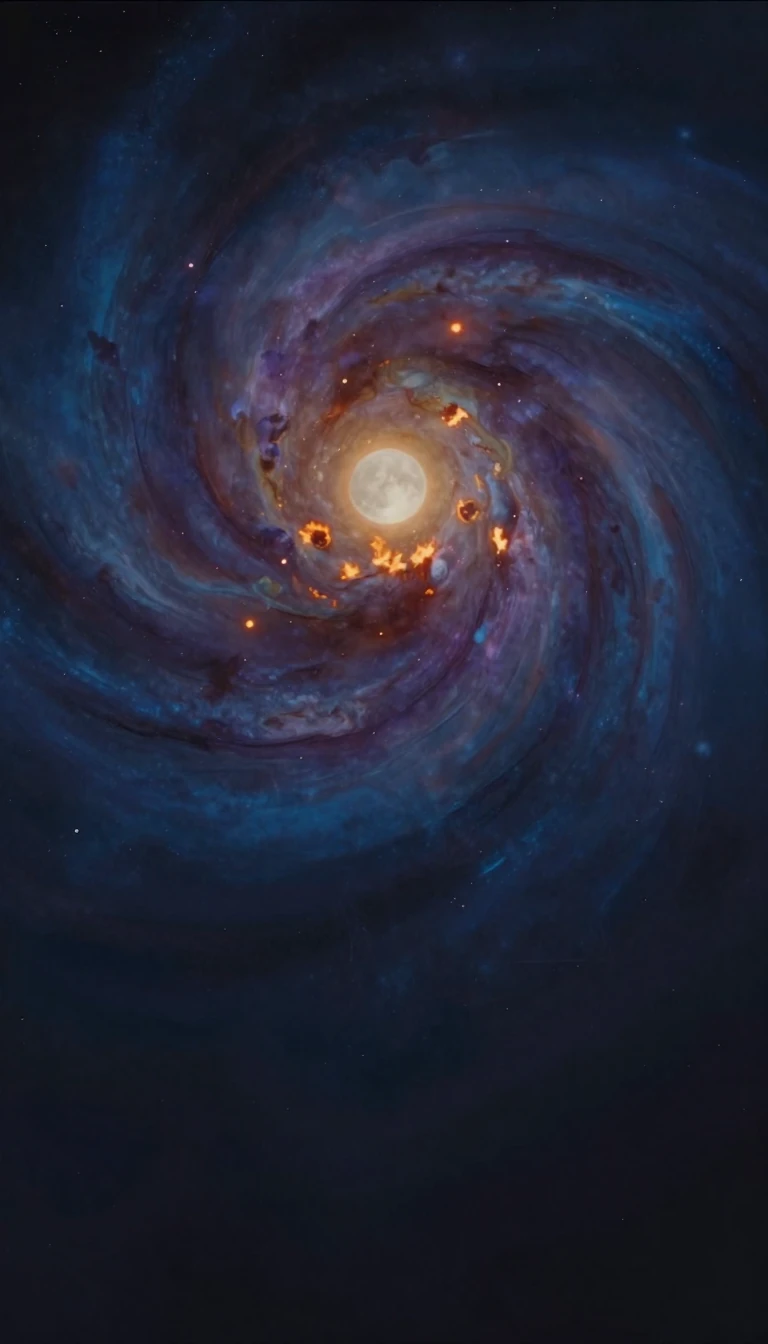 Why your zodiac sign is a relic of ancient Babylonian and Hellenistic sky mappingWestern astrology divides the sky into twelve equal segments, a system rooted in ancient Babylonian calendars and refined by Hellenistic thinkers. While these signs are named afte…
 From Blood Sacrifice to Divine Favor: The Surprising Evolution of the BlessingThe word blessing carries a heavy history. While we use it today to express goodwill, its etymological roots in Old English and Germanic paganism point to a literal marking with b…
 Can you follow the moral teachings of Jesus while rejecting his divinity entirely?Christian deism merges the ethical framework of Jesus with the rational, non-mystical worldview of deism. These thinkers admire the human Jesus as a teacher of natural law, yet th…
- From Unmoved Mover to the Ground of Being: How Humanity Defines the DivineAcross history, the divine has been imagined as everything from a distant, unchanging philosophical principle to a deeply personal, listening presence. Whether viewed as a singula…
 Is confession a private spiritual release or a public act of communal accountability?Across global traditions, confession serves as a vital mechanism for repentance and reconciliation. While some faiths mandate private disclosure to a religious authority, others e…
 Is the universe a few thousand years old or billions, and why does it matter?Creationism is not a single, monolithic belief. It spans a vast spectrum, from those who interpret Genesis as a literal historical account to those who see evolution as the divine…
 Is the universe a deliberate act of creation or a self-regulating, eternal mechanism?Across human history, religions have wrestled with the origin of existence. While many traditions posit a singular, omnipotent deity who fashioned the world, others reject the cre…
 Is religion an evolutionary relic, a social tool, or a source of human well-being?For centuries, thinkers have debated whether religion is a rational response to the unknown or a harmful construct. From ancient critiques of superstition to modern debates over n…
 What does it actually mean to be a demigod in world mythology?The term demigod is rarely as simple as a half-human, half-divine parentage. From the heroized mortals of ancient Greece to the subordinate devas of Hindu tradition and the powerf…
 Why counting the world's atheists is a statistical and cultural minefieldDefining atheism is surprisingly difficult. Across cultures, the term carries varying stigmas and meanings, often failing to capture the nuance of those who lack belief in a deity…
 Before monotheism, divinity was not a single god but a dynamic, pervasive force.In the ancient world, divinity was not a rigid theological identity but a radiant quality found in thunder, justice, and even extraordinary humans. It was a fluid, sacred power th…
 Is doctrine just a set of rules, or the intellectual architecture of belief?We often mistake doctrine for rigid dogma, but it is actually a sophisticated tool for conceptualizing faith. Far from mere instruction, doctrine serves as the intellectual framew…
 Can ancient spiritual traditions provide the missing link to solving our modern environmental crisis?Ecotheology bridges the gap between faith and nature, arguing that science alone cannot inspire the behavioral shifts needed to heal the planet. By re-examining religious worldvie…
 Why the esoteric concept of energy defies the laws of modern physicsAcross history, cultures have described a vital force animating the cosmos, from Egyptian ka to Chinese qi. While these traditions view energy as a tangible, flowing essence, scie…