 Intellect Plus
Physical geography
1,174 cards. Each one is a 40-second story with a five-minute read behind it. Page 4 of 20.
 Why a fringe theory about a prehistoric comet strike refuses to disappearThe Younger Dryas impact hypothesis claims a comet triggered a massive cooling event 12,900 years ago, wiping out megafauna and ancient cultures. Despite widespread rejection by g…
 Was the Medieval Warm Period a global phenomenon or a series of regional shifts?Between 950 and 1250 CE, parts of the North Atlantic experienced a notable warming trend. While often grouped as a single global event, modern research suggests this era was far m…
 The rapid rise of multiracial Americans is reshaping how the nation counts its peopleIn the 2020 census, 33.8 million Americans identified as multiracial, a massive jump from previous years. While this reflects growing interracial unions and shifting social norms,…
 Why Singapore's Prime Minister is the world's most expensive political leaderSingapore's prime minister holds immense executive power, steering government policy and national security while operating under a unique Westminster-inspired system. Despite comm…
 How the Philippines became a unique religious mosaic in the heart of East AsiaWhile Catholicism dominates the Philippine landscape, the nation is a complex tapestry of faith. From indigenous Anitism and Sunni Islam to a vibrant array of locally initiated ch…
 The Ross Ice Shelf is a massive, floating brake system for Antarctic glaciers.Roughly the size of France, the Ross Ice Shelf is a colossal, shifting plate of ice that acts as a stabilizer for the West Antarctic Ice Sheet. While early explorers viewed this m…
 The massive ice sheet that carved North America's landscape and dictated global climate patternsFor millions of years, a colossal ice sheet dominated North America, sculpting the Great Lakes and reshaping the continent's entire surface. Its immense weight and eventual meltin…
 Is Kalamazoo a real place, or just a punchline for exotic travel?The name Kalamazoo sounds so whimsical that the city has become a cultural shorthand for the middle of nowhere. Yet, this Michigan hub is a genuine center of industry and innovati…
 Baguio: The American-built mountain retreat that became a center of Philippine political historyEstablished as the only American hill station in Asia, Baguio was designed to offer colonial officials a reprieve from tropical heat. Today, this highland city is known for its co…
 The 'ch' sound is a complex mechanical feat of tongue, teeth, and airflowYou use it every time you say chip, but the voiceless postalveolar affricate is more than just a letter. It is a precise physical maneuver requiring a total stop of breath followe…
 Why the familiar sh-sound in ship is a linguistic marvel of tongue and airThe sound you make when asking for silence is more than a simple noise. Known to linguists as the voiceless postalveolar fricative, this sibilant requires precise tongue placement…
 Is Konkani a distinct language or a dialect of Marathi? The history is complex.Spoken along India's western coast, Konkani is an Indo-Aryan language with a deep, fragmented history. Often overshadowed by Marathi, it is a linguistic fusion shaped by centuries…
 The Saint Thomas Christians: An Ancient Indian Community With Roots in Syriac TraditionTracing their origins to the 1st-century mission of Thomas the Apostle, the Saint Thomas Christians of Kerala have navigated centuries of colonial pressure, liturgical shifts, and…
 Kanyakumari: The Southern Tip Where Three Oceans Meet and Ancient Legends ConvergeKnown as the Land's End, Kanyakumari marks the southernmost point of mainland India. This coastal town is a convergence of geography and mythology, where the Laccadive Sea meets t…
 How a campfire jam session evolved into Finland's most expensive musical exportIn 1996, Tuomas Holopainen sat by a campfire and envisioned an acoustic project. Today, that project is Nightwish, a symphonic metal powerhouse that has sold over 10 million recor…
 The guttural R: how a single sound reshaped the phonetics of Western EuropeThe voiced uvular fricative, represented by the symbol ʁ, is a complex consonantal sound produced by vibrating the vocal cords while constricting airflow at the uvula. Often group…
- The hidden sound in your Tuesday: why we struggle to define the alveolo-palatal fricativeYou might think you know how you say Tuesday, but your tongue is performing a complex, high-frequency maneuver. The voiceless alveolo-palatal fricative, represented by the symbol …
 Born from volunteers and captured machines, the Finnish Air Force defied impossible odds.Emerging during the chaos of the 1918 Civil War, Finland’s air arm began with a handful of donated aircraft and foreign pilots. Despite being vastly outnumbered by the Soviet Unio…
 Is the capacity to suffer the only metric that truly defines animal cruelty?For centuries, humans viewed animals as mere machines or property. Today, science and philosophy challenge this, revealing that animals possess consciousness and complex emotional…
 Why the 'Big Five' were originally hunted and how they define African conservation todayThe term Big Five was not coined by wildlife enthusiasts, but by colonial-era hunters. It refers to the five most difficult African animals to hunt on foot. Today, these charismat…
- Bounty hunters operate in a legal gray zone that dates back to the Middle Ages.Bounty hunters, or fugitive recovery agents, are private contractors hired by bail bondsmen to capture defendants who skip court. Unlike police, they lack state immunity, meaning …
 How Tamil Nadu transformed from an agricultural heartland into India's premier industrial powerhouseTamil Nadu holds the second-largest economy in India, driven by a sophisticated mix of manufacturing, technology, and renewable energy. From being the Detroit of Asia to a global …
 How a Russian-ruled Grand Duchy became a pioneer of European democracyBetween 1809 and 1917, Finland existed as an autonomous Grand Duchy within the Russian Empire. Despite being ruled by a Tsar, the territory maintained its own laws, currency, and …
 The Russian Prime Minister is a title that does not officially existWhile the world knows the office as the Prime Minister, the Russian Constitution never uses the term. In a political system dominated by the presidency, the role often functions a…
- Why some birds fly halfway across the globe without stopping for a single breakWaders are masters of endurance, with some species completing staggering non-stop migrations across oceans. These birds, which forage along mudflats and shorelines, have evolved s…
 Vyborg: A Baltic crossroads shaped by centuries of Swedish, Finnish, and Russian rulePerched on the Karelian Isthmus, Vyborg has spent centuries as a strategic prize. Founded as a medieval Swedish fortress, it evolved into a multicultural Finnish hub before being …
 How a Connecticut town traded its onion fields for a global financial powerhouseWestport, Connecticut, began as an isolated colonial farming community that once dominated the American onion market. Today, this Gold Coast town has transformed into a high-earni…
 How a Boston public broadcaster became a powerhouse of American television productionWGBH-TV began as a modest educational station in a repurposed roller rink. Today, it is a national production juggernaut, responsible for over two-thirds of the programming distri…
 Shishapangma: The 8,000-metre peak named for a tragic mountain feastStanding at 8,027 metres, Shishapangma is the world's lowest eight-thousander, yet it holds a unique place in Himalayan lore. While geologists translate its name as a crest above …
- The Proterozoic Eon transformed Earth from a barren, oxygen-starved rock into a living planet.Spanning nearly two billion years, the Proterozoic Eon was Earth's longest chapter. It witnessed the rise of atmospheric oxygen, the birth of complex eukaryotic life, and the form…
 Why this 2000 survival thriller remains a polarizing peak in mountain cinema historyReleased in 2000, Vertical Limit follows a high-stakes rescue mission on K2, the world's second-highest mountain. While the film grossed over $215 million worldwide, it remains a …
 Why some of the world's most extreme lakes are disappearing at alarming ratesSalt lakes are landlocked basins where evaporation outpaces inflow, creating hypersaline environments that host specialized life. From pink-hued waters to lithium-rich beds, these…
 Saskatchewan is Canada's only province without a natural border, forming a near-perfect quadrilateral.While most provinces follow rivers or mountain ranges, Saskatchewan’s boundaries are defined by lines of latitude and longitude. This unique geometry creates a vast, landlocked te…
 Is the Spanish omelette better with or without onions? The debate is fierce.Spanish cuisine is a mosaic of regional identities, shaped by millennia of conquest and trade. From the Mediterranean triad of wheat, grapes, and olives to the transformative impa…
 Nu metal fused hip-hop and heavy metal to define the sound of a generationEmerging from the alternative metal scene of the 1990s, nu metal traded traditional guitar solos for syncopated, down-tuned riffs and rhythmic, rap-influenced vocals. It became a …
 Why the Pacific Time Zone is no longer a simple clock offsetThe Pacific Time Zone is shifting from a uniform clock to a patchwork of regional policies. While once defined by a standard eight-hour offset from Coordinated Universal Time, rec…
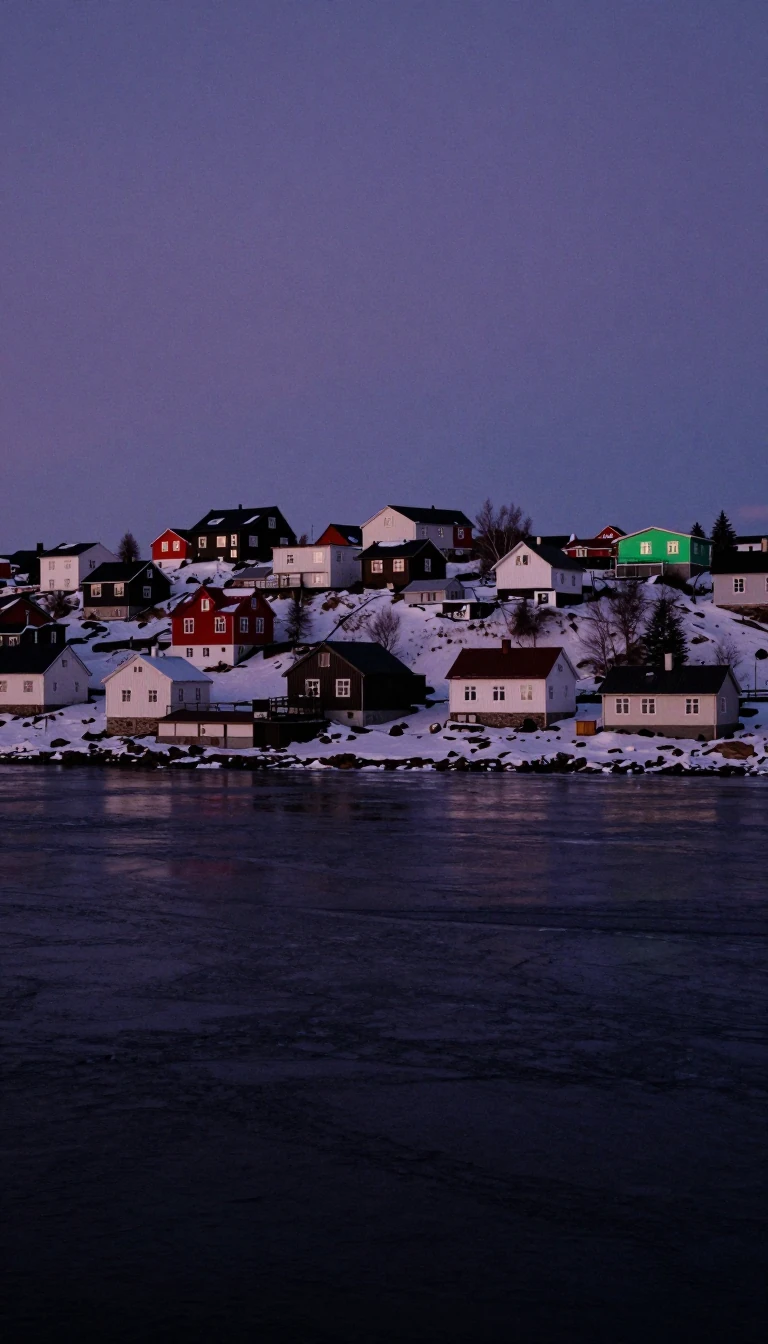 Northern Canada is a vast, icy expanse that holds nearly 40% of the country's land.Spanning three territories and covering nearly half of Canada's total landmass, the North remains a sparsely populated frontier. While it is rich in natural resources and home to …
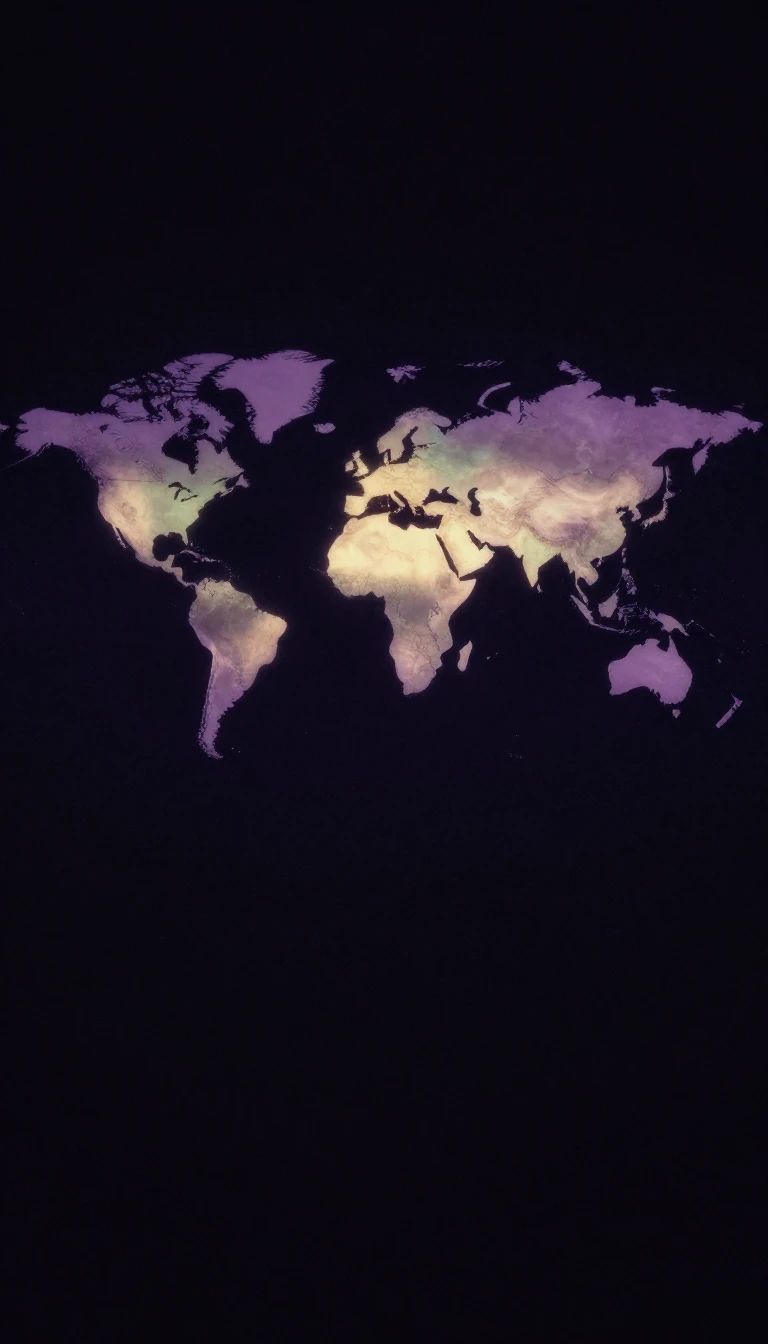 The Orient is a shifting geographic concept rooted in the direction of the sunrise.Derived from the Latin word for rising, the term Orient has historically designated everything from the Near East to the Far East. While it once defined vast swathes of Asia and N…
 How a merchant trading company transformed into the sovereign ruler of the Indian subcontinent.British India was not a single colonial project but a shifting administrative patchwork. What began as isolated trading posts in 1612 evolved into a complex system of presidencies…
- The North American beaver is an ecosystem engineer that reshapes entire landscapes for survival.As the largest rodent in North America, the beaver is far more than a simple wood-cutter. These amphibious architects use specialized physical adaptations to build complex dams an…
 Magadan: A subarctic port town built on the foundations of a brutal gulag systemFounded in 1929, this Russian port on the Sea of Okhotsk served as the administrative heart of the Dalstroy forced-labor camps. Today, it remains a remote gateway to the Kolyma re…
 The giant marine lizard that forced science to accept the reality of extinctionWhen a massive skull was unearthed in an 18th-century Dutch quarry, experts were baffled. Was it a whale or a crocodile? It took the genius of Georges Cuvier to realize it was a c…
 How the Soviet Union briefly embraced capitalism to save its collapsing economyBy 1921, the Soviet Union was on the brink of total collapse. To maintain power, Vladimir Lenin executed a surprising tactical retreat: he reintroduced private enterprise, money, …
 How Google turned 20-percent time into a global digital museum for everyoneBorn from a side project, Google Arts & Culture uses gigapixel technology to bring the world's most exclusive galleries to your screen. By digitizing masterpieces and mapping muse…
 Henry Hudson vanished in 1611, but his legacy carved the map of North America.After failing to find a Northwest Passage, Henry Hudson was cast adrift in a small boat by his mutinous crew in the icy waters of James Bay. While his ultimate fate remains a myst…
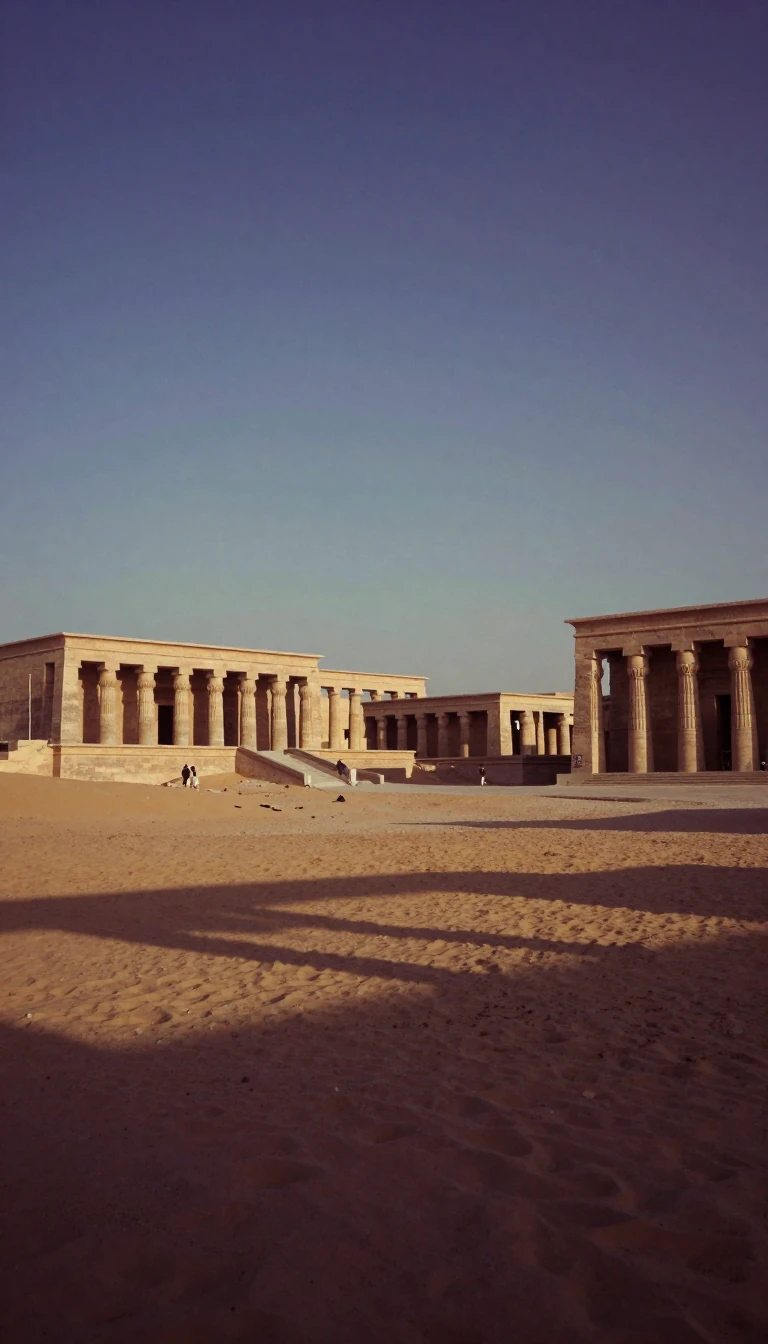 How a desert khanate turned the lower Amu Darya into a thriving trade hubFor four centuries, the Khanate of Khiva balanced nomadic tradition with sedentary agriculture in the harsh plains of Central Asia. By mastering irrigation and controlling vital c…
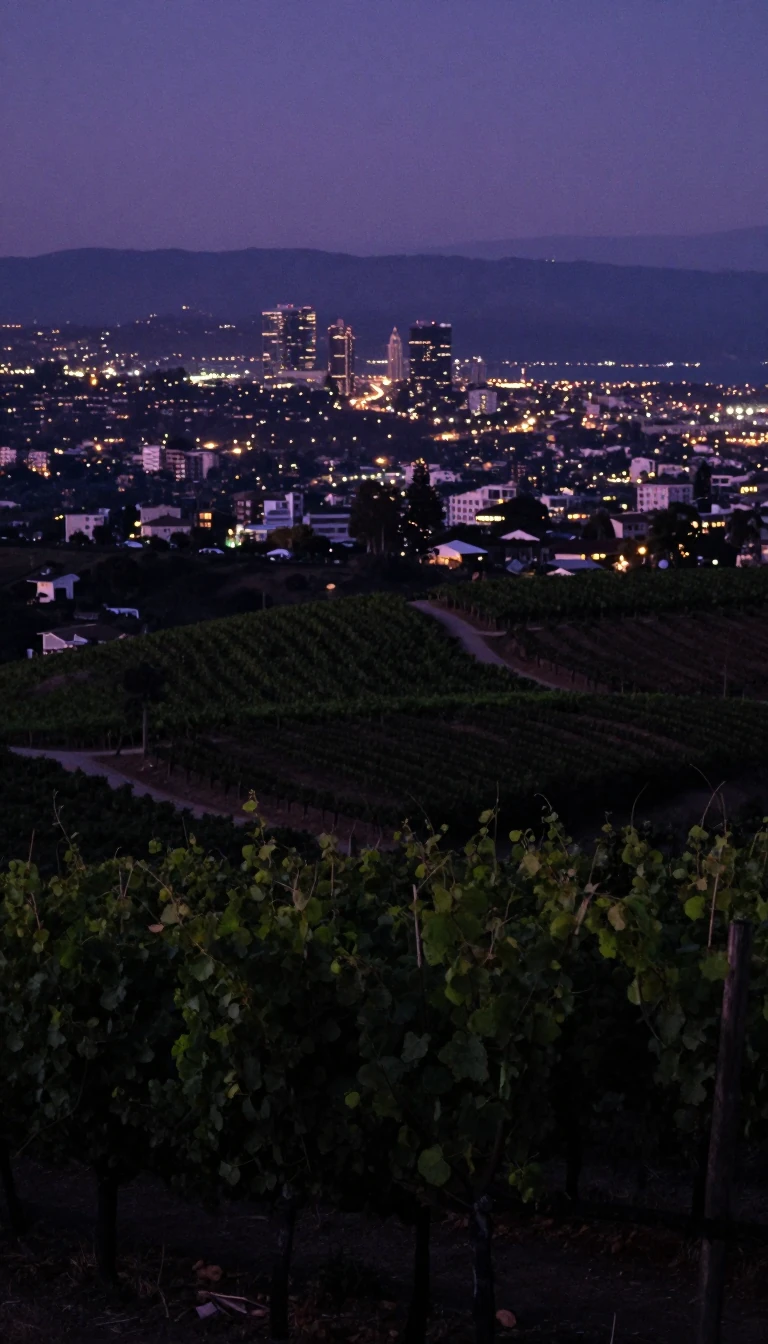 The Inland Empire: A sprawling logistics giant born from citrus and suburban dreamsOnce a thriving agricultural hub known for its citrus groves, the Inland Empire has transformed into a massive, decentralized suburban landscape. Today, it serves as a critical lo…
 Why does a Russian region still bear the name of a city that vanished?Leningrad Oblast surrounds Saint Petersburg, yet it retains the name of the Soviet-era city that was renamed back in 1991. This administrative anomaly is just one layer of a terri…
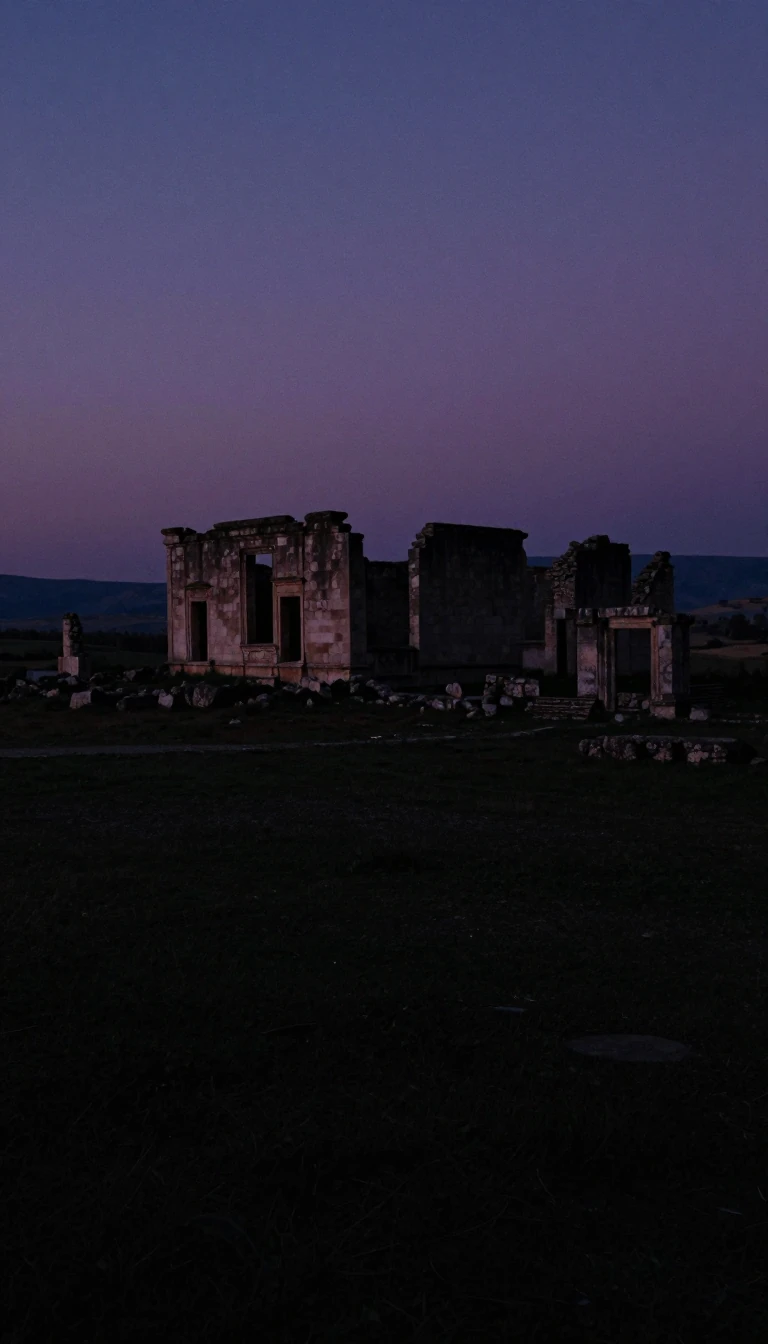 How a crumbling empire tried to modernize while losing its grip on the mapThe dissolution of the Ottoman Empire was a chaotic collapse driven by military failure, economic dependency, and rising nationalism. Between 1908 and 1922, the state attempted to…
- Why this Patagonian peak is known as the smoking mountain to indigenous localsRising from the Southern Patagonian Ice Field, Mount Fitz Roy is a jagged icon of the border between Argentina and Chile. While Western explorers named it after a British captain,…
 Why the Eurasian otter is the most successful hunter in the world's waterwaysThe Eurasian otter is a master of adaptation, thriving from the coasts of Europe to the high-altitude rivers of Nepal. Despite facing near-extinction in the 20th century, this res…
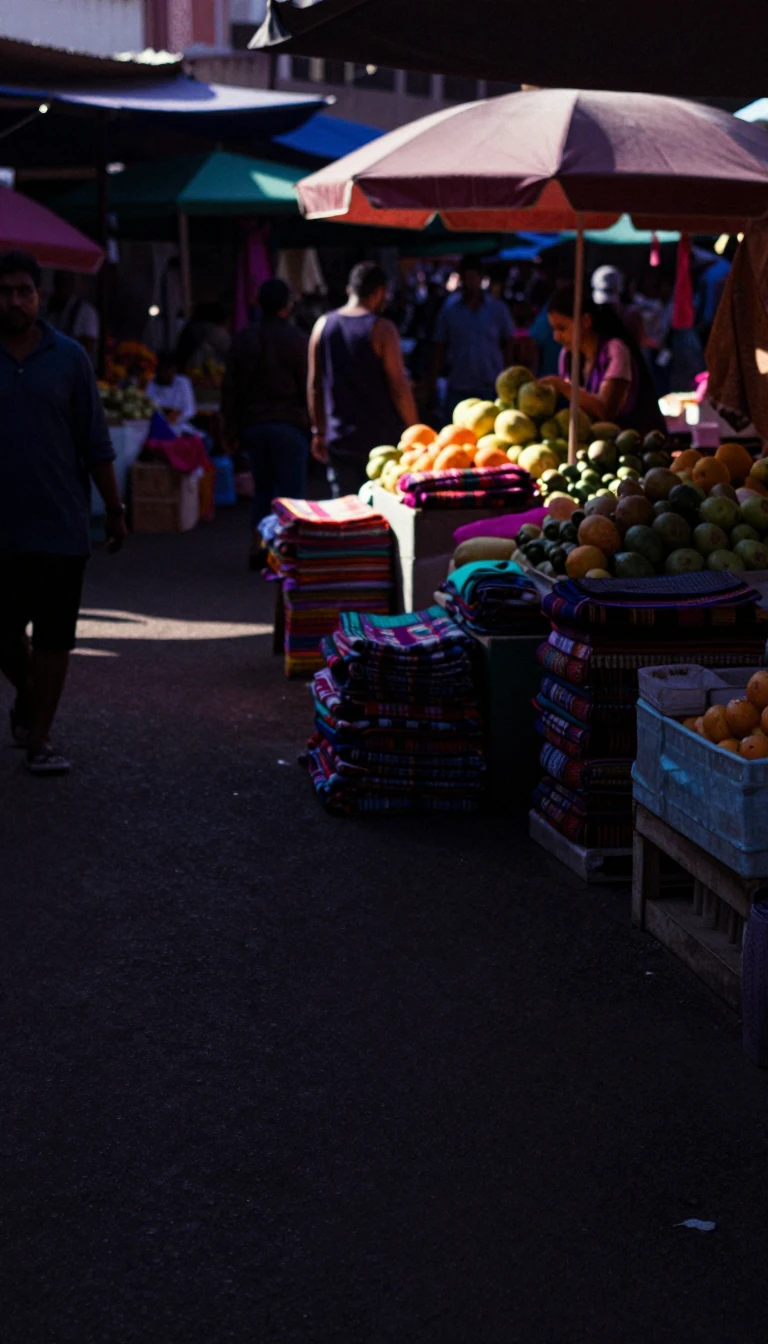 Why skin tone remains a powerful, hidden architect of global social inequalityColorism, or discrimination based on skin tone, functions as a pervasive social hierarchy that transcends borders. From the legacy of colonial caste systems to modern labor market…
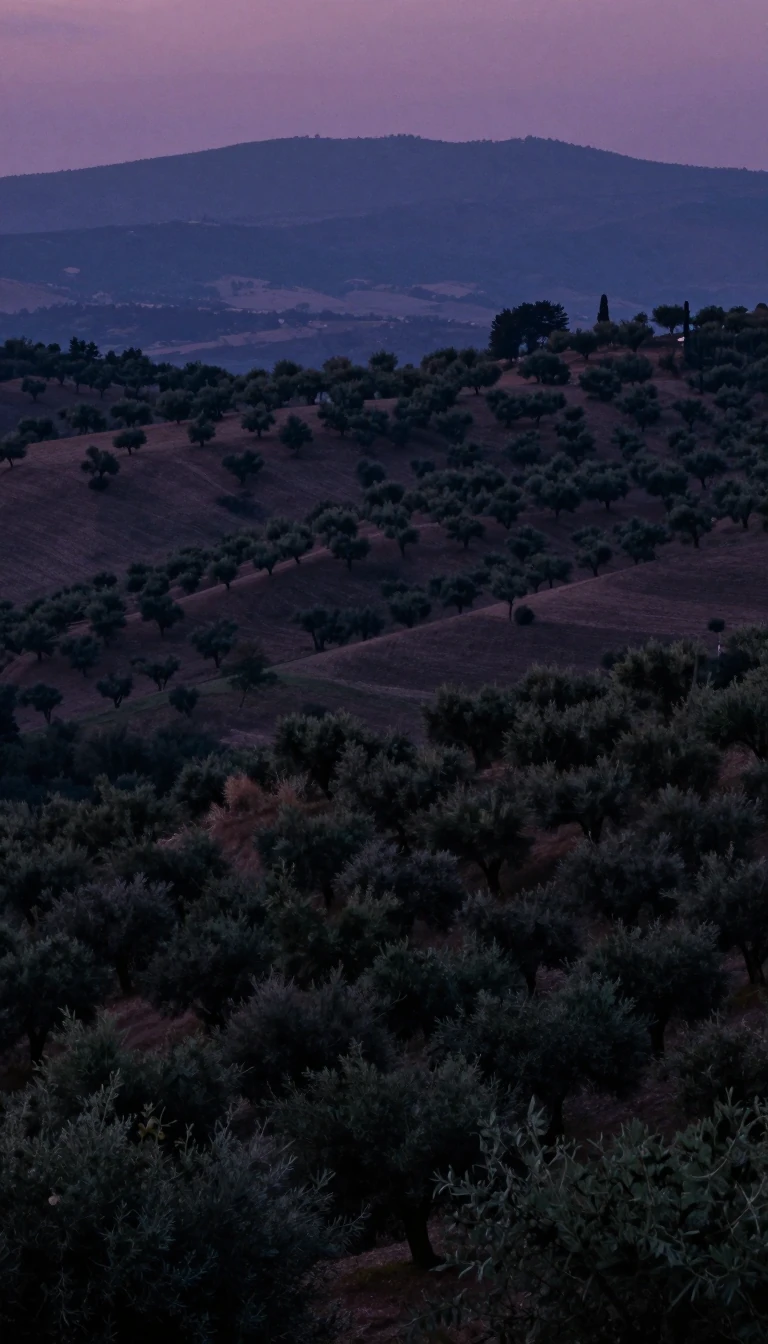 Beyond the urban sprawl, the Community of Madrid hides a surprisingly wild, diverse landscape.While the metropolitan area of Madrid houses nearly seven million people, the surrounding region remains a biological refuge. From mountain peaks exceeding 2,000 meters to the Tag…
 Cilicia: The ancient Mediterranean crossroads defined by its rugged mountains and fertile alluvial plainsCilicia is a region of southern Anatolia that has served as a vital bridge between the Levant, Mesopotamia, and the Anatolian Highlands since the Neolithic Period. Split between t…
- Is Danish identity defined by bloodlines or a shared cultural commitment to the nation?Danish national identity is famously inclusive, prioritizing language and emotional connection over biological heritage. This cultural definition of ethnicity has shaped the natio…
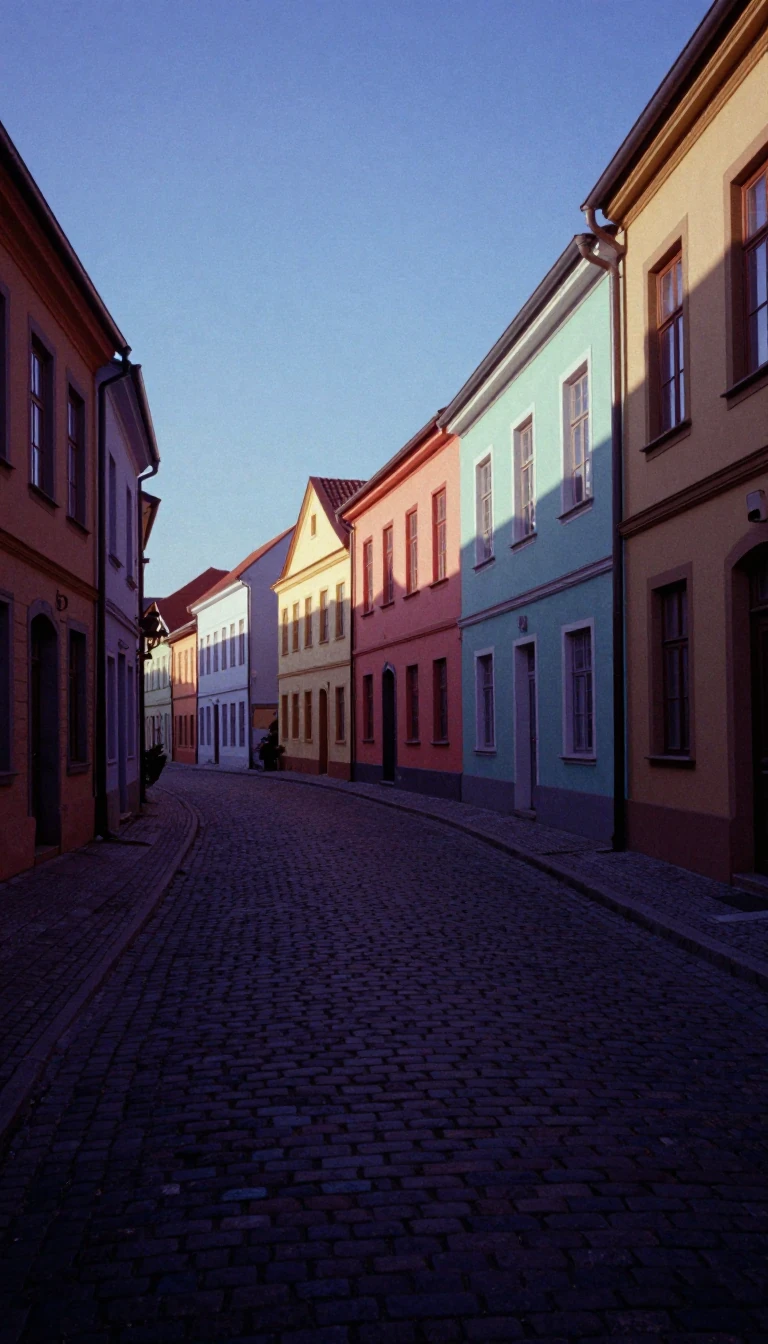 How Spain transformed from a nation of mass emigration to a global migration hubFor centuries, Spain was defined by outbound migration, with millions fleeing economic stagnation or political upheaval. Yet, in just thirty years, the country has undergone a rad…
 Why the world's highest mountain is not actually Mount EverestWhile Everest claims the title for height above sea level, it is not the point on Earth furthest from the planet's center. That distinction belongs to Chimborazo, an Ecuadorian st…
 The muddy dragon of the Yangtze is one of the world's rarest reptiles.Once widespread across China, the Chinese alligator has been pushed to the brink of extinction by habitat loss and human conflict. Today, this critically endangered crocodilian su…
 The Arctic char is the world's most northerly freshwater fish, surviving in extreme conditions.Found in the highest latitudes of the Northern Hemisphere, the Arctic char is a master of adaptation. This cold-water fish thrives in environments where no other freshwater specie…
- The Goddess of the Yangtze: Why the Baiji Dolphin is Likely Lost ForeverOnce revered by local fishermen as a protective deity, the baiji dolphin of China has not been definitively sighted in over two decades. Following rapid industrialization of the Y…