 Intellect Plus
Physical geography
1,174 cards. Each one is a 40-second story with a five-minute read behind it. Page 7 of 20.
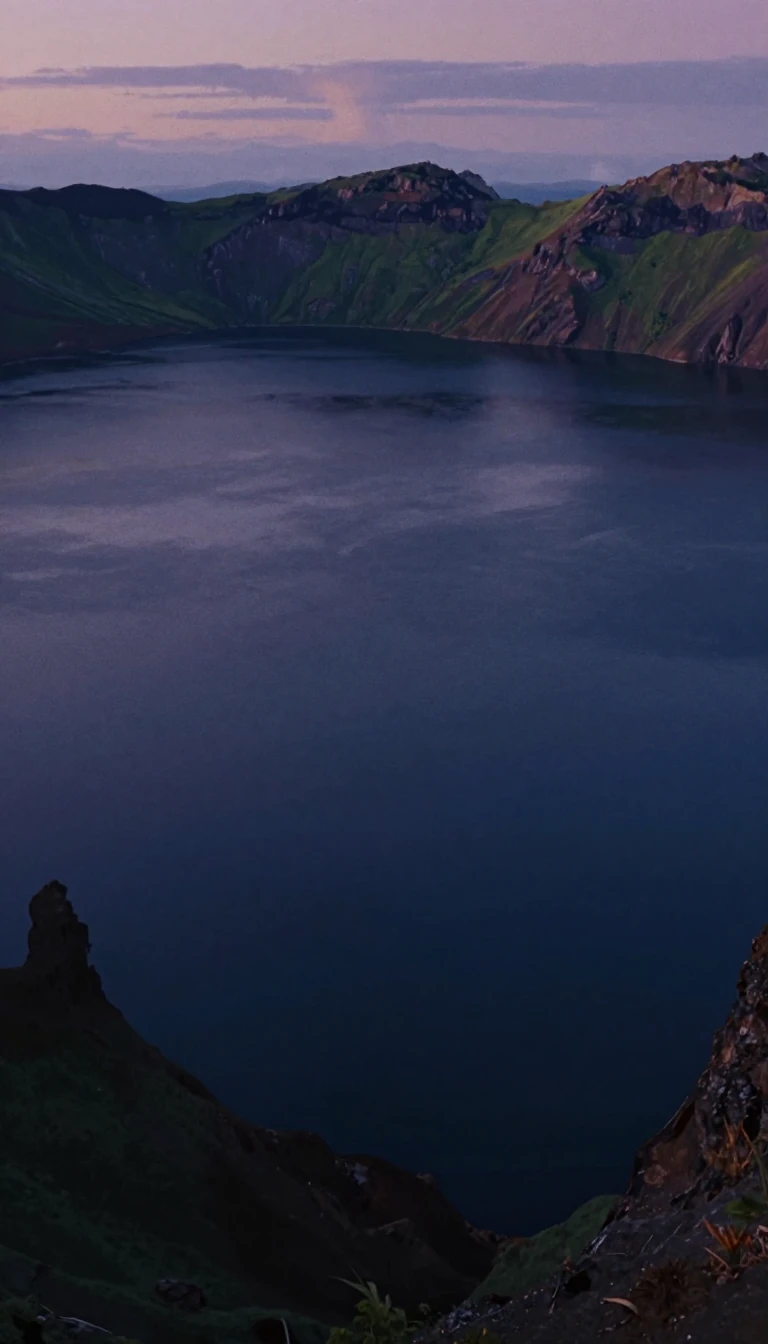 Could a massive, gas-trapped lake in central Africa trigger a catastrophic natural disaster?Lake Kivu sits atop a volatile reservoir of methane and carbon dioxide. While engineers are currently extracting this gas to generate electricity for Rwanda, the process is contro…
 The unique design of Great Lakes freighters was born from 19th-century industrial necessityKnown as lakers, these massive bulk carriers are engineered to navigate the Great Lakes with a distinct, boxy silhouette. Their evolution from wooden sailing ships to steel giants…
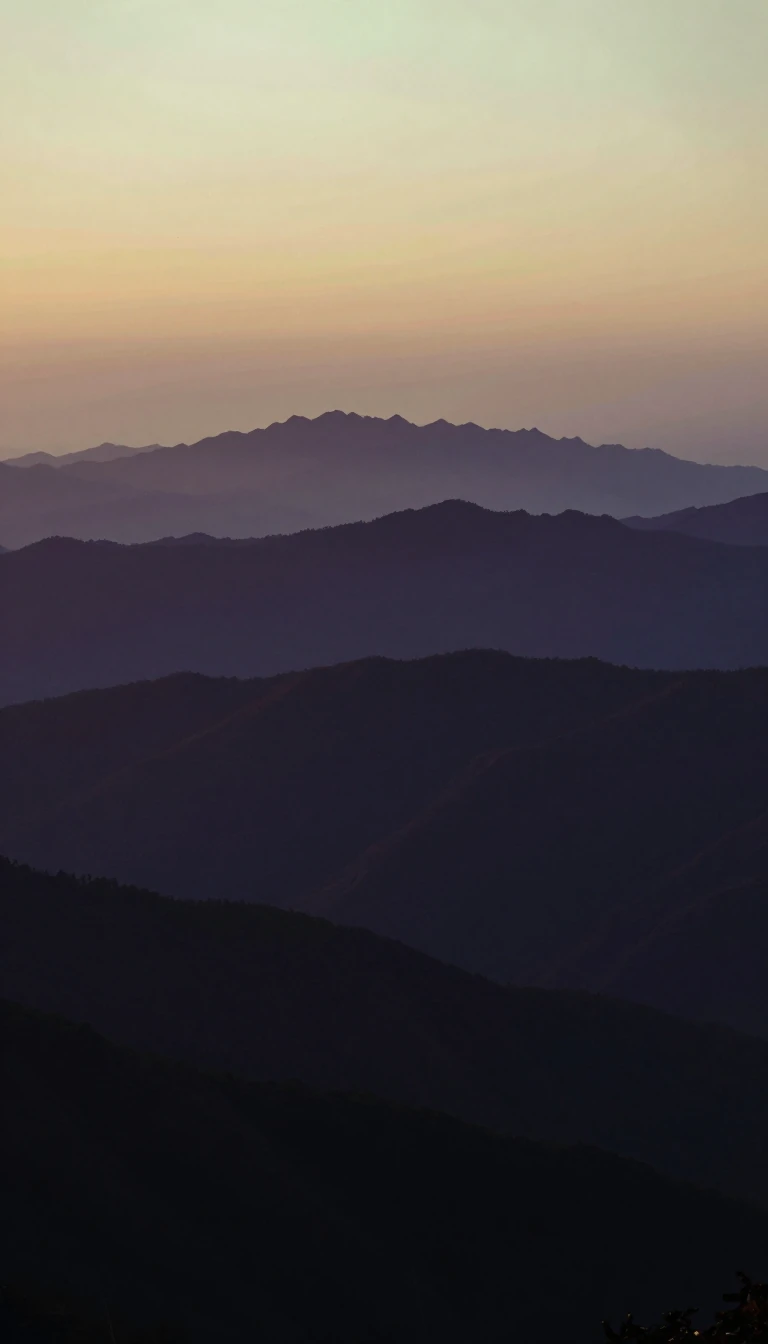 The Komi Republic holds Europe's largest expanse of virgin forest within its rugged Ural spine.Spanning the vast, featureless Pechora basin, the Komi Republic is a land of extremes. From the ancient, weather-beaten peaks of the Northern Urals to dense taiga and sprawling sw…
 Why Canada's first capital city is known as the Limestone CityKingston, Ontario, holds a storied past as a strategic military hub and the nation's inaugural capital. Its iconic nickname stems from a 1840 disaster that forced a radical shift …
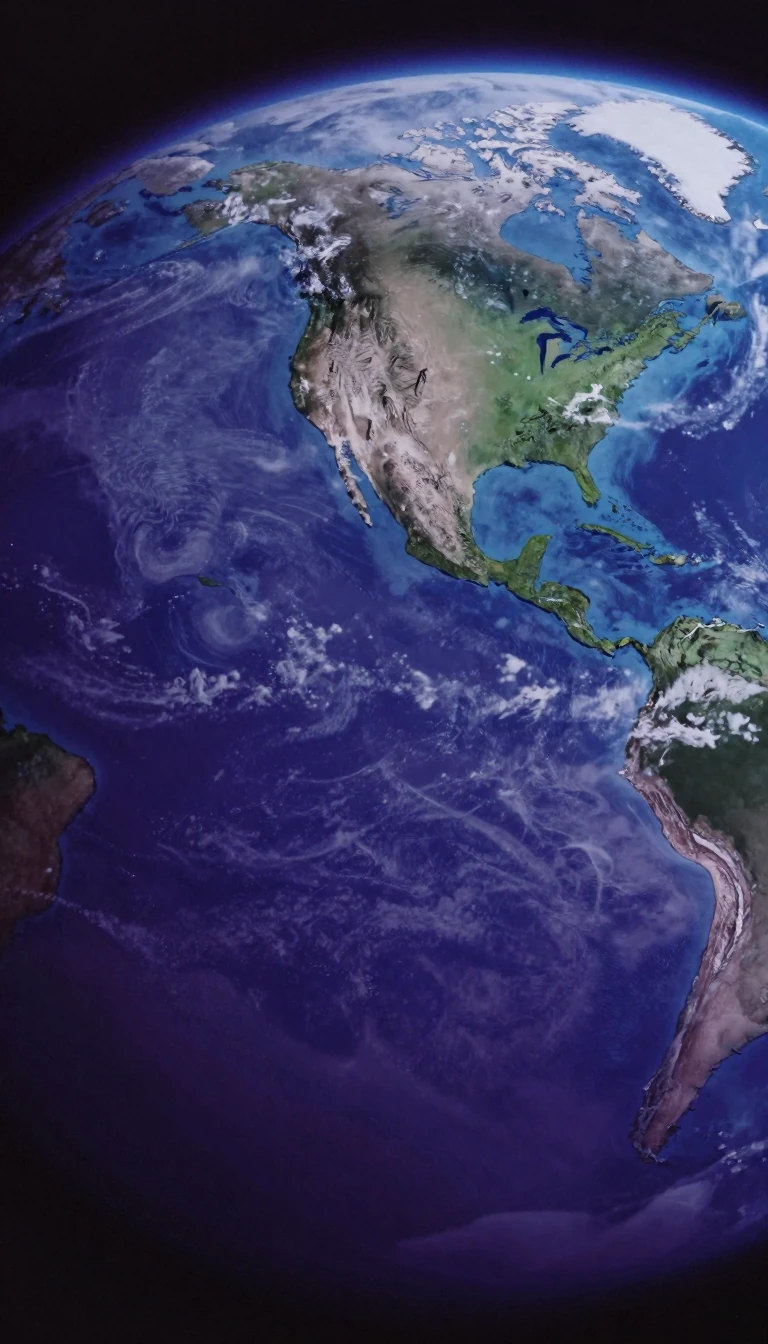 Kiritimati is the world's largest coral atoll, a remote Pacific outpost of strange history.Spanning 150 square miles, Kiritimati is a massive coral formation in the central Pacific. Once a site for Cold War nuclear testing, this remote island now serves as a wildlife sa…
 Why did a civilian airliner drift hundreds of miles into restricted Soviet airspace?On September 1, 1983, Korean Air Lines Flight 007 strayed over 200 miles off course, entering Soviet airspace. Soviet fighter jets intercepted the Boeing 747 and shot it down, kil…
 The Kyoto Protocol: A First Global Step Toward Stabilizing Our Changing ClimateAdopted in 1997, the Kyoto Protocol was the first major international treaty to mandate greenhouse gas emission reductions. By acknowledging that developed nations bear historical…
 Kazakhstan is rewriting its national identity by transitioning from Cyrillic to Latin scriptFor decades, the Kazakh language has been tethered to the Cyrillic alphabet, a legacy of the Soviet era. Now, the nation is undergoing a complex, phased transition to a Latin-base…
 Kingsley Coman: The Serial Winner Who Conquered Europe Before His Thirtieth BirthdayKingsley Coman spent over a decade winning league titles every single season as a professional. From Paris to Turin and Munich, the French winger became a tactical weapon known fo…
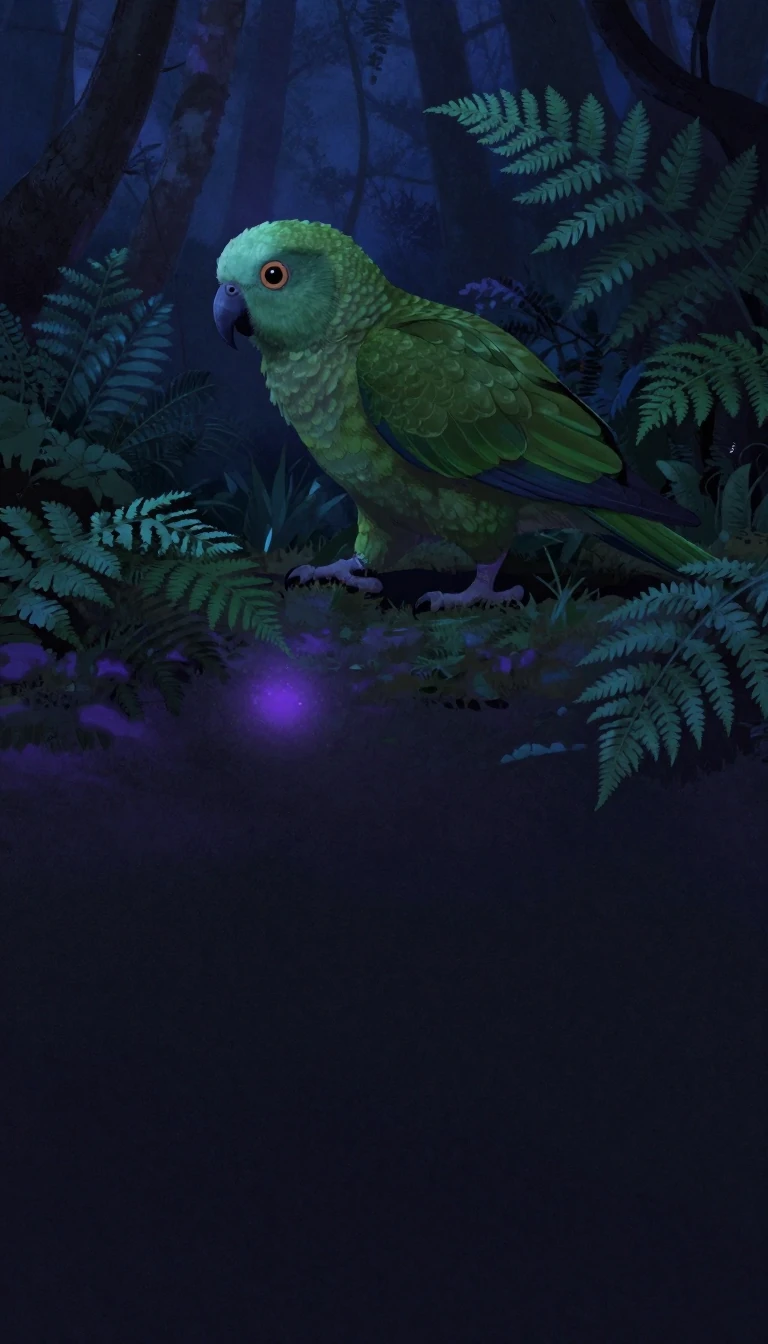 The kea is a mountain-dwelling parrot known for its intelligence, curiosity, and destructive habits.New Zealand's alpine kea are not your average parrots. These olive-green birds are famous for solving complex puzzles, using tools, and dismantling cars. While their cognitive abi…
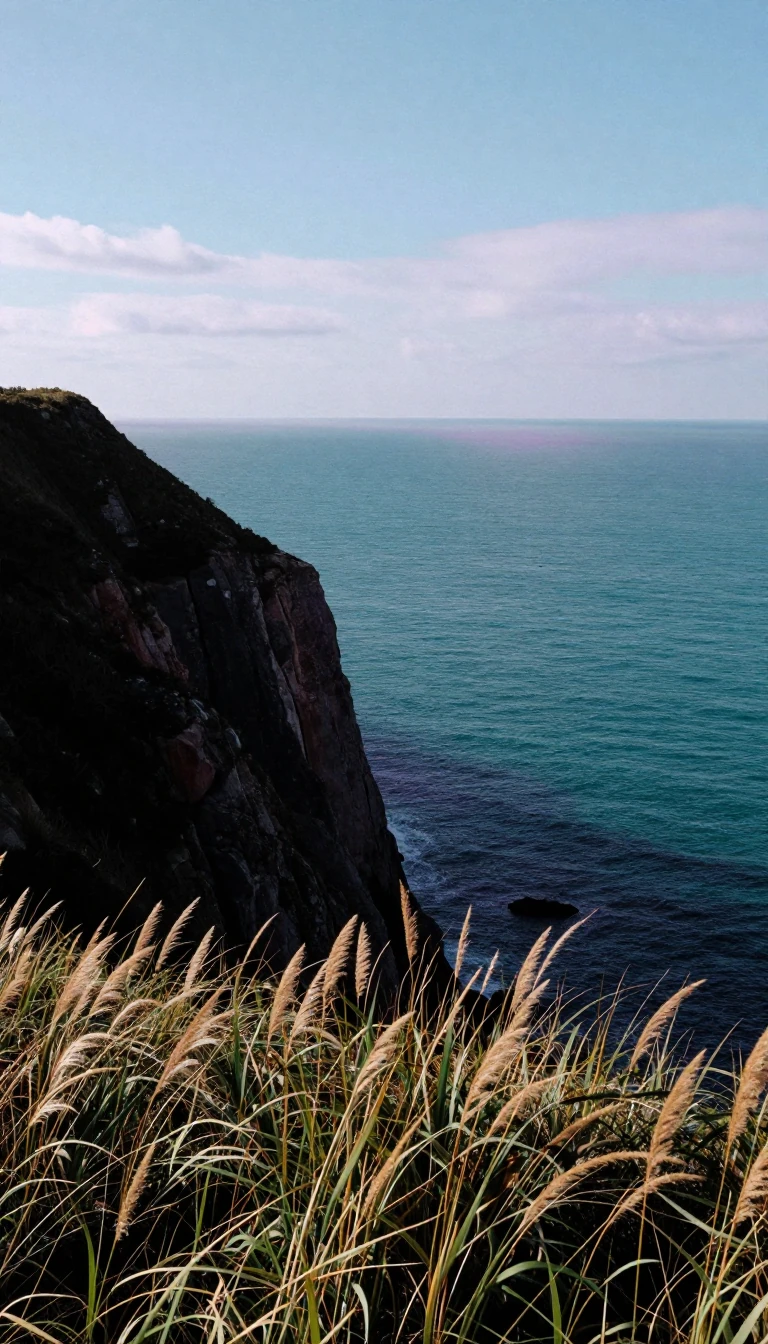 The Desolation Islands: A remote French archipelago hiding a massive underwater secretDeep in the southern Indian Ocean lies a cluster of islands so isolated and harsh they earned the name Desolation Islands. While they serve as a vital laboratory for scientists st…
 The world's largest submarine plateau is not the continental fragment scientists once imagined.Deep beneath the southern Indian Ocean lies the Kerguelen Plateau, a massive underwater elevation that dwarfs all others. Long assumed to be a sunken piece of a lost continent, mo…
- Why the highest peak in Europe sits at the heart of a Russian republicKabardino-Balkaria is a rugged republic in southwestern Russia, defined by the towering Greater Caucasus range. Home to Mount Elbrus, the highest point on the continent, this regi…
 Can one man walk an unbroken path around the entire world on foot?Karl Bushby has spent nearly three decades attempting the Goliath Expedition, a 36,000-mile journey from Chile to his home in England. Navigating frozen straits, geopolitical mine…
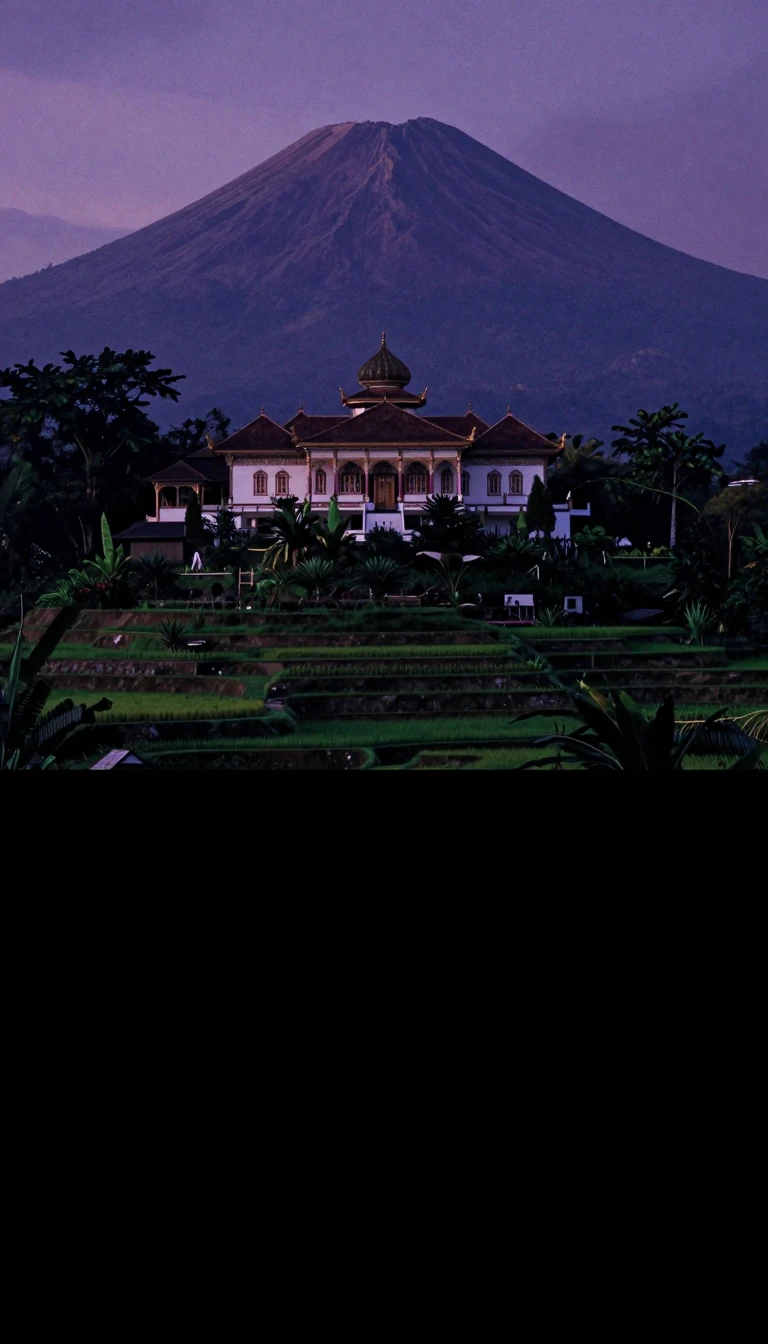 Why the world's third-largest island is known by two different namesBorneo is a massive, equatorial landmass shared by three nations, yet Indonesians refer to the entire island as Kalimantan. Derived from Sanskrit, the name implies a burning, hot …
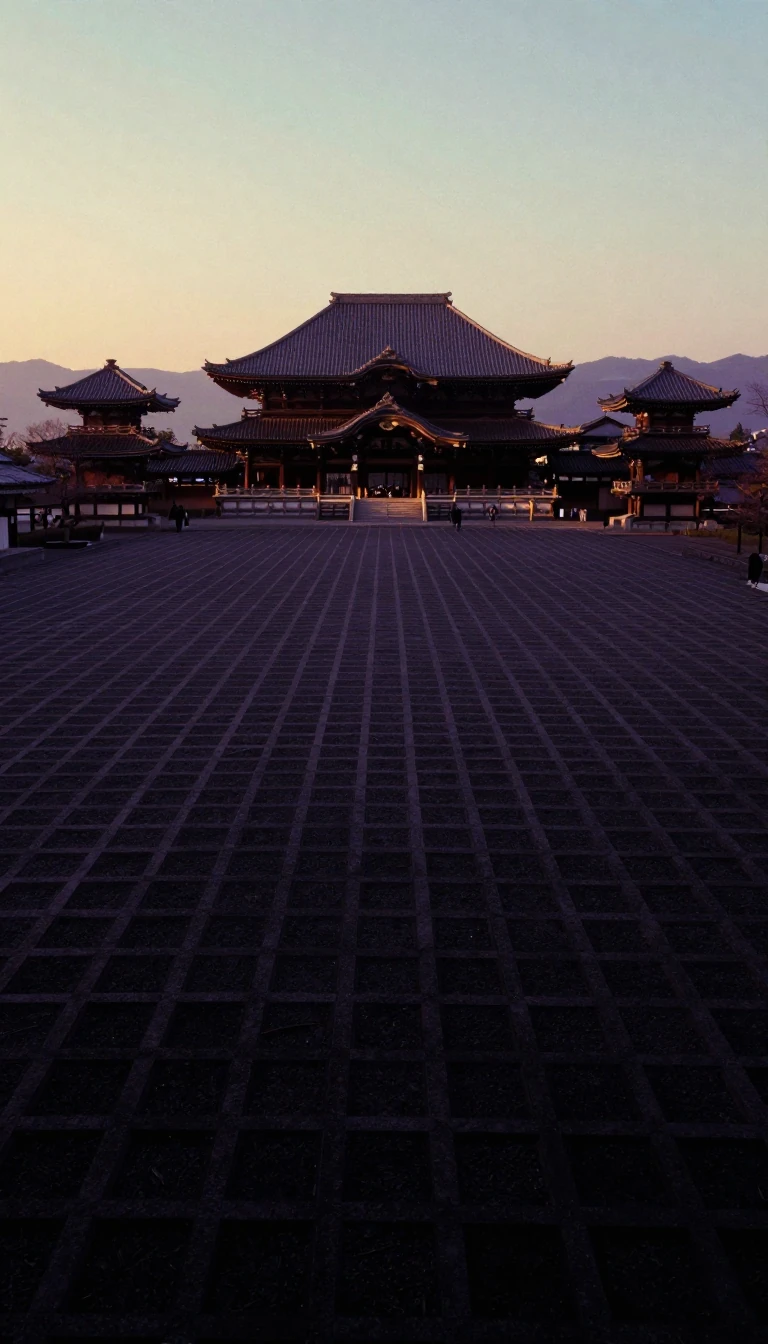 Kansai is the historical heart of Japan, a region defined by culture, not borders.Often overshadowed by Tokyo, the Kansai region is Japan's true cultural cradle. Home to ancient capitals, the birthplace of traditional arts, and a distinct merchant spirit, this …
 Karine Jean-Pierre made history as the first Black, gay, immigrant White House press secretary.Karine Jean-Pierre served as White House press secretary from 2022 to 2025, navigating a tenure defined by both historic representation and intense media scrutiny. Her journey fro…
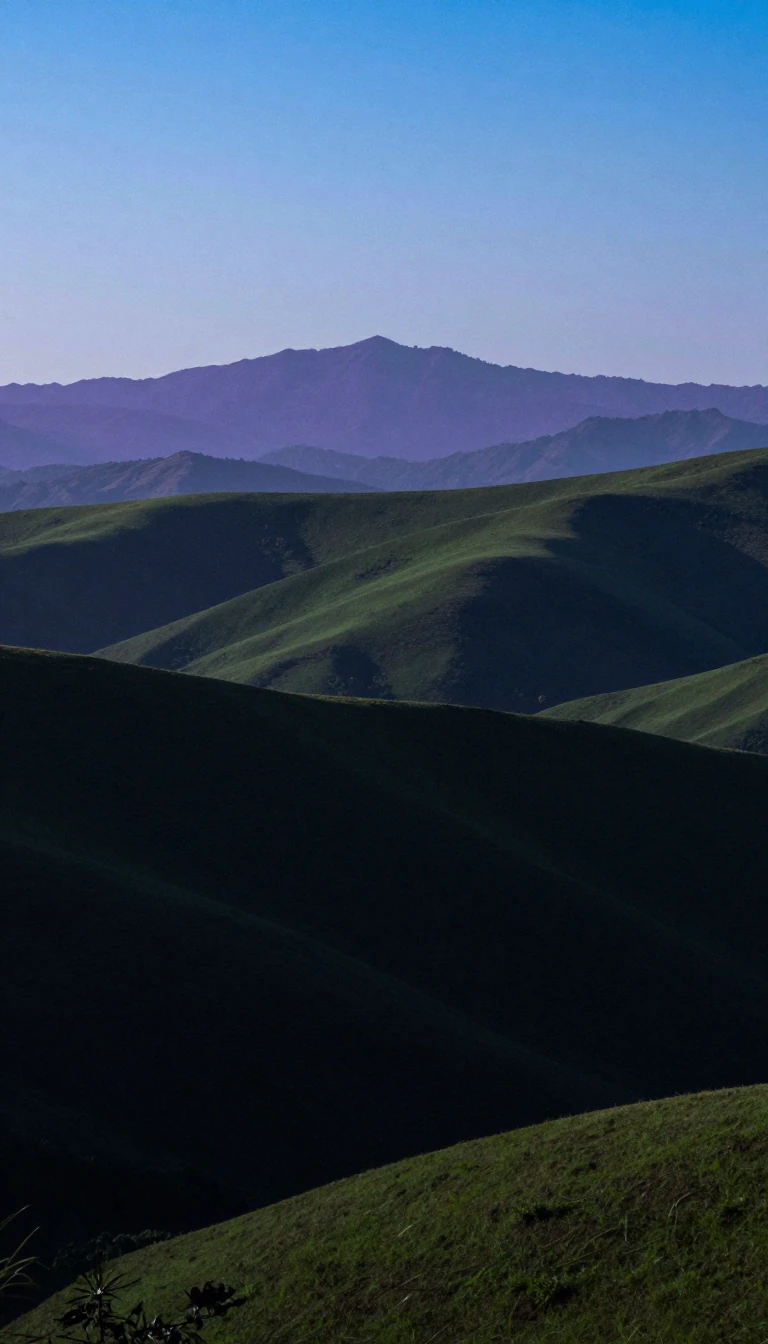 Jeju Island is home to South Korea’s highest peak and a unique volcanic landscape.Located 60 miles off the southern tip of the Korean peninsula, Jeju is a special autonomous province defined by its volcanic origins. As the site of Mount Halla, the country’s tal…
 How one man transformed a hated oil dynasty into a global philanthropic powerhouseJohn D. Rockefeller, Jr. inherited a fortune and a public reputation for ruthlessness. By shifting his focus from industrial empire to systematic charity, he redefined his family …
 Did a biblical judge truly sacrifice his only daughter to fulfill a rash vow?Jephthah, a Gileadite warrior, swore to sacrifice the first thing that greeted him upon his return from battle. When his daughter appeared, he felt bound by his word. Was this a l…
 Russia’s remote Jewish Autonomous Oblast was built as a strategic buffer, not a homeland.In the far east of Russia lies a region officially designated for Jewish settlement, yet it was never a sanctuary. Conceived by Stalin to secure a vulnerable border against Chines…
 How the 2008 John Adams miniseries blends historical fact with dramatic creative licenseThe HBO miniseries John Adams brought the founding era to life, winning more Emmy awards than any other miniseries in history. Yet, beneath its acclaimed production, the show freq…
 How Jack Layton transformed Canada's political landscape through optimism and strategic coalition buildingJack Layton rose from a local Toronto activist to the leader of the Official Opposition. By championing progressive social programs and environmental initiatives, he fundamentally…
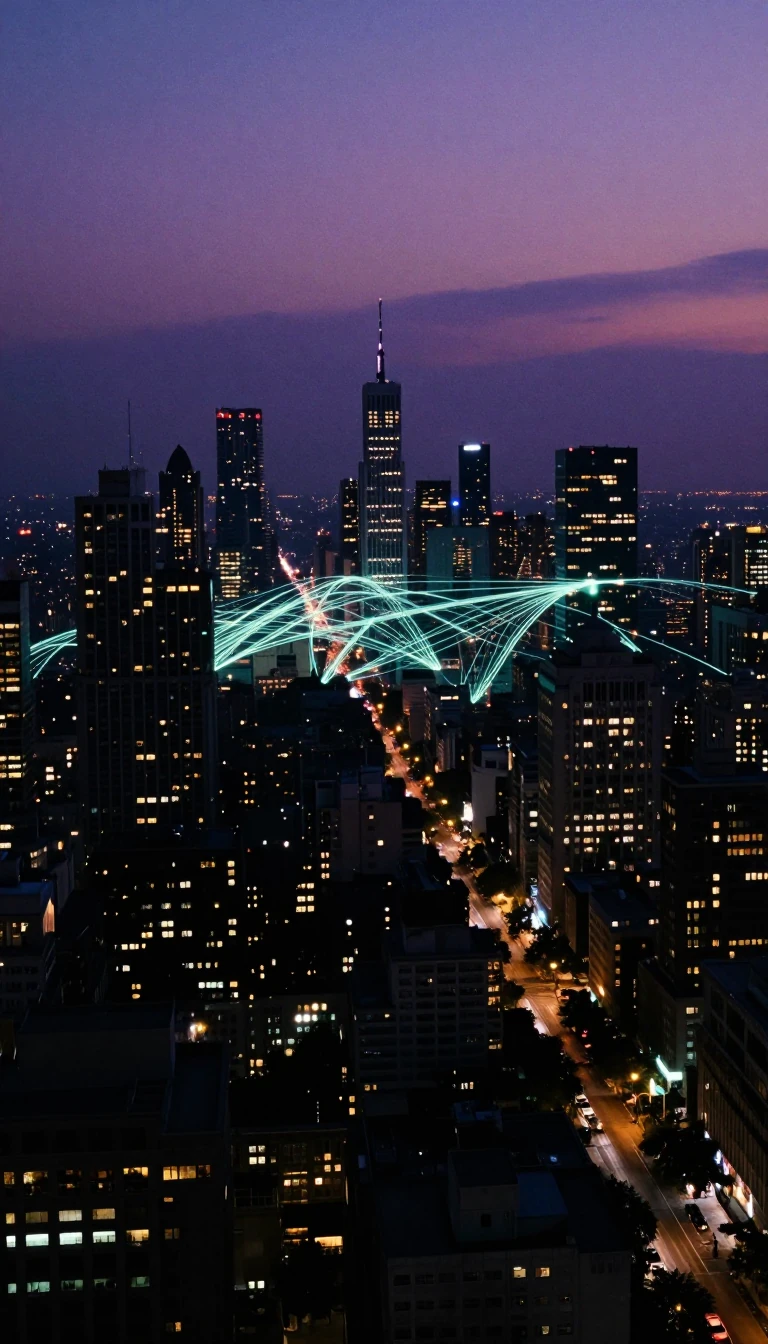 Why Istanbul’s metro network is physically divided by the deep waters of the Bosporus.Istanbul’s rapid transit system is a marvel of modern engineering, yet it remains fundamentally split. Because of the city’s unique geography and the immense depth of the Bosporus…
 James Bay is a massive, icy frontier that shaped the history of modern CanadaLocated at the southern end of Hudson Bay, James Bay is a rugged landscape of boreal forests, muskeg bogs, and powerful rivers. While sparsely populated, this region served as the…
 Interstate 40: A transcontinental artery built through deserts, mountains, and legal battlesSpanning over 2,500 miles, Interstate 40 connects the Mojave Desert to the Atlantic coast. It is more than just a road; it is a complex engineering feat that replaced historic tra…
 Iraqi Kurdistan: A mountainous region defined by millennia of shifting empires and resilienceIraqi Kurdistan is a semi-autonomous mountainous territory in northern Iraq with a history stretching from prehistoric Neanderthal settlements to modern federalism. Long caught be…
 Inca religion was a vast, living map of the cosmos and the natural world.The Inca did not just worship gods; they perceived a universe layered with sacred sites and celestial patterns. From the Sun Temple in Cuzco to the mountain cairns of the Andes, t…
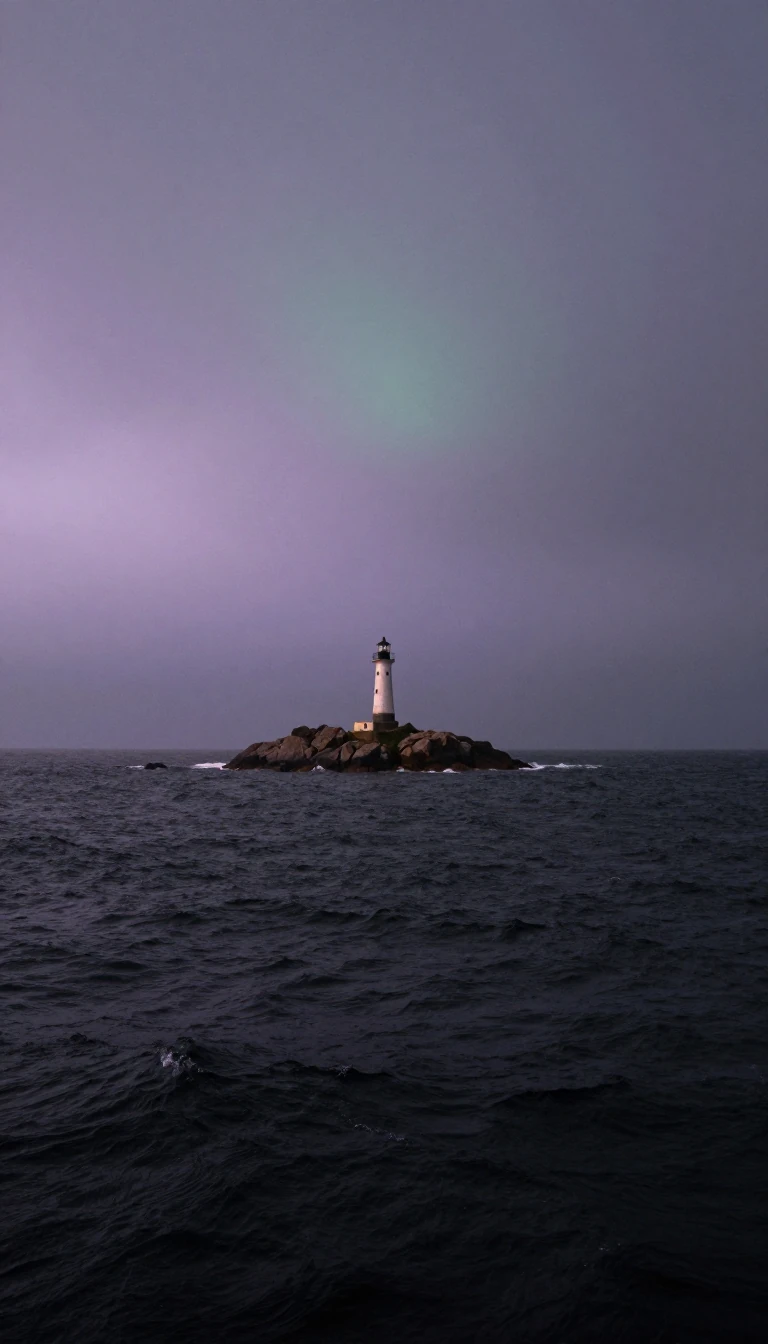 Why island nations are paradoxically both the most stable and most vulnerable statesIsland countries make up a quarter of the world's sovereign states, yet they occupy a unique geopolitical space. While historically more democratic and stable than continental nei…
 Turkey's ambitious Istanbul Canal project aims to bypass the historic, restrictive Bosporus shipping lanes.Spanning 45 kilometers, the proposed Istanbul Canal would create an artificial island between Europe and Asia. While officials argue it will relieve dangerous maritime congestion …
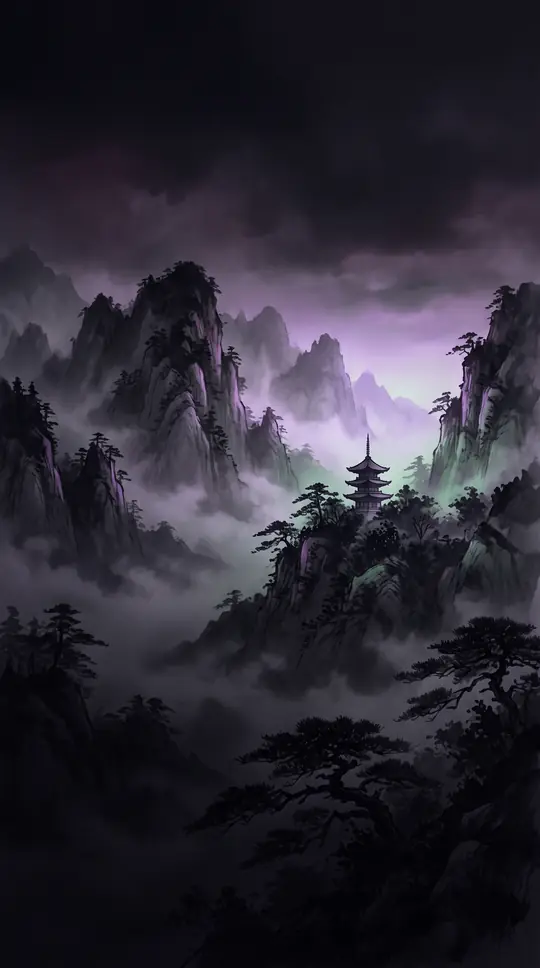 Hyōgo Prefecture is a rare Japanese region that touches two different seasSpanning from the Sea of Japan in the north to the Inland Sea in the south, Hyōgo Prefecture is a geographic anomaly. This diverse landscape includes the bustling industrial hub o…
 Is the fluffy South Indian idli a native invention or an Indonesian import?The idli is a staple breakfast of fermented rice and lentil cakes, yet its origins remain a culinary mystery. While ancient Indian texts describe early versions of the dish, some …
 The lost kingdom of Illyria shaped the Roman Empire more than history books admit.Inhabited by fierce tribes from the 10th century BCE, Illyria was a Balkan powerhouse that evolved from a collection of self-governing clans into a vital Roman military bulwark. I…
 The United States now hosts its largest immigrant population in history, totaling 53.3 million people.With 53.3 million foreign-born residents as of early 2025, the United States holds the world's largest immigrant population. This record-breaking figure represents 15.8% of the to…
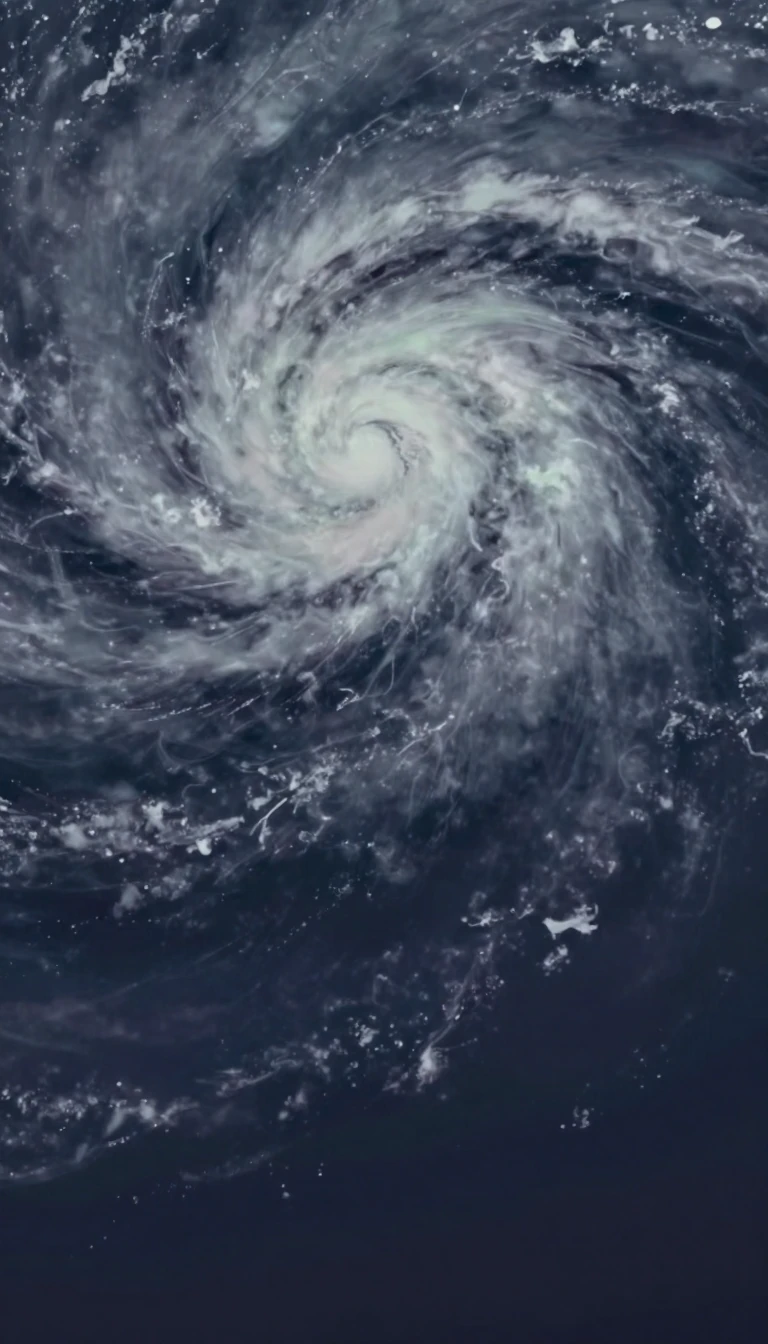 Hurricane Ivan was a record-breaking storm that circled back to strike the United States twiceIn September 2004, Hurricane Ivan carved a path of destruction across the Caribbean and the American Gulf Coast. A long-lived Cape Verde storm, it reached Category 5 intensity thr…
 Why the Hudson River flows in two directions and defies standard geographyThe Hudson is not a typical river. Because it is a drowned fjord carved by ancient glaciers, the ocean pushes deep into its channel. This creates a tidal estuary where the water f…
 Why the humid subtropical climate is a global powerhouse of vegetation and agricultureFound on the eastern edges of continents, the humid subtropical climate is defined by its high temperatures and consistent rainfall. It acts as a transitional zone between the tro…
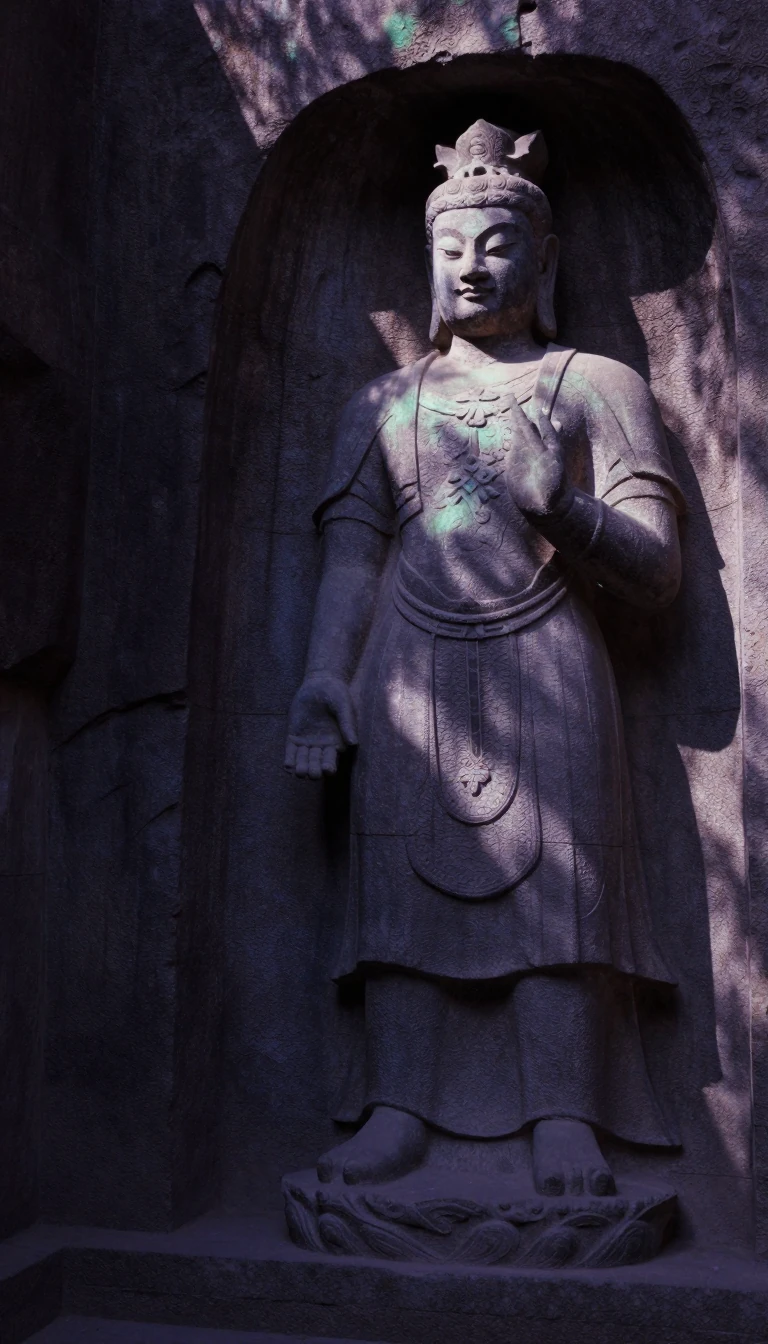 A 12th-century masterpiece carved from soapstone that hardens when exposed to the air.The Hoysaleswara Temple in Halebidu is a twin-shrine marvel of the Hoysala Empire. Built from soft chloritic schist that petrifies over time, its outer walls serve as a massive, i…
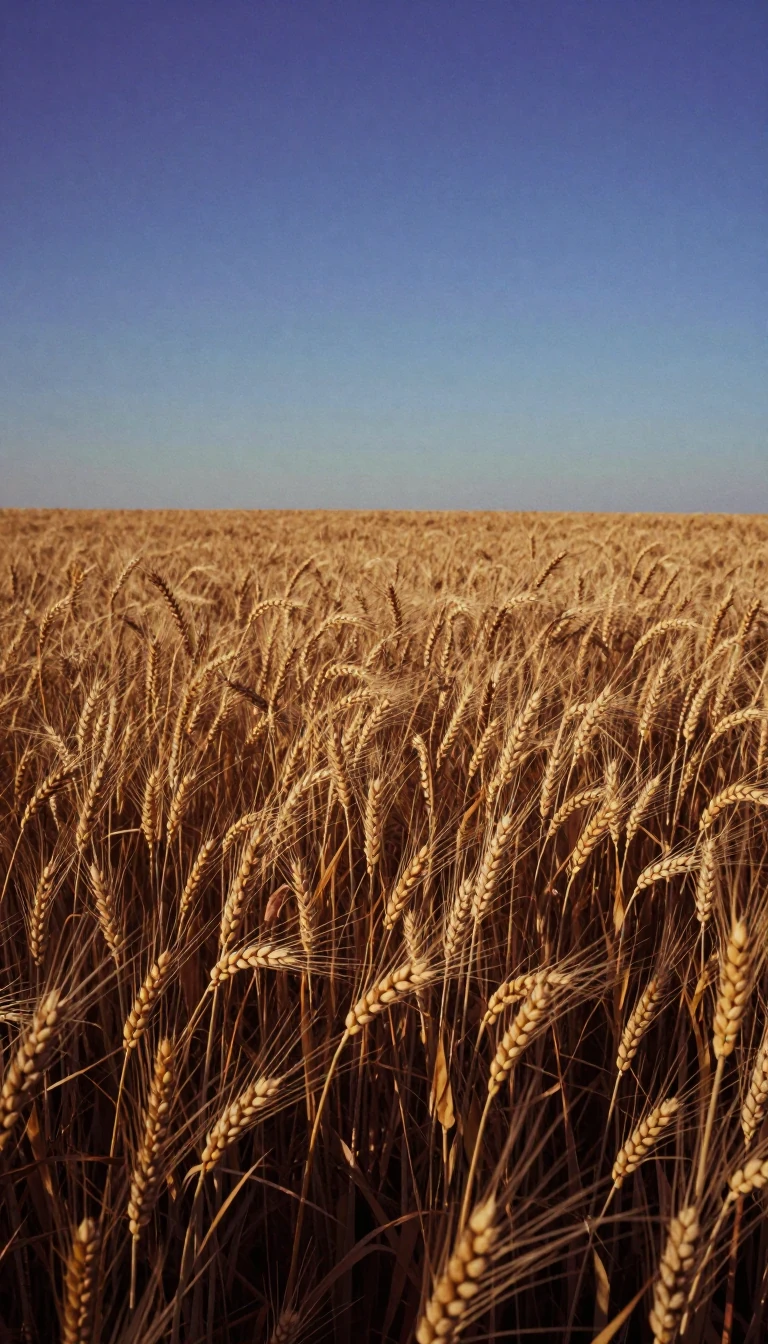 Humanity now consumes 70% more resources than the planet can naturally regenerate each year.Our global footprint has outpaced the earth's capacity to renew itself. From the mass conversion of wild habitats into agricultural land to the staggering loss of 83% of all wild …
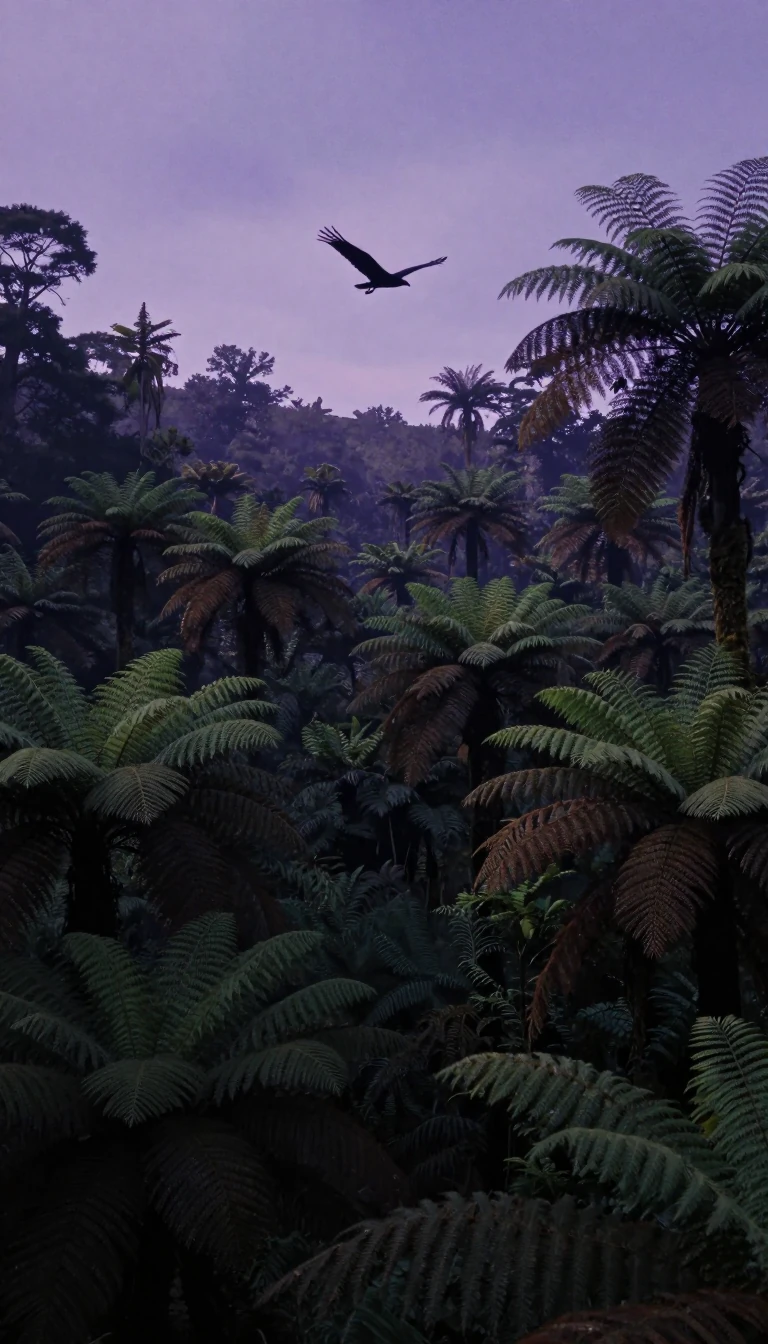 The confusing, overlapping world of the true hawkIs it a hawk, a buzzard, or a falcon? The answer depends entirely on where you stand. From ancient Greek lists to modern taxonomy, the names we use for these predators often refle…
 Indonesia's Whoosh rail line is a marvel of engineering and a complex financial gambleAs the first high-speed network in Southeast Asia and the Southern Hemisphere, Indonesia's Whoosh train slashes travel time between Jakarta and Bandung from three hours to just 35…
 The House of Lancaster: How a Royal Cadet Branch Seized and Lost the English ThroneBorn from a royal cadet branch, the House of Lancaster rose to dominate medieval English politics through immense wealth and military prowess. Yet, their reign was defined by civi…
 From nationalist roots to corporate giant: the complex evolution of the Hindustan TimesFounded as a nationalist voice during India's independence movement, the Hindustan Times has transformed into a major media conglomerate. While its early years were defined by pol…
 The word Hispanic has roots in ancient Rome, but its modern usage is fluid.Tracing its origins to the Latin Hispania, the term Hispanic has evolved from a geographic descriptor for the Iberian Peninsula into a complex, often debated, meta-ethnic label. T…
 Why a buried Roman city offers a more intimate look at history than PompeiiWhile Pompeii is famous for its sudden destruction, Herculaneum offers a far more detailed glimpse into ancient private life. Buried under a massive, compact layer of volcanic mat…
- Why do we accept the status quo as natural, inevitable, and beneficial to everyone?Hegemony is more than just raw power; it is the art of making a ruling group's interests seem like common sense. By shaping our intellectual and moral landscape, dominant powers s…
 Hematite is a blood-red stone that has fascinated humanity for over 160,000 years.Named for the Greek word for blood, this iron oxide is more than just a vital industrial ore. From ancient cave pigments to Martian spherules and radiation shielding, hematite’s u…
 Beyond the myths, the name Hercules defines a legacy of strength in nature.The legendary hero Heracles, known for his twelve labors and immense power, has left an enduring mark on human culture. Yet, his influence extends far beyond ancient art and liter…
 Why did the United States government attempt to rename the Gulf of Mexico?In 2025, a presidential executive order mandated federal agencies refer to the Gulf of Mexico as the Gulf of America. While the change appeared on some digital maps and influenced…
 How small, cheap gunboats once dictated the balance of power on the world's waterways.Designed to carry heavy artillery into shallow rivers and coastal archipelagos where massive warships could not venture, the gunboat became a staple of naval strategy. From the Ag…
 The massive Haast's eagle evolved to hunt giant flightless birds in ancient New Zealand.Before humans arrived in New Zealand, the islands were dominated by birds rather than mammals. Among them was the world's largest eagle, a predator so formidable it evolved to hun…
 Haiti’s name translates to Mountainous Land, reflecting a rugged, limestone-rich Caribbean landscape.Haiti occupies the western third of Hispaniola, a nation defined by dramatic elevation and complex topography. While its shores are rimmed with cliffs and coral reefs, the country…
- How a sloping plain and a canal transformed a small town into Canada's steel hub.Hamilton, Ontario, sits at the intersection of a dramatic geological formation and a strategic harbour. Once a modest settlement on a plain, the city leveraged its unique geograph…
 How a former resort and military base became the world's fourth-busiest airportHaneda Airport began as a small patch of reclaimed land for a local shrine, later serving as a military hub during World War II. Today, it stands as a global aviation powerhouse, …
 Why Korean still relies on ancient Chinese characters to clarify its modern vocabularyThough Korea developed its own phonetic alphabet, Hangul, centuries ago, the language remains deeply tethered to Hanja—Chinese characters. Because Korean is full of homophones, th…
 How a former Iranian president attempted to trade nuclear restraint for global economic relief.Hassan Rouhani, president of Iran from 2013 to 2021, defined his tenure by pursuing a landmark nuclear agreement with world powers. By promising to limit uranium enrichment in exc…
- How a three-year blockade of a rocky peninsula shaped the American Revolutionary WarThe Great Siege of Gibraltar was the longest continuous investment in British military history. Lasting over three and a half years, this brutal struggle for a strategic Mediterra…
 How Jacob Grimm proved that language evolution follows strict, predictable mathematical rulesBefore 1822, linguists viewed sound changes as random accidents. Jacob Grimm changed everything by demonstrating that Germanic languages evolved from a common ancestor through sys…
- The Gulf of Finland is one of the world's largest and best-preserved ship cemeteries.Low salinity and cold, oxygen-poor waters have turned this Baltic arm into a time capsule. Thousands of vessels, from ancient merchant ships to World War II warships, rest on the …
- Why the green anaconda is the world's most exaggerated snakeThe green anaconda is the heaviest snake on Earth, yet it is also the subject of more size myths than any other living animal. While legends of 40-foot monsters persist, rigorous …