 Intellect Plus
Physical geography
1,174 cards. Each one is a 40-second story with a five-minute read behind it. Page 5 of 20.
 Once mistaken for a giant reptile, this prehistoric whale was actually a top predator.Basilosaurus, meaning king lizard, was the first prehistoric whale ever described by science. Though its name suggests a reptile, this massive Eocene creature was a fully aquatic …
 Why the twelfth highest mountain on Earth is named for its massive summitRising 8,051 metres in the Karakoram range, Broad Peak earns its name from a summit stretching over 1.5 kilometres in length. While it stands just eight kilometres from the legend…
 Area 51: The Secret Nevada Base That Shaped Modern Aerial Combat TacticsHidden in the Nevada desert, Area 51 is more than a UFO legend. Since 1955, this highly classified facility has served as the crucible for America's most sensitive aviation projec…
 The fish that navigates by sensing Earth's magnetic fieldSockeye salmon are masters of long-distance navigation, traveling thousands of miles to return to the exact freshwater stream where they were born. While many rely on smell, socke…
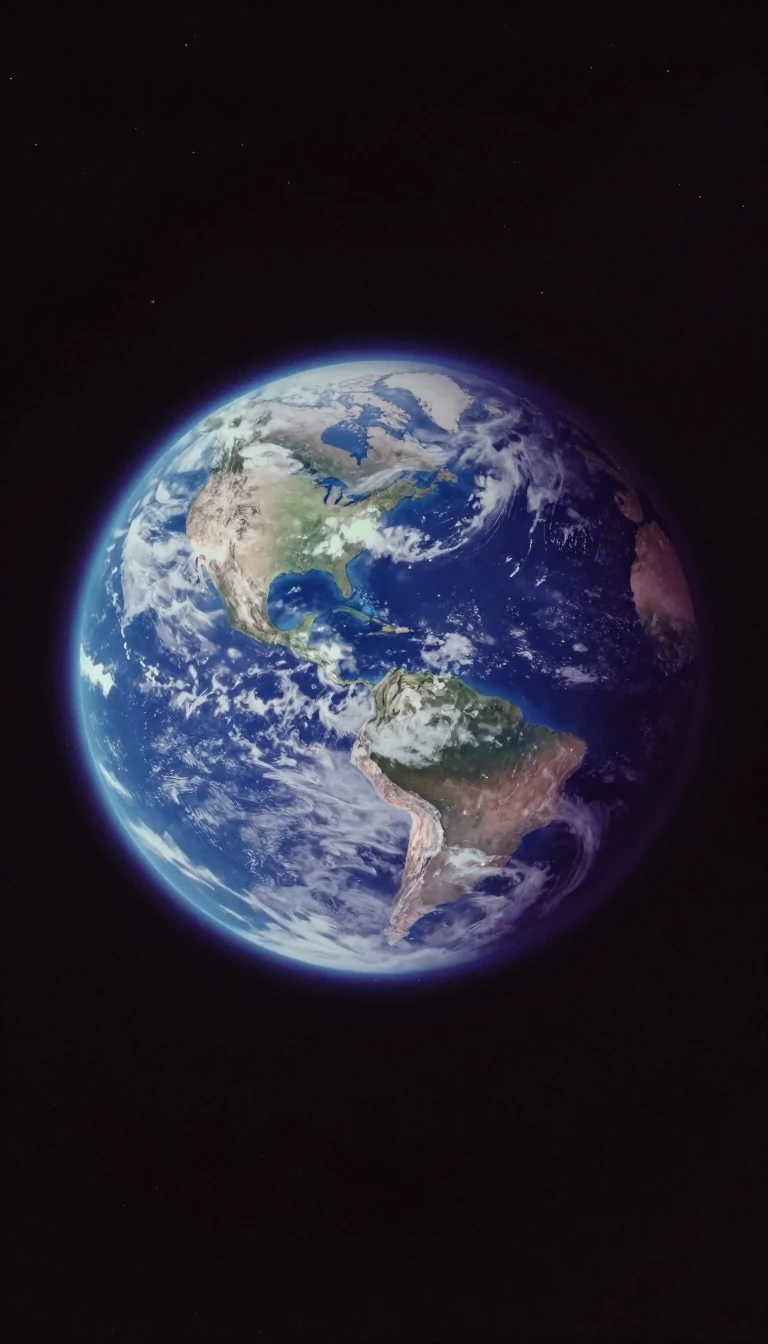 The Earth is currently in the middle of a massive, slow-motion puzzle rearrangementWe often think of continents as permanent fixtures, but they are actually part of a restless cycle. From the ancient assembly of Pangaea to the predicted formation of future landm…
 Why stratovolcanoes are the most explosive and dangerous mountains on our planetStratovolcanoes are the classic, towering, conical peaks that define our image of a volcano. Unlike their gently sloping shield counterparts, these mountains are built from thick,…
 The Suez Canal is a man-made shortcut that reshaped global trade and marine biologyConnecting the Mediterranean and Red Seas, the Suez Canal is an engineering marvel that severed the land bridge between Africa and Asia. By eliminating the long voyage around the …
 Why a single body of water can be called a creek, brook, or riverA stream is more than just flowing water; it is a complex, shifting corridor that connects fragmented habitats. While we often use regional labels like brook, creek, or run to des…
 Subduction is the engine of Earth, recycling our planet's crust into its fiery interior.Subduction is the geological process where heavy oceanic plates dive beneath others, sinking into the mantle. This recycling mechanism drives plate tectonics, creates most of our …
 How a failed invasion of Egypt ended the British Empire's status as a superpowerIn 1956, Britain, France, and Israel launched a secret military operation to seize the Suez Canal from Egypt. While the invasion was a tactical success, it triggered a global poli…
 Sukhumi: A Black Sea capital built on the ruins of an ancient Greek colonyPerched on the eastern shores of the Black Sea, Sukhumi is a city defined by its dramatic geography and turbulent history. Once a thriving resort destination, this capital of Abkh…
 The ground beneath Naples is rising, and scientists are watching closelyThe Phlegraean Fields is a massive volcanic caldera where the earth itself is physically swelling. With recent ground uplift reaching 2 cm per month, researchers are debating whet…
 Yogyakarta is the only place in Indonesia where a monarchy still holds power.While Indonesia is a republic, this special region on the island of Java maintains a unique diarchy. Led by a Sultan and a Duke, it functions as a province with a democratic legis…
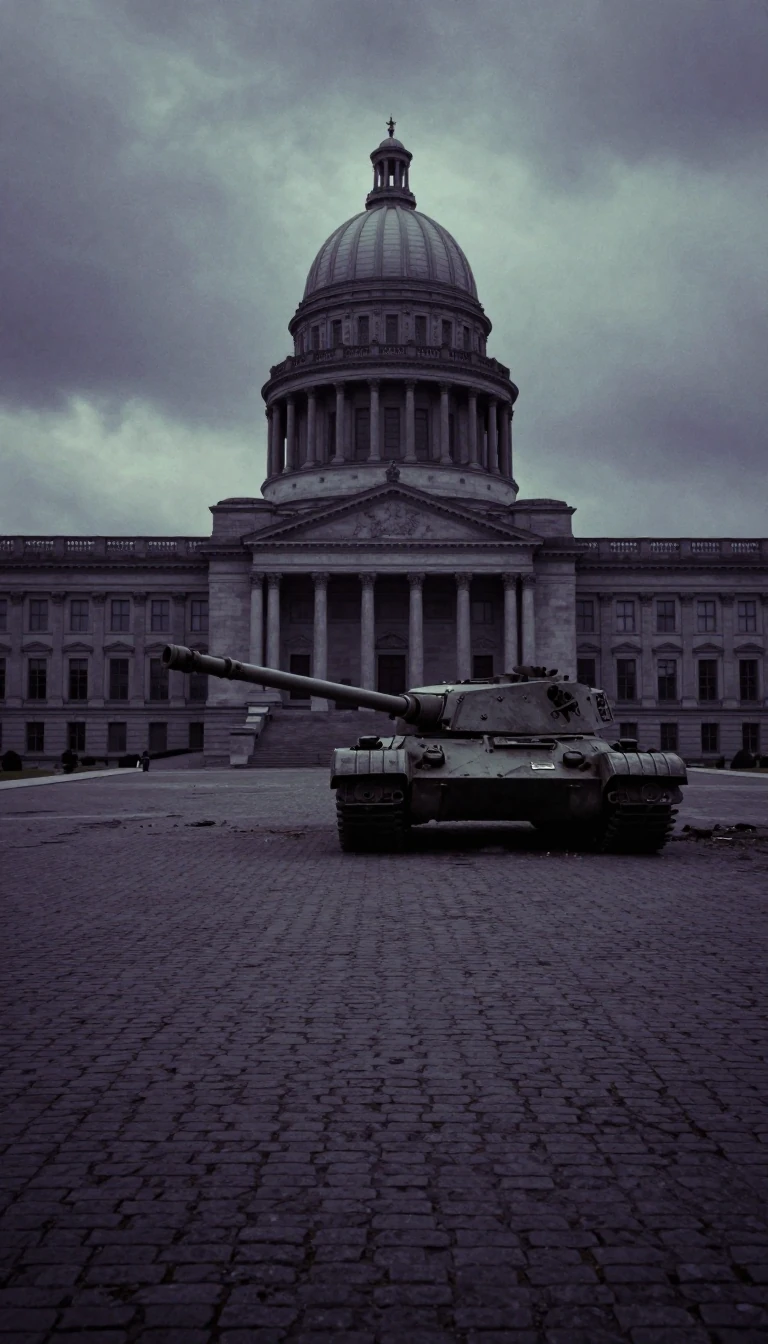 How a massive Soviet pincer movement forced Japan to surrender in August 1945In the final days of World War II, the Soviet Union launched a lightning offensive across Manchuria. By deploying 1.5 million troops in a coordinated triple-front assault, the Sov…
 How the Soviet Navy evolved from a decimated revolutionary force to a global superpower.Born from the wreckage of the Imperial Russian Navy, the Soviet fleet spent decades in the shadow of internal purges and industrial struggle. Yet, through radical design choices—l…
 Why does water stay cool while iron heats up so quickly in the sun?Specific heat capacity measures how much energy a substance needs to change its temperature. Water holds onto heat far more stubbornly than most materials, acting as a thermal anc…
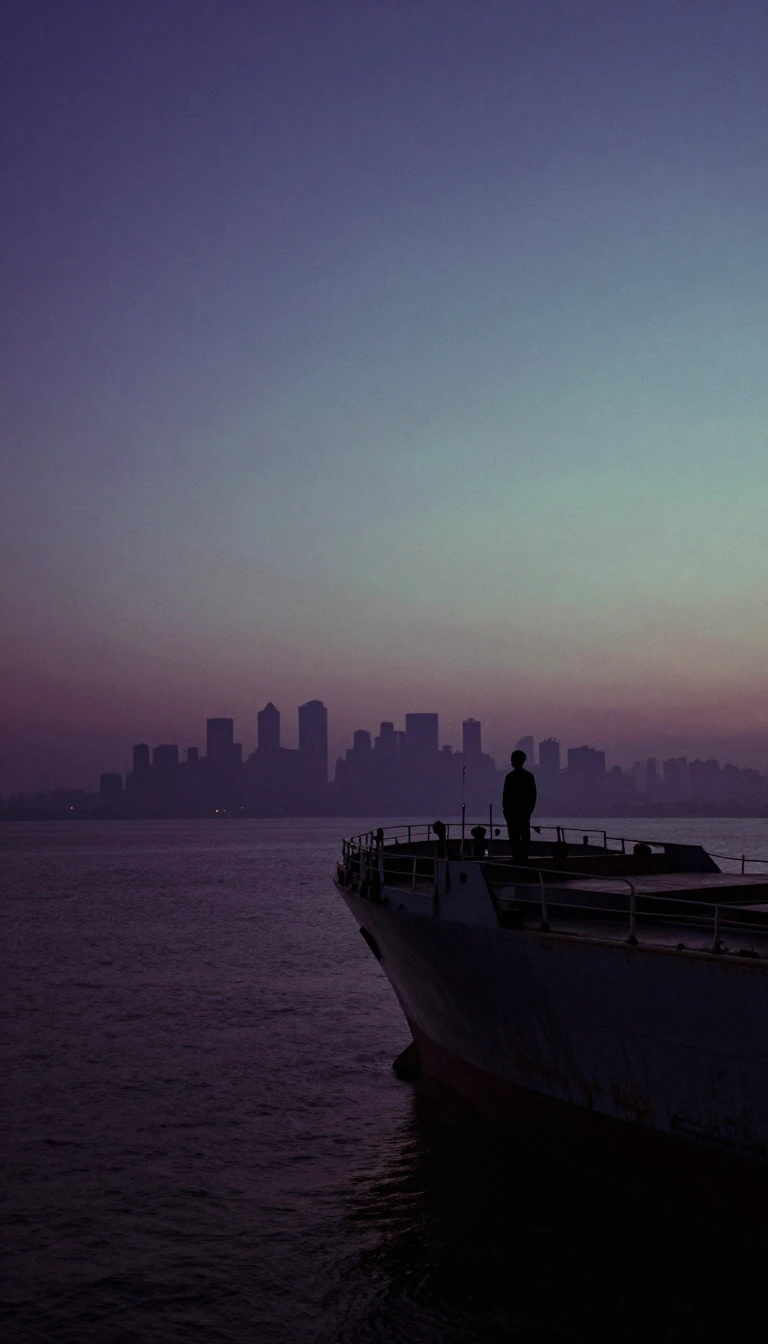 Why did the mighty Edmund Fitzgerald vanish without a distress signal in Lake Superior?On November 10, 1975, the massive freighter Edmund Fitzgerald disappeared during a violent storm, taking 29 men to the bottom of Lake Superior. Despite its fame and the subsequent…
 St. John’s sits on a geological fault line between the ancient worlds of two continents.Perched on the eastern edge of North America, St. John’s is more than a historic port. Its dramatic harbour, carved into the steep slopes of the Avalon Peninsula, reveals a comple…
 Robert Fulton transformed the steamboat from a temperamental experiment into a commercial powerhouse.Before the steamboat became an icon of 19th-century river travel, it was a series of failed prototypes and rejected military schemes. Robert Fulton, an artist-turned-engineer, fin…
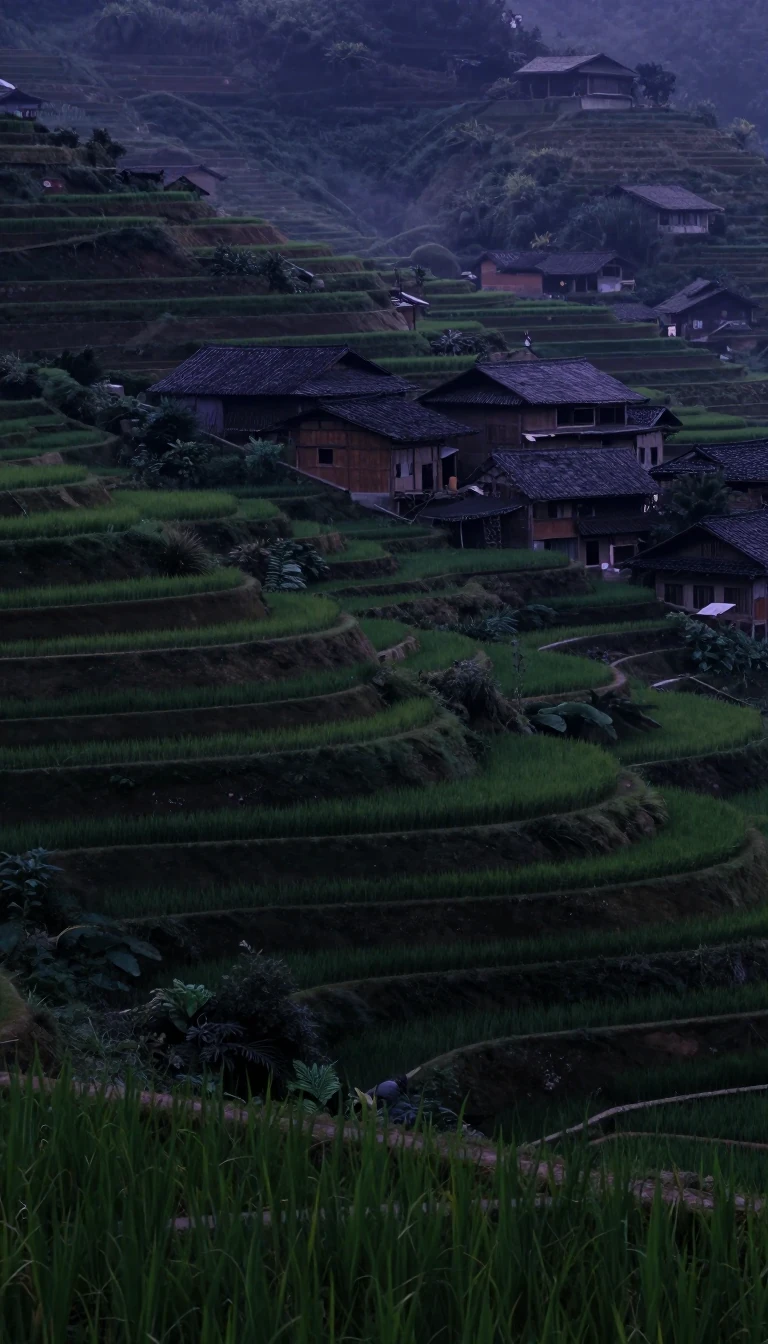 Why Southern Min dialects preserve linguistic fossils from the ancient Han dynastySouthern Min is not just a language, but a living archive of Chinese history. While most Chinese varieties evolved from Middle Chinese, Southern Min retains distinct traces of old…
 Why the Italian South and North were once considered two different worldsAt the time of Italy's 1861 unification, the southern Kingdom of the Two Sicilies and the northern states were worlds apart. While the north was industrializing, the south remaine…
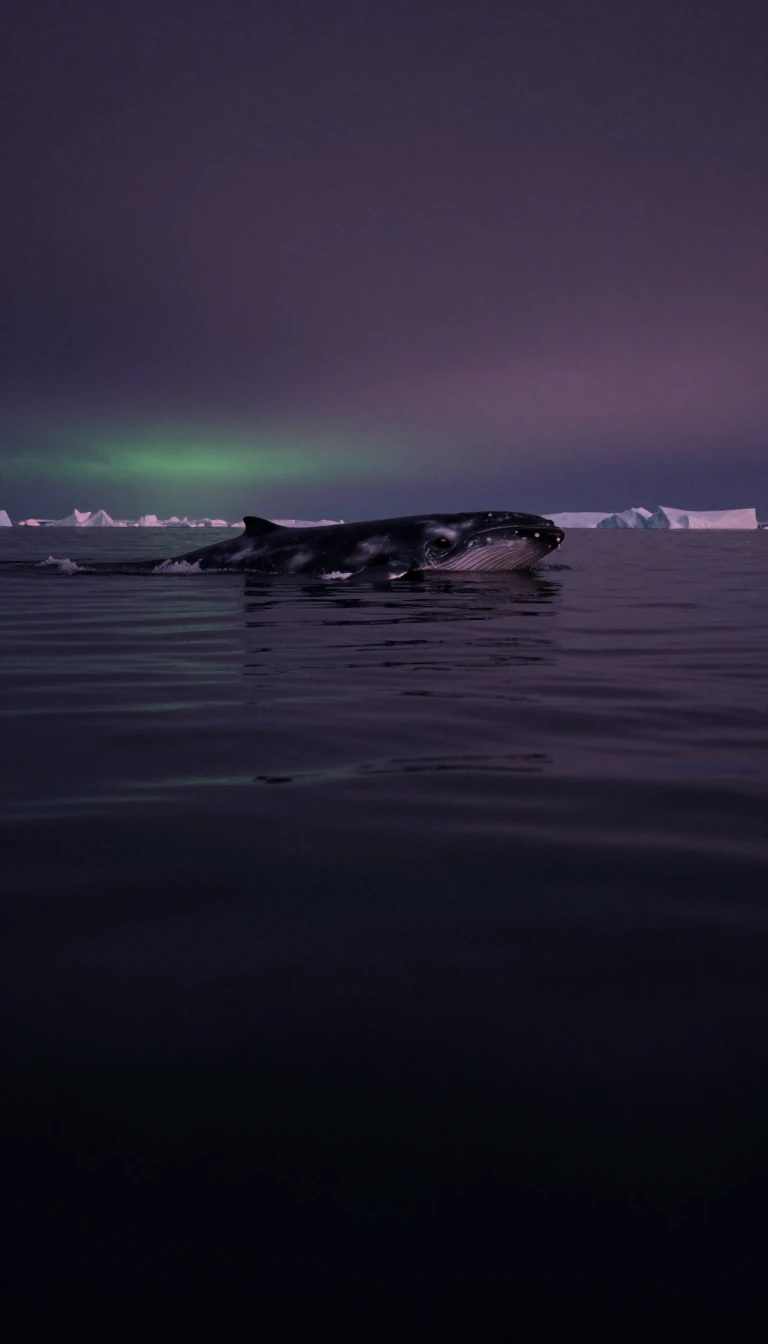 Why the Southern Right Whale was once the perfect target for industrial whalers.The Southern Right Whale earned its name for a grim reason: it was the right whale to catch. Its high oil content, meat, and tendency to linger in coastal bays made it an easy, lu…
 A remote South Atlantic island is finally recovering from a century of invasive pestsSouth Georgia, a mountainous, snow-covered island in the South Atlantic, was once a hub for whaling and a playground for introduced species. After decades of ecological damage cau…
 Why the Southern Hemisphere is more than just a mirror of the northThe Southern Hemisphere is defined by its vast oceans, which moderate its climate and create a distinct ecological reality. With over 80% of its surface covered by water, it exper…
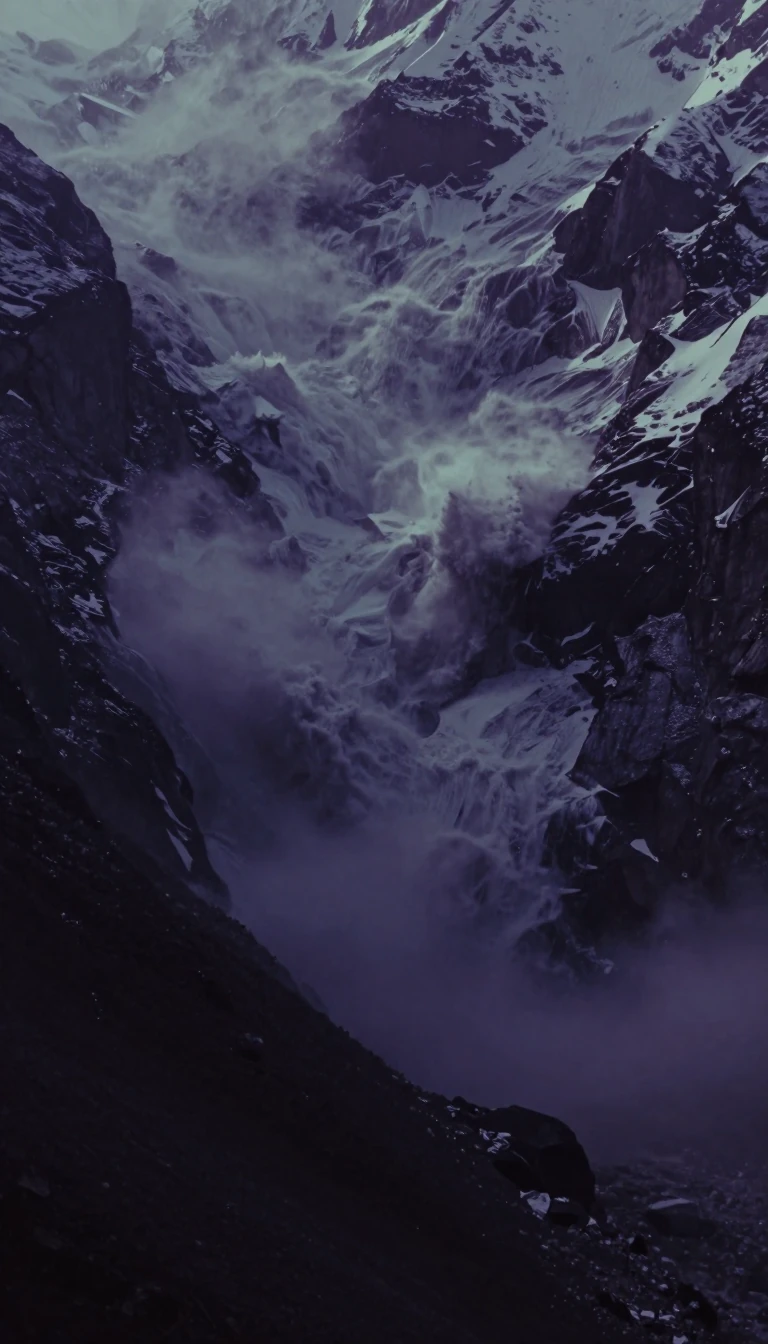 Why the world's second-longest nonpolar glacier is a site of intense geopolitical conflictThe Siachen Glacier, a 75-kilometer-long ice giant in the Karakoram range, is more than a natural wonder. It is the center of a long-standing territorial dispute between India and…
 How a mountain kingdom’s language survived and unified a people against all oddsThe Sotho language is the heartbeat of Lesotho, a landlocked nation defined by its rugged peaks. Beyond its role as a national tongue, it represents a complex history of tribal co…
 Silt is the planet's most abundant sediment, yet it remains a structural nightmare.Silt is more than just mud. It is a granular material defined by its microscopic size, acting as a bridge between sand and clay. While it creates the world's most fertile agricult…
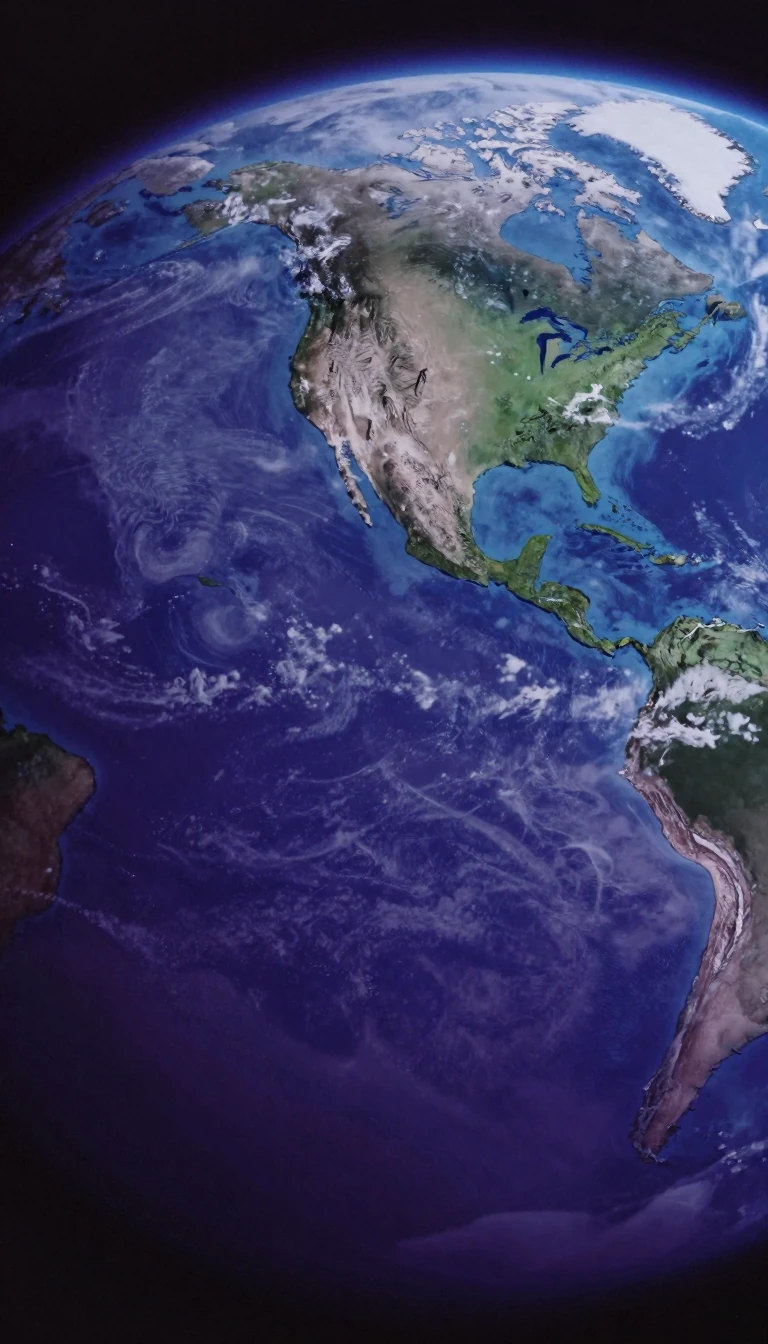 The Society Islands are a volcanic chain where the islands grow younger as you travel.Formed by a hotspot moving beneath the Pacific Plate, the Society Islands reveal their age in their geology. From the ancient, eroded shield volcanoes of Maupiti to the active sei…
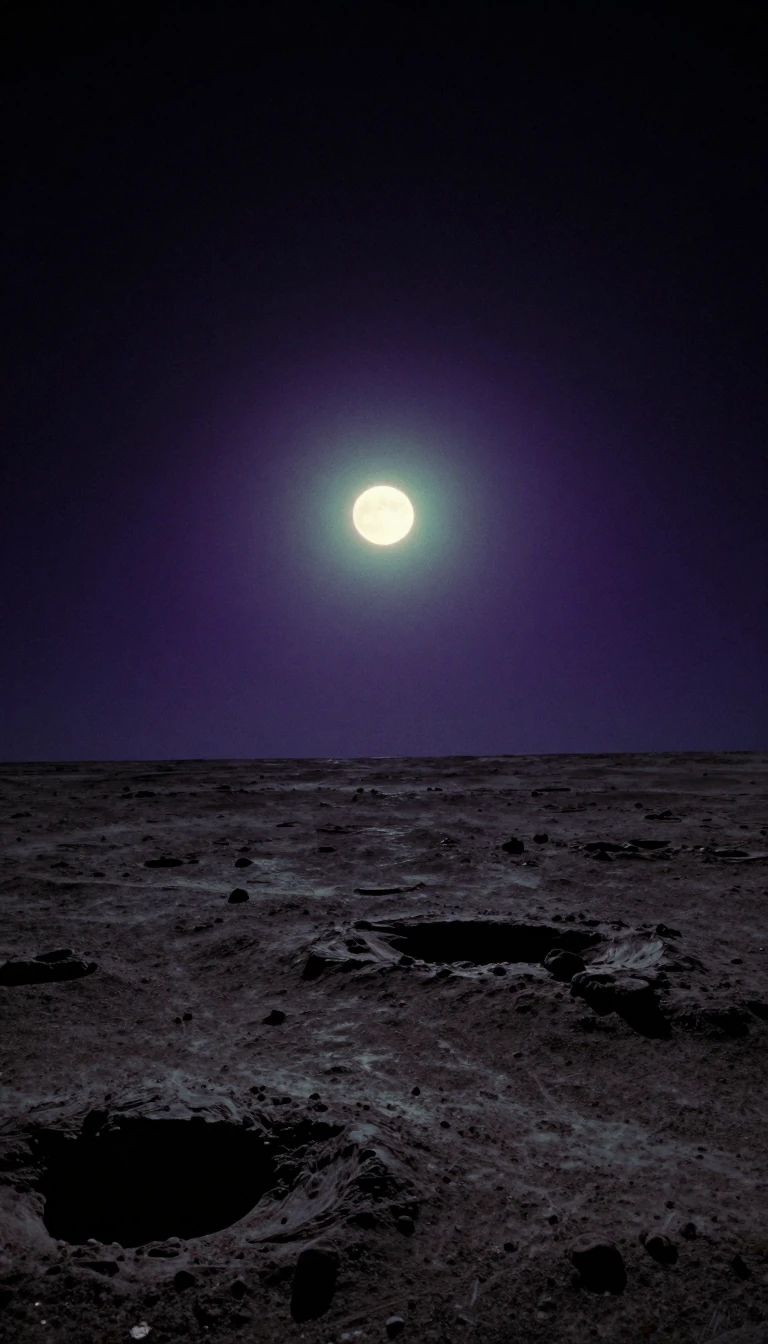 The Sun's magnetic heart beats in an 11-year rhythm, but it is rarely precise.We are currently navigating Solar Cycle 25, a period of intense magnetic activity that has already defied official predictions. While experts once expected a peak in late 2025, re…
 The island where giants were petrified into stoneAncient mythology claims the jagged rocks of Mykonos are not geological accidents. They are said to be the frozen corpses of giants defeated by Heracles. This legendary battlefiel…
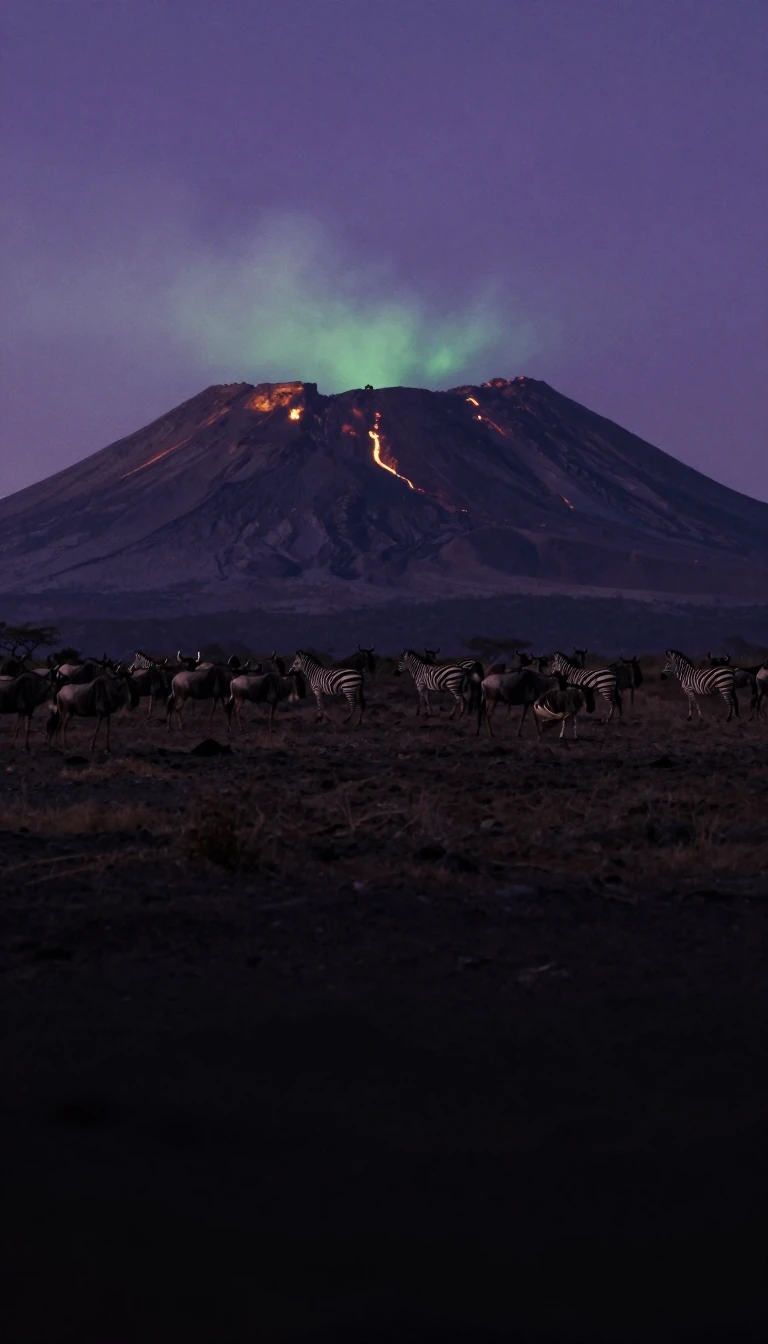 Why the Serengeti is more than just a backdrop for the Great MigrationSpanning millions of acres of acacia-dotted grasslands, the Serengeti is an intricate, ecologically sensitive landscape. While famous for the cyclical movement of nearly two milli…
 Seawater is a remarkably consistent chemical solution despite the ocean's vast, turbulent complexity.Covering over 70 percent of Earth, seawater is far more than just salty water. It is a precise, complex mixture of dissolved ions and gases that remains surprisingly uniform acros…
- Why the elusive sei whale is named after a common Norwegian fishThe sei whale is one of the ocean's fastest swimmers, yet it remains a mystery to researchers. Named for the Norwegian word for pollock, this sleek rorqual prefers deep, unpredict…
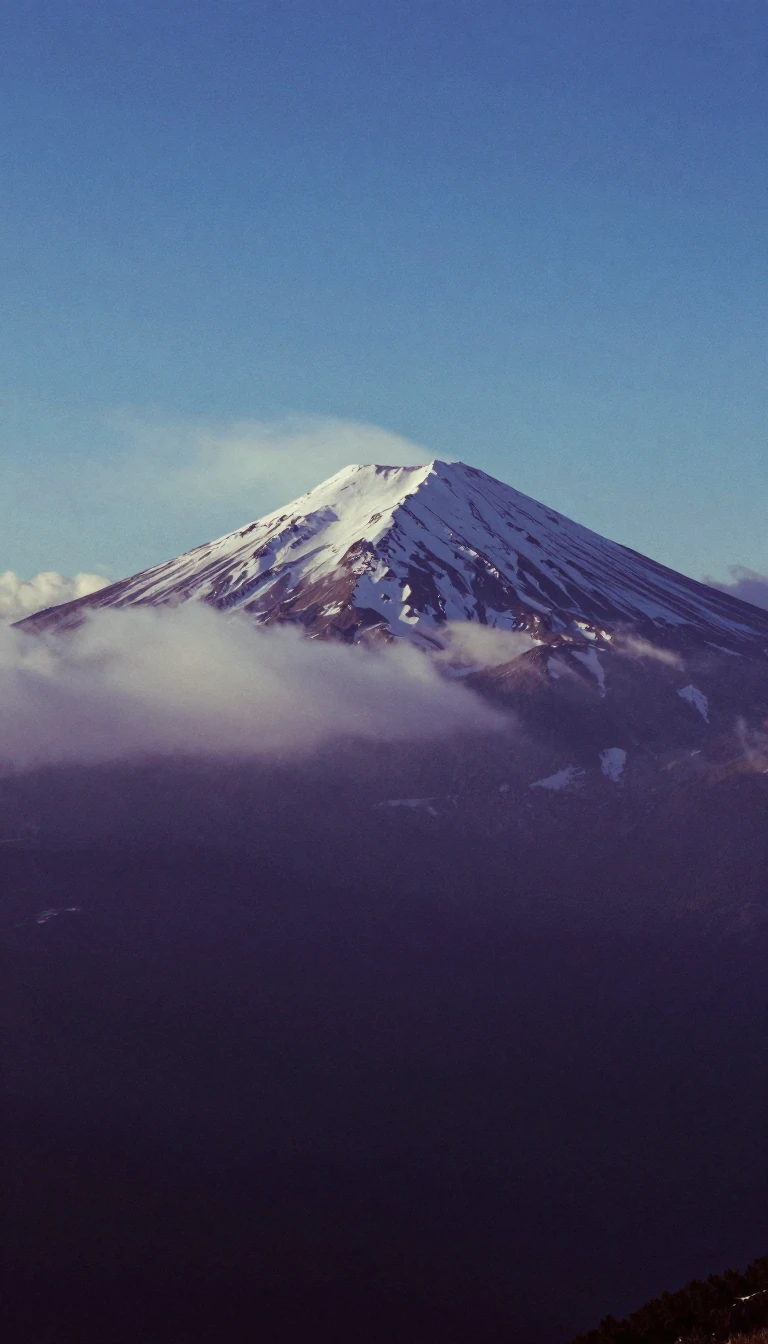 The Seven Summits are not a fixed list, but a shifting mountaineering puzzle.Climbing the highest peak on every continent sounds straightforward, but geography is rarely simple. Depending on how you define a continent's border, the list of mountains change…
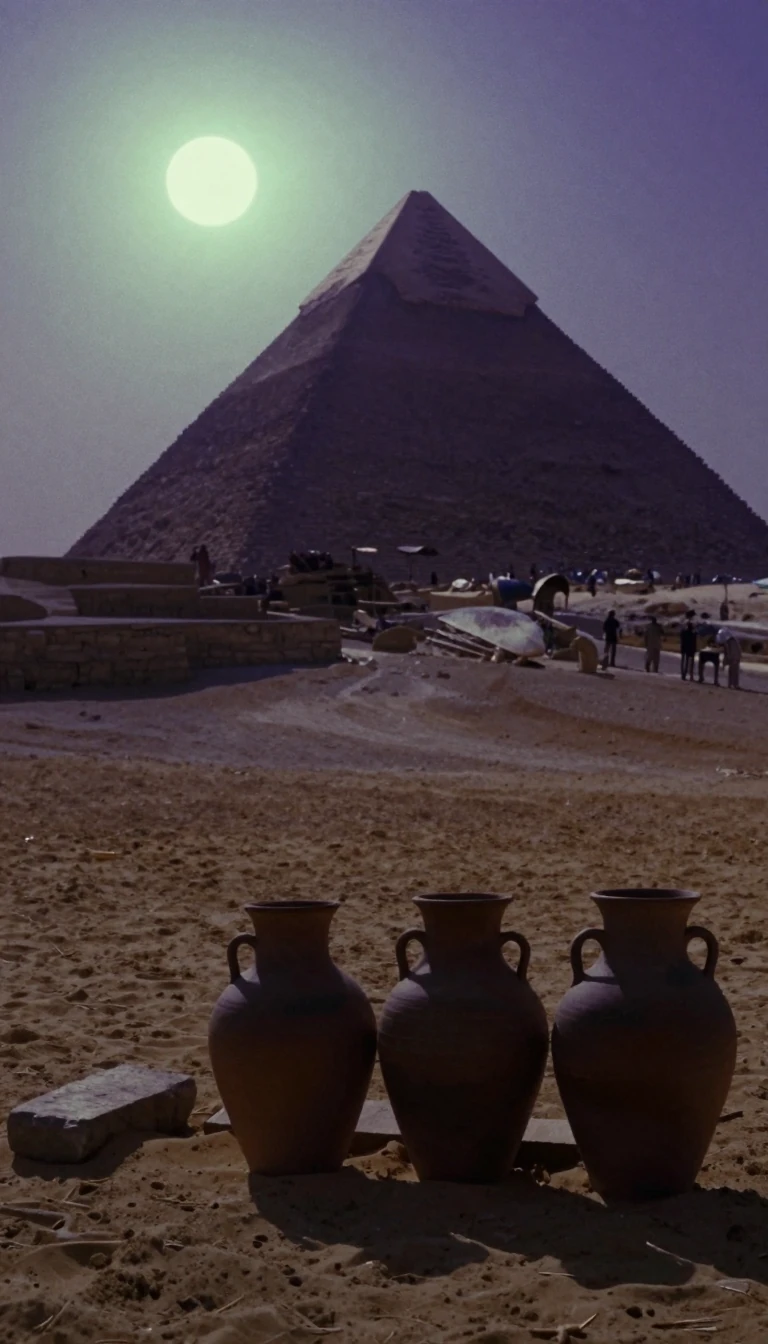 From fishing village to global summit hub: the unlikely rise of Sharm El SheikhOnce a quiet fishing outpost and military base, Sharm El Sheikh has transformed into a premier international resort and diplomatic center. Known as the City of Peace, this Egyptia…
 With three million shipwrecks worldwide, the ocean floor is a vast, submerged museum.From the legendary Titanic to intentional artificial reefs, shipwrecks are more than just maritime disasters. They are complex time capsules, shaped by chemistry, biology, and hum…
 Why navies deliberately sink their own ships to win wars and shape historyScuttling is the intentional sinking of a vessel by its own crew. While it sounds like a defeat, it is a calculated tactical maneuver used to block enemy harbors, prevent the capt…
 The Sea of Galilee: A Biblical Lake Shaped by Ancient Tectonic ShiftsNestled in the Jordan Rift Valley, the Sea of Galilee is one of the world's lowest-lying freshwater lakes. While famous for its religious history, this pear-shaped body of water i…
- Before runways were everywhere, the world’s fastest and largest aircraft were all seaplanes.In the early 20th century, water-based aircraft dominated aviation. From the first practical designs by Glenn Curtiss in 1911 to record-breaking transatlantic crossings, seaplanes…
- Beyond the coral: how reefs shape the ocean floor and our historyReefs are more than just tropical coral structures. From ancient microbial mounds to man-made shipwrecks, these underwater features define marine habitats and even trap fossil fue…
 China’s new Aerospace Force is centralizing the nation’s military reach into the final frontierEstablished in April 2024, the PLA Aerospace Force represents a major shift in Chinese military structure. By consolidating space-based assets and C4ISR systems under one dedicate…
 The ancient travel guide that mapped the Indian Ocean's vast, interconnected trade networkBefore modern cartography, the Periplus of the Erythraean Sea served as a vital maritime handbook for Greco-Roman sailors. Written in the first century, this logbook details the p…
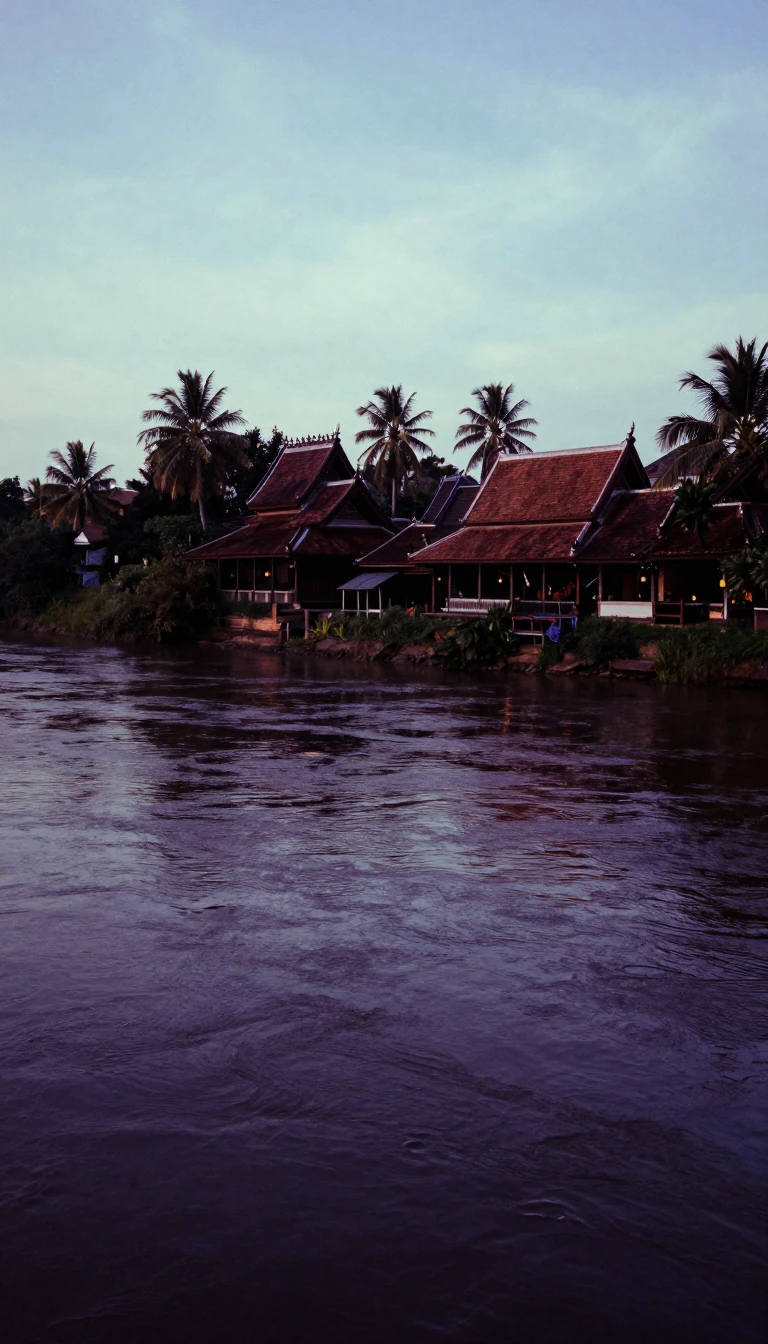 Perlis: The tiny Malaysian state that defies administrative norms and royal traditionPerlis is Malaysia's smallest state, yet it stands out for its unique governance and geography. It is the only state in the country without administrative districts and is ruled b…
 Can mimicking nature's patterns solve the crisis of modern industrial agriculture?Permaculture is more than just gardening; it is a holistic design philosophy that seeks to replicate natural ecosystems to minimize waste and maximize sustainability. By observing…
 Pico de Orizaba is the highest volcano in North America and a dormant giant.Rising 5,636 meters above sea level, this massive stratovolcano defines the Mexican landscape. Known as Citlaltépetl, or Star Mountain, it acts as a critical climate barrier betwe…
 The red king crab is a biological marvel that thrives in freezing, deep watersKnown as the largest of its kind, the red king crab is a master of extreme environments. From its unique copper-based blue blood to its complex, neurogenic heart, this crustacean …
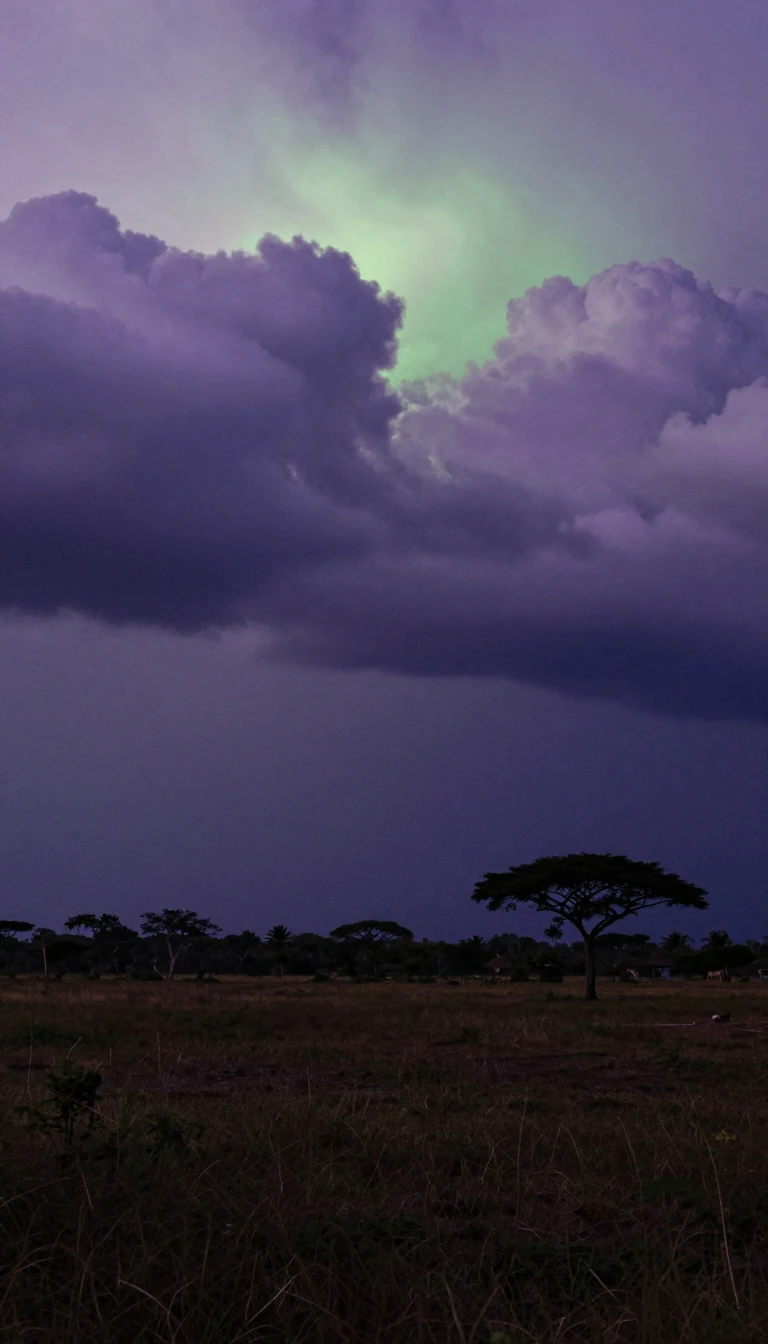 Why the wildlife in this Indonesian province feels more Australian than AsianDeep within the dense tropical rainforests of Papua, the animals you encounter belong to a different world. Despite being part of Indonesia, the province’s fauna reflects the Aust…
 The Dominican Republic holds the Caribbean's highest peak and its lowest point below sea level.Occupying two-thirds of Hispaniola, the Dominican Republic is a land of extreme verticality. From the towering heights of Duarte Peak to the saline depths of Lake Enriquillo, the …
- Is peer review a gold standard for truth or a flawed, biased gatekeeping mechanism?Peer review is the bedrock of modern science and professional standards, yet it remains deeply controversial. From ancient medical councils to modern AI-assisted refereeing, this …
 From ancient Greek roots to local government, the parish is a surprisingly flexible concept.The word parish traces back to the Greek paroikia, meaning a sojourner in a foreign land. While today we associate it with church administration, this ancient concept has evolved …
 Why a French department once held a linguistic border between Dutch and Romance speakersPas-de-Calais is a region defined by its strategic geography, serving as a gateway to England and a historical battleground. Beyond its modern identity, the department preserves a…
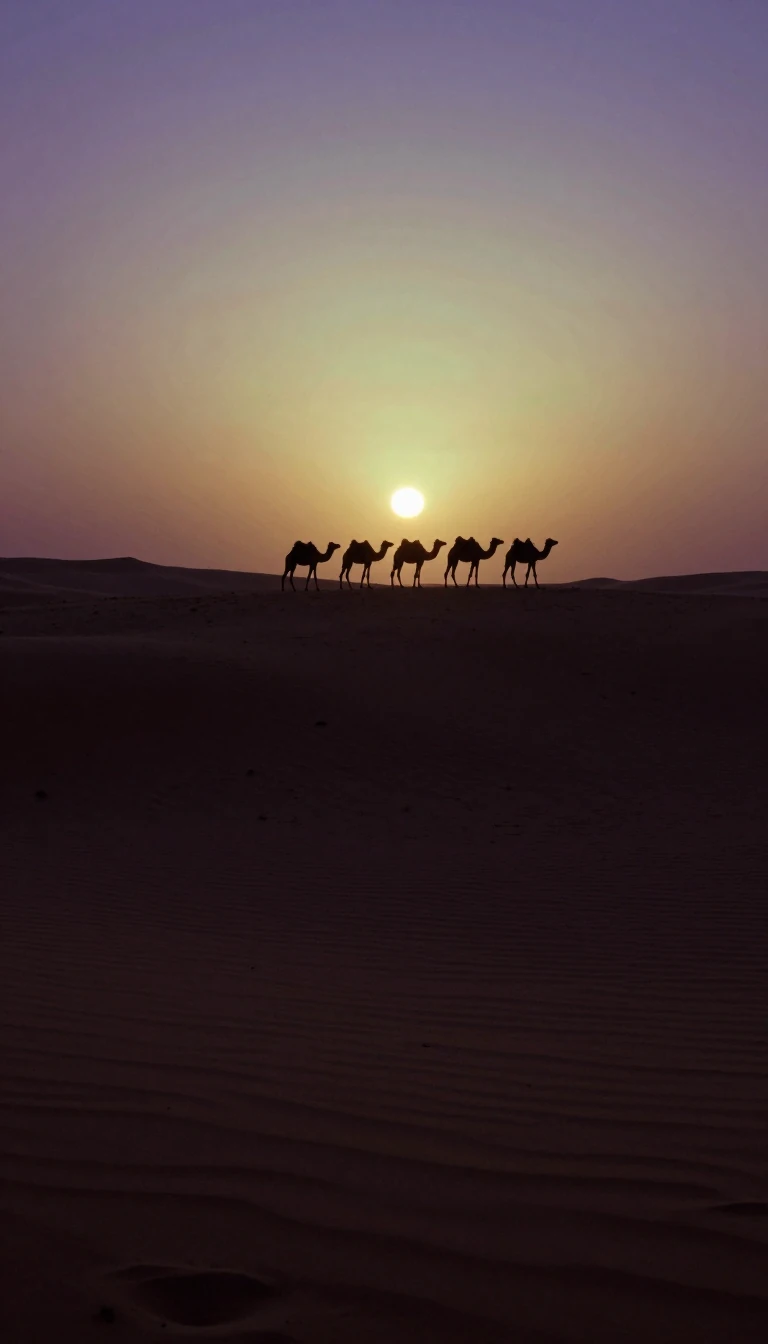 How nomadic herding societies transformed arid landscapes into the foundation of great empires.Pastoralism is far more than simple animal husbandry. By mastering the art of mobility across marginal lands, pastoralists have historically leveraged their herds to build powerfu…
 Pax Silica: The U.S.-led initiative to secure the global supply chain for advanced technologyLaunched in December 2025, Pax Silica is a U.S.-led economic framework designed to secure supply chains for semiconductors, artificial intelligence, and critical minerals. By alig…
 How a Portuguese-based creole became the constant heartbeat of the Dutch Caribbean islandsSpoken across Aruba, Bonaire, and Curaçao, Papiamento is a linguistic puzzle. While its roots trace back to 15th-century Portuguese and West African creoles, centuries of Dutch, S…
- Pangasinan: The Philippine province named for its ancient, essential salt-making heritageMeaning place of salt, this coastal province in Luzon has served as a strategic gateway for centuries. From its origins as an Austronesian trade hub to its role in the Philippine …
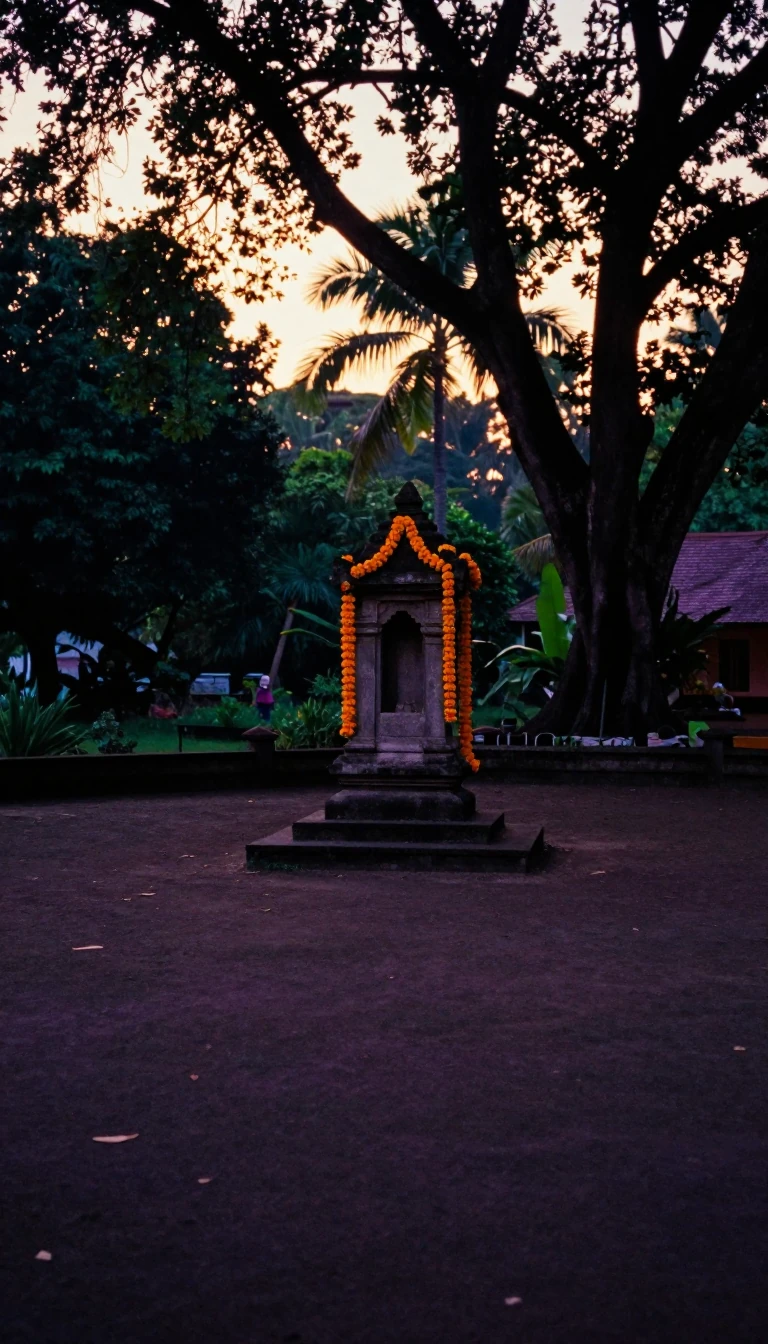 Pampanga: A Philippine Province Shaped by Colonial History, Volcanoes, and Strategic Military BasesPampanga is a province defined by its shifting borders and strategic importance. From its origins as the first Spanish province on Luzon to its role as a flashpoint for Cold War t…
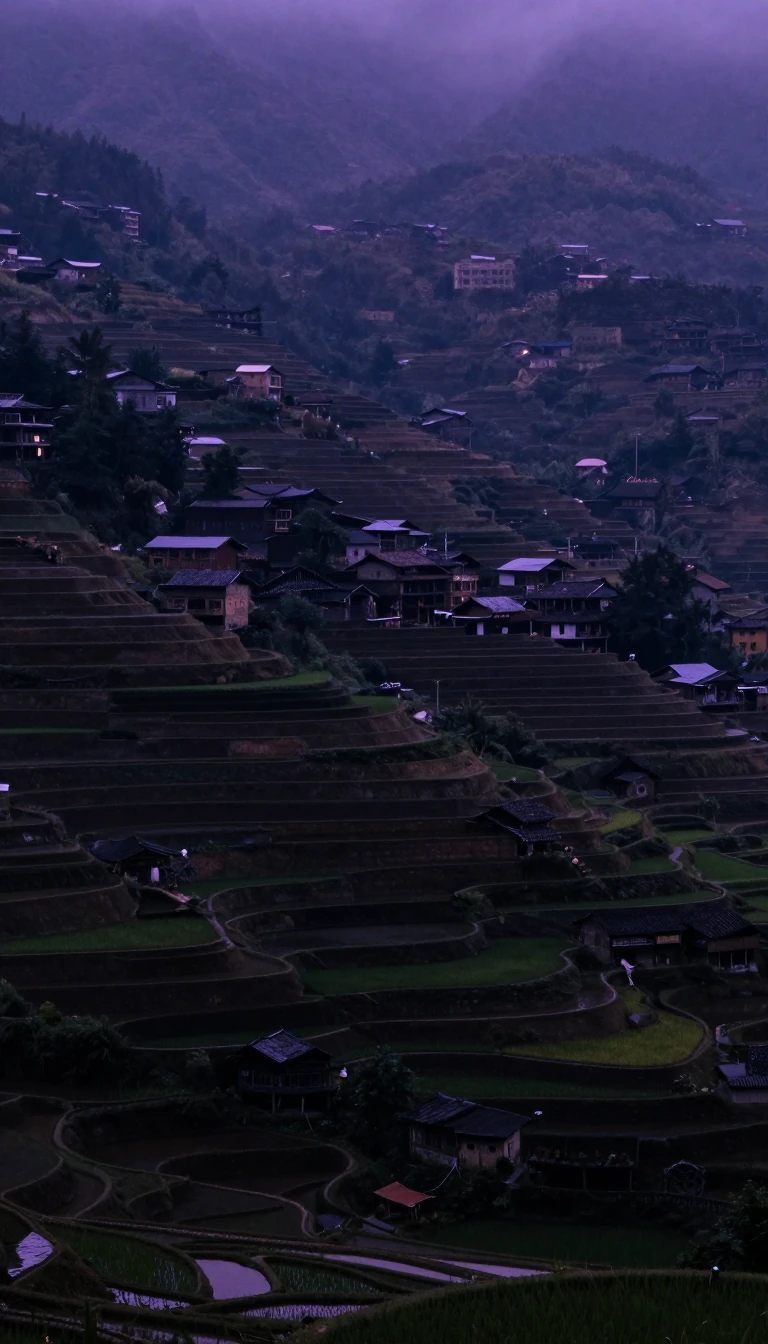 Pangong Tso is a high-altitude lake split by a volatile international border.Perched 14,200 feet above sea level, this massive, boomerang-shaped lake spans the border between India and China. While its stunning, saline waters support diverse Himalayan wild…
 Born from a divided fleet, the Pakistan Navy faced decades of existential struggle.Established in 1947, the Pakistan Navy began as a fragmented force inheriting limited assets and no domestic dockyards. From its difficult infancy to the high-stakes naval warfare…
 Pakistan's nuclear arsenal: a strategic response to regional insecurity and historical isolationFollowing the 1971 war, Pakistan launched a clandestine nuclear programme to secure its survival against India. Supported by domestic research and foreign financial backing, the n…
 The Palearctic is the world's largest biogeographic realm, spanning from Europe to East Asia.Spanning across Europe, North Africa, and most of Asia, the Palearctic realm is a massive ecological theater. It is defined by its unique animal life and shared history with North…