 Intellect Plus
Physical geography
1,174 cards. Each one is a 40-second story with a five-minute read behind it. Page 8 of 20.
 The green sea turtle is named for its fat, not its shell color.While their carapaces range from olive to black, the green sea turtle earns its name from the greenish fat stored beneath its shell. This unique coloration is a direct result of t…
 Why Sweden's second city was designed to look like Amsterdam and JakartaFounded in 1621 by King Gustavus Adolphus, Gothenburg was built by Dutch engineers who applied the same urban planning principles used in Amsterdam and Jakarta. This strategic por…
 Once hunted to the brink of extinction, the resilient gray whale has made a comeback.Known as the devil fish for their fierce defense of their young, gray whales undertake one of the longest migrations of any mammal. While commercial whaling nearly wiped them out,…
 Why does this massive North American desert have no path to the sea?Spanning 190,000 square miles, the Great Basin is a landlocked desert defined by its internal drainage. Trapped between the Sierra Nevada and the Wasatch Mountains, its waters nev…
 Why this prehistoric-looking bird intentionally lets its feathers get soaked in the waterThe Great Cormorant is a master of the deep, yet it lacks the waterproof plumage of most waterbirds. Instead of a liability, this sogginess is a strategic advantage, reducing buoy…
 Greater India: How ancient trade routes built a vast, enduring cultural sphere across AsiaGreater India is not a single empire, but a historical cultural sphere spanning South, Southeast, and East Asia. For centuries, trade and religious exchange spread Sanskrit, Buddh…
 The golden jackal is a master of expansion, thriving where wolves are absent.Often mistaken for a mere scavenger, the golden jackal is a highly adaptable predator currently colonizing Europe. While it physically resembles a miniature wolf, its evolutionary…
 The gopher is a master of subterranean engineering, but is it a pest or architect?Pocket gophers are solitary, tunnel-dwelling rodents endemic to the Americas, famous for their fur-lined cheek pouches and destructive gardening habits. While often reviled as agr…
 Why did ancient empires fight for control of this horn-shaped Istanbul waterway?The Golden Horn is more than a scenic inlet; it is a natural harbor that defined the rise of Byzantium, Constantinople, and modern Istanbul. From ancient naval chains to Leonardo …
 Denmark's brief, six-hour defense against Nazi Germany remains a subject of intense historical debate.On April 9, 1940, Denmark faced a sudden German invasion designed to secure supply lines for the conquest of Norway. While the official narrative often suggests a peaceful occupat…
 Taiwan is a rugged, uplifted mountain range rising sharply from the western Pacific Ocean floor.Taiwan is more than an island; it is a massive, tilted crustal block born from the collision of tectonic plates. While its eastern two-thirds are defined by soaring, forest-covere…
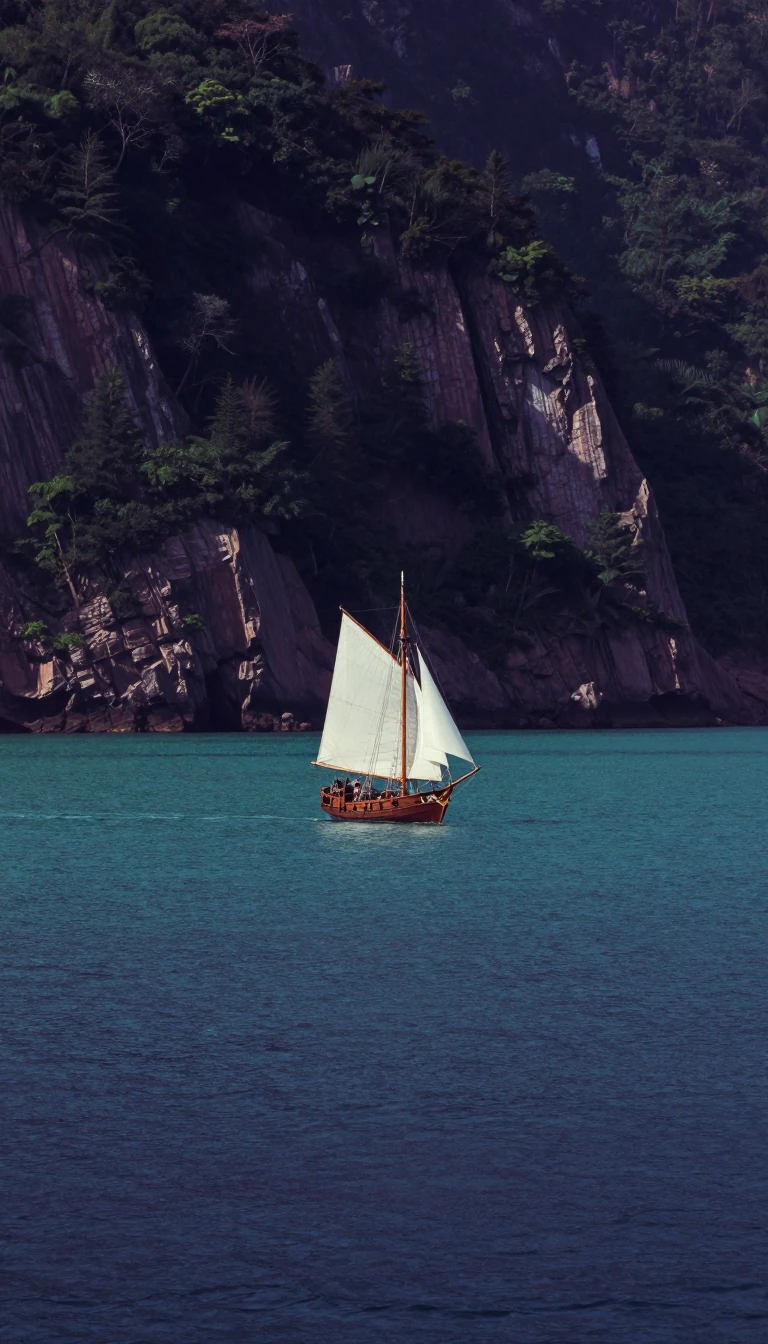 How one British captain systematically renamed the Pacific Northwest, ignoring millennia of Indigenous history.In 1792, George Vancouver arrived on the North American coast with a mission to map the region and assert British imperial control. Over months of exploration, he systematically a…
- The giant anteater is a toothless, knuckle-walking marvel with a two-foot-long tongue.The giant anteater is the largest of its kind, a specialized insectivore that navigates tropical grasslands with a powerful sense of smell. Despite its clumsy appearance, this sol…
 The giant otter is a six-foot-long social predator ruling South American river systems.Known as the water jaguar in Brazil, the giant otter is the largest member of the weasel family. These highly social, vocal creatures hunt in coordinated groups and defend their t…
 Gimli, Manitoba, is a remote Canadian town named after a mythical Norse paradise.Settled by Icelandic immigrants in 1875, this community on the shores of Lake Winnipeg maintains a unique cultural identity. From a massive whisky distillery to a harbour that hos…
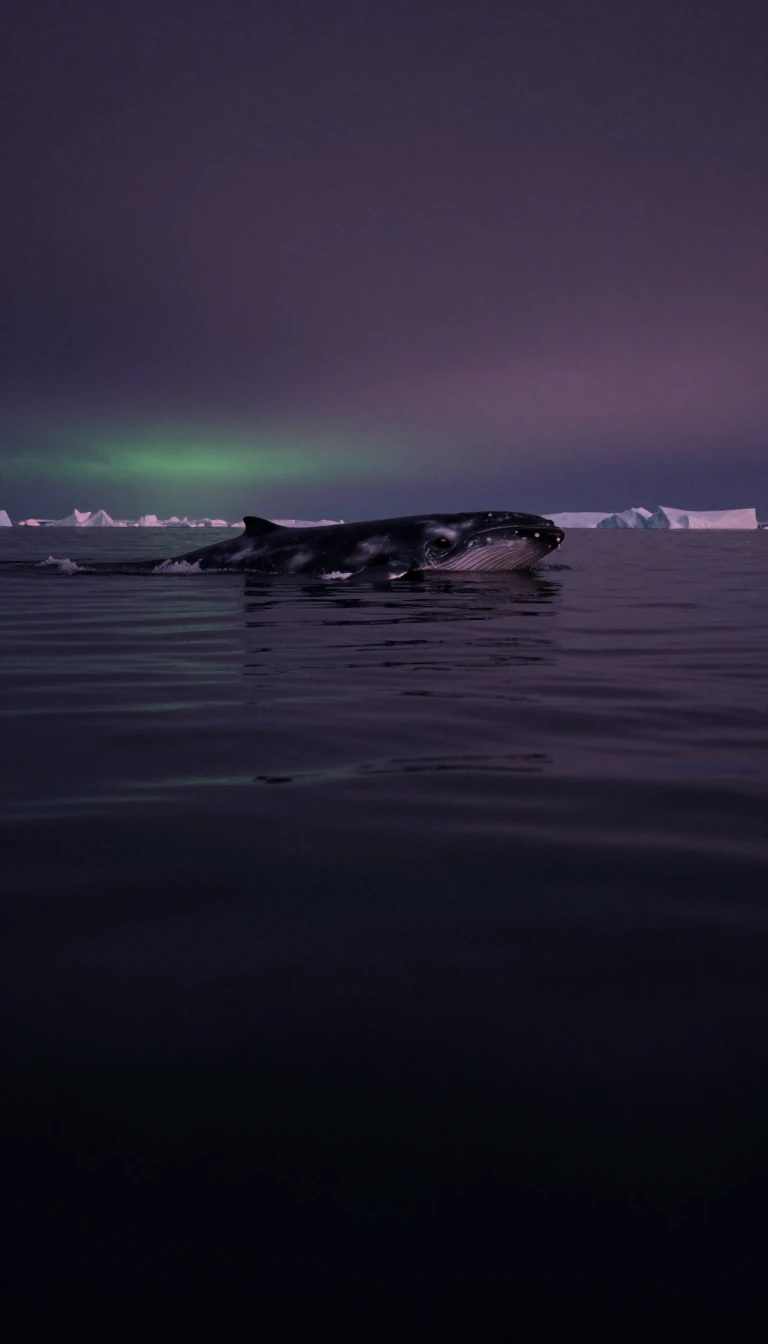 The mammal that can hold its breath for nearly four hoursDeep beneath the ocean surface, Cuvier's beaked whale performs a feat of endurance that pushes the limits of mammalian physiology. These elusive divers can stay submerged for over…
 Greenland is a massive, ice-covered island hiding a sunken landscape beneath its frozen surface.As the world’s largest island, Greenland is defined by an immense ice sheet that blankets over four-fifths of its land. This frozen expanse is so heavy it actually depresses the i…
 Garnets are not just red gemstones; they are sophisticated geological recorders of Earth's history.While often associated with deep red jewelry, garnets are a diverse group of silicate minerals used for everything from industrial abrasives to high-tech laser components. Beyond …
 China’s geography is a study in extreme contrasts, from tropical monsoons to arid deserts.Occupying nearly the entire East Asian landmass, China is a country of staggering physical diversity. Its landscape spans the highest points on Earth and vast coastal lowlands, cr…
 Funan: The Mysterious First Kingdom That Shaped Southeast Asia’s Ancient Maritime Trade NetworksEmerging in the 1st century, Funan was Southeast Asia’s first major Hinduized kingdom. While Chinese records describe it as a unified power, modern archaeology reveals a sophistic…
 Less than one percent of Earth's water is readily available for human useWater is essential for life, yet the vast majority of our planet's supply is locked away in oceans or frozen in ice. Only a tiny fraction of fresh water is accessible, and we are …
 Freshwater snails are diverse, essential, and sometimes dangerous carriers of human diseaseFreshwater snails inhabit everything from ephemeral pools to vast lakes, representing thousands of distinct species. While they are common in aquaria and historical diets, they al…
 How a weaver’s son became the most powerful banker in Renaissance EuropeStarting from a modest textile trade in 1367, the Fugger family rose to dominate the European economy. By financing emperors and monopolizing the copper market, they wielded influ…
- Gagauzia: A Turkic-speaking, Orthodox Christian enclave navigating autonomy within the Republic of MoldovaNested within Moldova, Gagauzia is a unique autonomous unit defined by its Turkic roots and Orthodox faith. Despite its small size, this region has carved out a distinct political…
- The Snow Lion Flag: A Symbol of Tibetan Identity and Political ContentionDesigned by the 13th Dalai Lama in 1916, the Tibetan flag is a dense tapestry of Buddhist iconography and ancestral history. Though outlawed in the Tibet Autonomous Region today, …
 How Italy's Forza Italia reinvented itself after the death of its iconic founderFounded by Silvio Berlusconi in 1994, Forza Italia has navigated decades of Italian political turbulence. Following Berlusconi's passing in 2023, the party underwent a significant…
 How a French colonial experiment reshaped the Caribbean landscape and its modern identityThe French West Indies are more than just tropical islands. They represent a complex history of shifting colonial power, from the early sugarcane plantations of the 17th century t…
 How a cost-cutting measure turned a city's water supply into a public health disaster.In 2014, officials in Flint, Michigan, switched the city's water source to the Flint River to save money. The decision triggered a catastrophic public health crisis, exposing tens…
 Why nearly 30 percent of the global population faces a daily struggle for foodEstablished in 1945, the Food and Agriculture Organization remains the United Nations' oldest specialized agency. Despite decades of effort to boost agricultural productivity, rec…
 How a luxury business magazine survived the Great Depression to define corporate cultureFounded just months before the 1929 stock market crash, Fortune magazine defied expectations by charging a premium price for high-quality journalism. It transformed business repor…
 Why France launched a global news network to challenge the BBC and CNNFor decades, French leaders lamented their nation's lack of a powerful international voice. Fearing that English-language media outlets dominated the global narrative, the French …
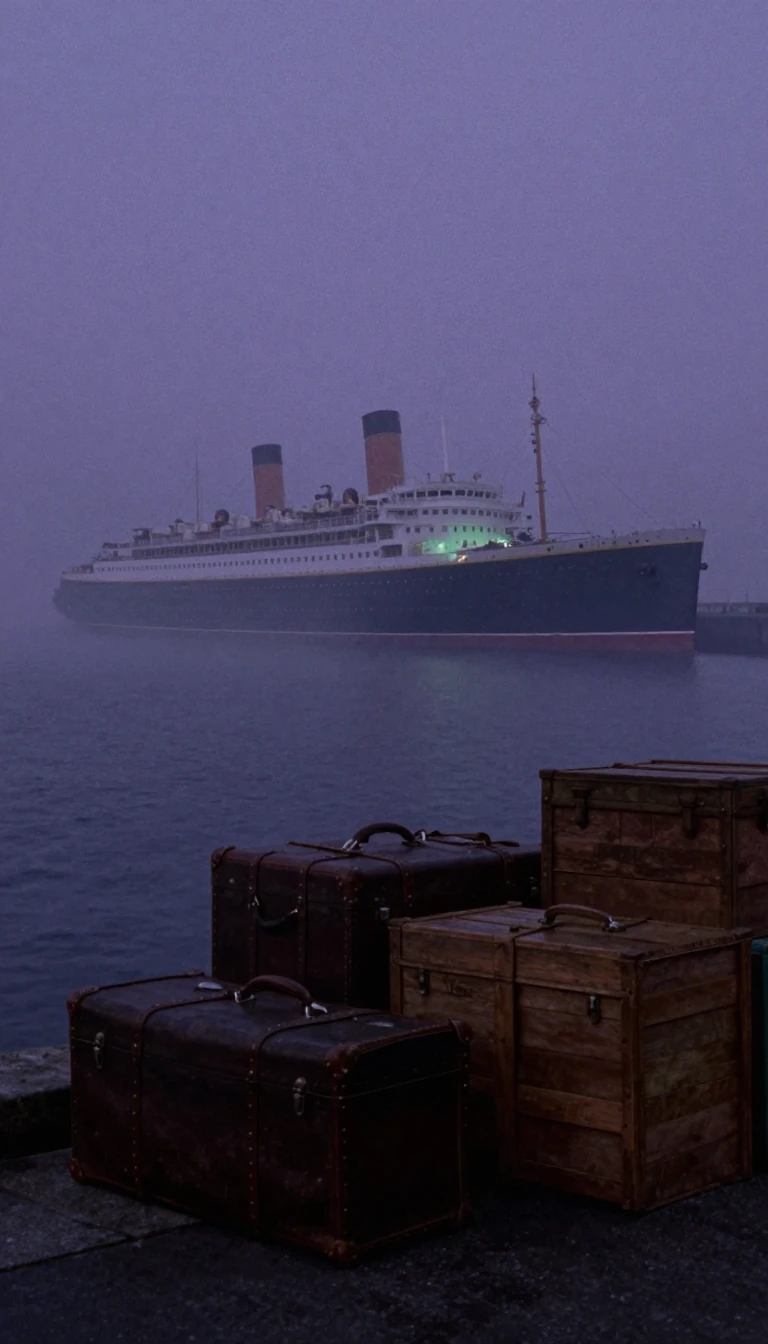 How a humble coal-hauling ship enabled the first scientific expedition to the PacificIn 1768, the British Admiralty commissioned a sturdy, 368-ton collier to sail the Pacific. Led by James Cook, this unlikely vessel carried scientists to observe the transit of Ven…
 Despite its name, the North American fisher rarely eats fish and is not a cat.This elusive member of the weasel family is a master of the northern forest, known for its thick, valuable fur and surprising ability to hunt porcupines. Once nearly trapped to ex…
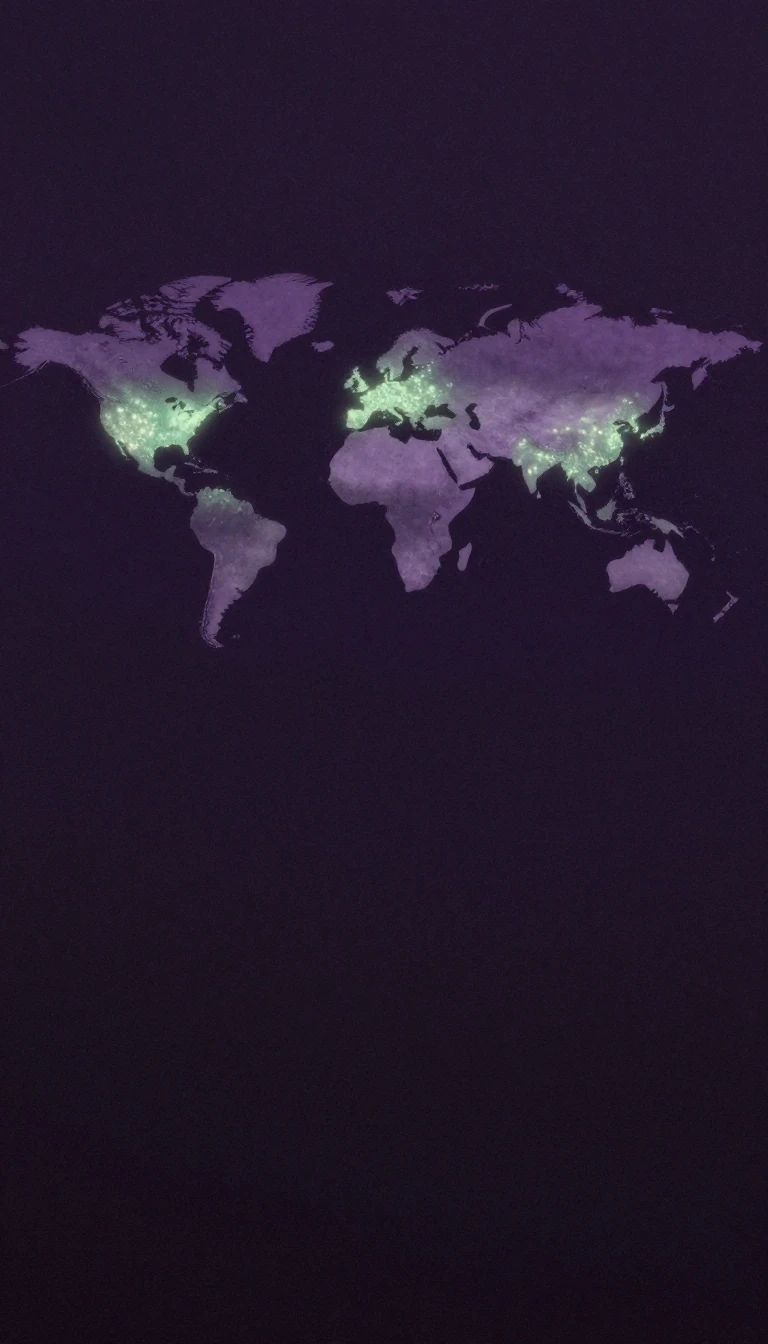 The First World was a Cold War invention, not a permanent global status.Born from the geopolitical divide between the U.S. and Soviet blocs, the term First World once defined political alignment rather than wealth. Today, it has evolved into a shortha…
- What defines the complex, shifting map of Russia's internal political divisions?Russia is organized into dozens of constituent entities, each holding equal rights under the national constitution. Yet, these regions vary significantly in their autonomy, econom…
 Brazil's states are not just administrative zones but remnants of a colonial inheritanceBrazil is a federation of 26 states and one federal district, each possessing its own constitution and government. While these units function with significant autonomy, their bord…
 Why the Far East is a matter of perspective rather than geographyThe Far East is not a fixed location but a relic of European-centered worldviews. While the term once defined lands beyond the Middle East for colonial powers, it ignores the pers…
 The fathom is a human-scale unit that once measured everything from oceans to mines.Derived from the Old English word for embracing arms, the fathom was originally the span of a man’s reach. While modern nautical charts have largely shifted to metres, this ancien…
 How six separate British colonies united to form the modern Commonwealth of AustraliaThe birth of Australia was not a single event but a decades-long struggle between competing colonies. From early proposals in 1842 to the final constitutional breakthrough in 1891…
- The greyhound of the sea is a master of asymmetrical, high-speed ocean survival.Second only to the blue whale in size, the fin whale is a sleek, fast-swimming giant found in oceans worldwide. Known for its unique, asymmetrical head coloration and V-shaped che…
- The Eurasian lynx is a master of the snowy wilderness, not a mere bobcat.As the largest of the four lynx species, the Eurasian lynx thrives across vast stretches of Europe and Asia. While often confused with its smaller relatives, this formidable preda…
- Is the European wildcat just a domestic cat with a wilder lifestyle?The European wildcat looks like a sturdy, striped version of your house cat, but it is a distinct, solitary predator. While they share a common ancestor, this elusive forest dwell…
 Why Mount Everest is not actually the point on Earth farthest from its centerGeography is rarely as simple as it appears on a map. While Mount Everest claims the title for the highest elevation above sea level, the Earth's shape as an oblate spheroid means…
- Fairbanks sits in a unique Alaskan landscape defined by extreme cold and gold history.Located along the Chena River in the Alaskan interior, Fairbanks is a city shaped by both ancient geological forces and the 20th-century gold rush. While it serves as a modern sup…
 The Eurasian Goshawk is a woodland phantom that nearly vanished from the British Isles.Once hunted to extinction in the UK, the Eurasian goshawk has made a remarkable comeback. This fierce, secretive predator uses incredible agility to weave through dense forests at…
 The euro sign is a mystery of unknown designers and disputed origin storiesUnveiled in 1996, the euro symbol was chosen from a secret shortlist of ten designs. While the European Commission credits an anonymous team of four experts, others claim the idea…
- The Emirate of Afghanistan: A Central Asian Power Caught in the Great GameFor nearly a century, the Emirate of Afghanistan served as a critical buffer state between the Russian and British Empires. This volatile era, defined by the Great Game, saw the n…
 Is Japan's legendary first emperor a historical figure or a carefully crafted political myth?Emperor Jimmu is celebrated as Japan's first ruler, said to have ascended the throne in 660 BCE. Yet, modern scholars find no evidence for his existence, viewing him as a legendar…
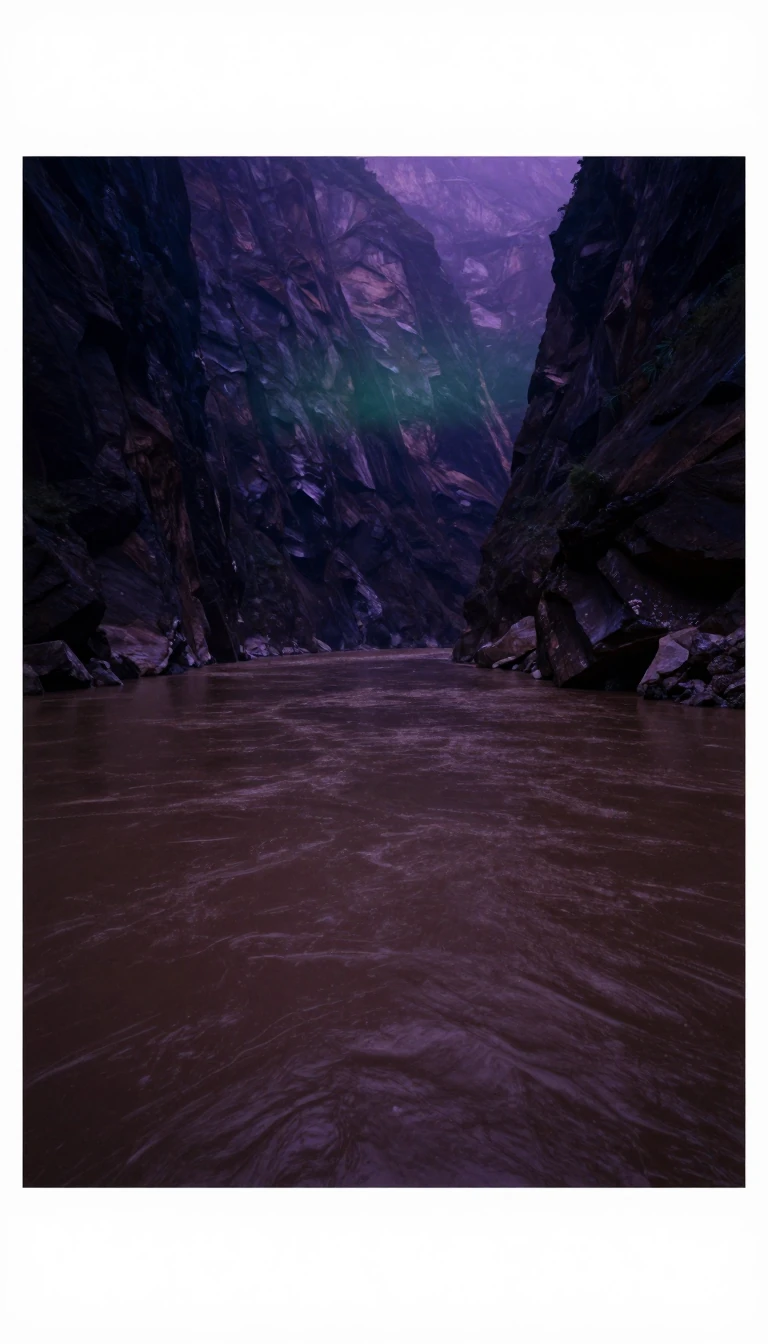 Some of the world's largest water basins never reach the ocean at allMost rivers eventually find the sea, but endorheic basins are different. These closed systems trap water in inland sinks, where it can only escape through evaporation or seepage. …
- The pike is an ancient, torpedo-shaped predator with a surprisingly long fossil record.Known for its sharp teeth and unique, fingerprint-like markings, the pike is a master of camouflage in freshwater habitats. While often feared as a vicious predator, these fish ar…
 Estonian is a linguistic bridge between ancient Uralic roots and modern European innovation.Spoken by 1.1 million people, Estonian is a rare non-Indo-European official language of the European Union. It occupies a unique typological space, transitioning from an agglutina…
- Why the Eurasian coot is far more aggressive than its graceful swimming suggestsThe Eurasian coot is a common sight on still waters, recognized by its striking white bill and frontal shield. While it appears graceful as it glides across lakes, this bird is no…
 Before the internet, the electric telegraph shrank the world using simple pulses of energy.Long before fiber optics, humanity mastered instant communication through the electric telegraph. By harnessing electromagnetism to send coded signals across vast distances, this …
- Why the world's 14 tallest peaks are defined by an arbitrary 18th-century measurementFourteen mountains stand above 8,000 meters, a threshold that exists only because of how French scientists defined the meter in 1793. These peaks, located in the Himalayan and Kar…
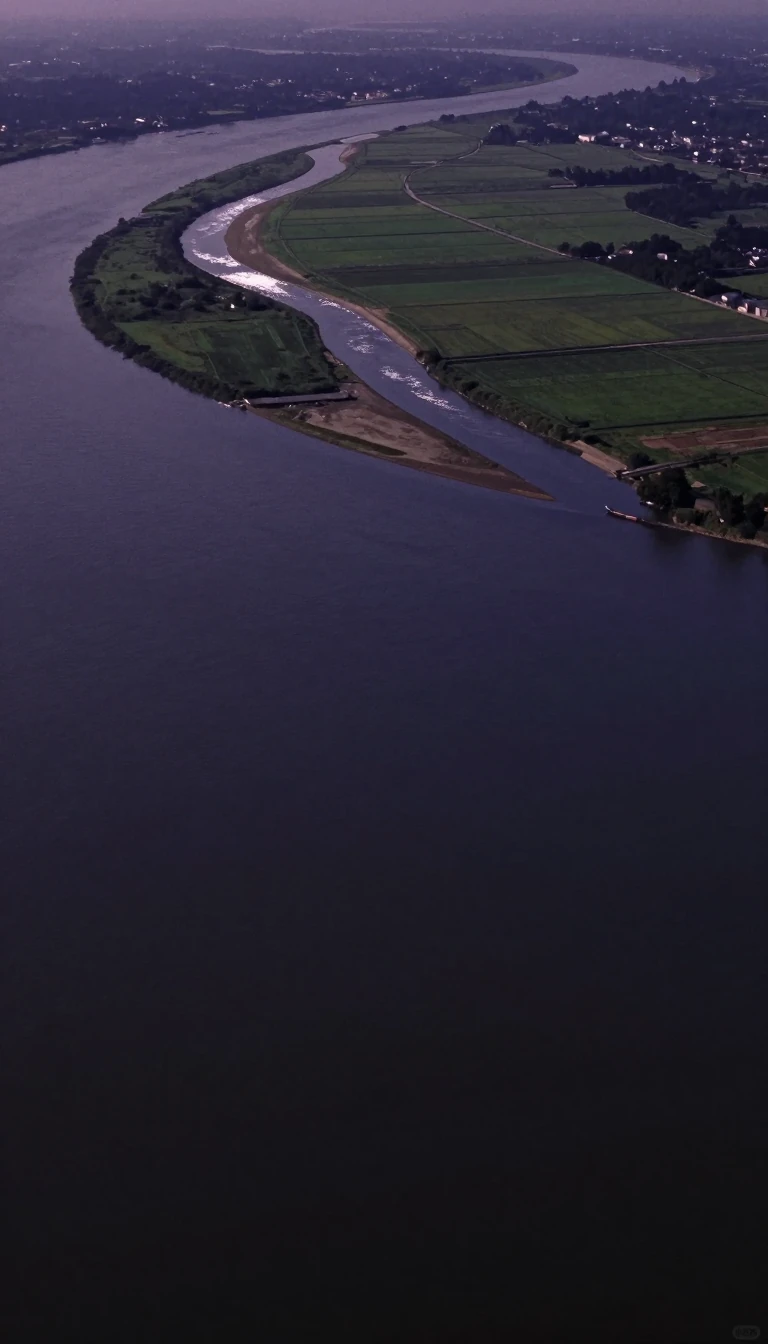 Elche is home to the largest palm grove in Europe, a desert-like oasis.While Spain is known for its coast, Elche hides a massive, UNESCO-protected palm forest within its borders. This city, which evolved from ancient Iberian roots to a modern industr…
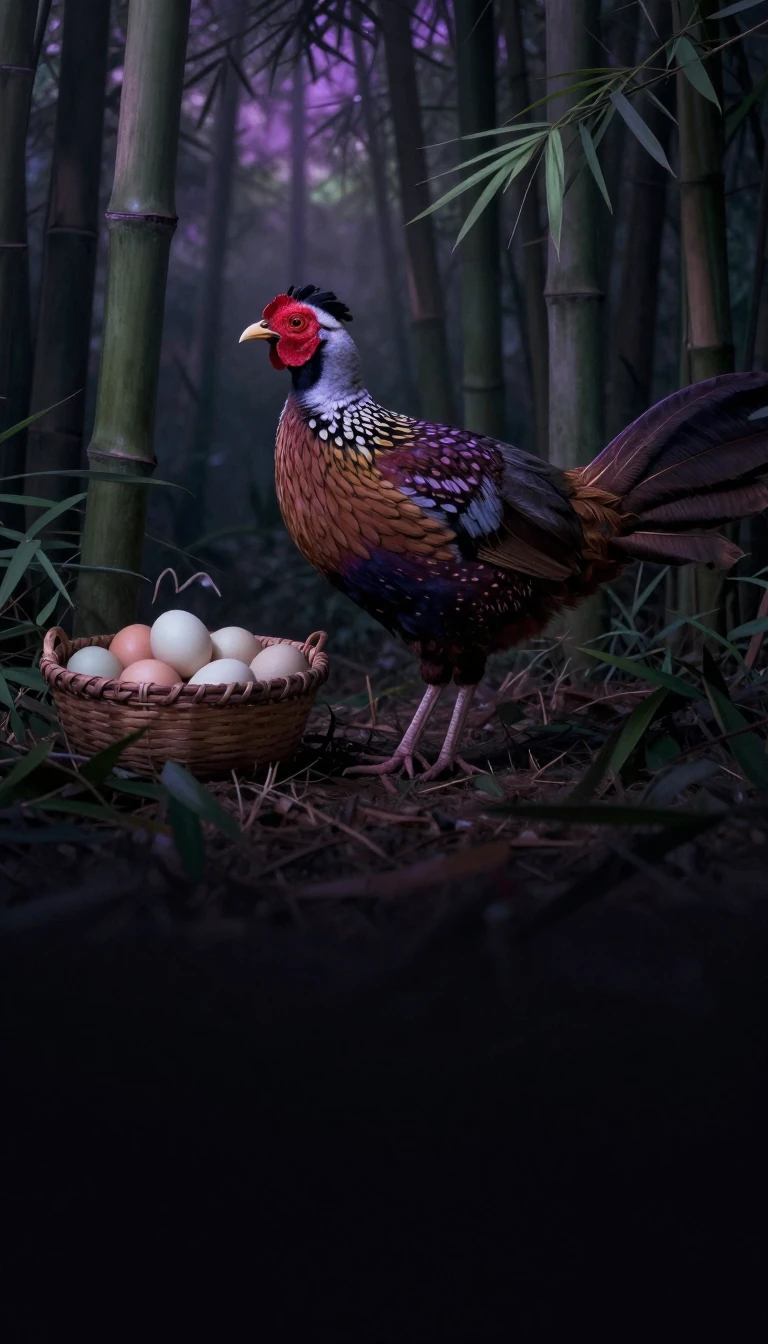 The elephant bird was once the largest avian inhabitant of the island of Madagascar.Long before humans settled Madagascar, the island was home to the elephant bird, a flightless giant that weighed up to 400 kilograms. While these birds vanished about 1,000 years …
- Can the government seize your home to boost tax revenue for private developers?Eminent domain grants the state power to take private property without owner consent. While historically reserved for public infrastructure like roads, modern interpretations have…
- Kazakhstan holds nearly every element of the periodic table within its vast, resource-rich borders.As the largest economy in Central Asia, Kazakhstan leverages immense mineral wealth and agricultural potential to drive its development. From being the world's top uranium produce…
- Can the Philippines maintain its momentum as a newly emerging upper-middle-income economic powerhouse?The Philippines has transitioned into an upper-middle-income economy, fueled by a resilient workforce and strong domestic demand. Despite recent growth slowing due to global headw…
- Is East Turkestan a geographical reality or a political construct born of colonial ambition?The term East Turkestan is a modern, contested label for the region officially known as Xinjiang. Coined by 19th-century Russian explorers, it has evolved from a vague geographica…