 Intellect Plus
Regions and country subdivisions
776 cards. Each one is a 40-second story with a five-minute read behind it. Page 12 of 13.
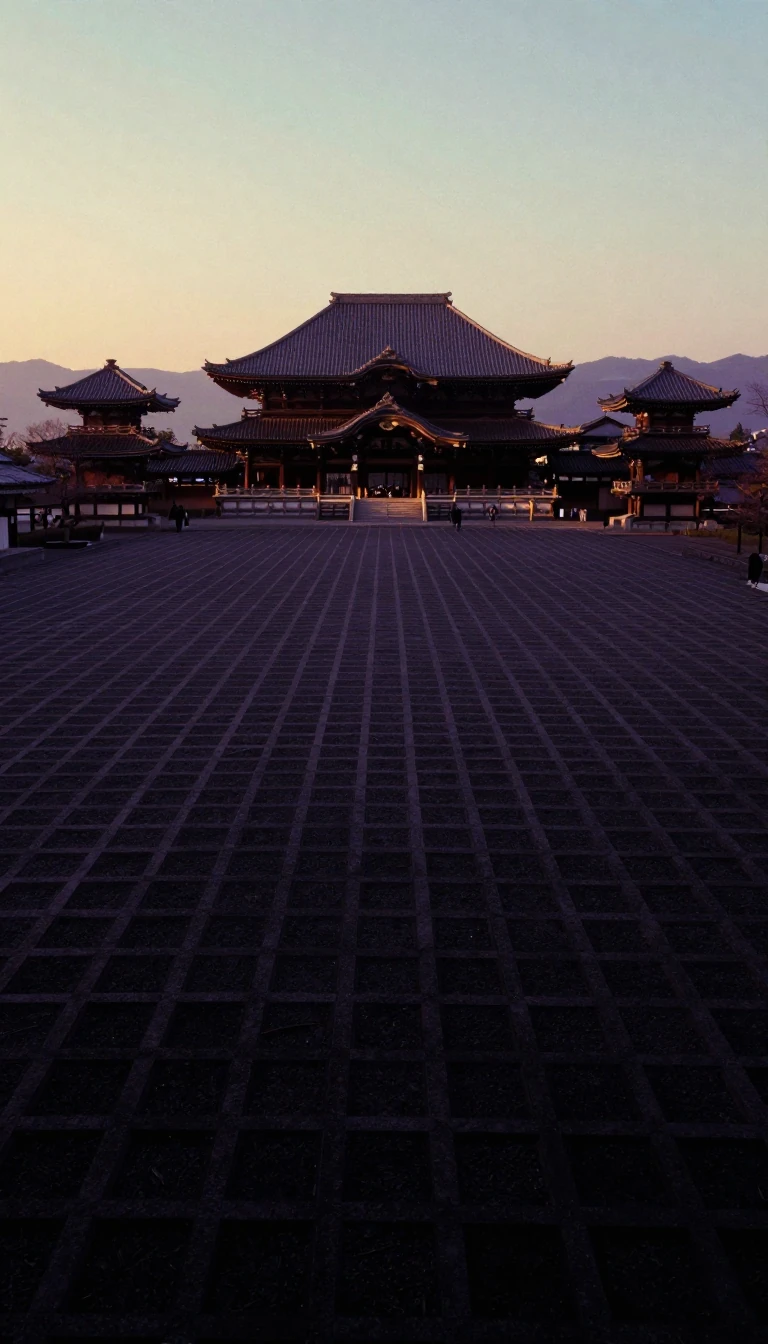 Why the center of Japan is a landlocked hub of history and innovationGifu Prefecture is more than just a geographic midpoint. As the historic crossroads of Japan, this inland region has shaped the nation's destiny for centuries. From the legendary …
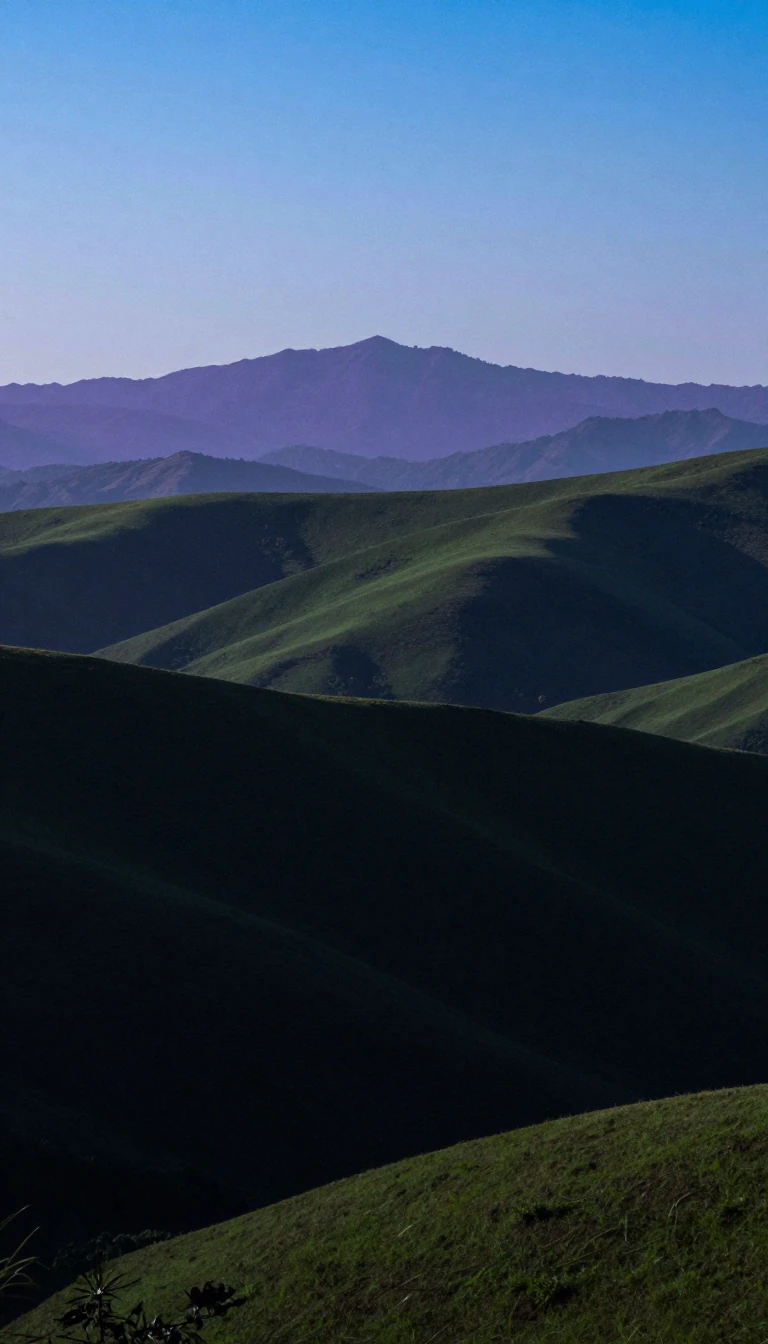 Divided by war and defined by mountains, this province is South Korea's rugged frontier.Gangwon State is a land of extremes, home to South Korea's least populated regions and its highest peaks. Once a unified province, it was split by the 38th parallel in 1945 and re…
 Golestan: The Iranian province named for flowers that was once a land of wolvesNestled between the Caspian Sea and the borders of Turkmenistan, Golestan is a region of striking contrasts. While its name translates to the land of flowers, its capital city, Go…
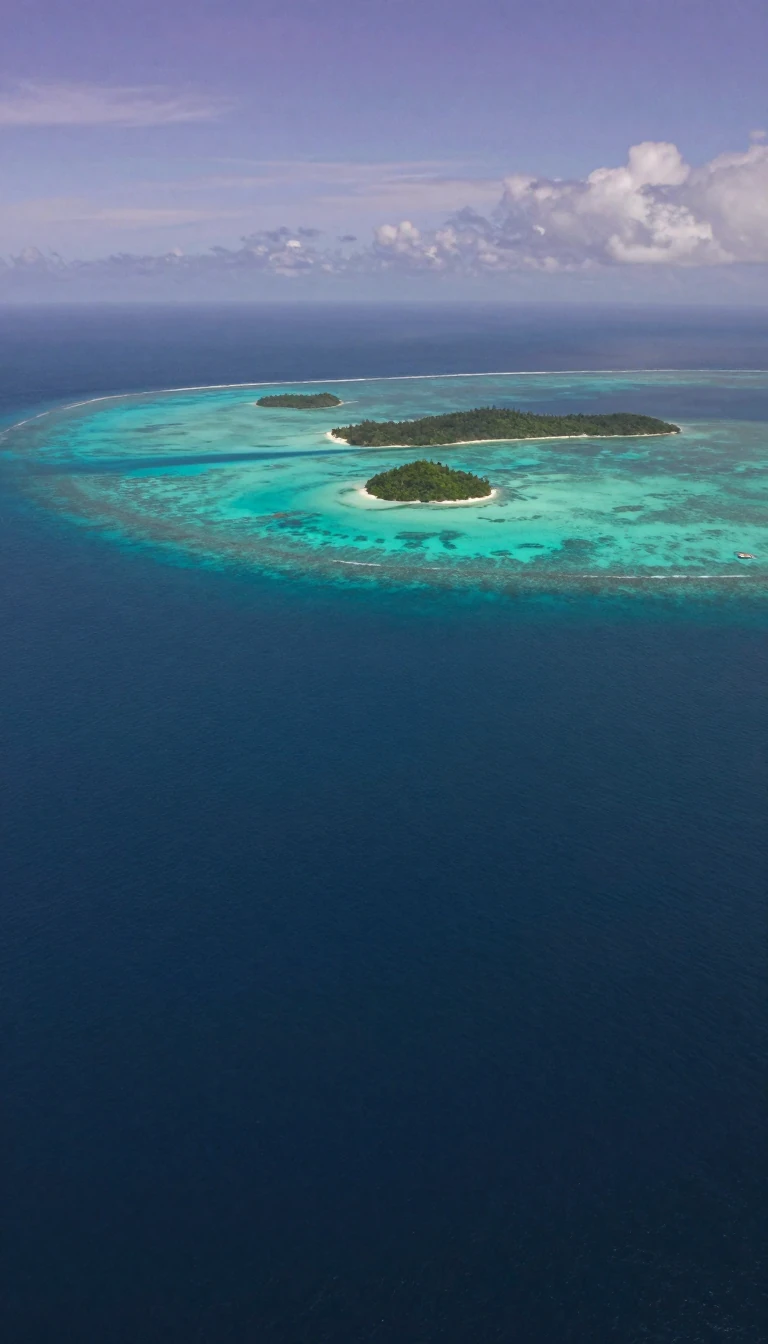 Fukushima is a land of ancient samurai festivals, volcanic peaks, and resilient traditions.Beyond the headlines of 2011, Fukushima is Japan's third-largest prefecture, a diverse landscape divided by mountain ranges into three distinct regions. From the agricultural hear…
 How a central Somali state emerged from the conflation of three regional namesGalmudug is a federal member state in central Somalia, defined by its unique geography and complex political evolution. Its name is a fusion of the Galgaduud, Galwaaq, and Mudug p…
- Fukui Prefecture is Japan's nuclear powerhouse, dinosaur capital, and traditional artisan heartlandLocated along the Sea of Japan, this prefecture balances ancient Buddhist traditions with modern industrial might. From the oldest standing castle in the country to a landscape ri…
 Why Nigeria's Ekiti State is known as the land of hills and scholarsCarved from Ondo State in 1996, Ekiti State is a rugged, upland region in southwestern Nigeria. Beyond its distinctive landscape of rocky outcrops and tropical forests, it holds a…
 The Free State: A South African province defined by its history and high plainsOnce a sovereign Boer republic, the Free State is now a central South African province known for its vast, high-altitude grasslands and unique demographic landscape. As the only p…
 Brazil's Federal District is a unique political entity that is neither state nor municipality.Brazil's capital, Brasília, sits within a special territory that defies standard administrative classification. As the only Brazilian federal unit without municipalities, this hyb…
 Fars is the ancient cradle of the Persian Empire and the namesake of Persia.Known in antiquity as Persis, this south-central Iranian region served as the heart of the Achaemenid and Sasanian empires. While its political influence waned in the 20th century…
 Enugu State: How a British search for silver created Nigeria's coal city stateIn 1909, a British engineer hunting for silver stumbled upon coal in the Udi Ridge, forever changing the trajectory of Enugu. This discovery turned a local settlement into a strat…
 Why Argentina’s Mesopotamia province is defined by the rivers that cradle its bordersNestled between the Paraná and Uruguay rivers, the province of Entre Ríos serves as a vital agricultural heartland for Argentina. Once a fierce center of political resistance, thi…
 East Nusa Tenggara: An Ancient Archipelago Shaping Indonesia’s Modern Cultural and Economic LandscapeSpanning hundreds of islands, East Nusa Tenggara is a province defined by both deep antiquity and modern administrative evolution. From the ancient remains of Homo floresiensis to…
- Why is this Nigerian state known as the salt of the nation?Formed in 1996, Ebonyi State is a South-East Nigerian region defined by its agricultural prowess and unique geological features. Known as the salt of the nation due to its histori…
 Why East Malaysia maintains its own immigration controls and distinct legal identity todaySeparated from the Malay Peninsula by the South China Sea, East Malaysia occupies the northern portion of Borneo. While part of the same federation, the states of Sabah and Sarawa…
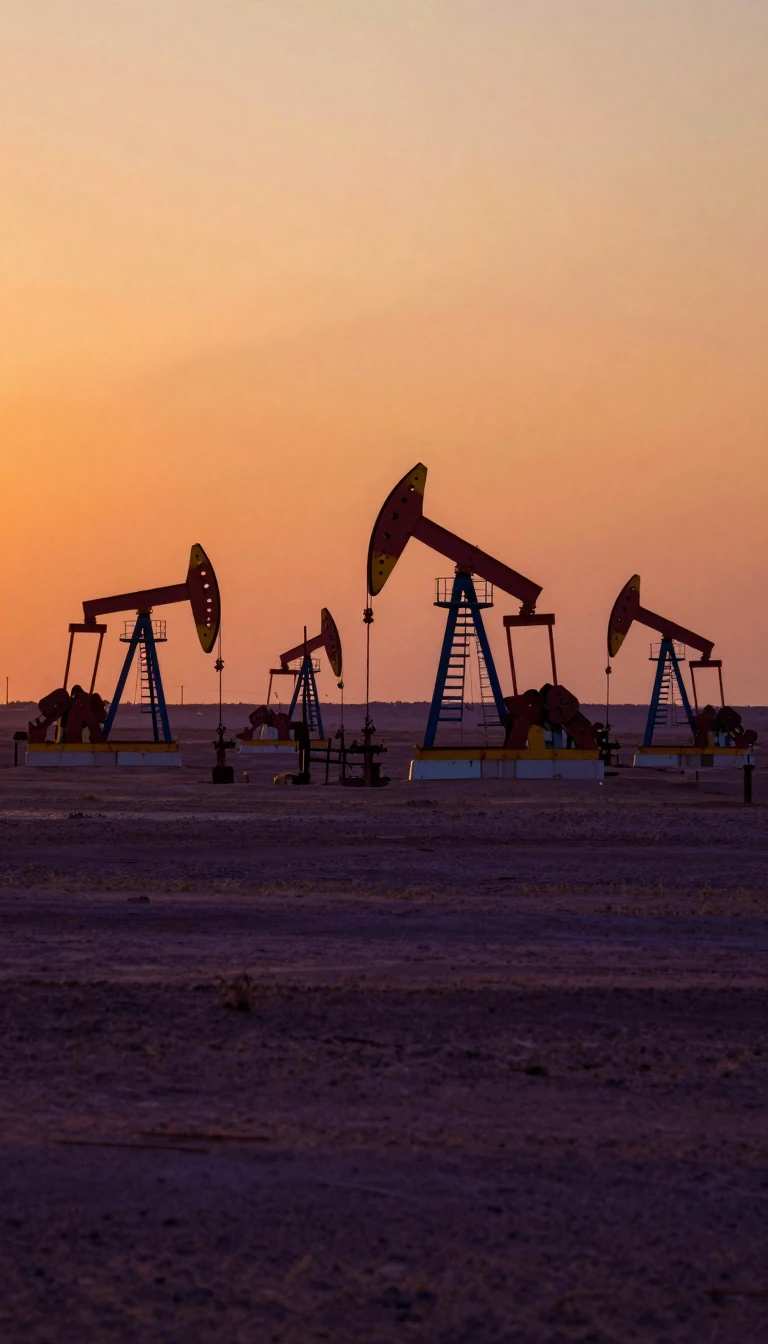 The ancient paradise that became the world's energy powerhouseLong before it became the heart of global oil production, this region was the legendary Dilmun civilization. From a mythical garden where predators did not kill to the massive Gha…
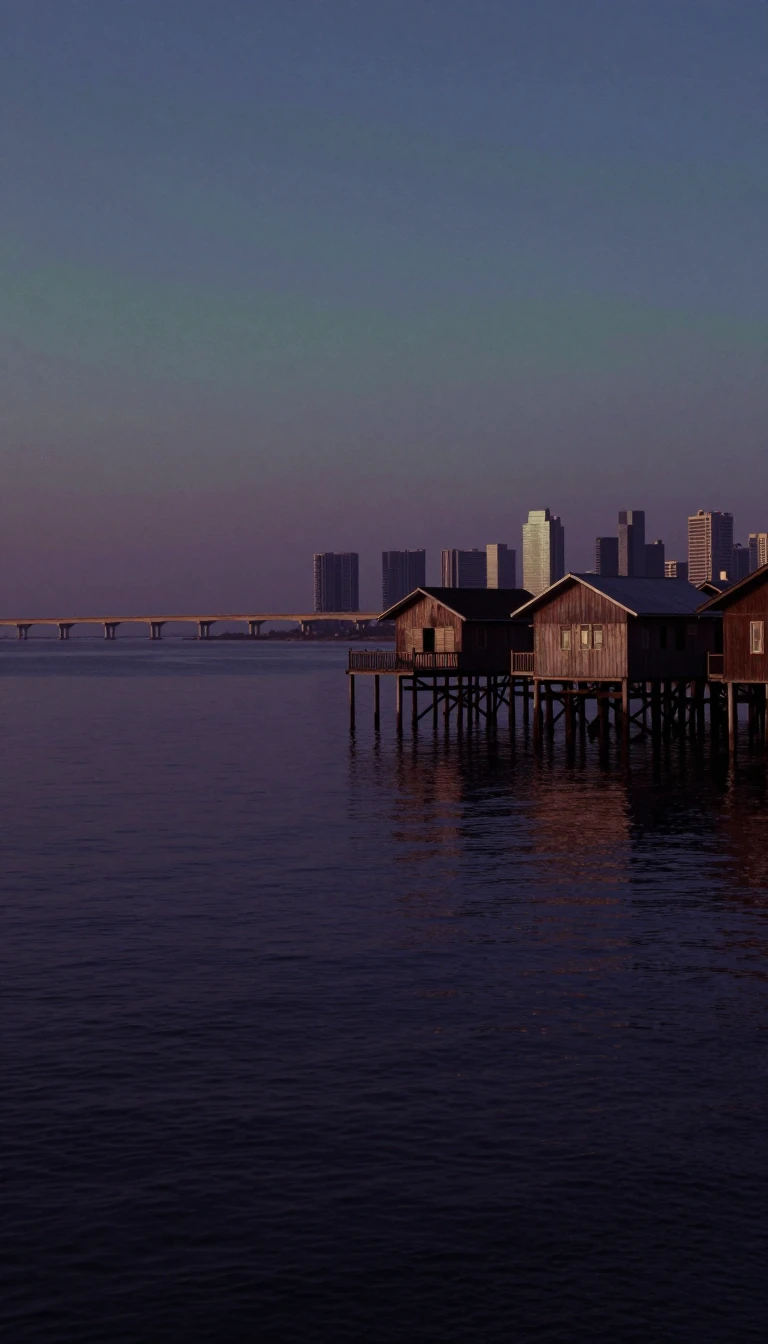 Why Indonesia is building its new capital city in the heart of East KalimantanEast Kalimantan is a vast, resource-rich province on the island of Borneo, historically defined by ancient kingdoms and dense rainforests. Now, it is becoming the site of Nusantar…
- Why Eastern Visayas is the Philippines' most vital gateway for energy and tradeSpanning the islands of Samar, Leyte, and Biliran, Eastern Visayas is more than a collection of provinces. It is a critical nexus of geothermal power, maritime transport, and cult…
- East Java is a volcanic landscape shaped by ancient empires and fertile soilThis Indonesian province is defined by a dramatic spine of volcanic peaks and a history that stretches from prehistoric fossils to the rise of the powerful Majapahit Empire. From …
 The Chilean region where the Andes mountains meet the Pacific OceanStretching across the narrowest part of Chile, the Coquimbo Region is a landscape of extremes. From the high-altitude astronomical observatories of the Elqui Valley to the nomadic…
 Corrientes: The Argentine province where Guaraní is an official language alongside SpanishNestled in Argentina's Mesopotamia, Corrientes is a land defined by its rivers, subtropical wetlands, and a unique bilingual identity. From its colonial history as a Jesuit missio…
- Delta State is a Nigerian powerhouse defined by oil wealth and deep ecological diversity.Formed in 1991 from the former Bendel State, Nigeria's Delta State is a major oil-producing region with a complex history. While it boasts the country's fourth-highest Human Devel…
- How the borders of East China were shaped by political and military historyEast China is more than a simple geographical label. Defined by shifting administrative needs and military logistics, its current boundaries reflect decades of political evolution…
 Why the name of this Turkish region is a deliberate act of historical erasureThe territory officially known as Eastern Anatolia was historically referred to as the Armenian highlands or Western Armenia. Following the Armenian genocide, the Turkish state sy…
 The Philippines' only landlocked region is a powerhouse of water, energy, and minerals.The Cordillera Administrative Region is more than just a mountainous landscape. As the watershed cradle of North Luzon, it provides the essential resources that fuel the Philippin…
 Is the name of Bangladesh's capital derived from a tree, a goddess, or a watchtower?The origins of Dhaka remain a subject of historical debate. Some suggest the name stems from the local dhak tree or a patron goddess, while others point to a military past. Whethe…
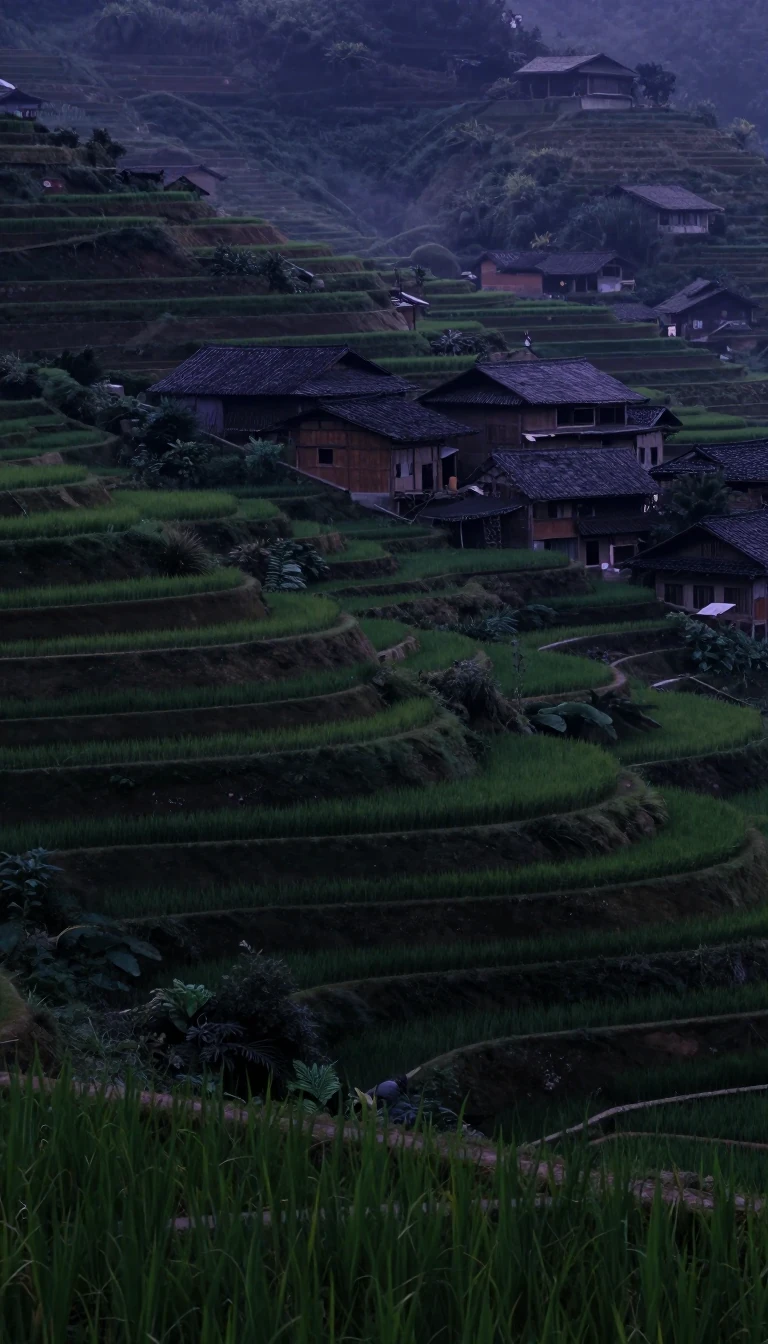 The ancient linguistic time capsule hidden in eastern GuangdongWhile modern Mandarin dominates much of China, the Chaoshan region preserves a more complex sonic history. With eight distinct tones, this Southern Min dialect acts as a living ar…
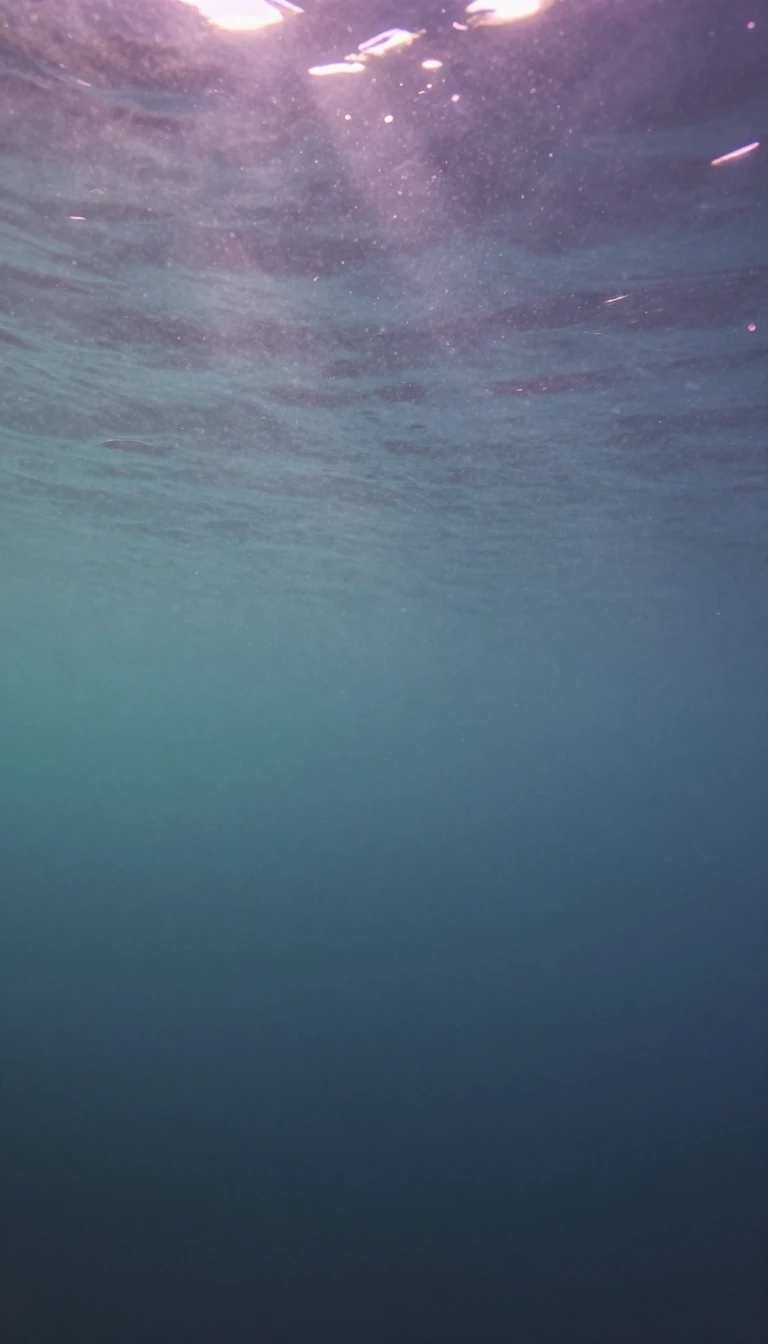 Chuuk State: A Pacific archipelago navigating the complex waters of sovereignty and historyChuuk State is the most populous region of the Federated States of Micronesia, yet it remains a place of deep contradictions. From its status as the world's largest underwater mil…
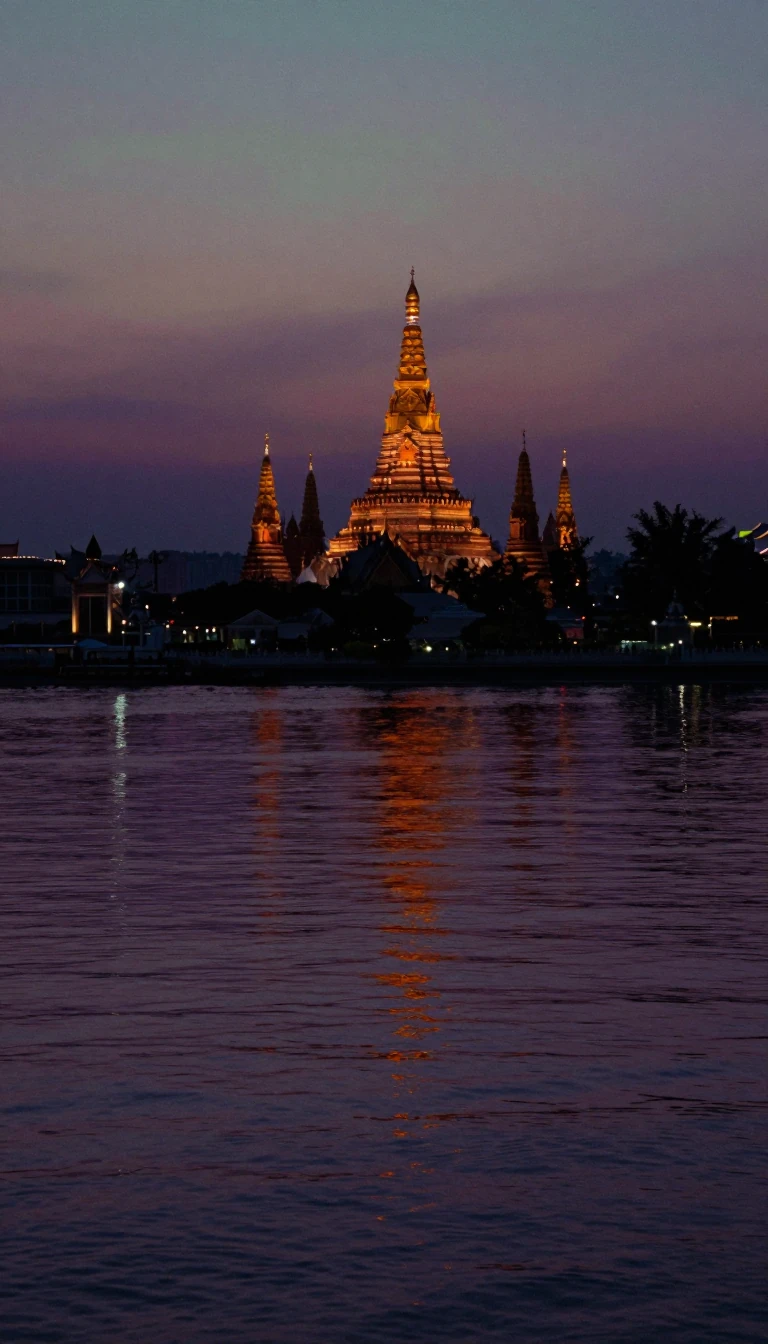 Chin State: A mountainous frontier navigating ancient autonomy and modern civil warTucked away in the rugged Chin Hills of northwestern Myanmar, Chin State is a land of isolated peaks and deep cultural complexity. It is the only Christian-majority state in the c…
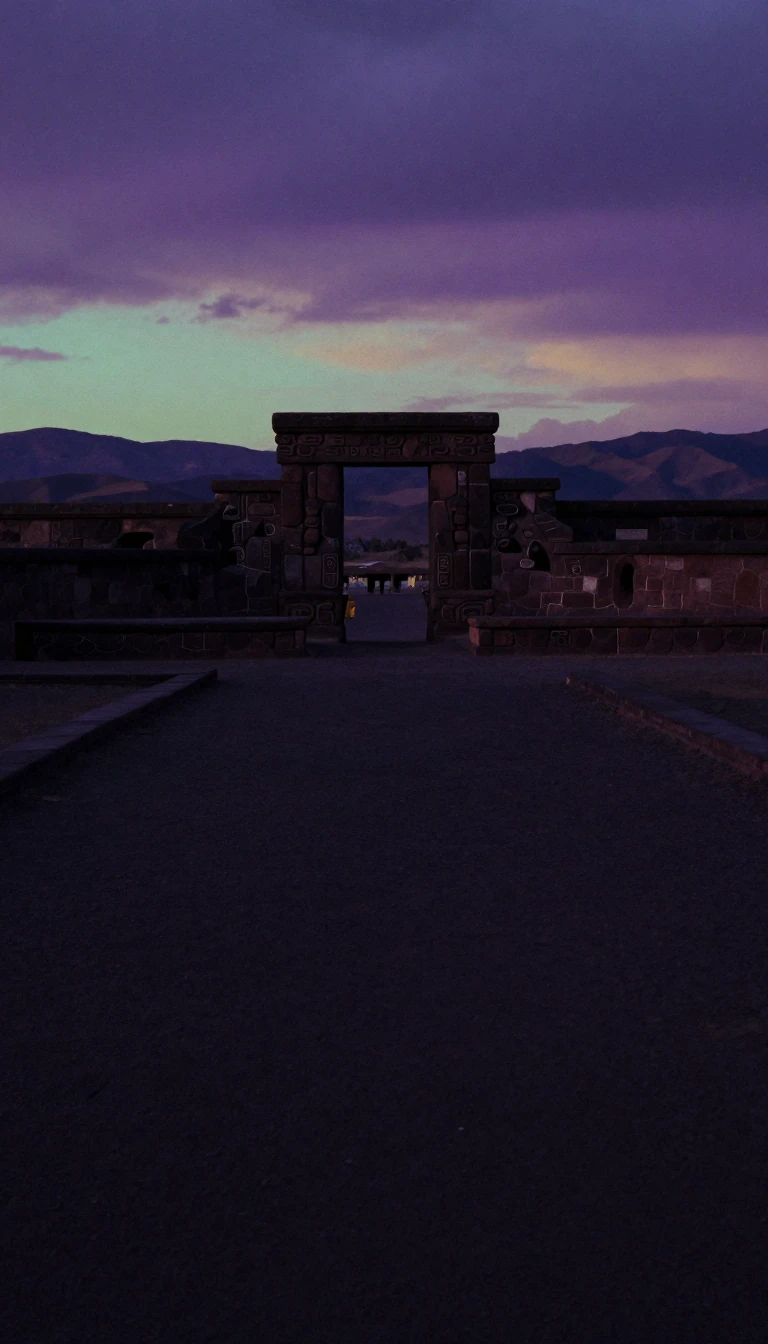 Chubut: The Patagonian Province Where Welsh Heritage Meets Unconventional Oil WealthStretching from the Andes to the Atlantic, Argentina's Chubut province is a land of striking contrasts. Once home to nomadic Tehuelche hunter-gatherers, it became a unique enclave…
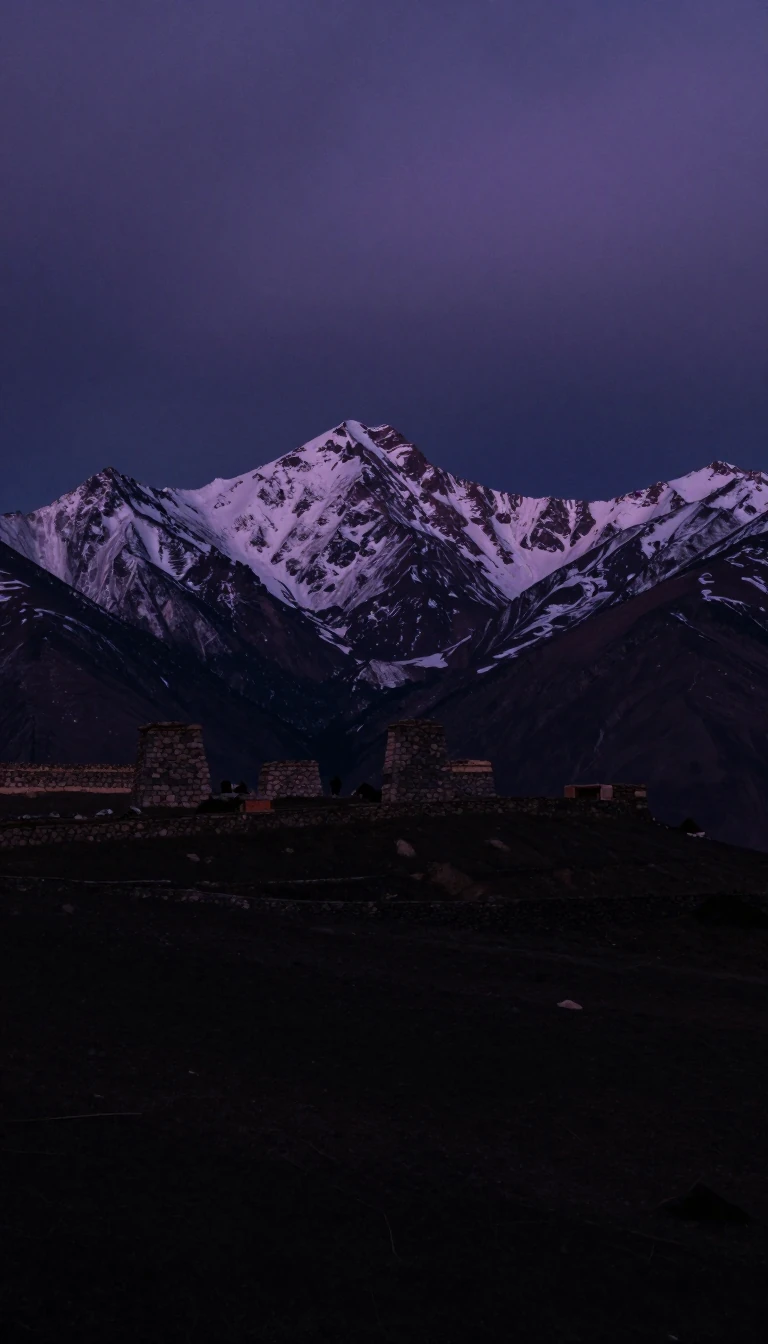 Why does a Japanese region share its name with the Middle Kingdom?The Chūgoku region of Japan literally translates to middle country, a name that mirrors the Chinese term for China. While the etymology remains debated, the region’s identity is d…
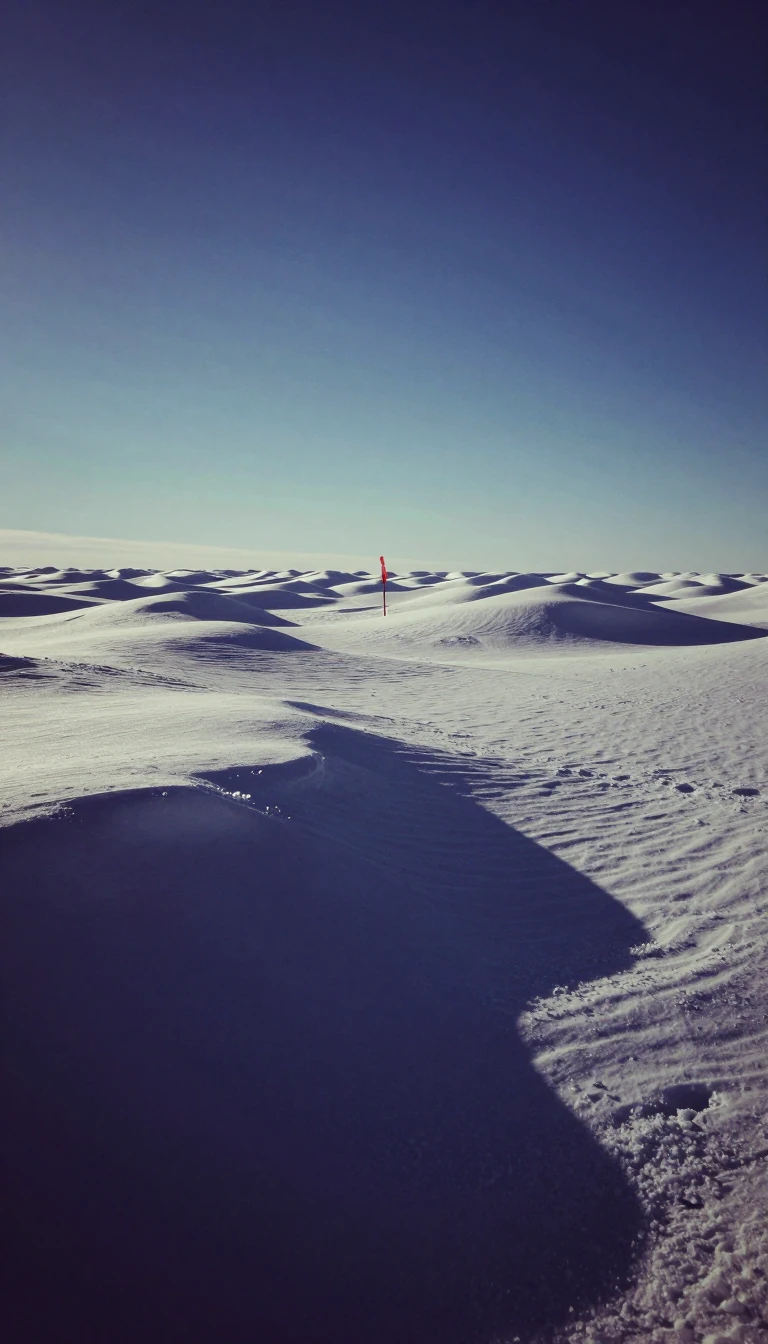 Chile claims a vast slice of Antarctica, but the Antarctic Treaty freezes the dispute.The Chilean Antarctic Territory covers over 1.25 million square kilometers of ice and islands, representing more than 60 percent of Chile's total national area. While Chile has as…
- Chittagong Division: A massive, diverse powerhouse in the heart of southeastern BangladeshSpanning over 34,500 square kilometers, the Chittagong Division is a geographic giant. It is the second most populous administrative division in Bangladesh, holding more people th…
 Brazil's Central-West is a vast agricultural powerhouse and a hidden ecological treasure troveComprising nearly 19% of Brazil's territory, the Central-West region has transformed from a remote interior into a global agricultural giant. While it produces nearly half of the …
- Chagang Province: The Mountainous North Korean Stronghold Hidden From the World for DecadesOnce an isolated, rugged frontier, Chagang Province transformed into North Korea's industrial and military heartland. With 98 percent of its land covered in mountains, this provin…
 How a Rebellion Against the Qing Dynasty Gave Chiayi Its Modern NameChiayi County, a southwestern region of Taiwan, carries a name that translates to commended righteousness. This title was bestowed by the Qianlong Emperor in the late 18th century…
- The Quechua-named hunting ground that hides a massive, iron-rich celestial secretChaco, a province in northeastern Argentina, derives its name from the Quechua word for a hunting territory. Beyond its subtropical forests and alluvial plains, this region holds …
 Why this Philippine region is defined by its constant administrative reshuffling and shifting bordersCentral Visayas is a region in constant flux. While it serves as a vital economic and cultural hub for the Philippines, its internal map has been repeatedly redrawn by presidentia…
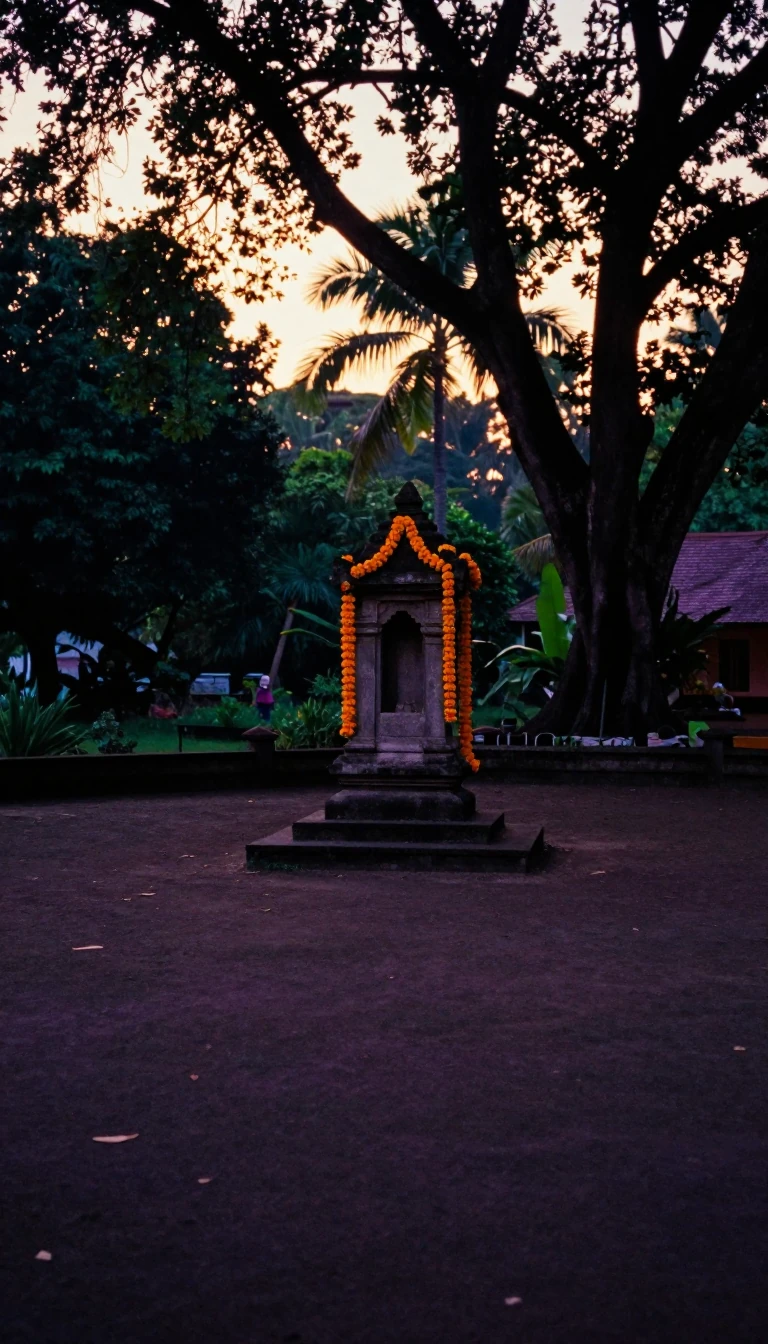 Central Sulawesi hides ancient secrets and rugged volcanic peaks within its sprawling tropical landscape.Spanning the heart of Celebes island, Central Sulawesi is a land of dramatic contrasts. From towering volcanic cones and deep, mysterious lakes to ancient megaliths dating back th…
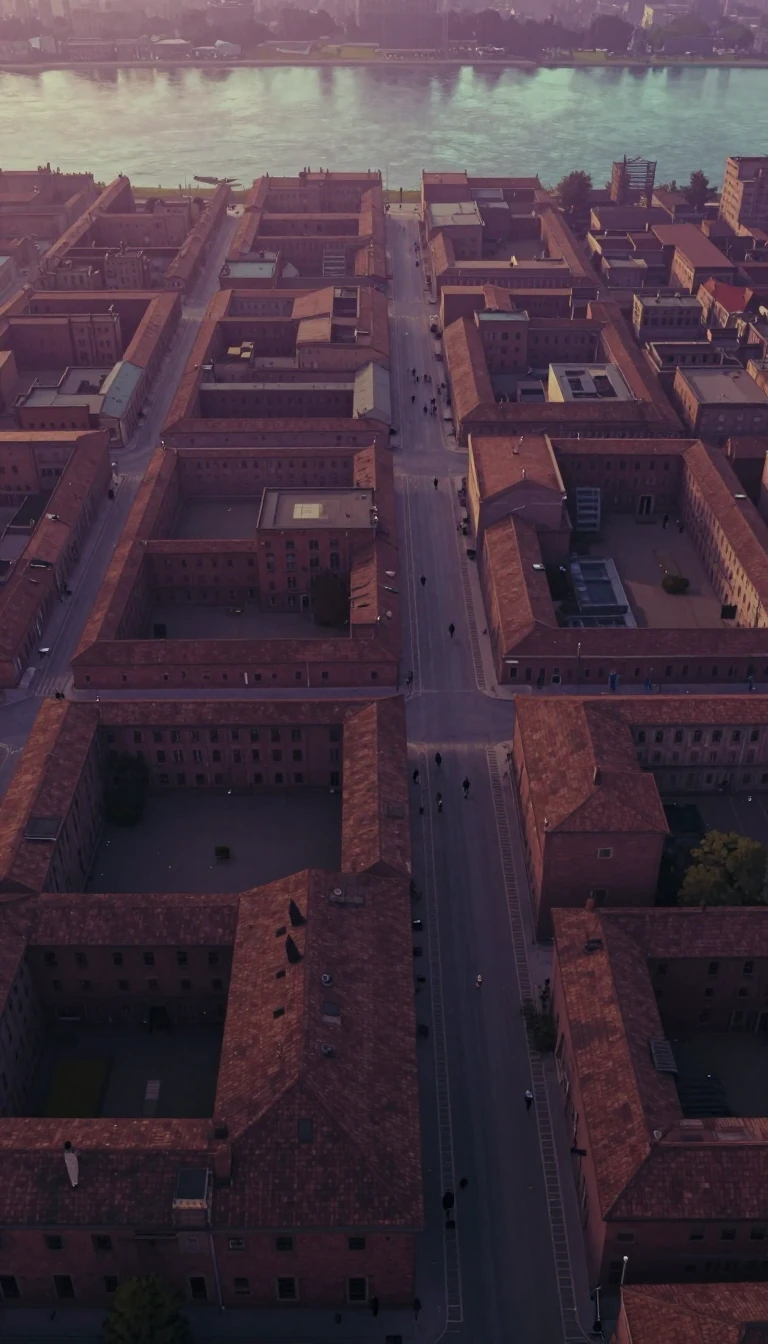 Why Central Thailand is a statistical chameleon with no fixed bordersCentral Thailand is the nation's historical heartland and home to the world's most primate city, Bangkok. Yet, defining its boundaries is surprisingly complex. Depending on whethe…
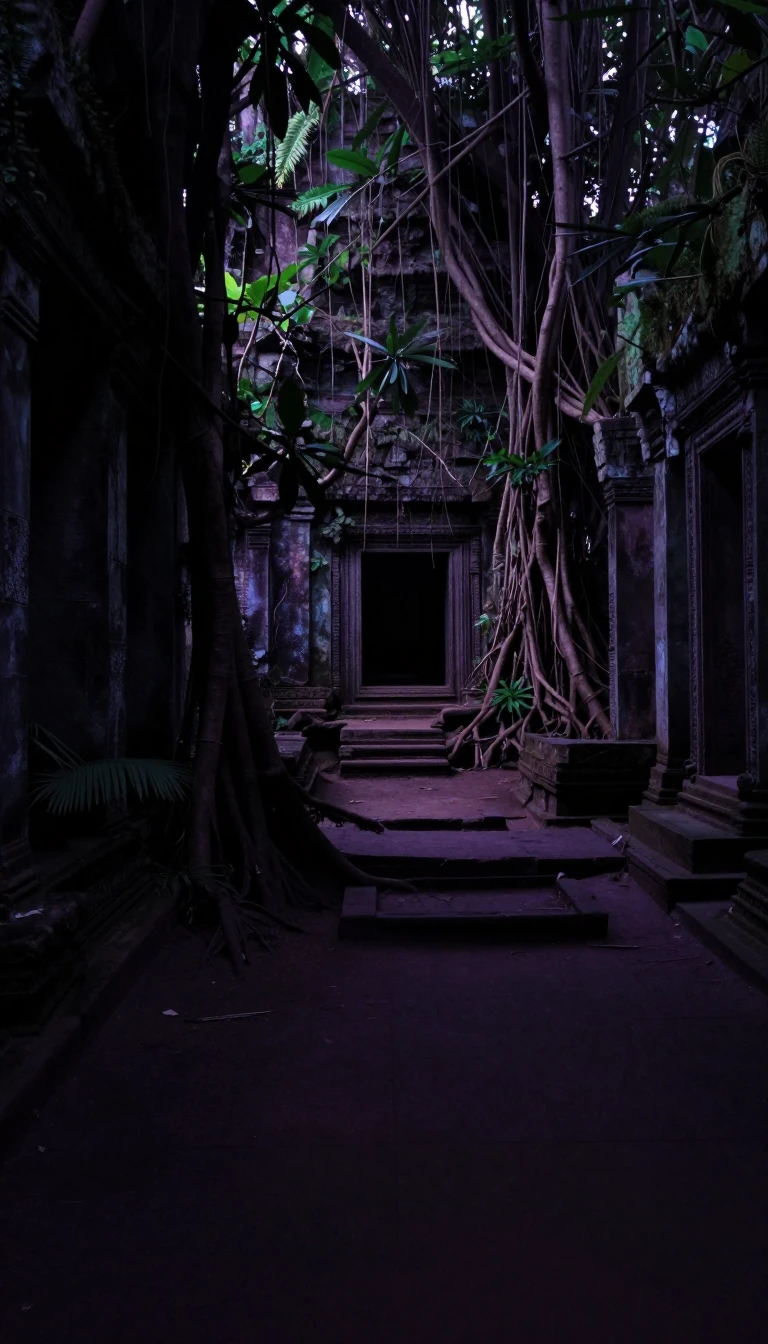 Central Papua is a rugged, mineral-rich province home to the world's highest island peak.Established in 2022, Central Papua is a newly formed Indonesian province on the western half of New Guinea. It spans from the Sudirman Mountains to the coast, housing both immense…
- Ceará: The Brazilian state that pioneered abolition and battles a cycle of droughtCeará is a land of dramatic contrasts, where sandy coastal plains meet rugged highlands. Beyond its famous beaches and tropical fruits, the state holds a unique place in history a…
- Central Kalimantan: The vast Indonesian province born from a quest for cultural autonomyAs Indonesia's largest province by land area, Central Kalimantan is a sprawling landscape of peat swamps and tropical forests. Established in 1957 to grant the indigenous Dayak pe…
 Central Luzon: The Philippines' Rice Granary and a Crucible of HistoryKnown as the Rice Granary of the Philippines, Central Luzon is more than just the nation's agricultural heart. It is a region defined by shifting borders, colonial legacies, and a…
- Central Java is a volcanic landscape defined by ancient kingdoms and modern industry.Spanning from the Indian Ocean to the Java Sea, Central Java is a province of dramatic volcanic peaks and deep historical roots. Home to the legendary Borobudur monument and a bus…
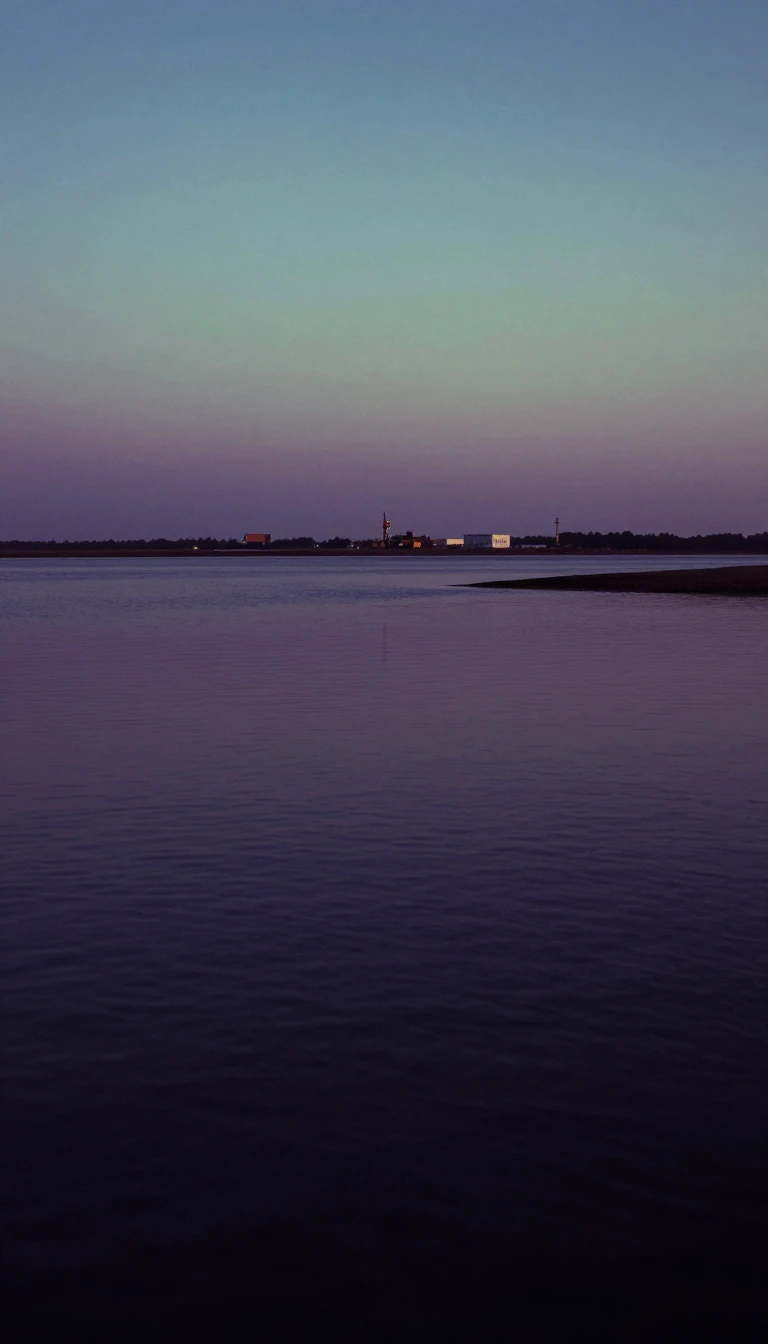 The cradle of Chinese civilization is now a powerhouse of modern industrial growthCentral China, a vast region spanning six provinces, is more than just a historical heartland. Once the birthplace of ancient dynasties and the earliest written records, this temp…
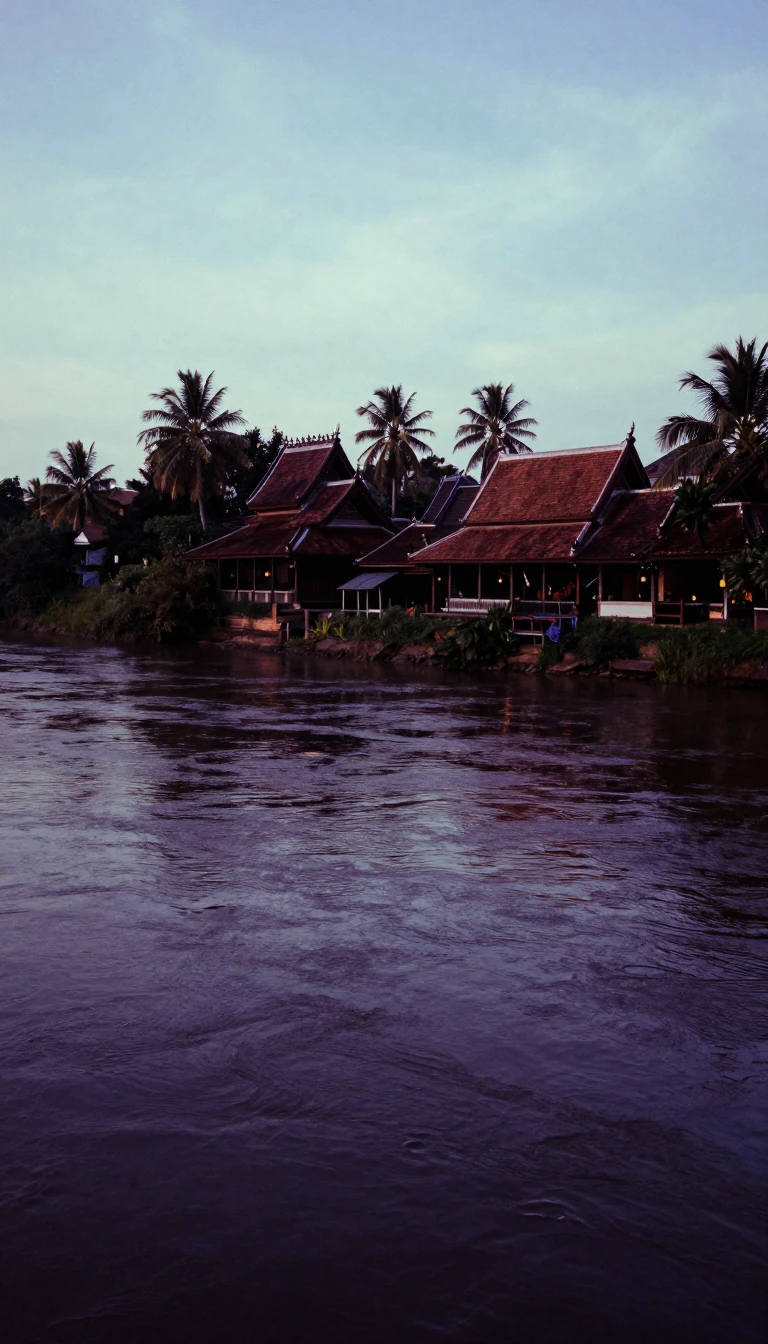 The Indonesian province once ruled by a powerful spice-trading sultanateBefore becoming a modern Indonesian province, Banten was a global maritime nexus. From the 7th-century influence of the Srivijaya Empire to a dominant sultanate fueled by the pepp…
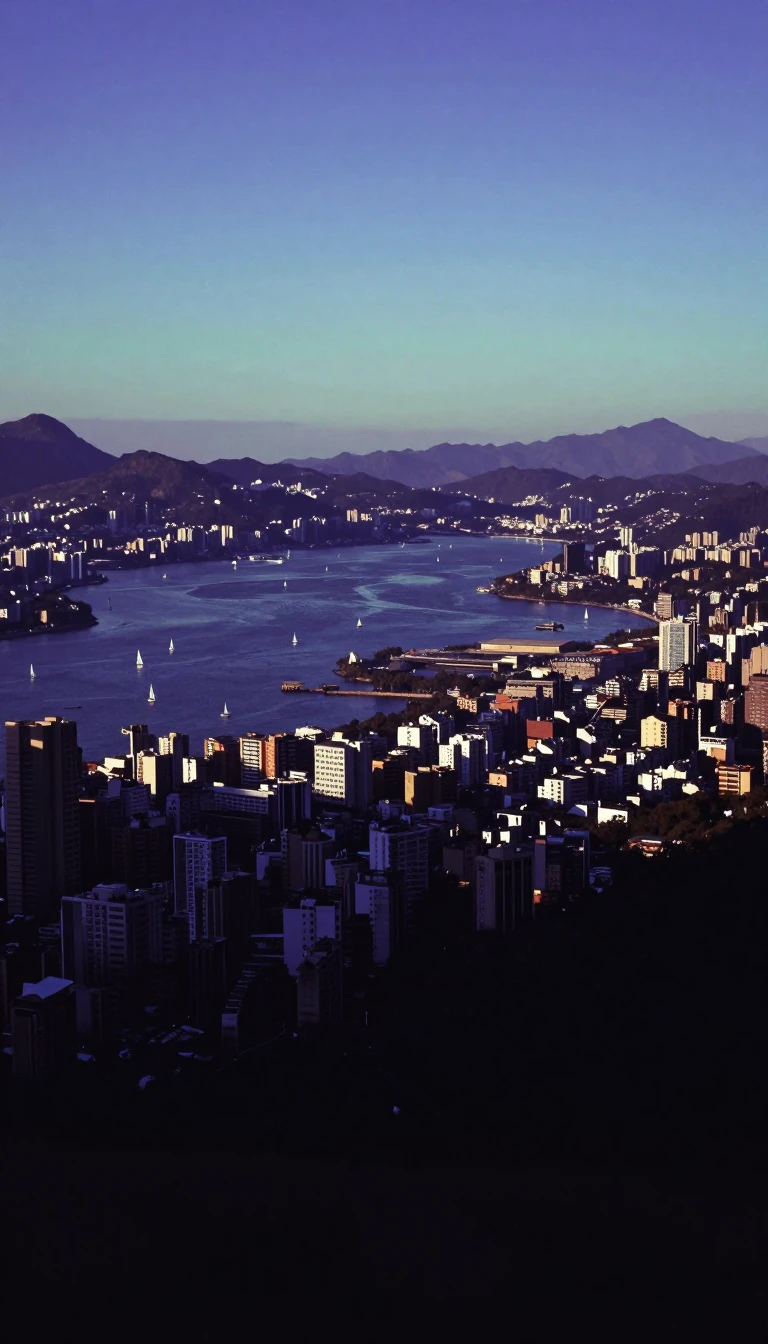 Canterbury: How a Tectonic Foundation Transformed into New Zealand's Agricultural PowerhouseNew Zealand's largest region, Canterbury, is a landscape defined by violent geological forces and colonial ambition. From the Southern Alps' greywacke basement to the tussock plai…
 Cagayan Valley is a Philippine agricultural powerhouse with a complex, often turbulent, history.Spanning five provinces in northeastern Luzon, Cagayan Valley is the Philippines' top corn producer and a vital agricultural hub. Yet, beneath its productive surface lies a histor…
 Why the Philippines' most populous region is named after five distinct provincesCalabarzon is more than just an administrative label. Comprising Cavite, Laguna, Batangas, Rizal, and Quezon, this region is the economic powerhouse of the Philippines. Home to ov…
- Bushehr: A Strategic Coastal Province Shaping Iran's Energy and Naval FutureLocated along the Persian Gulf, Bushehr province is a vital hub for Iran's naval operations and energy exports. From its historical struggle against Portuguese occupation to its m…
- Why Chile’s Aysén region is the wild, uncrowded alternative to famous Patagonia trailsAysén is a vast, sparsely populated expanse of northern Patagonia that remained largely isolated until the 2000 completion of the 770-mile Carretera Austral. Today, it offers intr…
- Turkey's Black Sea region is the only one where rural life outpaces urban living.Tucked behind an almost unbroken wall of mountains, Turkey's Black Sea region remains a distinct world. While the rest of the country urbanizes, this damp, lush coastline maintain…
 Why the Bicol Region remains one of the Philippines' most resilient and distinct landscapesSpanning the southeastern tip of Luzon, the Bicol Region is a volcanic powerhouse defined by its unique linguistic fragmentation, deep-rooted Catholic traditions, and a history of…
- The Biobío region is a rugged Chilean landscape shaped by centuries of seismic activitySpanning from the Pacific coast to the Andean peaks, the Biobío region is a land of dramatic contrasts. Once a fiercely defended frontier, this central Chilean territory has evolv…
- Why the watery heart of Bangladesh is known as the ship of questionsBarisal Division, a region defined by its intricate network of rivers and canals, carries a name rooted in the perilous maritime history of Arab traders. Known as the Granary of B…
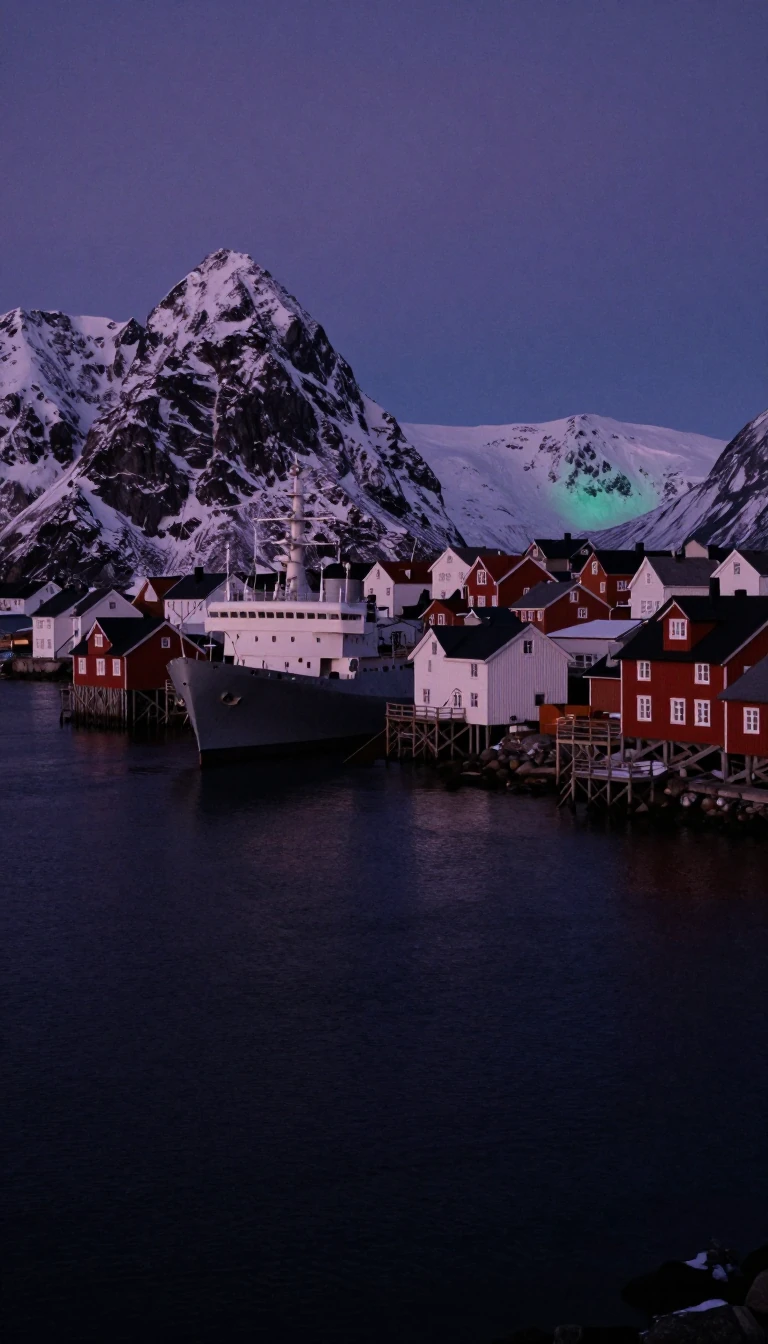 Why did Captain James Cook name a New Zealand region the Bay of Plenty?When James Cook arrived on the North Island, he encountered a stark contrast between the sparse resources of Poverty Bay and the abundant food supplies he observed in the nearby c…
- How a centuries-old tin mining industry shaped an Indonesian province's unique cultural identityThe Bangka Belitung Islands, an Indonesian province defined by its two main islands, Bangka and Belitung, are more than just a tropical archipelago. Their history is deeply tied t…
- The Ayeyarwady Delta: From Colonial Rice Frontier to Myanmar's Vulnerable GranaryOnce a sparsely populated mangrove forest, the Ayeyarwady delta was transformed by British colonial policy into a global rice-exporting powerhouse. Today, this vital region remain…
- Auckland is New Zealand's smallest region by land, yet its most populous economic powerhouse.Home to over a third of New Zealand's residents, the Auckland region is a dense, diverse hub of activity. While it ranks as the country's second-smallest region in land area, its …