 Intellect Plus
Art
5,849 cards. Each one is a 40-second story with a five-minute read behind it. Page 52 of 98.
Subtopics: Art crime · Art history · Art museums · Arts: General · Baroque · Calligraphy · Ceramics · Children's literature · Classic literature · Colour · Concepts of fiction and narrative · Conceptual art · Conservation · Craft · Cultural venues · Dada · Detective fiction · Directors, producers and screenwriters · Dye · Entertainers · Expressionism · Fantasy literature · Fictional and legendary characters · Film and television · Filmmakers and theatre directors · Forgery · Fresco · History painting · Illustration · Impressionism · Literature · Medieval art · Michelangelo · Modern art · Mosaics & stained glass · Oil painting · Optics · Painting · Paris salon · Performing arts · Photography · Pigments · Poetry · Poets · Portraiture · Post impressionism · Printmaking · Renaissance · Romanticism · Science fiction literature · Sculpture · Shakespeare · Spanish golden age · Street art · Symbolism · Textiles · Theatre · UK & Ireland: arts · Van gogh · Vermeer · Victorian · Visual artists · Visual arts
 When a Nazi-era actor returned to the stage, Berlin erupted in violent protest.In December 1950, the return of Werner Krauss to a West Berlin stage triggered chaotic riots. As a star of the infamous antisemitic film Jud Süß, Krauss became a lightning rod for…
 From Philosophy Professor to Horror Icon: The Academic Origins of Wes CravenBefore he redefined the slasher genre, Wes Craven was a humanities professor with a master’s degree in philosophy. He traded the classroom for the editing room, eventually craftin…
 The 106-year-old tattoo artist who redefined the limits of traditional Kalinga cultureWhang-od Oggay is the last traditional mambabatok of the Butbut people in the Philippines. Once a tattooist for headhunters, she now preserves her ancient craft for tourists. By b…
 Why the forefather of modern comics was a misanthropic, alcohol-dependent recluseWilhelm Busch, the German artist behind the iconic Max and Moritz, pioneered the illustrated tale. Yet, his life was defined by profound isolation, a struggle with alcohol, and a …
 How a bored suburban upbringing fueled Will Ferrell's rise to comedy stardomBefore he was a Hollywood icon, Will Ferrell was a student in master-planned Irvine, California, using humor to break the monotony of his surroundings. From high school intercom p…
 Will Wright turned the chaos of life into the world's most popular digital simulations.Before he became a titan of game design, Will Wright was a restless tinkerer obsessed with complex systems. From the structural logic of urban planning to the evolution of life it…
 How Willi Ninja transformed the underground art of voguing into a global cultural phenomenonWilli Ninja did not invent voguing, but he refined it into a precise, sharp art form that transcended Harlem drag balls. As the founder of the House of Ninja, he blended influence…
 Why the most famous typeface in history began as an exotic experimentBefore William Caslon became the architect of the English national typographic style, he was a humble engraver of gun locks and tools. His journey from a Birmingham workshop to th…
 How William Eggleston turned mundane American life into high-stakes, saturated fine artBefore William Eggleston, color photography was largely dismissed as a commercial tool for advertisements. By applying the intense, saturated dye-transfer process to everyday scen…
 How a gritty documentary style turned a 1971 crime thriller into cinematic history.William Friedkin redefined the 1970s crime thriller by applying a raw, documentary-inspired aesthetic to The French Connection. This approach, which earned him an Academy Award fo…
 How a Hollywood icon’s name was born from a failed romanceWilliam Holden was one of the 1950s' most bankable stars, yet his iconic screen name was a byproduct of a studio scout's lingering heartbreak. From his Academy Award-winning turn …
 Why a Victorian painter built a house in Jerusalem to capture divine truthWilliam Holman Hunt was a founding member of the Pre-Raphaelite Brotherhood who rejected Renaissance conventions for intense, symbolic realism. Driven by a desire to make biblical…
 How William Hurt evolved from a Juilliard-trained stage actor to a Hollywood iconWilliam Hurt became a defining face of 1980s cinema, earning three consecutive Oscar nominations and a win for his transformative performance in Kiss of the Spider Woman. From his…
 Was Shakespeare’s greatest clown a brilliant improviser or just a chaotic nuisance?William Kempe was a superstar of the Elizabethan stage, famous for his jigs and comic genius. Yet, his career was defined by tension: he was a core shareholder in Shakespeare’s co…
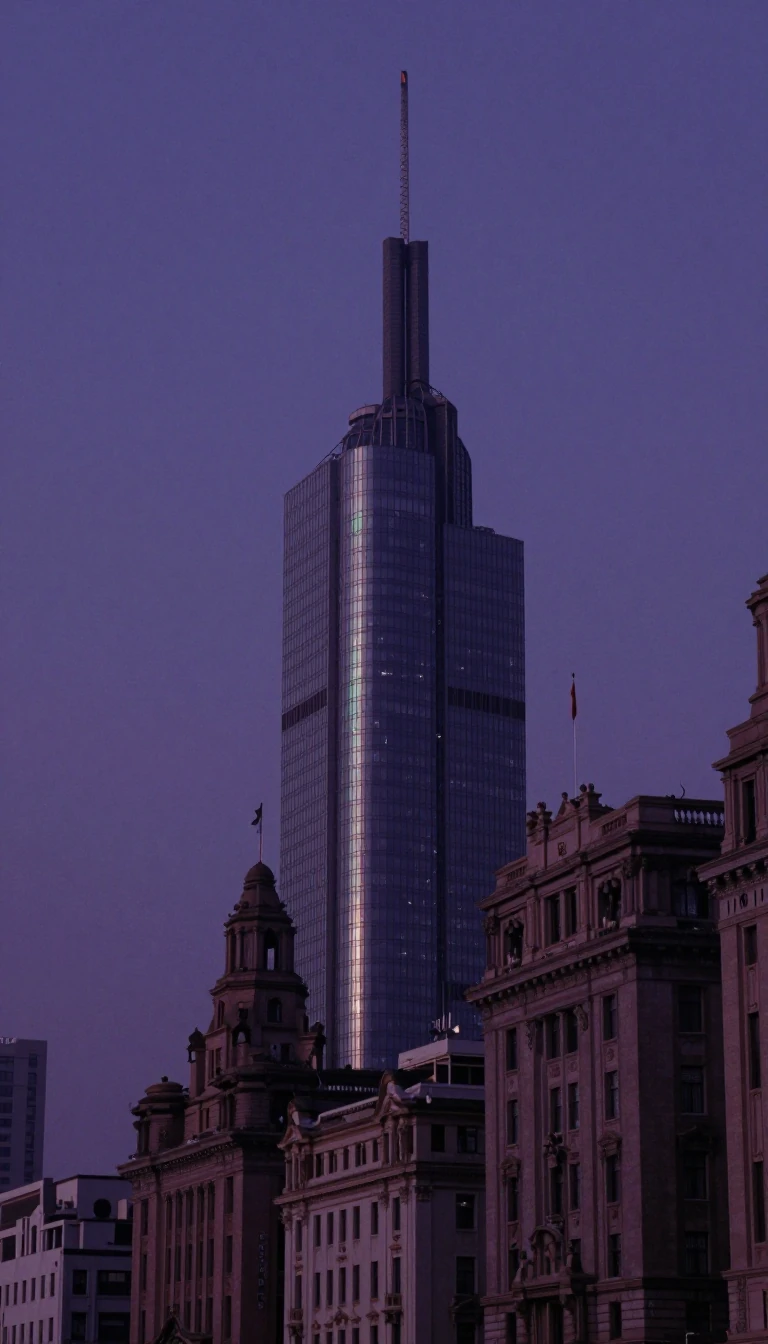 Did a birdcage inspire the man who invented the modern skyscraper?William Le Baron Jenney, a Civil War engineer turned architect, revolutionized urban skylines by replacing heavy masonry with metal skeletons. Legend suggests he realized the pote…
 The physician who designed the U.S. Capitol and tried to resurrect George Washington.William Thornton was a polymath whose life spanned medicine, architecture, and invention. Though he lacked formal training, his design for the United States Capitol won a national…
 How Wim Wenders turned the aimless wanderer into a cinematic icon of modern lifeA central figure of the New German Cinema, Wim Wenders transformed the road movie into a profound meditation on dislocation and longing. From the haunting streets of Berlin to the…
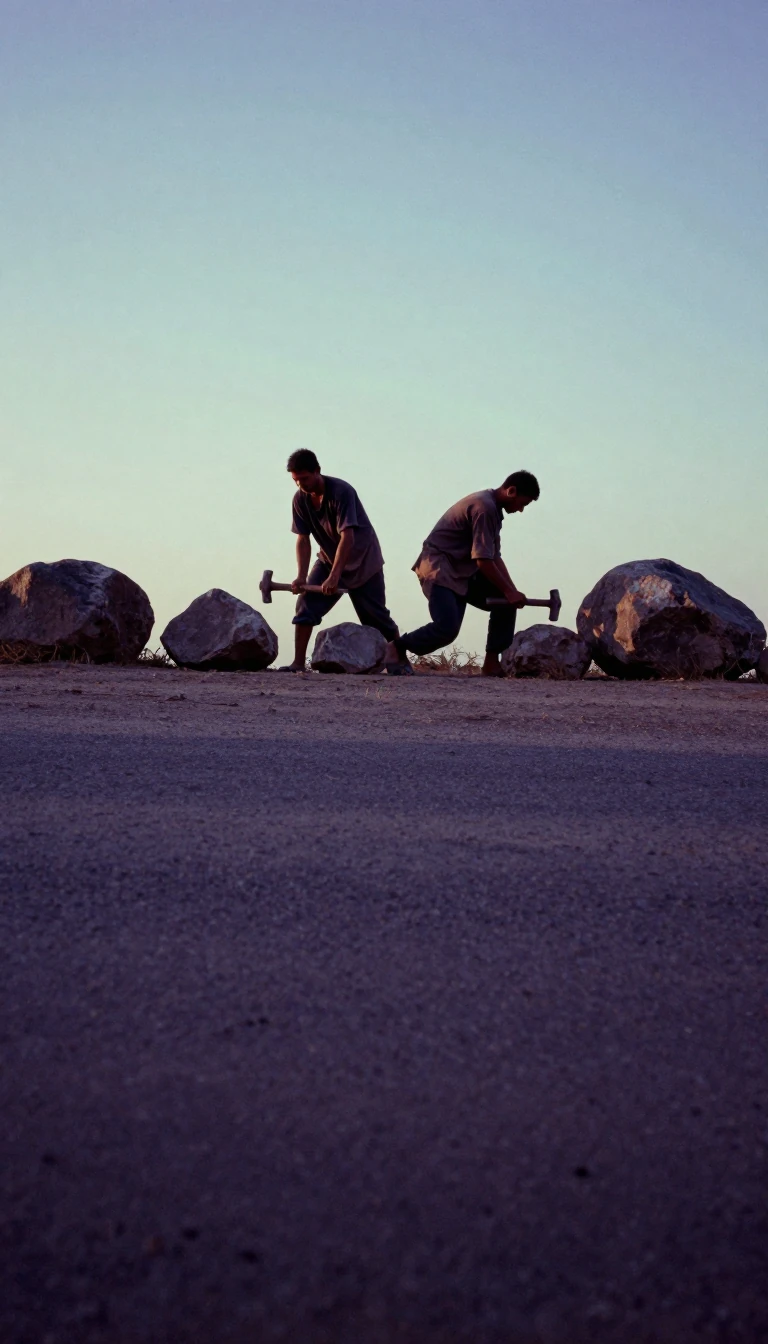 The Tang dynasty painter who allegedly walked into his own mural and vanished foreverWu Daozi is celebrated as the pinnacle of Chinese court painting, yet not a single original work survives. Instead, he lives on through legends of supernatural talent, including a…
 How a Turkish convict became a Cannes-winning director while behind barsYılmaz Güney, known as the Ugly King, rose from a childhood in cotton fields to become Turkey's most popular actor. Despite constant imprisonment and a nineteen-year sentence for …
 How a Tang Dynasty General Redefined Chinese Calligraphy Through Unbending Moral IntegrityYan Zhenqing was not just a legendary calligrapher; he was a high-ranking Tang official whose brushwork mirrored his legendary, unyielding character. By rejecting the delicate, fe…
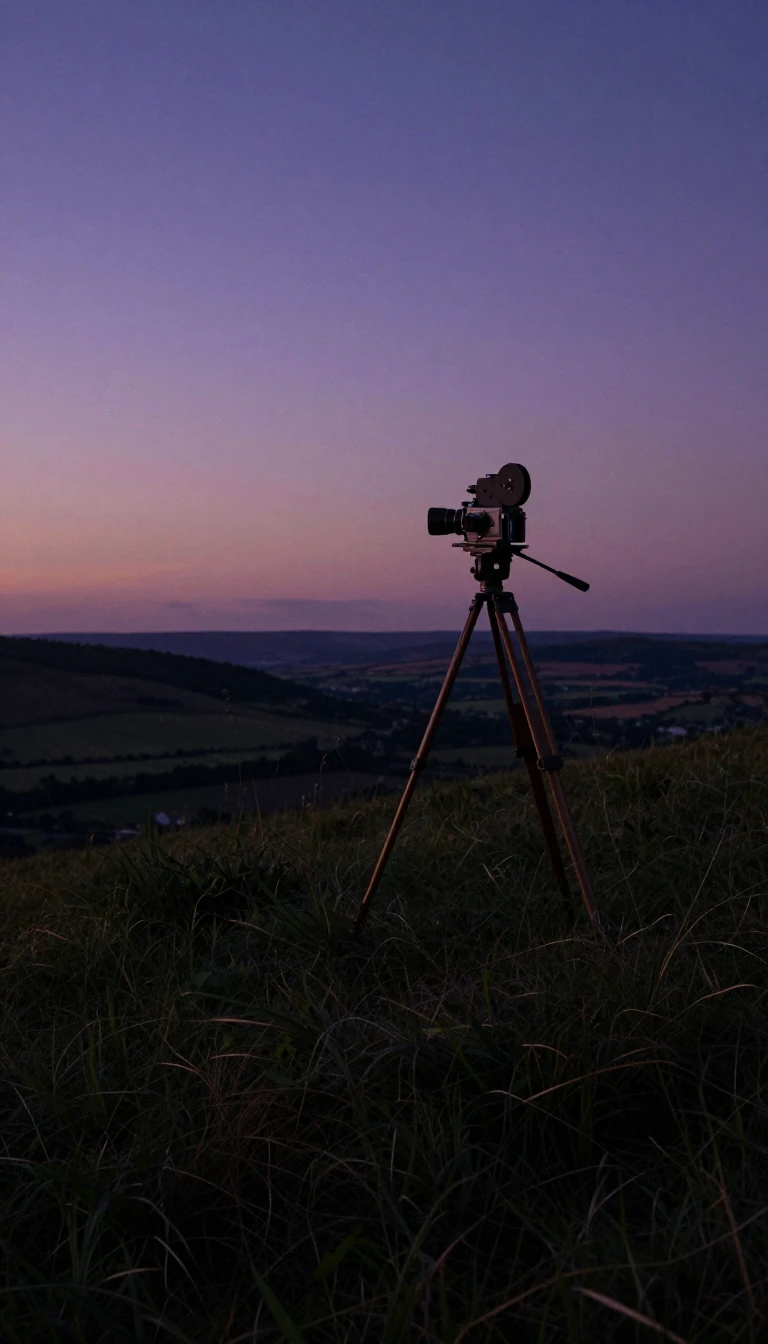 How Yash Chopra transformed Indian cinema from gritty realism to lush, romantic escapismYash Chopra was a titan of Hindi cinema who redefined the genre of the romantic musical. From pioneering the ensemble cast to turning the Swiss Alps into a permanent fixture of Bo…
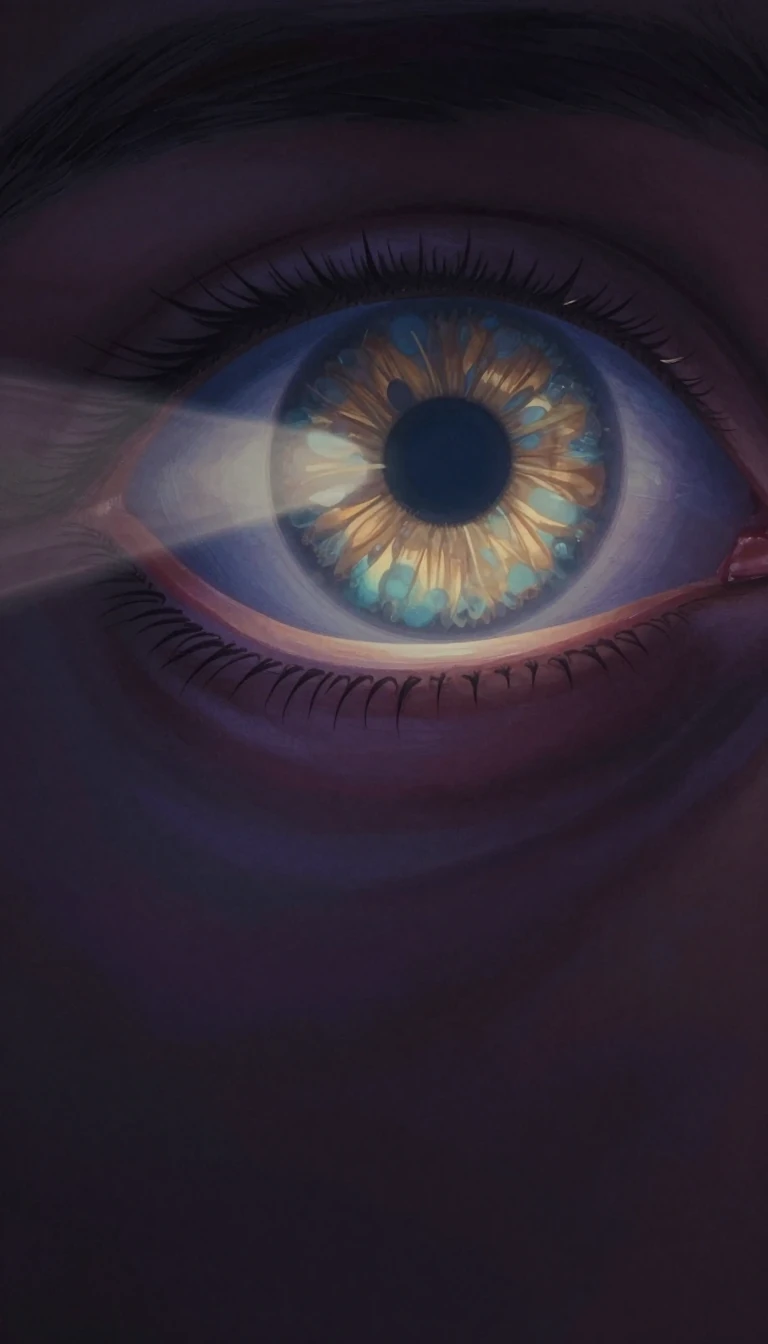 The silent film pioneer who transformed cinema into a visual art formBefore sound, Yevgeni Bauer turned Russian cinema into a sophisticated visual language. A master of psychological drama and lighting, he pioneered techniques like complex camera m…
 Why Yohji Yamamoto believes fashion should be both modest and arrogantMaster tailor Yohji Yamamoto redefined modern fashion by rejecting trends in favor of avant-garde, oversized silhouettes. Known for his signature use of black, he views clothing a…
 How a struggling comedian became the undisputed Nation's MC of South Korean television.For nine years, Yoo Jae-suk was a relative unknown in the South Korean comedy scene. Today, he is a cultural icon known as the Nation's MC. From his humble debut in 1991 to his gl…
 Yoon Jeong-hee: The South Korean Icon Who Redefined Cinema Across Four DecadesBefore she became an international sensation in Lee Chang-dong's Poetry, Yoon Jeong-hee was already a titan of South Korean cinema. As one of the legendary 1960s Troika, she appea…
 Youssef Chahine: The Egyptian Auteur Who Used Cinema to Map His Own SoulFrom a childhood spent beating up neighborhood kids who skipped his backyard film screenings to becoming a Cannes-lauded icon, Youssef Chahine transformed Egyptian cinema. He navi…
- How a refugee with no money became the twentieth century's most iconic portrait photographerYousuf Karsh arrived in Canada as a penniless Armenian refugee, yet he became the definitive lens for the world's most powerful figures. By mastering dramatic lighting and theatri…
 The brilliant, volatile programmer who defined Sega's golden age and later fell from grace.Yuji Naka, the visionary mind behind Sonic the Hedgehog, transformed Sega into a global powerhouse in the 1990s. Yet, his career trajectory—marked by legendary technical achieveme…
 How a war-hardened soldier became the Soviet Union’s most beloved brainy clownYuri Nikulin survived the Winter War and the siege of Leningrad before finding his true calling in the circus ring. Renowned for his phlegmatic, unsmiling stage persona, he evolve…
 From the docks of Marseille to the silver screen: the life of Yves MontandBorn Ivo Livi in rural Italy, Yves Montand rose from humble beginnings to become a titan of 20th-century French culture. Discovered by Édith Piaf in 1944, he evolved from a music-…
 Beyond the screen: How actress Yvonne Okoro built a multifaceted career in GhanaYvonne Okoro is a celebrated Ghanaian-Nigerian actress who transitioned from a screen debut in 2002 to becoming a prominent media personality and entrepreneur. Beyond her award-wi…
 How a charcoal-stained famine sketch turned a Bangladeshi artist into a national iconZainul Abedin, the founding father of Bangladeshi modern art, once crafted his own ink from burnt charcoal to capture the horrors of the 1943 Bengal famine. His raw, skeletal depi…
 Can a painting be so realistic that it deceives the natural world itself?Zeuxis, a legendary Greek painter of the 4th century BCE, was famed for creating illusions so convincing they fooled birds. Yet, his most profound artistic legacy was not just tri…
 How a penniless orphan became the enduring symbol of China's wartime struggleZhang Leping rose from extreme poverty to become a titan of Chinese manhua. His most famous creation, Sanmao, began as a desperate plea to highlight the suffering of children duri…
- How a disgraced imperial descendant sparked a revolution in Chinese landscape paintingZhao Mengfu, a descendant of the fallen Song dynasty, navigated the Yuan court while fundamentally altering the trajectory of Chinese art. By rejecting the refined, delicate brush…
 How a Shanghai film icon navigated the shifting tides of twentieth-century Chinese politicsZheng Junli rose from humble beginnings to become a titan of Chinese cinema, defining the golden age with classics like The Spring River Flows East. Yet, his career was a precario…
 How a French ballerina with a boyish haircut redefined mid-century stage glamourRenée Marcelle Jeanmaire, known as Zizi, transformed from a Paris Opera child prodigy into a global icon of dance and fashion. Famous for her signature boyish crop and collaborati…
 Why an Apollo 12 astronaut traded his lunar suit for a painter's brush.Alan Bean was the fourth human to walk on the Moon, yet he felt his most important work began after retiring from NASA. He spent 18 years as an astronaut before dedicating his lif…
 Is cooking an art form? Ferran Adrià turned a restaurant into a gallery.Ferran Adrià transformed the culinary world by treating food as a medium for radical experimentation. By deconstructing familiar dishes and manipulating textures, he aimed to prov…
 From Anti-Art Nihilism to Surrealist Expression: How the Avant-Garde Challenged ReasonDada and Surrealism defined the twentieth-century avant-garde, yet they were fundamentally different beasts. While Dada emerged as a nihilistic, anti-rationalist revolt against so…
 How a ballet born in San Quentin found its voice at The MetChoreographer Silas Farley transformed the raw, vulnerable music of incarcerated men into a profound dance pilgrimage. Originally staged for live audiences, the work evolved into …
 The Aldobrandini Tazze: Renaissance Masterpieces That Once Vanished Into Mismatched FragmentsCrafted in the late 16th century, the twelve monumental silver-gilt Aldobrandini Tazze are masterpieces of Renaissance artistry. Each standing cup features a Roman Caesar and scen…
 Why placing your subject in the center often ruins your best photographsThe rule of thirds is a fundamental technique that transforms chaotic compositions into coherent visual stories. By dividing your frame into a grid and aligning key elements along…
 Why Italian artists in the 1960s chose lettuce and horses over traditional paintIn the late 1960s, a radical movement called Arte Povera emerged in Italy, rejecting the polished, commercialized art world. By using everyday materials like soil, rags, and even …
- Can a still photograph breathe? Discover the mesmerizing world of the cinemagraph.A cinemagraph is a hybrid medium, blending the stillness of a photograph with the subtle, rhythmic motion of a video loop. By isolating movement within a static frame, these image…
 Why 19th-century painters traded realistic shading for bold, dark, flat outlinesIn the late 1800s, a group of artists rejected the Impressionist obsession with fleeting light, opting instead for a striking new aesthetic. By borrowing techniques from metalwork…
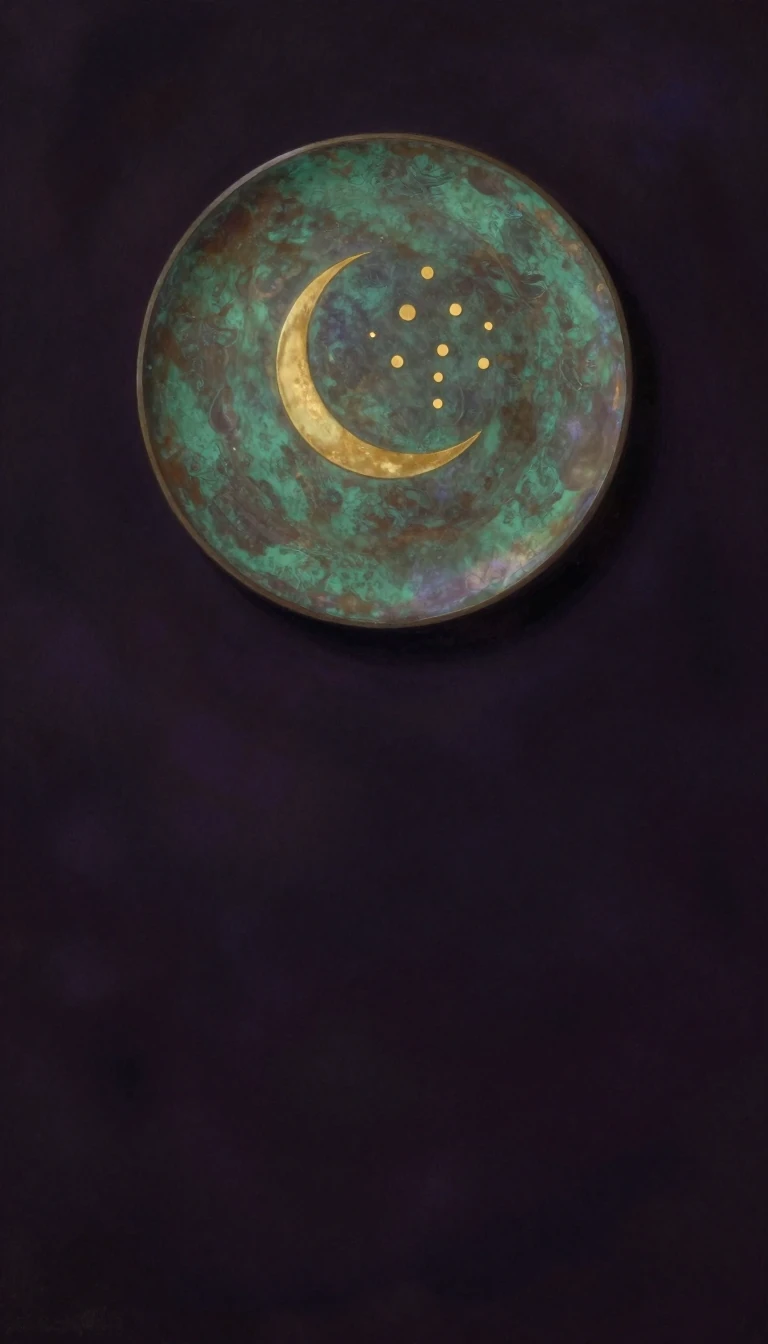 How a mechanical engineer turned circus toys into a revolution in modern artAlexander Calder, a trained engineer, transformed the art world by applying physics to sculpture. By evolving his miniature circus performances into delicate, air-activated wire a…
 How Neo-Dada artists turned trash into treasure to mock the commercial art worldIn the 1950s and 60s, Neo-Dada artists rejected the emotional intensity of Abstract Expressionism. Instead, they embraced playfulness and appropriation, transforming everyday obje…
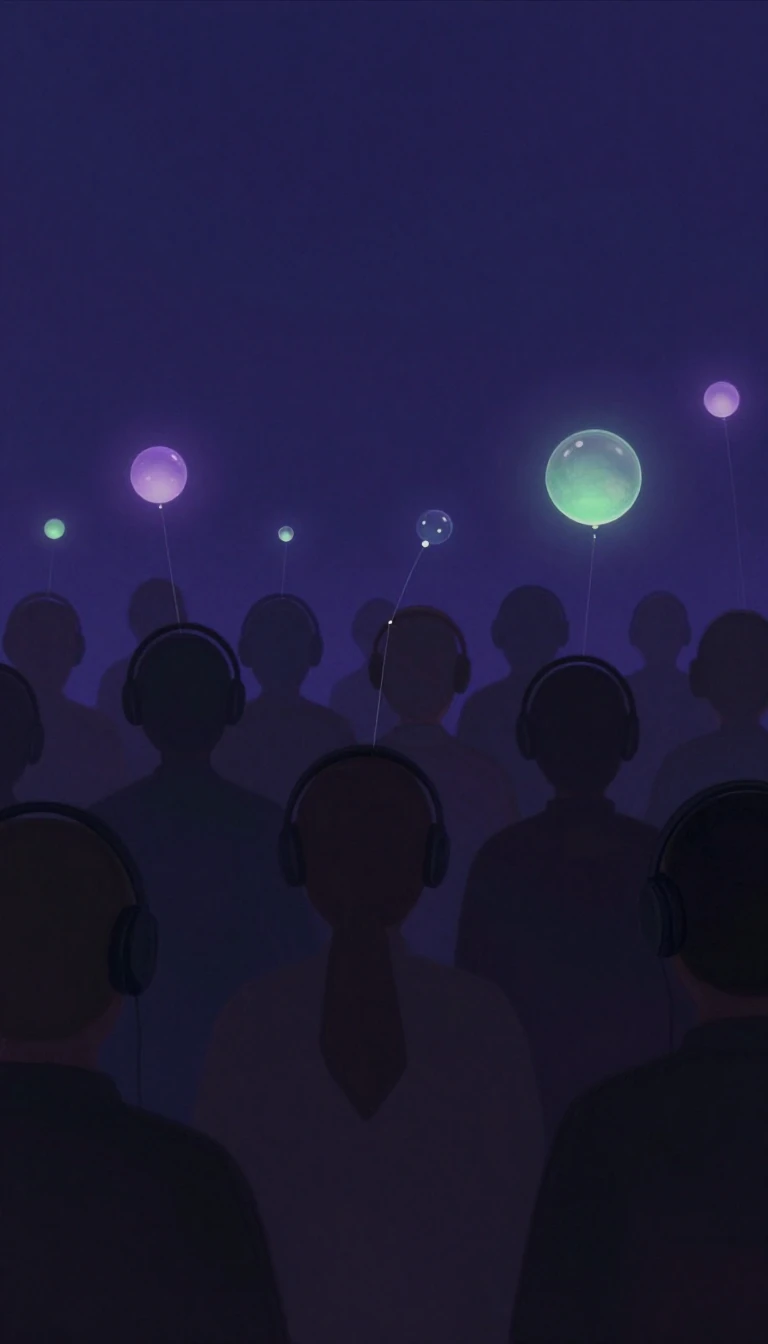 Why early 20th-century painters tried to turn the canvas into a musical instrumentIn 1912, a group of artists led by Robert and Sonia Delaunay broke away from the muted tones of Cubism. They sought to create a new visual language, using bold, prismatic color an…
- Why the most famous world map was built backwards, starting with art, not math.Most mapmakers begin with rigid geometric formulas to flatten the globe. Arthur H. Robinson did the opposite. He started by visualizing the most aesthetically pleasing shapes and …
 A posthumous masterpiece: how a failed writer’s New Orleans satire conquered the literary worldJohn Kennedy Toole’s A Confederacy of Dunces was published eleven years after his suicide, thanks to his mother’s persistence and writer Walker Percy’s intervention. This picaresq…
 Mark Twain used a dream about heavy armor to satirize feudalism and modern industry.When a 19th-century Connecticut engineer wakes up in 6th-century England, he decides to modernize the past using his technical expertise. Mark Twain’s 1889 novel is more than a ti…
 Is life a choreographed performance or a series of meaningless, chaotic gyrations?Anthony Powell’s twelve-volume masterpiece, A Dance to the Music of Time, captures the intricate, often awkward rhythm of human existence. Inspired by a Nicolas Poussin painting, …
 How a sickly, impoverished scholar single-handedly redefined the English language in 1755Samuel Johnson, a man who survived childhood tuberculosis and lived in near-poverty, transformed English lexicography. While others failed to capture the language as it was actual…
 Why Ernest Hemingway Wrote Forty-Seven Different Endings for A Farewell to ArmsPublished in 1929, Hemingway’s masterpiece captures the existential disillusionment of the Lost Generation. Yet, the author famously struggled to find the right conclusion, obsess…
 Can a house truly define a man's identity, or is it just a dream?In V. S. Naipaul's 1961 masterpiece, Mohun Biswas battles a lifetime of alienation and an overbearing, traditional family. His desperate, lifelong quest to own a home becomes more…
 Why Jonathan Swift suggested eating children to solve Ireland's 18th-century economic crisis.In 1729, Jonathan Swift published a satirical essay proposing that the Irish poor sell their children as food to the wealthy. While shocking, the work was a calculated attack on t…
 Can a novel bridge the divide between the British Empire and Indian independence?E. M. Forster’s 1924 masterpiece, A Passage to India, explores the fragile friendship between an Indian doctor and a British educator. Set against the backdrop of colonial tension…
- How James Joyce transformed his own religious crisis into a masterpiece of modern literatureJames Joyce turned his back on Ireland and the Catholic Church, forging a new identity as an artist. His debut novel, published in 1916, tracks this intellectual rebellion through…
 How a 1959 Broadway play forever changed the landscape of American theaterLorraine Hansberry’s A Raisin in the Sun was a risky, unprecedented production that defied industry expectations. By centering a Black family’s struggle against systemic housing d…