 Intellect Plus
Design
491 cards. Each one is a 40-second story with a five-minute read behind it. Page 6 of 9.
Subtopics: Architecture · Car design · Clocks & watches · Design tools & materials · Fashion design · Furniture · Graphic design · Industrial design · Interior design · Landscape & urban design · Modernism · Organic architecture · Packaging · Readability · Sustainable design · Typefaces · Typography
 How a simple pack of cigarettes inspired the world's most famous bundled skyscraperWhen architects needed to design a massive headquarters for a retail giant, they struggled to balance large floor plates with tenant needs. The solution arrived during a meeting w…
 Behind the red walls of Beijing lies a former imperial garden turned power center.Zhongnanhai, the exclusive compound adjacent to the Forbidden City, serves as the nerve center for China's leadership. Once a Ming dynasty retreat, this landscape of lakes and pav…
 A black granite wound in the earth that transformed how we remember war.Dedicated in 1982, the Vietnam Veterans Memorial challenged traditional monument design by replacing heroic statues with a minimalist, sunken wall. Architect Maya Lin created a re…
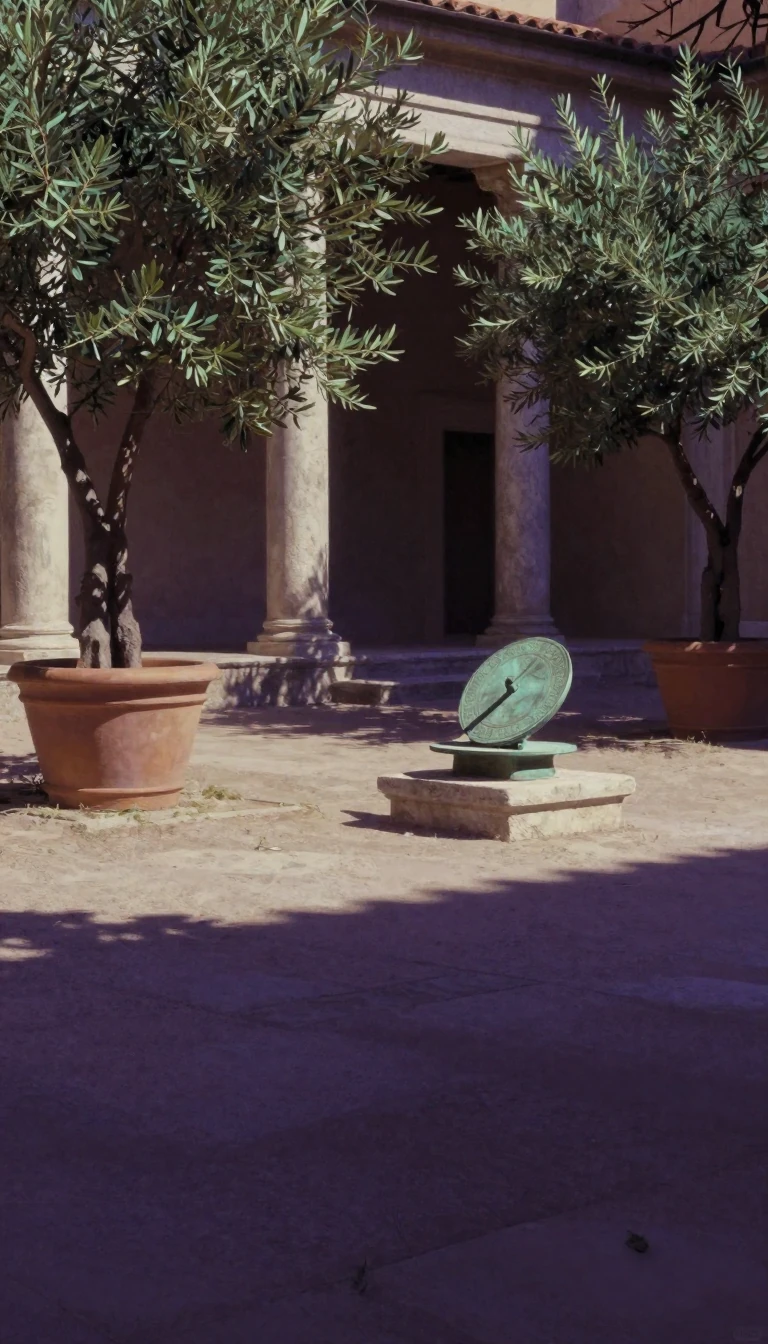 Villa La Rotonda: A Renaissance Masterpiece Designed to Harmonize Symmetry with a Sloping LandscapeAndrea Palladio’s iconic Villa La Rotonda is a triumph of mathematical precision, yet its perfect symmetry is a clever illusion. By subtly adjusting its facades to match the surro…
 The Cathedral of Commerce: How a Five-and-Dime King Built a Gothic SkyscraperWhen F. W. Woolworth commissioned his headquarters in 1910, he aimed for a monument to his retail empire. The result was a 792-foot Neo-Gothic marvel that reigned as the world's t…
 The structural evolution of the vault: from heavy walls to glass skinsFor millennia, architects were trapped by the weight of their own ceilings. To prevent stone roofs from collapsing, builders had to use massive, windowless walls. But a series of …
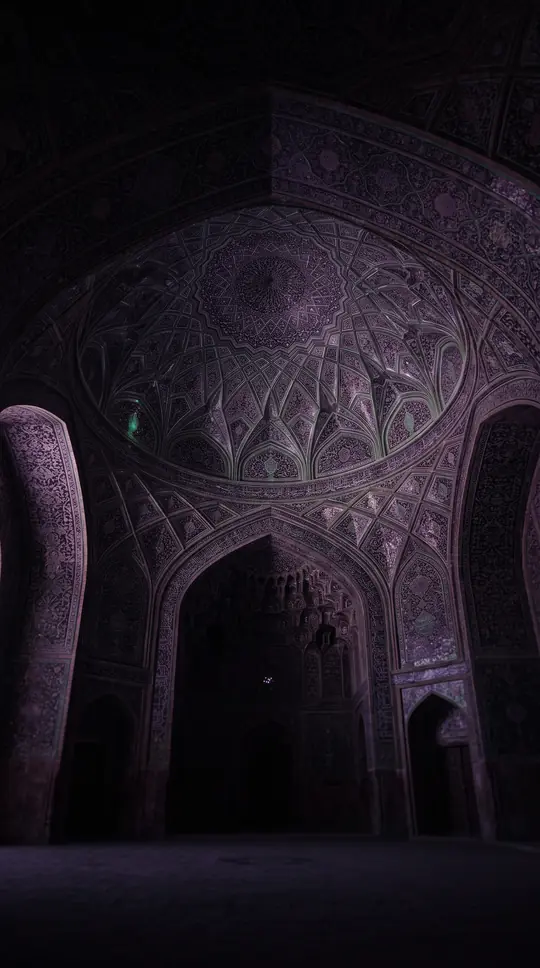 The Great Mosque of Damascus stands on a site of millennia-old spiritual devotion.Before it became the earliest surviving stone mosque, this Damascus landmark served as a temple to Jupiter and a Christian cathedral. Built by the Umayyad Caliph al-Walid I betwee…
 The world's largest clock tower stands where an 18th-century Ottoman fortress once watched over Mecca.Rising 601 meters above the Great Mosque of Mecca, the Clock Towers complex is a feat of modern engineering. Featuring the world's largest clock faces and a massive golden crescen…
 Why Shanghai’s most famous waterfront is a living museum of global financial ambitionThe Bund is more than a scenic promenade; it is a mile-long architectural timeline of 20th-century power. Once the epicenter of foreign trade and banking in China, this collection…
 Why do churches reach for the sky with those towering, pointed steeples?Beyond their aesthetic presence, steeples function as architectural metaphors designed to direct the human gaze toward the divine. These structures, which evolved from modest, det…
 Why Manchester and the Vatican share a name but offer radically different urban experiences.St. Peter's Square is a name shared by two of the world's most distinct urban spaces. One is a masterpiece of Baroque theater in Rome, designed to embrace crowds in maternal arms.…
 Sustainable architecture is evolving from simple energy efficiency into a broader cultural philosophy.Modern sustainable design is moving beyond technical green gadgets to address humanity's deep relationship with nature. While reducing carbon emissions remains critical, architect…
 Why does the heart of modern Istanbul mean division in Arabic?Taksim Square is the bustling center of Istanbul, yet its name reveals a forgotten history as a water distribution hub. Today, this iconic plaza serves as a complex intersection o…
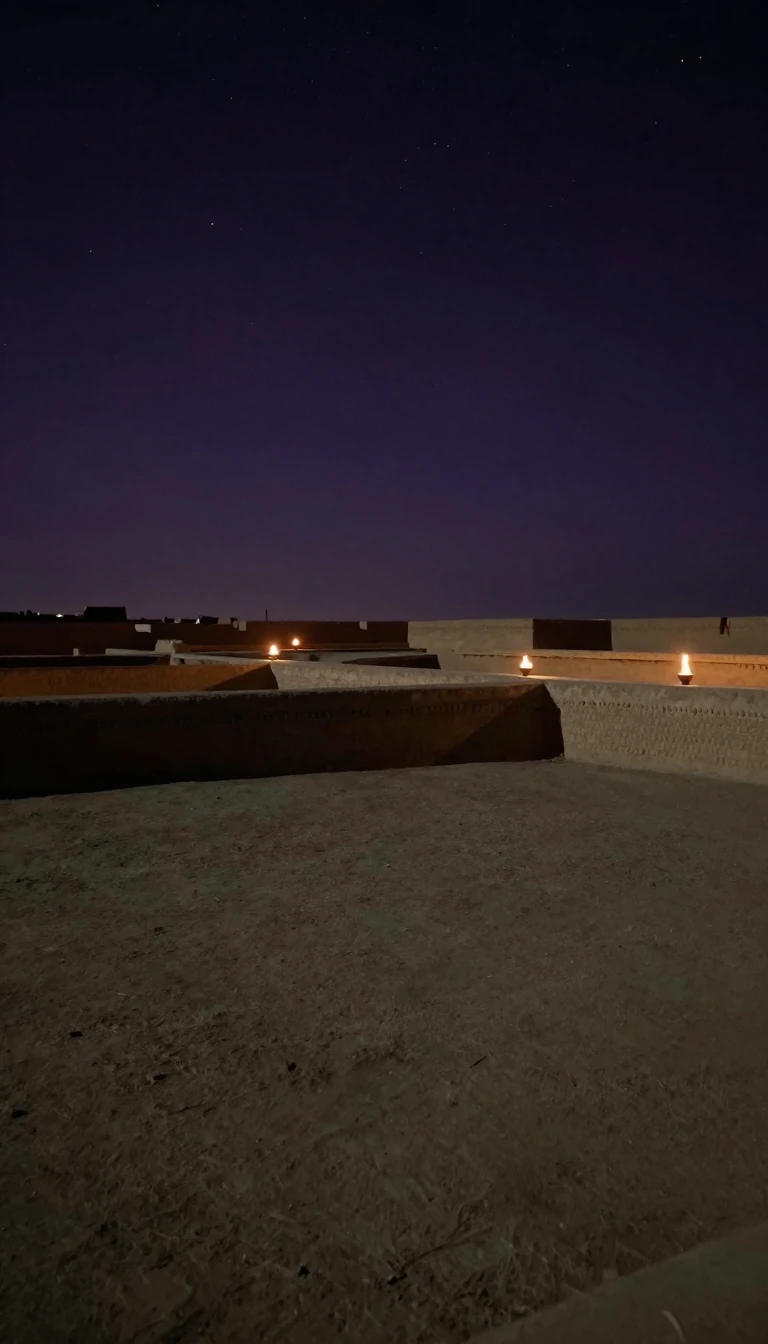 From ancient temples to modern rooftops, the terrace remains architecture's most versatile outdoor stage.Defined as an open, flat, and raised space, the terrace has evolved from prehistoric agricultural necessity to a sophisticated architectural tool. Whether serving as a monumental …
 Why are centuries of historical Sikh architecture vanishing under the guise of modern renovation?Sikh architecture, once defined by humble mud-brick construction and structural harmony, is facing an existential crisis. While the faith’s history is etched into gurdwaras and fo…
 Why a royal hunting lodge became the world's center for time and navigationPerched on a hill once used by Tudor monarchs, the Royal Observatory in Greenwich was built to solve the era's most pressing scientific puzzle: longitude. By mapping the heavens, …
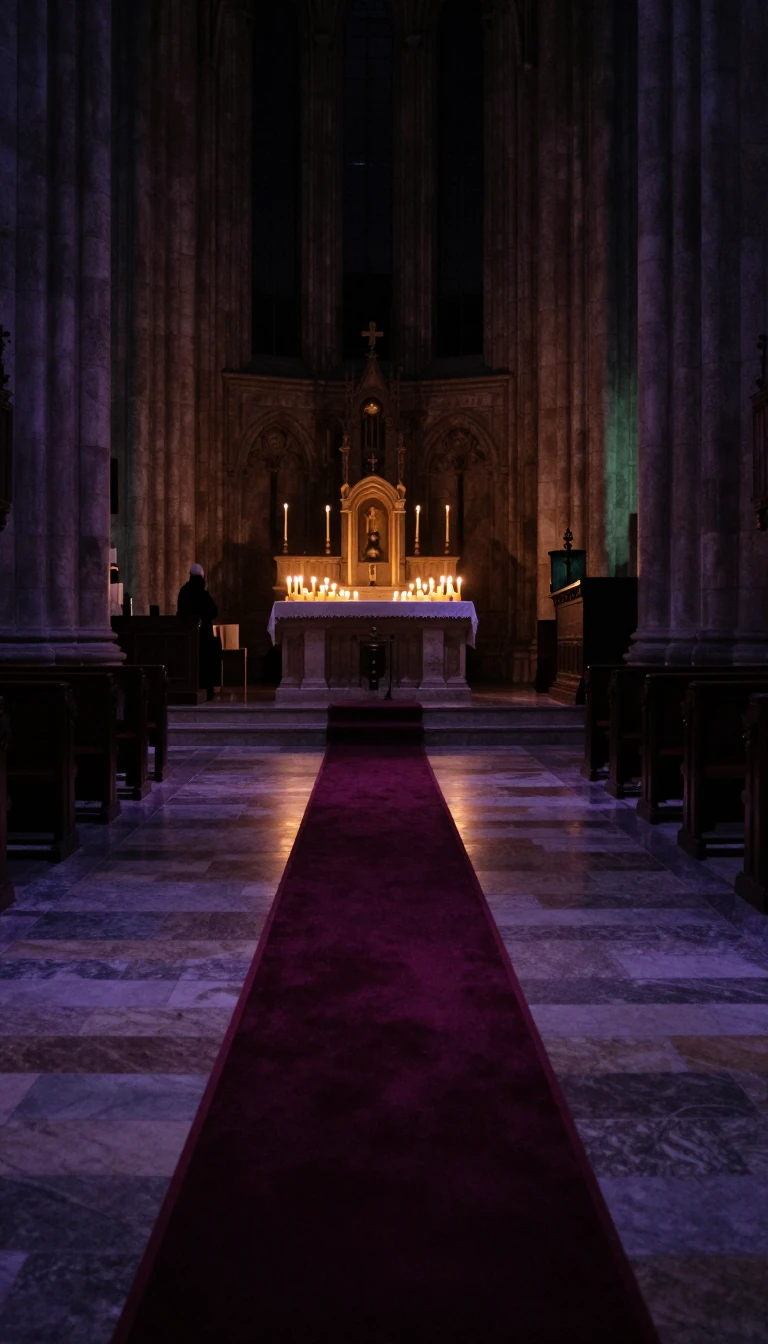 A Neo-Byzantine monument built to honor soldiers who died for Bulgarian liberationRising above Sofia, the Alexander Nevsky Cathedral is a massive architectural tribute to the Russian soldiers who fell during the Russo-Turkish War. Beyond its gold-plated domes a…
 How a former garbage dump became one of the world's most visited religious shrines.In 1858, a peasant girl named Bernadette Soubirous claimed to see visions at a rocky grotto in Lourdes, France. Once a neglected site used for dumping trash, the area has since tr…
- Why architects once designed buildings specifically to ensure they would become beautiful ruinsRuins are typically seen as signs of collapse, yet some designers have intentionally crafted structures to age into aesthetic masterpieces. This concept, known as Ruinenwert, sugg…
 The beautiful truth behind the name of Moscow's most famous squareToday, we call it Red Square, but the name was once a linguistic accident. Before it became a symbol of Soviet power, this vast expanse was known for a very different quality: its…
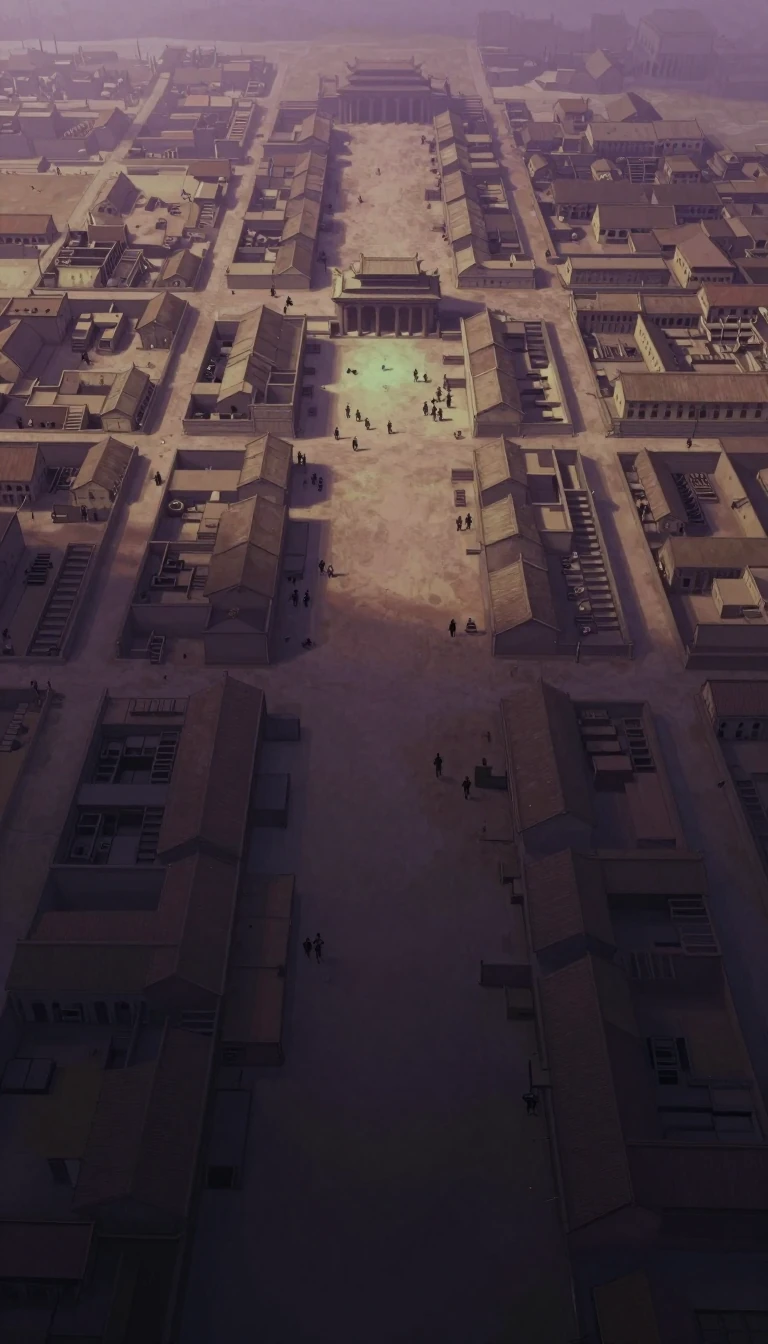 How a defeated army's siege engines became a world wonderThe Colossus of Rhodes wasn't just an artistic feat; it was a trophy of war. To celebrate victory over Demetrius I of Macedon, the Rhodians repurposed his abandoned weapons into a…
 Why nations use ancient architecture to manufacture a sense of identityArchitecture has long celebrated the glory of kingdoms, but using specific historical styles to signal national character is a modern invention. From the mid-18th century, archite…
 Why 19th-century architects looked back to the Renaissance to define their modern worldRenaissance Revival architecture was not a simple copy of the past, but a complex, hybrid movement. By blending Italian, French, and Flemish influences, 19th-century designers cre…
 The architecture of Luxor was designed to manipulate your perception of spaceAncient Egyptian architects didn't just build for scale; they built for illusion. At the Luxor Temple, specific geometric tricks were used to make unequal obelisks appear identica…
- Prague Castle is the world's largest ancient fortress, spanning a millennium of architectural evolution.Spanning nearly 70,000 square metres, Prague Castle is more than a royal seat; it is a sprawling architectural timeline. From Romanesque foundations to Gothic cathedrals and Renai…
- How a humble palm-trunk structure became a monumental feat of modern engineeringThe Prophet's Mosque in Medina began in 622 as a simple, open-air building constructed from mud and palm trunks. Over fourteen centuries, it evolved through successive expansions …
 Why architects use the human body and geometry to define perfect spacesProportion is the silent language of architecture, bridging the gap between cold mathematics and human experience. From the ancient Vitruvian obsession with the human form to the …
- The 19th-century palace that was a high-tech fantasy of the Middle AgesKing Ludwig II of Bavaria wanted to live inside a fairy tale. While his castle looks like a medieval stronghold, it was actually a masterpiece of modern contradiction, featuring c…
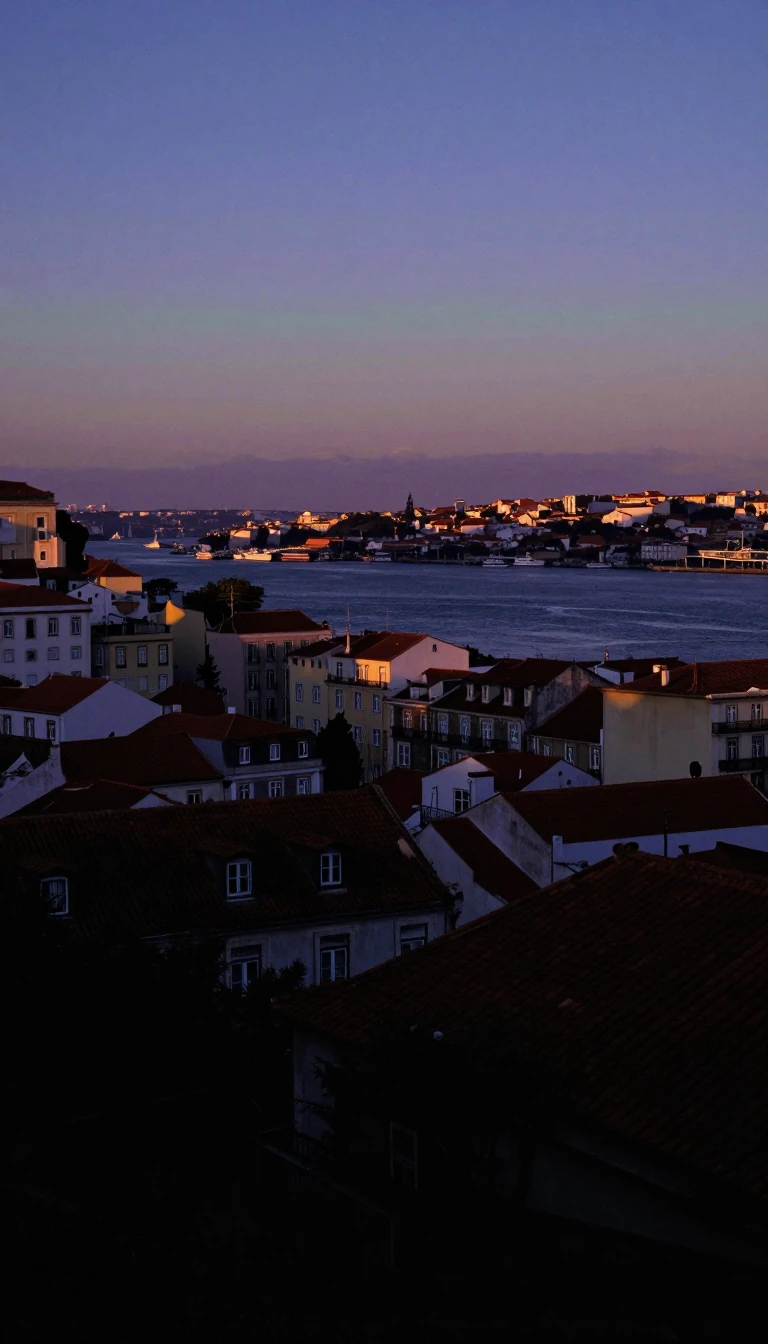 From Roman ruins to Manueline opulence, Portugal’s architecture tells a story of constant adaptation.Portugal’s built environment is a layered palimpsest, where ancient Roman foundations support medieval castles and the ornate, uniquely national Manueline style. Today, contempora…
- Why the humble pier is the secret hero of architectural stability and designBeyond simple support, the pier is a masterclass in structural engineering. From medieval cathedrals to massive bridge spans, these vertical pillars do more than hold up weight; t…
- How Brazil’s National Congress Palace uses mathematical precision to achieve architectural weightlessnessDesigned by Oscar Niemeyer and engineered by Joaquim Cardozo, the National Congress Palace in Brasília is a masterclass in structural defiance. Its iconic domes appear to hover ef…
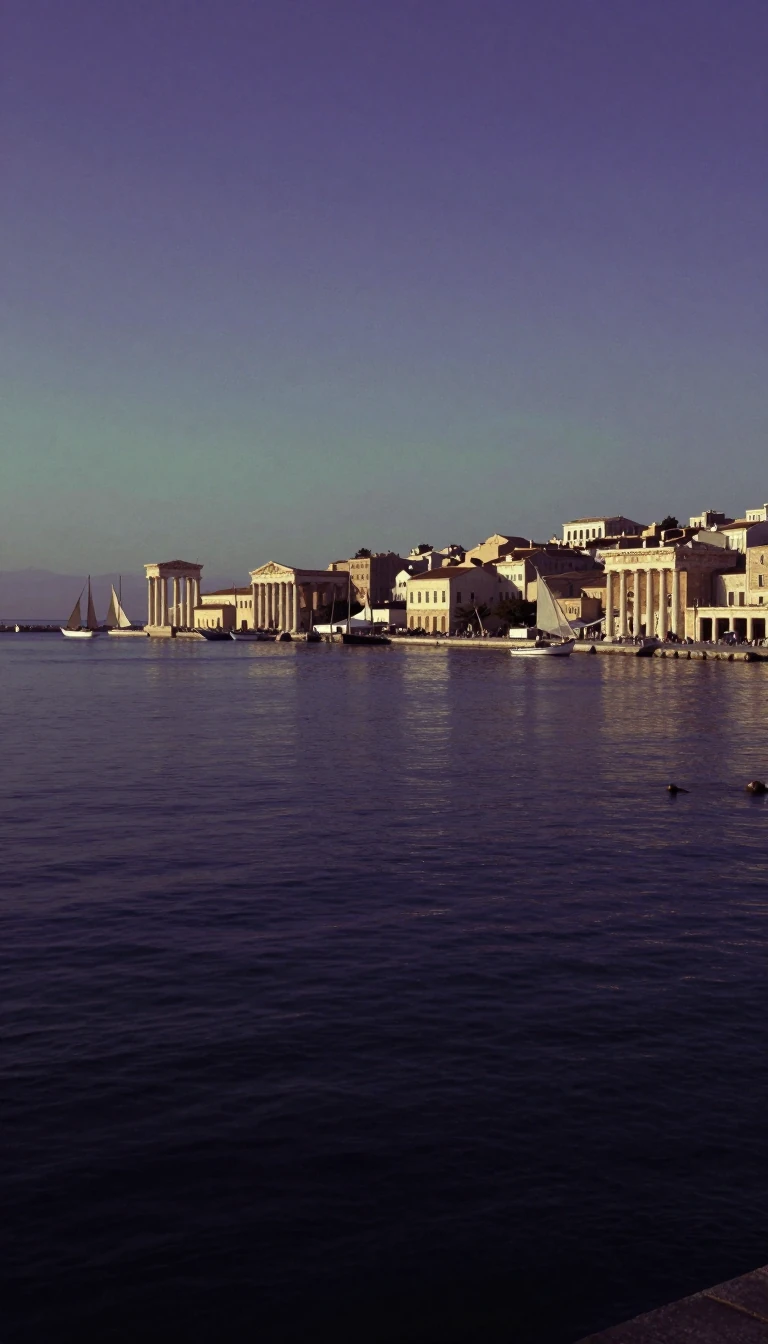 Why the Alhambra palace is a masterpiece of hidden brilliance and architectural paradoxThe Alhambra in Granada is a rare survivor of medieval Islamic architecture, famous for its stark exterior and opulent, light-filled interior. By blending complex stucco patterns …
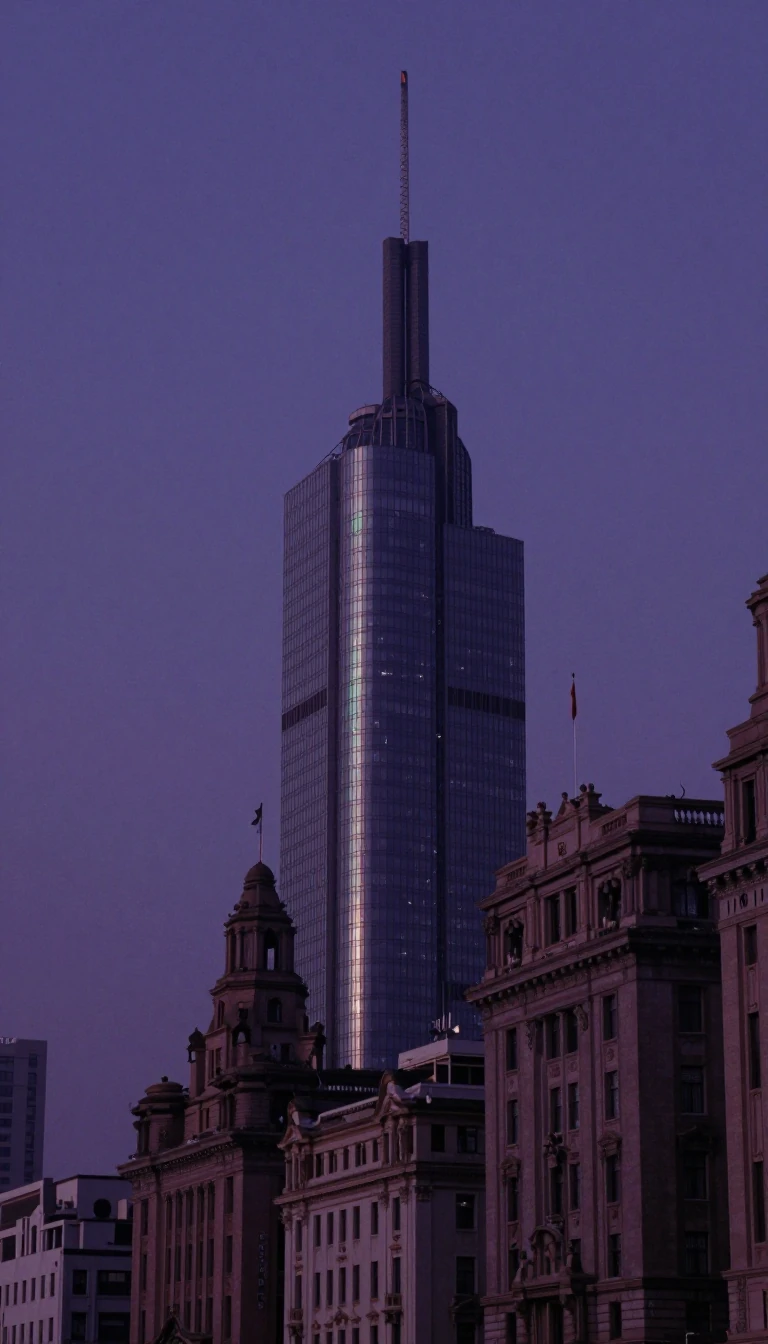 Why New York’s most iconic triangular skyscraper was once mocked as Burnham’s FollyCompleted in 1902, the Flatiron Building defied architectural norms with its daring steel-framed, triangular silhouette. While now a celebrated Manhattan landmark, the structure f…
- How a medieval abbey survived the sea by becoming a masterclass in structural engineeringPerched on a rocky islet between Normandy and Brittany, Mont-Saint-Michel is a triumph of medieval architecture. For centuries, builders adapted to the site's extreme tides and li…
- A Pharaoh’s architectural masterpiece carved directly into the limestone cliffs of Deir el-BahariHatshepsut’s mortuary temple is a feat of ancient engineering, featuring three massive terraces that rise seamlessly into the desert landscape. More than just a tomb, this structu…
- The temple built without a single nail that survived nine firesPerched on the hills of eastern Kyoto, Kiyomizu-dera is a marvel of ancient engineering. Known for its massive veranda that juts over the hillside using a specialized 'kakezukuri'…
 The belfry: a linguistic evolution from siege towers to bell towersThe word 'belfry' hides a forgotten history of warfare. Originally meaning a mobile wooden siege tower, the term evolved through centuries of linguistic drift. As these towers beg…
- How France traded medieval fortresses for Italian elegance and original flairThe French Renaissance wasn't just a copy of Italian style; it was a sophisticated evolution. By blending the verticality of Gothic tradition with classical symmetry, French archi…
 How a 220,000-word manuscript finally revealed the secrets of a medieval architectural masterpieceKing’s College Chapel is a triumph of late perpendicular gothic design, yet its construction was a chaotic, century-long saga. For decades, historian John Saltmarsh obsessively do…
 Why Korean architecture favors quiet harmony over the sharp, dramatic angles of ChinaKorean architecture is defined by a pursuit of naturalistic simplicity and the avoidance of extremes. While it shares roots with Chinese design, it famously softened the sharp, ag…
- Why Italy’s architectural history is a patchwork of ancient, diverse, and eclectic regional stylesItaly’s architectural landscape defies simple classification, shaped by centuries of political fragmentation into small states. From ancient Roman aqueducts to the Renaissance rev…
 How a brutalist masterpiece in Dhaka became a poetic vessel for light and democracy.Designed by Louis Kahn, the Jatiya Sangsad Bhaban is a monumental legislative complex that transcends its political origins. By reimagining the column as a hollow, light-giving en…
- Karnak is not a single building but a sprawling historical document written in stone.Karnak, the northern half of ancient Thebes, evolved over millennia into one of the largest temple complexes on Earth. Far from a uniform design, this site reflects the shifting f…
- How a Mughal Emperor’s Military Monument Became a Symbol of Resilience and FaithCommissioned by Emperor Aurangzeb to commemorate his military campaigns, the Badshahi Mosque in Lahore has endured centuries of transformation. From serving as a stable for Sikh a…
 Why some buildings stand alone while skyscrapers rise around themA holdout is a property that survives amidst a larger development because the owner refused to sell. From New York City to China, these stubborn structures—sometimes called nail h…
- Why New York’s most famous transit hub is technically not a station at allGrand Central Terminal is a masterpiece of Beaux-Arts design, but its name is a point of persistent confusion. While locals often call it a station, the facility is officially a t…
- How a single invention transformed the skyline of FranceFrom the heavy, thick-walled Romanesque churches of the 10th century to the soaring, light-filled Gothic cathedrals, French architecture is a story of structural evolution. Discov…
 Perched on a Los Angeles hilltop, the Getty Center is a masterclass in geometric light.Architect Richard Meier spent twelve years crafting this sprawling campus, using honey-colored travertine and aluminum to manipulate the Southern California sun. By overlaying two…
 Is the world's largest mud-brick structure a masterpiece of African design or colonial influence?The Great Mosque of Djenné is an architectural marvel, standing as the largest adobe building on Earth. While its towering, buttressed silhouette is synonymous with the Sudano-Sah…
- How a medieval watchtower became the most resilient landmark in IstanbulOriginally built as a Genoese watchtower in 1348, the Galata Tower has served as a prison, a fire lookout, and a site for legendary flights. Today, this nine-story stone structure…
- Ancient temples were once built of wood before turning to stoneThe iconic marble columns of Greek antiquity weren't always made of stone. They began as wooden structures, creating a unique architectural phenomenon where the design was essenti…
 The invisible slice: how architects see through wallsA floor plan is not a map, though it looks like one. It is a precise, horizontal slice taken through a building, usually four feet above the floor, designed to reveal the hidden r…
- Why Expressionist Architects Built Utopian Visions on Paper Instead of StoneBetween 1910 and 1930, European architects abandoned traditional forms to chase emotional, biomorphic, and visionary designs. Faced with economic collapse and social upheaval, man…
- How settlers blended old-world traditions with new-world climatesColonial architecture is not a single style, but a hybrid. It emerged when diverse European groups arrived in the Americas and Asia, attempting to recreate familiar European aesth…
- Why did a Spanish King build a massive, austere monastery in the mountains?Commissioned by Philip II to commemorate a military victory, El Escorial is a colossal Renaissance complex that functions as a palace, monastery, and royal necropolis. Its stark, …
 The Doge's Palace was a perpetual construction site for over a thousand yearsFar from a static monument, the Doge's Palace in Venice was a living, breathing government machine. Ravaged by repeated fires and structural failures, it was constantly rebuilt an…
- Why America’s most popular home style is actually a creative, eclectic historical remixThe Colonial Revival style is not a rigid historical recreation, but a free-spirited interpretation of the American past. Emerging from the 1876 Centennial Exhibition, this moveme…
 Daylighting is the art of using sunlight to illuminate buildings without relying on electricity.Modern architecture often prioritizes artificial light, but daylighting uses windows, skylights, and reflective surfaces to harness the sun. By strategically placing openings and …
- How a Roman hall of justice became the blueprint for Christian worshipThe earliest Christian churches didn't invent their layout from scratch. Instead, they repurposed the Roman basilica—a secular hall of justice—to create a sacred space. From the c…
 How a hollow shell was reborn from the ashes of warIn the wake of the Siege of Leningrad, the Catherine Palace was left as nothing more than a hollow shell. Yet, through meticulous documentation and architectural devotion, this Ru…