 Intellect Plus
Organisms
1,988 cards. Each one is a 40-second story with a five-minute read behind it. Page 14 of 34.
 Maniraptora: The Dinosaur Clade That Never Truly Went ExtinctThe name Maniraptora means hand snatchers, but these dinosaurs were far more than just predators. While they are famous for their grasping claws and long arms, this diverse group …
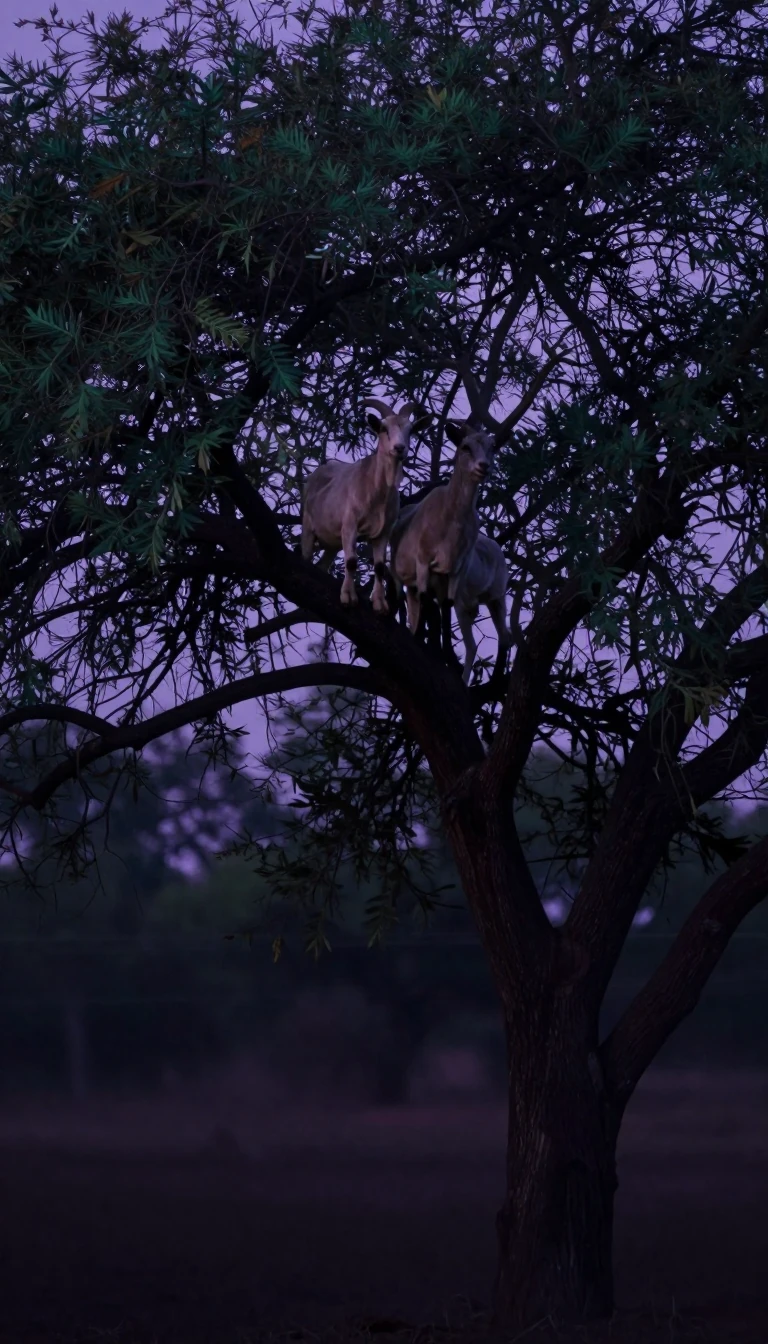 The markhor is a mountain-dwelling goat with a name that means snake-eater.Known as the screw-horned goat, this elusive species thrives in the rugged terrain of Central and South Asia. While folklore once claimed it hunted serpents, modern science reveal…
 The tree-dwelling margay is a master of mimicry and arboreal acrobaticsOften called the tree ocelot, the margay is a solitary, nocturnal cat native to the forests of the Americas. It possesses unique physical adaptations, including ankles that rotate…
 Is the Great Black One a terrifying destroyer or a bringer of wealth?Mahakala is a complex deity spanning Hinduism, Buddhism, and Sikhism. Often depicted as a wrathful, multi-armed guardian of the dharma, he is simultaneously venerated as a benevol…
 Why the kangaroo is an evolutionary master of energy efficiency in harsh landscapesThe kangaroo’s iconic hop is not just a mode of travel; it is a sophisticated biological mechanism for energy conservation. By storing elastic strain energy in their tendons and s…
- Why do macaws eat dirt? It is not to neutralize toxins as once thought.For years, scientists believed macaws visited river banks to eat clay to neutralize toxins from their diet. New research at the Tambopata Research Center in Peru reveals a differe…
 What defines a true man-eater, and which animals actually hunt humans for food?A man-eater is not just any animal that kills a human; it is a predator that incorporates human flesh into its regular diet. While popular culture fixates on sharks and wolves, th…
 The hidden anatomy that unites centipedes, millipedes, and every insect on EarthLook closely at a centipede or a beetle, and you will find a shared evolutionary blueprint. These creatures belong to Mandibulata, a massive arthropod group defined by specialized…
 Is this gelatinous Nordic delicacy a culinary masterpiece or a historical accident?Lutefisk, a traditional Nordic dish of lye-cured whitefish, is a polarizing staple of Christmas feasts. While some cherish its mild flavor and unique texture, others treat it as a…
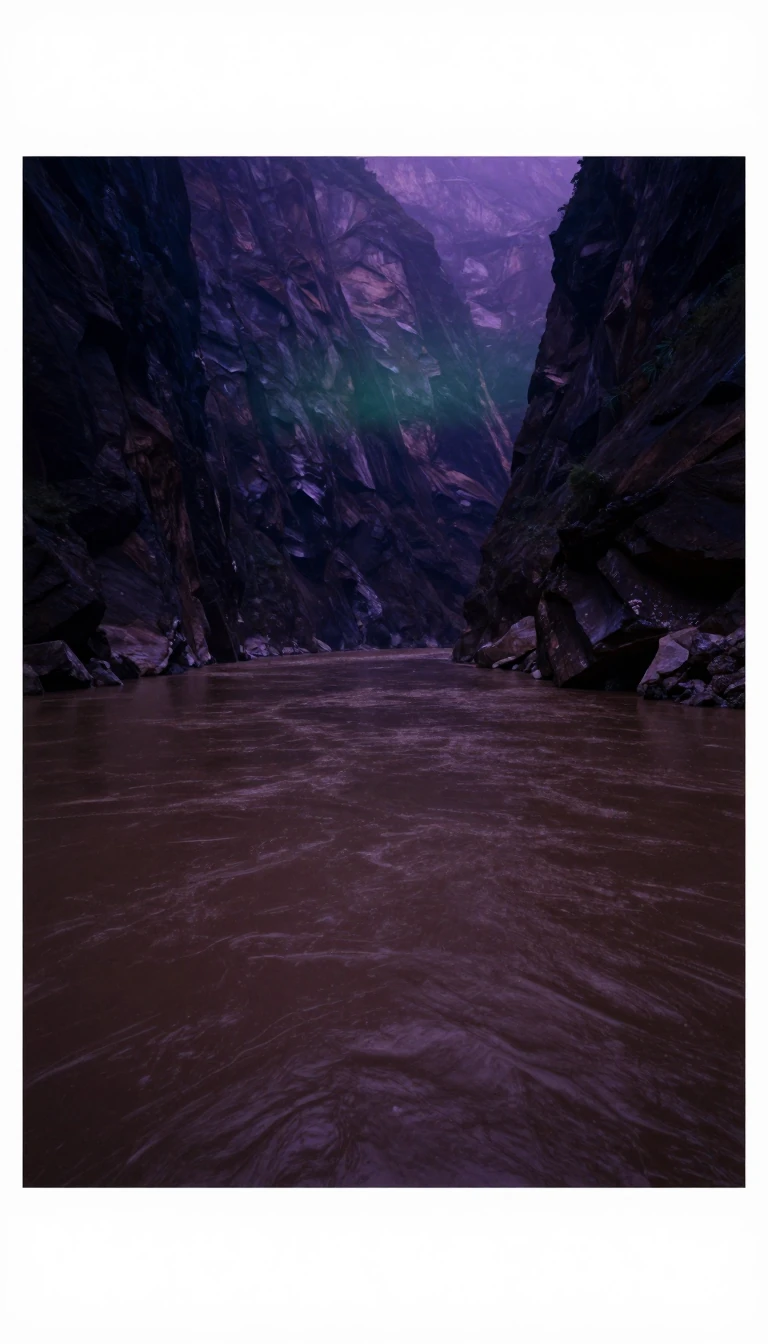 The Maastrichtian was the final act of the dinosaurs before a global reset.Spanning roughly six million years, the Maastrichtian represents the concluding chapter of the Cretaceous Period. It was a time of dramatic tectonic shifts and cooling climates, s…
 Lucid dreaming is a trainable cognitive skill where you realize you are currently dreaming.In a lucid dream, you know you are asleep while the dream unfolds. Far from mere fantasy, this state is a measurable, physiological phenomenon. Research suggests it is a hybrid of…
 The bullet-shaped virus behind rabies is far more diverse than we once thoughtLyssavirus is a genus of RNA viruses known for causing rabies, but its true scope extends well beyond a single disease. With unique bullet-shaped structures and a complex evolutio…
 Why the term living fossil is a scientific misnomer that misleads the publicThe label living fossil suggests an organism has stopped evolving, remaining frozen in time for millions of years. In reality, this is a misunderstanding of evolutionary biology. …
 The loggerhead sea turtle is a globe-trotting marine reptile with a temperature-dependent sex life.These ancient mariners navigate thousands of miles across open oceans, yet their entire biological destiny is determined by the heat of the sand where they hatch. From their power…
 How a gifted teenager from New Zealand redefined the sound of modern pop musicLorde emerged as a teenage prodigy, capturing global attention with an introspective, anti-pop aesthetic. By blending minimalist electronic production with literary, observational…
 Lonesome George was the final Pinta Island tortoise, but was he truly the last?For decades, Lonesome George stood as the rarest creature on Earth, a solitary symbol of extinction in the Galápagos. Despite intense efforts to breed him, he died without offspri…
 Louisiana's ancient earthworks prove that complex societies existed long before settled agriculture arrived.Archaeologists once assumed that monumental earthworks required settled, maize-dependent societies. Yet, in northern Louisiana, hunter-gatherers were building massive, complex mou…
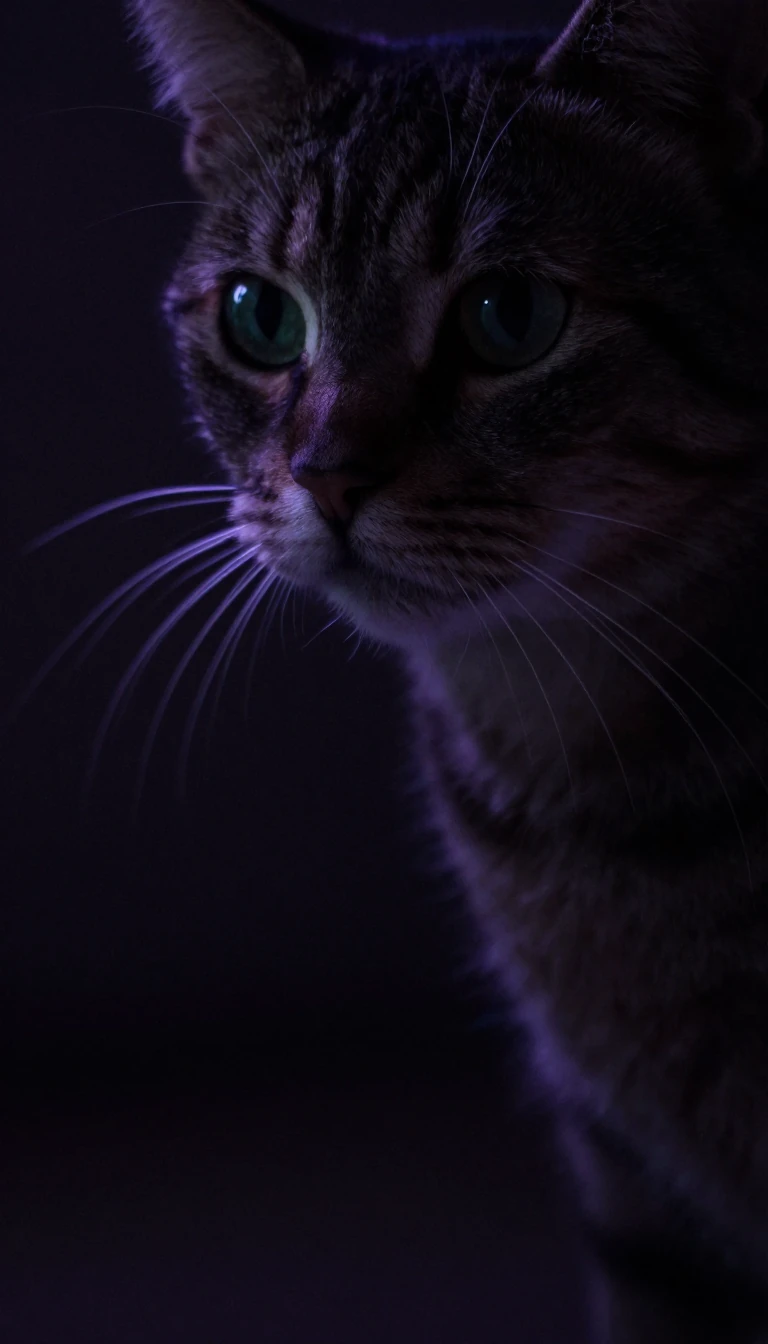 The genus Leopardus: A complex evolutionary puzzle of small American catsLeopardus is a genus of small, spotted cats native to the Americas that stands apart from other felids by possessing 36 chromosomes instead of 38. While they share a common ancest…
 How a devastating 1904 fire transformed a Norwegian town into an architectural masterpieceIn the dead of night in 1904, a gale-driven fire leveled nearly every building in Ålesund, Norway. From the ashes, the town was reborn in a remarkably consistent Art Nouveau style…
 Lhasa, the sunlit city, sits at 3,656 metres as a high-altitude religious capital.Known as the place of gods, Lhasa is one of the world's highest cities. Nestled in the Tibetan Plateau, this historic center of Buddhism has evolved from a 7th-century royal seat …
 Lignin is the mysterious, rot-resistant polymer that allows trees to stand tall and strong.Beyond cellulose, lignin is the most abundant organic polymer on Earth. It acts as a structural glue, filling plant cell walls to provide rigidity and water-conducting efficiency.…
 Is the lion's mane jellyfish truly the longest animal on our planet?With tentacles stretching over 36 meters, the lion's mane jellyfish is a contender for the title of the world's longest animal. Yet, this giant of the cold, boreal seas remains a …
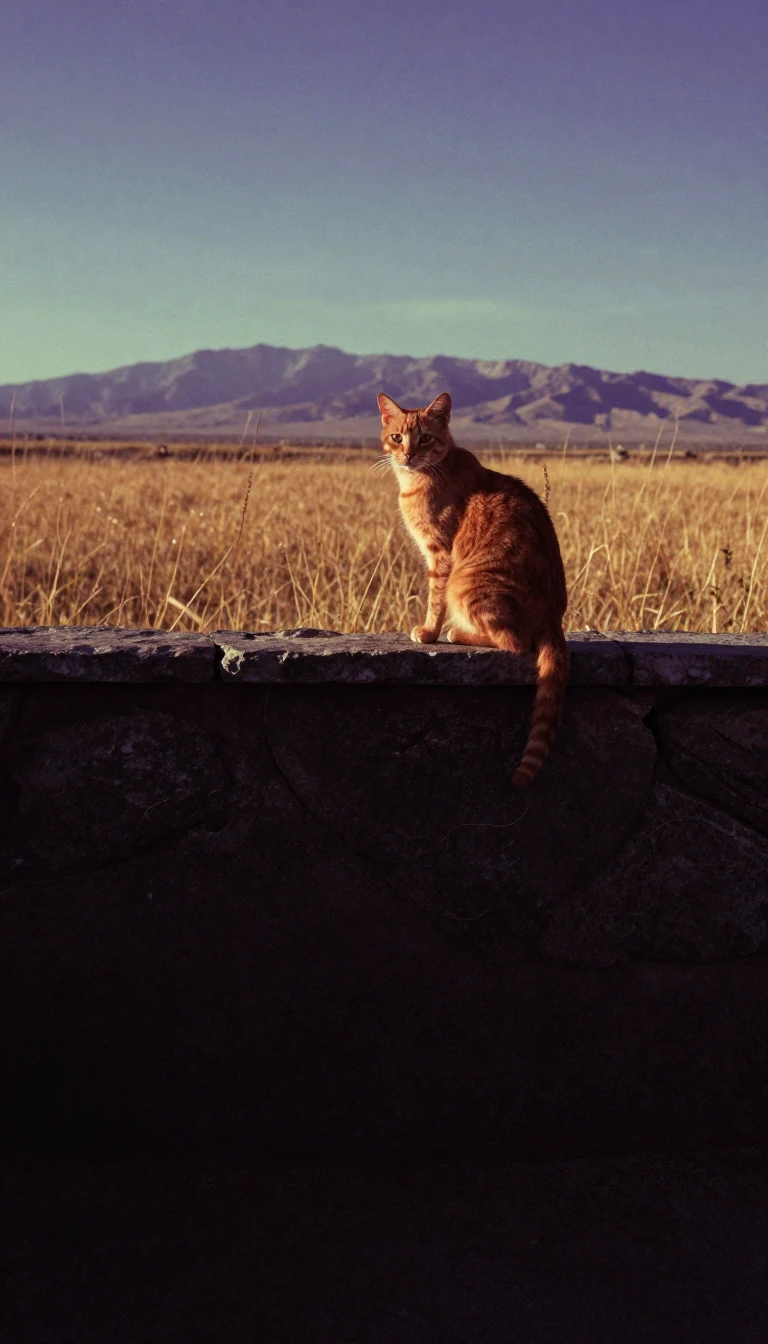 The leopard cat was likely the first feline species domesticated by humans in ChinaWhile we often associate cat domestication with ancient Egypt, archaeological evidence suggests the leopard cat was kept by humans in Neolithic China 5,000 years ago. This small, …
 What defines an indie game when the lines between independent and corporate blur?Independent video games are defined by their freedom from major publisher oversight, yet the term remains notoriously slippery. From bedroom coders of the 1980s to modern multimed…
 Ilya Rozanov: The Fictional Hockey Star Who Transcended His Own Created RivalryIlya Rozanov is a fictional Russian NHL captain whose life story spans seven novels. Known for his abrasive on-ice persona and a legendary rivalry with Shane Hollander, Rozanov hi…
 Why the peacock's elaborate train remains one of nature's most debated evolutionary puzzlesFor over a century, scientists have argued over the function of the peacock's train. While Charles Darwin proposed sexual selection, others suggest it acts as a handicap signaling…
 How the Pacific Northwest supported one of history's most densely populated hunter-gatherer societiesThe Pacific Northwest Coast was once home to the highest population density of Indigenous peoples ever recorded in Canada. Supported by abundant salmon, cedar forests, and sea mam…
 The Indo-Pacific is both a biological powerhouse and a contested geopolitical construct.Spanning from Madagascar to Japan, the Indo-Pacific is the world's most species-rich marine realm. Yet, this vast expanse is also a modern geopolitical battlefield, where global p…
 From ancient survival to modern science: the long, winding history of studying fishIchthyology is the branch of zoology dedicated to the study of fish, a field that evolved from the practical needs of prehistoric hunters to a rigorous scientific discipline. Toda…
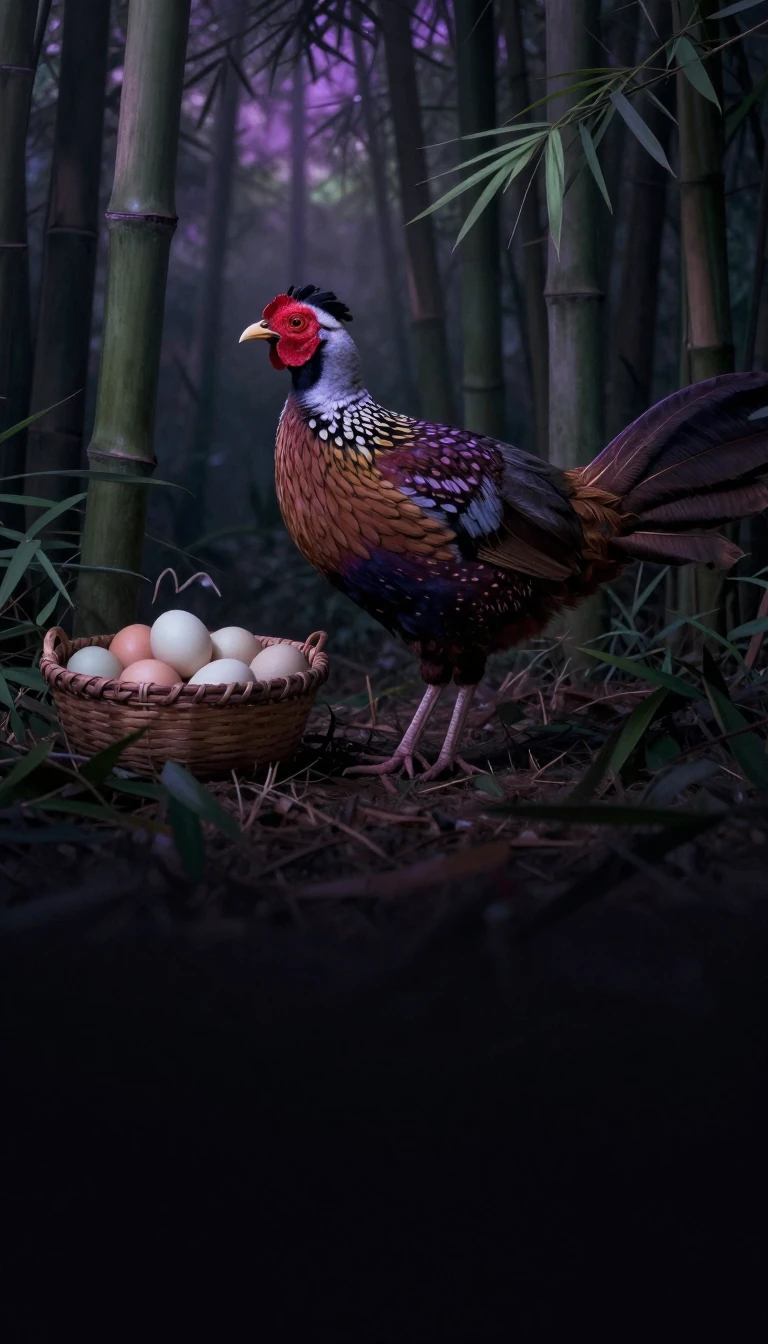 The hyacinth macaw's survival depends on a toucan that also eats its eggsIn Brazil's Pantanal, 90 per cent of hyacinth macaw nests sit in manduvi trees, and toco toucans spread 83 per cent of that tree's seeds. The same toucans account for 53 per cent …
 Why overheating differs from a fever, even when the thermometer reads the sameA fever and dangerous overheating can show identical temperatures, yet the body is doing opposite things. In fever, the brain deliberately raises its thermostat. In hyperthermia, …
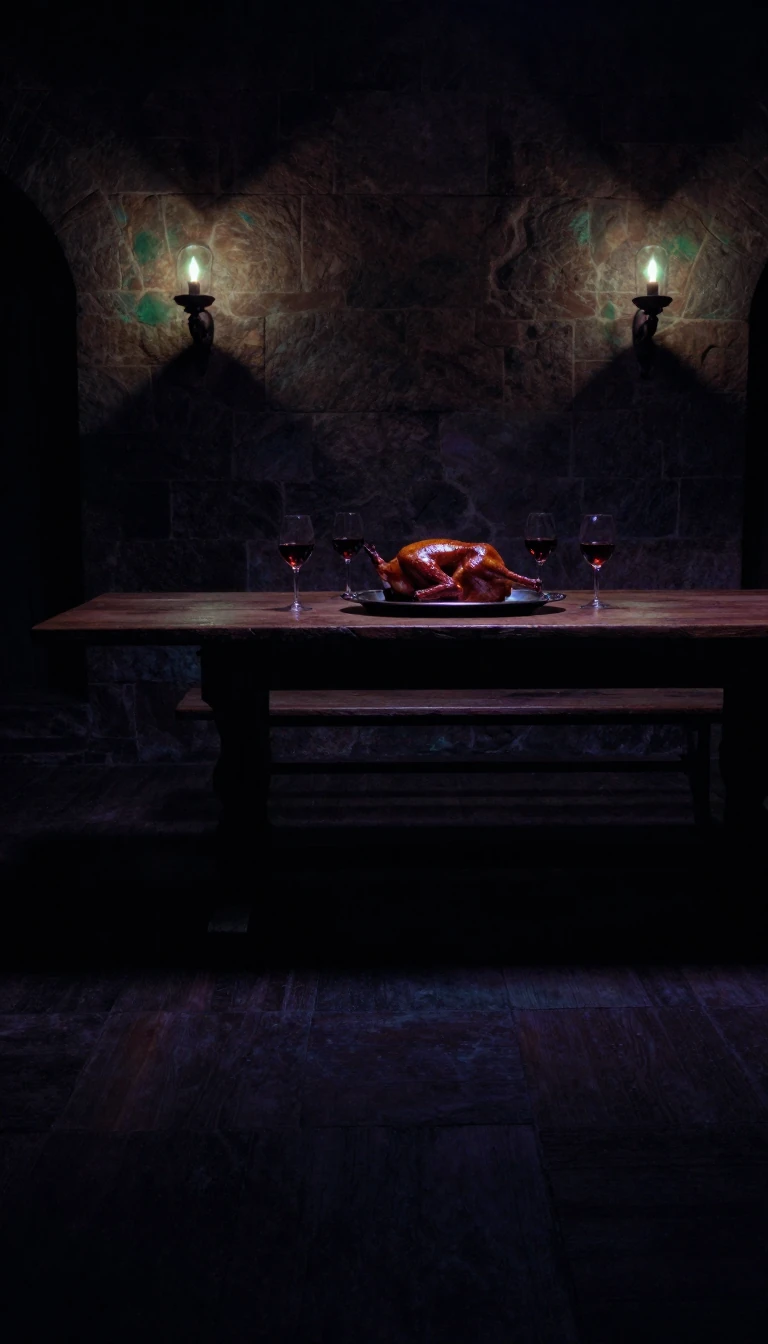 Iceland reportedly hesitated over Christianity because converts had to give up horse meatIn the eighth century, popes told the missionary Saint Boniface to forbid horse meat among converted Germans, since it was bound up with pagan rites. Icelanders allegedly resisted…
 Horseshoe crabs are not crabs, and their blood helps detect bacterial contaminationDespite the name, horseshoe crabs are closer kin to spiders, ticks and scorpions than to any crab or lobster. They have barely changed in some 250 million years, and people now ha…
 Hoverflies dress like wasps but spend their days pollinating flowers and eating aphidsThat striped insect hanging motionless over your garden is probably no wasp at all. Many of the roughly 6,000 hoverfly species copy the colours of stinging bees and wasps, a bluff…
 The Aztec sun god whose name contains a hummingbird, and whose dead became hummingbirdsHuitzilopochtli, patron of the Aztecs and their capital Tenochtitlan, carries a hummingbird in his name. Believers held that warriors killed in battle and women who died giving bi…
 A Wembley derby emptied Hull so completely that a sign asked for lights offHull splits its rugby league loyalties along the River Hull: Hull FC to the west, Hull Kingston Rovers to the east. When the two met in the 1980 Challenge Cup final at Wembley, so…
 The Humboldt penguin reacts to people 150 metres away, the shyest penguin studiedWalk within 150 metres of a nesting Humboldt penguin and it notices, the greatest reaction distance recorded for any penguin. Its heart can take up to half an hour to settle after…
- A moth that hovers and hums like a hummingbird, yet evolved entirely separatelySpot what looks like a tiny hummingbird sipping from honeysuckle in Europe and you have probably seen a moth. The hummingbird hawk-moth hovers audibly in front of tubular flowers,…
 Some huntsman spiders cartwheel down dunes, and one tick like a quartz clockIn Namibia's Namib desert, the wheel spider escapes by curling up and cartwheeling across the sand, while a relative, Cebrennus rechenbergi, flees using handsprings. Both belong t…
 Muslim-majority Indonesia still has one of the world's largest Hindu populationsHinduism shaped the Indonesian islands for over a thousand years before Islam spread along trade routes. Today it survives most strongly on Bali, where nearly 87 percent of people…
 Homeopathic remedies are often diluted until no original molecule remainsHomeopathy rests on two ideas from 1796: that like cures like, and that diluting a substance makes it stronger. Many remedies are thinned so far that not one molecule of the start…
- The world's first airmail stamps were printed for a pigeon serviceBetween 1898 and 1908, a pigeon post linking Auckland to Great Barrier Island issued what are considered the world's first airmail stamps. Homing pigeons had carried messages for …
 Before Europeans arrived, the Americas had no honey bees at allHoney bees now buzz on every continent except Antarctica, but the Americas had none in human times until European colonists brought them in the 16th century. Of roughly 20,000 kno…
 Honeypot ants turn some of their workers into living food jarsIn honeypot ant colonies, certain workers are fed until their abdomens balloon to the size of grapes. Too swollen to move, they hang from the ceilings of underground chambers as a…
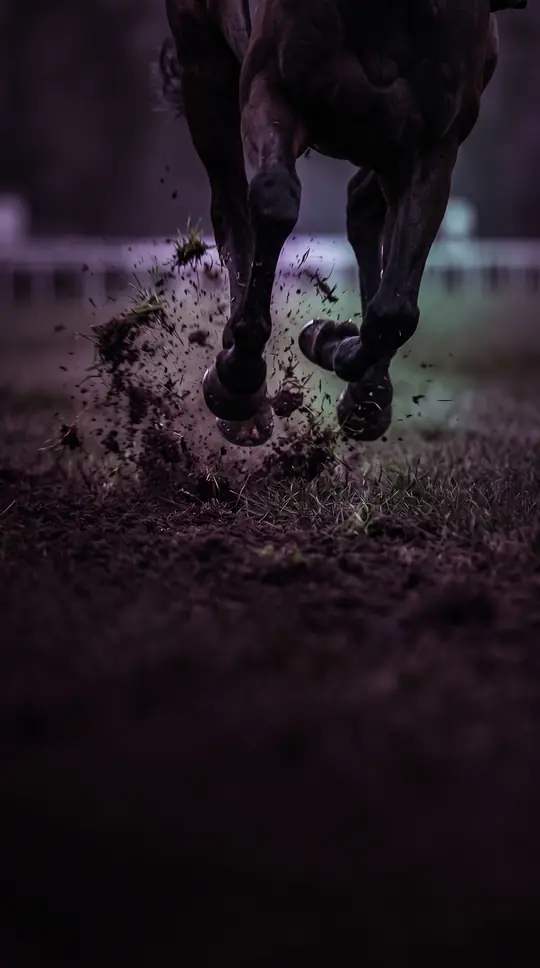 A camel's hoof is not really a hoof at allA hoof is a toe tip armoured in thick keratin, worn by horses, cattle, deer and even some dinosaurs. Camels only look the part: their feet end in soft toes with nails. Real hooves…
 Hookworm larvae travel through the lungs before settling in the gutA hookworm larva that bores into a bare foot takes a strange detour. It rides the bloodstream to the lungs, climbs the windpipe, gets coughed up and swallowed, and only then reach…
 Hookworms infected about 428 million people in 2015, mostly through bare feetHookworm infection rarely kills, yet in 2015 it affected around 428 million people. Larvae living in contaminated soil slip through the skin of anyone walking barefoot where sanit…
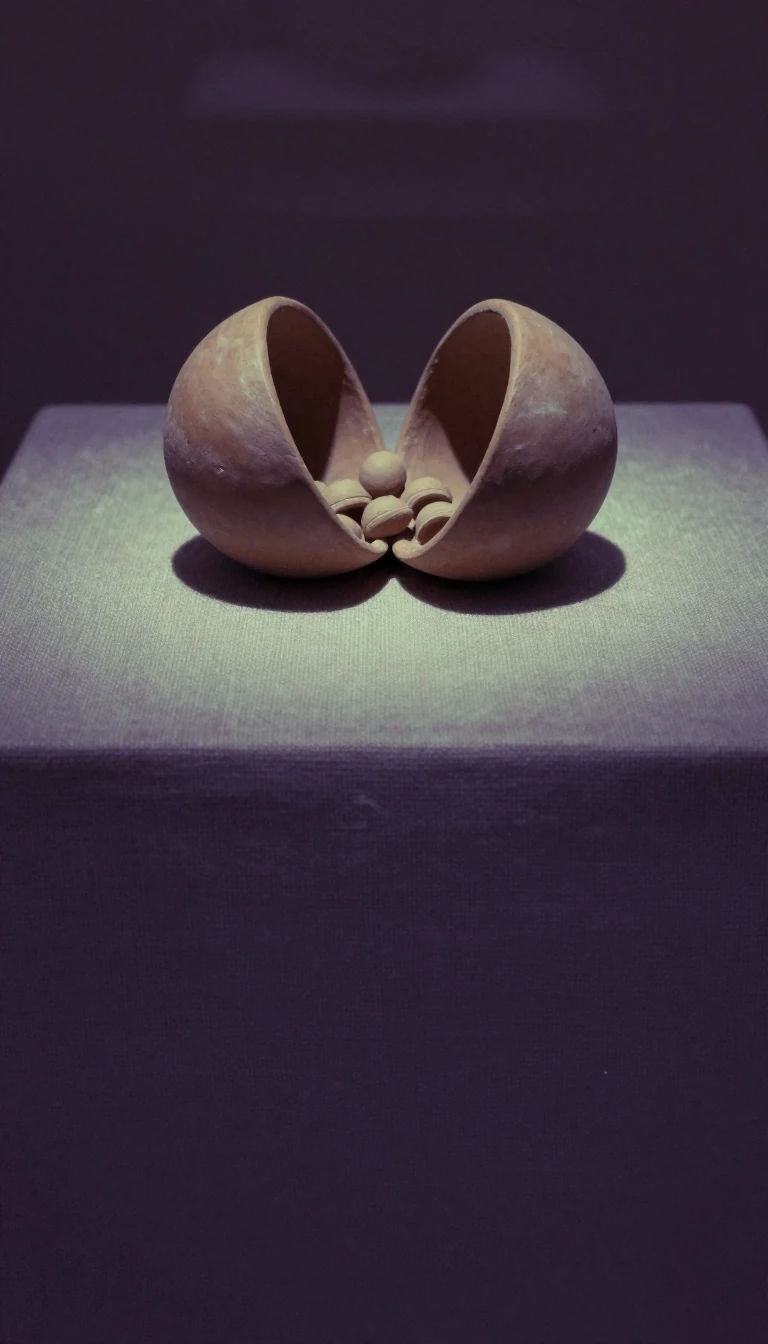 Glass sponges may be the longest-lived animals on EarthDeep in the ocean, sponges built from glassy silica may live for millennia. Some marine biologists tentatively put their maximum age at up to 15,000 years. These strange animals h…
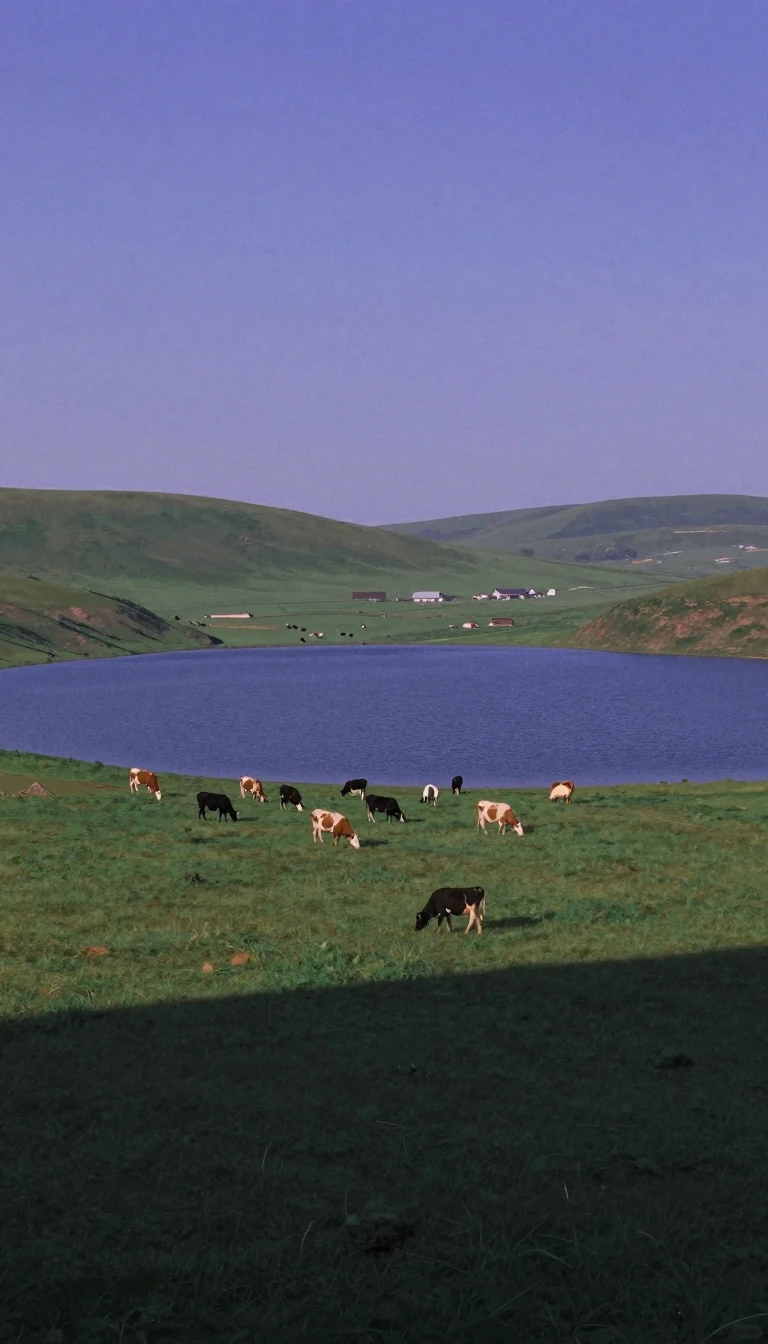 A group of Highland cattle is called a fold, not a herdShaggy, long-horned Highland cattle gather in folds, named after the open stone shelters where they once spent winter nights out of the weather. The breed was bred to survive the …
- A hockey fan's anger at her sport's culture became a bestselling romanceRachel Reid loved hockey but felt ashamed of how homophobic its culture was. So she began writing novels about closeted players and what coming out might cost them. The second, He…
 Heme puts iron at the centre of a ring and life runs on itBlood is red because of heme, a flat ring of four pyrrole units holding a single iron atom. That tiny structure ferries oxygen, detoxifies drugs, senses gases and shuttles electro…
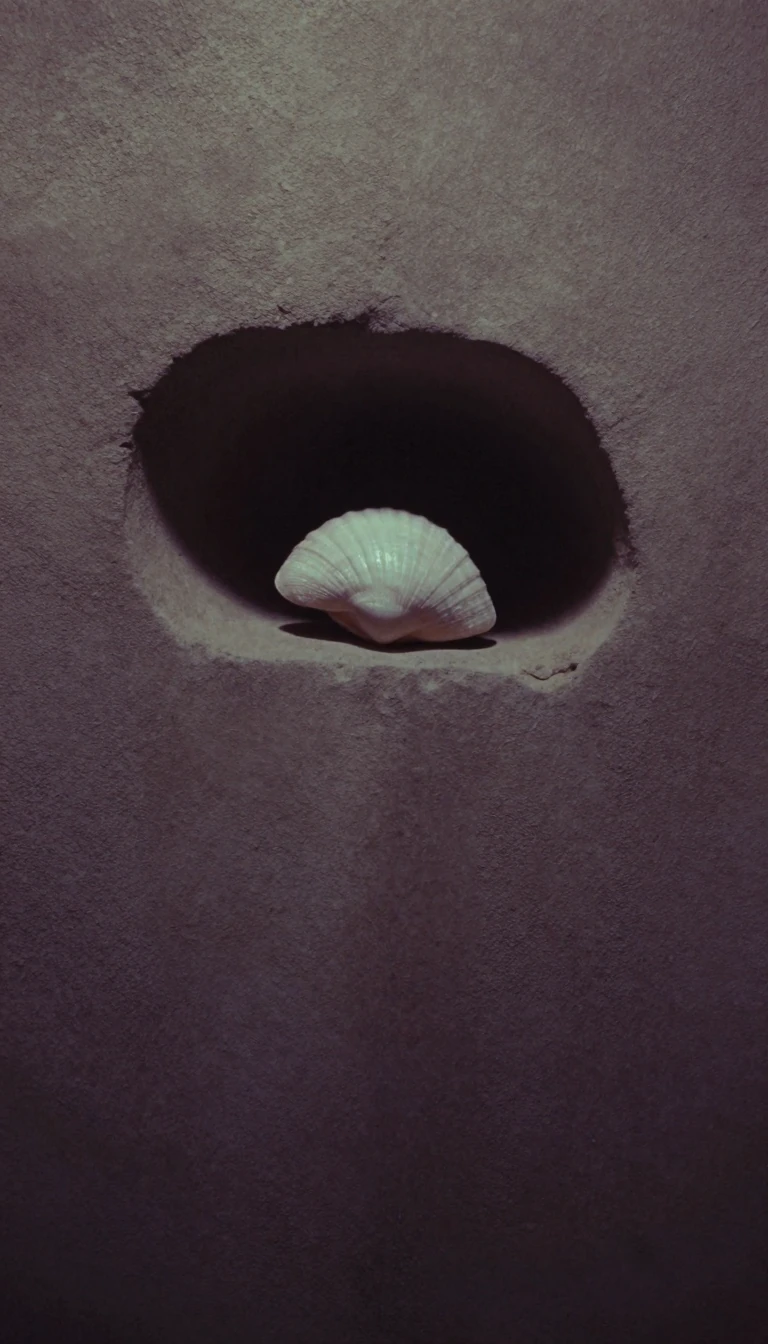 Hermit crabs live in secondhand homes, and a shortage turns deadlyA hermit crab's soft, curled abdomen has no armour of its own, so it borrows a snail's empty shell and carries it everywhere. As the crab grows it must find a bigger one. That con…
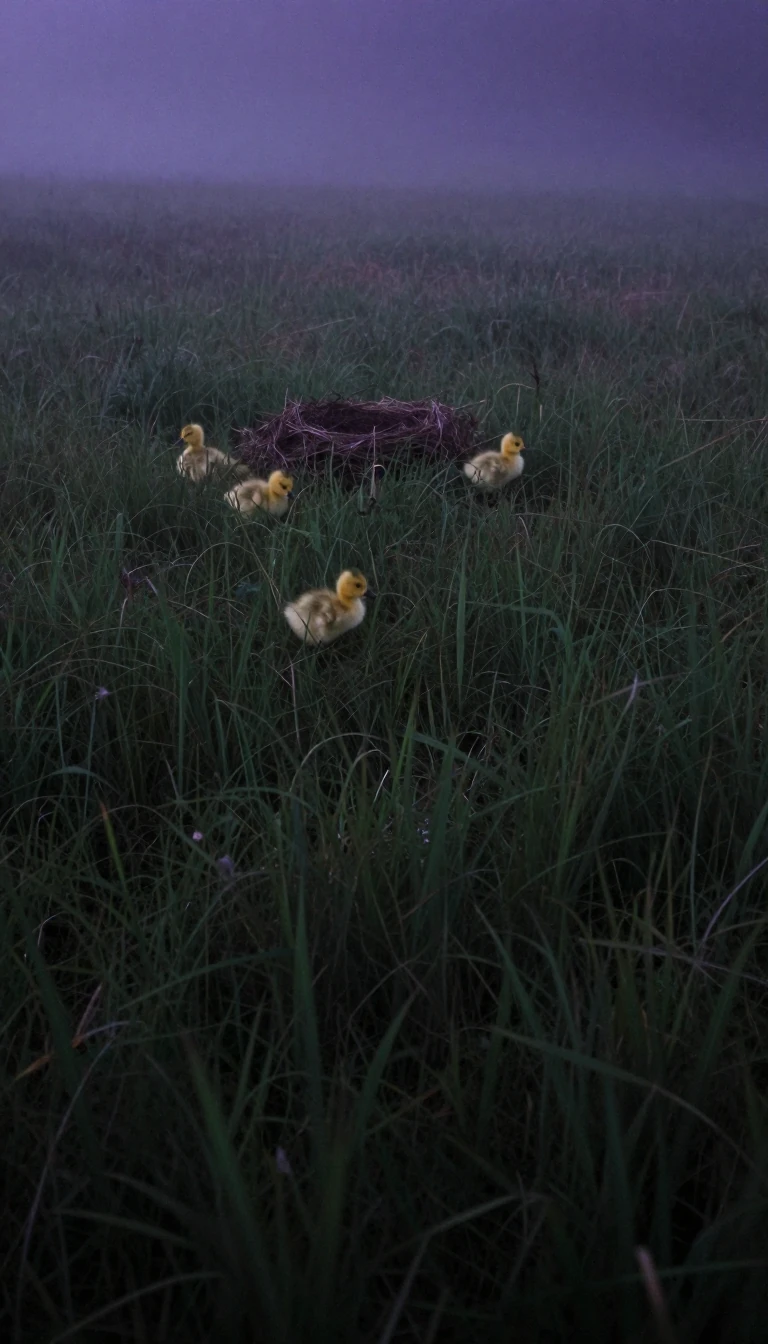 The world's biggest falcon spends Arctic winters out on the sea iceThe gyrfalcon is the largest falcon alive, with some females outweighing the males by nearly double. Scientists long assumed it stuck to tundra and mountains, until 2011 revealed …
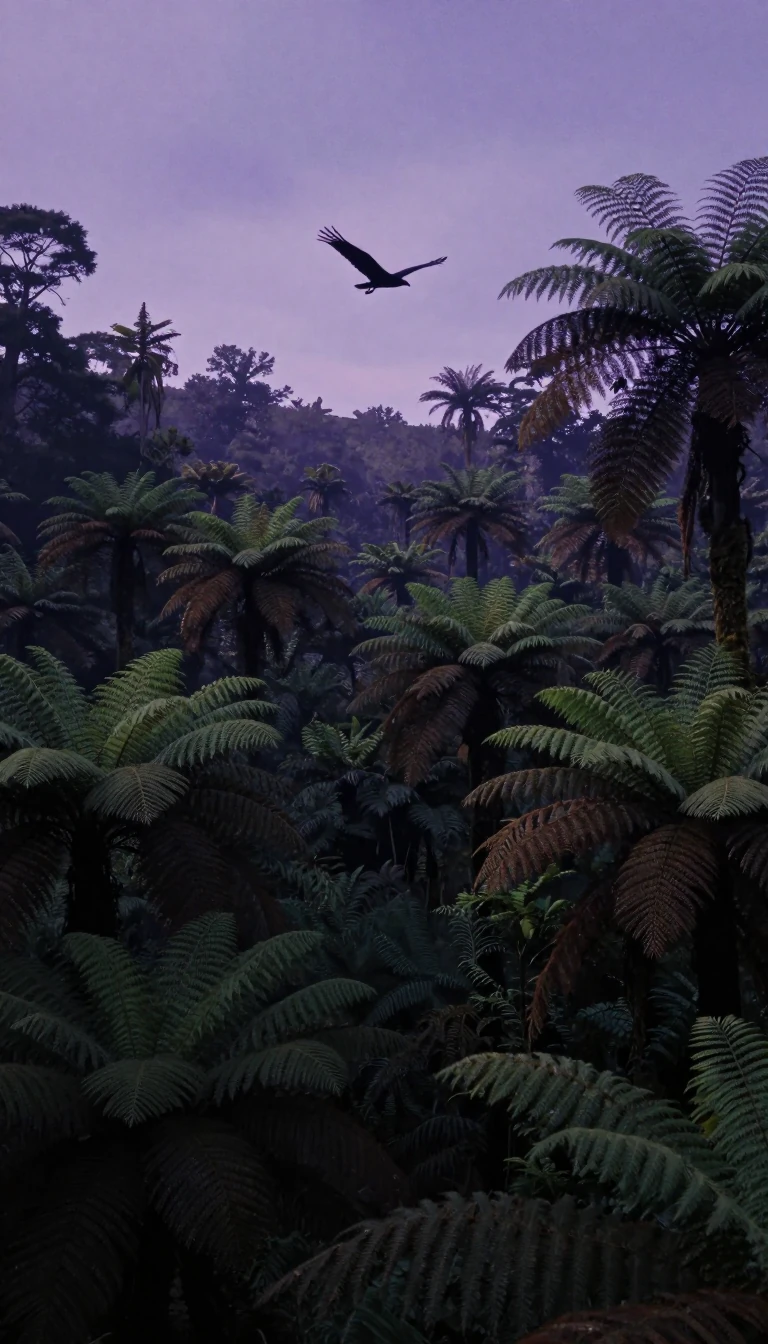 For a century, scientists wrongly pictured duck-billed dinosaurs wading in swampsDuck-billed dinosaurs were among the most successful plant-eaters of the Late Cretaceous, grinding their food with stacked batteries of teeth. Yet from the 1850s until 1964, exper…
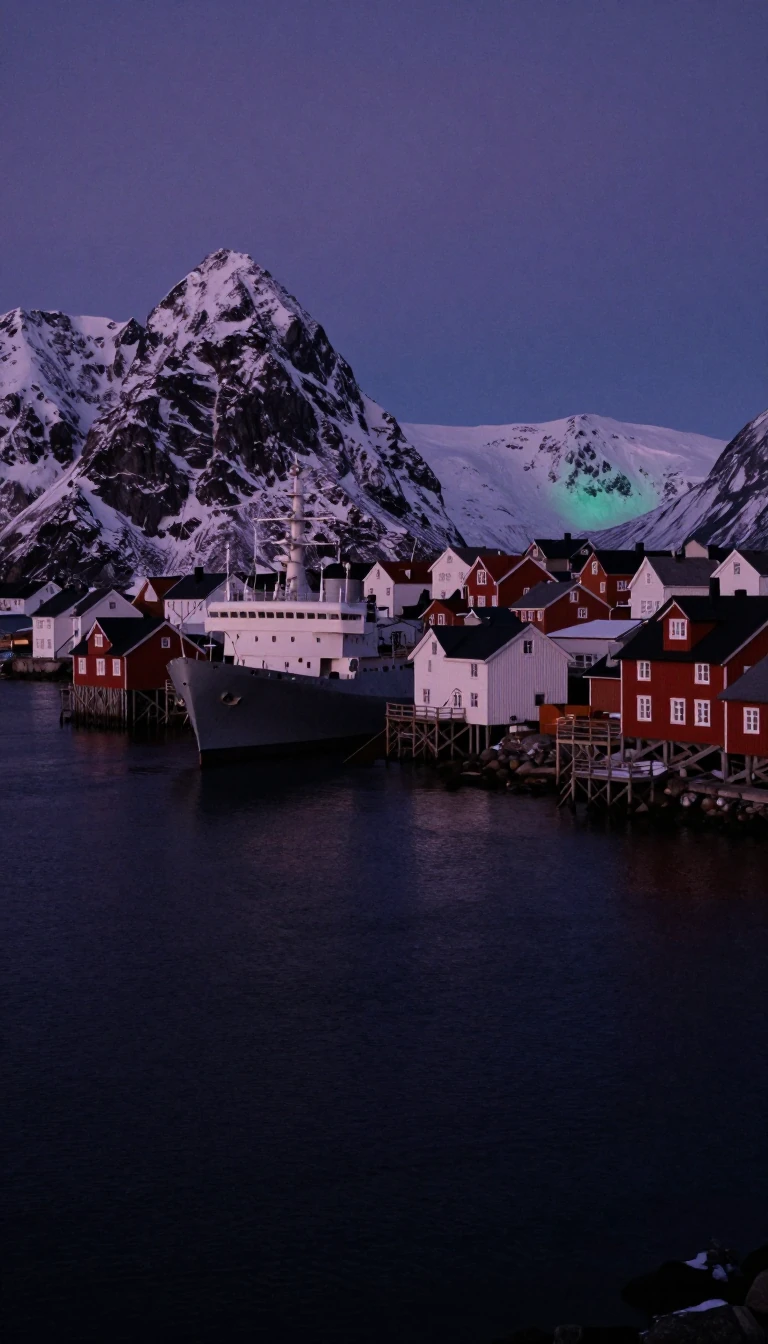 Haida Gwaii may have been a stepping stone for the first AmericansOff the coast of British Columbia lies an archipelago of about 400 islands where people have lived for 13,000 years. Archaeologists think its then-dry coastline may have guided th…
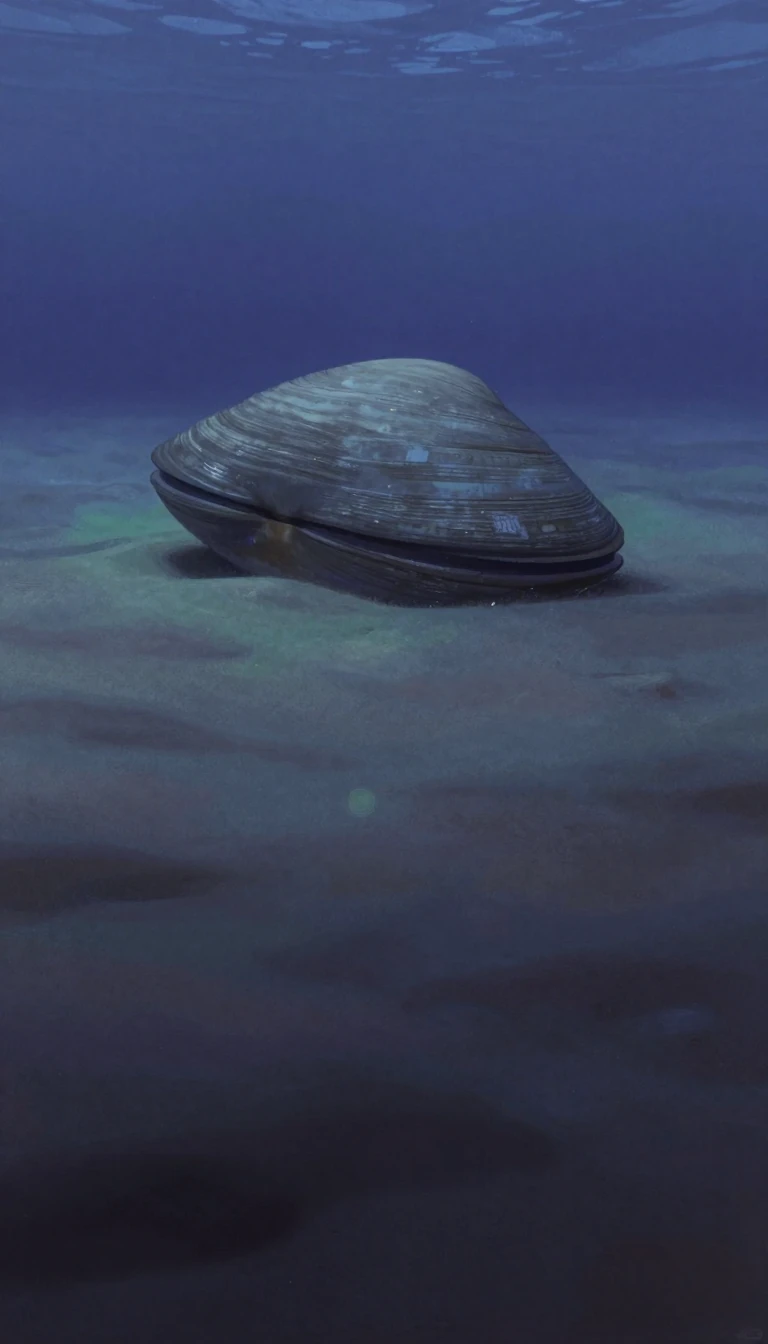 Baby halibut are born symmetrical, then one eye travels across the headA young halibut looks like an ordinary fish, with an eye on each side. At about six months old, one eye migrates over the skull to join the other, and the fish settles into life l…
- Hallucigenia was drawn upside down and backwards before anyone got it rightWhen Simon Conway Morris named a tiny Cambrian fossil in 1977, he pictured it tottering on stiff spines with tentacles waving from its back. The name he chose, Hallucigenia, honou…
- The harlequin ladybird was hired to eat aphids and then conquered continentsFarmers released the harlequin ladybird to devour aphids, and it did its job. Then it kept going. Native to eastern Asia, it now thrives across North America, Europe, South Americ…
- The hawksbill turtle lives on sponges and glows under the right lightMost reptiles would never touch a sea sponge, but for the hawksbill turtle sponges make up 70 to 95 percent of the menu. It is the only reptile that specialises in them. It was al…
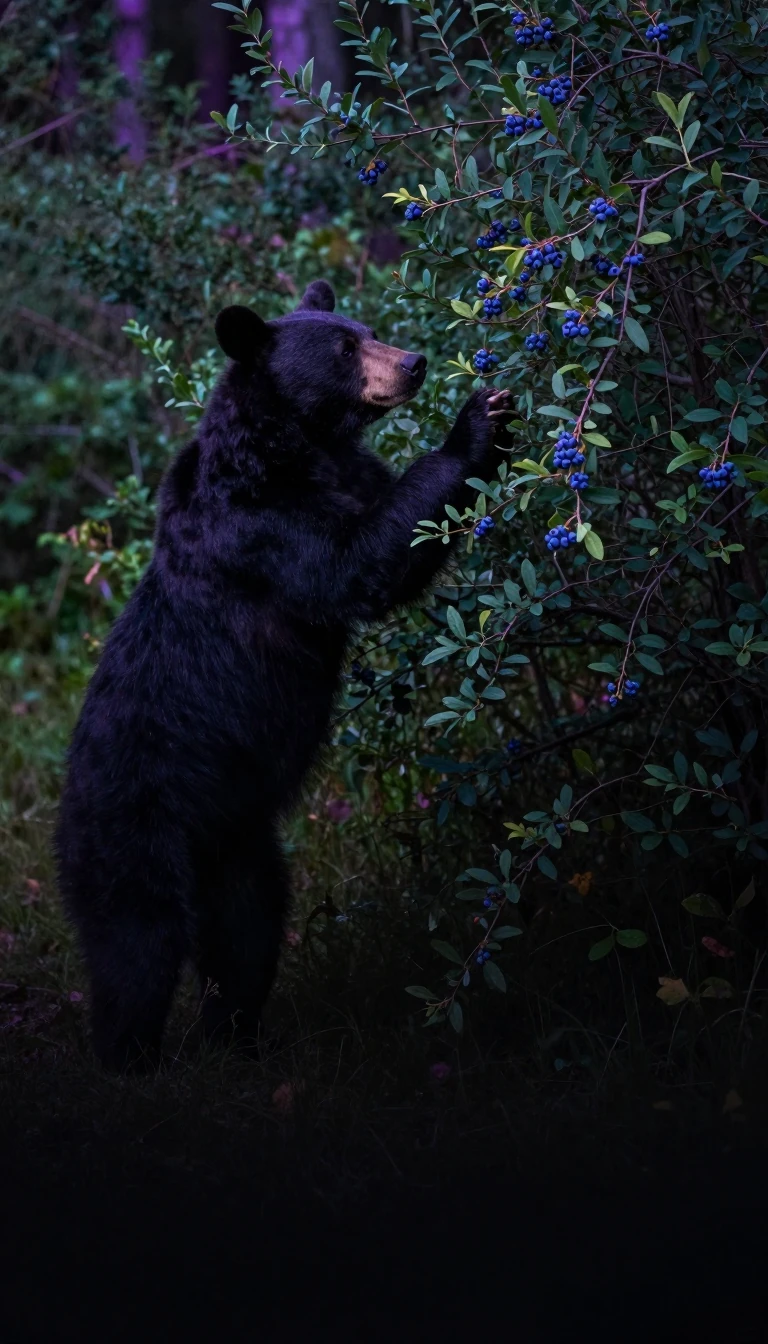 Nineteenth-century naturalists split the grizzly into 86 species; genetics made it oneIn the 1800s, naturalists carved grizzly bears into 86 separate species. By 1928 the count was seven, and by 1953 just one. Modern genetics goes further: the grizzly is simply Nor…