 Intellect Plus
Organisms
1,988 cards. Each one is a 40-second story with a five-minute read behind it. Page 12 of 34.
 The short-beaked echidna is an egg-laying mammal with a surprisingly advanced, human-like brainThis spiny, burrowing monotreme defies conventional mammalian biology. It lays eggs like a reptile, yet possesses a highly folded, complex brain and a prefrontal cortex that accou…
 Why do fish form massive, synchronized schools that move like a single mind?Fish aggregate for social reasons, but schooling is a specific, high-stakes performance. By synchronizing speed and direction, these fish gain hydrodynamic efficiency and confuse …
 The ancient shofar is a natural, horn-based instrument that requires no pitch-altering mechanics.Crafted from the keratin-based horns of animals like rams or kudu, the shofar is an ancient ritual instrument that relies entirely on the player's embouchure. Far from a simple no…
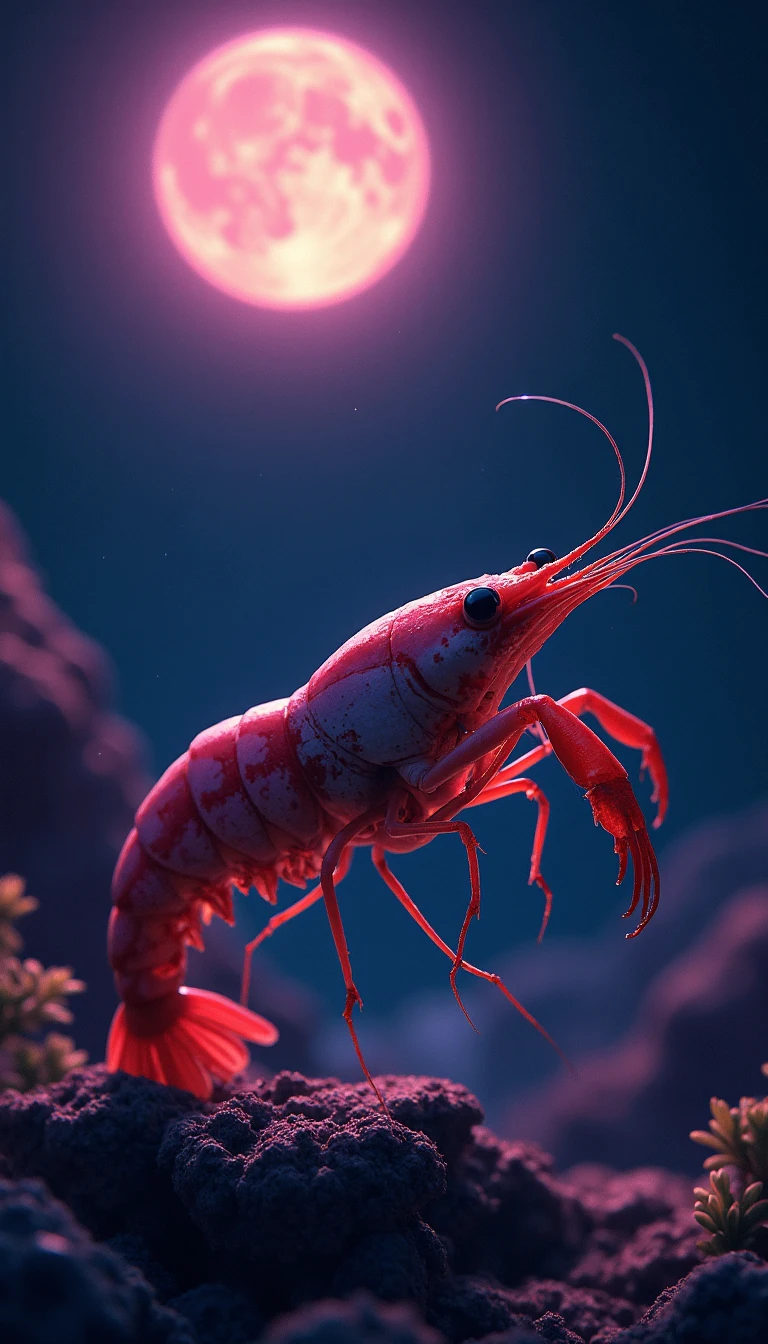 Why the difference between a shrimp and a prawn is mostly in your headShrimp and prawn are often used interchangeably, but the distinction is rarely biological. Whether you call them one or the other depends largely on where you live and how big the…
 Are Siberian tigers actually the largest, or is that just a historical myth?Long considered the world's largest tiger, the Siberian tiger has seen its average weight drop significantly since the mid-20th century. While historical records once boasted mass…
 Shel Silverstein was a reluctant children's author who never planned to write for kids.Before becoming a literary icon for young readers, Shel Silverstein was a cartoonist for Playboy and a songwriter for country legends. He famously claimed he was dragged into chil…
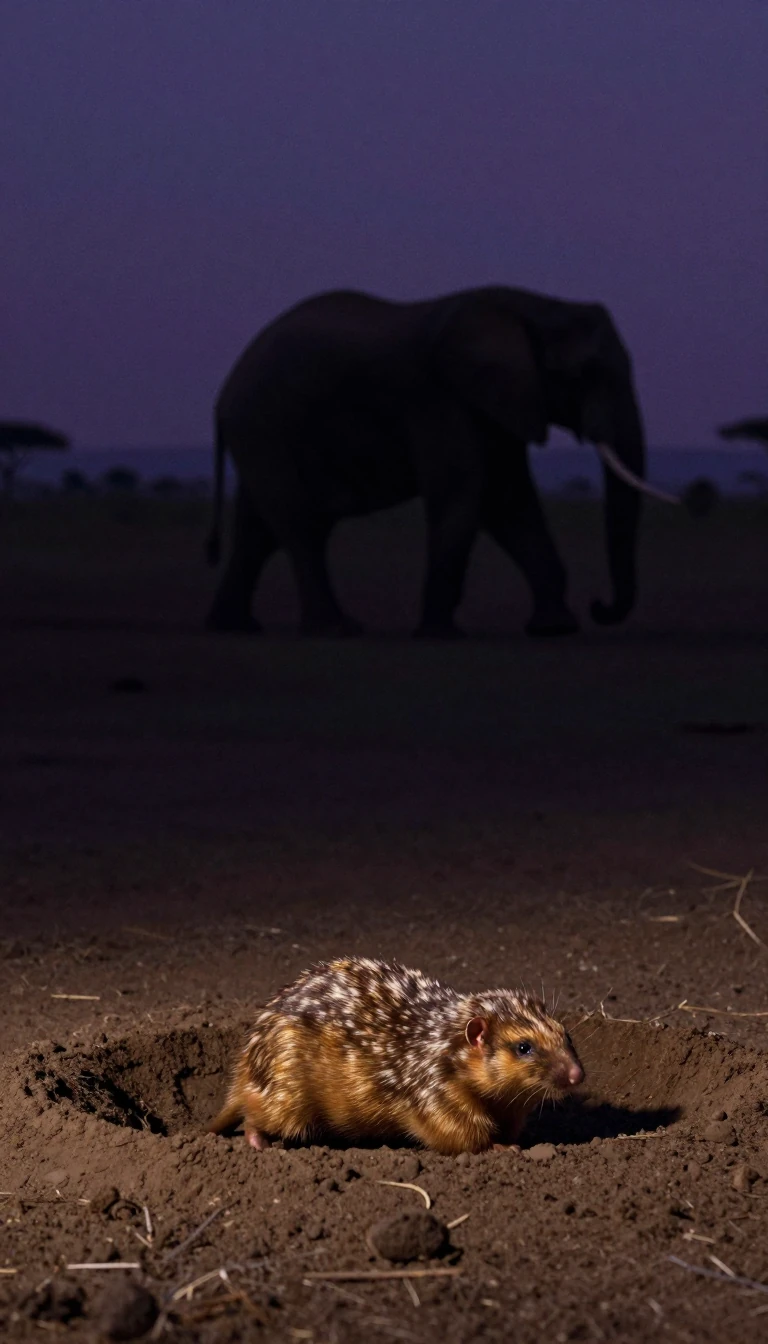 Despite their misleading name, these tiny African mammals are actually related to elephantsSengis, once misidentified as shrews due to their long, trunk-like noses, are actually members of the Afrotheria clade. These elusive, insectivorous creatures are among the fastes…
 Are shark attacks actually predatory, or are we just caught in a case of mistaken identity?Shark attacks are statistically rare, yet they loom large in our collective imagination. While films and media often portray sharks as man-eaters, scientific evidence suggests hum…
 Septicemic plague is a rare, systemic infection that can prove fatal within mere hours.Caused by the bacterium Yersinia pestis, septicemic plague is a severe, systemic disease that invades the bloodstream directly. It is notoriously difficult to diagnose because its…
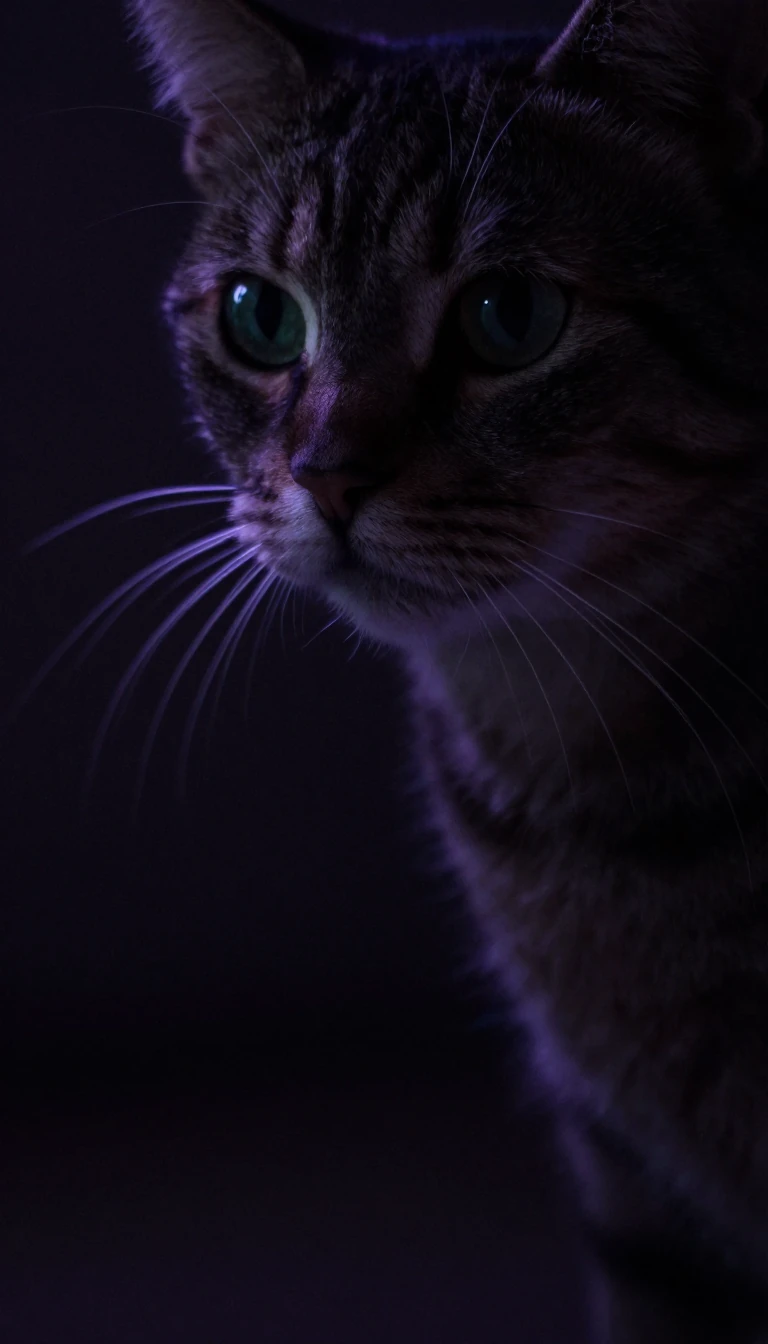 Why the serval is the most successful hunter in the wild cat kingdomWith ears like dinner plates and the longest legs of any cat relative to body size, the serval is a master of the African savanna. This slender predator rarely misses, catching it…
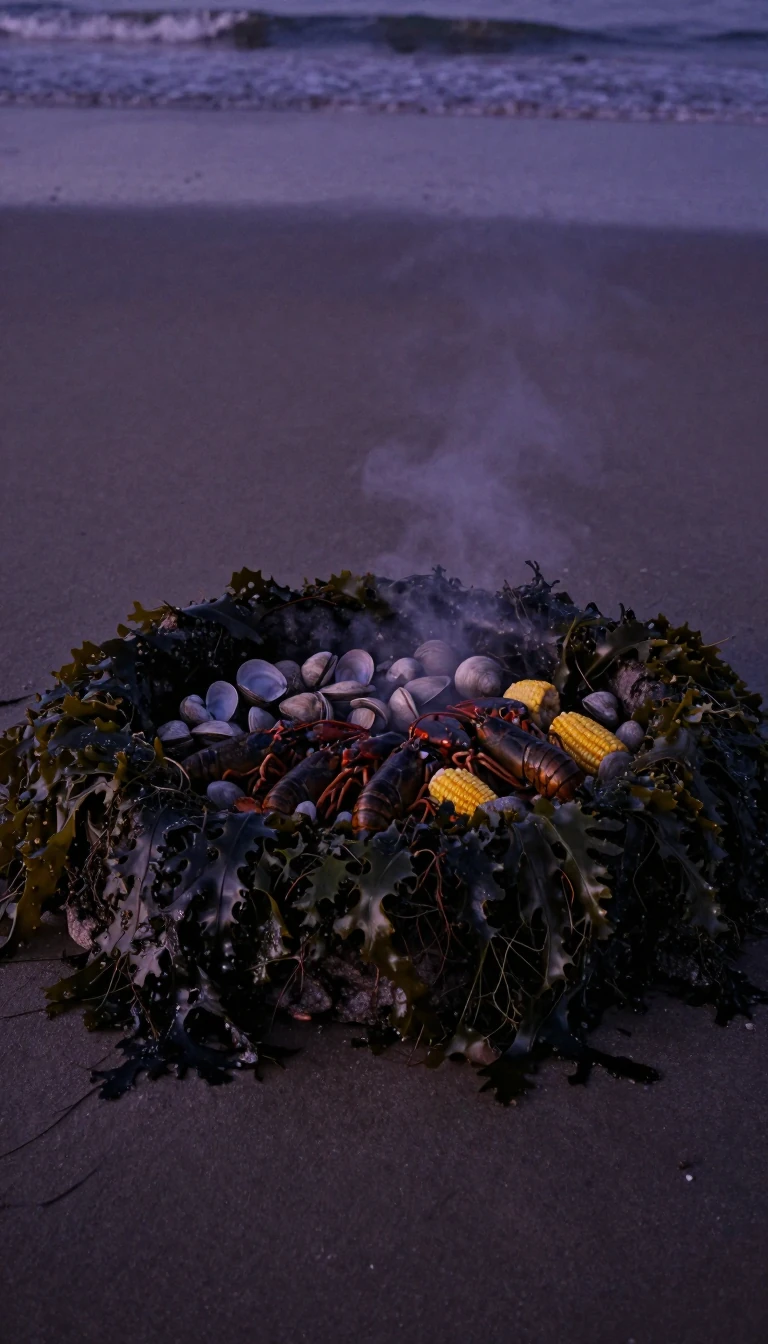 Why the term shellfish is a biological misnomer that hides a complex realityShellfish are not a single biological group, but a culinary umbrella covering diverse invertebrates from molluscs to crustaceans. While some are closely related to spiders and ins…
 From Monastic Aprons to Devotional Tokens: The Surprising Evolution of the ScapularOriginally a practical apron for medieval monks, the scapular transformed into a powerful symbol of spiritual commitment. Today, this garment exists in two distinct forms: the lon…
 Why did ancient Egyptians believe a dung beetle could whisper answers to the gods?The scarab was more than a mere trinket; it was a potent symbol of rebirth and a divine tool for the afterlife. Beyond their role as jewelry or administrative seals, these artifac…
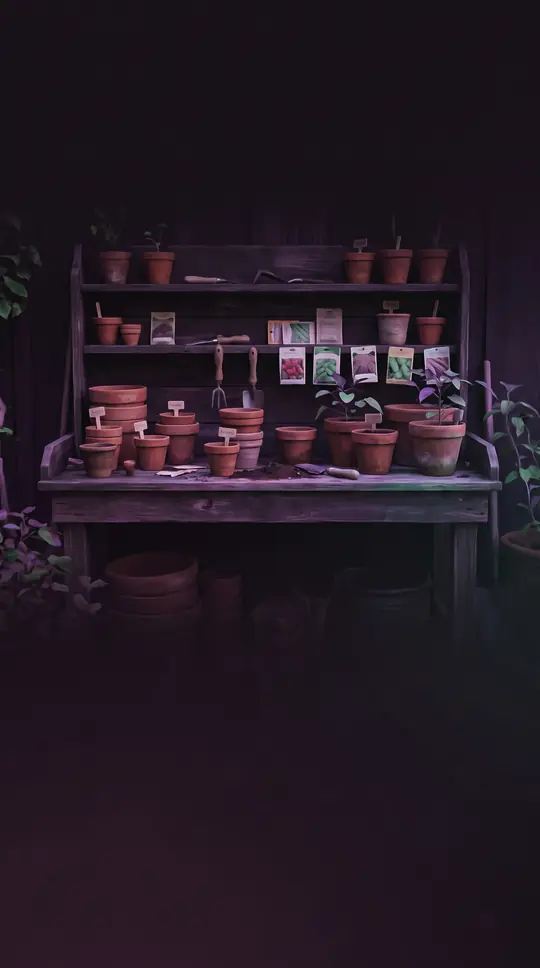 Why an entomologist spent decades intentionally getting stung by hundreds of insectsJustin O. Schmidt created a formal pain index to test a bold evolutionary theory: that the development of toxic, painful stings was the secret ingredient allowing insects to evolv…
 Why do we age? It is not just wear and tear, but a biological trade-off.Aging is the gradual decline of physiological function, yet it is not a universal fate. While most organisms succumb to the accumulation of cellular damage, some species exhibit n…
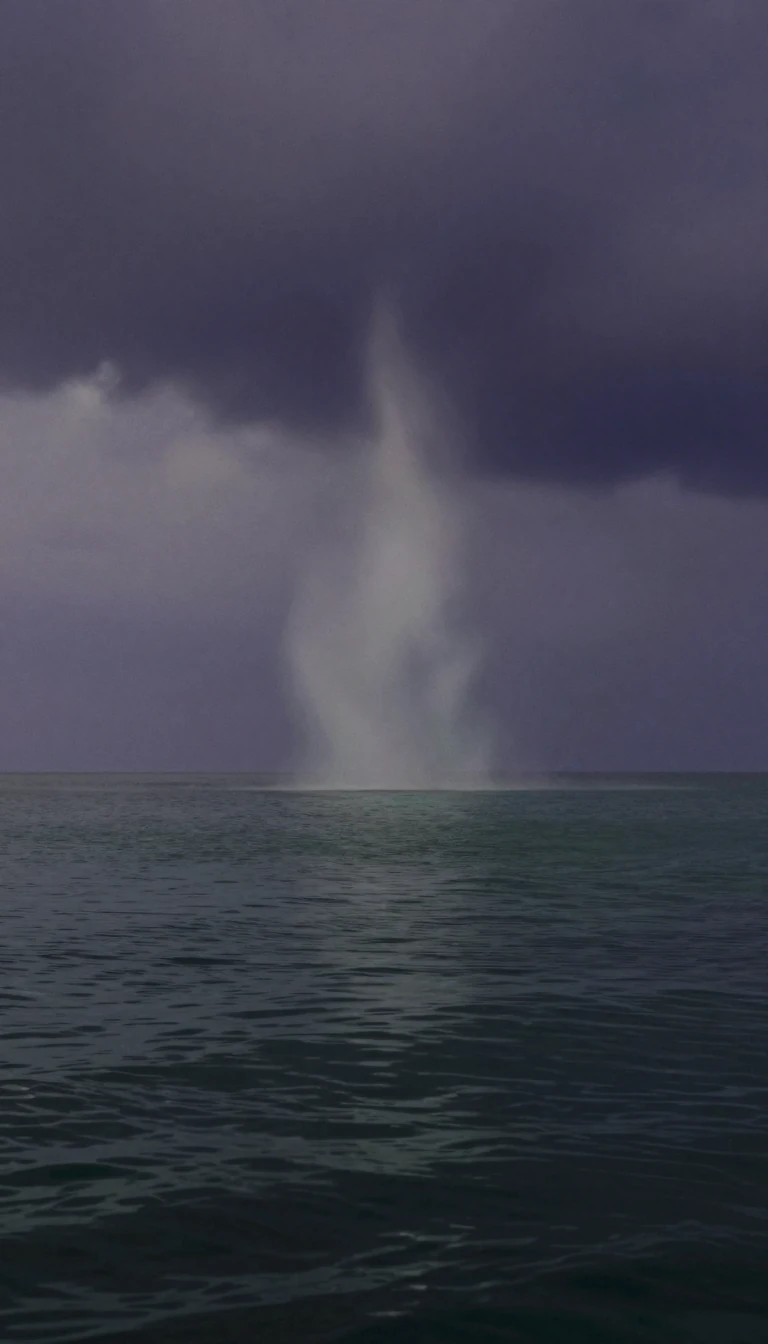 The Savannah cat is a high-stakes hybrid born from wild serval and domestic lineage.Developed in the late 20th century, the Savannah cat is a hybrid breed created by crossing a wild African serval with a domestic cat. These animals are prized for their exotic, sp…
- Snail fever is a global parasite crisis affecting over 236 million people annuallySchistosomiasis, also known as snail fever, is a parasitic disease spread through contact with contaminated freshwater. While often mild, it can lead to severe organ damage, infer…
 These predatory marine animals are named after flowers but hunt with harpoon-like venom cells.Sea anemones are not plants, but complex predatory invertebrates related to jellyfish and corals. They anchor themselves to the seabed or drift, using tentacles armed with stingin…
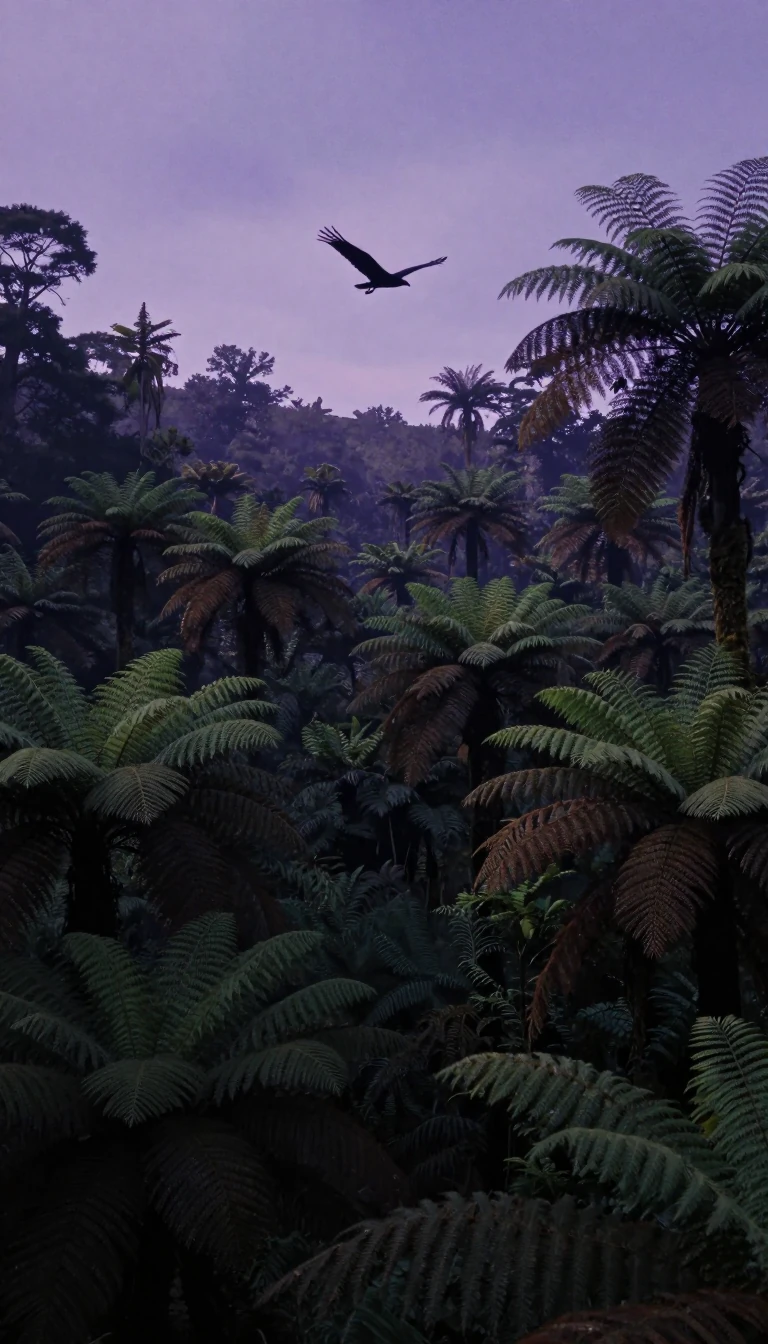 Why the lizard-hipped dinosaurs are actually the ancestors of modern birdsThe term Saurischia translates to lizard-hipped, yet this group includes the ancestors of every bird alive today. While historically defined by a specific pelvic structure, the cl…
- The sandhill crane is a prehistoric survivor with a surprisingly complex family treeWith fossil records stretching back 2.5 million years, the sandhill crane is one of the oldest living bird species. These resilient birds navigate vast migratory paths, engage in …
- The Asian unicorn is a ghost of the forest, hiding in plain sightKnown as the Asian unicorn, the saola is a critically endangered bovid discovered only in 1992. Native to the Annamite Range, this elusive creature has never been observed in the …
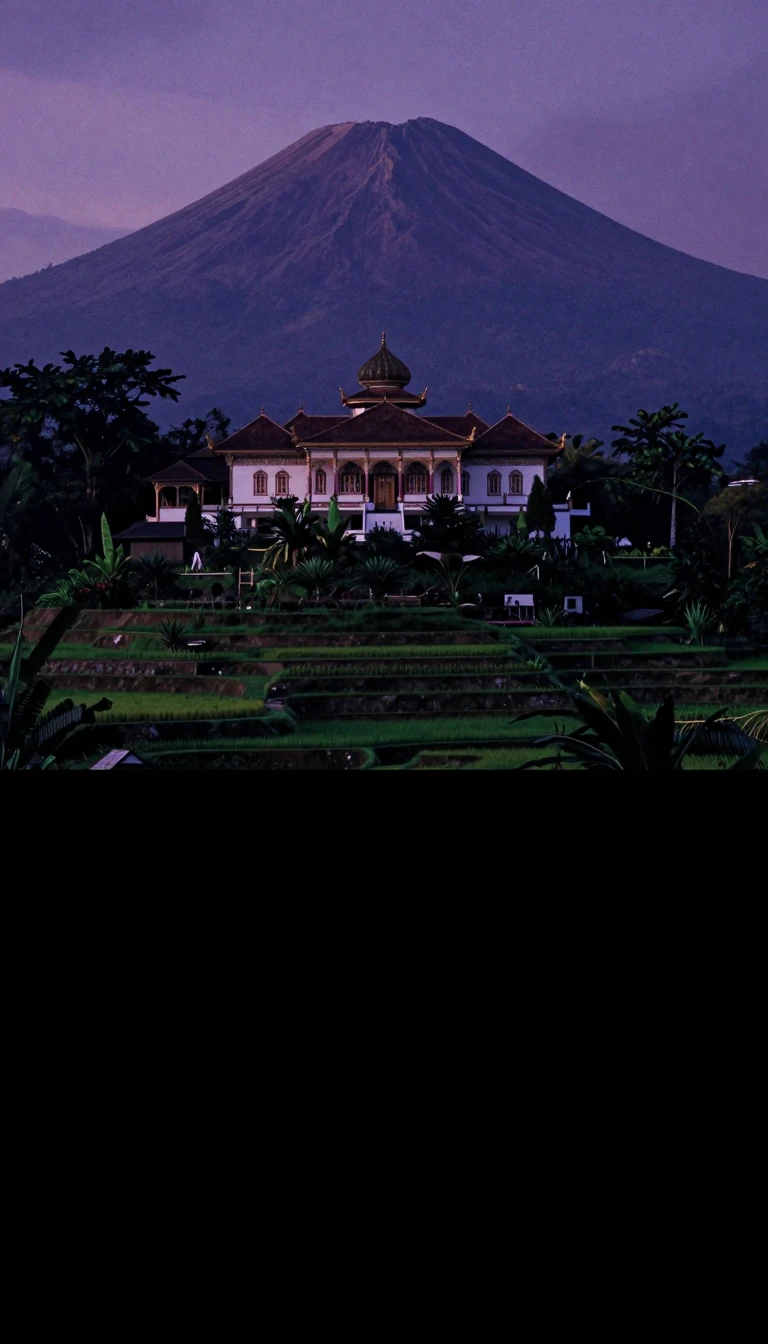 Sarawak: A massive, biodiverse Malaysian state with a complex history of White RajahsAs the largest state in Malaysia, Sarawak occupies northwest Borneo, boasting equatorial rainforests and a unique political autonomy. From its ancient Niah Caves to its era under …
 From Cold War Spying to Climate Science: How Satellites Map Our Changing WorldSatellite imagery has evolved from secretive military reconnaissance to a vital tool for global monitoring. Today, these orbital sensors track everything from illegal landfills an…
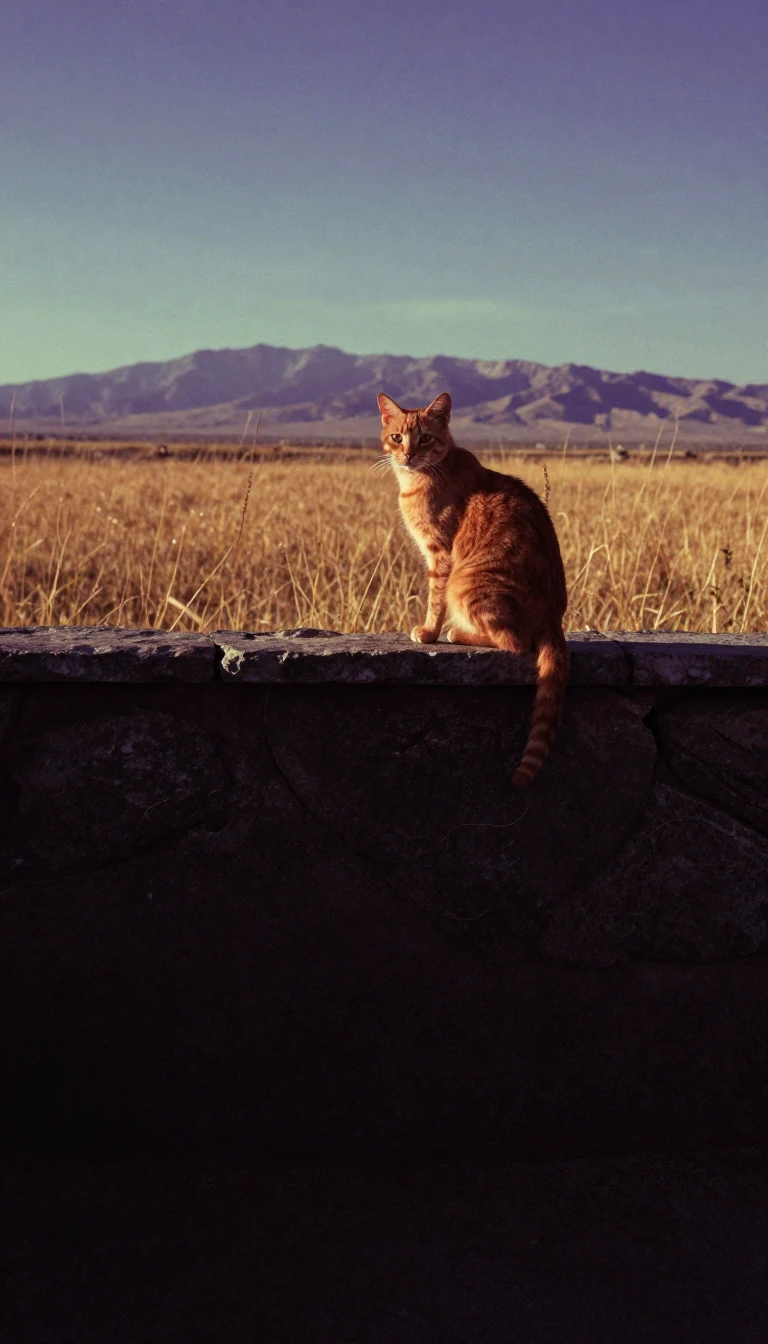 The world's smallest wild cat is a master of survival in the shadowsWeighing as little as a bag of sugar, the rusty-spotted cat is a fierce, pint-sized predator native to Asia. Despite its diminutive stature, this elusive feline has managed to car…
- The desert-dwelling sand cat possesses hearing abilities far superior to the domestic house catEquipped with specialized fur-covered paws that insulate against scorching sands, the sand cat is a master of arid environments. Its anatomy is uniquely tuned for survival, featur…
 Why the simple salade niçoise sparks fierce culinary wars among the world's top chefsOriginating in Nice as humble food for the poor, the salade niçoise has become a global battleground. While some insist on a strict, vegetable-only composition, others embrace pot…
 How desert-dwelling sandgrouse carry water to their chicks across hundreds of milesIn the arid plains of Africa and Asia, sandgrouse survive by mastering the desert. These birds travel immense distances to reach reliable water holes, but their most remarkable fe…
 The prehistoric saiga antelope has survived ice ages, mass die-offs, and near-total extinction.With a distinct, trunk-like nose and a history stretching back to the Pleistocene, the saiga antelope is a resilient survivor of the Eurasian steppe. Despite facing catastrophic p…
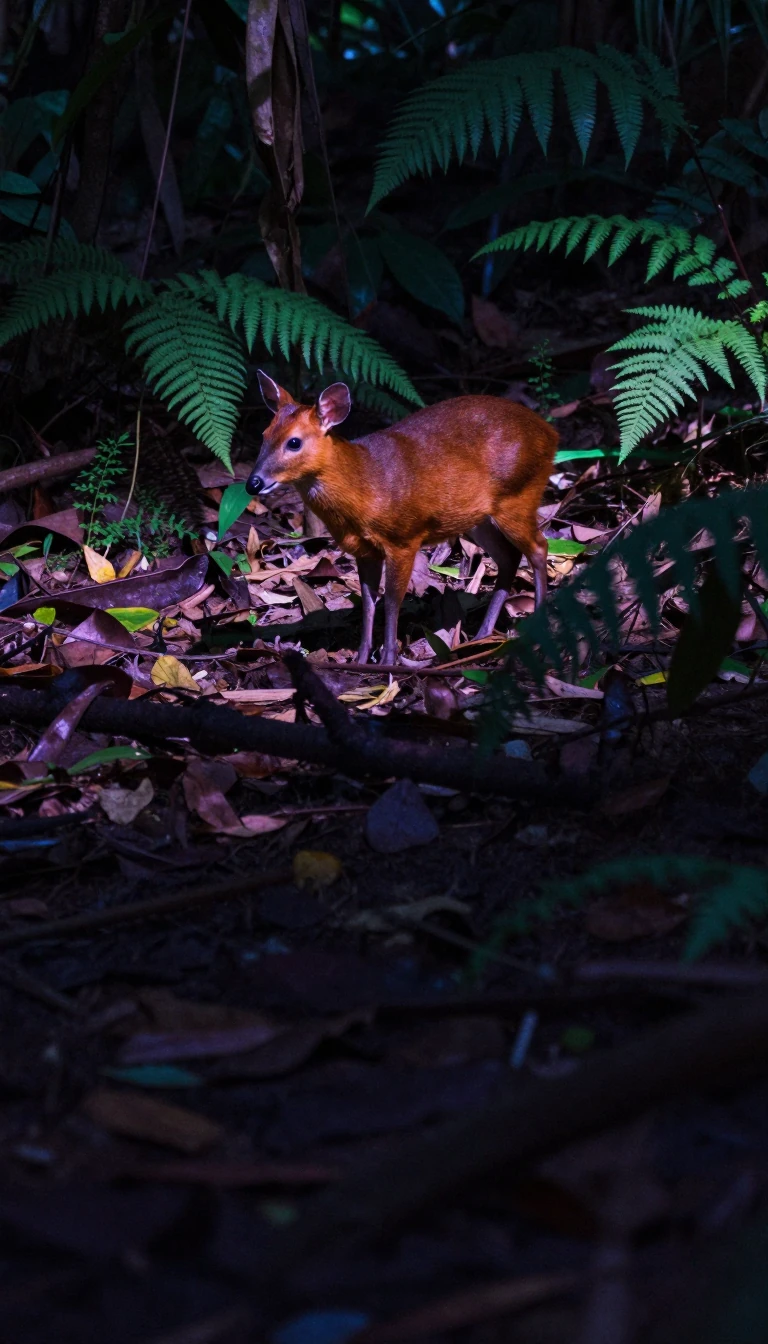 The Sambar deer is a master of survival, bipedalism, and unexpected urban comebacksNative to Asia, the sambar is a massive, secretive deer that defies typical cervid behavior. From spraying urine on its own face to standing on hind legs to mark trees, this vulne…
 The Rottweiler: From Roman Cattle Driver to Modern Guardian and Working DogTracing its lineage to Roman legions, the Rottweiler has evolved from a butcher's cart-puller into a versatile modern athlete. While often recognized for its imposing stature and …
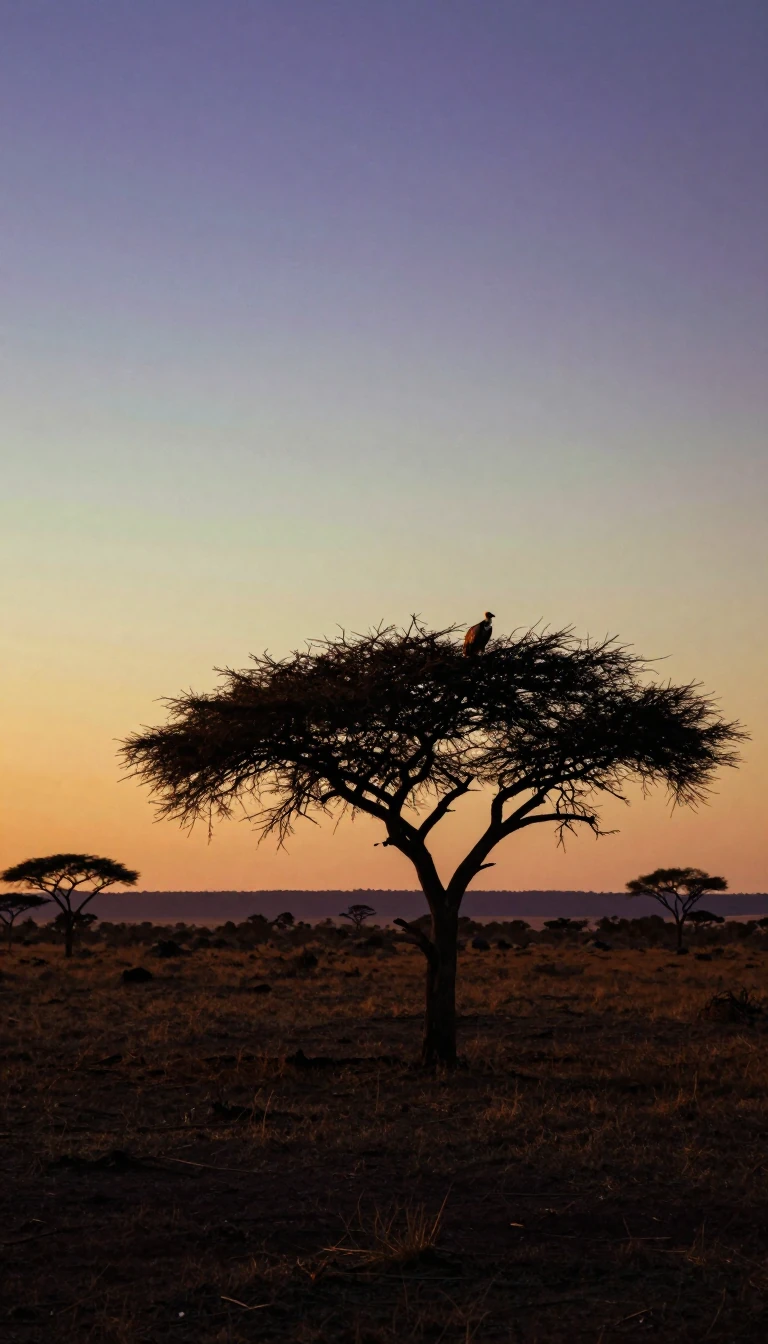 The Rüppell's vulture is the world's highest-flying bird, soaring at 37,000 feet.At altitudes where temperatures plummet to minus 56 degrees Celsius, the Rüppell's vulture thrives. This large scavenger possesses a unique hemoglobin variant that allows it to ex…
 These microscopic animals can survive being frozen for 24,000 years in Siberian permafrost.Rotifers are tiny, complex creatures that defy biological norms. Some species have thrived for millions of years without sexual reproduction, while others can be revived after mil…
 Roger Ebert transformed film criticism from academic gatekeeping into a deeply personal, populist conversation.Before he became a household name, Roger Ebert was a young journalist who turned movie reviewing into an accessible art form. By championing independent voices and embracing the i…
 Why nature forces organisms to choose between quantity and quality of offspringEvolutionary theory once divided the living world into two camps: r-strategists, which flood environments with cheap, expendable offspring, and K-strategists, which invest heavily…
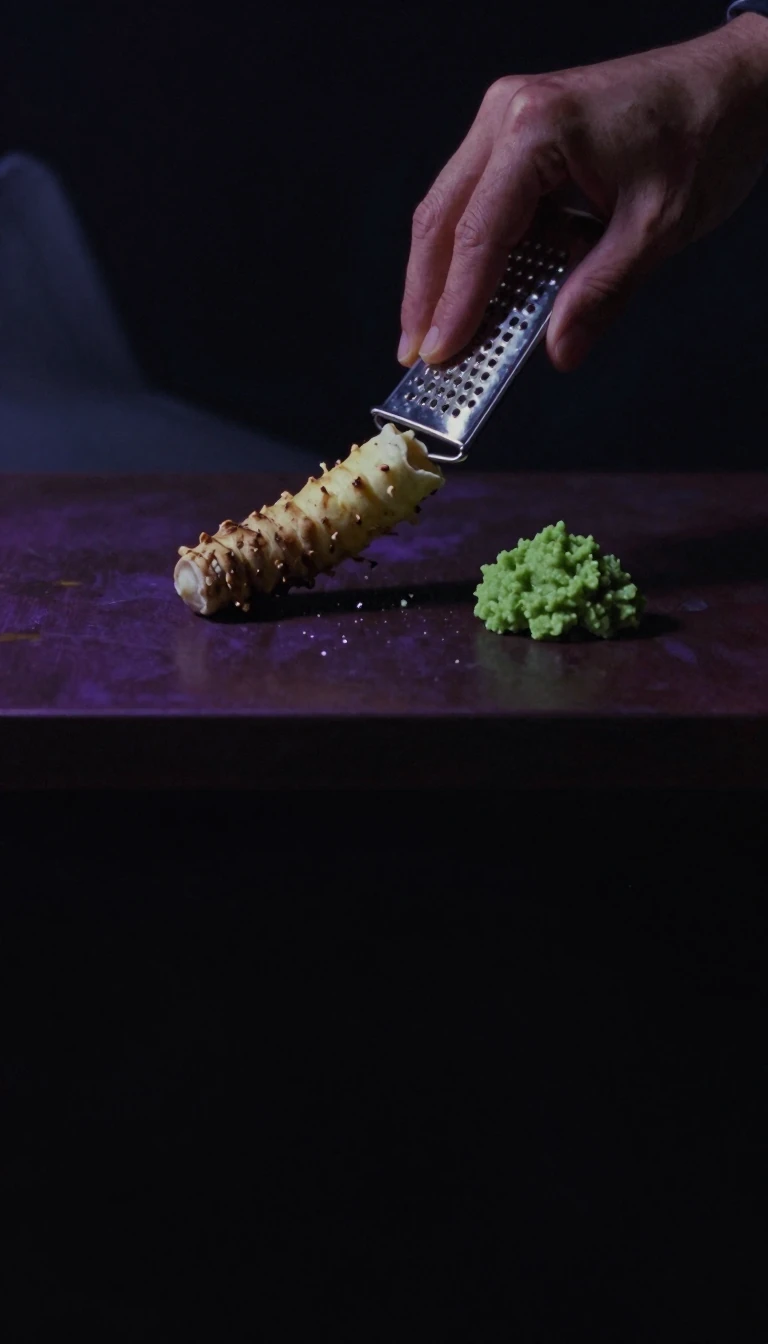 Beyond Caviar: The Global Culinary Diversity of Fish Roe and Its Surprising Cultural SignificanceRoe is far more than just luxury caviar. From fermented delicacies in Cambodia to deep-fried street snacks in Peru and traditional indigenous harvests in British Columbia, this nu…
 The roe deer is a master of survival, thriving in both deep forests and cities.Small, adaptable, and surprisingly fecund, the roe deer has expanded across Europe and into urban centers like Bristol and Glasgow. Despite being a primary game animal, its popula…
 Was Rome founded by a fratricidal king or a mythic back-formation of history?The story of Romulus and Remus is Rome's most enduring foundation myth, featuring a she-wolf, divine parentage, and a fatal dispute over city walls. Yet, ancient historians and mo…
 The rock ptarmigan is a master of disguise that thrives in the harshest climates.Known as the thunder bird in Japan and the snow chicken in the United States, the rock ptarmigan is a resilient grouse that survives the polar night. Its plumage shifts from summe…
 Rhodes: From a legendary sun-drenched sanctuary to a bustling Mediterranean tourist hubRhodes has evolved from a strategic maritime powerhouse and home to an ancient wonder into a modern destination overwhelmed by its own popularity. Once a neutral arbiter of Aegean…
 The colorful Australian parrot that can be both a beloved visitor and a pestWith plumage of deep blue, green, and orange, the rainbow lorikeet is a spectacular sight. Yet, this highly adaptable parrot is also a formidable competitor, capable of displacing…
- The ringtail is a master of desert survival with a secret, gravity-defying climbing technique.Smaller than a house cat, this elusive raccoon relative thrives in North America's harshest arid landscapes. With a flexible ankle that rotates 180 degrees and a specialized abili…
 Why this Indian filmmaker’s radical vision predated global cinema’s most famous narrative techniquesRitwik Ghatak was a visionary director whose work often anticipated global cinematic trends by years. While his peers achieved international fame, Ghatak remained largely obscure …
 The tuatara is not a lizard, but the last survivor of an ancient lineage.Often mislabeled as a lizard, the tuatara is actually the sole remaining member of Rhynchocephalia, a once-diverse order of reptiles that dominated the planet during the Mesozoic …
 The red panda is not a bear, but a unique evolutionary survivorDespite its name and shared bamboo diet, the red panda is not related to the giant panda. This solitary, tree-dwelling mammal belongs to its own distinct family, Ailuridae. With a…
- The red-tailed hawk is a master of adaptation, thriving from Alaskan forests to urban centers.Widely distributed across North America, the red-tailed hawk is a resilient raptor that has successfully integrated into human-altered landscapes. While often mislabeled as a chic…
 Is the elusive red wolf a distinct species or a complex coyote-wolf hybrid?The red wolf of the southeastern United States remains one of nature's most debated puzzles. Caught between morphological traits of gray wolves and coyotes, its taxonomic status h…
 How a stomach enzyme from nursing calves became the secret to global cheese productionRennet is the essential catalyst that transforms liquid milk into solid cheese. While traditionally sourced from the stomachs of young ruminants, modern cheesemaking has shifted t…
- Why did a provincial French town suddenly transform into a herd of rhinoceroses?In Eugène Ionesco's 1959 play, ordinary citizens undergo a bizarre metamorphosis, shedding their humanity for the hide of a beast. This surreal transformation serves as a chilling…
 The humpbacked insects that thrive in total darkness and survive on almost nothingRhaphidophoridae are flightless, nocturnal insects known by many names, including cave crickets and camel crickets. With their long, slender antennae and oversized legs, these cre…
 Why the Raja Ampat archipelago is considered the world's richest marine biodiversity hotspotLocated at a biogeographic crossroads between the Indian and Pacific Oceans, Raja Ampat contains over 1,500 islands and the highest recorded marine life diversity on Earth. This r…
- Why do most released prisoners return to jail, and can we stop the cycle?Recidivism, the return to criminal behavior after conviction, remains a persistent challenge for justice systems worldwide. While incarceration aims to correct, the reality is tha…
 Why the world’s most iconic crane is caught in a taxonomic identity crisisThe red-crowned crane is a symbol of immortality in East Asian art, yet its scientific name, Grus japonensis, has hindered its bid to become China’s national animal. Despite its c…
 The red kangaroo is a master of survival, managing three generations of offspring simultaneously.As the largest marsupial on Earth, the red kangaroo thrives in Australia's harshest arid landscapes. Beyond its iconic bounding locomotion, this species employs remarkable physiol…
 The rainbow trout is a global wanderer that reshapes ecosystems wherever it landsNative to the cold Pacific tributaries of North America and Asia, the rainbow trout has been introduced to every continent except Antarctica. While prized for sport and food, this…
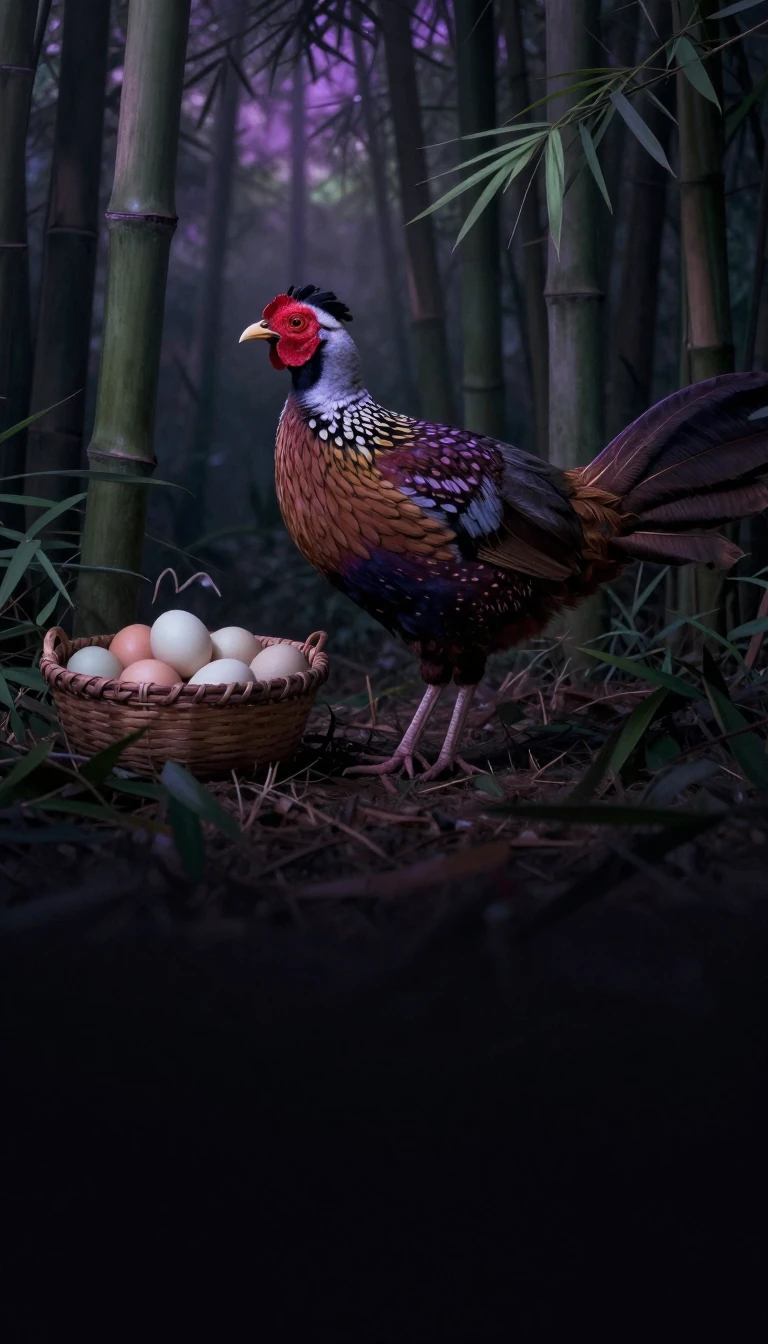 The wild ancestor of every chicken on Earth is a master of the jungleThe red junglefowl is the primary progenitor of the billions of domestic chickens raised globally today. While these birds are now ubiquitous, their wild ancestors remain elusive,…
 Is red meat a nutritional powerhouse or a hidden risk to your long-term health?Red meat is a rich source of protein, iron, and essential vitamins, yet it sits at the center of a complex debate. While it provides vital nutrients, global health organizations i…
- The pygmy hippopotamus is a reclusive forest dweller, not just a miniature common hippo.Hidden deep within West African forests, the pygmy hippopotamus is a distinct, nocturnal species that evolved separately from its massive cousin. While the common hippo is a grega…
 Are pygmy peoples a distinct biological lineage or an adaptation to their environment?The term pygmy describes populations with an average adult male height under 150 cm. While often associated with the hunter-gatherers of the Congo Basin, the label has been applie…
 The Australian marsupial that hunts like a cat but thrives on a unique dietQuolls are solitary, nocturnal marsupials that have roamed Australia and New Guinea for millions of years. Often mistaken for cats or martens by early settlers, these spotted pred…
- The raccoon is a master of touch, not a washer of foodRaccoons are famous for dousing their food in water, a habit that inspired their scientific name, Procyon lotor, or washer-dog. Yet, this behavior is not about hygiene. It is a fi…