 Intellect Plus
Organisms
1,988 cards. Each one is a 40-second story with a five-minute read behind it. Page 9 of 34.
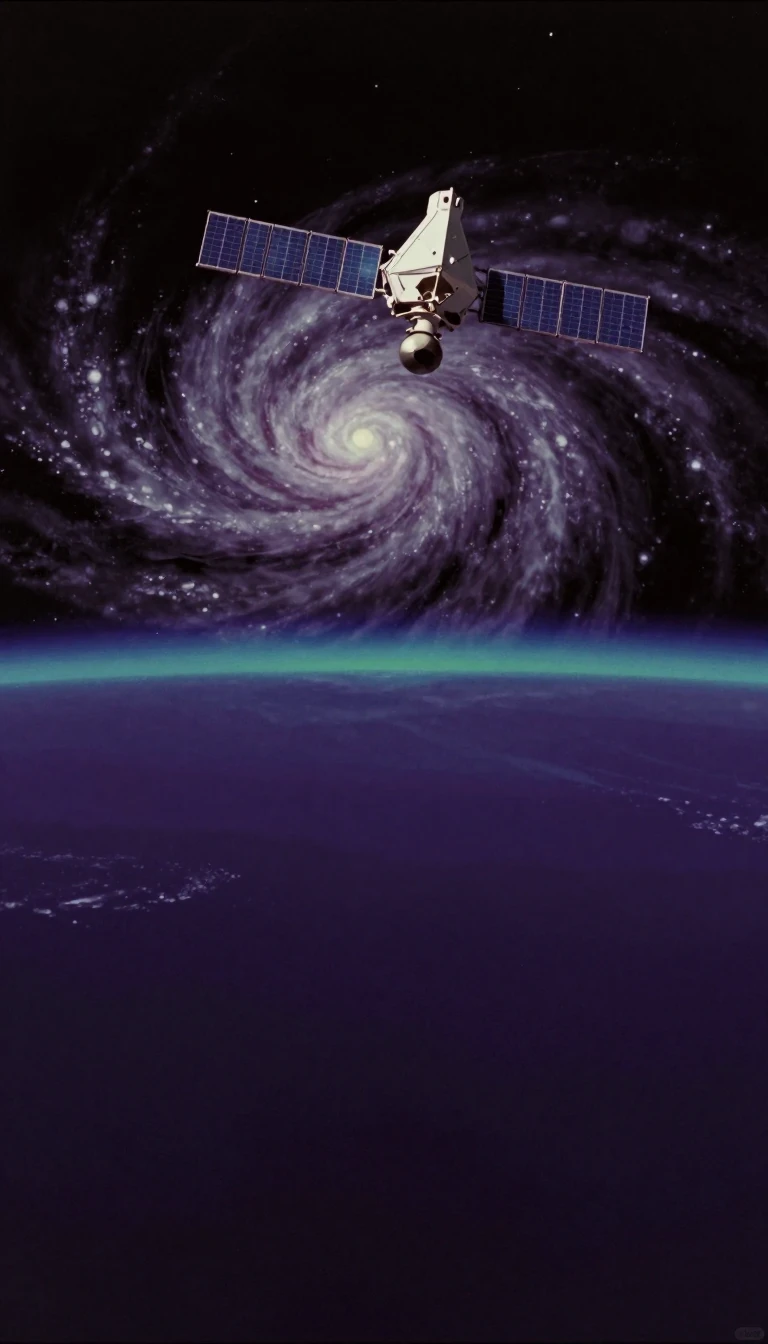 A pest is not a biological category, but a subjective label of human inconvenience.The definition of a pest is entirely dependent on perspective. An elephant is a majestic creature in the wild, but a destructive nuisance to a farmer whose crops it tramples. Beca…
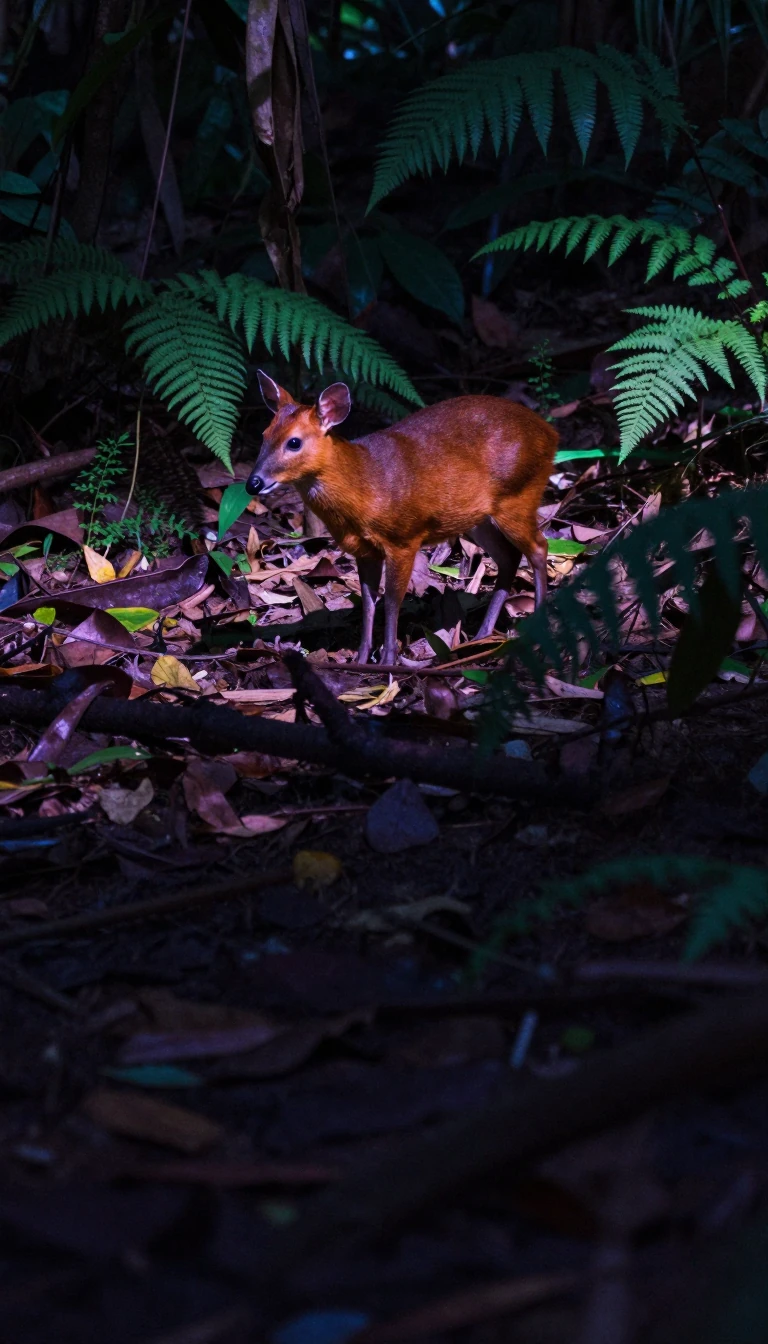 Why Australia's Possums Are Not Actually Related to the Opossums of the AmericasThough they share a name and a pouch, the possums of Australia and the opossums of the Americas are distinct evolutionary branches. These nocturnal, largely tree-dwelling marsupia…
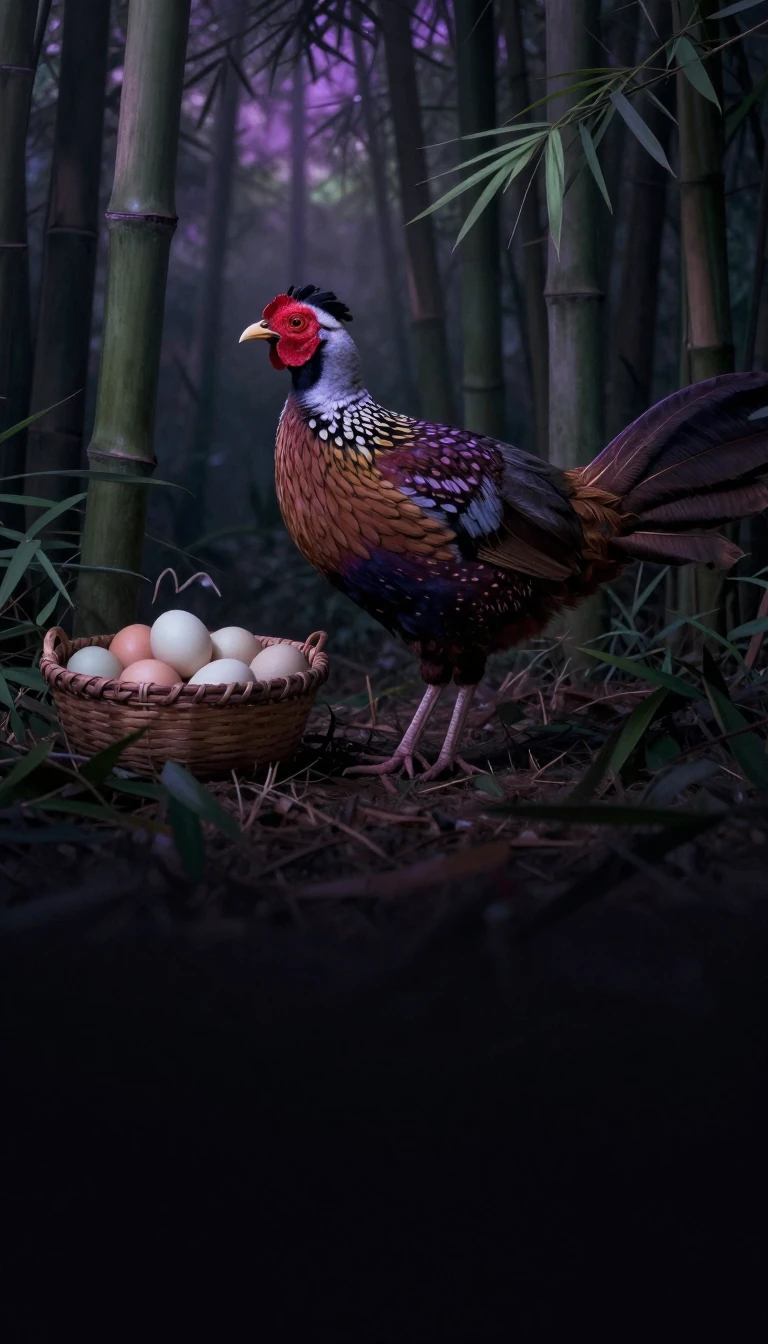 The world's most abundant bird family includes everything from chickens to wild turkeysPhasianidae is a massive, diverse family of ground-dwelling birds that has reshaped human history. While we often view chickens, pheasants, and turkeys as distinct groups, they ar…
 Why billions of cicadas wait over a decade to emerge in perfect unisonPeriodical cicadas spend 13 or 17 years underground, feeding on tree roots in total darkness. When they finally surface, they arrive in numbers exceeding one trillion, creating a …
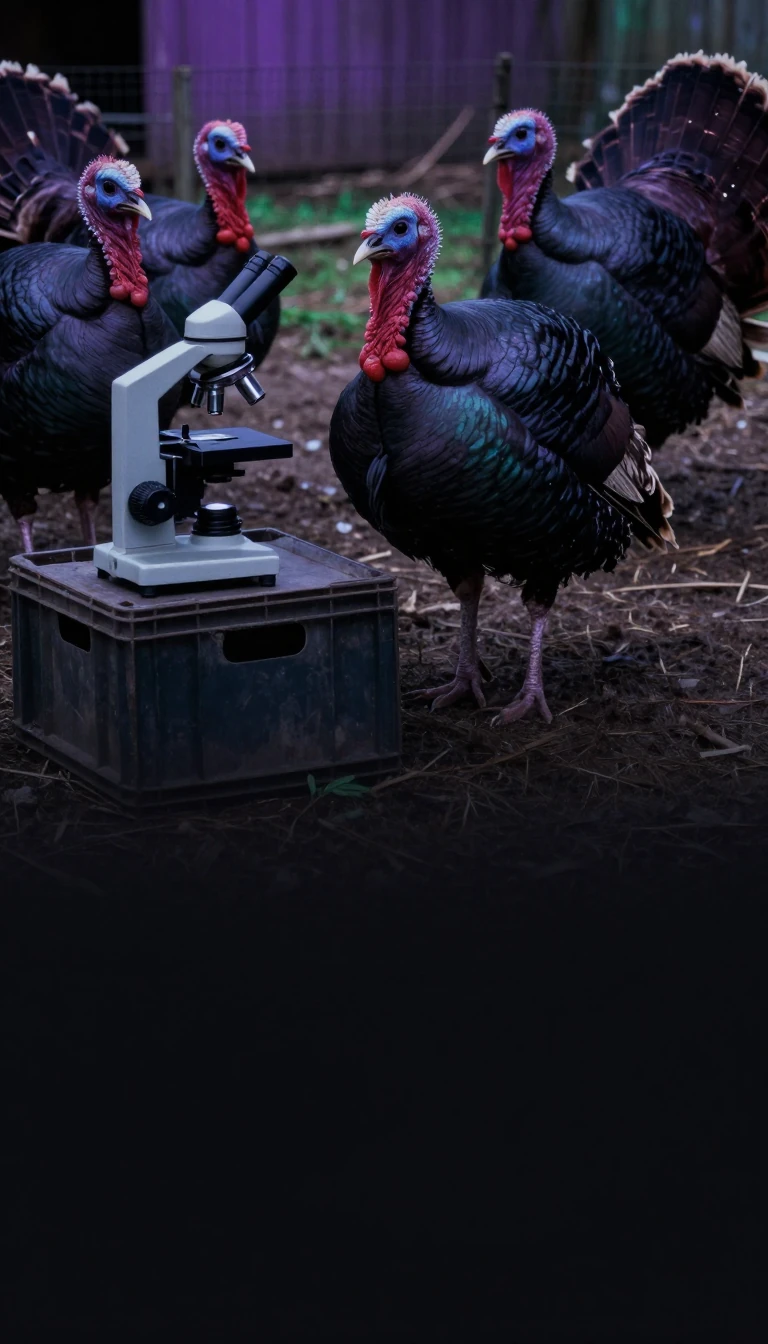 Why the shield-shaped stink bug is both a global agricultural menace and a delicacyPentatomidae insects are masters of chemical warfare, releasing pungent sprays to deter predators. While these shield-shaped bugs are notorious for devastating crops and invading …
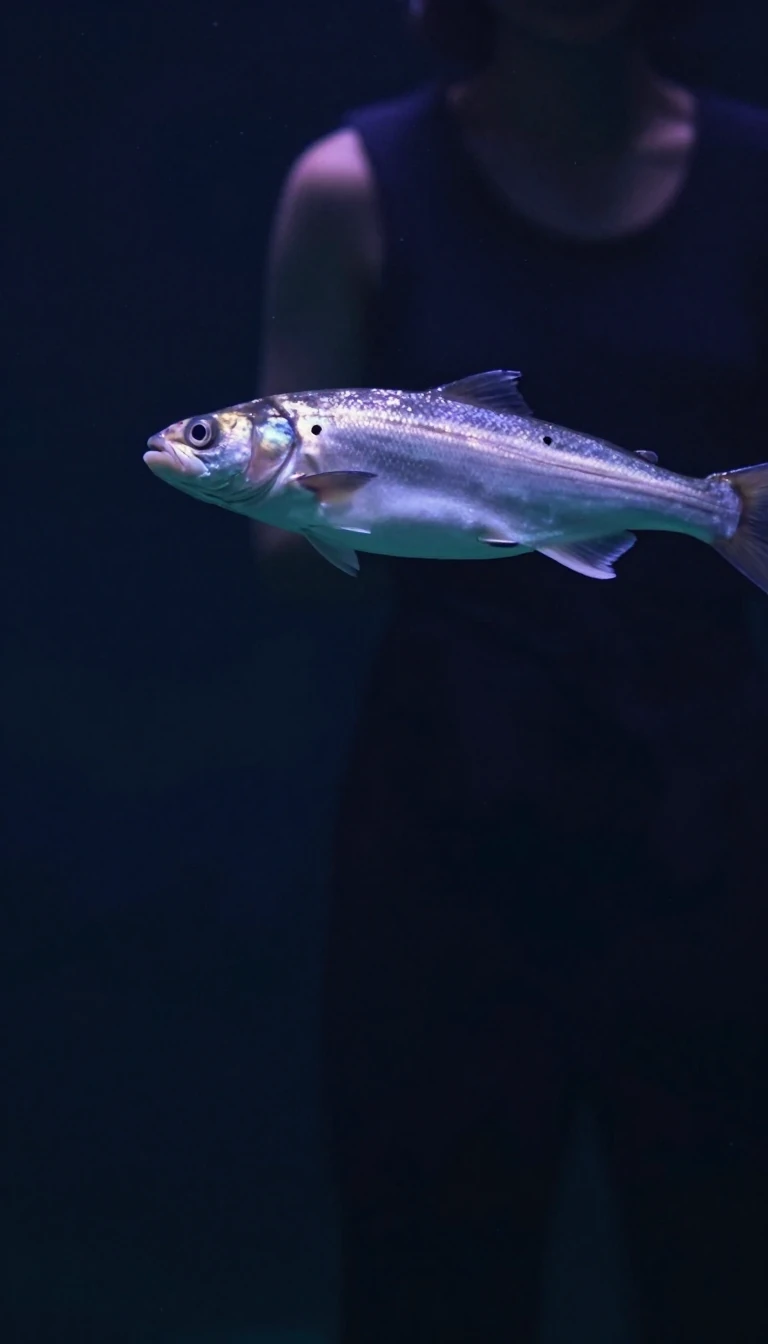
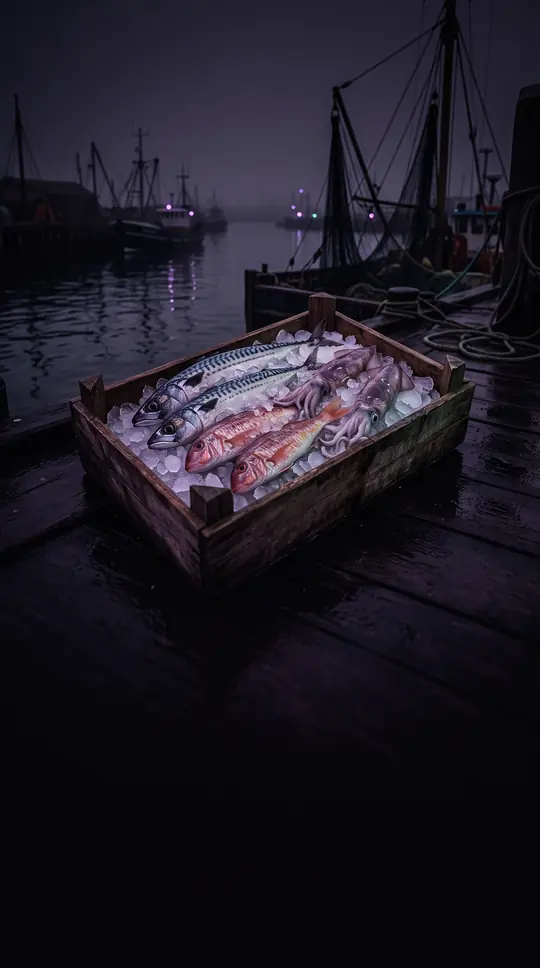 The expensive Chilean sea bass is actually a deep-sea Antarctic fish called a toothfish.Marketed as Chilean sea bass to entice diners, this creature is a long-lived predator from the frigid Southern Ocean. Its high price reflects the difficulty of reaching its remote…
 Was Patagotitan truly the largest land animal to ever walk the Earth?Once hailed as the undisputed heavyweight champion of the dinosaur world, Patagotitan mayorum has seen its status shift as paleontologists refine their estimates. While these mass…
 Pemmican: The calorie-dense survival food that powered Arctic explorers and fur tradersLong before modern energy bars, Indigenous peoples of North America perfected a shelf-stable, high-calorie mixture of dried meat and rendered fat. This portable superfood became e…
 Can life emerge without fertilization? The surprising reality of virgin birth in nature.Parthenogenesis is a reproductive strategy where offspring develop from unfertilized gametes. While often labeled asexual, it is better understood as an incomplete form of sexual …
 Unlike typical parasites, parasitoids are defined by a fatal outcome for their host.While a parasite often coexists with its host, a parasitoid is an insect that inevitably kills its host to complete its own development. Most are wasps, though some flies, beetles…
 These colorful reef fish are the secret architects behind the world's white sandy beaches.Parrotfish are more than just vibrant reef dwellers; they are essential ecosystem engineers. By grinding down coral to reach nutrient-dense algae, these fish perform a unique biol…
 Paraceratherium was one of the largest land mammals to ever walk the Earth.Standing nearly five meters tall at the shoulder, this hornless, giant relative of the modern rhinoceros roamed Eurasia during the Oligocene epoch. Despite its massive size and el…
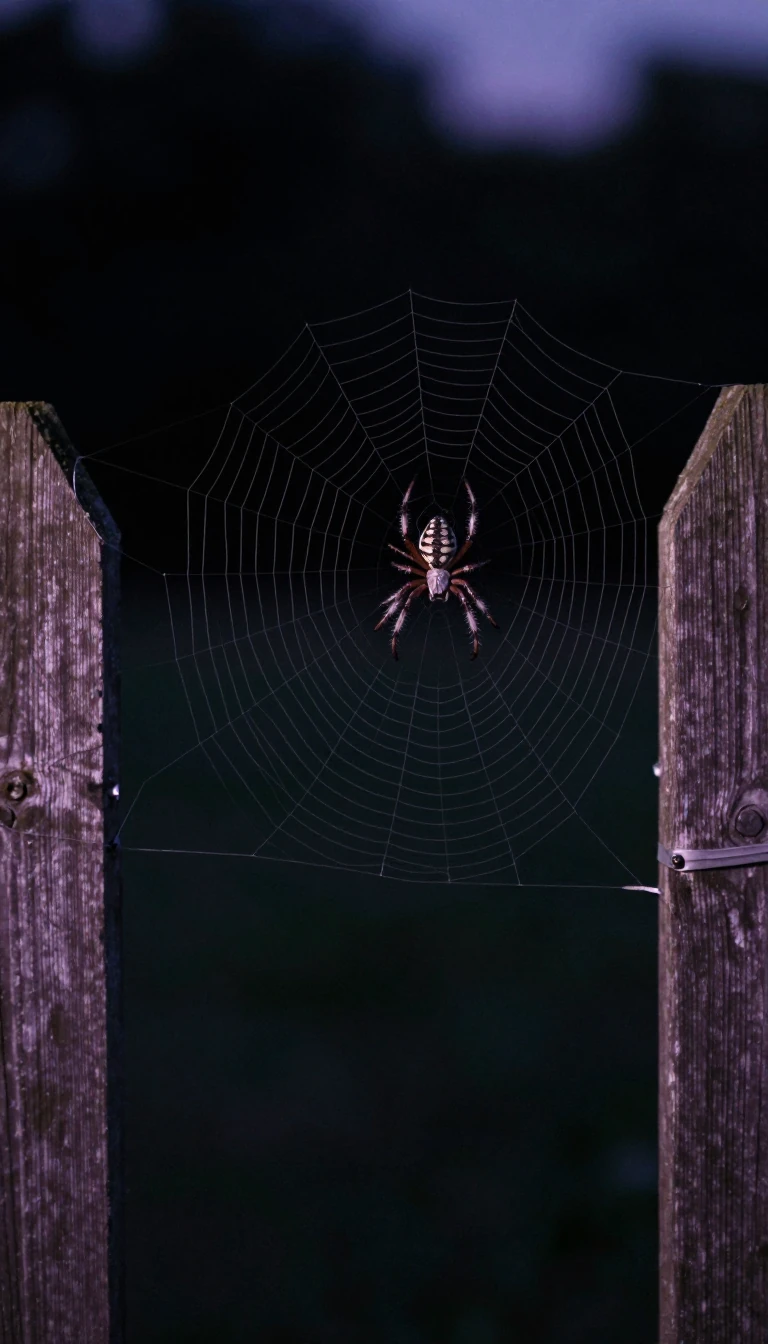 Insects are technically crustaceans, a discovery that reshaped our understanding of evolutionary history.For decades, biology placed insects and crustaceans in separate camps. Today, the Pancrustacea hypothesis reveals that insects are essentially terrestrial crustaceans, having evol…
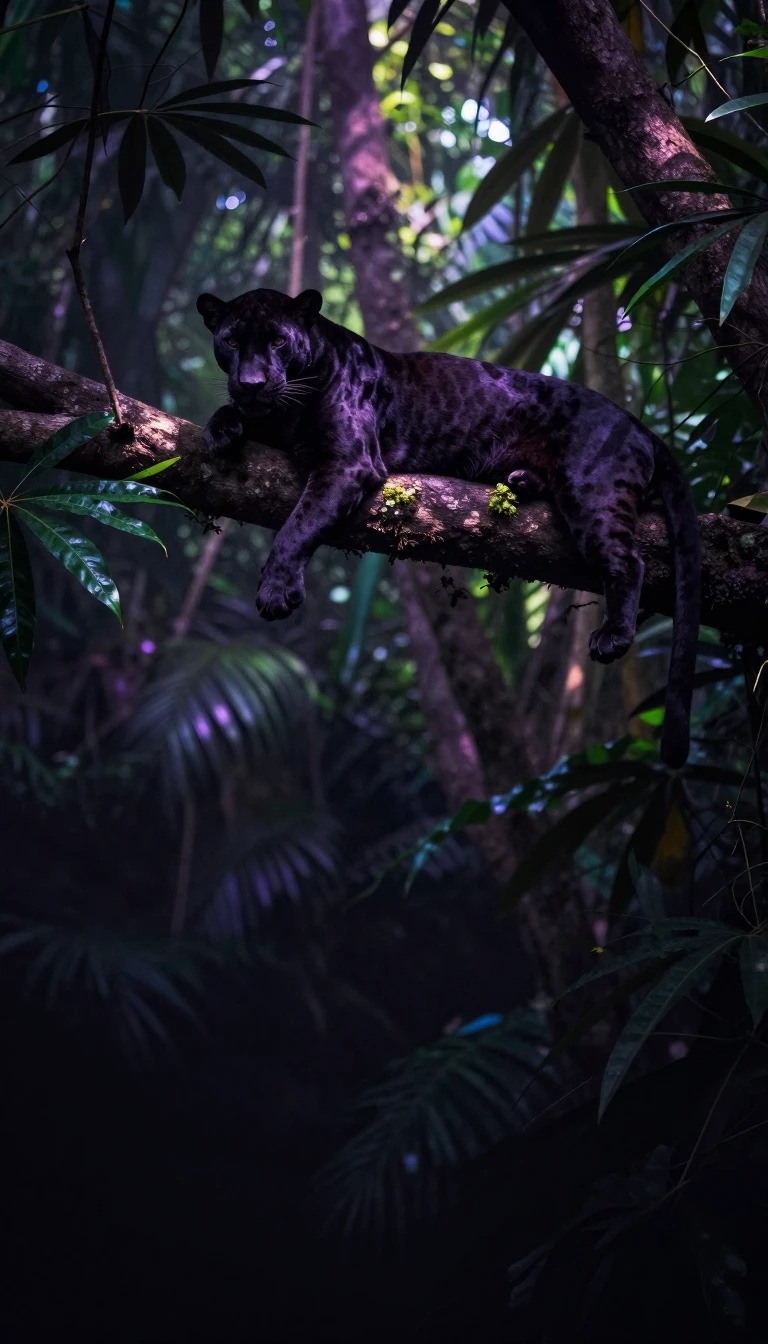 The roaring cats: why the genus Panthera is more than just a nameThe genus Panthera includes the world's most iconic big cats, defined by their unique ability to roar. While often confused with other felines, these predators share specific anat…
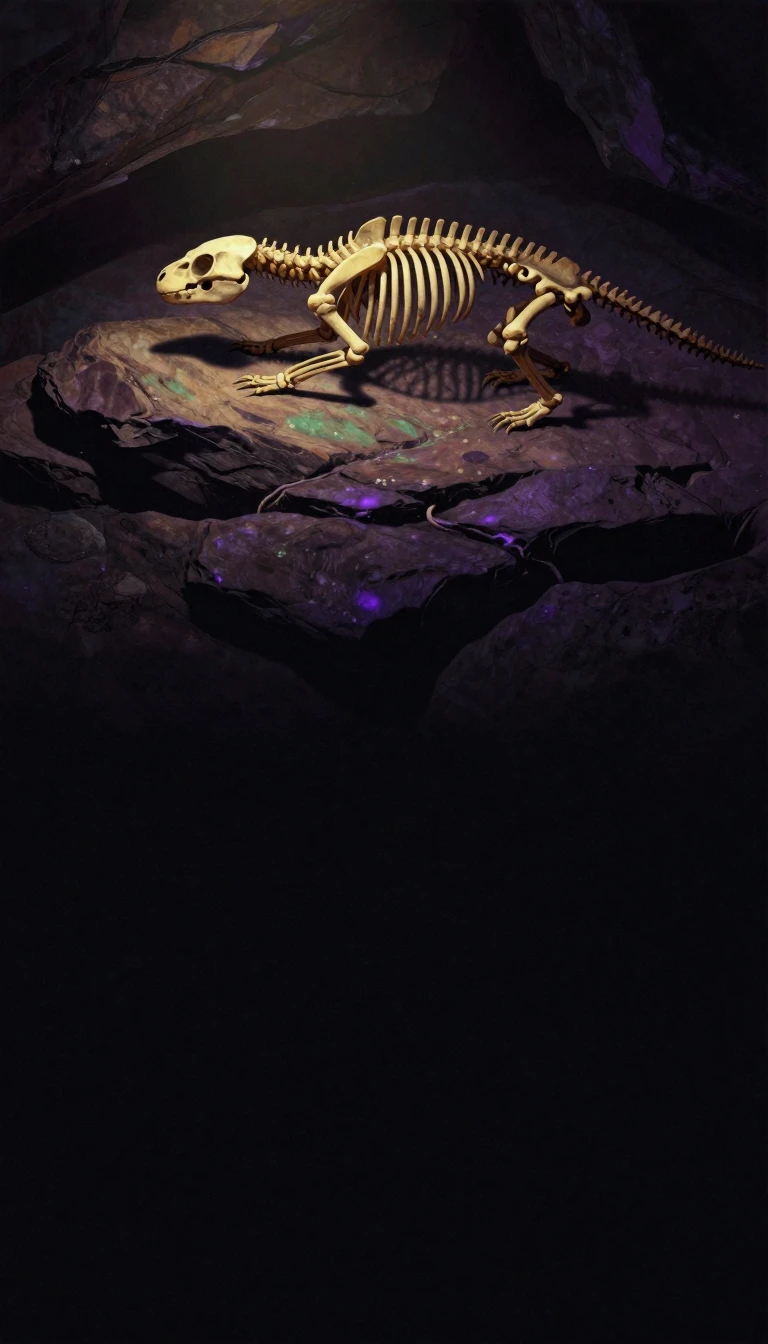 Why your favorite animal groups, like reptiles and fish, are actually scientific ghosts.In biology, a group is only 'real' if it includes every single descendant of a common ancestor. By this strict standard, traditional categories like reptiles, fish, and even monke…
 How a boy with cotton bobbins and a camera became a stop-motion legend.Nick Park transformed the world of animation by pairing ordinary human conversations with clay animals. From his early experiments in a Lancashire home to winning four Academy Awa…
 The nilgai is a living fossil that has barely changed in nine million years.As the largest antelope in Asia, the nilgai is a biological outlier. While most antelopes belong to the gazelle tribe, the nilgai is a primitive survivor of the Boselaphini tribe.…
- The Nicobar pigeon is the closest living relative to the legendary, extinct dodo bird.With its metallic green plumage and distinct white tail, the Nicobar pigeon is a striking island nomad. While it looks like a typical bird, it holds a unique evolutionary secret: …
 The Mesozoic cow: a bizarre, vacuum-cleaner-like dinosaur with over 500 constantly replacing teeth.Nigersaurus was a small, short-necked sauropod that roamed mid-Cretaceous Niger. With a specialized, wide muzzle and teeth arranged in a unique conveyor-belt system, it grazed on …
 Why the vast majority of modern birds remain an evolutionary puzzle for scientistsAlmost every bird you see today belongs to a single, massive group called Neoaves. Despite making up 95% of all known avian species, their family tree is notoriously difficult to …
 How a 1980s legislative push created the backbone of modern biomedical researchBefore the National Center for Biotechnology Information, genetic data was a fragmented mess of incompatible naming schemes. Founded in 1988, this National Institutes of Health di…
 Neo-Latin was the true first modern European language, dominating science and global diplomacy.Long after the Roman Empire fell, Latin remained the essential tool for international communication. From the Renaissance until the early 1800s, this evolved style of Latin served…
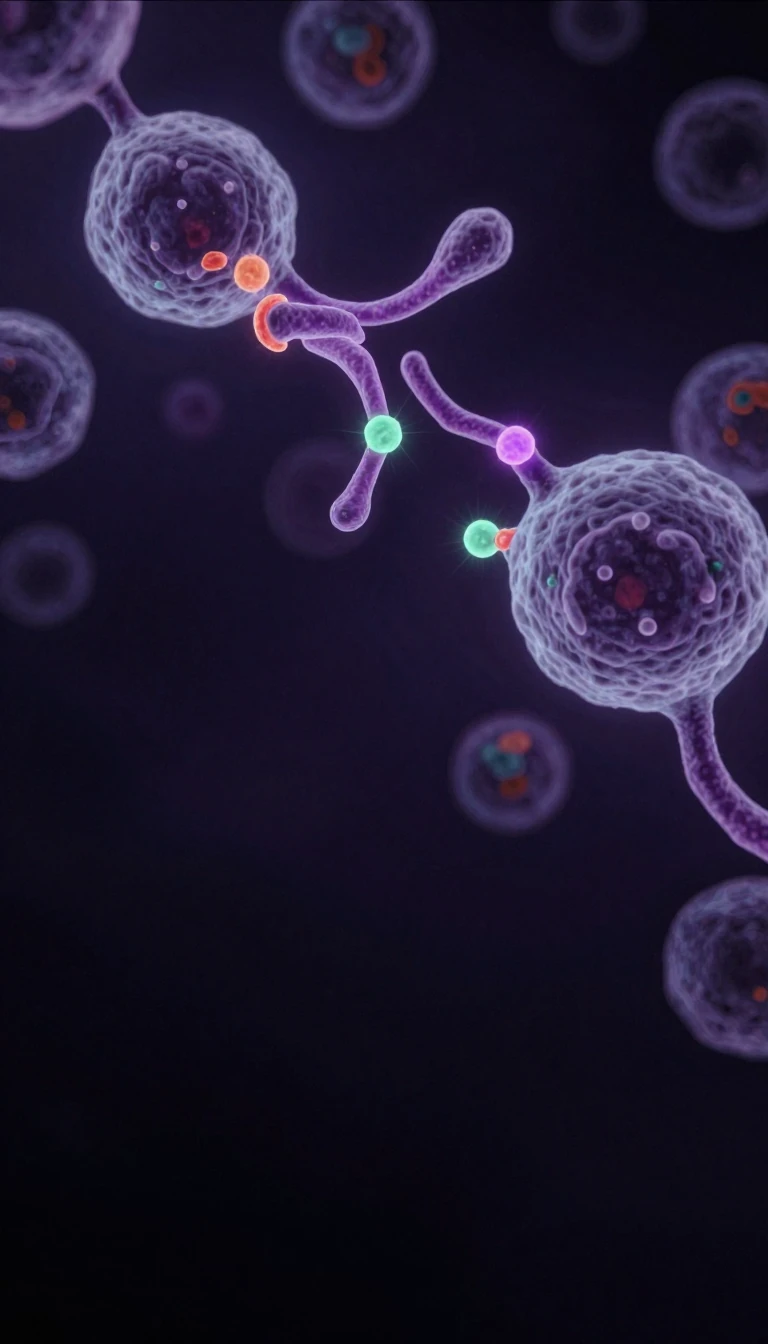 Neutrophils are the body's rapid-response army, producing 100 billion soldiers every single day.As the most abundant white blood cell in your body, neutrophils act as your first line of defense against infection and injury. These highly mobile cells patrol your bloodstream, …
 How a brash city magazine became a digital powerhouse of national cultureBorn in 1968 as a scrappy, voice-driven competitor to The New Yorker, New York magazine pioneered New Journalism. Over decades, it evolved from a local print supplement into a spr…
 Your body's most misunderstood defense system is actually a sophisticated, sticky, protective gel.Often dismissed as a mere nuisance during a cold, mucus is a vital biological shield. This viscous substance lines your respiratory, digestive, and urogenital systems, acting as a…
- Why the mule deer's unique escape strategy is both its greatest strength and weaknessNamed for ears that resemble a mule's, these western North American deer have evolved a peculiar way to outrun predators. Instead of sprinting, they leap with all four legs, a hig…
 The muskellunge is a massive freshwater predator with a name meaning ugly pike.Known as the largest member of the pike family, the muskellunge is a formidable ambush predator native to North America. These fish are notorious for their size, aggressive feedin…
 Nature is not just a battle for survival; it is a complex web of cooperation.While competition often dominates our view of the natural world, many species thrive through mutualism. These close, beneficial associations range from simple resource trades to d…
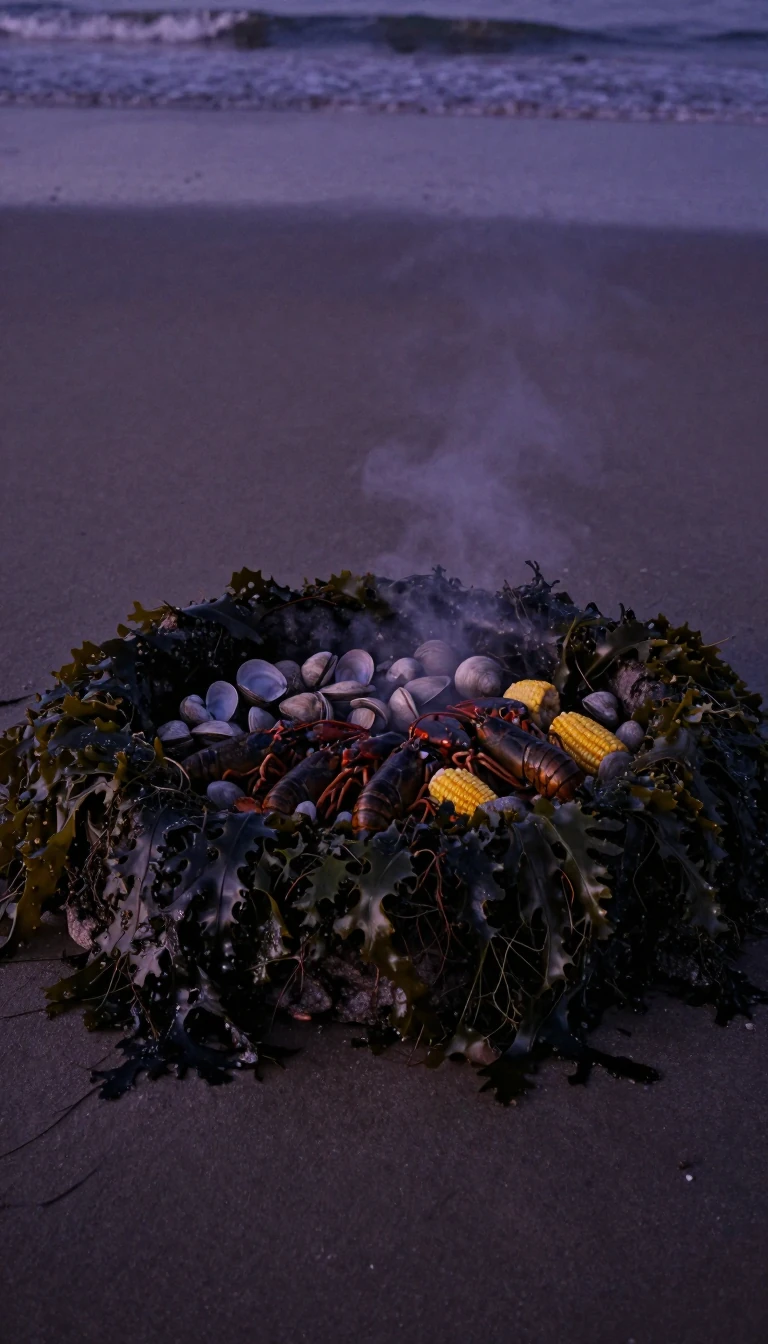 Is Nantucket named for a far-away land or for its supposedly sterile, sandy soil?Thirty miles off Cape Cod lies an island defined by its glacial origins and a name shrouded in linguistic mystery. Once a global whaling powerhouse, this Atlantic outpost transiti…
 When humans weaponized a virus to cull rabbits, nature fought back with evolution.In the 1950s, scientists released the myxoma virus in Australia, France, and Chile to eradicate wild European rabbit populations. It was a biological control experiment that worke…
 Why Monty Python’s final film turned the search for existence into a chaotic sketch show.Released in 1983, The Meaning of Life was the final project to feature all six members of the Monty Python troupe. Abandoning the narrative structure of their previous hits, the f…
- The mouflon is a wild sheep that may be the ancestor of domestic flocks.Small, hardy, and distinctively marked, the mouflon is a wild sheep native to the Mediterranean and parts of Asia. While often confused with feral descendants, true mouflon are wi…
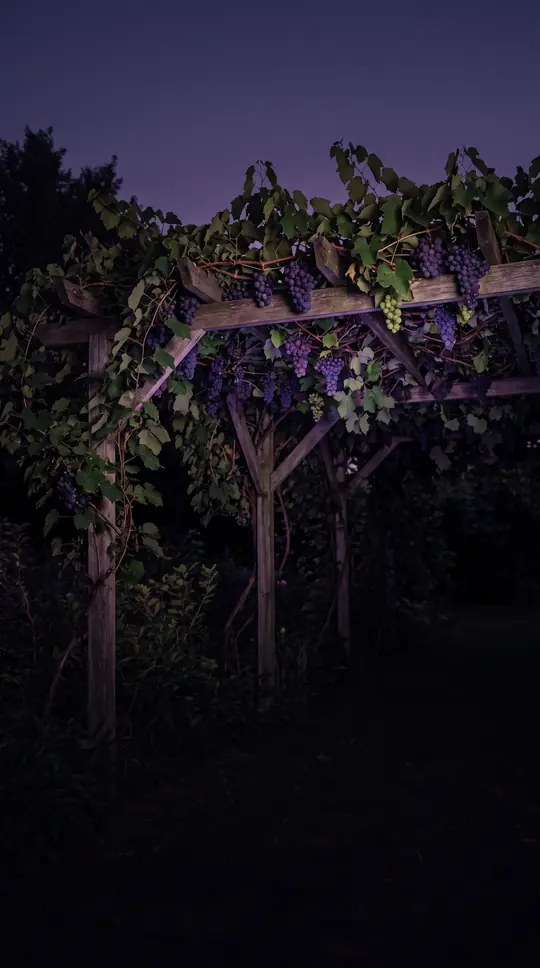 The moray eel is the only animal that uses a second set of jaws to hunt.Hidden deep within the throat of a moray eel lies a terrifying evolutionary secret: a second pair of jaws. While its primary mouth captures prey, these pharyngeal jaws launch forw…
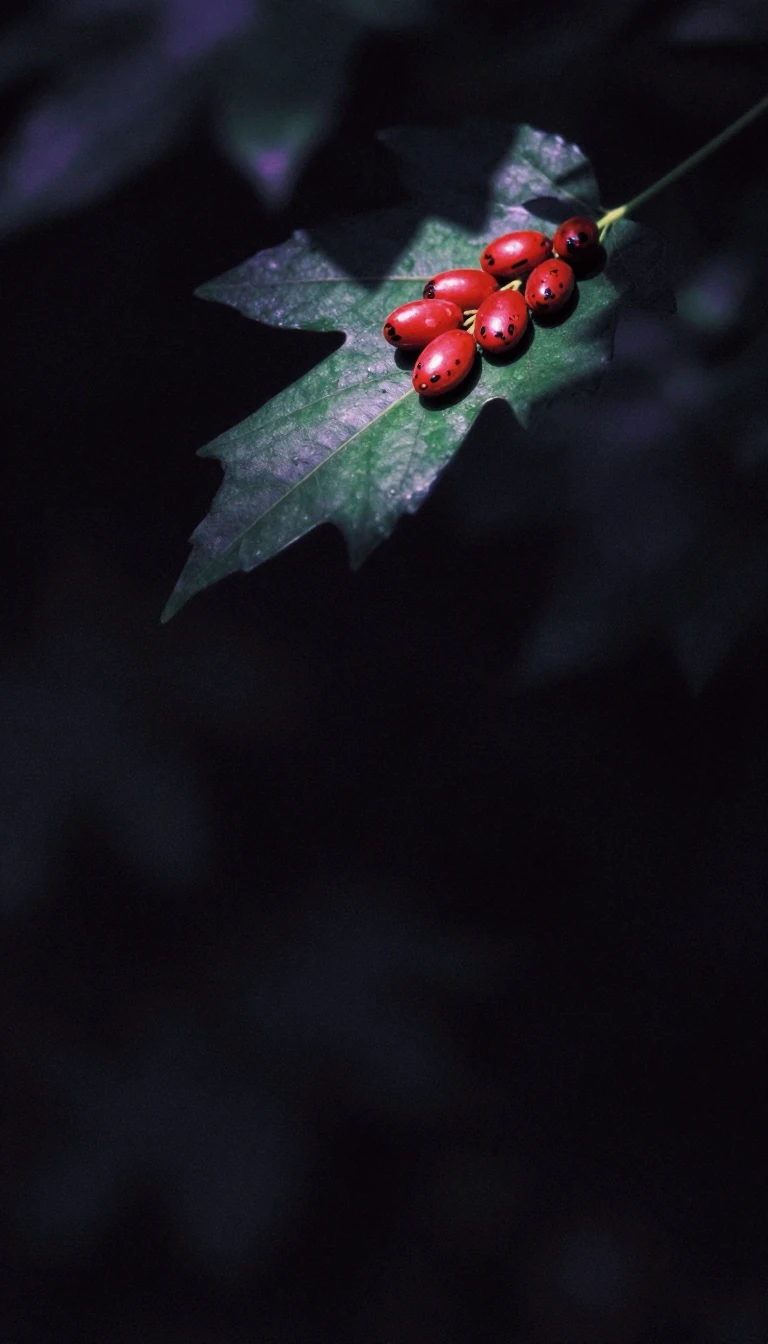 The white mulberry tree launches its pollen at half the speed of sound.Beyond its historical role in the silk industry, the white mulberry is a botanical speed demon. Its stamens function as biological catapults, releasing pollen in a mere 25 microse…
 Why a single word can mean a scholarly book, a beetle, or a drug ruleThe term monograph is a linguistic chameleon. While it typically describes a deep, specialized academic book, the word also appears in biological taxonomy, FDA regulatory filings,…
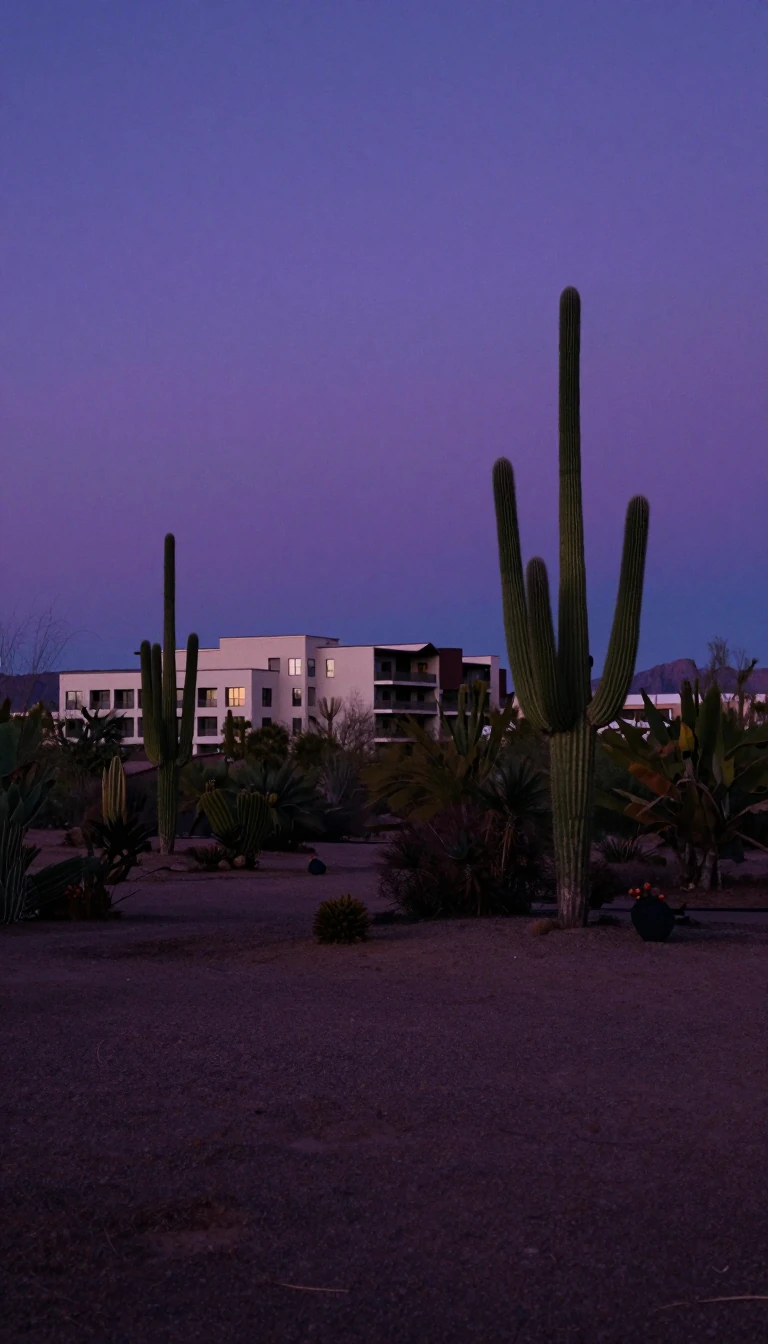 How a consolation prize for losing the state capital became a research powerhouse.When Helena was named Montana's capital in 1889, Bozeman received a consolation: the state's new land-grant college. What began in 1893 as a modest school in a shuttered academy h…
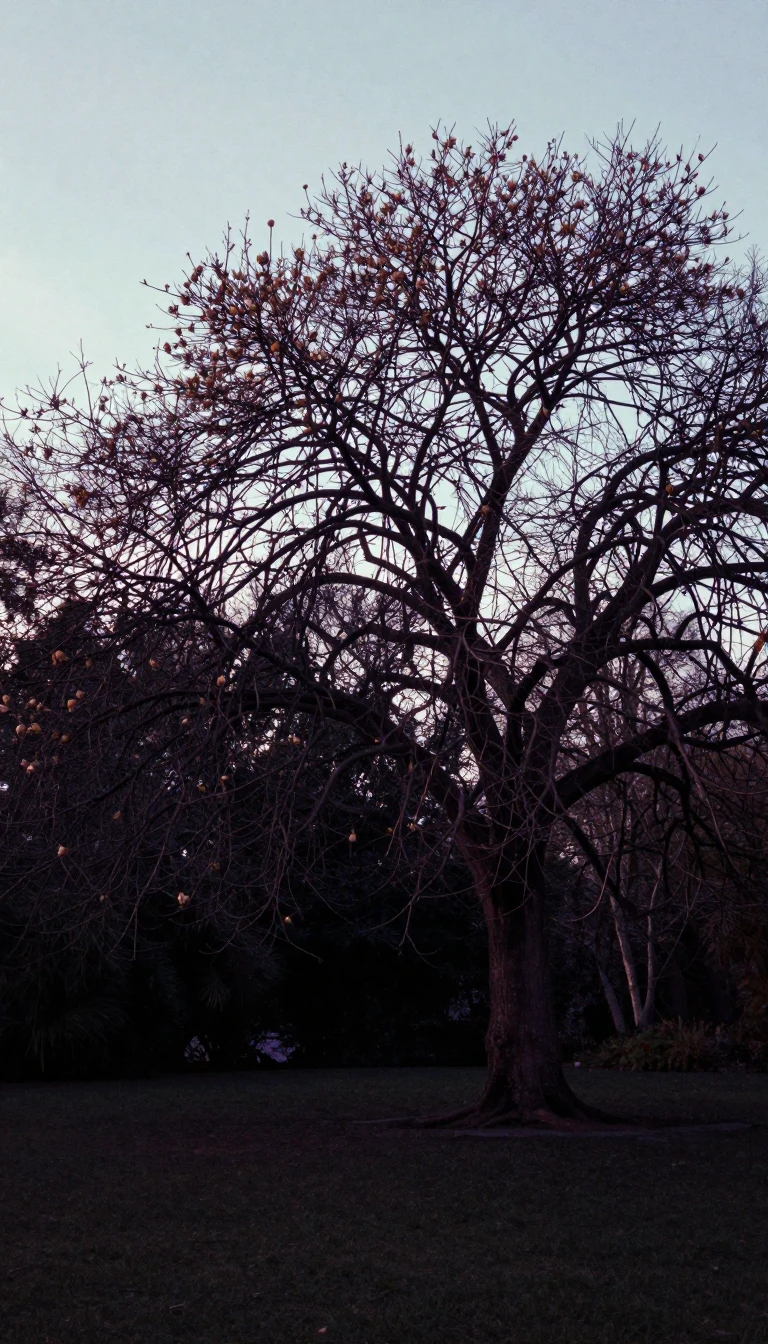 Mistletoe is not just a holiday decoration but a sophisticated, often lethal, plant parasite.While famous for prompting kisses, mistletoe is actually a diverse group of hemiparasitic plants that survive by hijacking the circulatory systems of trees. These organisms range …
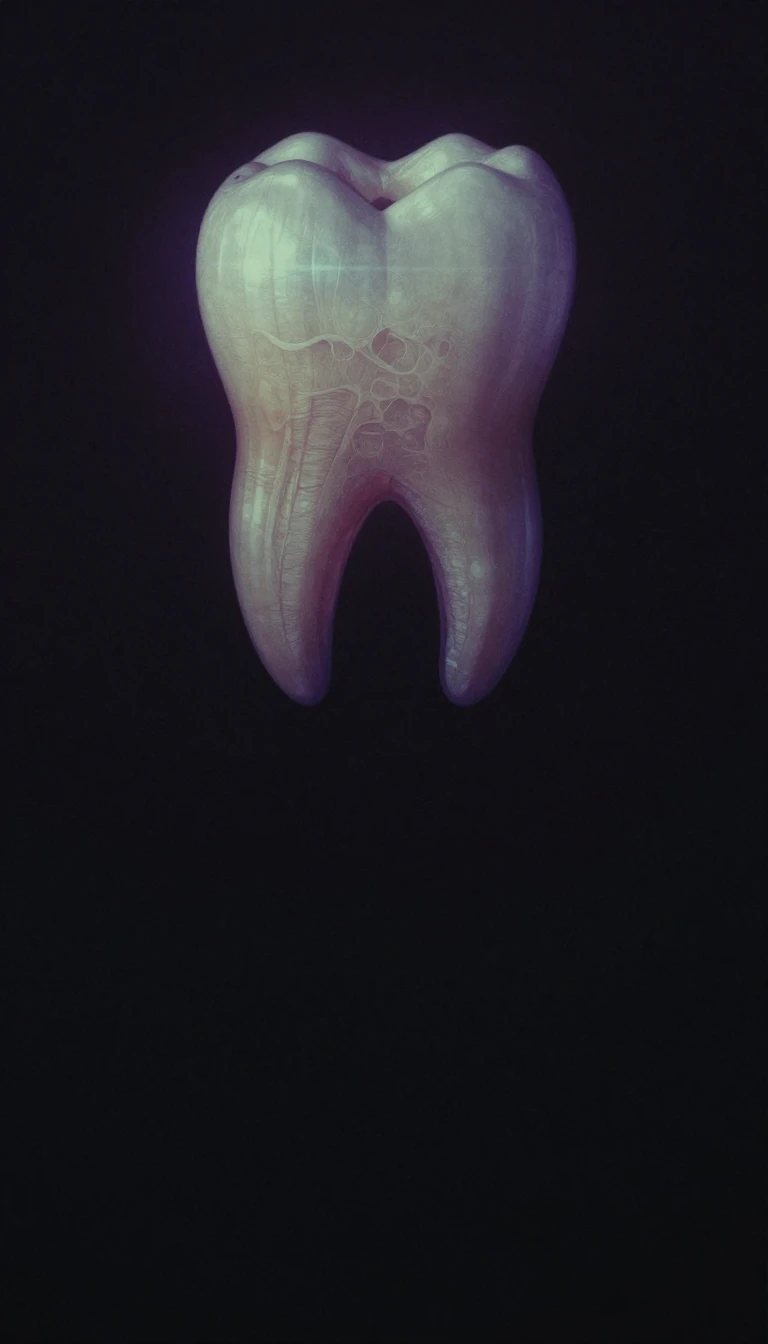 Why your molars are the ultimate biological millstones for grinding down your dinnerMolars are the heavy-duty machinery of the mammalian mouth, evolved to grind food with precision. From the rounded, crushing hills of human teeth to the complex, washboard-like ri…
 How do monarch butterflies survive a multi-generational journey of thousands of miles?Each year, millions of monarch butterflies undertake an extraordinary migration across North America. Spanning thousands of kilometers, this journey is completed by multiple gener…
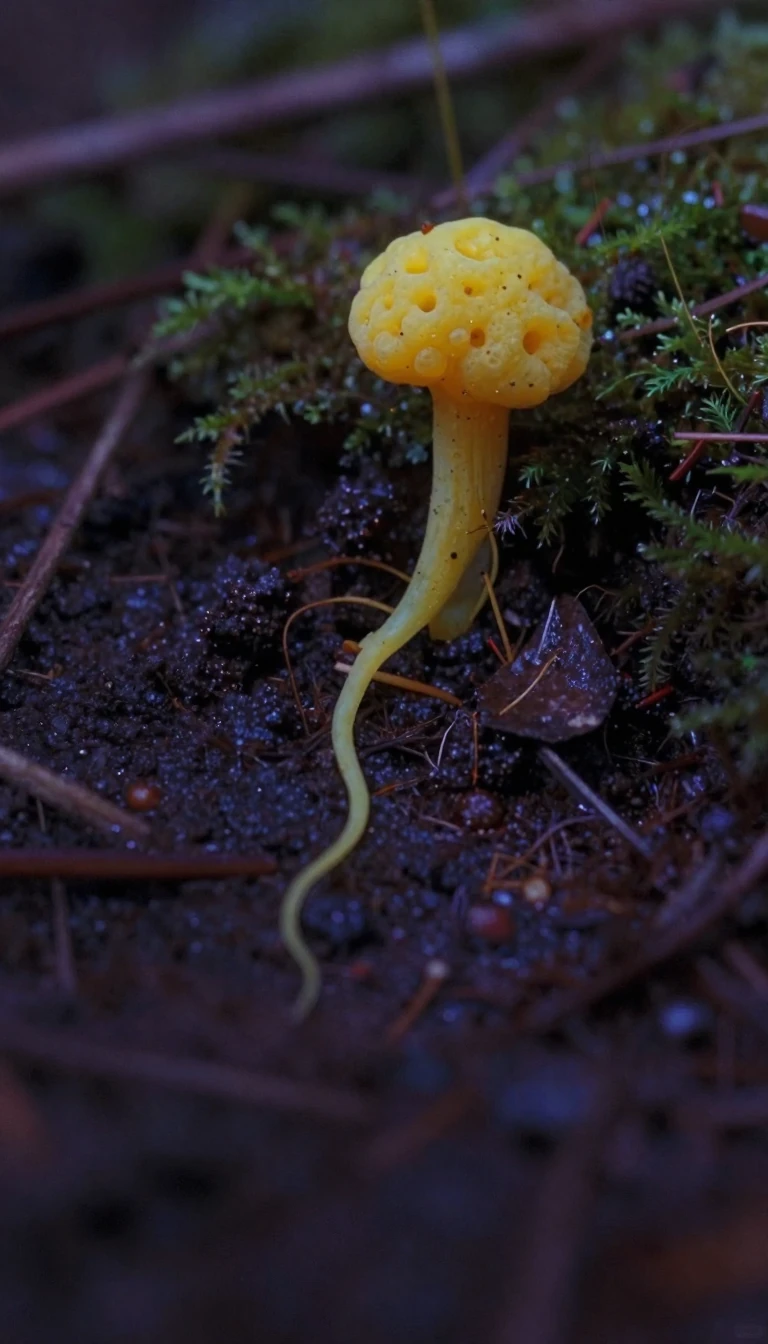 Humans rank surprisingly high in the animal kingdom's complex league table of monogamyWhile often debated as a unique human cornerstone, monogamy is a spectrum across the animal world. A recent study analyzing genetic data reveals that humans exhibit a 66% rate of …
- Why marsupials are not just primitive mammals, but masters of a different evolutionary path.Marsupials belong to the infraclass Metatheria, a group defined by premature birth and continued development within a pouch. While often viewed as less advanced than placental mam…
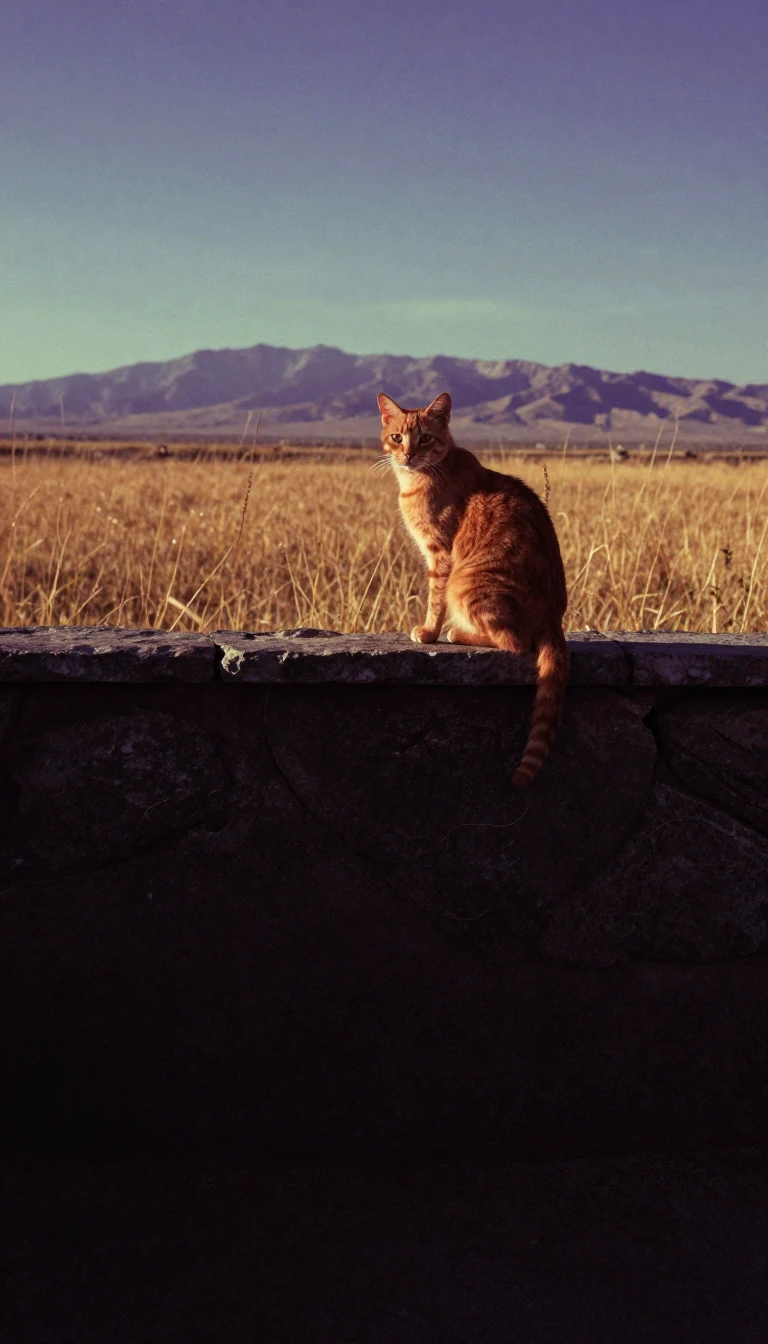 The American cheetah was never a cheetah, but a mountain lion in disguiseFor decades, paleontologists believed North America once hosted a cheetah-like predator. Its slender frame and long limbs seemed to confirm the link. However, recent DNA analysis …
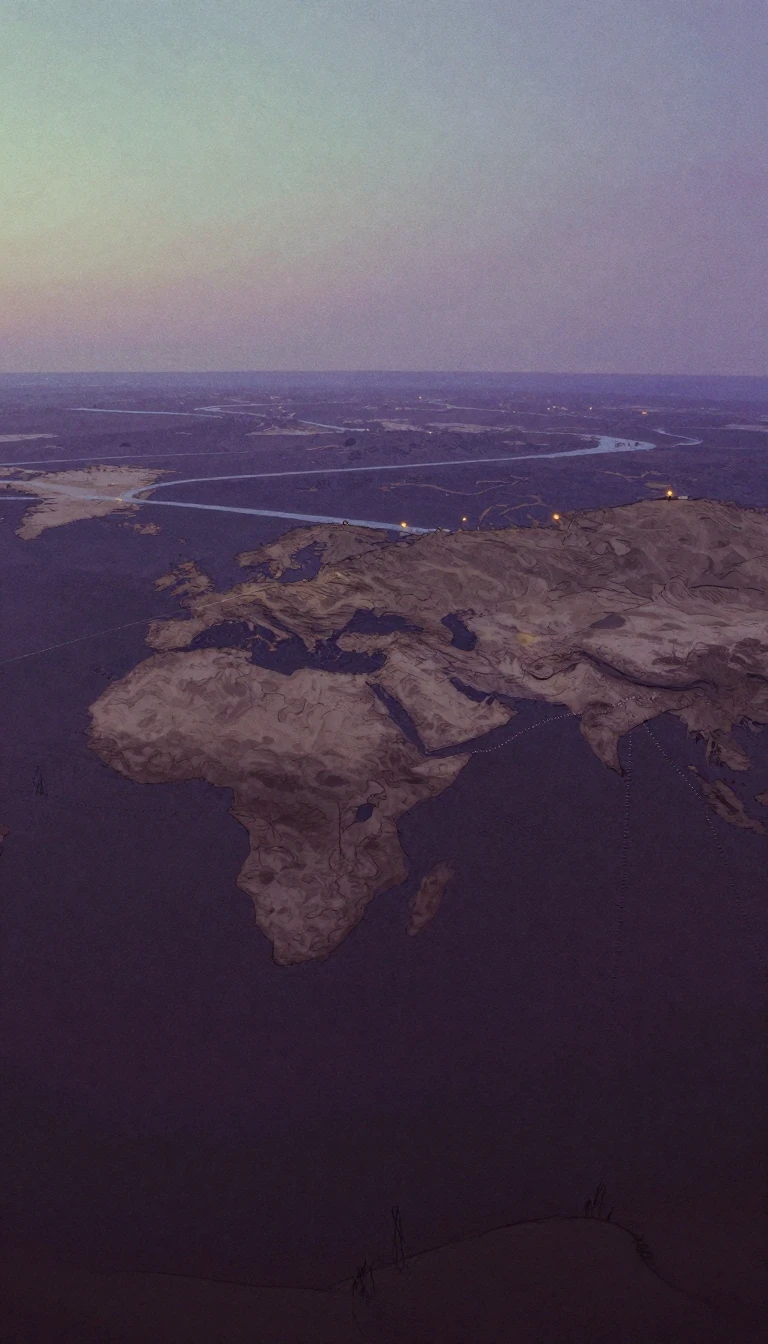 Mervyn Peake: The visionary artist who built a literary castle from his childhood memoriesBorn in China and raised by missionary parents, Mervyn Peake became a singular force in 20th-century literature. Best known for his surreal Gormenghast trilogy, he was a master il…
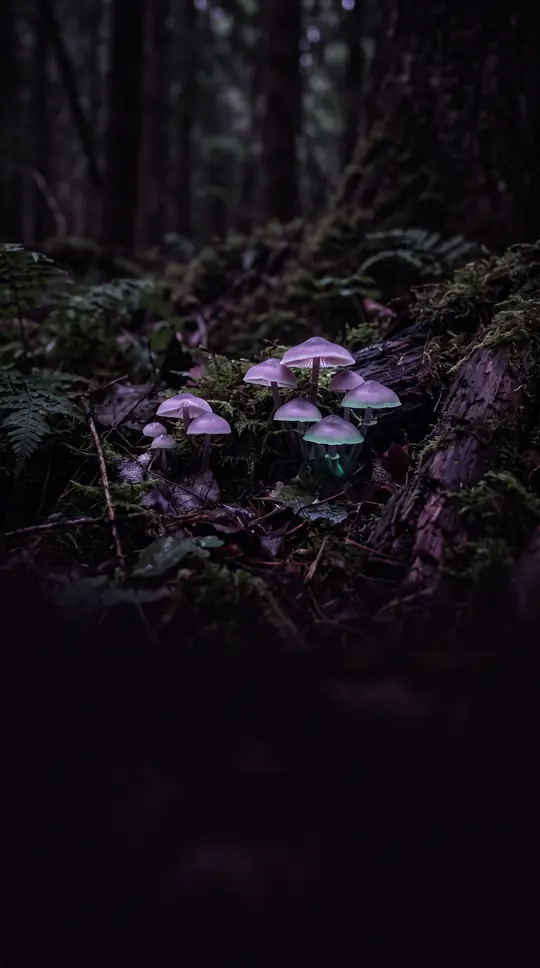 Nature's greatest con artists use deception to survive, but how does mimicry actually work?Mimicry is more than just looking like something else; it is a sophisticated evolutionary strategy of deception. By mimicking the signals of a dangerous or unpalatable model, harm…
 How a chemical factory in Japan turned a quiet fishing port into a tragedyIn the 1950s, residents of Minamata, Japan, began suffering from a mysterious neurological illness. Cats danced in the streets before collapsing, and birds fell from the sky. The …
- Why do some animals gather in arenas to perform elaborate, competitive mating displays?In the animal kingdom, some males congregate in communal areas called leks to flaunt their best traits for visiting females. This arena behavior, while risky, serves as a high-sta…
 The least weasel is the smallest carnivore on Earth, weighing only 25 grams.Despite its diminutive size, the least weasel is a formidable predator. Its slender, tube-like body allows it to pursue rodents deep into their own burrows. Because these animals …
 How a near-fatal car crash revealed the true depth of Mel Blanc's geniusWhen voice acting legend Mel Blanc fell into a coma after a 1961 car accident, his doctors couldn't wake him. Desperate, they tried a radical experiment: they stopped talking to t…
 Why a common painkiller is a life-saving miracle for some and poison for others.Meloxicam is a widely prescribed anti-inflammatory drug, yet its safety profile shifts dramatically depending on the species. While it effectively manages arthritis in humans and …
 Did America's Greatest Explorer Die by His Own Hand or a Murderous Conspiracy?Meriwether Lewis, the hero of the Corps of Discovery, died at age 35 from gunshot wounds at a remote Tennessee inn. While friends and contemporaries assumed suicide, a persistent …
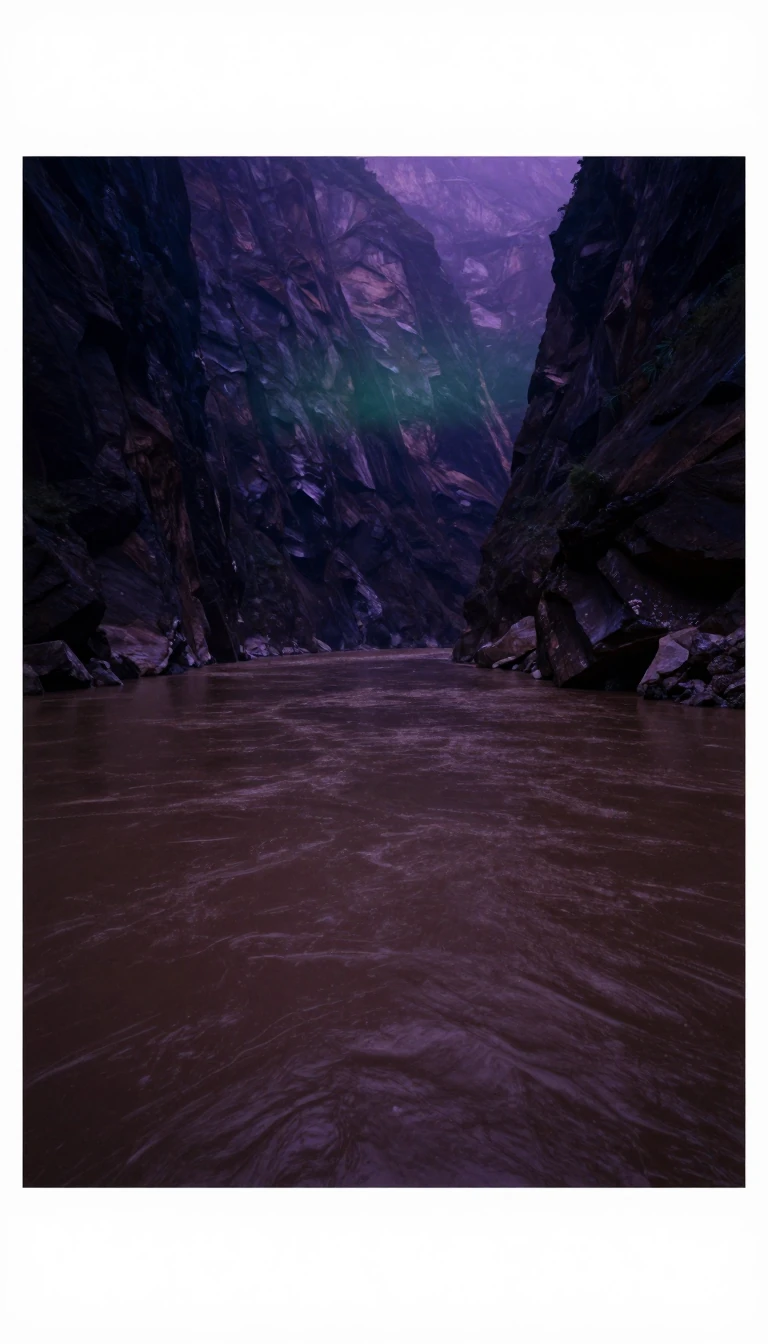 The Late Cretaceous was a world of ice-free poles and inland seasBefore the final extinction of the dinosaurs 66 million years ago, Earth was a vastly different place. With no polar ice caps, sea levels soared, splitting continents with massive…
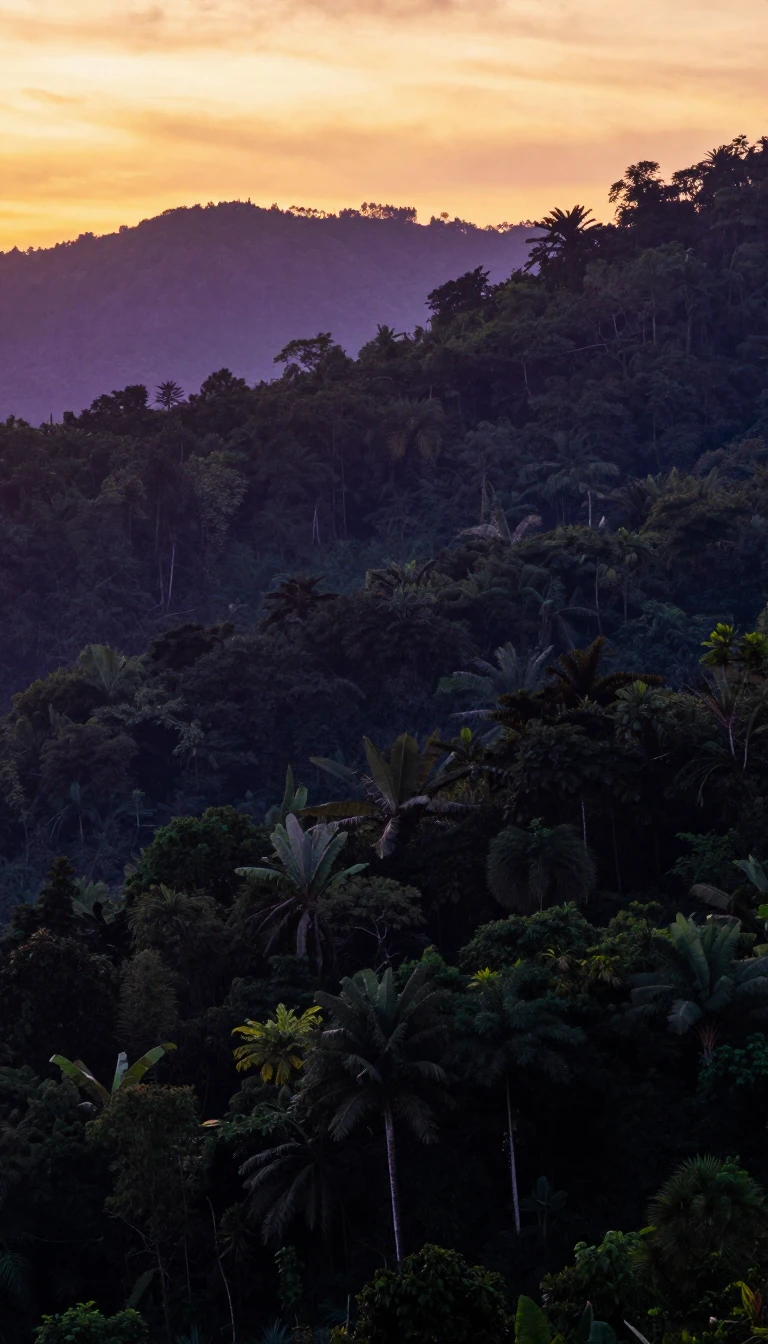 Laurasia was the northern half of a supercontinent that shaped our modern world.Long before the continents drifted into their current positions, the Earth was dominated by two massive landmasses: Gondwana in the south and Laurasia in the north. This northern …
- From tiny shrews to blue whales, one superorder unites the world's most diverse mammals.Laurasiatheria is a massive mammalian superorder that emerged on the northern supercontinent of Laurasia nearly 100 million years ago. Its members are incredibly varied, ranging f…
 Lausanne is a hilly Swiss city built on the site of an ancient river.Lausanne is more than just the Olympic capital. Perched on the shores of Lake Geneva, this Swiss city is defined by its dramatic elevation changes and a hidden geography. Beneath …
 Kodiak Island is a rugged Alaskan landscape shaped by ancient glaciers and volcanic ash.Spanning over 3,500 square miles, this massive island in the Gulf of Alaska serves as a sanctuary for thousands of brown bears. Beyond its wild interior, the island holds a comple…
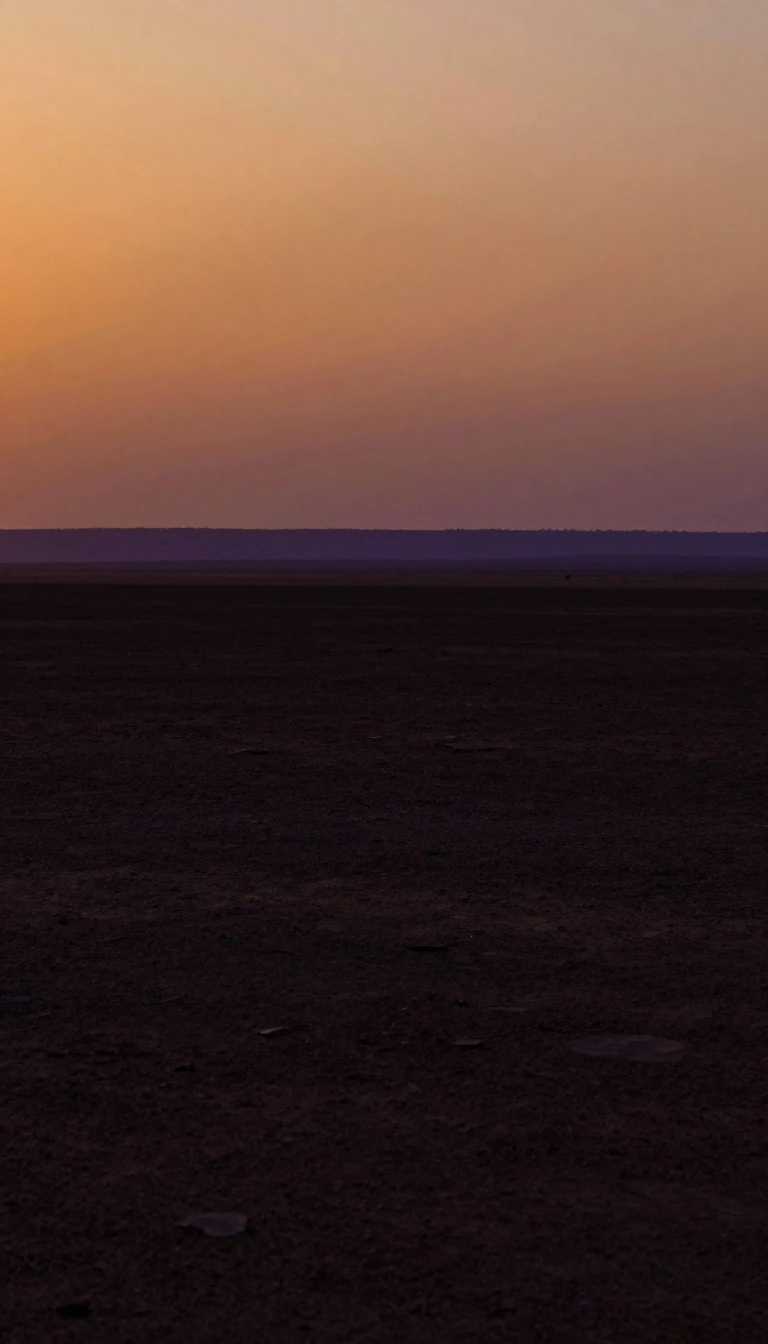 From Subtropical Coastlines to Alpine Peaks, KwaZulu-Natal Is a Geographic and Biological MarvelThis South African province is a land of dramatic contrasts, where the Indian Ocean meets the towering Drakensberg Escarpment. It is a region defined by its complex topography, ho…
- Beneath Urban Los Angeles, Ancient Asphalt Still Traps Prehistoric Life in a Sticky GraveIn the heart of Los Angeles, natural asphalt has seeped from the earth for tens of thousands of years. These sticky pools created a lethal predator trap, preserving everything fro…
 These tiny, glowing fish once tricked scientists into thinking the ocean floor had risen.Lanternfish are the most abundant vertebrates in the deep sea, comprising 60 percent of all deep-ocean fish. Their massive, nightly migration to the surface is so dense that it on…
- Why does the human body wait until after birth to begin producing milk?Lactation is a complex biological feat, yet it remains suppressed throughout pregnancy. While the mammary glands prepare for months, a precise hormonal shift at delivery unlocks t…
 The Mackerel Shark Order: From Ancient Giants to Today's Rare Ocean PredatorsLamniformes, the order containing the great white and mako sharks, are masters of the open ocean. While they once dominated prehistoric seas, these iconic predators have seen thei…