 Intellect Plus
Organisms
1,988 cards. Each one is a 40-second story with a five-minute read behind it. Page 13 of 34.
 Puget Sound is a vast, glacier-carved fjord system hiding beneath the Washington coastline.More than just a body of water, this complex estuarine network is a geological masterpiece shaped by ice sheets thousands of feet thick. From its deep, submerged basins to its uni…
 Why the Protea flower is named after a shape-shifting Greek godNamed in 1735 by Carl Linnaeus, the Protea genus takes its title from Proteus, the Greek deity who could change his form at will. This botanical namesake reflects the plant's rema…
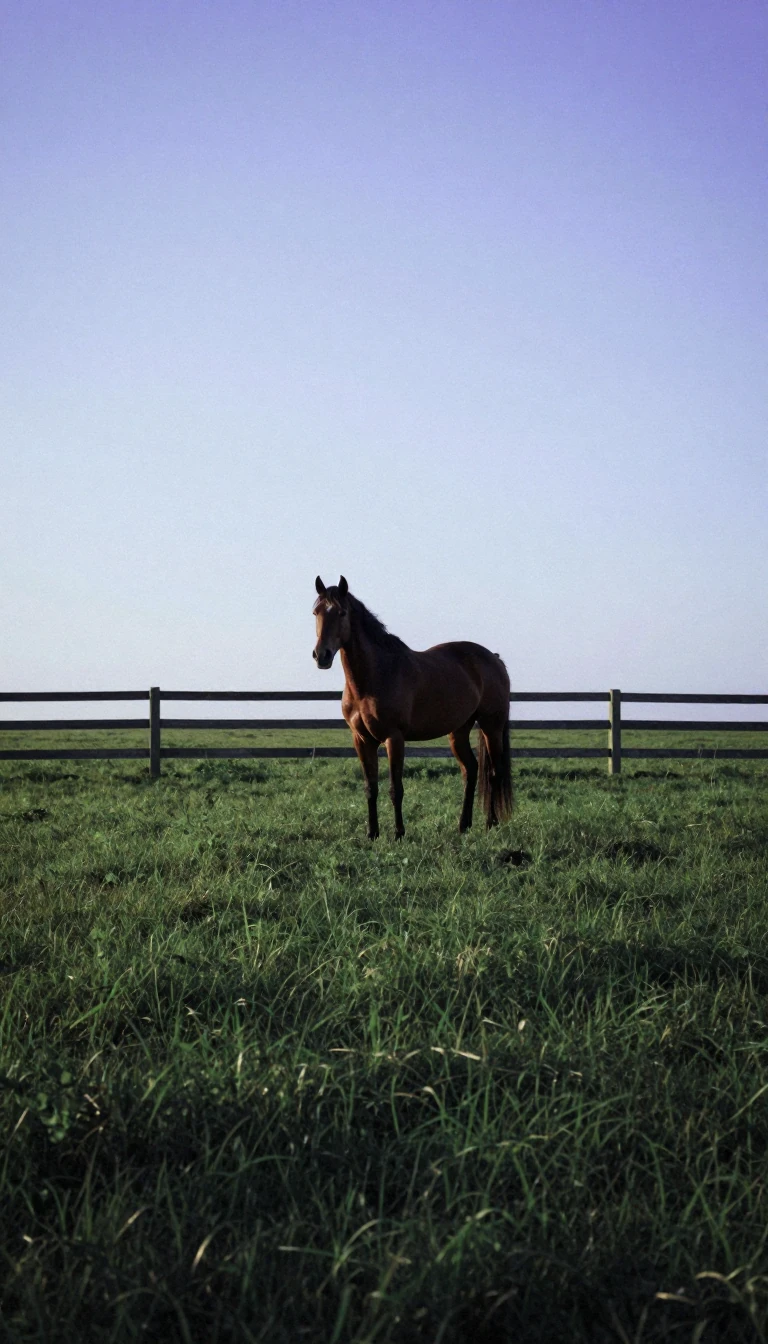 Are the world's last wild horses actually the feral descendants of ancient domestic livestock?Przewalski's horse was long considered the only truly wild horse, but genetic evidence has complicated this status. While they are distinct from modern domestic horses, some studi…
 Pseudomonas bacteria are nature's most versatile survivors, from cloud-forming ice to hospital threats.With 348 known members, the Pseudomonas genus thrives in almost every environment on Earth. These bacteria can degrade toxic pollutants, protect crops from disease, or cause sever…
 The tiny, furry flies living in your bathroom drain are surprisingly complex survivorsYou might call them drain flies, sewer gnats, or moth flies, but these fuzzy insects are far more than household nuisances. With over 2,600 species worldwide, Psychodidae have evo…
 Why the clown of the sea is actually a master of underwater flightPuffins are not just colorful seabirds; they are specialized alcids that use unique beak hinges to carry multiple fish at once. While they appear clumsy on land, their short wings…
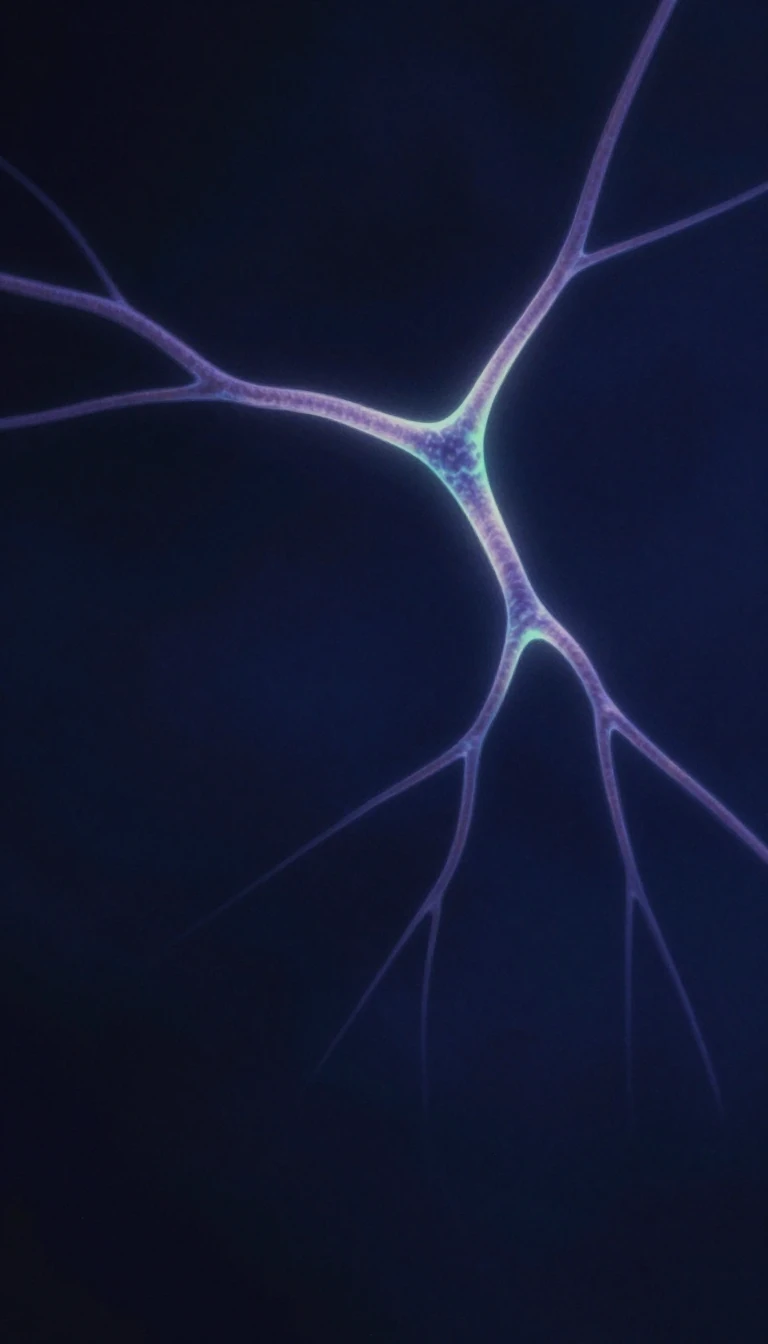 Your body knows where it is in space without you ever needing to look.Proprioception is the silent sense that tracks your body's movement, force, and position. From the muscle spindles in your limbs to the receptors in your inner ear, this internal …
 The most diverse animal group on Earth remains a puzzle of evolutionary historyPanarthropoda encompasses the vast majority of animal life, including arthropods, velvet worms, and water bears. While these creatures share distinct features like segmented bodie…
 From saving ancient artifacts to powering missiles, this petroleum derivative does it all.Polyethylene glycol is a versatile compound found in everything from laxatives and vaccines to the fuel of Trident II missiles. While often considered biologically inert, this pet…
 Why this Russian coastal region escaped the ice ages to become a biological sanctuaryPrimorsky Krai, a mountainous territory bordering the Sea of Japan, holds a unique ecological secret. Unlike the rest of Siberia, this region remained free of ice cover during the…
 The Potawatomi are the keepers of the hearth-fire in a historic Indigenous alliance.Known as the youngest brother in the Council of Three Fires, the Potawatomi have navigated centuries of shifting alliances and forced migration. Their identity is rooted in the du…
 The cartoon rabbit traded for a sportscaster in a historic corporate dealBefore Mickey Mouse became a global icon, Walt Disney built his studio on the success of Oswald the Lucky Rabbit. After losing control of the character in 1928, Disney spent decad…
 Did this dinosaur use its massive, domed skull to head-butt rivals or kickbox?Pachycephalosaurus is famous for a skull roof up to 25 centimeters thick, long thought to be a battering ram for combat. Recent research challenges this, suggesting these dinosaur…
 Is the elusive Pampas cat one species or a complex of five distinct cats?The Pampas cat is a small, mysterious South American predator that defies simple classification. While once considered a single species, researchers have long debated whether its …
 The Pallas's cat is a master of camouflage in the world's harshest mountain climates.With its dense, plush fur and low-set ears, the Pallas's cat is perfectly adapted to the extreme temperatures of Central Asia. Often mistaken for a domestic cat, this elusive pred…
 How a meandering river creates a U-shaped lake by abandoning its own pathAn oxbow lake is a stillwater body born when a river cuts through its own winding loop. Named after the U-shaped harness used for oxen, these lakes are temporary features that eve…
 Is the name of Malaysia's largest peninsular state derived from an ancient word for tin?Pahang, the largest state in Peninsular Malaysia, is a land of dense rainforests and ancient history. While its name is synonymous with the state's river and local flora, some sch…
 The world's largest bird once roamed from the Arabian Peninsula to northern ChinaOstriches are the heaviest living birds, capable of sprinting at 70 km/h. While today they are restricted to Africa, these flightless giants were once widespread across Eurasia. T…
 Are birds just dinosaurs that never went extinct? The evidence is overwhelming.Modern birds are not merely descendants of dinosaurs; they are living, breathing maniraptoran theropods. While this connection was once a fierce debate, fossilized feathers, hollo…
 Why birds are the ultimate model for understanding the mechanics of life on EarthOrnithology has evolved from a hobby of cataloging feathers into a rigorous scientific discipline. By using birds as models, researchers have unlocked fundamental biological truth…
 Why the desert-dwelling oryx is named after a common construction toolThe oryx, a genus of four hardy antelope species, takes its name from the Greek word for pickaxe. This moniker highlights their most striking feature: long, pointed, and nearly st…
 Osteoarthritis is not just wear and tear, but a complex, systemic joint disease.Often dismissed as simple aging, osteoarthritis is a degenerative condition involving cartilage breakdown and bone changes. It affects 240 million people globally, causing pain an…
 Why your bones become porous and how to protect them as you ageOsteoporosis is a silent condition where bone tissue deteriorates, turning solid structures into porous, fragile frameworks. Often undetected until a sudden fracture occurs, this …
 Velvet worms hunt with a high-speed, self-weaving net made of biological glueThese soft-bodied, many-legged creatures, known as Onychophora, are masters of terrestrial ambush. Using a sophisticated geometric amplifier, they launch two streams of adhesive s…
 The deep-sea fish that lives for two centuries and was once called a slimehead.The orange roughy is a master of longevity, capable of surviving for over 200 years in the freezing, dark depths of the ocean. Once dismissed as a lowly slimehead, this slow-growi…
 The Order of Canada: A Snowflake Symbol for Those Who Desire a Better CountryEstablished in 1967, the Order of Canada is the nation's second-highest honour for merit. Its snowflake-shaped insignia represents a fellowship of individuals who have made lifelo…
- The Ordovician period transformed Earth from a simple marine world into a complex ecosystem.Spanning over 43 million years, the Ordovician was a time of radical biological innovation and tectonic upheaval. It hosted the Great Ordovician Biodiversification Event, which se…
 Harvestmen are not spiders, and they certainly are not the world's most venomous creatures.Often mistaken for spiders, harvestmen are a distinct order of arachnids that lack both venom glands and silk. Despite an urban legend claiming they are the most venomous animals …
 The reluctant architect of the American First Lady roleShe didn't seek the spotlight, yet she defined it. As the wife of the first US president, Martha Washington navigated a delicate balance between aristocratic dignity and republica…
 Ohio State University: A Flagship Institution Navigating Power Struggles and Academic Freedom DebatesFounded in 1870, Ohio State University has evolved from a land-grant college into a massive research powerhouse. Yet, beneath its prestigious R1 classification and $1.58 billion i…
 Why Ogden Nash turned the rules of poetry into a playground for the absurdOgden Nash was not interested in traditional meter or perfect rhymes. Instead, he crafted a unique brand of humorous verse defined by irregular lengths, deliberate misspellings, a…
 The Oligocene Epoch transformed Earth from a tropical greenhouse into a modern icehouse world.Between 33.9 and 23 million years ago, Earth underwent a profound climatic shift. As tropical forests retreated and grasslands expanded, the planet cooled significantly, ice sheet…
 River blindness is a parasitic disease that has been successfully eliminated in several nations.Caused by the parasitic worm Onchocerca volvulus, river blindness is transmitted through the bites of black flies living near rivers. While it remains a significant global health …
- Is the elusive oncilla one species or five distinct wild cats?The oncilla, a small spotted cat native to South America, is currently undergoing a taxonomic revolution. Once considered a single species, recent genetic and morphological studie…
 The African unicorn is actually a giraffe that hides in the dense rainforestLong thought to be a myth, the okapi was only formally recognized by Western science in 1901. Despite its zebra-like stripes and horse-like appearance, this elusive creature is th…
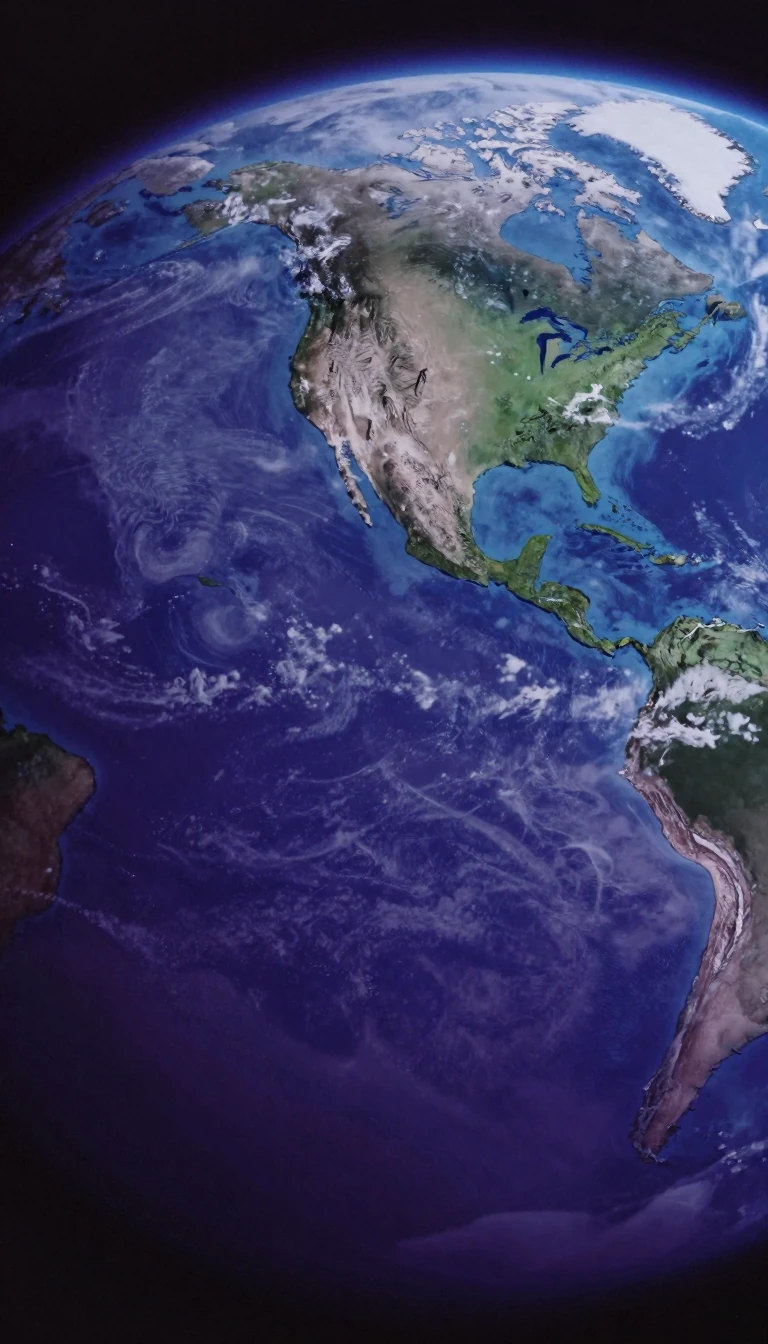 America's Galápagos: The ancient, sinking volcanic chain hidden northwest of HawaiiBeyond the familiar shores of the main Hawaiian islands lies a remote, mostly uninhabited archipelago. These Northwestern Hawaiian Islands are the oldest remnants of a volcanic ho…
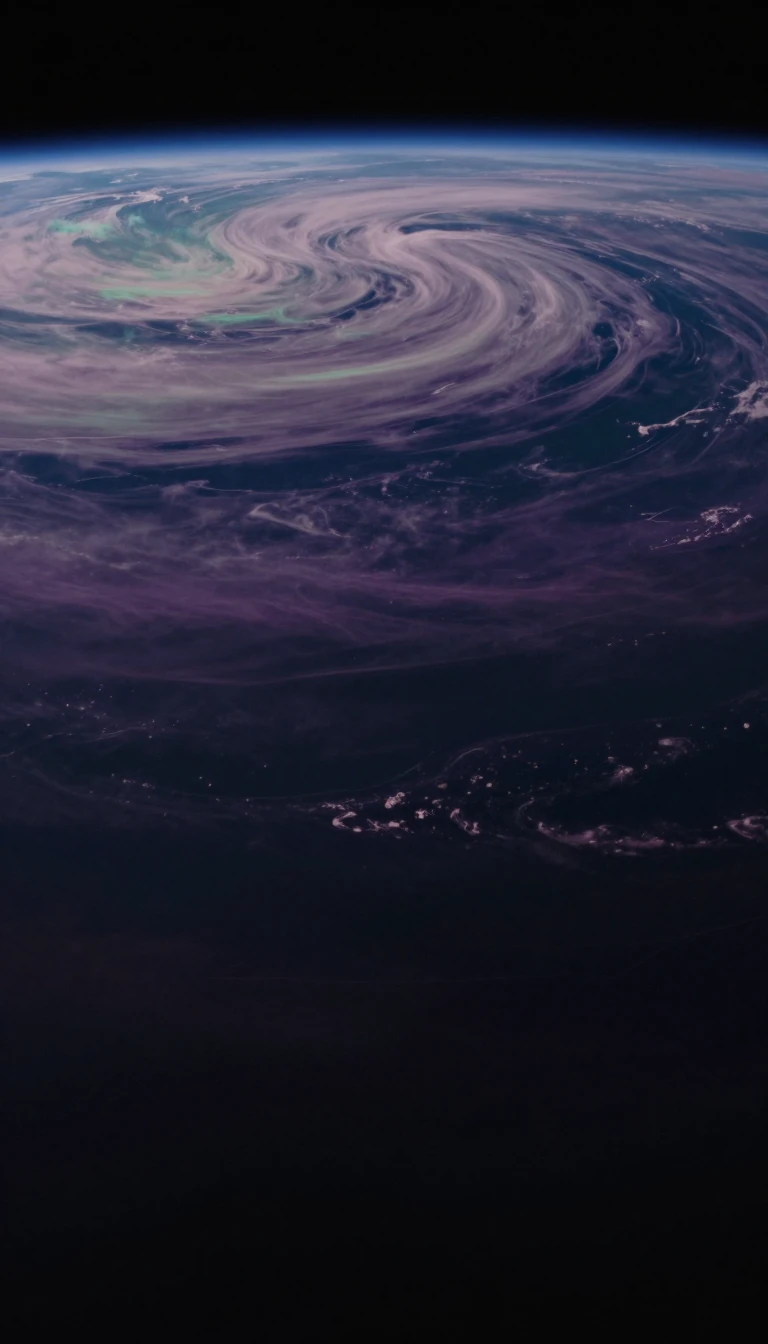 Why the Northern Hemisphere is the dominant stage for human life and historyThe Northern Hemisphere holds nearly 90 percent of the global population and the vast majority of Earth's landmass. Beyond its human density, this half of the planet operates unde…
 Nudibranchs are shell-less marine molluscs that weaponize their prey to survive in the wild.These soft-bodied creatures shed their shells after the larval stage, evolving into masters of chemical warfare and camouflage. From the intertidal zone to the deep ocean, they us…
 Why the Nuthatch is the Only Bird That Can Walk Down a Tree Head-FirstNuthatches are master acrobats of the forest, uniquely capable of descending tree trunks head-first. Unlike woodpeckers, they do not use their tails for support, relying instead o…
- Beyond the smile: the complex, high-stakes intelligence of the oceanic dolphinOceanic dolphins are far more than playful performers. These highly social, carnivorous mammals possess sophisticated communication systems, including individual signature whistle…
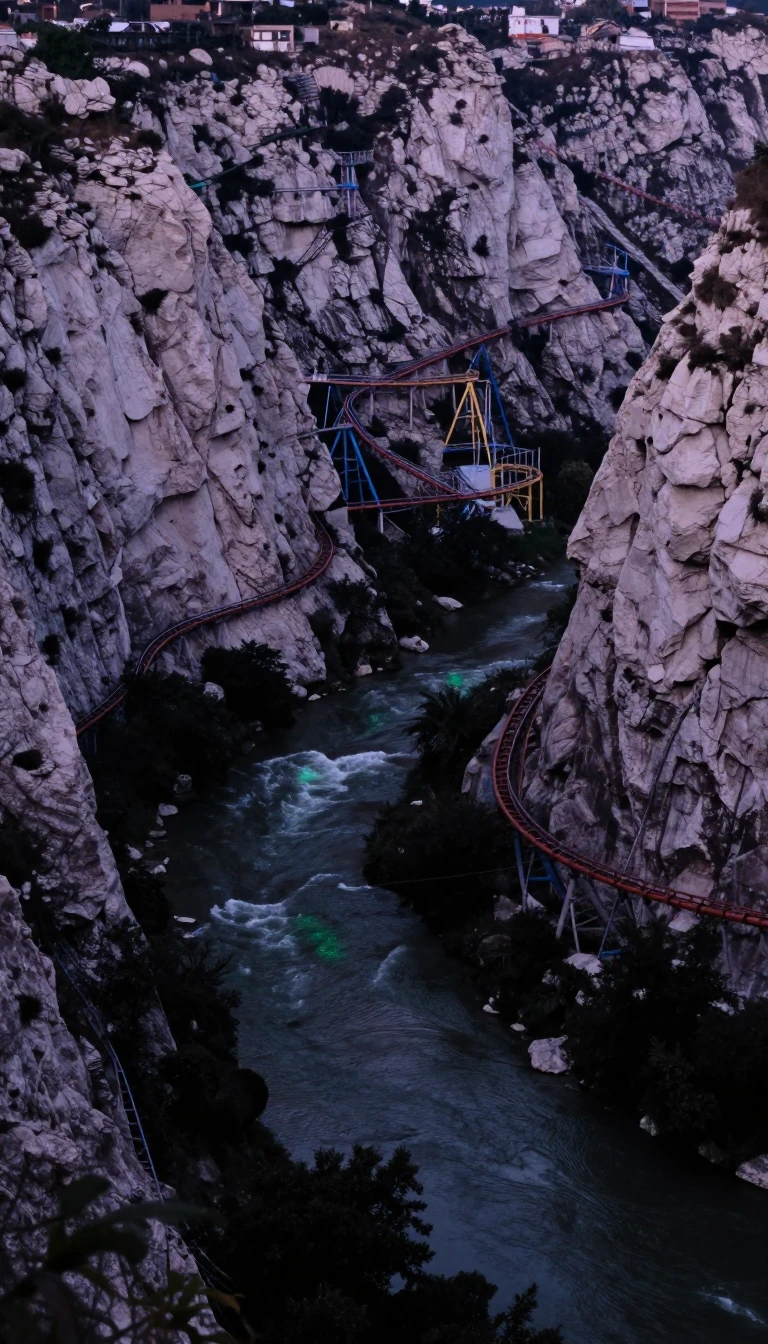 How a struggling marine park transformed into a world-class entertainment and conservation hubOpened in 1977, Hong Kong’s Ocean Park once faced near-total collapse under the shadow of Disney. Yet, through a massive, high-stakes redevelopment and a pivot toward immersive, n…
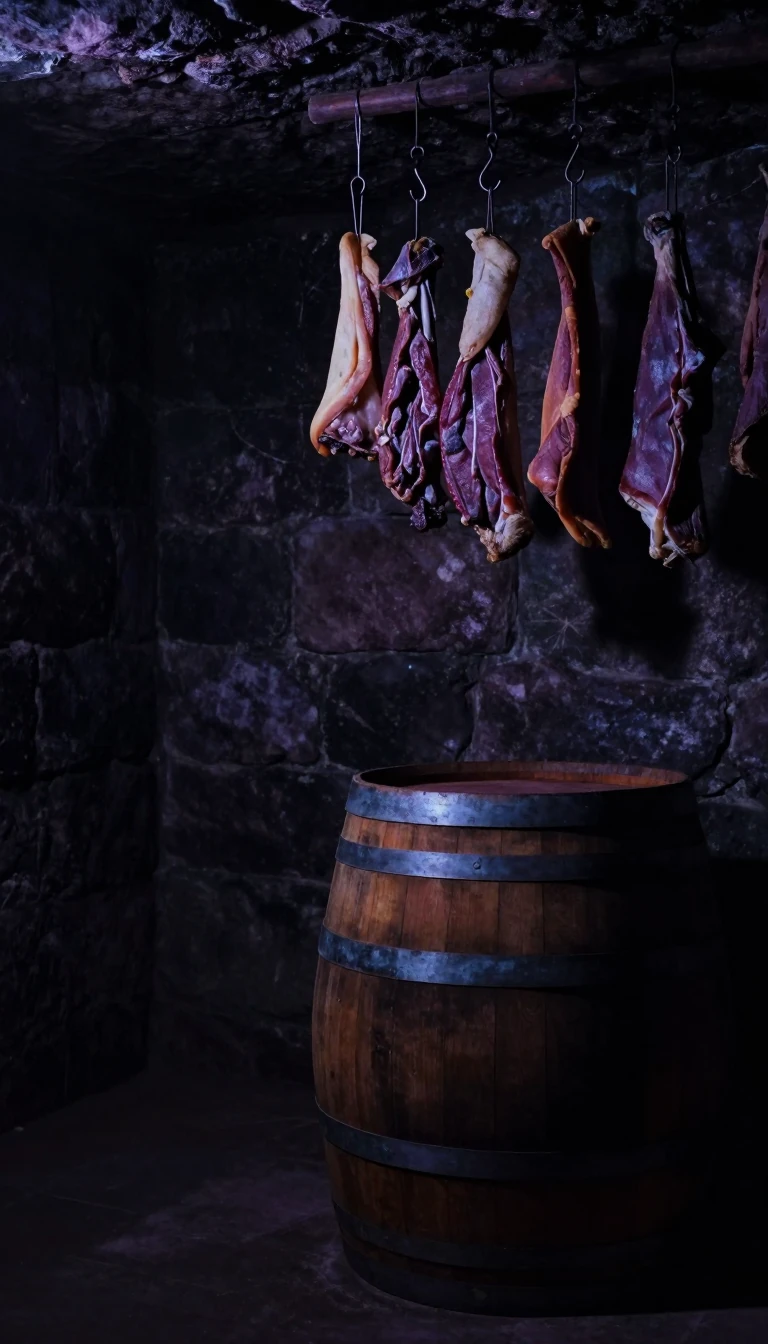 Offal is the culinary art of transforming discarded animal organs into prized regional delicacies.Often dismissed as waste, offal—the internal organs and by-products of butchered animals—has anchored traditional cuisines for centuries. From the Scottish haggis to the Roman paj…
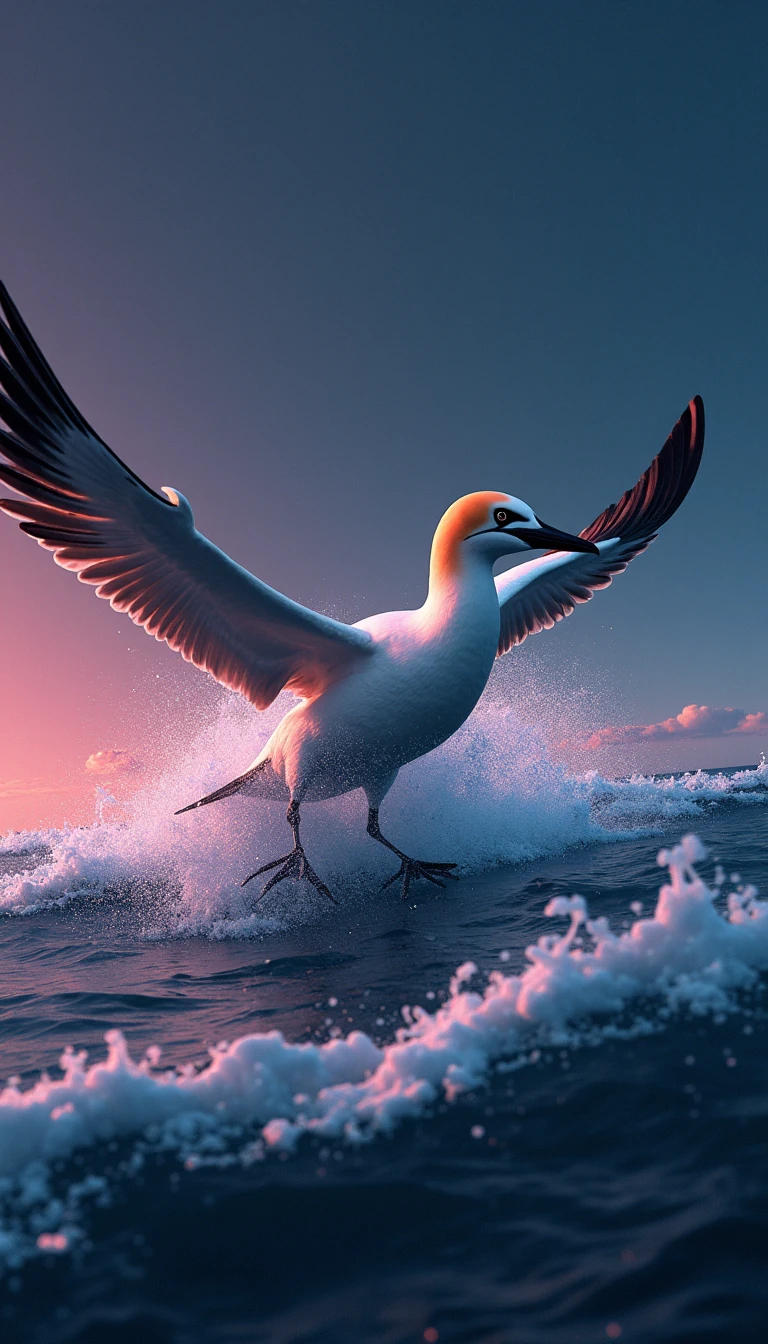 Why this North Atlantic seabird is named after a Greek word for foolishnessThe northern gannet is a master of the high-speed plunge, diving into the ocean at 60 mph to hunt fish. Despite this aerial prowess, its scientific name, Morus, stems from the Anc…
 The loblolly pine is the second-most common tree species across the United States today.While North Carolina is famous for its historical role in the American Revolution and the first powered flight, its landscape is dominated by a botanical powerhouse. The loblolly …
- Why these moths are named after owls and feared by farmers worldwideKnown as owlet moths, the Noctuidae family is a massive, global group of insects. While they play a vital role in pollination, their larvae—the infamous cutworms and armyworms—are…
 Why do so many animals choose to live their lives in the dark?Nocturnality is more than just a sleep schedule; it is a sophisticated survival strategy. By shifting their activity to the night, animals avoid intense heat, escape diurnal preda…
- The North American river otter is a master of both land and water survival.Equally at home in a mountain stream or a coastal marsh, the North American river otter is a highly adaptable predator. While famous for its playful nature, this semiaquatic mamma…
 How a land-grant college became a powerhouse of biotechnology and engineering innovationFounded in 1887 to teach agriculture and mechanics, North Carolina State University has evolved into a massive research institution. Today, it anchors the Research Triangle, opera…
- From humble Depression-era filler to global comfort food, the story of the meatloaf.Meatloaf is far more than a simple American staple. Across the globe, this versatile dish of ground meat and binders takes on dozens of identities, from the hard-boiled egg-stuffe…
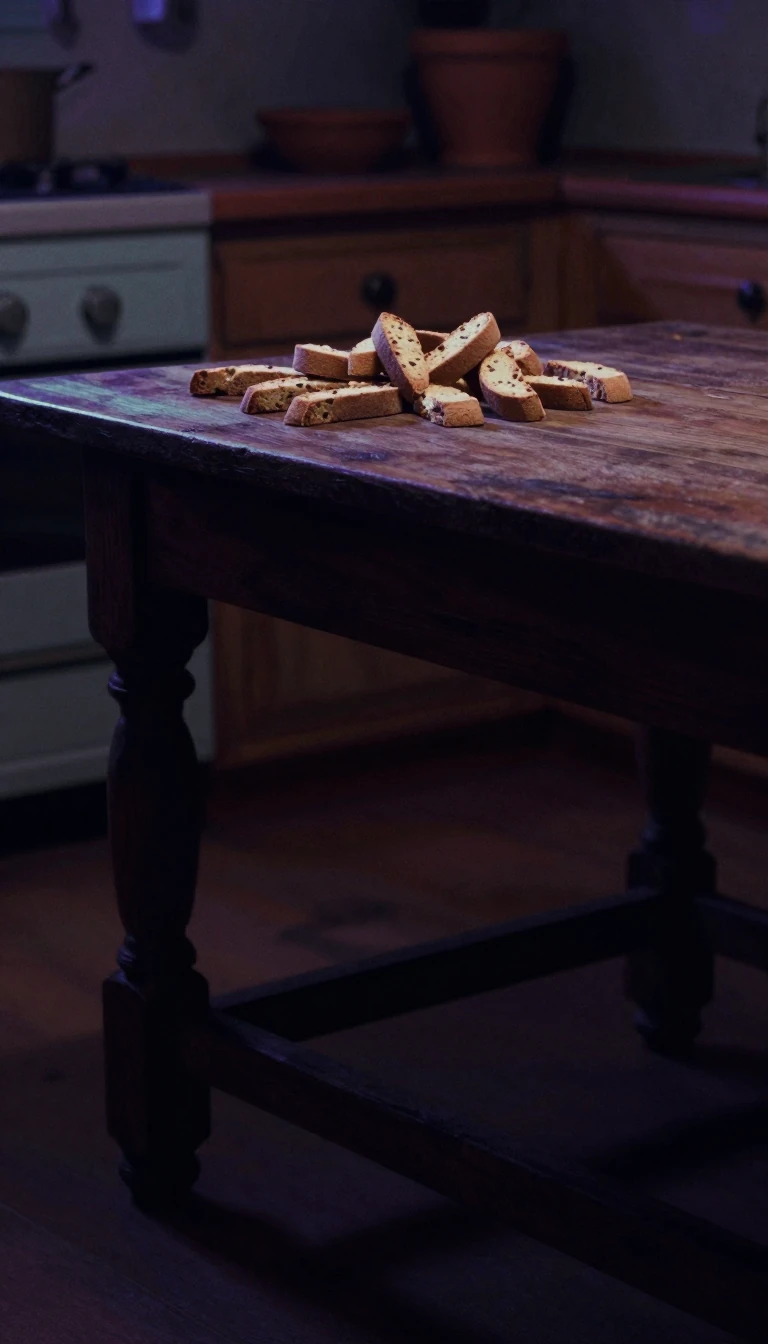 Is Mediterranean cuisine a genuine culinary tradition or just a modern marketing invention?The idea of a unified Mediterranean cuisine is surprisingly recent, popularized by Elizabeth David’s 1950 cookbook. While many point to a 'triad' of olive, wheat, and grape, criti…
- The meerkat is a highly social mongoose that thrives in harsh desert environmentsMeerkats are not just cute desert dwellers; they are complex, cooperatively breeding mammals with a sophisticated social hierarchy. Living in large underground networks, these mon…
- Was the ancient giant lizard Megalania actually a venomous, prehistoric apex predator?Megalania was the largest terrestrial lizard to ever exist, roaming Pleistocene Australia alongside early human settlers. Often misnamed the ancient giant butcher, this massive mo…
 Was the legendary Megalodon a stocky tank or a sleek, elongated predator?The Megalodon, a giant prehistoric shark, remains an enigma defined by fragmentary remains. While once imagined as a bulky relative of the great white, recent research suggests it…
 The megamouth shark is a mysterious deep-sea giant discovered only in 1976.Rarely seen and poorly understood, the megamouth shark is a filter-feeding enigma. Measuring up to 5.5 meters, this deepwater creature was unknown to science until a chance encoun…
 Why nature sometimes paints its creatures in the deepest shades of blackMelanism is a congenital condition resulting in high levels of melanin, creating dark pigmentation across diverse species. While often confused with other pigment disorders, this …
 The mayfly lives for years underwater, but its final act lasts only a day.Most of a mayfly's life is spent as an aquatic nymph, hidden beneath the surface for up to two years. Once it finally takes flight, it undergoes a rare transformation, shedding it…
- How a poor, self-taught woman changed our understanding of prehistoric life foreverMary Anning was a pioneering fossil hunter in 19th-century England whose discoveries challenged contemporary views on extinction. Despite her lack of formal education and the scie…
 From ancient Rome to IKEA, why is the meatball a global culinary constant?The meatball is a universal language, appearing in nearly every culture from the Indian subcontinent to the Americas. While often assumed to have a single point of origin, these s…
- Marmosets are tiny, tree-gouging primates with a bizarre biological quirk involving shared blood.These small South American monkeys are masters of the forest canopy, known for their unique ability to chew through tree bark to harvest sap. Beyond their specialized diet and coo…
 The maned wolf is neither a wolf nor a fox, but a golden enigma.Standing tall on stilt-like legs, the maned wolf is South America's largest canine. Despite its name and fox-like appearance, it belongs to a unique genus all its own. This solita…