 Intellect Plus
Organisms
1,988 cards. Each one is a 40-second story with a five-minute read behind it. Page 11 of 34.
 Urine is far more than waste; it is a complex biological diagnostic tool.Beyond its role in clearing metabolic by-products, urine is a rich chemical archive of your internal health. Contrary to long-held beliefs, it is not sterile, but a living ecosyst…
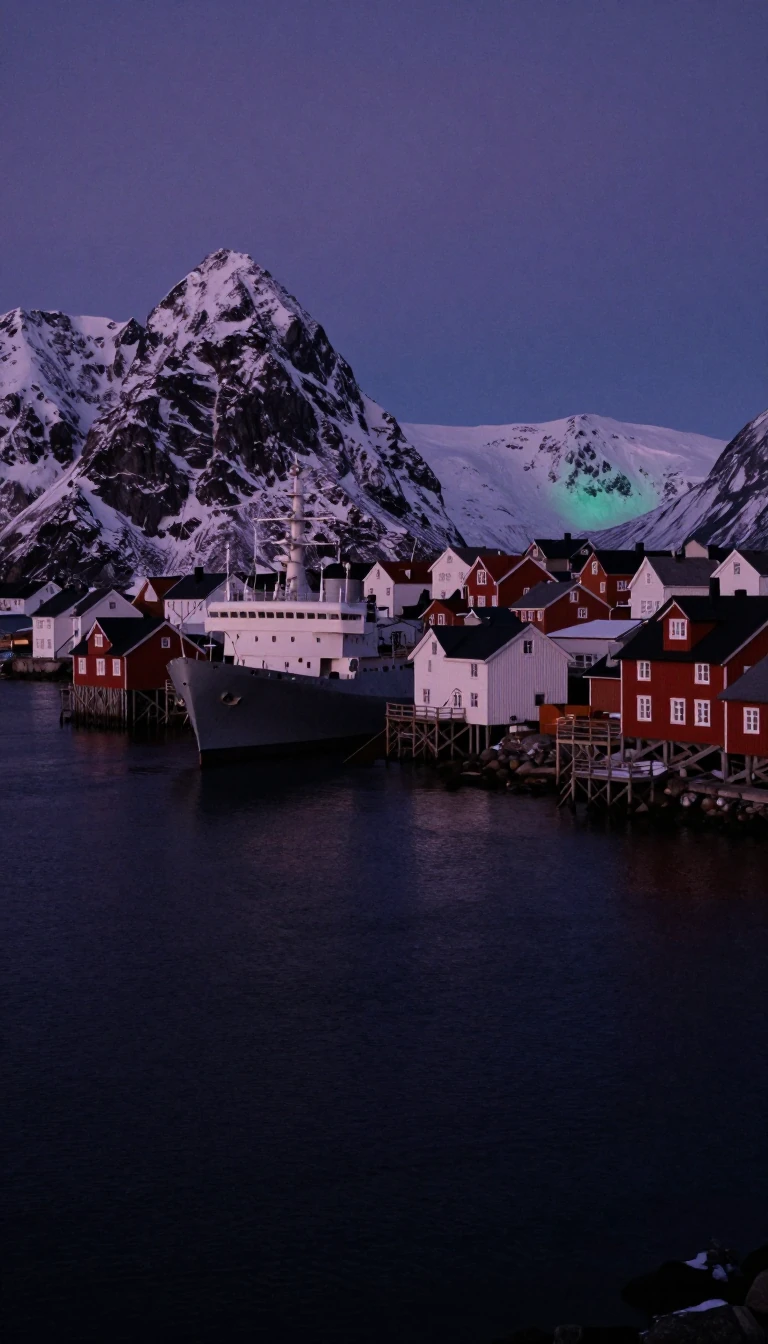 Tromsø: An Arctic Frontier City Where the Sun Disappears for Nearly Two MonthsLocated over 300 kilometres north of the Arctic Circle, Tromsø is a resilient Norwegian city defined by extreme light cycles and a subarctic climate. Once a remote outpost for hun…
 Torpor is a sophisticated survival strategy, not just a way to sleep through winter.Far from a simple shutdown, torpor is a precision-controlled physiological state that allows animals to survive extreme food scarcity and harsh conditions. By lowering their metab…
 Why the difference between a toxin, a poison, and a venom mattersNature is a master of chemical warfare, but not all dangerous substances are the same. While we often use terms like poison and toxin interchangeably, biology draws sharp lines ba…
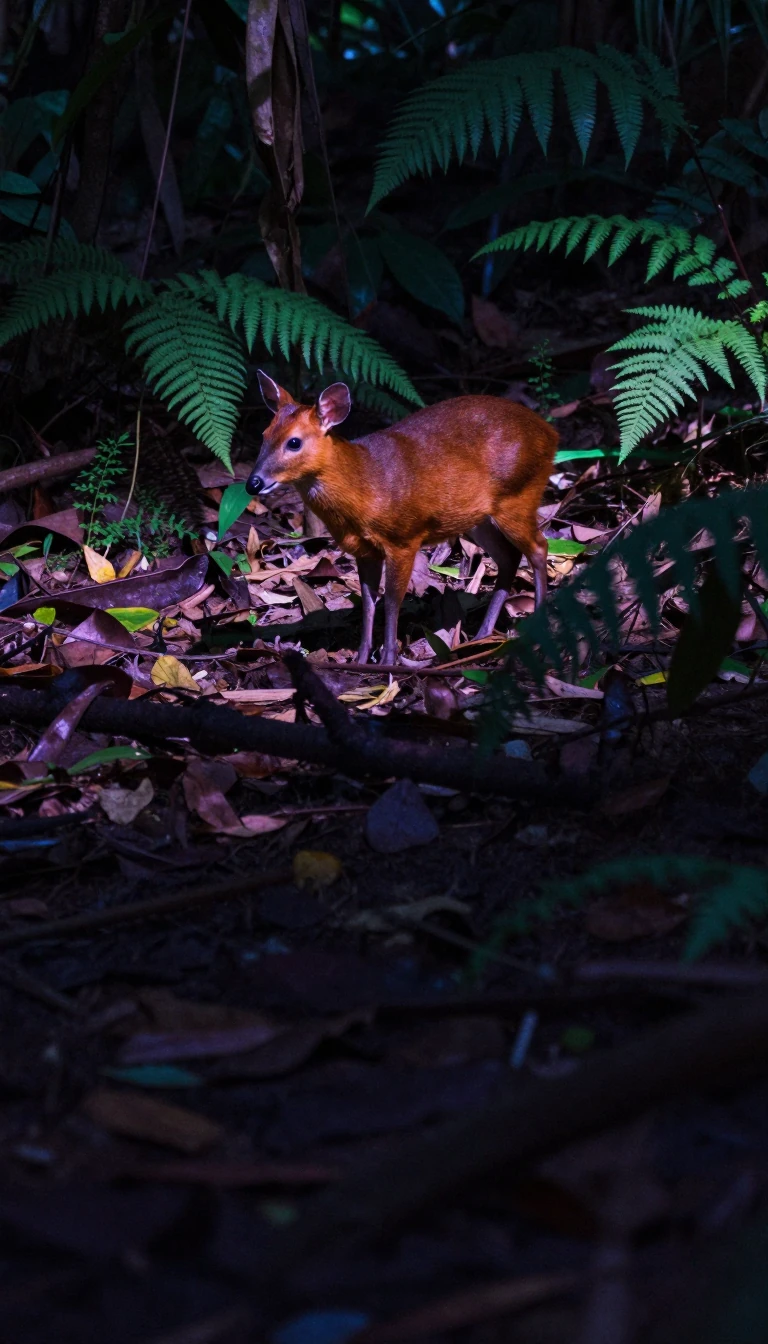 Why these tiny, primate-like mammals are the ultimate evolutionary outliers of the forestDespite their name, treeshrews are not true shrews, and they are not all arboreal. These small, omnivorous mammals belong to their own unique order, Scandentia. They possess the h…
 Are humans really apex predators or just glorified anchovies in the food web?The trophic level system ranks organisms by their position in a food chain, from primary producers to apex predators. While we imagine ourselves at the top, scientific estimates p…
 Rabbit fever is a rare, ancient disease that once served as a biological weapon.Known as tularemia, this bacterial infection can be transmitted through tick bites, contaminated water, or even lawnmowers. While modern antibiotics have slashed mortality rates f…
 Toothed whales are not just hunters; they are masters of sound and social complexity.Toothed whales, or odontocetes, are a diverse group of 73 species ranging from the tiny vaquita to the massive sperm whale. Beyond their predatory nature, these mammals possess so…
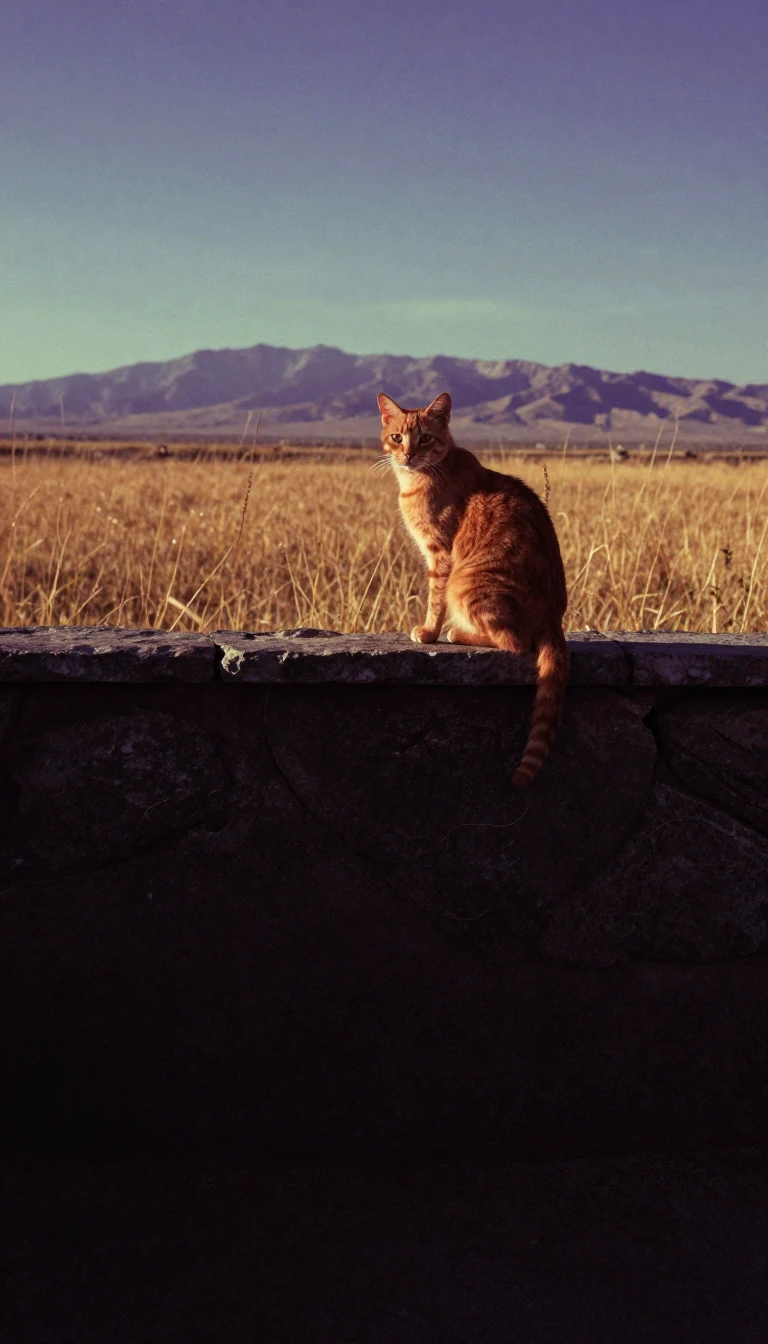 The first new wild cat species identified in over a century lives in BoliviaFor decades, the tilcayo was a ghost in the mountains, known to locals but dismissed by science as just another tiger cat. A 2026 genomic study finally confirmed this elusive feli…
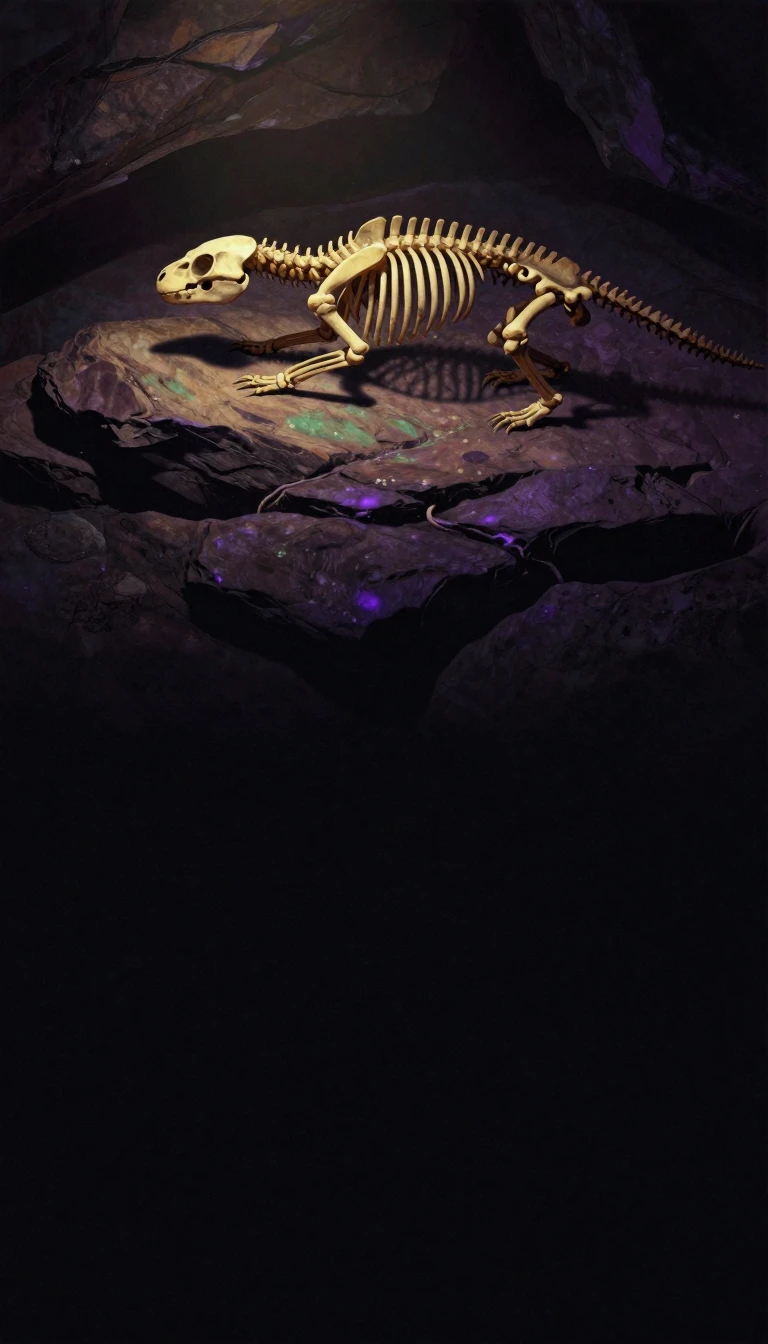 The lizard-faced lineage that conquered the world for 180 million yearsFor most of the Mesozoic, one group of animals owned the planet. They dominated the skies, the oceans, and the land, outcompeting the ancestors of mammals in every niche. Today, t…
 Why do some people experience sudden, uncontrollable movements or sounds known as tics?Tics are repetitive, involuntary movements or vocalizations that often begin with a mounting physical tension. While they are frequently associated with childhood, these neurologi…
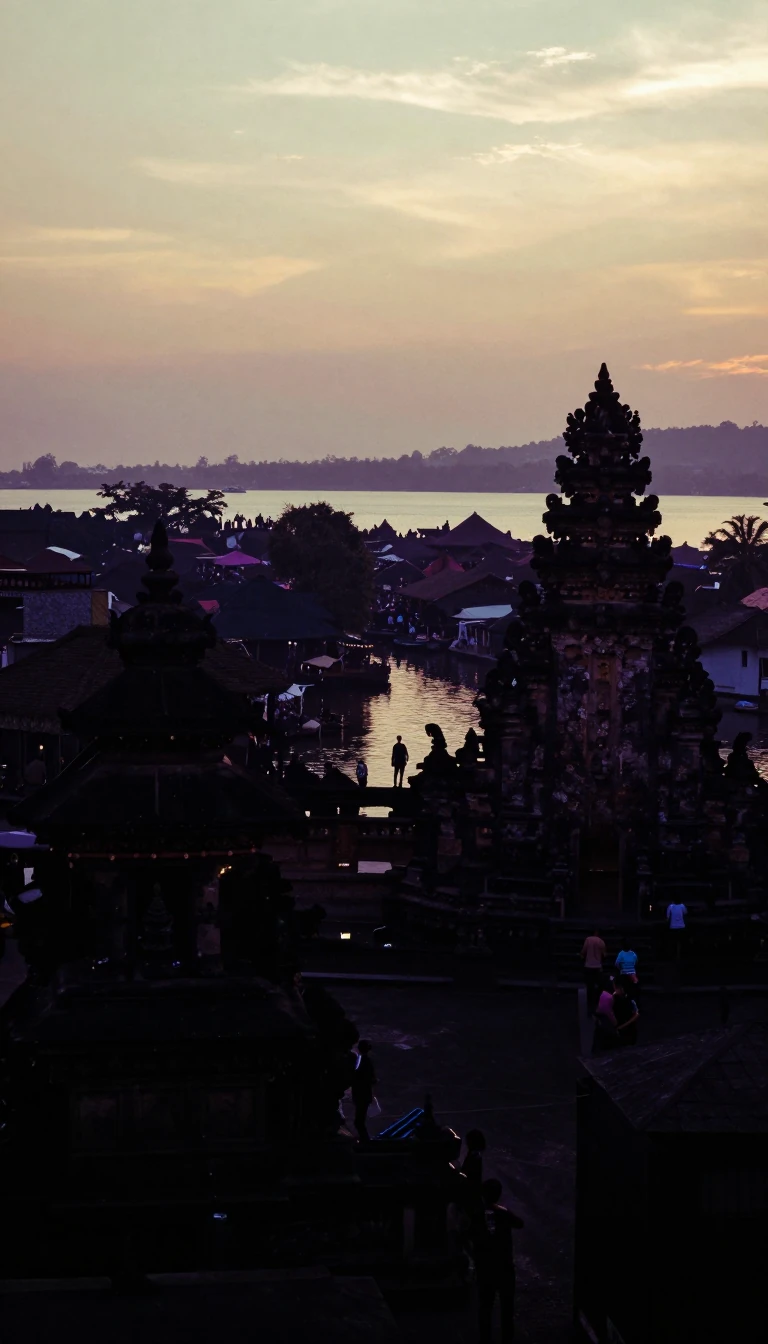 How a small Mexican state outmaneuvered the Aztec Empire to survive for centuriesTlaxcala, the smallest state in Mexico, was never conquered by the Aztecs. Instead, its people formed a strategic alliance with the Spanish to topple the empire. This decision sec…
- Meet the fishapod: the 375-million-year-old creature that bridged the gap to landTiktaalik is a remarkable fossil that blurs the line between fish and four-legged animals. Discovered in Arctic Canada, this ancient predator possessed both gills and scales, yet …
 The tonne is more than a weight; it is a relic of medieval barrelsA tonne is exactly 1,000 kilograms, but its origins lie in the medieval tun—a large cask that stood about a metre high. While we now use it to measure everything from nuclear yiel…
 Why the academic thesis is a centuries-old tradition of challenging the status quoThe term thesis originates from the Greek word for something put forth, a concept Aristotle defined as a proposition contradicting general opinion. Today, this academic cornerston…
 How a 19th-century Protestant nationalist paper became Ireland's leading subscription-funded news institutionFounded in 1859, The Irish Times has evolved from a conservative Protestant broadsheet into a progressive, subscriber-funded newspaper of record. Its unique structure, governed by…
 How Arthur Conan Doyle created the blueprint for the modern lost world adventureBefore Jurassic Park, there was Maple White Land. Sir Arthur Conan Doyle’s 1912 novel introduced the world to a hidden Amazonian plateau where prehistoric creatures survived into …
 The ocean's most skilled whip-wielder uses its own tail to stun its dinnerThresher sharks are masters of the open ocean, equipped with a scythe-like tail that can match their entire body length. This unique appendage is not just for show; it acts as a h…
 How a niche D.C. newspaper became a digital powerhouse of American political influenceFounded in 1994 to cover the halls of Congress, The Hill evolved from a local print publication into a massive digital media entity. By leveraging aggressive online expansion and …
- How a 1956 Merger Created Israel's Largest Hub for Research and Global InnovationBorn from the unification of three specialized institutes, Tel Aviv University has evolved into Israel's largest frontal learning institution. Beyond its expansive campus, the uni…
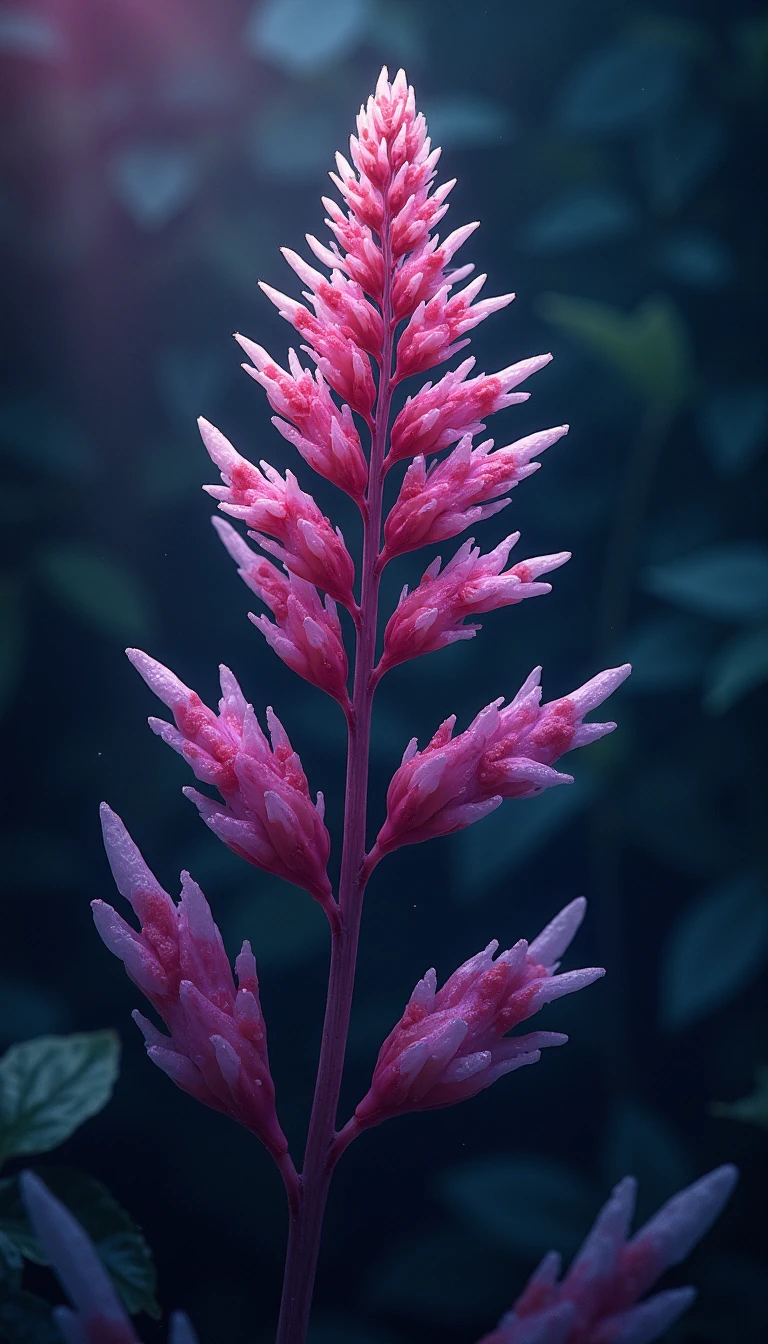 These natural compounds are the secret architects of plant defense and global climate regulation.Terpenes are a massive family of over 30,000 hydrocarbons that plants use to communicate, defend against predators, and even seed clouds to cool the atmosphere. From the scent of …
- How Temple Grandin’s autistic visual thinking revolutionized the humane treatment of livestock worldwideTemple Grandin, an autistic academic and ethologist, transformed the livestock industry by applying her unique visual memory to animal behavior. By viewing the world as a mental s…
 Why the line between land and water animals is often a matter of judgmentTerrestrial animals are not a single, unified group, but a diverse collection of lineages that independently conquered land. From microscopic water bears to desert snails, these c…
 With over 26,000 species, teleosts represent 96% of all fish living today.From the tiny, six-millimeter anglerfish to the massive, two-ton ocean sunfish, teleosts have conquered almost every aquatic environment on Earth. Their secret weapon? A highly sp…
- A potent neurotoxin that stops your nerves from firing, yet may treat chronic pain.Tetrodotoxin is a lethal neurotoxin found in pufferfish, octopuses, and newts. By blocking sodium channels in nerve cell membranes, it halts the electrical signals required for mu…
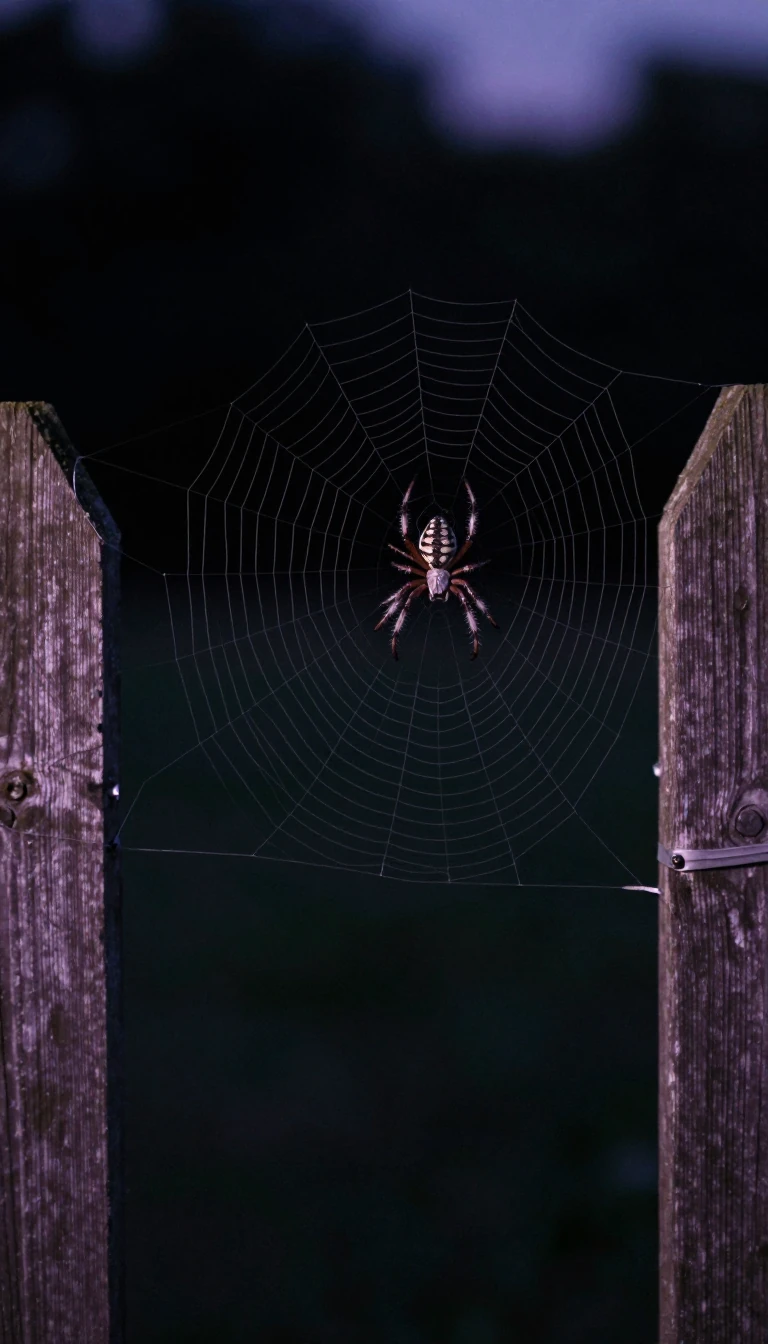 Why the male Sydney funnel-web spider is significantly more dangerous than the femaleThe Sydney funnel-web spider is a venomous native of eastern Australia, feared for its potent bite. While both sexes are glossy and dark, the male is smaller, longer-legged, and f…
 Why the humble pig is one of the most successful mammals on EarthWith a global population of roughly one billion, the domestic pig is a biological powerhouse. Beyond their reputation as farm animals, these intelligent omnivores share striking g…
 In biological taxonomy, a scientific synonym is not a simple alternative name.In the world of scientific naming, synonyms are not interchangeable equals. They are historical relics, taxonomic disagreements, or consequences of shifting classification rules. …
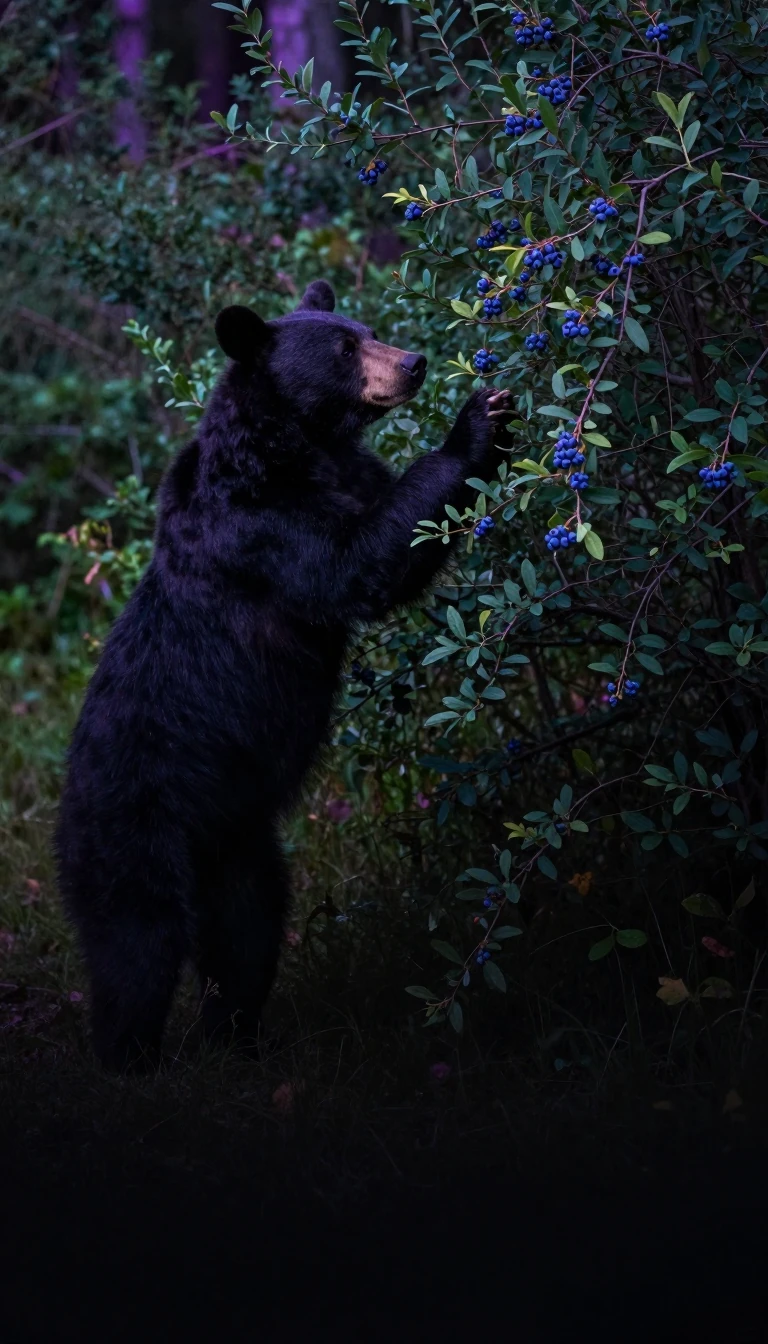 The sun bear is a master of the canopy and a surprisingly clever mimic.As the smallest and most arboreal of all bears, the sun bear thrives in Southeast Asian tropical forests. Beyond its iconic chest patch, this solitary creature displays remarkable…
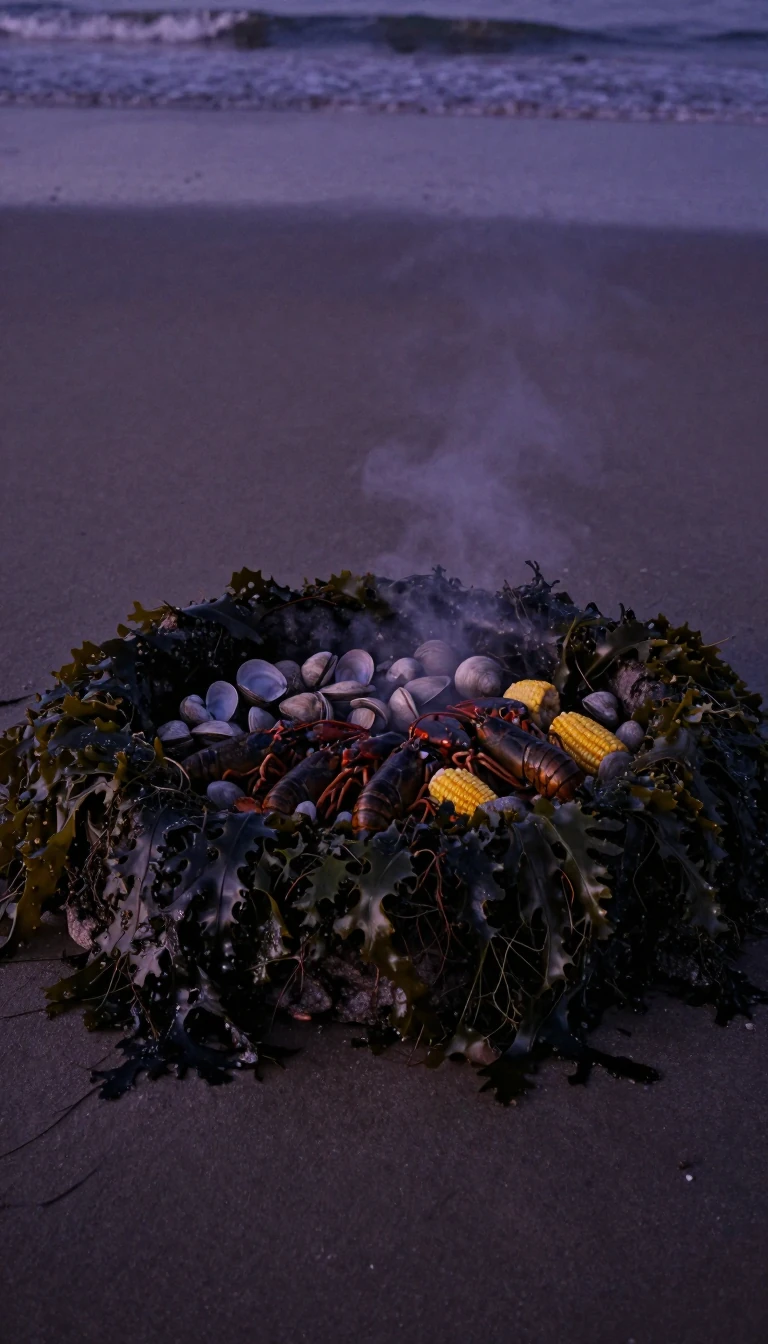 Beyond the kitchen, tallow has powered steam engines, lubricated rifles, and fueled jet aircraft.Tallow, the rendered fat of beef, pork, or mutton, is far more than a cooking ingredient. From its historical role in lighting homes to its modern application in aviation biofuels…
 The human breastbone is a complex, segmented shield with a surprisingly deep evolutionary history.Often overlooked as a simple protective plate for the heart and lungs, the sternum is a dynamic structure that fuses from multiple segments during development. From its role as an…
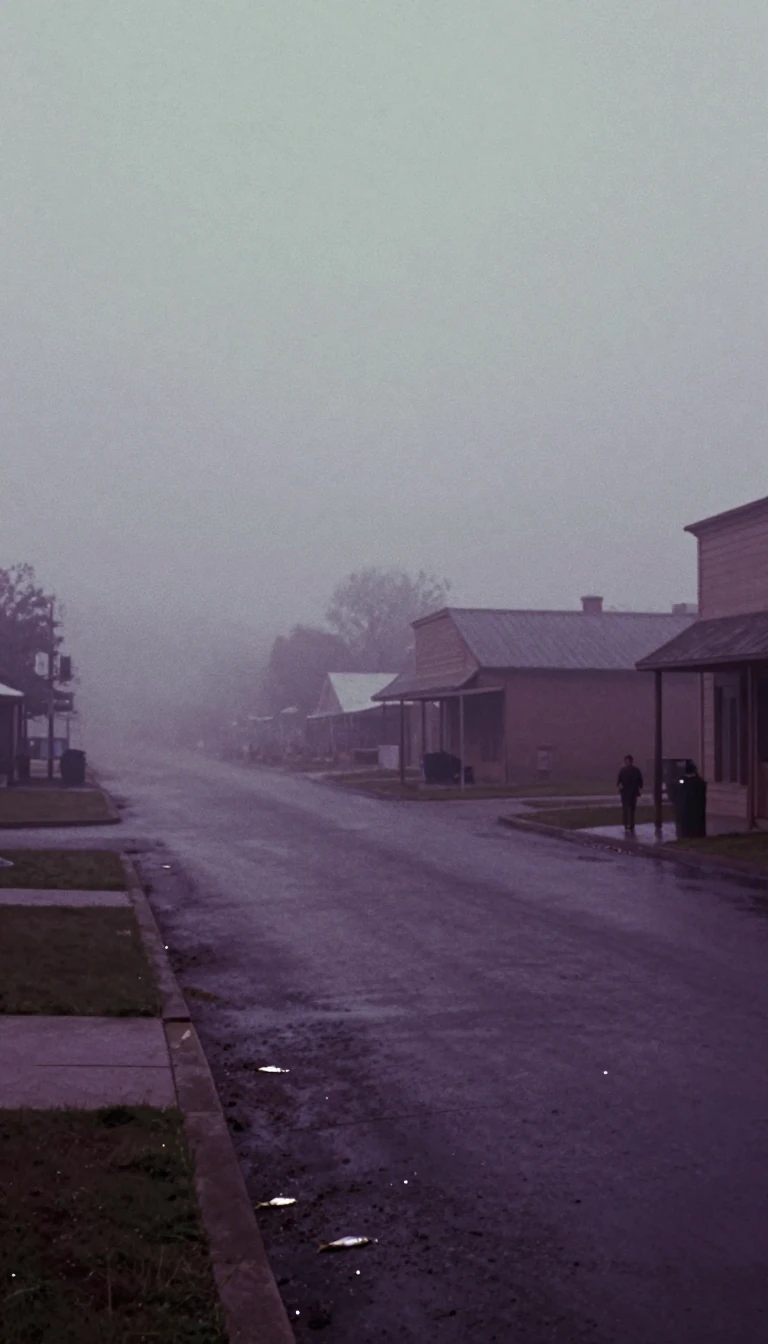 The striped bass is a master of migration, adaptation, and accidental landlocked survival.Anadromous by nature, the striped bass typically migrates between fresh and salt water to spawn. Yet, human engineering has inadvertently created landlocked populations, trapping …
 Why scientists struggle to define the exact boundaries of a subspeciesA subspecies is a local variant of a species, yet its classification is often a matter of expert opinion rather than rigid biological law. While these groups exhibit distinct phys…
 Why the world's most productive agricultural zones are defined by their lack of frostSpanning the latitudes between the tropics and temperate zones, the subtropics are a climate powerhouse. Defined by mild winters and hot summers, these regions support everything …
 The sugar glider is not the widespread Australian icon you likely think it is.For decades, the sugar glider was considered a single, common species spanning Australia and New Guinea. Recent genetic analysis has shattered this view, revealing that the true s…
 The Sumatran rhinoceros is a vocal, hairy, and critically endangered relic of the past.As the smallest and hairiest of the five living rhinoceros species, the Sumatran rhino is a biological outlier. Once roaming from India to China, this solitary creature is now cri…
 How scientists officially name the world's hidden inhabitantsOut of an estimated 8.7 million species on Earth, we have only formally described about 1.9 million. The process of naming a new organism is far more than just a creative exercise…
 Are these ocean-going giants and their landlocked cousins actually the same fish?Steelhead and rainbow trout are genetically identical, yet they lead vastly different lives. While rainbow trout remain in freshwater, steelhead migrate to the ocean, growing larg…
- From ancient Norse roots to modern plant-based alternatives, what truly defines a steak?A steak is traditionally a slice of meat cut across muscle fibers, yet the term now encompasses everything from fish and pork to grilled watermelon and portobello mushrooms. While…
 The springbok can survive its entire life without drinking a single drop of water.This slender African antelope is a master of arid survival, often meeting its hydration needs solely through succulent vegetation. Famous for a bizarre, stiff-legged leaping displ…
 Why this tender, ancient delicacy is often mistaken for a common urban pestSquab is the meat of an immature pigeon, prized for centuries as a rich, silky delicacy. While often associated with luxury dining today, its history spans from ancient Egyptian r…
- Squamata: The Diverse Reptilian Order That Includes Snakes, Lizards, and Ancient Evolutionary MysteriesWith over 11,991 species, Squamata is the second-largest order of living vertebrates. Defined by their scaly skin and unique movable jaw bones, these reptiles range from tiny geck…
- The myth of the saddle-tenderized steak and the true origins of raw beefSteak tartare is often linked to Mongol warriors tenderizing meat under their saddles, but this story is a historical fabrication. In reality, the dish evolved from 19th-century E…
 Was the giant Spinosaurus a terrifying land predator or a specialized aquatic swimmer?Spinosaurus remains one of the most enigmatic dinosaurs ever discovered. Once thought to be a massive terrestrial carnivore, recent evidence suggests a semiaquatic lifestyle. From…
- The spectacled bear is the last surviving member of a prehistoric short-faced lineage.As the only bear species native to South America, the spectacled bear is a living relic of the Tremarctinae subfamily. While its extinct cousins once roamed North America, this re…
 Spider wasps are solitary hunters that use complex neurotoxins to paralyze their prey.These wasps do not share nests; instead, they operate as solitary specialists, hunting specific spiders to nourish their larvae. From deceiving tarantulas into submission to deliv…
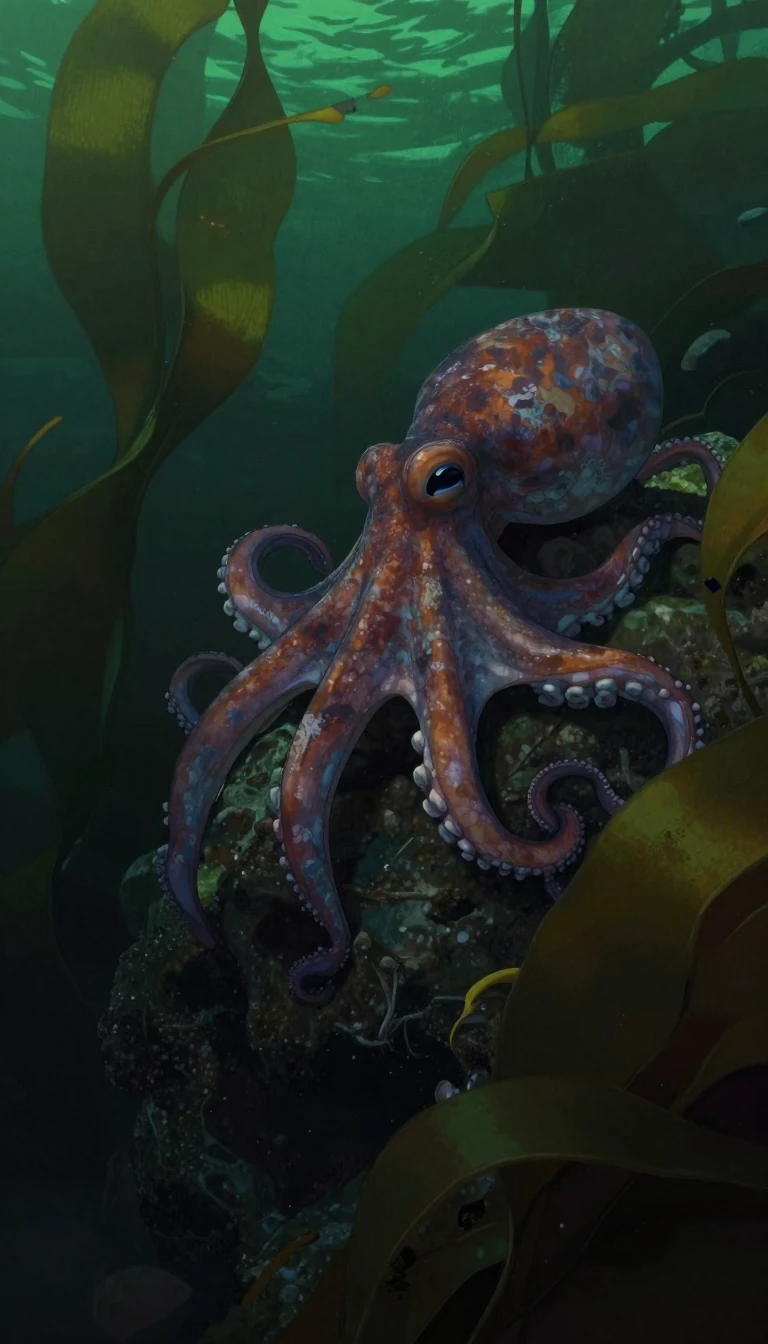 Why the spiny lobster is not a true lobster despite its name and appearanceSuperficially resembling true lobsters, spiny lobsters are actually distinct marine crustaceans. They lack the iconic heavy claws of their namesakes, instead sporting long, thick …
 The ancient developmental pattern that defines a vast and diverse group of animalsSpiralia are a morphologically diverse clade of protostome animals, united by a unique early developmental process known as spiral cleavage. While once thought to be a simple, exc…
 Beyond the shell: how snails master movement, survival, and even royal fashionSnails are far more than slow-moving garden pests. These complex gastropods utilize sophisticated mucus-based suction to traverse vertical surfaces, possess thousands of microscop…
- Why the Sonoran Desert is the world's most biologically diverse arid landscapeUnlike the cold, dry expanses typical of most deserts, the Sonoran Desert thrives on subtropical warmth and a unique bi-seasonal rainfall pattern. This climatic anomaly supports a…
 The southern cassowary is a prehistoric-looking giant with a hidden, glowing secret.Standing up to two meters tall, this flightless rainforest dweller is one of the world's largest birds. While famous for its powerful, clawed kicks and dangerous reputation, recen…
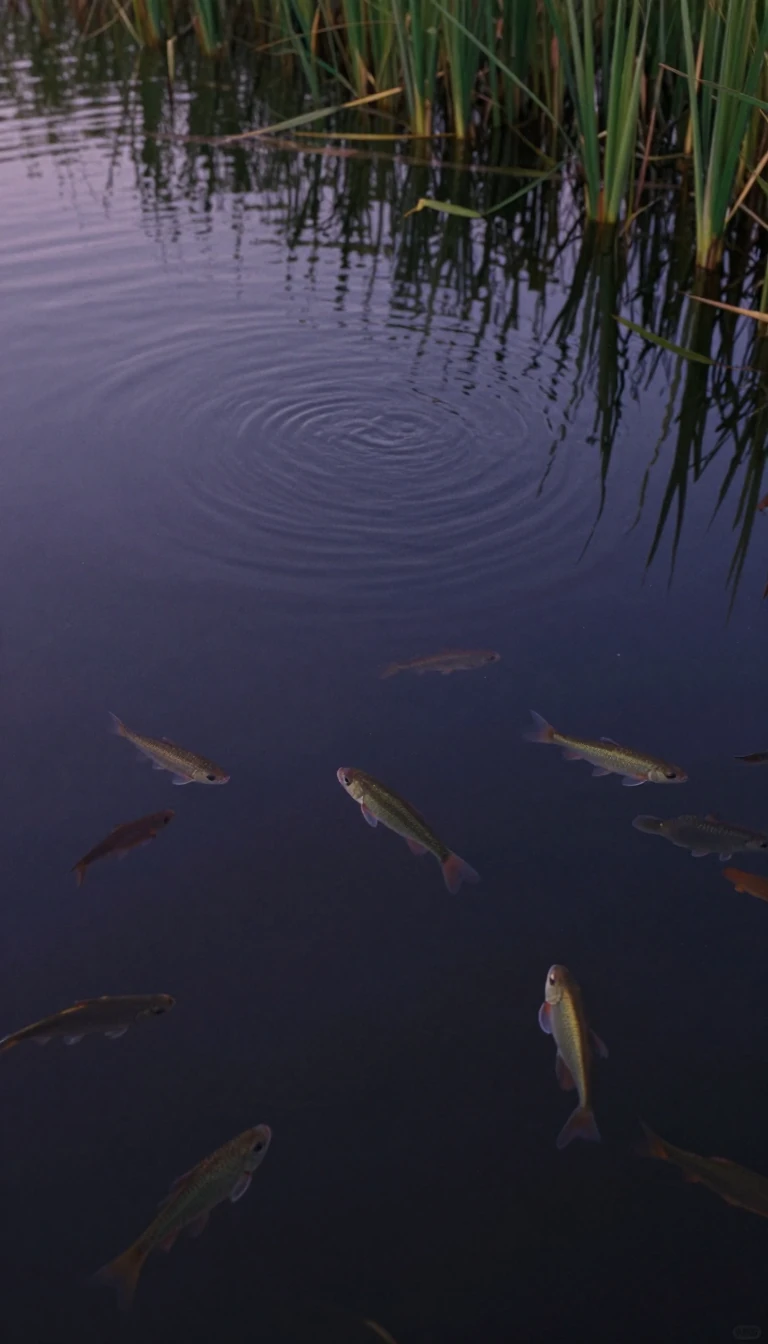 Why the smallmouth bass is considered the toughest fighting fish in North AmericaRenowned for its tenacity, the smallmouth bass is often called the gamest fish that swims. This muscular, ambush predator thrives in cool, clear waters and has been transported ac…
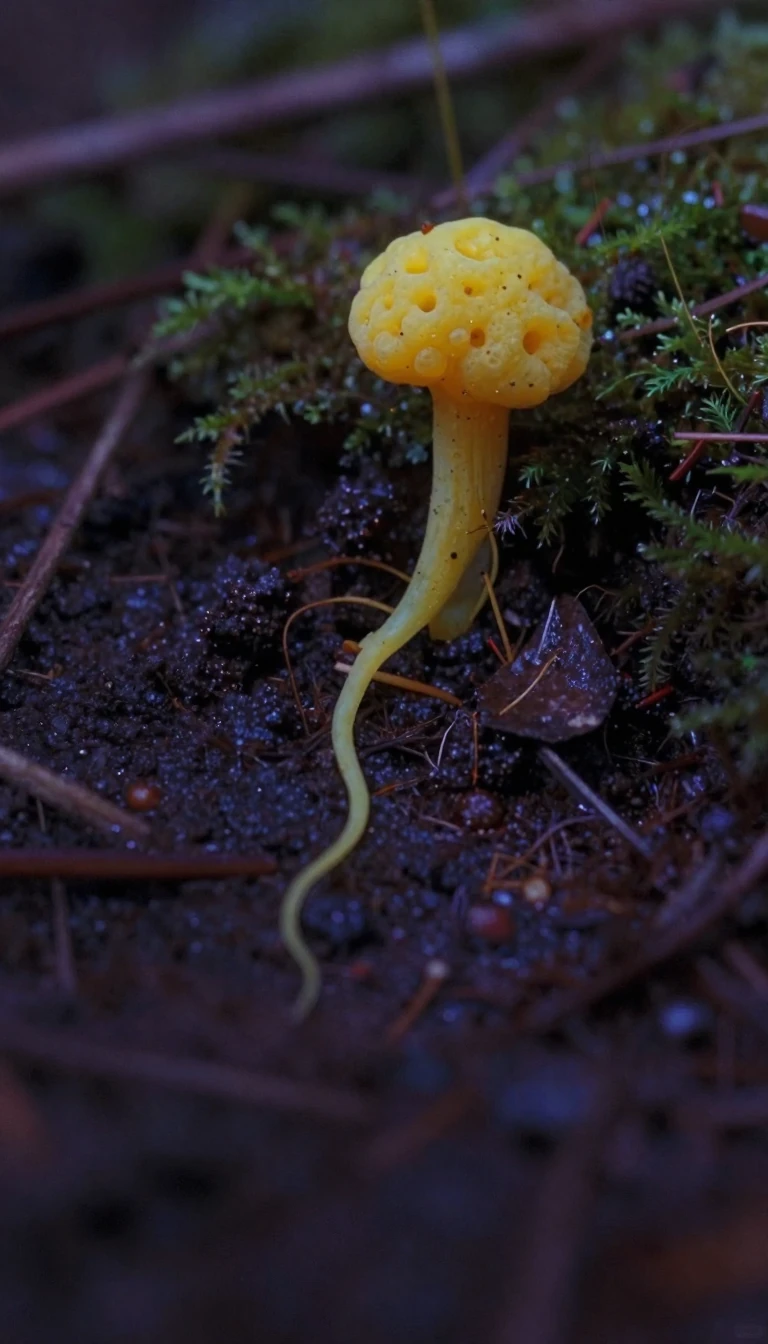 Why your favorite animal might actually be a group of hidden, distinct speciesNature is full of lookalikes that defy simple classification. A species complex occurs when closely related organisms appear identical but are genetically distinct. These groups o…
 Are the Sinhalese people truly lion-slayers, or is that just a founding myth?The Sinhalese people, Sri Lanka's largest ethnic group, trace their origins to a legendary prince and a lion-slaying ancestor. Beyond these ancient myths, modern genetics reveals …
 The Sika deer is a sacred messenger in Japan but a destructive pest elsewhere.Known as the plum blossom deer for its distinctive spots, the Sika deer has a complex global legacy. While revered as a divine messenger in Shinto tradition, its tendency to hybri…
- The Silurian Period was a volatile, transformative era of rising seas and terrestrial pioneers.Spanning 23.5 million years, the Silurian was far from a quiet recovery after the Ordovician extinction. It was a time of radical climate swings, the first true land forests, and …
 Why the silverfish is a primitive, paper-eating survivor that defies insect normsThe silverfish is a wingless, nocturnal insect that has thrived for millions of years by consuming everything from book bindings to dandruff. Despite their reputation as household…
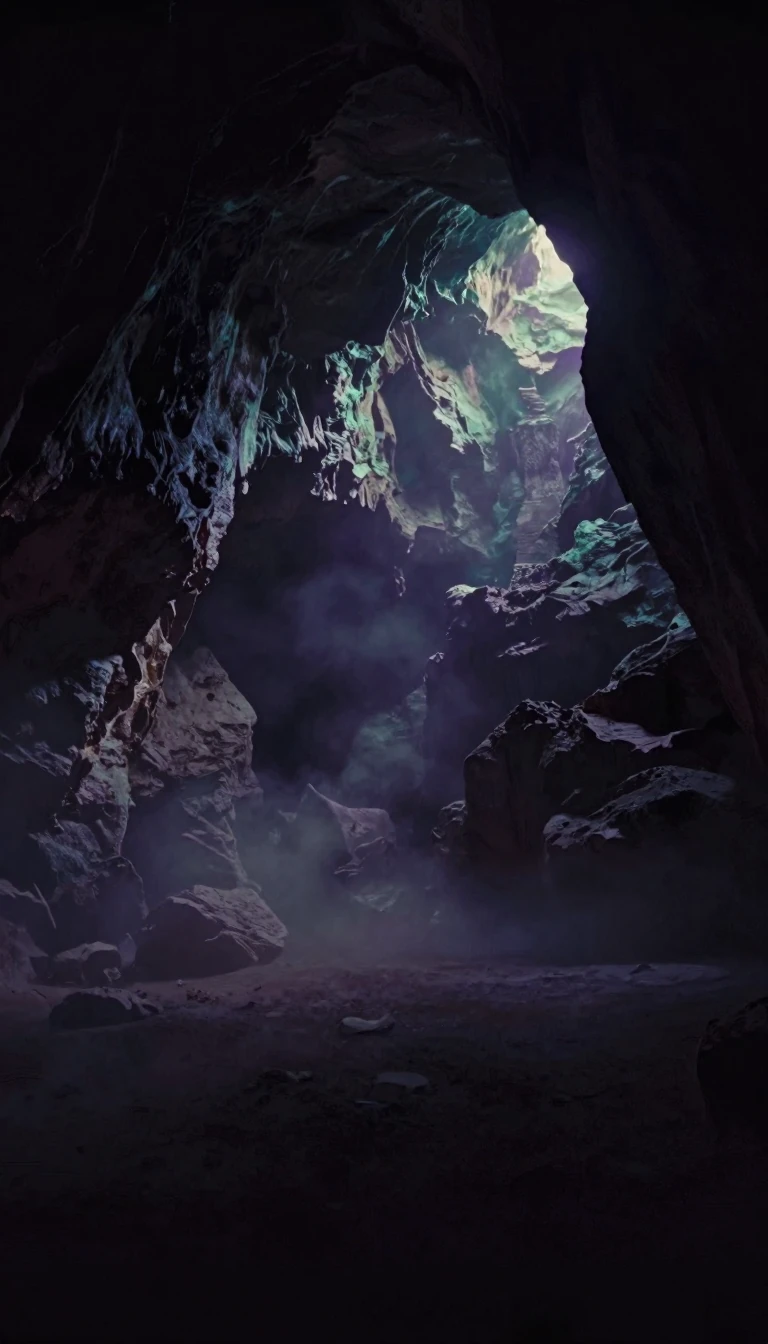 Sinkholes are not just terrestrial hazards; they are complex geological features found across the globe.While often viewed as sudden, destructive accidents, sinkholes are sophisticated geological phenomena. They form through the slow dissolution of rock or the collapse of undergroun…
- Why the sloth bear is arguably the most dangerous bear on the planetWith their shaggy manes and long, sickle-shaped claws, sloth bears look like clumsy, oversized sloths. Yet, they are among the most aggressive bears in existence. Unlike other spe…
 The skipjack tuna is a biological machine built for constant, high-speed ocean travel.With 68% of its body mass dedicated to locomotion, the skipjack tuna is the most muscular animal on Earth. This streamlined predator lacks a swim bladder, meaning it must swim con…