 Intellect Plus
Vertebrates
970 cards. Each one is a 40-second story with a five-minute read behind it. Page 8 of 17.
 Meet the Australian anglerfish that prefers walking on the sea floor to swimmingHandfish are bizarre, ray-finned creatures that use modified pectoral fins to stroll across the ocean floor. While they belong to the anglerfish order, they do not use their dorsa…
 The shy harbour porpoise is a master of the coast, yet rarely seen by humans.Harbour porpoises are elusive, small cetaceans that prefer shallow coastal waters, bays, and estuaries. Unlike their more outgoing dolphin cousins, these shy animals avoid boats a…
 Why this small, colorful sea duck thrives in the world's most violent watersNamed after the theatrical Harlequin, this duck is a master of the extreme. While most waterfowl prefer calm ponds, these birds thrive in crashing whitewater and rocky, windswept …
 The harpy eagle is the world's most powerful raptor, ruling the tropical forest canopy.Named after the mythical Greek wind spirits, the harpy eagle is an apex predator of the Americas. With talons the size of grizzly bear claws and the strength to crush bone, this e…
 This giant pterosaur ruled an island of dwarfs as a terrifying apex predator.Hatzegopteryx was a massive flying reptile that dominated the prehistoric Hațeg Island. Unlike its slender-beaked relatives, this creature possessed a robust, heavily muscled neck…
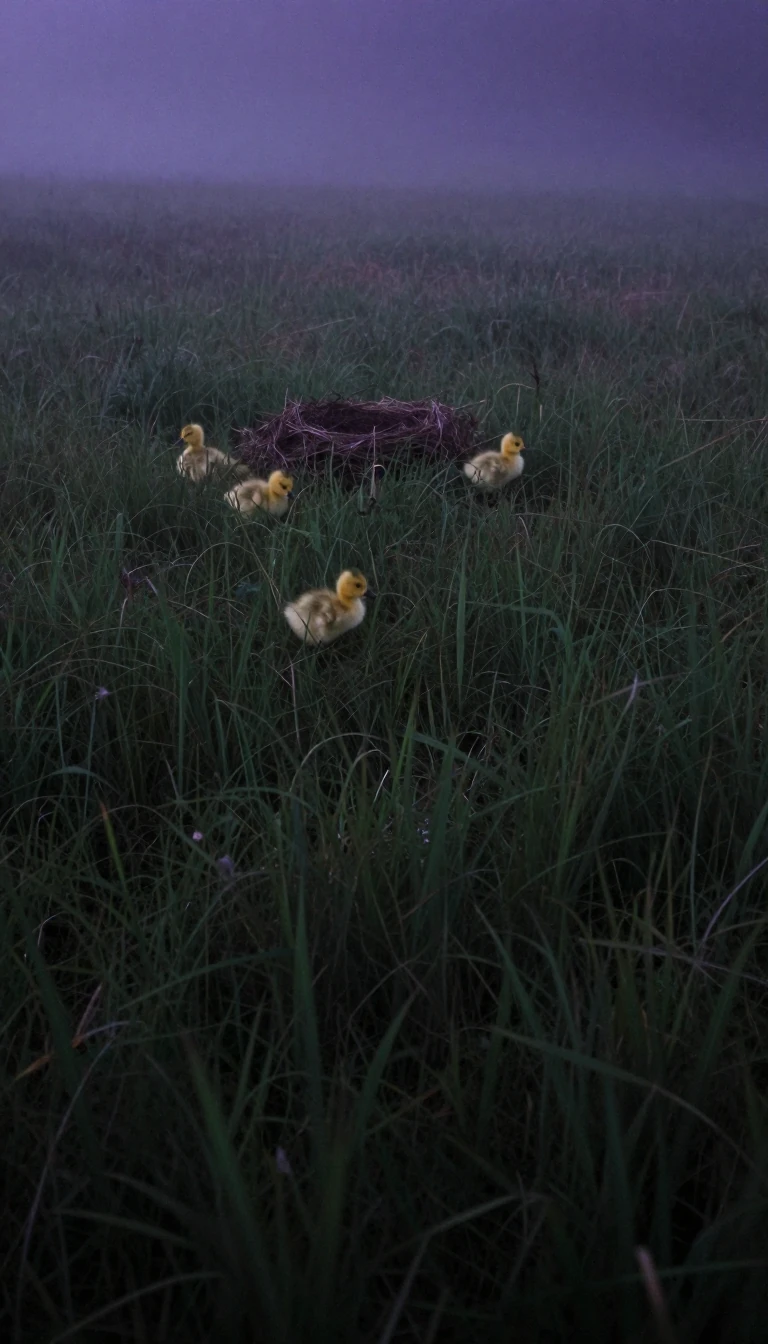 How a single ancestor sparked a spectacular burst of evolution in the PacificMore than 60 species of Hawaiian honeycreepers evolved from one ancestral bird, creating a masterclass in adaptive radiation. Today, only 17 species remain, and researchers are us…
 New Zealand's tiny, rounded-fin dolphins are among the most vulnerable cetaceans on Earth.Hector's dolphins are remarkably small, stocky creatures found exclusively in New Zealand's coastal waters. Despite their playful behaviors like spyhopping and lobtailing, these d…
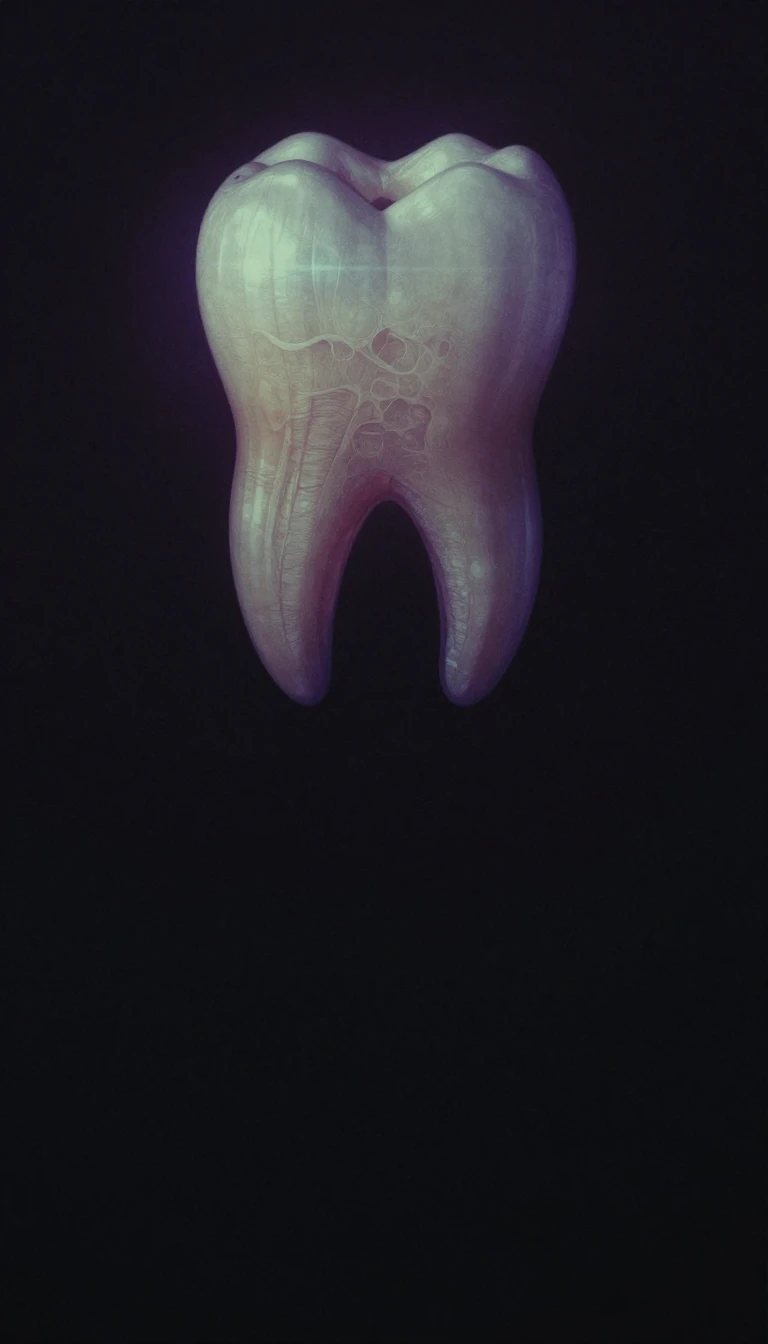 The prehistoric shark with a buzzsaw jaw that baffled scientists for over a centuryFor decades, paleontologists were stumped by the bizarre, spiral-shaped tooth whorls of the extinct Helicoprion. Was this circular saw mounted on the shark's nose, its dorsal fin,…
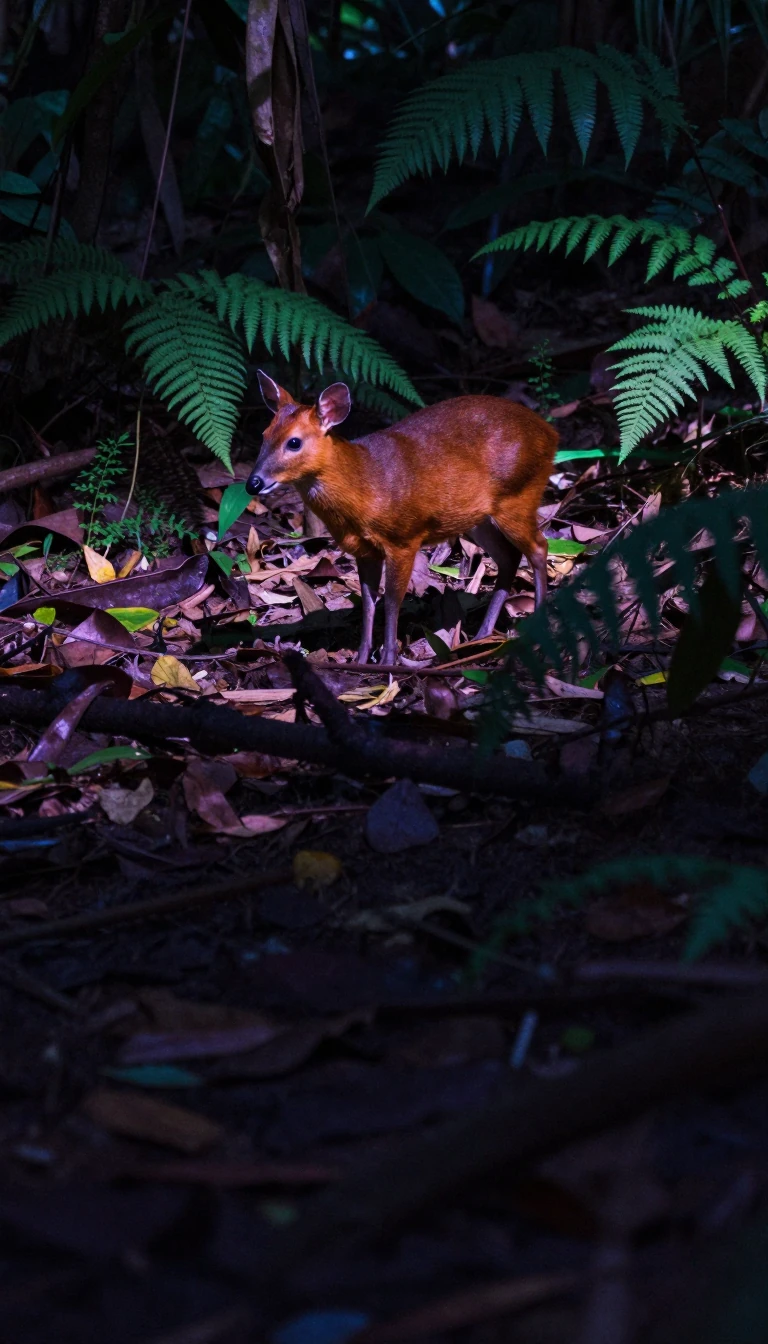 Was this six-meter predator the first true dinosaur to roam the ancient Earth?Discovered by an Andean goatherd in 1959, Herrerasaurus is a key to understanding the dawn of the dinosaur age. This Late Triassic carnivore, found in Argentina, has sparked decad…
 Are these 160,000-year-old Ethiopian fossils the ancestors of all modern humans?Discovered in 1997, the Herto Man remains provided a crucial link in the human evolutionary record. These fossils, dating back 154,000 to 160,000 years, sparked a fierce scientifi…
- This prehistoric bird swam with powerful legs and hunted with a mouth full of teeth.During the Late Cretaceous, Hesperornis dominated shallow seas as a flightless, foot-propelled diver. Measuring up to two meters, this bird possessed vestigial wings and a special…
 Why these tiny eels look like a swaying garden on the ocean floorGarden eels are not plants, but their behavior creates an uncanny illusion. These small, ray-finned fish spend their lives anchored in sandy burrows, extending only their heads in…
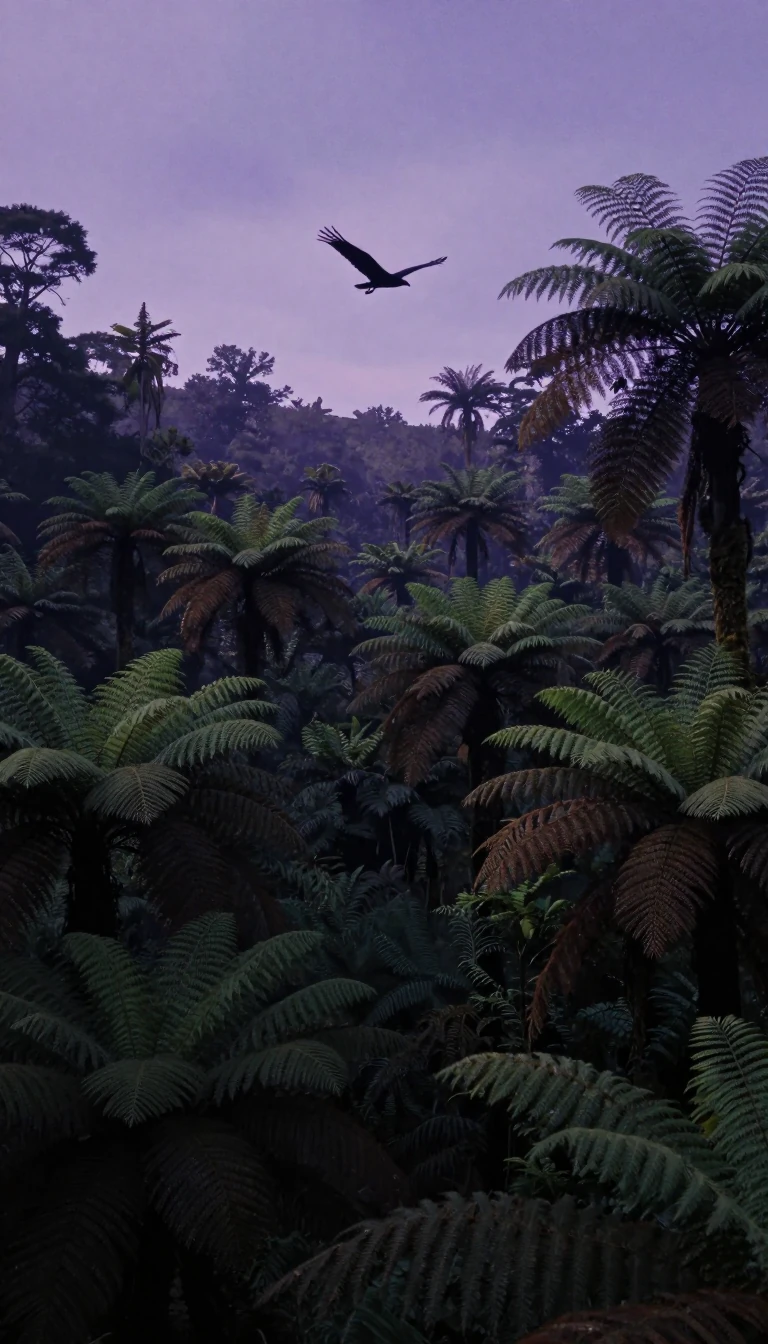 These fox-sized dinosaurs evolved a unique jaw mechanism to grind tough prehistoric plantsHeterodontosauridae were small, agile ornithischians that roamed the earth from the Early Jurassic to the Early Cretaceous. Famous for their distinct, tusk-like teeth and speciali…
 Why this small Jurassic dinosaur possessed a set of teeth unlike any other reptileNamed for its unusual dentition, Heterodontosaurus tucki defied the reptilian norm by sporting three distinct types of teeth. While most dinosaurs relied on a single tooth shape, …
 The Himalayan monal is a high-altitude bird that thrives by digging through deep snow.Living at elevations up to 4,500 meters, the Himalayan monal is a master of the alpine environment. This striking bird, known for its metallic plumage and ability to forage in fro…
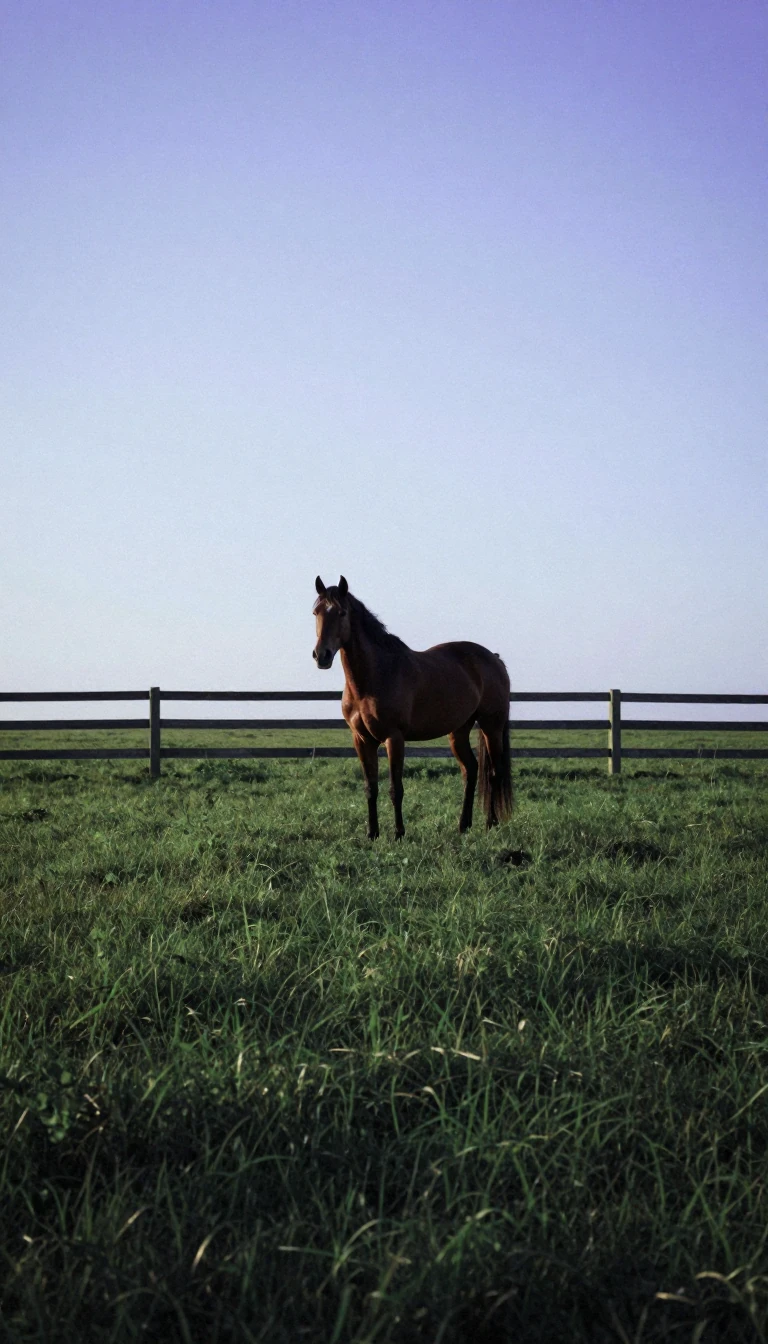 Before the modern horse, the three-toed Hipparion roamed the ancient Eurasian savannahs.Imagine a horse, but smaller and equipped with three toes on every limb. For millions of years, the Hipparion thrived across Eurasia, grazing on grasslands before environmental sh…
- Is Homo gautengensis a genuine human ancestor or just a collection of misidentified fossils?In 2010, anthropologist Darren Curnoe proposed a new species, Homo gautengensis, after re-examining South African fossils. By identifying unique molar shapes, he argued these spec…
 A small-brained human relative lived alongside our ancestors until just 236,000 years ago.Discovered in 2013, Homo naledi shattered the idea that human evolution was a linear march toward larger brains. This enigmatic species possessed a primitive, ape-like anatomy yet…
 Was the Broken Hill skull the key to understanding our complex human ancestry?The discovery of a hominin skull in a Zambian lead mine in 1921 sparked a century of debate. Once classified as a distinct species, this fossil now sits at the center of a complex…
 This tiny white bat builds its own home and holds a secret for human vision.The Honduran white bat is a rare, fluffy mammal that crafts tents from leaves to hide from predators. Beyond its striking white fur and yellow features, this specialist frugivore …
 The honey possum is the only mammal that survives entirely on nectar and pollen.This tiny Australian marsupial, weighing less than a mouse, possesses the longest sperm in the mammal world. It is a specialized pollinator that has evolved alongside its favorite…
- Is the hooded crow a distinct species or just a grey-clad carrion crow?The hooded crow is a master of identity crises. Once considered a separate species, then reclassified as a subspecies of the carrion crow, its status remains a subject of intense …
 The loudest land animal on Earth uses a bizarre evolutionary trade-off to surviveHowler monkeys are famous for their deafening roars, which can carry through dense rainforests. But these vocal displays are not just for show. They reveal a fascinating biologica…
 The giant humphead wrasse is a reef-dwelling hermaphrodite that can change its own sex.Known as the king of the coral reefs, this massive, long-lived fish can grow to six feet and weigh hundreds of pounds. Beyond its size, it possesses a remarkable biological trick:…
 Hyaenodon was a formidable apex predator that dominated landscapes for over 26 million years.Long before modern carnivores took over, Hyaenodon reigned as a diverse genus of placental mammals. Ranging from tiny, two-kilogram hunters to lion-sized giants, these cursorial p…
- Before lions and wolves, these bizarre predators ruled the world for millions of years.Hyaenodonts were once the dominant mammalian carnivores across Africa, Eurasia, and North America. With up to three pairs of shearing teeth and a long, slow adolescence, these pre…
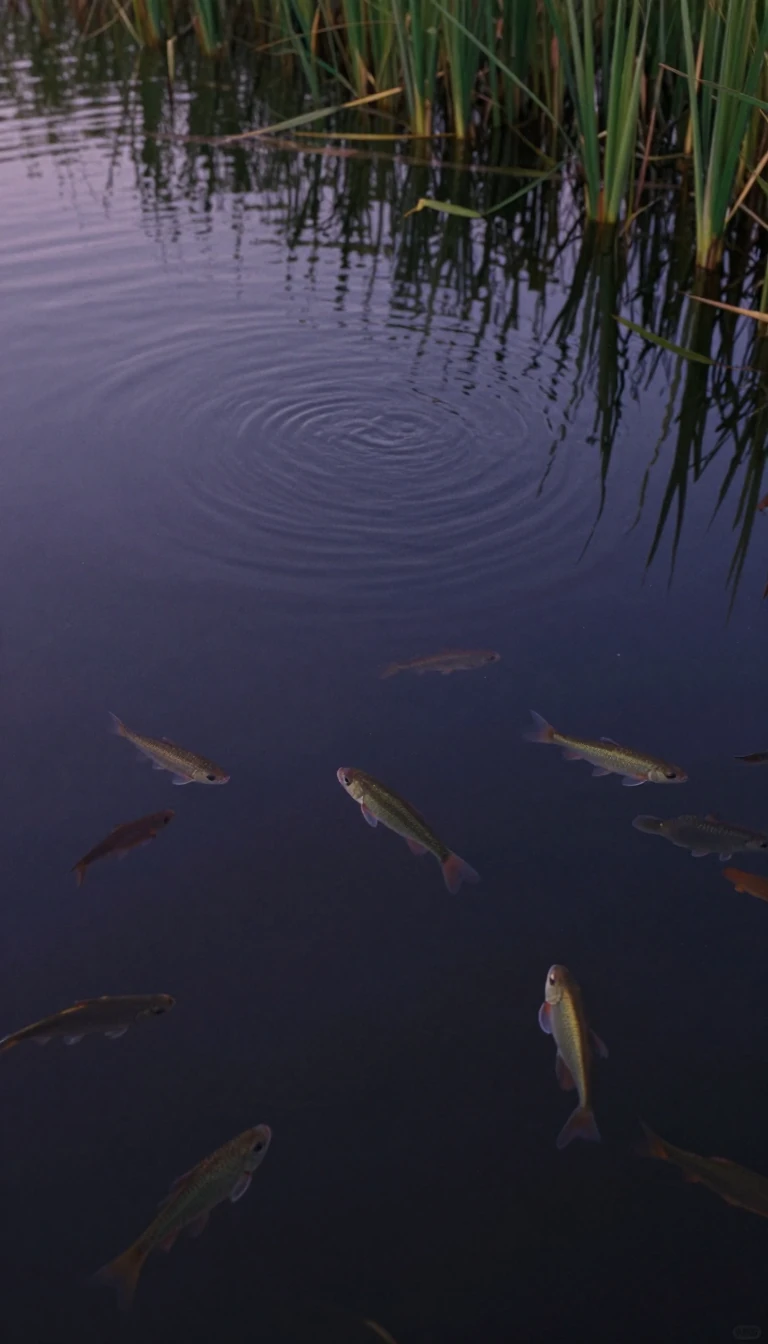 Before modern sharks ruled the oceans, hump-backed predators dominated the ancient seas.Long before modern sharks claimed the open ocean, the Hybodontiformes thrived as a diverse group of cartilaginous fish. Ranging from tiny swimmers to three-meter predators, these …
- The sailfin dragon is a master of running across water like a lizardKnown for the distinct sail-like structure on their tails, sailfin dragons are semiaquatic lizards native to Indonesia and the Philippines. These remarkable creatures possess the …
 This massive prehistoric predator ruled the murky freshwater rivers of the Devonian period.Before land animals fully dominated, a giant lobe-finned fish named Hyneria patrolled the ancient waterways of Pennsylvania. Reaching lengths of up to three meters, this formidabl…
- Why this small dinosaur was named after a lizard it never actually resembledHypsilophodon was a nimble, bipedal herbivore that roamed prehistoric England. Despite its name, which translates to high-crested tooth, the creature lacked crested teeth entirely…
 These ancient marine reptiles were not dinosaurs, but they ruled the prehistoric oceans.Long before dolphins evolved, ichthyosaurs dominated the seas with a fish-like body plan that remains a masterclass in convergent evolution. Though they were once mistaken for eve…
 Did this ancient creature crawl on land like a seal or swim like a fish?Ichthyostega, a Late Devonian inhabitant of Greenland, was once thought to be a simple salamander-like ancestor of land vertebrates. Modern analysis reveals a far stranger anatomy…
 Meet the Ictonychinae: The Mustelid Subfamily That Sprays Like a SkunkWhile often confused with their cousins, the Ictonychinae subfamily stands apart through a distinct evolutionary trait. Found across Africa, the Neotropics, and Eurasia, these mam…
 This rodent-toothed dinosaur challenges everything we thought we knew about early bird-like feathersIncisivosaurus was a small, herbivorous theropod from the early Cretaceous period, named for its bizarre, rodent-like front teeth. Beyond its strange bite, this dinosaur sits at t…
 The Indian flying fox is a massive, fruit-loving bat with a complex social life.Weighing up to 1.6 kilograms with a wingspan reaching nearly five feet, the Indian flying fox is among the world's largest bats. While often dismissed as agricultural vermin, thes…
 Divers have captured the first in situ images of a rare Indonesian coelacanthLong considered an elusive deep-sea phantom, the Sulawesi coelacanth has finally been documented in its natural habitat by human divers. Using technical diving gear, researchers o…
 The indri is the largest living lemur, yet it possesses only a stubby tail.Found in the forests of Madagascar, the indri stands out among primates for its lack of a long, bushy tail. As the largest of all living lemurs, this vocal, tree-dwelling creature…
 The giant fossil penguin that was grey and red, not black and whiteThirty-six million years ago, a five-foot-tall penguin named Inkayacu swam in the ancient seas of Peru. While its skeleton resembled modern penguins, its plumage tells a different…
- Inostrancevia was the apex predator of the Permian, wielding fifteen-centimeter serrated saber teeth.Before dinosaurs dominated, the Permian period was ruled by Inostrancevia, a massive, robustly built gorgonopsian. This stem mammal reached lengths of over three meters, using its…
- Why these iridescent tropical birds hunt like aerial acrobats in the forest canopyJacamars are elegant, glossy birds of the Neotropics that defy typical insectivore anatomy. While most aerial hunters possess short, wide bills, these birds wield long, thin instr…
 Why these tropical birds walk on water and let fathers raise the chicksKnown as lily trotters or Jesus birds, jacanas possess an extraordinary anatomical adaptation: elongated toes and claws that distribute their weight across floating aquatic vegeta…
 The three-horned lizard that conquered Hawaii by looking like a miniature dinosaurNative to the high-altitude forests of East Africa, Jackson's chameleon is famous for the three distinct horns sported by males. Though they resemble a prehistoric Triceratops, th…
 Jameson's mamba is a master of the canopy, but its venom demands extreme caution.This slender, arboreal snake of sub-Saharan Africa is a highly agile hunter that prefers to avoid human contact. Despite its timid nature, its potent neurotoxic venom can cause pa…
- The Japanese giant salamander is a long-lived, nocturnal predator that breathes through its skin.Hidden in the cold, fast-flowing mountain streams of Japan, this massive amphibian can reach five feet in length and live for nearly 80 years. Despite its size, it relies on a uni…
 The Java sparrow is a global paradox: a beloved pet and a threatened species.Once a notorious pest in Asian rice paddies, the Java sparrow has become a prized cage bird with a complex social life. While it thrives in introduced populations across the globe…
 The noisy, colorful jay is not actually a single species, but a linguistic label.Jays are a diverse, paraphyletic group of birds within the crow family. While they share traits like bright plumage and raspy calls, they are not a unified taxonomic entity. From …
 How the desert-dwelling jerboa masters the art of the three-metre leapThese mouselike rodents are master escape artists, using specialized anatomy to launch themselves three metres in a single bound. With long tails for balance and fused leg bones f…
- The John Dory is a master of disguise with a legendary, misplaced identityThis thin, olive-yellow fish is a poor swimmer that relies on binocular vision and a deceptive flank spot to ambush prey. Despite its culinary reputation, the fish you buy labeled…
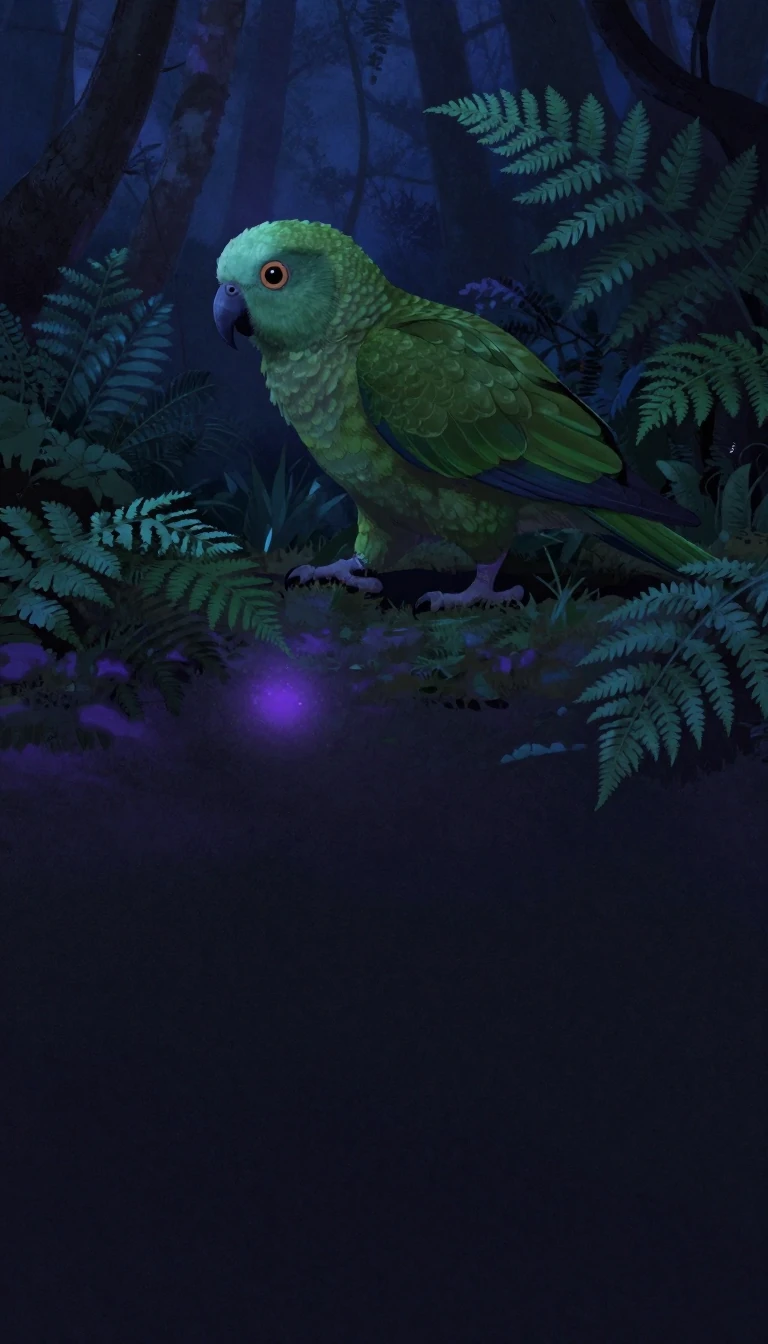 The Kagu is a flightless, ghost-like bird that sings duets in New Caledonia's forests.Endemic to the mountains of New Caledonia, the kagu is a mysterious, nearly flightless bird with unique nasal corns and bright red legs. Once considered a ghost of the forest by l…
 The BoarCroc: A Cretaceous predator with tusks, horns, and a mysterious lifestyleKnown as the BoarCroc, Kaprosuchus was a bizarre crocodyliform from the Upper Cretaceous of Niger. With oversized, tusk-like teeth and prominent horns on its skull, this creature …
- Could this three-meter-tall prehistoric bird outrun a human across the Patagonian plains?Kelenken guillermoi was a flightless terror bird that dominated South America fifteen million years ago. Standing three meters tall and weighing over one hundred kilograms, this a…
 The Tanzanian dinosaur with a tail that could swing at 50 kilometers per hourKentrosaurus was a Late Jurassic stegosaurid from Tanzania, famous for its formidable tail spikes. Unlike its North American cousin Stegosaurus, this herbivore possessed a unique,…
 Is the flat-faced man from Kenya a true ancestor or a distorted fossil?Discovered near Lake Turkana, Kenyanthropus platyops challenged the idea that Australopithecus afarensis was our only ancestor during the Middle Pliocene. Yet, this mysterious hom…
- The tiny fish that evolved to survive toxic industrial waste in just sixty yearsKillifish are masters of extreme survival. While most fish perish in polluted waters, some killifish populations have evolved resistance to industrial chemicals at levels 8,000 ti…
 The king cobra is not a true cobra, but it is a master architect.Despite its fearsome reputation, the king cobra is a cautious creature that prefers to avoid humans. It is the only snake species known to construct dedicated nests for its eggs, …
- The king quail is the smallest galliform bird on the entire planetStanding just 12 to 15 centimeters tall, the king quail is a tiny, ground-dwelling powerhouse. While often confused with buttonquails, this diminutive bird belongs to the pheasant…
 These tiny birds must eat constantly or they will perish within an hourKinglets are among the smallest songbirds on Earth, but their rapid metabolism demands relentless foraging. If these birds are prevented from feeding, they can lose over thirty pe…
 Why the kingsnake is the undisputed heavyweight champion of the constrictor worldKingsnakes are nonvenomous predators that have earned their royal title by hunting other snakes, including lethal rattlesnakes. Beyond their immunity to certain venoms, these rept…
 A kitten is a biological marvel designed for rapid growth and predatory skill development.Born blind and entirely dependent, kittens undergo a high-speed transformation into agile predators. Within months, they master complex social cues, hunting techniques, and metabo…
- Is this tiny, pig-nosed creature the smallest mammal on the entire planet?Weighing only two grams, Kitti's hog-nosed bat is a contender for the title of world's smallest mammal. Often called the bumblebee bat, this elusive creature lives in limestone ca…