 Intellect Plus
Basics
447 cards. Each one is a 40-second story with a five-minute read behind it. Page 5 of 8.
 Interstate 90 is the longest freeway in America, stretching over 3,000 miles coast-to-coast.Spanning 3,099.7 miles from Seattle to Boston, Interstate 90 is the backbone of northern American transit. Established by the 1956 Federal-Aid Highway Act, this transcontinental r…
 Why the screen's most powerful tragedienne was often cast as a silent forceIrene Papas became the definitive face of ancient Greek tragedy on film, yet her commanding presence often intimidated Hollywood directors. Known for her intense gaze and elementa…
 Why three-letter country codes are more than just a simple labeling systemStandardized by the International Organization for Standardization in 1974, ISO 3166-1 alpha-3 codes provide three-letter identifiers for countries and territories. While they off…
 The only Japanese battleship to survive World War II met its end via nuclear fire.Commissioned in 1920, the Nagato was a formidable super-dreadnought that served as the pride of the Imperial Japanese Navy. Despite surviving intense combat and air raids througho…
 The high-tenor voice behind Yes, Jon Anderson, was once rejected for being too small.Before becoming the iconic voice of progressive rock, Jon Anderson was a football-obsessed teenager in northern England. Standing just 5 feet 5 inches tall, his frail constitution…
 Beyond the Late Show: How Jon Batiste Redefines Music as a Tool for ConnectionJon Batiste is more than a television personality or a Grammy-winning composer. Rooted in a New Orleans musical dynasty, he views music not as mere entertainment, but as a profoun…
 The Korean Hwando was a sophisticated military sidearm, not a copy of Japanese steel.While often compared to the Japanese katana, the Korean Hwando evolved through its own distinct lineage. From specialized locking mechanisms to unique cavalry-focused carrying sty…
 How a journalist turned investigative reporting into a career of high-stakes cultural storytellingLawrence Wright is a master of the deep dive, moving from the origins of global terrorism to the inner workings of Scientology. A long-time New Yorker staffer, Wright blends rigor…
 How a potato field became the blueprint for the modern American suburbAfter World War II, William Levitt applied military-style mass production to home building, constructing 30 houses a day. By replacing custom craftsmanship with interchangeable pa…
- Why the world's largest airship was forced to fly on highly flammable hydrogen gasThe Hindenburg was designed to be the pinnacle of safe, luxury travel, yet it famously relied on hydrogen rather than inert helium. This compromise was not a choice but a geopolit…
 The Mari people have navigated centuries of shifting borders and cultural pressures in Russia.Living primarily in the middle Volga River valley, the Mari are a Finno-Ugric people with a deep, complex history. From ancient roots and medieval resistance against Russian expan…
 Why medieval market towns were the original engines of European economic growthBefore permanent retail, the market town was the heartbeat of local life. These settlements, defined by royal charters and custom, transformed the medieval landscape by concentrat…
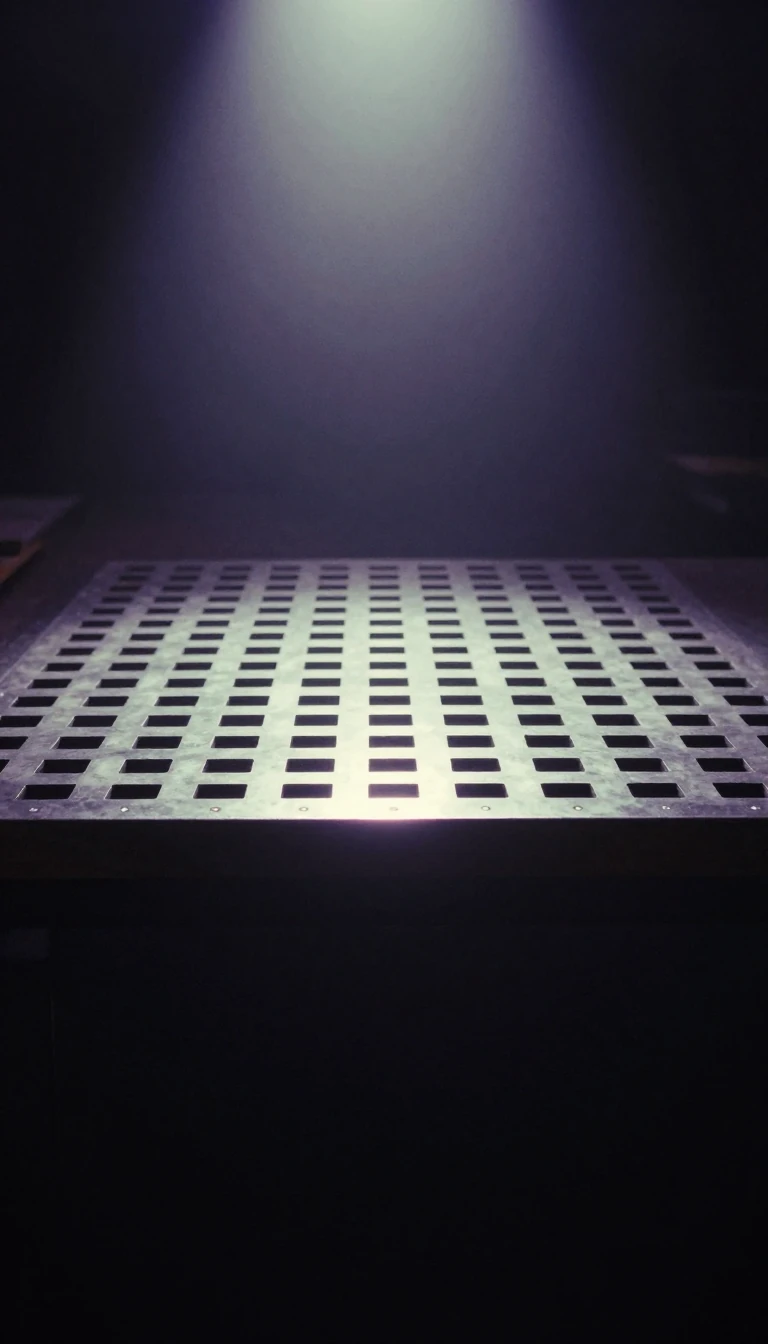 Why NATO militaries use a grid system that identifies areas instead of pointsThe Military Grid Reference System is the standard for NATO operations, yet it never points to a single spot. Instead, it defines a square on the Earth's surface. By adjusting the…
 Is Modern Greek a new language or a four-thousand-year-old conversation?Modern Greek is not a separate entity from the language of antiquity, but a living continuation of a four-millennium tradition. While often symbolically dated to the 1453 fall of …
 How a 1964 musical theme became the signature sound of a global television giantThe iconic fanfare that introduces National Geographic programs today was not composed for television in the digital age. It was written decades earlier for the Society's original…
 How North Korea built the world's smallest, most provocative nuclear weapons arsenalNorth Korea is the only nation to conduct nuclear tests in the 21st century, evolving from a Soviet-backed energy program into a nuclear-armed state. With an estimated 50 warheads…
 What is the Patriots for Europe group, the third-largest bloc in the European Parliament?Formed in mid-2024, the Patriots for Europe alliance represents a significant shift in the European Parliament. By uniting various right-wing and far-right parties under a shared …
 Why the simple swing of a pendulum reveals the hidden mechanics of our planetA pendulum is more than a playground toy; it is a precision instrument that tracks time, measures gravity, and proves the Earth rotates. By suspending a mass from a fixed point, w…
 How linguists reconstructed a lost language that left no written record behindProto-Celtic is the invisible ancestor of all known Celtic languages, yet it was never written down. By comparing later tongues like Old Irish and Middle Welsh, scholars have reco…
- When did the ancestors of the Greeks first arrive in the Greek peninsula?Proto-Greek is the common ancestor of all Greek dialects, from Mycenaean to Modern Greek. While scholars agree on its Indo-European roots, the timing and path of its arrival in Gr…
 Sweden's 25 provinces are cultural relics that outlasted their own administrative powerWhile Sweden is governed by counties, its 25 historical provinces remain the true heart of local identity. These regions, once independent petty kingdoms, have survived centuries …
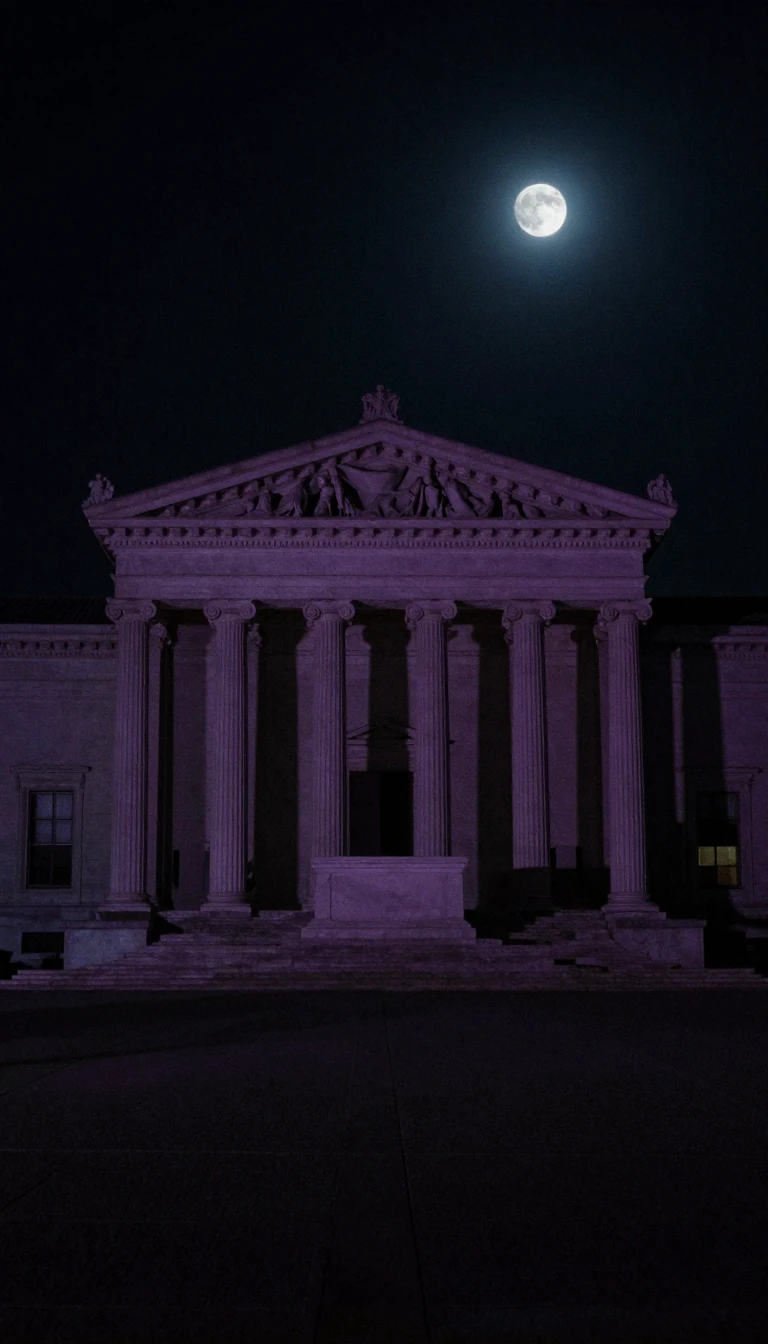 Deep beneath a Pennsylvania mountain lies the Pentagon's secret, hardened underground backup facility.Known as Site R or the underground Pentagon, the Raven Rock Mountain Complex was built to ensure the survival of U.S. military leadership during a nuclear attack. This massive, fo…
 Why sailors steer a curved path to travel in a straight lineA rhumb line allows a navigator to maintain a constant compass bearing across the globe. While it appears as a straight line on a Mercator projection map, it is actually a complex…
 Why deep-sea divers live in pressurized chambers for weeks at a timeSaturation diving allows professionals to work at extreme depths for extended periods by keeping their bodies under constant pressure. By saturating tissues with inert gas, divers…
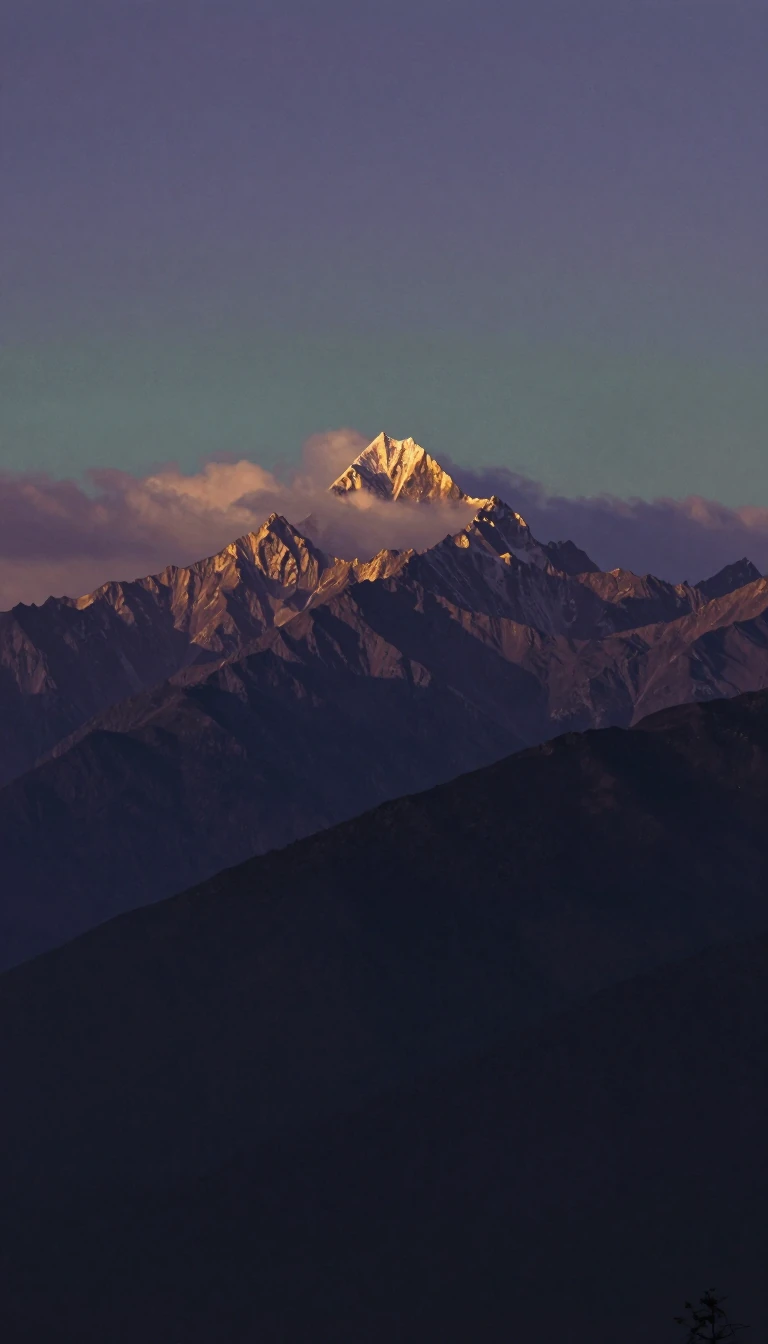 Sitka is the largest city by area in the United States, spanning 4,811 square miles.While often overshadowed by larger Alaskan hubs, Sitka holds the title for the most expansive incorporated city in the United States. Beyond its sheer geography, this coastal boro…
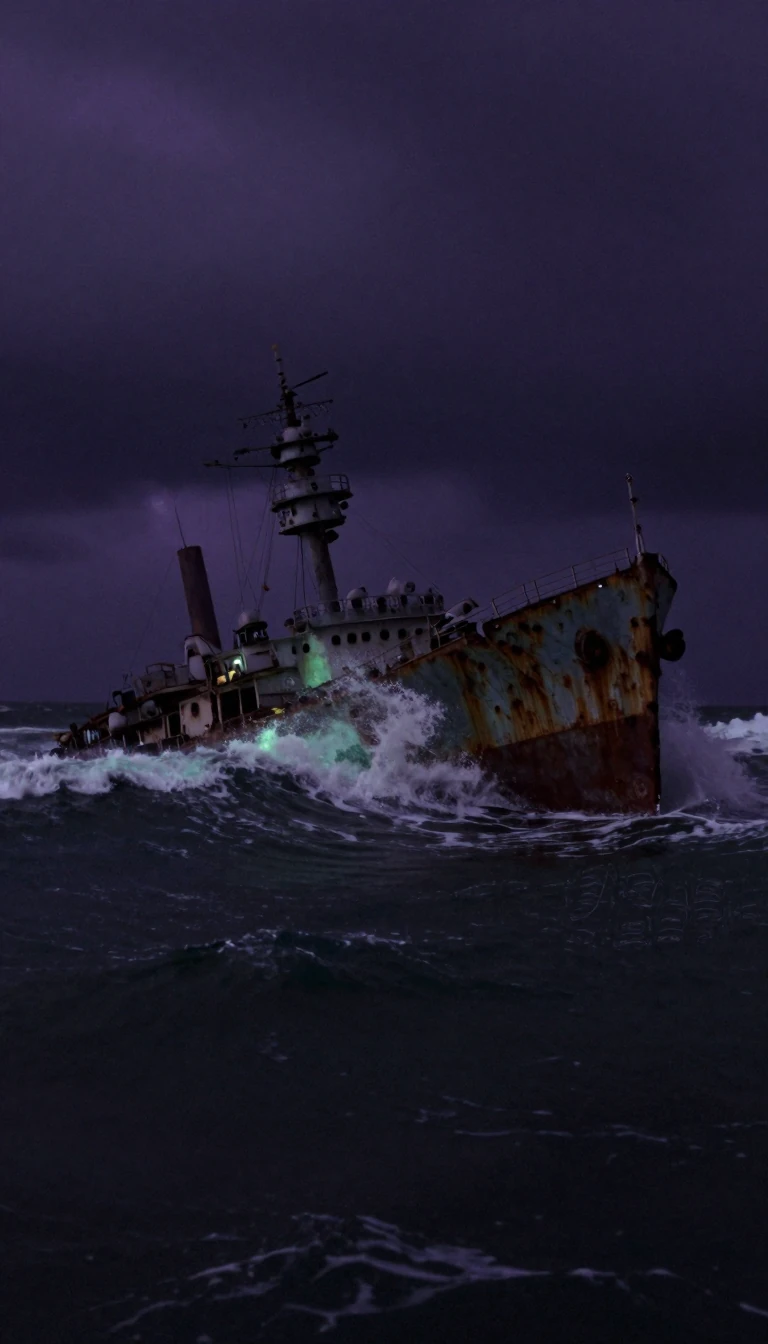 The luxury liner Andrea Doria was considered unsinkable until a fatal design flaw emerged.Launched in 1951, the Italian ocean liner Andrea Doria was a symbol of national recovery and maritime prestige. Yet, during a 1956 voyage, a collision with the Stockholm revealed …
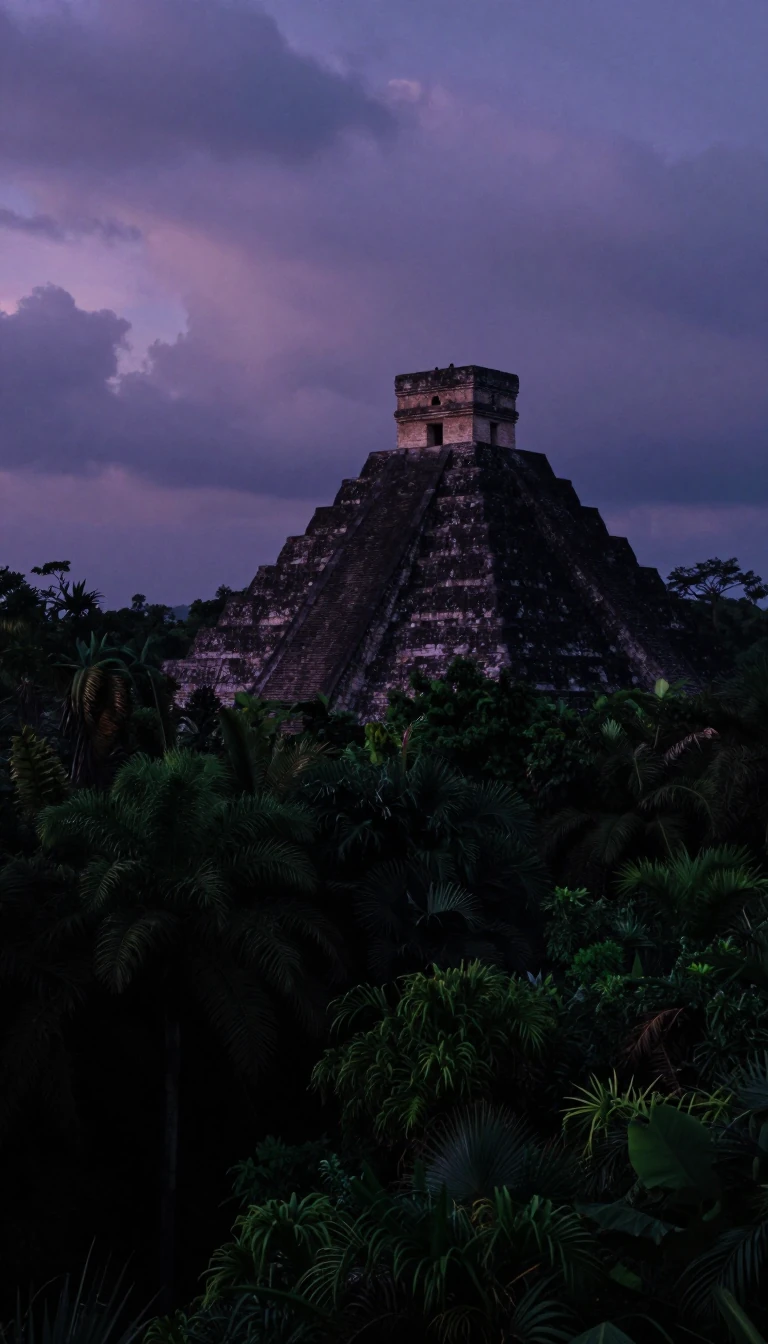 Why India’s ancient subterranean skyscrapers were built to sink deep into the earthFor over a millennium, India’s stepwells functioned as both vital water sources and cool, architectural sanctuaries. These complex, inverted monuments were engineered to reach the…
 Why your brain is a master of time despite having no dedicated sense organWe perceive time as a seamless flow, yet we lack a specific sensory organ for it. Instead, our experience of duration and sequence emerges from a complex, distributed system. From…
 The Tlingit people have thrived for centuries along the rugged, rain-drenched Alaskan coastline.As the northernmost group of the Northwest Coast Indians, the Tlingit occupy a dramatic landscape of fjords and islands. Their culture, deeply tied to aquatic resources and dense …
 Beyond collecting taxes, how does the Treasury protect the nation's financial integrity?The U.S. Department of the Treasury does far more than manage federal revenue. From dismantling international cartel networks to securing student loan portfolios, the agency acts …
 Why urban explorers risk arrest to document the world's hidden and abandoned spacesUrban exploration, or urbex, is the pursuit of the unseen. From forgotten catacombs to active steam tunnels, explorers navigate manmade structures that are typically off-limits. W…
 Can a party born from a banned movement ever truly shed its radical past?Vlaams Belang, a Flemish nationalist party, rose from the ashes of the legally dissolved Vlaams Blok. While it has rebranded and moderated its platform to court mainstream voters,…
- Web mapping has democratized cartography, moving it from elite institutions to your browser.For decades, mapmaking was a gatekept industry requiring expensive hardware and specialized engineers. Today, web mapping has shattered those barriers, allowing anyone to serve, c…
 Yabloko: The Rise and Legal Erasure of Russia's Last Openly Anti-War Political PartyOnce a fixture of the Russian State Duma, the social-liberal party Yabloko has spent decades positioning itself as the country's only true democratic opposition. Today, the organi…
 Beyond the kitchen, this ancient citrus fruit is a winter solstice ritual stapleOriginating in central China, the yuzu is a frost-hardy citrus hybrid prized for its intense aroma and tart flavor. While it is a cornerstone of Japanese and Korean culinary tradi…
 The American highway that built its own national parkMost infrastructure projects aim to connect existing destinations, but Interstate 70 did something different in the desert. By carving a path through the San Rafael Swell, it crea…
 Did Russia's 2011 legislative elections suffer from systemic fraud?The 2011 Russian Duma elections left a fractured nation. While United Russia maintained its majority, the results triggered massive protests in Moscow and Saint Petersburg. Allega…
- Russia's 2026 legislative elections face unprecedented scrutiny and shifting boundariesScheduled for September 18–20, 2026, the Russian State Duma elections arrive amidst an ongoing war. With new constituency maps, the inclusion of occupied territories, and the bann…
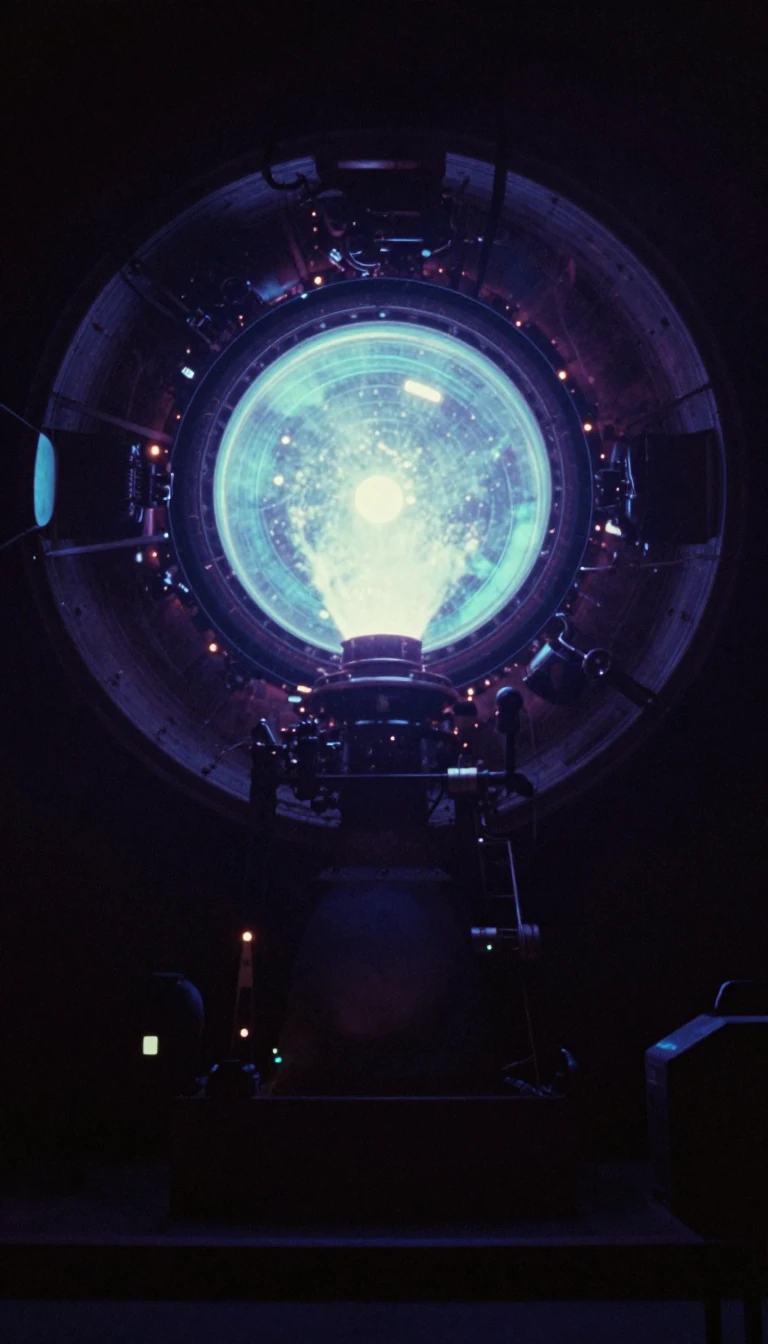 From Manhattan Project secrets to the future of global energySandia National Laboratories is more than a high-security site; it is a massive engine of American innovation. From hosting the world's fastest supercomputers to pioneering combus…
 From conservative commentator to the architect of a liberal media giantArianna Huffington didn't just join the media landscape; she reshaped it by creating a digital counterweight to the Drudge Report. Her journey from Cambridge Union president to th…
- The 'human printer' who became a White House gatekeeperFrom a television anchor to a central figure in the White House, Natalie Harp’s ascent is marked by intense loyalty and unprecedented access. Known for bringing hard copies of soc…
 From CIA analyst to U.S. Senator: the unlikely trajectory of Elissa SlotkinBefore entering the Senate, Elissa Slotkin served three tours in Iraq as a CIA analyst. Her journey from a Michigan family farm to the heights of national security and electoral p…
 How an Irish ranch name became the world's capital of venture capitalBefore it was a global tech hub, Menlo Park was a bucolical landscape of orchards known as the 'Valley of Heart’s Delight.' Today, this California suburb sits at the heart of the …
 Africa's coastline is shorter than Europe's despite its massive sizeYou might assume a continent covering one-fifth of Earth's land surface would boast an incredibly jagged, expansive shoreline. However, Africa possesses a paradox: its coast is si…
 Your zip code might be as significant as your genetic codeWhy do some neighborhoods thrive while others become 'service deserts'? Health geography reveals that where you live dictates your access to medicine, the hazards you face, and ev…
- Hypsometry is the science of measuring Earth's surface elevation and depth relative to sea level.How do we map the world's verticality? Hypsometry provides the data to quantify land distribution across different elevations. By using specialized tools and modern digital system…
 Why some lands are not quite states, provinces, or regionsA territory is more than just land. In international politics, it is a specific legal status for areas that lack full self-government or remain outside a nation's core structure. …
 The landscape is not just a backdrop, but a living record of human identityWe often view the world as a fixed stage, but cultural geography reveals that landscapes are actively shaped by us. From the way we name streets to the way we build cities, every …
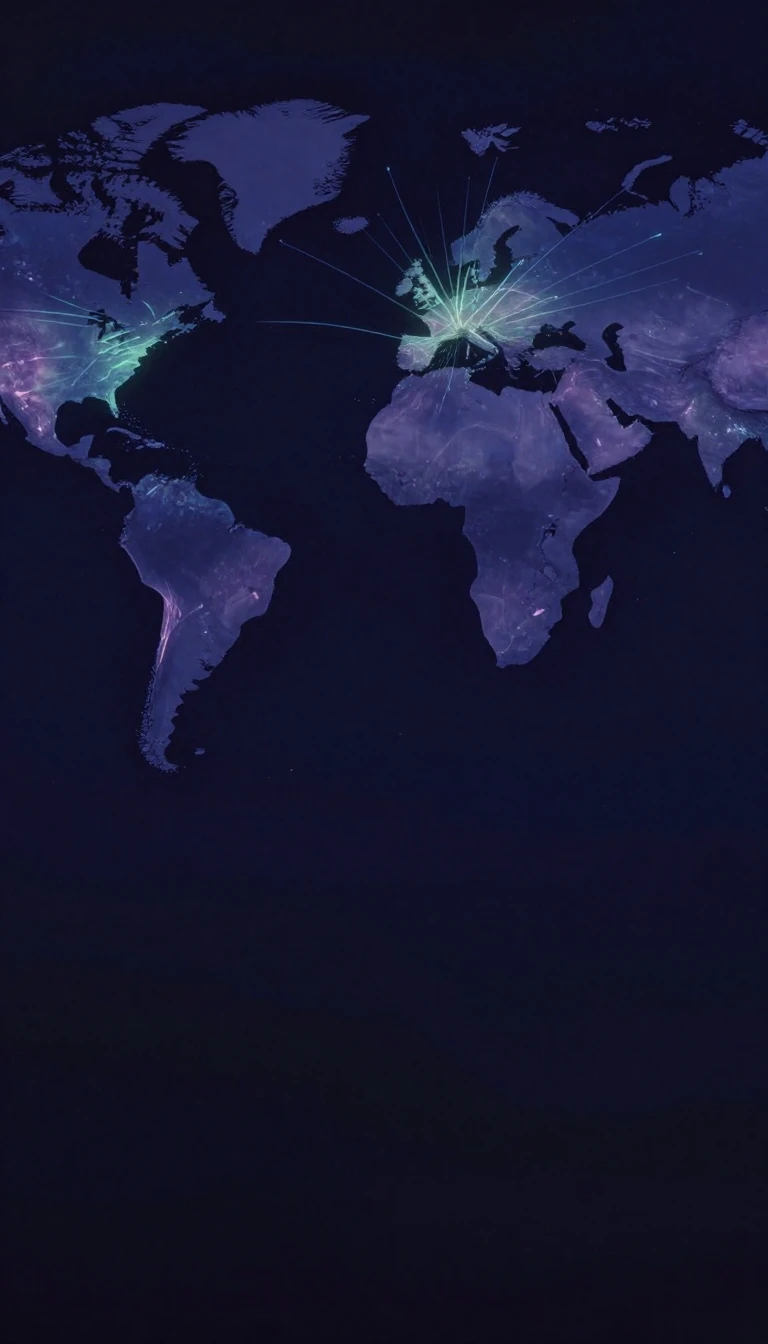 The ambiguous geography of a term used by corporations and diplomatsIs 'Greater China' a cultural reality, an economic shorthand, or a political minefield? While multinational giants use the term to streamline regional operations, its definition s…
 Is the subantarctic a precise geographic zone or a shifting, contested scientific frontier?The subantarctic region is a complex belt of islands and oceans sitting between the temperate world and the frozen Antarctic. While defined by the Antarctic Convergence, its bound…
 Why the length of a coastline changes depending on how you measure itIs a coastline a fixed boundary or a shifting measurement? In geography, the answer depends entirely on your scale. Depending on the resolution you choose, the same physical featu…
- The Subarctic is a vast, frozen frontier where permafrost dictates the limits of life.Spanning the northern reaches of the globe, the Subarctic is defined by its harsh boreal forests and enduring permafrost. While indigenous cultures have thrived here for centuries…
 How a nineteenth-century German geographer’s theories helped shape the darkest chapters of historyFriedrich Ratzel, a pivotal figure in modern geography, introduced the concept of Lebensraum, or living space. While he intended to study how human groups relate to their physical…
 Earth is divided into two distinct halves based on the dominance of land or sea.If you could rotate the globe to maximize land coverage, you would center it on France. Flip that perspective to the opposite side of the planet, and you find a vast, watery expan…
 Why the map of human language is far more complex than simple bordersLanguage geography reveals how speech patterns shift across space and time. It is not just about where languages are spoken, but how they interact, conflict, and overlay one anoth…
 Why your precise GPS coordinates are actually just a relative measurement of the EarthWe often think of location as a fixed, absolute point on a map. Yet, geography reveals that even the most precise coordinates are inherently relative. Whether you are using a grid…
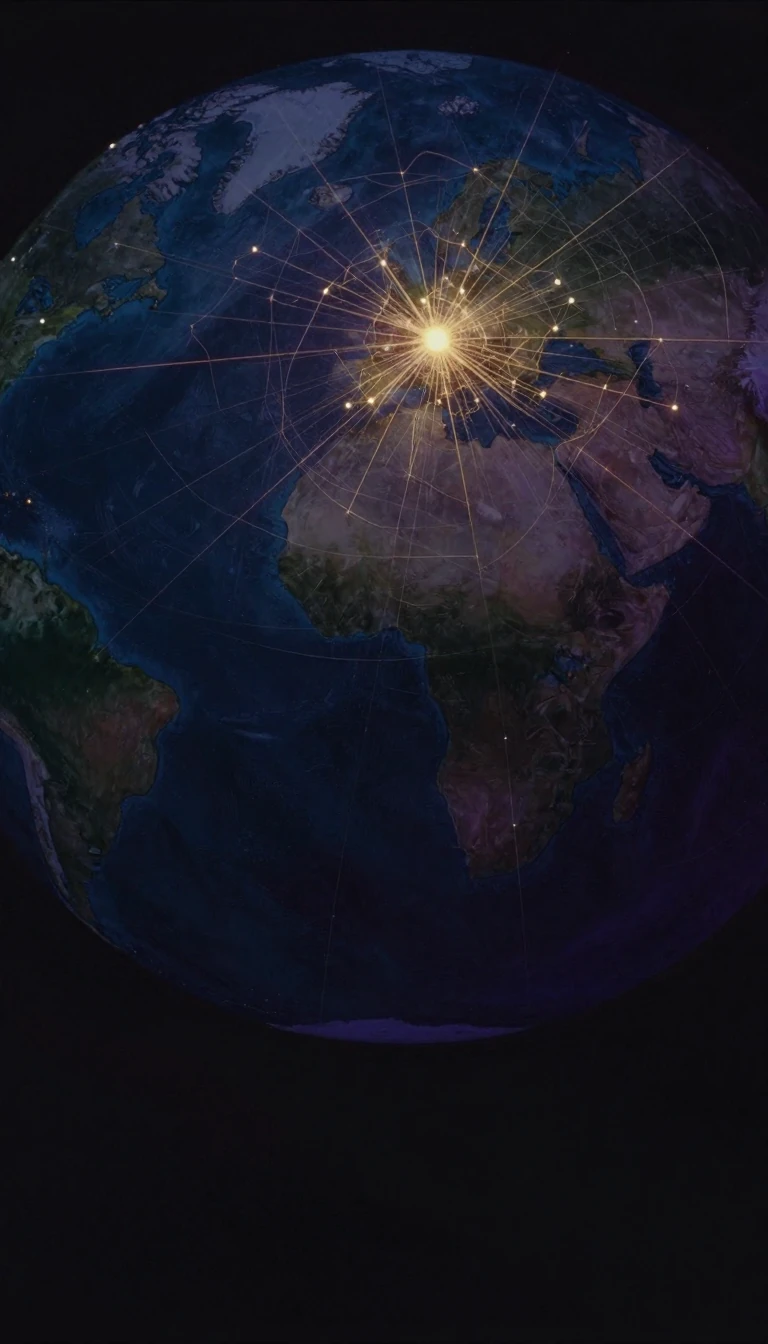 Why the Old World is more than just a name for three continentsThe term Old World emerged after 1493, serving as a European label to distinguish Afro-Eurasia from the newly encountered Americas. Yet, beyond geography, it defines a historical …
 Why the places you inhabit are fundamental to the person you becomePlace identity is more than just a zip code; it is a complex psychological bond where your surroundings shape your sense of self. From urban planning to environmental psychology, …
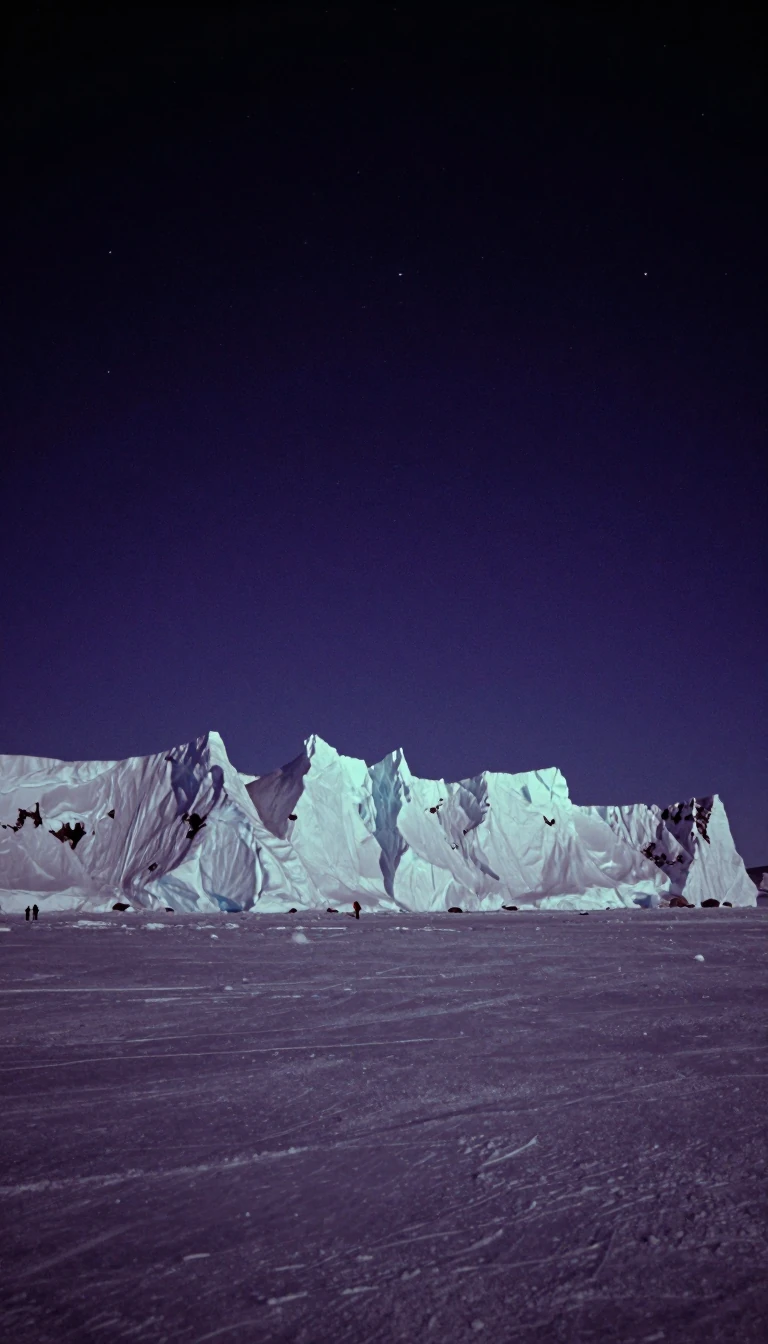 Why the Arctic and Antarctic are the most critical engines of global climate changeThe polar regions are warming significantly faster than the rest of the planet, triggering shifts that ripple far beyond the ice. Because these zones dictate global atmospheric an…
 Why defining the world's regions is more art than exact scienceRegional geography seeks to understand the unique blend of natural and human elements that define specific places. Once the dominant paradigm in the field, this approach has faced…