 Intellect Plus
Art
5,849 cards. Each one is a 40-second story with a five-minute read behind it. Page 62 of 98.
Subtopics: Art crime · Art history · Art museums · Arts: General · Baroque · Calligraphy · Ceramics · Children's literature · Classic literature · Colour · Concepts of fiction and narrative · Conceptual art · Conservation · Craft · Cultural venues · Dada · Detective fiction · Directors, producers and screenwriters · Dye · Entertainers · Expressionism · Fantasy literature · Fictional and legendary characters · Film and television · Filmmakers and theatre directors · Forgery · Fresco · History painting · Illustration · Impressionism · Literature · Medieval art · Michelangelo · Modern art · Mosaics & stained glass · Oil painting · Optics · Painting · Paris salon · Performing arts · Photography · Pigments · Poetry · Poets · Portraiture · Post impressionism · Printmaking · Renaissance · Romanticism · Science fiction literature · Sculpture · Shakespeare · Spanish golden age · Street art · Symbolism · Textiles · Theatre · UK & Ireland: arts · Van gogh · Vermeer · Victorian · Visual artists · Visual arts
 Why Chicago’s iconic Bean was once considered an impossible engineering nightmareAnish Kapoor’s Cloud Gate is a seamless, 110-ton stainless steel marvel that defines Millennium Park. Yet, its creation was so fraught with technical hurdles that experts initiall…
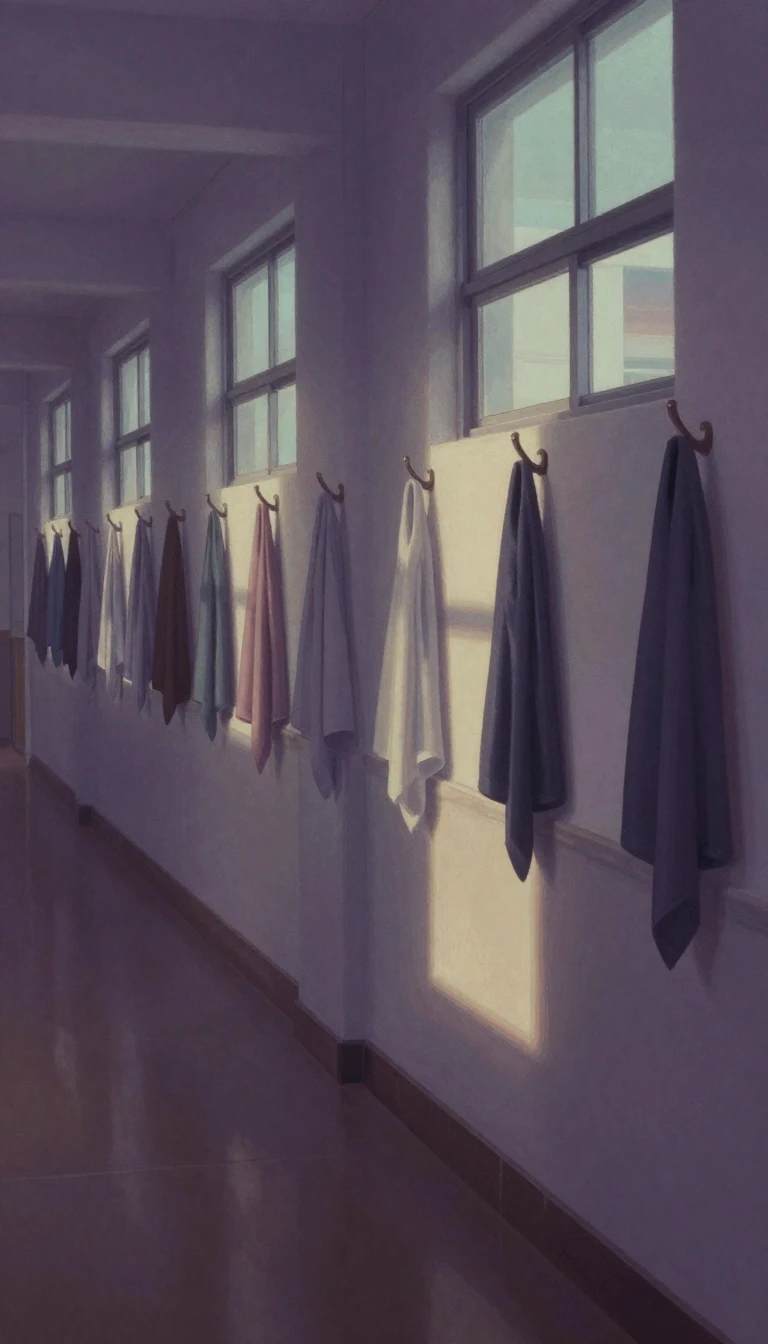 How a fictional rebellion against a global empire became a landmark of Japanese animation.Code Geass follows an exiled prince who gains the supernatural power of absolute obedience. Using this ability, he leads a high-stakes mecha rebellion against the Holy Britannian …
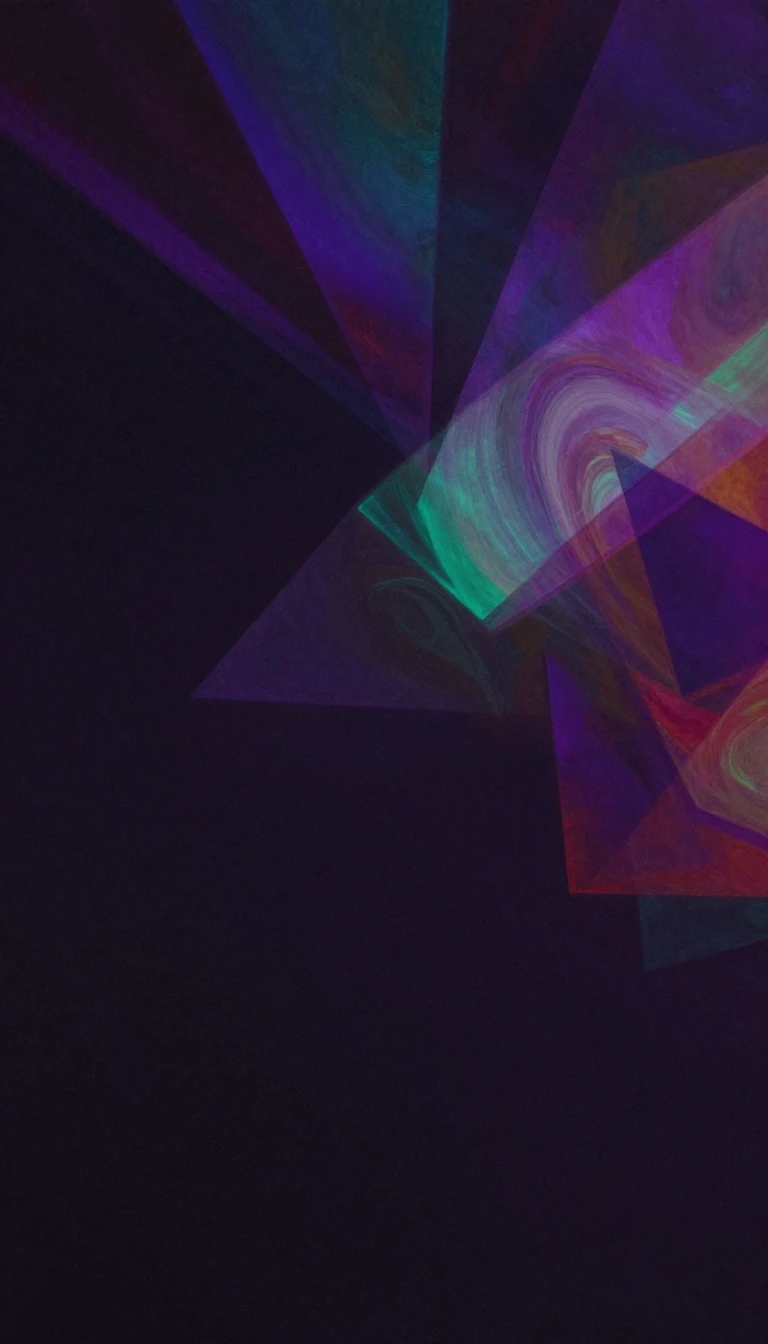 Color field painting stripped away artistic ego to let pure color speak for itself.Emerging in the 1940s, color field painting rejected the frantic brushwork of action painters in favor of vast, unbroken surfaces. By treating color as the subject rather than a t…
 Beyond the rainbow: How color transformed the visual language of cinemaColor film was not merely a technical upgrade; it was a profound shift in how directors manipulate audience perception. While early pioneers relied on manual painting and stencils…
 From children's learning tools to adult therapy, the coloring book has evolved significantly.Once a simple educational aid for children, the coloring book has transformed into a global phenomenon for adults. From its origins in the nineteenth-century democratization of ar…
 Why a rumpled, cigar-chomping detective became the world's most unlikely television iconColumbo redefined the mystery genre by flipping the script: the audience watches the crime happen first, then follows a disarming, seemingly inept detective as he methodically dis…
 Are comedians wired differently? Science suggests a link between humor and specific personality traits.Comedy is an ancient craft, yet its practitioners remain a psychological enigma. A 2014 study suggests that the cognitive machinery required to generate humor shares surprising si…
 Why comedy is far more than just a simple genre of filmComedy is often dismissed as a lighthearted genre, but it is actually a complex, multifaceted category of cinema. From its roots in silent slapstick to modern hybrid forms, comedy…
 How Piet Mondrian used primary colors and straight lines to seek universal harmonyPiet Mondrian spent his career stripping art down to its most fundamental elements. By rejecting representational imagery in favor of pure abstraction, he sought to express a spir…
 Computer-generated imagery began in flight simulators, long before it reached the silver screen.We often associate computer-generated imagery with blockbuster films and digital avatars, but its origins lie in the cold, practical world of aviation. Decades before it transform…
 Why do we watch dance instead of just doing it ourselves?Concert dance transforms movement into a deliberate spectacle for an audience. Unlike social dance, which prioritizes participation, this art form relies on rehearsed choreography…
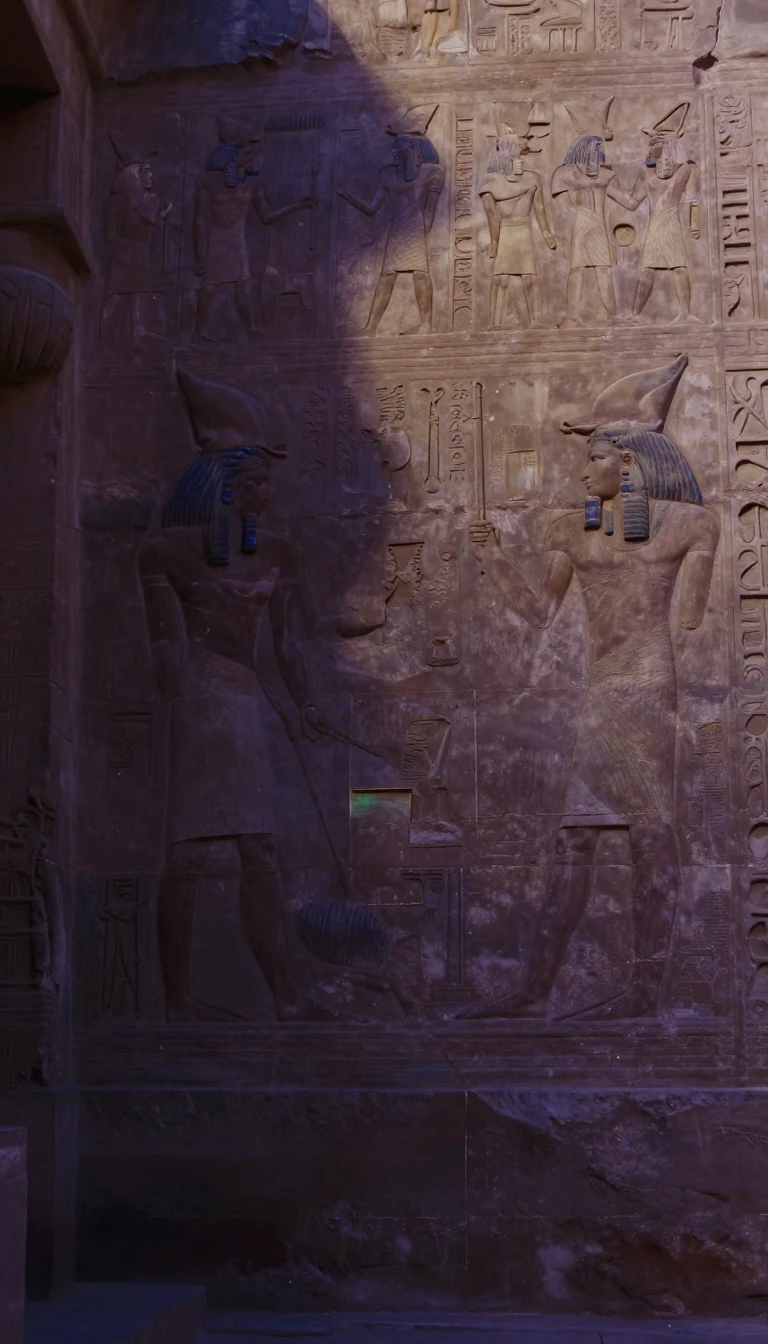 Is it possible to fix a masterpiece without destroying its soul or original intent?Conservation is no longer just about mending broken objects. It is a rigorous, scientific, and ethical discipline that balances the physical needs of an artifact with the artist's…
- How contemporary ballet broke the rigid rules of classical dance to find new freedomContemporary ballet blends the technical precision of classical training with the fluid, grounded movements of modern dance. By discarding the strict requirements of tutus and upr…
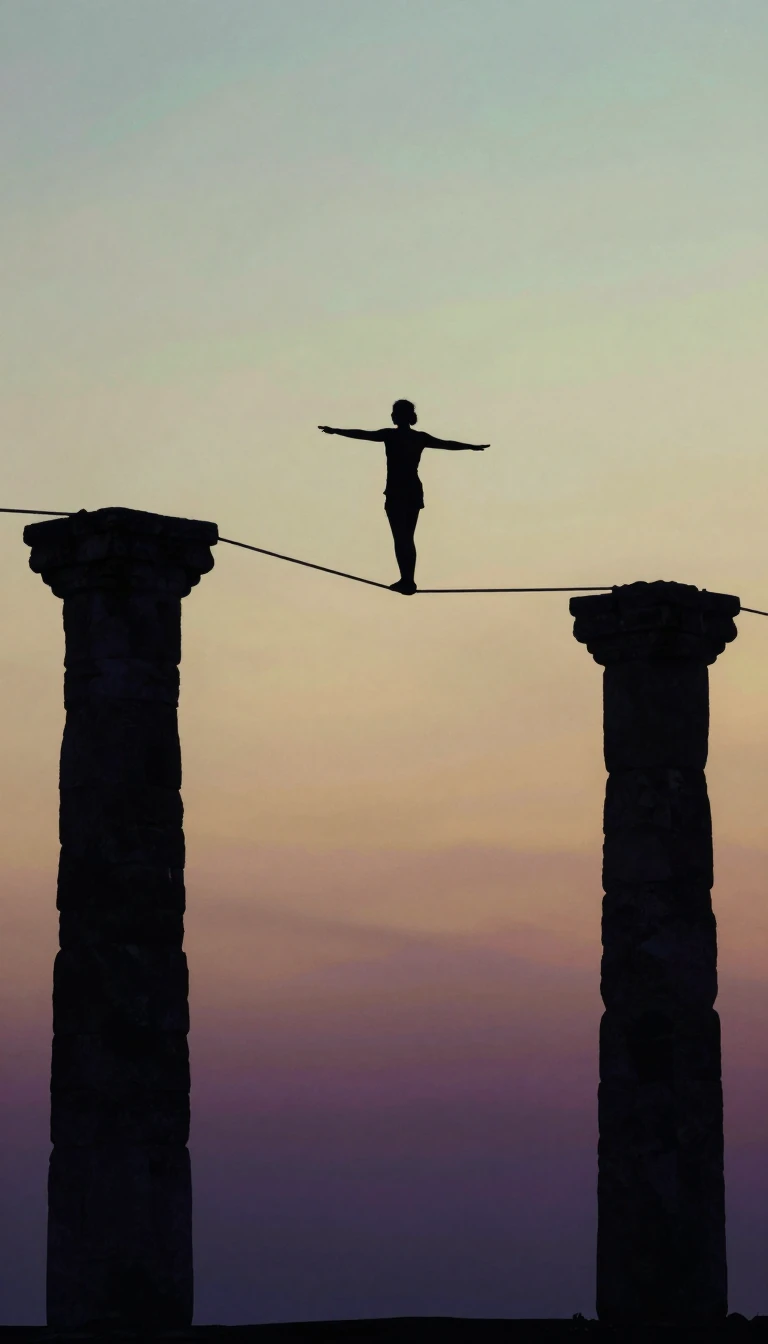 Is extreme flexibility a natural gift or the result of rigorous physical training?Contortion is more than just bending; it is a demanding performance art requiring immense strength to stabilize joints. While genetics and hypermobility play a role, the most impr…
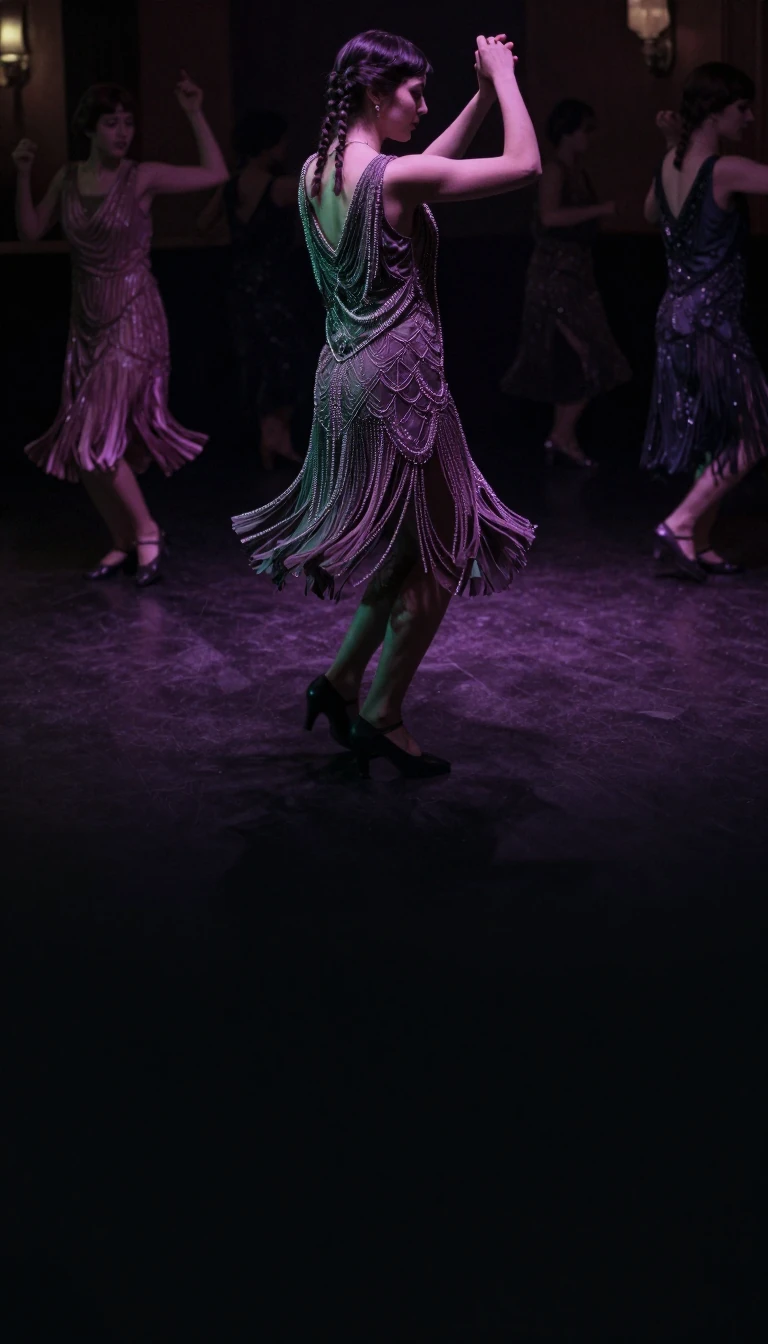 Contra dance is a social, non-hierarchical folk tradition that thrives on continuous, rhythmic movement.Contra dance is a communal folk form where couples progress through long lines, dancing with everyone in the set. Unlike many social dances, it requires no memorization or specifi…
 Beyond the recipe, cookbooks are historical blueprints for culture, gender, and social identity.Cookbooks are far more than simple collections of instructions. They serve as primary historical sources, revealing shifting gender roles, political ideologies, and economic reali…
- The corps de ballet is the backbone of dance, yet its history is complex.Far from mere background scenery, the corps de ballet provides the essential framework and aesthetic form for classical dance. While these dancers move in perfect synchronization …
 From ancient masks to 3D printing, how costume design shapes the theatrical worldCostume design is more than just clothing for performers; it is a vital visual language that defines status, personality, and historical context. From the ritualized masks of anci…
 Why the humble couplet remains the most explosive unit of poetic expressionA couplet is simply two successive lines of verse, yet it has anchored global literature for centuries. From the heroic couplets of the 18th century to the ancient moral wisdom of…
- Why the cover of your favorite book or album is a masterclass in marketingCover art is far more than a decorative wrapper. From the iconic, haunting eyes on The Great Gatsby to the strategic use of color to signal gender or ethnicity, these images are c…
 Why a failed toy line birthed one of the most influential anime series everCowboy Bebop began as a commercial project intended to sell spacecraft toys, but its creator, Shinichirō Watanabe, had other plans. When sponsors pulled out, Watanabe gained the c…
- How a mischievous five-year-old became a global cultural phenomenon with 148 million copies soldCrayon Shin-chan follows the daily life of a five-year-old boy in Kasukabe, Japan. Known for his inappropriate language and flirtatious behavior toward adults, the character has s…
 Why the crime film is an impossible genre to define with absolute precisionCrime films are not defined by the presence of a crime, but by their complex relationship with society. Scholars argue that labeling every film featuring a central crime as a crim…
 How a subtitled wuxia epic shattered American box office records and redefined global cinemaAng Lee’s 2000 masterpiece, Crouching Tiger, Hidden Dragon, did the unthinkable: it became the highest-grossing foreign-language film in American history. By blending high-stakes …
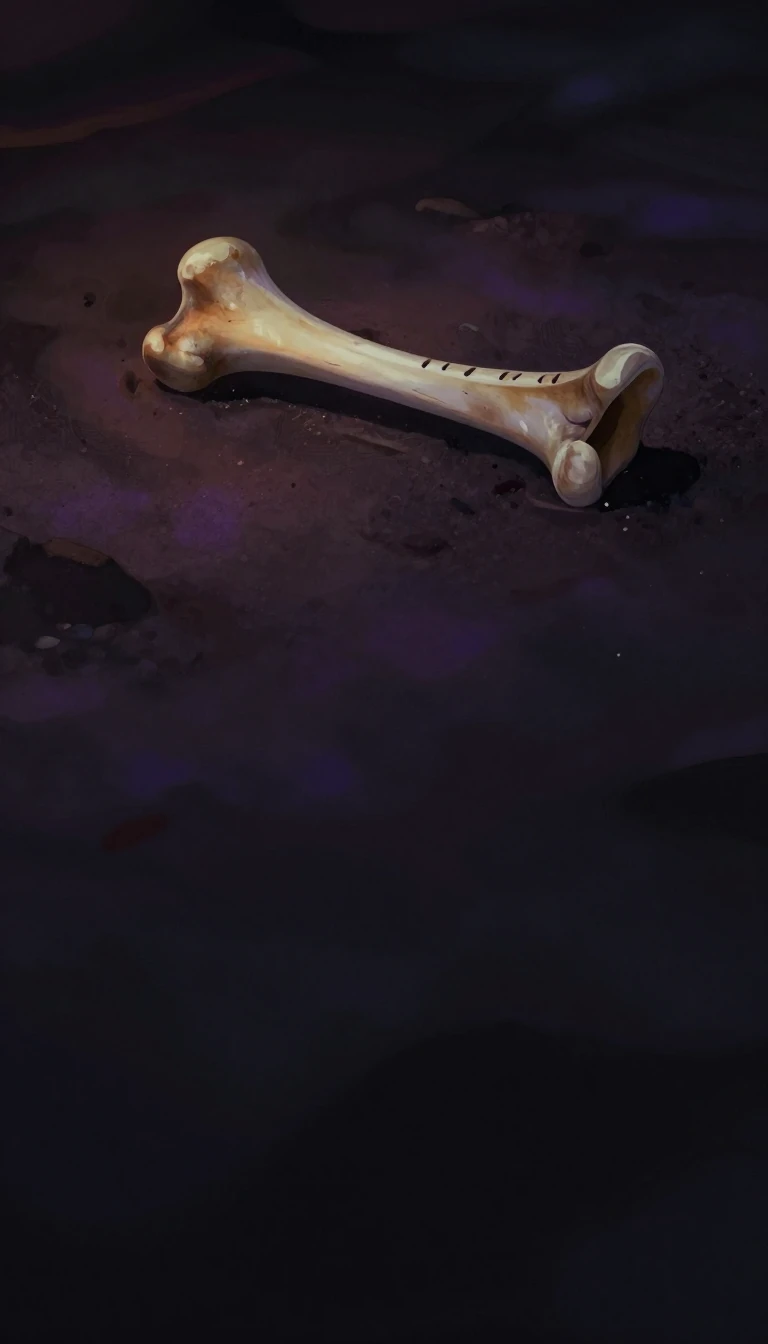 Why the world's first dinosaur sculptures are scientifically wrong but historically essentialUnveiled in 1854, the Crystal Palace dinosaurs were the first life-sized models of extinct animals. While modern palaeontology has proven these Victorian creations largely inaccur…
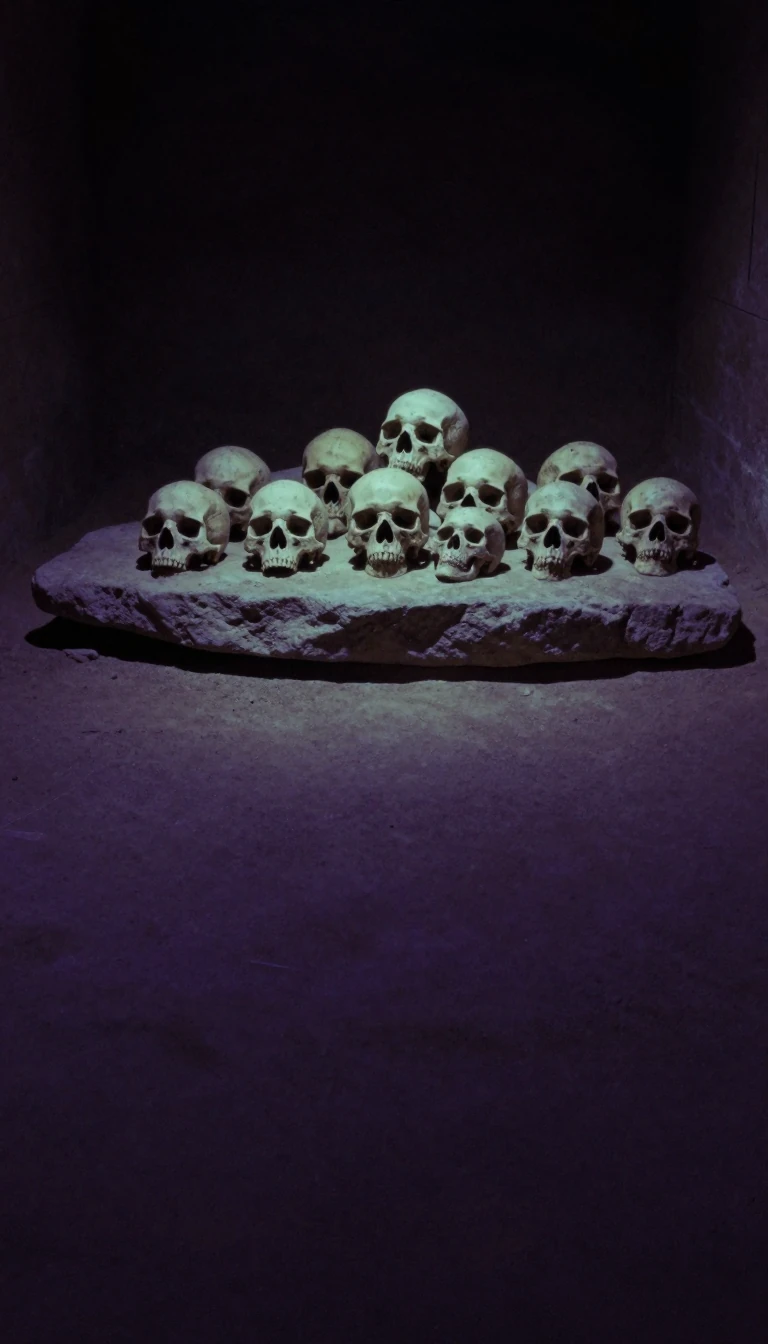 Are the famous crystal skulls ancient relics or merely 19th-century German craft projects?Crystal skulls are often marketed as ancient Mesoamerican artifacts with supernatural healing properties. However, modern scientific analysis suggests these macabre objects are li…
 Why a fictional monster created in 1928 became a global cultural phenomenonH.P. Lovecraft introduced Cthulhu in 1928, describing a terrifying entity with an octopus-like head and wings. This cosmic priest, who supposedly drives observers to madness, evol…
 Why the cups and balls trick is the ultimate litmus test for every magicianFor two millennia, the cups and balls have served as the fundamental training ground for sleight of hand. From ancient Roman conjurers to modern masters, this deceptively simple r…
 How Czech literature became a lifeline for a nation without a stateFor centuries, the Czech language was not just a medium for storytelling but a vital tool for survival. As Bohemia existed under the shadow of foreign empires, writers used their …
- Dabke: The ancient Levantine dance that turns stomping feet into a symbol of unityDabke is a vibrant group dance across the Levant, defined by rhythmic footwork and synchronized movement. Whether performed spontaneously in a village square or by professionals a…
 Why a sitcom about incompetent soldiers became a cornerstone of British national identityDad's Army, the beloved BBC sitcom about the Home Guard, captured the spirit of Britain during the Second World War. With 80 episodes and peak audiences of 18.5 million, it transf…
 How a manic, black-feathered duck became the definitive screwball of the golden ageDaffy Duck debuted in 1937 as a chaotic, unpredictable force that shattered the conventions of early animation. Born from the low-budget ingenuity of the Termite Terrace studio, t…
 How a Texas soap opera transformed the landscape of prime-time television foreverDallas began as a modest five-part miniseries in 1978, but it soon evolved into a global cultural phenomenon. By blending Machiavellian business schemes with the intimate, tumultu…
 Why dance crazes are more than just fleeting fads of the twentieth centuryFrom the Twist to Gangnam Style, dance crazes are short-lived bursts of popularity that define specific eras. While often dismissed as commercial novelties, these dances reveal ho…
 Why Matisse abandoned detail to capture the raw, rhythmic pulse of human emotionIn 1909, Henri Matisse shocked critics by stripping the human form to its barest essentials. By rejecting traditional perspective and photographic precision, he sought to convey p…
- Dance notation is the art of translating four-dimensional movement into two-dimensional written signs.Just as musical notation captures sound, dance notation attempts to freeze the fluid, four-dimensional nature of movement onto paper. From Renaissance shorthand to modern digital …
 Is this 4,000-year-old bronze figure a dancer or a woman carrying an offering?Excavated in 1926, the Dancing Girl is a tiny, 10.5-centimetre bronze masterpiece from the Indus Valley Civilisation. While generations have admired her confident, naturalistic po…
 From Runic Stones to Modern Realism: The Evolution of Danish Literary HeritageDanish literature began with warriors and kings carved into stone, evolving through centuries of religious upheaval and royal intrigue. From the Latin chronicles of the Middle Age…
 An ancient Armenian epic survives not in books, but through the voices of bards.For centuries, the Daredevils of Sassoun was transmitted solely by word of mouth across the Armenian Highlands. This heroic saga of four generations of warriors, now a UNESCO-reco…
 How a medical family drama became one of the world's longest-running television programsCreated by Ted and Betty Corday in 1965, Days of Our Lives transformed from a domestic hospital drama into a daring, supernatural-tinged cultural institution. Spanning 15,000 epis…
 Can a poem about invisible particles cure the human fear of death?Lucretius wrote De rerum natura to liberate humanity from the terror of divine wrath. By applying the ancient Greek philosophy of atomism, he argued that the universe is merely a …
 A notebook that kills: how a dark manga became a global cultural phenomenonWhen a brilliant student finds a supernatural book that grants the power to kill anyone by writing their name, a high-stakes game of cat and mouse begins. This suspense-driven man…
 Is Ded Moroz a Slavic deity or a Soviet political invention for the holidays?Ded Moroz, the legendary Grandfather Frost, is a complex cultural icon. While his roots reach back to pre-Christian Slavic winter mythology, his modern identity was forged by Sovi…
 How a low-budget Canadian school project became a global teen drama powerhouseBorn from a teacher’s desire to help students tell their own stories, the Degrassi franchise evolved from modest short films into a cultural phenomenon. By prioritizing authentic …
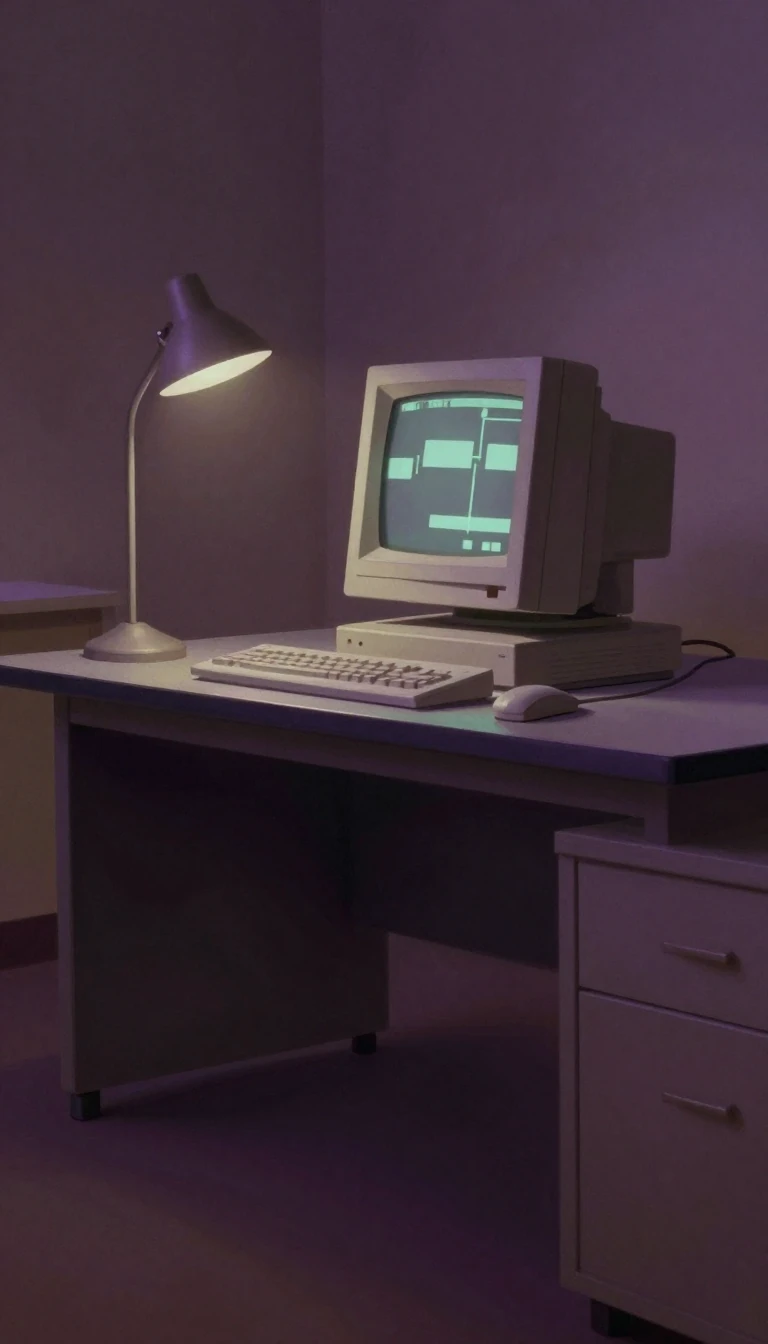 The Demoscene: Where Coders Turn Tiny Files Into Massive Digital Art MasterpiecesBorn from the rebellious spirit of 1980s software crackers, the demoscene is a global subculture dedicated to pushing hardware to its absolute limits. Artists and programmers comp…
- Why a rejected painting sparked a revolution in modern artWhen Wassily Kandinsky saw his work rejected by his own Munich art association in 1911, he did not just walk away. He launched a rival movement, Der Blaue Reiter. This short-lived…
 How a fictional military romance reshaped the global reach of South Korean televisionThe 2016 series Descendants of the Sun broke the mold of Korean drama production. By moving away from the industry-standard live-shoot model, it achieved unprecedented internation…
 From Online Webcomic to Global Phenomenon: The Evolution of Diary of a Wimpy KidBefore it became the fourth best-selling book series in history, Jeff Kinney’s Diary of a Wimpy Kid began as a humble online project. Spanning twenty main entries and over 300 mil…
 Die Hard was a risky, low-budget gamble that redefined the modern action hero archetype.Before it became a holiday staple, Die Hard was a controversial project. Studio executives doubted Bruce Willis, a television actor, could carry a blockbuster. Yet, by subverting …
 From cathode rays to digital canvas: how computers redefined the art of paintingDigital painting is more than just pixels on a screen; it is a sophisticated evolution of traditional illustration. Born from early graphical programs and specialized hardware, th…
 Can a film about arranged marriage redefine what it means to be modern?Released in 1995, Dilwale Dulhania Le Jayenge became a cultural phenomenon by blending traditional family values with the modern desire for individual choice. It transformed the l…
 Why the world's most famous discus thrower is actually an athletic impossibilityMyron’s ancient Greek masterpiece, the Discobolus, captures a discus thrower at the peak of his tension. Yet, modern experts argue the pose is physically inefficient and perhaps i…
 Before the films became global icons, Disney built an empire through daily newspaper strips.Long before the modern cinematic universe, Disney dominated the printed page. From the 1930 debut of Mickey Mouse to the sprawling adventures of Donald Duck, these comics were not…
 Can a single day of sweltering heat expose the fractures in an entire society?Spike Lee’s 1989 masterpiece Do the Right Thing captures a Brooklyn neighborhood reaching a breaking point. As temperatures climb on the year's hottest day, long-simmering racial …
 Why a masterpiece about the Russian Revolution remained hidden for three decadesBoris Pasternak’s epic novel, Doctor Zhivago, captured the tumultuous collapse of Imperial Russia and the rise of the Bolsheviks. Though it became a global sensation after its 195…
 Why these kitsch poker-playing dogs became an indelible part of the American subconsciousCassius Marcellus Coolidge’s series of anthropomorphized dogs playing poker is more than a punchline. Created between 1894 and 1910, these eighteen oil paintings have permeated po…
 How a satirical comic strip became a fixture of American political life for decadesCreated by Garry Trudeau, Doonesbury evolved from a college newspaper strip into a sophisticated, long-running social commentary. By tracking its characters as they aged in real t…
 How a rejected pitch about forest animals became a global icon of interactive television.Dora the Explorer began as a concept about a rabbit, but evolved into a pan-Latina cultural phenomenon. By blending the narrative style of Little Bear with the interactive mechani…
- How a robotic cat from the 22nd century became Japan's first anime ambassador.Created by Fujiko F. Fujio, Doraemon is an earless, blue robotic cat sent back in time to help a hapless boy named Nobita. Since its 1969 debut, this manga has sold over 300 milli…
 How a rejected crime novel became the definitive blueprint for American film noirBilly Wilder’s 1944 masterpiece Double Indemnity almost never reached the screen. After censors blocked the project for years, Wilder and Raymond Chandler transformed a sordid pul…