 Intellect Plus
Art
5,849 cards. Each one is a 40-second story with a five-minute read behind it. Page 59 of 98.
Subtopics: Art crime · Art history · Art museums · Arts: General · Baroque · Calligraphy · Ceramics · Children's literature · Classic literature · Colour · Concepts of fiction and narrative · Conceptual art · Conservation · Craft · Cultural venues · Dada · Detective fiction · Directors, producers and screenwriters · Dye · Entertainers · Expressionism · Fantasy literature · Fictional and legendary characters · Film and television · Filmmakers and theatre directors · Forgery · Fresco · History painting · Illustration · Impressionism · Literature · Medieval art · Michelangelo · Modern art · Mosaics & stained glass · Oil painting · Optics · Painting · Paris salon · Performing arts · Photography · Pigments · Poetry · Poets · Portraiture · Post impressionism · Printmaking · Renaissance · Romanticism · Science fiction literature · Sculpture · Shakespeare · Spanish golden age · Street art · Symbolism · Textiles · Theatre · UK & Ireland: arts · Van gogh · Vermeer · Victorian · Visual artists · Visual arts
 From ramen lids to historical dioramas, why do we obsess over tiny human figures?Model figures are more than plastic toys. Whether they are 1:35 scale soldiers in a World War II diorama or high-end anime statues, these miniatures bridge the gap between histori…
 Can twelve strangers dismantle a murder conviction using only the power of reasonable doubt?In the 1957 courtroom drama 12 Angry Men, a single juror challenges a seemingly open-and-shut murder case. As the group deliberates, their initial consensus crumbles under scrutin…
 How a radical real-time experiment redefined the action thriller for the digital ageEach season of the series 24 unfolds over one single day, with every episode capturing one hour of narrative time. By utilizing a ticking digital clock, split-screen visuals, and …
 Roberto Bolaño’s final masterpiece, 2666, is a haunting, unfinished labyrinth of modern violence.Released posthumously, this massive, five-part novel explores the brutal femicides of a fictional Mexican border city. Written while the author faced a terminal illness, it blurs …
 Why 2D graphics remain the superior choice for typography, cartography, and technical designWhile 3D graphics mimic photography, 2D computer graphics function like traditional printing and drawing. By treating images as independent artifacts with specific semantic value,…
 A 1991 masterpiece captures the haunting, violent reality of growing up in post-war Taipei.Edward Yang’s epic drama explores the fractured identity of teenagers in 1960s Taiwan. Through the lens of a real-life murder case, the film examines how political exile, shifting…
 Why a massive painting of a boring funeral shocked the 19th-century art worldWhen Gustave Courbet debuted his monumental canvas in 1850, it broke every rule of high art. By depicting a provincial funeral at a scale reserved for kings and gods, he forced th…
 How a 1989 film broke decades of silence on Taiwan's darkest political chapterHou Hsiao-hsien’s A City of Sadness was the first film to openly depict the 1947 February 28 Incident and the subsequent White Terror. By focusing on the intimate struggles of one…
 Is true goodness possible if it is forced upon us by the state?Stanley Kubrick’s 1971 dystopian masterpiece, A Clockwork Orange, explores the chilling intersection of free will and state-mandated morality. By subjecting a charismatic delinque…
 Can technology be humanized to help us resist the tyranny of our own devices?Nam June Paik, a pioneer of electronic art, transformed television sets into anthropomorphic sculptures to challenge our relationship with media. By building a family of robots fr…
 Why George R. R. Martin’s Epic Fantasy Shares Its Name With Modernist MasterpiecesThe title A Song of Ice and Fire evokes a grand, fictional struggle, yet it echoes a tradition of artistic naming. From Arshile Gorky’s 1946 painting The Plow and the Song to Jule…
 Tennessee Williams’ masterpiece captured the brutal collision between fading Southern gentility and industrial reality.When Blanche DuBois arrives in New Orleans, she carries the weight of a lost plantation and a shattered past. Her desperate attempt to find refuge with her sister, Stella, forces …
 How a French Magician Launched Cinema Into the Stars With a Bullet-Shaped ShipIn 1902, Georges Méliès transformed storytelling by sending astronomers to the moon in a cannon-fired capsule. This silent masterpiece, featuring an iconic collision with the luna…
 Why a monstrous, big-footed painting became the symbol of Brazil’s cultural identityPainted in 1928 as a birthday gift, Tarsila do Amaral’s Abaporu features a distorted, solitary figure with an enormous foot and a tiny head. This surreal image sparked a radical m…
 How a sitcom about two chaotic, substance-abusing women became a British cultural institutionAbsolutely Fabulous, the hit sitcom created by Jennifer Saunders, follows a PR mogul and her fashion-obsessed best friend as they chase youth through alcohol and drugs. Despite in…
 Why the adventure film remains cinema's most slippery and debated genre categoryIs an adventure film defined by its exotic setting, its quest narrative, or simply the feeling of action? Historians struggle to pin down this flexible genre, which often overlaps…
 How a 12-year-old refugee became the world's most famous, unwitting portrait subjectIn 1984, a photographer captured a piercing gaze in a Pakistani refugee camp. The resulting image became an icon of the Soviet-Afghan War, yet the subject remained anonymous for n…
 How a forgotten 1957 drama became the most influential comedy in Hollywood historyThe creators of Airplane! were not looking for laughs when they stumbled upon a serious disaster film called Zero Hour!. By treating its rigid structure as a canvas for relentless…
 How a 1988 animated masterpiece redefined the boundaries of global science fiction cinemaReleased in 1988, Akira is a landmark of Japanese animation that transformed global perceptions of the medium. By blending dystopian cyberpunk with psychic horror, director Katsuh…
 How a 1938 Soviet epic film turned medieval history into a political weaponSergei Eisenstein’s Alexander Nevsky is more than a historical drama; it is a masterclass in cinematic propaganda. By blending rhythmic editing with a legendary score, the film tr…
 Why Alice is the ultimate cultural icon, known by everyone who never read herAlice is a literary protagonist who has transcended her original Victorian pages to become a modern myth. Whether she is a blonde in a blue dress or a rebellious Japanese fashion …
 Why Ridley Scott's 1979 masterpiece Alien remains the definitive blueprint for science-fiction horrorReleased in 1979, Alien transformed the genre by blending claustrophobic industrial design with a terrifying parasite narrative. Directed by Ridley Scott, the film introduced Elle…
 Why the Bunkers of Queens redefined the American nuclear family on televisionAll in the Family transformed the sitcom by injecting realistic, topical conflicts into the domestic life of a working-class household. By pitting the stubborn, prejudiced Archie …
- How a fictional Pennsylvania suburb became the epicenter of American daytime television dramaCreated by Agnes Nixon, All My Children debuted in 1970 as a groundbreaking soap opera. It blended light-hearted humor with intense social commentary, tackling issues from the Vie…
 Why a 1929 novel about World War I remains the ultimate antiwar masterpieceErich Maria Remarque’s All Quiet on the Western Front stripped away the romantic veneer of combat to reveal the hollow reality of the trenches. By focusing on the psychological er…
 How a whimsical Parisian waitress became a global cultural phenomenon and scientific namesakeAmélie is more than a romantic comedy; it is a cinematic landmark that redefined contemporary French identity. From its humble Montmartre origins to its influence on television sh…
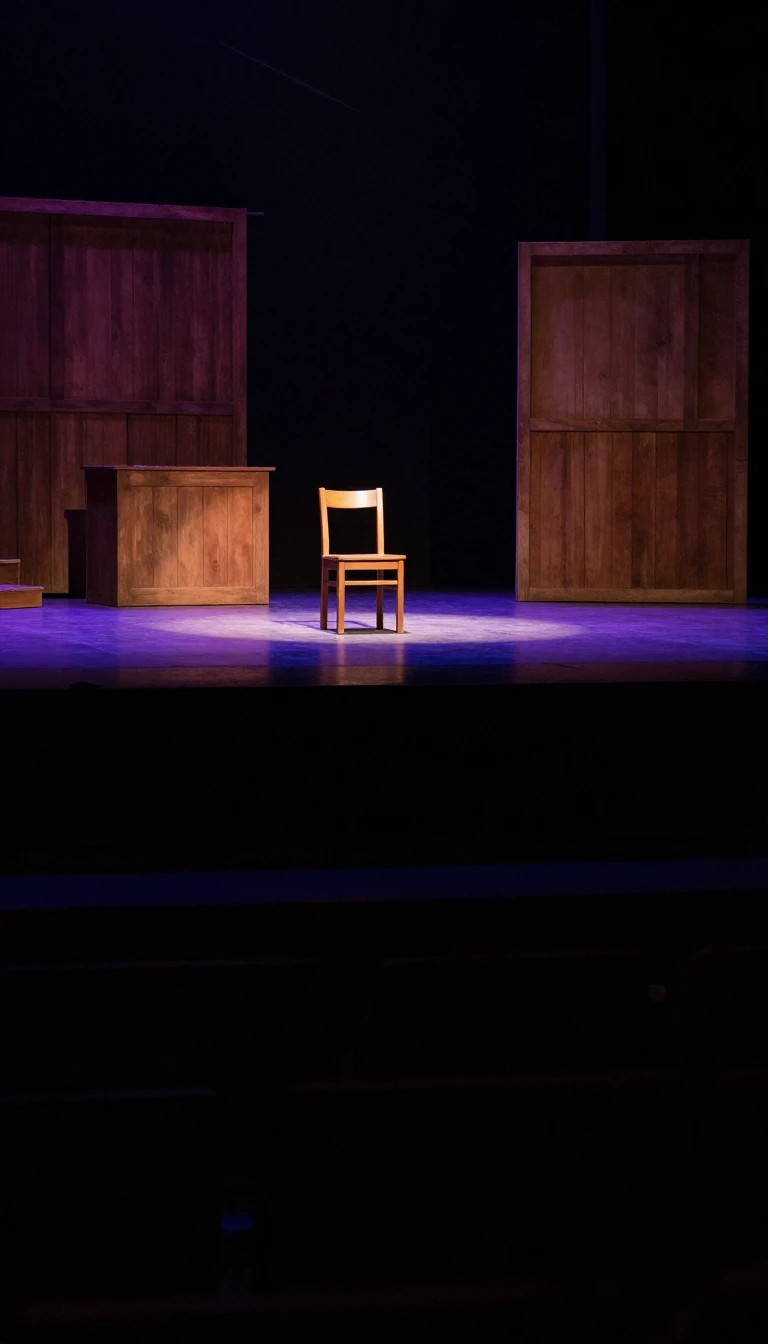 Beyond the amateur label: how community stages shape the future of professional actingAmateur theatre is often dismissed as a frivolous hobby, yet it serves as a vital training ground for the industry. Far from being merely a local pastime, these groups act as a sp…
 Why your brain struggles to decide what it is actually seeing in ambiguous imagesAmbiguous images exploit gaps in visual processing to create multistable perceptions, where one form holds multiple stable meanings. By forcing the brain to reconcile conflicting …
 The American comic book evolved from soap coupons and newspaper strips into a cultural force.Born from 1930s promotional giveaways, the American comic book transformed from a disposable tabloid insert into a sophisticated medium. While early publishers used reprints to ke…
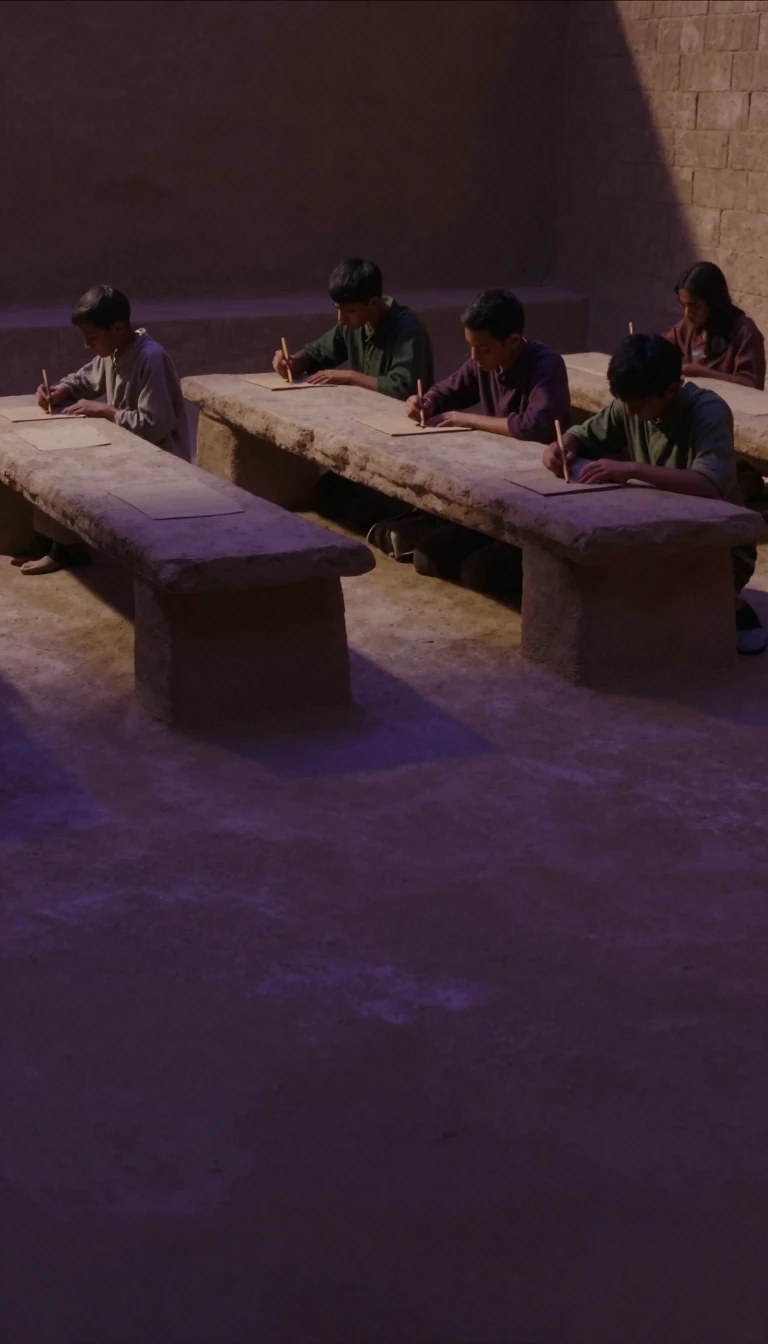 Is Grant Wood’s American Gothic a sincere tribute or a biting rural satire?Since its 1930 debut, Grant Wood’s iconic painting has sparked fierce debate. While some view the stiff, grim-faced figures as a mockery of Midwestern puritanism, others see a res…
 How a rejected British television format became the most impactful show in American broadcasting historyAmerican Idol transformed television by blending real-time public voting with the drama of personal backstories. Initially dismissed by major networks, the show became an unparall…
 How did a young nation transform colonial outposts into a global literary powerhouse?American literature is more than a collection of stories; it is a mirror reflecting the rapid expansion, industrial rise, and shifting identity of the United States. From early co…
 Is the depravity of American Psycho a reflection of capitalism or a personal void?Bret Easton Ellis’s 1991 novel, American Psycho, remains a polarizing cultural artifact. By juxtaposing graphic, sadistic violence with the mundane consumerism of 1980s Wall Stree…
 Was the legendary Anarkali a real woman or just a garden’s name?The tale of Anarkali, a courtesan walled alive by Emperor Akbar for loving his son, is a cornerstone of South Asian folklore. Yet, historical evidence suggests the name may have o…
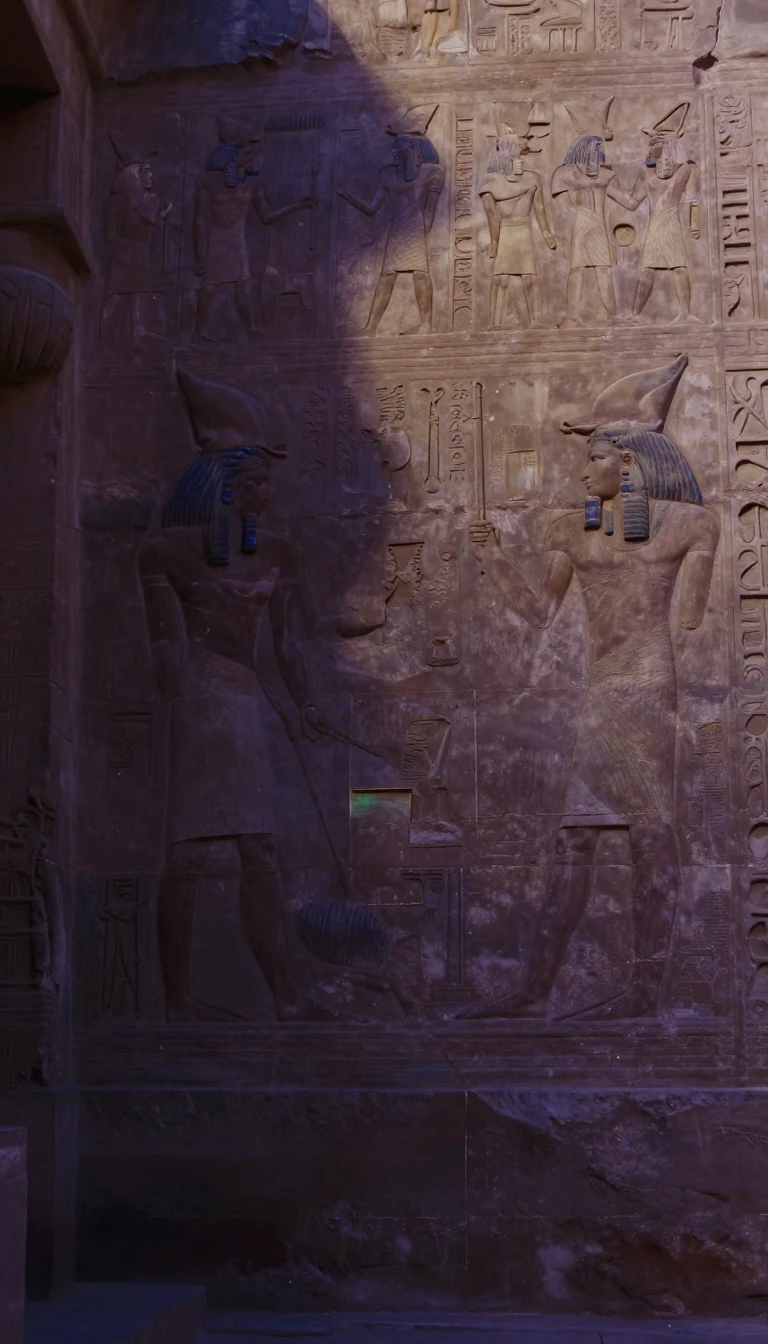 Ancient art was rarely just for aesthetics; it was a tool for order and survival.From the rigid hierarchies of Egyptian pharaohs to the trade-driven innovations of the Arabian Peninsula, ancient art served as a vital language. Whether preserving the status of …
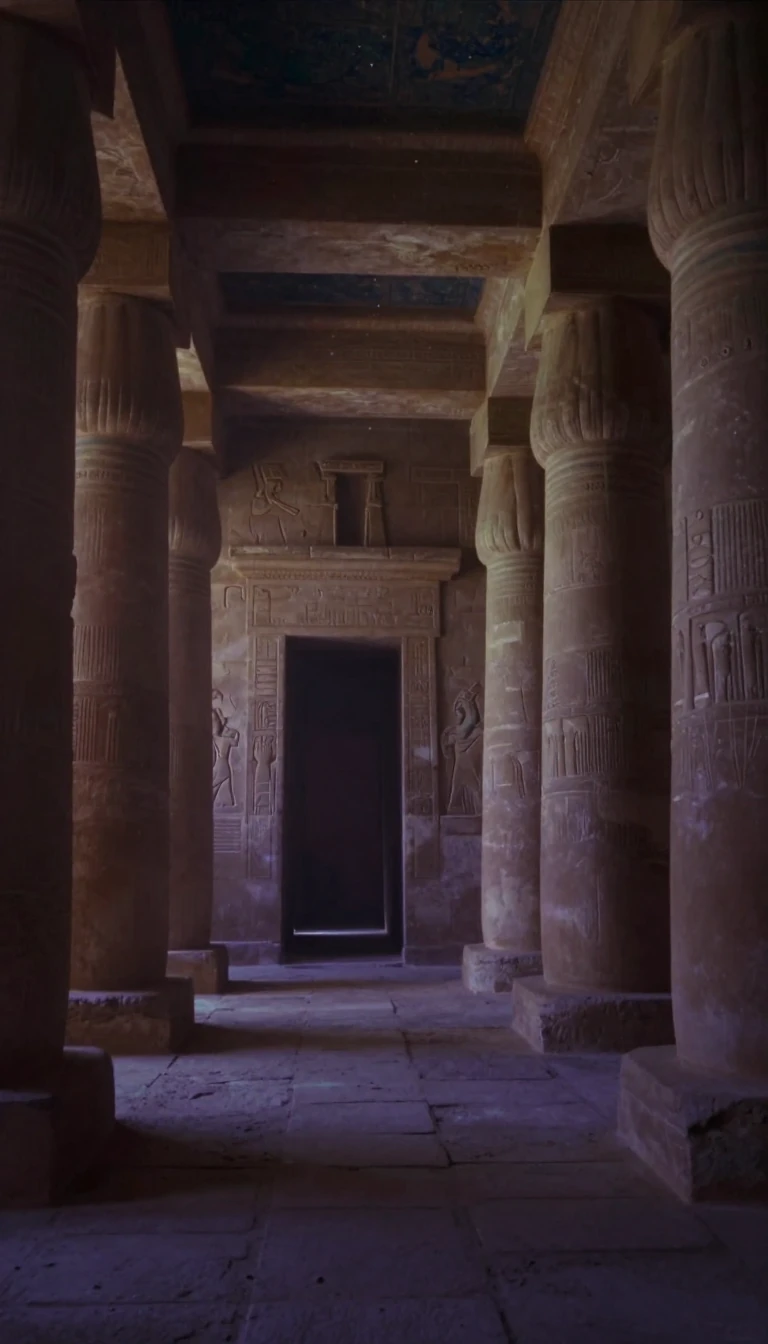 What remains of the ancient world when the physical record finally fades away?Ancient literature encompasses a vast array of human expression, from religious texts and scientific treatises to royal decrees and poetic verses. While these works were once etch…
- How a Soviet masterpiece turned a 15th-century icon painter into a cinematic legendAndrei Tarkovsky’s 1966 epic Andrei Rublev explores the intersection of faith and artistry in medieval Russia. Though censored for years under Soviet state atheism, this visually …
 How Anglo-Saxon artists fused Celtic spirals with Roman figures to create a unique aestheticBefore the Norman Conquest of 1066, Anglo-Saxon art evolved through two distinct eras defined by Viking invasions. From the intricate, zoomorphic interlace of the 7th century to t…
 How a chaotic 1990s variety show became a sophisticated masterclass in musical animationAnimaniacs was never just a children's cartoon. With a massive budget, a full orchestra, and a relentless commitment to satire, it bridged the gap between classic Looney Tunes and…
 How a 1977 romantic comedy redefined the boundaries of autobiographical cinema and actingWoody Allen’s Annie Hall transformed the landscape of romantic comedy by blending surrealism with raw, naturalistic introspection. Starring Diane Keaton in a role written specific…
 A superhero with a pastry for a head became Japan's most profitable cultural icon.Born from the creator's wartime memories of starvation, Anpanman is a Japanese superhero whose head is a bean-filled bun. Despite his unusual anatomy, he has dominated the Japanes…
 Why the most powerful truths are often the ones that require the most interpretation.An aphorism is more than a pithy saying; it is a concise, memorable distillation of principle. While often mistaken for self-evident axioms, true aphorisms demand active engagemen…
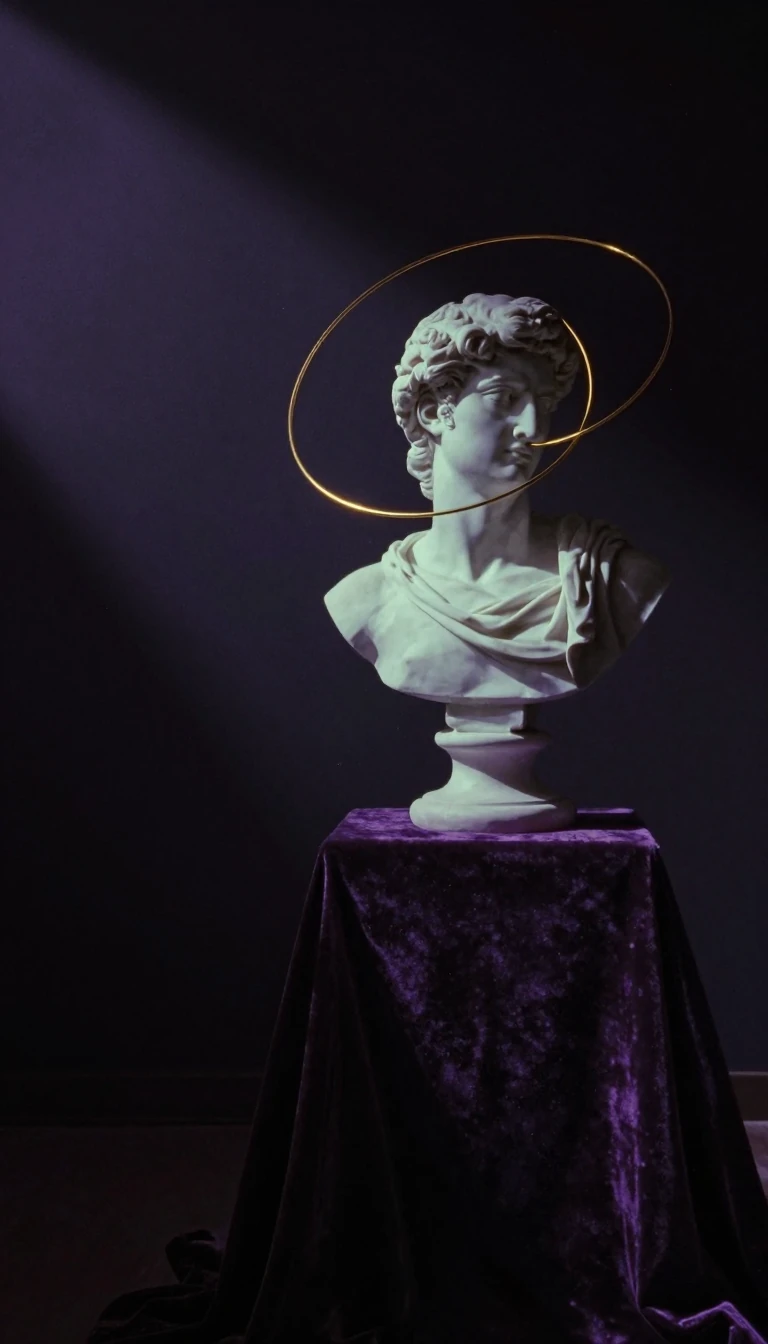 How Bernini turned cold, hard marble into a living, breathing metamorphosisGian Lorenzo Bernini’s Apollo and Daphne captures the exact second a nymph transforms into a laurel tree to escape a god’s pursuit. This Baroque masterpiece, finished in 1625, def…
 Why the distinction between fine art and applied art is often a total illusion.We often separate art into two camps: fine art, meant only to be beautiful, and applied art, which serves a practical purpose. Yet, this boundary is remarkably porous. From archit…
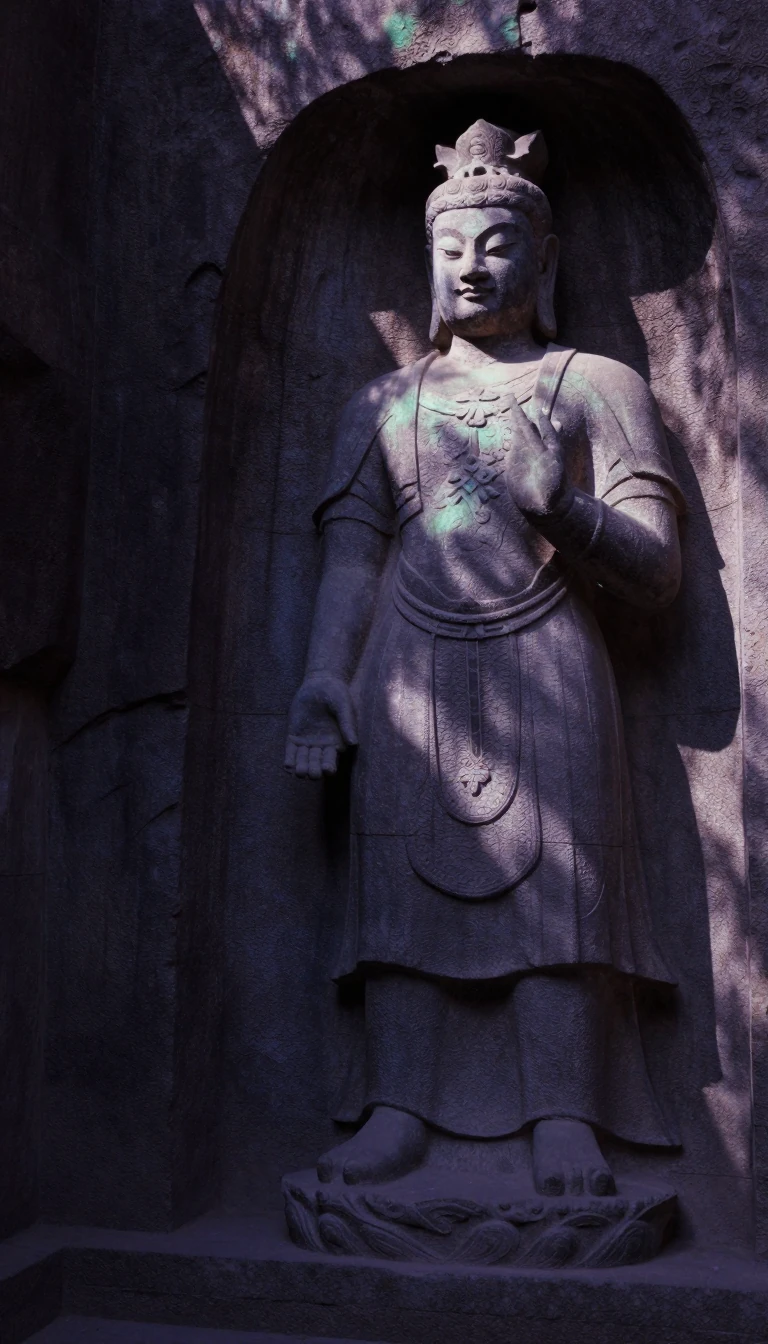 Arjuna: The Ambidextrous Archer Who Defined the Moral Complexity of Ancient Indian EpicArjuna is the legendary Pandava warrior whose prowess with the bow is matched only by his profound internal struggle. As a central figure in the Mahabharata, his journey from a di…
 The French gentleman thief who outwitted Sherlock Holmes and defied literary canonCreated in 1905 by Maurice Leblanc, Arsène Lupin is a debonair master of disguise and criminal genius. Often viewed as the French counterpart to Sherlock Holmes, Lupin’s adventure…
 Why European art evolved from prehistoric cave paintings to the Renaissance and beyondEuropean art is a vast, evolving narrative that spans from the Upper Paleolithic era to the modern age. By tracing the shift from religious iconography to secular realism, we unco…
 How an Aardvark Became a Cultural Icon and a Subject of Academic ControversyFor twenty-five years, the animated series Arthur shaped childhoods by tackling complex real-world issues. While praised for fostering empathy, the show also sparked intense debat…
 Is a book still a book if it is made of sausage or concrete?An artist's book is not merely a container for text; it is a work of art where the book form itself is the medium. From sausage-skin volumes to concrete blocks, these objects chal…
 How a Polish masterpiece defied censors to become a global cinematic touchstoneAndrzej Wajda’s 1958 drama Ashes and Diamonds captured the fractured soul of postwar Poland. By centering a conflicted anti-Communist soldier, the film navigated strict state cens…
 Asian art is not a monolith but a vast, interconnected dialogue across millenniaFrom the ancient stone carvings of the Kushan dynasty to the delicate woodblock prints of Japan, Asian art defies simple categorization. It is a living, breathing record of cultur…
- Astro Boy: How a Nuclear-Powered Android Became the Face of Postwar Japanese OptimismCreated by Osamu Tezuka in 1952, Astro Boy is more than a cartoon hero. As a nuclear-powered android, he embodies the complex tension between atomic anxiety and futuristic hope in…
 How a Parisian Nightclub Became the Ultimate Canvas for Post-Impressionist GeniusHenri de Toulouse-Lautrec captured the electric, neon-soaked soul of the Belle Epoque in his iconic painting of the Moulin Rouge. By blending his own social circle with the club's…
 Athens built a massive gold-and-ivory goddess to serve as its ultimate financial reserve.The Athena Parthenos was not just a religious icon; it was a strategic treasury. Standing 13 meters tall, this chryselephantine masterpiece by Phidias functioned as a colossal ban…
 Why Ayn Rand’s 1957 Magnum Opus Argues That Selfishness Is Actually A Moral VirtueIn a dystopian United States crumbling under collectivist regulation, productive leaders vanish in a mysterious strike. Ayn Rand’s Atlas Shrugged serves as the definitive fictiona…
 Can a donkey’s life story reveal the deepest truths of the human experience?Robert Bresson’s 1966 masterpiece follows a donkey named Balthazar through a series of cruel owners and fleeting moments of grace. By refusing to humanize his animal protagonist, …
 Why your next audition is less of a test and more of a performanceAn audition is a systematic process designed to reveal your potential, not just your current skill. Whether you are a musician or an actor, panels are looking for your unique voic…
 A rare photographic record of the Holocaust, discovered by a survivor in a cupboard.The Auschwitz Album is one of the few visual documents detailing the operations of the Auschwitz II-Birkenau extermination camp. Originally intended as internal Nazi propaganda to…
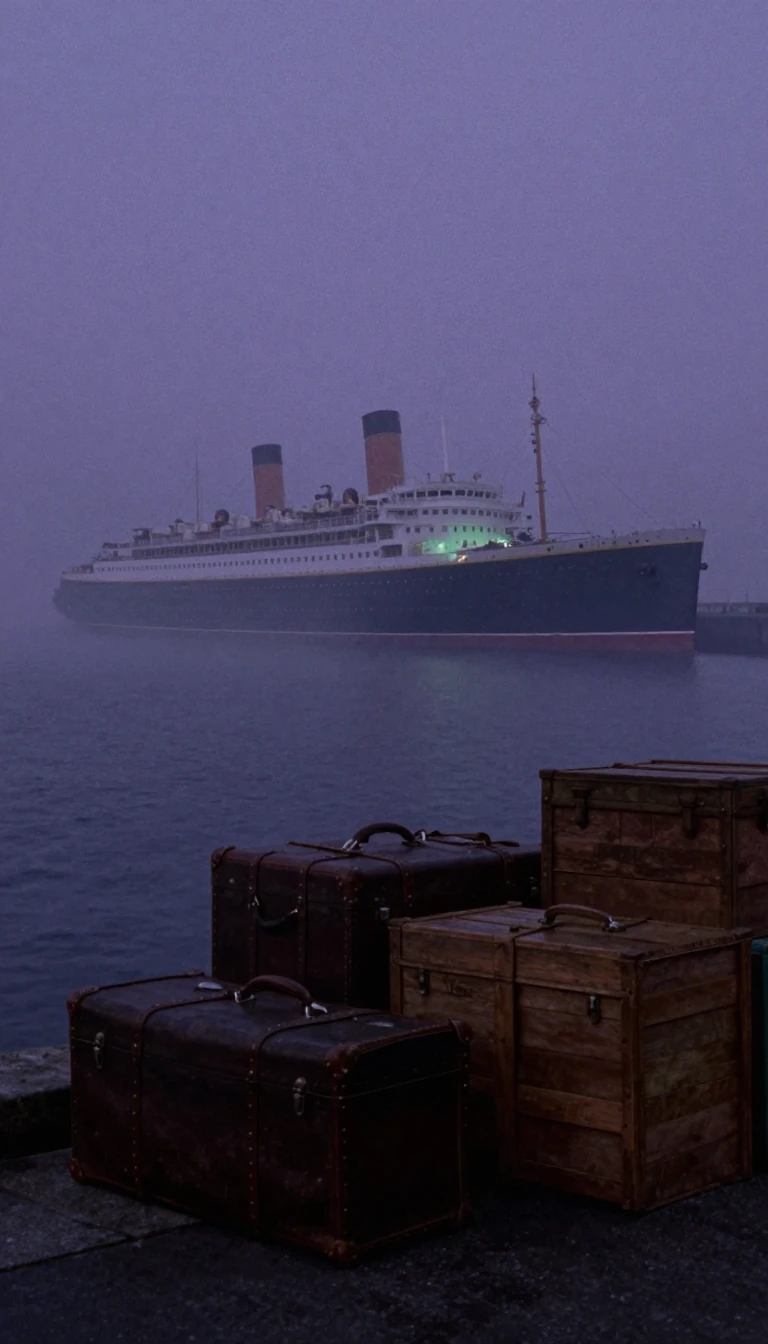 How W. G. Sebald’s final novel blurs the line between historical fact and fictionIn his 2001 masterpiece Austerlitz, W. G. Sebald weaves a haunting narrative about an architectural historian discovering his origins as a Kindertransport refugee. By blending rea…
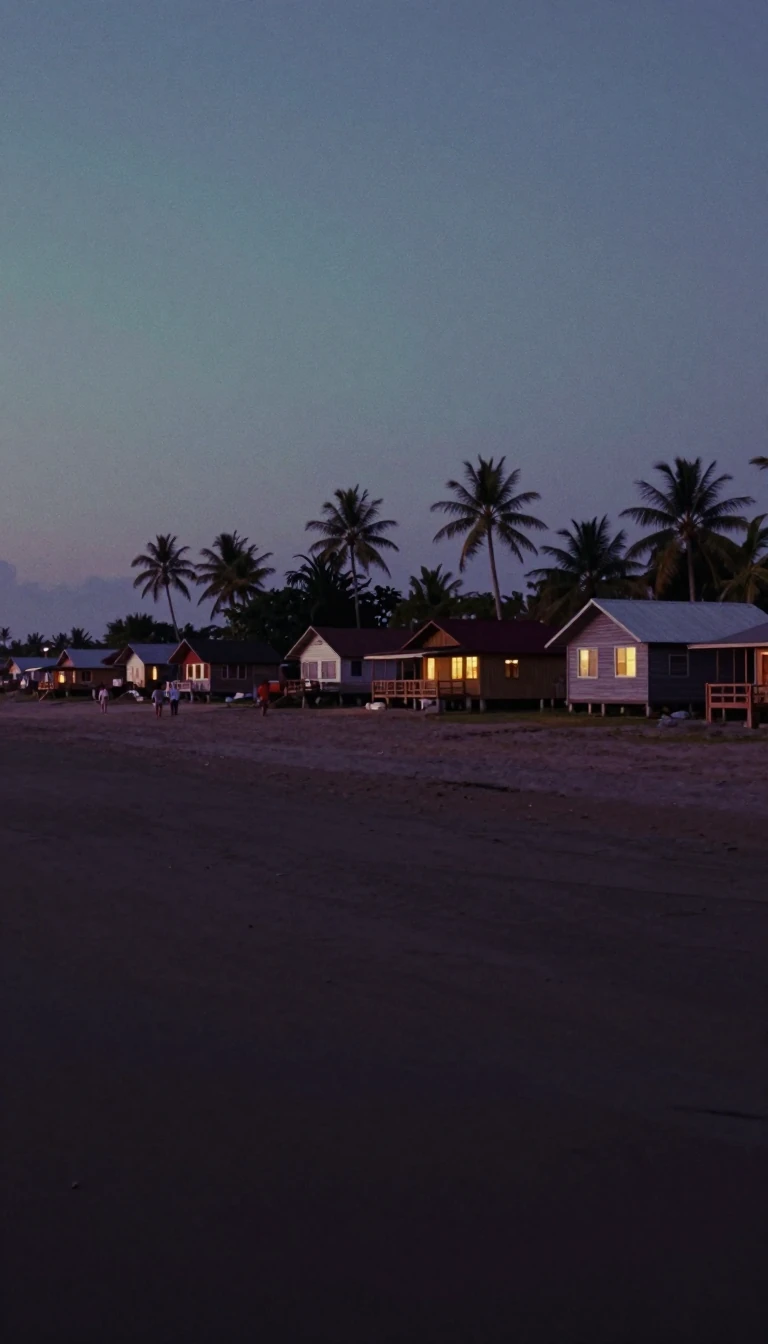 Australian literature is less about the individual hero and more about the collective experience.While many Western traditions celebrate the lone protagonist, Australian literature often prioritizes integration and the typical. Whether through the lens of settler pioneer valu…