 Intellect Plus
Cooking, food and drink
719 cards. Each one is a 40-second story with a five-minute read behind it. Page 3 of 12.
 Applejack: The Colonial American Spirit That Once Fueled Presidents and Tavern KeepersLong before bourbon dominated the American palate, applejack was the nation's original spirit. Born in colonial New Jersey, this potent apple brandy was crafted by freezing hard c…
 From medieval almond sweets to modern mezze: the enduring legacy of Arab culinary traditionsArab cuisine is a vast, centuries-old tapestry spanning the Maghreb and the Mashriq. While regional traditions vary from Moroccan couscous to Levantine mezze, the culture is unifi…
 More than a drink: the complex, centuries-old ritual of Arabic coffee cultureArabic coffee is not merely a beverage; it is a profound social institution. From its origins in 15th-century Sufi monasteries to its status as a UNESCO-recognized cultural herita…
 Why your bottle of avocado oil might actually be soybean oil in disguisePrized for its exceptionally high smoke point and rich nutrient profile, avocado oil has become a kitchen staple. Yet, recent investigations reveal a troubling reality: much of th…
 The Vietnamese baguette is a colonial relic transformed into a global street food icon.Born from French colonial influence in the 19th century, the bánh mì evolved into a uniquely Vietnamese creation. By mixing rice flour into wheat dough, local bakers achieved a si…
 Why the six-month mark is the gold standard for introducing your baby to solidsStarting solids is a developmental milestone, not just a nutritional one. While parents often worry about hunger or sleep, the real goal at six months is teaching a baby how to mo…
 Is your balsamic vinegar a centuries-old tradition or a modern industrial shortcut?True balsamic vinegar is a rare, aged elixir from Modena or Reggio Emilia, crafted solely from cooked grape must. Yet, most bottles on supermarket shelves are industrial blends of…
 Why the ancient world preferred to dine while lying on their left sideA banquet is more than just a large meal; it is a social tool used to build prestige or reinforce community bonds. From the earliest archaeological evidence 12,000 years ago to mo…
 From vinegar roots to sweet glazes: the evolution of American barbecue sauceBarbecue sauce is far more than a generic condiment. Its history spans centuries, evolving from simple vinegar-based mopping liquids used by enslaved Africans to the thick, tomato…
 The Spanish wafer that turned into a gambling game and a global snackThe barquillo is a delicate, crispy wafer that traveled from Spain to the Philippines and beyond. Once sold by street vendors using a roulette wheel to determine the price, this s…
- Why the secret to the perfect fried coating is often found in a bottleBatter is more than just a simple mixture of flour and liquid. It is a precise culinary tool defined by its pourable consistency and the need for vigorous beating. From the light,…
 Why the tenderloin is the most prized and tender cut of the cowTucked beneath the ribs and along the backbone, the psoas major muscle performs almost no physical labor. This inactivity makes it the softest, most delicate portion of the entire…
 Why this Central Asian feast is literally named after your five fingersBeshbarmak, a cornerstone of Central Asian nomadic cuisine, translates to five fingers in Turkic languages. This iconic dish of finely chopped meat, noodles, and onion sauce refle…
 The Big Mac was born from a copycat, not an original culinary inventionCreated by a Pittsburgh franchisee to rival the Big Boy hamburger, the Big Mac has become a global icon of capitalism. While it is now synonymous with McDonald's, its inventor ope…
 Why do we blow out candles on birthday cakes to make a wish?The tradition of topping a cake with candles and making a wish is a ritual steeped in centuries of history. From 18th-century German celebrations to modern superstitions about bre…
 Black tea was once a form of currency used across Mongolia, Tibet, and Siberia.Long before it became a global staple, black tea’s durability made it a valuable commodity. Unlike green tea, which loses its flavor within a year, black tea remains stable for se…
 Why the Russian word for a humble pancake is also a common swear wordBlini are more than just thin, yeasted pancakes from the Middle Ages. They are a cultural cornerstone of Russian life, appearing at funerals, celebrations, and even in the languag…
 Beyond the taboo: Why blood is a staple ingredient in global cuisinesOften dismissed as a culinary taboo, blood is a versatile, protein-rich ingredient consumed across diverse cultures. From solidified delicacies like Chinese blood tofu and Filipin…
 Blue cheese is a controlled accident of mold, chemistry, and cave-aged fermentationBlue cheese is not merely spoiled dairy; it is a precise biological feat. By introducing specific mold spores and manipulating milk proteins with rennet, cheesemakers transform li…
 Why the perfect boiled egg is a masterclass in protein chemistry and timingBoiling an egg seems simple, but it is a precise exercise in thermodynamics. Because egg whites and yolks denature at different temperatures, achieving the ideal texture requires …
 Why your bottled water has a shelf life despite being essentially agelessWater itself does not expire, yet manufacturers print expiration dates on bottles. This practice is not about the water turning bad, but rather a precaution against the degradatio…
- The humble origins of a Mediterranean icon: how Marseille fishermen created bouillabaisseBorn from the unsellable catch of Marseille fishermen, bouillabaisse has evolved from a simple, bony rockfish stew into a strictly codified culinary tradition. While recipes vary …
 Beyond the grill: The centuries-old history and regional secrets of the German bratwurstWhile often dismissed as simple stadium fare, the bratwurst is a complex culinary tradition with roots dating back to 1313. From the protected recipes of Nuremberg to the beer-sim…
 Brazil has no single national cuisine, but a vast mosaic of regional traditionsBrazilian food is not a monolith; it is a continental-scale patchwork of indigenous roots, African heritage, and waves of European and Asian immigration. From the palm-oil-rich st…
- From Hansel and Gretel to your kitchen, breadcrumbs are more than just leftoversBreadcrumbs are a versatile culinary tool, transforming from simple kitchen scraps into essential elements for texture and structure. Beyond their role in thickening stews or coat…
 Is your Brie truly French, or just a global style of soft cheese?Brie is a soft cow's-milk cheese named after a French region, but the name is not protected globally. While the French government only certifies two specific varieties, you can fi…
- Why this humble, tough cut of beef requires patience to achieve culinary perfectionBrisket is a primal cut from the chest of cattle, supporting over half of the animal's weight. Because it is packed with dense connective tissue, it starts out remarkably tough. H…
 Is there actually a difference between broth and stock in your kitchen?Culinary experts have debated the distinction between broth and stock for decades. While some insist they are identical, others argue that ingredients, cooking duration, and seaso…
 The humble Italian bruschetta is an ancient culinary tradition born from simple, rustic necessity.Far from the jarred tomato topping sold in American supermarkets, authentic bruschetta is a foundational Italian dish with roots stretching back to ancient Rome. Originally a prac…
 Why bubble gum is engineered to stretch further than any other chewing gumBubble gum is not just flavored rubber; it is a precisely engineered viscoelastic material. While standard chewing gum is designed for comfort, bubble gum is formulated to resist …
 Bulgogi is the ancient Korean art of fire-grilled meat, evolved for modern palates.Literally translating to fire meat, bulgogi is a cornerstone of Korean cuisine. While its roots stretch back to the Goguryeo era, this dish of thinly sliced, marinated beef has tr…
 Why your blood test results might mention a bun, but not the bread kindIf your doctor mentions a BUN test, they are not talking about a bakery item. This acronym stands for Blood Urea Nitrogen, a critical diagnostic tool used to assess kidney functio…
- The burrito was once just a regional name for a simple tacoLong before it became a global staple, the burrito was merely a local term for a rolled tortilla. While many believe it originated with a donkey-riding revolutionary, the truth is…
- The accidental origins of butter chicken: a creamy legacy born from leftover tandooriButter chicken, or murgh makhani, is a global icon of Indian cuisine, yet its true birthplace remains a subject of intense legal and historical debate. Born from the clever repurp…
 The buttermilk in your fridge is likely a modern, lab-perfected impostorTraditional buttermilk was a byproduct of churning butter, a thin liquid left behind after cream was processed. Today, what we buy is a thick, cultured dairy drink designed to mim…
- The Caesar salad was not named for a Roman emperor but a Tijuana restaurateurBorn from a desperate kitchen shortage on July 4, 1924, the Caesar salad is a culinary icon of the Prohibition era. While myths link it to ancient Rome, the dish was actually a cl…
- How a 19th-century Swedish smörgåsbord inspired the modern American cafeteria experienceThe cafeteria is a marvel of institutional efficiency, born from a 1893 World's Fair exhibit. By removing table service and introducing the tray line, this format revolutionized h…
 The California roll was born from a desire to hide seaweed from AmericansThe California roll is a global sushi icon, yet its origins are fiercely contested. While some credit a Vancouver chef, most evidence points to a 1960s Los Angeles innovation. It …
 The accidental science of the tin can: how Napoleon’s army changed global food foreverCanning was born from a French government prize during the Napoleonic Wars, seeking a way to feed massive armies. While the inventor, Nicolas Appert, didn't understand the microbi…
 Why Cantonese cuisine prioritizes the absolute freshness of its primary ingredients above all elseCantonese cuisine is defined by a pursuit of natural sweetness and delicate balance. Unlike traditions that rely on heavy spice, this style treats seasoning as a subtle tool to hi…
 Why your morning cappuccino is named after a 16th-century religious orderThe cappuccino takes its name from the brown, hooded robes of Capuchin friars, mirroring the color of coffee lightened with a splash of milk. While modern versions feature complex…
 Carbonara is a modern invention born from the chaos of World War IIContrary to the myth of ancient charcoal burners, carbonara is a mid-20th-century creation. Emerging in Rome after the 1944 Allied liberation, the dish likely evolved from a simpl…
 The accidental discovery of carbonated water changed how the world drinks and cooksIn 1767, Joseph Priestley stumbled upon a method to infuse water with carbon dioxide while working above a brewery. Though he never profited, his discovery sparked a global indust…
- Caribbean cuisine is a global fusion born from centuries of migration and forced laborCaribbean food is not a single style but a complex tapestry woven from West African, European, Asian, and Indigenous traditions. Born from the harsh realities of plantation life a…
- The humble casserole is a culinary chameleon that spans cultures and centuries of historyWhat defines a casserole? It is both a deep vessel and a category of slow-cooked, oven-baked meals. While modern versions often lean on convenience, the concept has roots in ancie…
 The ancient flatbread that became a global symbol of home and rebellionChapati is more than a simple unleavened bread; it is a cultural anchor that has traveled from the Indus Valley to the kitchens of East Africa. Whether puffed over an open flame o…
 How a humble laborer's meal became the soul of Southeast Asian street foodChar kway teow began as a cheap, high-energy fuel for laborers, sold by fishermen and farmers to supplement their income. Today, this stir-fried noodle dish is a cultural icon in …
 Why Cantonese char siu is the ultimate evolution of fork-roasted porkLiterally meaning fork-roasted, char siu is a cornerstone of Cantonese cuisine that has traveled far beyond its Guangdong origins. From its traditional red-hued roots to modern hi…
- The world's most popular cheese began in a cave and conquered the globe.Cheddar is the most studied and consumed cheese on Earth, yet the name lacks legal protection. From its humble origins in a Somerset village to massive 56,000-pound blocks, this h…
- Who actually invented the cheeseburger? The history is as messy as the meal.The cheeseburger is a staple of American dining, yet its origins are fiercely contested. While many claim the title of inventor, the truth is buried in a century of competing pate…
 The accidental invention that turned ground chicken into a global fast food iconBefore they were a freezer staple, chicken nuggets were a food science breakthrough. Developed in the 1950s to solve the problem of keeping breading attached to meat during freezi…
 Why chicken soup is the universal remedy for the common cold and beyondAcross cultures, chicken soup is a staple comfort food and a legendary folk medicine. While often dubbed Jewish penicillin, its variations span from Colombian ajiaco to Korean sam…
- From fermented pastes to sweet glazes, chili condiments define global culinary identities.Chili peppers are the world's most versatile flavor engine. Whether fermented for years in Korean earthenware, pounded into Thai pastes, or infused into Sichuan oils, these condim…
- Why the world's most diverse noodle culture has no single word for noodlesChina boasts over 1,200 types of noodles and thousands of preparation methods, yet the concept of a unified noodle category does not exist in Chinese cuisine. From millet strands …
 How a Dutch invention and a college dorm room transformed the chocolate cakeLong before it was a staple of the modern bakery, chocolate was primarily a drink. It took mechanical innovation, a Swiss breakthrough in texture, and rebellious college students …
- The accidental invention of the chocolate chip cookie is likely a marketing mythWhile folklore credits Ruth Wakefield with a happy accident in the 1930s, the truth is far more calculated. Wakefield was a trained home economist who intentionally developed the …
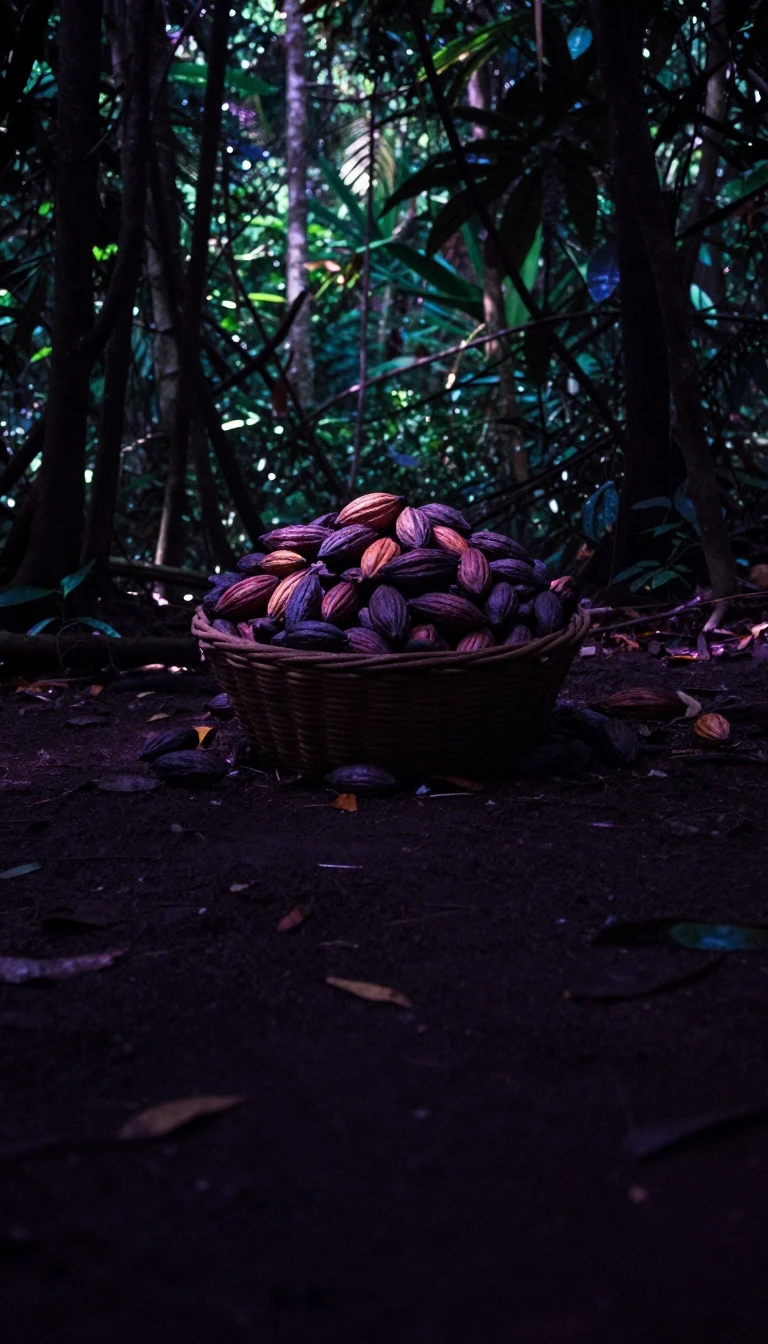 Why your homemade chocolate milk separates and how the industry keeps it smoothHomemade chocolate milk is a simple pleasure, but it rarely stays mixed for long. While you are busy stirring away the sediment at the bottom of your glass, commercial manufacture…
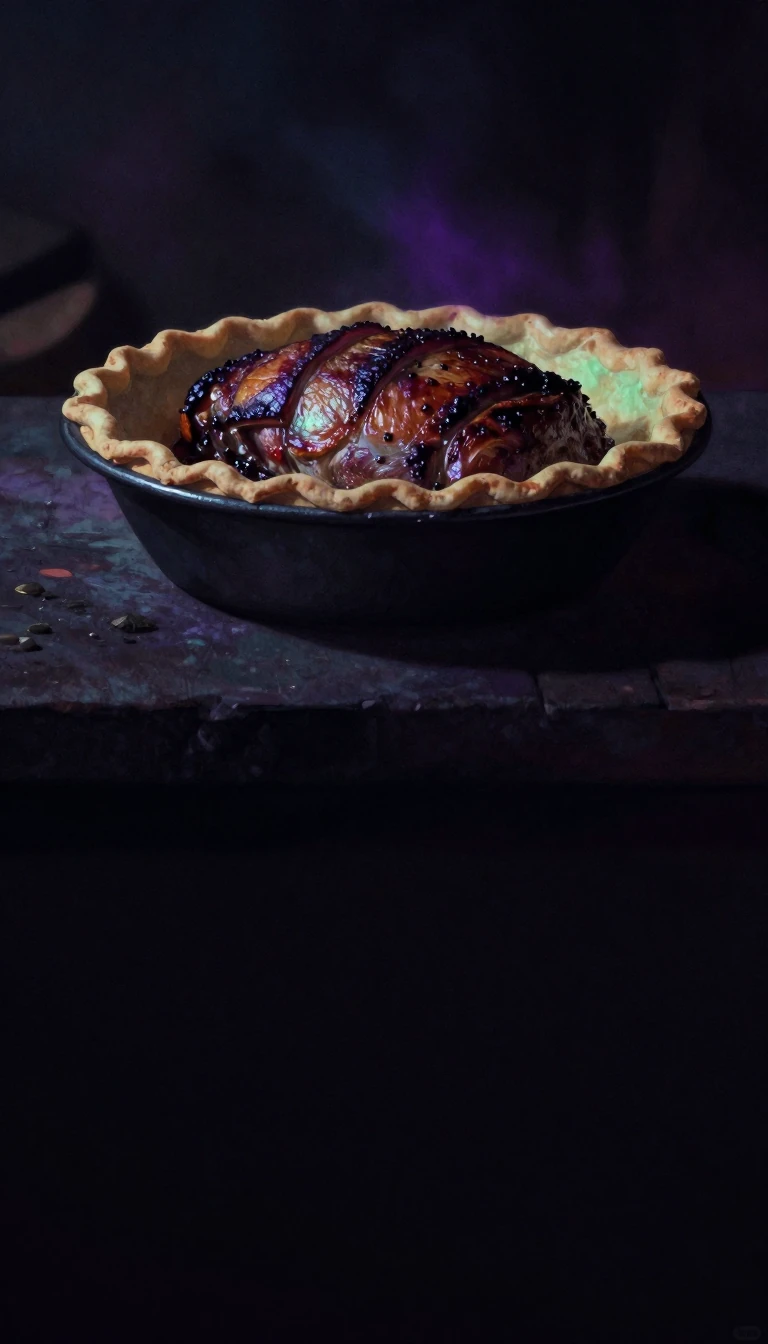 Why the secret to perfect choux pastry is steam, not a raising agentChoux pastry relies on a clever physical reaction rather than chemical leavening. By boiling water and butter before incorporating flour, bakers gelatinize starches to trap moistu…
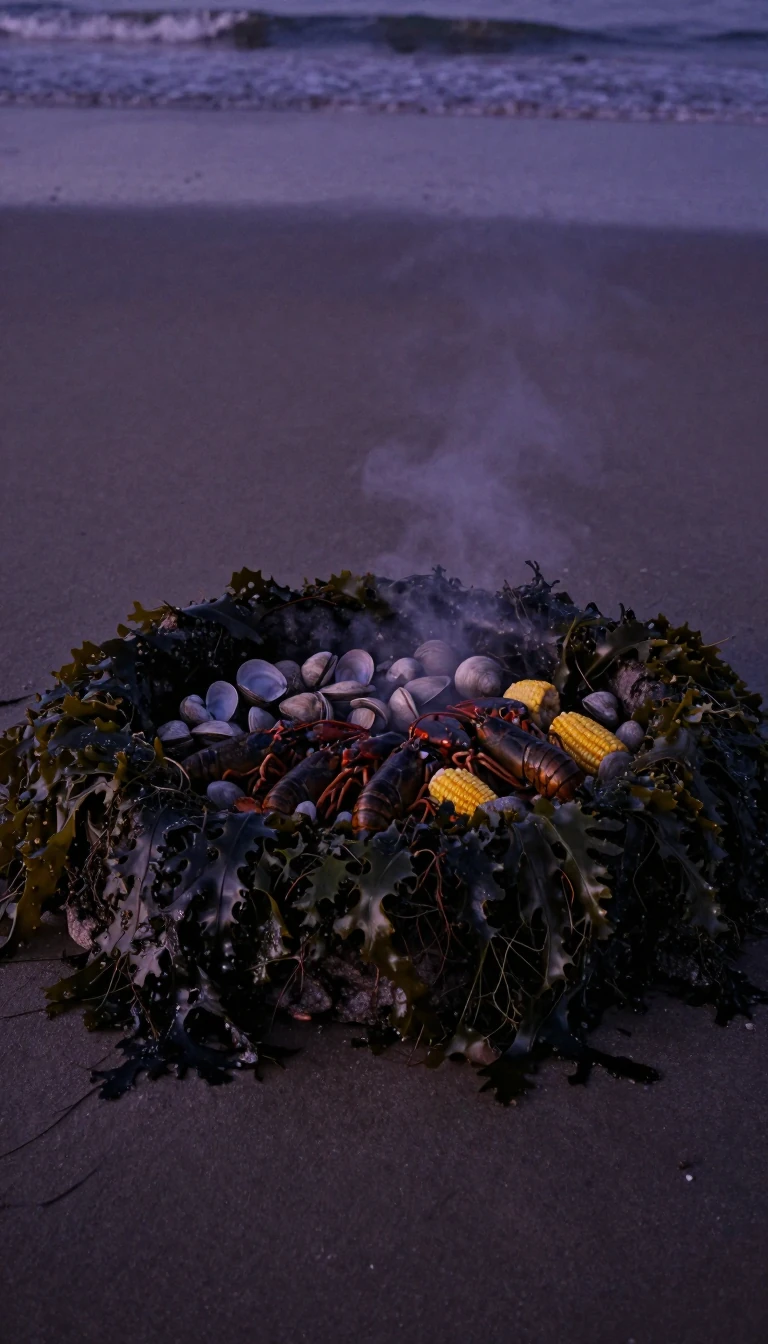 Is the world's most comforting soup named after a bucket or a cauldron?Chowder is a global staple, yet its origins remain a mystery. Whether it evolved from a French cooking vessel, a Caribbean pot, or a simple shipboard meal thickened with hardtack,…
- From plum porridge to Japanese sponge, the global evolution of the Christmas cakeChristmas cake is far more than a single recipe. While the English tradition evolved from humble plum porridge, the concept has morphed globally into everything from Italian sweet…