 Intellect Plus
Food & Drink
4,606 cards. Each one is a 40-second story with a five-minute read behind it. Page 57 of 77.
Subtopics: African cuisine · American cuisine · Baking · Beer & brewing · Biscuits & cookies · Bread · Breakfast · Cakes & pastries · Caribbean cuisine · Cheese · Chinese cuisine · Chocolate & sweets · Coffee · Cooking techniques · Cooking, food and drink · Desserts & puddings · Dumplings & pies · Eggs & dairy · Fast food · Fermented foods · Festive food · Food brands · Food preservation · Food science · French cuisine · Fruit · German & Central European cuisine · Greek & Turkish cuisine · History of food and drink · Indian cuisine · Italian cuisine · Japanese cuisine · Kitchen tools · Korean cuisine · Meat dishes · Mexican cuisine · Middle Eastern cuisine · Mushrooms & truffles · Nordic cuisine · Nutrition & diets · Nuts, seeds & beans · Pasta & noodles · Pizza · Restaurants & dining · Rice dishes · Sandwiches · Sauces & condiments · Seafood · Soft drinks & juices · Soups & stews · Spices & herbs · Spirits & cocktails · Staple foods & grains · Street food · Sugar & sweeteners · Tea · Thai & Southeast Asian cuisine · UK & Ireland: food · Vegetables · Vegetarian & vegan · Wine
 Is the South West of England a real place or just a government construct?Spanning from the Isles of Scilly to Gloucestershire, the official South West region is England's largest by area. Yet, critics argue it lacks a unified identity, functioning more…
 Why millions of sharks are discarded alive to satisfy a global luxury tradeShark finning involves slicing fins from living sharks and dumping the carcasses at sea to save storage space. This brutal practice, driven by demand for shark fin soup, kills up …
 A shibboleth is a linguistic password used to distinguish between insiders and outsiders.From ancient biblical tests to modern digital security, a shibboleth is any custom or phrase that reveals your group identity. While historically used to identify enemies during t…
 A German prince who modernized the Royal Navy was forced out by wartime prejudice.Prince Louis of Battenberg rose to lead the British fleet, yet his German heritage made him a target for xenophobic rumors. Despite his brilliant technical contributions and decad…
 Why the lowest form of wit is actually a sophisticated linguistic toolOften dismissed as trite or silly, the pun is a complex rhetorical device with a history spanning from Roman playwrights to modern advertising. Whether used to add nuance to liter…
 Beyond the haggis: how geography and history shaped the unique Scottish culinary landscapeScottish cuisine is defined by a natural larder of oats, seafood, and game, shaped by centuries of feudal restrictions and French influence. From the practical necessity of portab…
 The thorny blackthorn was a staple of the ancient diet and a tool for survival.Known for its sharp, defensive thorns and astringent fruit, the blackthorn has shaped European landscapes and traditions for millennia. From the last meal of a 5,300-year-old mumm…
 Why this ancient Mediterranean shrub is named for the sea and linked to remembranceRosemary is more than a kitchen staple. Known as sea-dew, this hardy evergreen has been a symbol of memory since antiquity, appearing in Shakespearean tragedies and ancient herbal…
 The rowan tree: a magical, edible, and protective icon of northern folkloreKnown for its vibrant red berries and ancient reputation as a shield against malevolent forces, the rowan is far more than a common garden tree. From Norse mythology to Celtic tra…
- Is a scone a cake or a bread? The answer remains a culinary mystery.The scone is a global staple, yet its identity is fiercely debated. Is it a cake, a bread, or something entirely unique? From its humble origins as a rustic lump of dough to its r…
 Is paneer an ancient Indian staple or a colonial import from the Portuguese?Paneer is the definitive cheese of South Asian cuisine, yet its origins remain a mystery. While some scholars trace its roots to ancient Vedic texts, others argue it was introduce…
 The salty snack in your pantry has a history far older than you thinkWhile many believe the potato chip was a mid-19th-century accident, the earliest recipe appeared in an 1817 British cookbook. From humble kitchen shavings to a global industry wor…
 From Polish monasteries to Hanukkah tables, the humble potato pancake is a global staple.Across continents, shredded potatoes bound with egg or flour have become a universal comfort food. Whether served as a sweet treat in Germany, a savory national dish in Ukraine, o…
 Pottage was the eternal, ever-changing stew that defined the diet of medieval Europe.For centuries, pottage was the ultimate staple, a simmering pot of grains, vegetables, and whatever meat or fish was available. It was a dish that never truly finished, constantly…
 A de facto state in the Mediterranean exists in a state of diplomatic limbo.Northern Cyprus, a self-declared republic occupying the northern third of the island, remains unrecognized by every nation except Turkey. While it functions as a semi-presidential…
 Is Dublin's most famous fishwife a historical figure or a musical fabrication?The song Molly Malone is an unofficial anthem of Dublin, yet it lacks any historical basis. Despite a statue on Suffolk Street and a proclaimed Molly Malone Day, the tragic tale o…
 Why the first celebrity chef walked away from his three Michelin starsMarco Pierre White was the youngest chef to earn three Michelin stars, yet he famously returned them all in 1999. He viewed the awards as a trap that forced him to live a lie, cho…
 The ancient fruit that looks like it has spoiled but is actually ready to eatThe medlar is a winter fruit that defies modern expectations. Hard and acidic when harvested, it must undergo a process called bletting—where it softens, turns brown, and wrinkles…
 How a 99-year lease for the New Territories shaped modern Hong KongThe New Territories makes up over 86% of Hong Kong’s land, yet it began as a strategic buffer zone leased from Qing China in 1898. Originally intended to secure the city against f…
- From television stardom to corporate collapse: the complex legacy of Jamie OliverJamie Oliver transformed from a charismatic television chef into a global culinary brand. Yet, his journey from the success of The Naked Chef to the high-profile bankruptcy of his…
 How a British naval import became Japan’s most beloved national comfort foodIntroduced by the British in the 19th century, curry underwent a radical transformation in Japan. By thickening the sauce with flour and pairing it with sticky rice, the dish evol…
 Why your favorite cold beer is named after a German word for storageLager is defined by its cool fermentation and cold maturation, a process that once required natural ice caves. While pale lager now dominates global consumption, this crisp style …
 Why the fish on your plate might not be the monk you thinkThe name monkfish is a culinary label for several species of anglerfish, but it is also shared with an entirely different creature: the angelshark. While prized by commercial flee…
 Why Scotland’s most popular soft drink had to change its name to survive.Known for its bright orange hue and a flavor profile that defies simple description, Irn-Bru has reigned as Scotland's favorite soft drink for over a century. Yet, this iconic bev…
- Beyond the label: Understanding the complex framework of Islamic dietary lawsIslamic dietary laws categorize food as halal, haram, or the dubious mushbooh. While the Quran and sunnah provide the foundation, modern certification varies globally. From the pr…
- The Japanese Izakaya: From Ancient Sake Shops to Modern Social HubsAn izakaya is far more than a Japanese pub. Rooted in centuries-old sake shops, these informal establishments serve shared plates and drinks in a relaxed, communal atmosphere. Whe…
 Why Jainism forbids potatoes and onions to protect infinite microscopic soulsJain vegetarianism is not merely a diet but a rigorous metaphysical framework designed to minimize karmic damage. By classifying life based on sensory capacity, Jains avoid foods …
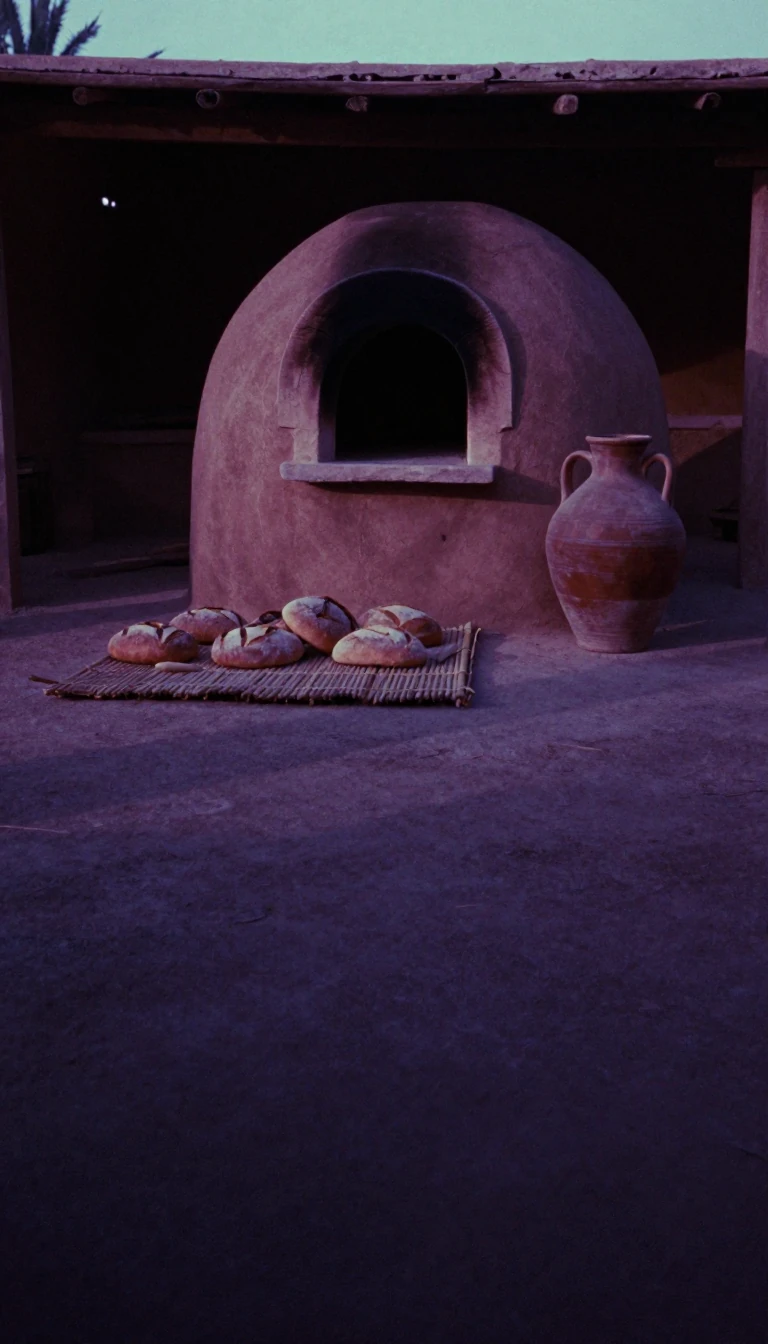 The ancient, syrupy history of the world's most famous fried dough snackFrom the 10th-century kitchens of the Abbasid Caliphate to modern street stalls in Delhi and Tehran, the jalebi has traveled across continents. Whether known as zolbiya, zalabia, …
- The invisible toxin that turns heat into cold and can last decadesA single meal of tropical reef fish can trigger a neurological nightmare. Ciguatera poisoning—caused by toxins from microscopic algae—is often tasteless and odorless, making it im…
- Why Heston Blumenthal serves bacon-and-egg ice cream and edible seaside soundscapes to dinersHeston Blumenthal transformed fine dining by treating the kitchen as a laboratory. By blending molecular science, historical research, and sensory psychology, he creates dishes th…
- How a shoe advertisement and a lucky number created a global food empireHenry J. Heinz built a food giant from a basement horseradish recipe. Though his company eventually manufactured over 60 products, he famously branded them as 57 Varieties. The nu…
 Despite the name, head cheese contains no dairy and is not a cheese at all.This ancient meat jelly, known as brawn in Britain or hoofdkaas in the Netherlands, is a culinary tradition spanning centuries. Made by simmering animal heads to create a natural …
 Before the potato, Ireland's ancient culinary landscape was defined by communal feasts and stone-boiled meat.Long before the potato became a national staple, Ireland's food culture was shaped by hunter-gatherer roots and sophisticated communal cooking. From Mesolithic shell middens to Br…
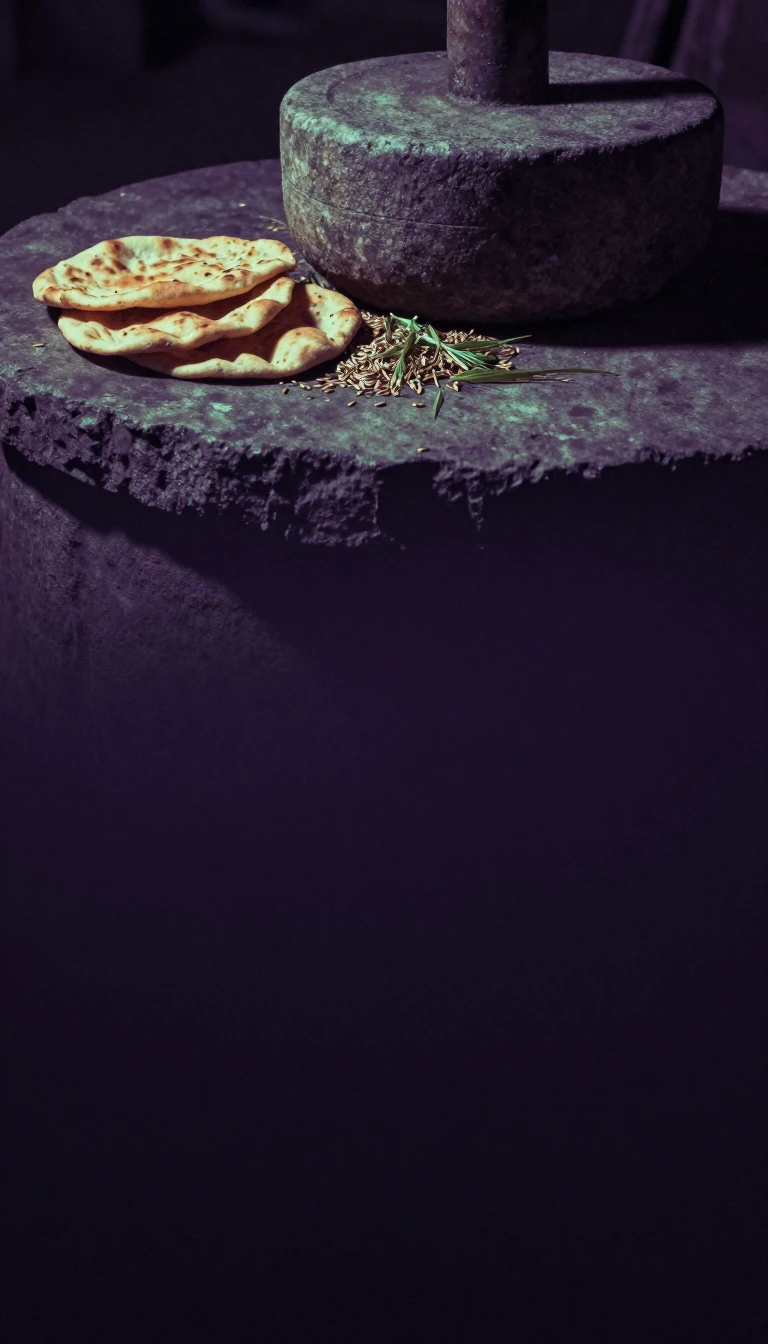 The world's most enduring staple is a simple, high-heat marvel of culinary engineeringFlatbreads represent the earliest form of processed food, with archaeological evidence stretching back 14,000 years. Unlike standard loaf breads, these versatile staples rely on h…
 Filipino cuisine balances sweet, salty, and sour flavors through centuries of cultural exchange.Filipino food is a vibrant tapestry woven from indigenous traditions and centuries of global trade. From the ancient practice of kamayan to the Spanish-influenced spoon-and-fork e…
 Why the world's most famous 'lost bread' is rarely actually FrenchKnown as pain perdu in France, this global breakfast staple is a masterclass in culinary adaptation. From medieval knight-themed desserts to savory street food in Mumbai, the dish…
- Fried rice was born as a practical solution to avoid wasting leftover cooked rice.Emerging during China's Sui dynasty, fried rice transformed from an economical way to repurpose day-old grains into a global culinary staple. By stir-frying cooled, hardened rice …
- The ancient Roman obsession with fermented fish sauce was a global culinary phenomenonLong before modern chefs rediscovered umami, the Roman Empire thrived on garum. This pungent, fermented fish sauce was a staple across social classes, from the elite tables of Rom…
 The damson is a mysterious, astringent plum that shaped the British landscape for centuries.Often confused with common plums, the damson is a distinct, ovoid fruit prized for its rich, tart flavour. Once a staple of British orchards and hedging, this hardy tree has a his…
- Is your feta actually Greek, or just a salty imposter in a brine bath?True feta is a protected Greek treasure, defined by strict rules on milk source and geography. Yet, across the globe, the name is often applied to any white, crumbly cheese aged i…
 Why being a city in the United Kingdom is a matter of royal decreeCity status in the United Kingdom is not a reward for population size or urban sprawl. It is a purely honorary title granted by the monarch through letters patent. While once tied…
 Why the world calls a simple battered sausage by so many different namesA hot dog on a stick, dipped in batter and deep-fried, is a global phenomenon. From the American corn dog to the Australian Pluto pup and the French sausage donut, this humble str…
 Why the humble clam is a global culinary powerhouse and a sacred artifactClams are more than just beach-dwelling bivalves. From the sacred wampum of North America to the diverse curries of India and the pasta dishes of Italy, these filter-feeding mollu…
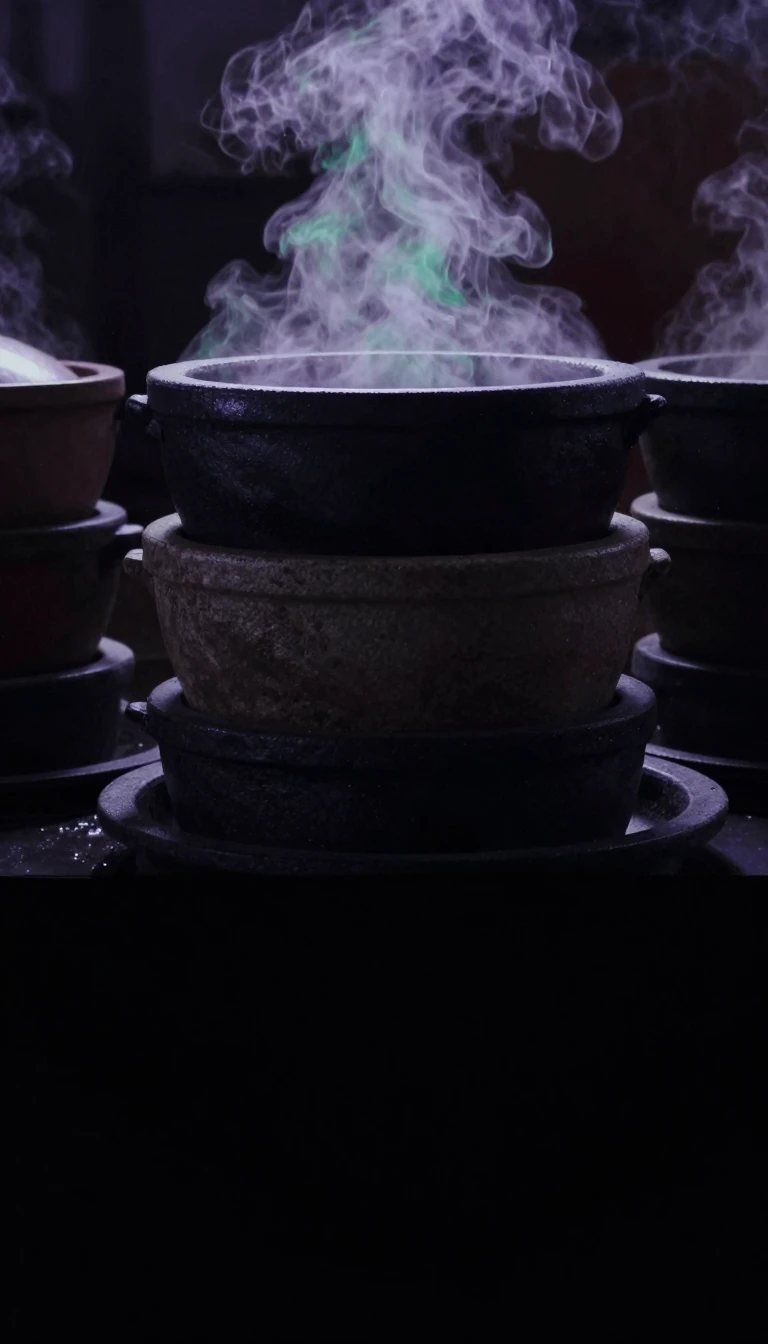 From military deception to global snack: the surprising history of the steamed baozi bunBaozi, the beloved yeast-leavened bun, has traveled from ancient Chinese banquets to global street food stalls. While legend credits a military leader with inventing them as a sub…
- From street snack to culinary staple, the global reach of crispy fried pork skin.Chicharrón is far more than a simple snack. While often recognized as deep-fried pork skin, this versatile dish spans continents, appearing as everything from a breakfast staple i…
 The fish that changes its sex and dominates menus from Australia to IndiaBarramundi is a culinary chameleon, prized for its mild, flaky, and bone-free flesh. Beyond the plate, this remarkable species is a sequential hermaphrodite, typically maturing as…
 Why you should remove bay leaves from your soup before servingCommon kitchen wisdom suggests bay leaves are poisonous, which is why recipes insist on removing them. In reality, they are non-toxic, but their rigid structure makes them a genui…
 Is the world's most successful weed actually a forgotten superfood hiding in your garden?Often dismissed as a persistent garden pest, Chenopodium album—known as lamb's quarters—is a nutrient-dense powerhouse. While farmers battle its rapid growth, cultures from the Hi…
- Why this humble fruit dessert became a global symbol of national identity and comfortFrom 14th-century English kitchens to the American Civil War, apple pie has evolved from a simple pastry-encased fruit dish into a powerful cultural icon. Whether served with shar…
- Is the iconic French baguette actually a product of modern industrial regulation?The baguette is a global symbol of France, yet its history is shrouded in myth. From Napoleon to metro workers, legends abound, but the truth is tied to 20th-century labor laws an…
 The accidental invention of a global icon born from surplus cream and NesquikBaileys Irish Cream was not the result of a long-standing tradition, but a 45-minute experiment in 1971. Conceived by advertising executives to solve a surplus of dairy and alcoho…
- The surprising history of baked beans, from ancient pits to the modern breakfast tableBaked beans are a global convenience staple, yet they are rarely actually baked. While their roots trace back to ancient indigenous American cooking methods, the canned version fo…
- General Tso’s chicken and fortune cookies were never actually served in traditional China.American Chinese cuisine is a distinct culinary evolution, born from necessity during the California Gold Rush. Far from being authentic imports, iconic dishes like crab rangoon a…
- Ale was once a daily nutritional staple, consumed by everyone from children to monks.Before it was a recreational drink, ale was a vital source of calories in the medieval world. Brewed primarily by women in the home, this warm-fermented beverage provided essentia…
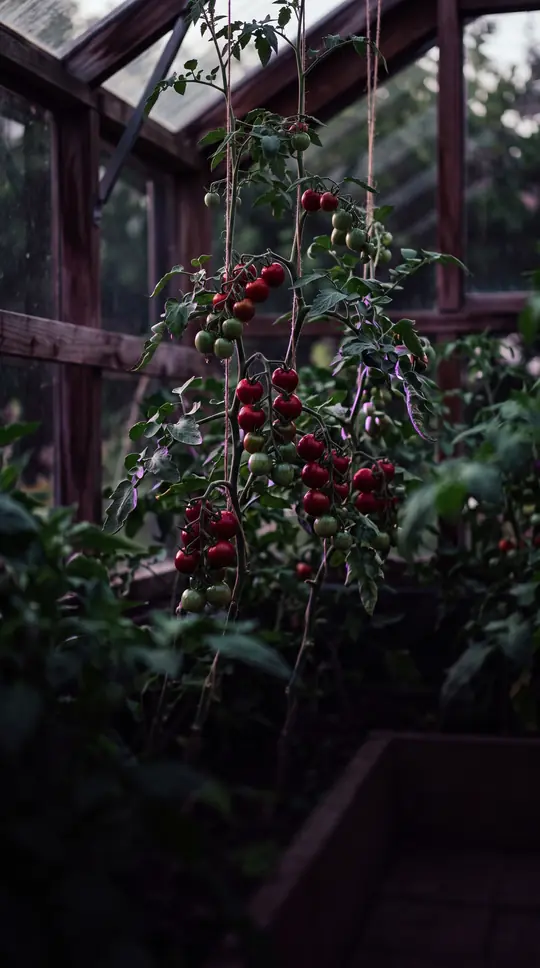 The jalapeño is named after a city where it is not actually grown.Despite its name, the jalapeño is not cultivated in Xalapa, the capital of Veracruz. The moniker instead honors the city where a local inventor first pioneered the industrial proc…
- Is the world's oldest alcoholic drink finally making a comeback in your glass?Long before agriculture or pottery, early humans were likely fermenting honey into mead. Once a staple of ancient mythology and medieval banquets, this honey-based elixir faded in…
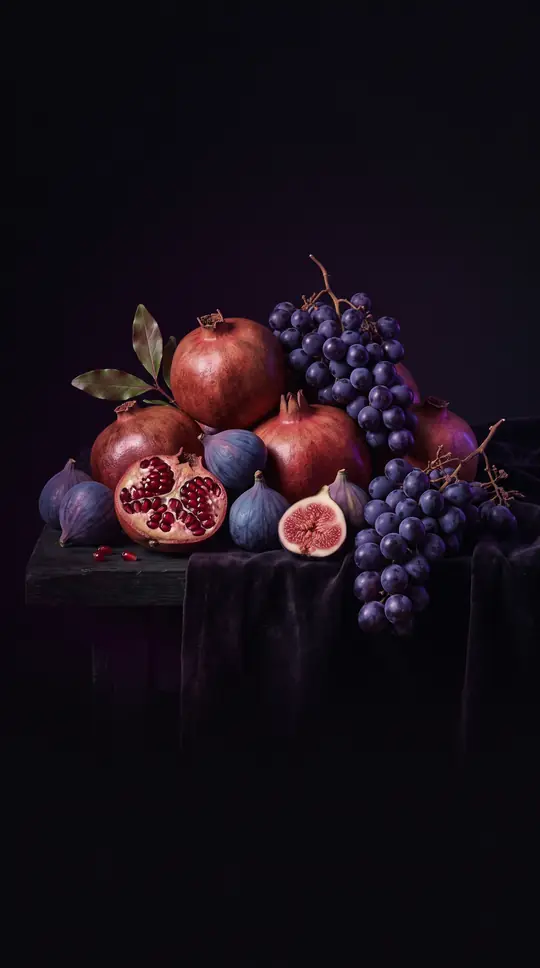 From ritual body paint to the secret behind your favorite orange cheddar cheeseLong before it became a standard industrial food additive, the achiote tree provided a vibrant pigment for ancient ritual body painting and sun protection. Today, this tropical Am…
- How a 16th-century swamp became the world's most refined stage for luxury and sushi.Ginza began as a marshland before transforming into a silver mint and later a government-mandated model of modernization. Today, this Tokyo district serves as a global epicenter f…
- Beyond the bowl: How Japan transformed simple wheat noodles into a regional obsessionUdon is far more than a basic wheat noodle. From the heavy snow-inspired potato starch variants of Hokkaido to the salt-free doughs of Yamanashi, this staple adapts to local clima…
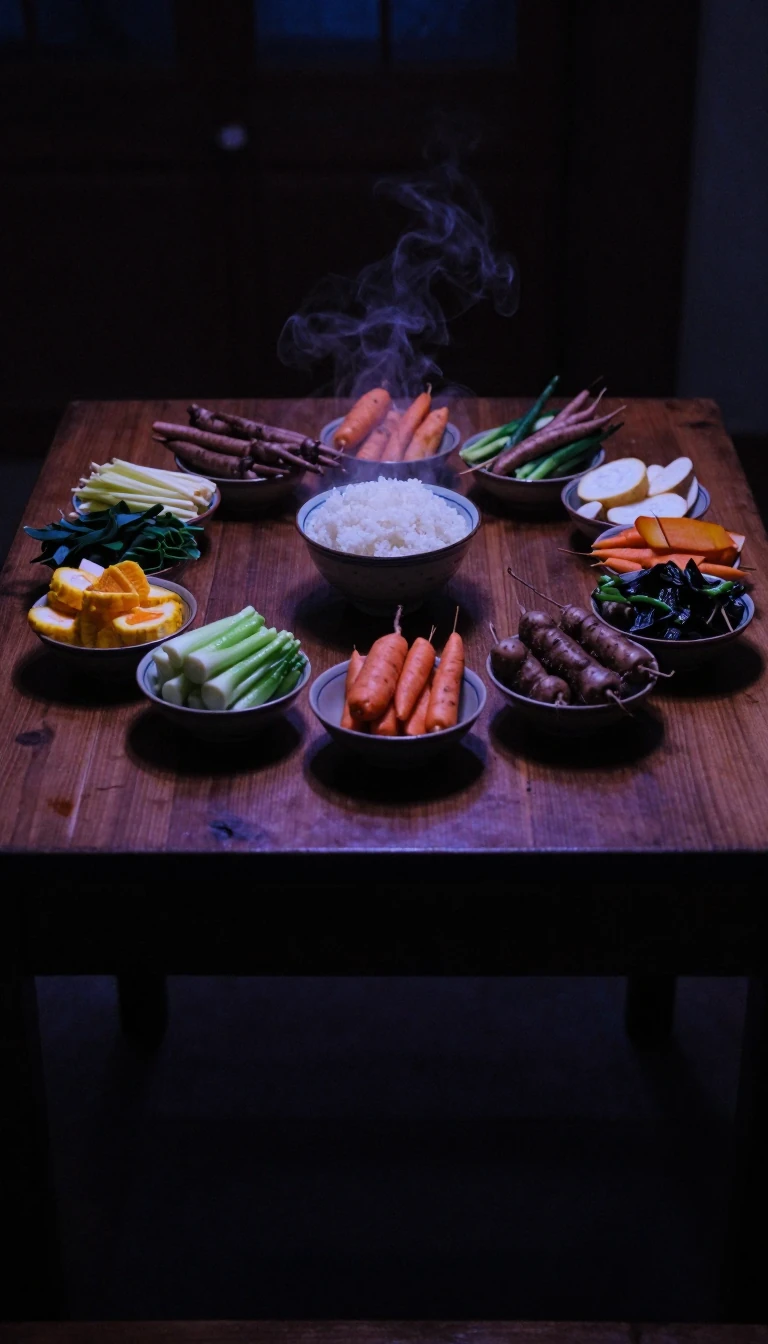 Is Korea's iconic seaweed rice roll a colonial import or an ancient local tradition?Gimbap is a staple of Korean cuisine, yet its origins remain a subject of intense debate. While often linked to the Japanese norimaki introduced during the colonial era, others po…