 Intellect Plus
Organisms
1,988 cards. Each one is a 40-second story with a five-minute read behind it. Page 2 of 34.
 Why did ancient cultures spend years intentionally reshaping the skulls of their infants?From the Neolithic Near East to the pre-colonial Philippines, humans have long practiced artificial cranial deformation. By applying pressure to an infant's pliable skull, parents…
 How a 1997 romantic comedy redefined the boundaries of the genre through character growthAs Good as It Gets remains a landmark in cinema for its unconventional portrayal of a misanthropic novelist with OCD. Beyond its box office success, the film explores the painful,…
 The world's smallest otter uses its hands like a human to hunt for foodWeighing a maximum of 3.5 kilograms, the Asian small-clawed otter is the smallest of its kind. Unlike other otters that rely on their mouths, these agile swimmers use their highly…
 How a Malian Colonel Seized Power Twice and Reshaped the Nation's FutureAssimi Goïta, a career military officer trained in international academies, transformed from a special forces commander into Mali's dominant political figure. Through two coups an…
 From Bush Tucker to Modern Australian: The Evolution of a Continent's Unique Culinary IdentityAustralia's food history spans 65,000 years, evolving from Indigenous hunter-gatherer traditions to a sophisticated, multicultural melting pot. While colonial British staples once…
 Are birds just dinosaurs? The surprising history of the Avialae cladeThe line between dinosaur and bird is thinner than you think. Avialae, the group containing modern birds and their closest extinct relatives, reveals that flight was not a sudden …
 The warrior deity born of two gods who guards the forests of Southern IndiaAyyappan is a revered figure in Hinduism, known for his ascetic lifestyle and his role as a protector of righteousness. Often depicted as a celibate youth, his legend bridges anci…
 Why the bacteria in your leftover rice is a master of survivalBacillus cereus is a resilient, soil-dwelling bacterium that thrives in environments where others perish. While often associated with food poisoning—specifically from improperly s…
- A soil bacterium is revolutionizing agriculture by turning crops into their own pest killers.Bacillus thuringiensis, a naturally occurring soil bacterium, produces proteins lethal to specific insect pests. By applying these as sprays or engineering them directly into crop…
 Is the fertilized duck egg a culinary treasure or a global ethical controversy?Balut, a fertilized duck egg incubated for weeks before being boiled, is a beloved Southeast Asian street food. While cherished for its rich, gamey flavor and cultural significanc…
 Barbara Bush was one of only two women to be both a presidential wife and mother.Beyond her role as the 41st first lady, Barbara Bush navigated a life defined by public service and personal tragedy. From her early days in an affluent New York suburb to her tim…
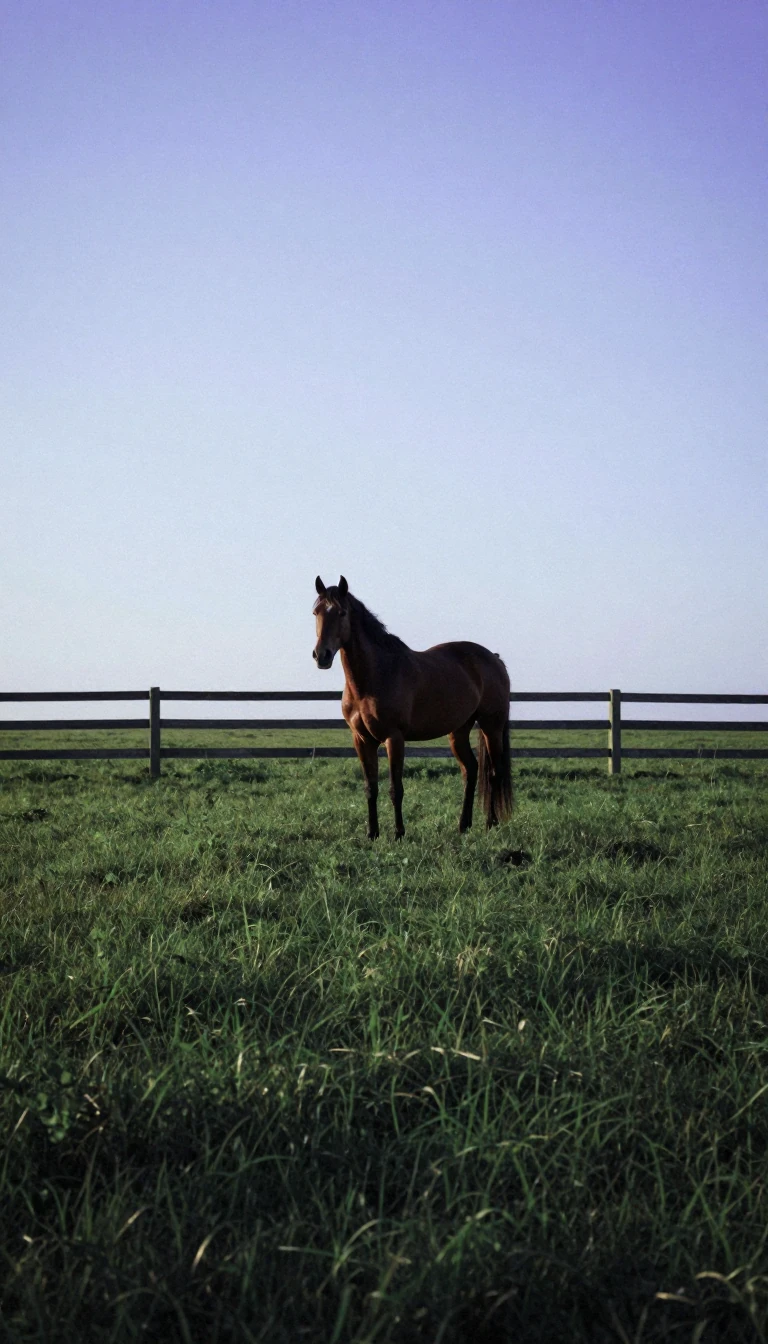 Why the most common horse coat color is a complex genetic puzzleBay horses are defined by reddish-brown bodies and black points on their manes, tails, and legs. While this pattern is widespread, the underlying genetics are surprisingly intrica…
 A massive, growing sinkhole in Louisiana reveals the hidden dangers of salt miningIn 2012, a Louisiana community faced a surreal catastrophe: the ground began to shake and bubbles erupted from the water. A massive cavern had collapsed, creating a sinkhole that …
- How a global cryptocurrency giant navigated a decade of regulatory chaos and legal battlesFounded in 2017, Binance rapidly became the world's largest cryptocurrency exchange. Yet, its ascent has been marked by a relentless series of international investigations, massiv…
- Despite their name, jackrabbits are not rabbits at all but highly specialized desert hares.These iconic symbols of the American West are masters of evasion, using powerful hind legs to propel themselves over ten feet in a single bound. While often mistaken for rabbits, …
 Why this iconic reef predator is a homebody that rarely wanders far from homeThe blacktip reef shark is a staple of tropical tourism, easily recognized by its dark-tipped fins. Despite its reputation as a common reef dweller, this shark is surprisingly sed…
 From whales to humans, most placental mammals share a single northern ancestral lineage.Boreoeutheria is a massive biological group encompassing nearly all familiar placental mammals, including primates, dogs, and whales. While these creatures seem vastly different, …
 How Bradley Chubb evolved from a high school hybrid into an elite NFL pass-rusherBradley Chubb’s journey from a versatile high school prospect to a premier NFL defensive end is defined by relentless pressure and physical resilience. After shattering sack recor…
- The rarest hyena on Earth is a misunderstood scavenger that can tree a leopardThe brown hyena, or strandwolf, is a master of the Southern African wilderness. Often wrongly persecuted by farmers who mistake its scavenging for predation, this elusive carnivor…
 Bubba Smith: From the Game of the Century to a Hollywood career and CTECharles Aaron Bubba Smith was a defensive titan who dominated college football before becoming a household name in the Police Academy film franchise. Yet, his life was defined by …
 The chimpanzee who became a global pop culture icon and a media lightning rodBubbles, a chimpanzee purchased by Michael Jackson in the 1980s, lived a life of surreal luxury, from sleeping in a crib to drinking tea with mayors. Yet, his fame fueled a media …
 The bullsnake is a master of mimicry, bluffing its way through the Great Plains.This nonvenomous constrictor is one of North America's largest snakes, yet it spends much of its life performing a convincing rattlesnake impression. By hissing, flattening its he…
 Why this slow-growing evergreen became the backbone of human measurement and artBefore the age of plastics, the dense, stable wood of the Buxus genus was indispensable to engineers, artists, and musicians. From intricate prayer beads to the precision rulers t…
- The complex biological and mechanical hurdles a calf faces during its first hours of life.Birth in cattle is a high-stakes, hormonal, and often mechanical process. From the precise chemical signals that trigger labor to the physical challenges of passing through the pe…
 Britain is simultaneously the world's largest exporter of legal cannabis and a strict prohibitionist state.While recreational cannabis remains a Class B drug in the United Kingdom, the nation holds a paradoxical position in the global market. Despite strict domestic laws, the UK has em…
 The shark-toothed lizard that dominated North Africa during the late Cretaceous periodCarcharodontosaurus was among the largest land-dwelling carnivores in history, reaching lengths of up to 13.7 meters. Named for its serrated, shark-like teeth, this massive therop…
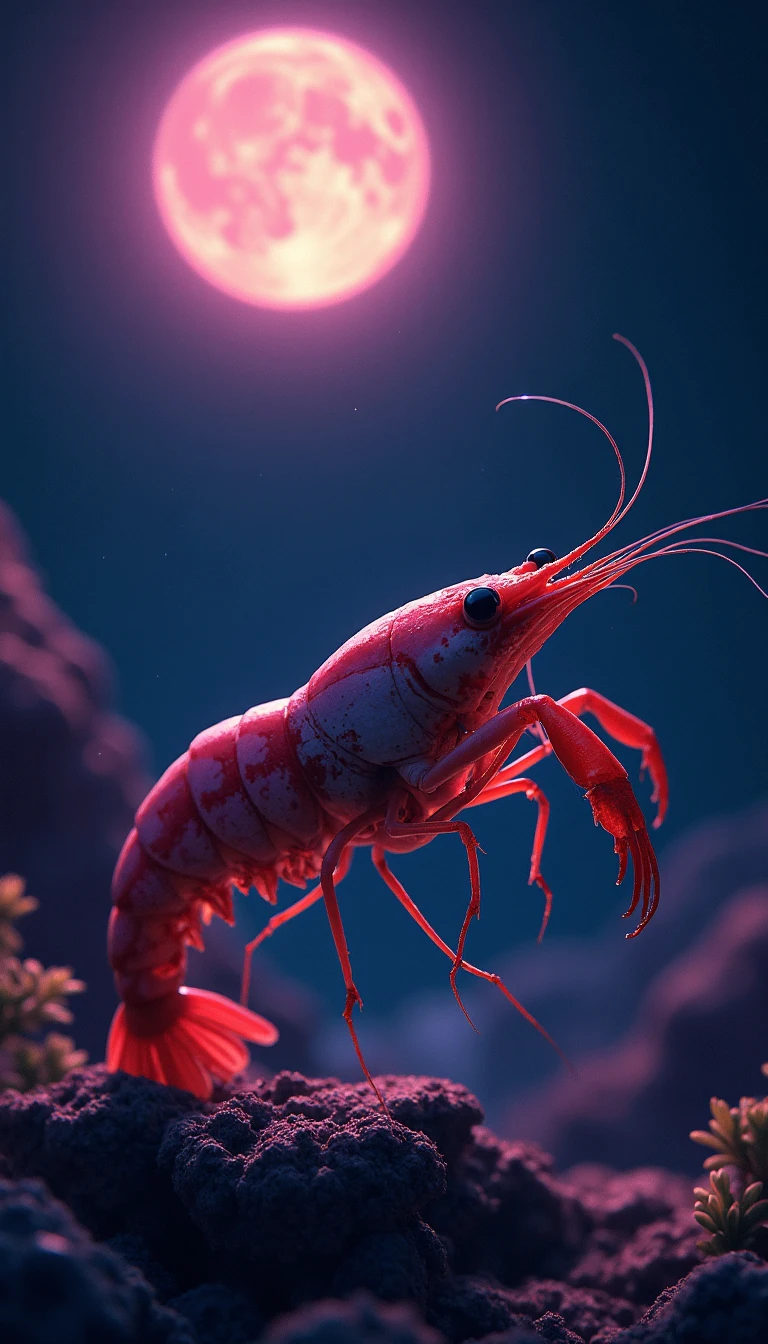 Why does evolution keep turning unrelated sea creatures into crabs?The crab-like body plan is so effective that nature has independently arrived at it at least five times. This phenomenon, known as carcinization, sees crustaceans like lobsters an…
 A massive volcanic eruption 234 million years ago triggered a global, rain-soaked climate crisis.The Carnian pluvial episode was a million-year climate shift that transformed Earth from an arid landscape into a humid, rain-drenched world. Driven by colossal volcanic activity,…
 How a 1995 NFL expansion team built a legacy from a simple, defiant sloganThe Carolina Panthers emerged as the NFL's 29th franchise, quickly defying expectations with a historic inaugural season. Beyond their on-field performance, the team is defined by…
 From ancient city walls to modern tanks, the casemate has defined military defense.A casemate is a protected, vaulted chamber designed to shield artillery, troops, or supplies. Whether built into the stone of a fortress, the hull of an ironclad warship, or the c…
 The Caspian seal is the only mammal living in the world's largest saltwater lake.As the sole mammalian resident of the Caspian Sea, this small earless seal faces a precarious future. Once numbering in the millions, the species has been decimated by hunting, in…
 How a century-old rugby club transformed from amateur roots into a Super League stapleThe Castleford Tigers have navigated over ninety years of professional rugby league, surviving financial hurdles, relegation battles, and shifting league structures. From their 19…
 Why your cat is a master of the dark and a connoisseur of tunaCats are precision-engineered predators, evolved to hunt at dawn and dusk. Their sensory suite includes a reflective layer for low-light vision, ears that pinpoint sounds within c…
- The Central Bearded Dragon relies on an elaborate bluff to survive in the outbackThis Australian lizard is a master of performance, using a rubbery, spiked beard and rapid color changes to intimidate rivals and predators. Despite their fierce appearance, they …
 Is the legendary Chateaubriand a specific cut of beef or a culinary technique?The Chateaubriand is a culinary enigma, shifting between a precise cut of tenderloin and a complex preparation method. While often associated with the French author François-René …
 Beyond the novelty pet, chia seeds were once a cornerstone of the Aztec empire.These tiny, hygroscopic seeds from the mint family can absorb twelve times their weight in liquid, forming a unique gel. While often dismissed as a modern health trend, chia was a…
 The modern holiday season is a curated blend of ancient rituals and marketing genius.The holiday season did not appear overnight. It evolved from colonial excess and Puritan bans into a family-centric cultural phenomenon. Today, it is a complex tapestry of religio…
 Why do we crave specific foods when we feel stressed, lonely, or nostalgic?Comfort food is more than just a meal; it is a psychological tool used to modify mood and evoke security. While often associated with childhood, these energy-dense, high-fat, or s…
- Bottlenose dolphins possess the longest social memories of any nonhuman species ever recordedBeyond their famous smiles, bottlenose dolphins are masters of complex social cognition. They recognize the unique whistles of former companions decades after separation, a feat o…
 The common kingfisher is a master of underwater optics, yet its feathers contain no blue.This sparrow-sized hunter is a marvel of evolutionary engineering, featuring specialized eyes that switch from air to water vision in a blink. Despite their brilliant electric-blu…
- The common loon is a master of the deep, but struggles on solid ground.With solid bones and specialized anatomy, the common loon is a formidable underwater hunter. Yet, this aquatic prowess comes at a cost: their legs are positioned so far back on th…
- This humble marine snail reshaped the entire ecology of the North Atlantic coastlineThe common periwinkle is more than a simple tide-pool dweller. Originally a native of northern Europe, this robust snail arrived in North America in the mid-19th century. Since th…
 How Conference USA evolved from a 1995 merger into a constantly shifting athletic landscapeFounded in 1995 by merging two non-football conferences, Conference USA has spent three decades in a state of perpetual flux. From surviving mass departures to the Big East and Am…
 How a Secretive Assembly of Delegates Transformed Thirteen Colonies Into a New NationThe Continental Congress began as a desperate attempt to repair a fraying relationship with the British Crown. Within two years, this provisional body evolved from a cautious grou…
 The copper shark is a temperate predator that hunts in coordinated, tactical groups.Unlike most of its tropical relatives, the copper shark thrives in temperate waters. This fast-swimming predator exhibits surprising social intelligence, often herding prey into t…
 Fossilised dung offers a surprisingly detailed window into the lives of prehistoric creatures.While often overlooked as unglamorous, fossilised faeces known as coprolites are invaluable trace fossils. By examining their contents, scientists reconstruct the diets, behaviour…
 Why the flowering dogwood is a botanical master of both beauty and survivalThe flowering dogwood is a staple of North American landscapes, prized for its showy bracts and rich fall foliage. Yet, this small tree is far more than an ornamental. It is a com…
- The common hazel is a cornerstone of European ecology and ancient agricultural history.Beyond its role as a commercial nut producer, the common hazel has shaped the English landscape for centuries. From its historical utility in wattle-and-daub construction to its c…
- Why COVID-19 misinformation is often more dangerous than the virus itselfMisinformation during the pandemic did not just spread confusion; it actively curtailed public health efforts. By blending true facts with fabricated claims, false narratives fuel…
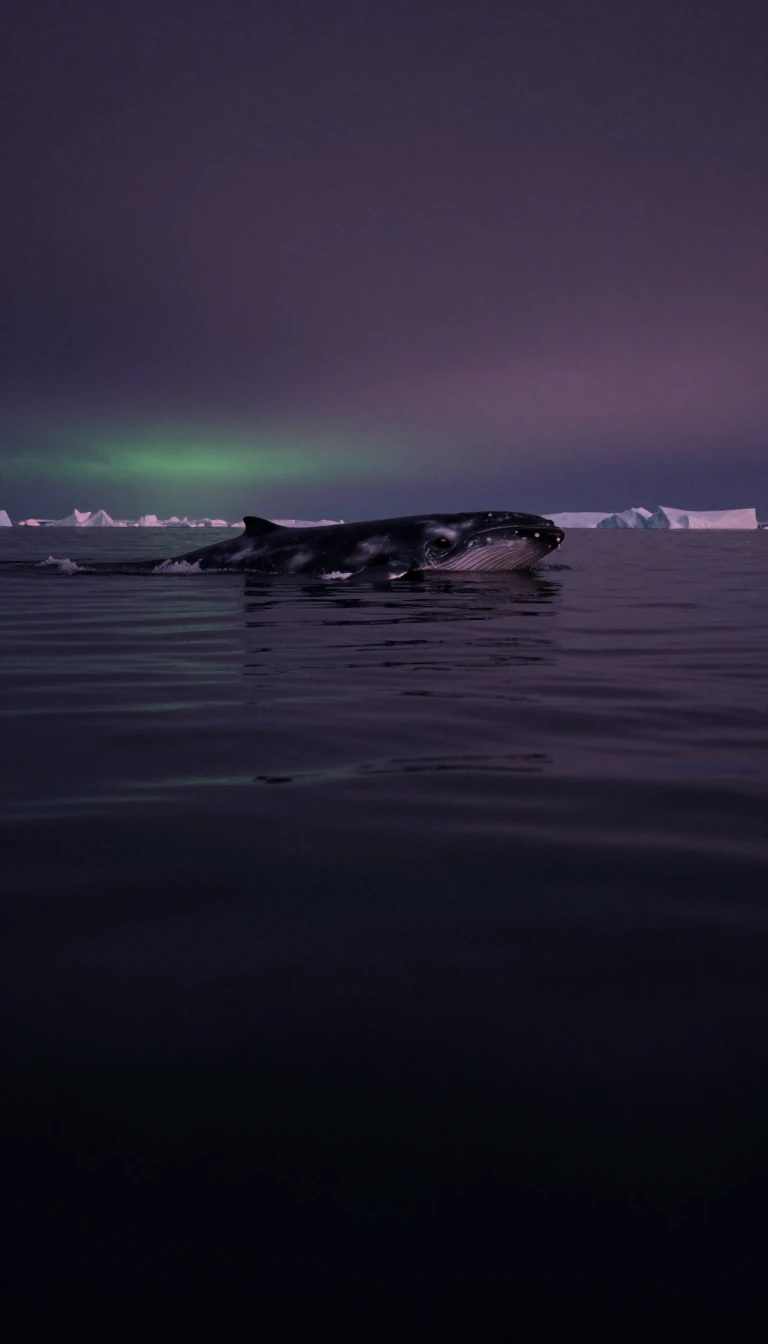 The world's most abundant seal is named after a food it never eats.Despite their name, crabeater seals do not hunt crabs. Instead, these Antarctic specialists possess unique, sieve-like teeth designed to filter massive quantities of krill. As the…
- Why do some animals ignore the day and night to hunt at twilight?Crepuscular animals thrive in the dim light of dawn and dusk, avoiding the extremes of midday heat and midnight predators. This strategy is not just a preference; it is a complex …
- Why the Nile crocodile is considered the most prolific predator of humans on EarthCrocodile attacks are often shrouded in mystery, occurring in remote regions where reporting is scarce. While many species exhibit defensive behavior, the Nile crocodile stands ap…
- The Andean fox is not a fox at all, but a wolf-like imposterDespite its name and striking resemblance to the common red fox, the culpeo is not a true fox. This South American predator is more closely related to wolves and jackals, having e…
 Despite their crow-like appearance, these Australian birds are not related to ravens at all.Currawongs are often mistaken for crows due to their dark plumage and size, but they belong to an entirely different evolutionary lineage. These clever, omnivorous birds occupy a …
- Why the most common form of vitamin B12 is actually a synthetic byproductCyanocobalamin is the world's most widely manufactured vitamin B12, yet it is not the form your body naturally uses. It became the industry standard because it is remarkably stabl…
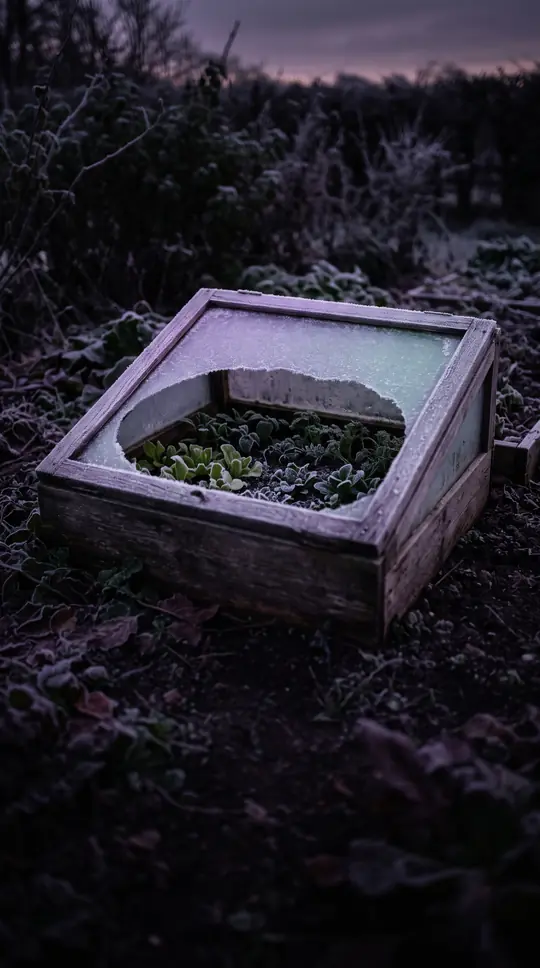 Why these winter-blooming perennials are colloquially known as sowbread across the European continentCyclamen are resilient, tuberous perennials that defy the cold to bloom when most gardens are dormant. Often called sowbread, these plants have fascinated gardeners for centuries.…
 The New Zealand conifer that once fueled a nation and saved explorers from scurvy.Rimu is a towering, ancient conifer endemic to New Zealand that shaped both indigenous culture and colonial history. Beyond its ecological role as a vital food source for the enda…
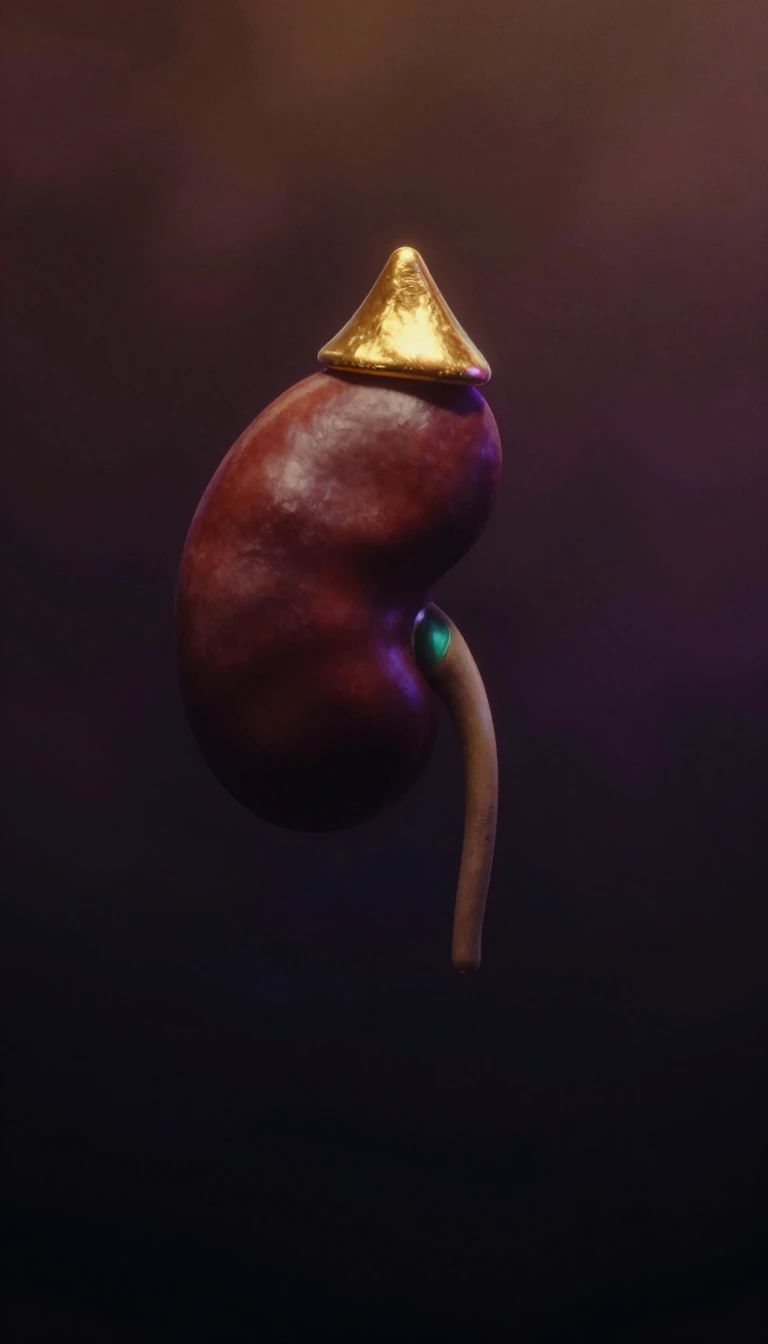 This abundant human hormone acts as a tiny, ancient messenger for the nervous system.Dehydroepiandrosterone, or DHEA, is one of the most plentiful steroids circulating in the human body. Produced by the adrenal glands, gonads, and brain, it serves as a precursor t…
 Why Denali National Park is a vast, untamed landscape defined by its own rulesSpanning over nine thousand square miles of Alaskan wilderness, Denali is far more than just the home of North America’s highest peak. It is a sprawling, roadless expanse where vi…
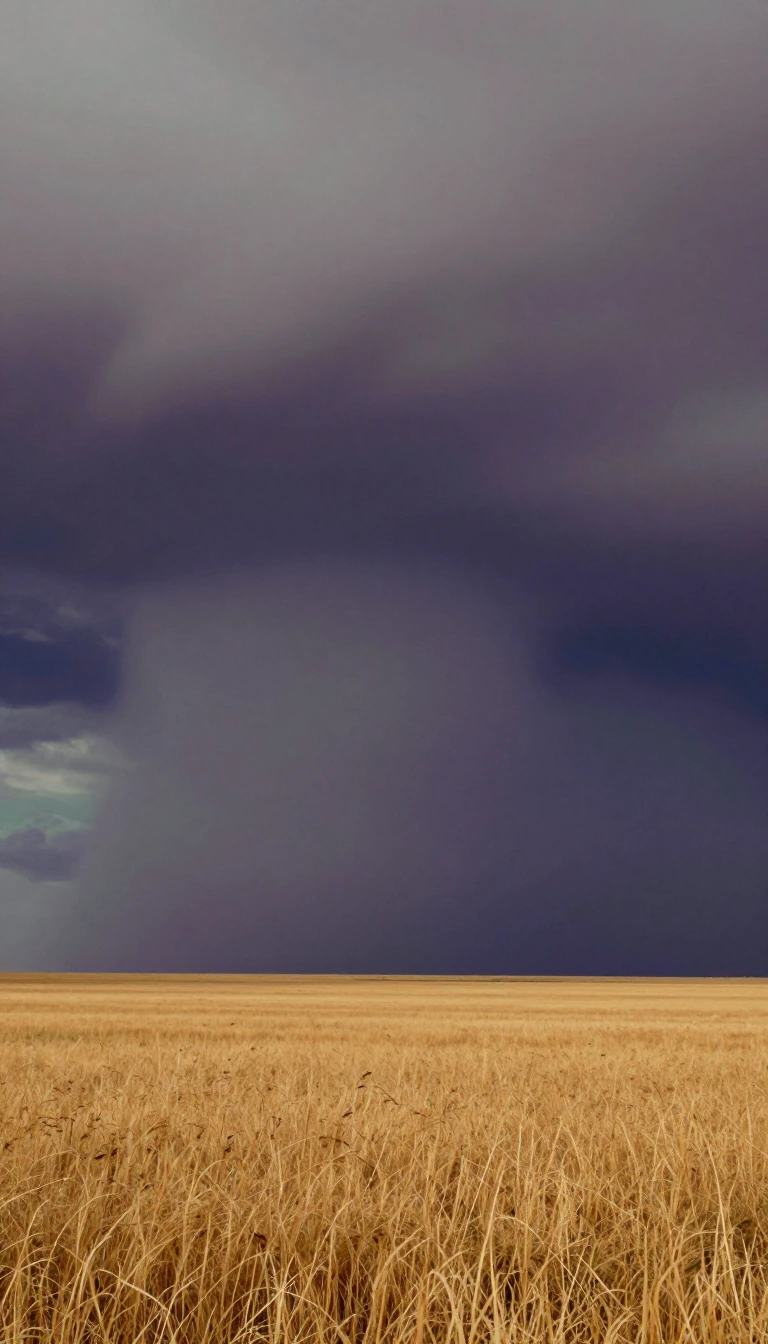 Why these straight-line wind storms are often more destructive than the average tornadoA derecho is a long-lived, straight-line wind storm that can travel for hundreds of miles. Unlike the swirling vortex of a tornado, these storms produce hurricane-force gusts that…